<?xml version="1.0" encoding="utf-8"?>

<feed xmlns="http://www.w3.org/2005/Atom">
  <id>http://www.chimpfeedr.com/</id>
  <title><![CDATA[SearchOGC GIS Feed]]></title>
  <updated>2014-04-16T13:47:33+00:00</updated>
  <link rel="self" href="http://www.chimpfeedr.com/"/>
  <generator>http://www.chimpfeedr.com/</generator>
  <entry>
    <id>tag:www.jonathancrowe.net,2014://5.5003</id>
    <title><![CDATA[The Only Fantasy World Map You'll Ever Need]]></title>
    <updated>2014-04-16T13:07:10+00:00</updated>
    <link rel="alternate" href="http://www.jonathancrowe.net/2014/04/the-only-fantasy-world-map.php"/>
    <summary><![CDATA[ The Only Fantasy World Map You'll Ever Need by Jake Manley isn't the first map of its kind that I've seen (see also the map in Diana Wynne Jones's Tough Guide to Fantasyland); still, it's clear that fantasy maps...]]></summary>
    <content type="html"><![CDATA[
        <p><a href="http://eotbeholder.deviantart.com/art/The-Only-Fantasy-World-Map-245738593"><img src="http://img.chimpfeedr.com/63947-GIS-Steven-ecfd5c09fb1d.jpg" alt="The Only Fantasy World Map You'll Ever Need" class="image-inline" style="width: 640px; height: 495px" /></a></p>

<p><a href="http://eotbeholder.deviantart.com/art/The-Only-Fantasy-World-Map-245738593">The Only Fantasy World Map You'll Ever Need</a> by <a href="http://www.4eyedmonster.com">Jake Manley</a> isn't the first <a href="http://fuckyeahcartography.tumblr.com/post/10553596964/collababortion-karnythia-lemuffinmistress">map of its kind</a> that I've seen (see also the map in Diana Wynne Jones's <cite><a class="book-link" href="http://jonathancrowe.net/a/0142407224">Tough Guide to Fantasyland</a></cite>); still, it's clear that fantasy maps are a proven vehicle to satirize and critique the genre. (And be satirized and critiqued.) Via <a href="https://twitter.com/scalzi/status/456259707175727104">@scalzi</a>.</p>
        
    ]]></content>
  </entry>
  <entry>
    <id>tag:blogger.com,1999:blog-3562172531758638995.post-6245514944448875977</id>
    <title><![CDATA[HAZUS Annual Conference: August 4–6, 2014]]></title>
    <updated>2014-04-16T13:00:12+00:00</updated>
    <link rel="alternate" href="http://www.epcupdates.org/feeds/6245514944448875977/comments/default"/>
    <summary><![CDATA[]]></summary>
    <content type="html"><![CDATA[<div class="separator" style="clear: both; text-align: center;"><a href="http://1.bp.blogspot.com/-oKrDXkTL2is/U05zGJ-I6rI/AAAAAAAAEMA/KYlL5PV76LI/s1600/hazus-logo.png" imageanchor="1" style="margin-left: 1em; margin-right: 1em;"><img border="0" src="http://1.bp.blogspot.com/-oKrDXkTL2is/U05zGJ-I6rI/AAAAAAAAEMA/KYlL5PV76LI/s1600/hazus-logo.png" height="148" width="200" /></a></div><br /><div style="text-align: justify;"><span style="font-family: Georgia, 'Times New Roman', serif; font-size: large;">"Translating Risk Assessment into Resilience and Policy" will be the theme for the 7th annual <a href="http://www.fema.gov/Hazus" target="_blank">HAZUS</a> User Conference, to be held in Indianapolis, Indiana in early August. Highlights for this event which focuses on bringing together HAZUS users to share "</span><span style="font-family: Georgia, Times New Roman, serif; font-size: large;">success stories, best practices, lessons learned, recent research, and workshops and discussions on HAZUS topics of interest," can be found below:</span></div><div style="text-align: justify;"><br /></div><div><ul><li style="text-align: justify;"><span style="font-family: Georgia, Times New Roman, serif; font-size: large;"><b>What</b>: 7th Annual Hazus User Conference</span></li><li style="text-align: justify;"><span style="font-family: Georgia, Times New Roman, serif; font-size: large;"><b>When</b>: August 4–6, 2014</span></li><li style="text-align: justify;"><span style="font-family: Georgia, Times New Roman, serif; font-size: large;"><b>Where</b>:&nbsp;Indiana Government Center South,&nbsp;302 W. Washington St. Indianapolis, Indiana 46204</span></li><li style="text-align: justify;"><span style="font-family: Georgia, Times New Roman, serif; font-size: large;"><b>Cost</b>:&nbsp;Registration is free and open to the public, however space is limited to 350 attendees.</span></li><li style="text-align: justify;"><span style="font-family: Georgia, Times New Roman, serif; font-size: large;"><b>Registration Deadline</b>: July 23rd, 2014, at website link below</span></li><li style="text-align: justify;"><span style="font-family: Georgia, Times New Roman, serif; font-size: large;"><b>Abstract Deadline</b>: June 1st, 2014, sent to Dave Coats at <a href="mailto:decoats@iupui.edu?subject=Hazus%E2%80%93Abstract%20Submission">decoats@iupui.edu</a></span></li></ul><div style="text-align: justify;"><br /></div><div><div><span style="font-family: Georgia, Times New Roman, serif; font-size: large;">More information at the links below:</span></div><div><span style="font-family: Georgia, Times New Roman, serif; font-size: large;"><br /></span><div style="text-align: center;"><a href="http://www.hazusconference.com/" target="_blank"><b><span style="font-family: Arial, Helvetica, sans-serif; font-size: large;">7th Annual HAZUS User Conference Website</span></b></a></div><div style="text-align: center;"><span style="font-family: Arial, Helvetica, sans-serif; font-size: large;"><br /></span></div><div style="text-align: center;"><span style="font-family: Arial, Helvetica, sans-serif; font-size: large;"><a href="http://content.govdelivery.com/accounts/USDHSFEMA/bulletins/b051a1?reqfrom=share" target="_blank"></a><a href="http://content.govdelivery.com/accounts/USDHSFEMA/bulletins/b051a1?reqfrom=share" target="_blank"><b>You’re Invited! 7th Annual HAZUS User Conference—From FEMA</b></a></span></div></div><div style="text-align: center;"><span style="font-family: Arial, Helvetica, sans-serif; font-size: large;">(FEMA Bulletin, April 10, 2014)</span></div><div style="text-align: center;"><span style="font-family: Georgia, Times New Roman, serif; font-size: large;"><br /></span></div><div style="text-align: center;"><span style="font-family: Georgia, Times New Roman, serif; font-size: large;"><br /></span></div><div style="text-align: justify;"><span style="font-family: Georgia, Times New Roman, serif; font-size: large;"><b>Comment</b>: A great event hosted by <a href="http://thepoliscenter.iupui.edu/index.php/about-us/staff-2/kevin-mickey/" target="_blank">Kevin Mickey</a> and the always rock-solid folks at the <a href="http://thepoliscenter.iupui.edu/" target="_blank">Polis Center</a>, Indiana University-Purdue University Indianapolis. If HAZUS is in your past, present or future, don't miss it!&nbsp;</span></div><div style="text-align: justify;"><br /></div></div></div>]]></content>
  </entry>
  <entry>
    <id>http://apb.directionsmag.com/entry/clapper-decreasing-budget-cycle-will-continue-snowden-fallout-led-to-d/394969</id>
    <title><![CDATA[Clapper: Decreasing Budget Cycle Will Continue; Snowden Fallout Led to Decision for Transparency]]></title>
    <updated>2014-04-16T09:37:31+00:00</updated>
    <link rel="alternate" href="http://apb.directionsmag.com/entry/clapper-decreasing-budget-cycle-will-continue-snowden-fallout-led-to-d/394969"/>
    <summary><![CDATA[
        
        
	The Director of National Intelligence (DNI), James Clapper, addressed the GEOINT 2013* Symposium attendees and warned that the current budget cycle of the U.S. federal government will see no reprieve from current spending imperatives.&nbsp; &quot;We&#39;ve been in a decreasing budget cycle and it will... <a href="http://apb.directionsmag.com/entry/clapper-decreasing-budget-cycle-will-continue-snowden-fallout-led-to-d/394969">Continue reading</a>
      ]]></summary>
    <content type="html"><![CDATA[
        
        
	The Director of National Intelligence (DNI), James Clapper, addressed the GEOINT 2013* Symposium attendees and warned that the current budget cycle of the U.S. federal government will see no reprieve from current spending imperatives.&nbsp; &quot;We&#39;ve been in a decreasing budget cycle and it will... <a href="http://apb.directionsmag.com/entry/clapper-decreasing-budget-cycle-will-continue-snowden-fallout-led-to-d/394969">Continue reading</a>
      ]]></content>
  </entry>
  <entry>
    <id>http://apb.directionsmag.com/entry/gis-government-news-weekly-garbage/394080</id>
    <title><![CDATA[GIS Government News Weekly: Garbage, OKC Pavement, More Green for LA]]></title>
    <updated>2014-04-16T08:37:22+00:00</updated>
    <link rel="alternate" href="http://apb.directionsmag.com/entry/gis-government-news-weekly-garbage/394080"/>
    <summary><![CDATA[
        
        
	Tracking Garbage Trucks to Clean up Cambodia

	It&#39;s time to better manage Phnom Penh&rsquo;s mounting piles of garbage.&nbsp;

	
		The pilot project, which will run for six months, will be limited to Daun Penh district [Phnom Penh, Cambodia]. Initially, it will monitor 14 aging garbage trucks using... <a href="http://apb.directionsmag.com/entry/gis-government-news-weekly-garbage/394080">Continue reading</a>
      ]]></summary>
    <content type="html"><![CDATA[
        
        
	Tracking Garbage Trucks to Clean up Cambodia

	It&#39;s time to better manage Phnom Penh&rsquo;s mounting piles of garbage.&nbsp;

	
		The pilot project, which will run for six months, will be limited to Daun Penh district [Phnom Penh, Cambodia]. Initially, it will monitor 14 aging garbage trucks using... <a href="http://apb.directionsmag.com/entry/gis-government-news-weekly-garbage/394080">Continue reading</a>
      ]]></content>
  </entry>
  <entry>
    <id>http://www.ordnancesurvey.co.uk/blog/?p=14677</id>
    <title><![CDATA[Two rivers, two trigs and a cat in the Brecon Beacons]]></title>
    <updated>2014-04-16T07:00:16+00:00</updated>
    <link rel="alternate" href="http://www.ordnancesurvey.co.uk/blog/2014/04/two-rivers-two-trigs-and-a-cat-in-the-brecon-beacons/"/>
    <summary><![CDATA[Today’s guest walk in the Brecon Beacons National Park is by Simon Powell, Black Mountains Photography. All photos have been provided by Simon and are copyright Black Mountains Photography. Length of route: 9.8 miles Starting point: SO 288 328 Suitable for: Walking Maps: OS Explorer Map OL13 Brecon Beacons (Eastern area) Download our OS MapFinder app and record your route Use...]]></summary>
    <content type="html"><![CDATA[Today’s guest walk in the Brecon Beacons National Park is by Simon Powell, Black Mountains Photography. All photos have been provided by Simon and are copyright Black Mountains Photography. Length of route: 9.8 miles Starting point: SO 288 328 Suitable for: Walking Maps: OS Explorer Map OL13 Brecon Beacons (Eastern area) Download our OS MapFinder app and record your route Use...]]></content>
  </entry>
  <entry>
    <id>http://www.geocurrents.info/?p=11229</id>
    <title><![CDATA[Ukraine-Romania Border Conflict over Islands]]></title>
    <updated>2014-04-16T05:45:11+00:00</updated>
    <link rel="alternate" href="http://feedproxy.google.com/~r/geocurrents/~3/5FDV7VlNskw/ukraine-romania-border-conflict-islands"/>
    <summary><![CDATA[<a href="http://www.geocurrents.info/geopolitics/border-disputes/ukraine-romania-border-conflict-islands" title="Ukraine-Romania Border Conflict over Islands"><img src="http://www.geocurrents.info/wp-content/uploads/2014/04/insula_serpilor_map-by-bogdan-giusca-175x130.png" alt="" width="175" height="130" class="colabs-image"/></a><p>insula_serpilor_map-by-bogdan-giuscaA recent mini-series of GeoCurrents posts by Claire Negiar discussed divided islands that were in the past, or still are, bones of contention between sovereign states. Other islands have become the subject of international disputes in their entirety. One case is Damansky (Zhenbao) Island, which has been disputed by Russia and China, as discussed in an earlier GeoCurrents post. Another example is Snake Island, also known as Serpent Island, or Ostriv Zmiinyi in Ukrainian and Insula șerpilor in Romanian. This tiny islet—with a total area of 0.066 square miles (0.17 square kilometers)—has been at the center of a dispute between Ukraine and Romania. Although the Snake Island is now officially recognized as part of Ukraine, with the territorial limits of the continental shelf around the island having been delineated by the International Court of Justice in 2009, some discontent remains on the Romanian side.</p>
<p>This post is from <a rel="nofollow" href="http://www.geocurrents.info">GeoCurrents</a></p><div class="feedflare">
<a href="http://feeds.feedburner.com/~ff/geocurrents?a=5FDV7VlNskw:cC3oByMVd-M:yIl2AUoC8zA"><img src="http://feeds.feedburner.com/~ff/geocurrents?d=yIl2AUoC8zA" border="0"></img></a> <a href="http://feeds.feedburner.com/~ff/geocurrents?a=5FDV7VlNskw:cC3oByMVd-M:D7DqB2pKExk"><img src="http://feeds.feedburner.com/~ff/geocurrents?i=5FDV7VlNskw:cC3oByMVd-M:D7DqB2pKExk" border="0"></img></a> <a href="http://feeds.feedburner.com/~ff/geocurrents?a=5FDV7VlNskw:cC3oByMVd-M:qj6IDK7rITs"><img src="http://feeds.feedburner.com/~ff/geocurrents?d=qj6IDK7rITs" border="0"></img></a> <a href="http://feeds.feedburner.com/~ff/geocurrents?a=5FDV7VlNskw:cC3oByMVd-M:V_sGLiPBpWU"><img src="http://feeds.feedburner.com/~ff/geocurrents?i=5FDV7VlNskw:cC3oByMVd-M:V_sGLiPBpWU" border="0"></img></a>
</div><img src="http://feeds.feedburner.com/~r/geocurrents/~4/5FDV7VlNskw" height="1" width="1"/>]]></summary>
    <content type="html"><![CDATA[<a href="http://www.geocurrents.info/geopolitics/border-disputes/ukraine-romania-border-conflict-islands" title="Ukraine-Romania Border Conflict over Islands"><img src="http://www.geocurrents.info/wp-content/uploads/2014/04/insula_serpilor_map-by-bogdan-giusca-175x130.png" alt="" width="175" height="130" class="colabs-image"/></a><p>insula_serpilor_map-by-bogdan-giuscaA recent mini-series of GeoCurrents posts by Claire Negiar discussed divided islands that were in the past, or still are, bones of contention between sovereign states. Other islands have become the subject of international disputes in their entirety. One case is Damansky (Zhenbao) Island, which has been disputed by Russia and China, as discussed in an earlier GeoCurrents post. Another example is Snake Island, also known as Serpent Island, or Ostriv Zmiinyi in Ukrainian and Insula șerpilor in Romanian. This tiny islet—with a total area of 0.066 square miles (0.17 square kilometers)—has been at the center of a dispute between Ukraine and Romania. Although the Snake Island is now officially recognized as part of Ukraine, with the territorial limits of the continental shelf around the island having been delineated by the International Court of Justice in 2009, some discontent remains on the Romanian side.</p>
<p>This post is from <a rel="nofollow" href="http://www.geocurrents.info">GeoCurrents</a></p><div class="feedflare">
<a href="http://feeds.feedburner.com/~ff/geocurrents?a=5FDV7VlNskw:cC3oByMVd-M:yIl2AUoC8zA"><img src="http://feeds.feedburner.com/~ff/geocurrents?d=yIl2AUoC8zA" border="0"></img></a> <a href="http://feeds.feedburner.com/~ff/geocurrents?a=5FDV7VlNskw:cC3oByMVd-M:D7DqB2pKExk"><img src="http://feeds.feedburner.com/~ff/geocurrents?i=5FDV7VlNskw:cC3oByMVd-M:D7DqB2pKExk" border="0"></img></a> <a href="http://feeds.feedburner.com/~ff/geocurrents?a=5FDV7VlNskw:cC3oByMVd-M:qj6IDK7rITs"><img src="http://feeds.feedburner.com/~ff/geocurrents?d=qj6IDK7rITs" border="0"></img></a> <a href="http://feeds.feedburner.com/~ff/geocurrents?a=5FDV7VlNskw:cC3oByMVd-M:V_sGLiPBpWU"><img src="http://feeds.feedburner.com/~ff/geocurrents?i=5FDV7VlNskw:cC3oByMVd-M:V_sGLiPBpWU" border="0"></img></a>
</div><img src="http://feeds.feedburner.com/~r/geocurrents/~4/5FDV7VlNskw" height="1" width="1"/>]]></content>
  </entry>
  <entry>
    <id>tag:blogger.com,1999:blog-7710608326397968868.post-3229502278139794626</id>
    <title><![CDATA[Exploring Health Insurance Estimates by County Using GeoDA]]></title>
    <updated>2014-04-16T04:24:21+00:00</updated>
    <link rel="alternate" href="http://opensourcegisblog.blogspot.com/feeds/3229502278139794626/comments/default"/>
    <summary><![CDATA[]]></summary>
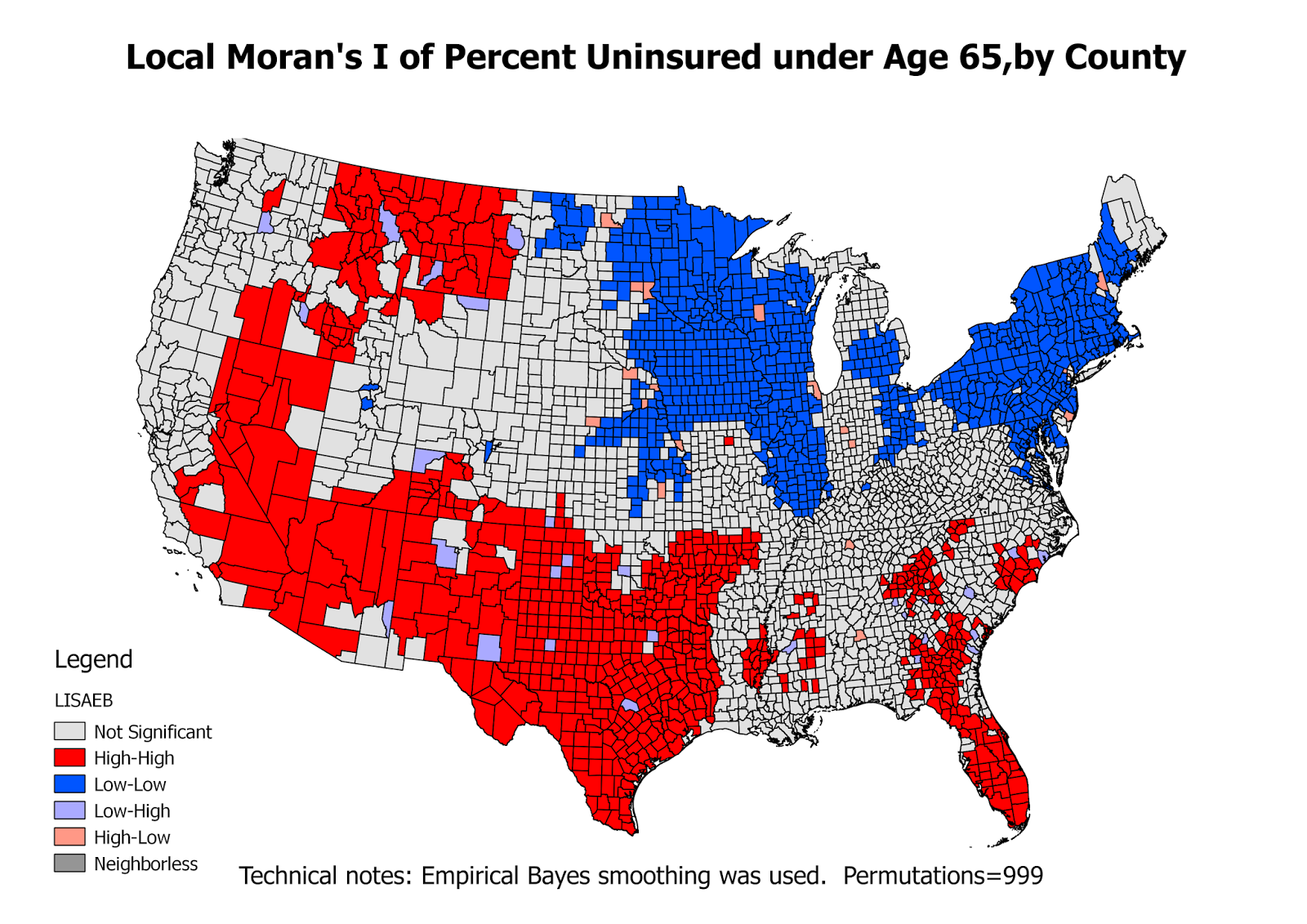
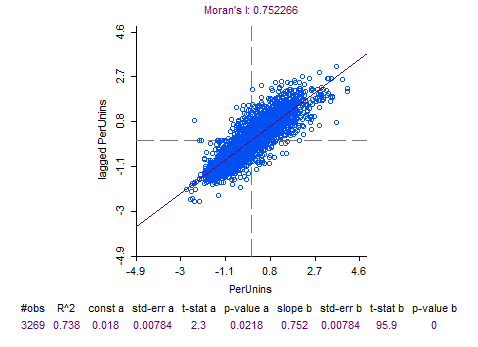
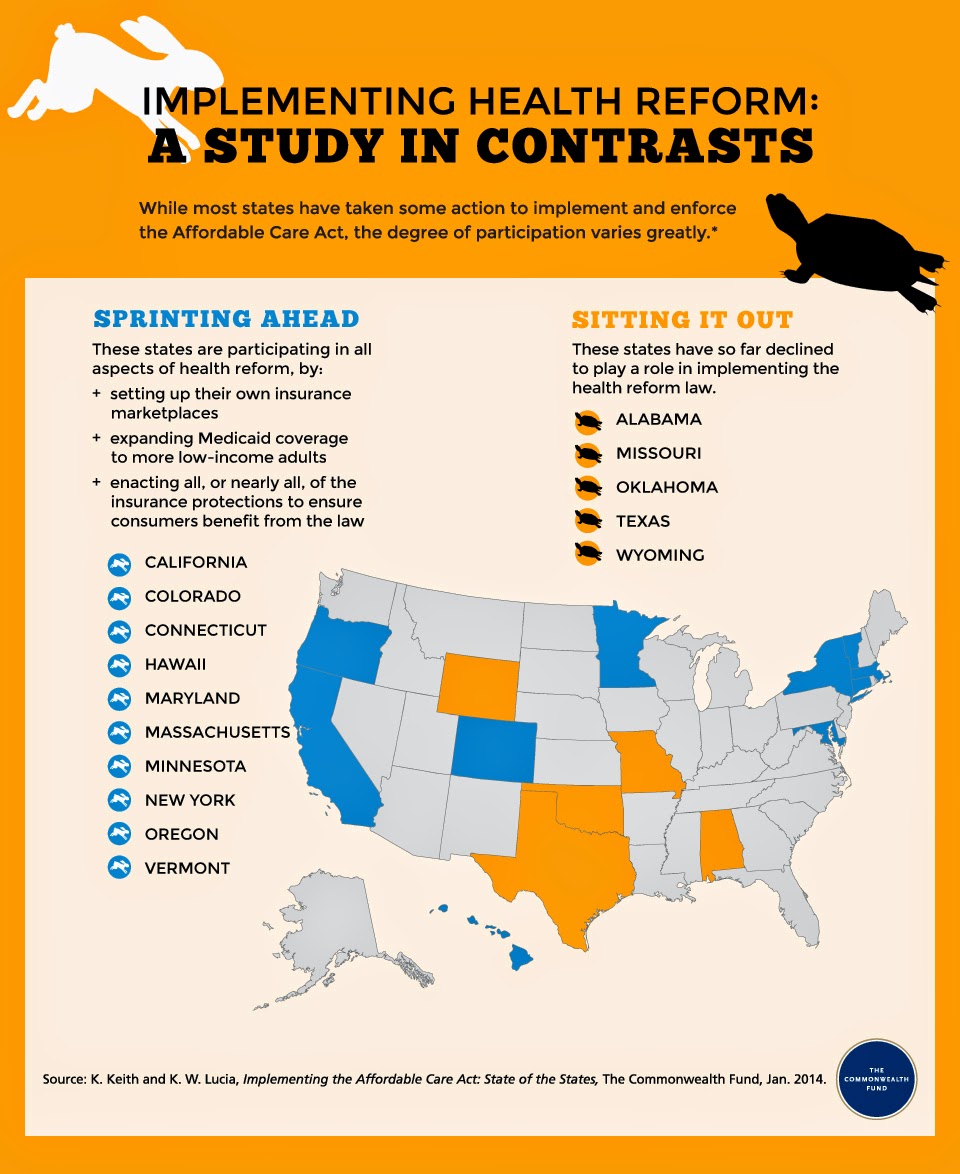
    <content type="html"><![CDATA[<div class="separator" style="clear: both; text-align: center;"></div><span style="text-align: center;">Health insurance has been an important topic over the last several months, with the opening and closing of open enrollment at </span><a href="http://healthcare.gov/" style="text-align: center;">HealthCare.gov</a><span style="text-align: center;">. &nbsp;Most recently, the Census released its first estimates of health insurance coverage at the </span><a href="http://www.census.gov/geo/maps-data/data/tiger-data.html" style="text-align: center;">census tract level</a><span style="text-align: center;">. &nbsp;Typically, estimates have been made for </span><a href="http://www.census.gov/did/www/sahie/data/files/F7_SAHIE_2012_County_Population_Under_65_Uninsured.jpg" style="text-align: center;">county-level data</a><span style="text-align: center;">&nbsp;which is what I explore here from the&nbsp;</span><a href="http://www.census.gov/did/www/sahie/" style="text-align: center;">Small Area Health Insurance Estimates (SAHIE) Program</a><span style="text-align: center;">.</span><br /><br />I used the latest build of <a href="https://geodacenter.asu.edu/software/downloads">GeoDA 1.5/Beta/preview</a> to explore spatial patterns in <a href="http://www.census.gov/did/www/sahie/data/files/F7_SAHIE_2012_County_Population_Under_65_Uninsured.jpg">2012 estimates</a>&nbsp;for the percent of population that is uninsured under age 65 by county. &nbsp;I examined a univariate Local Moran's I and a bivariate example using the percent below the poverty level.<br /><br />If you have not used <a href="https://geodacenter.asu.edu/projects/opengeoda">GeoDA</a> before to conduct exploratory spatial data analysis (ESDA), you need to give it a try. &nbsp;The latest build features more data import/export and editing options, a significant improvement over earlier versions.<br /><blockquote class="tr_bq"><i>Some of GeoDA's features are either a) not present in ArcGIS and its extensions or b) only found in ArcGIS Advanced, formerly ArcInfo, namely the creation of spatial weights <a href="http://resources.arcgis.com/en/help/main/10.1/index.html#/Generate_Spatial_Weights_Matrix/005p00000020000000/">using polygon contiguity/adjacency</a>. (Note: You can create weights in ArcGIS, based on distance for example.)</i></blockquote>To help keep all maps uniform, I imported the results into&nbsp;<a href="http://www.qgis.org/en/site/">QGIS</a>.&nbsp;Click on any image below to magnify it. You can find definitions for the terms and statistics used <a href="https://geodacenter.asu.edu/node/390#gmoran">here</a>. <br /><br /><b>Map of Percent Uninsured by County</b><br /><a href="http://www.census.gov/geo/maps-data/maps/pdfs/reference/us_regdiv.pdf">Regionally</a>, the South and West US have a smaller percent of counties with <a href="http://www.census.gov/did/www/sahie/data/2012/2012highlights.pdf">low rates of uninsured</a>&nbsp;compared to the Midwest and Northeast. Or rather, they have a higher percent of counties with high rates of uninsured.<br /><div class="separator" style="clear: both; text-align: center;"></div><table align="center" cellpadding="0" cellspacing="0" class="tr-caption-container" style="margin-left: auto; margin-right: auto; text-align: center;"><tbody><tr><td style="text-align: center;"><a href="http://3.bp.blogspot.com/-157kQK04B70/U03eksw_ZyI/AAAAAAAAAgs/8RwXTw9aasQ/s1600/PercentUninsured.png" imageanchor="1" style="margin-left: auto; margin-right: auto;"><img border="0" src="http://3.bp.blogspot.com/-157kQK04B70/U03eksw_ZyI/AAAAAAAAAgs/8RwXTw9aasQ/s1600/PercentUninsured.png" height="282" width="400" /></a></td></tr><tr><td class="tr-caption" style="text-align: center;">For the official map, for comparison,&nbsp;<a href="http://www.census.gov/did/www/sahie/data/files/F7_SAHIE_2012_County_Population_Under_65_Uninsured.jpg">visit here</a>.</td></tr></tbody></table><br /><b>LISA Map of Percent Uninsured by County</b><br />The map below shows clusters of counties with high, low, low-high, and high-low rates of uninsured. &nbsp;Light grey areas were not statistically significant. &nbsp;Spatial weights were created for <a href="http://geodacenter.asu.edu/node/390#queen">queen contiguity</a>, 1st order/neighbors.<br /><br /><table align="center" cellpadding="0" cellspacing="0" class="tr-caption-container" style="margin-left: auto; margin-right: auto; text-align: center;"><tbody><tr><td style="text-align: center;"><a href="http://1.bp.blogspot.com/-mkBA_5098mc/U03gXjxh2XI/AAAAAAAAAg8/vJdn2vRQq68/s1600/Univariate+LISA.png" imageanchor="1" style="margin-left: auto; margin-right: auto;"><img border="0" src="http://1.bp.blogspot.com/-mkBA_5098mc/U03gXjxh2XI/AAAAAAAAAg8/vJdn2vRQq68/s1600/Univariate+LISA.png" height="282" width="400" /></a></td></tr><tr><td class="tr-caption" style="text-align: center;">Global (p=0.02) and local autocorrelation are present. &nbsp;</td></tr></tbody></table><div class="separator" style="clear: both; text-align: center;"></div><div class="separator" style="clear: both; text-align: center;"></div><table align="center" cellpadding="0" cellspacing="0" class="tr-caption-container" style="margin-left: auto; margin-right: auto; text-align: center;"><tbody><tr><td style="text-align: center;"><a href="http://4.bp.blogspot.com/-whEHuwnt4B0/U03UoUUWH7I/AAAAAAAAAgg/Aq1E10EfzEE/s1600/LISA+Univariate+Results.png" imageanchor="1" style="margin-left: auto; margin-right: auto;"><img border="0" src="http://4.bp.blogspot.com/-whEHuwnt4B0/U03UoUUWH7I/AAAAAAAAAgg/Aq1E10EfzEE/s1600/LISA+Univariate+Results.png" height="290" width="400" /></a></td></tr><tr><td class="tr-caption" style="text-align: center;">The Moran scatter plot of percent uninsured vs.<br />lagged/neighboring counties has a r-squared value of 0.74&nbsp;</td></tr></tbody></table><br /><b>LISA Map of Percent Uninsured and Percent Below the Poverty Line</b><br />Lastly, I examined a <a href="https://geodacenter.asu.edu/node/377#bsc">bivariate LISA</a> of the percent uninsured and <a href="http://quickfacts.census.gov/qfd/meta/long_PVY020212.htm">percent below the poverty line</a> (all ages). For this map, I also included the outline of states. &nbsp;Interestingly, there was no across-the-board global association, as one might expect. &nbsp;However, state policies undoubtedly affect the percent insured.<br /><div class="separator" style="clear: both; text-align: center;"></div><br /><table align="center" cellpadding="0" cellspacing="0" class="tr-caption-container" style="margin-left: auto; margin-right: auto; text-align: center;"><tbody><tr><td style="text-align: center;"><a href="http://1.bp.blogspot.com/-Tr6rm4gtjA4/U03k6iEX2iI/AAAAAAAAAhM/bftiEUszrbI/s1600/BivariateLISAPoverty.png" imageanchor="1" style="margin-left: auto; margin-right: auto;"><img border="0" src="http://1.bp.blogspot.com/-Tr6rm4gtjA4/U03k6iEX2iI/AAAAAAAAAhM/bftiEUszrbI/s1600/BivariateLISAPoverty.png" height="282" width="400" /></a></td></tr><tr><td class="tr-caption" style="text-align: center;">No global autocorrelation (p=0.51) but local autocorrelation is present in parts of states or throughout most of particular states, for example the low percent uninsured (and low percent in poverty) in Massachusetts which underwent significant <a href="http://en.wikipedia.org/wiki/Massachusetts_health_care_reform">healthcare reform</a>&nbsp;in 2006. &nbsp;What do you think about some of the other states?<br /><br /><a href="http://1.bp.blogspot.com/-r3Gn49f2Yj4/U03pXJjzQkI/AAAAAAAAAhk/tnTGzLKNPHA/s1600/HealthInsIncLisaScatterPlot.png" imageanchor="1" style="font-size: medium; margin-left: 1em; margin-right: 1em;"><img border="0" src="http://1.bp.blogspot.com/-r3Gn49f2Yj4/U03pXJjzQkI/AAAAAAAAAhk/tnTGzLKNPHA/s1600/HealthInsIncLisaScatterPlot.png" height="282" width="320" /></a></td></tr></tbody></table><b>Affordable Care Act Implementation</b><br />Unfortunately, some of the states that could benefit the most from the Affordable Care Act (ACA)&nbsp;<a href="http://www.commonwealthfund.org/Publications/Fund-Reports/2014/Jan/~/media/Images/Infographics/2014/Keith_StateofStates_IG_24.jpg">did not move to implement</a>, as evidenced in this map from the <a href="http://www.commonwealthfund.org/Publications/Fund-Reports/2014/Jan/~/media/Images/Infographics/2014/Keith_StateofStates_IG_24.jpg">Commonwealth Fund</a>.<br /><br /><table align="center" cellpadding="0" cellspacing="0" class="tr-caption-container" style="margin-left: auto; margin-right: auto; text-align: center;"><tbody><tr><td style="text-align: center;"><a href="http://4.bp.blogspot.com/-ZWNTm9hy8_s/U03rXNChNSI/AAAAAAAAAhs/iDh-D-xOAC8/s1600/StateofStates_IG_24.jpg" imageanchor="1" style="margin-left: auto; margin-right: auto;"><img border="0" src="http://4.bp.blogspot.com/-ZWNTm9hy8_s/U03rXNChNSI/AAAAAAAAAhs/iDh-D-xOAC8/s1600/StateofStates_IG_24.jpg" height="400" width="326" /></a></td></tr><tr><td class="tr-caption" style="text-align: center;">Those States sprinting ahead with implementation and those sitting it out.</td></tr></tbody></table><b>Bottom line:<span style="color: red;"> </span></b><a href="http://geodacenter.asu.edu/software">GeoDA</a> and QGIS are a potent combination. &nbsp;GeoDA's import, export, and data editing features are much improved. &nbsp; It is a vital tool for learning and conducting spatial analysis. &nbsp;However, a few other components of GeoDA are worth mentioning including: making cartograms and conditional maps, connectivity histograms, and performing spatial regression. &nbsp;As implementation of the ACA moves ahead, it will be interesting to see changes or lack of changes in the percent insured.<br /><br /><b>QGIS Tip</b>:<b>&nbsp; </b><i>Save the symbol styles (categorized) for the cluster types (LISA_CL variable) after you make them, since they can be saved, loaded, and used again for any map layer created in GeoDA as long as you don't change the default variable names. &nbsp;This is a huge&nbsp;time saver.&nbsp;</i>]]></content>
  </entry>
  <entry>
    <id>http://blogs.esri.com/esri/arcgis/?p=36997</id>
    <title><![CDATA[ArcGIS for Server 10.2.2 in a Nutshell]]></title>
    <updated>2014-04-15T17:29:18+00:00</updated>
    <link rel="alternate" href="http://blogs.esri.com/esri/arcgis/2014/04/15/arcgis-for-server-10-2-2-in-a-nutshell/"/>
    <summary><![CDATA[ArcGIS 10.2.2 is now available for download from the Esri Customer Care site. For the most part 10.2.2 is about bug fixes. The complete list of issues addressed can be found here.  If you plan on upgrading your 10.2 or &#8230; <a href="http://blogs.esri.com/esri/arcgis/2014/04/15/arcgis-for-server-10-2-2-in-a-nutshell/">Continue reading <span class="meta-nav">&#8594;</span></a>]]></summary>
    <content type="html"><![CDATA[<h2></h2>
<p>ArcGIS 10.2.2 is now available for download from the <a href="https://customers.esri.com">Esri Customer Care site</a>. For the most part 10.2.2 is about bug fixes. The complete list of issues addressed can be found <a href="http://downloads.esri.com/support/downloads/other_/1022-IssuesAddressedList.pdf">here</a>.  If you plan on upgrading your 10.2 or 10.2.1 ArcGIS Server site to 10.2.2, please read the <span id="more-36997"></span><a href="http://resources.arcgis.com/en/help/main/10.2/#/What_s_new_in_ArcGIS_10_2_2_for_Server/0154000006mw000000/">‘What is new in 10.2.2’</a> section in the help as it includes helpful compatibility tables and other information. In addition to the issues addressed, here are some key new aspects of ArcGIS for Server and Portal for ArcGIS that you should be aware of:<img class="alignright" src="http://blogs.esri.com/esri/arcgis/files/2014/04/CollectorIcon2.png" alt="Collector for ArcGIS Logo" width="103" height="100" /></p>
<ul>
<li><span style="text-decoration: underline">Support for Offline Capabilities</span>: Offline capabilities allow you to take data from ArcGIS Server to the field and work with it while disconnected from the network. If any changes were made on your server or on your disconnected device, you can synchronize your data back and forth when connectivity is re-established.  ArcGIS Server has supported offline capabilities from Windows and Windows Mobile client applications for years, but as of 10.2.2, you can also use iOS and Android applications. Specifically, with the 10.2.2 release of Collector for ArcGIS you can leverage these offline capabilities right from your iOS and Android smart phones and tablets.</li>
</ul>
<p>We recorded a <a href="http://video.arcgis.com/watch/3474/using-collector-for-arcgis-with-arcgis-server-1022">15 minute video tutorial</a> to give you a quick tour of this new functionality. If you would like to build your own applications, use the 10.2.2 release of the ArcGIS Runtime SDKs, they work well with your ArcGIS 10.2.2 Server.</p>
<ul>
<li><span style="text-decoration: underline">Esri Maps for Office</span>: <a href="http://blogs.esri.com/esri/arcgis/2014/04/02/esri-maps-for-office-2-1-3-is-now-available/">The Esri Maps for Office team launched version 2.1.3 recently</a>. This version includes many enhancements that better support Portal for ArcGIS working in completely disconnected environments (no Internet), integration with LDAP and PKI authentication. If you plan on deploying Esri Maps for Office in large organizations, silent install parameters have been added so you can automate the installation and configuration of Esri Maps for Office against your own Portal.</li>
</ul>
<ul>
<li><span style="text-decoration: underline">Operations Dashboard for ArcGIS</span>: Operations Dashboard for ArcGIS 10.2.2 added support for ArcGIS Server map services as dynamic data sources. Previously, you were limited to using feature services, which made it difficult in some cases to get the best symbology and labeling for your maps.  <a href="http://blogs.esri.com/esri/arcgis/2014/03/07/operations-dashboard-for-arcgis-10-2-2-released/">The 10.2.2 release of Operations Dashboard</a> also brings a better user experience and enhanced widgets.  The ability to use Operation Views in your Web Browser (new in Operations Dashboard 10.2.2) is not yet available in Portal for ArcGIS, but we plan on adding that option with the next major Portal release.</li>
</ul>
<p style="text-align: center;padding-left: 30px"><span style="text-decoration: underline"> Important note:</span> The installation utility for completely disconnected Portal for ArcGIS environments will be made available for download via the Esri Customer Care site the week of April 21<sup>st</sup>. Stay tuned!</p>
<ul>
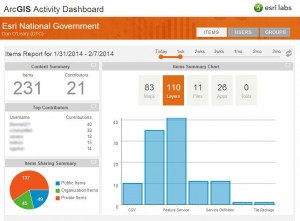
<li><span style="text-decoration: underline">Scripting Portal for ArcGIS administration</span>: We have greatly expanded <a href="http://resources.arcgis.com/en/help/main/10.2/index.html#/Scripting_Portal_for_ArcGIS_administration/017s00000097000000/">our documentation</a> to help you script the administration of your Portal for ArcGIS users and items. We added new sample scripts to get your started, and have also shared an entirely new Python 2.7 module called <a href="http://resources.arcgis.com/en/help/main/10.2/index.html#/Scripting_administrative_tasks_with_PortalPy/017s000000m1000000/">PortalPy</a>.  If you like Python, you ought to have a look at PortalPy because it makes automated administration of Portal for ArcGIS a lot easier.  Two more notes: 1) PortalPy works too with 10.2 and 10.2.1 versions of Portal for ArcGIS and 2) The PortalPy source code is released under an Open Source license in <a href="https://github.com/Esri/portalpy">Github</a>,  allowing you to also contribute to the project.<img class="alignright" src="http://blogs.esri.com/esri/arcgis/files/2014/04/report_sample1-300x221.jpg" alt="Activity Dashboard Screenshot" width="300" height="221" /></li>
</ul>
<ul>
<li><span style="text-decoration: underline">Activity Dashboard</span>:  We are pleased to announce that the <a href="http://www.arcgis.com/home/item.html?id=e1219d4695254138a35da4c57709725a">Activity Dashboard for ArcGIS</a> can now be downloaded and configured against your own Portal for ArcGIS (10.2, 10.2.1 and 10.2.2).  This is a web application built by <a href="http://labs.esri.com/">Esri Labs</a> that will give you insight into how people are using your portal and its content.Through highly interactive reports, you will be able to learn who is creating and sharing more items, which items are most popular and the geographic extents of the items being contributed. To learn how to configure this application against your own Portal, refer to this <a href="http://video.arcgis.com/watch/3475/configuring-activity-dashboard-against-your-own-portal-for-arcgis" target="_blank">tutorial</a>.</li>
</ul>
<p>Enjoy 10.2.2!</p>
<p>The ArcGIS Server Team.</p>
]]></content>
  </entry>
  <entry>
    <id>http://www.northrivergeographic.com/?p=7238</id>
    <title><![CDATA[NRGS Model Builder Class for ArcGIS Desktop now under Creative Commons License.]]></title>
    <updated>2014-04-15T16:23:05+00:00</updated>
    <link rel="alternate" href="http://www.northrivergeographic.com/archives/nrgs-model-builder-class-arcgis-desktop-now-creative-commons-license"/>
    <summary><![CDATA[A couple of years ago I wrote a model builder class and have only taught it twice. I&#8217;ve had people ask about it and I&#8217;ve been debating on what to do with it. There are some classes I like teaching and some I don&#8217;t. This one has always been a bit hit or miss. So</p><a href="http://www.northrivergeographic.com/archives/nrgs-model-builder-class-arcgis-desktop-now-creative-commons-license">(More)…</a>]]></summary>
    <content type="html"><![CDATA[<p>A couple of years ago I wrote a model builder class and have only taught it twice. I&#8217;ve had people ask about it and I&#8217;ve been debating on what to do with it. There are some classes I like teaching and some I don&#8217;t. This one has always been a bit hit or miss. So I decided to do something a bit different. I&#8217;m releasing it under a <a href="http://creativecommons.org/licenses/by-sa/4.0/">Creative Commons license</a>. So It&#8217;s free. If you want me to come teach it &#8211; give me a call. I&#8217;m not sending out certificates unless I&#8217;m there in person. Also &#8211; it makes more sense If I&#8217;m standing in front of you currently. Teaching is the hardest stand up routine I&#8217;ve ever done. I wrote this for version ArcGIS v10 &#8211; I think everything is still good to go. For version 6 of the class (this is version 5) I will be pouring back over it to make sure everything does work like it should.</p>
<p style="text-align: center;"><a href="http://www.northrivergeographic.com/model-builder"><img class="aligncenter" alt="" src="data:image/png;base64,iVBORw0KGgoAAAANSUhEUgAAAkIAAAFJCAYAAAB3iEJeAAAACXBIWXMAAA7EAAAOxAGVKw4bAABo8ElEQVR4nOydB4BVxfn2n+20hQUERGnSRMACKhGwI12NAtbPAjGAoAJqULBEE01AbBQFgb+KRI0VjQUENDGJGINGYwFFioIl9LYL2+9+88695+7Zs6fdsrt39z4/XO85M3Nm5rSZZ94pJ71MARPTp0/H888/D0IIIYSQusSFF16IefPmVXBLNzYefOghPKY8MzMzcfvtt+Oqq66q9gxGSkpKiv41tJyxbyDuVrfahkWnJlTc0Rwf6TFVFT6Wc6/Ke0JqF7XtWaiq8jDWeCM9vqrDRxNHgwYNMH78ePzf//1fzGn5ZcGCBZgwYUK1pLX4lgkY+8iCakkr3lw7fDCefnMFFi9ejEcffRTt27fHJZdcgoeU7hG0EBIRNOuBB3Dfffdh+PDh+Pnnn/Hvf/875sTtHhyzmxQiqampcYvb7O5XBNkVZHZudnGZ04ikQPRK0ytOs7s1jFfcduGd4pB8GNtOcbgdb952Oz6SfDqlFc2v07WKxN0Or3C1pfKsjkZEVacRD7Hv9Y75LUO80jHwuiZO/k4NQr9xmN2s/tZy2ym8nziMcsXreGPfK26nMNZ43eoMv+fuls4pp5yi685du3Zh//79tuk4EY2wa9SoEQ4ePIjc3Fzs3r3bdzxedacdDRs2RGlREXZ/9V/kffu1dktLkWOC/ulyDfVWWdi6khr6AwL6NyX050WZTbiy0F8gFLN5X35Lg2eg9wPGMcqjVP01aNcBgdIS7Nu3D3379sVFF12EN954A3fffbcOJ2JI51ksQSKCzjzzTHzzzTc+suqM10Pk9jDHIz2nMH4qe8Pd/KJaK1A7kRJPEeQWX6QFcqQCxbofCATCbnbXySnOSPzdtu3ikXwY+fLCWrlY4zbfS6ew8bJI1RbxQypjZ2mO9zF2QsMuHsPfTyPT6Xgnf7sy0c7qbudmfl+MMG5lpiDvsTWs9VycGqVO5bfd8dYwVkFm9+57XRc/+bTidk+saXjVa9YGnfU83Y53it8r3TJRFVL2lhTrfREfWuyoQ0qU/DDEUCDkJr+G+AmEwvotBe3CWUt9QwQZl94QQWVlqSbRpH5LSlEa2snLy9N/5557rt6fMWNGUAjdeOONujtMLEGxiCA/Stxt23wTInmhvfycRI71xbWGtdsXjErYeozfB9ArfruH0Us8RdpC9Wrl+hEx0QqgSMJEKxqdCmizm3GNzffTT2UVTeu/toqgSKwU8UijKtOJFreyyE1MxAu3Sssuj36Pt8YTjSByisPpGng1Iu0aoG7vpV14u3y7iSk/xztdF7/Cw4rbPfEjgsyUlpY65s8tX5GKIXEPKAEk5WVJUZF2S0NIbKQGxU4JgpahQEowbRE+kjttOdJhy+Cn/8csoMxu4mIIn4qWIHFLKRdGAYt/SYlyK6mQxo4dO/RYoYcffhijRo1C+kcffYSbb74ZP/30k48s2uNkOnT6s/pb4zD27QpJvwWAnVAxP/zmP3M487Z025ndzZYIJwHllWencF7hnY6LZN+PwIkkzmjFUKQiyW7fLR67lp4Zp0LQztrk9My5xe+V79pIdYiiqiAaa45bXE7XwUsM+BHaTmGjETNOjYBI4vAriJwaG+ZtP2W3YSGyw0msuIkea6PH6Zo6hXETRHZxG2FFnJSUVKx4nYjkXbKGlTSMtIqLi23r4Tfffg//XvuFr/h/0ecE/PKCgbbpacFVUqTEUIn6KSgXNClBQSQhg5ahIBkpQWEifqUhAWRYhoTnv/4Z728r7z48u10OrjzuKEd3AKZur/IuMLMY0m5lpnChbbk+AZNgNNi+fbvWPk899RTSpT9z5MiR+PLLL31dLCtWIeMmgORPxIWXKIqkwPCLnfCRF89aIRru1viNl9StEndK149bNH5+BIV5O96CxilcpOlEeqxT+tZ9u8rHrTC1K7Dt4vGq9OqK+HHCT8WaqMQqjMzllHG8XRxuIslPum5puLXyzf7xiMPq5iQU7OKww0t8mN9DN7FjFYdWQWZ3fta0/d4Xq+ixhrO6i2goCllNnPLghp8GviB1kqQlaYoQsvrLtoigV15c6JmmMOqy8Rg+9BxbP11XFhWjTKxChQUVup4M041hIZJfyU2azktZuEssxdThJWLHnC9JW7qw/vFzbiX3S49pGk6oogAKWfUtf3JrwpYi+ZM82wjTw4cPa+3zwAMPBMcI1a9fP5iMzYP9VVErtGrRAgUFhfpv1w+b0a9dRji89ddJ9DhtW0VQtHi92HYiyDhfQxAZGJYg64vl9aL5wamQiMU9EiHjJ4wffyerS6RCyisOP/te7mbcxJFbC9LLyhRJHogzdiK0NhBtIy6a58Wr/PEjVL3CeAkiP/vmvLqVnV7iyBzOTxg7PyfLkZ0gcmoQWdNwyoOIIKlk7cK7YWfRcQsr9bakJX/5+fkRp2eHkW9rHPXq1UNxQb7uFivIzasw+Lk0NShygoOjy8IWIukSS1XxGPswdY2d3jJLixxD9MiveV+QfQlXcig3NDg6xdUCFAgJpbJAig5TFvrLUsKttKiw0rnKvZNB4EK61dP6IIkIat+2NVJDsu5veXLBd1WK1EkEef3aWYfMGbXmy+zn94YbFZj5zyyCzGEMgWSIIyMNOyuRn3RjCeckZJyOjUQEufn7OSZRBJBfNzdrnltL0ZrPaFrBdRU/FW6y4Sai/Ya3C+P2LvgRM17PrVccTnl1EhJ+9r2IpOFpDWO1Jtn5W/NiFVl25YKbcDIQK421q8oJP4LHKaxhDZK6ybAIucUpwsIOs/hw6mLTaZUUK5FRioASQ8bgZy1sUuW/gHbTgiIl5J6CsA0o1ZKnUa3rqbgClcSQOa/9j8jQ4QIqT+GZYCi3RJWEHAxBVBLyLwukVrQSqbzbdY2ZqSSErIgV6G/b1I1VqaSps9ueW4ZTs92tQWax47RtDms+3gm7BzNSUWLuChPk5hp5MVuFnAbQ2r0M5vjtjnE6B+txdm5Ofm6VurHvJWactt383cJbW33R5M3vvpObgds9MIexxmNtcbo9B9Zz8Wol1mVqsyDy8z56HW+999b33G4/lnzavR+RWn/cyq9o4omHILJrhMRqIbKL2+puHOvXOuQklgysY4QisfT4DWfUWZKWHsBs6foxH3/gwIHw9qQb/l+FMHMee7aCvxGPNc+ShgyWLlPplYa6/QyLS1mq/AbKxwAZh6aU/5TZnNPIFkp+lAbF0JOLZoXdrxt3G/o3TdP+gVBadkLIPA7IbBmqLITsxwiZcRRCRqZFCO0pLEVhcRnS01Kwf18ucJR9WDsxZLdddvhH/Gvxrfjtpksxf8Yo9GhW3tWWEtiHdS9Nx/UvdsYf5k7E6e0a+hppLqd8aNsHWPTopzj55rHh48wFk6QdKNqDr5fdjycDYzB9xHFokhKo8LCbz8GuJeD14pkH2/opeKzYCQVrePOgwkjFTDT+kYTxEop+3WN1c/N3K8is99lL6JGqxene1TUitZZYsauoncJEKnb8hHFrCLoJICdLi1tDywmnhqtTGD/bbnlwEk4yI+nrr7+u4G6+Vp9/+R327c9zPReDZk2zcdIJHW3vh3SJ7dy5E3v37sWGDRtsr4dQUFAQdjOHs/PfuHFjJX8jrdwN63Dwxx+w7V//CHZ3pQTHA8mf7hJLlW1ZR0im0gf9RWCko9x6ZD2PgvrtgcwjK+RBu+/4CXu/31rBTa60yBlD4IhkKykLiqBSFbuMGZJp8iXmsUTKLyU7Bwd+/qHS9THjaRH6/psvsCdlN3buy0dKaSF2/LAO+V1PRIPMtAoXzE4M2f2VhwFyP34Jy7/sjw5ntEOjtKB/4OB2fPn+f5GLzvpK6rBemQzGCuMap5iOc6qYnfJurhwNJWxgfjkjETbWfS/rgtfxfvJQXQLIbtsq1PzmMx5uBtZ75xTGKS9+W5tOha1X/uoifirReKVR1enEEzeLgl1YJz+n+Kx43Qdro8UtjJ94nPLtZG3zax2zigi7stxN7JgbtnbHWv2d4nNzt/OzmzVmrmdEBEUygNnJuiTpWC1CdvfK3G228t1PXP2dusbsLELmpMpkBE9orJB0kgVCQsi8wKE1zneyO+FTJYJmP3x3hTzI/pRb79NdZ0NyN5vSqDwwOlBmWINStU1KhFCpRQjFZBEyOKtTA+za9wNKG5fpiGftqoeH3v0Sv269TV+cFl37o0HOkTrsAezBT4XfoaCoGIXqxDo36oZ22e3DJx9+GIwrWLgVH679Dpef0gaNGqUhpewwfvpqOV7490Ggg1fO/OFUCMH0ktm9CH5aIAZO4eymg8ZiEXESKk7WCr9Cxs0tmnit+XM7zu18neL1ItIC163FJ0Qypd4azm+e6xLVIYiMdOKdhtf76ud463NnzaedFSGWfHo1wpyukd9r5+d+ur1zTkLGr0XJKR27a2vGKUwkgsicd/MkGrt6omKc1vOrmDdZ5dg/FeOxszIZYazpCobIeHDmNNvYK44vSjVtW+5P6BqlqjApCFah+i8YQm9oCSL+FfwqIpdiZaOO+LTeUTpPRvpTp80M51F+ZV8iGZK3xeFqoFwdBSfwh9Y0ChpBQssZBat6j2fdUwhlZWWhzZFZ4f3f/uIQmhTvwrCr71HSazdWLJ2HgtQztBgqbH4Al3UZicKSw1qhPvPBK2jfuIN94ZLeAZfefTUarXkdH247EW16NgcO7cHWz3Mx5J57sf8f/wsGDhzCtg/m46abnsQGGfiddSx+NXcebjijHRpC+f3zcdw06Snll4WjT/4F2jU8DqfoA0uwd93LuH3M7/BPpauQfQbufvKPGNXV+kIEKr0UZuxeILtK3ul4Py91JHHYvXRuU/vjKXy8xJCxbZd/p0Lf7zVwC+vl5xXeWlAb226FYiSWoEhENalbuFksvI4T4vHcRCJM3fIWL0Fkl471fN3eL6/30OmcvASR1d0qjJyGJFjPTWrj1NQ0B78g5lllXtiJk6BBITUoOlRaKSmptpYcwe+aRta0KsSj3MvSlFxIT0dqvUxDc4TChGaIGfum3zLtWBZyLL9mIoJm3P+bcN6m3/UQepfs1OJH3AX5FfchpT9XiFkWT9QEYJqaH8RITm6PsaBjaqbKt+l+2OEphCqx60sMu+FWpAdkkaYSDBm+E1NmvoHDnS7AhYOz8PH+F0MPUSry61n6+EzKW6jXsjN+0fefeP6LnzGkWw7w/Rq8sqkrrjqrJdYoIZSSEsC+b97GAwuBW9/6FGe0q4/8bR9gvrpYb7b4Pc7Du5i5KAW3vvkfnHF0Eb5++TaM+3MJguOF1mDJ4u24+pX/YGG7LOz98iX8fvFqHD/9HIS/ilIWUrERWn/MwsD6wtvFZX3hnfztWjeRWGSsL3skoiZSsROJm3Xbbj/ScH79DYyCLJIwdq1Xa2vQLg9O3QTJJoYiqYBjTaOq04kFL8uHm+jxI4j8Plt+rpVbWRRNPG7nbvcO+RFETunYvW92Vh5zun4aL05xOfUepCnBkJaeaZuO0KxZNibf8nvHczLTXIWVuOwQsZUmIkj9S02ruKSNQds2LbWY8EO7tq2U3kmvFI+2AomQSM9ASoY6t4aNtPgxxv0Ep8cHp8anpUmdaix7GJxgZUdv7K2Qr94pezEkYw9Ekljd0bBBxfNG8EsfYREkokcprrRAuQSTswivUJ1RT+XfXepELIR0n2TuapTunaIvRvEhIDf3XOzfsweH8+th647PUFRcqB+GnQf3A43dUm+CjqePRIfZq/Fl32Zotm4jOo8cjY45W7FGJ5aL/33xL6RfMB7HHxUc/Nzw6J4YdkEGFn68HkfhX8gQvzbqxqSWon2/qzDio0/V1SnE3u//jb//7Skseqe8Lzbr2F/h4kNFyJEdi0XFLCTMf8Gglbf9iB4/Vg07AeHk7hXG+DUvCSA4m2/9jwOKRhSZ970K9KoSQHZ5cDreqWB2KmDNx7i1LM370eS9tlMdgshIJ95pODVM4hGHlwiINg2/osjrWvkNY03fzt8cxq6siEYQ+RU71rDWPNjFb4T1suhZ/TIygoIkM7OebcNLju11YvdK18TrOlv9g+IkaOkQkZKRkWV7XM8ex6JH966V4vDatqYnaaUrQZaizi+tUUM9Hd4QQumhRYX0oOiUsrA4SksLCqR03V1m/ggrMBx5+q/iOTXC+Tik3A9ZutQahQdKSxolSvQEf1MQiloPnE4pM8YFq/2QUNIWLCWk0lIzbK+PQcRCKL11LyxbugKDTs3ROVi+vAAXDrkILY7uiLV71iAlJxU7835GproxW7bloezoylOMww+Pynhm0/Y4ucNLePPl55GyVV2I25siE9/rwVfBB1oHLN82/8LYt3vx03HM6EWYO7Y/2jUM9u3qB7NkH75C5RfRTwXtZC0wu9nF5VZZ+hVSkQoWrzDxEjt+hJpdmn6vh1+/SMMb98rJSmRXuLr50TpE/ODneXCyoliP80rDK7xTml55cIsrmjDWRoV123qsn3NyEkTmNM3+bsLHHN6tLJBfWaBP9uS3sLDI8Xo4XQO362f1S0/P0H9idMjMrCyE3O6pFWMZG6fjJB2oOj1dCbysxjnBETmpwXDpKWVhkZOaWqaFUVAMBXTvnfGtMeNzHG7o6wlUGlsUdisL/UlapmnyqfJ9sUD5xKqUUPdZWv1GCNRvjJzGDV3T9RRCu4oysDU3HaVFBSgpzMfyb5WWOHgCtvwQUAmXoe0JA9C8dYfgQ7C3CdasB/IKWqtAaTi//cjgSbhVFA1ao/uAfnj2utnAzU8HLT9Gl2BaNo464TTk3zQbK094AJf0yEHhT19h+VvFOG1aZ7TbezR+fmw5vuzXHqc1+h5/ue83eGbnpThZSamcDr3Ret5cvNi7Pa7v1wYNUkIVcVhchSpn2Ft7wjegrOJnN8zu5m0n65D5vL1eZqeWUjyEj/V8/IaNxM3tPJz83dz8+EUb3k/B6tZ94VV4e7U4k1EM+aks45VGVacTC0aFK1grY7uwdufk99nx+5y53RuzaHAK4ycepzBe5Z5d2FgaJ3bn5sfdq3GUm5uLrl27YvWqFRg67JfYvmMniuSzFD6fyUitQ5mZSgjpbjglhLKyfD3vXuLIKQ8ZGelIz8pAamYmMhs1Dll4Avr7YmnaOoXwlPr0lOB0enET/9TQqOW00FpDkebRIDiaKBVKa+mYykqNVaZTtJtc5vRA6OOvcl2yGqBR22Owfvc+9O7V2zVNTyGUl90Jo89ugwKVYpFKJO/l93ByTjMckdOvUqZ7HNUTx7c5ocK6QeaXvOK2tvPoy9O49fE4u29fpBx/JBqrHJUvhp2GpsddiLvu/RE3XdkPvzMNlr6wx9FoUHod7vlpGsYMPgW5WcdgyFWXYGBmcNWCRm1OweU39cFNkwbjKR1hFrqOmY1Hr+sWTNsQPagsdIx9o8vMqevMjJsYsvo7fcHeui04CTAnceMWxi2e2i6A/Ib1W+iZ/czHuRXQXoIo1kqtrlAdgshIJ95pWOOL571LhOchEiHjFi6SMG7n7dYAMfYjEZNOz4SbyDHn181qJB8uv+iii3D33XfrdXcuuPCXOOKIlq5T253O1697/XqZOKJ5U90F5ge7xp3vtLIy0bhNe7Tpe0boExtlWvjoa6LilO4yY6x1emqw3jI+xQHTr9982mEYhMILLKqdUhmRHUCFz28gPRO7C4rw383f49WlSzDjhVfxv//9zzE9TyFUT8m7t74rCyk7lcFGR6B5E/vK2a7lUFkAqbgatkX/mx7E6fqhUn5Nu+OyRx4JXlAVdf02p2PyI6eH429z+q147bNbLWmWIpCag+MuewIfXWafdzlu2X9uCe8b4uaoS2bhgbDIsbcIWUWQIUjculKcViK2u07mfeu2eT/aMG6Cya+VKdJ82Pk5hbdrbTkd70YsAiiS9N2sQ1Y3r5aj07GRnE9dwG9LOZGJ1bLn53mwez4ieV+ieb6s6TgJwEiEk19B5ObnJYgMnCw6fo7xEjzW8Mbvnj179FTwWbNmYdmyZXhiwXzs3r3bNg9O8fkNayBdVmPGjI7oGL/pW92b79yNG0acb3IP/i81OOMoLIrEFJRirOsXmkpvhAkdGV5tujyycofwIGeLG4CQ4cJcVwdCn9UI1dshN6FVowbo0b0HHn39bb1cgfl7bFZchZBEXFBYhO/3lKKoJLhy5J6DReqKVA5nrVyNbWPtBREJ5m3jQTP/+WnBRVvoGCLI2DaLHiNPbhYga9peYsCtQjWHsWvJRCMmvERMtIIn3gLIjUjurZ+w0TwrkVqHrOlYC0enOCMxyScDft79aOM1qCqxFauQNco/43i3Cj1Wq2Kkz5ff61cVgsjp/XAL69QYt8bhJnic/K3udnk7ePAgtm/fjssuuwwNGjSo5G+H13MZ6XMbSfiqsFJFk49owvtFLEGyXIFb/LZCyPxQ7Ny1G4HmR2Pn/gAyM4Dd328EjmlR4cGwPkhW0SNYW8zyZ/fh1XhXAmah47Zt/oCdVQhZv1HmVhDZvaDm62RnUbIKIqeX2ElgeQkdp19r/tzScRI9sQqgSO93VQkgM35agm7pWEW9ddtvOiS+VJXYSgScLDbxJB5ix08YP2WKH0Fk3ffTQLGm4bexYo5frEDyZz4/67bV0uZkDfLy97PvJNqs52J3jFs+3MKY63k/+XE7Fz/H+MHtuaskhKw3OPvAt9j837UoUYoqUFqAs7q0Uq4tHBMxMFt9xM8QRnaix8+HV6N9sc2CxvpnFUFW0WPeN+JyK3Cs/lbh4afrLFJBY44rUgFk5+YmcqpSADkVdF7x+E0vUvykbyd4rMd7Fb5ux7qlXRdxuga1iVjFrZ/nIR4WqFiOt6tQ3N5nP2W62/02X5NYBZH5uFjvk7Xxaq3s7coGNxFlza9TWWH297PvVG+5XQOn9J3KO7tzcasbredjl7bVze2YSLCLP90awMpx7VvqP7cI7SpkO0uP1c0QS+YVO+1ONBYRZPya/wSr5cfcdeYkgozj7M7VLa9OItHuullfLnMcTu5+xIyXKPIreuItgNzC2T2wscQZLW4Fhl+rj1Nh55VGrAV2bcXvvY8mXoOqElvxECpOlb9T5RRLXmMtX72uo59wbmH8lDluAshPxe1W6XuJBnN467Zd/vykaT0Xu+fWjxiyi9ctvJuYsjtn6zmZ3e3icMqLFacw8SoXrPFUEEJuJ+0VobWCtYoe6585TTcRFC1uAsAsfKwiyU48mfedxIhXPsz7VhFodjena1cYugkaL3+/fnbPQXUJIKd0nVoIiYJbwRtJAZdo51WXqSqxlQhU5/tiLp+iFTt+wjhV5mbc3jE/75e5DLbLg584xN/o5bATCX4Fl5t4chN+5n2nPJj93NzsyjCnfLgJNrs4rOHsrqOdfzzFkIHtGKFIWzROitlwNwsdu323mxErTkLI6c8axi4er4fbCasFzG5qvPVhcRItbmLGaduPOHLbdnKLhwCKd7h44/fZdHounISSV4EWSdp1DT+FZTzTqIp04mGxsZYFfqwAkaYRy/HWOLyIthL0I6CsYd3KaD/vcSSVrrnsNsp285AQI00/BgcnwWMXzhqv177bOdmV/U4Cxi6/Tvkzp+t13nZ5qioxZOA5fd6vAnYryM1+1gfb6STjhZOAsH6GwrqOkHXb7SWy++ipYFeA2aXnlGerGLPm2W8e3USOk3j1Ome7fS/3aMM6VQI1hZ+X2akAdhNKdhWEVwGfLMS74KtO4iU0rOWJOe5IG2Vu6cS7/I3FShSpGHZ7X9yEgtXdz/X0Uw6Yh32Yj3Gq2N3KCms4J6uM0zl6NdDM+36uiVs+7K6FNU9O9WUkYsgpz5ES+UdXLbhVjtYb6/eliEc+3PztRI9VfLjdVCc360NhFTt2FiC7B8rwc9p3u+ZO+fcSd07Xx47qFEBOboleKfq1+tgVcE7xWN2TTQyRyo1Ju/LA6Tgz1fXs+LFCmPPjFcbve+/2vvgVj06WEK99t2PdwpvP0S5+P9YhN/FjdnMTT+b43Moxu/th92wabl7loJ2oMuP0jMSjkeQqhI455hj9EbmqeGmqs0JzqvDdwvlxdwobaSUVifDyG39Vn2e0JGPlHcu9iiUsiZ2qKJ/ifQ+jederG2sFW93YpemVDzd/q5UnkrT8hPd7rN84vML49XOrt/3kLdo8xBJWkNW9t23b5ujvKIREBK1cuVL/EUIIIYTURoYOHYohQ4Y4iiFHIZSenq5F0NKlS6ssc3WBRO+iqUl4bZzhtbEnGa5LMpxjJPB6VKQqr0ciWAhr4n7LSt/nn3++o7/nytKEEEIIIXUVz5WlCSGEEELqKmEhRAFECCGEkGQj5unzhBBCCCG1FQohQgghhCQtFEKEEEIIqfM4rYNEIUQIIYSQpMG6GnUVCKHVmJJzCZaMfhn7Zw+s5LtlwSD0ng7M+HQVJnSMNN4HcazrcX7CRJKeOg+Ty+iX96PyKa3G5CazcOxnqzER8zGw12u4WLZjTr8i8wc2wfS1aqPPDHy2eiLiHH2VsGpyY8w69jO8O7GT2RGN3x6Og5M24bxeyzDis3dh9q6JPL49/CDmDAq7YHJjuZ+mfMWcZ5s4E4rVmJQ9E90+f8/y3Dq5RxqGEEISC/MEsSqyCPVBn/UPYsGWgRZBshpzg7V51SQbd/pEJtg6TsTqAxNDOyaBFIcKYuLqV7BB4ltYlSIovnkeNHwMRr29WW2V1/6r3n4aY4bPUU6D8O7Bic4HVxPBPK5SQiikhDZvwjqsxbqVmzExpFo2b1qHPsdOSpg8E0IIiQy3z1dVWddY9+7Aayu3YIJZRax+G0tGj8boJeurKlmSSHQ6Fn2efhur5gxCUGaswttPj4HooIRB8rhuEzarHIrs2bxyGXrMnIl1GwwBtxnKCSMWJqQphxBCiE+cPtBaZULo2ElTgd5zsXrCbAR7k7ZgwYPrMeOJqdhgFkJbFmBQ7+lYG9qt0P1k8uszYwa6mxOocNxovLzfSKcacMyXYVG5DRt6jQp2q/VqgumjX8GBOfHMXSidGd0xfbpOReXjM6zWZpwtmD+wV7AbTTH6lQPQSW+Rbrvy6/XKgTnqegXjUbtYsmRtefTxynOnwRjRZxreXjUH2uCy6m08PWY4gjrI0l20eT7O6zUtlL8xeOWgClWh28om/NzOeLe8Tyv6PGI8Vm6eqOINip5jF3YGphkCbjM2rO2B4Z2seQhtz+yBadOe1lH1mWnqBjSdTx8lrHqY01R+A8Lnqs52WS7mqku9elI23rwguF2py0ndvwGzu+C9uZ0wf8CJuH1txWOrBcnDibeH79Gy3LmWdy6U52Uj8eqIYLg+D3yO99hnRghJEOwGTFfhYOmBGD76Ery9WgkUXRGvxGu4GE+oMnFDOMxqTFGCorsSP6t0GBEYg7BAd0dV9NNji1SQGeHjVGyfKj8pY1dPwaAFWzBwQrzPYS2m987BdL1tiK2K+fpO5atXOF/l5z7nwCtAHLuZbPO24TYcUIIGqyejyag5SggpcbN6DqZ3VyJmtbmKUoJHj106gNX6ek3GwPnqek0MxrP+2M9UPB0R764xsagMHtEHyzZtBgZ1Ku8Wq4QSFXrszUG8Kzpi1WScN38z3jV3WykRta4Pwl1Wm4OKJS557NxjLYI9eEr0KFk0qdMgdB4zCzrbm83izcpaTFP34KCINhlHNGouVql7MEifzzT0eEWdzyDRPefpZ2Rm+FyVnxIw74UE6oATB2C+CJ4LxmDEm6uVsBFV9GbwfN/Zos63I7a88yrQbbFyn43beyxD7nvxVj9rcfuJ2bi9knsfPKB/lcg58VWM/FzlWz8qkzAg/AxZ4pk5Ep/n5qKjPrexmD+E44cIITWP2SJUDWOEggycNAMPXr8AW5RC2TxXiYep+9FRFahhtmzCeiUwphplescJmDp6erBSgvLrMwNPDDS8pmL09AdNx63FkrBIUYweXgVnYDNGaIslXxNvU/maVQVp+8jb5FAmBp6vruIsbNyiNqWrZ8koDDzWsBBJnjcGr5dYeozDR58fjufiIVVXS3UaPAIYvxKbJw7GJlWzy1CbSoTG5TzdqzGmGW5KfGBwebfV5rfXYcRtI7BsVjCueHZXhccJQYmeHiHRcywwS4muwQiND7KlD2ZOGmREgjEIiSf17K7rMxMLQ16d1DMyZtos07mOwbTwMz8R08bcjje1EOumzncjlLzA5jfXYeS0kXh15jvYMnEIRAeNXCz3SYV5egQGdIu3pUUJHofB0hr1DOl7ZBZLYy6wj2dxaByb+dwohAghCYBd91jVTp/vOBgX43qsVNrntfVKPMyOZ+R23WGrHcImEaEB21vmD0STJmuDXWNaLxjdYWaq4XoZXU+rgGVqy1m7BLvDKnZ0dQp1W3XGhnUjMGnOYKVO5mLzZq+4Is1jUHCtOnZd2GKlBdzclVi5rhrHB3UcgpEYi3e2dME360ZiytwhwMzZ2KwE7qvKR+sgTMR7uXJ/ByA7e231do05dIc5swUb1fWDnV4ihJBqxhBB1TB93kxHTJjaHTmXTEefGZ9WbhR27IzumG7qPluAB5eMxlQtmJTf2kswd/UEPWZoy4IH9ZibGabjHlwwCQNjnycfGR0t+Zo/qzxfCUTHiavxmaqyxmszURd9vWbNn4yB1d5HId1jQK9R0/QYGltJ0akzemCayt8kDKowvzx47Pjxs0SNqD3ZX4e5c5XXiEn2cUWVRRFrvTBqWh+oLJbn6elRKldKoEWakBy7dhTmrpqoxzdtVs+IjCKaafipWN9cPTf0zM/HzKfHYJqck3pDhowExo6dKeYftSf76zBb3oeRUyq8Px0nvofPMQBj9f2thnvasYvK9+2YOX+KxzO0Fq+GuvOw5R28utZk/SKEkBrGLIYMwkLIaiqyG1kdFQMnYUYfJWtsBctAzP50Bgb1zkGO3g92RQ00/F4erURUjhYaMih5NF6zHNcbOUZfj163KD5ZLsc8RghazK2a4Javiud2/uhRGBWngcfzB4YGX4+fjyGruzgH1OOFloR2xAok170j5nw2AwN79UKT8PWSPFVtng3EutJnmtIug50UxSCVv5k4T+WvsdE3NuYVHFQqQltmpi0LW2Vkf53sfxZPK01wLNM0JYfKszgIw8dACZjhiHw4tjqfV8ag8ajGWgDJYOkxWFbup881G9l6P9glFe4pEyV0+6uhbrDg/jrZ/zz0/qyehOwRT4dCi4WmuoTtQMz9/AEMOPFEZBt9Y2OWIXeuNVwf9PhmrLZWBYPkVt8kBkIIccFJ11SBRUgJhf3moq8jJqya7ezfcQJW7XcY5TxwNvab1c0EUziH4yqmHQuSz/2w1VamfOkLO3Fi+Jg5B8rTHzjngI3YiI6Jqw/APC7VnE6FdDvOCQ6gtlJhjSOneOKb5zCdJtqsv6MEwcFBHmFs3J3CxZzFd2GNdtCcgzhY0cWUZ0v+rfuD5gQHURtMrHgO7+XeYJ+RjsGuL8f9gXORW1l9xIgSObl2743F3ZqXENZju015z0YgEUJIzSEWoGqfPk8IIYQQkkhU8/R5QgghhJDEwG51aUELIVFGcRsTRAhJUpy62AghJDHw1TXmpJgIIYQQQmordt1iQrpdIEIIIYSQuobdoOkKQojdY4QQQgipq7h2jVkXGCKEEEIIqQsYliADW4uQMWDaqQ+N2OMkHnn9outqTZbrFu9GR125btXZGKupa1bbG5zxvm61/Xr4oa68n3UFz2+Ned2wRo0axTdHhBBCSB2lsLCwprNA4D473nYdIafADRs2TAr1TgghhMSDzMxMFBcX13Q2kh6zdqnmj64SQgghhNQshvDxHCztBa1BhBBCCKmNOImhqv/6fBy46+7fIi/vEEpLSlBSWooS9ZuVmYmpU29F+/btqzTta64dgzPO6I+B5w1Ehw6xpyXncvhwPgKBQKW/rKws3HrLzWjXrm3E8a5cuQpffPEl8vPz0b37cRg1amTMea0OnD6CVxOUqmdL8pKamhqX+PLy8tCsWTO9vXfv3riOr2t/6zZb960Pt9O/d71woq3//Zd/7hinPJd/nDFDPUMF+nmUe2M8m1dccRlatWyJ7dt3YOnSPyFQFkD9evX1O9iuXbvYT6gWcfDgQfzro3/j2w0bkXfokCqPipGelo4uXTpjwIBz0LRp05jTGDt2rL6ucu3vueceDBkyBE2aNMHDDz+MNm3axOEsghw+fFj/StmTlpYWt3jdsHs23Z7LeCDvtPFeG8+0H6RLS8qE9HR2ntQlrEad8Cc25CHxsvhY/Q8fOoDfTjoT3/+wO6JM1G/YGH967Wvf4Q8eOIgFCx7X24FAGa666mqMGX0Nfve73+Ouu+7EMccc4xnHBx98gNNPPz2ifAbTC+Daa67BuHHj8fTTT0V8vJVDhw7jsXlzUFyiBF1pAIfyi7Bzby5m/f4OXHHtNXjggVlRCTwRQXfcMU1v33jjjRg5ckTMeY0HbtfdqGjl2TOLIWOao/G0iU8sn4GRNEQ8G8+vpCeFvlnwiAgSEVm/fn3bdKJ5fooK8kzbh1DWsKHvYz3TKykATupR0e2/68LneKCgGGed9iOCVy/484+PjnZ9x8VPxNC8ubMruBcXl+A///kEQ4cOxQsvvICb7/ojHrz3Nlx55RX44x9nYtq02zyf165du+Lll1/GiScGK8GlS5fiGvVemTG7ff7557jkkkvw7bffusYrFbiZxYsX28YrwsKM0wBWr+u+c+cuvLrsdZx8ci9MnHg96tULpi/i8R//+AcefOgRTLh+XFRi5ccff8SBAweUoOqCzIwM/P73v8eUKVOwaeNGDBs2DJdeeimef/553HzzzZ5x+X1e5XG44ILz8fjj89Gx4zF6PEtVs3l3HoaeXhDeX7Emy/G5jLbcNiPv+pYtW3DvvfciNzcXr7zyiu9jRQgt+7QII0/O0s9aojTaSHQYM+MdLULWgUR+yctTImXmpapiD2DZ2m7qJZ0UqshMFZr6mzZtOoaetEVVSKWY+9SaiDJfWFSkf7/YUYRUlf+iokKcddZZunK784678Pyfn4soPju+++47fPXVOl0omJEKUgaJ799/IOY0BMmz8O3uQl1FlSoxdDiQri1dZ5xxuq60//CHGVrUdOjQwTGehZPOQ35eLkqVMCwpS0NR5/J8S6F896iTtJ/8ZTZohPue/zCifEpLt7CwSL38mWhkqcDd/CJBnrJSdb5yDdLT0/TDKddbxO7bH2/BF9/t1CV1uxbZOKNnW7Rv1US3zPwWRnItRdxIq1cqGKn85Fi5n2KpkbikcAsKgGDLOF7dv8WH9mL/pr+H9/dveh+N6p2HjIbN4hI/ilR+i4rlzTYleji8uTuvEIcLsiscsiuvAG40aFBfX3/hnx+s0ddErFgdj+mgLRJyDeX366+/xvEnHI8zzzxDW4buv/8PuPPOO1yf1z/+8Y8YMWIEli1bpkWOCBOrYDHEioglCfvAAw/4uBDl3HXXXRg+fHgld3ETv/vvvz+i+KyIJUhE0BWXX4o09bxuUALFEOjy79RTT0WPHt1Vvh/EHdOnofkRzSOKf9y4cejZsydOOukkLYYkPRE/Tz71lGpAHULbtm2xfv16PPnkk9iwYQNat27tSxS5Uabun4gNuZePPf44zj//fG1tr0rr0Pa8fNUAbKLff3l6t+cerLK05DzkOZ46daoSrfUwePBgXQb7tfBIcfCr5/Zh/6FsXHdmcOBzvCzGpHqxdos5riMkuHVVWCuJ+g0aqwq8TAmVEnz65Q/qAetsK4LkTx6+hg2zsGPnQVXYlkVU4RSFWm9ZaSnIrp+uK+Fhw4brOM0tfS/cwn388Sf6hZk8eYoqMO8Ld2OI2VsoVmIs2kryt/fcG+4Ok2s7/vqJYfNsZmYWrp0wRXf7CWeddaZ2F2vXU0896RiniKBJv7sN0+Z8iPyiUhxSQk4sQSKCdu/ajfSjzkb9zBQ8eH07VVg+GVHexWr19Tff4P777sNdd9+N47p1U/eugaefE05pl6nzlOtyy9JPMX9sX+0289X/YP7b/8WBXFWpB9Q1KSsN/gZKMfGCUzBj7GB1zTI8xVBAx30Ymzdvxs8//1zp4ZeC8KijjtKVi7Bp0yZ07tw5/LxGch5m//379+PArh+RnvcNSlES9ispK8L2r1ejJPs4NGnRBjk5OZ7n4JpeYa60EBC2+Ei1otyMY6yVjfxKheN1DoYQysjIxJE9T0SnJqno36+vFkGCIYbee+89vX+2apCU+XhexZokaYvAEcuH0/mJGBJrysyZM8PH+OHII49UlfmZWuBajxE38ZMw27dvd0zbwMlPusPEEiQi6MeffkbLFi3Qu9dJ2k8ssjt37ULLli0w4Nxz8drrr+O6637lK++CdKOKKJ89ezbGjBmDkSNHYsWKFbjsssvwxBNP6G5JQZ4ZeXYknFzLaM7DLsyZZ52DCddfjzVXXYXbb78dR6hzy6ii7qDtBwtwqLBNUGWop3N77o6Yz8MOecelDBAhfNKJJ2HbD1v18yVlQseOHX3FEVDlDopUGbVS3eOfivHIZY2rXCiSqsNJ51QSQk6mIydE1BQUlqjCITUkSiqLIEMIFakKW0STiCcv/vbXN/DF5/9C48aNtQVIqJeegvrqb+krf0FufglaN0pBv7798fSTM3Tr6YQT++Kccy/0f1VM7NixE1OmTMK//70WkyZNVtuTccIJJygBVKzzX1jo3pp2w6077Mprr8GT8x7UFdCoUZdo64ifPmyx9KAkHz/+vAMvv/xiWBTqNELbEydMRNH+UNgIKFbH3nvPPdihKo2pt96Khx5+GN2O66b9vlEiSNyk4JYwzz4XvTXOyNVz//gW+3MPYdvO/fhSrECq8Bl2SntcebYSDQ0ysW3Hftyx+B3Mf20NGishfMfVAzxN+AUFBfj+++/x008/qUo9Q3efSotQrssuVWHJmJ0ffvhB/0oFtG/fPi2EYkEEu7TS7eh51nUV9g8owZSl8hN9YkoI5YsQMqQOguIohLWykf+kwvHCEELNmjVFq8Yp2gL7r3/9yzbs7t27sXDhIqxdu1Zb8dxo0KCBFlGGCHLD6CKSY/wg1p5uSpD/6le/wquvvhrufjMQC5T4PfTQQ/r5jdYytPHbTbo7TCxBIoJycpqE/Ro3aYzUtFTddTZo8EDcMPGmiISQVKynnHIKXnzxRcyZM0cLoEGDBmm/K6+8UuddEBFkTMWORzdNICQypEv4vIGDseKdd7SFaN5jj2nLVFYVWEB2HSrEzNfWYeuCYrSfkBHXuA1EBMk7LRau/v37Y+XKlfq85H2XBpBfdCmsytnhnRtjydeHsHl+EZ65NgctcupXmVAkVY/1mY7JIiSIECoslMGCqWHrjKsQUmGlYnZT+QcO7MWXX3yE8847Tz/QK1YGB9JlpqUgI5T/LCWIMlTLTCwG/fr10/FLK7VX7/5o0sS++8EtTekWeOSRR1WL4deqdXsvZj0wC6f2OVVbgkQYSMUabcvET3fY008vwU1T70BxRjYySopw92+ud01Pd3sVHUJB3h6ce+4A2zANs1JQkJvpeb2tiMi57777cNONN+rCZPKkSZg7b572k23xF4uZhJHtJo2zXeNzswhpAiW6K0x+2zVvgMeuPwcndcjBQVUZSqHftWcrDF10A3pd9ygWLPsHpl5+lhY3bsg1FxEkz8/JJ59cYdV0qUwk32IFki4H+dPZCA0QjtYi9N/VS1z9zXz+7jM4dfg41zCu6UnX2H9WoNzeU/EYo7KJKE4EhZBcu+xGDXFm/35aBL31ry/lZmmx07hBPWSrd+Xkbu0xYMAAvKMqzgsuvw7Tb7rONe4//elPuOGGG3znRcLKPb766qtd83vnnXdiwoQJWuQKYkn55JNP9MBiQQSVuBkWpnPOOcf1HrvlS7qEZUyQPEuGJcigQ2iMlHQpatF38EBE75zk/4orrsCtqpEh+Zw8ebK28F533XXaAif7glgwRXhKt2J2dnYcLELB3/z8YLfqCSeciG3btmGUumY333wLxl8/Hg2USIqnGHrn6lCX8YJ+4e1oz0PebxGR8sxKHqW8METQ0KHD9Lv/1ltv4plnlupG9c6dO/X77/veSLjiQuSqsmlI1wZ4Z0Muhi/YjT+PboZjWtbX1mlSe/A1a8wsgvy2NkoCwa4xEUIIFOK3v70nbJEw/6WgGIXFJTpsqYdFaN1Xn6B79+444ogjcOOk36mW5z4tduzIUA/iXb+dg8fm3oPjjjtOH9uv/yBfeTczZsxozJv3mB7LdMcd0/HQww/h8ccfR35BPvbv26+EUH7EcRoYrWyl4zDpufJB4s0t3WGP/PF3uGvWY2iSWS8snhzjVNe9OD8Pi8bmuIYrzMuP2CJUUlyEI49shcfnz8f4ceN0oSJmc0EEhBTA4ifdAHFZNTVQ3v3Vr9uR6HfcUarA2qFn30hlKGmWFB7C+AtOxaxn37X9erAZo5CTayiDeCWcWH2kgJTrLHmWQlH+xDoUa8u6UFUi7z19F3oc3wqfr3pAi2exkO7ddwgDrvijDvPe89PQLKehzlNGRjoyAzuwfP7NGDDmD8iq78/yYebV2zq4+ocrmwi5+qortZC4/PLLsXXrVu3WIKeFbni0zmmghFB95JcGr9cXX3yBvn376gHUE2+Y4BqvdE98+KH7ODWrv58JAxMnTgzPzBMBId1qhggSZPvZZ5/F8ccfrwWK/Mkx0WB0k7s9L4ZfSXGJfu8j6UJp1aqVHiAuA75FEEkX1VdffaXLPrESCT169AgPxJbnN1aMd0W6qA2OOKKFfl9EPK5Z8wHmzp2n3/V4DaTu1auXHry85NFHcb3ajhbj2sqzJWWElNdSb4ilV0Rlx2OOwccfr9XPsljb5LmW5yASAiHL+7aDBWianYLTOtTHlz8X4KSHtuMfE1uiZ9ssbU0jiY91wo15P90ugBNOFqGCwmL1UKbi9C7r9W+6qgREGEkFLFYgbQkqDlqEJGxJqbvK//Q/H2D06Gv0y7h0ycO+TlJeitNOOw1LlixF334DfeffzI033oD33vsrJt00GZMm34TbbrtNm9lvveUWVbAVR20RMsb/yCV+4YaTgx0ZKqrx15RU6g6rl5mOnEYZ6phS1/TkBS0+lIuCQ8Euu/mfdURhqX2hW7/7kfjxp59wtE+TsEzblUrwyNZH4smnnsQ1V1+jKvW92q9xdmPtJmMIDqsWslRWkc42NJ9DcKMkLIZeeP8r9VuMuRMHhVuiYn3as2cP+vXooMMY5nyvVqT8SWUhBbhhMTBE6caNG8MiyCyqorEIvfLAWFx02RnIbtJYZa9EG2nk+f9hR3l3aof2R6FNi0x1X4PPUWpqEzRvVl8d+2tceY9996Lb+Um3hdsxXv5OfvIOSWViiCDhhE5tlYgPoGV2lnrGgFw9dyFoQZBwUtHIIF63uEXUWqeVW8Pb5dnr2ZI4jTBSIfXp06fSMeJmjst8jB2OfmXBiQgyMFrGBEl3mGEJEiuKdIHvUs+pWBhl8L+X5cmKPKMyQ0q6nEUUmme6iVXI/CsYFsyIz6NiIP0jFiFjEPGGb74OLVNSrMcpnXvuOVoMnX3O2bqrzA8iksWaKJNQ7JCuahHRkYxjsnMfPXq0qlMKVV1RD7/+9a+1dfDxx1VjsnEOvt/6ve6+vPPOu3Q+5Ll2i88x7ZICfL83D7sDQI4qn9s0y8CGfYcx5P+244vfHIXmqozye11IzeL5iY1oW8XBrjFp5aZ5iqCi4lId1ssi9OOP21Rll4L8giLP9H86vBhLdr2GO9svl7PQx8bCgAHnqpe0A+77/f2660ReNBk7csvNt+gWhbQsIqWkNCiExCJ0+eP/Kfc47Tb98/vz24S7w9JSU1AvKyN8jBNyfQtyD6AgNBPo4OESLFo4r1K4ceMnYMzoa1VB9hhuUkKvTZujfeVZBI4U6PJcFKsC0RiXINviJiKlxRFH+IrLmeBzsGPpdZV9lNehw4dVOg30cyViaO3679CtbQtfy9VLASazw2Ts2BGhfIoIMmaHyT21jgmKVujuDTTGvh+3oFmrvigoUEKntBiBlHQUl5XnU2b2iVsgRVWO6i+rQQMc+mkf9pVFN4us0+0/27pvfiAodu995WRb/3tH/cfWXZD7+t5f/6otPMYsMUHe5waZGchXj+QhpYS27M5Dr1bBLgGxuEj4FSvewbBhQ6M6l9qCWEllirzMDpOB0ebuIhFBe/fvV+9Ec7z22us49tiuvq1BIiJXr16NX/ziFzruG268EYsWLXK0ghvIsx0rxhMv08q//24LOhzTUVthjz32WPxm6tRwuEitTyKCBg4c6HtQcjSIFUiu06hRo7Bjxw59LrNmzUKmakDv3rNb+edi1apV+jqJJTC6Ac7SNZavEstHXkoq8mQ4xp5DqjBJwfIbjkRZ0UHs3ZPqODaQJA6+vjXm5+vzdhWFMWusRKnla6euQsNG9gV73sE9eOSOviqs9xghGdX/1pt/0dsPP+pnMG4jnHjzX8LHRjvGw0BaK/PmzdWLl8k6HqPH/ArT7rwTKz/ZiF8/tQbffv8jzjvxGMyd+Eu0b+NtZRHrjiADT5fddDLMV7ZU5emnXQfD3WHil6oClnrMhpNrmK8qKsMiZAzm3ppbPo9IrG/i3rfvaVoEyPk88og/C5vcfz1WQBUyso6TtH6FPbv36DEXshaHdEXG0qKTqe1imbGma/wZg5xlZp0MMl+3+SfcM/Z8BErdrWWCFHqdOnXSs4TkupaGjjF+nY6XVnmkz8/F4+7EX5Y8jAF7X8KJAy9BUVkjpCgRlJZRPuA9NSMLKRn1kZompvRMfPPJx1jxSTEuGjstuue1CtYREp5Y8IR+9mWKvGF92L4/D22PaKLF6X4V7/YDqiJolaMnE8gYIRk/J7Mthw4d4hp3dSDizdw15uTmhtM16tPnVDz33J/1FHnpKpKB0f/4Z3ApkF3qvWjRorl+P/68dCkm/+pK3+XNo48+iquuugqffvqpfq9uuukm3b3qlSex3sRr1ti2bVv12JmffvwBzZsfgY8++kiLHxFm6SYB4fecRt98MzJVQyraxoVdHq3Iu3300Ufjrbfe0uPVtm79HvKg5x/OV42oPLz66jJ9DuvWrdOCLJq8lMmLI+9aSaGqxNTxOw+ia7vGeGtqDxTm7VGNslRfVnGuP5QY+ProajSL1qn6SQ+AbpyVifoNmuDii8tXNN6wYb1ehVbo3btXaLC096wxafGbF1I7+5wBePyxuXjlk59095IeHqqiGHnK0ar1NAnv/+29cPh4fdyuYaOG+O09v8X146/H/y1ejLZt22FDy3NwfPsSvPCbEZj2/n7c/cRLWHr/FM+4jPE+0n4cMa9yi3zh1d3C3WFGvWV04Tgh3UqH9+0LW4QKC4JjdcYuLo//6XG9tfvll1/p55TDyDMgrdSLLrooLIJkMTxB3KSw/+Uvf4nXX39dm5ujLezEytPLxxiBInVPP/xiE07t0QED+xznOX5KEBHVvHlzXUlLa1e6x8QtkgrRLzIL5dLxd2DFy08jf9kTOO2XV6K0Xkc0O6IevlzzpH5YmzVvipTMDNTPyMV//7YCH//UCaOuu1bnMSqqYB0hQboYxJImLex/fvCBduvWPEOdQzBu9VqgfdfguLS//f2feP7ZP+HSSy/xHLwu43TGjx9fwc0YpG7Q0LIm1cKFC7VA8IrXCCPdMdJNJ9YI82BpYxyTCDfrMZHQuXMnDBx4rhIuc3DG6afr2WHGzDY5F7EE/enpJeiWlo9Ny19EdtEBnDjq157xyniWefPm4c9//rMeEyTT5Y8P5dV4t6y/8o5Kt71MCBAxECsy7kgmbJx33gAlIg4pUdQUv737brz2+l/UPfc/hq3ztP/p3/Wm7U0zq8ZaIutWSbkvFt/ly5frRpsIOLEgj1flttz3jz/+WK/NFC367SpWZasqa6HqrqGnHoVHR3dF/sFdaKJEVosWLeJ2PqRq8W0Rsh5kxXmMUAnaNc7SImT3rp0V/I1KS/yki0ysFF7rCEnftywYJnTt3Bh5ucFpwUNPOhqZqcGHszjU2BY/CWOEd+s3j7TCfuLPb+DjnDPQrVUjXHl6a2x866/4qLgtsrJz0LVVADt/bOgrztJQN5dYhN6YfLIWRMZkHzmNnfsPh7vD2jZrEDrG3eohFqFDe/eh0GIRWnr9yaGVmIPhZj/5HPLyC9FZVcoXX+y+7oiBWFNkyq5Mj5YK5bXXXtNrsAiyLVNSxU/CSOXjJUxiaRXKgot79udhf+5h/PrCM5SYLvKcLWOcgzwLIlJkyqyxmGIs63+4pSkDdi+8chz+9k5L5P55MQaOGIacFuehabPGMkdZ3+fUov/i78vexc+ZF+KCyy+KbdZPFa0jJOumtAytWfPF55/rylbGrch9NhBB8f777+vJBWXq3CS8l5VOBjLfcccdemFFP+cnYf2sIyTiSsJInmTxQYlfrADGcbItsxtlEPJLL72kz+P666/H//t//88xTqc0ReyJhSQjPUOvKSQWB20wUGWbCG7pah185un49LUX8UOKuuPvvhO8XiMrd/2akbFR1157rZ4hJwOkZY0gcz7k11quGZ99EKuI03TwSN672bPnoH27dnpc0uOPPaYaKdlaVHzwwT/1TLtMD6Eb5vBeOSF0fyzUIP3vZyofR/rOhx1u5yELTxrLLUjZJGWSvO93KxH35Zdf6hXNYyl/9LGlqmzdX4orzuuMWdd1x84d27UAsluzyglahBIDVyHk9xMbthFk1Mf6jTtViztNr7mze/eu8kRVzV8SsmyIn7GOkNcYISldZHBseTzBvvCL51a0pqy65WTkHjxYIWy9evEZwf/F+m9x7xtf4Tfn98Kjf/8Bl/Vsgpm3/Aq/vG02jh//NRqX5uKlOy73FVdJqGtMbsGFcypbhJ689rhwd5hYoASvNVRECOXt2YfS4qAlyLAIXfOE/RgQuVZGGC9E5EirWVrX0pKW/m9jvIhsv/nmm9pPwkhYMalXBVL4y+cd/rfnAM4+uZsSMSmoX6+hr0LFqChEUEqBJRWVWIXi+S0xKyJsBp6vWqVrWuKVZ/+Iiy7ejIzOY/WNT/35Gbz2qto/9hYMPP3M2GeaVPE6QiJu5E+6mqX7S7pBjS4m2ZfK5q477wgLSy8LptyDM844o8Kihk5IGAlrzAbzQoSNWDREBJkHExsYbiKU/Kxj5Ia8l6ecegqObnO0vh7hGaHqOsi10e9tSTE+fXNZ8AAfYkjeHxFYcr2la0wEm3SXCWYRZF5bzFghPZI1ceyQeH/3+/u04JUBv2PHjsPiRYtx+LAM+M7Aww89pNfh8S2ErALd9ExWFXLvZRyQzESbO3euvk4yiF+WGvCyVHoRHCxdiHk3/wLnn3Y0/vfzT9oS5XeNK5JYuM4aMztGOkbo6vG/w1OP/xb5BTKgtqiCRahFq1Ymi1ARNn/3k9oP6Cn3bqLr9umPVLAyPPRgcFyLVOZWpNvjzrvLBwm79ZtHIvTefPfvGDR4MG69sjdWHfgUX3z9Kc4/70y8/sBkPeBW0pFWQSQWIeHpMcfpQdNiHdKNjdBfMFypnrbvJ7+pmfXx5reHlCBKCw6cLgtahF68oaJFSDAmZxUU+lsLSQp4ETzSPSYzq2Tf+LCmjBuy+nl1N0XVN19WpgXkrn256HHMUUExEaFgN0SP/Mn9EmtSpMtDWPPkhYwx6n/mOfiiSTM89ed7cM0F09VDWYxn/9IQXQfdjxNUhSOFcyxjqzRVuI6QGem6k+UTRPwYwlhEpbibrWteM5jEEiPWBvlshixqOGPGDNvw06dP14sjSlhZXNDozvJCBI6s6i0C0xqvuImfWQTFMrZG7p/xPsgzJdfBfC0u/tV1+HnLd/hh3WdBByWGjh/hvriilCXyHsnvfz75RHfzyGchZHKGnRASpEtMptzHUt7JuyFWtXpZwUaCLKQ5dtxYPPJwsMyVzw5t3boN3Y49VjfWPLEKdJOVMlr8HC+NELk+Uj7JeYhAdBvv5xsV15I7z8GZx7fC3j279bhDaVDFY+wTqV4i6hoziyE/DDhvuO7fWTjvLnRtl4JA/iY9vVne2R8PfovzB/TQ41laN1dCZs0OXSln1XNX0zJ7wszMGTNx2i9Osw0rhZz0Acd77EfrFs3x1Jc7MHftASXgtuHy3sGxHJJOpGkZoq5tcw8rj0er2szI2x6vEF7WPxKaZjkd4fyhSStSyEuBIlNOpcIzf13czS/eyEq9R7cMTnWO9qOrhnCSY+vFspJzBEhFeVKvXmiU/QgWvPQHXSecddmduuskXkvzv3iL+0c937rivajiFcE49TdT9TusB5WrF/lg7kEMGzpMi9+3334b8+cv0N+Yk++MGRrM69rKSsl/+MMftHXm7LPPtg0jIkisO0ZccowM2vbLpEmTdCVl7fZ67rnntF9VYLe2joiZX915J55S5ytiKLuVv64hiUsG3kr50q9/fz0IWK65lIcyacC8zIMg3UIy5CAWq0fDBhUtk1mZWdoq9JISoZeq6y/b8p77EkGCg0CvDuS6yTpLIoji9bX4Pbt34eSODXFg/z4tgvhpjdqLW2+A7Rghp0rHTiCJefbcgcPQ6qj2vityeZgiEVt33nWnY9wSl3lMgBNieo4kzSsvHoY9e57FppVLcX37Bmr/qqhbAVK43HLLrXo8hVQeUrkEQpVMcD8Yr5hb/aZhXRhMTNd9Tu3jeozcK7/xi1nZ+A6X9Rg3PyuRXnczqRbrTTxbYZHGFel5yAsnwqf+tcHPOUjrPRJrlld6VbGOkHDbbVNtP+/yv//9T3/5XN41WX3dite5SYVuII0XET3W8OJmcPHFF+s/r/zKdHYzIsytx4j4soZzijeW59WMvB9j7rgDW+TjqDZ5ckMqdJlIIIOoxeIkA4Klm9D4/qHRWDUG2tvFHe15yKsmaf177cd6LaTMjEwtgvzGZSfQY7mekZ6HMQ4wXmVFg1AXdotQg4+WoNpNRIOlI73Z8oJarTjxpCrjdkJaZ7dO9P+tIDf+9OzSuMTjxhtvvlHlaZDIEHFgCMbaglNXlJOwqmn85Esqdr/jjeKJiLJoLaZSmRsrYRsLQhpUdWUs3WTIim6BwER9TqKFs8LqHlajj1BhsLTg1g1BNUwIIYSQ2oZZ5/j+1hghhBBCSF3B98rSgpMgokWIEEII8U+sU/hJfDB/tcCK42BpN6pqHRZCCCGkrsBZZomD3awx2zFC1pVLhd/85jfVlU9CCCGEkCrByeBj2zVmDbR48eKqzh8hhBBCSBhZ+04W7pV1oWQmt51Fx24oj6FnZPFX+VyP4ea6jpD5G0xuK0sTQgghhNQ2PLvGzA4UQIQQQgipS/haWZoQQgghJNkICyEnkxEhhBBCSG3GahFyHCxt9SSEEEIIqQtY1xJy/MSGwBWmCSGEEJLIyCQv0S7yoWivj75HZBEytimECCGEEJKIGCLotNNOw0cffaTd3MSQr8HSXC2aEEIIIYmOiCD5O+6449CqVSuMGzcOixYt0n5uYshzZWm7BYkIIYQQQhIFQwT17NkTPXr0wEknnYTmzZtjzpw5mDx5sg4jXWVW3Hq6OGuMEEIIIbUCEUGjR4/GpZdeiq5du6Jp06aoX78+6tWrh7///e8466yzHIUQ1xEihBBCSK1Gur6WLFni6G8nggycer5sB0sTQgghhCQaIoSMcUBu3xqz4rZEkKMQojAihBBCSF3B86OrEsD44KrhRgghhBBS2/E1WNoISAghhBBSF/HdNWa2DBFCCCGE1Has44RcB0tzZWlCCCGE1BV8TZ8vKSnRAWXqmfFLCCGEEFJTbN++HVu3bsWePXsq+TnNGsvJyUHnzp3Rpk2bsJtomqKiovB4aONYQQuhwsJCbNu2TTsYHu3atauasyKEEEII8YGIIPmeWLNmzcJuhk4pKCiA2GzKygLaTabVi9jZv/8ANm/eWEEIHThwAFu2bNHbhnDKzs7Wv1oIiTVo165dFcYGHXHEEVV8eoQQQgghzog2MURQUOwEEBDhEyjD4cMFwXWF5OvzJaXIL8jHwYO5yGnSGNt3bK8Qz6FDh7Bjx47wvogh0T5CuGtMEjCEkJiQOGCaEEIIITWNWZuY/4qKirWYKQ2UBoVQfgECSijZfXjVsBiZB0pX6BozJ2TX30YIIYQQUlOINgkEysIiSCxDJaUlWggF/0q1lchs1HGKxyyChHRrAPMvIYQQQkhdwCyCzAYfW4sQIYQQQkhdwtA3jhYh85R5L9MSIYQQQkhtwWrs8bQIUQQRQgghpC5hNz5IqCSECCGEEELqImYxVGnWGCGEEEJIsqGFkFkZ0TJECCGEkLoMp88TQgghJGkwDD6eY4QohAghhBBSFzFrG9tZY9bAFEOEEEIIqSvYTZ0X+IkNQgghhNRpzMYdx64xsyetQYQQQgipS3iuLE0RRAghhJC6jOvK0uYAHCNECCGEkLqEddaY44KKFEGEEEIIqUuYtY1t15gRgCKIEEIIIXUNq/hx/Ogqu8YIIYQQUtcwusUMAcTB0oQQQghJKjxnjZkDUQwRQgghpC7he2VpiiBCCCGE1CXcDD2VhJCopEAgUPW5IoQQQgipJszT5x0HS5t/CSGEEELqEoYIMht8bMcIWbcJIYQQQmorxmx4u2+p2lqEKIIIIYQQUpewDpa2XVmaAogQQgghdRnHr8/TIkQIIYSQuoz1e2NC+BMbxi9FECGEEELqGr5mjXHmGCGEEELqIp4rS1MEEUIIIaQuYtU4jitLc/p84mE31Y8kNnx3CCEk8fDsGrMGJjWDVfjwXtQ+eA9JXSHWhhiffZJoOA6WNjzNv6R6MQqcunz9t27dis//+1+kZ2QgNTUVXbt2RceOHWs6W3HHeg+T4d6S2omX0In1ma3q+AmJFlshZFZIfDirj7peSebl5WHu3Lm44oor8MILL2DJkiWYMGECTj75ZOzbtw+HDx9GgwYNajqbVYq1T7qu3muSuDgJkqp+Fr3ir6l8keTGahWqZBESOC6lerCa5+oin3/+Ofbs2YN5Sgx9+tln+Nvf/oajjjqqprNVIzjNWCAk3tSW7lmnfNWW/JPai61FyC0QiT/JUhkWFhQgLS0NAXW+PXr0SFoRZMauj5qQWDGLh9r+bDl1L9v5EeIXz2+NGYHcApP4kAyV4HPPPYcFCxYgPz8fzZo1w8m9eyMrKwsjLjofy15/q6azV+NQDJF4kCwCwanHoi6fM4kvbvrGtmuMkFiYMWMGtm/fjuxGjdC0aVNceeWVeP/999G+RSbG3jYGaz98D336DajpbBJSK0l2IUBRRKLFl0XICGj+JfElGawAP/zwA/bt3Yu9+/bpwdGtW7dG37598c/3/oIjW7TAR++8i6x6DXBi7741ndUahVYhEgkcbF8ZO1HE60Pc8L2gIh8kEgv33nsvevbsifvvvx/HHXecdsvJyUHb0Tdi0dx7cfkFg7Hpu03Y/r82OLJ12xrOLSGJDSt4f3B2JokEriNEqpSWLVvi+++/rzQtXgZNX/Xr27D0iftxyS8vwIZPVgKnDKYYIsQGVujRQUFEnHBdWZoPCok3TmsDZWdn48LLb8SLry7F1RcPxdo1fwH6/5JiiJAQrMDjAwURccNx+jwfFFIdtG3bFsMuuBz//HA5evXoiheemYsp0x6s6WwRUqOwwq4aKIiIGc4aIwlDp06d8P13XXHwcDEuPO9MPPLHW3HlmCm0DJGkgxV09UBBRAz40VWSMAw4bzAefOAeXDXyQgw9qx9Wvf4ULh09FfXq1+1PbhBiwFmD1Q9XeE9enD4l5jh9npDqYMjQkVj70V9xzhn9UVJaimeffAS/vvGums4WIVUOK+KahctXJB9O95pjhEiNcvwJJ2D9+i+w/ttN6Nn7DBQUFuKNV5/BhSOvremsEVIlsGsmcTB3kfB+JC+O3xojpLq47PKrcNcdN+ODj9bipsnTkf/3N/D5px/ixN79ajprhMQVWiASD3aVJR8cLE0SkpGXXI3Fi+Zg23ff4NiOHbDklT9TCJE6BSvaxIZdZcmDr8HShFQ3vXr1xgOzHsOE8Vdi3pwF6N23uKazREjcYAVbO6AYqrtY76nrYGm7AwipDmSxxRkPzMeWbTswcNDQms4OIXGBFWvtgmKo7uL7o6uE1CSy2KL8EVIXYIVaO6EYqnvYCSADTp8nhJAqIDEr0k2Y078LpnxY0bXf7I1YM7lzzWQpQaEYqns4iSFOnyeEkDiTmBXoCoxPGYZFsjluOcoWDi13m9IFKesNNx8xjU/BsEXxFVBVEWesUAzVTRwHS7sNJCKEEOKPRK04V4y3iiBhKBaWLVeZVn6LhmH8RWXwqYWSBoqhuoH5/jlOn3c6gBBCiD8St8JcgdcXBbfGXWRVOkNx0TgoIaT+Xl+hhFCXcPfZuOVBYbRpTn90CTpgY/f7teVG+HBKF/THclz60rBK3W1CuXVnU4RxJo5VSKAYqhtwsDQhhFQhCV1RbvoWX+mNfujepbJ3l+6yZpcSJV99qySLTQATnSevwfL15m4sYM5Lhu84LC9bqKRVeZfb+K7eVqbKcSaOCDKgGKrdyL3zNUZI4E0mhBASDeOWiwgShmLq7H5KCH0YtjIRkgjYWYU4WJoQQmIk4S0FnbuiJ8Tm8yHWb5T9it4b14f6tXp2tXrFkGQwRT9WptoCrUK1H9euMd5YQgipq1jHAZn7qqzjhzbFJcVN3wY74+IprgiJBScRyzFChBASA7XFQjB04XKMWxScHZYCy/R5CTBueaWxPF99q0TR0I140G4ktA1hkbVpDq4NHWMVV5HGmWjQKlS7sbt3FEKEEJIUyFT5jegus7dEDC0q96k4QLkzJj8zGy91maJncKVMsYkpZF7S/i+NwzjDwxKvMUMs8jhnY+OaybQkkbhhDJa2E7IUQoQQEiW1zzKgBMmaMkz2DDYZa8pcQg1dqM57YWhHpsYH1U+58Ik1zsSGVqHaD78+TwghhJCkwhA/7BojhJA4QItAckOrUO3Ebj0hCiFCCCEx4LO7jZAEhUKIEEIIIUkLhRCJE6ZpuGH6YfbGNTAmo1i/Lp2IX5smhBCSXFAIkdjZNAf9ZVosTKIm5DalSwrWO8wkGbqwDLVkkgghtYjyD5zaU7GBQkiyQyFEYmbFgxYRJHSejGdmv6S/Lr3o/jmYOpQjCAipblyns8cJWnZJbYdCiMSIsTx/P1w6vGIhKF+UNi8bstF65HjLF6wdWrEsYEl1YvctIuvMIM4WIgJnjtUNKIRIbGz6FsEvCvVE17hplXFYXiZfsQ6NO5rSBeO7Vn3LlhAnnNYfqe1smtNfW23LsXab2Y39k2DBlZ9V60U3ZgRZEbo/luPSl4bpBo1hjQqnMU4+69GlcoNnXPBzH955IaRqoBAiCce45SKChKGYOrufEkIf2nwosu5gZ4EgiUltu1eLhqVUEjH2AqX8u2NTuvQHtACRsUZBEVRulTXGH03BtXOGK7c1WL7eYtl9yWfm+pV/RsM7L3G8KIRYoBAisdG5K3qqnw/xFfS3FONcYHXuGowdX32riuCh/PYQIRHgPEZoRfijp8GPogrlDY+X3t6EyZPt1gfqjOGX9lNC6EN8uH6j3o86b3cZ3xLzlxdCYsGtEUMhRGJkKILfSqxcYIVbeYYZPQo2fRvseEPPrnVWBNW17pbaTm2z+sSKndXILHKMsXyJkBdCqgIKIRIzQ6fORr9Fwa9Kh8fybJqDa41WXqjlZx0s7US4G8wcx0V1s1uM1C4M0Vp3xJLbOJzyafjmCQuVx/JUR14IiR2nge0UQiR29FeluwYHVVZo0UVZsC0ahhRTs7A6pgAT4oa18Kz9s4XKu56mXDsHw/VYHavw2Yj1Ib3TMzwTorwby4uvdF/5Rh/h/eQlMdVR7X4GkhO7RgyFEIkTQ7FQFQhu6yNaF1CsuL8p7E7hQ2qSZKnYZHmLjRDrzhR0SZkSdi8XHp2xcONsfNVlim2XlcHQYN+4tginvDQbG5+ZjZe6BC3EpmhjzAshVQeFECGE1Cn8fwTVutaXTQCscQ0AadEo8VixCeR2jFPePPNCSBVBIUQIIYSQpIVCiCQI/luxhBBCSLygECKEEEJI0kIhRAghUVD7Z46RWOC9rztQCBFCCCEk4UlLS9N/ZWUBBAJlaBzIRmlpqdoOqN8A8vLyUFhYGHG8FEKEEBIltdcqZPcx1YrrfhkrSnMKe2Vq5z2v/aSmpmLgeQPQrVs3tGjRIuzeunVrtG/fHj16nhhVvBRChBCSTGyag/6yzg9MIifkNqVLCtZzHS+SwPTo0QP9+/dHTtOmYbdGjRohOzs76jgphAghJAZqm1VoxYMWESR0noxnZr+kP52x6P45mDqU8zedqE33uq4hXWCPPDo73DV2+HB+pa6xaKAQIoSQpGEFXtf9Yf1w6fCK3V3WBQ0rfxvQrjsN4Y8q69hM1qYw45ajzDAxefkT4gK7xgghJEGpNVahTd/iK73RE10jGvYj3/4KiqByS5LxPbApuHbOcP1tsvFa5BhjjUL+i4ahf/eNPvwTfxxSrbjHdRx2jRFCCKkB7BY87Yzhl/ZTQuhDfLhe7Edd0L2f+lH7Ux5cgckLh1Y6xsufEDdi6RpzE7AUQoQQEgdqhVWoc1f0VD8f4ivoj8NHaIQxZpI5RK6EjRJEIStPSjjcOCwvW4ihnv6JTcLf2ySAXWOEEJLgJL4YGorgx+I/xEtvb8JkU3fUpjn99WBpY8xPRYxusIqDrMPHhKloOQoKp0UYNv6i0DggL//EJLHvaXIxePBgnHDCCWjcpEnYrX79+mjQoIHnseZ7KPfUgEKIEELiSKKLoaFTZ6Pfoin4cEoXjO8amiq/aQ6uDQmacXcFBz5XHCy9EetDeqdneHDRCjxoFkHhgdAOFh4v/wQlke9lsiFdYLfc+pu4zBoz31MKIUIIiTMJLYY6T8aasq7BGWDDUkyzwCouqFiRoVi4cTa+UkKm4jGWeJevR8qwRRiWYgohFiattoZ6+CceCXsPkxQRPWbhczA3FyXFJSgpkb9SFBUVRRUvhRAhhFQBCS2GRNiofC10C7GwDGXmAFpAeQxtHrpQna9LrF7+CUTi3jsSbyiECCGkikhsMUSc4D1LLiiECCGkCqEYql3wXiUfFEKEEFLFUAzVDniPkhMKIUIIqQYohhIb3pvkhUKIEEKqCUMMGduk5uH9IBRChBBSjRgVLi0QNQ/vAREohAghpAZgV1nNwmtPDCiECCGkhmBXWfXD602sUAgRQkgNYu4qM++T+MLrS5ygECKEkASAgqhq4PUkXlAIEUJIAkFBFB94/YhfKIQIISQBoSCKDl4v4oT1nTKgEKpmOFOEGPA5IH6gIPIHrw/xi3mSgkAhRAghtQC71myyV/q8FiQeUAjVALQKEd5/Ei3m5yYZhUAynjOJP+Znh0KohqAYSl5430m8SBZRVJfPjdQ8WgjxwaoZuJhacsF7TaoSJ1Fk9asN1Pb8k9oFLUI1DPv96za8r6QmsD5rVmHhFK66SdR8keQiLISso6hJ9VKXWnPJDO8dSUScnkOvMj/W57eq4yckHlSwCPGhTAz8tuZI4sF3iNQmvJ7XWMsevg+kNsCusVoACxNCSE3AsockAxRChBBCCElaKIQIIYQQkrRQCBFCCCEkaaEQIoQQQkjSQiFECCGEkKSFQogQQgghSQuFECGEEEKSFgohQgghhCQtFEKEEEIISVoohAghhBCStFAIEUIIISRpoRAihBBCSNJCIUQIIYSQpIVCiBBCCCFJC4UQIYQQQpIWCiFCCCGEJC0UQoQQQghJWiiECCGEEJK0UAgRQgghJGmhECKEEEJI0kIhRAghhJCkhUKIEEIIIUkLhRAhhBBCkhYKIUIIIYQkLRRChBBCCElaKIQIIYQQkrRQCBFCCCEkaaEQIoQQQkjSQiFECCGEkKSFQogQQgghSQuFECGEEEKSFgohQgghhCQtFEKEEEIISVoohAghhBCStFAIEUIIIaTOk5KSgrKyskruFEKEEEIISVoohAghhBCSFNhZhSiECCGEEJI0iBgyQyFECCGEkDqNiB+OESKEEEJIUmNYg8yCiEKIEEIIIUmFuXuMQogQQgghSQuFECGEEELqPHbdYgKFECGEEEKSBuugaQohQgghhNR5zBYhYxaZQCFECCGEkDqNefo8LUKEEEIISUrMYsiAQogQQgghSQMtQoQQQghJOswCiBYhQgghhCQd/OgqIYQQQpIODpYmhBBCSNLDwdKEEEIISWpoESKEEEJIUkOLECGEEEIIKIQIIYQQkgTYzRgTKIQIIYQQkrRQCBFCCCEkKTB/eNUgLITMjuZBRIQQQgghdQl+fZ4QQgghBBRChBBCCElibIWQdJPZjawmhBBCCKluDF0SCAT0X1mZ+i0NhPcDgVIExE39RQotQoQQQghJWEQAlSrRU1JSon6V4AkEBVFJSbF2K1Fuhl80RhwKIUIIIYQkJE2bNsX+/fuRnZ2N1NRU5VIG+SkrS0WDBvW1QCqTf9oqFBRIhw4dQk6THN9pUAgRQgghJCFp3749PvjgA+zZu8f3MSKCWrZs6Ts8hRAhhBBCEpI2bdqgQ4cOyMzMDFmEyrH7krzhLn8FBQW+0qAQIoQQQkjSQiFECCGEkKSFQogQQgghSQuFECHk/7d3P6FRJHscwH+uExOzSTSa8LJh3WyIxs0kaMhD8ZGnIC5mVz178CQoogfZdcGLoAg5iOw+PIggouBZwZvE0/rMIgpevHjy8dbdSBDZrLoxyWQyfza/6tSkpqaq/8x0Ziad7wfG6XT3dFcmTvd3qqq7AABWLAQhAAAAWLEQhAAAAGDFQhACAACAZWH16tXiYSOH3AgCQQgAAACWBQ5Bg4OD4u7R8ueWlhaKx+PU3d1Np06dQhACAACAaOLxxB4/fkxHjx6l+vp6am9vp76+PvG8c+fOwCGIIQgBAADAssBBiN2+fZsuXrxI/f391NXVRT09PSIE8XL9TtNeEIQAAACgaskhM2TA4cDD0xyERkZG8kJQMRCEAAAAoGpxPyA1CDEZhg4cOJDrIC2X6+t6yQUhHrhMbgAAAACgGnAQ4gFX9XyiXiGmLkPTGAAAAESGKQQx2+jzNrYKHwQhAAAAqFpuQUh9LlZBEJKJCQAAAKDSOAjZFBOC9FqkmG0BAAAAQKVNT0+Hvk3OPLLiJ6YvMJmdnQ29EAAAAAA2iUSCGhsbl3w/1hohNRSNj4/nemcHaTqT2+RqrTVr1tCr38bo19/H6M9378TyVZRfAzWfz4zzAQAAoHrI87VqQ3MzdX6xib7s2GTMDH5anWRm4CvFyhGCWEGNkKmgsViMUqmUCDNBm894m/xa3gaHoK/37qHm9evRFwkAACBCuJLj5//+Qpu7Oo2ZwZQfOPTI4CM7RXOAmpubK1u5RRCSbWXyUjRdTU2NmM+/VBByW/zM23j//oNIjOm0kyX1XeFeRgAAANVPzQo8nc6kqeHTBvprclKc71ltba3l1Wo4WqwFkkGo2DtEF8tXjZAsoN5zW74R/EtzmuPCqylObkumPSdoOVVqbs1sqCwCWIZWzR/EFo4RWb7Lq2V6/p+KFREAwpfOcMtPhmKfLJ7vOQ/IzKBWcnDrEM/nDMC1RvrwGZVQ0EfIq8nKWbwYmGQIOnHiBN24ccOzOkskx7TTdpguYpRYAKhONTWf0LdDQ9TT20f/+enHgumvh76hH77/juZS5f22BwBLK5NxaoRMF7nrmYJD0J49e2h0dFSEIrX2p1JXr+cFIX+FWPylZAgaGBigw4cP+9xlljLZhRohBCGAyODjR/dXPfSvwX8bp7dt2+YcZ/C5B4iU7MI5nVzu96OampqiY8eO0a1bt8TPGeWYUIkWIWuNkFfNECc5DkF8cOvr66MtW7b42qFoGlvoTZ7BAREgMviY0dLaSs3N643T69atWzxgAkBkiM+06O7ivzanvr6ehoeH6cKFC7l+QU5FTPFJiI8xz58/p87OzkCvKxh0ldlqhdQbEHEI4uqttrY26u/vnz/gNectl+vr25qZmaGP0wmaTc6J9kEAiIZPGxty0x8+TlmnpyY/lrVcALC0OAglU3PUVJ/fOVrPBHIe54f29nbavn07PXjwgIaGhkK5kvzNmzf06tWr4oKQWgvkp58Q4xDz6NEjOn36NG3cuJHWrl27sA25hq0jdFb0Dcpk0pQqc89wAFg63PfPzzQ+9wDRkuF+v/OZIJO2X1ku+xezlpYW6u3tpa6uLtq6dWtotcScQ/bu3Rv4dcamMa8wxIu4UzQ/X716la5fv051dXVyqesOeWlm/kCYSjkPAIgG/nLT9lk7NTY0GKfr19Y5X4DwuQeIFO4onU55XQnO/zgtRPF4XNQIdXd3i+MBHxeCjiQvqc1hJTeNOYX1WyPk/EJzc8n55xo6efIkPXnypHCtrHOPAH0f4lthit84NI0BRAV/q/uy4wtqamwwTnOfAHG1KD73AJGSXrgUPmPNDmqXGRIBaGDgn6JfkHPVmBxFPvi+1eawkprGnML5vXw+m2v+4udk0rlcfteuXeKNyH95tqDzFP/SMzMJmp5/ZHE/EYDI+Gtyir7q6fWcTiaTFSsjAITPuSdQ2nhOVzODuGo8k6bjx4+LZ25Zcu4hJJcHT0Jqc1goTWN64XWFHZ+cafcDW/52krNJ+jA5KZrHMghCAJGRmE3Qh3eLP9umASBCsvLy+cJbYxRmhlXWew2qfYi82JrDQr1qTMc9vOXdIPW7S7uRSVCOIdLaupH+mJiglvVNC7VHCEIAAABRMPlxmupqa8X5njMD1/bw+d/N4l2lV/m+WEttAhsbG6OXL1+G0zTG3IbY4JsncrOWeqtsPwWWt9Tm562bN9P//v9rbvR5AAAAiAYej7TtH625876aGdyoQ2zI8OR2ex21CaypqYn2799fMD+ImD7DFIZkgfTxQIL07ubms02ft4sHAAAARFPQfoB6WCr3PQYLOkvLabVg586dK2uhAAAAAMqhoGlMSiQStGPHDnr27FnZCwUAAAAQhsHBQZFpbEQQMjVxjY+P0759++jgwYNkW0fSl3n97PX6Squ28gCsBF59Cfz2SwxTOfdXzL5Mr9GPX+V+z9xUU1miTO3LG5TtNW7zS9mf1/ZLxdvlEPT27duCZbLcsdbWVrp7964YJmNiYiK3AvfEfv36tbWwtmc/67j1MwoaosqhGsoQNXhPo63UE14YoUhfbvo/F3QbftbxGrex1G16vcZtrMig+zVtr5S/bRhBqJi7D4ddhmrYR5D9m94vP/NKOWeb5nt9NoKGsGLIbW3YsEFkH85AMR4w9cqVK2LGw4cP81Y0FdprKA59mZ91TdsHgJVLPQbY7mmmrlvpE4/KdPwMa5t+tlvKMdS0H/0YHaQspu2X+r74OaF6vV5aqv835diH3/3b2M7v+s/6edptHdP53pYngtQihVHjpG+Lxzg7e/asuMt17ObNm9TR0UFPnz4Vg6C9ePHC+EHSO1Ob3hw/Ici0zLZ9tdASQlI0hPkfG6pPmOHEe+xD+xctdR3Tcc3rhFVKbYjt5OLnvXFbx7ZMnW86yZUa0ML6zIYREvRtlBL8ljqoVENQ91NbaHtPg057BSe1PKbtSEt5buDww4PG89Vt9+/fd/oIHTp0iM6fP0/Dw8PiGnwOQ9ye5lYQvyFI5bau3Kbt4FFJCGNLp5r+zhCuSn8rVsljjduBttgTlt+wpJ8svNYv5v1zq9HR1wmj+bEaTvLgX5CgYTsf+6200Jfr9ODuVvmil7/Y8wV3AeIQNDo6KjLP7t27xXwRhK5duyZ+uHTpkrgh0pkzZ+jIkSN5BS5WkNfiZLhy4W8fbThZ+rMS36eV+DsvZ2HWCJbbnTt3RHMY1wRxCLp3756Yn7t8nsMQPzgAXb58WTwAAAAAoiIej9PIyEjevL8BlF/kz3b12R8AAAAASUVORK5CYII=" width="361" height="205" /></a></p>
<p>One thing I would like is if you have changes or want to add things &#8211; forward them to me (you aren&#8217;t required to). My ultimate goal is to move this into github to make it more collaborative. Model Builder has been around long enough it&#8217;s worth knowing about. I think this class covers enough of the basics to get you started and happy with the software. I&#8217;m hoping by version 6 I get to a good spot with this class and get it to a level where it helps more people. Also I want to take &#8220;me&#8221; out of the class. In other words you read through this and you don&#8217;t have to have me standing up front answering questions.</p>
<p>I&#8217;m placing it on the website in pdf and odp (open office) formats. Like I said &#8211; the ultimate goal is github. I&#8217;ll be slowly working on this class and keeping it free. Once again &#8211; you want me to come teach it contact me and we will work something out.</p>
<p>The data! The data comes from a project I did several years ago &#8211; The Conasauga River Project. At one time I was using this data for every class I taught. There is more data here than you will need &#8211; but I didn&#8217;t want to break the dataset up. It was a great project GIS wise and it&#8217;s been very useful as training material.</p>
<p>Just to protect NRGS &#8211; This class is released as is. There is no warranty to the class or data and NRGS will not be held responsible if you build a model that destroys you, your computer, and causes natural disasters that ends life as we know it.</p>
<p>Go nuts -&gt; <a href="http://www.northrivergeographic.com/model-builder">http://www.northrivergeographic.com/model-builder</a></p>
]]></content>
  </entry>
  <entry>
    <id>http://www.usgs.gov/blogs/features/?post_type=usgs_top_story</id>
    <title><![CDATA[Space Veteran Landsat 7 Marks 15 Years of Observing Earth]]></title>
    <updated>2014-04-15T16:02:57+00:00</updated>
    <link rel="alternate" href="http://www.usgs.gov/blogs/features/usgs_top_story/space-veteran-landsat-7-marks-15-years-of-observing-earth/"/>
    <summary><![CDATA[Landsat 7, working in tandem with Landsat 8, continues to provide objective views of events and trends across the global landscape. <a href="http://www.usgs.gov/blogs/features/usgs_top_story/space-veteran-landsat-7-marks-15-years-of-observing-earth/?from=textlink">Read more</a>]]></summary>
    <content type="html"><![CDATA[<p>Launched on April 15, 1999, the Landsat 7 satellite has now been observing Earth from outer space for 15 years. The Landsat program is a decades-long NASA and U.S. Geological Survey (USGS) partnership that has provided a continuous, unbiased record of change across the earth land surface since 1972.</p>
<p>As illustrated in this <a href="http://landsat.usgs.gov/">collection of Landsat 7 images</a>, Landsat 7 provides a worldwide audience with objective views, both current and historical, of events and trends across the global landscape. Landsat data can be used to detect and monitor urban growth, forestry practices, the extent of floods, wildfire burn acreage, major natural or human-caused disasters, and many other important changes in land-surface conditions.</p>
<div id="attachment_194471" class="wp-caption alignleft" style="width: 340px"><a href="http://www.usgs.gov/blogs/features/files/2014/04/Image1.jpg"><img class=" wp-image-194471 " src="http://www.usgs.gov/blogs/features/files/2014/04/Image1.jpg" alt="Yellowstone Park Boundary" width="330" height="330" /></a><p class="wp-caption-text">The boundary between Yellowstone National Park (right) and Targhee National Forest (left) is clearly seen in this Landsat 7 image. Clearcuts are evident on the left (west) side of the boundary. Landsat 7; July 13, 1999.</p></div>
<p>Landsat 7’s remarkable longevity has been vital to the majority of Landsat data users who require frequent imaging of specific areas for land and resource management.  For example, water resource managers in western U.S. states need Landsat’s unique combination of thermal and vegetation condition readings at field scale to estimate water use more efficiently for crop irrigation ­— typically the major source of water consumption in these arid regions<strong> </strong></p>
<p><strong>Continuous data and more of it</strong></p>
<p>Combined with Landsat 8, Landsat 7 ensures the collection of images across the entire U.S. every eight days (clouds permitting) and enables the collection of critical global imagery sets on a seasonal basis.  Working in tandem, Landsat 7 and Landsat 8 together collect nearly 1000 images daily, almost double the amount of data collected when Landsat 5 and 7 were operating together. This increased data collection benefits all Landsat applications, especially in persistently cloudy areas (e.g. humid tropics and high latitudes) where multiple imaging attempts are essential.</p>
<div id="attachment_194481" class="wp-caption alignright" style="width: 340px"><a href="http://www.usgs.gov/blogs/features/files/2014/04/Image2.jpg"><img class=" wp-image-194481 " src="http://www.usgs.gov/blogs/features/files/2014/04/Image2.jpg" alt="Missouri River Flood, Hamburg, Iowa" width="330" height="330" /></a><p class="wp-caption-text">In spring 2011, communities along the Missouri River were threatened by high flows and record releases from dams in Montana and the Dakotas. Landsat 7; August 2, 2011.</p></div>
<p>A mechanical failure onboard Landsat 7 in 2003 reduces the amount of data in each scene by 22%. However, this loss does not affect the quality or usefulness of the remaining data. Many users simply treat the blank areas of each scene as if they were obscured by clouds. Landsat customers, especially those with agricultural interests, who require 8-day repeat data collection have a strong motivation to use Landsat 7 data even with the 22% loss per scene.</p>
<p>Barring the failure of any key spacecraft component, the remaining fuel on Landsat 7 is expected to permit imaging operations through 2017. NASA and the USGS are working together on a plan to ensure long-term continuity of land imaging operations while also addressing the near-term need to replace Landsat 7.</p>
<p><strong>Seeing the world’s forests and the trees</strong><strong> </strong></p>
<p>An outstanding example of the scientific value of Landsat 7 imagery is the research published in 2013 by a team of scientists led by the University of Maryland.  This team <a href="http://www.usgs.gov/newsroom/article.asp?ID=3728#.U0aRD-ZdXOE">analyzed data</a> from Landsat 7 to map changes in forests from 2000 to 2012 around the world at local to global scales.</p>
<p>Published in the journal <em>Science</em>, the <a href="http://www.sciencemag.org/content/342/6160/850">study</a> comprehensively described changes in the world&#8217;s forests from the beginning of this century, tracking forest loss and gain at the spatial granularity of an area covered by a baseball diamond (30-meter resolution). The uniform data obtained from more than 650,000 scenes taken by Landsat 7 ensured a consistent global perspective across time, national boundaries, and regional ecosystems.</p>
<div id="attachment_194491" class="wp-caption alignleft" style="width: 340px"><a href="http://www.usgs.gov/blogs/features/files/2014/04/Image4.jpg"><img class=" wp-image-194491  " src="http://www.usgs.gov/blogs/features/files/2014/04/Image4.jpg" alt="Wallow Fire, Arizona" width="330" height="330" /></a><p class="wp-caption-text">The largest wildfire in Arizona history burned well over 500,000 acres in the White Mountains of eastern Arizona. Landsat 7; June 7, 2011.</p></div>
<p><strong>A Landsat primer</strong></p>
<p>Landsat images from space are not just pictures. They contain many layers of data collected at different points along the visible and invisible light spectrum. Consequently, Landsat images can show where vegetation is thriving and where it is stressed, where droughts are occurring, and where wildland fire is a danger.</p>
<p>Landsat satellites give us a view as broad as 12,000 square miles per scene while describing land cover in units the size of a baseball diamond. From a distance of more than 400 miles above the earth surface, a single Landsat scene can record the condition of hundreds of thousands of acres of grassland, agricultural crops, or forests.</p>
<p>Landsat data have been used to monitor water quality, glacier recession, sea ice movement, invasive species encroachment, coral reef health, land use change, deforestation rates, and population growth.</p>
<div id="attachment_194501" class="wp-caption alignright" style="width: 340px"><a href="http://www.usgs.gov/blogs/features/files/2014/04/Image3.jpg"><img class=" wp-image-194501 " src="http://www.usgs.gov/blogs/features/files/2014/04/Image3.jpg" alt="Oil Spill, Gulf of Mexico" width="330" height="330" /></a><p class="wp-caption-text">Landsat imagery showed the extent of the oil slick resulting from the Deepwater Horizon oil spill. Landsat 7; May 1, 2010.</p></div>
<p><strong>Free data for innovation</strong></p>
<p>The Department of the Interior and USGS policy of unrestricted access and free distribution of Landsat data encourages researchers everywhere to develop practical applications of the data. Ready access to Landsat images provides a reliable common record of Earth conditions that advances the mutual understanding of environmental challenges worldwide by citizens, researchers, and decision makers.</p>
<p><strong>USGS role in observing Earth</strong></p>
<p>USGS and NASA have distinct roles in the Landsat program. NASA develops remote-sensing instruments and spacecraft, launches satellites, and validates their performance. The USGS then assumes ownership and operation of the satellites, in addition to managing ground-data reception, archiving, product generation, and distribution. USGS has managed daily end-to-end Landsat operations since October of 2000.</p>
<p><strong>Learn more</strong></p>
<p><a href="http://landsat.usgs.gov/">USGS Landsat </a> (latest satellite status and related information)</p>
<p><a href="http://landsat.gsfc.nasa.gov/">NASA Landsat</a></p>
<p><a href="http://pubs.usgs.gov/pp/1796/">What is the Economic Value of Satellite Imagery? </a>(USGS Professional Paper)</p>
]]></content>
  </entry>
  <entry>
    <id>http://www.usgs.gov/blogs/features/?post_type=usgs_top_story</id>
    <title><![CDATA[Launch Your Next River Trip from Your Computer Using the Latest Streamer]]></title>
    <updated>2014-04-15T14:56:23+00:00</updated>
    <link rel="alternate" href="http://www.usgs.gov/blogs/features/usgs_top_story/launch-your-next-river-trip-from-your-computer-using-the-latest-streamer/"/>
    <summary><![CDATA[USGS Launches the newest version of the popular Streamer on-line mapping program. <a href="http://www.usgs.gov/blogs/features/usgs_top_story/launch-your-next-river-trip-from-your-computer-using-the-latest-streamer/?from=textlink">Read more</a>]]></summary>
    <content type="html"><![CDATA[<p>&nbsp;</p>
<div id="attachment_194341" class="wp-caption alignleft" style="width: 501px"><a href="http://www.usgs.gov/blogs/features/files/2014/04/Streamer-Image-2-US-Basins-hi-res1.jpg"><img class=" wp-image-194341  " src="http://www.usgs.gov/blogs/features/files/2014/04/Streamer-Image-2-US-Basins-hi-res1-1024x576.jpg" alt=" US Basins" width="491" height="277" /></a><p class="wp-caption-text">Streamer map of the conterminous United States showing water basins, weather radar, and real-time streamflow stations.</p></div>
<p><a href="http://www.fieldandstream.com/blogs/flytalk/2013/10/streamer-neat-interactive-map-traces-us-rivers-and-streams-spits-out-stats"><em>Field &amp; Stream</em></a> called it a “…very cool tool and quite a bit of fun.”  <a href="http://www.minnpost.com/earth-journal/2013/07/heres-cool-new-tool-tracing-us-rivers-their-sources-and-destinations"><em>MinnPost</em></a> described it as a “…high-tech illustration of Norman Maclean’s timeless view that, ‘Eventually, all things merge into one, and a river runs through it.” And <a href="http://www.popsci.com/gadgets/article/2013-09/trace-any-waterway-us-upstream-downstream-or-sidestream"><em>Popular Science</em></a> noted that, “There’s something especially satisfying about clicking a stream that…shoots its way across multiple states to empty into the ocean.”</p>
<p>These publications are all describing <a href="http://nationalmap.gov/streamer/">Streamer</a>, the popular on-line mapping program from the <a href="http://www.usgs.gov/">U.S. Geological Survey</a>. Streamer is a powerful, yet easy way to explore our major waterways. With a simple map click, anyone can trace rivers and streams from a starting point all the way downstream to where a stream drains. Even more impressive, they can click on a stream and trace all others that drain to that point. Streamer also produces a report that includes a map and information about the people and places encountered along the streams traced.</p>
<div id="attachment_194351" class="wp-caption alignright" style="width: 310px"><a href="http://www.usgs.gov/blogs/features/files/2014/04/Streamer-Image-1Belle-Forche-hi-res1.jpg"><img class="size-medium wp-image-194351" src="http://www.usgs.gov/blogs/features/files/2014/04/Streamer-Image-1Belle-Forche-hi-res1-300x231.jpg" alt="Belle Forche" width="300" height="231" /></a><p class="wp-caption-text">Streamer map of an upstream trace from a point on Belle Fourche River in South Dakota extending into Wyoming and Montana. Weather radar and real-time streamflow stations are shown on the map.</p></div>
<p>&nbsp;</p>
<p>&nbsp;</p>
<p>&nbsp;</p>
<p>&nbsp;</p>
<p>As good as Streamer was when it launched last summer, it just got better. Four major enhancements and dozens of small improvements have been made. These include:</p>
<ul>
<li>A new map layer displays the locations of real-time streamflow stations across the country. Streamer updates this information hourly and symbolizes these stations to illustrate current streamflow conditions compared with each station’s observed mean streamflow on the same day of the year.</li>
<li>You can tell at a glance whether conditions are above, below, or at normal levels at each station.</li>
<li>Links are provided from Streamer directly to selected stations for additional information and data.</li>
<li>Another new map layer has been added that shows weather radar across all 50 States.</li>
<li>Useful improvements to Streamer’s detailed reports have been added.  One of these lists the names of waterbodies (lakes, reservoirs, etc.) along the path of your trace.</li>
<li>Congressional Districts encountered along your trace have been added.</li>
<li>A mouse click takes you from the Streamer report to additional information from the Census Bureau about socioeconomic conditions in each District.</li>
<li>Searching for locations on Streamer’s map by place name, zip code, geographic coordinates and more is greatly enhanced.</li>
</ul>
<p>&nbsp;</p>
<div id="attachment_194361" class="wp-caption alignleft" style="width: 624px"><a href="http://www.usgs.gov/blogs/features/files/2014/04/Streamer-Image-3-Arkansas-River-hi-res.jpg"><img class=" wp-image-194361 " src="http://www.usgs.gov/blogs/features/files/2014/04/Streamer-Image-3-Arkansas-River-hi-res-1024x354.jpg" alt="Brook Trout in Mount Rainier NP" width="614" height="212" /></a><p class="wp-caption-text">Detail from a Streamer map of an upstream trace from a point on the Arkansas River near Geuda Springs, Kansas, extending into Colorado and New Mexico. Real-time streamflow stations are shown.</p></div>
<p>It’s fascinating to explore the connections among our major streams and rivers using this improved new edition of Streamer.  In its <a href="http://www.usgs.gov/newsroom/article.asp?ID=3633">first eight months</a> in service, Streamer users traced more than 2.9 billion river miles.</p>
<p>The USGS <a href="http://www.usgs.gov/newsroom/article.asp?ID=3814/">announced in February</a> that it is ending production of the National Atlas on September 30, 2014 and that some of its products and services would transition to <a href="http://nationalmap.gov/"><em>The National Map</em></a>.  With this release, Streamer becomes the first of these National Atlas products and services that <em>The National Map</em> will offer.  For cartographers and geospatial information professionals, Streamer’s surface water data is available for download at no cost.</p>
<p>For more information: <a href="http://nationalmap.gov/streamer/" target="_blank">http://nationalmap.gov/streamer/</a></p>
]]></content>
  </entry>
  <entry>
    <id>http://apb.directionsmag.com/entry/usgs-launches-streamer-version-2/394830</id>
    <title><![CDATA[USGS Launches Streamer Version 2]]></title>
    <updated>2014-04-15T13:59:38+00:00</updated>
    <link rel="alternate" href="http://apb.directionsmag.com/entry/usgs-launches-streamer-version-2/394830"/>
    <summary><![CDATA[
        
        
	Field &amp; Stream&nbsp;called it a &ldquo;&hellip;very cool tool and quite a bit of fun.&rdquo;&nbsp;MinnPost&nbsp;described it as a &ldquo;&hellip;high-tech illustration of Norman Maclean&rsquo;s timeless view that, &lsquo;Eventually, all things merge into one, and a river runs through it.&rdquo; And&nbsp;Popular Science&nbsp;noted that, &ldquo;There&rsquo;s something... <a href="http://apb.directionsmag.com/entry/usgs-launches-streamer-version-2/394830">Continue reading</a>
      ]]></summary>
    <content type="html"><![CDATA[
        
        
	Field &amp; Stream&nbsp;called it a &ldquo;&hellip;very cool tool and quite a bit of fun.&rdquo;&nbsp;MinnPost&nbsp;described it as a &ldquo;&hellip;high-tech illustration of Norman Maclean&rsquo;s timeless view that, &lsquo;Eventually, all things merge into one, and a river runs through it.&rdquo; And&nbsp;Popular Science&nbsp;noted that, &ldquo;There&rsquo;s something... <a href="http://apb.directionsmag.com/entry/usgs-launches-streamer-version-2/394830">Continue reading</a>
      ]]></content>
  </entry>
  <entry>
    <id>tag:blogger.com,1999:blog-3562172531758638995.post-6799354808590810113</id>
    <title><![CDATA[GIS for Airport Emergency Management]]></title>
    <updated>2014-04-15T13:00:06+00:00</updated>
    <link rel="alternate" href="http://www.epcupdates.org/feeds/6799354808590810113/comments/default"/>
    <summary><![CDATA[]]></summary>
    <content type="html"><![CDATA[<div class="separator" style="clear: both; text-align: center;"></div><div class="separator" style="clear: both; text-align: center;"><a href="http://2.bp.blogspot.com/-k7d2JSgfbOQ/U0yaiU8Z-mI/AAAAAAAAELw/AVBN_S7HOCY/s1600/ACRP.png" imageanchor="1" style="margin-left: 1em; margin-right: 1em;"><img border="0" src="http://2.bp.blogspot.com/-k7d2JSgfbOQ/U0yaiU8Z-mI/AAAAAAAAELw/AVBN_S7HOCY/s1600/ACRP.png" height="400" width="307" /></a></div><br /><div style="text-align: justify;"><span style="font-family: Georgia, Times New Roman, serif; font-size: large;">While doing research I occasionally come across a resource that I missed as the clock moved forward. Such is the case with a collection of informational items on the use of GIS for Emergency Management at airports which was released last year by the <a href="http://www.nas.edu/" target="_blank">National Academies</a>. Here's the description:&nbsp;</span></div><blockquote class="tr_bq" style="text-align: justify;"><span style="font-family: Georgia, Times New Roman, serif; font-size: large;">ACRP Report 88: Guidebook on Integrating GIS in Emergency Management at airports&nbsp;consists of a guidebook and a CD with worksheets to help airports identify needs and assess&nbsp;current capabilities with respect to using geographical information systems (GIS) in emergency&nbsp;management (EM). The information collected in the worksheets provided become&nbsp;the backbone of a GIS-EM integration plan. A PowerPoint presentation (available on theTRB website by searching for ACRP Report 88) outlines the benefits of integrating GIS into&nbsp;EM and can be used when presenting those benefits to stakeholders.</span></blockquote><span style="font-family: Georgia, Times New Roman, serif; font-size: large;">And the backgrounder:&nbsp;</span><br /><blockquote class="tr_bq"><div style="text-align: justify;"><span style="font-family: Georgia, Times New Roman, serif; font-size: large;">A geographic information system (GIS) can be a productive tool to enhance EM and significantly reduce the gap in information flow and accuracy. For example, several airports have airport-specific assets mapped in various GIS layers including the following:</span></div><ul><li><span style="font-family: Georgia, Times New Roman, serif; font-size: large;">Runways;</span></li><li><span style="font-family: Georgia, Times New Roman, serif; font-size: large;">Gates;</span></li><li><span style="font-family: Georgia, Times New Roman, serif; font-size: large;">Terminals and buildings;</span></li><li><span style="font-family: Georgia, Times New Roman, serif; font-size: large;">Roads and parking;</span></li><li><span style="font-family: Georgia, Times New Roman, serif; font-size: large;">Power stations and utility lines;</span></li><li><span style="font-family: Georgia, Times New Roman, serif; font-size: large;">Storage facilities;</span></li><li><span style="font-family: Georgia, Times New Roman, serif; font-size: large;">Fire suppression and alarm system components;</span></li><li><span style="font-family: Georgia, Times New Roman, serif; font-size: large;">IT infrastructure, location of on-site staging areas; and</span></li><li><span style="font-family: Georgia, Times New Roman, serif; font-size: large;">Other items, such as lease space/tenant information.</span></li></ul><div style="text-align: justify;"><span style="font-family: Georgia, Times New Roman, serif; font-size: large;">These assets and their associated information can be key components to modern day EM operations.</span></div></blockquote><div style="text-align: justify;"><span style="font-family: Georgia, Times New Roman, serif; font-size: large;">You can download the guidebook and more at the link below:</span></div><div style="text-align: center;"><span style="font-family: Georgia, Times New Roman, serif; font-size: large;"><br /></span></div><div style="text-align: center;"><a href="http://www.trb.org/main/Blurbs/169302.aspx" target="_blank"><b><span style="font-family: Arial, Helvetica, sans-serif; font-size: large;">Guidebook on Integrating GIS in Emergency Management at Airports</span></b></a></div><div><div style="text-align: center;"><span style="font-family: Arial, Helvetica, sans-serif; font-size: large;">(Transportation Research Board of the National Academies, March, 2013)</span><br /><span style="font-family: Georgia, Times New Roman, serif; font-size: large;"><br /></span></div><span style="font-family: Georgia, Times New Roman, serif; font-size: large;"><br /></span></div><div style="text-align: justify;"><span style="font-family: Georgia, Times New Roman, serif; font-size: large;"><b>Comment</b>: As infrastructure goes, transportation is as key as it gets. This point is especially true when it comes to aviation. Although the vast majority of U.S. airports have very well developed emergency response plans that have been honed during the past century of aviation in this country, it is noteworthy that the National Academies is prodding the greater community to rethink their planning based on what GIS can add to the equation. Nice!</span></div><div style="text-align: justify;"><span style="font-family: Georgia, Times New Roman, serif; font-size: large;"><br /></span></div><div style="text-align: justify;"><span style="font-family: Georgia, Times New Roman, serif; font-size: large;"><i><b>Related side note</b></i> - As ongoing encouragement on the subject matter in general, the&nbsp;<span style="text-align: center;">Transportation Research Board of the National Academies will be hosting a webinar&nbsp;entitled:&nbsp;</span><a href="http://www.trb.org/Aviation1/Blurbs/170135.aspx">Emergency and Disaster Preparedness: Cooperation and Coordination for Effective Response</a>&nbsp;on June 18th, between 2:00 - 3:30 PM EDT.&nbsp;</span></div>]]></content>
  </entry>
  <entry>
    <id>http://www.ordnancesurvey.co.uk/blog/?p=14873</id>
    <title><![CDATA[Have you tried our OS Ride app yet?]]></title>
    <updated>2014-04-15T07:00:26+00:00</updated>
    <link rel="alternate" href="http://www.ordnancesurvey.co.uk/blog/2014/04/have-you-tried-our-os-ride-app-yet/"/>
    <summary><![CDATA[With less than three months to go before The Grand Départ in Yorkshire, we’ve teamed up with cycling legend Chris Boardman to launch a free cycling app to help you experience the routes famously ridden by the professionals. OS Ride is available for iOS and features detailed routes of the first three stages of the...]]></summary>
    <content type="html"><![CDATA[With less than three months to go before The Grand Départ in Yorkshire, we’ve teamed up with cycling legend Chris Boardman to launch a free cycling app to help you experience the routes famously ridden by the professionals. OS Ride is available for iOS and features detailed routes of the first three stages of the...]]></content>
  </entry>
  <entry>
    <id>tag:blogger.com,1999:blog-8123225361504762353.post-1171969058703534207</id>
    <title><![CDATA[Changing Face of America. Bravo!]]></title>
    <updated>2014-04-15T06:00:15+00:00</updated>
    <link rel="alternate" href="http://cartonerd.blogspot.com/feeds/1171969058703534207/comments/default"/>
    <summary><![CDATA[]]></summary>
    <content type="html"><![CDATA[No one wants to see bad maps...or maybe they do, because they keep those that can make good maps in business and they give educators some great material. Without cartocrap, what would we have to keep us entertained? How would we be able to discern good from bad? What would I have to write about? OK - that's maybe a question too far.<br /><div><br /></div><div>So today social media was lit up like almost never before at the sheer horror of the following effort from NBC Nightly News. Go on, drink it up, then rub your eyes and take another look.<br /><br /></div><div class="separator" style="clear: both; text-align: center;"><a href="http://2.bp.blogspot.com/-1YzBiBnt5cg/U0xzQhG65EI/AAAAAAAAArc/sgNcSxPL57c/s1600/changingface.jpg" imageanchor="1" style="margin-left: 1em; margin-right: 1em;"><img border="0" src="http://2.bp.blogspot.com/-1YzBiBnt5cg/U0xzQhG65EI/AAAAAAAAArc/sgNcSxPL57c/s1600/changingface.jpg" height="640" width="640" /></a></div><div><br /></div><div><br /></div><div>What were they thinking? It's an area graph...showing three different time periods but they've gone and clipped the rectangular graph using the shape of the US to create what I am sure they thought of as an uber-information graphic.<br /><br /><div style="font-family: sans-serif;">Clipping to a shape destroys the visual impression of relative areas across the chart since we have no baseline or simple geometry to anchor our understanding of the pattern. Without reapportioning the areas of the graph to the new shape it leaves some of the categories completely dissected and reduced in area relative to the rest. That's those at the top if you were wondering.</div><div style="font-family: sans-serif;"><br /></div><div style="font-family: sans-serif;">We can't even make any sensible vertical interpretations because that wretched coastline gets in the way. But worse...has the space-time continuum gone awry? Do we progressively travel back in time if we go east to west? Argh...but the east coast is in the future and the present is roughly down the Mississippi. Great Scott!!!! Perhaps Emmet Brown threw the original graph in a flux capacitor and this is what was churned out the other end. Or given the rainbow colours, maybe Marty McFly threw in some ideas?<br /><br />Back to what the graph shows...OK, it's on a map, so it's a fair assumption that we're seeing a spatial relationship because it's on a map...so all the white population live below a very specific curvy line - they get a lot of the west coast and southern states but poor souls are banished from the north east. &nbsp;There's a few thin strips across the rest of the northern latitudes for asian, hispanic and black populations but seriously, I was under the impression that segregation ended decades ago. There's a small promontory for 'other' (whoever they are)? and it looks like Alaska and the Hawaiian islands have undergone some sort of ethnic cleansing. Hilariously, if Alaska and Hawaii had been positioned elsewhere they may have had a completely different ethnic composition.<br /><br />Overlay this detailed map with a weather map and we could probably infer that 90% of the white population will experience a sunny day and the rest won't (thanks to Craig Williams for that observation). But not in Colorado... the 100% white population will likely find it colder on the front range in 2010. Another way to look at this map is that California, Oregon and Washington only existed in the 1960s and have been progressively been replaced over time with the eastern states. I guess for some that might be closer to reality than the map intended to suggest.</div><div style="font-family: sans-serif;"><br /></div><div style="font-family: sans-serif;">Really, it's almost impossible to stop finding fault - it's a piece of cartojunk of the very, very highest order and will be used for years to come as one of the most purile, ill-conceived pieces of cartographic arse-gravy that anyone ever invented. Bravo!</div></div>]]></content>
  </entry>
  <entry>
    <id>tag:blogger.com,1999:blog-8470995059384390571.post-8777279657094026952</id>
    <title><![CDATA[Report on another great State of the Map conference]]></title>
    <updated>2014-04-15T05:02:43+00:00</updated>
    <link rel="alternate" href="http://geothought.blogspot.com/feeds/8777279657094026952/comments/default"/>
    <summary><![CDATA[
Summary
I spent the past weekend in Washington DC for State of the Map (SotM) US, the OpenStreetMap conference. It ended up selling out, with around 500 attendees, making it the largest OpenStreetMap event yet. As with previous SotM events I’ve attended (the last one being in Denver in 2011), I found it very enjoyable and interesting, and there was great energy about it as always, much more than<img src="http://feeds.feedburner.com/~r/Geothought/~4/Rkk1ikb5nz4" height="1" width="1"/>]]></summary>
    <content type="html"><![CDATA[]]></content>
  </entry>
  <entry>
    <id>http://apb.directionsmag.com/entry/the-commoditization-of-the-earth-observation-satellite-business/394649</id>
    <title><![CDATA[The Commoditization of the Earth Observation Satellite Business]]></title>
    <updated>2014-04-15T00:49:49+00:00</updated>
    <link rel="alternate" href="http://apb.directionsmag.com/entry/the-commoditization-of-the-earth-observation-satellite-business/394649"/>
    <summary><![CDATA[
        
        
	The GEOINT Symposium today kicked off with visionary sessions called &quot;GEOINT Forward.&quot;

	In a session on &quot;SmallSat Remote Sensing Innovations&quot; two startup company executives, Anne Hale Miglarese president and CEO of PlanetiQ and Robbie Schingler co-founder of Planet Labs shared how... <a href="http://apb.directionsmag.com/entry/the-commoditization-of-the-earth-observation-satellite-business/394649">Continue reading</a>
      ]]></summary>
    <content type="html"><![CDATA[
        
        
	The GEOINT Symposium today kicked off with visionary sessions called &quot;GEOINT Forward.&quot;

	In a session on &quot;SmallSat Remote Sensing Innovations&quot; two startup company executives, Anne Hale Miglarese president and CEO of PlanetiQ and Robbie Schingler co-founder of Planet Labs shared how... <a href="http://apb.directionsmag.com/entry/the-commoditization-of-the-earth-observation-satellite-business/394649">Continue reading</a>
      ]]></content>
  </entry>
  <entry>
    <id>http://blogs.esri.com/esri/arcgis/?p=36971</id>
    <title><![CDATA[Support for OGC GeoPackage specification in ArcGIS.]]></title>
    <updated>2014-04-14T22:51:46+00:00</updated>
    <link rel="alternate" href="http://blogs.esri.com/esri/arcgis/2014/04/14/support-for-ogc-geopackages-in-arcgis/"/>
    <summary><![CDATA[Have you heard about the OGC GeoPackage specification (http://www.opengeospatial.org/standards/geopackage)?  It is a newly minted OGC spec that defines GeoPackages for exchange and GeoPackage SQLite Extensions for direct use of vector geospatial features and/or tile matrix sets. Esri has actively participated &#8230; <a href="http://blogs.esri.com/esri/arcgis/2014/04/14/support-for-ogc-geopackages-in-arcgis/">Continue reading <span class="meta-nav">&#8594;</span></a>]]></summary>
    <content type="html"><![CDATA[<p>Have you heard about the OGC GeoPackage specification (<a href="http://www.opengeospatial.org/standards/geopackage">http://www.opengeospatial.org/standards/geopackage</a>)?  It is a newly minted OGC spec that defines GeoPackages for exchange and GeoPackage SQLite Extensions for direct use of vector geospatial features and/or tile matrix sets. Esri has actively participated in the spec activity from the very beginning. To this end, we were one of the very early adopters of the specification ( early support even before the spec was approved by OGC membership).<span id="more-36971"></span></p>
<p>If you are curious about GeoPackages, here’s what you can do. At 10.2.1 or with 10.2.2 ArcGIS desktop, you can create an empty GeoPackage and populate the GeoPackage by copying feature data into it. At 10.2.1, we supported the draft version of the specification and at 10.2.2, the final version of the spec is supported. Currently we support only vector features, but with 10.3 we expect to extend support for raster tiles. One of the primary uses cases driving GeoPackage use is mobile support. Expect to see support for GeoPackage in runtime later this year.</p>
<p>So if you are a sqllite database aficionado and would like to test the waters with GeoPackage, here’s what you can do today with 10.2.1 or 10.2.2. You can use the included script to create a sample empty GeoPackage and then populate it with vector features. Use this GeoPackage as you would any other dataset. We have noticed that in some cases when navigating to a directory that contains GeoPackage (.gpkg) data, ArcCatalog/ArcMap does not display the file. Please review this KB article if you run into this issue. <a href="http://support.esri.com/en/knowledgebase/techarticles/detail/42348">http://support.esri.com/en/knowledgebase/techarticles/detail/42348</a></p>
<p>Lance Shipman on the database team has been actively involved with this effort from the very beginning. Lance and I would welcome your feedback, as we at Esri continue to improve and extend GeoPackage support in 10.3.</p>
<p>Sample python script to create a GeoPackage.</p>
<p>import arcpy</p>
<p># Set local variables<br />
sqlite_database_path = &#8216;C:\data\example.gpkg&#8217;</p>
<p># Execute CreateSQLiteDatabase<br />
arcpy.gp.CreateSQLiteDatabase(sqlite_database_path, &#8220;GEOPACKAGE&#8221;)</p>
]]></content>
  </entry>
  <entry>
    <id>http://cloverpoint.com/?p=1801</id>
    <title><![CDATA[10 Geeky Geotech blogs to add to your favorite Geo news reader]]></title>
    <updated>2014-04-14T16:58:18+00:00</updated>
    <link rel="alternate" href="http://cloverpoint.com/2014/04/geo-reading-10-geeky-geo-blogs-add-favorite-geo-news-reader/"/>
    <summary><![CDATA[<p>Keeping up with the blogosphere is no easy task. Blogs come and go, new resources on hot topics of interest pop up every day and maintaining a list of &#8220;must read&#8221; blogs can be a daunting task. Ideally, adding feeds from these fine resources to a favorite news reader can make things a little easier [&#8230;]</p><p>The post <a rel="nofollow" href="http://cloverpoint.com/2014/04/geo-reading-10-geeky-geo-blogs-add-favorite-geo-news-reader/">10 Geeky Geotech blogs to add to your favorite Geo news reader</a> appeared first on <a rel="nofollow" href="http://cloverpoint.com">CloverPoint</a>.</p>]]></summary>
    <content type="html"><![CDATA[<p>Keeping up with the blogosphere is no easy task. Blogs come and go, new resources on hot topics of interest pop up every day and maintaining a list of &#8220;must read&#8221; blogs can be a daunting task. Ideally, adding feeds from these fine resources to a favorite news reader can make things a little easier but over time the reading list can easily grow out of control. So, when it comes to geospatial blog, what are you reading? Some of the team here at CloverPoint regularly visit a number of GeoTech / GeoGeek blogs and we are glad to share what we find.</p>
<p style="text-align: center;"><a href="http://cloverpoint.com/wp-content/uploads/2014/04/blogging1.jpg"><img class="aligncenter size-medium wp-image-1820" alt="blogging" src="http://cloverpoint.com/wp-content/uploads/2014/04/blogging1-300x187.jpg" width="300" height="187" /></a></p>
<p>The following are 10 Geo blogs of interest that find their way into our daily (or almost) daily reading:</p>
<p style="text-align: left;"><span id="more-1801"></span></p>
<ul>
<li><a href="http://www.spatialguru.com/"><strong>SpatialGuru by Tyler Mitchel</strong></a> - Tyler touches on such topics as QGIS, GDAL, OpenGov and other popular &#8220;OpenGeo&#8221; topics &#8211; a great resource for all things Open.</li>
<li><a href="http://blog.gisuser.com"><strong>AnyGeo blog</strong></a> - Glenn hits on loads of current topics of interest with a focus on events, GeoTech trends, mobile, and other cutting edge topics</li>
<li><a href="http://blog.davebouwman.com/"><strong>Dave Bouwman&#8217;s blog</strong></a> - now an Esri geek, Dave maintains a pretty geeky and very meaty dev resource with loads of tips and resources for all things Javascript</li>
<li><a href="http://thedailyviz.com/"><strong>The Daily Viz</strong></a> - we love data and data vizualizations so this blog is a perfect resource for getting tips and tricks for some amazing uses of big data and clever ways to visualize data</li>
<li><a href="http://www.digitalurban.org/"><strong>Digital Urban</strong></a> - a fun tech blog that regularly touches on topics like future cities, smart cities, 3D urban visualization and more</li>
<li><a href="http://blog.entchev.com/"><strong>Entchev Geo blog</strong></a> - Atanas Entchev keeps in touch with many folks and geoHipsters in the industry and shares all his findings on this informative blog.. a must read!</li>
<li><a href="http://blogs.esri.com/esri/esri-insider/"><strong>Esri Insiders blog</strong></a> - Esri has loads of blogs from their tem, however, the insider blog is where you&#8217;ll hear from all the top brass like Bern Szukalski, Andrew Turner, and Jack Dangermond himself</li>
<li><a href="http://www.geoplanit.co.uk/"><strong>GeoplanIT</strong></a> - Geodesign, GIS, ArcGIS, CityEngine, Town Planning, Mapping, Geography, IT, 3D modelling are all covered off in this UK blog</li>
<li><a href="http://blog.safe.com/"><strong> Safe Software Blog</strong></a> - The gang at Safe is smart, really smart, and they share loads of tech tips on their blog. Obviously it&#8217;s FME heavy but there&#8217;s also plenty of other great reads here</li>
<li><a href="http://opensourcegisblog.blogspot.ca/"><strong>OpenSource GIS blog</strong></a> - another fine tech resource devoted to all things that are open source and then some. Lots of QGIS goodies here</li>
</ul>
<p>Obviously, this list is a little subjective and simply meant as a sample list and suggestions for your Geo reading. We easily could have built a list of 100 favorite blogs but 10 seemed to be a good place to stop! Do you know about or maintain a GeoTech blog that we should know about? Feel free to share with us on <a href="https://plus.google.com/+CloverpointVic"><strong>Google+</strong> </a>or hit us up on Twitter <strong>@CloverpointVic</strong> with a link.</p>
<p><a class="a2a_button_facebook" href="http://www.addtoany.com/add_to/facebook?linkurl=http%3A%2F%2Fcloverpoint.com%2F2014%2F04%2Fgeo-reading-10-geeky-geo-blogs-add-favorite-geo-news-reader%2F&amp;linkname=10%20Geeky%20Geotech%20blogs%20to%20add%20to%20your%20favorite%20Geo%20news%20reader" title="Facebook" rel="nofollow" target="_blank"><img src="http://cloverpoint.com/wp-content/plugins/add-to-any/icons/facebook.png" width="16" height="16" alt="Facebook"/></a><a class="a2a_button_twitter" href="http://www.addtoany.com/add_to/twitter?linkurl=http%3A%2F%2Fcloverpoint.com%2F2014%2F04%2Fgeo-reading-10-geeky-geo-blogs-add-favorite-geo-news-reader%2F&amp;linkname=10%20Geeky%20Geotech%20blogs%20to%20add%20to%20your%20favorite%20Geo%20news%20reader" title="Twitter" rel="nofollow" target="_blank"><img src="http://cloverpoint.com/wp-content/plugins/add-to-any/icons/twitter.png" width="16" height="16" alt="Twitter"/></a><a class="a2a_button_google_plus" href="http://www.addtoany.com/add_to/google_plus?linkurl=http%3A%2F%2Fcloverpoint.com%2F2014%2F04%2Fgeo-reading-10-geeky-geo-blogs-add-favorite-geo-news-reader%2F&amp;linkname=10%20Geeky%20Geotech%20blogs%20to%20add%20to%20your%20favorite%20Geo%20news%20reader" title="Google+" rel="nofollow" target="_blank"><img src="http://cloverpoint.com/wp-content/plugins/add-to-any/icons/google_plus.png" width="16" height="16" alt="Google+"/></a><a class="a2a_button_linkedin" href="http://www.addtoany.com/add_to/linkedin?linkurl=http%3A%2F%2Fcloverpoint.com%2F2014%2F04%2Fgeo-reading-10-geeky-geo-blogs-add-favorite-geo-news-reader%2F&amp;linkname=10%20Geeky%20Geotech%20blogs%20to%20add%20to%20your%20favorite%20Geo%20news%20reader" title="LinkedIn" rel="nofollow" target="_blank"><img src="http://cloverpoint.com/wp-content/plugins/add-to-any/icons/linkedin.png" width="16" height="16" alt="LinkedIn"/></a><a class="a2a_button_reddit" href="http://www.addtoany.com/add_to/reddit?linkurl=http%3A%2F%2Fcloverpoint.com%2F2014%2F04%2Fgeo-reading-10-geeky-geo-blogs-add-favorite-geo-news-reader%2F&amp;linkname=10%20Geeky%20Geotech%20blogs%20to%20add%20to%20your%20favorite%20Geo%20news%20reader" title="Reddit" rel="nofollow" target="_blank"><img src="http://cloverpoint.com/wp-content/plugins/add-to-any/icons/reddit.png" width="16" height="16" alt="Reddit"/></a><a class="a2a_dd a2a_target addtoany_share_save" href="http://www.addtoany.com/share_save#url=http%3A%2F%2Fcloverpoint.com%2F2014%2F04%2Fgeo-reading-10-geeky-geo-blogs-add-favorite-geo-news-reader%2F&amp;title=10%20Geeky%20Geotech%20blogs%20to%20add%20to%20your%20favorite%20Geo%20news%20reader" id="wpa2a_2">Share</a></p><p>The post <a rel="nofollow" href="http://cloverpoint.com/2014/04/geo-reading-10-geeky-geo-blogs-add-favorite-geo-news-reader/">10 Geeky Geotech blogs to add to your favorite Geo news reader</a> appeared first on <a rel="nofollow" href="http://cloverpoint.com">CloverPoint</a>.</p>]]></content>
  </entry>
  <entry>
    <id>http://apb.directionsmag.com/entry/google-buys-solar-powered-drone-maker-titan-aerospace-the-one-facebook-was-/394617</id>
    <title><![CDATA[Google Buys Solar-powered Drone Maker Titan Aerospace, the One Facebook was Said to be Exploring]]></title>
    <updated>2014-04-14T16:05:12+00:00</updated>
    <link rel="alternate" href="http://apb.directionsmag.com/entry/google-buys-solar-powered-drone-maker-titan-aerospace-the-one-facebook-was-/394617"/>
    <summary><![CDATA[
        
        
	The Wall Street Journal reports that Google has enterred an agreement to acquire Titan Aerospace, a New Mexico based manufacturer of solar powered drones. The solar power means the birds can be in the air for years rather than minutes. And, that works well for Google as it plans to use... <a href="http://apb.directionsmag.com/entry/google-buys-solar-powered-drone-maker-titan-aerospace-the-one-facebook-was-/394617">Continue reading</a>
      ]]></summary>
    <content type="html"><![CDATA[
        
        
	The Wall Street Journal reports that Google has enterred an agreement to acquire Titan Aerospace, a New Mexico based manufacturer of solar powered drones. The solar power means the birds can be in the air for years rather than minutes. And, that works well for Google as it plans to use... <a href="http://apb.directionsmag.com/entry/google-buys-solar-powered-drone-maker-titan-aerospace-the-one-facebook-was-/394617">Continue reading</a>
      ]]></content>
  </entry>
  <entry>
    <id>http://blogs.esri.com/esri/arcgis/?p=36963</id>
    <title><![CDATA[Live Training Seminar – Offline Data Collection using Collector for ArcGIS]]></title>
    <updated>2014-04-14T15:52:25+00:00</updated>
    <link rel="alternate" href="http://blogs.esri.com/esri/arcgis/2014/04/14/live-training-seminar-offline-data-collection-using-collector-for-arcgis/"/>
    <summary><![CDATA[Join us Thursday April 17th for a live training seminar focused on Offline Data Collection using the Collector for ArcGIS app on Android and iOS devices. We will show you how you can leverage you can download maps to your &#8230; <a href="http://blogs.esri.com/esri/arcgis/2014/04/14/live-training-seminar-offline-data-collection-using-collector-for-arcgis/">Continue reading <span class="meta-nav">&#8594;</span></a>]]></summary>
    <content type="html"><![CDATA[<p><a href="http://blogs.esri.com/esri/arcgis/files/2014/04/CollectorIcon2.png"><img class="alignleft  wp-image-36967 noIMGBackground" src="http://blogs.esri.com/esri/arcgis/files/2014/04/CollectorIcon2.png" alt="" width="74" height="72" /></a>Join us Thursday April 17th for a live training seminar focused on Offline Data Collection using the Collector for ArcGIS app on Android and iOS devices.</p>
<p>We will show you how you can leverage you can download maps to your device, collect and update GIS features whilst disconnected and then synchronize changes back to the office when you are connected.</p>
<p>Presentations will happen at 9:00 a.m PDT, 11:00 a.m. PDT and 3:00 p.m. PDT. You can find more details on the seminar <a href="http://training.esri.com/Gateway/index.cfm?fa=seminars.viewDetails&amp;course_id=218">here</a>. You can download and read more about Collector <a href="http://doc.arcgis.com/en/collector/">here</a>.</p>
]]></content>
  </entry>
  <entry>
    <id>http://www.fractracker.org/?p=8213</id>
    <title><![CDATA[Pipeline Incidents Updated and Analzyed]]></title>
    <updated>2014-04-14T13:29:00+00:00</updated>
    <link rel="alternate" href="http://www.fractracker.org/2014/04/pipeline-incidents/"/>
    <summary><![CDATA[The debate over the Keystone XL pipeline expansion project has grabbed a lot of headlines, but it is just one of several proposed major pipeline projects in the United States....]]></summary>
    <content type="html"><![CDATA[The debate over the Keystone XL pipeline expansion project has grabbed a lot of headlines, but it is just one of several proposed major pipeline projects in the United States....]]></content>
  </entry>
  <entry>
    <id>tag:www.jonathancrowe.net,2014://5.5002</id>
    <title><![CDATA[Importing CanVec Data into OpenStreetMap]]></title>
    <updated>2014-04-14T13:07:39+00:00</updated>
    <link rel="alternate" href="http://www.jonathancrowe.net/2014/04/importing-canvec-into-osm.php"/>
    <summary><![CDATA[Last February I imported CanVec data into OpenStreetMap for the first time. CanVec is a dataset produced by the federal Department of Natural Resources. It's been made available to use in OpenStreetMap: users have to download the data for a...]]></summary>
    <content type="html"><![CDATA[
        <p>Last February I imported <a href="http://wiki.openstreetmap.org/wiki/Canvec">CanVec</a> data into <a href="http://www.openstreetmap.org/">OpenStreetMap</a> for the first time.</p>

<p>CanVec is a dataset produced by the federal Department of Natural Resources. It's been made available to use in OpenStreetMap: users have to download the data for a given area and import it into the OSM database.</p>

<p>It's a great resource, but I've been giving CanVec the side eye for years, largely because <a href="http://www.maproomblog.com/2011/02/the_state_of_openstreetmap_in_canada.php">OSM users had been bungling the imports</a> and not cleaning up the mess they made. To some extent it also encouraged a certain amount of laziness from Canadian OSM users: why go to the trouble of tracing imagery or going out with a GPS if you could just download the data from the Natural Resources FTP server?</p>

<p>That said, most of my complaints were from a few years ago; it's been a while since I've seen a CanVec-induced mess in the database (for example, doubled or even tripled roads imported on top of one another). And between existing imports and the improved <a href="http://wiki.openstreetmap.org/wiki/Bing">Bing</a> aerial and satellite imagery coverage, there weren't many places I was aware of that I could, you know, try a CanVec import for myself.</p>

<p>Except one.</p>
        <p><a href="http://www.hartney.ca">Hartney</a>, a town of a few hundred people in southwestern Manitoba, managed to fall between the cracks of two swaths of aerial and satellite imagery. It was a noticeably empty patch of a map that was starting to fill up.</p>

<p>It was also the town my father grew up in. I spent a lot of time there as a child. I was, suffice to say, familiar with it. It was therefore a natural target for me to map. But with no imagery and no realistic chance of my visiting there in the near future, I was not likely to do so in the usual manner.</p>

<p>So I imported CanVec data. </p>

<p>It turned out to be a lot easier than I expected. For one thing, I didn't have to import the entire tile: I could import only the items I wanted. For another, I didn't have to resort to <a href="http://josm.openstreetmap.de">JOSM</a> or some other application I was unfamiliar with; I could, it turned out, <a href="http://wiki.openstreetmap.org/wiki/Canvec#Using_Potlatch">do it in Potlach</a>, the Flash-based web editor I've always used, by importing the downloaded zip file as a vector layer and alt-clicking each element through into the edit screen.</p>

<p>But <em>easier</em> still wasn't objectively <em>easy</em>. I had to figure out what file to download from the <a href="http://ftp2.cits.rncan.gc.ca/OSM/pub/">FTP server</a> by looking it up on <a href="http://atlas.nrcan.gc.ca/site/english/toporama/index.html">the Atlas of Canada</a>, and figuring out <em>which</em> of the files to import into Potlatch is a bit of a trial-and-error thing. There's also a bit of a delay before the CanVec layer shows up in your edit window. </p>

<p>In the end, though, I was able to figure it out, with <a href="http://www.openstreetmap.org/#map=15/49.4797/-100.5217">the following results</a>:</p>

<p><a href="http://www.openstreetmap.org/#map=15/49.4797/-100.5217"><img src="http://jonathancrowe.net/images/2014/hartney-osm.jpg" alt="Screenshot of Hartney, Manitoba in OpenStreetMap" class="image-inline" style="width: 640px; height: 420px" /></a></p>

<p>I practiced good edit hygiene: I <a href="http://wiki.openstreetmap.org/wiki/Import/Guidelines#Use_a_dedicated_user_account">created a separate user account</a> for imports (<a href="https://www.openstreetmap.org/user/mcwetboy-canvec">here</a>) and I cleaned up what I edited: I joined road segments so that a road five blocks long wasn't five separate ways, I straightened a badly garbled stretch of rail line, and I added a couple of points of interest I knew from personal experience.</p>

<p>In the end, I think I've left the map better than I found it. I didn't everything I could have: CanVec isn't perfect, and I'm not in a position to verify its data on the ground, so I adopted a less-is-more approach, so that I didn't simply add a ton of data for someone else to clean up. Nor did I add so much that it would discourage a local user from adding more, better, and more up-to-date material.</p>

<p>A positive experience overall. I was surprised.</p>
    ]]></content>
  </entry>
  <entry>
    <id>tag:blogger.com,1999:blog-3562172531758638995.post-3021824696425588016</id>
    <title><![CDATA[One Day Only to Buy Google Glass - April 15th]]></title>
    <updated>2014-04-14T13:00:12+00:00</updated>
    <link rel="alternate" href="http://www.epcupdates.org/feeds/3021824696425588016/comments/default"/>
    <summary><![CDATA[]]></summary>
    <content type="html"><![CDATA[<div class="separator" style="clear: both; text-align: center;"><a href="http://3.bp.blogspot.com/-C8l-ra4AFAA/U0tj_1VCQsI/AAAAAAAAELY/MffTvmrTChI/s1600/GoogleGlass.png" imageanchor="1" style="margin-left: 1em; margin-right: 1em;"><img border="0" src="http://3.bp.blogspot.com/-C8l-ra4AFAA/U0tj_1VCQsI/AAAAAAAAELY/MffTvmrTChI/s1600/GoogleGlass.png" /></a></div><br /><div style="text-align: justify;"><span style="font-family: Georgia, Times New Roman, serif; font-size: large;">If you're one of those folks who just can't wait for the latest and greatest whatever, here's your chance at what the pitch man on TV would say is a "limited time, first-come-first-serve" chance to own <a href="http://www.google.com/glass/start/" target="_blank">Google Glass</a>. They aren't kidding either - one day - April 15th, starting at 8AM CDT. Provided you have $1500 laying around that you don't know what to do with, here are the details:</span><br /><span style="font-family: Georgia, Times New Roman, serif; font-size: large;"><br /></span></div><div style="text-align: center;"><a href="http://www.theverge.com/2014/4/10/5601464/for-one-day-google-will-let-anyone-in-the-us-buy-glass" target="_blank"><span style="font-family: Arial, Helvetica, sans-serif; font-size: large;"><b>For One Day, Google Will Let Anyone in the US Buy Glass</b></span></a></div><div style="text-align: center;"><span style="font-family: Arial, Helvetica, sans-serif; font-size: large;">(The Verge, April 10, 2014)</span><br /><span style="font-family: Arial, Helvetica, sans-serif; font-size: large;"><br /></span></div><div style="text-align: center;"><b><span style="font-family: Arial, Helvetica, sans-serif; font-size: large;"><a href="http://www.google.com/glass/start/how-to-get-one/" target="_blank">Google Glass Request to Buy Site</a></span></b><br /><b><br /></b> <b><br /></b></div><span style="font-family: Georgia, Times New Roman, serif; font-size: large;"></span><br /><div style="text-align: justify;"><span style="font-family: Georgia, Times New Roman, serif; font-size: large;"><b>Comment</b>: No one is ever going to accuse the crew at Google of being a bunch of dummies. With the significant push-back they've experienced from the public after a small number of "Explorers" began wearing Google Glass early last year, shrewd move on their part dribbling out a few more pairs, and then seeing where things go from there. I guess you could say Google has vision...</span></div><br /><div style="text-align: justify;"><b style="font-family: Georgia, 'Times New Roman', serif;">Photo credit</b><span style="font-family: Georgia, 'Times New Roman', serif;">: androidpolice.com</span></div>]]></content>
  </entry>
  <entry>
    <id>tag:www.jonathancrowe.net,2014://5.5001</id>
    <title><![CDATA[Art and Personal Mapmaking]]></title>
    <updated>2014-04-14T12:05:23+00:00</updated>
    <link rel="alternate" href="http://www.jonathancrowe.net/2014/04/art-and-personal-mapmaking.php"/>
    <summary><![CDATA[ Two books (well, one is sort of book-ish) related to map art and personal cartography to tell you about: Map Art Lab: 52 Exciting Art Explorations in Mapmaking, Imagination, and Travel by Jill K. Berry and Linden McNeilly (Quarry...]]></summary>
    <content type="html"><![CDATA[
        <p><a class="book-link" href="http://jonathancrowe.net/a/159253905X"><img src="http://jonathancrowe.net/images/2014/map-art-lab.jpg" alt="Book cover: Map Art Lab" style="width: 320px; height: 320px; margin-right: 8px" /></a><a class="book-link" href="http://jonathancrowe.net/a/1452123330"><img src="http://jonathancrowe.net/images/2014/make-map-art.jpg" alt="Book cover: Make Map Art" style="width: 270px; height: 320px" /></a></p>

<p>Two books (well, one is sort of book-<em>ish</em>) related to map art and personal cartography to tell you about:</p>

<ol>

<p><li><cite><a class="book-link" href="http://jonathancrowe.net/a/159253905X">Map Art Lab: 52 Exciting Art Explorations in Mapmaking, Imagination, and Travel</a></cite> by Jill K. Berry and Linden McNeilly (<a href="http://www.qbookshop.com/products/213337/9781592539055/Map-Art-Lab.html">Quarry Books</a>, 5/14): "map-related activities set into weekly exercises, beginning with legends and lines, moving through types and styles, and then creating personalized maps that allow you to journey to new worlds."</p>

<p><li><cite><a class="book-link" href="http://jonathancrowe.net/a/1452123330">Make Map Art: Creatively Illustrate Your World</a></cite> by Nate Padavick and Salli Swindell (<a href="http://www.chroniclebooks.com/titles/make-map-art.html">Chronicle Books</a>, 2/14), a "creative toolkit" that includes a booklet and 30 pull-out sheets to use as templates for personal mapmaking projects.</li></p>

</ol>

<p>Via <a href="http://fuckyeahcartography.tumblr.com/post/82529167212/make-map-art-creatively-illustrate-your-world-by">Fuck Yeah Cartography</a>.</p>

<p>Jill Kelly's previous work, <cite><a class="book-link" href="http://jonathancrowe.net/a/144030856X">Personal Geographies: Explorations in Mixed-Media Mapmaking</a></cite>, <a href="http://www.jonathancrowe.net/2011/12/personal-geographies.php">was reviewed here in 2011</a>.</p>
        
    ]]></content>
  </entry>
  <entry>
    <id>http://www.ordnancesurvey.co.uk/blog/?p=14886</id>
    <title><![CDATA[Preparing to climb your first mountain]]></title>
    <updated>2014-04-14T07:00:06+00:00</updated>
    <link rel="alternate" href="http://www.ordnancesurvey.co.uk/blog/2014/04/preparing-to-climb-your-first-mountain/"/>
    <summary><![CDATA[Climbing a mountain is often used as an analogy to express the daunting size of a difficult job ahead. It&#8217;s with good reason, too – there are few tasks that take more preparation and dedication. Like most big challenges though, the success of reaching a peak can bring with it an enormous sense of achievement;...]]></summary>
    <content type="html"><![CDATA[Climbing a mountain is often used as an analogy to express the daunting size of a difficult job ahead. It&#8217;s with good reason, too – there are few tasks that take more preparation and dedication. Like most big challenges though, the success of reaching a peak can bring with it an enormous sense of achievement;...]]></content>
  </entry>
  <entry>
    <id>http://apb.directionsmag.com/entry/nga-offers-code-for-apps-on-github/393536</id>
    <title><![CDATA[Update: NGA Offers Code for Apps on GitHub]]></title>
    <updated>2014-04-14T03:00:19+00:00</updated>
    <link rel="alternate" href="http://apb.directionsmag.com/entry/nga-offers-code-for-apps-on-github/393536"/>
    <summary><![CDATA[
        
        
	The NGA issued a press release on April 11. The goal for NGA, according to the release states that, &quot;NGA hopes to reap benefits in innovation, creativity, and the power of a far-reaching community of programmers who approach the development of the program from different... <a href="http://apb.directionsmag.com/entry/nga-offers-code-for-apps-on-github/393536">Continue reading</a>
      ]]></summary>
    <content type="html"><![CDATA[
        
        
	The NGA issued a press release on April 11. The goal for NGA, according to the release states that, &quot;NGA hopes to reap benefits in innovation, creativity, and the power of a far-reaching community of programmers who approach the development of the program from different... <a href="http://apb.directionsmag.com/entry/nga-offers-code-for-apps-on-github/393536">Continue reading</a>
      ]]></content>
  </entry>
  <entry>
    <id>http://www.geocurrents.info/?p=11221</id>
    <title><![CDATA[Are We “The United States of Smoking”?]]></title>
    <updated>2014-04-13T21:44:58+00:00</updated>
    <link rel="alternate" href="http://feedproxy.google.com/~r/geocurrents/~3/wIdLgByD54E/united-states-smoking"/>
    <summary><![CDATA[<a href="http://www.geocurrents.info/population-geography/health-population-geography/united-states-smoking" title="Are We “The United States of Smoking”?"><img src="http://www.geocurrents.info/wp-content/uploads/2014/04/smoking_USA_2013-175x131.gif" alt="" width="175" height="131" class="colabs-image"/></a><p>On March 14, 2014, The Washington Post online published an article by Reid Wilson entitled “The United States of smoking: The state with the most tobacco farms smokes most often”. Although much in this article is factually true and is instructive, I object to the title, on two grounds.<br/>
The first problem concerns the epithet “the United States of smoking”. Even ...</p>
<p>This post is from <a rel="nofollow" href="http://www.geocurrents.info">GeoCurrents</a></p><div class="feedflare">
<a href="http://feeds.feedburner.com/~ff/geocurrents?a=wIdLgByD54E:0-o8bQrEX2w:yIl2AUoC8zA"><img src="http://feeds.feedburner.com/~ff/geocurrents?d=yIl2AUoC8zA" border="0"></img></a> <a href="http://feeds.feedburner.com/~ff/geocurrents?a=wIdLgByD54E:0-o8bQrEX2w:D7DqB2pKExk"><img src="http://feeds.feedburner.com/~ff/geocurrents?i=wIdLgByD54E:0-o8bQrEX2w:D7DqB2pKExk" border="0"></img></a> <a href="http://feeds.feedburner.com/~ff/geocurrents?a=wIdLgByD54E:0-o8bQrEX2w:qj6IDK7rITs"><img src="http://feeds.feedburner.com/~ff/geocurrents?d=qj6IDK7rITs" border="0"></img></a> <a href="http://feeds.feedburner.com/~ff/geocurrents?a=wIdLgByD54E:0-o8bQrEX2w:V_sGLiPBpWU"><img src="http://feeds.feedburner.com/~ff/geocurrents?i=wIdLgByD54E:0-o8bQrEX2w:V_sGLiPBpWU" border="0"></img></a>
</div><img src="http://feeds.feedburner.com/~r/geocurrents/~4/wIdLgByD54E" height="1" width="1"/>]]></summary>
    <content type="html"><![CDATA[<a href="http://www.geocurrents.info/population-geography/health-population-geography/united-states-smoking" title="Are We “The United States of Smoking”?"><img src="http://www.geocurrents.info/wp-content/uploads/2014/04/smoking_USA_2013-175x131.gif" alt="" width="175" height="131" class="colabs-image"/></a><p>On March 14, 2014, The Washington Post online published an article by Reid Wilson entitled “The United States of smoking: The state with the most tobacco farms smokes most often”. Although much in this article is factually true and is instructive, I object to the title, on two grounds.<br/>
The first problem concerns the epithet “the United States of smoking”. Even ...</p>
<p>This post is from <a rel="nofollow" href="http://www.geocurrents.info">GeoCurrents</a></p><div class="feedflare">
<a href="http://feeds.feedburner.com/~ff/geocurrents?a=wIdLgByD54E:0-o8bQrEX2w:yIl2AUoC8zA"><img src="http://feeds.feedburner.com/~ff/geocurrents?d=yIl2AUoC8zA" border="0"></img></a> <a href="http://feeds.feedburner.com/~ff/geocurrents?a=wIdLgByD54E:0-o8bQrEX2w:D7DqB2pKExk"><img src="http://feeds.feedburner.com/~ff/geocurrents?i=wIdLgByD54E:0-o8bQrEX2w:D7DqB2pKExk" border="0"></img></a> <a href="http://feeds.feedburner.com/~ff/geocurrents?a=wIdLgByD54E:0-o8bQrEX2w:qj6IDK7rITs"><img src="http://feeds.feedburner.com/~ff/geocurrents?d=qj6IDK7rITs" border="0"></img></a> <a href="http://feeds.feedburner.com/~ff/geocurrents?a=wIdLgByD54E:0-o8bQrEX2w:V_sGLiPBpWU"><img src="http://feeds.feedburner.com/~ff/geocurrents?i=wIdLgByD54E:0-o8bQrEX2w:V_sGLiPBpWU" border="0"></img></a>
</div><img src="http://feeds.feedburner.com/~r/geocurrents/~4/wIdLgByD54E" height="1" width="1"/>]]></content>
  </entry>
  <entry>
    <id>tag:blogger.com,1999:blog-3562172531758638995.post-6074647580378928779</id>
    <title><![CDATA[Satellites and Sensors Deployed to Save Pompeii]]></title>
    <updated>2014-04-12T11:55:26+00:00</updated>
    <link rel="alternate" href="http://www.epcupdates.org/feeds/6074647580378928779/comments/default"/>
    <summary><![CDATA[]]></summary>
    <content type="html"><![CDATA[<div class="separator" style="clear: both; text-align: center;"><a href="http://4.bp.blogspot.com/-JOKIeG6Yz1o/U0CiIgUoWRI/AAAAAAAAEK4/Bwd5yVOt7Jw/s1600/Pompeii_Faun.png" imageanchor="1" style="margin-left: 1em; margin-right: 1em;"><img border="0" src="http://4.bp.blogspot.com/-JOKIeG6Yz1o/U0CiIgUoWRI/AAAAAAAAEK4/Bwd5yVOt7Jw/s1600/Pompeii_Faun.png" /></a></div><br /><div style="text-align: justify;"><span style="font-family: Georgia, Times New Roman, serif; font-size: large;">In what may end up being the ultimate example of the <a href="http://www2.uncp.edu/policies/policies%20and%20regs/pol-04.25.03/EOP%20-%20Appendix%202%20-%20The%20Five%20Phases%20of%20Emergency%20Management%20FINAL_07%2015%2013.pdf" target="_blank">emergency management cycle</a> in action,&nbsp;Italian aerospace and defense company <a href="http://www.finmeccanica.com/en/home" target="_blank">Finmeccanica</a> is donating $2.3 million of satellite and sensor capabilities to help save the <a href="http://en.wikipedia.org/wiki/Pompeii" target="_blank">Roman ruins at Pompeii</a>. Through an agreement with the <a href="http://en.wikipedia.org/wiki/Ministry_of_Cultural_Heritage_and_Activities_%28Italy%29" target="_blank">Italian&nbsp;Ministry for Cultural Heritage and Activities</a> (MiBACT), the company will donate its services as part of a group that will be developing collaborative answers for saving the <a href="http://whc.unesco.org/en/interactive-map/" target="_blank">UNESCO World Heritage site</a>. According to the corporate news release, efforts will initially focus on three areas:</span></div><div style="text-align: justify;"><br /></div><ul><li><span style="font-family: Georgia, Times New Roman, serif; font-size: large;">Risks of hydrogeological instability,</span></li><li><span style="font-family: Georgia, Times New Roman, serif; font-size: large;">Operational management of the site, and</span></li><li><span style="font-family: Georgia, Times New Roman, serif; font-size: large;">Constructions and structure diagnoses.</span></li></ul><br /><span style="font-family: Georgia, Times New Roman, serif; font-size: large;">More below:</span><br /><span style="font-family: Georgia, Times New Roman, serif; font-size: large;"><br /></span>  <div style="text-align: center;"><span style="border: 0px; margin: 0px; outline: 0px; padding: 0px; vertical-align: baseline;"><b><span style="font-family: Arial, Helvetica, sans-serif; font-size: large;"><a href="http://www.ctvnews.ca/sci-tech/sensors-and-satellites-to-be-used-in-bid-to-save-crumbling-pompeii-1.1762479" target="_blank">Sensors and Satellites to be Used in Bid to Save Crumbling Pompeii</a></span></b></span></div><div style="text-align: center;"><span style="font-family: Arial, Helvetica, sans-serif; font-size: large;">(CTV News, April 5, 2014)</span></div><span style="border: 0px; margin: 0px; outline: 0px; padding: 0px; vertical-align: baseline;"><span style="font-size: large;"></span></span><br /><div style="text-align: center;"><span style="font-size: large;"><b><span style="font-family: Arial, Helvetica, sans-serif;"><a href="http://www.finmeccanica.com/documents/10437/12102637/cartella_stampa_eng.pdf" target="_blank">Pompeii: Give It a Future</a></span></b></span></div><div style="text-align: center;"><span style="font-size: large;"><span style="border: 0px; font-family: Arial, Helvetica, sans-serif; margin: 0px; outline: 0px; padding: 0px; vertical-align: baseline;">(</span><span style="font-family: Arial, Helvetica, sans-serif;">Finmeccanica News Release, April 3, 2014)</span></span></div><br /><div style="text-align: center;"><span style="font-family: Georgia, Times New Roman, serif; font-size: large;"><br /></span></div><div style="text-align: center;"><span style="font-family: Georgia, Times New Roman, serif; font-size: large;"><br /></span></div><div style="text-align: justify;"><span style="font-family: Georgia, Times New Roman, serif; font-size: large;"><b>Comment</b>: Very cool - satellites and sensors will be used to hold off a disaster for a town that experienced a different disaster nearly 2,000 years ago! Learn more about the need for this type of effort by <a href="http://archaeologynewsnetwork.blogspot.jp/2010/11/more-on-italy-ancient-ruins-crumble.html#.U0Ceivk7uM4" target="_blank">clicking here</a>.</span></div><div style="text-align: justify;"><span style="font-family: Georgia, Times New Roman, serif; font-size: large;"><br /></span></div><div style="text-align: justify;"><span style="font-family: Georgia, Times New Roman, serif;"><b>Photo Credit</b>: Wikipedia</span></div>]]></content>
  </entry>
  <entry>
    <id>http://www.northrivergeographic.com/?p=7236</id>
    <title><![CDATA[Scholarship Funding from USGIF]]></title>
    <updated>2014-04-11T21:05:44+00:00</updated>
    <link rel="alternate" href="http://www.northrivergeographic.com/archives/scholarship-funding-usgif"/>
    <summary><![CDATA[Since I am president of Mid South ASPRS and this just came out &#8211; I&#8217;ll toss this up here. You are correct &#8211; it has squat to do with NRGS. Dear Colleagues, The United States Geospatial Intelligence Foundation (USGIF) is excited to announce the opening of our 2014 Scholarship Program. USGIF is dedicated to assisting</p><a href="http://www.northrivergeographic.com/archives/scholarship-funding-usgif">(More)…</a>]]></summary>
    <content type="html"><![CDATA[<p>Since I am president of Mid South ASPRS and this just came out &#8211; I&#8217;ll toss this up here. You are correct &#8211; it has squat to do with NRGS.</p>
<p><em>Dear Colleagues,</em></p>
<p><em>The United States Geospatial Intelligence Foundation (USGIF) is excited to announce the opening of our 2014 Scholarship Program. USGIF is dedicated to assisting promising students interested in geospatial sciences with scholarship awards to further the advancement of the geospatial intelligence tradecraft.</em></p>
<p><em>With your help, we can make our 2014 Program the most successful yet. Please pass along this information to your contacts and/or students and download our <a href="http://usgif.org/system/uploads/3093/original/scholarship_2014_flyer.pdf">2014 Scholarship Program flyer</a>.</em></p>
<ul>
<li><em>Students studying geospatial intelligence or any related field are encouraged to submit their applications by the <b>April 25, 2014 deadline</b>.</em></li>
<li><em>Graduating high school seniors, undergraduate, graduate and doctoral students can download applications at <a href="http://usgif.org/education/scholarships">http://usgif.org/education/scholarships</a>.</em></li>
<li><em>Scholarship recipients are chosen based on their academic and professional excellence in a field related to the geospatial intelligence tradecraft.</em></li>
</ul>
<p><em>Last year the Foundation awarded <b> $107,000 to 25 recipients</b> and plans to award at <b>least $100,000 for the 2014 program.</b> High school recipients are awarded <b>$2,000</b> per scholarship and all others are awarded <b>$5,000</b> each. Since 2004, USGIF has awarded <b>$584,000</b> in scholarship funding to promising students in the geospatial intelligence field.</em></p>
<p><em>Students studying in fields such as geography, political science, physics, computer science, engineering, biology, anthropology, sociology or any field in the natural and social sciences are encouraged to apply. Through the USGIF Scholarship Program, the Foundation strives to communicate to students the breadth and power of GEOINT in serving national, global and human security interests.</em></p>
<p><em>The USGIF Scholarship Program endeavors to support students with innovative ideas for problem-solving with Geospatial Science and Technology. Please share information about this scholarship program with your students.</em></p>
<p><em>For more information on the USGIF Scholarship Program or to download applications, please visit: <a href="http://usgif.org/education/scholarships">http://usgif.org/education/scholarships</a></em></p>
<p><em><b>Deadline to apply: April 25, 2014</b></em></p>
<p><em>Thank you for your assistance.</em></p>
<p><em>Sincerely,</em></p>
<p><em>R. Maxwell Baber, Ph.D., FBCart.S</em><br />
<em> Director of Academic Programs</em><br />
<em> United States Geospatial Intelligence Foundation</em></p>
]]></content>
  </entry>
  <entry>
    <id>http://blogs.esri.com/esri/arcgis/?p=36912</id>
    <title><![CDATA[Customizing the Map Tour Story Map header and color scheme]]></title>
    <updated>2014-04-11T18:08:06+00:00</updated>
    <link rel="alternate" href="http://blogs.esri.com/esri/arcgis/2014/04/11/customizing-map-tour-story-map-banner/"/>
    <summary><![CDATA[Map Tour is a very popular Story Map template, and you&#8217;ll find many interesting examples at the story map gallery. Map Tour is a hosted application that appears in the web map template gallery, and can also be launched directly &#8230; <a href="http://blogs.esri.com/esri/arcgis/2014/04/11/customizing-map-tour-story-map-banner/">Continue reading <span class="meta-nav">&#8594;</span></a>]]></summary>
    <content type="html"><![CDATA[<p>Map Tour is a very popular Story Map template, and you&#8217;ll find many interesting examples at the <a title="View website" href="http://storymaps.arcgis.com/en/gallery/#s=0&amp;n=30&amp;d=1&amp;md=storymaps-apps:0001000000" target="_blank">story map gallery</a>. Map Tour is a hosted application that appears in the web map template gallery, and can also be <a title="View blog post" href="http://blogs.esri.com/esri/arcgis/2014/02/10/introducing-a-new-map-tour-workflow/" target="_blank">launched directly</a> from the Story Maps website.</p>
<p>Map Tour is configured using the builder, an online configuration tool that enables you to assemble a tour and customize its look and feel and color scheme.</p>
<p>The default story map, with a dark gray banner, &#8220;A story map&#8221; linked text, and Esri logo, is shown below:</p>
<p><img class="aligncenter size-full wp-image-36927" src="http://blogs.esri.com/esri/arcgis/files/2014/04/mt-11.jpg" alt="" width="650" height="366" /></p>
<p><strong>Changing the banner color</strong></p>
<p>To change the banner color click Settings</p>
<p><img class="aligncenter size-full wp-image-36930" src="http://blogs.esri.com/esri/arcgis/files/2014/04/mt-3.jpg" alt="" width="338" height="90" /></p>
<p>Then choose the Colors tab to select from one of the preset color combinations, or click the last row to create your own color scheme.</p>
<p><img class="aligncenter size-full wp-image-36931" src="http://blogs.esri.com/esri/arcgis/files/2014/04/mt-4.jpg" alt="" width="558" height="515" /></p>
<p><strong>Changing text color</strong></p>
<p>With the color changes shown above applied to the header, the text is difficult to read:</p>
<p><img class="aligncenter size-full wp-image-36933" src="http://blogs.esri.com/esri/arcgis/files/2014/04/mt-5.jpg" alt="" width="401" height="98" /></p>
<p>Currently there isn&#8217;t a separate color setting for the title and subtitle text, but inline styles can be used to change them. Click the title and subtitle to edit the text, and add the style changes inline using the text editor. Inline styles can be used to change other attributes, like font size, weight, and more.</p>
<p><img class="aligncenter size-full wp-image-36936" src="http://blogs.esri.com/esri/arcgis/files/2014/04/mt-6.jpg" alt="" width="650" height="77" /></p>
<p>The result, after applying the style change to both the title and subtitle, is shown below:</p>
<p><img class="aligncenter size-full wp-image-36937" src="http://blogs.esri.com/esri/arcgis/files/2014/04/mt-7.jpg" alt="" width="392" height="85" /></p>
<p><strong>Change the header logo and links</strong></p>
<p>In Application settings click the Header tab to change the logo, links, and shortcut and social options, then click Apply.</p>
<p><img class="aligncenter size-full wp-image-36939" src="http://blogs.esri.com/esri/arcgis/files/2014/04/mt-8.jpg" alt="" width="554" height="491" /></p>
<p>The changes applied above alter the right side of the application header as shown below:</p>
<p><img class="aligncenter size-full wp-image-36940" src="http://blogs.esri.com/esri/arcgis/files/2014/04/mt-9.jpg" alt="" width="503" height="164" /></p>
<p>Remember to save all your changes before you leave builder mode.</p>
<p><strong>Advanced customization</strong></p>
<p>You can download, modify, and host the Map Tour from your own server. With a downloaded and self-hosted template you can make similar style changes (and more) using the techniques outlined in a <a title="View blog post" href="http://blogs.esri.com/esri/arcgis/2014/04/07/customizing-shortlist/" target="_blank">previous post</a>. The example below adds additional color tweaks, plus a custom header image using style overrides in the source HTML.</p>
<p style="text-align: center"><a href="http://downloads.esri.com/agol/pub/resilientcities/index.html" target="_blank"><img class="aligncenter size-full wp-image-36948" src="http://blogs.esri.com/esri/arcgis/files/2014/04/mt-112.jpg" alt="" width="450" height="253" /></a></p>
<p><strong>For more information see<br />
</strong></p>
<ul>
<li><a title="View web page" href="http://storymaps.arcgis.com/en/app-list/map-tour/" target="_blank">Story Maps Map Tour App</a></li>
<li><a title="View website" href="http://storymaps.arcgis.com/en/app-list/map-tour/tutorial/" target="_blank">Map Tour Step By Step</a></li>
<li>W3Schools.com <a title="View website" href="http://www.w3schools.com/html/html_css.asp" target="_blank">inline styles</a> tutorial</li>
<li>W3Schools.com <a title="View website" href="http://www.w3schools.com/tags/ref_colorpicker.asp" target="_blank">HTML color picker</a></li>
</ul>
]]></content>
  </entry>
  <entry>
    <id>http://www10.giscafe.com/blogs/gissusan/?p=3255</id>
    <title><![CDATA[Crowd-sourcing search for Flight MH370]]></title>
    <updated>2014-04-11T17:25:17+00:00</updated>
    <link rel="alternate" href="http://www10.giscafe.com/blogs/gissusan/2014/04/11/crowd-sourcing-search-for-flight-mh370/"/>
    <summary><![CDATA[According to an article in The Telegraph, an unprecendented crowd-sourcing effort was launched to scour the internet looking for the missing Malaysia Airlines Flight 370. Earth imaging Colorado-based DigitalGlobe trained two of its satellites on the locations where the plane was believed to have gone down, and put out a call to computer users to [...]]]></summary>
    <content type="html"><![CDATA[<p>According to an article in <em>The Telegraph</em>, an unprecendented crowd-sourcing effort was launched to scour the internet looking for the missing Malaysia Airlines Flight 370.</p>
<p><a href="http://www10.giscafe.com/blogs/gissusan/files/2014/04/globe_2850380b.jpg"><img class="aligncenter size-medium wp-image-3275" src="http://www10.giscafe.com/blogs/gissusan/files/2014/04/globe_2850380b-300x187.jpg" alt="" width="300" height="187" /></a><span id="more-3255"></span></p>
<div>
<p>Earth imaging Colorado-based DigitalGlobe trained two of its satellites on the locations where the plane was believed to have gone down, and put out a call to computer users to scour the ocean. Pinpoint images taken from 400 miles above are so vivid that you can see objects measuring a foot square.</p>
</div>
<div>
<p>Images from thousands of square miles of water are made into smaller areas that crowdsourcing volunteers can zoom in on and tag if they see anything that may resemble debris. The areas where the most tags are dropped will be sent to authorities as promising areas to search.</p>
</div>
<p>At press time a month ago, more than 100,000 people an hour had been analyzing the images and had covered nearly 4,000 square miles of ocean. Every pixel had been viewed by at least 30 pairs of eyes.</p>
<p>According to the report, images from another 5,500 square miles of open water are expected to be posted for examination on the system, known as Tomnod.</p>
<p>Nearly 650,000 tags had been dropped in an area between the Gulf of Thailand and the South China Sea where the Boeing 777 was first believed to have gone down on Saturday.</p>
<p>&nbsp;</p>
]]></content>
  </entry>
  <entry>
    <id>tag:blogger.com,1999:blog-3562172531758638995.post-2408229924228372918</id>
    <title><![CDATA[Flip-side Friday: Answering the Call]]></title>
    <updated>2014-04-11T13:05:23+00:00</updated>
    <link rel="alternate" href="http://www.epcupdates.org/feeds/2408229924228372918/comments/default"/>
    <summary><![CDATA[]]></summary>
    <content type="html"><![CDATA[<div class="separator" style="clear: both; text-align: center;"><a href="http://3.bp.blogspot.com/-oi9K40kqpDM/U0d0AqzAsmI/AAAAAAAAELI/lvuUmBnNZtw/s1600/NYC_911_Call_Center.png" imageanchor="1" style="margin-left: 1em; margin-right: 1em;"><img border="0" src="http://3.bp.blogspot.com/-oi9K40kqpDM/U0d0AqzAsmI/AAAAAAAAELI/lvuUmBnNZtw/s1600/NYC_911_Call_Center.png" /></a></div><br /><div style="text-align: justify;"><span style="font-family: Georgia, Times New Roman, serif; font-size: large;">As any seasoned reader of this blog knows, at times I can&nbsp;be&nbsp;somewhat harsh with my comments about the <a href="http://www.dhs.gov/emergency-services-sector" target="_blank">Emergency Services Sector</a> and its occasional misuse of geospatial and related technologies. Although that approach might make it appear I think members of the ESS aren't doing their jobs, truth is, I just think they need more help. Proof below:</span><br /><span style="font-family: Georgia, Times New Roman, serif; font-size: large;"><br /></span></div><div><div><div style="text-align: center;"><a href="http://houston.cbslocal.com/2014/04/07/woman-complains-to-police-about-marijuana-quality/" target="_blank"><b><span style="font-family: Arial, Helvetica, sans-serif; font-size: large;">Woman Complains To Police About Marijuana Quality</span></b></a></div></div><div><div style="text-align: center;"><span style="font-family: Arial, Helvetica, sans-serif; font-size: large;">(CBS Houston, April 7, 2014)</span></div></div><div style="text-align: center;"><span style="font-family: Georgia, Times New Roman, serif; font-size: large;"><br /></span></div><div style="text-align: center;"><a href="http://stlouis.cbslocal.com/2014/03/28/body-odor-prompts-police-call-in-hannibal-mo/" target="_blank"><b><span style="font-family: Arial, Helvetica, sans-serif; font-size: large;">Body Odor Prompts Police Call in Hannibal, Mo.</span></b></a></div><div><div style="text-align: center;"><span style="font-family: Arial, Helvetica, sans-serif; font-size: large;">(AP, March 28, 2014)</span></div></div><div style="text-align: center;"><span style="font-family: Georgia, Times New Roman, serif; font-size: large;"><br /></span></div></div><div><div style="text-align: center;"><a href="http://news.yahoo.com/blogs/oddnews/woman%E2%80%99s-dumb-facebook-post-gets-her-in-trouble-214614417.html" target="_blank"><b><span style="font-family: Arial, Helvetica, sans-serif; font-size: large;">Woman’s Dumb Facebook Post Gets Her in Trouble</span></b></a></div><div><div style="text-align: center;"><span style="font-family: Arial, Helvetica, sans-serif; font-size: large;">(Odd News, March 28, 2014)</span></div><div><div style="text-align: center;"><span style="font-family: Georgia, Times New Roman, serif; font-size: large;"><br /></span></div></div><div><div style="text-align: center;"><a href="http://www.wtop.com/?nid=41&amp;sid=3589496" target="_blank"><b><span style="font-family: Arial, Helvetica, sans-serif; font-size: large;">D.C. Judge Assigns Medical Guardian to Excessive 911 Caller</span></b></a></div></div><div><div style="text-align: center;"><span style="font-family: Arial, Helvetica, sans-serif; font-size: large;">(WTOP Local News, March 25, 2014)</span></div></div><div><div style="text-align: center;"><span style="font-family: Georgia, Times New Roman, serif; font-size: large;"><br /></span></div></div><div><div style="text-align: center;"><a href="http://www.wtsp.com/story/local/2014/02/26/2056314/" target="_blank"><b><span style="font-family: Arial, Helvetica, sans-serif; font-size: large;">Man Calls Sheriff's Office Nearly 3,000 Times</span></b></a></div></div><div><div style="text-align: center;"><span style="font-family: Arial, Helvetica, sans-serif; font-size: large;">(WTSP News, February 26, 2014)</span></div><div style="text-align: center;"><span style="font-family: Arial, Helvetica, sans-serif; font-size: large;"><br /></span></div><div style="text-align: center;"><span style="font-family: Arial, Helvetica, sans-serif; font-size: large;"><br /></span></div><div style="text-align: center;"><span style="font-family: Georgia, Times New Roman, serif; font-size: x-large;"><b>Hope You Have a Brilliant Weekend!</b></span></div><div style="text-align: center;"><span style="font-family: Arial, Helvetica, sans-serif; font-size: large;"><br /></span></div><span style="font-family: Georgia, Times New Roman, serif; font-size: large;"><br /></span><span style="font-family: Georgia, Times New Roman, serif;"><b>Photo Credit</b>: NYC.gov</span><br /><span style="font-family: Georgia, Times New Roman, serif; font-size: large;"><br /></span></div><div><div style="background-color: white; border: 0px; height: 1px; margin: 0px; outline: 0px; overflow: hidden; padding: 0px; vertical-align: baseline; width: 1px;"><h3 class="" style="clear: both; color: #575757; margin: 0px 0px 10px; padding: 0px;"><span style="font-family: Georgia, Times New Roman, serif; font-size: large;">S</span></h3></div></div></div></div>]]></content>
  </entry>
  <entry>
    <id>http://www.blom-uk.co.uk/?p=6123</id>
    <title><![CDATA[Image of the week – April 11th 2014]]></title>
    <updated>2014-04-11T08:44:02+00:00</updated>
    <link rel="alternate" href="http://www.blom-uk.co.uk/2014/04/image-of-the-week-april-11th-2014/"/>
    <summary><![CDATA[A BlomOBLIQUE™ of Bologna, Italy]]></summary>
    <content type="html"><![CDATA[A BlomOBLIQUE™ of Bologna, Italy]]></content>
  </entry>
  <entry>
    <id>http://apb.directionsmag.com/entry/gis-health-news-weekly-tackling-super-users/393100</id>
    <title><![CDATA[GIS Health News Weekly: Tackling US Super Users, Smoking Visibility in NZ, Growing Marijuana in Canada]]></title>
    <updated>2014-04-11T08:26:32+00:00</updated>
    <link rel="alternate" href="http://apb.directionsmag.com/entry/gis-health-news-weekly-tackling-super-users/393100"/>
    <summary><![CDATA[
        
        
	Tackling Health Services Super Users with GIS


			Speaking at the State Healthcare IT Connect Summit in Baltimore on April 2, Mike Powell, chief innovation officer of Maryland, said the state spends a lot of money on people who are hospitalized for conditions that could have been... <a href="http://apb.directionsmag.com/entry/gis-health-news-weekly-tackling-super-users/393100">Continue reading</a>
      ]]></summary>
    <content type="html"><![CDATA[
        
        
	Tackling Health Services Super Users with GIS


			Speaking at the State Healthcare IT Connect Summit in Baltimore on April 2, Mike Powell, chief innovation officer of Maryland, said the state spends a lot of money on people who are hospitalized for conditions that could have been... <a href="http://apb.directionsmag.com/entry/gis-health-news-weekly-tackling-super-users/393100">Continue reading</a>
      ]]></content>
  </entry>
  <entry>
    <id>http://www.ordnancesurvey.co.uk/blog/?p=14863</id>
    <title><![CDATA[Developer Challenge winners announced]]></title>
    <updated>2014-04-11T07:00:01+00:00</updated>
    <link rel="alternate" href="http://www.ordnancesurvey.co.uk/blog/2014/04/developer-challenge-winners-announced/"/>
    <summary><![CDATA[We teamed up with TechHub late last year to launch our Developer Challenge and were thrilled to receive 35 entries by the closing date in February. We whittled that down to seven finalists and had a fantastic morning at TechHub’s Old Street office this week watching the seven pitch their innovative geolocation ideas for a chance to...]]></summary>
    <content type="html"><![CDATA[We teamed up with TechHub late last year to launch our Developer Challenge and were thrilled to receive 35 entries by the closing date in February. We whittled that down to seven finalists and had a fantastic morning at TechHub’s Old Street office this week watching the seven pitch their innovative geolocation ideas for a chance to...]]></content>
  </entry>
  <entry>
    <id>http://www.geocurrents.info/?p=11206</id>
    <title><![CDATA[Cyprus: Between East and West?]]></title>
    <updated>2014-04-11T04:29:17+00:00</updated>
    <link rel="alternate" href="http://feedproxy.google.com/~r/geocurrents/~3/4GzSroHe8M8/cyprus-east-west"/>
    <summary><![CDATA[<a href="http://www.geocurrents.info/uncategorized/cyprus-east-west" title="Cyprus: Between East and West?"><img src="http://www.geocurrents.info/wp-content/uploads/2014/04/Ethnographic_distribution_in_Cyprus_1960-1-175x105.jpg" alt="" width="175" height="105" class="colabs-image"/></a><p>(Note: This is the second of two articles by Stanford student Claire Negiar that together contrast the situations of two geopolitically divided islands: Saint Martin and Cyprus)<br/>
Cyprus and Saint Martin – two very different islands sharing one key property: both are split by their &#8220;mother countries,&#8221; Greece and Turkey in the case of Cyprus, France and the Netherlands in the ...</p>
<p>This post is from <a rel="nofollow" href="http://www.geocurrents.info">GeoCurrents</a></p><div class="feedflare">
<a href="http://feeds.feedburner.com/~ff/geocurrents?a=4GzSroHe8M8:7FAYlPV4j_c:yIl2AUoC8zA"><img src="http://feeds.feedburner.com/~ff/geocurrents?d=yIl2AUoC8zA" border="0"></img></a> <a href="http://feeds.feedburner.com/~ff/geocurrents?a=4GzSroHe8M8:7FAYlPV4j_c:D7DqB2pKExk"><img src="http://feeds.feedburner.com/~ff/geocurrents?i=4GzSroHe8M8:7FAYlPV4j_c:D7DqB2pKExk" border="0"></img></a> <a href="http://feeds.feedburner.com/~ff/geocurrents?a=4GzSroHe8M8:7FAYlPV4j_c:qj6IDK7rITs"><img src="http://feeds.feedburner.com/~ff/geocurrents?d=qj6IDK7rITs" border="0"></img></a> <a href="http://feeds.feedburner.com/~ff/geocurrents?a=4GzSroHe8M8:7FAYlPV4j_c:V_sGLiPBpWU"><img src="http://feeds.feedburner.com/~ff/geocurrents?i=4GzSroHe8M8:7FAYlPV4j_c:V_sGLiPBpWU" border="0"></img></a>
</div><img src="http://feeds.feedburner.com/~r/geocurrents/~4/4GzSroHe8M8" height="1" width="1"/>]]></summary>
    <content type="html"><![CDATA[<a href="http://www.geocurrents.info/uncategorized/cyprus-east-west" title="Cyprus: Between East and West?"><img src="http://www.geocurrents.info/wp-content/uploads/2014/04/Ethnographic_distribution_in_Cyprus_1960-1-175x105.jpg" alt="" width="175" height="105" class="colabs-image"/></a><p>(Note: This is the second of two articles by Stanford student Claire Negiar that together contrast the situations of two geopolitically divided islands: Saint Martin and Cyprus)<br/>
Cyprus and Saint Martin – two very different islands sharing one key property: both are split by their &#8220;mother countries,&#8221; Greece and Turkey in the case of Cyprus, France and the Netherlands in the ...</p>
<p>This post is from <a rel="nofollow" href="http://www.geocurrents.info">GeoCurrents</a></p><div class="feedflare">
<a href="http://feeds.feedburner.com/~ff/geocurrents?a=4GzSroHe8M8:7FAYlPV4j_c:yIl2AUoC8zA"><img src="http://feeds.feedburner.com/~ff/geocurrents?d=yIl2AUoC8zA" border="0"></img></a> <a href="http://feeds.feedburner.com/~ff/geocurrents?a=4GzSroHe8M8:7FAYlPV4j_c:D7DqB2pKExk"><img src="http://feeds.feedburner.com/~ff/geocurrents?i=4GzSroHe8M8:7FAYlPV4j_c:D7DqB2pKExk" border="0"></img></a> <a href="http://feeds.feedburner.com/~ff/geocurrents?a=4GzSroHe8M8:7FAYlPV4j_c:qj6IDK7rITs"><img src="http://feeds.feedburner.com/~ff/geocurrents?d=qj6IDK7rITs" border="0"></img></a> <a href="http://feeds.feedburner.com/~ff/geocurrents?a=4GzSroHe8M8:7FAYlPV4j_c:V_sGLiPBpWU"><img src="http://feeds.feedburner.com/~ff/geocurrents?i=4GzSroHe8M8:7FAYlPV4j_c:V_sGLiPBpWU" border="0"></img></a>
</div><img src="http://feeds.feedburner.com/~r/geocurrents/~4/4GzSroHe8M8" height="1" width="1"/>]]></content>
  </entry>
  <entry>
    <id>http://blogs.esri.com/esri/arcgis/?p=36955</id>
    <title><![CDATA[Esri’s Amber Case Keynoting Tech Cocktail Session]]></title>
    <updated>2014-04-10T22:09:46+00:00</updated>
    <link rel="alternate" href="http://blogs.esri.com/esri/arcgis/2014/04/10/esris-amber-case-keynoting-tech-cocktail-session/"/>
    <summary><![CDATA[Amber Case, Esri’s resident cyborg anthropologist and Director of our R&#38;D Center in Portland, is the keynote speaker for the Tech Cocktail Session in Las Vegas this Friday, April 11th. She will be talking about Cybernetics and the past, present &#8230; <a href="http://blogs.esri.com/esri/arcgis/2014/04/10/esris-amber-case-keynoting-tech-cocktail-session/">Continue reading <span class="meta-nav">&#8594;</span></a>]]></summary>
    <content type="html"><![CDATA[<p><a href="http://caseorganic.com/about"><img class="alignright  wp-image-36956" src="http://blogs.esri.com/esri/arcgis/files/2014/04/amber-case-profile-2014-highres-682x1024.jpg" alt="Amber Case" width="214" height="322" /></a>Amber Case, Esri’s resident cyborg anthropologist and Director of our R&amp;D Center in Portland, is the keynote speaker for the <a href="http://tech.co/event/tech-cocktail-week-sessions-2">Tech Cocktail Session</a> in Las Vegas this Friday, April 11th. She will be talking about Cybernetics and the past, present and future of GIS.</p>
<p dir="ltr">Tech Cocktail Sessions focus on bringing industry experts and successful entrepreneurs to share their stories and answer questions. Amber was the co-founder and CEO of Geoloqi, a company focused on mobile location technology that Esri acquired in 2012. Her team in Portland is working on more cutting edge location technology for the company that essentially invented GIS, and whose software she first used at the age of 12. So we and the Tech Cocktail folks think Amber (aka <a href="https://twitter.com/caseorganic">@caseorganic</a>) definitely has some unique insights and expertise to share.</p>
<p>If you haven’t seen Amber talk before, check out <a href="https://www.youtube.com/watch?v=z1KJAXM3xYA">her TED Talk about cyborg anthropology</a> or <a href="http://vimeo.com/84126440">dConstruct talk about ambient location</a>. And if you happen to be in Vegas Friday try to make it to the <a href="http://tech.co/event/tech-cocktail-week-sessions-2">Tech Cocktail Session</a>.</p>
]]></content>
  </entry>
  <entry>
    <id>tag:blogger.com,1999:blog-23039370.post-5825434965132572343</id>
    <title><![CDATA[AGU Needs Editor in Chief for JGR‐Biogeosciences Journal]]></title>
    <updated>2014-04-10T19:29:50+00:00</updated>
    <link rel="alternate" href="http://www.educationgis.com/feeds/5825434965132572343/comments/default"/>
    <summary><![CDATA[]]></summary>
    <content type="html"><![CDATA[AGU is looking for a dynamic, well-organized scientist with high editorial standards and strong leadership skills to serve a 4-year term as the editor in chief for this exciting journal. <br /><br />The Editor-in-Chief is the principal architect of the scientific content of the journal. The EIC is an active scientist, well-known and well-regarded in his/her discipline. The EIC must be active in soliciting the best science from the best scientists to be published in the journal. Working with the other editors and AGU staff, the EIC is the arbiter of the content of the journal. Among other functions, the EIC is responsible for: <br /><br />   - Act as an ambassador to the author/editor/reviewer/scientist community.<br />   -  Set the strategy for the journal.<br />   -  Lead the editor selection process.<br />   -  Assign and balance review work load.<br />   -  Decisions of ethics.<br />   -  Review and contribute to periodic monitoring reports.<br />   -  Conduct and attend meetings.<br /><br /><b>Journal Scope</b><br />JGR-Biogeosciences focuses on biogeosciences of the Earth system in the past, present, and future and the extension of this research to planetary studies. The emerging field of biogeosciences spans the intellectual interface between biology and the geosciences and attempts to understand the functions of the Earth system across multiple spatial and temporal scales. Studies in biogeosciences may use multiple lines of evidence drawn from diverse fields to gain a holistic understanding of terrestrial, freshwater, and marine ecosystems and extreme environments. Specific topics within the scope of the section include process-based theoretical, experimental, and field studies of biogeochemistry, biogeophysics, atmosphere-, land-, and ocean-ecosystem interactions, biomineralization, life in extreme environments, astrobiology, microbial processes, geomicrobiology, and evolutionary geobiology. <br /><br />If you would like to be considered for the Editor in Chief position of JGR‐Biogeosciences, send your curriculum vitae with a letter of interest via email to <b>pubmatters@agu.org</b>. If you would like to nominate a highly qualified colleague, send a letter of recommendation to the same email address.  Please make sure that you specify JGR‐Biogeosciences, in the subject line of the email. <br /><br /><b>Deadline for applications is 15 April 2014</b>.<div class="feedflare">
<a href="http://feeds.feedburner.com/~ff/Geo-infoInEducation?a=azPJcoKPcTA:f1uyX_WGjsU:yIl2AUoC8zA"><img src="http://feeds.feedburner.com/~ff/Geo-infoInEducation?d=yIl2AUoC8zA" border="0"></img></a> <a href="http://feeds.feedburner.com/~ff/Geo-infoInEducation?a=azPJcoKPcTA:f1uyX_WGjsU:7Q72WNTAKBA"><img src="http://feeds.feedburner.com/~ff/Geo-infoInEducation?d=7Q72WNTAKBA" border="0"></img></a> <a href="http://feeds.feedburner.com/~ff/Geo-infoInEducation?a=azPJcoKPcTA:f1uyX_WGjsU:dnMXMwOfBR0"><img src="http://feeds.feedburner.com/~ff/Geo-infoInEducation?d=dnMXMwOfBR0" border="0"></img></a> <a href="http://feeds.feedburner.com/~ff/Geo-infoInEducation?a=azPJcoKPcTA:f1uyX_WGjsU:V_sGLiPBpWU"><img src="http://feeds.feedburner.com/~ff/Geo-infoInEducation?i=azPJcoKPcTA:f1uyX_WGjsU:V_sGLiPBpWU" border="0"></img></a> <a href="http://feeds.feedburner.com/~ff/Geo-infoInEducation?a=azPJcoKPcTA:f1uyX_WGjsU:gIN9vFwOqvQ"><img src="http://feeds.feedburner.com/~ff/Geo-infoInEducation?i=azPJcoKPcTA:f1uyX_WGjsU:gIN9vFwOqvQ" border="0"></img></a> <a href="http://feeds.feedburner.com/~ff/Geo-infoInEducation?a=azPJcoKPcTA:f1uyX_WGjsU:qj6IDK7rITs"><img src="http://feeds.feedburner.com/~ff/Geo-infoInEducation?d=qj6IDK7rITs" border="0"></img></a>
</div>]]></content>
  </entry>
  <entry>
    <id>tag:www.jonathancrowe.net,2014://5.5000</id>
    <title><![CDATA[WQSB Contracts Audited]]></title>
    <updated>2014-04-10T13:34:44+00:00</updated>
    <link rel="alternate" href="http://www.jonathancrowe.net/2014/04/wqsb-contracts-audited.php"/>
    <summary><![CDATA[The Pontiac Journal reports the results of an audit the Western Quebec School Board commissioned into its own procurement and contracting policies, this done in the wake of allegations of impropriety involving a WQSB director and a construction company. (More...]]></summary>
    <content type="html"><![CDATA[
        <p><a href="http://pontiacjournal.com/en/news/audit-firm-stuns-western-quebec-school-board">The <cite>Pontiac Journal</cite> reports the results of an audit</a> the <a href="http://cswq.wqsb.qc.ca/default_en.html">Western Quebec School Board</a> commissioned into its own procurement and contracting policies, this done in the wake of <a href="http://ici.radio-canada.ca/regions/ottawa/2013/09/17/009-cswq-entrepreneur-outaouais.shtml">allegations of impropriety involving a WQSB director and a construction company</a>. (More from the <cite>Journal</cite> <a href="http://www.pontiacjournal.com/en/news/wq-school-board's-relations-contractors-under-scrutiny">here</a> and <a href="http://journalpontiac.com/en/news/western-quebec-school-board-looking-bid-adieu-colin-o'shea">here</a>; a newspaper website should really timestamp its articles, you know?) But buried in the lede, and apparently unrelated to the O'Shea allegations, are revelations that contracts were done rather sloppily: non-compliant contracts, single-bid contracts without price verification, that sort of thing. It smells of incompetence rather than malfeasance. Take, for example, a surprising amount of money that had been spent on contracts for cleaning services:</p>

<blockquote>For example, for the 2001-2002 school year, the cleaning contract for South Hull Elementary School was $40,131 and in 2012-2013 it reached $83,665, but for 2013-2014 the contract dropped to $37,098. For Eardley Elementary, the cleaning contract was $20,713 for the 2001-2002 school year. In 2010-2011 it jumped to $156,563 from $36,432 in 2009-2010. In 2011-2012 it reached a staggering $173,668. For the 2013-2014 school year the school board changed service providers and the price dropped to $23,144.</blockquote>

<p>That's astonishing: cleaning services for just two of the WQSB's five urban elementary schools had ballooned to nearly a quarter million dollars a year. But those services now cost $60,000 a year -- a savings of $180,000. How could one contractor justify $173,668 for a job another contractor could do for <em>seven and a half times</em> less? Anyone who recalls the stress and angst over the Board's proposal to close schools (such as Shawville's elementary school) to make up a million-dollar shortfall last year should be shaking with rage right now.</p>
        
    ]]></content>
  </entry>
  <entry>
    <id>http://apb.directionsmag.com/entry/gis-education-news-weekly-clapper-at-uga/392944</id>
    <title><![CDATA[GIS Education News Weekly: Clapper at UGA, QGIS Tutorial, Online Spanish GIS Courses]]></title>
    <updated>2014-04-10T08:41:00+00:00</updated>
    <link rel="alternate" href="http://apb.directionsmag.com/entry/gis-education-news-weekly-clapper-at-uga/392944"/>
    <summary><![CDATA[
        
        
	Teaching and Learning Tools

	MangoMap Offers QGIS Tutorial

	MangoMap is online mapping solution so I think the newly announced series of tutorial videos for QGIS is just a marketing/lead collection effort (like the company&#39;s book). The first one is up and a new one is to be released... <a href="http://apb.directionsmag.com/entry/gis-education-news-weekly-clapper-at-uga/392944">Continue reading</a>
      ]]></summary>
    <content type="html"><![CDATA[
        
        
	Teaching and Learning Tools

	MangoMap Offers QGIS Tutorial

	MangoMap is online mapping solution so I think the newly announced series of tutorial videos for QGIS is just a marketing/lead collection effort (like the company&#39;s book). The first one is up and a new one is to be released... <a href="http://apb.directionsmag.com/entry/gis-education-news-weekly-clapper-at-uga/392944">Continue reading</a>
      ]]></content>
  </entry>
  <entry>
    <id>http://www.ordnancesurvey.co.uk/blog/?p=14846</id>
    <title><![CDATA[Happy birthday to OS Terrain]]></title>
    <updated>2014-04-10T07:00:03+00:00</updated>
    <link rel="alternate" href="http://www.ordnancesurvey.co.uk/blog/2014/04/happy-birthday-to-os-terrain-50/"/>
    <summary><![CDATA[It’s been 12 months since we released our OS OpenData product, OS Terrain 50, making it the first external output from our 3D strategy. Our first fully maintained analytical height product was quickly joined by OS Terrain 5 in July 2013 (shown below).  The two products offer maintained national coverage and are available in both grid...]]></summary>
    <content type="html"><![CDATA[It’s been 12 months since we released our OS OpenData product, OS Terrain 50, making it the first external output from our 3D strategy. Our first fully maintained analytical height product was quickly joined by OS Terrain 5 in July 2013 (shown below).  The two products offer maintained national coverage and are available in both grid...]]></content>
  </entry>
  <entry>
    <id>http://www.ordnancesurvey.co.uk/blog/?p=14861</id>
    <title><![CDATA[OS OpenData product update]]></title>
    <updated>2014-04-10T06:07:44+00:00</updated>
    <link rel="alternate" href="http://www.ordnancesurvey.co.uk/blog/2014/04/os-opendata-product-update-2/"/>
    <summary><![CDATA[OS Street View updates are now available for download – https://www.ordnancesurvey.co.uk/opendatadownload/products.html]]></summary>
    <content type="html"><![CDATA[OS Street View updates are now available for download – https://www.ordnancesurvey.co.uk/opendatadownload/products.html]]></content>
  </entry>
  <entry>
    <id>http://apb.directionsmag.com/entry/up-next-on-github-nasa/393946</id>
    <title><![CDATA[Up Next on GitHub: NASA]]></title>
    <updated>2014-04-09T22:36:41+00:00</updated>
    <link rel="alternate" href="http://apb.directionsmag.com/entry/up-next-on-github-nasa/393946"/>
    <summary><![CDATA[
        
        
	Wired reports that NASA is now placing source code on GitHub (yesterday we reported that the National Geosaptial-Intelligence Agency [NGA] had place code on GitHub). NASA has already made the code publicly available.According to the Wired report:

	
		NASA will release a master list of... <a href="http://apb.directionsmag.com/entry/up-next-on-github-nasa/393946">Continue reading</a>
      ]]></summary>
    <content type="html"><![CDATA[
        
        
	Wired reports that NASA is now placing source code on GitHub (yesterday we reported that the National Geosaptial-Intelligence Agency [NGA] had place code on GitHub). NASA has already made the code publicly available.According to the Wired report:

	
		NASA will release a master list of... <a href="http://apb.directionsmag.com/entry/up-next-on-github-nasa/393946">Continue reading</a>
      ]]></content>
  </entry>
  <entry>
    <id>http://cloverpoint.com/?p=1796</id>
    <title><![CDATA[A few PacNW Geo and Tech events of interest on the horizon]]></title>
    <updated>2014-04-09T19:13:57+00:00</updated>
    <link rel="alternate" href="http://cloverpoint.com/2014/04/pacnw-geo-tech-events-interest-horizon/"/>
    <summary><![CDATA[<p>Some interesting and share-worthy GIS, geospatial, and technology events of interest in and around the Pacific NorthWest &#8211; have we missed something here? If so please to ping us or give us a nudge on Twitter @CloverPointVic How to load data into Google maps Engine &#8211; Safe Software webinar, April 16 9th Mountain Cartography Workshop Banff, [&#8230;]</p><p>The post <a rel="nofollow" href="http://cloverpoint.com/2014/04/pacnw-geo-tech-events-interest-horizon/">A few PacNW Geo and Tech events of interest on the horizon</a> appeared first on <a rel="nofollow" href="http://cloverpoint.com">CloverPoint</a>.</p>]]></summary>
    <content type="html"><![CDATA[<p>Some interesting and share-worthy GIS, geospatial, and technology events of interest in and around the Pacific NorthWest &#8211; have we missed something here? If so please to ping us or give us a nudge on Twitter @CloverPointVic</p>
<p style="text-align: center;"><a href="http://cloverpoint.com/wp-content/uploads/2014/04/events-Google-Search.png"><img class="aligncenter size-full wp-image-1797" alt="events" src="http://cloverpoint.com/wp-content/uploads/2014/04/events-Google-Search.png" width="515" /></a></p>
<ul>
<li><a href="http://webinars.safe.com/GME"><strong>How to load data into Google maps Engine</strong></a> &#8211; Safe Software webinar, April 16</li>
<li><a href="http://ninkasi.unbc.ca/htdocs_newgislab/2126-2/"><strong>9th Mountain Cartography Workshop Banff, Alberta</strong></a>, Canada, April 22-26 2014 &#8211; The <a href="http://www.mountaincartography.org/" target="_blank">ICA Commission on Mountain Cartography</a>  and the <a title="Canadian Cartographic Association " href="http://www.cca-acc.org/">Canadian Cartographic Association</a> are once again hosting the 9th Mountain Cartography Workshop.</li>
<li><strong><a href="http://www.washingtontechnology.org/43014-tech-in-focus-devops/">Tech in focus, Dev Opps in technology</a></strong> &#8211; Seattle, WA April 30</li>
<li><a href="http://socialmediacamp.ca/"><strong>Social Media Camp 2014</strong> </a>- the definitive social media conference in Canada, May 1-3, Victoria BC</li>
<li><a href="http://waurisa.org/"><strong>2014 Washington State URISA Conference</strong></a> WAURISA &#8211; May 12-14, Tacoma, WA</li>
<li><a href="http://esri.ca/en/content/2014-schedule-proceedings"><strong>Esri Canada user conference Kelowna</strong></a> &#8211; May 13-14 at the Capri Hotel</li>
<li><a href="http://www.fmeuc.com/"><strong>Safe Software FME User Conference</strong></a> &#8211; Vancouver BC, June 1013</li>
<li><a href="http://www.geocortex.com/events-training/geocortex-user-conference/"><strong>Geocortex user conference</strong></a> &#8211; an online event, June 18</li>
<li><a href="http://www.geoalberta.com/"><strong>GeoAlberta 2014</strong></a> &#8211; not really PacNW but still of interest! GeoAlberta takes place in the fall, Oct 27-29 in Calgary</li>
<li><a href="https://2014.foss4g.org/"><strong>FOSS4G 2014</strong> </a>- THE Open Source mapping event of the year, Sept 8-13, Portland, OR</li>
<li><a href="http://www.esri.ca/en/content/2014-schedule"><strong>Esri Canada user conference, Vancouver</strong></a> &#8211; November 5, 2014</li>
</ul>
<p><em>Maybe we&#8217;ll see you on the road!</em></p>
<p><a class="a2a_button_facebook" href="http://www.addtoany.com/add_to/facebook?linkurl=http%3A%2F%2Fcloverpoint.com%2F2014%2F04%2Fpacnw-geo-tech-events-interest-horizon%2F&amp;linkname=A%20few%20PacNW%20Geo%20and%20Tech%20events%20of%20interest%20on%20the%20horizon" title="Facebook" rel="nofollow" target="_blank"><img src="http://cloverpoint.com/wp-content/plugins/add-to-any/icons/facebook.png" width="16" height="16" alt="Facebook"/></a><a class="a2a_button_twitter" href="http://www.addtoany.com/add_to/twitter?linkurl=http%3A%2F%2Fcloverpoint.com%2F2014%2F04%2Fpacnw-geo-tech-events-interest-horizon%2F&amp;linkname=A%20few%20PacNW%20Geo%20and%20Tech%20events%20of%20interest%20on%20the%20horizon" title="Twitter" rel="nofollow" target="_blank"><img src="http://cloverpoint.com/wp-content/plugins/add-to-any/icons/twitter.png" width="16" height="16" alt="Twitter"/></a><a class="a2a_button_google_plus" href="http://www.addtoany.com/add_to/google_plus?linkurl=http%3A%2F%2Fcloverpoint.com%2F2014%2F04%2Fpacnw-geo-tech-events-interest-horizon%2F&amp;linkname=A%20few%20PacNW%20Geo%20and%20Tech%20events%20of%20interest%20on%20the%20horizon" title="Google+" rel="nofollow" target="_blank"><img src="http://cloverpoint.com/wp-content/plugins/add-to-any/icons/google_plus.png" width="16" height="16" alt="Google+"/></a><a class="a2a_button_linkedin" href="http://www.addtoany.com/add_to/linkedin?linkurl=http%3A%2F%2Fcloverpoint.com%2F2014%2F04%2Fpacnw-geo-tech-events-interest-horizon%2F&amp;linkname=A%20few%20PacNW%20Geo%20and%20Tech%20events%20of%20interest%20on%20the%20horizon" title="LinkedIn" rel="nofollow" target="_blank"><img src="http://cloverpoint.com/wp-content/plugins/add-to-any/icons/linkedin.png" width="16" height="16" alt="LinkedIn"/></a><a class="a2a_button_reddit" href="http://www.addtoany.com/add_to/reddit?linkurl=http%3A%2F%2Fcloverpoint.com%2F2014%2F04%2Fpacnw-geo-tech-events-interest-horizon%2F&amp;linkname=A%20few%20PacNW%20Geo%20and%20Tech%20events%20of%20interest%20on%20the%20horizon" title="Reddit" rel="nofollow" target="_blank"><img src="http://cloverpoint.com/wp-content/plugins/add-to-any/icons/reddit.png" width="16" height="16" alt="Reddit"/></a><a class="a2a_dd a2a_target addtoany_share_save" href="http://www.addtoany.com/share_save#url=http%3A%2F%2Fcloverpoint.com%2F2014%2F04%2Fpacnw-geo-tech-events-interest-horizon%2F&amp;title=A%20few%20PacNW%20Geo%20and%20Tech%20events%20of%20interest%20on%20the%20horizon" id="wpa2a_4">Share</a></p><p>The post <a rel="nofollow" href="http://cloverpoint.com/2014/04/pacnw-geo-tech-events-interest-horizon/">A few PacNW Geo and Tech events of interest on the horizon</a> appeared first on <a rel="nofollow" href="http://cloverpoint.com">CloverPoint</a>.</p>]]></content>
  </entry>
  <entry>
    <id>http://blogs.esri.com/esri/arcgis/?p=36736</id>
    <title><![CDATA[ArcGIS for the Military—Domestic Operations]]></title>
    <updated>2014-04-09T19:00:29+00:00</updated>
    <link rel="alternate" href="http://blogs.esri.com/esri/arcgis/2014/04/09/arcgis-for-the-military-domestic-operations/"/>
    <summary><![CDATA[A New Solution This is a very big year for ArcGIS for the Military. Among our many other projects, we will release several templates for our new Domestic Operations solution. Previously, Esri offered a limited set of templates known as &#8230; <a href="http://blogs.esri.com/esri/arcgis/2014/04/09/arcgis-for-the-military-domestic-operations/">Continue reading <span class="meta-nav">&#8594;</span></a>]]></summary>
    <content type="html"><![CDATA[<p><strong><a href="http://blogs.esri.com/esri/arcgis/files/2014/04/DomOpsPortal_xsm.jpg"><img class="alignright size-full wp-image-36899" src="http://blogs.esri.com/esri/arcgis/files/2014/04/DomOpsPortal_xsm.jpg" alt="ArcGIS for the Military Domestic OperationsPortal" width="495" height="279" /></a>A New Solution</strong></p>
<p>This is a very big year for ArcGIS for the Military. Among our many other projects, we will release several templates for our new Domestic Operations solution. Previously, Esri offered a limited set of templates known as ArcGIS for the National Guard, but as we expand our solutions, we are recognizing more opportunities to develop new templates for our customers.</p>
<p>Domestic Operations, also known as “Defense Support of Civil Authority” in the United States, are the collective methods in which the military is integrated into a comprehensive approach to national security at the federal, state, and local government levels. In the US military, the first element tasked with domestic operations is the National Guard, which usually works in conjunction with each state’s Emergency Management Agency. We integrated our existing National Guard and Emergency Management solutions, to create the nucleus for Domestic Operations.</p>
<div id="attachment_36889" class="wp-caption aligncenter" style="width: 669px"><a href="http://blogs.esri.com/esri/arcgis/files/2014/04/VA_Damage_Assessment_sm.jpg"><img class=" wp-image-36889 " src="http://blogs.esri.com/esri/arcgis/files/2014/04/VA_Damage_Assessment_sm.jpg" alt="Virginia Damage Assessment Web Map" width="659" height="350" /></a><p class="wp-caption-text">Virginia Damage Assessment Web Map</p></div>
<p>In many countries, domestic operations are the military’s primary mission, and our templates will be configured for international customers. Aside from their geography, the main difference between the domestic and international templates will be in their doctrinal terminology and symbology. The US-focused templates will use terms and symbols based on US Department of Defense (DOD) and Federal Emergency Management Agency (FEMA) guidelines. The international templates will use more general terms and symbols based on North Atlantic Treaty Organization (NATO) and United Nations Office for the Coordination of Humanitarian Affairs (UN OCHA) guidelines.</p>
<p>The templates based on Esri technology simplify the creation and delivery of geospatial information and products to decision makers. They help personnel in your organization to conduct analysis, plan disaster response, monitor operations and improve workflows. This gets relevant information to the people that need it quickly.</p>
<p><strong>New Geographies</strong></p>
<p>Many Solutions map and application templates come with sample data to give you a starting point from which to use the template. Anyone familiar with Esri technology probably knows the city of Naperville, Illinois. It’s a great place, but a little landlocked, so we decided to find a location that offered more opportunities to showcase the possibilities of our Solutions. The Tidewater area of Virginia is centrally located on the Eastern Seaboard, and close to many of the federal or military agencies that would respond in the event of a large scale disaster.</p>
<div id="attachment_36885" class="wp-caption aligncenter" style="width: 679px"><a href="http://blogs.esri.com/esri/arcgis/files/2014/04/Local_area_sm.jpg"><img class="size-full wp-image-36885" src="http://blogs.esri.com/esri/arcgis/files/2014/04/Local_area_sm.jpg" alt="Tidewater Area" width="669" height="403" /></a><p class="wp-caption-text">Virginia, Tidewater Area</p></div>
<p>To support emergency management and disaster response operations by our international customers, we are also creating templates for the city of Rio de Janeiro, Brazil. Using open-source data from the Urban Observatory (<a href="http://www.urbanobservatory.org/">http://www.urbanobservatory.org/</a>), we were able to create an operational environment on which we are building a mock event to showcase the capabilities of Esri templates in the ArcGIS platform.</p>
<div id="attachment_36886" class="wp-caption aligncenter" style="width: 648px"><a href="http://blogs.esri.com/esri/arcgis/files/2014/04/RioDeJaneiro_sm.jpg"><img class="size-full wp-image-36886" src="http://blogs.esri.com/esri/arcgis/files/2014/04/RioDeJaneiro_sm.jpg" alt="Rio De Janeiro Area" width="638" height="456" /></a><p class="wp-caption-text">Rio de Janeiro, Brazil</p></div>
<p><strong>Customer Interaction</strong></p>
<p>We’ve received data from the Commonwealth of Virginia to use, and are beginning to build the data infrastructure that will provide context for our template development. We are also working with the Commonwealth Advanced Situational Awareness Working Group (CASAWG) to expand this relationship to all of the state agencies involved in the Virginia Emergency Response Team (VERT) and the localities affected by our mock event.</p>
<p><strong>New Products</strong></p>
<p>Several new applications are shaping the way you implement geospatial technology for domestic operations. Ready-to-use apps such as Collector for ArcGIS and Operations Dashboard for ArcGIS; new shared awareness tools such as the Executive Dashboard and Briefing Book; and applications such as the new ArcGIS Web Application Builder (AWAB) and ArcGIS Pro App will be the foundation of our solution in the future. We will transition existing templates to, and build new templates on, the newest versions of our software.</p>
<div id="attachment_36887" class="wp-caption aligncenter" style="width: 708px"><a href="http://blogs.esri.com/esri/arcgis/files/2014/04/Unit_Equipment_Dashboard1.png"><img class="size-full wp-image-36887" src="http://blogs.esri.com/esri/arcgis/files/2014/04/Unit_Equipment_Dashboard1.png" alt="Unit Equipment Dashboard" width="698" height="379" /></a><p class="wp-caption-text">Unit Equipment Dashboard</p></div>
<p><strong>Portal for ArcGIS Template</strong></p>
<p>We plan to package all of these solutions in a model Domestic Operations organization, providing a scripted deployment of Portal for ArcGIS that has groups for each functional area from the Incident Command Structure and Emergency Support Function. You’ll be able to download this package to rapidly deploy a configured domestic operations organization for your site. To ease the transition between browsing on the Solutions pages and Portal for ArcGIS, the organizational groups will mirror each other.</p>
<p><strong>Learn More</strong></p>
<p>To learn more about ArcGIS map and app templates for domestic operations, please contact me at <a href="mailto:jbayles@esri.com">jbayles@esri.com</a>, or the Defense team at <a href="mailto:defenseinfo@esri.com">defenseinfo@esri.com</a>. US National Guard members can contact the National Guard account manager, Mr. Andrew Smialek, at <a href="mailto:asmialek@esri.com">asmialek@esri.com</a>.</p>
<p><a title="Domestic Operations" href="http://solutions.arcgis.com/military/domestic-operations/" target="_blank">ArcGIS for the Military – Domestic Operations Solutions</a></p>
<p><a title="Defense and Intelligence Forum" href="http://forums.arcgis.com/forums/82-Defense-amp-Intelligence" target="_blank">ArcGIS Defense &amp; Intelligence Forum</a></p>
<p><a title="Ideas" href="http://ideas.arcgis.com/ideaList?c=09a300000004xET&amp;category=Defense+and+Intelligence" target="_blank">ArcGIS Defense &amp; Intelligence Ideas</a></p>
<p>By: Joe Bayles, Defense &amp; Emergency Management Solutions Engineer</p>
]]></content>
  </entry>
  <entry>
    <id>http://blogs.esri.com/esri/arcgis/?p=36388</id>
    <title><![CDATA[Who’s Ready for a Makeover?]]></title>
    <updated>2014-04-09T15:30:39+00:00</updated>
    <link rel="alternate" href="http://blogs.esri.com/esri/arcgis/2014/04/09/whos-ready-for-a-makeover/"/>
    <summary><![CDATA[The Social Media Template, a popular web application template on ArcGIS Online, has been redesigned, made responsive and given a new name. Introducing: the Public Information template (hold applause). Big difference, huh? This is a fully configurable template that allows &#8230; <a href="http://blogs.esri.com/esri/arcgis/2014/04/09/whos-ready-for-a-makeover/">Continue reading <span class="meta-nav">&#8594;</span></a>]]></summary>
    <content type="html"><![CDATA[<p>The Social Media Template, a popular web application template on ArcGIS Online, has been redesigned, made responsive and given a new name. Introducing: the <a href="http://www.arcgis.com/home/item.html?id=f01baaccb4b84bcbb9ac0810e717cae3">Public Information</a> template (hold applause).</p>
<div id="attachment_36390" class="wp-caption aligncenter" style="width: 310px"><a href="http://blogs.esri.com/esri/arcgis/files/2014/03/Untitled.png"><img class="size-medium wp-image-36390" src="http://blogs.esri.com/esri/arcgis/files/2014/03/Untitled-300x192.png" alt="" width="300" height="192" /></a><p class="wp-caption-text">Before</p></div>
<div id="attachment_36392" class="wp-caption aligncenter" style="width: 310px"><a href="http://blogs.esri.com/esri/arcgis/files/2014/03/Untitled2.jpg"><img class="size-medium wp-image-36392" src="http://blogs.esri.com/esri/arcgis/files/2014/03/Untitled2-300x177.jpg" alt="" width="300" height="177" /></a><p class="wp-caption-text">After</p></div>
<p>Big difference, huh? This is a fully configurable template that allows you to create your own unique web mapping applications.</p>
<p>Overall, we’ve made a simpler, more usable mapping application. We have moved the drop down menus into a side panel that can be collapsed to accommodate different screen sizes. You can add a short summary of your map and drive users to areas of interest through map notes and bookmarks.  Layers can be turned on or off and social media layers can be configured.</p>
<div id="attachment_36393" class="wp-caption aligncenter" style="width: 310px"><a href="http://blogs.esri.com/esri/arcgis/files/2014/03/Untitled3.png"><img class="size-medium wp-image-36393" src="http://blogs.esri.com/esri/arcgis/files/2014/03/Untitled3-300x242.png" alt="" width="300" height="242" /></a><p class="wp-caption-text">Mobile Sized</p></div>
<p>Esri’s <a href="http://www.esri.com/services/disaster-response">Disaster Response Program</a> uses this template to create applications highlighting wildfires, hurricanes, severe weather, flooding, and earthquakes. An example of a customized Public Information template is our <a href="http://www.esri.com/services/disaster-response/severe-weather/latest-news-map">Severe Weather</a> map.</p>
<div id="attachment_36396" class="wp-caption aligncenter" style="width: 310px"><a href="http://blogs.esri.com/esri/arcgis/files/2014/03/Untitled4.jpg"><img class="size-medium wp-image-36396" src="http://blogs.esri.com/esri/arcgis/files/2014/03/Untitled4-300x150.jpg" alt="" width="300" height="150" /></a><p class="wp-caption-text">Social Media</p></div>
<p>Are you as excited as we are with the new look? We would like your <a href="https://github.com/Esri/public-information-map-template-js/issues">feedback</a> on the new template! Please <a href="http://www.arcgis.com/home/item.html?id=f01baaccb4b84bcbb9ac0810e717cae3">send us your comments</a>.</p>
<p>Happy Customizing!</p>
]]></content>
  </entry>
  <entry>
    <id>tag:blogger.com,1999:blog-3562172531758638995.post-652688602573090902</id>
    <title><![CDATA[HealthMap - Worldwide Public Health Situational Awareness]]></title>
    <updated>2014-04-09T13:23:38+00:00</updated>
    <link rel="alternate" href="http://www.epcupdates.org/feeds/652688602573090902/comments/default"/>
    <summary><![CDATA[]]></summary>
    <content type="html"><![CDATA[<div class="separator" style="clear: both; text-align: center;"><a href="http://4.bp.blogspot.com/-cDaAdsd_D6o/Uz6ErYA9MYI/AAAAAAAAEKI/lOrfRI3Awc8/s1600/HealthMap-small.png" imageanchor="1" style="margin-left: 1em; margin-right: 1em;"><img border="0" src="http://4.bp.blogspot.com/-cDaAdsd_D6o/Uz6ErYA9MYI/AAAAAAAAEKI/lOrfRI3Awc8/s1600/HealthMap-small.png" /></a></div><br /><div style="text-align: justify;"><span style="font-family: Georgia, Times New Roman, serif; font-size: large;">With ebola <a href="http://digitaljournal.com/life/health/west-africa-ebola-outbreak-among-most-challenging-ever-who/article/380068" target="_blank">now established in at least four countries on the western shore of Africa</a>, and the <a href="http://www.cdc.gov/vhf/ebola/outbreaks/guinea/index.html" target="_blank">CDC providing updates on a regular basis</a>, offered for your consideration and awareness is HealthMap. As described on its website, HealthMap is: </span></div><blockquote class="tr_bq"><div style="text-align: justify;"><span style="font-family: Georgia, Times New Roman, serif; font-size: large;">...a team of researchers, epidemiologists and software developers at <a href="http://www.childrenshospital.org/" target="_blank">Boston Children's Hospital</a> founded in 2006, is an established global leader in utilizing online informal sources for disease outbreak monitoring and real-time surveillance of emerging public health threats. The freely available Web site 'healthmap.org' and mobile app 'Outbreaks Near Me' deliver real-time intelligence on a broad range of emerging infectious diseases for a diverse audience including libraries, local health departments, governments, and international travelers. HealthMap brings together disparate data sources, including online news aggregators, eyewitness reports, expert-curated discussions and validated official reports, to achieve a unified and comprehensive view of the current global state of infectious diseases and their effect on human and animal health. Through an automated process, updating 24/7/365, the system monitors, organizes, integrates, filters, visualizes and disseminates online information about emerging diseases in nine languages, facilitating early detection of global public health threats.</span></div></blockquote><div style="text-align: justify;"><span style="font-family: Georgia, Times New Roman, serif; font-size: large;">To give it a whirl and learn more, please use the video and site links below:</span></div><div style="text-align: justify;"><br /></div><div style="text-align: center;"><iframe allowfullscreen="" frameborder="0" height="360" mozallowfullscreen="" src="//player.vimeo.com/video/27433633" webkitallowfullscreen="" width="640"></iframe> </div><div style="text-align: center;"><span style="font-family: Georgia, Times New Roman, serif;"><b>Video Direct Link</b>:&nbsp;<a href="http://vimeo.com/27433633">HealthMap</a></span></div><div style="text-align: center;"><span style="font-family: Georgia, Times New Roman, serif; font-size: large;"><br /></span></div><div style="text-align: center;"><a href="http://healthmap.org/en/index.php" target="_blank"><span style="font-family: Arial, Helvetica, sans-serif; font-size: large;"><b>HealthMap</b></span></a></div><div style="text-align: center;"><span style="font-family: Georgia, Times New Roman, serif; font-size: large;"><br /></span><span style="font-family: Georgia, Times New Roman, serif; font-size: large;"><br /></span></div><span style="font-family: Georgia, Times New Roman, serif; font-size: large;"><b style="text-align: justify;">Comment</b><span style="text-align: justify;">: HealthMap isn't perfect - but it's an important effort for at least two reasons:</span></span><br /><blockquote class="tr_bq" style="text-align: justify;"><span style="font-family: Georgia, Times New Roman, serif; font-size: large;">1.) It's a first step toward deliver of&nbsp;<b style="font-style: italic;">real time understanding</b>&nbsp;of the&nbsp;Public Health situation around the world, and</span></blockquote><blockquote class="tr_bq" style="text-align: justify;"><span style="font-family: Georgia, Times New Roman, serif; font-size: large;">2.) To the degree that it can, it offers granularity by reporting local developments at the lowest level publicly available.</span></blockquote><div style="text-align: justify;"><span style="font-family: Georgia, Times New Roman, serif; font-size: large;">Kudos to <a href="http://www.childrenshospital.org/" target="_blank">Boston Children's Hospital</a> and its sponsors for making this effort a reality.</span><br /><span style="font-family: Georgia, Times New Roman, serif; font-size: large;"><br /></span></div>]]></content>
  </entry>
  <entry>
    <id>http://www.usgs.gov/blogs/features/?post_type=usgs_top_story</id>
    <title><![CDATA[All Jammed Up]]></title>
    <updated>2014-04-09T13:14:25+00:00</updated>
    <link rel="alternate" href="http://www.usgs.gov/blogs/features/usgs_top_story/all-jammed-up/"/>
    <summary><![CDATA[In a Jam: Ice Dams and Jams in the spring. <a href="http://www.usgs.gov/blogs/features/usgs_top_story/all-jammed-up/?from=textlink">Read more</a>]]></summary>
    <content type="html"><![CDATA[<p>&nbsp;</p>
<div class="wp-caption alignright" style="width: 510px"><a href="http://gallery.usgs.gov/photos/03_25_2014_wbr1UIh76O_03_25_2014_1#.U0RQxFBdXzh"><img src="http://gallery.usgs.gov/images/03_25_2014/wbr1UIh76O_03_25_2014/medium/lookingDSfromBridge.JPG" alt="Ice Jams in Powder River at Arvada, WY, downstream of the bridge." width="500" height="375" /></a><p class="wp-caption-text">Ice Jams in Powder River at Arvada, WY, downstream of the bridge.</p></div>
<p>April showers may bring May flowers, but spring can also bring <a href="https://www.youtube.com/watch?v=cpHzH-5cNTo">ice jams</a> to the thawing rivers and streams across the northern United States.</p>
<p>An ice jam or ice dam, is a buildup of broken ice in the river system. It can be a problem that causes the water to back up over the top of highway bridges, roads, or into cities. At times, they can cause flooding. Ice jams can be large&#8211;backing up water for miles, or small and only back up water in a small area locally.</p>
<p>An ice jam can <a href="http://gallery.usgs.gov/images/02_22_2011/sXo0REd55L_02_22_2011/large/DSCN0053.JPG">damage bridges</a> with the amount of water pushing on the jam from behind; it can force the ice to push the bridge &#8211; moving it slightly.</p>
<p>USGS monitors ice jams across the north using <a href="http://ny.water.usgs.gov/flood/MohawkIce/index.html">cameras</a> as well as by collecting ice thickness information when technicians do regular streamgage work or when measuring discharge on the rivers in the spring.</p>
<p>For example, each year, the Maine Emergency Management Agency and U.S. Coast Guard asks the USGS to measure the ice thickness and provide an ice jam flood potential on the Kennebec River. The U.S. Coast Guard has used their ice breakers to clear the ice in the lower Kennebec River in years when the ice jam flood potential was high.</p>
<div class="wp-caption alignright" style="width: 510px"><a href="http://gallery.usgs.gov/photos/03_02_2011_mQHt38Vjj1_03_02_2011_0#.U0RRBlBdXzi"><img src="http://gallery.usgs.gov/images/03_02_2011/mQHt38Vjj1_03_02_2011/medium/Skunk_River_at_Augusta_-_large_file.JPG" alt="Ice breakup on the Skunk River" width="500" height="375" /></a><p class="wp-caption-text">Ice breakup on the Skunk River</p></div>
<p>Greg Stewart, data section chief for the USGS New England Water Science Center, said its part of the agency&#8217;s job to monitor river flows throughout the state of Maine and to measure the stream flow underneath the ice.</p>
<p>USGS technicians take ice cores to measure ice thickness at various places on the rivers. In order to make an ice measurement, it’s necessary to drill between 25-30 holes in the ice. Then, thickness is recorded at just several of the holes to help document the measurement conditions.</p>
<p>That information allows the USGS to assess the risk of ice jams, flooding or other problems when the ice begins to melt, Stewart said. According to Stewart, when ice jam flooding starts to happen, there is very little time and very little warning.</p>
<p>Thickness of the ice and how fast a melt occurs affects the ice jam flooding potential. For example while the weather is cold, and the water is freezing you have ice accumulation. When the weather changes and it starts to warm the ice begins to melt and begins to break up. A quick warmup with the ice strong and still in place can cause significant ice jam flooding.</p>
<p>Another sign of spring is the melting snowpack, which is the result of accumulated layers of snow with generally more at high altitudes. Snowpacks feed rivers and streams providing an aquatic life habitat, hydro power, a possible source of drinking water, but they are also a potential flood hazard.</p>
<p>With a quick warm up of high temperatures over a short period of time, there is an increased likelihood of flooding from snowpack melt, but when you have a gradual increase in spring temperatures with moderate temperatures during the day and slightly below freezing at night the flooding potential is decreased slowly and safely.</p>
<p>According to Stewart, when the snowpack starts to melt, historically in March, that’s when snowmelt driven runoff begins and the USGS looks at the flooding potential.</p>
<p>To learn about the water levels at a streamgage near you sign up for alerts to your email or cell phone <a href="http://water.usgs.gov/wateralert/index.html">here</a>!</p>
<p><strong>Learn More:</strong></p>
<p><strong> </strong><a href="http://ne.water.usgs.gov/podcasts/6-icejams/6-icejams-transcript.html">Episode 6: Ice jams, flooding likely in Nebraska this spring, transcript: March 4, 2010</a></p>
<p><a href="http://nd.water.usgs.gov/photos/thompson/index.html">Thompson Bridge (Red River) Image Gallery</a></p>
<p><a href="http://www.youtube.com/watch?v=7MFAiVqdR-c">Ice Jam on the Niobrara River</a></p>
<p><a href="https://www.youtube.com/watch?v=cpHzH-5cNTo">Ice breakup at South Fork Grand River near Cash, SD</a></p>
]]></content>
  </entry>
  <entry>
    <id>tag:www.jonathancrowe.net,2014://5.4999</id>
    <title><![CDATA[The Geology of 'Game of Thrones']]></title>
    <updated>2014-04-09T12:38:39+00:00</updated>
    <link rel="alternate" href="http://www.jonathancrowe.net/2014/04/the-geology-of-game-of-thrones.php"/>
    <summary><![CDATA[ In The Geology of Game of Thrones, a group of geologists has created a geologic map of Westeros and Essos, as well as an invented geologic history of the planet on which George R.&amp;nbsp;R. Martin's epic takes place. Via...]]></summary>
    <content type="html"><![CDATA[
        <p><a href="http://www.stanford.edu/group/anthropocene/cgi-bin/wordpress/game-of-thrones-geology/"><img src="http://jonathancrowe.net/images/2014/geology-westeros.jpg" alt="The Geology of Game of Thrones" class="image-inline" style="width: 640px; height: 427px" /></a></p>

<p>In <a href="http://www.stanford.edu/group/anthropocene/cgi-bin/wordpress/game-of-thrones-geology/">The Geology of Game of Thrones</a>, a group of geologists has created a geologic map of Westeros and Essos, as well as an invented geologic history of the planet on which George R.&nbsp;R. Martin's epic takes place. Via <a href="http://io9.com/a-fantastically-detailed-geological-history-for-game-of-1561092800">io9</a>.</p>

<p>This isn't the first time a fantasy world has been looked at through a geologic lens. Karen Wynn Fonstad's <cite><a class="book-link" href="http://jonathancrowe.net/a/0618126996">Atlas of Middle-earth</a></cite> took a reasonably rigorous look at the landforms of Middle-earth. And Antony Swithin -- a geologist in real life under his real name, William Sarjeant -- created a <a href="http://www.rockallonline.com/mapgeo.htm">geologic map</a> of his invented island of Rockall (see <a href="http://www.jonathancrowe.net/2012/12/antony-swithins-rockall.php">previous entry</a>).</p>

<p>Previously: <a href="http://www.jonathancrowe.net/2012/11/review-the-lands-of-ice-and-fire.php">Review: The Lands of Ice and Fire</a>.</p>
        
    ]]></content>
  </entry>
  <entry>
    <id>http://apb.directionsmag.com/entry/gis-government-news-weekly-nd-pesticide-maps/392720</id>
    <title><![CDATA[GIS Government News Weekly: Pesticide Maps, Frozen Pipes, Vacant City Housing]]></title>
    <updated>2014-04-09T08:22:57+00:00</updated>
    <link rel="alternate" href="http://apb.directionsmag.com/entry/gis-government-news-weekly-nd-pesticide-maps/392720"/>
    <summary><![CDATA[
        
        
	Protecting ND from Unwanted Pesticides

	
		Pesticide applicators can now use Global Information System (GIS) [sic] maps from North Dakota Department of Agriculture (NDDA) to locate sensitive application areas, such as certified organic acreage, beeyards and vineyards.
	
		&ldquo;NDDA is the... <a href="http://apb.directionsmag.com/entry/gis-government-news-weekly-nd-pesticide-maps/392720">Continue reading</a>
      ]]></summary>
    <content type="html"><![CDATA[
        
        
	Protecting ND from Unwanted Pesticides

	
		Pesticide applicators can now use Global Information System (GIS) [sic] maps from North Dakota Department of Agriculture (NDDA) to locate sensitive application areas, such as certified organic acreage, beeyards and vineyards.
	
		&ldquo;NDDA is the... <a href="http://apb.directionsmag.com/entry/gis-government-news-weekly-nd-pesticide-maps/392720">Continue reading</a>
      ]]></content>
  </entry>
  <entry>
    <id>http://www.ordnancesurvey.co.uk/blog/?p=14831</id>
    <title><![CDATA[Host an Easter egg hunt]]></title>
    <updated>2014-04-09T07:00:00+00:00</updated>
    <link rel="alternate" href="http://www.ordnancesurvey.co.uk/blog/2014/04/host-an-easter-egg-hunt/"/>
    <summary><![CDATA[Easter egg hunts are a springtime staple and are often the most fondly-remembered of all holiday activities. The thrill and excitement of getting out to find hidden-away chocolate eggs is only matched by the joy of getting to eat them afterwards. Whilst today&#8217;s more modern world might mean that old-fashioned pursuits such as these are not...]]></summary>
    <content type="html"><![CDATA[Easter egg hunts are a springtime staple and are often the most fondly-remembered of all holiday activities. The thrill and excitement of getting out to find hidden-away chocolate eggs is only matched by the joy of getting to eat them afterwards. Whilst today&#8217;s more modern world might mean that old-fashioned pursuits such as these are not...]]></content>
  </entry>
  <entry>
    <id>tag:blogger.com,1999:blog-7710608326397968868.post-7618186181259475126</id>
    <title><![CDATA[More 3D Maps and Tips Using QGIS2threejs]]></title>
    <updated>2014-04-08T23:44:11+00:00</updated>
    <link rel="alternate" href="http://opensourcegisblog.blogspot.com/feeds/7618186181259475126/comments/default"/>
    <summary><![CDATA[]]></summary>
    <content type="html"><![CDATA[After <a href="http://opensourcegisblog.blogspot.com/2014/03/3d-visualization-of-manhattan-using.html">last week's popular post</a>, here are few more maps and tips using the QGIS2threejs plugin.<br /><br /><span style="color: #cc0000;"><b>The Maps</b></span><br /><ol><li><a href="http://webmapexamples.net/3DExample/Chloropleth/ChicagowLegend.html">3D Chloropleth Map of Crime Counts by Police Beats in Chicago, 2013</a></li><li><a href="http://webmapexamples.net/3DExample/Mountains/MtRainier/MtRainier.html">Visualization of Mt. Rainier, Seattle</a></li><li><a href="http://webmapexamples.net/3DExample/Underground/Nevada.html">Groundwater Depths in Three Counties in Nevada</a></li></ol>Data sources and references:<br /><a href="https://data.cityofchicago.org/">Open Data Chicago</a><br /><a href="http://gis.chicagopolice.org/CLEARMap_crime_sums/startPage.htm">Chicago: Official Police Maps (CLEARMAP)</a><br /><a href="http://viewer.nationalmap.gov/viewer/">National Map Viewer</a><br /><a href="http://www.nbmg.unr.edu/Geothermal/Data.html">Nevada Bureau of Mines and Geology</a><br /><br /><i><span style="color: #cc0000;"><b>When viewing the maps, if a black box appears instead of a basemap, try refreshing/reloading your browser and the basemap should display properly.</b></span></i><br /><br /><span style="color: #cc0000;"><b>The Tips</b></span><br /><br /><u>3D Chloropleth Map</u>: &nbsp;Here is a trick to create a 3D chloropleth map on a flat surface. &nbsp;The plugin won't run without a digital elevation model (or DEM) raster, but you can 'trick' it into using a flat raster.<br /><ul><li>Take the raster calculator and exponentiate/raise all cell values to the power of 0 (rastervariable^0). The resulting raster will be flat with a value of 1. &nbsp;Alternatively, multiply by zero. &nbsp;(You may also have to symbolize null values as well.)</li><li>Classify and symbolize the polygons using your desired color scheme--before using the plugin</li><li>In addition, I changed the color of the raster file in QGIS to match the background in the *.html file (<a href="http://www.color-hex.com/color/ccccff">#ccccff</a>).&nbsp;</li><li>I added HTML code for a basic legend using <a href="http://www.w3.org/TR/html401/present/frames.html">frames</a> (90% for the map, 10% for the legend)</li></ul><div class="separator" style="clear: both; text-align: center;"></div><table align="center" cellpadding="0" cellspacing="0" class="tr-caption-container" style="margin-left: auto; margin-right: auto; text-align: center;"><tbody><tr><td style="text-align: center;"><a href="http://3.bp.blogspot.com/-kwbYuADDLBA/UzouN2cbm7I/AAAAAAAAAd0/7wftWm0B--U/s1600/Framescode.png" imageanchor="1" style="margin-left: auto; margin-right: auto;"><img border="0" src="http://3.bp.blogspot.com/-kwbYuADDLBA/UzouN2cbm7I/AAAAAAAAAd0/7wftWm0B--U/s1600/Framescode.png" height="122" width="400" /></a></td></tr><tr><td class="tr-caption" style="text-align: center;">Basic HTML code sourcing the two frames. &nbsp;The "Chicago" frame was generated from QGIS.<br />The "Legend" frame was a simple piece of code directed to a JPG of the Legend.</td></tr></tbody></table><table align="center" cellpadding="0" cellspacing="0" class="tr-caption-container" style="margin-left: auto; margin-right: auto; text-align: center;"><tbody><tr><td style="text-align: center;"><a href="http://4.bp.blogspot.com/-yfRfrKpKB60/Uzov324rDcI/AAAAAAAAAeA/JCs8_id31yE/s1600/ChicagoMap.PNG" imageanchor="1" style="margin-left: auto; margin-right: auto;"><img border="0" src="http://4.bp.blogspot.com/-yfRfrKpKB60/Uzov324rDcI/AAAAAAAAAeA/JCs8_id31yE/s1600/ChicagoMap.PNG" height="243" width="400" /></a></td></tr><tr><td class="tr-caption" style="text-align: center;">Screenshot of the final map and legend.</td></tr></tbody></table><u>Mt Rainier</u>: &nbsp;Instead of using a web service, I download imagery and used the <a href="http://www.gdal.org/gdalbuildvrt.html">Build Virtual Raster</a> in QGIS. &nbsp; I used a detailed DEM and imagery from the&nbsp;<a href="http://viewer.nationalmap.gov/viewer/">USGS's National Map Viewer</a>. &nbsp;You can download files from USGS by using a bounding box, for example. &nbsp;I used a vertical exaggeration of 1.1 in the plugin. &nbsp;Click the screenshot below to enlarge a comparison of between Google Earth and the plugin's version of Mt. Rainier.<br /><table align="center" cellpadding="0" cellspacing="0" class="tr-caption-container" style="margin-left: auto; margin-right: auto; text-align: center;"><tbody><tr><td style="text-align: center;"><a href="http://3.bp.blogspot.com/-pGzk4Dt5hlc/Uz8vpq9H2QI/AAAAAAAAAfw/ZpAST0DBTpw/s1600/GoogleEarthandPluginResult.png" imageanchor="1" style="margin-left: auto; margin-right: auto;"><img border="0" src="http://3.bp.blogspot.com/-pGzk4Dt5hlc/Uz8vpq9H2QI/AAAAAAAAAfw/ZpAST0DBTpw/s1600/GoogleEarthandPluginResult.png" height="100" width="400" /></a></td></tr><tr><td class="tr-caption" style="text-align: center;">Left: Google Earth, Right: Plugin result using files from USGS</td></tr></tbody></table><div class="separator" style="clear: both; text-align: center;"><br /></div><u>3D Groundwater Depths / Underground</u>: &nbsp;Using point data with depths, you can either select a negative multiplier in the plugin or create a new variable and multiply your depths by -1.<br /><br /><table align="center" cellpadding="0" cellspacing="0" class="tr-caption-container" style="margin-left: auto; margin-right: auto; text-align: center;"><tbody><tr><td style="text-align: center;"><a href="http://1.bp.blogspot.com/-I1AuG_lYwyE/UzuALdQkaOI/AAAAAAAAAfI/RXaCwX45L0U/s1600/DepthMulitiplier.png" imageanchor="1" style="margin-left: auto; margin-right: auto;"><img border="0" src="http://1.bp.blogspot.com/-I1AuG_lYwyE/UzuALdQkaOI/AAAAAAAAAfI/RXaCwX45L0U/s1600/DepthMulitiplier.png" height="89" width="320" /></a></td></tr><tr><td class="tr-caption" style="text-align: center;">If your depths are positive values, select a negative multiplier in the plugin.</td></tr></tbody></table><table align="center" cellpadding="0" cellspacing="0" class="tr-caption-container" style="margin-left: auto; margin-right: auto; text-align: center;"><tbody><tr><td style="text-align: center;"><a href="http://2.bp.blogspot.com/-ownQYZwbGNo/UzuAqEUvWTI/AAAAAAAAAfc/Ty1xoVxGZEM/s1600/NevadaGrndWatersidebyside.png" imageanchor="1" style="margin-left: auto; margin-right: auto;"><img border="0" src="http://2.bp.blogspot.com/-ownQYZwbGNo/UzuAqEUvWTI/AAAAAAAAAfc/Ty1xoVxGZEM/s1600/NevadaGrndWatersidebyside.png" height="260" width="400" /></a></td></tr><tr><td class="tr-caption" style="text-align: center;">An overhead and underground view of the map. <br />The orange boundary represents three counties of interest.</td></tr></tbody></table>]]></content>
  </entry>
  <entry>
    <id>http://www10.giscafe.com/blogs/gissusan/?p=3269</id>
    <title><![CDATA[Pitney Bowes and IBM collaborate on new “Blue Mix” hybrid cloud location services]]></title>
    <updated>2014-04-08T22:19:38+00:00</updated>
    <link rel="alternate" href="http://www10.giscafe.com/blogs/gissusan/2014/04/08/pitney-bowes-and-ibm-collaborate-on-new-blue-mix-hybrid-cloud-location-services/"/>
    <summary><![CDATA[In an interview with James Fairweather, Vice President of Architecture, Technology and Experience for Pitney Bowes Inc., he answered the following questions about the new collaboration on IBM’s “BlueMix” platform-as-a-service. This collaboration is designed to develop new hybrid cloud location intelligence services that help businesses unearth deeper customer insights based on geography, enabling them to [...]]]></summary>
    <content type="html"><![CDATA[<p>In an interview with James Fairweather, Vice President of Architecture, Technology and Experience for Pitney Bowes Inc., he answered the following questions about the new collaboration on IBM’s “BlueMix” platform-as-a-service. This collaboration is designed to develop new hybrid cloud location intelligence services that help businesses unearth deeper customer insights based on geography, enabling them to deliver more personalized services and contextually relevant experiences.</p>
<p><em>1) Can you tell me how hybrid cloud location services are different than other location based services?</em><em></em></p>
<p>“Applications that need to leverage big data-residing in both public and private clouds, especially real-time data and analytics, benefit from hybrid cloud location services. For developers, it’s a system that significantly reduces the time needed to create an application.  For businesses, it’s a system which allows line-of-business users to easily create applications without needing a high level of technical know-how.</p>
<p><span id="more-3269"></span>A hybrid cloud model allows businesses to reduce the total cost of ownership, rapidly adjust to their customers’ needs and leverage the flexibility that cloud applications provide. This allows for instant updates and new features to be deployed automatically, which translates to high responsiveness from the end-user&#8217;s perspective.”</p>
<p><em>2) How are Pitney Bowes&#8217; key solutions exposed?</em><em></em></p>
<p>“Pitney Bowes and IBM are collaborating on IBM’s codename “BlueMix” Platform-as-a-Service to develop new hybrid cloud location services. BlueMix provides DevOps in the cloud – an open, integrated development experience that scales to any level.  Pitney Bowes is among the first third-party solutions now available to developers and companies on the new IBM BlueMix Platform-as-a-Service.</p>
<p>For Pitney Bowes, the partnership provides the opportunity to expose key solutions such as location-based services, e-commerce fulfillment, Internet postage and parcel management to an extended ecosystem of innovators and developers through IBM’s API Management.  It also increases the availability of new services from Pitney Bowes to vast new markets globally.”</p>
<p><em>3) Does the hybrid cloud environment integrate with clouds outside the system, and if so, how is that accomplished?</em><em></em></p>
<p><strong> </strong></p>
<p>“Yes.  IBM’s Hybrid Cloud solution consolidates and simplifies the integration and management of on-premise and cloud computing resources by bringing together critical end-to-end cloud technologies like Tivoli’s enterprise management capabilities and Cast Iron’s integration technology.  New cloud platforms deliver agile, rapid time-to-value, ease of assembly, and reduced IT needs that are accelerating adoption of the cloud for application development.”</p>
<p><em> </em><em>4) What types of personalized services/experiences do you envision customers providing?</em><em></em></p>
<p>“As the company that defined the term ‘Location Intelligence,’ Pitney Bowes’ location intelligence suite of products offers the most comprehensive capabilities providing businesses with the ability to visualize spatial data and understand relationships between specific locations.</p>
<p>Using advanced, hyper-accurate location data, insurers can improve underwriting decisions, telecommunications providers can better analyze network coverage and retailers can deliver more targeted promotions to consumers based on when and where they are most likely to buy.”</p>
<p>&nbsp;</p>
<p>&nbsp;</p>
]]></content>
  </entry>
  <entry>
    <id>tag:www.jonathancrowe.net,2014://5.4998</id>
    <title><![CDATA[Pontiac's Voting History]]></title>
    <updated>2014-04-08T16:04:45+00:00</updated>
    <link rel="alternate" href="http://www.jonathancrowe.net/2014/04/pontiacs-voting-history.php"/>
    <summary><![CDATA[Pontiac's Voting History, 1981-2014 A graphical look at the Pontiac electoral district's voting history since 1981. "Nationalist right" includes the Union Nationale, ADQ and CAQ; "separatist left" includes Québec Solidaire and its antecedents as well as Option Nationale. Obviously this...]]></summary>
    <content type="html"><![CDATA[
        <p><figure><img src="http://jonathancrowe.net/images/2014/pontiac-votes-1981-2014.png" alt="Pontiac's Voting History, 1981-2014" class="image-inline" style="width: 640px; height: 350px" /><figcaption>Pontiac's Voting History, 1981-2014</figcaption></figure></p>

<p>A graphical look at the <a href="http://en.wikipedia.org/wiki/Pontiac_(provincial_electoral_district)">Pontiac electoral district</a>'s voting history since 1981. "Nationalist right" includes the Union Nationale, ADQ and CAQ; "separatist left" includes Québec Solidaire and its antecedents as well as Option Nationale.</p>

<p>Obviously this has been a safe Liberal seat for a very long time; what's interesting is the fluctuation in voter turnout.</p>
        
    ]]></content>
  </entry>
  <entry>
    <id>http://blogs.esri.com/esri/arcgis/?p=36875</id>
    <title><![CDATA[Stacking layers of imagery in ArcGIS]]></title>
    <updated>2014-04-08T16:03:04+00:00</updated>
    <link rel="alternate" href="http://blogs.esri.com/esri/arcgis/2014/04/08/stacking-layers-of-imagery-in-arcgis/"/>
    <summary><![CDATA[This blog is in response to a comment about how to create a layer stack in ArcGIS. We try really hard at Esri to make imagery management as easy as possible. It&#8217;s often an overlooked aspect of image analysis, but &#8230; <a href="http://blogs.esri.com/esri/arcgis/2014/04/08/stacking-layers-of-imagery-in-arcgis/">Continue reading <span class="meta-nav">&#8594;</span></a>]]></summary>
    <content type="html"><![CDATA[<p>This blog is in response to a <a href="http://blogs.esri.com/esri/arcgis/2013/07/24/band-combinations-for-landsat-8/#comment-5912">comment about how to create a layer stack in ArcGIS</a>.</p>
<p>We try really hard at Esri to make imagery management as easy as possible. It&#8217;s often an overlooked aspect of image analysis, but if you&#8217;re waiting a long time for an image to load, or to put together a band composition, it takes the fun out of it.</p>
<p>There are two ways that you can make a layer stack in ArcGIS. One is to use a raster product. From the Catalog pane, navigate to the folder where you have your imagery, and if you see this icon next to one of the items, you&#8217;re in luck.</p>
<div id="attachment_36876" class="wp-caption alignnone" style="width: 402px"><a href="http://blogs.esri.com/esri/arcgis/files/2014/04/raster-product_catalog.png"><img class="size-full wp-image-36876" src="http://blogs.esri.com/esri/arcgis/files/2014/04/raster-product_catalog.png" alt="" width="392" height="572" /></a><p class="wp-caption-text">A raster product in the Catalog window</p></div>
<p>Here&#8217;s what it looks like zoomed in. It&#8217;s a satellite over a generic raster.</p>
<p><a href="http://blogs.esri.com/esri/arcgis/files/2014/04/raster-product.png"><img class="alignnone size-full wp-image-36877" src="http://blogs.esri.com/esri/arcgis/files/2014/04/raster-product.png" alt="raster product zoomed in" width="560" height="48" /></a></p>
<p>Now, we don&#8217;t support raster products for every single sensor that&#8217;s out there. If you want to know if the type of imagery you are working with is supported as a raster product, <a href="http://resources.arcgis.com/en/help/main/10.2/index.html#//009t0000000v000000">check out this page</a>.</p>
<p>If you&#8217;re imagery is not supported, what you can do to create a layer stack is select all of the bands in the image analysis window. Then click on the band composition button. You won&#8217;t have all of the functionality that you get from a raster product (you won&#8217;t have a pansharpened image already set up for you, for example) but this will create the layer stack that you&#8217;re looking for.</p>
<p><a href="http://blogs.esri.com/esri/arcgis/files/2014/04/create-layer-stack.png"><img class="alignnone size-full wp-image-36878" src="http://blogs.esri.com/esri/arcgis/files/2014/04/create-layer-stack.png" alt="how to create a layer stack" width="396" height="557" /></a></p>
]]></content>
  </entry>
  <entry>
    <id>tag:blogger.com,1999:blog-3562172531758638995.post-8128224069261763776</id>
    <title><![CDATA["Pay-By-the-Mile" Car Insurance Spreads to Illinois]]></title>
    <updated>2014-04-08T13:00:03+00:00</updated>
    <link rel="alternate" href="http://www.epcupdates.org/feeds/8128224069261763776/comments/default"/>
    <summary><![CDATA[]]></summary>
    <content type="html"><![CDATA[<div><div class="separator" style="clear: both; text-align: center;"><a href="http://1.bp.blogspot.com/-kCaLAppCSuY/U0BV61BwpWI/AAAAAAAAEKY/etF4MPpROKE/s1600/MetroMile.png" imageanchor="1" style="margin-left: 1em; margin-right: 1em;"><img border="0" src="http://1.bp.blogspot.com/-kCaLAppCSuY/U0BV61BwpWI/AAAAAAAAEKY/etF4MPpROKE/s1600/MetroMile.png" /></a></div><br /></div><div style="text-align: justify;"><span style="font-family: Georgia, Times New Roman, serif; font-size: large;">I</span><span style="font-family: Georgia, Times New Roman, serif; font-size: large;">n March, West Coast based <a href="https://www.metromile.com/">MetroMile</a> announced they would be expanding operations outside that region for the first time by making their "pay-by-the-mile" car insurance product available in Illinois. By plugging in the company's free Metronome data collection/GPS/transmitter device into a vehicle’s <a href="http://en.wikipedia.org/wiki/On-board_diagnostics">OBD-II port</a>, MetroMile servers&nbsp;receive a data stream that includes&nbsp;a history of vehicle location and the number of miles driven. Information which is then used to set rates. A free smartphone app is also available which allows drivers to monitor their driving behavior.  More below:</span></div><div style="text-align: justify;"><span style="font-family: Georgia, Times New Roman, serif; font-size: large;"><br /></span></div><div style="text-align: center;"><a href="http://www.prnewswire.com/news-releases/metromile-brings-pay-per-mile-insurance-connected-driving-platform-to-illinois-249439201.html" target="_blank"><b><span style="font-family: Arial, Helvetica, sans-serif; font-size: large;">MetroMile Brings Pay-Per-Mile Insurance, Connected Driving Platform to Illinois</span></b></a></div><div><div style="text-align: center;"><span style="font-family: Arial, Helvetica, sans-serif; font-size: large;">(PR Newswire, March 11, 2014)</span><br /><span style="font-family: Arial, Helvetica, sans-serif; font-size: large;"><br /></span></div><div style="text-align: center;"><a href="http://www.bloomberg.com/video/how-to-make-any-car-a-connected-smart-car-gakH9L5WRt2iSKcUmlihLA.html" target="_blank"><b><span style="font-family: Arial, Helvetica, sans-serif; font-size: large;">How to Make Any Car a Connected Smart Car</span></b></a></div><div style="text-align: center;"><span style="font-family: Arial, Helvetica, sans-serif; font-size: large;">(Bloomberg TV, 4:36 Video, January 2, 2014)</span><br /><span style="font-family: Arial, Helvetica, sans-serif; font-size: large;"><br /></span><span style="font-family: Arial, Helvetica, sans-serif; font-size: large;"><br /></span></div><div style="text-align: justify;"><span style="font-family: Georgia, Times New Roman, serif; font-size: large;"><b>Comment</b>: It's amazing, don't you think. Tons of folks are up in arms about potential cell phone tracking, but as soon as the calculus changes to saving money (using a similar approach), and/or "opt-in" is clearly a conscious decision,&nbsp;objections seem to disappear.&nbsp;Perhaps a point worthy of consideration for those currently in hot water over tracking issues.</span><br /><span style="font-family: Georgia, Times New Roman, serif; font-size: large;"><br /></span><b style="font-family: Georgia, 'Times New Roman', serif;">Picture credit</b><span style="font-family: Georgia, 'Times New Roman', serif;">: sfgate.com</span></div></div>]]></content>
  </entry>
  <entry>
    <id>tag:www.jonathancrowe.net,2014://5.4997</id>
    <title><![CDATA[2014 Quebec Election: Pontiac Results]]></title>
    <updated>2014-04-08T12:49:38+00:00</updated>
    <link rel="alternate" href="http://www.jonathancrowe.net/2014/04/2014-quebec-election-pontiac-results.php"/>
    <summary><![CDATA[Surprising precisely no one, André Fortin of the Parti libéral du Québec was elected the MNA for Pontiac last night. With 75.75 percent of the vote, he improved substantially on the margin of his predecessor, retiring MNA Charlotte L'Écuyer, in...]]></summary>
    <content type="html"><![CDATA[
        <p>Surprising precisely no one, André Fortin of the Parti libéral du Québec <a href="http://www.lapresse.ca/le-droit/dossiers/elections-quebecoises-2014/201404/07/01-4755417-fortin-reussit-sa-rentree-vallee-est-surprise.php">was elected the MNA for Pontiac last night</a>. <a href="http://resultats.dgeq.org/resultatsPreliminaires.en.html?circ=563">With 75.75 percent of the vote</a>, he improved substantially on the margin of his predecessor, retiring MNA Charlotte L'Écuyer, <a href="http://www.jonathancrowe.net/2012/09/2012-quebec-election-pontiac-results.php">in 2012</a>:</p>

<p><figure><img src="http://jonathancrowe.net/images/2014/qc2014-pontiac-percent.png" alt="2014 Quebec Election: Pontiac (Percent)" class="image-inline" style="width: 640px; height: 385px" /><figcaption>2014 Quebec Election: Pontiac (Percent)</figcaption></figure></p>

<p>But that's not the whole story. Voter turnout was up substantially over last time: 3,870 more votes were cast in the Pontiac electoral district than were cast in 2012, for a total voter turnout of 68.22 percent. Fortin got 8,666 more votes than L'Écuyer did in 2012, while the CAQ and PQ candidates each lost around 2,000 votes over 2012.</p>

<p><figure><img src="http://jonathancrowe.net/images/2014/qc2014-pontiac-votes.png" alt="2014 Quebec Election: Pontiac (Votes)" class="image-inline" style="width: 640px; height: 385px" /><figcaption>2014 Quebec Election: Pontiac (Votes)</figcaption></figure></p>

<p>Charmain Levy of Québec Solidaire actually gained a percentage point and 592 votes over last time, coming within 740 votes of the PQ candidate, who in turn came in 129 votes behind the CAQ candidate. (This is the fourth time the PQ has finished third in <a href="http://en.wikipedia.org/wiki/Pontiac_(provincial_electoral_district)">this district</a>: it's not new.)</p>

<p>Previously: <a href="http://www.jonathancrowe.net/2014/03/2014-quebec-election-pontiac.php">2014 Quebec Election: Pontiac Candidates</a>.</p>
        
    ]]></content>
  </entry>
  <entry>
    <id>http://apb.directionsmag.com/entry/gisci-map-contest-2014/387338</id>
    <title><![CDATA[Deadline Extended: GISCI Map Contest 2014]]></title>
    <updated>2014-04-08T10:10:08+00:00</updated>
    <link rel="alternate" href="http://apb.directionsmag.com/entry/gisci-map-contest-2014/387338"/>
    <summary><![CDATA[
        
        
	GISCI announced an extension of the contest deadline to April 15. Why? &quot;Because of interest and an increased difficulty in map preparation with this year&#39;s Contest...&quot; per an announcement.

	--- original post March 3, 2014 ----

	GISCI is running its 3rd annual map contest. This year... <a href="http://apb.directionsmag.com/entry/gisci-map-contest-2014/387338">Continue reading</a>
      ]]></summary>
    <content type="html"><![CDATA[
        
        
	GISCI announced an extension of the contest deadline to April 15. Why? &quot;Because of interest and an increased difficulty in map preparation with this year&#39;s Contest...&quot; per an announcement.

	--- original post March 3, 2014 ----

	GISCI is running its 3rd annual map contest. This year... <a href="http://apb.directionsmag.com/entry/gisci-map-contest-2014/387338">Continue reading</a>
      ]]></content>
  </entry>
  <entry>
    <id>http://www.ordnancesurvey.co.uk/blog/?p=14837</id>
    <title><![CDATA[Building prototypes at Glasgow’s Future Cities Hackathon]]></title>
    <updated>2014-04-08T07:00:24+00:00</updated>
    <link rel="alternate" href="http://www.ordnancesurvey.co.uk/blog/2014/04/building-prototypes-at-glasgows-future-cities-hackathon/"/>
    <summary><![CDATA[With more and more of Britain’s population now living in urban environments, is it possible to harness the power of technology more effectively, to make cities a better place to live in? This is a question the UK’s innovation agency – Technology Strategy Board – posed to 50 cities back in 2012, inviting them to...]]></summary>
    <content type="html"><![CDATA[With more and more of Britain’s population now living in urban environments, is it possible to harness the power of technology more effectively, to make cities a better place to live in? This is a question the UK’s innovation agency – Technology Strategy Board – posed to 50 cities back in 2012, inviting them to...]]></content>
  </entry>
  <entry>
    <id>http://blogs.esri.com/esri/arcgis/?p=36339</id>
    <title><![CDATA[Customizing the Shortlist Story Map banner]]></title>
    <updated>2014-04-07T23:00:39+00:00</updated>
    <link rel="alternate" href="http://blogs.esri.com/esri/arcgis/2014/04/07/customizing-shortlist/"/>
    <summary><![CDATA[Shortlist is a popular story map template application that is ideal for presenting a curated list of points of interest in a particular geographic area. A good example is the Palm Springs Shortlist, featuring fun, food, hotels, and design topics &#8230; <a href="http://blogs.esri.com/esri/arcgis/2014/04/07/customizing-shortlist/">Continue reading <span class="meta-nav">&#8594;</span></a>]]></summary>
    <content type="html"><![CDATA[<p>Shortlist is a popular story map template application that is ideal for presenting a curated list of points of interest in a particular geographic area. A good example is the <a title="View application" href="http://storymaps.esri.com/stories/shortlist-palmsprings/" target="_blank">Palm Springs Shortlist</a>, featuring fun, food, hotels, and design topics located throughout Palm Springs, California.</p>
<p style="text-align: center"><a href="http://storymaps.esri.com/stories/shortlist-palmsprings/" target="_blank"><img class="aligncenter  wp-image-36343" src="http://blogs.esri.com/esri/arcgis/files/2014/03/shortlist-1.jpg" alt="" width="650" height="366" /></a></p>
<p>Other Shortlist apps created by Esri and the user community can be viewed at the <a title="View Shortlist gallery" href="http://storymaps.arcgis.com/en/gallery/#s=0&amp;n=30&amp;d=1&amp;md=storymaps-apps:0000010000" target="_blank">Story Maps Gallery</a>.</p>
<p>To make a <a title="View website" href="http://storymaps.arcgis.com/en/app-list/shortlist/" target="_blank">Shortlist app</a> you must first download the template, author a web map with locations of interest, add the web map ID to the template, and finally host the app from a server. This straightforward process is <a title="View tutorial" href="http://storymaps.arcgis.com/en/app-list/shortlist/tutorial/" target="_blank">documented in an online tutorial</a>.</p>
<p>The default Shortlist header is gray, but you can easily add visual spice by changing the color scheme or adding your own custom banner to match your organization&#8217;s look and feel. Here are several examples:</p>
<p><img class="aligncenter size-full wp-image-36348" src="http://blogs.esri.com/esri/arcgis/files/2014/03/banner-2.jpg" alt="" width="650" height="304" /></p>
<p><strong>Before you begin</strong></p>
<p>You should already have a successfully deployed Shortlist application. If not, follow the instructions in the <a title="View tutorial" href="http://storymaps.arcgis.com/en/app-list/shortlist/tutorial/" target="_blank">Shortlist tutorial</a> before moving on to the banner customization steps below. We&#8217;ll consider several possibilities &#8211; changing the color scheme of the banner, adding a banner graphic, and changing the color scheme of core template elements.</p>
<p>The changes can be made by overriding the default style settings of the application. The style changes can be made by editing the application source, by changing styles in the <head&gt; or <body&gt; elements of the index.html, or by using a separate cascading style sheet (CSS) that can be referenced in the index.html.</p>
<p>In this example a new stylesheet will be created to make the desired changes. This approach has a couple of advantages; the application source code is not altered making it easy to return to the default, and all of the customizations are in a single location. To setup the custom.css file, follow the steps below:</p>
<p><strong>Step 1: Add a link to custom.css</strong></p>
<p>In the index.html file, add a link to the custom.css stylesheet that will contain the style changes. Open the index.html in any text editor, and locate the links to existing stylesheets near the top of the file. Copy and paste one of the existing links to the end of the list, and rename the file referenced to custom.css, as shown below:</p>
<p><img class="aligncenter size-full wp-image-36361" src="http://blogs.esri.com/esri/arcgis/files/2014/03/banner-32.jpg" alt="" width="650" height="138" /></p>
<p>Or copy and paste the line below into index.html after the link to style.css as shown above:</p>
<pre class="brush: css; title: ; notranslate">
<link rel=&quot;stylesheet&quot; type=&quot;text/css&quot; href=&quot;css/custom.css&quot;&gt;
</pre>
<p><strong>Step 2: Create the custom.css file</strong></p>
<p>In the CSS folder of the Shortlist source, create a new empty file named custom.css. Changes described later will be made to this file only. If things go awry, just delete custom.css and start again. If you want to go back to the original template as downloaded, simply remove the reference to custom.css from the index.html.</p>
<p><strong>Step 3: Determine the style element you want to change</strong></p>
<p>Using the inspection tools available in your browser, you can peer at the <a title="View web page" href="http://www.w3.org/TR/DOM-Level-3-Core/introduction.html" target="_blank">Document Object Model (DOM)</a> to discover the elements you will need to change. See the specific developer documentation for <a title="View web page" href="https://developers.google.com/chrome-developer-tools/" target="_blank">Chrome</a>, <a title="View web page" href="https://getfirebug.com/" target="_blank">Firefox</a>, or other browsers to learn more.</p>
<p>Once you&#8217;ve discovered the elements, add them to the custom.css and make the desired changes. These changes will override the application defaults.</p>
<p><strong>Example &#8211; Changing the banner color</strong></p>
<p>The default color scheme for Shortlist is white text on different gray backgrounds, as shown below:</p>
<p><img class="aligncenter size-full wp-image-36837" src="http://blogs.esri.com/esri/arcgis/files/2014/03/over-1.jpg" alt="" width="588" height="316" /></p>
<p>The first change we want to make is to alter the color of the dark gray banner at the top of the application. Using the browser (in this case Chrome) developer tools, we can discover that the color of the banner background color is set in the #header element:</p>
<p><img class="aligncenter size-full wp-image-36841" src="http://blogs.esri.com/esri/arcgis/files/2014/03/over-2.jpg" alt="" width="640" height="309" /></p>
<p>To change the banner color, edit custom.css and use the id and attributes of the element to set a new background color. In your custom.css add the id <em>#header</em> and set the <em>background-color</em> attribute to the desired color (in this case the hexadecimal color value). The id and attribute were both obtained from the inspector as shown above.</p>
<pre class="brush: css; title: ; notranslate">
#header {
  background-color: #a8a875;
}
</pre>
<p>The above CSS will change the header background to green, as shown below.</p>
<p><img class="aligncenter size-full wp-image-36843" src="http://blogs.esri.com/esri/arcgis/files/2014/03/over-3.jpg" alt="" width="588" height="316" /></p>
<p>To change the font color add the color attribute with the desired color:</p>
<pre class="brush: css; title: ; notranslate">
#header {
  background: #a8a875;
  color:#333;
}
</pre>
<p>The Shortlist application banner now has dark gray text on a green background:</p>
<p><img class="aligncenter size-full wp-image-36845" src="http://blogs.esri.com/esri/arcgis/files/2014/03/over-4.jpg" alt="" width="588" height="250" /></p>
<p>Next add a background graphic to the header. From the inspector we can discover that the header is 115px high. A custom banner image was made 115px high and 1000px wide, and saved to the <em>images</em> folder of the Map Tour. To make the image more pleasing, a fade-to-transparent gradient (which will let the background color show through) was applied to the right side of the graphic.</p>
<p>We also wanted the image to display once without repeating, and to be anchored on the left side. The changes made to <em>custom.css</em> to display the background image as described are shown here:</p>
<pre class="brush: css; title: ; notranslate">
#header {
  background-color: #a8a875;
  background-image: url(&quot;../images/austin-ban.png&quot;);
  background-repeat: no-repeat;
  background-position: left;
  color:#333;
}
</pre>
<p>Here&#8217;s how the banner looks after these changes:</p>
<p><img class="aligncenter size-full wp-image-36853" src="http://blogs.esri.com/esri/arcgis/files/2014/03/over-5.jpg" alt="" width="650" height="220" /></p>
<p><strong>Doing More</strong></p>
<p>By following the steps above in which you identify elements and then add the desired changes to <em>custom.css</em> using the id or class, you can continue to tweak your application&#8217;s look and feel. Below is the final Shortlist app, with additional customizations for the tab colors, thumbnail background, and header divider:</p>
<p><a href="http://blogs.esri.com/esri/arcgis/files/2014/03/over-6.jpg"><img class="aligncenter size-large wp-image-36855" src="http://blogs.esri.com/esri/arcgis/files/2014/03/over-6-1024x339.jpg" alt="" width="640" height="211" /></a></p>
<p>The custom.css file used is shown below:</p>
<pre class="brush: css; title: ; notranslate">
#header {
background-color: #a8a875;
background-image: url(&quot;../images/austin-ban.png&quot;);
background-repeat: no-repeat;
background-position: left;
color:#333;
}
.tab {
background-color:#a8a875;
}
.tab.tab-selected {
background-color:#e2deb6;
color: #000;
}
#divStrip {
background-color: #dcc999;
}
#paneLeft {
background-color: #e2deb6;
}
.tab-selected {
background-color:#b9b9b9;
color:#FFFFFF;
cursor:default;
}
</pre>
<p>The same techniques can be applied to any application template.</p>
<p><strong>For more information<br />
</strong></p>
<p>More information about customizing the Shortlist template is available by viewing the Readme file found in the downloaded source.</p>
<p><em>Thanks to Corey Baker, Esri San Antonio, for contributions to this post.</em></p>
]]></content>
  </entry>
  <entry>
    <id>http://blogs.esri.com/esri/arcgis/?p=36811</id>
    <title><![CDATA[ArcGIS API for JavaScript Version 3.9 Released]]></title>
    <updated>2014-04-07T21:37:04+00:00</updated>
    <link rel="alternate" href="http://blogs.esri.com/esri/arcgis/2014/04/07/arcgis-api-for-javascript-version-3-9-released/"/>
    <summary><![CDATA[Version 3.9 of the ArcGIS API for JavaScript is now available! Below is a complete listing of new features, enhancements and bug fixes included in this release. The same information is available in the What&#8217;s New in 3.9 page in &#8230; <a href="http://blogs.esri.com/esri/arcgis/2014/04/07/arcgis-api-for-javascript-version-3-9-released/">Continue reading <span class="meta-nav">&#8594;</span></a>]]></summary>
    <content type="html"><![CDATA[<p>Version 3.9 of the ArcGIS API for JavaScript is now available! Below is a complete listing of new features, enhancements and bug fixes included in this release. The same information is available in the <a href="https://developers.arcgis.com/javascript/jshelp/whats_new.html">What&#8217;s New in 3.9 page in the SDK</a>.<br />
<span id="more-36811"></span></p>
<h3>CSV Layer</h3>
<p>
        New <a href="https://developers.arcgis.com/javascript/jsapi/csvlayer-amd.html" target="_blank">CSVLayer</a> class to easily display data from CSV files on a map. See the <a href="https://developers.arcgis.com/javascript/jssamples/layers_csv.html" target="_blank">CSV Layer sample</a> for an example of how to use this new layer. If CSV files are not on the same domain as your website, a <a href="//en.wikipedia.org/wiki/Cross-origin_resource_sharing" target="_blank">CORS</a> enabled server or a <a href="https://developers.arcgis.com/javascript/jshelp/ags_proxy.html">proxy</a> is required.
      </p>
<p>      <img src="http://blogs.esri.com/esri/arcgis/files/2014/04/csv-layer.png"></p>
<h3>Query Enhancements</h3>
<p>
        New capabilities when querying against a layer in a hosted feature service in ArcGIS Online:
      </p>
<p>      <img src="http://blogs.esri.com/esri/arcgis/files/2014/04/query-plus-distance.jpg"></p>
<ul>
<li>Get features within some distance of a query geometry with <a href="https://developers.arcgis.com/javascript/jsapi/query-amd.html#distance">Query.distance</a> and <a href="https://developers.arcgis.com/javascript/jsapi/query-amd.html#units">Query.units</a>.
<li>New <a href="https://developers.arcgis.com/javascript/jsapi/querytask-amd.html#executeforextent" target="_blank">QueryTask.executeForExtent</a> method to return only the bounding box of a query result. <a href="https://developers.arcgis.com/javascript/jsapi/featurelayer-amd.html#queryextent" target="_blank">FeatureLayer.queryExtent</a> method was also added, as well as associated event <a href="https://developers.arcgis.com/javascript/jsapi/featurelayer-amd.html#event-query-extent-complete" target="_blank">query-extent-complete</a>.
<li>Paging support with new <a href="https://developers.arcgis.com/javascript/jsapi/query-amd.html#start" target="_blank">Query.start</a> and <a href="https://developers.arcgis.com/javascript/jsapi/query-amd.html#num" target="_blank">Query.num</a> properties.
      </ul>
<h3>Continuous Color</h3>
<p>
        Renderers&#8217; colorInfo property and setColorInfo method now support more than two colors as well as a stops property that allows developers to associate a specific color with a data value. The legend widget also now supports renderers with colorInfo. Two samples have been updated to use this new functionality:
      </p>
<ul>
<li><a href="https://developers.arcgis.com/javascript/jssamples/renderer_color_ramp.html" target="_blank">Color ramp symbols</a>
<li><a href="https://developers.arcgis.com/javascript/jssamples/renderer_class_breaks_proportional_rotation.html" target="_blank">Color ramp with rotation and proportional symbols</a>
      </ul>
<p>      <img src="http://blogs.esri.com/esri/arcgis/files/2014/04/color-ramps.png"></p>
<p>
        In addition to continuous color ramps, the <a href="https://developers.arcgis.com/javascript/jsapi/color-amd.html" target="_blank">esri/Color</a> module was added at this release. It is a convenient wrapper around <a href="http://dojotoolkit.org/reference-guide/dojo/_base/Color.html" target="_blank">dojo/_base/Color</a> and has all options supported by dojo/_base/Color.
      </p>
<h3>Additional Changes and Enhancements</h3>
<ul>
<li><a href="https://developers.arcgis.com/javascript/jsapi/edit-amd.html#edit1" target="_blank">Edit tools</a>:  new <code>textSymbolEditorHolder</code> option to specify container for text symbol editing components.
<li>All layers have a <a href="https://developers.arcgis.com/javascript/jsapi/layer-amd.html#loaderror" target="_blank">loadError</a> property indicating if an error occurred while trying to retrieve layer metadata.
<li><a href="https://developers.arcgis.com/javascript/jsapi/locatebutton-amd.html#graphicslayer" target="_blank">LocateButton.graphicsLayer</a> option to specify the graphics layer where the associated graphic should be added.
<li>Map has a new <a href="https://developers.arcgis.com/javascript/jsapi/map-amd.html#event-before-unload" target="_blank">before-unload</a> event.
      </ul>
<h3>Additional Resources on GitHub</h3>
<p>
        New <a href="https://github.com/Esri/jsapi-resources" target="_blank">repository on GitHub</a> with <a href="https://github.com/Esri/jsapi-resources/tree/master/typescript" target="_blank">TypeScript</a> definitions for the JS API as well as the <a href="https://github.com/Esri/jsapi-resources/tree/master/jshint" target="_blank">jshint options file</a> used by the JS API team.
      </p>
<h3>
        Dojo<br />
      </h3>
<p>
        Version 3.9 of the ArcGIS API for JavaScript uses <a href="http://dojotoolkit.org/reference-guide/releasenotes/1.9.html" target="_blank">Dojo</a> <a href="https://github.com/dojo/dojo/tree/1.9.1" target="_blank">1.9.1</a> as well as version 0.3.11 of <a href="http://dgrid.io" target="_blank">dgrid</a>, <a href="https://github.com/kriszyp/put-selector/tree/v0.3.5" target="_blank">0.3.5 of put-selector</a> and <a href="https://github.com/kriszyp/xstyle/tree/v0.1.3" target="_blank">0.1.3 of xstyle</a>.</p>
]]></content>
  </entry>
  <entry>
    <id>http://cloverpoint.com/?p=1787</id>
    <title><![CDATA[Privacy issues in social media – a free, open source Curriculum for Educators]]></title>
    <updated>2014-04-07T17:53:01+00:00</updated>
    <link rel="alternate" href="http://cloverpoint.com/2014/04/privacy-issues-social-media-free-open-source-curriculum-educators/"/>
    <summary><![CDATA[<p>Privacy and social media&#8230; the two go hand in hand and both are very hot topics and areas of interest these days. Hardly a day goes by when we aren&#8217;t turning on the news or browsing google news headlines and hearing about more issues related to privacy and privacy and/or data breaches. The topic is [&#8230;]</p><p>The post <a rel="nofollow" href="http://cloverpoint.com/2014/04/privacy-issues-social-media-free-open-source-curriculum-educators/">Privacy issues in social media &#8211; a free, open source Curriculum for Educators</a> appeared first on <a rel="nofollow" href="http://cloverpoint.com">CloverPoint</a>.</p>]]></summary>
    <content type="html"><![CDATA[<p>Privacy and social media&#8230; the two go hand in hand and both are very hot topics and areas of interest these days. Hardly a day goes by when we aren&#8217;t turning on the news or browsing google news headlines and hearing about more issues related to privacy and privacy and/or data breaches. The topic is a serious one and important to all of us indeed. Here at CloverPoint data is a key component of the many projects we work on so obviously there are privacy matters that relate to the data we work with. Social media is also becoming an important pert of our workflows (both for business and personal sharing). Finally, many of us here are parents and so the topic of privacy and sharing can really hit close to home for some of us.</p>
<p style="text-align: center;"><a href="http://cloverpoint.com/wp-content/uploads/2014/04/Fordham-Law.png"><img class="aligncenter size-full wp-image-1788" alt="Fordham Law privacy curiculum " src="http://cloverpoint.com/wp-content/uploads/2014/04/Fordham-Law.png" width="432" height="185" /></a></p>
<p><span id="more-1787"></span></p>
<p>Imagine our surprise when we recently read an article about the release of an educational program designed specifically to educate and inform youth (in schools) about privacy. But wait, this gets even better as the educational program material created by Fordham Law School’s <a href="http://www.law.fordham.edu/center-on-law-and-information-policy/clip.htm">Center for Law and Information Policy</a> has been released as open source as a <a href="http://www.law.fordham.edu/center-on-law-and-information-policy/30317.htm">set of free open source documents on the CLIP website </a>to any educators who want to use the instructional materials to address the many privacy issues teens face as their use of technology skyrockets. Kudos to them!</p>
<p>About the lessons&#8230; &#8220;These lessons center on discussions of what privacy is, how it may be relevant to young people’s lives, and how the technologies they regularly use impact their privacy. Specific topics include managing an online reputation, understanding how technologies like cell phones and facial recognition work, dealing with social media “drama,” and maintaining secure passwords.&#8221;</p>
<p>The lessons  cover such topics such as: 1) privacy basics; 2) how to deal with passwords and behavioral ads; 3) navigating social media and tricky situations; 4) understanding mobile, WiFi and facial recognition; and 5) managing a digital reputation.</p>
<p>The need for this type of education is revealed by recent reports from the Pew Research Center that 93% of teens ages 12 to 17 go online, 53% of teens post their email address online, 20% post their cell phone number and 33% are connected online to people they have never met. <a href="http://www.pewresearch.org/millennials/teen-internet-use-graphic/" target="_blank">View the Pew Research Center report</a>.</p>
<p>Perhaps the developers of the educational material would also be interested in this slideshare, <a href="http://www.slideshare.net/kswannie/silence-means-security"><strong>Silence means security,</strong></a> identifying the problems with sharing sometimes confidential and secret information from the workplace &#8211; obviously, social sharing isn&#8217;t just an issue for school kids, however, it is a great time to raise the issue with them!</p>
<p><strong>See Also:</strong></p>
<ul>
<li><strong style="font-size: 1rem; line-height: 1.846153846;"><a href="http://www.law.fordham.edu/center-on-law-and-information-policy/31049.htm">Fordham CLIP Launches National Privacy Education Program</a></strong></li>
<li><strong><a title="Fordham CLIP Volunteer Privacy Educators Program - Complete Curriculum" href="http://www.law.fordham.edu/assets/CLIP/2013_CLIP_VPE_Complete.pdf" target="blank">Complete Curriculum</a> </strong>(pdf)</li>
<li><strong><a href="http://www.law.fordham.edu/center-on-law-and-information-policy/30317.htm">Volunteer Privacy Educators Program</a></strong> (Downloads)</li>
<li><a style="line-height: 1.714285714; font-size: 1rem;" title="Washington University School of Law brings innovative privacy education to middle school​ " href="http://news.wustl.edu/news/Pages/26199.aspx" target="blank">Washington University School of Law brings innovative privacy education to middle school​</a></li>
<li>Slideshare &#8211; <a href="http://www.slideshare.net/kswannie/silence-means-security">silence means security</a></li>
</ul>
<p><a class="a2a_button_facebook" href="http://www.addtoany.com/add_to/facebook?linkurl=http%3A%2F%2Fcloverpoint.com%2F2014%2F04%2Fprivacy-issues-social-media-free-open-source-curriculum-educators%2F&amp;linkname=Privacy%20issues%20in%20social%20media%20%E2%80%93%20a%20free%2C%20open%20source%20Curriculum%20for%20Educators" title="Facebook" rel="nofollow" target="_blank"><img src="http://cloverpoint.com/wp-content/plugins/add-to-any/icons/facebook.png" width="16" height="16" alt="Facebook"/></a><a class="a2a_button_twitter" href="http://www.addtoany.com/add_to/twitter?linkurl=http%3A%2F%2Fcloverpoint.com%2F2014%2F04%2Fprivacy-issues-social-media-free-open-source-curriculum-educators%2F&amp;linkname=Privacy%20issues%20in%20social%20media%20%E2%80%93%20a%20free%2C%20open%20source%20Curriculum%20for%20Educators" title="Twitter" rel="nofollow" target="_blank"><img src="http://cloverpoint.com/wp-content/plugins/add-to-any/icons/twitter.png" width="16" height="16" alt="Twitter"/></a><a class="a2a_button_google_plus" href="http://www.addtoany.com/add_to/google_plus?linkurl=http%3A%2F%2Fcloverpoint.com%2F2014%2F04%2Fprivacy-issues-social-media-free-open-source-curriculum-educators%2F&amp;linkname=Privacy%20issues%20in%20social%20media%20%E2%80%93%20a%20free%2C%20open%20source%20Curriculum%20for%20Educators" title="Google+" rel="nofollow" target="_blank"><img src="http://cloverpoint.com/wp-content/plugins/add-to-any/icons/google_plus.png" width="16" height="16" alt="Google+"/></a><a class="a2a_button_linkedin" href="http://www.addtoany.com/add_to/linkedin?linkurl=http%3A%2F%2Fcloverpoint.com%2F2014%2F04%2Fprivacy-issues-social-media-free-open-source-curriculum-educators%2F&amp;linkname=Privacy%20issues%20in%20social%20media%20%E2%80%93%20a%20free%2C%20open%20source%20Curriculum%20for%20Educators" title="LinkedIn" rel="nofollow" target="_blank"><img src="http://cloverpoint.com/wp-content/plugins/add-to-any/icons/linkedin.png" width="16" height="16" alt="LinkedIn"/></a><a class="a2a_button_reddit" href="http://www.addtoany.com/add_to/reddit?linkurl=http%3A%2F%2Fcloverpoint.com%2F2014%2F04%2Fprivacy-issues-social-media-free-open-source-curriculum-educators%2F&amp;linkname=Privacy%20issues%20in%20social%20media%20%E2%80%93%20a%20free%2C%20open%20source%20Curriculum%20for%20Educators" title="Reddit" rel="nofollow" target="_blank"><img src="http://cloverpoint.com/wp-content/plugins/add-to-any/icons/reddit.png" width="16" height="16" alt="Reddit"/></a><a class="a2a_dd a2a_target addtoany_share_save" href="http://www.addtoany.com/share_save#url=http%3A%2F%2Fcloverpoint.com%2F2014%2F04%2Fprivacy-issues-social-media-free-open-source-curriculum-educators%2F&amp;title=Privacy%20issues%20in%20social%20media%20%E2%80%93%20a%20free%2C%20open%20source%20Curriculum%20for%20Educators" id="wpa2a_6">Share</a></p><p>The post <a rel="nofollow" href="http://cloverpoint.com/2014/04/privacy-issues-social-media-free-open-source-curriculum-educators/">Privacy issues in social media &#8211; a free, open source Curriculum for Educators</a> appeared first on <a rel="nofollow" href="http://cloverpoint.com">CloverPoint</a>.</p>]]></content>
  </entry>
  <entry>
    <id>http://www.geocurrents.info/?p=11198</id>
    <title><![CDATA[Saint Martin/Sint Maarten: An Island Divided]]></title>
    <updated>2014-04-07T15:39:22+00:00</updated>
    <link rel="alternate" href="http://feedproxy.google.com/~r/geocurrents/~3/EC_9ywwweLI/saint-martinsint-maarten-island-divided"/>
    <summary><![CDATA[<a href="http://www.geocurrents.info/special-municipalities/saint-martinsint-maarten-island-divided" title="Saint Martin/Sint Maarten: An Island Divided"><img src="http://www.geocurrents.info/wp-content/uploads/2014/04/Sans-titre2-175x121.png" alt="" width="175" height="121" class="colabs-image"/></a><p>(Note: Today’s post is by Claire Negiar, a Stanford senior, soon to graduate. Claire will be writing a few posts over the coming weeks, many of them focused on France and French dependencies.)<br/>
Saint Martin. Sint Maarten. A crossroad between North and South, split between France and the Netherlands, Saint Martin has known a different fate in the aftermath of decolonization ...</p>
<p>This post is from <a rel="nofollow" href="http://www.geocurrents.info">GeoCurrents</a></p><div class="feedflare">
<a href="http://feeds.feedburner.com/~ff/geocurrents?a=EC_9ywwweLI:VMnX8Us6ABs:yIl2AUoC8zA"><img src="http://feeds.feedburner.com/~ff/geocurrents?d=yIl2AUoC8zA" border="0"></img></a> <a href="http://feeds.feedburner.com/~ff/geocurrents?a=EC_9ywwweLI:VMnX8Us6ABs:D7DqB2pKExk"><img src="http://feeds.feedburner.com/~ff/geocurrents?i=EC_9ywwweLI:VMnX8Us6ABs:D7DqB2pKExk" border="0"></img></a> <a href="http://feeds.feedburner.com/~ff/geocurrents?a=EC_9ywwweLI:VMnX8Us6ABs:qj6IDK7rITs"><img src="http://feeds.feedburner.com/~ff/geocurrents?d=qj6IDK7rITs" border="0"></img></a> <a href="http://feeds.feedburner.com/~ff/geocurrents?a=EC_9ywwweLI:VMnX8Us6ABs:V_sGLiPBpWU"><img src="http://feeds.feedburner.com/~ff/geocurrents?i=EC_9ywwweLI:VMnX8Us6ABs:V_sGLiPBpWU" border="0"></img></a>
</div><img src="http://feeds.feedburner.com/~r/geocurrents/~4/EC_9ywwweLI" height="1" width="1"/>]]></summary>
    <content type="html"><![CDATA[<a href="http://www.geocurrents.info/special-municipalities/saint-martinsint-maarten-island-divided" title="Saint Martin/Sint Maarten: An Island Divided"><img src="http://www.geocurrents.info/wp-content/uploads/2014/04/Sans-titre2-175x121.png" alt="" width="175" height="121" class="colabs-image"/></a><p>(Note: Today’s post is by Claire Negiar, a Stanford senior, soon to graduate. Claire will be writing a few posts over the coming weeks, many of them focused on France and French dependencies.)<br/>
Saint Martin. Sint Maarten. A crossroad between North and South, split between France and the Netherlands, Saint Martin has known a different fate in the aftermath of decolonization ...</p>
<p>This post is from <a rel="nofollow" href="http://www.geocurrents.info">GeoCurrents</a></p><div class="feedflare">
<a href="http://feeds.feedburner.com/~ff/geocurrents?a=EC_9ywwweLI:VMnX8Us6ABs:yIl2AUoC8zA"><img src="http://feeds.feedburner.com/~ff/geocurrents?d=yIl2AUoC8zA" border="0"></img></a> <a href="http://feeds.feedburner.com/~ff/geocurrents?a=EC_9ywwweLI:VMnX8Us6ABs:D7DqB2pKExk"><img src="http://feeds.feedburner.com/~ff/geocurrents?i=EC_9ywwweLI:VMnX8Us6ABs:D7DqB2pKExk" border="0"></img></a> <a href="http://feeds.feedburner.com/~ff/geocurrents?a=EC_9ywwweLI:VMnX8Us6ABs:qj6IDK7rITs"><img src="http://feeds.feedburner.com/~ff/geocurrents?d=qj6IDK7rITs" border="0"></img></a> <a href="http://feeds.feedburner.com/~ff/geocurrents?a=EC_9ywwweLI:VMnX8Us6ABs:V_sGLiPBpWU"><img src="http://feeds.feedburner.com/~ff/geocurrents?i=EC_9ywwweLI:VMnX8Us6ABs:V_sGLiPBpWU" border="0"></img></a>
</div><img src="http://feeds.feedburner.com/~r/geocurrents/~4/EC_9ywwweLI" height="1" width="1"/>]]></content>
  </entry>
  <entry>
    <id>tag:blogger.com,1999:blog-1166669645725536266.post-1116867549040778800</id>
    <title><![CDATA[Catch Floatingsheep at AAG 2014 in Tampa]]></title>
    <updated>2014-04-07T14:08:14+00:00</updated>
    <link rel="alternate" href="http://www.floatingsheep.org/feeds/1116867549040778800/comments/default"/>
    <summary><![CDATA[]]></summary>
    <content type="html"><![CDATA[<div class="separator" style="clear: both; text-align: left;">The Annual Meeting of the Association of American Geographers is upon us! Find below a close-to-comprehensive schedule of where you can find your favorite Ovis geographers during the conference, as well as some places you can find other interesting stuff, too!</div><div class="separator" style="clear: both; text-align: left;"><br /></div><div class="separator" style="clear: both; text-align: left;"><a href="http://1.bp.blogspot.com/-zRw95kJJ5uk/UzxPIt2_MDI/AAAAAAAAA0I/GWGpjCzE9pY/s1600/FStampa.png" imageanchor="1" style="margin-left: 1em; margin-right: 1em;"><img border="0" src="http://1.bp.blogspot.com/-zRw95kJJ5uk/UzxPIt2_MDI/AAAAAAAAA0I/GWGpjCzE9pY/s1600/FStampa.png" height="327" width="500" /></a></div><b><br /></b><b>Tuesday, April 8</b><br /><br />The conference kicks off with three successive sessions organized by Matt and Mark, in which they'll also be presenting.<br /><blockquote class="tr_bq"><a href="http://meridian.aag.org/callforpapers/program/SessionDetail.cfm?SessionID=19445">1156 Data Shadows and Urban Augmented Realities I: Practicing Data Shadows</a><br />8:00 AM - 9:40 AM in Grand Salon E, Marriott, Second Floor<br /><br /><a href="http://meridian.aag.org/callforpapers/program/SessionDetail.cfm?SessionID=19447">1256 Data Shadows and Urban Augmented Realities II: Coding Data Shadows</a><br />10:00 AM - 11:40 AM in Grand Salon E, Marriott, Second Floor<br /><br /><a href="http://meridian.aag.org/callforpapers/program/SessionDetail.cfm?SessionID=19448">1456 Data Shadows and Urban Augmented Realities III: Tracking Data Shadows</a><br />12:40 PM - 2:20 PM in Grand Salon E, Marriott, Second Floor</blockquote>Running concurrent with those sessions will be a couple of other sheep-related sessions that Monica has a hand in. First is a panel on 'tribes' organized by Renee Sieber, which Monica will be participating in. After that is a paper session organized by Monica and Joe Eckert, in which Ate will be presenting a paper.<br /><blockquote class="tr_bq"><a href="http://meridian.aag.org/callforpapers/program/SessionDetail.cfm?SessionID=19824">1122 Battle of the Tribes: geoweb, GIS, GI Science, cyberGIS, neogeography</a><br />8:00 AM - 9:40 AM in Room 22, TCC, First Floor<br /><br /><a href="http://meridian.aag.org/callforpapers/program/SessionDetail.cfm?SessionID=19475">1216 Alternative Computation and Unconventional Spaces</a><br />10:00 AM - 11:40 AM in Room 16, TCC, First Floor</blockquote>Ironsheep 2014 will be held from 5-9pm on Monday evening at the Tampa Bay Wave. <a href="http://www.floatingsheep.org/2014/02/ironsheep-2014-wow-so-sheep-such-maps.html">Check here for more details</a>.<br /><br /><b>Wednesday, April 9</b><br /><br />Matt and Matt 'the' Wilson also have organized a star-studded panel session on the future of GIScience education featuring Sarah Elwood, Nadine Schuurmann and Mike Goodchild, among others.<br /><blockquote class="tr_bq"><a href="http://meridian.aag.org/callforpapers/program/SessionDetail.cfm?SessionID=19323">2154 Visioning GIScience Education</a><br />8:00 AM - 9:40 AM in Grand Salon C, Marriott, Second Floor</blockquote>There's also the alt.conference on Big Data co-organized by friends-of-sheep Joe Eckert, Jim Thatcher and Andy Shears. Various floating sheeple will be participating in these sessions at different times and in different capacities.<br /><blockquote class="tr_bq"><a href="http://meridian.aag.org/callforpapers/program/SessionDetail.cfm?SessionID=19764">2210 alt.conference on Big Data: Opening Panel</a><br />10:00 AM - 11:40 AM in Room 10, TCC, First Floor<br /><br /><a href="http://meridian.aag.org/callforpapers/program/SessionDetail.cfm?SessionID=19676">2410 alt.conference on Big Data: Lightning Panels</a><br />12:40 PM - 2:20 PM in Room 10, TCC, First Floor<br /><br /><a href="http://meridian.aag.org/callforpapers/program/SessionDetail.cfm?SessionID=19677">2510 alt.conference on Big Data: Tech Demos</a><br />2:40 PM - 4:20 PM in Room 10, TCC, First Floor<br /><br /><a href="http://meridian.aag.org/callforpapers/program/SessionDetail.cfm?SessionID=19766">2610 alt.conference on Big Data: Lightning Talk Discussion</a><br />4:40 PM - 6:20 PM in Room 10, TCC, First Floor</blockquote>The Annual Kentucky-Arizona Wildcat Party, where you can often find the floating sheeple, will be held on Wednesday night at the Double Decker (1721 E. 7th St.), starting at 8pm.<br /><b><br /></b><b>Thursday, April 10</b><br /><div><br /></div><div>On Thursday, Taylor has organized two sessions on the smart city with Alan Wiig from Temple University. Taylor will be presenting in these sessions, along with Matt Wilson and Rob Kitchin.</div><div><div><blockquote class="tr_bq"><a href="http://meridian.aag.org/callforpapers/program/SessionDetail.cfm?SessionID=19021">3130 Thinking the 'smart city': power, politics and networked urbanism I</a><br />8:00 AM - 9:40 AM in Room 30A, TCC, Fourth Floor<br /><br /><a href="http://meridian.aag.org/callforpapers/program/SessionDetail.cfm?SessionID=19307">3230 Thinking the 'smart city': power, politics and networked urbanism II</a><br />10:00 AM - 11:40 AM in Room 30A, TCC, Fourth Floor</blockquote></div></div><b>Friday, April 11</b><br /><div><br /></div><div>Monica will be presenting her research in the Nystrom Award session, part of the competition for the best paper from a recent dissertation in geography.<br /><blockquote class="tr_bq"><a href="http://meridian.aag.org/callforpapers/program/SessionDetail.cfm?SessionID=20483">4111 J. Warren Nystrom Award Session 1</a><br />8:00 AM - 9:40 AM in Room 11, TCC, First Floor</blockquote>Jen Jack Gieseking and Luke Bergmann have also organized a trio of sessions around digital geographies. While none of the sheeple will be direct participants, some UK Geographers will be participating, just for good measure.</div><div><div><blockquote><a href="http://meridian.aag.org/callforpapers/program/SessionDetail.cfm?SessionID=19562">4132 Digital Geographies, Geographies of Digitalia: Interventions into Digital Thought and Practice</a><br />8:00 AM - 9:40 AM in Room 32, TCC, Fourth Floor<br /><br /><a href="http://meridian.aag.org/callforpapers/program/SessionDetail.cfm?SessionID=19566">4232 Digital Geographies, Geographies of Digitalia: The Digital in Place</a><br />10:00 AM - 11:40 AM in Room 32, TCC, Fourth Floor<br /><br /><a href="http://meridian.aag.org/callforpapers/program/SessionDetail.cfm?SessionID=19567">4432 Digital Geographies, Geographies of Digitalia: Discursive Productions of Digital Space</a><br />12:40 PM - 2:20 PM in Room 32, TCC, Fourth Floor</blockquote></div></div><i>We hope to see you all in Tampa!</i><br><br><iframe width="500" height="281" src="//www.youtube.com/embed/lUlC79KBfmA" frameborder="0" allowfullscreen></iframe>]]></content>
  </entry>
  <entry>
    <id>tag:blogger.com,1999:blog-3562172531758638995.post-5108741814767446048</id>
    <title><![CDATA[Faulty GIS Data Results in San Bruno Blast Criminal Charges]]></title>
    <updated>2014-04-07T13:00:01+00:00</updated>
    <link rel="alternate" href="http://www.epcupdates.org/feeds/5108741814767446048/comments/default"/>
    <summary><![CDATA[]]></summary>
    <content type="html"><![CDATA[<div class="separator" style="clear: both; text-align: center;"><a href="http://1.bp.blogspot.com/-Jl0jicny6n4/U0CGuhmFbuI/AAAAAAAAEKo/aZ-Rbluo5LY/s1600/Law.png" imageanchor="1" style="margin-left: 1em; margin-right: 1em;"><img border="0" src="http://1.bp.blogspot.com/-Jl0jicny6n4/U0CGuhmFbuI/AAAAAAAAEKo/aZ-Rbluo5LY/s1600/Law.png" /></a></div><div style="text-align: center;"><br /></div><div style="text-align: justify;"><span style="font-family: Georgia, Times New Roman, serif; font-size: large;">Prior to last week, <a href="http://www.pge.com/" target="_blank">Pacific Gas and Electric</a> (PG&amp;E) was facing a&nbsp;<a href="http://www.cpuc.ca.gov/puc/" target="_blank">California Public Utilities Commission</a>&nbsp;fine that reportedly could go as high as <b style="font-style: italic;">$4.0 BILLION</b>, and had already dished out at least $635 million to settle various victim lawsuits from the <a href="http://en.wikipedia.org/wiki/2010_San_Bruno_pipeline_explosion" target="_blank">San Bruno gas pipeline explosion</a>&nbsp;of September 2010. Then on Tuesday, April 1, 2014, came the criminal charges and the very real threat that part of the behemoth utility could end up in receivership. Dead center in the middle of all this: faulty GIS data. Related story links below trace the history of this tragedy:&nbsp;</span></div><div><div style="text-align: justify;"><span style="font-family: Georgia, 'Times New Roman', serif; font-size: large;"><br /></span></div><div style="text-align: center;"><a href="http://www.sfgate.com/news/article/PG-E-s-computer-system-faulted-for-pipeline-errors-2459766.php"><b><span style="font-family: Arial, Helvetica, sans-serif; font-size: large;">PG&amp;E's Computer System Faulted for Pipeline Errors</span></b></a></div><div style="text-align: center;"><span style="font-family: Arial, Helvetica, sans-serif; font-size: large;">(SFGate.com, February 13, 2011)</span><br /><span style="font-family: Arial, Helvetica, sans-serif; font-size: large;"><br /></span></div><div><div style="text-align: center;"><a href="http://www.huffingtonpost.com/2012/03/12/pge-san-bruno-settlement_n_1339924.html" target="_blank"><b><span style="font-family: Arial, Helvetica, sans-serif; font-size: large;">PG&amp;E San Bruno Settlement: Company To Pay $70 Million For Deadly Pipeline Blast</span></b></a></div><div style="text-align: center;"><span style="font-family: Arial, Helvetica, sans-serif; font-size: large;">(Huffington Post, March 12, 2012)</span></div></div><div style="text-align: center;"><span style="font-family: Georgia, Times New Roman, serif; font-size: large;"><br /></span></div><div style="text-align: center;"><a href="http://www.sfgate.com/news/article/PG-E-ignored-gaps-in-data-engineer-says-3752181.php" target="_blank"><b><span style="font-family: Arial, Helvetica, sans-serif; font-size: large;">PG&amp;E Ignored Gaps in Data, Engineer Says</span></b></a></div><div style="text-align: center;"><span style="font-family: Arial, Helvetica, sans-serif; font-size: large;">(SFGate, July 31, 2012)</span></div><div><div style="text-align: center;"><span style="font-family: Georgia, Times New Roman, serif; font-size: large;"><br /></span></div><div style="text-align: center;"><a href="http://www.law360.com/articles/445991/pg-e-fired-worker-over-post-blast-data-worries-suit-says" target="_blank"><b><span style="font-family: Arial, Helvetica, sans-serif; font-size: large;">PG&amp;E Fired Worker Over Post-Blast Data Worries, Suit Says</span></b></a></div><div style="text-align: center;"><span style="font-family: Arial, Helvetica, sans-serif; font-size: large;">(Law360, May 30, 2013)</span></div><div style="text-align: center;"><span style="font-family: Georgia, Times New Roman, serif; font-size: large;"><br /></span></div><div style="text-align: center;"><a href="http://www.mercurynews.com/ci_24054583/san-bruno-blast-pg-e-settles-nearly-all" target="_blank"><b><span style="font-family: Arial, Helvetica, sans-serif; font-size: large;">San Bruno Blast: PG&amp;E Settles Nearly All Remaining Lawsuits for a $565 Million Total</span></b></a></div><div style="text-align: center;"><span style="font-family: Arial, Helvetica, sans-serif; font-size: large;">(San Jose Mercury News, September 9, 2013)</span></div></div><div><div style="text-align: center;"><span style="font-family: Georgia, Times New Roman, serif; font-size: large;"><br /></span></div><div style="text-align: center;"><span style="font-family: Arial, Helvetica, sans-serif; font-size: large;"><a href="http://www.mercurynews.com/business/ci_25471302/pg-e-indicted-criminal-charges-by-federal-grand#disqus_thread" target="_blank"></a><a href="http://www.mercurynews.com/business/ci_25471302/pg-e-indicted-criminal-charges-by-federal-grand#disqus_thread" target="_blank"><b>PG&amp;E Indicted on Criminal Charges by Federal Grand Jury in Connection With San Bruno Explosion</b></a></span></div></div><div><div style="text-align: center;"><span style="font-family: Arial, Helvetica, sans-serif; font-size: large;">(San Jose Mercury News,&nbsp;April 1, 2014)</span></div><div style="text-align: center;"><span style="font-family: Georgia, Times New Roman, serif; font-size: large;"><br /></span></div><div style="text-align: center;"><span style="font-family: Georgia, Times New Roman, serif; font-size: large;"><br /></span></div><div style="text-align: justify;"><span style="font-family: Georgia, Times New Roman, serif; font-size: large;"><b>Comment</b>: Let's see - on top of the <b><i>$2.7 BILLION</i></b>&nbsp;the company has reportedly spent repairing problems&nbsp;identified post incident, the public&nbsp;relations&nbsp;nightmare, and an administrative and&nbsp;law suit bill that could check in at just under <b><i>$5.0 BILLION</i></b><b style="font-style: italic;">, </b>there is the&nbsp;tragic&nbsp;loss&nbsp;of life and the untold suffering&nbsp;caused by this disaster. Is there anybody out&nbsp;there that would like to suggest "GIS is really not that important?" Didn't think so. And while this incident happened in the private sector, the lessons learned are just as&nbsp;applicable to the public&nbsp;sector where - unfortunately - the tax payer is the one who ultimately ends up paying for&nbsp;managerial&nbsp;incompetence in the world of geospatial information.</span></div></div></div>]]></content>
  </entry>
  <entry>
    <id>http://apb.directionsmag.com/entry/elmhurst-digital-earth-mooc-awards-hundreds-of-badges-in-first-week/393267</id>
    <title><![CDATA[Elmhurst “Digital Earth” MOOC Awards Hundreds of Badges in First Week]]></title>
    <updated>2014-04-07T12:54:17+00:00</updated>
    <link rel="alternate" href="http://apb.directionsmag.com/entry/elmhurst-digital-earth-mooc-awards-hundreds-of-badges-in-first-week/393267"/>
    <summary><![CDATA[


	Elmhurst College is using the Credly platform to confer badges to those completing modules of its Skill for the Digital Earth MOOC. The course has been open about a week and students have earned more than 400 badges.&nbsp;Some have just one or two badges while others have six or more. The... <a href="http://apb.directionsmag.com/entry/elmhurst-digital-earth-mooc-awards-hundreds-of-badges-in-first-week/393267">Continue reading</a>
      ]]></summary>
    <content type="html"><![CDATA[


	Elmhurst College is using the Credly platform to confer badges to those completing modules of its Skill for the Digital Earth MOOC. The course has been open about a week and students have earned more than 400 badges.&nbsp;Some have just one or two badges while others have six or more. The... <a href="http://apb.directionsmag.com/entry/elmhurst-digital-earth-mooc-awards-hundreds-of-badges-in-first-week/393267">Continue reading</a>
      ]]></content>
  </entry>
  <entry>
    <id>http://apb.directionsmag.com/entry/esri-arcgis-open-data-update/393263</id>
    <title><![CDATA[Esri ArcGIS Open Data Update]]></title>
    <updated>2014-04-07T08:17:49+00:00</updated>
    <link rel="alternate" href="http://apb.directionsmag.com/entry/esri-arcgis-open-data-update/393263"/>
    <summary><![CDATA[
        
        
	Back on March 10th I learned about, and wrote about, Esri&#39;s ArcGIS Open Data site.&nbsp;

	Today, about a month later, I returned to the site to check on its status.

	Recall that initially visitors were to:

	
		Collaborate
	
		Discover New Data
	
		Visualize and Analyze


	Now visitors are... <a href="http://apb.directionsmag.com/entry/esri-arcgis-open-data-update/393263">Continue reading</a>
      ]]></summary>
    <content type="html"><![CDATA[
        
        
	Back on March 10th I learned about, and wrote about, Esri&#39;s ArcGIS Open Data site.&nbsp;

	Today, about a month later, I returned to the site to check on its status.

	Recall that initially visitors were to:

	
		Collaborate
	
		Discover New Data
	
		Visualize and Analyze


	Now visitors are... <a href="http://apb.directionsmag.com/entry/esri-arcgis-open-data-update/393263">Continue reading</a>
      ]]></content>
  </entry>
  <entry>
    <id>http://www.ordnancesurvey.co.uk/blog/?p=14826</id>
    <title><![CDATA[Free activities for the Easter holidays]]></title>
    <updated>2014-04-07T07:00:56+00:00</updated>
    <link rel="alternate" href="http://www.ordnancesurvey.co.uk/blog/2014/04/free-activities-for-the-easter-holidays/"/>
    <summary><![CDATA[Easter can be a time when families are looking at cheaper ways to entertain the children on their two week holiday. With this in mind, we thought we&#8217;d help out with the planning by putting together a few ideas for activities that are completely free of charge. Go exploring National Parks or similarly protected areas cover...]]></summary>
    <content type="html"><![CDATA[Easter can be a time when families are looking at cheaper ways to entertain the children on their two week holiday. With this in mind, we thought we&#8217;d help out with the planning by putting together a few ideas for activities that are completely free of charge. Go exploring National Parks or similarly protected areas cover...]]></content>
  </entry>
  <entry>
    <id>http://apb.directionsmag.com/entry/huntsville-holds-first-map-a-thon/393335</id>
    <title><![CDATA[Huntsville Holds First Map-a-Thon]]></title>
    <updated>2014-04-07T03:00:03+00:00</updated>
    <link rel="alternate" href="http://apb.directionsmag.com/entry/huntsville-holds-first-map-a-thon/393335"/>
    <summary><![CDATA[
        
        
	On April 5 and 6, Huntsville, Alabama hosted its first Map-a-thon. The idea began with discussions between Chad Emerson, the executive director of Downtown Huntsville, Inc. and Matt Fowler, CEO of Solid Earth, a real estate software solution company. The idea quickly grew and Chad and... <a href="http://apb.directionsmag.com/entry/huntsville-holds-first-map-a-thon/393335">Continue reading</a>
      ]]></summary>
    <content type="html"><![CDATA[
        
        
	On April 5 and 6, Huntsville, Alabama hosted its first Map-a-thon. The idea began with discussions between Chad Emerson, the executive director of Downtown Huntsville, Inc. and Matt Fowler, CEO of Solid Earth, a real estate software solution company. The idea quickly grew and Chad and... <a href="http://apb.directionsmag.com/entry/huntsville-holds-first-map-a-thon/393335">Continue reading</a>
      ]]></content>
  </entry>
  <entry>
    <id>http://www.northrivergeographic.com/?p=7229</id>
    <title><![CDATA[National Map Corps]]></title>
    <updated>2014-04-05T21:26:29+00:00</updated>
    <link rel="alternate" href="http://www.northrivergeographic.com/archives/national-map-corps"/>
    <summary><![CDATA[I&#8217;ve been taking a break from OpenStreetMap &#8211; the break is about over though. I started doing some digging this weekend on the National Map Corps. This is the USGS&#8217;s foray into Crowdsourcing. I thought it was something new &#8211; it&#8217;s been going on awhile. 1994 to be exact. I can&#8217;t even remember how long</p><a href="http://www.northrivergeographic.com/archives/national-map-corps">(More)…</a>]]></summary>
    <content type="html"><![CDATA[<p>I&#8217;ve been taking a break from OpenStreetMap &#8211; the break is about over though.</p>
<p>I started doing some digging this weekend on the <a href="http://nationalmap.gov/TheNationalMapCorps/">National Map Corps</a>. This is the USGS&#8217;s foray into Crowdsourcing. <a href="http://nationalmap.gov/TheNationalMapCorps/history.html">I thought it was something new</a> &#8211; it&#8217;s been going on awhile. 1994 to be exact. I can&#8217;t even remember how long ago I started hearing about <a href="http://nationalmap.gov/">The National Map</a>. I&#8217;ve got this love hate relationship with it. It&#8217;s sorely needed. I&#8217;m just not sure if this is the form it needs to take.</p>
<p>Anyway, one problem that always came up in my past life is &#8220;Why aren&#8217;t these maps more up to date?&#8221;. These maps being various and assorted from the USGS. We are quite lucky that there is a treasure trove of readily available maps from the USGS. I&#8217;ve often wondered in the age of shrinking budgets how do you curate and maintain that data. I&#8217;ve seen the rumblings for over a year about the National Map Corps. I dug into it today.</p>
<p>For those of you familiar with OpenStreetMap, you&#8217;re going to walk into a very comfortable place. For those of you who aren&#8217;t &#8211; you are going to walk into a very easy to deal with place. They&#8217;ve taken <a href="http://wiki.openstreetmap.org/wiki/Potlatch">Potlatch</a> and customized it. Right now there are 10 things you can edit. I know 10 isn&#8217;t a lot and I expect this to grow as the program gets some legs under it.</p>
<p><a href="http://www.northrivergeographic.com/wp-content/uploads/2014/04/mapcorps.png" rel="lightbox[7229]" title="National Map Corps"><img class="aligncenter size-medium wp-image-7230" alt="mapcorps" src="http://www.northrivergeographic.com/wp-content/uploads/2014/04/mapcorps-300x250.png" width="300" height="250" /></a></p>
<p>From those 10 things they only want the basics: category, name, address, and how you determined it is what it is. Did you see it, find it on a website, or knew someone who knows? Overall it&#8217;s simple. It&#8217;s great. It&#8217;s a good thing to do currently. So if you&#8217;ve never crowd sourced any information &#8211; here is your chance. Their is a peer review process currently. You will notice your icons change colors as they are reviewed. So they just aren&#8217;t turning you loose with no oversight. The oversight appears to be more guided than the Google Maps peer review process&#8230;.or as I have called it&#8230;.oh &#8211; I can&#8217;t use that term up here.</p>
<p><img class="aligncenter size-medium wp-image-7231" alt="colors" src="http://www.northrivergeographic.com/wp-content/uploads/2014/04/colors-300x285.png" width="300" height="285" />So I immediately started editing. Immediately wondered how I can make this better and I remembered <a href="http://fulcrumapp.com/">Fulcrum</a>. We&#8217;ve had an account post USVI and I decided to put it to use. Given the number of places I go It would be nice to just pull my phone out and record some information about the <a href="http://navigator.er.usgs.gov/help/WebHelp/Structure_Def_table.pdf">10 features the National Map Corps want you to collec</a>t. I&#8217;ll most likely pull it into QGIS/ArcGIS and use that to guide some of my edits back into the map. I&#8217;ve already updated it 2 or 3 times. I even recorded a cemetery down the street from me as a test.</p>
<p><a href="http://www.northrivergeographic.com/wp-content/uploads/2014/04/Screenshot_2014-04-05-17-09-56.png" rel="lightbox[7229]" title="National Map Corps"><img class="aligncenter size-medium wp-image-7232" alt="Screenshot_2014-04-05-17-09-56" src="http://www.northrivergeographic.com/wp-content/uploads/2014/04/Screenshot_2014-04-05-17-09-56-180x300.png" width="180" height="300" /></a></p>
<p>So &#8211; I&#8217;m going to make the pitch. If you&#8217;ve wanted to edit in OSM and have gotten frustrated or have just wondered if you are doing any good &#8211; Well &#8211; take a break and go over the the National Map Corps. You don&#8217;t need an app &#8211; all you need is pen, paper, and the ability to click on a map and fill out some information.There&#8217;s no reason you can&#8217;t make an account and make one edit. Maybe two.</p>
<p>Do something cool. Help.</p>
]]></content>
  </entry>
  <entry>
    <id>http://www.geocurrents.info/?p=11181</id>
    <title><![CDATA[Ukrainian Regionalism and the Federal Option]]></title>
    <updated>2014-04-04T20:37:14+00:00</updated>
    <link rel="alternate" href="http://feedproxy.google.com/~r/geocurrents/~3/CZPn1f2N_4w/ukrainian-regionalism-federal-option"/>
    <summary><![CDATA[<a href="http://www.geocurrents.info/place/russia-ukraine-and-caucasus/ukrainian-regionalism-federal-option" title="Ukrainian Regionalism and the Federal Option"><img src="http://www.geocurrents.info/wp-content/uploads/2014/04/UkrainePoliticalRegonsMap-175x117.png" alt=""  width="175"  height="117"  class="colabs-image" /></a><p>Like many other pundits, David Frum fears that Vladimir Putin is plotting to transform Ukraine into a weak federation and then transform some of its federal units into de facto Russian dependencies. As he argues in a recent Atlantic article:<br />
In the weeks since Russian forces seized Crimea, Vladimir Putin’s plan for mainland Ukraine has become increasingly clear: partition. Putin’s ambassadors ...</p>
<p>This post is from <a rel="nofollow" href="http://www.geocurrents.info">GeoCurrents</a></p><div class="feedflare">
<a href="http://feeds.feedburner.com/~ff/geocurrents?a=CZPn1f2N_4w:dto9p9DnCGY:yIl2AUoC8zA"><img src="http://feeds.feedburner.com/~ff/geocurrents?d=yIl2AUoC8zA" border="0"></img></a> <a href="http://feeds.feedburner.com/~ff/geocurrents?a=CZPn1f2N_4w:dto9p9DnCGY:D7DqB2pKExk"><img src="http://feeds.feedburner.com/~ff/geocurrents?i=CZPn1f2N_4w:dto9p9DnCGY:D7DqB2pKExk" border="0"></img></a> <a href="http://feeds.feedburner.com/~ff/geocurrents?a=CZPn1f2N_4w:dto9p9DnCGY:qj6IDK7rITs"><img src="http://feeds.feedburner.com/~ff/geocurrents?d=qj6IDK7rITs" border="0"></img></a> <a href="http://feeds.feedburner.com/~ff/geocurrents?a=CZPn1f2N_4w:dto9p9DnCGY:V_sGLiPBpWU"><img src="http://feeds.feedburner.com/~ff/geocurrents?i=CZPn1f2N_4w:dto9p9DnCGY:V_sGLiPBpWU" border="0"></img></a>
</div><img src="http://feeds.feedburner.com/~r/geocurrents/~4/CZPn1f2N_4w" height="1" width="1"/>]]></summary>
    <content type="html"><![CDATA[<a href="http://www.geocurrents.info/place/russia-ukraine-and-caucasus/ukrainian-regionalism-federal-option" title="Ukrainian Regionalism and the Federal Option"><img src="http://www.geocurrents.info/wp-content/uploads/2014/04/UkrainePoliticalRegonsMap-175x117.png" alt=""  width="175"  height="117"  class="colabs-image" /></a><p>Like many other pundits, David Frum fears that Vladimir Putin is plotting to transform Ukraine into a weak federation and then transform some of its federal units into de facto Russian dependencies. As he argues in a recent Atlantic article:<br />
In the weeks since Russian forces seized Crimea, Vladimir Putin’s plan for mainland Ukraine has become increasingly clear: partition. Putin’s ambassadors ...</p>
<p>This post is from <a rel="nofollow" href="http://www.geocurrents.info">GeoCurrents</a></p><div class="feedflare">
<a href="http://feeds.feedburner.com/~ff/geocurrents?a=CZPn1f2N_4w:dto9p9DnCGY:yIl2AUoC8zA"><img src="http://feeds.feedburner.com/~ff/geocurrents?d=yIl2AUoC8zA" border="0"></img></a> <a href="http://feeds.feedburner.com/~ff/geocurrents?a=CZPn1f2N_4w:dto9p9DnCGY:D7DqB2pKExk"><img src="http://feeds.feedburner.com/~ff/geocurrents?i=CZPn1f2N_4w:dto9p9DnCGY:D7DqB2pKExk" border="0"></img></a> <a href="http://feeds.feedburner.com/~ff/geocurrents?a=CZPn1f2N_4w:dto9p9DnCGY:qj6IDK7rITs"><img src="http://feeds.feedburner.com/~ff/geocurrents?d=qj6IDK7rITs" border="0"></img></a> <a href="http://feeds.feedburner.com/~ff/geocurrents?a=CZPn1f2N_4w:dto9p9DnCGY:V_sGLiPBpWU"><img src="http://feeds.feedburner.com/~ff/geocurrents?i=CZPn1f2N_4w:dto9p9DnCGY:V_sGLiPBpWU" border="0"></img></a>
</div><img src="http://feeds.feedburner.com/~r/geocurrents/~4/CZPn1f2N_4w" height="1" width="1"/>]]></content>
  </entry>
  <entry>
    <id>http://www.gretchenpeterson.com/blog/?p=3560</id>
    <title><![CDATA[The Limits of Logical Thought]]></title>
    <updated>2014-04-04T13:51:59+00:00</updated>
    <link rel="alternate" href="http://feedproxy.google.com/~r/GretchenPetersonsBlog/~3/DtIJ9M0-SFA/"/>
    <summary><![CDATA[&#160; I was staring at some carpet in my house this morning as I drank my morning tea. I like this particular carpet. However, if you look at it really closely and actually think about that carpet, it wouldn&#8217;t be obvious that it would be  a nice carpet. Somebody, at some carpet design studio (is [&#8230;]]]></summary>
    <content type="html"><![CDATA[<p>&nbsp;</p>
<p><a href="http://www.gretchenpeterson.com/blog/wp-content/uploads/2014/04/carpet-01.jpg"><img class="aligncenter size-medium wp-image-3561" alt="IM000369.JPG" src="http://www.gretchenpeterson.com/blog/wp-content/uploads/2014/04/carpet-01-300x224.jpg" width="300" height="224" /></a></p>
<p>I was staring at some carpet in my house this morning as I drank my morning tea. I like this particular carpet. However, if you look at it really closely and actually think about that carpet, it wouldn&#8217;t be obvious that it would be  a nice carpet. Somebody, at some carpet design studio (is there such a thing?) would have had to think, &#8220;a light tan with some specks of black will look good,&#8221; and then this person or team would have had to present it to the boss.</p>
<p>Can you imagine thinking that a light tan color with specks of black in it would look good as a floor covering? The immediate thought, when in a logical mindset, would be to say that nobody in their right mind would install that on their floor because it would appear as if it were dirty right from the start! But when you do install it, logic defies and it actually looks very good.</p>
<p>So my take-away is to try to see a design from all angles, be broad minded, test in real life situations, and realize that what might seem perfectly logical might end up perfectly wrong.</p>
<p>&nbsp;</p>
<img src="http://feeds.feedburner.com/~r/GretchenPetersonsBlog/~4/DtIJ9M0-SFA" height="1" width="1"/>]]></content>
  </entry>
  <entry>
    <id>http://www.fractracker.org/?p=8162</id>
    <title><![CDATA[Water Use in WV and PA]]></title>
    <updated>2014-04-04T13:31:06+00:00</updated>
    <link rel="alternate" href="http://www.fractracker.org/2014/04/wateruse-wv-pa/"/>
    <summary><![CDATA[Water Resource Reporting and Water Footprint from Marcellus Shale Development in West Virginia and Pennsylvania Report and summary by Meghan Betcher and Evan Hansen, Downstream Strategies; and Dustin Mulvaney, San...]]></summary>
    <content type="html"><![CDATA[Water Resource Reporting and Water Footprint from Marcellus Shale Development in West Virginia and Pennsylvania Report and summary by Meghan Betcher and Evan Hansen, Downstream Strategies; and Dustin Mulvaney, San...]]></content>
  </entry>
  <entry>
    <id>tag:blogger.com,1999:blog-3562172531758638995.post-5329729642636429702</id>
    <title><![CDATA[Filing Cabinet Friday: More (Wild) Drone Stories]]></title>
    <updated>2014-04-04T13:00:11+00:00</updated>
    <link rel="alternate" href="http://www.epcupdates.org/feeds/5329729642636429702/comments/default"/>
    <summary><![CDATA[]]></summary>
    <content type="html"><![CDATA[<div class="separator" style="clear: both; text-align: center;"></div><div class="separator" style="clear: both; text-align: center;"><a href="http://1.bp.blogspot.com/-V1oHJKDRXqE/Uz5kMftNhOI/AAAAAAAAEJ4/T6AmE6gR3JA/s1600/Filing+Cabinet-small.png" imageanchor="1" style="margin-left: 1em; margin-right: 1em;"><img border="0" src="http://1.bp.blogspot.com/-V1oHJKDRXqE/Uz5kMftNhOI/AAAAAAAAEJ4/T6AmE6gR3JA/s1600/Filing+Cabinet-small.png" height="340" width="400" /></a></div><br /><div style="text-align: justify;"><span style="font-family: Georgia, Times New Roman, serif; font-size: large;">It's been a while <a href="http://www.epcupdates.org/2013/12/amazon-is-developing-delivery-drone.html" target="_blank">since Amazon fessed up that they were planning to develop a fleet of delivery drones</a>. So what'ya say we dig through the filing cabinet and see if there have been any other equally wild drone stories in the time since? Undoubtedly - you know the answer before this gets going: &nbsp;</span></div><br /><span style="font-family: Georgia, Times New Roman, serif; font-size: large;"><br /></span><div class="separator" style="clear: both; text-align: center;"><a href="http://1.bp.blogspot.com/-cahRopUCtvk/Uz5doy3u5FI/AAAAAAAAEJg/uNxod4fTJyU/s1600/Knight.png" imageanchor="1" style="margin-left: 1em; margin-right: 1em;"><img border="0" src="http://1.bp.blogspot.com/-cahRopUCtvk/Uz5doy3u5FI/AAAAAAAAEJg/uNxod4fTJyU/s1600/Knight.png" /></a></div><span style="font-family: Georgia, Times New Roman, serif; font-size: large;"><br /></span><div style="text-align: justify;"><span style="font-family: Georgia, Times New Roman, serif; font-size: large;"><u><b>XXXL Transformer</b></u> - &nbsp;A truck that's a helicopter, and a helicopter that's a truck - it's a crazy mixed up world when reality mimics a toy. &nbsp;Better yet, in March the "Big and Tall Man" version was joined by a "<a href="http://en.wikipedia.org/wiki/Mini-Me" target="_blank">Mini-Me</a>" that can be used for disaster relief. Developments that could only take place in California:</span></div><br /><div style="text-align: center;"><a href="http://www.popsci.com/article/cars/will-helicopter-truck-fly" target="_blank"><b><span style="font-family: Arial, Helvetica, sans-serif; font-size: large;">Will This Helicopter Truck Fly?</span></b></a></div><div><div style="text-align: center;"><span style="font-family: Arial, Helvetica, sans-serif; font-size: large;">(Popular Science, January 10, 2014)</span></div><div style="text-align: center;"><span style="font-family: Georgia, Times New Roman, serif; font-size: large;"><br /></span></div><div style="text-align: center;"><a href="https://www.advancedtacticsinc.com/products/transformer-suas/" target="_blank"><b><span style="font-family: Arial, Helvetica, sans-serif; font-size: large;">Transformer sUAS Website</span></b></a></div><div><span style="font-family: Georgia, Times New Roman, serif; font-size: large;"><br /></span></div><div><span style="font-family: Georgia, Times New Roman, serif; font-size: large;"><br /></span></div><div style="text-align: justify;"><span style="font-family: Georgia, Times New Roman, serif; font-size: large;"><b><u>Parched CheeseHead</u></b> - Growing up in Wisconsin, a restock of my beer locker would be a high priority when it comes to disaster relief items appropriate for drone delivery. However, apparently there is no sense of humor in my adopted state of Minnesota:</span></div><div style="text-align: center;"><span style="font-family: Georgia, Times New Roman, serif; font-size: large;"><br /></span></div><div style="text-align: center;"><iframe allowfullscreen="" frameborder="0" height="360" src="//www.youtube.com/embed/qmHwXf8JUOw" width="640"></iframe><br /></div><div style="text-align: center;"><span style="font-family: Georgia, Times New Roman, serif;"><b>Video Direct Link</b>: <a href="http://youtu.be/qmHwXf8JUOw" target="_blank">Lakemaid Beer Delivery Drone</a></span></div><div><div style="text-align: center;"><b><br /></b><b><span style="font-family: Arial, Helvetica, sans-serif; font-size: large;"><a href="http://www.cnn.com/2014/01/31/tech/innovation/beer-drone-faa/" target="_blank">Beer-delivery Drone Grounded by FAA</a></span></b></div></div><div><div style="text-align: center;"><span style="font-family: Arial, Helvetica, sans-serif; font-size: large;">(CNN, February 3, 2014)</span></div><span style="font-family: Georgia, Times New Roman, serif; font-size: large;"><br /></span> <br /><div style="text-align: justify;"><span style="font-family: Georgia, Times New Roman, serif; font-size: large;"><u><b>Pedal Power</b></u> - Meanwhile, over in Michigan, it looks like flowers are entitled to heavenly delivery. A situation which is not entirely unexpected in the state that has the high flying apple blossom as its state flower:</span></div><br /><div><div style="text-align: center;"><a href="http://detroit.cbslocal.com/2014/03/10/592573/" target="_blank"><b><span style="font-family: Arial, Helvetica, sans-serif; font-size: large;">Federal Judge Clears Detroit Florist’s Delivery By Drone</span></b></a></div></div><div><div style="text-align: center;"><span style="font-family: Arial, Helvetica, sans-serif; font-size: large;">(CBS News Detroit, March 10, 2014)</span><br /><span style="font-family: Arial, Helvetica, sans-serif; font-size: large;"><br /></span><span style="font-family: Arial, Helvetica, sans-serif; font-size: large;"><br /></span></div></div></div><div><div> <br /><div style="text-align: justify;"><span style="font-family: Georgia, Times New Roman, serif; font-size: large;"><b><u>They Didn't Say Anything About Fishing!</u> -&nbsp;</b>OK, so you can't use a drone for hunting in Alaska. But, does that mean it's also illegal to troll for bears?:</span><br /><span style="font-family: Georgia, Times New Roman, serif; font-size: large;"><br /></span></div><div style="text-align: center;"><a href="http://www.adn.com/2014/03/23/3389846/drone-assisted-hunting-to-be-illegal.html" target="_blank"><b><span style="font-family: Arial, Helvetica, sans-serif; font-size: large;">Drone-assisted Hunting to be Illegal in Alaska After Game Board Decision</span></b></a></div></div><div><div style="text-align: center;"><span style="font-family: Arial, Helvetica, sans-serif; font-size: large;">(Anchorage Daily News, March 23, 2014)</span></div></div></div><div><span style="font-family: Georgia, Times New Roman, serif; font-size: large;"><br /></span></div><div><span style="font-family: Georgia, Times New Roman, serif; font-size: large;"><br /></span> <br /><div style="text-align: justify;"><span style="font-family: Georgia, Times New Roman, serif; font-size: large;"><b><u>Titanic Improvement</u></b> - Looks like our friends to the North are serious about icebergs. So much so that using a drone to hunt them - is legal!:</span></div><div style="text-align: justify;"><div style="text-align: center;"><span style="font-family: Georgia, Times New Roman, serif; font-size: large;"><br /></span></div></div><div style="text-align: center;"><iframe allowfullscreen="" frameborder="0" height="360" mozallowfullscreen="" src="//player.vimeo.com/video/90016886" webkitallowfullscreen="" width="640"></iframe> </div><div style="text-align: center;"><span style="font-family: Georgia, Times New Roman, serif;"><b>Video Direct Link</b>:&nbsp;<a href="http://vimeo.com/90016886">Fednav Drones</a></span></div><div style="text-align: justify;"><div style="text-align: center;"><br /></div></div><br /><div style="text-align: center;"><a href="http://www.fednav.com/en/media/fednav-pioneers-use-drones-polar-shipping" target="_blank"></a><a href="http://www.fednav.com/en/media/fednav-pioneers-use-drones-polar-shipping" target="_blank"><b><span style="font-family: Arial, Helvetica, sans-serif; font-size: large;">Fednav Pioneers the Use of Drones in Polar Shipping</span></b></a></div></div><div><div style="text-align: center;"><span style="font-family: Arial, Helvetica, sans-serif; font-size: large;">(Fednav News Release, March 25, 2014)</span></div><div style="text-align: center;"><span style="font-family: Georgia, Times New Roman, serif; font-size: large;"><br /></span></div><div><br /></div><div style="text-align: center;"><b><span style="font-family: Georgia, Times New Roman, serif; font-size: x-large;">Wishing You a High Flying, But Safe and Enjoyable Weekend!</span></b><br /><b><span style="font-family: Georgia, Times New Roman, serif; font-size: x-large;"><br /></span></b><b><span style="font-family: Georgia, Times New Roman, serif; font-size: x-large;"><br /></span></b><div style="text-align: left;"><span style="font-family: Georgia, Times New Roman, serif;"><b>XXXL Transformer: </b>Advance Tactics&nbsp;</span></div></div><div></div></div></div>]]></content>
  </entry>
  <entry>
    <id>http://www.northrivergeographic.com/?p=7225</id>
    <title><![CDATA[Charlie]]></title>
    <updated>2014-04-04T11:48:39+00:00</updated>
    <link rel="alternate" href="http://www.northrivergeographic.com/archives/charlie"/>
    <summary><![CDATA[So you know you&#8217;re getting old when you get random emails telling you a former co-worker has passed on. I&#8217;ll add him to the list. We all get old &#8211; life etc. Of course I&#8217;m telling everyone the obvious. So my former life at TVA was a mixed bag. I hate politics. I hate red</p><a href="http://www.northrivergeographic.com/archives/charlie">(More)…</a>]]></summary>
    <content type="html"><![CDATA[<p>So you know you&#8217;re getting old when you get random emails telling you <a href="http://www.holleygamblefh.com/obituaries.aspx?turl=http://hosting-25484.tributes.com/obituary/show/charlie-charles-smart-101054995">a former co-worker has passed on</a>. I&#8217;ll add him to the list. We all get old &#8211; life etc. Of course I&#8217;m telling everyone the obvious.</p>
<p>So my former life at TVA was a mixed bag. I hate politics. I hate red tape. Those two single things made me a complete pain when I worked at TVA. There were two GIS shops in TVA &#8211; one in Chattanooga and one in Norris TN. Of course the one in Chattanooga was better &#8211; since that was the one I worked in&#8230;or at least that&#8217;s what I believed. The other shop in Norris was headed up by Charlie Smart. Charlie never was one to get excited about red tape or politics &#8211; I would sit through a meeting and would almost immediately go &#8220;this is bullsh*t&#8221; because &#8211; well &#8211; see the previous few sentences. The only time both shops were together was news of a re-organization. Charlie would almost always sit there smiling and go &#8220;well &#8211; that was a good meeting&#8221;. Charlie had been doing this a lot longer than I had &#8211; and he was used to the ebb and the flow. It was something I could never get used to when I worked there. I guess you could say I&#8217;m better at it now. Somewhat.</p>
<p>Charlie was doing GIS at TVA back in the 70&#8242;s. Who knows if it was &#8220;GIS&#8221; at that point. Science so new people are most likely going &#8220;This will never work&#8221;. When I came along he was probably 30 years into his career. He also was into shooting high powered rifles at a gun club. People would tell me to speak up when talking to him.</p>
<p>Anyway &#8211; I never had a chance to work with the man enough. He retired shortly after I left.</p>
<p>So Joyce, Bruce, Scott,..now Charlie&#8230;.The list goes on.</p>
<p><a href="http://www.northrivergeographic.com/wp-content/uploads/2014/04/2692641_220w.jpg" rel="lightbox[7225]" title="Charlie "><img class="aligncenter size-medium wp-image-7227" alt="2692641_220w" src="http://www.northrivergeographic.com/wp-content/uploads/2014/04/2692641_220w-203x300.jpg" width="203" height="300" /></a></p>
<p>There are weeks like the last two were I think I&#8217;ve been doing this way too long.</p>
]]></content>
  </entry>
  <entry>
    <id>http://www.northrivergeographic.com/?p=7224</id>
    <title><![CDATA[Georgia URISA Luncheon – April 2014]]></title>
    <updated>2014-04-04T11:05:22+00:00</updated>
    <link rel="alternate" href="http://www.northrivergeographic.com/archives/georgia-urisa-luncheon-april-2014"/>
    <summary><![CDATA[Date: April 8, 2014 Time: 11:30 a.m. &#8211; 1:30 p.m. Location and Directions: Newton County Fire Service Headquarters 4136A U.S. Highway 278 Covington, GA 30014 Uses of LiDAR in GIS or &#8220;Where do Contours Come from Daddy?&#8221; While the use of LiDAR based derivative products is an everyday occurrence in Geospatial Technologies, the process of generating</p><a href="http://www.northrivergeographic.com/archives/georgia-urisa-luncheon-april-2014">(More)…</a>]]></summary>
    <content type="html"><![CDATA[<div>
<p style="text-align: center; font-size: 11pt; margin-top: 0px; margin-bottom: 0px;" align="center"><strong>Date:</strong> April 8, 2014</p>
<p style="text-align: center; font-size: 11pt; margin-top: 0px; margin-bottom: 0px;" align="center"><strong>Time:</strong> 11:30 a.m. &#8211; 1:30 p.m.</p>
<p style="text-align: center; font-size: 11pt; margin-top: 0px; margin-bottom: 0px;" align="center"><strong>Location and Directions:</strong> Newton County Fire Service Headquarters</p>
<p style="text-align: center; font-size: 11pt; margin-top: 0px; margin-bottom: 0px;" align="center">4136A U.S. Highway 278</p>
<p style="text-align: center; font-size: 11pt; margin-top: 0px; margin-bottom: 0px;" align="center">Covington, GA 30014</p>
</div>
<p><a name="LETTER.BLOCK17"></a></p>
<table id="content_LETTER.BLOCK17" style="width: 100%;" border="0" cellspacing="0" cellpadding="0">
<tbody>
<tr>
<td style="color: #013d62; font-family: Arial,Helvetica,sans-serif; font-weight: bold; font-size: 14pt; padding: 5px 10px 0px 10px;" rowspan="1" colspan="1" align="left" valign="top">
<div>Uses of LiDAR in GIS or &#8220;Where do Contours Come from Daddy?&#8221;</div>
</td>
</tr>
</tbody>
</table>
<div>
<p style="margin-top: 0px; margin-bottom: 0px;">While the use of LiDAR based derivative products is an everyday occurrence in Geospatial Technologies, the process of generating those derivatives from the raw data collected by LiDAR sensor is somewhat mysterious to those of us involved in more traditional GIS roles. We will look at a LiDAR dataset and the various derivatives that can be derived from them.</p>
<p style="margin-top: 0px; margin-bottom: 0px;">We will discuss standards for LiDAR acquisition and the extent of LiDAR data for the state.</p>
<p style="margin-top: 0px; margin-bottom: 0px;">
<p style="margin-top: 0px; margin-bottom: 0px;"><span style="text-decoration: underline;"><strong>Speaker</strong></span></p>
</div>
<div>
<p style="margin-top: 0px; margin-bottom: 0px;"><strong>Ernie Smith</strong></p>
<p style="margin-top: 0px; margin-bottom: 0px;">Ernie Smith is the GIS Coordinator for Newton County. He also serves as Chairman of the GISCC.</p>
<p style="margin-top: 0px; margin-bottom: 0px;">
<p style="margin-top: 0px; margin-bottom: 0px;">As always &#8211; go to http://www.gaurisa.org and register. This should be a fun event &#8211; Ernie is never at a loss for words.</p>
</div>
]]></content>
  </entry>
  <entry>
    <id>http://www.blom-uk.co.uk/?p=6117</id>
    <title><![CDATA[Image of the week – April 4th 2014]]></title>
    <updated>2014-04-04T09:19:08+00:00</updated>
    <link rel="alternate" href="http://www.blom-uk.co.uk/2014/04/image-of-the-week-april-4th-2014/"/>
    <summary><![CDATA[A BlomSTREET™ image of Helsinki Cathedral]]></summary>
    <content type="html"><![CDATA[A BlomSTREET™ image of Helsinki Cathedral]]></content>
  </entry>
  <entry>
    <id>http://apb.directionsmag.com/entry/gis-health-news-weekly-hospital-campus-nav/391902</id>
    <title><![CDATA[GIS Health News Weekly: Hospital Campus Nav, App Winners, Pain Management]]></title>
    <updated>2014-04-04T08:30:19+00:00</updated>
    <link rel="alternate" href="http://apb.directionsmag.com/entry/gis-health-news-weekly-hospital-campus-nav/391902"/>
    <summary><![CDATA[


	Hospital Navigation

	
		Miami Children&rsquo;s Hospital is on the cutting edge when it comes to mobility solutions, and is the first hospital in the world to offer a GPS navigation app to guide visitors through its campus.


	Actually, the app&nbsp;which launched in June of last year, uses both... <a href="http://apb.directionsmag.com/entry/gis-health-news-weekly-hospital-campus-nav/391902">Continue reading</a>
      ]]></summary>
    <content type="html"><![CDATA[


	Hospital Navigation

	
		Miami Children&rsquo;s Hospital is on the cutting edge when it comes to mobility solutions, and is the first hospital in the world to offer a GPS navigation app to guide visitors through its campus.


	Actually, the app&nbsp;which launched in June of last year, uses both... <a href="http://apb.directionsmag.com/entry/gis-health-news-weekly-hospital-campus-nav/391902">Continue reading</a>
      ]]></content>
  </entry>
  <entry>
    <id>tag:blogger.com,1999:blog-23039370.post-7708796535907918852</id>
    <title><![CDATA[Free LiDAR Data From Missouri Spatial Data Information Service (MSDIS)]]></title>
    <updated>2014-04-03T22:01:50+00:00</updated>
    <link rel="alternate" href="http://www.educationgis.com/feeds/7708796535907918852/comments/default"/>
    <summary><![CDATA[]]></summary>
    <content type="html"><![CDATA[The Missouri Spatial Data Information Service (MSDIS) is providing free LiDAR data products!<br /><br /><u>Background</u><br />          The Missouri Spatial Data Information Service (MSDIS) is the State of  Missouri’s designated National Spatial Data Inventory (NSDI) clearinghouse  node. In order to better serve Missouri’s geospatial data  users, MSDIS is  encouraging node partnerships with other interested distributers of geospatial  data in the state. These associations will expand existing partnerships  and encourage future collaborations with these partners. MSDIS is also  looking to encourage other state academic institutions to partner to expand and  leverage MSDIS’s relational network for further research, service and  educational opportunities.  <br /><br />Through these efforts MSDIS hopes to build  stronger affiliations and further relationships with many groups and entities  wherein we can achieve more regionalized data inventory, integration, and  warehousing for Missouri. This will also help to achieve further  continuity of operations for the MSDIS.<br /><br />          In discussions dating to early 2008, Washington University in St. Louis,  expressed an interest in working with MSDIS to further the geospatial goals of  Missouri. MSDIS has identified an opportunity in the form of a  significant increase in LiDAR (Light Detecting and Ranging) data being  collected in the state. Almost 20% of the state has been collected –  representing a total repository of approximately 1TB of data – with rapid  growth in these acquisitions occurring in the near future. <br /><br />         LiDAR data products such as derived Digital Elevation Models are in  increasing demand across Missouri. Washington University has performed a  similar role in their support of NASA projects and associated terrain and image  data warehousing. Washington University has the requisite personnel,  expertise, data storage space, and server technologies to serve this data to  the geospatial community. Under the auspices of MSDIS – and as its first State  Clearinghouse Partnership Node, Washington University will act as a central  repository for all of the State’s LiDAR raw and derived data products.  They will serve the data as received – and provide associated links for  inclusion within the MSDIS clearinghouse.<br /><br /><a href="http://www.msdis.missouri.edu/data/lidar/download/index.html" target="_blank" rel="nofollow">Go to LiDAR LAS Download Tool</a>&nbsp; (opens in new window)<br />         <a href="http://www.msdis.missouri.edu/data/lidar/download/modem.html" target="_blank" rel="nofollow">Go to LiDAR DEM Download Tool</a>&nbsp; (opens in new window)<br /><br />         An increasing number of LiDAR data products have  been made available to the public by various federal, state and local  government entities.  Hosting is provided in partnership with our  state  clearinghouse  partnership node at <a href="http://www.wustl.edu/" rel="nofollow">Washington  University</a>, St. Louis.<br /><br />         LiDAR data products are here: <a href="ftp://lidar.wustl.edu/" rel="nofollow">ftp://lidar.wustl.edu/ </a> <br /><br /><div class="feedflare">
<a href="http://feeds.feedburner.com/~ff/Geo-infoInEducation?a=olfv-ghYLZQ:W8fK0vFpEsg:yIl2AUoC8zA"><img src="http://feeds.feedburner.com/~ff/Geo-infoInEducation?d=yIl2AUoC8zA" border="0"></img></a> <a href="http://feeds.feedburner.com/~ff/Geo-infoInEducation?a=olfv-ghYLZQ:W8fK0vFpEsg:7Q72WNTAKBA"><img src="http://feeds.feedburner.com/~ff/Geo-infoInEducation?d=7Q72WNTAKBA" border="0"></img></a> <a href="http://feeds.feedburner.com/~ff/Geo-infoInEducation?a=olfv-ghYLZQ:W8fK0vFpEsg:dnMXMwOfBR0"><img src="http://feeds.feedburner.com/~ff/Geo-infoInEducation?d=dnMXMwOfBR0" border="0"></img></a> <a href="http://feeds.feedburner.com/~ff/Geo-infoInEducation?a=olfv-ghYLZQ:W8fK0vFpEsg:V_sGLiPBpWU"><img src="http://feeds.feedburner.com/~ff/Geo-infoInEducation?i=olfv-ghYLZQ:W8fK0vFpEsg:V_sGLiPBpWU" border="0"></img></a> <a href="http://feeds.feedburner.com/~ff/Geo-infoInEducation?a=olfv-ghYLZQ:W8fK0vFpEsg:gIN9vFwOqvQ"><img src="http://feeds.feedburner.com/~ff/Geo-infoInEducation?i=olfv-ghYLZQ:W8fK0vFpEsg:gIN9vFwOqvQ" border="0"></img></a> <a href="http://feeds.feedburner.com/~ff/Geo-infoInEducation?a=olfv-ghYLZQ:W8fK0vFpEsg:qj6IDK7rITs"><img src="http://feeds.feedburner.com/~ff/Geo-infoInEducation?d=qj6IDK7rITs" border="0"></img></a>
</div>]]></content>
  </entry>
  <entry>
    <id>http://www.northrivergeographic.com/?p=7221</id>
    <title><![CDATA[QGIS Class – Chattanooga TN April 29th 2014]]></title>
    <updated>2014-04-03T15:35:31+00:00</updated>
    <link rel="alternate" href="http://www.northrivergeographic.com/archives/qgis-class-chattanooga-tn-april-29th-2014"/>
    <summary><![CDATA[The Intro to QGIS Class is coming to Chattanooga April 29th 2014. Right now the location is set for the Hamilton County Small Business Development Center. 100 Cherokee Blvd, Chattanooga, TN 37405 Synopsis:  Learning new software can be intimidating for some especially if you are used to a certain product that you have been using</p><a href="http://www.northrivergeographic.com/archives/qgis-class-chattanooga-tn-april-29th-2014">(More)…</a>]]></summary>
    <content type="html"><![CDATA[<p>The <a href="http://www.northrivergeographic.com/introduction-to-quantum-gis">Intro to QGIS Class</a> is coming to Chattanooga April 29th 2014. Right now the location is set for the Hamilton County Small Business Development Center.</p>
<p><em>100 Cherokee Blvd, Chattanooga, TN 37405</em></p>
<p><a href="http://www.northrivergeographic.com/introduction-to-quantum-gis">Synopsis:</a>  Learning new software can be intimidating for some especially if you are used to a certain product that you have been using for years. (Anyone remember switching from ArcView GIS 3.x to ArcGIS Desktop 8.x?) Or perhaps you are new to GIS and looking for an affordable, user-friendly alternative to other popular GIS software. This is an introduction to QGIS that will get you familiar with the interface and many tools and features that will assist you with viewing, editing, analyzing, creating, managing, and serving GIS data in a variety of formats. Though QGIS is definitely a powerful tool to add to your GIS toolkit, it has some limitations and challenges that will be discussed in this workshop.</p>
<p>It&#8217;s $325 Per Seat.</p>
<p>I&#8217;m bringing the Mobile Lab so I have room for 10 people. BUT &#8211; if you so desire and you are one of those people &#8211; you know a MAC User &#8211; we can accommodate since QGIS runs on that platform as well and the class is platform independent.</p>
<p>I would also like to add that by the 5th of April we should have online payments set up for the first time. So stay tuned for that bit of excitement. If you want go ahead and email me to reserve a seat -  rjhale@northrivergeographic.com</p>
<p>I would also like to add that the next time you see QGIS Class it will be the data and editing one. Yes &#8211; this is going to be a trilogy by the end of summer.</p>
]]></content>
  </entry>
  <entry>
    <id>http://www.geoplanit.co.uk/?p=1494</id>
    <title><![CDATA[Lidar & Point Clouds in CityEngine? A quick workflow (sort of)]]></title>
    <updated>2014-04-03T15:29:56+00:00</updated>
    <link rel="alternate" href="http://www.geoplanit.co.uk/?p=1494"/>
    <summary><![CDATA[Without getting into too much detail now (I&#8217;m running out of time today) but you can get Lidar data into CityEngine with a bit of work, read on&#8230;. The workflow Basically you convert your LAS data to a multipoint file then convert from multipart to singlepart (in ArcGIS) and import the point data into CityEngine. [&#8230;]<p>Want more posts like <a href="http://www.geoplanit.co.uk/?p=1494">Lidar &#038; Point Clouds in CityEngine? A quick workflow (sort of)</a> ? Then visit <a href="http://www.geoplanit.co.uk">GeoPlanIT</a> for more exciting posts (no really).  </p>
]]></summary>
    <content type="html"><![CDATA[<div id="attachment_1497" style="width: 440px" class="wp-caption aligncenter"><a href="http://www.geoplanit.co.uk/?attachment_id=1497" rel="attachment wp-att-1497"><img class=" wp-image-1497  " alt="San Francisco OSM data plus CyberCity3D real world data plus CGA model" src="http://www.geoplanit.co.uk/wp-content/uploads/2014/04/ce_2013_LIDAR_in_CityEngine_SanFran4_webscene-1024x741.png" width="430" height="312" /></a><p class="wp-caption-text">San Francisco OSM data plus CyberCity3D real world data plus CGA model, plus Lidar, plus a building split by floors, plus satellite imagery!</p></div>
<p>Without getting into too much detail now (I&#8217;m running out of time today) but you can get Lidar data into CityEngine with a bit of work, read on&#8230;.</p>
<p><span id="more-1494"></span></p>
<p><strong style="line-height: 1.5em;">The workflow</strong></p>
<p>Basically you convert your LAS data to a multipoint file then convert from multipart to singlepart (in ArcGIS) and import the point data into CityEngine.   (was that the worlds shortest workflow?!)</p>
<div id="attachment_1499" style="width: 462px" class="wp-caption aligncenter"><a href="http://www.geoplanit.co.uk/?attachment_id=1499" rel="attachment wp-att-1499"><img class=" wp-image-1499" alt="ce_2013_LIDAR_in_CityEngine_SanFran2" src="http://www.geoplanit.co.uk/wp-content/uploads/2014/04/ce_2013_LIDAR_in_CityEngine_SanFran2.png" width="452" height="574" /></a><p class="wp-caption-text">In CityEngine the model performs fine, lots of small polygons don&#8217;t seem to bother it</p></div>
<p><span style="line-height: 1.5em;">Now CityEngine does support points, it imports this but converts it into little polygon squares.  These squares can then have rules run on them, normally I would insert trees on 2D point data, but that would look odd if I did it on a point cloud.   </span></p>
<div id="attachment_1498" style="width: 393px" class="wp-caption aligncenter"><a href="http://www.geoplanit.co.uk/?attachment_id=1498" rel="attachment wp-att-1498"><img class=" wp-image-1498" alt="ce_2013_LIDAR_in_CityEngine_SanFran3_webscen" src="http://www.geoplanit.co.uk/wp-content/uploads/2014/04/ce_2013_LIDAR_in_CityEngine_SanFran3_webscen.png" width="383" height="439" /></a><p class="wp-caption-text">This webscene took a long time to export&#8230;..</p></div>
<p><strong>A word of warning point:</strong> clouds turn into massive numbers of polygons, you need to bare this in mind when working.   CityEngine handles it okay but the export can be very slow&#8230;</p>
<div id="attachment_1496" style="width: 348px" class="wp-caption aligncenter"><a href="http://www.geoplanit.co.uk/?attachment_id=1496" rel="attachment wp-att-1496"><img class=" wp-image-1496  " alt="That's a lot of points....argh" src="http://www.geoplanit.co.uk/wp-content/uploads/2014/04/ce_2013_LIDAR_in_CityEngine_SanFran.png" width="338" height="359" /></a><p class="wp-caption-text">That&#8217;s a lot of points&#8230;.argh</p></div>
<p>&nbsp;</p>
<p>&nbsp;</p>
<div name="googleone_share_1" style="position:relative;z-index:5;float: right; margin-left: 10px;"><g:plusone size="medium" count="1" href="http://www.geoplanit.co.uk/?p=1494">{lang: 'en-GB'}</g:plusone></div><p>Want more posts like <a href="http://www.geoplanit.co.uk/?p=1494">Lidar &#038; Point Clouds in CityEngine? A quick workflow (sort of)</a> ? Then visit <a href="http://www.geoplanit.co.uk">GeoPlanIT</a> for more exciting posts (no really).  </p>
]]></content>
  </entry>
  <entry>
    <id>http://gisandscience.com/?p=15844</id>
    <title><![CDATA[Ocean Industries and the Global Oceans Action Summit]]></title>
    <updated>2014-04-03T13:44:57+00:00</updated>
    <link rel="alternate" href="http://gisandscience.com/2014/04/03/ocean-industries-and-the-global-oceans-action-summit/"/>
    <summary><![CDATA[WOC Working to Ensure Industry Input to Global Oceans Action Summit for Food Security and Blue Growth (The Hague, 22 &#8211; 25 April 2014) The World Ocean Council (WOC) is working to help ensure ocean business community participation in the Global Oceans Action Summit for Food Security and Blue Growth (The Hague, 22 &#8211; 25 [&#8230;]<img alt="" border="0" src="http://stats.wordpress.com/b.gif?host=gisandscience.com&#038;blog=5785235&#038;post=15844&#038;subd=gisandscience&#038;ref=&#038;feed=1" width="1" height="1" />]]></summary>
    <content type="html"><![CDATA[<p><em><strong><img class="alignright size-full wp-image-14728" src="http://gisandscience.files.wordpress.com/2012/07/woc_logo.jpg?w=600" alt="World Ocean Council"   />WOC Working to Ensure Industry Input to Global Oceans Action Summit for Food Security and Blue Growth (The Hague, 22 &#8211; 25 April 2014)</strong></em></p>
<p>The World Ocean Council (WOC) is working to help ensure ocean business community participation in the Global Oceans Action Summit for Food Security and Blue Growth (The Hague, 22 &#8211; 25 April 2014).</p>
<p>Organized by the Netherlands, UN Food and Agriculture Organization (FAO) and the World Bank, the Global Oceans Action Summit seeks to convene global leaders, ocean practitioners, business, science, civil society and international agencies to share experiences and demonstrate how combined action in partnerships for healthier and productive oceans can drive sustainable growth and shared prosperity.</p>
<p>The organizers have invited WOC to reach out to the global ocean business community and encourage participation in the Global Oceans Action Summit. The event organizers are especially interested in participation from the seafood, fisheries, aquaculture, oil/gas, and shipping sectors, but also from a wide range of ocean industries.</p>
<p>The WOC has been invited to participate in the summit’s high level session on Thursday 24 April as part of assuring that the event does connect with diverse ocean business community, as well as being invited to participate in panels on Blue Growth.</p>
<p>The Global Oceans Action Summit will highlight the need to address successful integrated approaches that attract public-private partners, secure financing and catalyze good ocean governance while balancing between (i) growth and conservation, (ii) private sector interests and equitable benefits for communities and (iii) Exclusive Economic Zones (EEZs) and Areas Beyond National Jurisdiction (ABNJ).</p>
<p>For more info on the Global Oceans Action Summit for Food Security and Blue Growth, see <a href="https://go.madmimi.com/redirects/1396505049-80671702d6cfcd76928dc01e8a2ebacc-7068427?pa=21628960982">http://www.globaloceansactionsummit.com/</a>.</p>
<p>[Source: World Ocean Council  press release]</p><br />Filed under: <a href='http://gisandscience.com/category/geography/'>Geography</a>, <a href='http://gisandscience.com/category/science/'>Science</a>, <a href='http://gisandscience.com/category/social-science/'>Social Science</a>  <img alt="" border="0" src="http://stats.wordpress.com/b.gif?host=gisandscience.com&#038;blog=5785235&#038;post=15844&#038;subd=gisandscience&#038;ref=&#038;feed=1" width="1" height="1" />]]></content>
  </entry>
  <entry>
    <id>tag:blogger.com,1999:blog-7278262030537194084.post-6658563237041931490</id>
    <title><![CDATA[From Lake Tanganyika to Google Earth: Using tech to help our communities]]></title>
    <updated>2014-04-03T13:00:07+00:00</updated>
    <link rel="alternate" href="http://www.blogger.com/feeds/7278262030537194084/posts/default/6658563237041931490"/>
    <summary><![CDATA[]]></summary>
    <content type="html"><![CDATA[<i><br /></i><i>Today we're joined by Dr. Jane Goodall, primatologist and founder of the Jane Goodall Institute and Roots &amp; Shoots program. In this post, Dr. Goodall shares her thoughts on how today’s technology can enable more people around the world to make a difference in their communities. Join Dr. Goodall for a celebratory <a href="http://www.janegoodall.org/80yearsofjane">Birthday Hangout on Air</a> today at 11 a.m. PDT/2 p.m. EDT.</i> -Ed.<br /><br />When I first set foot on the shores of <a href="https://www.google.com/maps/place/Lake+Tanganyika/@-6.0787556,30.1304769,7z/data=!3m1!4b1!4m2!3m1!1s0x19a364ddf9976709:0xb116148f7c582969">Lake Tanganyika</a> in 1960 to study chimpanzee behavior, I carried with me notebooks, pencils and a pair of second-hand binoculars. I was, at the time, a young woman with no scientific training, but had a strong passion for learning about animals in Africa. In later years I founded the <a href="http://www.janegoodall.org/">Jane Goodall Institute</a>, dedicated to preserving the habitat of chimpanzees and other animals worldwide.<br /><br /><div class="separator" style="clear: both; text-align: center;"><a href="http://3.bp.blogspot.com/-pP2LQMMy5RE/UzythlWKqLI/AAAAAAAAOXo/r5GAcFJ1Atg/s1600/1ATXdM7SwZOrrKwLYuVxM1CfPdaSJ1vU7tjkuxA.jpeg" imageanchor="1" style="margin-left: 1em; margin-right: 1em;"><img border="0" src="http://3.bp.blogspot.com/-pP2LQMMy5RE/UzythlWKqLI/AAAAAAAAOXo/r5GAcFJ1Atg/s1600/1ATXdM7SwZOrrKwLYuVxM1CfPdaSJ1vU7tjkuxA.jpeg" height="267" width="400" /></a></div><div style="text-align: center;"><i>The author connects with a member of the Kasakela chimpanzee community in Gombe.&nbsp;</i></div><div style="text-align: center;"><i>Photo courtesy of JGI.</i></div><br />Today, the mapping technology available to all of us is completely changing the potential for animal and environmental research. My trip in 1960 would have looked quite different today. You have much more power at your fingertips, and you don't even have to leave your home. Tools like <a href="http://www.google.com/earth/">Google Earth</a> let you visit the shores of Lake Tanganyika with just a few keystrokes. And in <a href="https://www.google.com/maps/place/Gombe+National+Park/@-4.6999694,29.5994323,740a,35y,90h,78.01t/data=!3m1!1e3!4m2!3m1!1s0x19bf1b2712c54bc1:0x7f153233f5d0b2ee">Gombe</a>, local villagers are using Android smartphones and tablets, in conjunction with Google Maps Engine and Earth Engine, to <a href="https://www.youtube.com/watch?v=CNXv8EEs0P8&amp;list=PLWw80tqUZ5J9CY3A3Xhz7UXkufNOmnODr">monitor changes in the forest habitat</a> that affect chimpanzee populations. Technology makes it so easy for people to find and share information and to understand the world around them. And once we understand, we can start to foster positive change.  <br /><br /><div class="separator" style="clear: both; text-align: center;"><a href="http://1.bp.blogspot.com/-2-kOdwNOA3w/UzythhgbOQI/AAAAAAAAOXs/ayif_7J9HLA/s1600/1fX84A7H-84ng1PPds4i_L8xoCkgUFq8F8lD1rA.jpeg" imageanchor="1" style="margin-left: 1em; margin-right: 1em;"><img border="0" src="http://1.bp.blogspot.com/-2-kOdwNOA3w/UzythhgbOQI/AAAAAAAAOXs/ayif_7J9HLA/s1600/1fX84A7H-84ng1PPds4i_L8xoCkgUFq8F8lD1rA.jpeg" height="266" width="400" /></a></div><div style="text-align: center;"><i>The Jane Goodall Institute engages local communities from Tanzania, Uganda and across Africa to collect data on forests, wildlife and human activities using Google Android handheld devices.&nbsp;</i></div><div style="text-align: center;"><i>Photo courtesy of JGI/Lilian Pintea.</i></div><br />That’s one of the reasons we started the <a href="http://rootsandshoots.org/">Roots &amp; Shoots</a> program to connect young people with the knowledge and tools they need to solve problems in their communities. The projects undertaken by these young people help them learn important science, technology, engineering and math (STEM) skills while developing real leadership capabilities. Today, Roots &amp; Shoots is launching a new <a href="http://rootsandshoots.org/mapping">community mapping tutorial</a> for young people to help them use digital mapping technology to identify and address needs in their community. If you’re an educator, we offer online professional development to help you fit our youth leadership model into your classroom and curriculum. You can sign up for the <a href="http://rootsandshoots.org/roots-shoots-online-course">Roots &amp; Shoots MOOC</a> to learn more.<br /><br /><div class="separator" style="clear: both; text-align: center;"><a href="http://2.bp.blogspot.com/-YmLEuP1yQSY/UzythRK27kI/AAAAAAAAOXk/O9CYZYmxIWA/s1600/1MsSBJehoeGXUZ4U7HzBBMWVAv6ByY3CSvYHDNg.jpeg" imageanchor="1" style="margin-left: 1em; margin-right: 1em;"><img border="0" src="http://2.bp.blogspot.com/-YmLEuP1yQSY/UzythRK27kI/AAAAAAAAOXk/O9CYZYmxIWA/s1600/1MsSBJehoeGXUZ4U7HzBBMWVAv6ByY3CSvYHDNg.jpeg" height="300" width="400" /></a></div><div style="text-align: center;"><i>Roots &amp; Shoots groups from Uganda, Tanzania, and Republic of Congo share their projects.  </i></div><div style="text-align: center;"><i>There are more than 8,000 Roots &amp; Shoots groups in 136 countries.  Photos courtesy of JGI.</i></div><br />Today, on my 80th birthday, my wish is for young people around the world to think about the ways you can use technology to learn more about the wonderful world we share. Then, to take action, and inspire others to do the same. You have the power to do so much more than I did in 1960, to spark change I could only imagine back then.  And you can do it no matter where in the world you are. <br /><br /><span class="byline-author">Posted by Dr. Jane Goodall</span><div class="feedflare">
<a href="http://feeds.feedburner.com/~ff/blogspot/SbSV?a=qrdA5v7iInM:xE-3b9PwfcY:yIl2AUoC8zA"><img src="http://feeds.feedburner.com/~ff/blogspot/SbSV?d=yIl2AUoC8zA" border="0"></img></a> <a href="http://feeds.feedburner.com/~ff/blogspot/SbSV?a=qrdA5v7iInM:xE-3b9PwfcY:-BTjWOF_DHI"><img src="http://feeds.feedburner.com/~ff/blogspot/SbSV?i=qrdA5v7iInM:xE-3b9PwfcY:-BTjWOF_DHI" border="0"></img></a>
</div><img src="http://feeds.feedburner.com/~r/blogspot/SbSV/~4/qrdA5v7iInM" height="1" width="1"/>]]></content>
  </entry>
  <entry>
    <id>tag:blogger.com,1999:blog-3562172531758638995.post-4434560830098712368</id>
    <title><![CDATA[More Underutilized Disaster Mapping - This Time Landslide Hazards]]></title>
    <updated>2014-04-03T13:00:00+00:00</updated>
    <link rel="alternate" href="http://www.epcupdates.org/feeds/4434560830098712368/comments/default"/>
    <summary><![CDATA[]]></summary>
    <content type="html"><![CDATA[<div class="separator" style="clear: both; text-align: center;"><a href="http://3.bp.blogspot.com/-sMpqQWP-VmY/UzzcyhkV0EI/AAAAAAAAEJQ/WP8IANaD8ug/s1600/Oso.png" imageanchor="1" style="margin-left: 1em; margin-right: 1em;"><img border="0" src="http://3.bp.blogspot.com/-sMpqQWP-VmY/UzzcyhkV0EI/AAAAAAAAEJQ/WP8IANaD8ug/s1600/Oso.png" /></a></div><div style="text-align: justify;"><br /></div><div style="text-align: justify;"><span style="font-family: Georgia, Times New Roman, serif; font-size: large;">The <a href="http://www.ap.org/" target="_blank">Associated Press</a> wrote the story, now nearly every major news organization in the U.S. is running it. Another disaster where mapping was underutilized. This time, questions are being asked in the wake of the <a href="http://en.wikipedia.org/wiki/2014_Oso_mudslide" target="_blank">Oso, Washington mudslide</a>:&nbsp;</span></div><div style="text-align: justify;"><span style="font-family: Georgia, Times New Roman, serif; font-size: large;"><br /></span></div><div style="text-align: center;"><a href="http://www.usnews.com/news/science/news/articles/2014/03/30/no-national-system-to-track-landslide-hazards" target="_blank"><b><span style="font-family: Arial, Helvetica, sans-serif; font-size: large;">Deadly Washington State Mudslide Highlights Lack of National Landslide Tracking, Maps</span></b></a></div><div style="text-align: center;"><span style="font-family: Arial, Helvetica, sans-serif; font-size: large;">(U.S. News and World Report, March 30, 2014)</span></div><div style="text-align: justify;"><span style="font-family: Georgia, Times New Roman, serif; font-size: large;"><br /></span></div><div style="text-align: justify;"><span style="font-family: Georgia, Times New Roman, serif; font-size: large;"><br /></span></div><div style="text-align: justify;"><span style="font-family: Georgia, Times New Roman, serif; font-size: large;"><b>Comment</b>: Yup - until the nation's <a href="http://www.dhs.gov/emergency-services-sector" target="_blank">Emergency Services Sector</a>&nbsp;and those who write their funding checks think about geospatial technologies in the same vein as traditional first responder personnel and equipment, more lives are going to be lost needlessly.</span></div><div style="text-align: justify;"><br /></div><div style="text-align: justify;"><b style="font-family: Georgia, 'Times New Roman', serif;">Picture</b><span style="font-family: Georgia, 'Times New Roman', serif;">: Wikipedia</span></div>]]></content>
  </entry>
  <entry>
    <id>http://www.ordnancesurvey.co.uk/blog/?p=14707</id>
    <title><![CDATA[Visualising the City with OS OpenData – four examples with buildings from OS VectorMap District]]></title>
    <updated>2014-04-03T07:00:53+00:00</updated>
    <link rel="alternate" href="http://www.ordnancesurvey.co.uk/blog/2014/04/visualising-the-city-with-os-opendata-four-examples-with-buildings-from-os-vectormap-district/"/>
    <summary><![CDATA[Today&#8217;s guest blog is from Oliver O&#8217;Brien, a researcher in spatial analysis and geovisualisation at UCL CASA, working on the BODMAS (Big Open Data Mining &#38; Synthesis) project which is led by Dr James Cheshire and funded by ESRC. Oliver blogs regularly at http://oobrien.com/ about spatial analysis and visualisations of London and other research projects. Ordnance Survey&#8217;s  open...]]></summary>
    <content type="html"><![CDATA[Today&#8217;s guest blog is from Oliver O&#8217;Brien, a researcher in spatial analysis and geovisualisation at UCL CASA, working on the BODMAS (Big Open Data Mining &#38; Synthesis) project which is led by Dr James Cheshire and funded by ESRC. Oliver blogs regularly at http://oobrien.com/ about spatial analysis and visualisations of London and other research projects. Ordnance Survey&#8217;s  open...]]></content>
  </entry>
  <entry>
    <id>tag:blogger.com,1999:blog-7278262030537194084.post-111108828282654662</id>
    <title><![CDATA[Wander through Angkor’s thousand-year-old temples on Street View]]></title>
    <updated>2014-04-03T03:32:42+00:00</updated>
    <link rel="alternate" href="http://www.blogger.com/feeds/7278262030537194084/posts/default/111108828282654662"/>
    <summary><![CDATA[]]></summary>
    <content type="html"><![CDATA[<br />The sunrise at Angkor Wat in Siem Reap, Cambodia, is one of Southeast Asia’s most iconic and breathtaking vistas. Dawn brings to light the many temples that are thousands of years old, nestled in a web of ancient roads and jungles. Today you’ll be one step closer to that view as we are making more than 100 of these historic sites available online with Street View on Google Maps. <br /><br />The temples at Angkor each have a unique story—whether it’s the way they were built, the ancient Khmer cities they sit on, or the artwork they contain. To give you the most complete picture, our team used all the tools available to us: Street View cars, <a href="https://www.google.com/maps/about/behind-the-scenes/streetview/">Trekkers</a> and tripods to carefully photograph the exteriors and interiors of Angkor’s temples as they stand today. <br /><br /><div style="text-align: center;"><iframe allowfullscreen="" frameborder="0" height="360" src="//www.youtube.com/embed/rnK3Swwv08k" width="640"></iframe><br /></div><br />With more than 90,000 new panoramic images views, we hope Cambodians and others around the world can experience these cultural and archaeological treasures in an entirely new way. Whether it’s revisiting iconic sites such as <a href="http://www.google.com/maps/about/behind-the-scenes/streetview/treks/angkor/#angkor-thom">Bayon Temple</a> in time for the <a href="http://en.wikipedia.org/wiki/Cambodian_New_Year">Khmer New Year</a> or studying the <a href="https://www.google.com/maps/@13.412103,103.86784,3a,75y,270.97h,108.48t/data=!3m5!1e1!3m3!1sbSse2VSd0gcAAAGuuQZYuA!2e0!3e2">Ramayana’s Battle of Lanka bas relief carvings</a> within <a href="http://en.wikipedia.org/wiki/Angkor_Wat">Angkor Wat</a>, Street View can help you more easily explore Angkor’s rich heritage.<br /><br /><div class="separator" style="clear: both; text-align: center;"><a href="http://3.bp.blogspot.com/-cVeelYXvs5c/UzyhjI9ro0I/AAAAAAAAC8c/rBuYy2gAIU8/s1600/Screen+Shot+2014-04-02+at+4.37.41+PM.png" imageanchor="1" style="margin-left: 1em; margin-right: 1em;"><img border="0" src="http://3.bp.blogspot.com/-cVeelYXvs5c/UzyhjI9ro0I/AAAAAAAAC8c/rBuYy2gAIU8/s1600/Screen+Shot+2014-04-02+at+4.37.41+PM.png" height="310" width="640" /></a></div><div style="text-align: center;"><i><a href="http://www.google.com/maps/about/behind-the-scenes/streetview/treks/angkor/#angkor-thom">Bayon Temple at Angkor Thom</a></i></div><div style="text-align: center;"><br /><br /><div class="separator" style="clear: both; text-align: center;"><a href="http://4.bp.blogspot.com/-wk1nvZtwTVw/Uzyh81uO5KI/AAAAAAAAC8k/CCOzDYxwDOQ/s1600/Screen+Shot+2014-04-02+at+4.40.31+PM.png" imageanchor="1" style="margin-left: 1em; margin-right: 1em;"><img border="0" src="http://4.bp.blogspot.com/-wk1nvZtwTVw/Uzyh81uO5KI/AAAAAAAAC8k/CCOzDYxwDOQ/s1600/Screen+Shot+2014-04-02+at+4.40.31+PM.png" height="312" width="640" /></a></div><i><a href="https://www.google.com/maps/@13.412103,103.86784,3a,75y,270.97h,108.48t/data=!3m5!1e1!3m3!1sbSse2VSd0gcAAAGuuQZYuA!2e0!3e2">Ramayana Gallery at Angkor Wat West</a></i></div><div style="text-align: center;"><br /></div>After roaming the temples, you can also experience more of Angkor’s rich historical and artistic heritage through the <a href="https://www.google.com/culturalinstitute/home?view=fullscreen">Google Cultural Institute</a>. From 12th-century sculpture and mid-20th century photography to modern-day renderings of medieval Angkor life, nearly 300 <a href="http://www.google.com/culturalinstitute/browse/angkor">exhibits</a> across the Google Cultural Institute can give you a look at  Khmer culture through the ages.<br /><br />We hope this new imagery will not only let people experience the scale and beauty of Angkor wherever they are, but also demonstrate how technology can change the way cultural treasures are preserved for generations to come.<br /><br /><span class="byline-author">Manik Gupta, Group Product Manager, Google Maps</span><div class="feedflare">
<a href="http://feeds.feedburner.com/~ff/blogspot/SbSV?a=96BDX-BRapM:2iJNDkk6FM0:yIl2AUoC8zA"><img src="http://feeds.feedburner.com/~ff/blogspot/SbSV?d=yIl2AUoC8zA" border="0"></img></a> <a href="http://feeds.feedburner.com/~ff/blogspot/SbSV?a=96BDX-BRapM:2iJNDkk6FM0:-BTjWOF_DHI"><img src="http://feeds.feedburner.com/~ff/blogspot/SbSV?i=96BDX-BRapM:2iJNDkk6FM0:-BTjWOF_DHI" border="0"></img></a>
</div><img src="http://feeds.feedburner.com/~r/blogspot/SbSV/~4/96BDX-BRapM" height="1" width="1"/>]]></content>
  </entry>
  <entry>
    <id>http://www.gretchenpeterson.com/blog/?p=3555</id>
    <title><![CDATA[Cartography Philosophy]]></title>
    <updated>2014-04-03T02:16:29+00:00</updated>
    <link rel="alternate" href="http://feedproxy.google.com/~r/GretchenPetersonsBlog/~3/OlngWpa3Vqk/"/>
    <summary><![CDATA[&#160; On my mind today were two little nuggets from Inc Magazine&#8217;s April 2014 issue that got me thinking. Keeping Those Mapping Skills Fresh The first is a question, or actually, part of a question that goes like this, &#8220;Which customers can&#8217;t participate in our market because they lack skills?&#8221; It struck me as both [&#8230;]]]></summary>
    <content type="html"><![CDATA[<p>&nbsp;</p>
<p>On my mind today were two little nuggets from Inc Magazine&#8217;s April 2014 issue that got me thinking.</p>
<h2>Keeping Those Mapping Skills Fresh</h2>
<p>The first is a question, or actually, part of a question that goes like this, &#8220;Which customers can&#8217;t participate in our market because they lack skills?&#8221; It struck me as both a very obvious question to ask yourself as a business owner and a completely novel concept. It should be obvious to ask this question but it just isn&#8217;t asked very often.</p>
<p>I wouldn&#8217;t normally even write about this question on a blog about cartography except for one thing: it&#8217;s a question that hits home to traditional cartographers. Do we lack a skill that&#8217;s necessary for making maps in the modern era? If I&#8217;m adept at finding data, analyzing data, using a GIS program, and perhaps even in manipulating the GIS output in a graphics software, shouldn&#8217;t that be enough? Why should I invest my time learning new tools, which are heavily focused on web design, that are being developed? Because if you don&#8217;t, you won&#8217;t be able to participate in the new cartographic market, that&#8217;s why.</p>
<h2>Safe or Stifling?</h2>
<p>Another bit in the magazine espoused the ideals of providing a safe environment for exchanging ideas within your workgroup. Two articles describe how to produce this &#8220;safe environment&#8221; and, surprise surprise, they contradict one another. One of the articles talks about never knocking down the ideas of others. Another article talks about making it so people know they won&#8217;t be taken to task for what they say. If you have a culture of never questioning ideas then you have a culture where nobody knows if something&#8217;s actually good or if your peers are simply putting on a polite facade. If nobody&#8217;s ever taken to task then things could get ugly.</p>
<p>And what does all that have to do with cartography? It poses the possibility that there are multiple ways to allow critical feedback on a map design, an analysis, data inputs, and the like. As a profession, we are in desperate need of critical feedback. Some of that happens in social media today, such as on twitter. (If you want to know how people really feel about that map, post it on twitter but have a thick skin.) What seems to the designer like a fabulous idea&#8211;renaming every U.S. state for a beer brand let&#8217;s say&#8211;might be met with derision from the crowd.</p>
<p>Some say that criticism kills innovation. If you have too many people telling you that beer map is terrible then you might never come up with another map idea in your life. But if we never allow criticism in the workplace then we risk putting out a bunch of beer maps. Is there a way to win here?</p>
<img src="http://feeds.feedburner.com/~r/GretchenPetersonsBlog/~4/OlngWpa3Vqk" height="1" width="1"/>]]></content>
  </entry>
  <entry>
    <id>http://gisandscience.com/?p=15842</id>
    <title><![CDATA[URISA Publishes GIS Management Institute Discussion Paper]]></title>
    <updated>2014-04-02T21:41:31+00:00</updated>
    <link rel="alternate" href="http://gisandscience.com/2014/04/02/urisa-publishes-gis-management-institute-discussion-paper/"/>
    <summary><![CDATA[URISA has published the first in what is intended to be a series of occasional GIS Management Institute® discussion papers. These papers are intended to stimulate thought and open discussion about issues related to GIS management that are important to the GIS community. The paper, titled “A Distributed Model for Effective National Geospatial Data Management: [&#8230;]<img alt="" border="0" src="http://stats.wordpress.com/b.gif?host=gisandscience.com&#038;blog=5785235&#038;post=15842&#038;subd=gisandscience&#038;ref=&#038;feed=1" width="1" height="1" />]]></summary>
    <content type="html"><![CDATA[<p><img class="alignright size-full wp-image-5592" src="http://gisandscience.files.wordpress.com/2010/02/urisa.gif?w=600" alt="URISA"   />URISA has published the first in what is intended to be a series of occasional GIS Management Institute® discussion papers. These papers are intended to stimulate thought and open discussion about issues related to GIS management that are important to the GIS community. The paper, titled “<strong>A Distributed Model for Effective National Geospatial Data Management: Building a National Data Sharing Infrastructure</strong>” is available <a href="http://www.urisa.org/main/gis-management-institute/">online</a>. Jim Sparks (State of Indiana GIO), Philip Worrall (Indiana Geographic Information Council Executive Director), and Kevin Mickey (Indiana University Polis Center Geospatial Education Director) are the authors of the paper.</p>
<p>Upon the discussion paper’s publication, Greg Babinski, GISP, Past President of URISA, noted:</p>
<p style="padding-left:30px;"><em>“Recent studies have demonstrated the tremendous return on investment (ROI) from deploying geospatial technology. Of course geospatial technology relies on the availability of high quality, current spatial data to deliver these benefits. But within the United States, we have been behind many other countries in completing development of a single authoritative spatial database. </em></p>
<p style="padding-left:30px;"><em>Many other countries that I have visited, including the UK, UAE, China, Taiwan, and the EU countries, all have a top-down central government funded approach to developing GIS data for use at the national, regional, and local levels. In the US, we have not taken this approach. We have a fractured infrastructure, with local government agencies generally (but not universally) having good data, but little motivation to comply with standards or policies that would facilitate compilation into a comprehensive national database. Local government agencies and many states lack funding to support a comprehensive approach to building a national data sharing infrastructure.</em></p>
<p style="padding-left:30px;"><em>In the discussion paper, Jim Sparks, Philip Worrall, and Kevin Mickey have laid out these issues and make a variety of proposals based on best practices that have worked on smaller scales, rational national coordination, and a proposal for effective funding. </em></p>
<p style="padding-left:30px;"><em>I encourage GIS professionals to read this important paper and provide your comments and further suggestions to the authors. Also consider attend upcoming events where this paper will be the subject a panel discussion, including the <a href="http://www.waurisa.org/conferences/2014_Conference_Index.php">Washington GIS Conference</a> (May 12-14 in Tacoma) and <a href="http://www.urisa.org/education-events/gis-pro-annual-conference/">GIS-Pro 2014: URISA’s Annual Conference</a> (September 8-11 in New Orleans).”</em></p>
<p>Interested authors should send their papers to URISA’s Executive Director (<a href="mailto:wnelson@urisa.org">wnelson@urisa.org</a>) for review and consideration by the GIS Management Institute®. For more information about the GIS Management Institute® including the GIS Capability Maturity Model, visit <a href="http://www.urisa.org/main/gis-management-institute/">http://www.urisa.org/main/gis-management-institute/</a>.</p>
<p>[Source: URISA press release]</p><br />Filed under: <a href='http://gisandscience.com/category/gis/'>GIS</a>  <img alt="" border="0" src="http://stats.wordpress.com/b.gif?host=gisandscience.com&#038;blog=5785235&#038;post=15842&#038;subd=gisandscience&#038;ref=&#038;feed=1" width="1" height="1" />]]></content>
  </entry>
  <entry>
    <id>http://www.northrivergeographic.com/?p=7217</id>
    <title><![CDATA[USGS Ortho Quads and Google]]></title>
    <updated>2014-04-02T21:07:32+00:00</updated>
    <link rel="alternate" href="http://www.northrivergeographic.com/archives/usgs-ortho-quads-google"/>
    <summary><![CDATA[It&#8217;s one of the things I always end up falling back to are the USGS 7.5 Minute quad sheet. My forestry clients live and die by them even though they are now getting severely out of date &#8211; some as much as 30 years. I stumbled on this the other day &#8211; Google has a</p><a href="http://www.northrivergeographic.com/archives/usgs-ortho-quads-google">(More)…</a>]]></summary>
    <content type="html"><![CDATA[<p>It&#8217;s one of the things I always end up falling back to are the USGS 7.5 Minute quad sheet. My forestry clients live and die by them even though they are now getting severely out of date &#8211; some as much as 30 years.</p>
<p><a href="http://googleenterprise.blogspot.com/2014/03/us-geological-survey-and-google-maps.html">I stumbled on this the other day</a> &#8211; Google has a map gallery. I knew somewhere in my head they did &#8211; but as you can see I use it so infrequently I forgot they had one. They&#8217;ve teamed up with the USGS to provide a fairly simple way to download the <a href="http://nationalmap.gov/ustopo/">newer ortho quads </a>. To me (and this is just me) the newer maps, while nice, don&#8217;t have the same soul as the old ones. They are nice because they are more up to date &#8211; but&#8230;.SOUL&#8230;&#8230;</p>
<p>Anyway I started looking and immediately downloaded the quadsheet in the screenshot &#8211; the Wauhatchie quad since that is in my old (or current) stomping grounds. Well &#8211; it&#8217;s a GeoPDF. I&#8217;m sorta torn about that, but after giving it some thought that might be the best way to deliver these maps to the public. Being a GeoPDF and seeing how it has layers &#8211; you can turn off the image if you wish.</p>
<p>Without Image and With Boring Tan Contours</p>
<p><a href="http://www.northrivergeographic.com/wp-content/uploads/2014/04/geopdfoff.png" rel="lightbox[7217]" title="USGS Ortho Quads and Google"><img class="size-medium wp-image-7218 alignleft" alt="geopdfoff" src="http://www.northrivergeographic.com/wp-content/uploads/2014/04/geopdfoff-300x259.png" width="300" height="259" /></a></p>
<p>&nbsp;</p>
<p>&nbsp;</p>
<p>&nbsp;</p>
<p>&nbsp;</p>
<p>&nbsp;</p>
<p>&nbsp;</p>
<p>&nbsp;</p>
<p>&nbsp;</p>
<p>&nbsp;</p>
<p>&nbsp;</p>
<p>&nbsp;</p>
<p>With Image and Boring Tan Contours.</p>
<p style="text-align: left;"> <a href="http://www.northrivergeographic.com/wp-content/uploads/2014/04/geopdfon.png" rel="lightbox[7217]" title="USGS Ortho Quads and Google"><img class="size-medium wp-image-7219" alt="geopdfon" src="http://www.northrivergeographic.com/wp-content/uploads/2014/04/geopdfon-300x259.png" width="300" height="259" /></a></p>
<p>&nbsp;</p>
<p>Cool right?</p>
<p>BUT &#8211; it&#8217;s a PDF.</p>
<p><a href="http://www.gdal.org/frmt_pdf.html">So gdal to the rescue</a>:</p>
<p>gdal_translate -of GTiff TN_Wauhatchie_20100512_TM_geo.pdf test_ortho.tif &#8211;config GDAL_PDF_DPI 300 -co &#8220;COMPRESS=JPEG&#8221; -co &#8220;JPEG_QUALITY=85&#8243;</p>
<p>and your favorite desktop GIS software of choice:</p>
<p><a href="http://www.northrivergeographic.com/wp-content/uploads/2014/04/qgis.png" rel="lightbox[7217]" title="USGS Ortho Quads and Google"><img class="wp-image-7220 alignnone" alt="qgis" src="http://www.northrivergeographic.com/wp-content/uploads/2014/04/qgis-300x163.png" width="300" height="163" /></a></p>
<p>So overall I can get the new ortho quads into GIS desktop software. The tan contours lines don&#8217;t lend themselves to great visibility. BUT &#8211; this might be a decent addition to some of the work I do. So the point of this story &#8211; Arm yourself with GDAL. It does many wonderful things.</p>
]]></content>
  </entry>
  <entry>
    <id>tag:blogger.com,1999:blog-7278262030537194084.post-7966993279519443112</id>
    <title><![CDATA[Become a Pokémon Master with Google Maps]]></title>
    <updated>2014-04-02T20:31:30+00:00</updated>
    <link rel="alternate" href="http://www.blogger.com/feeds/7278262030537194084/posts/default/7966993279519443112"/>
    <summary><![CDATA[]]></summary>
    <content type="html"><![CDATA[<br />We value employees who are risk-taking and detail-oriented, have deep technical knowledge, and can navigate through tall grass to capture wild creatures. It turns out that these skills have a lot in common with another profession—that of the Pokémon Master. With that in mind, we’ve worked with Pokémon and Nintendo to develop a new training tool to help people hone their Pokémon-capturing abilities using Google Maps. <br /><br />Dozens of wild Pokémon have taken up residence on streets, amidst forests and atop mountains throughout Google Maps. To find and catch ‘em all, you’ll need to tap into your inner Pokémon Master. <br /><br /><div style="text-align: center;"><iframe allowfullscreen="" frameborder="0" height="315" src="//www.youtube.com/embed/4YMD6xELI_k" width="560"></iframe><br /></div><br />If you think you’re up to the challenge, grab your Poké Ball and the newest version of Google Maps for <a href="https://itunes.apple.com/app/id585027354">iPhone</a> or <a href="https://play.google.com/store/apps/details?id=com.google.android.apps.maps&amp;feature=search_result#?t=W251bGwsMSwyLDEsImNvbS5nb29nbGUuYW5kcm9pZC5hcHBzLm1hcHMiXQ..">Android</a>. Then tap the search bar, “press start,” and begin your quest.<br /><div class="separator" style="clear: both; text-align: center;"><a href="http://3.bp.blogspot.com/-wKfopoeTEEo/UzmaDP6pokI/AAAAAAAAC7c/U858OnIL_F0/s1600/Pokemon1.png" imageanchor="1" style="margin-left: 1em; margin-right: 1em;"><img border="0" src="http://3.bp.blogspot.com/-wKfopoeTEEo/UzmaDP6pokI/AAAAAAAAC7c/U858OnIL_F0/s1600/Pokemon1.png" height="400" width="236" /></a></div>Leave no stone unturned or city unzoomed as you seek out wild Charizards and Pikachus to add to your Pokédex. Be vigilant—you never know if a wild Steelix will appear in Tokyo, Japan or New York City, USA. And follow Google Maps on <a href="https://plus.sandbox.google.com/+GoogleMaps/posts">Google+</a>, <a href="https://www.facebook.com/GoogleMaps">Facebook</a> and <a href="https://twitter.com/googlemaps">Twitter</a> for hints and tips.<br /><div class="separator" style="clear: both; text-align: center;"><a href="http://2.bp.blogspot.com/-9p-eLzf6eUI/UzmaM2U6zsI/AAAAAAAAC7k/JrDVJyECCks/s1600/Pokemon2.png" imageanchor="1" style="margin-left: 1em; margin-right: 1em;"><img border="0" src="http://2.bp.blogspot.com/-9p-eLzf6eUI/UzmaM2U6zsI/AAAAAAAAC7k/JrDVJyECCks/s1600/Pokemon2.png" height="400" width="236" /></a></div>Time is of the essence—in the words of Professor Oak, “The early bird gets the worm, or in this case, the Pokémon.”<br /><br /><i>Update: We hope you've enjoyed wading through water and tall grass to catch Pokemon all over the world this April Fools' Day. Good Mews for trainers who want the fun to last</i><span id="docs-internal-guid-490a375b-2422-9a0c-3ce6-e8e956f04387"><span style="font-family: 'Open Sans'; font-size: 13px; vertical-align: baseline; white-space: pre-wrap;"><i>—</i></span></span><i>those who have caught 5 or more Pokemon can still continue their quest to catch 'em all for a little while longer with Google Maps for <a href="https://itunes.apple.com/app/id585027354">iPhone</a> and <a href="https://play.google.com/store/apps/details?id=com.google.android.apps.maps&amp;feature=search_result#?t=W251bGwsMSwyLDEsImNvbS5nb29nbGUuYW5kcm9pZC5hcHBzLm1hcHMiXQ..">Android</a>.</i><br /><br />©Google; Pokemon content © Pokemon/Nintendo/Creatures/GAME FREAK<br /><span class="byline-author"><br /></span> <span class="byline-author">Tatsuo Nomura, Advanced Pokémon Trainer</span><div class="feedflare">
<a href="http://feeds.feedburner.com/~ff/blogspot/SbSV?a=HewOJJZQJTM:sPYy-sRFcKo:yIl2AUoC8zA"><img src="http://feeds.feedburner.com/~ff/blogspot/SbSV?d=yIl2AUoC8zA" border="0"></img></a> <a href="http://feeds.feedburner.com/~ff/blogspot/SbSV?a=HewOJJZQJTM:sPYy-sRFcKo:-BTjWOF_DHI"><img src="http://feeds.feedburner.com/~ff/blogspot/SbSV?i=HewOJJZQJTM:sPYy-sRFcKo:-BTjWOF_DHI" border="0"></img></a>
</div><img src="http://feeds.feedburner.com/~r/blogspot/SbSV/~4/HewOJJZQJTM" height="1" width="1"/>]]></content>
  </entry>
  <entry>
    <id>http://www10.giscafe.com/blogs/gissusan/?p=3263</id>
    <title><![CDATA[DATA Inc. and Digital Footsteps make strides in mobile apps]]></title>
    <updated>2014-04-02T18:31:10+00:00</updated>
    <link rel="alternate" href="http://www10.giscafe.com/blogs/gissusan/2014/04/02/data-inc-and-digital-footsteps-make-strides-in-mobile-apps/"/>
    <summary><![CDATA[Designed by Julie Waldman, and developed and maintained by DATA Inc., Digital Footsteps is a mobile app and re-usable framework for the travel and hospitality industry. The mobile app is designed to act as a &#8220;digital concierge&#8221; to drive traffic to local businesses and tourist attractions in the area of a hotel or other facility. [...]]]></summary>
    <content type="html"><![CDATA[<p>Designed by Julie Waldman, and developed and maintained by DATA Inc., Digital Footsteps is a mobile app and re-usable framework for the travel and hospitality industry. The mobile app is designed to act as a &#8220;digital concierge&#8221; to drive traffic to local businesses and tourist attractions in the area of a hotel or other facility.</p>
<div id="attachment_3265" class="wp-caption aligncenter" style="width: 310px"><a href="http://www10.giscafe.com/blogs/gissusan/files/2014/04/awards.jpg"><img class="size-full wp-image-3265" src="http://www10.giscafe.com/blogs/gissusan/files/2014/04/awards.jpg" alt="" width="300" height="225" /></a><p class="wp-caption-text">DATA Inc.&#8217;s Ashis Bhisey accepts the award for &#8216;Best of the World&#8217; app from NJTC&#8217;s Rich Napoli.</p></div>
<p><span id="more-3263"></span></p>
<p>DATA Inc., an IT software and service provider, and Digital Footsteps, Ltc., a leading tour app provider, won &#8220;Best in the World&#8221; category at the 2013 NJTC Mobile Apps Forum and Competition.The award was presented on June 28, 2013 at Fairleigh Dickinson University in Madison, NJ, and was among 10 awards presented to notable New Jersey technology firms.</p>
<p>The app was designed using map data from OpenStreet maps and adding DATA Inc.&#8217;s own layer data. DATA Inc. have developed a Tile Server based on a Postgres database that maintains map data at different zoom levels. For a given tour, they download a subset of map data including the company&#8217;s layered data to the mobile app.</p>
<p>&#8220;We are excited to receive this recognition from the NJTC,&#8221; said Ashis Bhisey, Vice President of Technology for DATA Inc. &#8220;In the rapidly evolving mobile space, we are delighted to deliver cutting-edge value to our clients.&#8221;</p>
<p>&#8220;The core technology can support multiple industries including universities, community newspapers and publishers, in addition to the hospitality industry,&#8221; said Julie Waldman, Founder of Digital Footsteps Ltd. &#8220;It can be spun off in many different directions and we&#8217;re looking to our partner DATA Inc. to help us achieve our goals.&#8221;</p>
]]></content>
  </entry>
  <entry>
    <id>tag:blogger.com,1999:blog-1166669645725536266.post-5788331739434513491</id>
    <title><![CDATA[New Book Chapter on the Geographies of Beer on Twitter]]></title>
    <updated>2014-04-02T18:00:03+00:00</updated>
    <link rel="alternate" href="http://www.floatingsheep.org/feeds/5788331739434513491/comments/default"/>
    <summary><![CDATA[]]></summary>
    <content type="html"><![CDATA[We're pleased to announce a new publication by members of the Floatingsheep team. Just released is "Offline Brews and Online Views: Exploring the Geography of Beer on Twitter",&nbsp;<a href="http://link.springer.com/chapter/10.1007/978-94-007-7787-3_17">a new book chapter written by Matt and Ate that analyzes the geographies of beer-related tweeting activity</a>. Published in a new edited collection from Springer appropriately- and straightforwardly-entitled <i>The Geography of Beer</i>, Matt and Ate's paper -- the latest in Floatingsheep's <a href="http://www.floatingsheep.org/2010/02/beer-belly-of-america.html">long line</a> <a href="http://www.floatingsheep.org/2012/07/church-or-beer-americans-on-twitter.html">of investigations</a> <a href="http://www.floatingsheep.org/2011/10/wherever-you-are-just-ask-for-beer.html">into the geographies</a> <a href="http://www.floatingsheep.org/2011/10/globalization-of-beer-in-eurozone.html">of beer</a> -- shows that geotagged tweets about beer, and other alcoholic beverages for that matter, are reflective of people's offline consumption preferences.<br /><br />Using a database of one million geotagged tweets from June 2012 to May 2013 containing the keywords "wine", "beer" or the names of a range of light or cheaper beers within the continental US, some clear regional variations in alcoholic beverage preference are detected. For instance, when comparing tweets referencing "wine" to those referencing "beer", wine-related tweets tend to be more dominant along both the east and west coasts of the US. But this kind of variation is present even when comparing different brands of light beer. While Bud Light is more popular in the eastern and southeastern US, Coors Light tends to dominate the west coast, with Miller Lite and Busch Light being preferred in the midwest and Great Plains. The dominance of these brands in virtual space is no surprise, as <a href="http://www.huffingtonpost.com/2012/09/03/top-selling-domestic-beers_n_1846582.html">they also dwarf the competition in actual sales</a>.<br /><br />But these regional variations are even more distinct when one looks at <a href="http://www.salon.com/2008/08/11/cheap_beer/">locally- or regionally-specific brands</a>. While some of these cheaper (which is not to say less delicious!) beers have reached a national or even international market, others remain popular in only a very limited region, owing either to local tradition or simply limited distribution outside of their home-markets. Nonetheless, by mapping the concentrations of geotagged tweets referencing each of these brands, we're able to uncover these regional particularities, as is shown in the map below, taken from Matt and Ate's chapter.<br /><br /><div style="text-align: center;"><b>Aggregated Geographies of Tweets referencing Regional 'Cheap' Beers</b></div><div class="separator" style="clear: both; text-align: center;"><a href="http://3.bp.blogspot.com/-FhRFEdHMOLA/UzxAgcqTlxI/AAAAAAAAAz4/lqvTQeie7vs/s1600/FINAL-beer_figure4-01.png" imageanchor="1" style="margin-left: 1em; margin-right: 1em;"><img border="0" src="http://3.bp.blogspot.com/-FhRFEdHMOLA/UzxAgcqTlxI/AAAAAAAAAz4/lqvTQeie7vs/s1600/FINAL-beer_figure4-01.png" height="302" width="500" /></a></div><br />From Sam Adams in New England to Yuengling in Pennsylvania to Grain Belt and Schlitz in the upper Midwest, these beers are quite clearly associated with particular places. Other beers, like Hudepohl and Goose Island are interesting in that they stretch out from their places of origin -- Cincinnati and Chicago, respectively -- to encompass a much broader region where there tend to be fewer regionally-specific competitors, at least historically. On the other hand, beers like Lone Star, Corona and Dos Equis tend to have significant overlap in their regional preferences, with all three having some level of dominance along the US-Mexico border region, but with major competition between these brands in both Arizona and Texas.<br /><div><br />Beer, like many other social practices, may be millennia-old, but the socio-spatial practices associated with it – checking into a brewery, posting a review, geotagging a photo – continue to evolve with technological change. As such, this kind of data provides an important way to capture these socio-spatial practices and preferences, while demonstrating how even in an era of supposed globalization and homogenization, regional histories and cultures continue to be reflected online in important ways.<br /><br />If you don't have access and would like to read more about this, <a href="mailto:zook@uky.edu">please contact Matt at zook [at] uky [dot] edu</a> for a pre-publication version of the chapter. Bottoms up!<br /><br />The full citation for Matt and Ate's chapter is below:<br /><blockquote class="tr_bq">Zook, M. and A. Poorthuis. 2014. "Offline Brews and Online Views: Exploring the Geography of Beer Tweets". In <i>The Geography of Beer</i>, eds. M. Patterson and N. Hoalst-Pullen. Springer. pp. 201-209.</blockquote></div>]]></content>
  </entry>
  <entry>
    <id>tag:blogger.com,1999:blog-3562172531758638995.post-5241097139043661147</id>
    <title><![CDATA[FBI Investigating FEMA - Over Maps]]></title>
    <updated>2014-04-02T13:00:10+00:00</updated>
    <link rel="alternate" href="http://www.epcupdates.org/feeds/5241097139043661147/comments/default"/>
    <summary><![CDATA[]]></summary>
    <content type="html"><![CDATA[<div class="separator" style="clear: both; text-align: center;"><a href="http://2.bp.blogspot.com/-kMplOGKDp0Y/UzvcLfvRpgI/AAAAAAAAEJA/5Dp2s2b_4ms/s1600/FBI_Logo.png" imageanchor="1" style="margin-left: 1em; margin-right: 1em;"><img border="0" src="http://2.bp.blogspot.com/-kMplOGKDp0Y/UzvcLfvRpgI/AAAAAAAAEJA/5Dp2s2b_4ms/s1600/FBI_Logo.png" height="320" width="310" /></a></div><br /><div style="text-align: justify;"><span style="font-family: Georgia, Times New Roman, serif; font-size: large;">It's not a place where you want to be. First <a href="http://www.nbcnews.com/" target="_blank">NBC News</a> does a three-part investigative series on you, and then the <a href="http://www.fbi.gov/" target="_blank">FBI</a> comes knocking on your door. &nbsp;But, unfortunately for <a href="http://www.fema.gov/" target="_blank">FEMA</a>, that's the pickle that they're in. Point of interest: Flood risk maps. More below:</span></div><div><span style="font-family: Georgia, Times New Roman, serif; font-size: large;"><br /></span></div><div style="text-align: center;"><a href="http://www.nbcnews.com/news/investigations/fbi-investigates-fema-flood-map-changes-after-nbc-news-report-n62906" target="_blank"><b><span style="font-family: Arial, Helvetica, sans-serif; font-size: large;">FBI Investigates FEMA Flood Map Changes After NBC News Report</span></b></a></div><div><div style="text-align: center;"><span style="font-family: Arial, Helvetica, sans-serif; font-size: large;">(NBC News, March 27, 2014)</span></div><div style="text-align: center;"><span style="font-family: Georgia, Times New Roman, serif; font-size: large;"><br /></span></div><div style="text-align: left;"><span style="font-family: Georgia, Times New Roman, serif; font-size: large;"><br /></span></div><div style="text-align: left;"><div style="text-align: justify;"><span style="font-family: Georgia, Times New Roman, serif; font-size: large;"><b>Comment</b>: Right now I'm adverse to the temptation to pile on. Let's see where the facts come in - and revisit the issue after that.</span></div></div></div>]]></content>
  </entry>
  <entry>
    <id>http://www.geocurrents.info/?p=11171</id>
    <title><![CDATA[“Rabinovich for President!”—Will Ukraine Have a Jewish President?]]></title>
    <updated>2014-04-02T05:44:09+00:00</updated>
    <link rel="alternate" href="http://feedproxy.google.com/~r/geocurrents/~3/jx7MztlKZG8/rabinovich-president-will-ukraine-jewish-president"/>
    <summary><![CDATA[<a href="http://www.geocurrents.info/geopolitics/elections/rabinovich-president-will-ukraine-jewish-president" title="“Rabinovich for President!”—Will Ukraine Have a Jewish President?"><img src="http://www.geocurrents.info/wp-content/uploads/2014/04/Vadim_Rabinovich2-175x228.jpeg" alt=""  width="175"  height="228"  class="colabs-image" /></a><p>Although for many Ukrainians and Russians the heading of this post may sound as a beginning of an anti-Semitic joke, Ukraine could conceivably soon have a Jewish president. At least, it now has a Jewish candidate in the running: businessman and philanthropist Vadim Rabinovich submitted his candidacy for the May 25, 2014 Presidential Elections. Rabinovich is a self-nominated candidate, not representing any political party.</p>
<p>This post is from <a rel="nofollow" href="http://www.geocurrents.info">GeoCurrents</a></p><div class="feedflare">
<a href="http://feeds.feedburner.com/~ff/geocurrents?a=jx7MztlKZG8:z5sZxJrOl-o:yIl2AUoC8zA"><img src="http://feeds.feedburner.com/~ff/geocurrents?d=yIl2AUoC8zA" border="0"></img></a> <a href="http://feeds.feedburner.com/~ff/geocurrents?a=jx7MztlKZG8:z5sZxJrOl-o:D7DqB2pKExk"><img src="http://feeds.feedburner.com/~ff/geocurrents?i=jx7MztlKZG8:z5sZxJrOl-o:D7DqB2pKExk" border="0"></img></a> <a href="http://feeds.feedburner.com/~ff/geocurrents?a=jx7MztlKZG8:z5sZxJrOl-o:qj6IDK7rITs"><img src="http://feeds.feedburner.com/~ff/geocurrents?d=qj6IDK7rITs" border="0"></img></a> <a href="http://feeds.feedburner.com/~ff/geocurrents?a=jx7MztlKZG8:z5sZxJrOl-o:V_sGLiPBpWU"><img src="http://feeds.feedburner.com/~ff/geocurrents?i=jx7MztlKZG8:z5sZxJrOl-o:V_sGLiPBpWU" border="0"></img></a>
</div><img src="http://feeds.feedburner.com/~r/geocurrents/~4/jx7MztlKZG8" height="1" width="1"/>]]></summary>
    <content type="html"><![CDATA[<a href="http://www.geocurrents.info/geopolitics/elections/rabinovich-president-will-ukraine-jewish-president" title="“Rabinovich for President!”—Will Ukraine Have a Jewish President?"><img src="http://www.geocurrents.info/wp-content/uploads/2014/04/Vadim_Rabinovich2-175x228.jpeg" alt=""  width="175"  height="228"  class="colabs-image" /></a><p>Although for many Ukrainians and Russians the heading of this post may sound as a beginning of an anti-Semitic joke, Ukraine could conceivably soon have a Jewish president. At least, it now has a Jewish candidate in the running: businessman and philanthropist Vadim Rabinovich submitted his candidacy for the May 25, 2014 Presidential Elections. Rabinovich is a self-nominated candidate, not representing any political party.</p>
<p>This post is from <a rel="nofollow" href="http://www.geocurrents.info">GeoCurrents</a></p><div class="feedflare">
<a href="http://feeds.feedburner.com/~ff/geocurrents?a=jx7MztlKZG8:z5sZxJrOl-o:yIl2AUoC8zA"><img src="http://feeds.feedburner.com/~ff/geocurrents?d=yIl2AUoC8zA" border="0"></img></a> <a href="http://feeds.feedburner.com/~ff/geocurrents?a=jx7MztlKZG8:z5sZxJrOl-o:D7DqB2pKExk"><img src="http://feeds.feedburner.com/~ff/geocurrents?i=jx7MztlKZG8:z5sZxJrOl-o:D7DqB2pKExk" border="0"></img></a> <a href="http://feeds.feedburner.com/~ff/geocurrents?a=jx7MztlKZG8:z5sZxJrOl-o:qj6IDK7rITs"><img src="http://feeds.feedburner.com/~ff/geocurrents?d=qj6IDK7rITs" border="0"></img></a> <a href="http://feeds.feedburner.com/~ff/geocurrents?a=jx7MztlKZG8:z5sZxJrOl-o:V_sGLiPBpWU"><img src="http://feeds.feedburner.com/~ff/geocurrents?i=jx7MztlKZG8:z5sZxJrOl-o:V_sGLiPBpWU" border="0"></img></a>
</div><img src="http://feeds.feedburner.com/~r/geocurrents/~4/jx7MztlKZG8" height="1" width="1"/>]]></content>
  </entry>
  <entry>
    <id>http://www10.giscafe.com/blogs/gissusan/?p=3260</id>
    <title><![CDATA[From Esri: world’s first “scratch-and-sniff” interactive story map]]></title>
    <updated>2014-04-01T17:27:44+00:00</updated>
    <link rel="alternate" href="http://www10.giscafe.com/blogs/gissusan/2014/04/01/from-esri-worlds-first-scratch-and-sniff-interactive-story-map/"/>
    <summary><![CDATA[Nice to see Esri has a sense of humor with it&#8217;s Happy April Fool&#8217;s Day offering &#8211; the world&#8217;s first &#8220;scratch-and-sniff&#8221; interactive story map. The map allows you to navigate through a list of scents from around the world. These Datastory ScentMaps are built on Esri&#8217;s ArcGIS Online technology. Scents may be valuable in determining [...]]]></summary>
    <content type="html"><![CDATA[<p>Nice to see Esri has a sense of humor with it&#8217;s Happy April Fool&#8217;s Day offering &#8211; the world&#8217;s first &#8220;scratch-and-sniff&#8221; interactive story map. The map allows you to navigate through a list of scents from around the world. These Datastory ScentMaps are built on Esri&#8217;s ArcGIS Online technology.</p>
<p>Scents may be valuable in determining which apartment to rent, or where you might decide to put your next office. I don&#8217;t think we need a map to determine which restaurant to eat at, if we get close enough to the location.</p>
]]></content>
  </entry>
  <entry>
    <id>http://www.fractracker.org/?p=8100</id>
    <title><![CDATA[Three Cities, One Cause]]></title>
    <updated>2014-04-01T15:46:45+00:00</updated>
    <link rel="alternate" href="http://www.fractracker.org/2014/04/fractracker-fundraisers/"/>
    <summary><![CDATA[By Brook Lenker, Executive Director, FracTracker Alliance Tracking the impacts of oil and gas development is downright sobering. Sometimes recharge is needed for the work ahead, so as the FracTracker...]]></summary>
    <content type="html"><![CDATA[By Brook Lenker, Executive Director, FracTracker Alliance Tracking the impacts of oil and gas development is downright sobering. Sometimes recharge is needed for the work ahead, so as the FracTracker...]]></content>
  </entry>
  <entry>
    <id>tag:www.jonathancrowe.net,2014://5.4995</id>
    <title><![CDATA[Lockstep]]></title>
    <updated>2014-04-01T13:05:40+00:00</updated>
    <link rel="alternate" href="http://www.jonathancrowe.net/2014/03/lockstep.php"/>
    <summary><![CDATA[ In science fiction, faster-than-light travel is a narrative convention that allows you to move standard human beings over interstellar distances cheaply. But if you want to do science fiction rigorously -- with the net up, as Gregory Benford calls...]]></summary>
    <content type="html"><![CDATA[
        <p><a class="book-link" href="http://jonathancrowe.net/a/0765337266"><img src="http://jonathancrowe.net/images/2014/lockstep.jpg" alt="Book cover: Lockstep" class="image-cover" style="width: 213px; height: 320px" /></a> In science fiction, faster-than-light travel is a narrative convention that allows you to move standard human beings over interstellar distances cheaply. But if you want to do science fiction rigorously -- with the net up, as Gregory Benford calls it -- you have to go without FTL (it's not an engineering problem; it breaks known physics). They're mutually exclusive. The problem is, you can't have an interstellar civilization without FTL, can you?</p>

<p>My father and I have been debating this back and forth for years. On the face of it it's intrinsically impossible: if you can't have FTL, the distances and costs involved in travel make trade and communication prohibitive. To accelerate goods and people to relativistic velocities would be insanely expensive, and it would still take decades to get there. Hardly anything would be worth the shipping costs: it would be easier and cheaper to synthesize what you need rather than import it. Transmutation is less expensive than interstellar trade. (No doubt this is why sf focuses on rare goods, from melange to unobtanium.)</p>

<p>Absent that trade, there's no rationale for having an interstellar civilization. Even if you were able or willing to colonize other planets (though again, the cost of sending a colony ship is of a magnitude that many in science fiction fail to grasp), the colonies would be on their own. With no reason to trade, how would the investment in a colony ship be recouped? And what purpose would there be for an interstellar government -- Empire, Federation, whatever -- if there was no trade for it to regulate?</p>
        <p>One exception, dealt with in some depth at a panel at the <a href="http://www.jonathancrowe.net/2012/09/chicon-7.php">Chicago Worldcon in 2012</a>, is trade in information: planets could beam intellectual property at one another. Inventions and works of art. An interstellar government's role would be to regulate copyright and patent law. (Enforcement would be trickier: at said panel, Charlie Stross suggested the use of a <a href="http://en.wikipedia.org/wiki/James_Nicoll#Nicoll-Dyson_Laser">Nicoll-Dyson laser</a>.) But there would be no travel, and no spaceships; everything from trade to diplomacy to war would be conducted remotely. (So much for space opera.)</p>

<p>Thing is, FTL isn't a solution to the problem of interstellar civilization; it's a solution to the limitations of human biology. Both interstellar travel and a galactic civilization become a lot easier to contemplate if you take our limited lifespan, and the need to keep us alive (fed, watered, breathing and sheltered from cosmic rays) for the duration of the voyage, off the table in some fashion. Time dilation takes care of the lifespan of the voyagers (at least if they're travelling at relativistic velocities), but it means that origin, destination and traveller get out of sync.</p>

<p>Fortunately, human immortality is an easier problem to solve than Einsteinian physics. Sf writers have had some luck moving that lever instead. Take, for example, Scott Westerfeld's Succession series -- <cite><a class="book-link" href="http://jonathancrowe.net/a/0765319985">The Risen Empire</a></cite> and <cite><a class="book-link" href="http://jonathancrowe.net/a/0765320525">The Killing of Worlds</a></cite>  -- which posits a galactic empire where the ruling elite possesses a life-after-death form of immortality: those who are not immortal must deal with relativistic sublight travel. And Charles Stross's <cite><a class="book-link" href="http://jonathancrowe.net/a/0425256774">Neptune's Brood</a></cite> (<a href="http://www.amazon.co.uk/o/ASIN/0356500993/mcwetboy-21">UK edition</a>) not only features posthuman protagonists, it builds an entire economic system on the limitations of interstellar travel: Stross's solution for the problem of interstellar trade is <em>banking</em>.</p>

<p>With <cite><a class="book-link" href="http://jonathancrowe.net/a/0765337266">Lockstep</a></cite>, Karl Schroeder has come up with something quite different. And also quite extraordinary. He's managed to square the circle of space opera and known physics, and arrived at a scenario that is both startingly original but makes use of what is known and what is possible.</p>

<p><cite>Lockstep</cite>'s 17-year-old protagonist, Toby McGonigal, emerges from a cryogenic sleep 14,000 years long to discover that a civilization has sprung up among the <a href="http://en.wikipedia.org/wiki/Rogue_planet">rogue planets</a> between the Sun and Alpha Centauri. Resources are scarce on these planets, so the human inhabitants survive by use of the locksteps: for every month they spend awake, they all spend thirty years in cold sleep, which allows those resources to replenish themselves. But more importantly, space travel is done during cold sleep: ships use the thirty year gap to move from one world to the other; the passengers awaken as though it was an overnight trip. When they return, a month later, the same amount of time has elapsed back home: by spending only 1/360th of the time awake, Schroeder's civilization has shrunk the virtual distances between the worlds.</p>

<p>The result, <a href="http://www.centauri-dreams.org/?p=30216">Schroeder says</a>,</p>

<blockquote cite="http://www.centauri-dreams.org/?p=30216">is a classic space opera universe, with private starships, explorers and despots and rogues, and more accessible worlds than can be explored in one lifetime. There are locksteppers, realtimers preying on them while they sleep, and countermeasures against those, and on and on. In short, it's the kind of setting for a space adventure that we've always dreamt of, and yet, it might all be possible.</blockquote>

<p>Whereas a space opera universe that requires FTL isn't.</p>

<p>Schroeder wraps his cutting-edge setting around what is from all appearances a fairly traditional adventure story, replete with a missing heir and family drama, that would not be out of place in, dare I say it, a Heinlein juvenile. Toby discovers not only that it was his family who created, and controls, the lockstep, but that a cult in his name had arisen in the millenia since his disappearance. I recoil to some extent from stories about young people who discover they're the Most Important Person in the Universe -- oh look, another Chosen One -- but Karl does a reasonable job with it. <cite>Lockstep</cite> is fast-paced and clever, and makes full use of the implications of the universe he's built.</p>

<p>I mentioned Heinlein juveniles, and <cite>Lockstep</cite> is being referred to as a young-adult novel (what with its teenage protagonist), but Paul Di Filippo, in <a href="http://www.locusmag.com/Reviews/2014/03/paul-di-filippo-reviews-karl-schroeder/">his review of <cite>Lockstep</cite></a> for <cite>Locus Online</cite>, argues that it's reductionist to call it that. Rather, he says, it's an example of what others have called "entry-level sf": more accessible to readers who haven't spent the last few decades absorbing sf's advanced reading protocols. In that I think it succeeds admirably. It's certainly an easier read than, say, <cite>Neptune's Brood</cite>, but the clarity and accessibility of its prose should not mask the importance or significance of what is clearly a major work of science fiction.</p>

<p>Full disclosure: I received an <abbr title="advance reading copy">ARC</abbr> of this book via <a href="https://www.goodreads.com/giveaway">Goodreads First Reads</a>. The author and I are also socially acquainted.</p>

<div class="book-data"><p>
<cite>Lockstep</cite><br />
by Karl Schroeder<br />
Tor Books, March 2014<br />
<a class="book-link" href="http://jonathancrowe.net/a/0765337266">Buy at Amazon</a> (<a class="kindle-link" href="http://jonathancrowe.net/k/B00H6E6ATI">Kindle</a>) | <a href="http://www.kschroeder.com/my-books/lockstep">author's page</a> | <a href="http://us.macmillan.com/lockstep/KarlSchroeder">publisher's page</a> | <a href="https://www.goodreads.com/book/show/17910135-lockstep">Goodreads</a> | <a href="https://www.librarything.com/work/14133668/">LibraryThing</a>
</p></div>
    ]]></content>
  </entry>
  <entry>
    <id>tag:www.jonathancrowe.net,2014://5.4996</id>
    <title><![CDATA[Флешмоб]]></title>
    <updated>2014-04-01T13:04:27+00:00</updated>
    <link rel="alternate" href="http://www.jonathancrowe.net/2014/04/flashmob.php"/>
    <summary><![CDATA[ Flash mobs are not a new thing. Flash mobs by orchestras are not a new thing. Flash mobs by orchestras playing Beethoven's Ninth Symphony are not a new thing: you've almost certainly seen this one (previous entry). So you...]]></summary>
    <content type="html"><![CDATA[
        <p><iframe src="//www.youtube-nocookie.com/embed/rwBizawuIDw?rel=0" frameborder="0" allowfullscreen="allowfullscreen" class="youtube-hd" style="width: 640px; height: 360px"></iframe></p>

<p>Flash mobs are not a new thing. Flash mobs by orchestras are not a new thing. <a href="http://billmoyers.com/2013/11/14/beethoven's-flash-mobs/">Flash mobs by orchestras playing Beethoven's Ninth Symphony</a> are not a new thing: you've almost certainly seen <a href="http://youtu.be/GBaHPND2QJg">this one</a> (<a href="http://www.jonathancrowe.net/2012/07/flash-mob-symphony.php">previous entry</a>). So you might not appreciate the significance of the Odessa Philharmonic Orchestra <a href="http://www.kyivpost.com/guide/music/odessa-orchestra-plays-for-peace-at-privoz-fish-market-340979.html">playing the <cite>Ode to Joy</cite> at the Privoz fish market</a> on March 22 (<a href="http://youtu.be/rwBizawuIDw">video</a>). Or the orchestral flash mobs <a href="http://news.yahoo.com/philharmonic-flashmobs-pay-tribute-ukraines-fallen-protesters-190527805.html">playing the Ninth at seven airports across Ukraine last Sunday</a>, marking the end of 40 days of mourning for the protesters killed in demonstrations against the previous Ukrainian regime.</p>

<p>The Ninth has long been used for <a class="book-link" href="http://jonathancrowe.net/a/0226078248">political purposes</a>. For Ukraine at this moment, the Ninth's use as the <a href="http://en.wikipedia.org/wiki/Anthem_of_Europe">European anthem</a> is no doubt as significant as its role as a hymn for peace and humanity. Invoking the Ninth is a powerful statement: it evokes memories of the Berlin Wall and Tiananmen Square. It's a profoundly humane act of defiance.</p>
        
    ]]></content>
  </entry>
  <entry>
    <id>tag:blogger.com,1999:blog-3562172531758638995.post-7683023641678533378</id>
    <title><![CDATA[Registration for FOSS4G 2014 is Now Open!]]></title>
    <updated>2014-04-01T13:00:13+00:00</updated>
    <link rel="alternate" href="http://www.epcupdates.org/feeds/7683023641678533378/comments/default"/>
    <summary><![CDATA[]]></summary>
    <content type="html"><![CDATA[<div class="separator" style="clear: both; text-align: center;"><a href="http://3.bp.blogspot.com/-I_FqVbTYW9E/UzpRvTRJeFI/AAAAAAAAEIw/1E_Zc23dEso/s1600/FOSS4G_Portland.png" imageanchor="1" style="margin-left: 1em; margin-right: 1em;"><img border="0" src="http://3.bp.blogspot.com/-I_FqVbTYW9E/UzpRvTRJeFI/AAAAAAAAEIw/1E_Zc23dEso/s1600/FOSS4G_Portland.png" height="400" width="293" /></a></div><div style="text-align: justify;"><span style="font-family: Georgia, Times New Roman, serif; font-size: large;"><br /></span></div><div style="text-align: justify;"><span style="font-family: Georgia, Times New Roman, serif; font-size: large;">It's been ten years since a handful of visionaries gathered to discuss how to collaboratively develop geospatial software that would be held in trust and free for others to use. In the decade since that first meeting of what has become the annual&nbsp;<a href="http://wiki.osgeo.org/wiki/FOSS4G">Free and Open Source Software for Geospatial</a>&nbsp;(FOSS4G) Conference, those development efforts have grown into a force to be reckoned with. &nbsp;Indeed, units of government have become increasingly interested in FOSS4G as awareness has grown that it is an incredible value. Practitioners of this belief include geospatial heavyweights like the&nbsp;<a href="http://dodcio.defense.gov/OpenSourceSoftwareFAQ.aspx">Department of Defense</a>,&nbsp;<a href="http://www.geospatial-intelligence-forum.com/mgt-home/333-gif-2011-volume-9-issue-5-julyaugust/4513-open-source-for-nga.html">National Geospatial Intelligence Agency</a>&nbsp;and&nbsp;<a href="http://www.nasa.gov/open/source/">NASA</a>. And in many cases, efforts to develop and promote FOSS4G&nbsp;have ultimately benefited the&nbsp;<a href="http://www.dhs.gov/emergency-services-sector">Emergency Services Sector</a>&nbsp;(ESS). As an example, o</span><span style="font-family: Georgia, 'Times New Roman', serif; font-size: large;">ver the past couple of years this blog has featured posts about FOSS4G such as:</span></div><br /><ul><li style="text-align: justify;"><span style="font-family: Georgia, Times New Roman, serif; font-size: large;"><a href="http://www.epcupdates.org/2013/06/geomoose-open-source-common-operating.html" target="_blank">GeoMOOSE - The Open Source - Common Operating Picture Software</a>,</span></li><li style="text-align: justify;"><span style="font-family: Georgia, Times New Roman, serif; font-size: large;"><a href="http://www.epcupdates.org/2011/09/tickets-free-open-source-computer-aided.html">Tickets – The FREE Open Source Computer-Aided-Dispatch and Situation Awareness Software</a>, and</span></li><li style="text-align: justify;"><span style="font-family: Georgia, Times New Roman, serif; font-size: large;"><a href="http://www.epcupdates.org/2014/03/featured-software-openquake.html" target="_blank">Featured Software: OpenQuake</a>.</span></li></ul><br /><div style="text-align: justify;"><span style="font-family: Georgia, Times New Roman, serif; font-size: large;">So against that backdrop, I think it's important to pass along that registration for the Free and Open Source Software for Geospatial 2014 Conference officially opens today. The conference will be an unparalleled opportunity to learn, as well as meet developers from a unique community who are open to building products the ESS truly needs.&nbsp;</span></div><span style="font-family: Georgia, Times New Roman, serif; font-size: large;"><br /></span><span style="font-family: Georgia, Times New Roman, serif; font-size: large;">Here are the details:</span><br /><span style="font-family: Georgia, Times New Roman, serif; font-size: large;"><b><br /></b></span><span style="font-family: Georgia, Times New Roman, serif; font-size: large;"><b>What</b>: Free and Open Source Software for Geospatial &nbsp;(FOSS4G) 2014 Conference</span><br /><span style="font-family: Georgia, Times New Roman, serif; font-size: large;"><b>When</b>: September 8th - 13th, 2014</span><br /><span style="font-family: Georgia, Times New Roman, serif; font-size: large;"><b>Where</b>:&nbsp;</span><span style="font-family: Georgia, Times New Roman, serif; font-size: large;">Oregon Convention Center, Portland Oregon</span><br /><span style="font-family: Georgia, Times New Roman, serif; font-size: large;"><b>Abstract Cutoff</b>: April 15, 2014</span><br /><span style="font-family: Georgia, Times New Roman, serif; font-size: large;"><br /></span><div style="text-align: center;"><a href="https://2014.foss4g.org/" target="_blank"><span style="font-family: Arial, Helvetica, sans-serif; font-size: large;"><b>FOSS4G 2014 Conference Website</b></span></a></div><span style="font-family: Georgia, Times New Roman, serif; font-size: large;"><br /></span><span style="font-family: Georgia, Times New Roman, serif; font-size: large;"><br /></span><span style="font-family: Georgia, Times New Roman, serif; font-size: large;"><b>Comment</b>:&nbsp;</span><span style="font-family: Georgia, 'Times New Roman', serif; font-size: large; text-align: justify;">Sign up early because there will only be so many opportunities to get in the door &nbsp;- and the crowd will be there from around the world!</span>]]></content>
  </entry>
  <entry>
    <id>tag:blogger.com,1999:blog-7710608326397968868.post-2038031403830056630</id>
    <title><![CDATA[3D Visualization of Manhattan using QGIS Plugin]]></title>
    <updated>2014-03-31T21:39:12+00:00</updated>
    <link rel="alternate" href="http://opensourcegisblog.blogspot.com/feeds/2038031403830056630/comments/default"/>
    <summary><![CDATA[]]></summary>
    <content type="html"><![CDATA[GIS Blogger Anita Graser, aka Underdark, has created a <a href="http://anitagraser.com/2014/03/15/3d-viz-with-qgis-three-js/">nice visualization</a> using the <a href="https://plugins.qgis.org/plugins/Qgis2threejs/">QGIS2threejs plugin</a>, including an interactive <a href="http://members.chello.at/~graser/Qgis2threejs/">web-based version</a>. &nbsp;I won't repeat the instructions listed on her blog, but I will make a few suggestions as I go along. Her eloquent map features buildings extruded (constant height), trees, and some elevation changes. Feeling inspired,&nbsp;I thought I would give it a quick try. <br /><br />If you just want to see the visualization, visit:&nbsp;<a href="http://webmapexamples.net/3DExample/Cityscape.html">http://webmapexamples.net/3DExample/Cityscape.html</a><br /><br /><span style="color: #cc0000;"><b><i>Note: You will need Firefox, Chrome, or Internet Explorer 11--basically a Web-GL capable browser to view the visualizations.</i></b></span><br /><br /><a href="http://www.khronos.org/webgl/">WebGL</a> is an API that allows for 3D visualizations to be displayed in a web browser without additional plugins. So, users won't need to install anything to view your product. &nbsp;The <a href="http://threejs.org/">threejs plugin</a> is a JavaScript library that helps to keep everything neat and tidy. &nbsp;For examples of threejs projects, check out this website:&nbsp;<a href="http://threejs.org/">http://threejs.org</a>/ which is filled with examples of featured projects. &nbsp;Believe it or not, the projects you will see below consist of five files that take up less than 5 megabytes of storage.<br /><br /><span style="color: #cc0000;"><b>Tip #1: </b></span>Using a shapefile or digitizing a boundary for an extent can help to speed the project along and keep the look of your map consistent. &nbsp;In <a href="http://www.qgis.org/en/site/">QGIS</a>, you can do this using the <a href="http://www.lutraconsulting.co.uk/resources/autotrace">AutoTrace plugin</a>.<br /><br />For the project, I focused on Manhattan from Central Park down to just below times square.<br /><br />Below is what the project looks like in QGIS. &nbsp;I left the bound on to show the project area. &nbsp;I used a building footprint shapefile that contained height from <a href="https://data.cityofnewyork.us/Housing-Development/Building-Footprints/tb92-6tj8">New York City's Open Data Portal</a>. &nbsp;Please note: This file is large ~ 180 MB. &nbsp;In addition, there is a basemap from Open Street Map using the QGIS plugin, and a DEM. &nbsp;You can also add other point, polygon, or line features to your 3D map. &nbsp;I have chosen to stay with just buildings. &nbsp;I color-coded the buildings based on height for effect (redder is taller). &nbsp;Click on any of the screenshots to magnify them. <br /><br /><table align="center" cellpadding="0" cellspacing="0" class="tr-caption-container" style="margin-left: auto; margin-right: auto; text-align: center;"><tbody><tr><td style="text-align: center;"><a href="http://3.bp.blogspot.com/-jp13XwG8CBA/UzJI5RMbluI/AAAAAAAAAdQ/8ob1jzXGe4s/s1600/QGIS+Screenshot.png" imageanchor="1" style="margin-left: auto; margin-right: auto;"><img border="0" src="http://3.bp.blogspot.com/-jp13XwG8CBA/UzJI5RMbluI/AAAAAAAAAdQ/8ob1jzXGe4s/s1600/QGIS+Screenshot.png" height="240" width="400" /></a></td></tr><tr><td class="tr-caption" style="text-align: center;">Project area and files&nbsp;</td></tr></tbody></table><div class="separator" style="clear: both; text-align: center;"></div>Running the plugin is rather quick. &nbsp;The result is five files exported to a folder of your choosing. &nbsp;The contents of the folder can be placed into the root or public directory of web hosting service to publish to the web! &nbsp;Of course, you can also double-click the resulting *.html file to open it on your desktop--please note some broswers may try to block you from opening it. &nbsp;So right-click, and choose open with a friendly browser like Chrome or Firefox.<br /><br /><span style="color: #cc0000;"><b>Tip #2:</b></span> &nbsp;I created a new variable to half the building heights. &nbsp;Otherwise, the tall buildings of NYC barely fit in the web browser and makes viewing awkward and challenging.<br /><br />You can view the visualization at:&nbsp;<a href="http://webmapexamples.net/3DExample/Cityscape.html">http://webmapexamples.net/3DExample/Cityscape.html</a><br /><br />When you first open the html file, the view will be oriented the same way you have the files in QGIS. &nbsp;If you have not used 3D viewers before, you can navigate using the left and right mouse buttons and wheel to &nbsp;pan, rotate, and zoom. &nbsp;Try not to make sudden moves with the mouse because it is easy to get disoriented. Refreshing the web page will send you back to the starting view.<br /><table align="center" cellpadding="0" cellspacing="0" class="tr-caption-container" style="margin-left: auto; margin-right: auto; text-align: center;"><tbody><tr><td style="text-align: center;"><a href="http://3.bp.blogspot.com/-zaPH31UR9M0/UzJDL0OT-jI/AAAAAAAAAc4/XqIBWFWQWz4/s1600/WebScreenshot.png" imageanchor="1" style="margin-left: auto; margin-right: auto;"><img border="0" src="http://3.bp.blogspot.com/-zaPH31UR9M0/UzJDL0OT-jI/AAAAAAAAAc4/XqIBWFWQWz4/s1600/WebScreenshot.png" height="233" width="400" /></a></td></tr><tr><td class="tr-caption" style="text-align: center;">3D Visualization of Manhattan. &nbsp;Redder buildings are taller.</td></tr></tbody></table>As you zoom and pan, you can bring areas into closer view. &nbsp;Here looking down 7th Avenue in NYC.<br /><br /><table align="center" cellpadding="0" cellspacing="0" class="tr-caption-container" style="margin-left: auto; margin-right: auto; text-align: center;"><tbody><tr><td style="text-align: center;"><a href="http://3.bp.blogspot.com/-EzkR_oLX9kI/UzJEYvewsXI/AAAAAAAAAdA/tNSX9QSBLbU/s1600/7thAvenue.png" imageanchor="1" style="margin-left: auto; margin-right: auto;"><img border="0" src="http://3.bp.blogspot.com/-EzkR_oLX9kI/UzJEYvewsXI/AAAAAAAAAdA/tNSX9QSBLbU/s1600/7thAvenue.png" height="186" width="400" /></a></td></tr><tr><td class="tr-caption" style="text-align: center;">A closer look: From Central Park down 7th Avenue</td></tr></tbody></table>Lastly, an overhead view of Times Square...<br /><table align="center" cellpadding="0" cellspacing="0" class="tr-caption-container" style="margin-left: auto; margin-right: auto; text-align: center;"><tbody><tr><td style="text-align: center;"><a href="http://3.bp.blogspot.com/-XbY479ZmWVk/UzJFX9MwRaI/AAAAAAAAAdI/qr9fNzQfVBU/s1600/Overheadview.png" imageanchor="1" style="margin-left: auto; margin-right: auto;"><img border="0" src="http://3.bp.blogspot.com/-XbY479ZmWVk/UzJFX9MwRaI/AAAAAAAAAdI/qr9fNzQfVBU/s1600/Overheadview.png" height="236" width="400" /></a></td></tr><tr><td class="tr-caption" style="text-align: center;">Can you see where the ball is dropped on New Year's...One Times Square?</td></tr></tbody></table>Overall, the plugin was fast and easy to use. &nbsp;Not only can it be used for creating cityscapes...You could also visualize chloropleth maps in 3D, for example. &nbsp;Performance in browser was smooth. &nbsp;I saw memory usage similar to what Underdark reported, around 1.6 GB of RAM. &nbsp;This is reduced if you do not constantly hold down any of the mouse buttons--occasionally releasing as you view.<br /><br /><b><span style="color: #cc0000;">Update #1: If the basemap is not loading, and you see a black rectangle, reload/refresh your browser once or twice and it should appear!</span></b><br /><b><span style="color: #cc0000;"><br /></span></b><b><span style="color: #cc0000;">Update #2: Forgot to mention: Since almost 2 GB of RAM is used--this prevents viewing the maps on a mobile device, since most mobile devices don't have or max out at 2 GB. &nbsp;I have gotten them to load in Android after a long time, but you won't be able to manipulate them (zoom, pan, rotate,etc.)</span></b><br /><br />]]></content>
  </entry>
  <entry>
    <id>tag:blogger.com,1999:blog-3562172531758638995.post-2494095275016671794</id>
    <title><![CDATA[Rock, Rattle and Roll in Southern California - With an Earthquake Map]]></title>
    <updated>2014-03-31T13:03:39+00:00</updated>
    <link rel="alternate" href="http://www.epcupdates.org/feeds/2494095275016671794/comments/default"/>
    <summary><![CDATA[]]></summary>
    <content type="html"><![CDATA[<div class="separator" style="clear: both; text-align: center;"><a href="http://1.bp.blogspot.com/-VQYylcwldvQ/UzlgR_8P-OI/AAAAAAAAEIg/-9IbcNnyULI/s1600/SCEDC-Index.png" imageanchor="1" style="margin-left: 1em; margin-right: 1em;"><img border="0" src="http://1.bp.blogspot.com/-VQYylcwldvQ/UzlgR_8P-OI/AAAAAAAAEIg/-9IbcNnyULI/s1600/SCEDC-Index.png" /></a></div><br /><div style="text-align: justify;"><span style="font-family: Georgia, Times New Roman, serif; font-size: large;">Best way to tell the story of the recent earthquakes in Southern California? Well, from review of websites sponsored by the <a href="http://www.usgs.gov/" target="_blank">U.S. Geological Survey</a> (USGS) <a href="http://earthquake.usgs.gov/earthquakes/?source=sitenav" target="_blank">Earthquake Hazards Program</a> and the <a href="http://www.iris.edu/hq/" target="_blank">Incorporated Research Institutions for Seismology</a> (IRIS), looks like the answer is a map. And if you want granularity - the <a href="http://www.data.scec.org/" target="_blank">Southern California Earthquake Data Center</a> is as good as it gets. Get the picture by checking out "Recent Earthquakes":</span><br /><span style="font-family: Georgia, Times New Roman, serif; font-size: large;"><br /></span></div><div style="text-align: center;"><b><span style="font-family: Arial, Helvetica, sans-serif; font-size: large;"><a href="http://www.scec.org/" target="_blank">Southern California Earthquake Center Website</a></span></b><br /><br /><br /><br /></div><div style="text-align: justify;"><span style="font-family: Georgia, Times New Roman, serif; font-size: large;"><b>Comment</b>: I often find myself on the upper floors of a hotel building in Tokyo that is swaying around as one of the frequent small earthquakes rolls through the area. It gives me pause, but seldom real concern - unlike the experience of waking up in the middle of the night during the mid-1980's in Southern California to the clanking of the pull handles on the dresser that was in the room. I can tell you first hand what it is like to run into the street wearing nothing more than a t-shirt and underwear and seeing many of my neighbors doing the same thing! &nbsp;Best of luck SoCal with what might be headed your way.&nbsp;</span></div>]]></content>
  </entry>
  <entry>
    <id>http://www.usgs.gov/blogs/features/?post_type=usgs_top_story</id>
    <title><![CDATA[Bird migration milestone: One million records show change over time]]></title>
    <updated>2014-03-31T12:00:33+00:00</updated>
    <link rel="alternate" href="http://www.usgs.gov/blogs/features/usgs_top_story/bird-migration-milestone-one-million-records-show-change-over-time/"/>
    <summary><![CDATA[One million historic records document North American bird migration over a century ago.<a href="http://www.usgs.gov/blogs/features/usgs_top_story/bird-migration-milestone-one-million-records-show-change-over-time/?from=textlink">Read more</a>]]></summary>
    <content type="html"><![CDATA[<p>Over a million records telling the tale of nearly a century of North American bird migrations have been rescued from obscurity and transcribed by an international network of more than 2,000 volunteers, making the records available for the first time online for use by researchers and the public.</p>
<p>The records, which span from 1880 to 1970, provide information on what areas of the country birds were spotted in and when they have arrived or departed from areas during spring and fall.  The information is of use identifying how birds’ ranges and migration patterns have changed over time.</p>
<p>The one-millionth transcription was that of a house wren seen in Tierra Amarilla, New Mexico, on September 11, 1904 and is now part of <a href="https://www.pwrc.usgs.gov/bpp/index.cfm">the USGS North American Bird Phenology Program</a> database.</p>
<div class="wp-caption alignleft" style="width: 510px"><a href="http://gallery.usgs.gov/photos/02_20_2014_jne5Iut2GB_02_20_2014_0"><img src="http://gallery.usgs.gov/images/02_20_2014/jne5Iut2GB_02_20_2014/medium/1_Mill_Card_Final_-1-.jpg" alt="Historical Bird Migration Card" width="500" height="206" /></a><p class="wp-caption-text">Image of the millionth card that was transcribed by USGS Bird Phenology Program volunteer Jane Gillette of Wakefield, MA. She has been a long-time volunteer, and since May 4, 2009, has transcribed over 17,000 records for the Bird Phenology Program.</p></div>
<p>Phenology is the study of the seasonal timing of natural biological phenomena, such as leafing and flowering of plants, maturation of agricultural crops, emergence of insects, and migration of birds. Many of these events are sensitive to climatic variation and change, and are simple to observe and record.</p>
<p>This 90-year span of archival data provides baseline information about the first arrivals and last departures of North American migratory birds, according to Jessica Zelt, the USGS North American Bird Phenology Program Coordinator. When combined with contemporary data, researchers have the unique opportunity to look at changes in seasonal timing in relation to climate and climate change over a 130-year period, unprecedented in its length of time for recorded migratory data.</p>
<p>Now part of the <a href="https://www.usanpn.org/">USA National Phenology Network</a>, also funded and primarily operated by USGS, the Bird Phenology Program of the past was a network of volunteer observers who recorded information on first arrival dates, maximum abundance, and departure dates of migratory birds across North America.</p>
<p><strong>History in the making</strong></p>
<p>Active between 1880 and 1970, the program was coordinated by the Federal government and was the first program to be sponsored by the American Ornithologists’ Union. It exists now as a historic collection of millions of records, illuminating almost a century of migration, distribution and population status of birds. The records contain many stories from the emergence of introduced European species like the European starling and House sparrow to the decimation of species like the Carolina parakeet and Passenger pigeon. Even historical events such as the <a href="http://gallery.usgs.gov/photos/02_21_2014_fKam1QP108_02_21_2014_0">dust bowl</a>are mentioned in the records.</p>
<div class="wp-caption alignright" style="width: 360px"><a href="http://gallery.usgs.gov/photos/03_26_2014_s84Aqd1PPk_03_26_2014_0"><img class=" " src="http://gallery.usgs.gov/images/03_26_2014/s84Aqd1PPk_03_26_2014/medium/Jessica_Zelt_BPP_Records.jpg" alt="BPP Coordinator, Jessica Zelt" width="350" height="250" /></a><p class="wp-caption-text">North American Bird Phenology Program Coordinator Jessica Zelt working with old migration bird cards.</p></div>
<p>Today, in an innovative “big data” project to organize, manage and make the data publically available, the records are being scanned and placed on a website, where volunteers worldwide transcribe the records and add them to database for analysis. This citizen science program welcomes participants of all backgrounds from around the world. Volunteers are from locations as varied as Gunma, Japan; Istanbul, Turkey; and Brussels, Belgium; although the majority reside throughout North America.</p>
<p>“Just last month, a participant wrote me to say she had transcribed a card by Tracy Irwin Storer, a name she recognized because he had authored her college biology textbook,” said Zelt. “One of the aspects that is so exciting about this program is that it provides participants with a link to ornithological history.”</p>
<p>Original records were created by many famous ornithologists, biologists, botanists and naturalists, such as Aldo Leopold, author of “A Sand County Almanac;” Roger Tory Peterson, who wrote “A Field Guide to the Birds;” and Clarence Birdseye, the creator of frozen foods.</p>
<div class="wp-caption alignleft" style="width: 382px"><a href="http://gallery.usgs.gov/photos/03_18_2009_b27Iam4YXs_03_18_2009_0"><img class="    " src="http://gallery.usgs.gov/images/03_18_2009/b27Iam4YXs_03_18_2009/large/BPPMigrationCards_Page_1.jpg" alt=" Bird migration card – 1937" width="372" height="153" /></a><p class="wp-caption-text">Bird migration card – 1937</p></div>
<p>“We feel that the world is changing and these bird records are providing us with the measuring tape to document that change,” said Sam Droege, a USGS wildlife biologist. “This is something anyone can get involved in exploring since we are making all the records open to the public on our <a href="https://www.pwrc.usgs.gov/bpp/data_download/BPPData.cfm">website</a>.”</p>
<p>Records, like this Ruby-throated Hummingbird card, have already been used in research studies to show the change in arrival dates over time.</p>
<p>Jason Courter, Assistant Professor at Malone University, published a paper on Ruby-throated Hummingbirds, documenting the advancement of arrival dates by 11-18 days in North America when comparing the historic data to the more recent data collected by Journey North and other hummingbird observing programs.</p>
<p>Anyone interested in participating in this innovative project <a href="https://www.pwrc.usgs.gov/bpp/Register2.cfm">can volunteer by registering </a>online to transcribe these records for the database.</p>
]]></content>
  </entry>
  <entry>
    <id>http://www.geocurrents.info/?p=11168</id>
    <title><![CDATA[“In the Ukraine”? “In Ukraine”? “On Ukraine”?—Clarifying the Issue]]></title>
    <updated>2014-03-31T06:14:23+00:00</updated>
    <link rel="alternate" href="http://feedproxy.google.com/~r/geocurrents/~3/aaaUNXmEOYk/ukraine-ukraine-ukraine-clarifying-issue"/>
    <summary><![CDATA[<a href="http://www.geocurrents.info/cultural-geography/linguistic-geography/ukraine-ukraine-ukraine-clarifying-issue" title="“In the Ukraine”? “In Ukraine”? “On Ukraine”?—Clarifying the Issue"><img src="http://www.geocurrents.info/wp-content/uploads/2014/03/to_Ukraine-175x116.jpg" alt=""  width="175"  height="116"  class="colabs-image" /></a><p>A recent article in The Washington Post by Katie Zezima asked whether the country should be referred to as “the Ukraine” or simply “Ukraine”, without the definite article. Recent usage of the article with the country’s name by several American politicians apparently raised some ire on the part of certain Ukrainian pundits. It is time for GeoCurrents to dispel some myths about this issue. </p>
<p>This post is from <a rel="nofollow" href="http://www.geocurrents.info">GeoCurrents</a></p><div class="feedflare">
<a href="http://feeds.feedburner.com/~ff/geocurrents?a=aaaUNXmEOYk:tXALIyWTzk0:yIl2AUoC8zA"><img src="http://feeds.feedburner.com/~ff/geocurrents?d=yIl2AUoC8zA" border="0"></img></a> <a href="http://feeds.feedburner.com/~ff/geocurrents?a=aaaUNXmEOYk:tXALIyWTzk0:D7DqB2pKExk"><img src="http://feeds.feedburner.com/~ff/geocurrents?i=aaaUNXmEOYk:tXALIyWTzk0:D7DqB2pKExk" border="0"></img></a> <a href="http://feeds.feedburner.com/~ff/geocurrents?a=aaaUNXmEOYk:tXALIyWTzk0:qj6IDK7rITs"><img src="http://feeds.feedburner.com/~ff/geocurrents?d=qj6IDK7rITs" border="0"></img></a> <a href="http://feeds.feedburner.com/~ff/geocurrents?a=aaaUNXmEOYk:tXALIyWTzk0:V_sGLiPBpWU"><img src="http://feeds.feedburner.com/~ff/geocurrents?i=aaaUNXmEOYk:tXALIyWTzk0:V_sGLiPBpWU" border="0"></img></a>
</div><img src="http://feeds.feedburner.com/~r/geocurrents/~4/aaaUNXmEOYk" height="1" width="1"/>]]></summary>
    <content type="html"><![CDATA[<a href="http://www.geocurrents.info/cultural-geography/linguistic-geography/ukraine-ukraine-ukraine-clarifying-issue" title="“In the Ukraine”? “In Ukraine”? “On Ukraine”?—Clarifying the Issue"><img src="http://www.geocurrents.info/wp-content/uploads/2014/03/to_Ukraine-175x116.jpg" alt=""  width="175"  height="116"  class="colabs-image" /></a><p>A recent article in The Washington Post by Katie Zezima asked whether the country should be referred to as “the Ukraine” or simply “Ukraine”, without the definite article. Recent usage of the article with the country’s name by several American politicians apparently raised some ire on the part of certain Ukrainian pundits. It is time for GeoCurrents to dispel some myths about this issue. </p>
<p>This post is from <a rel="nofollow" href="http://www.geocurrents.info">GeoCurrents</a></p><div class="feedflare">
<a href="http://feeds.feedburner.com/~ff/geocurrents?a=aaaUNXmEOYk:tXALIyWTzk0:yIl2AUoC8zA"><img src="http://feeds.feedburner.com/~ff/geocurrents?d=yIl2AUoC8zA" border="0"></img></a> <a href="http://feeds.feedburner.com/~ff/geocurrents?a=aaaUNXmEOYk:tXALIyWTzk0:D7DqB2pKExk"><img src="http://feeds.feedburner.com/~ff/geocurrents?i=aaaUNXmEOYk:tXALIyWTzk0:D7DqB2pKExk" border="0"></img></a> <a href="http://feeds.feedburner.com/~ff/geocurrents?a=aaaUNXmEOYk:tXALIyWTzk0:qj6IDK7rITs"><img src="http://feeds.feedburner.com/~ff/geocurrents?d=qj6IDK7rITs" border="0"></img></a> <a href="http://feeds.feedburner.com/~ff/geocurrents?a=aaaUNXmEOYk:tXALIyWTzk0:V_sGLiPBpWU"><img src="http://feeds.feedburner.com/~ff/geocurrents?i=aaaUNXmEOYk:tXALIyWTzk0:V_sGLiPBpWU" border="0"></img></a>
</div><img src="http://feeds.feedburner.com/~r/geocurrents/~4/aaaUNXmEOYk" height="1" width="1"/>]]></content>
  </entry>
  <entry>
    <id>1985 at http://www.opengeospatial.org</id>
    <title><![CDATA[Remembering Cliff Kottman]]></title>
    <updated>2014-03-30T14:34:14+00:00</updated>
    <link rel="alternate" href="http://www.opengeospatial.org/blog/1985"/>
    <summary><![CDATA[<p>As we
celebrate OGC’s 20 year anniversary, with great sadness we learned that Cliff
Kottman passed on Wednesday 26 March 2014 after a long illness. Cliff was
brilliant, creative, deeply analytic and just as wise and sensitive to others
as he was smart. He was a great teacher. Even before the OGC came into
existence, he contributed to the development of the OGC vision, and he had the
ability to put the rather complex vision of geospatial interoperability in easy
to understand terms.&nbsp; Those who
remember Cliff may recall his many white papers on the subject and his famous
“I want a pizza” story from the late 1990’s – his depiction of geospatial standards
and interoperability as part of a future in which everyone benefits from ubiquitous mobile location
services. </p><p><a href="http://www.opengeospatial.org/blog/1985" target="_blank">read more</a></p>]]></summary>
    <content type="html"><![CDATA[<p>As we
celebrate OGC’s 20 year anniversary, with great sadness we learned that Cliff
Kottman passed on Wednesday 26 March 2014 after a long illness. Cliff was
brilliant, creative, deeply analytic and just as wise and sensitive to others
as he was smart. He was a great teacher. Even before the OGC came into
existence, he contributed to the development of the OGC vision, and he had the
ability to put the rather complex vision of geospatial interoperability in easy
to understand terms.&nbsp; Those who
remember Cliff may recall his many white papers on the subject and his famous
“I want a pizza” story from the late 1990’s – his depiction of geospatial standards
and interoperability as part of a future in which everyone benefits from ubiquitous mobile location
services. </p><p><a href="http://www.opengeospatial.org/blog/1985" target="_blank">read more</a></p>]]></content>
  </entry>
  <entry>
    <id>http://cloverpoint.com/?p=1780</id>
    <title><![CDATA[Mapping March Madness Basketball and Favorite NCAA fan maps]]></title>
    <updated>2014-03-28T16:42:17+00:00</updated>
    <link rel="alternate" href="http://cloverpoint.com/2014/03/ncaa-marchmadness-fun-map/"/>
    <summary><![CDATA[<p>Like many of you, most of us here at CloverPoint are spatial geeks and sometimes our spatial thinking gets the best of us. Case in point, the NCAA basketball tourney and MarchMadness. It seems that the GeoGeek in us wins out at times and as a result we tend to want to gravitate towards and [&#8230;]</p><p>The post <a rel="nofollow" href="http://cloverpoint.com/2014/03/ncaa-marchmadness-fun-map/">Mapping March Madness Basketball and Favorite NCAA fan maps</a> appeared first on <a rel="nofollow" href="http://cloverpoint.com">CloverPoint</a>.</p>]]></summary>
    <content type="html"><![CDATA[<p>Like many of you, most of us here at CloverPoint are spatial geeks and sometimes our spatial thinking gets the best of us. Case in point, the NCAA basketball tourney and MarchMadness. It seems that the GeoGeek in us wins out at times and as a result we tend to want to gravitate towards and search out the map in pretty much any topic! The basketball tourney is a hoot, there&#8217;s no arguing that, however, putting it in a spatial context of some kind is also loads of fun &#8211; besides that, viewing basketball info, photos and stats on a map doesn&#8217;t look quite as bad on you when the boss is hanging over your shoulder!</p>
<p>Some of the fun NCAA related mapping resources that we&#8217;ve found include the following:</p>
<ul>
<li>a cool NCAA map that pinpoints pretty much <a href="http://collegesportsinfo.com/ncaa-map/"><strong>every college venue on a Google map</strong></a>. You can view maps by conference, see the team logo, and view photos from the venues &#8211; quite cool!</li>
<li><a href="http://billsportsmaps.com/?category_name=ncaa-basketball"><strong>BillsSportsMap</strong></a> does a really cool job at mapping all the teams in the NCAA tourney along with other related info like average game attendance (he does this every year &#8211; talk about a fanatic!)</li>
<li>facebook is also getting into the data visualization space by sharing up a map of the most talked about teams in the tourney (think Fandom map) &#8211; sort of a user engagement map I guess&#8230; nice stuff in <a href="http://deadspin.com/facebook-data-give-us-the-best-fandom-map-of-the-ncaa-t-456782281"><strong>this article from Deadspin</strong></a>.</li>
<li>Finally, travel maps are always of interest and you have to think that distance traveled could play a large roll in how well a team does in the tourney &#8211; think about travel fatigue and then there&#8217;s the lost &#8220;home team&#8221; advantage factor &#8211; these <a href="http://www.cbssports.com/collegebasketball/eye-on-college-basketball/24491591/map-locations-and-travel-distances-for-this-years-ncaa-tournament-teams"><strong>visualizations and maps from CBS sports</strong></a> do a great job telling this story.</li>
</ul>
<p><center><br />
<div id="attachment_1782" style="width: 310px" class="wp-caption aligncenter"><a href="http://cloverpoint.com/wp-content/uploads/2014/03/bballseed1.png"><img class="size-medium wp-image-1782" alt="Mapping the 1-4 seeds (Source: Deadspin)" src="http://cloverpoint.com/wp-content/uploads/2014/03/bballseed1-300x190.png" width="300" height="190" /></a><p class="wp-caption-text">Mapping the 1-4 seeds (Source: Deadspin)</p></div><br />
</center><br />
<span id="more-1780"></span><span style="line-height: 1.714285714; font-size: 1rem;">Following social media posts on the map is always loads of fun and a great way to see live and real time tweets and photos that are being shared over social media streams. We use the </span><a style="line-height: 1.714285714; font-size: 1rem;" href="http://www.echosec.net"><strong>Echosec social search</strong></a><span style="line-height: 1.714285714; font-size: 1rem;"> to travel to venues on the map and see updates. The following locations will take you to the four venues that are hosting the Sweet 16 games. Click each stadium to be taken there directly on the map and view photos from fans</span></p>
<ul>
<li><a href="http://j.mp/1fsMERW">FedEx Forum</a>, Memphis, TN</li>
<li><a href="http://j.mp/1f0sa6g">Lucas Oil Stadium</a>, Indianapolis, IN</li>
<li><a href="http://j.mp/1f0oLV6">Honda Center</a>, Anaheim, Calif</li>
<li><a href="http://j.mp/1fsRoqV">Madison Square Garden</a>, NY</li>
</ul>
<div></div>
<div></div>
<p><center><br />
<div id="attachment_1781" style="width: 310px" class="wp-caption aligncenter"><a href="http://cloverpoint.com/wp-content/uploads/2014/03/echoSEC.hondacenter.png"><img class="size-medium wp-image-1781" alt="Honda Center, Anaheim, CA" src="http://cloverpoint.com/wp-content/uploads/2014/03/echoSEC.hondacenter-300x216.png" width="300" height="216" /></a><p class="wp-caption-text"><a href="http://j.mp/1f0qvhf">Honda Center</a>, Anaheim, CA on the social map</p></div><br />
</center><br />
&nbsp;</p>
<p><a class="a2a_button_facebook" href="http://www.addtoany.com/add_to/facebook?linkurl=http%3A%2F%2Fcloverpoint.com%2F2014%2F03%2Fncaa-marchmadness-fun-map%2F&amp;linkname=Mapping%20March%20Madness%20Basketball%20and%20Favorite%20NCAA%20fan%20maps" title="Facebook" rel="nofollow" target="_blank"><img src="http://cloverpoint.com/wp-content/plugins/add-to-any/icons/facebook.png" width="16" height="16" alt="Facebook"/></a><a class="a2a_button_twitter" href="http://www.addtoany.com/add_to/twitter?linkurl=http%3A%2F%2Fcloverpoint.com%2F2014%2F03%2Fncaa-marchmadness-fun-map%2F&amp;linkname=Mapping%20March%20Madness%20Basketball%20and%20Favorite%20NCAA%20fan%20maps" title="Twitter" rel="nofollow" target="_blank"><img src="http://cloverpoint.com/wp-content/plugins/add-to-any/icons/twitter.png" width="16" height="16" alt="Twitter"/></a><a class="a2a_button_google_plus" href="http://www.addtoany.com/add_to/google_plus?linkurl=http%3A%2F%2Fcloverpoint.com%2F2014%2F03%2Fncaa-marchmadness-fun-map%2F&amp;linkname=Mapping%20March%20Madness%20Basketball%20and%20Favorite%20NCAA%20fan%20maps" title="Google+" rel="nofollow" target="_blank"><img src="http://cloverpoint.com/wp-content/plugins/add-to-any/icons/google_plus.png" width="16" height="16" alt="Google+"/></a><a class="a2a_button_linkedin" href="http://www.addtoany.com/add_to/linkedin?linkurl=http%3A%2F%2Fcloverpoint.com%2F2014%2F03%2Fncaa-marchmadness-fun-map%2F&amp;linkname=Mapping%20March%20Madness%20Basketball%20and%20Favorite%20NCAA%20fan%20maps" title="LinkedIn" rel="nofollow" target="_blank"><img src="http://cloverpoint.com/wp-content/plugins/add-to-any/icons/linkedin.png" width="16" height="16" alt="LinkedIn"/></a><a class="a2a_button_reddit" href="http://www.addtoany.com/add_to/reddit?linkurl=http%3A%2F%2Fcloverpoint.com%2F2014%2F03%2Fncaa-marchmadness-fun-map%2F&amp;linkname=Mapping%20March%20Madness%20Basketball%20and%20Favorite%20NCAA%20fan%20maps" title="Reddit" rel="nofollow" target="_blank"><img src="http://cloverpoint.com/wp-content/plugins/add-to-any/icons/reddit.png" width="16" height="16" alt="Reddit"/></a><a class="a2a_dd a2a_target addtoany_share_save" href="http://www.addtoany.com/share_save#url=http%3A%2F%2Fcloverpoint.com%2F2014%2F03%2Fncaa-marchmadness-fun-map%2F&amp;title=Mapping%20March%20Madness%20Basketball%20and%20Favorite%20NCAA%20fan%20maps" id="wpa2a_8">Share</a></p><p>The post <a rel="nofollow" href="http://cloverpoint.com/2014/03/ncaa-marchmadness-fun-map/">Mapping March Madness Basketball and Favorite NCAA fan maps</a> appeared first on <a rel="nofollow" href="http://cloverpoint.com">CloverPoint</a>.</p>]]></content>
  </entry>
  <entry>
    <id>http://gisandscience.com/?p=15839</id>
    <title><![CDATA[Ecocitizen World Map Project to Launch at World Urban Forum in Medellín]]></title>
    <updated>2014-03-28T16:36:07+00:00</updated>
    <link rel="alternate" href="http://gisandscience.com/2014/03/28/ecocitizen-world-map-project-to-launch-at-world-urban-forum-in-medellin/"/>
    <summary><![CDATA[International collaboration delivers tools for sustainable urban development and links community crowdsourced information to national, regional, and global data sets. A coalition of international partners announced today the launch of the Ecocitizen World Map Project, a powerful online crowd mapping tool designed to explore, understand, and measure holistic urban health from a citizen’s perspective, at [&#8230;]<img alt="" border="0" src="http://stats.wordpress.com/b.gif?host=gisandscience.com&#038;blog=5785235&#038;post=15839&#038;subd=gisandscience&#038;ref=&#038;feed=1" width="1" height="1" />]]></summary>
    <content type="html"><![CDATA[<p><strong><em><img class="alignright size-full wp-image-15840" src="http://gisandscience.files.wordpress.com/2014/03/ecocitizenworldmapprojectlogo72-e1387608575887.png?w=600" alt="EcoCitizenWorldMapProjectLogo72-e1387608575887"   />International collaboration delivers tools for sustainable urban development and links community crowdsourced information to national, regional, and global data sets.</em></strong></p>
<p>A coalition of international partners announced today the launch of the <a href="http://ecocitizenworldmap.org/" target="_blank">Ecocitizen World Map Project</a>, a powerful online crowd mapping tool designed to explore, understand, and measure holistic urban health from a citizen’s perspective, at the upcoming 7th World Urban Forum (WUF7) in Medellín Colombia, April 5-11th.</p>
<p>Led by non-profit Ecocity Builders USA in collaboration with the Organization of American States, Esri, the Association of American Geographers, Eye on Earth (a partnership of UNEP + Abu Dhabi Environmental Data Initiative) along with local academic partners, NGOs and community organizations, the public-private partnership was developed to facilitate simple individual snapshots of a community’s social and environmental health as well as more sophisticated local and regional training and geospatial analysis.</p>
<p>“As the global community is becoming more aware of the crucial role cities play in mitigating climate change and leading the way toward sustainable development, the importance of understanding and connecting the diverse layers that comprise urban ecosystems cannot be overstated,” says Kirstin Miller, Executive Director of Ecocity Builders.</p>
<p>The Ecocitizen World Map Project consists of two interwoven elements. One enables and encourages citizens to participate directly by taking a <a href="http://ecocitizenworldmap.org/report/category/general-survey" target="_blank">short online survey</a>—powered by crowdsourcing platform Ushahidi—ranking their cities and neighborhoods along fifteen conditions outlined by the <a href="http://www.ecocitystandards.org/" target="_blank">International Ecocity Framework and Standards Initiative</a>.</p>
<p>Another provides on-the-ground training in <a href="http://ecocitizenworldmap.org/pilots/" target="_blank">pilot cities</a> to students, citizens, and public officials, using Esri’s mobile GIS technology in combination with online tools and educational materials to assess, measure, and plan for increasing the health and resilience of urban systems and to identify barriers to improving quality of life. Inaugural pilot cities include WUF7 host Medellín, supported by a grant from the OAS’ Sustainable Communities in the Americas Initiative, as well as Cairo and Casablanca, supported by a grant from Eye on Earth.</p>
<p>“In order to make informed decisions that benefit all stakeholders equitably and sustainably we have to delve more deeply into as many social, geographical, and environmental areas as possible,” Miller explains the need for charting the progress of cities’ social and environmental sustainability. “And who better to provide that first-hand knowledge than the inhabitants of those microcosms?”</p>
<p>The project will be presented by Ecocity Builders, AAG, Esri, OAS, AGEDI, and the US Department of State at the “Building Resilience and Equity Through Citizen Participation and Geodesign” session on Thursday April 10th, 11am – 12pm, at the UN Habitat City Changer Room. It will also be showcased throughout the conference at the Esri Geospatial Pavilion. A training event entitled &#8220;How to use mobile technology to measure urban equity,&#8221; presented by ITC-University of Twente, the Netherlands, Esri, and Ecocity Builders, will be held on Wednesday, April 9th at TE7, Room 20.</p>
<p>More information:</p>
<ul>
<li><a href="http://ecocitizenworldmap.org" target="_blank">ecocitizenworldmap.org</a></li>
<li><a href="http://medellín.ecocitizenworldmap.org" target="_blank">medellín.ecocitizenworldmap.org</a></li>
</ul><br />Filed under: <a href='http://gisandscience.com/category/conferences/'>Conferences</a>, <a href='http://gisandscience.com/category/design/'>Design</a>, <a href='http://gisandscience.com/category/environmental-science/'>Environmental Science</a>, <a href='http://gisandscience.com/category/esri/'>ESRI</a>  <img alt="" border="0" src="http://stats.wordpress.com/b.gif?host=gisandscience.com&#038;blog=5785235&#038;post=15839&#038;subd=gisandscience&#038;ref=&#038;feed=1" width="1" height="1" />]]></content>
  </entry>
  <entry>
    <id>tag:blogger.com,1999:blog-3562172531758638995.post-2666817200963684151</id>
    <title><![CDATA[Maps Lead to Other Predictions: The Future of Law Enforcement?]]></title>
    <updated>2014-03-28T15:04:07+00:00</updated>
    <link rel="alternate" href="http://www.epcupdates.org/feeds/2666817200963684151/comments/default"/>
    <summary><![CDATA[]]></summary>
    <content type="html"><![CDATA[<div class="separator" style="clear: both; text-align: center;"><a href="http://4.bp.blogspot.com/-K3RnddLLHXA/UzWMkMo42hI/AAAAAAAAEIQ/4U-XUJwOEgE/s1600/CPD_Logo.png" imageanchor="1" style="margin-left: 1em; margin-right: 1em;"><img border="0" src="http://4.bp.blogspot.com/-K3RnddLLHXA/UzWMkMo42hI/AAAAAAAAEIQ/4U-XUJwOEgE/s1600/CPD_Logo.png" height="308" width="320" /></a></div><br /><div style="text-align: justify;"><span style="font-family: Georgia, Times New Roman, serif; font-size: large;">Last month <a href="http://www.theverge.com/" target="_blank">The Verge</a> ran an article on efforts underway in Chicago to go beyond using maps to predict crime hot spots. When predictive maps are combined with the locations of individuals thought most likely to commit crimes, police work <i>truly changes</i> from reactive to anticipatory. Although touted by some as the future of law enforcement, it's a development that raises a slew of legal and ethical questions. Thus, for your consideration across this weekend:</span><br /><span style="font-family: Georgia, Times New Roman, serif; font-size: large;"><br /></span></div><div style="text-align: center;"><a href="http://www.theverge.com/2014/2/19/5419854/the-minority-report-this-computer-predicts-crime-but-is-it-racist" target="_blank"><b><span style="font-family: Arial, Helvetica, sans-serif; font-size: large;">The Minority Report: Chicago's New Police Computer Predicts Crimes, But Is It Racist?</span></b></a></div><div><div style="text-align: center;"><span style="font-family: Georgia, Times New Roman, serif; font-size: large;">(The Verge, February 19, 2014)</span></div><span style="font-family: Georgia, Times New Roman, serif; font-size: large;"><br /></span><br /><div style="text-align: center;"><span style="font-family: Georgia, Times New Roman, serif; font-size: x-large;"><b>Have a Great Weekend!</b></span></div></div>]]></content>
  </entry>
  <entry>
    <id>http://www.fractracker.org/?p=8020</id>
    <title><![CDATA[Finding PA Department of Environmental Protection Data]]></title>
    <updated>2014-03-28T14:03:25+00:00</updated>
    <link rel="alternate" href="http://www.fractracker.org/2014/03/find-padep-data/"/>
    <summary><![CDATA[Data transparency is a major issue in the oil and gas world. Some states in the U.S. do not make the location or other details associated with wells easy to...]]></summary>
    <content type="html"><![CDATA[Data transparency is a major issue in the oil and gas world. Some states in the U.S. do not make the location or other details associated with wells easy to...]]></content>
  </entry>
  <entry>
    <id>tag:www.jonathancrowe.net,2014://5.4994</id>
    <title><![CDATA[Ottawa Valley Twang]]></title>
    <updated>2014-03-28T13:46:02+00:00</updated>
    <link rel="alternate" href="http://www.jonathancrowe.net/2014/03/ottawa-valley-twang.php"/>
    <summary><![CDATA[The Ottawa Valley has a distinct dialect, apparently. CBC News had an item about it a couple of years ago. The Language Portal of Canada has a page. Here's a glossary of expressions. More recently, the Ottawa Valley to English...]]></summary>
    <content type="html"><![CDATA[
        <p>The Ottawa Valley has a <a href="http://en.wikipedia.org/wiki/Ottawa_Valley_Twang">distinct dialect</a>, apparently. <a href="http://www.cbc.ca/news/canada/ottawa/pickin-burries-the-ottawa-valley-dialect-1.1230443">CBC News had an item about it</a> a couple of years ago. <a href="https://www.noslangues-ourlanguages.gc.ca/bien-well/fra-eng/histoirelang-historylang/vallee-valley-eng.html">The Language Portal of Canada has a page</a>. Here's <a href="http://ogradys.ca/opeongo/ov_expressions.html">a glossary of expressions</a>. More recently, the <a href="http://ottawavalley2english.tumblr.com">Ottawa Valley to English Dictionary</a> has appeared on Tumblr. In practice I've found it less distinct than the websites about it make it out to be. Maybe it's milder now than it once was; maybe it's less strong on the Quebec side; maybe I haven't been paying close enough attention; maybe I've just gotten used to it. Or I'm just not talking to the right people.</p>
        
    ]]></content>
  </entry>
  <entry>
    <id>http://www.blom-uk.co.uk/?p=6103</id>
    <title><![CDATA[Image of the week – March 28th 2014]]></title>
    <updated>2014-03-28T09:34:41+00:00</updated>
    <link rel="alternate" href="http://www.blom-uk.co.uk/2014/03/image-of-the-week-march-28th-2014/"/>
    <summary><![CDATA[A free BlomORTHO™ wallpaper of Faro, Portugal]]></summary>
    <content type="html"><![CDATA[A free BlomORTHO™ wallpaper of Faro, Portugal]]></content>
  </entry>
  <entry>
    <id>http://www.geocurrents.info/?p=11155</id>
    <title><![CDATA[The Rusyn Issue in Zakarpattia (Transcarpathia)]]></title>
    <updated>2014-03-28T02:13:29+00:00</updated>
    <link rel="alternate" href="http://feedproxy.google.com/~r/geocurrents/~3/ei-2TzyhpY4/rusyn-issue-zakarpattia-transcarpathia"/>
    <summary><![CDATA[<a href="http://www.geocurrents.info/cultural-geography/linguistic-geography/rusyn-issue-zakarpattia-transcarpathia" title="The Rusyn Issue in Zakarpattia (Transcarpathia)"><img src="http://www.geocurrents.info/wp-content/uploads/2014/03/ethnic_map_Zakarpattia-175x131.png" alt=""  width="175"  height="131"  class="colabs-image" /></a><p>As mentioned in an earlier GeoCurrents post, Zakarpattia Oblast in far western Ukraine is a perfect example of how ethno-linguistic tensions affect geopolitical outcomes. Even deciding on a neutral term for the region can be challenging. The Russian/Ukrainians toponym “Zakarpattia” translates into English as “Transcarpatia”, while from the Hungarian perspective it is called “sub‑Carpathian Ukraine”, the more neutral term being Carpathian Ruthenia. The latter term is related to the ethnonym and language name “Ruthenian”, which as we shall see below, is itself quite problematic. In the remainder of this post, the local toponym “Zakarpattia” will be used, for the lack of a more neutral term. So who are the Rusyn, how many of them are there, and what language do they speak?</p>
<p>This post is from <a rel="nofollow" href="http://www.geocurrents.info">GeoCurrents</a></p><div class="feedflare">
<a href="http://feeds.feedburner.com/~ff/geocurrents?a=ei-2TzyhpY4:wKhHwxSRwwc:yIl2AUoC8zA"><img src="http://feeds.feedburner.com/~ff/geocurrents?d=yIl2AUoC8zA" border="0"></img></a> <a href="http://feeds.feedburner.com/~ff/geocurrents?a=ei-2TzyhpY4:wKhHwxSRwwc:D7DqB2pKExk"><img src="http://feeds.feedburner.com/~ff/geocurrents?i=ei-2TzyhpY4:wKhHwxSRwwc:D7DqB2pKExk" border="0"></img></a> <a href="http://feeds.feedburner.com/~ff/geocurrents?a=ei-2TzyhpY4:wKhHwxSRwwc:qj6IDK7rITs"><img src="http://feeds.feedburner.com/~ff/geocurrents?d=qj6IDK7rITs" border="0"></img></a> <a href="http://feeds.feedburner.com/~ff/geocurrents?a=ei-2TzyhpY4:wKhHwxSRwwc:V_sGLiPBpWU"><img src="http://feeds.feedburner.com/~ff/geocurrents?i=ei-2TzyhpY4:wKhHwxSRwwc:V_sGLiPBpWU" border="0"></img></a>
</div><img src="http://feeds.feedburner.com/~r/geocurrents/~4/ei-2TzyhpY4" height="1" width="1"/>]]></summary>
    <content type="html"><![CDATA[<a href="http://www.geocurrents.info/cultural-geography/linguistic-geography/rusyn-issue-zakarpattia-transcarpathia" title="The Rusyn Issue in Zakarpattia (Transcarpathia)"><img src="http://www.geocurrents.info/wp-content/uploads/2014/03/ethnic_map_Zakarpattia-175x131.png" alt=""  width="175"  height="131"  class="colabs-image" /></a><p>As mentioned in an earlier GeoCurrents post, Zakarpattia Oblast in far western Ukraine is a perfect example of how ethno-linguistic tensions affect geopolitical outcomes. Even deciding on a neutral term for the region can be challenging. The Russian/Ukrainians toponym “Zakarpattia” translates into English as “Transcarpatia”, while from the Hungarian perspective it is called “sub‑Carpathian Ukraine”, the more neutral term being Carpathian Ruthenia. The latter term is related to the ethnonym and language name “Ruthenian”, which as we shall see below, is itself quite problematic. In the remainder of this post, the local toponym “Zakarpattia” will be used, for the lack of a more neutral term. So who are the Rusyn, how many of them are there, and what language do they speak?</p>
<p>This post is from <a rel="nofollow" href="http://www.geocurrents.info">GeoCurrents</a></p><div class="feedflare">
<a href="http://feeds.feedburner.com/~ff/geocurrents?a=ei-2TzyhpY4:wKhHwxSRwwc:yIl2AUoC8zA"><img src="http://feeds.feedburner.com/~ff/geocurrents?d=yIl2AUoC8zA" border="0"></img></a> <a href="http://feeds.feedburner.com/~ff/geocurrents?a=ei-2TzyhpY4:wKhHwxSRwwc:D7DqB2pKExk"><img src="http://feeds.feedburner.com/~ff/geocurrents?i=ei-2TzyhpY4:wKhHwxSRwwc:D7DqB2pKExk" border="0"></img></a> <a href="http://feeds.feedburner.com/~ff/geocurrents?a=ei-2TzyhpY4:wKhHwxSRwwc:qj6IDK7rITs"><img src="http://feeds.feedburner.com/~ff/geocurrents?d=qj6IDK7rITs" border="0"></img></a> <a href="http://feeds.feedburner.com/~ff/geocurrents?a=ei-2TzyhpY4:wKhHwxSRwwc:V_sGLiPBpWU"><img src="http://feeds.feedburner.com/~ff/geocurrents?i=ei-2TzyhpY4:wKhHwxSRwwc:V_sGLiPBpWU" border="0"></img></a>
</div><img src="http://feeds.feedburner.com/~r/geocurrents/~4/ei-2TzyhpY4" height="1" width="1"/>]]></content>
  </entry>
  <entry>
    <id>http://www10.giscafe.com/blogs/gissusan/?p=3236</id>
    <title><![CDATA[Inmarsat satellite data key in locating Malaysian Flight MH370]]></title>
    <updated>2014-03-27T17:29:59+00:00</updated>
    <link rel="alternate" href="http://www10.giscafe.com/blogs/gissusan/2014/03/27/inmarsat-satellite-data-key-in-locating-malaysian-flight-mh370/"/>
    <summary><![CDATA[Fragments of the missing Malaysia Airlines Flight MH370 are believed to have been found in the Indian Ocean, according to a press conference by Malaysian prime minister, Najib Razak. Inmarsat satellite data was instrumental in finding the debris. It is one of those events that baffles technologists, as the plane disappeared mysteriously two weeks ago, [...]]]></summary>
    <content type="html"><![CDATA[<p>Fragments of the missing Malaysia Airlines Flight MH370 are believed to have been found in the Indian Ocean, according to a press conference by Malaysian prime minister, Najib Razak. Inmarsat satellite data was instrumental in finding the debris. It is one of those events that baffles technologists, as the plane disappeared mysteriously two weeks ago, off the radar, and even now, the evidence is not conclusive that this debris belongs to the missing airliner.It is further proof that all the technology in the world cannot make sure of our safety and can also be manually turned off if someone has the desire to lose a plane.</p>
<p>Right after the aircraft disappeared, Inmarsat was involved in the search for the plane. Although the main aircraft communications addressing and reporting system  (which would usually transmit the plane&#8217;s position) was turned off, one of Inmarsat’s satellites continued to pick up a series of automated hourly &#8216;pings&#8217; from a terminal on the plane, which would normally be used to synchronize timing information.</p>
<p>Inmarsat analyzed these pings and was thereby was able to establish that MH370 continued to fly for at least five hours after the aircraft left Malaysian airspace, and that it had flown along one of two &#8216;corridors&#8217; – one arcing north and the other south. This was shown in various news reports, but this information was given by the Doppler effect, the change in frequency due to the movement of a satellite in orbit. This gave two predicted paths for the flight &#8211; one northerly and one southerly route. Inmarsat engineers came up with this prediction which had never been done before, according to senior vice president of external affairs at Inmarsat, Chris McLaughlin. He said that the technology to track position and speed of the aircraft can be made available on planes for less than a dollar and hour.  The plane was reportedly flying at a cruising height above 30,000 feet.</p>
<p>Although this information was given to Malaysian officials by March 12, the Malaysian government did not acknowledge it publicly until March 15, according to the Wall Street Journal. This delay in responding has been sharply criticized in the press and is thought to have contributed to a considerable loss of valuable time in recovering the lost aircraft.</p>
<p>&nbsp;</p>
<p><img class="aligncenter" src="http://i.telegraph.co.uk/multimedia/archive/02854/map_2854764c.jpg" alt="" width="460" height="287" /></p>
<p>Inmarsat&#8217;s engineers continued with their further analysis of the pings and came up with a much more detailed Doppler effect model for the northern and southern paths. They compared these models with the trajectory of other aircraft on similar routes and were able to confirm a matching between Inmarsat&#8217;s predicted southerly path with reading from other planes on that same route.</p>
<p align=center>
<script height="315px" width="560px" src="http://player.ooyala.com/iframe.js#pbid=ZTIxYmJjZDM2NWYzZDViZGRiOWJjYzc5&#038;ec=FyYzNkbDofp0-Lb9KtV9yjM3Nf_K2FMx"></script>
</p>
<p>These pings from the satellite coupled with assumptions about the plane’s speed, made it possible for  Australia and the US National Transportation Safety Board to narrow down the search area to just 3 per cent of the southern corridor on March 18th.</p>
<p>&#8220;We worked out where the last ping was, and we knew that the plane must have run out of fuel before the next automated ping, but we didn&#8217;t know what speed the aircraft was flying at – we assumed about 450 knots,&#8221; said McLaughlin. &#8220;We can’t know when the fuel actually ran out, we can’t know whether the plane plunged or glided, and we can’t know whether the plane at the end of the time in the air was flying more slowly because it was on fumes.&#8221;</p>
<p>The analysis was given to the UK Air Accidents Investigation Branch (AAIB) by Inmarsat this week. So far, the cause of the crash remains unknown.</p>
<p align="center">
<script height="258px" width="460px" src="http://player.ooyala.com/iframe.js#pbid=7dfd98005dba40baacc82277f292e522&#038;ec=xubXljbDqu2yLT0cenYyViqFw3KsumXM"></script></p>
]]></content>
  </entry>
  <entry>
    <id>http://www.usgs.gov/blogs/features/?post_type=usgs_top_story</id>
    <title><![CDATA[Science Crossing Borders]]></title>
    <updated>2014-03-27T16:30:37+00:00</updated>
    <link rel="alternate" href="http://www.usgs.gov/blogs/features/usgs_top_story/science-crossing-borders/"/>
    <summary><![CDATA[Scientists Study Effects of Water Released Across U.S.-Mexico Border from the Colorado River.<a href="http://www.usgs.gov/blogs/features/usgs_top_story/science-crossing-borders/?from=textlink">Read more</a>]]></summary>
    <content type="html"><![CDATA[<p><strong>A Resource Run Dry</strong></p>
<div class="wp-caption alignleft" style="width: 255px"><a href="http://gallery.usgs.gov/photos/03_26_2014_uAPc6GFs64_03_26_2014_0"><img class="  " src="http://gallery.usgs.gov/images/03_26_2014/uAPc6GFs64_03_26_2014/medium/Min319.1.JPG" alt="Scientists Study Effects of Water Released Across U.S.-Mexico Border" width="245" height="184" /></a><p class="wp-caption-text">USGS scientist Jeff Kennedy collecting data on aquifer storage using a gravity meter for Minute 319 studies.</p></div>
<p>The now-dry Colorado River delta was once a thriving wetland ecosystem, teeming with wildlife. It was a treasured resource shared by both the U.S. and Mexico where water and sediment delivered from the Colorado River reached the Gulf of California. A century ago, the Colorado River delta was even navigable by large boats.</p>
<p>Today, upstream diversions and dams in both countries control the Colorado River’s flow, and little to no water is released into the channel downstream of Morelos Dam in most years.</p>
<p><strong>An Agreement Across Borders</strong></p>
<p>Recognizing the challenges facing the Colorado River Basin, including a 14-year period of historic drought, Minute 319 was executed on Nov. 20, 2012. It provides measures to enhance sharing of water supplies, permit Mexico to defer delivery of some of its allotted water in the United States, facilitate investment in Mexico’s water infrastructure, and measure the ecosystem effects of an experimental environmental pulse flow into the reach below Morelos Dam.</p>
<p><strong>Bi-National Effort to Potentially Restore the Resource</strong></p>
<div class="wp-caption alignright" style="width: 255px"><a href="http://gallery.usgs.gov/photos/03_26_2014_uAPc6GFs64_03_26_2014_1"><img class="  " src="http://gallery.usgs.gov/images/03_26_2014/uAPc6GFs64_03_26_2014/medium/Min319.7.jpg" alt="Scientists Study Effects of Water Released Across U.S.-Mexico Border" width="245" height="138" /></a><p class="wp-caption-text">USGS scientist Jamie Macy tracks the time-of-arrival of the pulse flow on March 24.</p></div>
<p>In order to assist and inform future bi-national cooperative efforts as both countries work together protect resources on both sides of the border, a large pulse of water is being released into the former delta of the Colorado River along the U.S.-Mexico border.</p>
<p>U.S. Geological Survey scientists are studying the effects of this study on the environment as part of a historic, bi-national collaborative effort. This pulse flow and the need to study its effects were agreed to as part of the recently adopted <a href="http://www.ibwc.gov/Files/Minutes/Minute_319.pdf" target="_blank">Minute 319</a> to the 1944 US-Mexico Water Treaty.</p>
<p>This engineered release of water is the culmination of years of negotiations led by the U.S. and Mexican Sections of the <a href="http://www.ibwc.state.gov/">International Boundary and Water Commission</a> in partnership with the Department of the Interior, in conjunction with the seven U.S. Colorado River Basin states, Mexican government agencies and a wide array of municipal agencies, non-governmental organizations and universities from both the U.S. and Mexico. The release of water began on March 24 and will continue for about eight weeks, with the rate of release peaking on March 27. Over this period of time, 105,392 acre feet of water will be released, a volume that would fill about 52,000 Olympic sized swimming pools.</p>
<div class="wp-caption alignleft" style="width: 250px"><a href="http://gallery.usgs.gov/photos/03_26_2014_uAPc6GFs64_03_26_2014_2"><img class="  " src="http://gallery.usgs.gov/images/03_26_2014/uAPc6GFs64_03_26_2014/medium/Min319.3.jpg" alt="Scientists Study Effects of Water Released Across U.S.-Mexico Border" width="240" height="180" /></a><p class="wp-caption-text">USGS scientist Tom Porter installs a pressure transducer for automated water level monitoring.</p></div>
<p><strong>Studying the Flow</strong></p>
<p>Minute 319 to the 1944 US-Mexico Water Treaty calls for studying the hydrologic and biologic effects of the pulse flow. Scientists from the USGS, the University of Arizona, the <a href="http://www.uabc.mx/">Universidad Autónoma de Baja California</a> (UABC), Pronatura Noroeste, the Sonoran Institute, the Bureau of Reclamation and other institutions are conducting water monitoring and research along a 24-mile long river segment of the Colorado River where one bank is in Arizona and the other is in Baja California, Mexico. Experts will monitor where the pulsed water flows, track sediment transport and evaluate plant and wildlife response.</p>
<p>Research will focus on how the water moves through the Colorado River channel, how the pulse changes as it moves downstream and infiltrates through the streambed into the groundwater, water salinity levels, and the patterns of new vegetation establishment.</p>
<div class="wp-caption alignright" style="width: 190px"><a href="http://gallery.usgs.gov/photos/03_26_2014_uAPc6GFs64_03_26_2014_3"><img class="  " src="http://gallery.usgs.gov/images/03_26_2014/uAPc6GFs64_03_26_2014/medium/Min319.4.JPG" alt="Scientists Study Effects of Water Released Across U.S.-Mexico Border" width="180" height="240" /></a><p class="wp-caption-text">A well is installed to monitor groundwater levels by USGS scientist Fletcher Brinkerhoff.</p></div>
<p><strong>Will the Vegetation Grow?</strong></p>
<p>The successful establishment of native seedlings is dependent on a number of aspects of streamflow, including: the magnitude and timing of peak flows; the rate at which water levels recede; and the availability of shallow groundwater. Studying all these factors will provide an understanding of why vegetation is able to thrive in some areas and not in others. The spread of seeds and new growth will be measured at 22 study sites along the river. Previous unintentional high flows in the mid-1980s and the 1990s promoted the germination and establishment of cottonwood and willow trees.</p>
<p>Other factors that may affect streamflow patterns and vegetation response include sediment transport and changes to the topography of the landscape. The pulse flow will be introduced into a channel with a sand bed, and an unknown amount of sand and mud will be redistributed within the channel and floodplain by this flow. Scientists will study how much sediment is moved and how much of the channel scours or fills with sediment. This information is essential in developing new tools to predict effects of future pulse flows, should they occur.</p>
<div class="wp-caption alignleft" style="width: 310px"><a href="http://gallery.usgs.gov/photos/03_26_2014_uAPc6GFs64_03_26_2014_4"><img class=" " src="http://gallery.usgs.gov/images/03_26_2014/uAPc6GFs64_03_26_2014/medium/Min319.5.jpg" alt="Scientists Study Effects of Water Released Across U.S.-Mexico Border" width="300" height="169" /></a><p class="wp-caption-text">USGS scientist Jeff Kennedy prepares to measure the change in gravity caused by changing aquifer storage for Minute 319 studies.</p></div>
<p><strong>Eyes in the Sky</strong></p>
<p>Satellite and aircraft-based imagery will be collected along the length of the Colorado River delta, including areas downstream of the U.S.-Mexico border, and will compliment on-the-ground observations. These images will be used to compare the distribution and density of the delta’s vegetation before and after the pulse flow and document the extent of flow inundation. LiDaR will be used to produce high-resolution digital elevation models that will help quantify changes to channel and floodplain topography.</p>
<p><strong>Hope for the future?</strong></p>
<p>“These results will not only help inform decisions about potential future flows, but will also advance cooperative management efforts to improve the health of the delta region in both the U.S. and Mexico,” said Suzette Kimball, Acting USGS Director.</p>
<div class="wp-caption alignright" style="width: 310px"><a href="http://gallery.usgs.gov/photos/03_26_2014_uAPc6GFs64_03_26_2014_5"><img class=" " src="http://gallery.usgs.gov/images/03_26_2014/uAPc6GFs64_03_26_2014/medium/Min319.6.JPG" alt="Scientists Study Effects of Water Released Across U.S.-Mexico Border" width="300" height="225" /></a><p class="wp-caption-text">USGS scientist Steve Grant and Colin Kikuchi install a monitoring well to measure groundwater levels for Minute 319 studies.</p></div>
]]></content>
  </entry>
  <entry>
    <id>http://www.geocurrents.info/?p=11145</id>
    <title><![CDATA[Energy Issues in the Ukrainian Crisis]]></title>
    <updated>2014-03-27T15:32:29+00:00</updated>
    <link rel="alternate" href="http://feedproxy.google.com/~r/geocurrents/~3/rMFDn5IHKWA/energy-issues-ukrainian-crisis"/>
    <summary><![CDATA[<a href="http://www.geocurrents.info/place/russia-ukraine-and-caucasus/energy-issues-ukrainian-crisis" title="Energy Issues in the Ukrainian Crisis"><img src="http://www.geocurrents.info/wp-content/uploads/2014/03/Shale-Gas-in-Ukraine-Map-175x146.png" alt=""  width="175"  height="146"  class="colabs-image" /></a><p>Energy issues figure prominently in many discussions of the conflict in Ukraine. As is often noted, Europe’s reliance on Russian natural gas gives Moscow significant leverage. Ukraine, moreover, is weakened by its own dependence on Russian energy, and its situation is complicated by the Russian natural gas pipelines that transverse its territory. Less often noted are Ukraine’s own significant gas ...</p>
<p>This post is from <a rel="nofollow" href="http://www.geocurrents.info">GeoCurrents</a></p><div class="feedflare">
<a href="http://feeds.feedburner.com/~ff/geocurrents?a=rMFDn5IHKWA:i3AsxAIq3QQ:yIl2AUoC8zA"><img src="http://feeds.feedburner.com/~ff/geocurrents?d=yIl2AUoC8zA" border="0"></img></a> <a href="http://feeds.feedburner.com/~ff/geocurrents?a=rMFDn5IHKWA:i3AsxAIq3QQ:D7DqB2pKExk"><img src="http://feeds.feedburner.com/~ff/geocurrents?i=rMFDn5IHKWA:i3AsxAIq3QQ:D7DqB2pKExk" border="0"></img></a> <a href="http://feeds.feedburner.com/~ff/geocurrents?a=rMFDn5IHKWA:i3AsxAIq3QQ:qj6IDK7rITs"><img src="http://feeds.feedburner.com/~ff/geocurrents?d=qj6IDK7rITs" border="0"></img></a> <a href="http://feeds.feedburner.com/~ff/geocurrents?a=rMFDn5IHKWA:i3AsxAIq3QQ:V_sGLiPBpWU"><img src="http://feeds.feedburner.com/~ff/geocurrents?i=rMFDn5IHKWA:i3AsxAIq3QQ:V_sGLiPBpWU" border="0"></img></a>
</div><img src="http://feeds.feedburner.com/~r/geocurrents/~4/rMFDn5IHKWA" height="1" width="1"/>]]></summary>
    <content type="html"><![CDATA[<a href="http://www.geocurrents.info/place/russia-ukraine-and-caucasus/energy-issues-ukrainian-crisis" title="Energy Issues in the Ukrainian Crisis"><img src="http://www.geocurrents.info/wp-content/uploads/2014/03/Shale-Gas-in-Ukraine-Map-175x146.png" alt=""  width="175"  height="146"  class="colabs-image" /></a><p>Energy issues figure prominently in many discussions of the conflict in Ukraine. As is often noted, Europe’s reliance on Russian natural gas gives Moscow significant leverage. Ukraine, moreover, is weakened by its own dependence on Russian energy, and its situation is complicated by the Russian natural gas pipelines that transverse its territory. Less often noted are Ukraine’s own significant gas ...</p>
<p>This post is from <a rel="nofollow" href="http://www.geocurrents.info">GeoCurrents</a></p><div class="feedflare">
<a href="http://feeds.feedburner.com/~ff/geocurrents?a=rMFDn5IHKWA:i3AsxAIq3QQ:yIl2AUoC8zA"><img src="http://feeds.feedburner.com/~ff/geocurrents?d=yIl2AUoC8zA" border="0"></img></a> <a href="http://feeds.feedburner.com/~ff/geocurrents?a=rMFDn5IHKWA:i3AsxAIq3QQ:D7DqB2pKExk"><img src="http://feeds.feedburner.com/~ff/geocurrents?i=rMFDn5IHKWA:i3AsxAIq3QQ:D7DqB2pKExk" border="0"></img></a> <a href="http://feeds.feedburner.com/~ff/geocurrents?a=rMFDn5IHKWA:i3AsxAIq3QQ:qj6IDK7rITs"><img src="http://feeds.feedburner.com/~ff/geocurrents?d=qj6IDK7rITs" border="0"></img></a> <a href="http://feeds.feedburner.com/~ff/geocurrents?a=rMFDn5IHKWA:i3AsxAIq3QQ:V_sGLiPBpWU"><img src="http://feeds.feedburner.com/~ff/geocurrents?i=rMFDn5IHKWA:i3AsxAIq3QQ:V_sGLiPBpWU" border="0"></img></a>
</div><img src="http://feeds.feedburner.com/~r/geocurrents/~4/rMFDn5IHKWA" height="1" width="1"/>]]></content>
  </entry>
  <entry>
    <id>http://gisandscience.com/?p=15836</id>
    <title><![CDATA[URISA Accepting Nominations for GIS Hall of Fame]]></title>
    <updated>2014-03-27T13:52:34+00:00</updated>
    <link rel="alternate" href="http://gisandscience.com/2014/03/27/urisa-accepting-nominations-for-gis-hall-of-fame/"/>
    <summary><![CDATA[The Urban and Regional Information Systems Association (URISA) is now accepting nominations for its GIS Hall of Fame. Nominations are due by May 1, 2014. URISA&#8217;s GIS Hall of Fame honors persons and organizations that have made significant and original contributions to the development and application of GIS concepts, tools, or resources, or to the [&#8230;]<img alt="" border="0" src="http://stats.wordpress.com/b.gif?host=gisandscience.com&#038;blog=5785235&#038;post=15836&#038;subd=gisandscience&#038;ref=&#038;feed=1" width="1" height="1" />]]></summary>
    <content type="html"><![CDATA[<p><img class="alignright size-full wp-image-15837" src="http://gisandscience.files.wordpress.com/2014/03/gis-hall-of-fame-logo_compressed.jpg?w=600" alt="GIS-Hall-of-fame-logo_compressed"   />The Urban and Regional Information Systems Association (URISA) is now accepting nominations for its GIS Hall of Fame. Nominations are due by May 1, 2014. URISA&#8217;s GIS Hall of Fame honors persons and organizations that have made significant and original contributions to the development and application of GIS concepts, tools, or resources, or to the GIS profession.</p>
<p>Anyone may nominate a person or organization for induction to URISA&#8217;s GIS Hall of Fame. To make a nomination, submit a written statement to URISA describing:</p>
<ol>
<li>The nominee&#8217;s achievements, emphasizing significant and original contributions to the development or application of GIS concepts, tools, or resources, or to the GIS profession; and</li>
<li>The significance of the nominee&#8217;s contributions, in terms of their enduring impact on the GIS field or profession, and their social benefit.</li>
</ol>
<p>Hall of Fame laureates are expected to exemplify vision, leadership, perseverance, community-mindedness, professional involvement, and ethical behavior.</p>
<p>The nomination statement may be of any length, but it must be preceded by a one-page stand-alone summary. Nomination statements should be emailed to<a href="mailto:info@urisa.org?subject=GIS%20Hall%20of%20Fame" target="_blank"> info@urisa.org</a> by May 1. A committee of past URISA Presidents will review all nominations and make recommendations to the URISA Board of Directors by mid-June. Recipients will be honored during <a href="http://www.urisa.org/education-events/gis-pro-annual-conference/" target="_blank">GIS-Pro 2014: URISA&#8217;s 52nd Annual Conference</a> in New Orleans taking place September 8-11. This honor may not be given every year, and in some years there may be multiple recipients.</p>
<p>URISA’s Hall of Fame laureates include:</p>
<ul>
<li>2005 Inductees: Edgar Horwood, Ian McHarg, Roger Tomlinson, Jack Dangermond, Nancy Tosta, and the Harvard Lab</li>
<li>2006 Inductee: Gary Hunter</li>
<li>2007 Inductees: Don Cooke and Michael Goodchild</li>
<li>2009 Inductees: Will Craig and Carl Reed</li>
<li>2010 Inductee: C. Dana Tomlin</li>
<li>2011 Inductees: William Huxhold and Barry Wellar</li>
<li>2012 Inductees: National Aeronautics and Space Administration, Natural Resources Canada, Statistics Canada, United States Census Bureau, and United States Geological Survey</li>
</ul>
<p>Visit <a href="http://www.urisa.org/awards/urisa-gis-hall-of-fame/" target="_blank">URISA&#8217;s GIS Hall of Fame</a> to learn about their path-breaking accomplishments.</p>
<p>[Source: URISA press release]</p><br />Filed under: <a href='http://gisandscience.com/category/gis/'>GIS</a>  <img alt="" border="0" src="http://stats.wordpress.com/b.gif?host=gisandscience.com&#038;blog=5785235&#038;post=15836&#038;subd=gisandscience&#038;ref=&#038;feed=1" width="1" height="1" />]]></content>
  </entry>
  <entry>
    <id>tag:blogger.com,1999:blog-3562172531758638995.post-7796003443381422515</id>
    <title><![CDATA[U.S. Infrastructure Crumbling - Emergency Services Sector Pays For It]]></title>
    <updated>2014-03-27T13:00:05+00:00</updated>
    <link rel="alternate" href="http://www.epcupdates.org/feeds/7796003443381422515/comments/default"/>
    <summary><![CDATA[]]></summary>
    <content type="html"><![CDATA[<div class="separator" style="clear: both; text-align: center;"><a href="http://1.bp.blogspot.com/-Gd1qUwJJ4rA/UzQQGxGnmII/AAAAAAAAEIA/2_ph5tHQkXk/s1600/NDSI.png" imageanchor="1" style="margin-left: 1em; margin-right: 1em;"><img border="0" src="http://1.bp.blogspot.com/-Gd1qUwJJ4rA/UzQQGxGnmII/AAAAAAAAEIA/2_ph5tHQkXk/s1600/NDSI.png" height="373" width="400" /></a></div><div style="text-align: center;"><b><span style="font-family: Arial, Helvetica, sans-serif;">"Everything is Somewhere"</span></b></div><br /><div style="text-align: justify;"><span style="font-family: Georgia, Times New Roman, serif; font-size: large;">The <a href="http://www.usfa.fema.gov/fireservice/emr-isac/about/" target="_blank">Emergency Management and Response Information Sharing and Analysis Center</a> (EMR-ISAC) sponsored by the <a href="http://www.usfa.fema.gov/index.shtm" target="_blank">U.S. Fire Administration</a> recently began a series of short info items on America's infrastructure in their always informative "<a href="https://www.usfa.fema.gov/fireservice/emr-isac/infograms/" target="_blank">The InfoGram</a>". First point of consideration - the poor state of the nation's infrastructure and the negative impact that situation has on the <a href="http://www.dhs.gov/emergency-services-sector" target="_blank">Emergency Services Sector</a> (ESS). Noteworthy in their review: "The <a href="http://www.asce.org/" target="_blank">American Society of Civil Engineers</a> (ASCE) gave an overall grade of a D+ in the 2013 Report Card for America’s Infrastructure and estimated $3.6 trillion dollars would need to be invested by 2020 to bring the necessary improvements." More below:</span><br /><span style="font-family: Georgia, Times New Roman, serif; font-size: large;"><br /></span></div><div style="text-align: center;"><a href="http://content.govdelivery.com/attachments/USDHSFACIR/2014/03/20/file_attachments/279205/March%2B20%252C%2B2014%2BInfoGram.pdf" target="_blank"><b><span style="font-family: Arial, Helvetica, sans-serif; font-size: large;">The InfoGram</span></b></a></div><div style="text-align: center;"><span style="font-family: Arial, Helvetica, sans-serif; font-size: large;">(EMR-ISAC, March 20, 2014)</span><br /><span style="font-family: Georgia, Times New Roman, serif; font-size: large;"><br /></span><span style="font-size: large;"><span style="font-family: Georgia, 'Times New Roman', serif; text-align: start;">&nbsp;</span><a href="http://www.infrastructurereportcard.org/" target="_blank"><b><span style="font-family: Arial, Helvetica, sans-serif;"><span style="text-align: start;">ASCE's&nbsp;</span><span style="text-align: start;">2013 Report Card for America's&nbsp;Infrastructure</span><span style="text-align: start;">&nbsp;Website</span></span></b></a></span></div><span style="font-family: Georgia, Times New Roman, serif; font-size: large;"><br /></span><span style="font-family: Georgia, Times New Roman, serif; font-size: large;"><br /></span><br /><div style="text-align: justify;"><span style="font-family: Georgia, Times New Roman, serif; font-size: large;"><b>Comment</b>: Kudos to EMR-ISAC for taking on a topic often overlooked by the nation's ESS. &nbsp;However, one request as the series unfolds - please remember there is one infrastructure that brings meaning and understanding to all other infrastructure &nbsp;- the <a href="http://www.fgdc.gov/nsdi/nsdi.html" target="_blank">National Spatial Data Infrastructure</a>!</span><br /><span style="font-family: Georgia, Times New Roman, serif; font-size: large;"><br /></span><span style="font-family: Georgia, Times New Roman, serif;"><b>Graphic</b>: <a href="https://www.gita.org/" target="_blank">Geospatial Information and Technology Association</a></span></div><br />]]></content>
  </entry>
  <entry>
    <id>http://www.geoplanit.co.uk/?p=1483</id>
    <title><![CDATA[Unexpected consequences and the power of instant feedback]]></title>
    <updated>2014-03-27T12:45:57+00:00</updated>
    <link rel="alternate" href="http://www.geoplanit.co.uk/?p=1483"/>
    <summary><![CDATA[Did I tell you I like CityEngine today?   Okay you will have noticed that CityEngine gives a designer an instant feedback on their rule files.   You move a centre line of a road or a node on a building plot and the model created on top of it dynamically changes as it&#8217;s moved.    It&#8217;s [&#8230;]<p>Want more posts like <a href="http://www.geoplanit.co.uk/?p=1483">Unexpected consequences and the power of instant feedback</a> ? Then visit <a href="http://www.geoplanit.co.uk">GeoPlanIT</a> for more exciting posts (no really).  </p>
]]></summary>
    <content type="html"><![CDATA[<div style="width: 406px" class="wp-caption alignnone"><img style="line-height: 1.5em;" alt="ce_unexpected_consequences" src="http://www.geoplanit.co.uk/wp-content/uploads/2014/03/ce_unexpected_consequences.png" width="396" height="338" /><p class="wp-caption-text">Bridge Supports don&#8217;t go upwards&#8230;. (generally)</p></div>
<p>Did I tell you I like <a href="http://www.esri.com/software/cityengine" target="_blank">CityEngine</a> today?   Okay you will have noticed that CityEngine gives a designer an instant feedback on their rule files.   You move a centre line of a road or a node on a building plot and the model created on top of it dynamically changes as it&#8217;s moved.    It&#8217;s fascinating to watch your simple rule files come alive.</p>
<p>Take this example, it&#8217;s my attempt at really simplifying a street rule that includes a bridge element.  Above a certain elevation (either 0 or a terrain) and the street gets bridge supports and simple sides.   Also no trees are planted and no zebra crossings (&#8216;crosswalks&#8217; to our North American friends) are created either.</p>
<p>It works great, raise the road and supports are made, trees are taken out, just as I wanted but what happens if the road goes down&#8230; well have a look, I think I have some <strong>unintended consequences</strong> of a decision I made in my rule file&#8230;<br />
<iframe src="//www.youtube.com/embed/XBK2IkcKKLA?list=UUS11UwQDzLEhAIcq0ubCcOg" height="315" width="560" allowfullscreen="" frameborder="0"></iframe></p>
<div><span style="line-height: 1.5em;">You see?  I&#8217;ve created a model from a rule and can <em>instantly</em> see that I have made a mistake.  Or perhaps better described I need to modify this rule to be more </span><em style="line-height: 1.5em;">forgiving</em><span style="line-height: 1.5em;"> of the terrain.   Perhaps when the road is below ground I should put a tunnel around it?   Come to think of it I&#8217;ll go and do that now&#8230;</span></div>
<div name="googleone_share_1" style="position:relative;z-index:5;float: right; margin-left: 10px;"><g:plusone size="medium" count="1" href="http://www.geoplanit.co.uk/?p=1483">{lang: 'en-GB'}</g:plusone></div><p>Want more posts like <a href="http://www.geoplanit.co.uk/?p=1483">Unexpected consequences and the power of instant feedback</a> ? Then visit <a href="http://www.geoplanit.co.uk">GeoPlanIT</a> for more exciting posts (no really).  </p>
]]></content>
  </entry>
  <entry>
    <id>tag:www.jonathancrowe.net,2014://5.4993</id>
    <title><![CDATA[A Snake Science Roundup]]></title>
    <updated>2014-03-27T00:58:00+00:00</updated>
    <link rel="alternate" href="http://www.jonathancrowe.net/2014/03/a-snake-science-roundup.php"/>
    <summary><![CDATA[ Yellow-bellied sea snakes are pelagic: they spend their entire lives at sea -- where, it turns out, they get awfully dehydrated. Instead of drinking seawater and excreting the salt, they drink rainwater that accumulates on the surface of the...]]></summary>
    <content type="html"><![CDATA[
        <ol>

<p><li><a href="http://en.wikipedia.org/wiki/Pelamis_platura">Yellow-bellied sea snakes</a> are pelagic: they spend their entire lives at sea -- where, it turns out, <a href="http://phenomena.nationalgeographic.com/2014/03/18/the-sad-tale-of-the-thirsty-dehydrated-sea-snake/">they get awfully dehydrated</a>. Instead of drinking seawater and excreting the salt, they drink rainwater that accumulates on the surface of the ocean, from so-called "freshwater lenses." This means they mainly drink during the wet season and get awfully thirsty during drought; prolonged drought (yes, at sea: no rain) could be the reason behind the decline in some sea snake populations. <a href="http://dx.doi.org/10.1098/rspb.2014.0119">Abstract</a>.</li></p>

<p><li>There is evidence that <a href="http://phenomena.nationalgeographic.com/2014/03/19/homing-pythons-re-enact-homeward-bound/">Burmese pythons have a homing ability</a>: invasive pythons in Florida released 21 to 36 kilometres from their point of capture made their way back to their home ranges; some got to within 5 <abbr title="kilometres">km</abbr> of the capture site. <a href="http://dx.doi.org/10.1098/rsbl.2014.0040">Abstract</a>.</li></p>

<p><li>And here's everything you wanted to know about <a href="http://snakesarelong.blogspot.ca/2014/03/why-do-snakes-have-two-penises.html">the fact that snakes have two penises</a>. (Lizards do too, but so what?)</li></p>

</ol>
        
    ]]></content>
  </entry>
  <entry>
    <id>http://www.usgs.gov/blogs/features/?post_type=usgs_top_story</id>
    <title><![CDATA[Landslide in Washington State]]></title>
    <updated>2014-03-27T00:13:48+00:00</updated>
    <link rel="alternate" href="http://www.usgs.gov/blogs/features/usgs_top_story/landslide-in-washington-state/"/>
    <summary><![CDATA[USGS is working with partners to provide up-to-date information. <a href="http://www.usgs.gov/blogs/features/usgs_top_story/landslide-in-washington-state/?from=textlink">Read more</a>]]></summary>
    <content type="html"><![CDATA[<p><em><strong>Note: This story is periodically updated, with the most recent posting on April 10, 2014.  Other updates on the event may have occurred since then.</strong></em></p>
<div style="float: right;" align="right">
<!-- Iframe plugin v.2.2 (wordpress.org/extend/plugins/iframe/) -->
<iframe width="560" height="315" src="//www.youtube-nocookie.com/embed/2NzHCOhKr7g?rel=0" frameborder="0" name="YouTube video of landslide computer model" scrolling="no" class="iframe-class"></iframe></div>
<p>A large landslide occurred in northwest Washington at about 10:37 am PDT on Saturday, March 22, 2014.  Multiple casualties are confirmed as a direct result of the landslide and many people remain missing. Landslide debris covered about 30 houses and 0.8 miles of State Route 530.</p>
<h2>What Happened</h2>
<p>The landslide occurred in an area of known landslide activity, but this time the slide was much larger, traveled much further, and had greater destructive force than previously experienced. Precipitation in the area in February and March was 150 to 200% of the long-term average, and likely contributed to landslide initiation.</p>
<p>The slide took place along the edge of a plateau about 600 feet high composed of glacial sediments. The volume of the slide is estimated to be about 10 million cubic yards, and it traveled about 0.7 miles from the toe of the slope. This travel distance is about three times longer than expected based on published information regarding previous slides of this height and volume worldwide. If the landslide had behaved in the expected range, it would have likely blocked the river and possibly destroyed a few houses. Instead it led to tragic loss of life and destruction of property.</p>
<p>Flow also dammed and temporarily blocked the upper part of the North Fork Stillaguamish River. A pool of water formed behind the debris dam, which flooded houses and other structures. There were initial fears that the debris dam would create a flood hazard downstream if the dam were breached, but a catastrophic dam breach is now considered unlikely. Currently, the lake level is gradually decreasing as the river is cutting a new channel across the top of the debris dam.</p>
<p>USGS scientists are supporting state and county agencies responding to the event. It is a collaborative effort, with many working hard to provide assistance, assess the situation, and alleviate impacts. In particular, scientists are assisting with monitoring the stability of the landslide area and monitoring debris-dam erosion and river and lake conditions.</p>
<h2>Monitoring Water Levels and Flood Potential</h2>
<div id="attachment_193561" class="wp-caption alignleft" style="width: 310px"><a href="http://www.usgs.gov/blogs/features/files/2014/03/Landslide-Map3.jpg"><img class="size-medium wp-image-193561" src="http://www.usgs.gov/blogs/features/files/2014/03/Landslide-Map3-300x231.jpg" alt="" width="300" height="231" /></a><p class="wp-caption-text">USGS preliminary map of the landslide area in northwest Washington that occurred on March 22, 2014. The red line is the approximate upper limit of material that slid during the landslide. Green cross-hatched marks the approximate final location of material that slid. The area in between is where the landslide slid, but left no deposits.</p></div>
<p>The USGS operates a long-term streamgage to measure water levels and river discharge about 12 miles downstream from the landslide, on the North Fork Stillaguamish River at Arlington. The river level at the gage dropped suddenly at about 1:30 pm PDT on Saturday, March 22. The drop in water level was about 1.2 feet, which is equivalent to a drop in discharge of about 1,200 cubic feet per second. <a href="http://waterdata.usgs.gov/wa/nwis/uv/?site_no=12167000">Go online and see near-real-time data</a>.</p>
<p>Since the landslide occurred, the USGS installed three Rapid Deployment Gages to measure additional water levels and streamflow. These gages are located downstream from the debris dam, in the lake behind the dam, and upstream from the lake. In addition, the USGS installed two buoys to measure lake levels. The newly installed gage downstream from the debris dam also measures water turbidity, and this information is used to monitor the erosion rate of the dam.</p>
<p>The USGS is working with multiple federal, state and local agencies to monitor the status of the river and debris dam and help assess what the downstream impact may be on flooding and other variables under different streamflows and debris-dam erosion rates.</p>
<h2>No Associated Earthquake</h2>
<p>Seismograph readings show no indication that an earthquake triggered the landslide near Oso, Washington, on March 22, 2014. Seismographic recordings of the landslide event show two impulsive wave signals. The first is interpreted to represent the onset of landslide motion at 17:37 UTC, and a second signal is interpreted to represent a successive slide that occurred at 17:41 UTC. The seismic signals are of long period surface waves, with no clear high-frequency P or S phases that we would expect to see if a local tectonic earthquake occurred at the time of the event. The landslides generated elevated levels of local ground shaking for over an hour. Seismic readings are from the University of Washington Pacific Northwest Seismic Network, operated in cooperation with the USGS.</p>
<h2>Monitoring Slope Stability</h2>
<div id="attachment_193611" class="wp-caption alignright" style="width: 209px"><a href="http://www.usgs.gov/images/washingtonslidepackage/Spider2.jpg"><img class="size-medium wp-image-193611 " src="http://www.usgs.gov/blogs/features/files/2014/03/Spider-21-199x300.jpg" alt="" width="199" height="300" /></a><p class="wp-caption-text">The photograph shows a spider unit being deployed by helicopter to help study the landslide that occurred in northwest Washington on March 22, 2014. This photo was taken on April 1, 2014. Credit: Jonathan Godt, USGS</p></div>
<div id="attachment_193601" class="wp-caption alignright" style="width: 310px"><a href="http://www.usgs.gov/images/washingtonslidepackage/Spider1.jpg"><img class="size-medium wp-image-193601   " src="http://www.usgs.gov/blogs/features/files/2014/03/Spider-11-300x199.jpg" alt="" width="300" height="199" /></a><p class="wp-caption-text">The photograph shows a spider unit, which is being used to help study the landslide that occurred in northwest Washington on March 22, 2014. This photo was taken on April 1, 2014. Credit: Jonathan Godt, USGS</p></div>
<p>A team of landslide geologists from the county, state, and the USGS are assessing continuing landslide hazard that may pose a threat to search operations. One example is the USGS deployment of three “spiders,” which are portable instrumentation packages that contain high-precision GPS units for detecting landslide movement as well as geophones for detecting small vibrations. The spiders can be emplaced by hovering helicopters. Data from the spider units are transmitted by radio to USGS computers and made available to the monitoring team.</p>
<h2>Coordinated Emergency Response</h2>
<p>Snohomish County is the lead responding agency and is coordinating closely with local agencies. The Washington State Department of Natural Resources, Washington State Emergency Management Division, and Washington State Department of Transportation are the primary state staff at the site to help assess the flood hazard and evaluate how the river may rework the landslide and debris dam in the next few weeks. Many other organizations are playing a supportive role and providing all hands on deck to assist.</p>
<h2>Prior Landslides in the Area</h2>
<p>Other large, and perhaps sudden, landslides have occurred in this valley and in the broader region. Large landslides are the norm in many parts of the western foothills of the North Cascades. The recent landslide in Washington, however, exhibited unusual mobility (i.e., runout distance and probable speed) compared to previously studied events in the area. Examination of high-resolution, remotely sensed topography indicates the presence of similar landslides that may have travelled long distances.</p>
<div id="attachment_193621" class="wp-caption alignright" style="width: 442px"><a href="http://www.usgs.gov/images/washingtonslidepackage/LandslidePhoto.jpg"><img class="size-full wp-image-193621   " src="http://www.usgs.gov/blogs/features/files/2014/03/Landslide-Photo1.jpg" alt="" width="432" height="287" /></a><p class="wp-caption-text">Photograph from aerial survey showing the upper parts of the landslide that occurred in northwest Washington on March 22, 2014. This photo was taken on March 27, 2014. Credit: Jonathan Godt, USGS</p></div>
<h2>Type of Landslide</h2>
<p>This landslide appears to have involved a complex sequence of events. USGS landslide specialists, in collaboration with seismologists and state agencies, are still working to interpret the event.</p>
<p>Much of the landslide deposit has character that resembles that of the great Mount St. Helens rockslide, which was a debris avalanche on May 18, 1980, and the largest landslide in recorded history. The distal part of the landslide deposit, in the region roughly south of the alignment of State Route 530, resembles that of a debris flow. Debris flows are liquefied slurries of rock, water and mud that can travel great distances at high speeds, entraining nearly all objects in their paths. Some of the landslide material remaining north of the Stillaguamish River, closest to the top of the landslide, has the character of landslides that scientists classify as rotational slumps.</p>
<h2>USGS: Start with Science</h2>
<p>Landslides occur in all 50 states and U.S. territories, and cause $1-2 billion in damages and more than 25 fatalities on average each year. Falling rocks, mud, and debris flows are one of the most common and sometimes deadly hazards, yet there is still much to learn about how and why they happen.</p>
<p>USGS science is helping answer questions such as where, when and how often landslides occur, and how fast and far they might move. USGS scientists produce maps of areas susceptible to landslides and identify what sort of rainfall conditions will lead to such events. For more information, <a href="http://www.youtube.com/watch?v=MVwSpGVfWVo&amp;feature=plcp">watch a video</a> about USGS landslide science, and visit the <a href="http://landslides.usgs.gov/">USGS Landslide Hazards Program website</a>.</p>
<p>Scientists at the USGS are also asking you to help by reporting your landslide experiences and sightings at the new <a href="http://landslides.usgs.gov/dysi/">USGS “Did You See It?” website</a>.</p>
<p>Further, the USGS is working with the National Weather Service on a <a href="http://www.usgs.gov/homepage/science_features/debris_flow_ca.asp">Debris Flow Warning System</a> to help provide forecasts and warnings to inform community and emergency managers about areas at imminent risk.</p>
<h2>Photographs</h2>
<p><a href="http://gallery.usgs.gov/sets/2014_Washington_State_Landslides">View photographs</a> related to the landslide and impacts.</p>
<h2>More Info on the Washington Landslide</h2>
<p>Read the newly published report, <a href="http://pubs.usgs.gov/of/2014/1065/">Preliminary Interpretation of Pre-2014 Landslide Deposits in the Vicinity of Oso, Washington</a>.</p>
<p><a href="http://wa.water.usgs.gov/data/oso.html">Updates and technical data regarding the landslide and flood conditions</a> are posted online as available from the USGS Washington Water Science Center.Visit their website to receive information.</p>
<p>Learn more by reading the USGS article, <a href="http://wa.water.usgs.gov/data/2014.Iverson.DebrisFlows.GeologyToday.pdf">Debris Flows: Behavior and Hazard Assessment</a>.</p>
<p>Read the following reports by the Washington Division of Geology and Earth Resources:</p>
<ul>
<li><a href="http://www.dnr.wa.gov/Publications/ger_ofr2003-11_geol_map_oso_24k.pdf">Geologic map of the Oso 7.5-minute quadrangle, Washington</a></li>
<li><a href="http://www.dnr.wa.gov/Publications/ger_ofr2003-12_geol_map_mounthiggins_24k.pdf">Geologic map of the Mount Higgins 7.5-minute quadrangle, Washington</a></li>
</ul>
<div id="attachment_193541" class="wp-caption aligncenter" style="width: 767px"><a href="http://www.usgs.gov/blogs/features/files/2014/03/Seismograph2.jpg"><img class="size-full wp-image-193541 " src="http://www.usgs.gov/blogs/features/files/2014/03/Seismograph2.jpg" alt="" width="757" height="623" /></a><p class="wp-caption-text">Seismograph readings from the University of Washington Pacific Northwest Seismic Network, operated in cooperation with the USGS, show no indication of an earthquake in association with the landslide near Oso, Washington, on March 22, 2014.</p></div>
<div class="wp-caption aligncenter" style="width: 460px"><a href="http://gallery.usgs.gov/photos/03_26_2014_jne5HTs22B_03_26_2014_4"><img src="http://gallery.usgs.gov/images/03_26_2014/jne5HTs22B_03_26_2014/medium/DSC_2347.JPG" alt="2014 Landslide in Washington State" width="450" height="301" /></a><p class="wp-caption-text">Photograph from an aerial survey showing the extent and impacts from the landslide in northwest Washington that occurred on March 22, 2014. The survey was conducted by the Washington State Department of Transportation, Washington State Department of Natural Resources, USGS, and King County Sheriff&#8217;s Office.</p></div>
]]></content>
  </entry>
  <entry>
    <id>http://cloverpoint.com/?p=1776</id>
    <title><![CDATA[Visualizing Social Media on your map and mapping your foursquare history]]></title>
    <updated>2014-03-26T18:54:49+00:00</updated>
    <link rel="alternate" href="http://cloverpoint.com/2014/03/visualizing-social-media-map-mapping-foursquare-history/"/>
    <summary><![CDATA[<p>Like most of you, we really love social media and we also really enjoy digging into data or harvesting big data. Seriously, is there anything more enjoyable to a geek or geogeek than mashing up some location aware social media data and dropping it onto a map? Half the battle is identifying and locating the [&#8230;]</p><p>The post <a rel="nofollow" href="http://cloverpoint.com/2014/03/visualizing-social-media-map-mapping-foursquare-history/">Visualizing Social Media on your map and mapping your foursquare history</a> appeared first on <a rel="nofollow" href="http://cloverpoint.com">CloverPoint</a>.</p>]]></summary>
    <content type="html"><![CDATA[<p>Like most of you, we really love social media and we also really enjoy digging into data or harvesting big data. Seriously, is there anything more enjoyable to a geek or geogeek than mashing up some location aware social media data and dropping it onto a map? Half the battle is identifying and locating the data. Case in point, look at foursquare but try to find &#8220;your&#8221; data in order to create something fun and cool with it. Naturally, we gravitate to the map and ask ourselves, why can&#8217;t we simply view our history on a map? Well, indeed you can and likely, many of you already have dug into this but for those of you who haven&#8217;t, here&#8217;s a simple how to piece for accessing your foursquare history and mashing it up.</p>
<p>First off, head to foursquare.com and make sure that you&#8217;ve logged into your account. Then simply jump to the &#8220;Feeds&#8221; history page which can be located at <a href="https://foursquare.com/feeds/">https://foursquare.com/feeds/</a>. You should then see feeds made available in various formats including: RSS, KML, ICS and GDAL. With these data you can then proceed to build a map mashup using your favorite tools like Google Maps, ArcGIS Online, CartoDB or any other WMS than can consume these data formats.</p>
<p style="text-align: center;"><a href="http://cloverpoint.com/wp-content/uploads/2014/03/Foursquarefeed.png"><img class="aligncenter size-full wp-image-1777" alt="foursquare checkin RSS feed" src="http://cloverpoint.com/wp-content/uploads/2014/03/Foursquarefeed.png" width="475" height="229" /></a></p>
<p>&nbsp;</p>
<p><a class="a2a_button_facebook" href="http://www.addtoany.com/add_to/facebook?linkurl=http%3A%2F%2Fcloverpoint.com%2F2014%2F03%2Fvisualizing-social-media-map-mapping-foursquare-history%2F&amp;linkname=Visualizing%20Social%20Media%20on%20your%20map%20and%20mapping%20your%20foursquare%20history" title="Facebook" rel="nofollow" target="_blank"><img src="http://cloverpoint.com/wp-content/plugins/add-to-any/icons/facebook.png" width="16" height="16" alt="Facebook"/></a><a class="a2a_button_twitter" href="http://www.addtoany.com/add_to/twitter?linkurl=http%3A%2F%2Fcloverpoint.com%2F2014%2F03%2Fvisualizing-social-media-map-mapping-foursquare-history%2F&amp;linkname=Visualizing%20Social%20Media%20on%20your%20map%20and%20mapping%20your%20foursquare%20history" title="Twitter" rel="nofollow" target="_blank"><img src="http://cloverpoint.com/wp-content/plugins/add-to-any/icons/twitter.png" width="16" height="16" alt="Twitter"/></a><a class="a2a_button_google_plus" href="http://www.addtoany.com/add_to/google_plus?linkurl=http%3A%2F%2Fcloverpoint.com%2F2014%2F03%2Fvisualizing-social-media-map-mapping-foursquare-history%2F&amp;linkname=Visualizing%20Social%20Media%20on%20your%20map%20and%20mapping%20your%20foursquare%20history" title="Google+" rel="nofollow" target="_blank"><img src="http://cloverpoint.com/wp-content/plugins/add-to-any/icons/google_plus.png" width="16" height="16" alt="Google+"/></a><a class="a2a_button_linkedin" href="http://www.addtoany.com/add_to/linkedin?linkurl=http%3A%2F%2Fcloverpoint.com%2F2014%2F03%2Fvisualizing-social-media-map-mapping-foursquare-history%2F&amp;linkname=Visualizing%20Social%20Media%20on%20your%20map%20and%20mapping%20your%20foursquare%20history" title="LinkedIn" rel="nofollow" target="_blank"><img src="http://cloverpoint.com/wp-content/plugins/add-to-any/icons/linkedin.png" width="16" height="16" alt="LinkedIn"/></a><a class="a2a_button_reddit" href="http://www.addtoany.com/add_to/reddit?linkurl=http%3A%2F%2Fcloverpoint.com%2F2014%2F03%2Fvisualizing-social-media-map-mapping-foursquare-history%2F&amp;linkname=Visualizing%20Social%20Media%20on%20your%20map%20and%20mapping%20your%20foursquare%20history" title="Reddit" rel="nofollow" target="_blank"><img src="http://cloverpoint.com/wp-content/plugins/add-to-any/icons/reddit.png" width="16" height="16" alt="Reddit"/></a><a class="a2a_dd a2a_target addtoany_share_save" href="http://www.addtoany.com/share_save#url=http%3A%2F%2Fcloverpoint.com%2F2014%2F03%2Fvisualizing-social-media-map-mapping-foursquare-history%2F&amp;title=Visualizing%20Social%20Media%20on%20your%20map%20and%20mapping%20your%20foursquare%20history" id="wpa2a_10">Share</a></p><p>The post <a rel="nofollow" href="http://cloverpoint.com/2014/03/visualizing-social-media-map-mapping-foursquare-history/">Visualizing Social Media on your map and mapping your foursquare history</a> appeared first on <a rel="nofollow" href="http://cloverpoint.com">CloverPoint</a>.</p>]]></content>
  </entry>
  <entry>
    <id>http://www.geocurrents.info/?p=11138</id>
    <title><![CDATA[The Challenges of Transnistria’s Potential Accession to the Russian Federation]]></title>
    <updated>2014-03-26T18:26:53+00:00</updated>
    <link rel="alternate" href="http://feedproxy.google.com/~r/geocurrents/~3/Xhcycq7Mug8/challenges-transnistrias-potential-ascension-russian-federation"/>
    <summary><![CDATA[<a href="http://www.geocurrents.info/geopolitics/self-declared-states-geopolitics/challenges-transnistrias-potential-ascension-russian-federation" title="The Challenges of Transnistria’s Potential Accession to the Russian Federation"><img src="http://www.geocurrents.info/wp-content/uploads/2014/03/moldova_map_transnistria-175x131.jpg" alt=""  width="175"  height="131"  class="colabs-image" /></a><p>The previous GeoCurrents post considered a number of proposals for various ethnic territories to either leave or join the Russian Federation that have emerged in the wake of the Crimean referendum. The most likely next candidate to join Russia is Transnistria, a narrow strip of land between the River Dniester in the west and the eastern Moldovan border with Ukraine ...</p>
<p>This post is from <a rel="nofollow" href="http://www.geocurrents.info">GeoCurrents</a></p><div class="feedflare">
<a href="http://feeds.feedburner.com/~ff/geocurrents?a=Xhcycq7Mug8:6Sr89BDJ4hk:yIl2AUoC8zA"><img src="http://feeds.feedburner.com/~ff/geocurrents?d=yIl2AUoC8zA" border="0"></img></a> <a href="http://feeds.feedburner.com/~ff/geocurrents?a=Xhcycq7Mug8:6Sr89BDJ4hk:D7DqB2pKExk"><img src="http://feeds.feedburner.com/~ff/geocurrents?i=Xhcycq7Mug8:6Sr89BDJ4hk:D7DqB2pKExk" border="0"></img></a> <a href="http://feeds.feedburner.com/~ff/geocurrents?a=Xhcycq7Mug8:6Sr89BDJ4hk:qj6IDK7rITs"><img src="http://feeds.feedburner.com/~ff/geocurrents?d=qj6IDK7rITs" border="0"></img></a> <a href="http://feeds.feedburner.com/~ff/geocurrents?a=Xhcycq7Mug8:6Sr89BDJ4hk:V_sGLiPBpWU"><img src="http://feeds.feedburner.com/~ff/geocurrents?i=Xhcycq7Mug8:6Sr89BDJ4hk:V_sGLiPBpWU" border="0"></img></a>
</div><img src="http://feeds.feedburner.com/~r/geocurrents/~4/Xhcycq7Mug8" height="1" width="1"/>]]></summary>
    <content type="html"><![CDATA[<a href="http://www.geocurrents.info/geopolitics/self-declared-states-geopolitics/challenges-transnistrias-potential-ascension-russian-federation" title="The Challenges of Transnistria’s Potential Accession to the Russian Federation"><img src="http://www.geocurrents.info/wp-content/uploads/2014/03/moldova_map_transnistria-175x131.jpg" alt=""  width="175"  height="131"  class="colabs-image" /></a><p>The previous GeoCurrents post considered a number of proposals for various ethnic territories to either leave or join the Russian Federation that have emerged in the wake of the Crimean referendum. The most likely next candidate to join Russia is Transnistria, a narrow strip of land between the River Dniester in the west and the eastern Moldovan border with Ukraine ...</p>
<p>This post is from <a rel="nofollow" href="http://www.geocurrents.info">GeoCurrents</a></p><div class="feedflare">
<a href="http://feeds.feedburner.com/~ff/geocurrents?a=Xhcycq7Mug8:6Sr89BDJ4hk:yIl2AUoC8zA"><img src="http://feeds.feedburner.com/~ff/geocurrents?d=yIl2AUoC8zA" border="0"></img></a> <a href="http://feeds.feedburner.com/~ff/geocurrents?a=Xhcycq7Mug8:6Sr89BDJ4hk:D7DqB2pKExk"><img src="http://feeds.feedburner.com/~ff/geocurrents?i=Xhcycq7Mug8:6Sr89BDJ4hk:D7DqB2pKExk" border="0"></img></a> <a href="http://feeds.feedburner.com/~ff/geocurrents?a=Xhcycq7Mug8:6Sr89BDJ4hk:qj6IDK7rITs"><img src="http://feeds.feedburner.com/~ff/geocurrents?d=qj6IDK7rITs" border="0"></img></a> <a href="http://feeds.feedburner.com/~ff/geocurrents?a=Xhcycq7Mug8:6Sr89BDJ4hk:V_sGLiPBpWU"><img src="http://feeds.feedburner.com/~ff/geocurrents?i=Xhcycq7Mug8:6Sr89BDJ4hk:V_sGLiPBpWU" border="0"></img></a>
</div><img src="http://feeds.feedburner.com/~r/geocurrents/~4/Xhcycq7Mug8" height="1" width="1"/>]]></content>
  </entry>
  <entry>
    <id>tag:blogger.com,1999:blog-23039370.post-6574924774088680065</id>
    <title><![CDATA[SPIE Asia-Pacific Remote Sensing 2014 - Abstracts Due 14 April]]></title>
    <updated>2014-03-26T17:25:37+00:00</updated>
    <link rel="alternate" href="http://www.educationgis.com/feeds/6574924774088680065/comments/default"/>
    <summary><![CDATA[]]></summary>
    <content type="html"><![CDATA[Present and publish your research on sensing technologies for environmental monitoring. <br /><br />The <b>2014 SPIE Asia-Pacific Remote Sensing Symposium</b> in Beijing, China will focus on remote sensing for Earth system science and environmental health monitoring.  Submit your abstract and participate in this important event.  <br /><br />Where: Beijing International Convention Center, Beijing, China<br />When: 13 - 17 October 2014<br /><br />Abstracts due 14 April. <a href="http://spie.org/x37180.xml" rel="nofollow">Submit the abstracts here</a>.<br /><br /><b>Conference Topics</b><br /><br /> • Remote sensing of the atmosphere, clouds, and precipitation<br /> • Land surface remote sensing<br /> • Remote sensing of the ocean environment<br /> • Lidar remote sensing for environmental monitoring<br /> • Multispectral, hyperspectral, and ultraspectral remote sensing technology, techniques, and applications<br /> • Earth-observing missions and sensors: development, implementation, and characterization<br /> • Remote sensing and modeling of the atmosphere, oceans, and interactions<br /><br /><b>Important Dates</b><br /><br />Abstracts Date: 14 April 2014<br />Author Notification: 13 June 2014<br />Manuscripts Due: 15 September 2014<br />     <div class="feedflare">
<a href="http://feeds.feedburner.com/~ff/Geo-infoInEducation?a=zMXYl-1PTKU:PDQ9-lIr9DQ:yIl2AUoC8zA"><img src="http://feeds.feedburner.com/~ff/Geo-infoInEducation?d=yIl2AUoC8zA" border="0"></img></a> <a href="http://feeds.feedburner.com/~ff/Geo-infoInEducation?a=zMXYl-1PTKU:PDQ9-lIr9DQ:7Q72WNTAKBA"><img src="http://feeds.feedburner.com/~ff/Geo-infoInEducation?d=7Q72WNTAKBA" border="0"></img></a> <a href="http://feeds.feedburner.com/~ff/Geo-infoInEducation?a=zMXYl-1PTKU:PDQ9-lIr9DQ:dnMXMwOfBR0"><img src="http://feeds.feedburner.com/~ff/Geo-infoInEducation?d=dnMXMwOfBR0" border="0"></img></a> <a href="http://feeds.feedburner.com/~ff/Geo-infoInEducation?a=zMXYl-1PTKU:PDQ9-lIr9DQ:V_sGLiPBpWU"><img src="http://feeds.feedburner.com/~ff/Geo-infoInEducation?i=zMXYl-1PTKU:PDQ9-lIr9DQ:V_sGLiPBpWU" border="0"></img></a> <a href="http://feeds.feedburner.com/~ff/Geo-infoInEducation?a=zMXYl-1PTKU:PDQ9-lIr9DQ:gIN9vFwOqvQ"><img src="http://feeds.feedburner.com/~ff/Geo-infoInEducation?i=zMXYl-1PTKU:PDQ9-lIr9DQ:gIN9vFwOqvQ" border="0"></img></a> <a href="http://feeds.feedburner.com/~ff/Geo-infoInEducation?a=zMXYl-1PTKU:PDQ9-lIr9DQ:qj6IDK7rITs"><img src="http://feeds.feedburner.com/~ff/Geo-infoInEducation?d=qj6IDK7rITs" border="0"></img></a>
</div>]]></content>
  </entry>
  <entry>
    <id>http://blog.dc.esri.com/?p=4154</id>
    <title><![CDATA[Chasing Numbers: Pragmatic Javascript Code Coverage]]></title>
    <updated>2014-03-26T16:23:56+00:00</updated>
    <link rel="alternate" href="http://blog.dc.esri.com/2014/03/26/js-code-coverage/"/>
    <summary><![CDATA[Code coverage tools are an important part of software testing infrastructure, in that they give you insight the areas of your code that area executed during your tests. Coverage is typically reported as a percentages which is great… except what do these numbers really mean?]]></summary>
    <content type="html"><![CDATA[<p>When writing unit tests, we want to spend our time wisely, and focus our efforts on areas of the application where test coverage provides the most benefit &#8211; typically this means business logic, or other complex &#8220;orchestration&#8221; code. We can gain insight into this by using &#8220;code coverage&#8221; tools, which report back information about the lines of code that area executed during your tests. </p>
<p>Coverage is typically reported as a percentages &#8211; percentage of statements, branches, functions and lines covered. Which is great… except what do these numbers really mean? What numbers should we shoot for, and does 100% statement code coverage mean that your code is unbreakable, or that you spent a lot of time writing &#8220;low-value&#8221; tests? Let’s take a deeper look&#8230;</p>
<p>Here is the output from our automated test system (grunt + jshint +  jasmine) on our project&#8230; Included is a &#8220;coverage summary&#8230; </p>
<p><script src="https://gist.github.com/dbouwman/9726744.js"></script></p>
<p>These numbers have been holding steady throughout the development cycle&#8230; but what do these numbers mean? Lets break them down a little</p>
<h2>Coverage Measures</h2>
<p>The first one is “statements”. In terms of code coverage, a “statement&#8221; is the executable code between control-flow statements. On it’s own, it’s not a great metric to focus on because it ignores the control-flow statements (if/else, do/while etc etc). For unit tests to be valuable, we want to execute as many code “paths” as possible, and the statements measure ignores this. But, it’s “free” and thrown up in our faces so it’s good to know what it measures.</p>
<p>Branches refer to the afore mentioned code-paths, and is a more useful metric. By instrumenting the code under test, the tools measure how many of the various logic “branches” have been executed during the test run.</p>
<p>Functions is pretty obvious &#8211; how many of the functions in the codebase have been executed during the test run.</p>
<p>Line is by far the easiest to understand, but similar to Statements, high line coverage does not equate to “good coverage”.</p>
<h2>Summary Metrics</h2>
<p>With that out of the way, let’s look at the numbers&#8230;</p>
<p>Since statements is not a very good indicator, let&#8217;s skip that. We notice it, but it’s not something we strive to push upwards.</p>
<p>On Branches we are at ~42%, which is lower than I’d like, but we’ll get into this in a moment.</p>
<p>Functions are ~45%, but this is a little skewed because in many controllers and models we add extra functions that abstract calls into the core event bus. We could inline these calls, but that makes it much more complex to create spies and mocks. In contrast, putting them into separate functions greatly simplifies the use of spies and mocks, which makes it much easier to write and maintain the tests. So, although creating these &#8220;extra&#8221; methods adversely impacts this metric, it’s a trade off we are happy with.</p>
<p>Where does this leave us? These numbers don’t look that great do they? Yet I’m blogging about it… there must be more.</p>
<h2>Detailed Metrics</h2>
<p>These summary numbers tell very little of the story. They are helpful in that they let us know at a glance if the coverage is heading in the right direction, but as “pragmatic programmers” our goal is to build great software, not maximize a particular set of metics. So, we dig into the detailed reports to check where we have acceptable coverage.</p>
<p><img title="DetailedCoverage.png" src="http://blog.davebouwman.com/wp-content/uploads/2014/03/DetailedCoverage.png" alt="Detailed Code Coverage" width="600" height="570" border="0" /></p>
<p>The report is organized around folders in the code tree, and summarizes the metrics at that level. I’ve sorted the report by “Branches”, and while we can see a fair bit of “red” (0-50% coverage) in that table, the important thing is that we know what has low coverage &#8211; as long as we are informed about the coverage, and we decide the numbers are acceptable, the coverage report has done it’s job. </p>
<p><img title="FileLevelCoverage.png" src="http://blog.davebouwman.com/wp-content/uploads/2014/03/FileLevelCoverage.png" alt="File Level Coverage" width="600" height="56" border="0" /></p>
<p>Diving down to the file level, we can check if we have high-levels of coverage on the parts of the code that really matter. For us, the details controller and view are pretty critical, so we can see that they have high coverage. It should be noted that high coverage numbers don’t always tell the whole tale. For critical parts of our code base, we have many suites of tests that throw all manner of data at the code. We have data fixtures for simulating 404’s from APIs, mangled responses, as well as many “flavors” of good data. By throwing all this different data at our objects we have &#8216;driven&#8217; much of the code that handles corner cases.</p>
<p>Here is a look at the Models in our application.</p>
<p><img title="ModelCoverage.png" src="http://blog.davebouwman.com/wp-content/uploads/2014/03/ModelCoverage1.png" alt="Model Coverage" width="600" height="146" border="0" /></p>
<p>We can easily tell that our models have very good coverage &#8211; and this recently helped us a ton when we refactored our back-end API json structure. Since the models contain the logic to fetch and parse the json from the server, upgrading the application to use this new API was relatively simple: create new <a href="https://github.com/velesin/jasmine-jquery#json-fixtures">json fixtures</a> from the new API, run the tests against the new fixtures, watch as most of the tests fail, update the parser code until the tests pass and shazam, the vast majority of the app “just worked”. Without these unit tests, it would have taken much longer to make this change.</p>
<p>The system we use allows us to dive down even further &#8211; to check the actual line-by-line coverage.</p>
<p><img title="line-coverage.jpg" src="http://blog.davebouwman.com/wp-content/uploads/2014/03/line-coverage2.jpg" alt="Line coverage" width="500" height="326" border="0" /></p>
<h2>Adding Code Coverage Reports</h2>
<p>There are a number of different tools that can generate code coverage reports. On our project we are using <a href="http://gotwarlost.github.io/istanbul/">istanbul</a>, integrated with jasmine using a <a href="https://github.com/maenu/grunt-template-jasmine-istanbul">template mix-in</a> for <a href="https://github.com/gruntjs/grunt-contrib-jasmine">grunt-contrib-jasmine</a>. Istanbul can also be used with the <a href="http://theintern.io/">intern</a>, and <a href="http://karma-runner.github.io/">karma</a> test runners. If you are using <a href="http://visionmedia.github.io/mocha/">Mocha</a>, check out <a href="http://blanketjs.org/">Blanket.js</a>. </p>
<p>If you are just getting into unit testing your javascript code, this is kinda the deep-end of the pool &#8211; so I’d recommend checking out jasmine or mocha, and get the general flow of js unit testing going, look at automating things with a runner like karma or jasmine, and then look at adding coverage reporting.</p>
<p>Hopefully this helps show the benefit of having code coverage as part of your testing infrastructure, and helps you ship great code!</p>
]]></content>
  </entry>
  <entry>
    <id>tag:blogger.com,1999:blog-3562172531758638995.post-8679960724408232588</id>
    <title><![CDATA[Interior Geospatial Emergency Management System (IGEMS)]]></title>
    <updated>2014-03-26T16:00:03+00:00</updated>
    <link rel="alternate" href="http://www.epcupdates.org/feeds/8679960724408232588/comments/default"/>
    <summary><![CDATA[]]></summary>
    <content type="html"><![CDATA[<div class="separator" style="clear: both; text-align: center;"><a href="http://2.bp.blogspot.com/--SZX9_sBBqg/UzLzRkN5DPI/AAAAAAAAEHw/inrLhsuqeBg/s1600/IGEMS-small.png" imageanchor="1" style="margin-left: 1em; margin-right: 1em;"><img border="0" src="http://2.bp.blogspot.com/--SZX9_sBBqg/UzLzRkN5DPI/AAAAAAAAEHw/inrLhsuqeBg/s1600/IGEMS-small.png" /></a></div><br /><div style="text-align: justify;"><span style="font-family: Georgia, Times New Roman, serif; font-size: large;">On March 3rd, the <a href="http://www.doi.gov/index.cfm" target="_blank">Department of the Interior</a> (DOI) turned off its <a href="http://www.usgs.gov/science/cite-view.php?cite=2820" target="_blank">Natural Hazards Support System</a> (NHSS) and turned on a replacement: Interior Geospatial Emergency Management System (IGEMS). &nbsp;According to the IGEMS informational website, enhancements over NHSS include: &nbsp;&nbsp;</span></div><blockquote class="tr_bq" style="text-align: justify;"><span style="font-family: Georgia, Times New Roman, serif; font-size: large;">IGEMS incorporates all of the data and functionality contained in NHSS, it also provides added information including hurricane tracks and current wind conditions. Since IGEMS utilizes the latest software and technology it provides a richer functionality, including a locate ability, and a richer user experience that supports mobile devices like tablets.</span></blockquote><div style="text-align: justify;"><span style="font-family: Georgia, Times New Roman, serif; font-size: large;">Consequently, IGEMS shows the potential for major natural disaster events: wildfires; earthquakes; wind, gale, flood, red flag, and other weather warnings; hurricanes; and volcanoes in a format suitable for mobile devices. Users can also view tide monitoring stations, current weather radar, and wind direction and strength, and select topographic, street map, or satellite imagery backgrounds.</span></div><div><span style="font-family: Georgia, Times New Roman, serif; font-size: large;"><br /></span></div><div><span style="font-family: Georgia, Times New Roman, serif; font-size: large;">Learn more at the links below:</span></div><div><span style="font-family: Georgia, Times New Roman, serif; font-size: large;"><br /></span></div><div style="text-align: center;"><a href="http://www.doi.gov/emergency/igems.cfm" target="_blank"><b><span style="font-family: Arial, Helvetica, sans-serif; font-size: large;">Interior Geospatial Emergency Management System (IGEMS) Website</span></b></a></div><div style="text-align: center;"><span style="font-family: Georgia, Times New Roman, serif; font-size: large;"><br /></span></div><div style="text-align: center;"><a href="http://igems.doi.gov/" target="_blank"><b><span style="font-family: Arial, Helvetica, sans-serif; font-size: large;">IGEMS Viewer</span></b></a></div><div><span style="font-family: Georgia, Times New Roman, serif; font-size: large;"><br /></span></div><div><span style="font-family: Georgia, Times New Roman, serif; font-size: large;"><br /><div style="text-align: justify;"><b>Comment</b>: As one of the web's first natural disaster viewers when it was released in 2003, NHSS had been in need of rebuild for the past several years. Kudos to DOI!</div></span></div>]]></content>
  </entry>
  <entry>
    <id>http://gisandscience.com/?p=15834</id>
    <title><![CDATA[2014 CalGIS Conference in Monterey to Feature High-Profile Speakers]]></title>
    <updated>2014-03-26T15:39:58+00:00</updated>
    <link rel="alternate" href="http://gisandscience.com/2014/03/26/2014-calgis-conference-in-monterey-to-feature-high-profile-speakers/"/>
    <summary><![CDATA[Each year the four URISA chapters in California, along with the California Geographic Information Association, come together to present the California GIS Conference. This year, the conference will celebrate the milestone 20th annual event in Monterey, California, April 14-16, 2014. The conference will kick off on Monday with preconference courses and meetings and then feature [&#8230;]<img alt="" border="0" src="http://stats.wordpress.com/b.gif?host=gisandscience.com&#038;blog=5785235&#038;post=15834&#038;subd=gisandscience&#038;ref=&#038;feed=1" width="1" height="1" />]]></summary>
    <content type="html"><![CDATA[<p><img class="alignright size-full wp-image-5592" src="http://gisandscience.files.wordpress.com/2010/02/urisa.gif?w=600" alt="URISA"   />Each year the four URISA chapters in California, along with the California Geographic Information Association, come together to present the California GIS Conference. This year, the conference will celebrate the milestone 20th annual event in Monterey, California, April 14-16, 2014.</p>
<p>The conference will kick off on Monday with preconference courses and meetings and then feature a full day (Tuesday) of important general sessions and keynote addresses:</p>
<ul>
<li>Mike Migurski, of Code for America, will deliver the opening keynote address discussing &#8220;GIS: Leaders from Within&#8221;. He&#8217;ll discuss Code for America’s work with hundreds of local city, county, and state governments, They have found that GIS departments and data are the unsung heroes of civic hacking and open data. Location data is first out of the gate with government data releases, and beautiful maps and visualizations are the poster children of accessible public data. What are the technologies that got us here, and what future skills and methods will help support the central role that GIS data plays in the civic tech ecosystem?</li>
<li>Dylan Lorimer, product development manager for Enterprise Earth and Maps at Google, will discuss &#8220;The Changing Nature of Geo&#8221; during the mid-morning keynote.</li>
<li>Just before a hosted lunch, a powerhouse panel discussion will focus on &#8220;The Future of GIS/Geospatial in California: Technology, Collaboration, Innovation&#8221;. Panelists will include:</li>
</ul>
<ol>
<li>Scott Gregory – State of California GIO Alex Barth – Developer, Open Data Expert &#8211; Mapbox</li>
<li>Dylan Lorimer – Google</li>
<li>Jeff Johnson &#8211; Boundless</li>
<li>Chris Thomas &#8211; Esri</li>
<li>Mark Greninger – County of Los Angeles GIO</li>
</ol>
<p>The Tuesday afternoon line-up will feature a town hall session on &#8220;Geospatial Education, Career Development and Mentoring, where the conference will discuss some critical issues facing the development of the human element critical to GIS success with a goal of generating actionable tasks that can be used to support human resources across the state. A brief look-back at 20 year history of CalGIS conferences will precede Lightning Talks, always entertaining!</p>
<p>Wednesday&#8217;s education will feature twelve breakout sessions on a wide range of topics from the environment and modeling to data sharing and Federal programs. The conference will conclude with a powerhouse closing session featuring Eric Gundersen of MapBox, who will discuss open source solutions followed by the closing keynote speaker, Jack Dangermond, President of Esri, dicussing &#8220;GIS Technology Trends&#8221;.</p>
<p>Always an important part of the conference is the opportunity to visit with exhibitors and sponsors and network with the California GIS community during a number of conference events.</p>
<p>In addition, Esri, gold conference sponsor, is hosting a GeoDev MeetUp on Sunday evening and a Story Map Competition on Monday.</p>
<p>Review the entire conference program online at <a href="http://www.calgis.org" target="_blank">www.calgis.org</a> and register by April 11 in order to save $25.<br />
[Source: URISA  press release]</p><br />Filed under: <a href='http://gisandscience.com/category/conferences/'>Conferences</a>, <a href='http://gisandscience.com/category/gis/'>GIS</a>  <img alt="" border="0" src="http://stats.wordpress.com/b.gif?host=gisandscience.com&#038;blog=5785235&#038;post=15834&#038;subd=gisandscience&#038;ref=&#038;feed=1" width="1" height="1" />]]></content>
  </entry>
  <entry>
    <id>http://gisandscience.com/?p=15831</id>
    <title><![CDATA[Pacific Northwest Geodesign Forum: Geodesign for a Sustainable World]]></title>
    <updated>2014-03-26T15:36:13+00:00</updated>
    <link rel="alternate" href="http://gisandscience.com/2014/03/26/pacific-northwest-geodesign-forum-geodesign-for-a-sustainable-world/"/>
    <summary><![CDATA[07 May 2014 8 a.m. to 4 p.m. University of Washington, Seattle, HUB Lyceum Registration Information The Pacific Northwest Geodesign Forum brings together faculty, staff, students, and community partners using geospatial information technologies to create, evaluate, and monitor sustainable solutions to complex problems. Many complex problems involve a mix of social, economic, and ecological considerations [&#8230;]<img alt="" border="0" src="http://stats.wordpress.com/b.gif?host=gisandscience.com&#038;blog=5785235&#038;post=15831&#038;subd=gisandscience&#038;ref=&#038;feed=1" width="1" height="1" />]]></summary>
    <content type="html"><![CDATA[<p><img class="alignright size-full wp-image-15832" src="http://gisandscience.files.wordpress.com/2014/03/universityofwashingtonseattle.jpg?w=600" alt="UniversityofWashingtonSeattle"   />07 May 2014<br />
8 a.m. to 4 p.m.<br />
University of Washington, Seattle, HUB Lyceum<br />
<a href="http://depts.washington.edu/pgist/slcn/content/pacific-northwest-geodesign-forum" target="_blank">Registration Information</a></p>
<p>The Pacific Northwest Geodesign Forum brings together faculty, staff, students, and community partners using geospatial information technologies to create, evaluate, and monitor sustainable solutions to complex problems. Many complex problems involve a mix of social, economic, and ecological considerations that require collaborative efforts to address the challenges at hand. Methods for arriving at sustainable solutions to problems are emerging in the form of geodesign frameworks and concepts implemented using geospatial information tools. The goal of the Forum is to provide participants with a level of understanding about geodesign frameworks and concepts plus geospatial information tools that can implement them for addressing sustainable solutions to complex human-natural-built community problems at varying spatial-temporal scales. Geodesign enables us to change our world through design. Forum discussions include Community-University partnering opportunities for exploring solutions to complex problems.</p>
<p><strong>Program</strong><br />
7:45 a.m. to 8:15 a.m. Registration and Light Refreshments<br />
8:15 a.m. to 8:20 a.m. Welcome, Introductions, Program Overview<br />
8:20 a.m. to 8:30 a.m. Who is in attendance? Sectors-Areas-Attendees Participating<br />
8:30 a.m. to 9:00 a.m. Why Geodesign? Its Character and Benefits with Q &amp; A<br />
9:00 a.m. to 10:00 a.m. Challenges for the Geodesign Community<br />
10:00 a.m. to 10:15 a.m. Break<br />
10:15 a.m. to 10:45 a.m. A Tour of Geodesign Tools with Q&amp;A<br />
10:45 a.m. to 12:00 p.m. Quick Cases Using Geodesign Tools<br />
12:00 p.m. to 1:00 p.m. Buffet Lunch with Discussions<br />
1:00 p.m. to 2:00 p.m. Discussion Groups: PNW Geodesign Community of Practice<br />
2:00 p.m. to 3:15 p.m. Report out from CoP discussion groups (3-5 minutes each)<br />
3:15 p.m. to 3:45 p.m. Next Steps Synthesis for PNW Geodesign Forum<br />
3:45 p.m. to 4:00 p.m. Informal networking as we vacate the Lyceum venue &#8211; out by 4PM</p>
<ul>
<li><a href="http://depts.washington.edu/pgist/slcn/content/pacific-northwest-geodesign-forum" target="_blank">More </a><a href="http://depts.washington.edu/pgist/slcn/content/pacific-northwest-geodesign-forum" target="_blank">Information</a><a href="http://depts.washington.edu/pgist/slcn/content/pacific-northwest-geodesign-forum" target="_blank"> and Registration </a></li>
</ul><br />Filed under: <a href='http://gisandscience.com/category/gis/'>GIS</a>  <img alt="" border="0" src="http://stats.wordpress.com/b.gif?host=gisandscience.com&#038;blog=5785235&#038;post=15831&#038;subd=gisandscience&#038;ref=&#038;feed=1" width="1" height="1" />]]></content>
  </entry>
  <entry>
    <id>tag:www.jonathancrowe.net,2014://5.4992</id>
    <title><![CDATA[Unlikely Cartography ToC]]></title>
    <updated>2014-03-26T14:11:19+00:00</updated>
    <link rel="alternate" href="http://www.jonathancrowe.net/2014/03/unlikely-cartography-toc.php"/>
    <summary><![CDATA[The table of contents for the Journal of Unlikely Cartography, Unlikely Story's single-issue special featuring science fiction and fantasy stories about maps (see previous entry), has been announced; the issue will be out in June....]]></summary>
    <content type="html"><![CDATA[
        <p>The table of contents for the <cite>Journal of Unlikely Cartography</cite>, <a href="http://www.unlikely-story.com">Unlikely Story</a>'s single-issue special featuring science fiction and fantasy stories about maps (see <a href="http://www.jonathancrowe.net/2013/12/the-journal-of-unlikely-cartography.php">previous entry</a>), <a href="http://www.unlikely-story.com/announcing-unlikely-story-9-the-journal-of-unlikely-cartography/">has been announced</a>; the issue will be out in June.</p>
        
    ]]></content>
  </entry>
  <entry>
    <id>tag:www.jonathancrowe.net,2014://5.4991</id>
    <title><![CDATA[2014 Quebec Election: Pontiac Candidates]]></title>
    <updated>2014-03-25T16:55:41+00:00</updated>
    <link rel="alternate" href="http://www.jonathancrowe.net/2014/03/2014-quebec-election-pontiac.php"/>
    <summary><![CDATA[A list of the candidates running in this electoral district is now available, so let's take a quick look. Pontiac (map) is one of the safest Liberal seats in the province; barring a black swan event, a win by the...]]></summary>
    <content type="html"><![CDATA[
        <p><a href="http://www.monvote.qc.ca/en/candidat_liste.asp?parti=&circ=563&bntSubmit=Search">A list of the candidates</a> running in this electoral district is now available, so let's take a quick look.</p>

<p><a href="http://en.wikipedia.org/wiki/Pontiac_(provincial_electoral_district)">Pontiac</a> (<a href="http://www.monvote.qc.ca/en/infoCirc_resultats.asp?lstCirc=563&nomCirc=Pontiac&onglet=0">map</a>) is one of the safest Liberal seats in the province; barring a black swan event, a win by the Liberal candidate is usually a foregone conclusion. With the retirement of incumbent <abbr title="Member of the National Assembly">MNA</abbr> Charlotte L'Écuyer, that Liberal candidate is <a href="http://www.plq.org/en/team/andrefortin">André Fortin</a>, a government relations director for Telus who lives in Aylmer. </p>

<p>In 2012 the Coalition Avenir Québec candidate came a distant second with 18.1 percent of the vote; with overall <abbr title="Coalition Avenir Québec">CAQ</abbr> support down this time around, it'll be interesting to see whether the <abbr title="Coalition Avenir Québec">CAQ</abbr> candidate, <a href="http://coalitionavenirquebec.org/equipe/michel-mongeon">Michel Mongeon</a>, a consultant and former teacher, will beat out the Parti Québecois candidate. The <abbr title="Parti Québecois">PQ</abbr> is running a very young candidate, almost certainly as a placeholder: <a href="http://pq.org/candidat/maryse-vallieres-murray/">Maryse Vallières-Murray</a>, a <abbr title="Collège d'enseignement général et professionnel">CEGEP</abbr> student who graduated from high school in Fort-Coulonge in 2012. The <abbr title="Parti Québecois">PQ</abbr> candidate won 16.1 percent of the vote last time.</p>

<p><abbr title="Université du Québec en Outaouais">UQO</abbr> professor <a href="http://www.quebecsolidaire.net/equipe/charmain-levy/">Charmain Lévy</a> is running again for Québec Solidaire. This is her third run for office; she got 5.2 percent of the vote in 2012. Louis Lang also returns as the candidate for the  Marxist-Leninists; he got 0.2 percent of the vote in 2012. The Greens and Option Nationale ran candidates in 2012 but are not doing so this time around.</p>

<p>Previously: <a href="http://www.jonathancrowe.net/2012/08/2012-quebec-election-pontiac.php">2012 Quebec Election: Pontiac Candidates</a>; <a href="http://www.jonathancrowe.net/2012/09/2012-quebec-election-pontiac-results.php">2012 Quebec Election: Pontiac Results</a>.</p>
        
    ]]></content>
  </entry>
  <entry>
    <id>http://www.usgs.gov/blogs/features/?post_type=usgs_top_story</id>
    <title><![CDATA[The 1964 Great Alaska Earthquake & Tsunami]]></title>
    <updated>2014-03-25T13:03:07+00:00</updated>
    <link rel="alternate" href="http://www.usgs.gov/blogs/features/usgs_top_story/the-1964-great-alaska-earthquake-tsunami/"/>
    <summary><![CDATA[It was the largest U.S. earthquake ever recorded, and a turning point in earth science. Learn about the great leaps in research over the past 50 years. <a href="http://www.usgs.gov/blogs/features/usgs_top_story/the-1964-great-alaska-earthquake-tsunami/?from=textlink">Read more</a>]]></summary>
    <content type="html"><![CDATA[<div style="float: right" align="right">
<!-- Iframe plugin v.2.2 (wordpress.org/extend/plugins/iframe/) -->
<iframe width="560" height="315" src="https://www.youtube.com/embed/jvl-4IWjHXo?rel=0" frameborder="1" scrolling="no" class="iframe-class"></iframe></div>
<p>It’s March 27, 1964 in southern Alaska. At 5:36 pm, powerful ground shaking occurs for nearly five minutes from a magnitude 9.2 earthquake directly below your feet. Depending on where you are, you and your loved ones may face devastating tsunamis that wipe out entire villages, or landslides that send neighborhoods from suburban Anchorage into the ocean.</p>
<p>You just experienced the largest U.S. earthquake ever recorded, and the second largest ever recorded worldwide.</p>
<p>At that time, scientists did not yet know exactly how or why the earthquake occurred. Three U.S. Geological Survey (USGS) scientists were immediately sent to Alaska to figure it out. What they found marked a turning point in earthquake research.</p>
<p>To commemorate the 50<sup>th</sup> anniversary of the 1964 Great Alaska Earthquake and Tsunami, let’s look back on what happened and consider how science and technology has advanced since then. This event helped confirm the theory of plate tectonics and provided firsthand insight on earthquake processes, tsunami generation, and the impacts of these phenomena on communities, both locally and across the Pacific.</p>
<div class="wp-caption alignleft" style="width: 430px"><a href="http://libraryphoto.cr.usgs.gov/cgi-bin/show_picture.cgi?ID=ID.%20Alaska%20Earthquake%20no.%20%20%20%2043ct"><img class="   " src="http://libraryphoto.cr.usgs.gov/htmllib/batch07/batch07j/batch07z/aeq00043.jpg" alt="Damage from the magnitude 9.2 earthquake in Alaska on March 27, 1964. " width="420" height="280" /></a><p class="wp-caption-text">Damage from the magnitude 9.2 earthquake in Alaska on March 27, 1964. A subsidence trough (or graben) formed at the head of the L Street landslide in Anchorage during the earthquake. Note the collapsed Four Seasons Apartment Building and, behind it, the undamaged three-story reinforced concrete frame building, which is on the stable block beyond the graben. Photo Credit: USGS</p></div>
<p><strong>Double Whammy: Earthquake and Tsunami</strong></p>
<p>The 1964 earthquake produced strong ground motions and caused more land surface deformation than any previously recorded earthquake. The earthquake was accompanied by massive local tsunamis and a trans-oceanic tsunami that swept across the Pacific. At several places in Port Valdez, Alaska, tsunami run-up was more than 100 feet. This great earthquake and ensuing tsunamis took 131 lives and caused about $2.3 billion in property loss (equivalent to $311 million in 1964).</p>
<p><strong>Building a Plate Tectonics Theory</strong></p>
<p>There were no obvious faults at the surface to explain the earthquake. Even with months of careful observation and field work, the cause of the earthquake remained a mystery until USGS scientist George Plafker set out to investigate the event and interpreted what he saw in the field. This new insight helped confirm the concept of plate tectonics and changed earthquake science forever.</p>
<p>At the time, the idea of plate tectonics was just being developed. No unifying theory existed on what caused these types of great earthquakes. <a href="http://earthquake.usgs.gov/learn/topics/plate_tectonics/rift_man.php">Plate tectonics</a> is a scientific theory that describes the Earth’s outermost layer as having about a dozen major tectonic plates that are constantly moving. When plates interact or collide, their interactions could produce mountains, earthquakes, volcanoes and more.</p>
<p>After detailed work investigating the 1964 event, Plafker concluded that this event was a “megathrust” earthquake, occurring where an oceanic plate descends underneath a continental plate in southern Alaska. Slip between the two tectonic plates along this kind of plate boundary, called a subduction zone, is the cause of the world’s largest earthquakes. This process is currently happening in many parts of the world, but especially around the Pacific Ocean. The Alaska-Aleutian subduction zone is part of what is known as the Pacific &#8220;ring of fire.”</p>
<div class="wp-caption alignright" style="width: 514px"><a href="http://libraryphoto.cr.usgs.gov/cgi-bin/show_picture.cgi?ID=ID.%20Alaska%20Earthquake%20no.%20%2076"><img class="  " src="http://libraryphoto.cr.usgs.gov/htmllib/batch74/batch74j/batch74z/batch74/ake00076.jpg" alt="Damage from the magnitude 9.2 earthquake in Alaska" width="504" height="397" /></a><p class="wp-caption-text">Damage from the magnitude 9.2 earthquake in Alaska on March 27, 1964. Tsunamis washed many vessels into the heart of Kodiak. Photo Credit: U.S. Navy on March 30, 1964</p></div>
<p><strong>Will It Happen Again?</strong></p>
<p>How frequently do giant earthquakes like this occur? Will the next one happen tomorrow or thousands of years from now?</p>
<p>By drilling 50 feet into the earth and taking core samples along the Copper River, Plafker and his current research team discovered evidence of nine megathrust earthquakes that had occurred in south central Alaska over the past 5,500 years. The average time span between these quakes is about 600 years. This statistic provides an idea of earthquake probability. However, it is important to recognize that scientists cannot predict earthquake events.</p>
<p>Also noteworthy, <a href="http://earthquake.usgs.gov/earthquakes/states/10_largest_us.php">the 10 largest earthquakes recorded in the United States have also occurred in Alaska</a>. Most of these were megathrust earthquakes along the Alaska-Aleutian subduction zone.</p>
<p><strong>Nearby and Far-Reaching Impacts to Communities</strong></p>
<p>A clearer understanding of how earthquakes and tsunamis impact communities and infrastructure in Alaska was another lesson learned from the 1964 earthquake. Anchorage, about 75 miles northwest of the epicenter, sustained dramatic damage to property. This included damage to schools as well as about 30 blocks of dwellings and commercial buildings in the downtown area. Landslides destroyed homes and disrupted water, gas, sewer, telephone, and electrical systems.</p>
<p>The impacts of the tsunamis were far reaching and eye opening. Tsunamis engulfed towns along the Gulf of Alaska and caused serious damage in Canada, the west coast of the United States, Hawaii, and even Japan. Seiche action (a series of waves) in rivers, lakes, bayous, and protected harbors and waterways along the Gulf Coast of Louisiana and Texas caused minor damage. Tide gages in Cuba and Puerto Rico also recorded effects from the tsunamis.</p>
<p><strong>Great Leaps Since 1964</strong></p>
<p><a href="http://pubs.er.usgs.gov/publication/pp546">Significant research progress was achieved</a> in the years following 1964. The disaster led to the establishment of the <a href="http://earthquake.usgs.gov/regional/neic/">National Earthquake Information Center</a> (NEIC) within the U.S. Coast and Geodetic Survey in 1966. NEIC was eventually transferred in 1973 to the USGS. In 1977, Congress passed the Earthquake Hazards Reduction Act, which led to the establishment of the <a href="http://www.nehrp.gov/">National Earthquake Hazards Reduction Program (NEHRP)</a> the following year. USGS earthquake research efforts—which are now primarily coordinated through the <a href="http://earthquake.usgs.gov/aboutus/history.php">USGS Earthquake Hazards Program</a>—were established through NEHRP.</p>
<p>There has been an extensive expansion of monitoring stations in Alaska. Whereas only two seismometers were operational in Alaska in 1964, the <a href="http://www.aeic.alaska.edu/">Alaska Earthquake Center</a> currently receives data from more than 400 seismic sites. This is part of a bigger effort through the <a href="http://earthquake.usgs.gov/monitoring/anss/">USGS Advanced National Seismic System</a>, aiming to establish a nationwide network of 7100 earthquake sensors across the country.</p>
<p>Another significant advance has been the production of the USGS <a href="http://earthquake.usgs.gov/hazards/">National Seismic Hazard Maps</a>. These maps present scientists’ best estimates of maximum ground shaking during future earthquakes. These are regularly updated to incorporate new data and analyses.</p>
<p>USGS seismic hazard maps are used in developing building codes, helping ensure that earthquake-resistant buildings are built in areas at risk from earthquakes. The 2011 Tohoku-oki earthquake in Japan had terrible loss of life from tsunamis, but in terms of shaking-related damage it was a success story: With modern building codes applied across Japan, relatively few lives were lost from building collapse.</p>
<div id="attachment_192801" class="wp-caption alignleft" style="width: 464px"><a href="http://www.usgs.gov/blogs/features/files/2014/03/Earthquake-Map.jpg"><img class=" wp-image-192801 " src="http://www.usgs.gov/blogs/features/files/2014/03/Earthquake-Map.jpg" alt="USGS map of the magnitude 9.2 earthquake" width="454" height="374" /></a><p class="wp-caption-text">USGS map of the magnitude 9.2 earthquake in Alaska on March 27, 1964.</p></div>
<p><strong>New Insight on Tsunami Generation</strong><strong> </strong></p>
<p>Basic understanding of tectonic tsunami generation was also improved following the 1964 event. The understanding of tectonic sea floor deformation during the earthquake allowed a conceptual framework for tsunami generation, which is used in predicting future events. The 1964 earthquake led directly to establishing the Alaska Tsunami Warning Center. Since then, the development of the <a href="http://www.tsunami.gov/">NOAA Tsunami Warning Centers</a> has been critical for monitoring tsunami hazards across the world. Progress also includes inundation mapping, the implementation of warning systems for many coastal communities, and the identification of tsunami evacuation routes through the efforts of the federal and state National Tsunami Hazard Mitigation Program partnership.</p>
<p><strong>Continuing to Learn into the Future</strong></p>
<p>One of the key questions scientists are considering is how future earthquakes in Alaska might differ throughout time. Which segments of the Alaska-Aleutian subduction zone will rupture in the future, and what is the potential greatest magnitude of earthquakes these ruptures will produce? There are also still many unknowns regarding tsunami generation in Alaska and across the world, with new research efforts motivated in part by the recent events in Japan and Sumatra.</p>
<p><a href="http://pubs.usgs.gov/of/2013/1170/">The USGS Science Application for Risk Reduction (SAFRR) project</a> recently published the SAFRR Tsunami Scenario which depicts a hypothetical tsunami generated by a massive earthquake offshore the Alaska Peninsula and its impacts on the California coast.<strong> </strong></p>
<p><a href="http://ready.alaska.gov/exercise/">The “Alaska Shield” component</a> of <a href="http://www.fema.gov/national-exercise-program-nep-capstone-exercise-2014">FEMA’s National Exercise Program Capstone Exercise 2014</a> is testing response plans and capabilities in Alaska. The USGS provided simulation of the ground shaking and tsunami effects that occurred in 1964, so that emergency responders can assess modern preparedness levels.</p>
<p>The USGS and its partners are helping to provide critical seconds of notification by developing a prototype <a href="http://earthquake.usgs.gov/research/earlywarning/">Earthquake Early Warning System</a> for the west coast of the United States.</p>
<p>More broadly, a variety of research efforts are underway to better characterize earthquake hazards across the nation. Our understanding of tectonic processes has been furthered greatly since 1964 with the development of GPS and sophisticated imaging tools such as InSAR and LiDAR. Scientists are constantly updating earthquake hazard maps of the entire country, enlarging the scope of earthquake-sensing instruments, and gaining knowledge of regional geology, fault behavior, complex ground motion, and other earthquake processes.</p>
<p><strong>4 Minute Video</strong><strong> </strong></p>
<p><a href="https://www.youtube.com/watch?v=jvl-4IWjHXo">Watch a short video on this earthquake</a>, with perspectives from scientists as well as those who personally experienced the event. <a href="http://gallery.usgs.gov/videos/755#.UyhmnvldWtY">An expanded version of the video</a> is also available for viewing.</p>
<p><strong>Learn More</strong><strong> </strong></p>
<p><a href="http://earthquake.usgs.gov/earthquakes/events/alaska1964/">Read more about the 1964 Great Alaska Earthquake and Tsunami</a> by visiting a USGS website with resources and information. <a href="http://pubs.usgs.gov/fs/2014/3018/">See a summary of event details</a> in a USGS fact sheet. <a href="http://earthquake.usgs.gov/earthquakes/states/index.php?regionID=3">Learn about earthquake hazards specifically in Alaska</a>, including earthquake history, recent and notable events, tsunami information, maps, and more.</p>
<p><strong>USGS: Start with Science</strong></p>
<p>Science makes us safer. It is essential to start with science, because we can’t plan effectively if we don’t know what we are planning for. <a href="http://earthquake.usgs.gov/">The USGS is dedicated to creating and providing</a> information tools to support earthquake loss reduction, including hazard assessments, scenarios, comprehensive real-time earthquake monitoring, <a href="http://earthquake.usgs.gov/learn/publications/">publications</a>, and preparedness handbooks.</p>
]]></content>
  </entry>
  <entry>
    <id>tag:blogger.com,1999:blog-3562172531758638995.post-4910123770069617571</id>
    <title><![CDATA[Police Mum on StingRay Use]]></title>
    <updated>2014-03-25T13:00:10+00:00</updated>
    <link rel="alternate" href="http://www.epcupdates.org/feeds/4910123770069617571/comments/default"/>
    <summary><![CDATA[]]></summary>
    <content type="html"><![CDATA[<div class="separator" style="clear: both; text-align: center;"><a href="http://4.bp.blogspot.com/-L1xWvyn3AVw/Uy9t1CT0_0I/AAAAAAAAEHY/I7se302C9XA/s1600/Stingray-small.png" imageanchor="1" style="margin-left: 1em; margin-right: 1em;"><img border="0" src="http://4.bp.blogspot.com/-L1xWvyn3AVw/Uy9t1CT0_0I/AAAAAAAAEHY/I7se302C9XA/s1600/Stingray-small.png" /></a></div><div style="text-align: justify;"><span style="font-family: Georgia, Times New Roman, serif; font-size: large;"><br /></span></div><div style="text-align: justify;"><span style="font-family: Georgia, Times New Roman, serif; font-size: large;">If there was ever any doubt about the power of "Where", one need only consider what some local law enforcement agencies have been doing to obtain that information. And once again, it involves use of a "Where" technology that the nation's laws did not anticipate. Originally developed for use in anti-terrorism cases, "StingRay" cellphone tracking technology is now being used as the end run for warrants in traditional police work. More below (<a href="http://si.wsj.net/public/resources/images/P1-BC601_STINGR_G_20110921183006.jpg" target="_blank">click here for graphic</a>):</span></div><div style="text-align: justify;"><span style="font-family: Georgia, Times New Roman, serif; font-size: large;"><br /></span></div><div style="text-align: center;"><a href="http://www.thedenverchannel.com/money/science-and-tech/police-across-the-country-keep-quiet-about-cell-phone-tracking-tool-called-stingray" target="_blank"><b><span style="font-family: Arial, Helvetica, sans-serif; font-size: large;">Police Across the Country Keep Quiet About Cell Phone Tracking Tool Called Stingray</span></b></a></div><div><div style="text-align: center;"><span style="font-size: large;"><span style="font-family: Arial, Helvetica, sans-serif;">(ABC News 7 Denver, March 23, 2014)</span></span></div><div style="text-align: center;"><span style="font-family: Georgia, Times New Roman, serif; font-size: large;"><br /></span></div><div style="text-align: center;"><a href="http://www.wired.com/threatlevel/2014/03/stingray/" target="_blank"><b><span style="font-family: Arial, Helvetica, sans-serif; font-size: large;">Florida Cops’ Secret Weapon: Warrantless Cellphone Tracking</span></b></a></div><div><div style="text-align: center;"><span style="font-size: large;"><span style="font-family: Arial, Helvetica, sans-serif;">(Wired, March 3, 2014)</span></span></div><span style="font-family: Georgia, Times New Roman, serif; font-size: large;"><br /></span><b><div style="text-align: center;"><b><span style="font-family: Arial, Helvetica, sans-serif; font-size: large;"><a href="https://www.aclu.org/blog/national-security-technology-and-liberty/documents-reveal-unregulated-use-stingrays-california" target="_blank">Documents Reveal Unregulated Use of Stingrays in California</a></span></b></div></b><div><div style="text-align: center;"><span style="font-size: large;"><span style="font-family: Arial, Helvetica, sans-serif;">(ACLU Northern California, March 13, 2014)</span></span></div><span style="font-family: Georgia, Times New Roman, serif; font-size: large;"><br /></span><span style="font-family: Georgia, Times New Roman, serif; font-size: large;"><br /></span><div style="text-align: justify;"><span style="font-family: Georgia, Times New Roman, serif; font-size: large;"><b>Comment</b>: You're in a bad spot when you have a guy like me in the same camp with the <a href="https://www.aclu.org/" target="_blank">American Civil Liberties Union</a>&nbsp;in thinking the current use of this technology is a bad idea. It's not that there is anything inherently bad about the technology, it's that mission creep without established guidelines for transparency and accountability has allowed some in the law enforcement community to deploy this technology in a way that flies in the face of common sense. Ultimately, it won't be the manufacturer who will get a black eye out of this scenario, it will be law enforcement.</span></div><br /><br /><span style="font-family: Georgia, Times New Roman, serif;"><b>Graphic credit</b>: Wall Street Journal</span></div></div></div>]]></content>
  </entry>
  <entry>
    <id>http://www.geoplanit.co.uk/?p=1467</id>
    <title><![CDATA[Conducting my first CityEngine training session]]></title>
    <updated>2014-03-25T12:43:05+00:00</updated>
    <link rel="alternate" href="http://www.geoplanit.co.uk/?p=1467"/>
    <summary><![CDATA[Well it finally happened I conducted my first full CityEngine training session in conjunction with my good friends at GISTEC in the United Arab Emirates (UAE).   I have done workshops and presentations before on CityEngine and conducted SketchUp training sessions for clients but not something like this. I was staying in Sharjah a smaller emirate within [&#8230;]<p>Want more posts like <a href="http://www.geoplanit.co.uk/?p=1467">Conducting my first CityEngine training session</a> ? Then visit <a href="http://www.geoplanit.co.uk">GeoPlanIT</a> for more exciting posts (no really).  </p>
]]></summary>
    <content type="html"><![CDATA[<div id="attachment_1472" style="width: 413px" class="wp-caption aligncenter"><a href="http://www.geoplanit.co.uk/?attachment_id=1472" rel="attachment wp-att-1472"><img class=" wp-image-1472" alt="Slide1" src="http://www.geoplanit.co.uk/wp-content/uploads/2014/03/Slide1.jpg" width="403" height="302" /></a><p class="wp-caption-text">The imaginatively titled &#8216;Esri CityEngine Training Course&#8217;</p></div>
<p><span style="font-size: 14px; line-height: 1.5em;"><strong>Well it finally happened</strong> I conducted my first full CityEngine training session in conjunction <a href="http://www.gistec.com/index.html" target="_blank">with my good friends at GISTEC</a> in the United Arab Emirates (UAE).   <a href="http://www.geoplanit.co.uk/?page_id=960" target="_blank">I have done workshops and presentations before on CityEngine</a> and conducted SketchUp training sessions for clients but not something like this.</span></p>
<div id="attachment_1468" style="width: 471px" class="wp-caption aligncenter"><a href="http://www.geoplanit.co.uk/?attachment_id=1468" rel="attachment wp-att-1468"><img class=" wp-image-1468" alt="Sharjah" src="http://www.geoplanit.co.uk/wp-content/uploads/2014/03/2014-03-19-17.19.15-768x1024.jpg" width="461" height="614" /></a><p class="wp-caption-text">Sharjah, near the GISTEC Offices</p></div>
<p>I was staying in <a href="http://en.wikipedia.org/wiki/Sharjah_(emirate)" target="_blank">Sharjah </a>a smaller emirate within the UAE, where GISTEC have their offices.   My two days consisted of being collected at <strong>5am</strong> and driven from Sharjah across Dubai to Abu Dhabi which took close to two hours!  Fortunately I had the company of two GISTEC colleagues who provided me with excellent and interesting conversation.</p>
<p><em><a href="http://www.garsdaledesign.co.uk/?page_id=29" target="_blank">If you are looking for CityEngine training sessions come talk to me</a>, or if you are located in the Middle East <a href="http://www.gistec.com/home/contact_us.htm" target="_blank">contact my friends at GISTEC directly (tell them I sent you)</a>.</em></p>
<p><span id="more-1467"></span></p>
<div id="attachment_1469" style="width: 624px" class="wp-caption aligncenter"><a href="http://www.geoplanit.co.uk/?attachment_id=1469" rel="attachment wp-att-1469"><img class=" wp-image-1469 " alt="Dubai Skyline from the bypass" src="http://www.geoplanit.co.uk/wp-content/uploads/2014/03/2014-03-19-15.46.20-1024x768.jpg" width="614" height="461" /></a><p class="wp-caption-text">Dubai Skyline from the bypass</p></div>
<p><b> </b></p>
<p>A large part of business for me is about <em>enjoyment</em> and <em>personal connections</em> so the two hours was too short not too long!   My companions (including our drivers) on the drive were of different backgrounds and religions and we talked at length about everything it seemed from work to family, from cricket to football you name it we seemed to talk about.</p>
<p>The GISTEC office in Abu Dhabi was very impressive in one of the many new office blocks, their offices also included a training suite with a great view.</p>
<div id="attachment_1470" style="width: 624px" class="wp-caption aligncenter"><a href="http://www.geoplanit.co.uk/?attachment_id=1470" rel="attachment wp-att-1470"><img class=" wp-image-1470 " alt="The Training Room, with excellent views" src="http://www.geoplanit.co.uk/wp-content/uploads/2014/03/2014-03-19-08.49.03-1024x768.jpg" width="614" height="461" /></a><p class="wp-caption-text">The Training Room, with excellent views</p></div>
<p><span style="line-height: 1.5em;">As I arrived I was quite nervous, <em>preparation is key</em> to a successful training session and </span>I&#8217;ve<span style="line-height: 1.5em;"> got to be honest I thought I </span>hadn&#8217;t<span style="line-height: 1.5em;"> got enough material for two solid days of CityEngine.   I </span>needn&#8217;t<span style="line-height: 1.5em;"> have been worried, it turns out I know more than I care to admit and had probably got too much material.    As I stood in front of the trainees (9 people) my nervousness disappeared my breathing calmed down and we got down to business.</span></p>
<p><strong>The first day</strong> I think in hindsight really was a bit cruel for the trainees.   You see, after I did a small presentation I got them to hand code the Computer Generated Architecture (CGA) rule files, <b>all day</b>.  I had given out a course handout that was basically code and I talked them through the process.</p>
<div id="attachment_1473" style="width: 586px" class="wp-caption aligncenter"><a href="http://www.geoplanit.co.uk/?attachment_id=1473" rel="attachment wp-att-1473"><img class=" wp-image-1473 " alt="Part 1 - The Basics" src="http://www.geoplanit.co.uk/wp-content/uploads/2014/03/Slide4.jpg" width="576" height="432" /></a><p class="wp-caption-text">Part 1 &#8211; The Basics</p></div>
<p><span style="line-height: 1.5em;">In my opening presentation I explained that coding in CityEngine is difficult and a successful coder of CGA ideally requires knowledge of design, GIS and coding.   It’s rare to find people who are generalists, but I think a lot of GIS professionals may fit that bill.    You see coding in CityEngine is like playing with Lego, you can’t teach someone how to build a specific building, but you can teach them the how the building blocks fit together and you can show them nice techniques.   It turns out that this is how I have taught my daughters to play with Lego.</span></p>
<div id="attachment_1474" style="width: 413px" class="wp-caption aligncenter"><a href="http://www.geoplanit.co.uk/?attachment_id=1474" rel="attachment wp-att-1474"><img class=" wp-image-1474 " alt="What this training session will do" src="http://www.geoplanit.co.uk/wp-content/uploads/2014/03/Slide16.jpg" width="403" height="302" /></a><p class="wp-caption-text">What this training session will do, is teach you Lego?</p></div>
<p>Anyway onto the training, I was lucky all the GISTEC equipment worked pretty much flawlessly, we had laptops with discrete graphics cards and for the work we were doing this was perfectly acceptable.   Those of you who have used CityEngine know that to do large complicated models you need a big gaming PC.   Small portions of code were entered until we got ourselves simple building models and streets.   Unfortunately I had planned more but had run out of time, this is where being flexible helps.  I realised the trainees were getting how difficult CityEngine is, but also how flexible and powerful it can be.</p>
<p>I asked them therefore to write down what they wanted to learn in Day Two, when the list came back (everyone had contributed) I was pleased to see they wanted to know about workflows.   <strong>I had prepared for this</strong>, it’s all very well knowing some CGA coding but these were GIS professionals and needed to know how to get their data in and use it.</p>
<div id="attachment_1471" style="width: 624px" class="wp-caption aligncenter"><a href="http://www.geoplanit.co.uk/?attachment_id=1471" rel="attachment wp-att-1471"><img class=" wp-image-1471" alt="The View" src="http://www.geoplanit.co.uk/wp-content/uploads/2014/03/2014-03-19-08.48.22-1024x768.jpg" width="614" height="461" /></a><p class="wp-caption-text">Dirty window but the view was quite good (Abu Dhabi)</p></div>
<p><strong>On Day Two</strong> I gave the trainees all the CGA rule files for the session including assets and maps (textures), my main thrust of this session was how to pick apart a rule file someone else wrote and understand it.   My secret you see is that I don’t know everything about CityEngine, but I do know how rule files work and how to make components fit together.   It’s the workflow that’s important you see.   We went through the various rule files I had given them picking out important aspects like reporting and various random variation strategies.  I also talked them through a rule file to texture roof tops based on a satellite image.    We then went into how to import datasets like satellite imagery, File Geodatabases and OpenStreetMap.  I really did run out of time at the end of day two, there is so much to cover in CityEngine you can’t possibly cover it all.  I suspect each training session I do will be different and based on the backgrounds and needs of the trainees.   This isn’t a ‘one size fits all’ training course.</p>
<p>The feedback I’ve gotten was positive and very complimentary clearly there are some areas I need to improve on, perhaps these can largely be fixed by making it a 3 day course, maybe&#8230;</p>
<p>This was really enjoyable for me though, the trainees from different backgrounds really challenged me in a good way.  Asking questions and interacting with me to maximise the value from the course.  I don’t mind being pushed (as long as it’s polite) it shows they got CityEngine and what it’s capable of and why people are enthusiastic about it.</p>
<div id="attachment_1475" style="width: 239px" class="wp-caption aligncenter"><a href="http://www.gistec.com/index.html" rel="attachment wp-att-1475"><img class=" wp-image-1475 " alt="GISTEC-only-Logo" src="http://www.geoplanit.co.uk/wp-content/uploads/2014/03/GISTEC-only-Logo.png" width="229" height="82" /></a><p class="wp-caption-text">My friends at GISTEC</p></div>
<p>I’ll finish by saying thank you to the trainees and my UAE Partners GISTEC.  I hope to do more training session like this in the future.</p>
<div id="attachment_1476" style="width: 128px" class="wp-caption aligncenter"><a href="http://www.garsdaledesign.co.uk/" rel="attachment wp-att-1476"><img class=" wp-image-1476  " alt="Garsdale Design Logo " src="http://www.geoplanit.co.uk/wp-content/uploads/2014/03/Garsdale-Design-Logo-small.jpg" width="118" height="118" /></a><p class="wp-caption-text">My company is <a href="http://www.garsdaledesign.co.uk/" target="_blank">Garsdale Design Limited</a> (we do more than just CityEngine stuff)</p></div>
<p><b><a href="http://www.garsdaledesign.co.uk/?page_id=29" target="_blank">If you are looking for CityEngine training sessions come talk to me</a>, or if you are located in the Middle East <a href="http://www.gistec.com/home/contact_us.htm" target="_blank">contact my friends at GISTEC directly (tell them I sent you)</a>.</b></p>
<p><b>I know I keep talking about it but there really is training texts coming, I can’t give these away for free, but maybe I’ll release extracts of it for free and sell the complete text at some reasonable fee.</b></p>
<p>&nbsp;</p>
<div name="googleone_share_1" style="position:relative;z-index:5;float: right; margin-left: 10px;"><g:plusone size="medium" count="1" href="http://www.geoplanit.co.uk/?p=1467">{lang: 'en-GB'}</g:plusone></div><p>Want more posts like <a href="http://www.geoplanit.co.uk/?p=1467">Conducting my first CityEngine training session</a> ? Then visit <a href="http://www.geoplanit.co.uk">GeoPlanIT</a> for more exciting posts (no really).  </p>
]]></content>
  </entry>
  <entry>
    <id>http://www10.giscafe.com/blogs/gissusan/?p=3231</id>
    <title><![CDATA[LizardTech’s Express Server 9 software to be featured at ASPRS 2014 Annual Conference]]></title>
    <updated>2014-03-24T18:58:09+00:00</updated>
    <link rel="alternate" href="http://www10.giscafe.com/blogs/gissusan/2014/03/24/lizardtechs-express-server-9-software-to-be-featured-at-asprs-2014-annual-conference/"/>
    <summary><![CDATA[LizardTech will showcase its Express Server® 9 software at ASPRS 2014 in Louisville, Kentucky this year. Express Server is an image-delivery software for compressed raster imagery, including multispectral imagery. In the latest version is the ExpressZip web application for exporting imagery straight from the web browser as well as offering improved upgrade functionality. The process [...]]]></summary>
    <content type="html"><![CDATA[<p>LizardTech will showcase its <a href="http://www.lizardtech.com/products/exp/" target="_blank">Express Server<sup>®</sup> 9</a> software at ASPRS 2014 in Louisville, Kentucky this year. Express Server is an image-delivery software for compressed raster imagery, including multispectral imagery.</p>
<p>In the latest version is the <em>Express</em>Zip web application for exporting imagery straight from the web browser as well as offering improved upgrade functionality. The process of migrating all image catalogs automatically is part of the upgrade functionality, making it easier for users to install their new version of Express Server. They won&#8217;t have to manually update all their catalogs during upgrade. Also, Express Server integrates with third party applications such as ArcGIS Server to speed up the delivery of raster imagery.</p>
]]></content>
  </entry>
  <entry>
    <id>http://cloverpoint.com/?p=1764</id>
    <title><![CDATA[Stakeholders to Discuss the Emerging North American Natural Gas (LNG) Market]]></title>
    <updated>2014-03-24T18:38:29+00:00</updated>
    <link rel="alternate" href="http://cloverpoint.com/2014/03/stakeholders-discuss-emerging-north-american-natural-gas-lng-market/"/>
    <summary><![CDATA[<p>There&#8217;s no arguing that the North American Market for natural gas and LNG is heating up and with it grows the need for community input, public consultation, and opinions from various groups and stakeholders. The renewed level of interest and intense need for public input is obvious&#8230; North America&#8217;s natural gas boom is now so big [&#8230;]</p><p>The post <a rel="nofollow" href="http://cloverpoint.com/2014/03/stakeholders-discuss-emerging-north-american-natural-gas-lng-market/">Stakeholders to Discuss the Emerging North American Natural Gas (LNG) Market</a> appeared first on <a rel="nofollow" href="http://cloverpoint.com">CloverPoint</a>.</p>]]></summary>
    <content type="html"><![CDATA[<p>There&#8217;s no arguing that the North American Market for natural gas and LNG is heating up and with it grows the need for community input, public consultation, and opinions from various groups and stakeholders. The renewed level of interest and intense need for public input is obvious&#8230; North America&#8217;s natural gas boom is now so big that the industry and its supporters believe it should not be contained to just one continent. Proposals are now moving forward to make the Chesapeake Bay waterfront community of Cove Point, Maryland, into a global gateway for Pennsylvania shale gas, and to turn the remote B.C coastal village of Kitimat into an international energy hub.</p>
<p>As part of the consultation process, <a href="http://environment.nationalgeographic.com/environment/energy/great-energy-challenge/">National Geographic</a> has planned and event/round table discussion and invited a number of stakeholders &#8211;  <strong>Natural Gas: A Bridge to a Sustainable Energy Future?</strong> The event will take place March 25, 2014 in Vancouver, B.C. We will be monitoring this story, particularly as friend and colleague, Chief Karen Ogen has been asked to elevate the Big Energy dialogue by sharing the <a href="http://wetsuwetenfirstnation.ca/"><strong>Wet&#8217;suwet&#8217;en First Nation</strong></a> story. Ogen will represent the Wet&#8217;suwet&#8217;en First Nation and participate in round table discussion(S) and the proposed expansion in B.C as well as proposed expansion into the Wet&#8217;suwet&#8217;en First Nation traditional territory.</p>
<p>For more on this important topic, see details of <a href="http://environment.nationalgeographic.com/environment/energy/great-energy-challenge/"><strong>The Great Energy Challenge</strong></a></p>
<p style="text-align: center;"><a href="http://cloverpoint.com/wp-content/uploads/2014/03/bigenergy.png"><img class="aligncenter size-full wp-image-1766" alt="The great energy challenge" src="http://cloverpoint.com/wp-content/uploads/2014/03/bigenergy.png" width="266" height="366" /></a></p>
<p style="text-align: left;"><em>This via National Geographic &#8211; &#8220;&#8230;They argue this new bounty should be shared—especially with hungry markets in Asia and Europe willing to pay a high price for the fuel. But long-distance transport of natural gas is one of the world&#8217;s most expensive engineering feats, and it will require government approvals, community support, and billions of dollars in capital to take North American gas overseas&#8230; Even as LNG project sponsors face a broad array of export opponents, and a  complicated regulatory and financing process, they are racing each other to begin construction.&#8221; (Source: <a href="http://news.nationalgeographic.com/news/energy/2014/03/140320-north-american-natural-gas-seeks-markets-overseas/">National Geographic blog</a>)</em></p>
<p><strong>On Twitter:</strong></p>
<ul>
<li>@Wetsuweten</li>
<li>@NatgeoGreen</li>
<li>@Karen_Ogen</li>
</ul>
<p>See Also:<br />
<a href="http://wetsuwetenfirstnation.ca/2014/02/21/wetsuweten-first-nation-lng-g2g-tables-gain-momentum/">Getting to Yes on Meaingful LNG Consultation</a><br />
<a href="http://www.cftktv.com/news/story.aspx?ID=2136276">Wet&#8217;suwet&#8217;en Chief Ogen To Meet With Minister Of Energy About LNG Consultation</a></p>
<p><a class="a2a_button_facebook" href="http://www.addtoany.com/add_to/facebook?linkurl=http%3A%2F%2Fcloverpoint.com%2F2014%2F03%2Fstakeholders-discuss-emerging-north-american-natural-gas-lng-market%2F&amp;linkname=Stakeholders%20to%20Discuss%20the%20Emerging%20North%20American%20Natural%20Gas%20%28LNG%29%20Market" title="Facebook" rel="nofollow" target="_blank"><img src="http://cloverpoint.com/wp-content/plugins/add-to-any/icons/facebook.png" width="16" height="16" alt="Facebook"/></a><a class="a2a_button_twitter" href="http://www.addtoany.com/add_to/twitter?linkurl=http%3A%2F%2Fcloverpoint.com%2F2014%2F03%2Fstakeholders-discuss-emerging-north-american-natural-gas-lng-market%2F&amp;linkname=Stakeholders%20to%20Discuss%20the%20Emerging%20North%20American%20Natural%20Gas%20%28LNG%29%20Market" title="Twitter" rel="nofollow" target="_blank"><img src="http://cloverpoint.com/wp-content/plugins/add-to-any/icons/twitter.png" width="16" height="16" alt="Twitter"/></a><a class="a2a_button_google_plus" href="http://www.addtoany.com/add_to/google_plus?linkurl=http%3A%2F%2Fcloverpoint.com%2F2014%2F03%2Fstakeholders-discuss-emerging-north-american-natural-gas-lng-market%2F&amp;linkname=Stakeholders%20to%20Discuss%20the%20Emerging%20North%20American%20Natural%20Gas%20%28LNG%29%20Market" title="Google+" rel="nofollow" target="_blank"><img src="http://cloverpoint.com/wp-content/plugins/add-to-any/icons/google_plus.png" width="16" height="16" alt="Google+"/></a><a class="a2a_button_linkedin" href="http://www.addtoany.com/add_to/linkedin?linkurl=http%3A%2F%2Fcloverpoint.com%2F2014%2F03%2Fstakeholders-discuss-emerging-north-american-natural-gas-lng-market%2F&amp;linkname=Stakeholders%20to%20Discuss%20the%20Emerging%20North%20American%20Natural%20Gas%20%28LNG%29%20Market" title="LinkedIn" rel="nofollow" target="_blank"><img src="http://cloverpoint.com/wp-content/plugins/add-to-any/icons/linkedin.png" width="16" height="16" alt="LinkedIn"/></a><a class="a2a_button_reddit" href="http://www.addtoany.com/add_to/reddit?linkurl=http%3A%2F%2Fcloverpoint.com%2F2014%2F03%2Fstakeholders-discuss-emerging-north-american-natural-gas-lng-market%2F&amp;linkname=Stakeholders%20to%20Discuss%20the%20Emerging%20North%20American%20Natural%20Gas%20%28LNG%29%20Market" title="Reddit" rel="nofollow" target="_blank"><img src="http://cloverpoint.com/wp-content/plugins/add-to-any/icons/reddit.png" width="16" height="16" alt="Reddit"/></a><a class="a2a_dd a2a_target addtoany_share_save" href="http://www.addtoany.com/share_save#url=http%3A%2F%2Fcloverpoint.com%2F2014%2F03%2Fstakeholders-discuss-emerging-north-american-natural-gas-lng-market%2F&amp;title=Stakeholders%20to%20Discuss%20the%20Emerging%20North%20American%20Natural%20Gas%20%28LNG%29%20Market" id="wpa2a_12">Share</a></p><p>The post <a rel="nofollow" href="http://cloverpoint.com/2014/03/stakeholders-discuss-emerging-north-american-natural-gas-lng-market/">Stakeholders to Discuss the Emerging North American Natural Gas (LNG) Market</a> appeared first on <a rel="nofollow" href="http://cloverpoint.com">CloverPoint</a>.</p>]]></content>
  </entry>
  <entry>
    <id>http://www.usgs.gov/blogs/features/?post_type=usgs_top_story</id>
    <title><![CDATA[Inspiring Women in Science]]></title>
    <updated>2014-03-24T15:01:29+00:00</updated>
    <link rel="alternate" href="http://www.usgs.gov/blogs/features/usgs_top_story/inspiring-women-in-science/"/>
    <summary><![CDATA[The USGS is committed to a diverse workforce. <a href="http://www.usgs.gov/blogs/features/usgs_top_story/inspiring-women-in-science/?from=textlink">Read more</a>]]></summary>
    <content type="html"><![CDATA[<p>“The USGS is committed to a diverse workforce, as unique perspectives are an asset to our science and allow for creativity and innovation into the future,” said acting USGS Director Suzette Kimball.  “It is wonderful to see that more women are pursuing scientific careers than in the past, but this field is still mostly composed of men.  Highlighting the accomplishments of women scientists is important for their own recognition as well as for inspiring young women into the future.”</p>
<p>“The USGS is actively engaged in many programs to inspire all youth into the wonders of science and to pursue careers in this field,” continued Kimball.</p>
<p>&nbsp;</p>
<p><strong>Inspiring Youth into the Future</strong></p>
<p>The <a href="http://www.usgs.gov/humancapital/sw/studentinterns.html">Pathways Internship Program</a> is one way the USGS is aiming to inspire and mentor students.  USGS engagement with youth and the wide range of research and learning experiences offered to students also directly support the Science, Technology, Engineering, and Mathematics (STEM) Education Coalition.  These USGS activities align with the <a href="http://www.doi.gov/news/pressreleases/secretary-jewell-announces-order-to-implement-youth-initiative-connecting-millions-of-young-people-to-americas-great-outdoors.cfm">U.S. Department of the Interior STEM Education and Employment Pathways Strategic Plan: Fiscal Years 2013-2018</a>, which focuses on increasing scientific literacy in the general public and attracting and preparing the future STEM workforce.</p>
<p>&nbsp;</p>
<p><strong>Women in Science</strong></p>
<p>In this story, we take a moment to shine a light on the accomplishments and stories of a few women scientists at the USGS.</p>
<p><span style="text-decoration: underline">Kati Bednar</span></p>
<p>Years with USGS:  2008-present</p>
<div class="wp-caption alignleft" style="width: 274px"><a href="http://gallery.usgs.gov/photos/03_21_2014_a1UHx33wwr_03_21_2014_0"><img class=" " src="http://gallery.usgs.gov/images/03_21_2014/a1UHx33wwr_03_21_2014/large/BednarREPLACEMENT.jpg" alt="Kati Bednar" width="264" height="268" /></a><p class="wp-caption-text">Kati Bednar</p></div>
<p><a href="http://www.usgs.gov/blogs/features/usgs_top_story/meet-kati-diving-into-the-world-of-water/">Kati Bednar</a>’s high school chemistry teacher encouraged her to look into the USGS, which has since led to a burgeoning science career as a Student Trainee Hydrologist.  She is currently a full-time geology and geography student planning to graduate this year with her B.S. in geology and certificate in GIS.  During her breaks from school, she gains a wide range of experience assisting USGS scientists studying groundwater, surface water, soils, gases, biological samples and greenhouse gases, while also utilizing her class training.</p>
<p>&nbsp;</p>
<p>Of her experiences with the USGS, Bednar says, “I love traveling to remote places that I probably never would have been to, if not for the opportunity to collect water quality samples and conduct other experiments. With the USGS I hope to fully gain an understanding of the hydrological issues that we are going to face in the near future, particularly those dealing with fracking and water quality.”</p>
<p>&nbsp;</p>
<p>&nbsp;</p>
<p>&nbsp;</p>
<p><span style="text-decoration: underline">Hilary Stockdon</span></p>
<p>Years with USGS:  1998-present</p>
<div class="wp-caption alignright" style="width: 225px"><a href="http://gallery.usgs.gov/search/Photos/stockdon/thumb/03_21_2014_a1UHx33wwr_03_21_2014_1/1"><img src="http://gallery.usgs.gov/images/03_21_2014/a1UHx33wwr_03_21_2014/large/Stockdon.jpg" alt="Hilary Stockdon" width="215" height="300" /></a><p class="wp-caption-text">Hilary Stockdon</p></div>
<p>As a research oceanographer, Hilary Stockdon has recently focused her studies on areas hit by Hurricane Sandy along the Northeast coastline.  Using lidar technology and USGS-developed models for <a href="http://www.usgs.gov/newsroom/article.asp?ID=3463">coastal erosion</a>, her team was able to predict where the natural protective sand barriers would be worn away and thus where the storm surges and hurricane waves would likely cause the most damage.  This information, as well as assessments of coastal erosion hazards during future storms, is vital in helping resource managers and coastal planners identify the most vulnerable areas along the shoreline and address the public safety concerns of their residents.</p>
<p>In her time at USGS, she has also studied the impacts of Hurricanes Isabel, Ivan, Katrina, and Ike on barrier island beaches.  Her work on the effects of these storms on the coastal communities of our Nation has raised public awareness about the value of scientific information on coastal vulnerability, helping residents prepare for future storms.</p>
<p>&nbsp;</p>
<div class="wp-caption alignleft" style="width: 209px"><a href="https://profile.usgs.gov/jayne_belnap/"><img src="https://profile.usgs.gov/myscience/upload_folder/gen36408Jayne_Belnap_225_x_300_pic.JPG" alt="Jayne Belnap" width="199" height="300" /></a><p class="wp-caption-text">Jayne Belnap</p></div>
<p>&nbsp;</p>
<p>Jayne Belnap</p>
<p>Years with USGS:  1987 – present (DOI, USGS)<a href="https://profile.usgs.gov/jayne_belnap/">Jayne Belnap</a>’s career serves not only our Nation but the world.  Belnap is a research ecologist studying how different land uses – recreational, agricultural and industrial – affect the fertility and stability of desert soils.</p>
<p>She then applies that knowledge to understand how and why some desert communities are more vulnerable than others to factors such as climate change, invasive species and dust production.  In more than 25 years of service, she has published 245 peer-reviewed articles and books on soil crusts.</p>
<p>Belnap, a leader and expert in her field, conducts training for Federal, State, and private land managers on how best to manage dryland ecosystems.  She is world-renowned for her expertise on biological soil crusts and has been invited by many foreign governments to train their scientists in soil crust ecology, including such distant places as South Africa, Zimbabwe, Kenya, Mongolia, China, and Australia.</p>
<p>&nbsp;</p>
<p>&nbsp;</p>
<p>&nbsp;</p>
<p><span style="text-decoration: underline">Lucy Jones</span></p>
<p>Years with USGS:  1983-present</p>
<div id="attachment_192681" class="wp-caption alignleft" style="width: 264px"><a href="http://www.usgs.gov/blogs/features/files/2014/03/PHOTO4_Jones.jpg"><img class=" wp-image-192681 " src="http://www.usgs.gov/blogs/features/files/2014/03/PHOTO4_Jones.jpg" alt="Lucy Jones" width="254" height="332" /></a><p class="wp-caption-text">Lucy Jones, a highly respected researcher, is the go-to “earthquake lady” for many news media outlets in California.</p></div>
<p>Lucy Jones, a highly respected researcher, is the go-to “earthquake lady” for many news media outlets in California.  She has authored more than 100 papers on research seismology as well as developed algorithms to predict probabilities of aftershocks and foreshocks, to help inform earthquake warnings.  In 2007 Jones helped launch the <a href="http://pubs.usgs.gov/of/2007/1255/pdf/ofr_2007-1255.pdf">Multi-Hazards Demonstration Project</a> (MHDP), which combines hazards science with economic analysis and emergency response to improve society’s resilience to natural disasters.</p>
<p>One result of this project is the <a href="http://earthquake.usgs.gov/regional/nca/simulations/shakeout/">Great ShakeOut</a>, which is now a worldwide campaign that includes an earthquake drill where participants practice the safety procedure, “drop, cover and hold on.”  It began in 2008 in southern California with 5 million participants, and it has since expanded to include <a href="http://www.shakeout.org/">regional ShakeOut</a> events throughout the Nation and around the world.  The last ShakeOut in 2013 saw more than 24 million participants.  For 2014, Jones is supporting a special partnership between the USGS and the City of Los Angeles as the Mayor’s Science Advisor for Seismic Safety to help local managers develop approaches to reduce the risk from earthquakes.</p>
<p><span style="text-decoration: underline">Florence Bascom</span></p>
<p>Years with USGS:  1896-1936</p>
<div class="wp-caption alignright" style="width: 284px"><a href="http://libraryphoto.cr.usgs.gov/cgi-bin/show_picture.cgi?ID=ID.%20Portraits%20Collection%20%20684"><img class="   " src="http://libraryphoto.cr.usgs.gov/htmllib/btch240/btch240j/btch240z/btch240/port0684.jpg" alt="Florence Bascom" width="274" height="403" /></a><p class="wp-caption-text">Florence Bascom</p></div>
<p><a href="http://www.usgs.gov/blogs/features/usgs_top_story/florence-bascom-pioneer-geologist/">Florence Bascom</a> racked up a lot of “firsts”:  the first woman hired by the USGS, the first woman to receive a Ph.D. from Johns Hopkins University (1893), the first woman to present a scientific paper before the Geological Society of Washington, and the first woman officer of the Geological Society of America.</p>
<p>Bascom was an authority on rocks of the Appalachian Piedmont and published many reports and maps.  Researchers and scientists still refer to her work today.  She also studied the water resources of the Philadelphia region.  Along with her service in the USGS, Bascom also taught at Bryn Mawr College beginning in 1895 and was the founder of their geology department.  Many American women geologists of the early 20<sup>th</sup> century owed their professional training to Bascom; several of them followed in her footsteps by joining the USGS themselves.</p>
<p>&nbsp;</p>
<p><strong>A Legacy of Excellence</strong></p>
<p>These are just a few of the impressive women throughout the history of the USGS to serve our Nation and the world with relevant, high-quality scientific data and information.  With the help of their teams and colleagues, they shape the future of the USGS, building a legacy of excellence and accomplishment in the sciences for young women and future generations.</p>
]]></content>
  </entry>
  <entry>
    <id>tag:blogger.com,1999:blog-3562172531758638995.post-8203127973658230895</id>
    <title><![CDATA[ESRI Updates Its Damage Assessment Template]]></title>
    <updated>2014-03-24T13:00:07+00:00</updated>
    <link rel="alternate" href="http://www.epcupdates.org/feeds/8203127973658230895/comments/default"/>
    <summary><![CDATA[]]></summary>
    <content type="html"><![CDATA[<div class="separator" style="clear: both; text-align: center;"><a href="http://1.bp.blogspot.com/-8jGJRLYHFM8/Uy9GyXEa-xI/AAAAAAAAEHI/v3aQWM4rFGE/s1600/Collector-small.png" imageanchor="1" style="margin-left: 1em; margin-right: 1em;"><img border="0" src="http://1.bp.blogspot.com/-8jGJRLYHFM8/Uy9GyXEa-xI/AAAAAAAAEHI/v3aQWM4rFGE/s1600/Collector-small.png" /></a></div><br /><div style="text-align: justify;"><span style="font-family: Georgia, Times New Roman, serif; font-size: large;">ESRI recently announced an update to its Damage Assessment template for ArcGIS 10.2. The update leverages capabilities of <a href="http://www.esri.com/software/arcgis/arcgisonline" target="_blank">ArcGIS Online</a> and its <a href="http://doc.arcgis.com/en/collector/" target="_blank">Collector</a> app to facilitate collection of data offline. Details can be found in the link below:</span></div><div style="text-align: justify;"><span style="font-family: Georgia, Times New Roman, serif; font-size: large;"><br /></span></div><div style="text-align: center;"><a href="http://blogs.esri.com/esri/arcgis/2014/03/19/damage-assessment-template-updated-to-leverage-collector/" target="_blank"><b><span style="font-family: Arial, Helvetica, sans-serif; font-size: large;">Damage Assessment Template Updated to Leverage Collector</span></b></a></div><div><div style="text-align: center;"><span style="font-size: large;"><span style="font-family: Arial, Helvetica, sans-serif;">(ArcGIS Resources Blog, March 19, 2014)</span></span></div><span style="font-family: Georgia, Times New Roman, serif; font-size: large;"><br /></span><div style="text-align: justify;"><span style="font-family: Georgia, Times New Roman, serif; font-size: large;"><b><br /></b></span></div><div style="text-align: justify;"><span style="font-family: Georgia, Times New Roman, serif; font-size: large;"><b>Comment</b>: Kudos to ESRI for continued efforts to improve and advance their geospatial product line in a way that supports the <a href="http://www.dhs.gov/emergency-services-sector" target="_blank">Emergency Services Sector</a>. &nbsp;Also of note is their commitment to fielding products with <a href="http://www.fgdc.gov/usng" target="_blank">U.S. National Grid</a> capability (note the gridding in the graphic above and in the examples offered with the featured post). And, the simple but effective offering of their sector focused products on their ArcGIS for Emergency Management website. <a href="http://solutions.arcgis.com/emergency-management/" target="_blank">Check it out</a>.</span></div><div style="text-align: justify;"><span style="font-family: Georgia, Times New Roman, serif; font-size: large;"><br /></span></div><div style="text-align: justify;"><span style="font-family: Georgia, Times New Roman, serif;"><b>Graphic credit</b>: ESRI</span></div></div>]]></content>
  </entry>
  <entry>
    <id>http://www.northrivergeographic.com/?p=7210</id>
    <title><![CDATA[Geocoding Tool from the Census Bureau]]></title>
    <updated>2014-03-23T22:05:01+00:00</updated>
    <link rel="alternate" href="http://www.northrivergeographic.com/archives/geocoding-tool-census-bureau"/>
    <summary><![CDATA[It was a bit of a running joke when I started the business. &#8220;How do you Geocode addresses?&#8221; and my usual answer was &#8220;I actually haven&#8217;t &#8211; I&#8217;ve never dealt with addresses&#8221;. Suddenly about 3 or 4 jobs later I had geocoded quite a bit and then last year I had the whole &#8220;learning about</p><a href="http://www.northrivergeographic.com/archives/geocoding-tool-census-bureau">(More)…</a>]]></summary>
    <content type="html"><![CDATA[<p>It was a bit of a running joke when I started the business. &#8220;How do you Geocode addresses?&#8221; and my usual answer was &#8220;I actually haven&#8217;t &#8211; I&#8217;ve never dealt with addresses&#8221;. Suddenly about 3 or 4 jobs later I had geocoded quite a bit and then last year I had the whole &#8220;learning about addresses&#8221; adventure in the islands.</p>
<p>So through email I got the following from a colleague:</p>
<table style="width: 600px;" cellspacing="0" cellpadding="0" align="center">
<tbody>
<tr>
<td valign="top" bgcolor="#FFFFFF" width="600"><span style="font-size: small;">T<em>he Census Bureau has released a <a href="http://links.govdelivery.com:80/track?type=click&amp;enid=ZWFzPTEmbWFpbGluZ2lkPTIwMTQwMzIwLjMwMzM5NjQxJm1lc3NhZ2VpZD1NREItUFJELUJVTC0yMDE0MDMyMC4zMDMzOTY0MSZkYXRhYmFzZWlkPTEwMDEmc2VyaWFsPTE2ODgxNjMwJmVtYWlsaWQ9Y2FybC5hbmRlcnNvbkB2YWRvc2Uub3JnJnVzZXJpZD1jYXJsLmFuZGVyc29uQHZhZG9zZS5vcmcmZmw9JmV4dHJhPU11bHRpdmFyaWF0ZUlkPSYmJg==&amp;&amp;&amp;100&amp;&amp;&amp;http://geocoding.geo.census.gov/geocoder/?eml=gd&amp;utm_medium=email&amp;utm_source=govdelivery" target="_blank">new geocoding tool</a> that allows users to find the census geographic areas that street addresses or address coordinates are located within.  The tool is available as an API and a web form.  In addition to a single address look-up, the tool also allows users to submit batches of up to 1,000 addresses at a time. </em></span><span style="font-size: small;"><em>The information in the geocoder comes from the Census Bureau’s MAF/TIGER database, which holds our geographic information used for censuses and surveys. The address ranges used in the geocoder are the same address ranges found in the TIGER/Line Shapefiles, which are derived from the Master Address File (MAF).</em></span></p>
<p><span style="font-size: small;"><em>Additional information, including documentation, descriptions of the data in the geocoder, and FAQs are included on our <a href="http://links.govdelivery.com:80/track?type=click&amp;enid=ZWFzPTEmbWFpbGluZ2lkPTIwMTQwMzIwLjMwMzM5NjQxJm1lc3NhZ2VpZD1NREItUFJELUJVTC0yMDE0MDMyMC4zMDMzOTY0MSZkYXRhYmFzZWlkPTEwMDEmc2VyaWFsPTE2ODgxNjMwJmVtYWlsaWQ9Y2FybC5hbmRlcnNvbkB2YWRvc2Uub3JnJnVzZXJpZD1jYXJsLmFuZGVyc29uQHZhZG9zZS5vcmcmZmw9JmV4dHJhPU11bHRpdmFyaWF0ZUlkPSYmJg==&amp;&amp;&amp;101&amp;&amp;&amp;http://www.census.gov/geo/maps-data/data/geocoder.html?eml=gd&amp;utm_medium=email&amp;utm_source=govdelivery" target="_blank">geocoder website</a>.    </em></span></td>
</tr>
<tr>
<td valign="top" bgcolor="#EEEEEE" width="600"><span style="font-size: small;"><em>Contact: <a href="mailto:geo.tiger@census.gov" target="_blank">geo.tiger@census.gov</a>   |   <a href="tel:%28301%29%20763-1128" target="_blank">(301) 763-1128</a></em></span></td>
</tr>
</tbody>
</table>
<p>So this is kinda nice I think. A geocoder from the group I would expect a geocoder from. Most of my geocoding was against <a href="http://www.esri.com/software/arcgis/arcgisonline/credits/geocoding">ArcGIS&#8217;s Geocoding Service</a> and when it disappeared as a free service &#8211; well &#8211; I haven&#8217;t done any geocoding since.</p>
<p>For fun and giggles I did my old address and got this back:</p>
<p><em>Matched Address: 215 Jarnigan Ave, CHATTANOOGA, TN, 37405</em><br />
<em>Coordinates:X: -85.30156 Y: 35.062725</em><br />
<em>Tiger Line Id: 59307418 Side: L</em><br />
<em>Address Components: </em></p>
<p><em>From Address: 203</em><br />
<em>To Address: 299</em><br />
<em>PreQualifier: </em><br />
<em>PreDirection: </em><br />
<em>PreType: </em><br />
<em>Street Name: Jarnigan</em><br />
<em>SuffixType: Ave</em><br />
<em>SuffixDirection: </em><br />
<em>SuffixQualifier: </em><br />
<em>City: CHATTANOOGA</em><br />
<em>State: TN</em><br />
<em>Zip: 37405</em></p>
<p>So &#8211; I await the Happy hacking of tools and scripting&#8230;..I&#8217;m halfway tempted now to pretend I could write a QGIS Plugin or an arctoolbox model!</p>
<p>&nbsp;</p>
<p>&nbsp;</p>
]]></content>
  </entry>
  <entry>
    <id>tag:blogger.com,1999:blog-7710608326397968868.post-8668532424289977360</id>
    <title><![CDATA[Creating QGIS Plugins in Windows: Getting Started]]></title>
    <updated>2014-03-22T01:19:42+00:00</updated>
    <link rel="alternate" href="http://opensourcegisblog.blogspot.com/feeds/8668532424289977360/comments/default"/>
    <summary><![CDATA[]]></summary>
    <content type="html"><![CDATA[I have started thinking about creating a plugin or two for QGIS, but I ran into a few hurdles along the way... I am not a programmer (and maybe you are not either!), but I know a few basic skills, so keep that in mind. I am working on creating QGIS plugins on a Windows 7 PC. &nbsp;Many programmers likely use a <a href="http://www.ubuntu.com/">Linux distribution</a>.<br /><br />First, there are several tutorials on the web but I would start <a href="http://geoapt.net/pluginbuilder/">with this one</a>. &nbsp;To start, in QGIS navigate to the "Plugins" tab and download the Plugin Builder, if you don't have it installed already. The plugin builder creates a template with important information for your plugin as well as the needed files. &nbsp;Click on any of the screenshots to magnify them.<br /><br /><table align="center" cellpadding="0" cellspacing="0" class="tr-caption-container" style="margin-left: auto; margin-right: auto; text-align: center;"><tbody><tr><td style="text-align: center;"><a href="http://2.bp.blogspot.com/-oiWQr6h9vrY/UyzaQHgo6TI/AAAAAAAAAbs/ky6k4cne-Hg/s1600/Plugin+Builder.PNG" imageanchor="1" style="margin-left: auto; margin-right: auto;"><img border="0" src="http://2.bp.blogspot.com/-oiWQr6h9vrY/UyzaQHgo6TI/AAAAAAAAAbs/ky6k4cne-Hg/s1600/Plugin+Builder.PNG" height="277" width="400" /></a></td></tr><tr><td class="tr-caption" style="text-align: center;">QGIS Plugin Builder 2.0.3</td></tr></tbody></table>The text in green and the link to the tutorial explain what each of the fields mean and does for your plugin. A folder with the necessary files will be created. &nbsp;Remember the file path.<br /><br />The next step is to compile the plugin files. &nbsp;This was the first hurdle. &nbsp;Eventually, I found a post with a solution. &nbsp;Double-click the OSGeo4W icon on your desktop. <br /><br /><ol><li>At the command prompt, point to the folder where your plugin is located. &nbsp;Example: &nbsp;cd: C:/Users/<span style="color: red;">yourusername</span>/.qgis2/python/plugins/<span style="color: red;">pluginname&nbsp;</span>(in this example CalculateArea is the name of the plugin). &nbsp;You will need to substitute the fields highlighted in red.</li></ol><table align="center" cellpadding="0" cellspacing="0" class="tr-caption-container" style="margin-left: auto; margin-right: auto; text-align: center;"><tbody><tr><td style="text-align: center;"><a href="http://4.bp.blogspot.com/-f40sL5mASAQ/Uyzdj2svgOI/AAAAAAAAAcI/NDanRaQpE_Y/s1600/ChangeDirectory.PNG" imageanchor="1" style="margin-left: auto; margin-right: auto;"><img border="0" src="http://4.bp.blogspot.com/-f40sL5mASAQ/Uyzdj2svgOI/AAAAAAAAAcI/NDanRaQpE_Y/s1600/ChangeDirectory.PNG" height="20" width="400" /></a></td></tr><tr><td class="tr-caption" style="text-align: center;">Point to the directory where you plugin is located.</td></tr></tbody></table><ol><li>Next, type: pyuic4 -o ui_<span style="color: red;">pluginname</span>.py ui_<span style="color: red;">pluginname</span>.ui and press Enter</li><li>Lastly, pyrcc4 -o resources.py resources.qrc and press Enter</li></ol><table align="center" cellpadding="0" cellspacing="0" class="tr-caption-container" style="margin-left: auto; margin-right: auto; text-align: center;"><tbody><tr><td style="text-align: center;"><a href="http://1.bp.blogspot.com/-4e_4ZO5wjjg/Uyzd_TcfitI/AAAAAAAAAcQ/X7K_2_Rsaa0/s1600/pyrcc4+and+pyuic4.PNG" imageanchor="1" style="margin-left: auto; margin-right: auto;"><img border="0" src="http://1.bp.blogspot.com/-4e_4ZO5wjjg/Uyzd_TcfitI/AAAAAAAAAcQ/X7K_2_Rsaa0/s1600/pyrcc4+and+pyuic4.PNG" height="45" width="400" /></a></td></tr><tr><td class="tr-caption" style="text-align: center;">Compiling the Resource and UI files</td></tr></tbody></table><br /><div>Then follow the steps for deploying and testing. &nbsp;After installing the plugin from the plugin tab, you should be able to see it in the tab along with any other plugins you have installed. &nbsp;Click it and the basic plugin window will appear! &nbsp;You should be able to install your plugin in QGIS and see its name. <br /><table align="center" cellpadding="0" cellspacing="0" class="tr-caption-container" style="margin-left: auto; margin-right: auto; text-align: center;"><tbody><tr><td style="text-align: center;"><a href="http://1.bp.blogspot.com/-lCYaBu3v-4E/UyzegmdI6dI/AAAAAAAAAcY/uyxHtLj8B_s/s1600/PluginWindow.PNG" imageanchor="1" style="margin-left: auto; margin-right: auto;"><img border="0" src="http://1.bp.blogspot.com/-lCYaBu3v-4E/UyzegmdI6dI/AAAAAAAAAcY/uyxHtLj8B_s/s1600/PluginWindow.PNG" height="313" width="400" /></a></td></tr><tr><td class="tr-caption" style="text-align: center;">The basic plugin window with the name of your plugin</td></tr></tbody></table>Lastly, time to start writing some python. You can download a viewer/editor like <a href="http://ftp.gnome.org/pub/GNOME/binaries/win32/gedit/2.30/">gedit</a>. &nbsp;Open up the file named <span style="color: red;">pluginname.</span>py and you will see a lot of the basic skeleton coding already written.<br /><br /><table align="center" cellpadding="0" cellspacing="0" class="tr-caption-container" style="margin-left: auto; margin-right: auto; text-align: center;"><tbody><tr><td style="text-align: center;"><a href="http://4.bp.blogspot.com/-Gd0fYQUSHhM/UyzfiFi9LwI/AAAAAAAAAcg/Qc8NfAIzj0o/s1600/Pythoncode.PNG" imageanchor="1" style="margin-left: auto; margin-right: auto;"><img border="0" src="http://4.bp.blogspot.com/-Gd0fYQUSHhM/UyzfiFi9LwI/AAAAAAAAAcg/Qc8NfAIzj0o/s1600/Pythoncode.PNG" height="400" width="380" /></a></td></tr><tr><td class="tr-caption" style="text-align: center;">Viewing and editing python code from the QGIS Plugin Builder&nbsp;</td></tr></tbody></table>A few parting thoughts: &nbsp;Be sure to search the QGIS repositories to see if someone has already created a plugin for what you are thinking of doing. &nbsp;Borrow code from other plugins, which have been validated, to help speed the process along.</div>]]></content>
  </entry>
  <entry>
    <id>http://www10.giscafe.com/blogs/gissusan/?p=3216</id>
    <title><![CDATA[New features of CityCAD]]></title>
    <updated>2014-03-21T19:23:29+00:00</updated>
    <link rel="alternate" href="http://www10.giscafe.com/blogs/gissusan/2014/03/21/new-features-of-citycad/"/>
    <summary><![CDATA[Holistic City Limited has just announced their latest release of CityCAD, version 2.6. Several sharp improvements characterize this release as well as stability and performance upgrades: New samples have been added to the settings library (different kinds of residential and mixed-use blocks with a variety of detailed building perimeter objects) to make it easier to get [...]]]></summary>
    <content type="html"><![CDATA[<p>Holistic City Limited has just announced their latest release of CityCAD, version 2.6.</p>
<p>Several sharp improvements characterize this release as well as stability and performance upgrades:</p>
<ul>
<li>New samples have been added to the settings library (different kinds of residential and mixed-use blocks with a variety of detailed building perimeter objects) to make it easier to get up and running quickly.</li>
</ul>
<p><a href="http://www10.giscafe.com/blogs/gissusan/files/2014/03/citycad_detailed_block_settings.png"><img class="aligncenter size-medium wp-image-3223" src="http://www10.giscafe.com/blogs/gissusan/files/2014/03/citycad_detailed_block_settings-300x112.png" alt="" width="300" height="112" /><span id="more-3216"></span></a></p>
<ul>
<li>New mixed-use floors within buildings and mixed-use perimeter blocks. You can now create new land use subdivisions and specify a percentage for each one. All of the data will then be accounted for in the usual way.</li>
</ul>
<p><a href="http://www10.giscafe.com/blogs/gissusan/files/2014/03/citycad_mixed_floor.png"><img class="aligncenter size-medium wp-image-3221" src="http://www10.giscafe.com/blogs/gissusan/files/2014/03/citycad_mixed_floor-300x168.png" alt="" width="300" height="168" /></a></p>
<ul>
<li>New variable-scope custom parameters. You can now specify this and values can only be entered for that parameter if an appropriate element is selected.</li>
</ul>
<p><a href="http://www10.giscafe.com/blogs/gissusan/files/2014/03/citycad_variable_scope.png"><img class="aligncenter size-medium wp-image-3222" src="http://www10.giscafe.com/blogs/gissusan/files/2014/03/citycad_variable_scope-300x168.png" alt="" width="300" height="168" /></a></p>
<ul>
<li>New route and object libraries. Holistic City is also reworking the online resources so that more objects such as rail stations and viaducts, street furniture and generic buildings commonly found in cities can be downloaded directly into your CityCAD model.</li>
</ul>
<p><a href="http://www10.giscafe.com/blogs/gissusan/files/2014/03/citycad_object_libraries.png"><img class="aligncenter size-medium wp-image-3224" src="http://www10.giscafe.com/blogs/gissusan/files/2014/03/citycad_object_libraries-300x112.png" alt="" width="300" height="112" /></a></p>
]]></content>
  </entry>
  <entry>
    <id>tag:blogger.com,1999:blog-8123225361504762353.post-8245112287572641539</id>
    <title><![CDATA[Cart-oh-nono #2: If you hear someone say 'chloropleth']]></title>
    <updated>2014-03-21T16:50:06+00:00</updated>
    <link rel="alternate" href="http://cartonerd.blogspot.com/feeds/8245112287572641539/comments/default"/>
    <summary><![CDATA[]]></summary>
    <content type="html"><![CDATA[Stop Listening.<br /><br />That is all.]]></content>
  </entry>
  <entry>
    <id>http://www.usgs.gov/blogs/features/?post_type=usgs_top_story</id>
    <title><![CDATA[Tracking Urban Change and Flood Risk with Landsat]]></title>
    <updated>2014-03-21T14:00:09+00:00</updated>
    <link rel="alternate" href="http://www.usgs.gov/blogs/features/usgs_top_story/tracking-urban-change-and-flood-risk-with-landsat/"/>
    <summary><![CDATA[Urbanization can spell trouble for flood risk. <a href="http://www.usgs.gov/blogs/features/usgs_top_story/tracking-urban-change-and-flood-risk-with-landsat/?from=textlink">Read more</a>]]></summary>
    <content type="html"><![CDATA[<p>When it comes to helping communities across the United States stay up-to-date on their flood risk, the Landsat satellite can take a bow.</p>
<div id="attachment_192571" class="wp-caption alignright" style="width: 310px"><a href="http://www.usgs.gov/blogs/features/files/2014/03/Landsat8.jpg"><img class="size-medium wp-image-192571" src="http://www.usgs.gov/blogs/features/files/2014/03/Landsat8-300x168.jpg" alt="Landsat 8 Graphic" width="300" height="168" /></a><p class="wp-caption-text">Artist&#8217;s rendition of Landsat 8 in orbit. NASA graphic.</p></div>
<p>Landsat images help track urban change, a factor that can impact a community’s flood risk. The <a href="http://www.fema.gov/">Federal Emergency Management Agency</a>, or FEMA, uses these images to help identify where they should launch a new flood study. <a href="http://www.ready.gov/floods">Flood studies</a> determine how prone different neighborhoods are to floods of a certain intensity or likelihood.</p>
<p><a href="https://www.youtube.com/watch?v=zRfIAKNuLbk"><strong>Video of FEMA’s use of Landsat data</strong></a><strong><em> </em></strong>(3:10)</p>
<p>Successful flood studies require an arsenal of tools, however, including data on river flows and storm tides, hydrological and hydraulic analysis of landscape and river systems, and historic rain data, to name a few.</p>
<p>These studies have adding satellite data from Landsat to the toolkit. With its archive of images capturing sprawling cities and new developments, Landsat helps FEMA track how building and construction is impacting an area&#8217;s landscape.</p>
<p>Earth-observing Landsat satellites have been capturing images of the planet&#8217;s surface since 1972. Landsat 8, the newest satellite in the joint <a href="http://landsat.gsfc.nasa.gov/">NASA</a> and <a href="http://landsat.usgs.gov/">U.S. Geological Survey</a> program, was launched Feb. 11, 2013, and now collects more than 400 images per day. New and archived Landsat data are <a href="http://www.usgs.gov/newsroom/article.asp?ID=2076&amp;from=rss#.Uywe7vmwKyc">available free</a> to the public from USGS. Researchers put the free data to a <a href="http://landsat.gsfc.nasa.gov/?page_id=3510">multitude of uses</a>.</p>
<div class="wp-caption alignleft" style="width: 410px"><a href="http://gallery.usgs.gov/photos/11_23_2010_q7Mx50Bon3_11_23_2010_1"><img class="  " src="http://gallery.usgs.gov/images/11_23_2010/q7Mx50Bon3_11_23_2010/medium/downtown10.jpg" alt="Bridgestone Arena" width="400" height="300" /></a><p class="wp-caption-text">The flood peak on the Cumberland River in downtown Nashville in early May 2010 ranks as the highest observed during the past 73 years. The record flooding damaged the Grand Ole Opry House, LP Field (shown here), and other landmarks. USGS photo.</p></div>
<p>One is called the <a href="http://spaceref.ca/commercial-space/mda/mda-releases-national-urban-change-indicator.html">National Urban Change Indicator</a>, or NUCI, a product developed by MDA, a company that makes geo-spatial products derived from satellites. Using satellite imagery, NUCI detects if an area has undergone a human-induced change over a 25-year period.</p>
<p>Urbanization can spell trouble for flood risk.</p>
<p>&#8220;If you identify areas where urban change is accelerating, there are consequences,&#8221; said Zack Roehr, a senior spatial analyst with Dewberry, Fairfax, Va., a FEMA subcontractor. &#8220;The ground is no longer able to hold water, which means local flooding sources are going to receive more of that water. The flooding characteristics are going to change.&#8221;</p>
<p>Soil typically acts like a sponge, absorbing water from rainfall. With urbanization, often the lots that previously had natural landcover, with its ability to absorb some of the rainfall through infiltration, are now covered with concrete or other impermeable material. This change decreases infiltration of rain water into the ground and increases the amount of water that flows to streams and rivers, thereby increasing flood risk.  Additionally, urbanization results in increased connectivity of the drainage system, which makes for faster runoff from rain storms into creeks and rivers.</p>
<p>&nbsp;</p>
<p>&nbsp;</p>
<p>&nbsp;</p>
<p><strong>Selected Landsat Imagery </strong></p>
<p><a href="http://eros.usgs.gov/views-news/austin-texas-growing">Austin, TX</a> – accelerated urban change</p>
<p><a href="http://remotesensing.usgs.gov/gallery/gallery.php?cat=3#279">Washington, DC</a> – 40 years of change</p>
<p><a href="http://remotesensing.usgs.gov/gallery/gallery.php?cat=2#336">Colorado flooding</a> – Sept. 2013</p>
<p><strong>Learn more</strong></p>
<p><a href="http://landsat.usgs.gov/">USGS Landsat</a></p>
<p><a href="http://landsat.gsfc.nasa.gov/">NASA Landsat</a></p>
<p><a href="http://water.usgs.gov/floods/resources/">USGS Flood Information</a></p>
]]></content>
  </entry>
  <entry>
    <id>tag:blogger.com,1999:blog-3562172531758638995.post-5322554621226779483</id>
    <title><![CDATA[Fanatic Friday: FEMA Releases Resource Typing Library Tool (RTLT)]]></title>
    <updated>2014-03-21T13:00:01+00:00</updated>
    <link rel="alternate" href="http://www.epcupdates.org/feeds/5322554621226779483/comments/default"/>
    <summary><![CDATA[]]></summary>
    <content type="html"><![CDATA[<div class="separator" style="clear: both; text-align: center;"><a href="http://4.bp.blogspot.com/-8zI-wgCeu9Y/Uyr9Rdp1gcI/AAAAAAAAEG4/P4nHT_P5jHU/s1600/RTLT.png" imageanchor="1" style="margin-left: 1em; margin-right: 1em;"><img border="0" src="http://4.bp.blogspot.com/-8zI-wgCeu9Y/Uyr9Rdp1gcI/AAAAAAAAEG4/P4nHT_P5jHU/s1600/RTLT.png" height="315" width="320" /></a></div><br /><div style="text-align: justify;"><span style="font-family: Georgia, Times New Roman, serif; font-size: large;">Well, I've been sitting around waiting for someone to correct an oversight. &nbsp;But since that hasn't happened, I'm once again going to have to be a fanatic about the use of GIS (or lack thereof) in the <a href="http://www.dhs.gov/emergency-services-sector" target="_blank">Emergency Services Sector</a>. Point of concern for today - <a href="http://www.fema.gov/" target="_blank">FEMA</a>'s recently released Resource Typing Library Tool (RTLT). &nbsp;From one of FEMA's promotional items about the RTLT, here are a couple of the descriptive highlights:</span></div><div><blockquote class="tr_bq"><div style="text-align: justify;"><span style="font-family: Georgia, Times New Roman, serif; font-size: large;">The RTLT is an online catalog of national resource typing definitions and job titles/position qualifications. Definitions and job titles/position qualifications are easily searchable &amp; discoverable through the RTLT. They can be viewed directly on the web page, downloaded in PDF format or directly used by third party software applications using the available Web Services application programming interface (API)</span></div></blockquote><blockquote class="tr_bq"><div style="text-align: justify;"><span style="font-family: Georgia, Times New Roman, serif; font-size: large;">Nationally typed resources support a common language for the mobilization of resources prior to, during, and after major incidents. Resource users at all levels use these definitions to identify and inventory resources for capability estimation, planning, and for mobilization during mutual aid efforts.</span></div></blockquote><div style="text-align: justify;"><span style="font-family: Georgia, Times New Roman, serif; font-size: large;">Now if you would like to dig around in the RTLT and learn more, here are some links to get you started:</span></div><div style="text-align: justify;"><span style="font-family: Georgia, Times New Roman, serif; font-size: large;"><br /></span></div><div style="text-align: center;"><a href="http://www.fema.gov/media-library-data/1393004908737-a8e1308b66b2a422b1c65e82e68f3019/RTLT_NIMS_Alert_20140218.pdf" target="_blank"><span style="font-family: Arial, Helvetica, sans-serif; font-size: large;"><b>Release of the Resource Typing Library Tool (RTLT)</b></span></a></div><div><div style="text-align: center;"><span style="font-family: Arial, Helvetica, sans-serif; font-size: large;">(NIMS Alert Bulletin, February 18, 2014)</span></div><div style="text-align: center;"><span style="font-family: Georgia, Times New Roman, serif; font-size: large;"><br /></span></div><div style="text-align: center;"><a href="http://www.fema.gov/media-library-data/1392050019959-6ceb40d251d7718ce7b926e2ed821045/RTLT_IRIS_Information+Sheet_20140206_FINAL.pdf" target="_blank"><span style="font-family: Arial, Helvetica, sans-serif; font-size: large;"><b>Resource Typing Library Tool and Incident Resource Inventory System</b></span></a></div></div><div><div style="text-align: center;"><span style="font-family: Arial, Helvetica, sans-serif; font-size: large;">(FEMA Information Sheet, February 6, 2014)</span></div><div style="text-align: center;"><span style="font-family: Georgia, Times New Roman, serif; font-size: large;"><br /></span></div><div style="text-align: center;"><span style="font-family: Arial, Helvetica, sans-serif; font-size: large;"><a href="http://www.fema.gov/resource-management" target="_blank"><b>FEMA Resource Management Website</b></a></span></div><div style="text-align: center;"><span style="font-size: large;"><br /></span></div><div style="text-align: center;"><span style="text-align: justify;"><span style="font-family: Arial, Helvetica, sans-serif; font-size: large;"><a href="https://rtlt.ptaccenter.org/Public" target="_blank"><b>Resource Typing Library Tool</b></a></span></span></div><div style="text-align: center;"><span style="font-size: large;"><br /></span></div><span style="font-family: Georgia, Times New Roman, serif; font-size: large;"><br /></span><div><div style="text-align: justify;"><span style="font-family: Georgia, Times New Roman, serif; font-size: large;">Like I said in the beginning, I've been waiting for someone to correct an oversight. In this case it would be the RTLT hit the street as a product that completely ignores the reality of FEMA's own doctrine. <a href="http://www.fema.gov/national-incident-management-system" target="_blank">NIMS</a> and the&nbsp;<a href="http://www.fema.gov/media-library-data/20130726-1914-25045-1246/final_national_response_framework_20130501.pdf" target="_blank">NRF</a> tell us how important "Situational Awareness" and "<a href="http://emilms.fema.gov/IS700aNEW/NIMS0103050.htm" target="_blank">Common Operating Pictures"</a> are, and yet the RTLT completely avoids any mention of the personnel who have the technical skills and training to create the products that make those concepts possible. A search of the RTLT using terms "mapping", "GIS", "remote sensing", and "imagery" returns zero responses. Seriously FEMA?!? One minute I see something that makes me think you guys are finally getting it, like when <a href="http://www.epcupdates.org/2013/06/fema-proposes-position-qualification.html" target="_blank">proposed standards for GIS personnel that were released last summer</a>, and the next, something like this happens.&nbsp;</span></div><div style="text-align: justify;"><span style="font-family: Georgia, Times New Roman, serif; font-size: large;"><br /></span></div><div style="text-align: justify;"><span style="font-family: Georgia, Times New Roman, serif; font-size: large;">As I write, the search for <a href="http://en.wikipedia.org/wiki/Malaysia_Airlines_Flight_370" target="_blank">MH 370</a>&nbsp;is ongoing. At the core of that&nbsp;operation are GIS personnel who are developing everything from imagery leads to search patterns. But according to the RTLT, individuals like this aren't needed. A point of reflection, worthy of a weekend.</span></div><span style="font-family: Georgia, Times New Roman, serif; font-size: large;"><br /></span><div style="text-align: center;"><span style="font-family: Georgia, Times New Roman, serif; font-size: x-large;"><b>Hope It's a Great One!</b></span></div></div></div></div>]]></content>
  </entry>
  <entry>
    <id>http://www.blom-uk.co.uk/?p=6097</id>
    <title><![CDATA[Image of the week – March 21st 2014]]></title>
    <updated>2014-03-21T09:14:59+00:00</updated>
    <link rel="alternate" href="http://www.blom-uk.co.uk/2014/03/image-of-the-week-march-21st-2014/"/>
    <summary><![CDATA[A Blom3D™ image of Sydney, Australia]]></summary>
    <content type="html"><![CDATA[A Blom3D™ image of Sydney, Australia]]></content>
  </entry>
  <entry>
    <id>tag:www.jonathancrowe.net,2014://5.4990</id>
    <title><![CDATA[Trap Street, the Movie]]></title>
    <updated>2014-03-21T01:58:44+00:00</updated>
    <link rel="alternate" href="http://www.jonathancrowe.net/2014/03/trap-street-the-movie.php"/>
    <summary><![CDATA[A trap street is a fictitious street inserted by a mapmaker to catch plagiarists. Trap Street is also the title of a movie making the rounds of the festival circuit. Directed by Vivian Qu, Trap Street (Shuiyin jie) tells the...]]></summary>
    <content type="html"><![CDATA[
        <p>A <a href="http://en.wikipedia.org/wiki/Trap_street">trap street</a> is a fictitious street inserted by a mapmaker to catch plagiarists. <cite><a href="http://www.imdb.com/title/tt3138596/">Trap Street</a></cite> is also the title of a movie making the rounds of the festival circuit. Directed by Vivian Qu, <cite>Trap Street</cite> (<cite>Shuiyin jie</cite>) tells the story of a mapmaker who encounters a mysterious woman on an unmappable street. Based on the <a href="http://www.imdb.com/title/tt3138596/"><abbr title="Internet Movie Database">IMDB</abbr> listing</a>, it seems to be headed for a June release. (Does anyone have more information on this film?) Via <a href="https://twitter.com/j_isaacson/status/446694686321692672">Jennifer</a>.</p>
        
    ]]></content>
  </entry>
  <entry>
    <id>tag:blogger.com,1999:blog-8123225361504762353.post-4067572098504390756</id>
    <title><![CDATA[Cart-oh-nono #1: blending choropleths and basemaps]]></title>
    <updated>2014-03-20T21:47:51+00:00</updated>
    <link rel="alternate" href="http://cartonerd.blogspot.com/feeds/4067572098504390756/comments/default"/>
    <summary><![CDATA[]]></summary>
    <content type="html"><![CDATA[The first post in an occasional series pointing out why what you think is a good idea for your map might not be so cool after all.<br /><br />Here's a choropleth map. It doesn't matter what it's showing but the use of colour to conotate low to high is fairly easily understood. Yellow is seen as 'low' and as you move through to red you see something that means 'more'.<br /><br /><div class="separator" style="clear: both; text-align: center;"><a href="http://2.bp.blogspot.com/-M8ypTUG7Z74/UytarrtHCfI/AAAAAAAAAqE/goDXzKeHVzw/s1600/mapblend3.png" imageanchor="1" style="margin-left: 1em; margin-right: 1em;"><img border="0" src="http://2.bp.blogspot.com/-M8ypTUG7Z74/UytarrtHCfI/AAAAAAAAAqE/goDXzKeHVzw/s1600/mapblend3.png" height="368" width="640" /></a></div><br />This works because we see light as less and dark as more and this colour ramp fits that schema. There are 6 colours on this map. We can differentiate them pretty easily. We can therefore easily establish which countries share similar characteristics (the purpose of the map). Any more than 6 or 7 and we start to struggle to distinguish unique colours on the map. Simple. Easily understood but...my don't people find these boring so how about we jazz it up a bit...<br /><br />Here's another version, this time mashed up onto a topographic basemap.<br /><br /><div class="separator" style="clear: both; text-align: center;"><a href="http://3.bp.blogspot.com/-pmQsf9GfiBw/UytbND5xanI/AAAAAAAAAqk/T2JW59nCG_s/s1600/mapblend1.png" imageanchor="1" style="margin-left: 1em; margin-right: 1em;"><img border="0" src="http://3.bp.blogspot.com/-pmQsf9GfiBw/UytbND5xanI/AAAAAAAAAqk/T2JW59nCG_s/s1600/mapblend1.png" height="370" width="640" /></a></div><br />Is it better?<br /><br />I'd say no because a choropleth is its OWN basemap and by adding an underlay we add unnecessary visual clutter. Thematics are normally single-themed, so omitting detail that would make them harder to view is a core principle. Slapping it on top of a topographic map that obscures labels and other detail seems pointless. Labels are, in fact, cut off when they perhaps extend across water into the land area anyway. This adds nothing yet putting thematics over the top of topographic basemaps is a trend we see all the time because online basemaps are visible by default (they can normally be switched off).<br /><br />But it gets worse...I've lately seen this type of choropleth...the blended choropleth.<br /><br /><div class="separator" style="clear: both; text-align: center;"><a href="http://3.bp.blogspot.com/-ibVOAoHZzt4/Uytatn9CChI/AAAAAAAAAqg/TROUe_YUmnU/s1600/mapblend4.png" imageanchor="1" style="margin-left: 1em; margin-right: 1em;"><img border="0" src="http://3.bp.blogspot.com/-ibVOAoHZzt4/Uytatn9CChI/AAAAAAAAAqg/TROUe_YUmnU/s1600/mapblend4.png" height="370" width="640" /></a></div><br /><br />Here for some reason, known only to the map author, the basemap and the thematic overlay have been blended together. The problem here is that by blending the two maps (or even using transparency for the thematic layer) you actually create a result that leads to significant problems for reading the map, seeing the patterns and understanding the distribution of the mapped theme.<br /><br />Look at the following version without the water.<br /><br /><div class="separator" style="clear: both; text-align: center;"><a href="http://2.bp.blogspot.com/-DKaXryFwhhY/UytatMhGrII/AAAAAAAAAqU/eXRhAUoz59U/s1600/mapblend7.png" imageanchor="1" style="margin-left: 1em; margin-right: 1em;"><img border="0" src="http://2.bp.blogspot.com/-DKaXryFwhhY/UytatMhGrII/AAAAAAAAAqU/eXRhAUoz59U/s1600/mapblend7.png" height="368" width="640" /></a></div><br />It's not now a choropleth. You just destroyed it. This map has, in fact, 44,271 colours. That's a few more than 6 or 7. It's impossible to identify areas of similar characteristics because they no longer exist. It's almost impossible to even see that there's a thematic overlay or that the theme is at country level.<br /><br />If you really want to blend your choropleth with a basemap...pick something neutral so that there is a consistent canvas. Your colours will change and become a little duller (because you're adding grey) but they will be consistent across each area and will remain relative to one another visually. The following uses a grey basemap. You could argue internal water masses are a problem and you'd be right...but at least the map still functions at a basic level.<br /><br /><div class="separator" style="clear: both; text-align: center;"><a href="http://4.bp.blogspot.com/-Fnw1wvnC8Yo/UytfwnvRyLI/AAAAAAAAAq4/AUpDHIq1Eeg/s1600/mapblend9.png" imageanchor="1" style="margin-left: 1em; margin-right: 1em;"><img border="0" src="http://4.bp.blogspot.com/-Fnw1wvnC8Yo/UytfwnvRyLI/AAAAAAAAAq4/AUpDHIq1Eeg/s1600/mapblend9.png" height="368" width="640" /></a></div><br /><br />Blending choropleths with a basemap is a cart-oh-nono, particularly if you use a topographic basemap. You may think it looks cool, but it isn't. It makes the map that much harder to read and understand. Please don't do it.]]></content>
  </entry>
  <entry>
    <id>tag:blogger.com,1999:blog-23039370.post-5045696531514839889</id>
    <title><![CDATA[Earth Science and Climate Change: Earth Science-2014 Conference]]></title>
    <updated>2014-03-20T13:56:51+00:00</updated>
    <link rel="alternate" href="http://www.educationgis.com/feeds/5045696531514839889/comments/default"/>
    <summary><![CDATA[]]></summary>
    <content type="html"><![CDATA[Join the 3rd International Conference on Earth Science and Climate Change (Earth Science-2014) on July 28-30, 2014 in San Francisco, USA.<br /><br />This conference will focus on a number of disciplines and areas of research, and will provide a forum for scientists, postgraduate &amp; graduate students, and representatives from the private sector to discuss recent research and developments in Earth Science &amp; Climate Change Research. The main theme of the conference is: An Insight into the Recent Advancements in Geosciences and Climate Change Control, which is highlighted by the following sessions:<br /><br />Track 1: Geosciences and Geology<br />Track 2: Geophysics and Atmospheric Sciences<br />Track 3: Climate Change and Extreme Weather<br />Track 4: Technologies and Applications of Earth Science<br />Track 5: Global Warming and Environmental Change<br />Track 6: Environmental and Marine Sciences<br />Track 7: Environmental Calamity and Hazards<br />Track 8: Environmental Management<br />Track 9: Current Approaches in Environmental Studies<br />Track 10: Effect of Climate Change on Ecosystem<br /><br />Please submit your abstract on/before April 20th, 2014.<br /><br />For more details about the event and abstract submission please click this link: <a href="http://www.omicsgroup.com/earth-science-climate-change-conference-2014/cfa.php" rel="nofollow">http://www.omicsgroup.com/earth-science-climate-change-conference-2014/cfa.php</a><div class="feedflare">
<a href="http://feeds.feedburner.com/~ff/Geo-infoInEducation?a=RiOKN0tjJuI:By56ls0U_w0:yIl2AUoC8zA"><img src="http://feeds.feedburner.com/~ff/Geo-infoInEducation?d=yIl2AUoC8zA" border="0"></img></a> <a href="http://feeds.feedburner.com/~ff/Geo-infoInEducation?a=RiOKN0tjJuI:By56ls0U_w0:7Q72WNTAKBA"><img src="http://feeds.feedburner.com/~ff/Geo-infoInEducation?d=7Q72WNTAKBA" border="0"></img></a> <a href="http://feeds.feedburner.com/~ff/Geo-infoInEducation?a=RiOKN0tjJuI:By56ls0U_w0:dnMXMwOfBR0"><img src="http://feeds.feedburner.com/~ff/Geo-infoInEducation?d=dnMXMwOfBR0" border="0"></img></a> <a href="http://feeds.feedburner.com/~ff/Geo-infoInEducation?a=RiOKN0tjJuI:By56ls0U_w0:V_sGLiPBpWU"><img src="http://feeds.feedburner.com/~ff/Geo-infoInEducation?i=RiOKN0tjJuI:By56ls0U_w0:V_sGLiPBpWU" border="0"></img></a> <a href="http://feeds.feedburner.com/~ff/Geo-infoInEducation?a=RiOKN0tjJuI:By56ls0U_w0:gIN9vFwOqvQ"><img src="http://feeds.feedburner.com/~ff/Geo-infoInEducation?i=RiOKN0tjJuI:By56ls0U_w0:gIN9vFwOqvQ" border="0"></img></a> <a href="http://feeds.feedburner.com/~ff/Geo-infoInEducation?a=RiOKN0tjJuI:By56ls0U_w0:qj6IDK7rITs"><img src="http://feeds.feedburner.com/~ff/Geo-infoInEducation?d=qj6IDK7rITs" border="0"></img></a>
</div>]]></content>
  </entry>
  <entry>
    <id>tag:blogger.com,1999:blog-3562172531758638995.post-6011841208169354792</id>
    <title><![CDATA["Minority Report Glasses" Said to Debut Soon]]></title>
    <updated>2014-03-20T13:01:29+00:00</updated>
    <link rel="alternate" href="http://www.epcupdates.org/feeds/6011841208169354792/comments/default"/>
    <summary><![CDATA[]]></summary>
    <content type="html"><![CDATA[<div class="separator" style="clear: both; text-align: center;"><a href="http://3.bp.blogspot.com/-QaajwIgikiM/UyrlMzHfg8I/AAAAAAAAEGo/Le8SKeXyE_4/s1600/MR-small.png" imageanchor="1" style="margin-left: 1em; margin-right: 1em;"><img border="0" src="http://3.bp.blogspot.com/-QaajwIgikiM/UyrlMzHfg8I/AAAAAAAAEGo/Le8SKeXyE_4/s1600/MR-small.png" height="362" width="640" /></a></div><br /><div style="text-align: justify;"><span style="font-family: Georgia, Times New Roman, serif; font-size: large;">Some stories are better seen than told. Video first to get the idea, then article if you are ready to contemplate the future of law enforcement.</span></div><div style="text-align: center;"><br /></div><div style="text-align: center;"><iframe allowfullscreen="" frameborder="0" height="360" src="//www.youtube.com/embed/T0onzbGNJIQ" width="640"></iframe><br /></div><div style="text-align: center;"><br /></div><div style="text-align: center;"><a href="http://www.youtube.com/watch?v=T0onzbGNJIQ" target="_blank"><b><span style="font-size: x-small;">Video Direct Link</span></b></a></div><div style="text-align: center;"><br /></div><div style="text-align: center;"><span style="font-family: Arial, Helvetica, sans-serif; font-size: large;"><b><a href="http://sanfrancisco.cbslocal.com/2014/02/04/bay-area-researcher-developing-facial-recognition-glasses-to-help-stop-crime/" target="_blank">Bay Area Researcher Developing Facial Recognition Glasses To Help Stop Crime</a></b></span></div><div style="text-align: center;"><span style="font-family: Arial, Helvetica, sans-serif; font-size: large;">(CBS SFO, February 4, 2014)</span></div><br /><br /><div style="text-align: justify;"><span style="font-family: Georgia, Times New Roman, serif; font-size: large;"><b>Comment</b>: The video that accompanies the article is also worth your time. Provided you aren't on your way to "doing time" for crimes you have yet to commit.</span></div><br />]]></content>
  </entry>
  <entry>
    <id>http://www10.giscafe.com/blogs/gissusan/?p=3211</id>
    <title><![CDATA[Esri launches climate-focused Geo-collaboration portal]]></title>
    <updated>2014-03-19T19:30:54+00:00</updated>
    <link rel="alternate" href="http://www10.giscafe.com/blogs/gissusan/2014/03/19/esri-launches-climate-focused-geo-collaboration-portal/"/>
    <summary><![CDATA[Esri is launching a comprehensive effort to help communities work smarter and more efficiently, therefore growing their resilience, in response to the White House Climate Data Initiative. The GIS company is also launching a climate-focused geo-collaboration portal today, March 19th. The White House Climate Data Initiative is one of the most important and timely initiatives of [...]]]></summary>
    <content type="html"><![CDATA[<p><strong></strong> Esri is launching a comprehensive effort to help communities work smarter and more efficiently, therefore growing their resilience, in response to the White House Climate Data Initiative. The GIS company is also launching a climate-focused <a href="http://www.arcgis.com/home/" target="_blank">geo-collaboration portal</a> today, March 19th.</p>
<p>The White House Climate Data Initiative is one of the most important and timely initiatives of our times. In its community outreach, Esri plans to focus its initial efforts on 12 large and small communities, including New Orleans, Louisiana; Wake County, North Carolina; and Tamarac, Florida, to develop practical methods and approaches based on GIS technology that address the most critical requirements of the communities. Esri will continue its plan by publishing a series of maps and apps developed in conjunction with these communities that will be shared openly. Communities around the world can use the solutions to make progress toward becoming more resilient.</p>
<p><span id="more-3211"></span>Esri&#8217;s climate-focused <a href="http://www.arcgis.com/home/" target="_blank">geo-collaboration portal</a> is a place where citizens and professionals can go online to discover, contribute, and share resources critical to confronting the impacts of climate change, according to the press release. This website will offer a starting point for open data and ideas. It will evolve over time and grow as more scientists, government entities, and the public use it.</p>
<p>Both the local government focus group project and geo-collaboration portal complement the <a href="http://www.esri.com/software/landing_pages/climate-app" target="_blank">Esri Climate Resilience App Challenge</a>, which launched last week in front of thousands of GIS developers at the Esri Developer Summit. The app challenge inspires developers to use their expertise for making maps and analytical tools that help communities see, understand, and prepare for climate risks. The event is open to everyone- from  independent developers to startups, governments, academia, and NGOs. The resulting apps will be openly shared and Esri will award prizes to the winners. In July, the best of the best will be featured at the Esri International User Conference where more than 15,000 people gather to learn new practices they can use to make a positive difference in their own work.</p>
<p>To extend the reach of these important efforts, Esri has partnered with a variety of organizations that share a commitment for tackling complex climate challenges. Esri’s partners in building resilient communities include the International City/County Management Association (ICMA), National Association of Counties (NACO), National League of Cities (NLC), Tumml, American Public Works Association (APWA), American Planning Association (APA), Association of State Floodplain Managers (ASFPM), American Water Resources Association (AWRA), International Association of Fire Chiefs (IAFC), Local Government Commission (LGC), National Association of Development Organizations (NADO), National Alliance for Public Safety GIS Foundation (NAPSG Foundation), National Information Sharing Consortium (NISC), National Oceanic and Atmospheric Administration (NOAA), National Association of County and City Health Officials (NACCHO), Trust for Public Lands (TPL), and Public Technology Institute (PTI).</p>
<p align="center"><strong>###</strong></p>
]]></content>
  </entry>
  <entry>
    <id>tag:blogger.com,1999:blog-7278262030537194084.post-800061496073848841</id>
    <title><![CDATA[Helping our communities adapt to climate change]]></title>
    <updated>2014-03-19T18:16:02+00:00</updated>
    <link rel="alternate" href="http://www.blogger.com/feeds/7278262030537194084/posts/default/800061496073848841"/>
    <summary><![CDATA[]]></summary>
    <content type="html"><![CDATA[<br />Today the White House <a href="http://www.whitehouse.gov/blog/2014/03/19/climate-data-initiative-launches-strong-public-and-private-sector-commitments">announced</a> the <a href="http://climate.data.gov/">Climate Data Initiative</a>, aimed at helping organizations and communities use public data to better understand and prepare for the effects of climate change. Up until now, it’s been difficult for the public to locate detailed, timely data relevant to climate-related risks such as <a href="http://www.ncdc.noaa.gov/billions/events">extreme weather events</a>. To help address this challenge, Google is donating cloud computing storage and access to other tools to support institutions that are driving <a href="http://www.rockefellerfoundation.org/uploads/files/c9725eb2-b76e-42eb-82db-c5672a43a097-climate.pdf">climate change resilience</a>.<br /><br />First, we’re providing 50 million hours of high-performance computing on the <a href="https://earthengine.google.org/">Google Earth Engine</a> geospatial analysis platform. Earth Engine brings together the world’s satellite imagery with tools to help detect changes and map trends on the Earth’s surface.  Earth Engine has already been applied to unlock valuable information from the 40+ year treasure trove of Landsat satellite data (USGS/NASA), including an <a href="http://google-latlong.blogspot.com/2013/05/a-picture-of-earth-through-time.html">interactive timelapse of the planet</a> from 1984-2012, the <a href="http://googleresearch.blogspot.com/2013/11/the-first-detailed-maps-of-global.html">first high-resolution global maps of deforestation</a>, and a near real-time <a href="http://google-latlong.blogspot.com/2014/02/monitoring-worlds-forests-with-global.html">deforestation alert system</a> that allows anyone interested in forest monitoring to take part. We hope that with this new donation, researchers will <a href="http://earthengine.google.org/signup">focus on applying Earth Engine</a> to address climate-related risks such as managing agricultural water supplies and modeling the impacts of sea-level rise and storm surge.<br /><br />We’re also <a href="https://docs.google.com/a/google.com/document/d/15BH83pdO0-hY-vnznLxCU6mH9sZ_8mkSZHBIJsOPqU4/pub">partnering with leading researchers</a>, allowing them to scale their work with Earth Engine and quickly move from the laboratory into people’s hands. Together with academic partners in the western U.S., we’ll produce the first high-resolution, near real-time drought monitoring and mapping products for the entire continental United States—and make them freely available to the public. <br /><br /><div class="separator" style="clear: both; text-align: center;"><a href="http://3.bp.blogspot.com/-pLe1XdM3Gp0/UyncjqFKQcI/AAAAAAAAC64/E0qfUq0BIqQ/s1600/Climate+Change+1.png" imageanchor="1" style="margin-left: 1em; margin-right: 1em;"><img border="0" src="http://3.bp.blogspot.com/-pLe1XdM3Gp0/UyncjqFKQcI/AAAAAAAAC64/E0qfUq0BIqQ/s1600/Climate+Change+1.png" height="480" width="640" /></a></div><div style="text-align: center;"><i>Traditional static graphic showing record-breaking drought in California in Feb 2014.  Red = Dry; Blue = Wet.  Source: the Desert Research Institute, University of Idaho and University of Nebraska-Lincoln.</i></div><div style="text-align: center;"><br /></div>Finally, we’re donating one petabyte (one billion megabytes) of cloud storage to house satellite observations, digital elevation data, and climate/weather model datasets. We encourage the global community to work with us on this project by contributing and curating data, and developing public-benefit applications. We’re already collaborating with researchers at NASA Jet Propulsion Laboratory, University of Bristol U.K. and the government of Australia.<br /><br /><div class="separator" style="clear: both; text-align: center;"><a href="http://2.bp.blogspot.com/-M4i1mYvO8qk/UyndBOwDBrI/AAAAAAAAC7A/Ic0S5YE_z-w/s1600/Climate+Change+2.jpeg" imageanchor="1" style="margin-left: 1em; margin-right: 1em;"><img border="0" src="http://2.bp.blogspot.com/-M4i1mYvO8qk/UyndBOwDBrI/AAAAAAAAC7A/Ic0S5YE_z-w/s1600/Climate+Change+2.jpeg" height="324" width="640" /></a></div><div style="text-align: center;"><i>See how Google Maps Engine was used to highlight the vulnerabilities associated with rising sea levels, storm surges, and coastal inundations in the Republic of Vanuatu. The darker blue shows present-day inundation of the Efate lagoon during a high astronomical tide, and the lighter blue shows predicted inundation in 2090 due to sea level rise. Source: Australian Government and the Cooperative Research Centre for Spatial Information.</i></div><br /><a href="https://docs.google.com/a/google.com/document/d/15BH83pdO0-hY-vnznLxCU6mH9sZ_8mkSZHBIJsOPqU4/pub">To find out more</a>, visit the <a href="https://earthengine.google.org/">Earth Engine website</a>, view a <a href="http://maps.google.com/gallery/details?id=z9yCydrmDxbc.k7cU5yQydBjM&amp;hl=en">sample map</a> on the Google Maps Gallery, follow us on <a href="https://plus.sandbox.google.com/+GoogleEarth/posts">Google+</a> and <a href="https://twitter.com/earthoutreach">Twitter</a>, and tune in to <a href="http://www.whitehouse.gov/live">White House live stream</a> today at 5:15pm EDT. <br /><br />Posted by Tyler Erickson, Developer Advocate, Google Earth Engine<div class="feedflare">
<a href="http://feeds.feedburner.com/~ff/blogspot/SbSV?a=WcsuyBzEwmg:TNLSgN7nacQ:yIl2AUoC8zA"><img src="http://feeds.feedburner.com/~ff/blogspot/SbSV?d=yIl2AUoC8zA" border="0"></img></a> <a href="http://feeds.feedburner.com/~ff/blogspot/SbSV?a=WcsuyBzEwmg:TNLSgN7nacQ:-BTjWOF_DHI"><img src="http://feeds.feedburner.com/~ff/blogspot/SbSV?i=WcsuyBzEwmg:TNLSgN7nacQ:-BTjWOF_DHI" border="0"></img></a>
</div><img src="http://feeds.feedburner.com/~r/blogspot/SbSV/~4/WcsuyBzEwmg" height="1" width="1"/>]]></content>
  </entry>
  <entry>
    <id>http://www.fractracker.org/?p=7946</id>
    <title><![CDATA[H 2 O Where Did It Go?]]></title>
    <updated>2014-03-19T17:24:32+00:00</updated>
    <link rel="alternate" href="http://www.fractracker.org/2014/03/h-2-o-where-did-it-go/"/>
    <summary><![CDATA[By Mary Ellen Cassidy, Community Outreach Coordinator, FracTracker Alliance A Water Use Series Many of us do our best to stay current with the latest research related to water impacts...]]></summary>
    <content type="html"><![CDATA[By Mary Ellen Cassidy, Community Outreach Coordinator, FracTracker Alliance A Water Use Series Many of us do our best to stay current with the latest research related to water impacts...]]></content>
  </entry>
  <entry>
    <id>http://cloverpoint.com/?p=1759</id>
    <title><![CDATA[WOW Technology and Visualizing Situational Awareness with Augmented Reality]]></title>
    <updated>2014-03-19T15:49:09+00:00</updated>
    <link rel="alternate" href="http://cloverpoint.com/2014/03/visualizing-situational-awareness-augmented-reality/"/>
    <summary><![CDATA[<p>We love technology, and even more so, we really love really cool technology, like Augmented Reality. When it comes to delivering solutions to our clients we&#8217;re pretty much game for anything, provided the technology is a viable solution, fits within the financial parameters, and supports the client and their needs. Indeed we&#8217;re all about geospatial [&#8230;]</p><p>The post <a rel="nofollow" href="http://cloverpoint.com/2014/03/visualizing-situational-awareness-augmented-reality/">WOW Technology and Visualizing Situational Awareness with Augmented Reality</a> appeared first on <a rel="nofollow" href="http://cloverpoint.com">CloverPoint</a>.</p>]]></summary>
    <content type="html"><![CDATA[<p>We love technology, and even more so, we really love really cool technology, like Augmented Reality. When it comes to delivering solutions to our clients we&#8217;re pretty much game for anything, provided the technology is a viable solution, fits within the financial parameters, and supports the client and their needs. Indeed we&#8217;re all about geospatial technology, however, we also add value to geospatial solutions that we develop and deliver by integrating supporting technologies like 3D visualization, mobile, and augmented reality. To stay ahead of the curve we&#8217;re always on the look for others who are pushing the boundaries and redefining the meaning of &#8220;WOW&#8221;, case in point, check out Rolls Royce and how they&#8217;ve leveraged augmented reality technology to support their need for enhanced, timely situational awareness.</p>
<p>Rolls has worked with technology partners in Finland and professionals in the shipping industry to redesign the bridge on tug boats by using some amazing technologies. Imagine the bridge of a ship where the windows are actually augmented reality displays providing real time AR displays showing weather data and alerts, routing information, and navigational information&#8230; oh, and the workstation driving it all is designed to recognize who is at the controls and responds accordingly with pre-defined parameters.<br />
<center></p>
<p style="text-align: center;"><a href="http://cloverpoint.com/wp-content/uploads/2014/03/ARsea.png"><img class="aligncenter size-medium wp-image-1761" alt="Augmented Reality Sea navigation" src="http://cloverpoint.com/wp-content/uploads/2014/03/ARsea-300x231.png" width="300" height="231" /></a></p>
<p></center><br />
<span id="more-1759"></span></p>
<p>Here at CloverPoint we may not be working on redefining the shipping industry, however, we are using some really cool technology, including some cutting edge 3D visualization tools to support our clients. Case in point, our popular video sharing some virtual reality scenarios we designed for clients that take advantage of some great technology and marries our Insight Software with virtual reality, a little 3D, Unity3D and the Oculus Rift. <a href="http://youtu.be/_2snH1zuFUU"><strong>Check out the video HERE</strong></a></p>
<p>You can see more about what Rolls Royce and their partners at the VTT are doing in this space in <strong><a href="http://eandt.theiet.org/news/2014/mar/rolls-royce-bridges.cfm">this fabulous read from E&amp;T</a> - supporting video has been shared below.. enjoy! </strong></p>
<p><center><br />
<iframe src="http://www.youtube-nocookie.com/embed/27uCL90s20o" height="315" width="560" allowfullscreen="" frameborder="0"></iframe></center>Rolls Royce and the future of tug bridge controls</p>
<p><a class="a2a_button_facebook" href="http://www.addtoany.com/add_to/facebook?linkurl=http%3A%2F%2Fcloverpoint.com%2F2014%2F03%2Fvisualizing-situational-awareness-augmented-reality%2F&amp;linkname=WOW%20Technology%20and%20Visualizing%20Situational%20Awareness%20with%20Augmented%20Reality" title="Facebook" rel="nofollow" target="_blank"><img src="http://cloverpoint.com/wp-content/plugins/add-to-any/icons/facebook.png" width="16" height="16" alt="Facebook"/></a><a class="a2a_button_twitter" href="http://www.addtoany.com/add_to/twitter?linkurl=http%3A%2F%2Fcloverpoint.com%2F2014%2F03%2Fvisualizing-situational-awareness-augmented-reality%2F&amp;linkname=WOW%20Technology%20and%20Visualizing%20Situational%20Awareness%20with%20Augmented%20Reality" title="Twitter" rel="nofollow" target="_blank"><img src="http://cloverpoint.com/wp-content/plugins/add-to-any/icons/twitter.png" width="16" height="16" alt="Twitter"/></a><a class="a2a_button_google_plus" href="http://www.addtoany.com/add_to/google_plus?linkurl=http%3A%2F%2Fcloverpoint.com%2F2014%2F03%2Fvisualizing-situational-awareness-augmented-reality%2F&amp;linkname=WOW%20Technology%20and%20Visualizing%20Situational%20Awareness%20with%20Augmented%20Reality" title="Google+" rel="nofollow" target="_blank"><img src="http://cloverpoint.com/wp-content/plugins/add-to-any/icons/google_plus.png" width="16" height="16" alt="Google+"/></a><a class="a2a_button_linkedin" href="http://www.addtoany.com/add_to/linkedin?linkurl=http%3A%2F%2Fcloverpoint.com%2F2014%2F03%2Fvisualizing-situational-awareness-augmented-reality%2F&amp;linkname=WOW%20Technology%20and%20Visualizing%20Situational%20Awareness%20with%20Augmented%20Reality" title="LinkedIn" rel="nofollow" target="_blank"><img src="http://cloverpoint.com/wp-content/plugins/add-to-any/icons/linkedin.png" width="16" height="16" alt="LinkedIn"/></a><a class="a2a_button_reddit" href="http://www.addtoany.com/add_to/reddit?linkurl=http%3A%2F%2Fcloverpoint.com%2F2014%2F03%2Fvisualizing-situational-awareness-augmented-reality%2F&amp;linkname=WOW%20Technology%20and%20Visualizing%20Situational%20Awareness%20with%20Augmented%20Reality" title="Reddit" rel="nofollow" target="_blank"><img src="http://cloverpoint.com/wp-content/plugins/add-to-any/icons/reddit.png" width="16" height="16" alt="Reddit"/></a><a class="a2a_dd a2a_target addtoany_share_save" href="http://www.addtoany.com/share_save#url=http%3A%2F%2Fcloverpoint.com%2F2014%2F03%2Fvisualizing-situational-awareness-augmented-reality%2F&amp;title=WOW%20Technology%20and%20Visualizing%20Situational%20Awareness%20with%20Augmented%20Reality" id="wpa2a_14">Share</a></p><p>The post <a rel="nofollow" href="http://cloverpoint.com/2014/03/visualizing-situational-awareness-augmented-reality/">WOW Technology and Visualizing Situational Awareness with Augmented Reality</a> appeared first on <a rel="nofollow" href="http://cloverpoint.com">CloverPoint</a>.</p>]]></content>
  </entry>
  <entry>
    <id>tag:blogger.com,1999:blog-3562172531758638995.post-3878832346481344134</id>
    <title><![CDATA[New NOAA Product: Potential Storm Surge Flooding Map]]></title>
    <updated>2014-03-19T14:00:06+00:00</updated>
    <link rel="alternate" href="http://www.epcupdates.org/feeds/3878832346481344134/comments/default"/>
    <summary><![CDATA[]]></summary>
    <content type="html"><![CDATA[<div class="separator" style="clear: both; text-align: center;"></div><div class="separator" style="clear: both; text-align: center;"><a href="http://3.bp.blogspot.com/-6tsQcDk92Yk/UymcWer7piI/AAAAAAAAEGY/_YpKWyLzXDo/s1600/Surge-small.png" imageanchor="1" style="margin-left: 1em; margin-right: 1em;"><img border="0" src="http://3.bp.blogspot.com/-6tsQcDk92Yk/UymcWer7piI/AAAAAAAAEGY/_YpKWyLzXDo/s1600/Surge-small.png" /></a></div><div style="text-align: justify;"><span style="font-family: Georgia, Times New Roman, serif; font-size: large;"><br /></span></div><div style="text-align: justify;"><span style="font-family: Georgia, Times New Roman, serif; font-size: large;">After <a href="http://en.wikipedia.org/wiki/Hurricane_Sandy" target="_blank">Hurricane Sandy</a> produced some unexpected flooding results along the U.S. Eastern Seaboard, initiatives by <a href="http://www.fema.gov/" target="_blank">FEMA</a> and others have gotten underway to update surge and flooding predictive geospatial products. As part of those efforts, the&nbsp;<a href="http://www.noaa.gov/" target="_blank">National&nbsp;Oceanic&nbsp;and Atmospheric Administration's</a>&nbsp;<a href="http://www.nhc.noaa.gov/" target="_blank">National Hurricane Center</a> (NHC) will be conducting a two-year trial period of a companion map product. According to a recently issued bulletin, the&nbsp;<a href="http://www.nhc.noaa.gov/surge/PotentialStormSurgeTips-em.pdf" target="_blank">Potential Storm Surge Flooding Map</a> will show:</span></div><div style="text-align: justify;"><br /></div><ul><li><span style="font-family: Georgia, Times New Roman, serif; font-size: large;">Geographical areas where inundation from storm surge could occur; and</span></li><li><span style="font-family: Georgia, Times New Roman, serif; font-size: large;">How high above ground the water could reach in those areas.</span></li></ul><span style="font-family: Georgia, Times New Roman, serif;"><br /></span><div class="Default" style="margin: 0in 0in 0pt; text-align: justify;"><span style="font-family: Georgia, Times New Roman, serif; font-size: large;">The map will be issued at the same time as the initial hurricane watch, and will be&nbsp;incorporated&nbsp;into the <a href="http://www.nhc.noaa.gov/" target="_blank">NHC website</a>. Additional details can be found in the bulletins below or by visiting the&nbsp;NHC Storm Surge website:</span></div><div class="Default" style="margin: 0in 0in 0pt;"><span style="font-family: Georgia, Times New Roman, serif; font-size: large;"><br /></span></div><b><div style="text-align: center;"><b><a href="http://content.govdelivery.com/accounts/USDHSFEMA/bulletins/abbdfd?reqfrom=share" target="_blank"><span style="font-family: Arial, Helvetica, sans-serif; font-size: large;">National Hurricane Center to Issue New Storm Surge Map</span></a></b></div></b><div class="Default" style="margin: 0in 0in 0pt; text-align: center;"><span style="font-family: Arial, Helvetica, sans-serif; font-size: large;">(FEMA Bulletin, March 18, 2014)</span></div><div class="Default" style="margin: 0in 0in 0pt; text-align: center;"><span style="font-family: Georgia, Times New Roman, serif; font-size: large;"><br /></span></div><div class="Default" style="margin: 0in 0in 0pt; text-align: center;"><span style="font-family: Arial, Helvetica, sans-serif; font-size: large; text-align: justify;"><b><a href="http://www.nhc.noaa.gov/surge/PotentialStormSurgeTips-em.pdf" style="text-align: justify;" target="_blank">Potential Storm Surge Flooding Map</a></b></span></div><div class="Default" style="margin: 0in 0in 0pt; text-align: center;"><span style="font-family: Arial, Helvetica, sans-serif; font-size: large; text-align: justify;">(NOAA Info Bulletin)</span></div><div class="Default" style="margin: 0in 0in 0pt; text-align: center;"><span style="font-family: Georgia, Times New Roman, serif; font-size: large;"><br /></span></div><div class="Default" style="margin: 0in 0in 0pt; text-align: center;"><a href="http://www.nhc.noaa.gov/surge/" target="_blank"><b><span style="font-family: Arial, Helvetica, sans-serif; font-size: large;">NHC Storm Surge Website</span></b></a></div><div class="Default" style="margin: 0in 0in 0pt;"><span style="font-family: Georgia, Times New Roman, serif; font-size: large;"><br /></span></div><div class="Default" style="margin: 0in 0in 0pt;"><span style="font-family: Georgia, Times New Roman, serif; font-size: large;"><br /></span></div><div class="Default" style="margin: 0in 0in 0pt; text-align: justify;"><span style="font-family: Georgia, Times New Roman, serif; font-size: large;"><b>Comment</b>: With the winter we've had, it would be just like <a href="http://en.wikipedia.org/wiki/Mother_Nature" target="_blank">Mother Nature</a> to show up with a wallop of a hurricane season (starts June 1st). &nbsp;Kudos to NHC for this effort!</span></div>]]></content>
  </entry>
  <entry>
    <id>tag:blogger.com,1999:blog-23039370.post-7422917661255844025</id>
    <title><![CDATA[New U.S. Census Bureau International Population Data and Maps]]></title>
    <updated>2014-03-18T19:46:16+00:00</updated>
    <link rel="alternate" href="http://www.educationgis.com/feeds/7422917661255844025/comments/default"/>
    <summary><![CDATA[]]></summary>
    <content type="html"><![CDATA[The Census Bureau has added to and updated the online collection of subnational population data linked to maps (shapefiles) that are available at the Spatial Data Repository.  The Repository contains a variety of data and maps primarily for countries that receive assistance via the President's Emergency Plan for AIDS Relief (PEPFAR). <br /><br /><a href="http://spatialdata.measuredhs.com/" rel="nofollow">http://spatialdata.measuredhs.com/</a> <br /><br />To access the maps, start at the web page above and: <br /><br />1. Click on Data in the ribbon below the title<br />2. Under the Select Countries tab at the left, click on Single Country<br />3. Choose a country in the dropdown menu immediately below the Single Country tab to see available data sets.  Census Bureau population data and maps are available for the countries listed below. <br /><br />   - Africa: Botswana, Ethiopia, Ghana, Kenya, Lesotho, Malawi, Mozambique, Namibia, Nigeria, Rwanda, South Africa, Tanzania, Zambia, Zimbabwe<br />   - Americas: Dominican Republic, Guyana, Haiti<br />   - Asia/Europe: Cambodia, India, Indonesia, Russia, Thailand<br /> <br />In the near future, the Census Bureau will release a seamless global map containing population estimates for tens of thousands of subnational administrative areas globally.   <br /><br />The website below contains links to other Census Bureau international data and map products, including gridded data sets containing population estimates for 100-meter cells for several countries.  These are ideal for obtaining neighborhood-level population estimates.  <br /><br /><a href="http://www.census.gov/population/international/data/mapping/" rel="nofollow">http://www.census.gov/population/international/data/mapping/</a> <br /><br />Please forward these links to anyone who may have use for detailed international population data and maps.  All information on both websites is freely available to the public. We would appreciate hearing about how the data and maps are used, and any other feedback.  <div class="feedflare">
<a href="http://feeds.feedburner.com/~ff/Geo-infoInEducation?a=q9WcDPpxbg8:KpTMoc7PlPo:yIl2AUoC8zA"><img src="http://feeds.feedburner.com/~ff/Geo-infoInEducation?d=yIl2AUoC8zA" border="0"></img></a> <a href="http://feeds.feedburner.com/~ff/Geo-infoInEducation?a=q9WcDPpxbg8:KpTMoc7PlPo:7Q72WNTAKBA"><img src="http://feeds.feedburner.com/~ff/Geo-infoInEducation?d=7Q72WNTAKBA" border="0"></img></a> <a href="http://feeds.feedburner.com/~ff/Geo-infoInEducation?a=q9WcDPpxbg8:KpTMoc7PlPo:dnMXMwOfBR0"><img src="http://feeds.feedburner.com/~ff/Geo-infoInEducation?d=dnMXMwOfBR0" border="0"></img></a> <a href="http://feeds.feedburner.com/~ff/Geo-infoInEducation?a=q9WcDPpxbg8:KpTMoc7PlPo:V_sGLiPBpWU"><img src="http://feeds.feedburner.com/~ff/Geo-infoInEducation?i=q9WcDPpxbg8:KpTMoc7PlPo:V_sGLiPBpWU" border="0"></img></a> <a href="http://feeds.feedburner.com/~ff/Geo-infoInEducation?a=q9WcDPpxbg8:KpTMoc7PlPo:gIN9vFwOqvQ"><img src="http://feeds.feedburner.com/~ff/Geo-infoInEducation?i=q9WcDPpxbg8:KpTMoc7PlPo:gIN9vFwOqvQ" border="0"></img></a> <a href="http://feeds.feedburner.com/~ff/Geo-infoInEducation?a=q9WcDPpxbg8:KpTMoc7PlPo:qj6IDK7rITs"><img src="http://feeds.feedburner.com/~ff/Geo-infoInEducation?d=qj6IDK7rITs" border="0"></img></a>
</div>]]></content>
  </entry>
  <entry>
    <id>tag:blogger.com,1999:blog-3562172531758638995.post-2624907800888538141</id>
    <title><![CDATA[Webinar: Next Generation 9-1-1]]></title>
    <updated>2014-03-18T13:00:01+00:00</updated>
    <link rel="alternate" href="http://www.epcupdates.org/feeds/2624907800888538141/comments/default"/>
    <summary><![CDATA[]]></summary>
    <content type="html"><![CDATA[<div class="separator" style="clear: both; text-align: center;"><a href="http://4.bp.blogspot.com/-EDEBd-PzklE/Uye6ivhA8SI/AAAAAAAAEF8/UEeLgPLGckQ/s1600/911.png" imageanchor="1" style="margin-left: 1em; margin-right: 1em;"><img border="0" src="http://4.bp.blogspot.com/-EDEBd-PzklE/Uye6ivhA8SI/AAAAAAAAEF8/UEeLgPLGckQ/s1600/911.png" height="171" width="320" /></a></div><br /><div style="text-align: justify;"><span style="font-family: Georgia, Times New Roman, serif; font-size: large;">Well, I'm in hot water with lots of folks because the last webinar I offered here quickly exceeded the event's technical capacity. Not to fear, I've been doing some arm twisting and have been promised a version on You Tube in the not so distant future. And with that being said, here comes another online opportunity on a very timely subject: Next Generation 9-1-1.</span></div><div style="text-align: justify;"><br /></div><ul><li><span style="font-family: Georgia, Times New Roman, serif; font-size: large;"><b>Background</b>: The “State of 911” webinars are held every other month and were established to help the national transition to NG9-1-1. Federal agency representatives, 9-1-1 stakeholders, and state and local 9-1-1 professionals share presentations and participate in discussions to smooth the way for agencies currently in transition.</span></li><li><span style="font-family: Georgia, Times New Roman, serif; font-size: large;"><b>Up Next</b>: Next Generation 9-1-1 (NG9-1-1) and the Regional Emergency Communications Coordination Working Groups (RECCWGs)</span></li><li><span style="font-family: Georgia, Times New Roman, serif; font-size: large;"><b>When</b>: Thursday, March 27</span></li><li><span style="font-family: Georgia, Times New Roman, serif; font-size: large;"><b>Time</b>: 11-12 PM Central</span></li><li><span style="font-family: Georgia, Times New Roman, serif; font-size: large;"><b>Registration</b>: Required</span></li></ul><br /><span style="font-family: Georgia, 'Times New Roman', serif; font-size: large; text-align: justify;">Additional details and registration are available at the link below:</span><br /><span style="font-family: Georgia, Times New Roman, serif; font-size: large;"><br /></span><div style="text-align: center;"><b><span style="font-family: Arial, Helvetica, sans-serif; font-size: large;"><a href="http://911.gov/webinars.html" target="_blank">The "State of 911" Webinar Series</a></span></b></div><div style="text-align: center;"><b style="font-family: Georgia, 'Times New Roman', serif; font-size: x-large; text-align: left;"><br /></b></div><div style="text-align: center;"><b style="font-family: Georgia, 'Times New Roman', serif; font-size: x-large; text-align: left;"><br /></b></div><span style="font-family: Georgia, Times New Roman, serif; font-size: large;"><div style="text-align: justify;"><b>Comment</b>: With nearly 40% of American homes now relying on something other than hard wired phones, Next Generation 9-1-1 will be key to solving the "where to send a response" issue in the years ahead.  For more on this thought, find below a recent article reviewing the various issues:</div></span><div style="text-align: justify;"><span style="font-family: Georgia, Times New Roman, serif; font-size: large;"><br /></span></div><b><div style="text-align: center;"><b><span style="font-family: Arial, Helvetica, sans-serif; font-size: large;"><a href="http://www.nytimes.com/2014/01/18/your-money/weighing-the-need-for-a-landline-in-a-cellphone-world.html?_r=0" target="_blank">Weighing the Need for a Landline in a Cellphone World</a></span></b></div></b><div><div style="text-align: center;"><span style="font-family: Arial, Helvetica, sans-serif; font-size: large;">(New York Times, January 17, 2014)</span></div><div style="text-align: left;"><span style="font-family: Georgia, Times New Roman, serif; font-size: large;">&nbsp;&nbsp;</span></div></div>]]></content>
  </entry>
  <entry>
    <id>http://www.northrivergeographic.com/?p=7208</id>
    <title><![CDATA[OSGEO 7.9 Live DVD]]></title>
    <updated>2014-03-18T03:09:28+00:00</updated>
    <link rel="alternate" href="http://www.northrivergeographic.com/archives/osgeo-7-9-live-dvd"/>
    <summary><![CDATA[Ever wanted to use some Free and Open Source GIS Software? And you never wanted install it? Here&#8217;s your chance&#8230;. The OSGeo group makes a bootable DVD/ISO image that gives you a chance to explore a lot of Free and Open Source GIS Software. The DVD runs Linux (but don&#8217;t be scared of it &#8211;</p><a href="http://www.northrivergeographic.com/archives/osgeo-7-9-live-dvd">(More)…</a>]]></summary>
    <content type="html"><![CDATA[<p>Ever wanted to use some Free and Open Source GIS Software? And you never wanted install it? <a href="http://live.osgeo.org/en/download.html">Here&#8217;s your chance&#8230;.</a><a href="http://www.northrivergeographic.com/wp-content/uploads/2014/03/osgeo.jpg" rel="lightbox[7208]" title="OSGEO 7.9 Live DVD "><img class="aligncenter size-full wp-image-7209" alt="osgeo" src="http://www.northrivergeographic.com/wp-content/uploads/2014/03/osgeo.jpg" width="1024" height="788" /></a></p>
<p>The <a href="http://www.osgeo.org/">OSGeo</a> group makes a bootable DVD/ISO image that gives you a chance to explore a lot of Free and Open Source GIS Software. The DVD runs Linux (but don&#8217;t be scared of it &#8211; it&#8217;s quite simple to run and use) plus it&#8217;s free. There is quite a bit of software available from desktop to server type applications. It&#8217;s a great way to explore and learn &#8211; plus &#8211; once again &#8211; it&#8217;s free. You may end up getting so curious about some of this stuff you might just install it and possibly&#8230;.Use it!</p>
<p>Go forth &#8211; learn &#8211; do something different.</p>
]]></content>
  </entry>
  <entry>
    <id>http://www.northrivergeographic.com/?p=7205</id>
    <title><![CDATA[Something so sweet]]></title>
    <updated>2014-03-18T01:23:03+00:00</updated>
    <link rel="alternate" href="http://www.northrivergeographic.com/archives/something-sweet"/>
    <summary><![CDATA[After helping Michael in New York with a couple projection questions in QGIS (here and here), he gifted us with a couple bottles of Crown Dark Amber Maple Syrup that we can&#8217;t wait to sample. This stuff looks absolutely amazing! &#160; Thank you, Michael. I promise not to let Randy use this on the new</p><a href="http://www.northrivergeographic.com/archives/something-sweet">(More)…</a>]]></summary>
    <content type="html"><![CDATA[<p>After helping Michael in New York with a couple projection questions in QGIS (<a title="QGIS 2.x: You can run but you can’t hide from projection issues" href="http://www.northrivergeographic.com/archives/qgis-2-x-you-can-run-but-you-cant-hide-from-projection-issues">here</a> and <a title="QGIS 2.x: More fun with projections – defining and reprojecting" href="http://www.northrivergeographic.com/archives/qgis-2-x-more-fun-with-projections-defining-and-reprojecting">here</a>), he gifted us with a couple bottles of <a title="&quot;Quite possibly the purest syrup on Earth.&quot;®" href="http://www.crownmaple.com/maple-syrup-production">Crown Dark Amber Maple Syrup</a> that we can&#8217;t wait to sample. This stuff looks absolutely amazing!</p>
<div id="attachment_7206" style="width: 179px" class="wp-caption alignnone"><a href="http://www.northrivergeographic.com/wp-content/uploads/2014/03/IMAG0781.jpg" rel="lightbox[7205]" title="Something so sweet"><img class="size-medium wp-image-7206" alt="Crown Maple Syrup" src="http://www.northrivergeographic.com/wp-content/uploads/2014/03/IMAG0781-169x300.jpg" width="169" height="300" /></a><p class="wp-caption-text">Quite possibly the most beautiful thing to come out of talking about projections this year.</p></div>
<p>&nbsp;</p>
<p>Thank you, Michael. I promise not to let Randy use this on the new waffle tacos that will be coming to a Taco Bell near us soon.</p>
<div id="attachment_7207" style="width: 310px" class="wp-caption alignnone"><a href="http://www.tacobell.com/food/menu/breakfast-menu"><img class="size-medium wp-image-7207" alt="Taco Bell Breakfast" src="http://www.northrivergeographic.com/wp-content/uploads/2014/03/3-17-2014-9-11-21-PM-300x119.png" width="300" height="119" /></a><p class="wp-caption-text">What are they thinking??!! So wrong&#8230;</p></div>
<p>&nbsp;</p>
]]></content>
  </entry>
  <entry>
    <id>http://gisandscience.com/?p=15827</id>
    <title><![CDATA[New UCGIS Fellows Announced]]></title>
    <updated>2014-03-17T14:29:23+00:00</updated>
    <link rel="alternate" href="http://gisandscience.com/2014/03/17/new-ucgis-fellows-announced/"/>
    <summary><![CDATA[UCGIS will be awarding Fellow status to three individuals who have contributed significantly to the advancement of geographic information science education and research.  At its upcoming May 2014 Symposium in Pasadena, California, UCGIS will honor Mr. Scott Morehouse, Dr. Hanan Samet, and Dr. John Wilson. The lead software architect at Esri, Scott Morehouse has had [&#8230;]<img alt="" border="0" src="http://stats.wordpress.com/b.gif?host=gisandscience.com&#038;blog=5785235&#038;post=15827&#038;subd=gisandscience&#038;ref=&#038;feed=1" width="1" height="1" />]]></summary>
    <content type="html"><![CDATA[<p><img class="alignright size-full wp-image-15828" alt="UCGIS" src="http://gisandscience.files.wordpress.com/2014/03/ucgis.jpg?w=600"   />UCGIS will be awarding Fellow status to three individuals who have contributed significantly to the advancement of geographic information science education and research.  At its upcoming May 2014 Symposium in Pasadena, California, UCGIS will honor Mr. Scott Morehouse, Dr. Hanan Samet, and Dr. John Wilson.</p>
<p>The lead software architect at Esri, Scott Morehouse has had a profound effect on the field of GIScience by having applied his deep knowledge of information systems to the development of Esri software for more than 25 years. Hanan Samet, of the University of Maryland&#8217;s Computer Science Department and its Institute of Advanced Computer Studies, is an internationally eminent scholar in the theory and development of spatial data structures. Lastly, Dr. John Wilson, Director of the Spatial Sciences Institute at the University of Southern California, is recognized for both his early research in terrain representation and analysis as well as his leadership at envisioning new directions for GIScience education and research in the 21<sup>st</sup> century.</p>
<p>The UCGIS Fellows Program was created in 2010 to celebrate the extraordinary record of achievements of individuals in a variety of spatial disciplines and communities of practice that use spatial information. These new Fellows were selected by a review committee comprised of the current UCGIS Fellows and members of the UCGIS Executive Committee.</p>
<p>For more information, please visit <a href="http://www.ucgis.org">http://ucgis.org/announcements/three-new-fellows-recognized</a> or contact Diana Sinton, Executive Director (<a href="mailto:dianasinton@ucgis.org">dianasinton@ucgis.org</a>).</p>
<p>[Source: <a href="http://www.ucgis.org" target="_blank">UCGIS </a>Announcement]</p><br />Filed under: <a href='http://gisandscience.com/category/gis/'>GIS</a>  <img alt="" border="0" src="http://stats.wordpress.com/b.gif?host=gisandscience.com&#038;blog=5785235&#038;post=15827&#038;subd=gisandscience&#038;ref=&#038;feed=1" width="1" height="1" />]]></content>
  </entry>
  <entry>
    <id>tag:blogger.com,1999:blog-3562172531758638995.post-9101212774803918194</id>
    <title><![CDATA[Disney Goes "All In" on Tracking Technology]]></title>
    <updated>2014-03-17T13:10:00+00:00</updated>
    <link rel="alternate" href="http://www.epcupdates.org/feeds/9101212774803918194/comments/default"/>
    <summary><![CDATA[]]></summary>
    <content type="html"><![CDATA[<div class="separator" style="clear: both; text-align: center;"><a href="http://4.bp.blogspot.com/-722EDwELgzg/Uybx5UmFxtI/AAAAAAAAEFs/Ak15jxbS_FE/s1600/Mickey+Band.png" imageanchor="1" style="margin-left: 1em; margin-right: 1em;"><img border="0" src="http://4.bp.blogspot.com/-722EDwELgzg/Uybx5UmFxtI/AAAAAAAAEFs/Ak15jxbS_FE/s1600/Mickey+Band.png" /></a></div><br /><div style="text-align: justify;"><span style="font-family: Georgia, Times New Roman, serif; font-size: large;">Thought it was just big government and big telecoms who wanted to track your whereabouts? Nope, it's also big entertainment in the form of <a href="https://disneyland.disney.go.com/" target="_blank">Mickey's Magic Kingdom</a>. And, it's a high stakes gamble at that. More below:</span></div><span style="font-family: Georgia, Times New Roman, serif; font-size: large;"><br /></span><div style="text-align: center;"><a href="http://www.businessweek.com/articles/2014-03-07/disney-bets-1-billion-on-technology-to-track-theme-park-visitors#p1" target="_blank"><b><span style="font-family: Arial, Helvetica, sans-serif; font-size: large;">Disney Bets $1 Billion on Technology to Track Theme-Park Visitors</span></b></a></div><div></div><div><div style="text-align: center;"><span style="font-family: Arial, Helvetica, sans-serif; font-size: large;">(Bloomberg Businessweek, March 7, 2014)</span></div><span style="font-family: Georgia, Times New Roman, serif; font-size: large;"><br /></span><span style="font-family: Georgia, Times New Roman, serif; font-size: large;"><br /></span><div style="text-align: justify;"><span style="font-family: Georgia, Times New Roman, serif; font-size: large;"><b>Comment</b>: Normally, I would say if this does anything to cut the wait time at "<a href="http://pirates.disney.com/" target="_blank">Pirates of the Caribbean</a>", I'm all for it. But the concern would be, once all that seemingly innocent preference data is collected during your trip to Mickey's place, what are they going to do with it? Destroy it is the only correct answer.</span></div><div style="text-align: justify;"><span style="font-family: Georgia, Times New Roman, serif; font-size: large;"><br /></span></div><span style="font-family: Georgia, Times New Roman, serif;"><b>Graphic credit</b>: MSN</span><br /><br /></div>]]></content>
  </entry>
  <entry>
    <id>http://www.fractracker.org/?p=7870</id>
    <title><![CDATA[Class II Oil and Gas Wastewater Injection and Seismic Hazards in CA]]></title>
    <updated>2014-03-16T00:37:07+00:00</updated>
    <link rel="alternate" href="http://www.fractracker.org/2014/03/ca_injection_earthquakes/"/>
    <summary><![CDATA[By Kyle Ferrar, CA Program Coordinator, FracTracker Alliance In collaboration with the environmental advocacy groups Earthworks, Center for Biological Diversity, and Clean Water Action, The FracTracker Alliance has completed a...]]></summary>
    <content type="html"><![CDATA[By Kyle Ferrar, CA Program Coordinator, FracTracker Alliance In collaboration with the environmental advocacy groups Earthworks, Center for Biological Diversity, and Clean Water Action, The FracTracker Alliance has completed a...]]></content>
  </entry>
  <entry>
    <id>tag:www.jonathancrowe.net,2014://5.4989</id>
    <title><![CDATA[The Snake Charmer]]></title>
    <updated>2014-03-15T14:06:56+00:00</updated>
    <link rel="alternate" href="http://www.jonathancrowe.net/2014/03/the-snake-charmer.php"/>
    <summary><![CDATA[ Herpetologist Joe Slowinski died on September 12, 2001, in the forests of northern Burma, approximately thirty hours after he had been bitten by a many-banded krait. He was only 38. The Snake Charmer by Jamie James is both a...]]></summary>
    <content type="html"><![CDATA[
        <p><a class="book-link" href="http://jonathancrowe.net/a/1401302130"><img src="http://jonathancrowe.net/images/2014/snake-charmer.jpg" alt="Book cover: The Snake Charmer" class="image-cover" style="width: 212px; height: 320px" /></a> Herpetologist <a href="http://en.wikipedia.org/wiki/Joseph_Bruno_Slowinski">Joe Slowinski</a> died on September 12, 2001, in the forests of northern Burma, approximately thirty hours after he had been bitten by a <a href="http://en.wikipedia.org/wiki/Bungarus_multicinctus">many-banded krait</a>. He was only 38. <a class="book-link" href="http://jonathancrowe.net/a/1401302130"><cite>The Snake Charmer</cite></a> by Jamie James is both a biography of Slowinski and an account of the expedition that cost him his life.</p>

<p>The biography, drawing on family interviews and personal papers, takes up the first two thirds of the book. It reveals a type of character rather familiar to those of us who muck about with snakes: fearless, reckless (he was bitten numerous times) and just a little feral, absolutely fixated on the subject matter, and dripping, perhaps, with a wee bit too much testosterone. A difficult personality who nonetheless engendered fierce loyalty. But Slowinski was more than just Steve Irwin with a Ph.D.: he was stone-cold brilliant, a major contributor to the field of phylogenetics, and in particular to the systematics of elapid snakes -- a point that James makes clear, if not at length. (Can't say I blame him.) The final third reads like a feature article in <cite>Outside</cite> (and one was written about the incident, by another author), cataloguing the mishaps and bureaucratic nightmares involved in going deep into a restricted area of a country run by a deeply corrupt and paranoid regime, and the heroic attempts to keep him alive once the krait envenomated him while his support networks stateside were dealing with 9/11.</p>

<p>Where <cite>The Snake Charmer</cite> shines is in its portrayal of Slowinski himself; for all his reckless behaviour, he was not necessarily much for introspection. James has had to do his homework. I would very much have liked to see a bibliography, though, as in several James mentions publications that I wanted to look up for myself. In terms of the herpetology, for someone who is not necessarily well-versed in it James does a creditable job, though it's clear he's drawing on secondary sources for his material on snakes, and he makes a couple of minor errors that a herp-aware copyeditor (hi there) would have caught. But I've seen much worse. All in all an interesting read.</p>

<div class="book-data"><p>
<cite>The Snake Charmer: A Life and Death in Pursuit of Knowledge</cite><br />
by Jamie James<br />
Hyperion, June 2008<br />
<a class="book-link" href="http://jonathancrowe.net/a/1401302130">Buy at Amazon</a> (<a class="kindle-link" href="http://jonathancrowe.net/a/B0017SUZ9U">Kindle</a>) | <a href="http://snakecharmerbook.com">author's page</a> | <a href="http://hyperionbooks.com/book/the-snake-charmera-life-and-death-in-pursuit-of-knowledge/">publisher's page</a> | <a href="https://www.goodreads.com/book/show/2567158-the-snake-charmer">Goodreads</a> | <a href="https://www.librarything.com/work/5618579">LibraryThing</a>
</p></div>
        
    ]]></content>
  </entry>
  <entry>
    <id>http://www.geoplanit.co.uk/?p=1461</id>
    <title><![CDATA[CityEngine 2013 Service Release (2013.1 140203R)]]></title>
    <updated>2014-03-15T09:02:58+00:00</updated>
    <link rel="alternate" href="http://www.geoplanit.co.uk/?p=1461"/>
    <summary><![CDATA[Just a quick &#8216;heads-up&#8217; for all you CityEngine fans out there, a new version of CityEngine 2013 has been released which fixes a few, ahem, &#8216;issues&#8217; the main one being a &#8216;concurrent licence&#8217; issue.   I&#8217;m reliably informed there is also a fix in there to solve an issue of data being shifted when exported [&#8230;]<p>Want more posts like <a href="http://www.geoplanit.co.uk/?p=1461">CityEngine 2013 Service Release (2013.1 140203R)</a> ? Then visit <a href="http://www.geoplanit.co.uk">GeoPlanIT</a> for more exciting posts (no really).  </p>
]]></summary>
    <content type="html"><![CDATA[<div id="attachment_1462" style="width: 529px" class="wp-caption aligncenter"><a href="http://www.geoplanit.co.uk/?attachment_id=1462" rel="attachment wp-att-1462"><img class="size-full wp-image-1462" alt="cityengine2013 SR splash screen" src="http://www.geoplanit.co.uk/wp-content/uploads/2014/03/cityengine2013-SR-splash-screen.jpg" width="519" height="301" /></a><p class="wp-caption-text">2013.1 140203R &#8211; a snappy title for a release huh?</p></div>
<p>Just a quick &#8216;heads-up&#8217; for all you CityEngine fans out there, a new version of CityEngine 2013 has been released which fixes a few, ahem, &#8216;issues&#8217; the main one being a &#8216;concurrent licence&#8217; issue.   I&#8217;m reliably informed there is also a fix in there to solve an issue of data being shifted when exported to a webscene (why they haven&#8217;t said that in the release notes I don&#8217;t know).</p>
<div id="attachment_1463" style="width: 651px" class="wp-caption aligncenter"><a href="http://www.geoplanit.co.uk/?attachment_id=1463" rel="attachment wp-att-1463"><img class="size-full wp-image-1463" alt="cityengine2013 SR about screen" src="http://www.geoplanit.co.uk/wp-content/uploads/2014/03/cityengine2013-SR-about-screen.jpg" width="641" height="337" /></a><p class="wp-caption-text">Not just on the splash screen but also on the About screen so it must be true..</p></div>
<p>If there are any other fixes I hear of or notice, I&#8217;ll let you know.. in the meantime you can download it from the Customer Care Portal, oh and you&#8217;ll need to uninstall the 2013 previous version to install this.. I hope one day these fixes come in updates rather than total new versions&#8230;</p>
<div id="attachment_1464" style="width: 664px" class="wp-caption aligncenter"><a href="http://www.geoplanit.co.uk/?attachment_id=1464" rel="attachment wp-att-1464"><img class="size-full wp-image-1464" alt="cityengine2013 SR customer care portal screen" src="http://www.geoplanit.co.uk/wp-content/uploads/2014/03/cityengine2013-SR-customer-care-portal-screen.jpg" width="654" height="449" /></a><p class="wp-caption-text">If it fixes anything else they&#8217;re not officially saying&#8230;.</p></div>
<div name="googleone_share_1" style="position:relative;z-index:5;float: right; margin-left: 10px;"><g:plusone size="medium" count="1" href="http://www.geoplanit.co.uk/?p=1461">{lang: 'en-GB'}</g:plusone></div><p>Want more posts like <a href="http://www.geoplanit.co.uk/?p=1461">CityEngine 2013 Service Release (2013.1 140203R)</a> ? Then visit <a href="http://www.geoplanit.co.uk">GeoPlanIT</a> for more exciting posts (no really).  </p>
]]></content>
  </entry>
  <entry>
    <id>tag:blogger.com,1999:blog-23039370.post-3585133265139655448</id>
    <title><![CDATA[List of Fastest Growing ZIP Codes From Maponics]]></title>
    <updated>2014-03-15T04:23:33+00:00</updated>
    <link rel="alternate" href="http://www.educationgis.com/feeds/3585133265139655448/comments/default"/>
    <summary><![CDATA[]]></summary>
    <content type="html"><![CDATA[<b>Maponics</b> published this week a list of the top 10 fastest growing ZIP codes in the US for 2013. <br /><br />Lists of the fastest growing ZIP Codes are usually compiled using population data. But accurate population data is only available from the US Census, and the most recent measured results are from 2010. For a more current understanding of which ZIP Codes are growing, Maponics used quarterly residential delivery counts, which are part of their ZIP Code Boundaries product. <br /><br />By analyzing residential delivery count information for 2013, Maponics was able to determine which ZIP Codes had the highest increase in residential addresses – a reliable indicator of increased population and real estate growth.&nbsp; <br /><br />For further illumination, Maponics appended their Context™ Real Estate Sales and Context™ Real Estate Inventory product data, which provided a snapshot of real estate activity in those ZIPs.<br /><br />Top 10 Fastest Growing ZIP Codes in the US for 2013:<br /><br />&nbsp;#1.&nbsp;&nbsp;&nbsp; 77494 – Katy, TX<br /><br />&nbsp;&nbsp;&nbsp; Median for new residential delivery addresses per quarter in 2013: 861<br />&nbsp;&nbsp;&nbsp; Percentage of properties that are single-family homes: 93%<br />&nbsp;&nbsp;&nbsp; Median sale price for single-family homes in 2013: $271,875 <br /><br />#2.&nbsp;&nbsp;&nbsp;&nbsp; 77433 – Cypress, TX<br /><br />&nbsp;&nbsp;&nbsp; Median for new residential delivery addresses per quarter in 2013: 544<br />&nbsp;&nbsp;&nbsp; Percentage of properties that are single-family homes: 99%<br />&nbsp;&nbsp;&nbsp; Median sale price for single-family homes in 2013: $198,786<br /><br />#3.&nbsp;&nbsp;&nbsp; 92620 – Irvine, CA<br /><br />&nbsp;&nbsp;&nbsp; Median for new residential delivery addresses per quarter in 2013: 430<br />&nbsp;&nbsp;&nbsp; Percentage of properties that are single-family homes: 99%<br />&nbsp;&nbsp;&nbsp; Median sale price for single-family homes in 2013: $811,000<br /><br />#4.&nbsp;&nbsp;&nbsp; 79938 – El Paso, TX<br /><br />&nbsp;&nbsp;&nbsp; Median for new residential delivery addresses per quarter in 2013: 421<br />&nbsp;&nbsp;&nbsp; Percentage of properties that are single-family homes: 98%<br />&nbsp;&nbsp;&nbsp; Median sale price for single-family homes in 2013: $124,031<br /><br />#5.&nbsp;&nbsp;&nbsp; 95134 – San Jose, CA<br /><br />&nbsp;&nbsp;&nbsp; Median for new residential delivery addresses per quarter in 2013: 374<br />&nbsp;&nbsp;&nbsp; Percentage of properties that are single-family homes: 95%<br />&nbsp;&nbsp;&nbsp; Median sale price for single-family homes in 2013: $720,000<br /><br />#6.&nbsp;&nbsp;&nbsp; 78245 – San Antonio, TX<br /><br />&nbsp;&nbsp;&nbsp; Median for new residential delivery addresses per quarter in 2013: 346<br />&nbsp;&nbsp;&nbsp; Percentage of properties that are single-family homes: 99%<br />&nbsp;&nbsp;&nbsp; Median sale price for single-family homes in 2013: $149,072<br /><br />#7.&nbsp;&nbsp;&nbsp; 75034 – Frisco, TX<br /><br />&nbsp;&nbsp;&nbsp; Median for new residential delivery addresses per quarter in 2013: 341<br />&nbsp;&nbsp;&nbsp; Percentage of properties that are single-family homes: 96%<br />&nbsp;&nbsp;&nbsp; Median sale price for single-family homes in 2013: $302,000<br /><br />#8.&nbsp;&nbsp;&nbsp; 75070 – McKinney, TX<br /><br />&nbsp;&nbsp;&nbsp; Median for new residential delivery addresses per quarter in 2013: 332<br />&nbsp;&nbsp;&nbsp; Percentage of properties that are single-family homes: 99%<br />&nbsp;&nbsp;&nbsp; Median sale price for single-family homes in 2013: $234,531<br /><br />#9.&nbsp;&nbsp;&nbsp; 77449 – Katy, TX&nbsp; (another Katy, TX ZIP code makes the list) <br /><br />&nbsp;&nbsp;&nbsp; Median for new residential delivery addresses per quarter in 2013: 332<br />&nbsp;&nbsp;&nbsp; Percentage of properties that are single-family homes: 99%<br />&nbsp;&nbsp;&nbsp; Median sale price for single-family homes in 2013: $132,075<br /><br />#10.&nbsp; 75056 – The Colony, TX<br /><br />&nbsp;&nbsp;&nbsp; Median for new residential delivery addresses per quarter in 2013: 314<br />&nbsp;&nbsp;&nbsp; Percentage of properties that are single-family homes: 99%<br />&nbsp;&nbsp;&nbsp; Median sale price for single-family homes in 2013: $187,188<br /><br />About Maponics Products<br /><br />Every quarter, Maponics releases high-quality nationwide postal GIS products – so trusted that USPS.com refers customers looking for ZIP Code map data directly to Maponics.&nbsp; In fact, Maponics is the only postal map data provider listed on USPS.com as a resource for postal data, ZIP Code maps, carrier route reports, and other postal maps and reports.&nbsp; <br /><br />Maponics GIS postal products include ZIP Code Boundaries, Carrier Route Boundaries, and ZIP+4 centroids.<br /><br />Visit&nbsp; <a href="http://maponics.com/" rel="nofollow">maponics.com</a> or call 1-800-762-5158 to learn more about our postal and other Maponics products, as well as how to integrate themwith&nbsp; Context™, Maponics' suite of lifestyle and behavioral analytics.<div class="feedflare">
<a href="http://feeds.feedburner.com/~ff/Geo-infoInEducation?a=vzvuUiylHPs:WbRxuFynZmI:yIl2AUoC8zA"><img src="http://feeds.feedburner.com/~ff/Geo-infoInEducation?d=yIl2AUoC8zA" border="0"></img></a> <a href="http://feeds.feedburner.com/~ff/Geo-infoInEducation?a=vzvuUiylHPs:WbRxuFynZmI:7Q72WNTAKBA"><img src="http://feeds.feedburner.com/~ff/Geo-infoInEducation?d=7Q72WNTAKBA" border="0"></img></a> <a href="http://feeds.feedburner.com/~ff/Geo-infoInEducation?a=vzvuUiylHPs:WbRxuFynZmI:dnMXMwOfBR0"><img src="http://feeds.feedburner.com/~ff/Geo-infoInEducation?d=dnMXMwOfBR0" border="0"></img></a> <a href="http://feeds.feedburner.com/~ff/Geo-infoInEducation?a=vzvuUiylHPs:WbRxuFynZmI:V_sGLiPBpWU"><img src="http://feeds.feedburner.com/~ff/Geo-infoInEducation?i=vzvuUiylHPs:WbRxuFynZmI:V_sGLiPBpWU" border="0"></img></a> <a href="http://feeds.feedburner.com/~ff/Geo-infoInEducation?a=vzvuUiylHPs:WbRxuFynZmI:gIN9vFwOqvQ"><img src="http://feeds.feedburner.com/~ff/Geo-infoInEducation?i=vzvuUiylHPs:WbRxuFynZmI:gIN9vFwOqvQ" border="0"></img></a> <a href="http://feeds.feedburner.com/~ff/Geo-infoInEducation?a=vzvuUiylHPs:WbRxuFynZmI:qj6IDK7rITs"><img src="http://feeds.feedburner.com/~ff/Geo-infoInEducation?d=qj6IDK7rITs" border="0"></img></a>
</div>]]></content>
  </entry>
  <entry>
    <id>http://www10.giscafe.com/blogs/gissusan/?p=3201</id>
    <title><![CDATA[Women in GIS crowd-sourced map]]></title>
    <updated>2014-03-14T23:43:07+00:00</updated>
    <link rel="alternate" href="http://www10.giscafe.com/blogs/gissusan/2014/03/14/women-in-gis-crowd-sourced-map/"/>
    <summary><![CDATA[Dr. Linda Loubert, PH.D from Morgan State University created Women in GIS: Helping Map a Better World, an interactive and crowd-sourced map that features women in making influential impacts using GIS in education, business, non-profits, and government. Thousands of women around the world are geographic information systems professionals. Women are encouraged to contribute their information [...]]]></summary>
    <content type="html"><![CDATA[<p>Dr. Linda Loubert, PH.D from Morgan State University created <a href="http://storymaps.esri.com/stories/2014/WomenInGIS/" target="_blank">Women in GIS: Helping Map a Better World</a>, an interactive and crowd-sourced map that features women in making influential impacts using GIS in education, business, non-profits, and government. Thousands of women around the world are geographic information systems professionals.</p>
<p>Women are encouraged to contribute their information to the map, which has been created on Esri&#8217;s ArcGIS Online platform.</p>
<p><a href="http://www10.giscafe.com/blogs/gissusan/files/2014/03/Screen-Shot-2014-03-13-at-8.09.58-PM.png"><img class="aligncenter size-medium wp-image-3204" src="http://www10.giscafe.com/blogs/gissusan/files/2014/03/Screen-Shot-2014-03-13-at-8.09.58-PM-300x127.png" alt="" width="300" height="127" /></a></p>
<p>&nbsp;</p>
]]></content>
  </entry>
  <entry>
    <id>http://www.fractracker.org/?p=7873</id>
    <title><![CDATA[North American Pipeline Proposal Map]]></title>
    <updated>2014-03-14T17:39:20+00:00</updated>
    <link rel="alternate" href="http://www.fractracker.org/2014/03/proposed-pipelines/"/>
    <summary><![CDATA[By Ted Auch, PhD &#8211; OH Program Coordinator, FracTracker Alliance With all the focus on the existing TransCanada Keystone XL pipeline &#8211; as well as the primary expansion proposal recently...]]></summary>
    <content type="html"><![CDATA[By Ted Auch, PhD &#8211; OH Program Coordinator, FracTracker Alliance With all the focus on the existing TransCanada Keystone XL pipeline &#8211; as well as the primary expansion proposal recently...]]></content>
  </entry>
  <entry>
    <id>tag:blogger.com,1999:blog-3562172531758638995.post-3240359207861447823</id>
    <title><![CDATA[Firescience.org Friday - Email of the Week]]></title>
    <updated>2014-03-14T13:00:07+00:00</updated>
    <link rel="alternate" href="http://www.epcupdates.org/feeds/3240359207861447823/comments/default"/>
    <summary><![CDATA[]]></summary>
    <content type="html"><![CDATA[<div class="separator" style="clear: both; text-align: center;"><a href="http://4.bp.blogspot.com/-ISDh33tR3Xo/UyKqFnnSUwI/AAAAAAAAEFc/o8NJwsQTO08/s1600/Firescience-small.png" imageanchor="1" style="margin-left: 1em; margin-right: 1em;"><img border="0" src="http://4.bp.blogspot.com/-ISDh33tR3Xo/UyKqFnnSUwI/AAAAAAAAEFc/o8NJwsQTO08/s1600/Firescience-small.png" /></a></div><div class="MsoPlainText"><br /></div><span style="font-family: Georgia, Times New Roman, serif; font-size: large;">Emails from folks out there who care are the kind I love to get. Here's one filled with lots of great info, received this week:</span><div><span style="font-family: Georgia, Times New Roman, serif; font-size: large;"><br /></span><blockquote class="tr_bq" style="text-align: justify;"><span style="font-family: Georgia, Times New Roman, serif; font-size: large;">While reading through your site, I noticed you have a link to the <a href="https://www.usfa.fema.gov/" target="_blank">U.S. Fire Administration</a> website on <a href="http://www.epcupdates.org/">http://www.epcupdates.org/</a>.</span></blockquote><blockquote class="tr_bq" style="text-align: justify;"><span style="font-family: Georgia, Times New Roman, serif; font-size: large;">I wanted to introduce you to <a href="http://firescience.org/">FireScience.org</a>, an organization dedicated to Fire education and information ecosystem.  Our mission is to provide fire education, public safety careers information and tools to the public at no cost.  A few of these resources can be found here:</span></blockquote><blockquote class="tr_bq"><span style="font-family: Georgia, Times New Roman, serif; font-size: large;">Fire Science education and training for current and future students: <a href="http://www.firescience.org/firefighter-training-education/"><b>http://www.firescience.org/firefighter-training-education/</b></a></span></blockquote><blockquote class="tr_bq" style="text-align: justify;"><span style="font-family: Georgia, Times New Roman, serif; font-size: large;">An extensive “how to become” series, which includes careers such as firefighting, EMT, fire inspector, fire marshall, arson investigator and more: <a href="http://www.firescience.org/how-to-become/"><b>http://www.firescience.org/how-to-become/</b></a></span></blockquote><blockquote class="tr_bq" style="text-align: justify;"><span style="font-family: Georgia, Times New Roman, serif; font-size: large;">A resources section with a database of fire department and academies and fire statistics by state: <a href="http://www.firescience.org/resources/"><b>http://www.firescience.org/resources/</b></a></span></blockquote><blockquote class="tr_bq"><span style="font-family: Georgia, 'Times New Roman', serif; font-size: large; text-align: justify;">Would you mind adding the link to our website on your resource page above (or similar page) to help this information reach those interested in fire education and public safety careers?</span></blockquote><blockquote class="tr_bq"><span style="font-family: Georgia, Times New Roman, serif; font-size: large;">Fire Science Careers, Education and Degrees: <a href="http://www.firescience.org/"><b>http://www.firescience.org</b></a></span></blockquote><blockquote class="tr_bq"><span style="font-family: Georgia, Times New Roman, serif; font-size: large;">Thank you,</span></blockquote><blockquote class="tr_bq"><span style="font-family: Georgia, Times New Roman, serif; font-size: large;">Matt Davis<br />Fire Science Online<br />916-990-4526</span></blockquote><div><span style="font-family: Georgia, Times New Roman, serif; font-size: large;"><br /><div style="text-align: justify;"><b><br /></b></div><div style="text-align: justify;"><b>Comment</b>: Thanks Matt for all the great links. It's an honor to pass along this information. And, I'm in the process of developing a "Links" page where I'll make sure your information also gets noted.</div></span><br /><div class="MsoPlainText" style="text-align: center;"><span style="font-family: Georgia, Times New Roman, serif; font-size: x-large;"><b><br /></b></span></div><div class="MsoPlainText" style="text-align: center;"><span style="font-family: Georgia, Times New Roman, serif; font-size: x-large;"><b>Have a Great Weekend!</b></span></div><div class="MsoPlainText" style="text-align: center;"><span style="font-family: Georgia, Times New Roman, serif; font-size: x-large;"><b><br /></b></span></div></div></div>]]></content>
  </entry>
  <entry>
    <id>http://www.blom-uk.co.uk/?p=6091</id>
    <title><![CDATA[Image of the week – March 14th 2014]]></title>
    <updated>2014-03-14T09:18:38+00:00</updated>
    <link rel="alternate" href="http://www.blom-uk.co.uk/2014/03/image-of-the-week-march-14th-2014/"/>
    <summary><![CDATA[An interactive comparison of Marbella from 1956 and 2008]]></summary>
    <content type="html"><![CDATA[An interactive comparison of Marbella from 1956 and 2008]]></content>
  </entry>
  <entry>
    <id>tag:blogger.com,1999:blog-7710608326397968868.post-8477518515527004519</id>
    <title><![CDATA[An Epic View with NASA's Worldview]]></title>
    <updated>2014-03-14T01:32:36+00:00</updated>
    <link rel="alternate" href="http://opensourcegisblog.blogspot.com/feeds/8477518515527004519/comments/default"/>
    <summary><![CDATA[]]></summary>
    <content type="html"><![CDATA[In an ever-changing world, having a global view is extremely important.&nbsp; NASA has developed several website/tools where you can view and download up-to-date global remote sensing data.&nbsp; <a href="https://earthdata.nasa.gov/labs/worldview/">NASA's Worldview</a> is one of them.&nbsp; If you are looking for a quick example of its practical value, take a look at <a href="https://earthdata.nasa.gov/labs/worldview/?map=-126.907471,36.373535,-117.415283,42.815918&amp;products=baselayers,MODIS_Aqua_CorrectedReflectance_TrueColor~overlays,MODIS_Fires_All,sedac_bound&amp;time=2012-08-23&amp;switch=geographic">last fall's forest fires</a> in the western U.S.<br /><blockquote class="tr_bq">&nbsp;"Most of the  100+ available products are updated within three hours of observation,  essentially showing the entire Earth as it looks 'right now'.  This  supports time-critical application areas such as wildfire management,  air quality measurements, and flood monitoring."- NASA Worldview Website</blockquote>Of note, browsing on a tablet or smartphone is supported.&nbsp; There is a layered slider for time, so users can choose the year, month, and day. Selecting dates in some websites can be painful.&nbsp; However, this slider is intuitive, quick, and easy to use--much more so than those pesky calendar pages some users are forced to navigate.&nbsp; Users also have several base maps to choose from in addition to the rest of the layers.&nbsp; There is a great "About" page and brief "Tour" available.<br /><br /><table align="center" cellpadding="0" cellspacing="0" class="tr-caption-container" style="margin-left: auto; margin-right: auto; text-align: center;"><tbody><tr><td style="text-align: center;"><a href="http://4.bp.blogspot.com/-tivoubDmln0/UyIutKI-TYI/AAAAAAAAAZY/WZaj5a9V0M0/s1600/LST+17+July+2013.PNG" imageanchor="1" style="margin-left: auto; margin-right: auto;"><img border="0" src="http://4.bp.blogspot.com/-tivoubDmln0/UyIutKI-TYI/AAAAAAAAAZY/WZaj5a9V0M0/s1600/LST+17+July+2013.PNG" height="223" width="400" /></a></td></tr><tr><td class="tr-caption" style="text-align: center;">Global Land Surface Temperatures/Day from MODIS, 17 July 2013</td></tr></tbody></table>A few basic social features are built-in.&nbsp; The website has buttons for saving links to certain views and taking screenshots.&nbsp; There are lot of different instruments and views but everything is well-labeled. A few different band combinations can be selected with one-click for easy viewing.&nbsp; This is especially important for looking at vegetation and agriculture, for example.&nbsp; <br /><br />You can also check out recent scenes from Landsat 7 at:<a href="http://earthnow.usgs.gov/"> http://earthnow.usgs.gov/</a> or Landsat 8 at: <a href="http://landsatlook.usgs.gov/">http://landsatlook.usgs.gov/</a>.&nbsp; If you are interested in NASA's open data policies, a quick overview can be found at: <a href="http://science.nasa.gov/earth-science/earth-science-data/data-information-policy/">http://science.nasa.gov/earth-science/earth-science-data/data-information-policy/</a><br /><br />]]></content>
  </entry>
  <entry>
    <id>http://www10.giscafe.com/blogs/gissusan/?p=3194</id>
    <title><![CDATA[PolicyMap Release is a One-Stop Shop for a Variety of Data]]></title>
    <updated>2014-03-13T20:19:28+00:00</updated>
    <link rel="alternate" href="http://www10.giscafe.com/blogs/gissusan/2014/03/13/policymap-release-is-a-one-stop-shop-for-a-variety-of-data/"/>
    <summary><![CDATA[Maggie McCullough, President of PolicyMap, talked about the latest release of their product. The company has been around since 2007, and today’s release is a significant update, as not much has changed in the product since its inception. PolicyMap is a one-stop-shop for a huge variety of public and commercial data (15,000 datasets), as well [...]]]></summary>
    <content type="html"><![CDATA[<p>Maggie McCullough, President of PolicyMap, talked about the latest release of their product. The company has been around since 2007, and today’s release is a significant update, as not much has changed in the product since its inception.</p>
<div id="attachment_3199" class="wp-caption aligncenter" style="width: 310px"><a href="http://www10.giscafe.com/blogs/gissusan/files/2014/03/PolicyMap-3-Layer-Map-Example.jpg"><img class="size-medium wp-image-3199" src="http://www10.giscafe.com/blogs/gissusan/files/2014/03/PolicyMap-3-Layer-Map-Example-300x213.jpg" alt="" width="300" height="213" /></a><p class="wp-caption-text">PolicyMap 3-Layer Map</p></div>
<p>PolicyMap is a one-stop-shop for a huge variety of public and commercial data (15,000 datasets), as well as the tools to map this data.</p>
<p>“PolicyMap is an online tool that allows anyone, particularly non-experts, the ability to easily make data rich maps on the web,” said McCullough. “Our customers are not GIS specialists or analysts. They tend to be public policy analysts and the end user who is really looking to understand data in a particular geography for specific purposes. So when we launched in 2007 we learned what people want to do with maps and the kinds of data they want access to. We have grown the business to include a lot of public users. We offer a lot for free, have a lot of government agencies, commercial organizations, a growing number of universities and non-profits.”<span id="more-3194"></span></p>
<p>McCullough said maps have grown in popularity with the use of open data and the federal government releasing more data to the public</p>
<p>Data maps are useful because they help people gain insight into a geographic area. The maps help people make informed decisions and helps them explain it to others. “When we use the phrase “data map” we’re talking about this kind of map, a status map with shading at a state level, with the data that comes out of the Center for Disease Control (CDC) for example, every month. This map lets us know that the darkest purple places like Texas and Louisiana and Alabama have widespread flu activity as of Dec. 20, 2013. You can see how flu has spread.”</p>
<p>In a population data map, the data map shows how the population has changed between 2000 and 2011.</p>
<p>“If you don’t have GIS training, you’ve got to find software and the data and you have to know how to put data on the map, and that can be expensive and require training,” said McCullough. “And the data itself isn’t that simple. Open data sounds like it’s free and easy, but it has to be cleaned, normalized, validated, what it’s for and it’s not all in one place.”</p>
<p>Data incoming is not always going to be in the same format, so PolicyMap is able to get data ready and clean it so that users can go ahead and start analyzing it without having to worry about finding it and cleaning it up to make a map.</p>
<p>The biggest difference in this new version is the user interface has changed dramatically with a full screen map. Maps can be hard for people to understand. The tool allows for the making of maps, creation of tables, reports, 3 layer maps, where you can layer three layers on top of each other. There is a self service data loader for customers who want to leverage the data we have in PolicyMap but also want to upload their own data and see it in here as well.</p>
<p>In the Location bar – you can type in an address, city and county and you can also go to a geography like a census track, congressional district or school district. The search boxes and menus in PolicyMap are patterned after those in Amazon or LinkedIn so that they are easy to manipulate for the non-technical user.</p>
<p>From the press release:</p>
<p>Among the updates in the new PolicyMap are:</p>
<ul>
<li><span style="text-decoration: underline;">Greatly improved performance</span> for faster mapping and great responsiveness especially for very complex maps built with large amounts of data</li>
<li><span style="text-decoration: underline;">Reorganized data menu</span>making it quicker for users to find the data they need
<ul>
<li>The data menus are now organized by the topics most commonly searched for by users</li>
<li>The UI has been optimized to allow people to drill down deeply in an intuitive manner</li>
</ul>
</li>
<li><span style="text-decoration: underline;">Redesigned interface</span>which takes inspiration from modern online shopping experiences and brings it to online data mapping to lower the learning curve
<ul>
<li>A familiar map experience makes getting started faster and easier</li>
<li>Modern standard search, print, share and download buttons that are similar to other consumer sites</li>
<li>More map colors to choose from, to aesthetically or strategically match the look and feel of other materials</li>
<li>Full screen map (vs. ⅔ page) is more contemporary and user requested.</li>
<li>Legends are draggable, allowing users to see other parts of the maps</li>
</ul>
</li>
<li><span style="text-decoration: underline;">New data loader</span>allows users to easily upload and share their own data
<ul>
<li>Data loader allows all to upload address level data, choose icon, see all points on map</li>
<li>Thematic level data can be sent to PolicyMap for uploading as part of subscription</li>
<li>Uploaded data can be shared with specific users (both PolicyMap users and non-users)</li>
</ul>
</li>
<li><span style="text-decoration: underline;">Improved 3 Layer Maps</span>(formerly known as analytics)
<ul>
<li>Highly-demanded, powerful functionality of layering multiple data sets on top of each other is now more prominent and easier to use</li>
</ul>
</li>
<li><span style="text-decoration: underline;">Additional data</span>, as requested by users, including:
<ul>
<li>Commercial and residential vacancy via Vallassis, a provider of postal service vacancy data</li>
<li>Longitudinal Employer-Household Dynamics showing where people live vs where they work</li>
<li>Health related datasets from the CDC including monthly and seasonal flu activity, infectious disease rates and mortality rates by disease and injury</li>
<li>Emergency room visit rates, hospital beds, Medicare beneficiaries, health center services and location of concentrations of doctors and dentists</li>
<li>Bank branches, credit unions and bank failures</li>
<li>Community Health Centers, and Nurse practitioner led clinics</li>
<li>Public school finance data including expenditures and local, state and federal revenue</li>
<li>Indexes regarding Economic Mobility and Location Affordability</li>
<li>Wages by industry from the Quarterly Census of Employment and Wages</li>
<li>Consumer Expenditures (coming April 2014)</li>
<li>New indicators from the American Community Survey including health insurance coverage (coming April 2014)</li>
</ul>
</li>
</ul>
<p>The basic level of PolicyMap is free.  Give it a try: <a href="http://www.policymap.com/maps" target="_blank">http://www.policymap.com/maps</a></p>
]]></content>
  </entry>
  <entry>
    <id>http://www.fractracker.org/?p=7810</id>
    <title><![CDATA[PA Production and Waste Data Updated]]></title>
    <updated>2014-03-13T18:33:50+00:00</updated>
    <link rel="alternate" href="http://www.fractracker.org/2014/03/pa-production-waste/"/>
    <summary><![CDATA[Every six months, the Pennsylvania Department of Environmental Protection (PADEP) publishes production and waste data for all unconventional wells drilled in the Commonwealth.  These data are self-reported by the industry...]]></summary>
    <content type="html"><![CDATA[Every six months, the Pennsylvania Department of Environmental Protection (PADEP) publishes production and waste data for all unconventional wells drilled in the Commonwealth.  These data are self-reported by the industry...]]></content>
  </entry>
  <entry>
    <id>http://gisandscience.com/?p=15823</id>
    <title><![CDATA[Spatio-temporal Analysis of Abundances of Three Malaria Vector Species in Southern Benin using Zero-truncated Models]]></title>
    <updated>2014-03-13T14:12:15+00:00</updated>
    <link rel="alternate" href="http://gisandscience.com/2014/03/13/spatio-temporal-analysis-of-abundances-of-three-malaria-vector-species-in-southern-benin-using-zero-truncated-models/"/>
    <summary><![CDATA[Parasites &#38; Vectors 2014, 7:103 , Published Online 12 March 2014 By Nicolas Moiroux, Armel Djènontin, Abdul S Bio-Bangana, Fabrice Chandre, Vincent Corbel, and Hélène Guis &#8220;Background A better understanding of the ecology and spatial-temporal distribution of malaria vectors is essential to design more effective and sustainable strategies for malaria control and elimination. In a previous [&#8230;]<img alt="" border="0" src="http://stats.wordpress.com/b.gif?host=gisandscience.com&#038;blog=5785235&#038;post=15823&#038;subd=gisandscience&#038;ref=&#038;feed=1" width="1" height="1" />]]></summary>
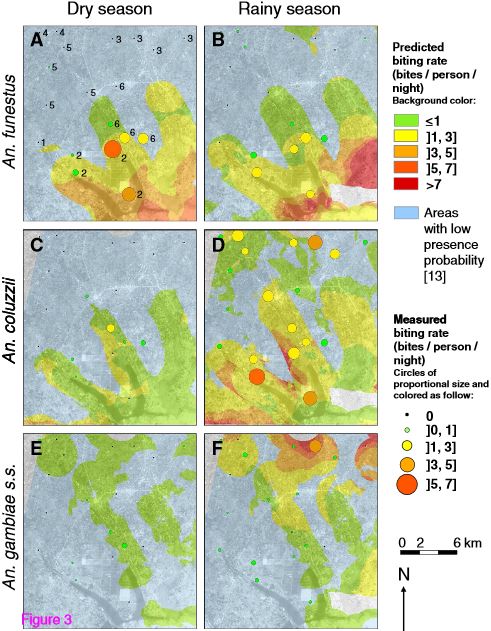
    <content type="html"><![CDATA[<p><img class="alignright size-full wp-image-15824" alt="pnv" src="http://gisandscience.files.wordpress.com/2014/03/pnv.gif?w=600"   /><em>Parasites &amp; Vectors</em> 2014, <strong>7</strong>:103 , Published Online 12 March 2014</p>
<p>By Nicolas Moiroux, Armel Djènontin, Abdul S Bio-Bangana, Fabrice Chandre, Vincent Corbel, and Hélène Guis</p>
<h4>&#8220;Background</h4>
<p>A better understanding of the ecology and spatial-temporal distribution of malaria vectors is essential to design more effective and sustainable strategies for malaria control and elimination. In a previous study, we analyzed presence-absence data of An. funestus, An. coluzzii, and An. gambiae s.s. in an area of southern Benin with high coverage of vector control measures. Here, we further extend the work by analysing the positive values of the dataset to assess the determinants of the abundance of these three vectors and to produce predictive maps of vector abundance.</p>
<h4>Methods</h4>
<p>Positive counts of the three vectors were assessed using negative-binomial zero-truncated (NBZT) mixed-effect models according to vector control measures and environmental covariates derived from field and remote sensing data. After 8-fold cross-validation of the models, predictive maps of abundance of the sympatric An. funestus, An. coluzzii, and An. gambiae s.s. were produced.</p>
<h4>Results</h4>
<p>Cross-validation of the NBZT models showed a satisfactory predictive accuracy. Almost all changes in abundance between two surveys in the same village were well predicted by the models but abundances for An. gambiae s.s. were slightly underestimated. During the dry season, predictive maps showed that abundance greater than 1 bite per person per night were observed only for An. funestus and An. coluzzii. During the rainy season, we observed both increase and decrease in abundance of An. funestus, which are dependent on the ecological setting. Abundances of both An. coluzzii and An. gambiae s.s. increased during the rainy season but not in the same areas.</p>
<p><img class="aligncenter size-full wp-image-15825" alt="mal" src="http://gisandscience.files.wordpress.com/2014/03/mal.jpg?w=600"   /></p>
<h4>Conclusions</h4>
<p>Our models helped characterize the ecological preferences of three major African malaria vectors. This works highlighted the importance to study independently the binomial and the zero-truncated count processes when evaluating vector control strategies. The study of the bio-ecology of malaria vector species in time and space is critical for the implementation of timely and efficient vector control strategies.&#8221;</p>
<ul>
<li><a href="http://www.parasitesandvectors.com/content/pdf/1756-3305-7-103.pdf" target="_blank">Read the paper </a>[PDF]</li>
</ul><br />Filed under: <a href='http://gisandscience.com/category/environmental-science/'>Environmental Science</a>, <a href='http://gisandscience.com/category/modeling/'>Modeling</a>, <a href='http://gisandscience.com/category/spatial-analysis/'>Spatial Analysis</a>, <a href='http://gisandscience.com/category/temporal-analysis/'>Temporal Analysis</a>  <img alt="" border="0" src="http://stats.wordpress.com/b.gif?host=gisandscience.com&#038;blog=5785235&#038;post=15823&#038;subd=gisandscience&#038;ref=&#038;feed=1" width="1" height="1" />]]></content>
  </entry>
  <entry>
    <id>tag:blogger.com,1999:blog-3562172531758638995.post-1324078570427491774</id>
    <title><![CDATA[Featured Software: OpenQuake]]></title>
    <updated>2014-03-13T13:00:00+00:00</updated>
    <link rel="alternate" href="http://www.epcupdates.org/feeds/1324078570427491774/comments/default"/>
    <summary><![CDATA[]]></summary>
    <content type="html"><![CDATA[<div class="separator" style="clear: both; text-align: center;"><a href="http://4.bp.blogspot.com/-vqxA66QO3no/UyGoCyFcHrI/AAAAAAAAEFM/562rqGJwdV4/s1600/OpenQuake.png" imageanchor="1" style="margin-left: 1em; margin-right: 1em;"><img border="0" src="http://4.bp.blogspot.com/-vqxA66QO3no/UyGoCyFcHrI/AAAAAAAAEFM/562rqGJwdV4/s1600/OpenQuake.png" /></a></div><br /><div style="text-align: justify;"><span style="font-family: Georgia, Times New Roman, serif; font-size: large;">Global Earthquake Model, or GEM,&nbsp;is "an international forum where organisations and people come together to develop, use and share tools and resources for transparent assessment of earthquake risk." Based in Italy, GEM has an impressive group of world-wide government and corporate sponsors and collaborators, and since the start of 2014 has been releasing a series of documents which support their <i><b>free </b></i>modeling software - OpenQuake. Review of this effort and latest developments are best brought to light by touring their website. Here are some links to get you started:&nbsp;</span></div><span style="font-family: Georgia, Times New Roman, serif; font-size: large;"><br /></span><div style="text-align: center;"><a href="http://www.globalquakemodel.org/" target="_blank"><span style="font-family: Arial, Helvetica, sans-serif; font-size: large;"><b>GEM Homepage</b></span></a></div><div style="text-align: center;"><span style="font-family: Georgia, Times New Roman, serif; font-size: large;"><br /></span></div><div style="text-align: center;"><a href="http://www.globalquakemodel.org/resources/publications/" target="_blank"><span style="font-family: Arial, Helvetica, sans-serif; font-size: large;"><b>GEM Publications</b></span></a></div><div style="text-align: center;"><span style="font-family: Georgia, Times New Roman, serif; font-size: large;"><br /></span></div><div style="text-align: center;"><a href="http://www.globalquakemodel.org/openquake/about/" target="_blank"><span style="font-family: Arial, Helvetica, sans-serif; font-size: large;"><b>OpenQuake Software</b></span></a></div><span style="font-family: Georgia, Times New Roman, serif; font-size: large;"><br /></span><span style="font-family: Georgia, Times New Roman, serif; font-size: large;"><br /></span><div style="text-align: justify;"><span style="font-family: Georgia, Times New Roman, serif; font-size: large;"><b>Comment</b>: <a href="http://en.wikipedia.org/wiki/Free_and_open-source_software" target="_blank">Free and Open Source Software</a> (FOSS) is the core of this distinguished effort to save 1,000's of lives a year. Kudos to GEM on many levels for realizing that open software and data are key to being effective in the world of emergency preparedness and response.</span></div><div style="text-align: justify;"><span style="font-family: Georgia, Times New Roman, serif; font-size: large;"><br /></span></div><div style="text-align: justify;"><span style="font-family: Georgia, Times New Roman, serif;"><b>Graphic credit</b>: GEM </span><span style="font-family: Georgia, Times New Roman, serif; font-size: large;">&nbsp;</span></div>]]></content>
  </entry>
  <entry>
    <id>tag:blogger.com,1999:blog-7278262030537194084.post-4921933554645919608</id>
    <title><![CDATA[Explore America’s most endangered river on Street View]]></title>
    <updated>2014-03-13T10:00:06+00:00</updated>
    <link rel="alternate" href="http://www.blogger.com/feeds/7278262030537194084/posts/default/4921933554645919608"/>
    <summary><![CDATA[]]></summary>
    <content type="html"><![CDATA[<br /><i>This guest post is by Chris Williams, Senior Vice President of Conservation at <a href="http://www.americanrivers.org/">American Rivers</a>. We’ve partnered with American Rivers to share the adventure of the Colorado River through the Grand Canyon in Google Maps. -Ed.</i><br /><br />For 6 million years, <a href="http://www.google.com/intl/en-US/maps/about/behind-the-scenes/streetview/treks/colorado-river/">the Colorado River</a> has flowed through the heart of the desert southwest, its waters slowly carving out a canyon so vast it can be seen from space—yet so remote it didn’t appear on early maps of the region. It wasn’t until 1869, when <a href="http://en.wikipedia.org/wiki/John_Wesley_Powell">John Wesley Powell</a> led a small exploration party on a rafting trip, that the natural wonders of the Colorado River and the Grand Canyon came fully into view.<br /><br />Now with <a href="https://www.google.com/maps/views/streetview/colorado-river?gl=us">Google Street View</a>, you can ride the whitewater rapids, cruise the sleepy river bends, and discover the side canyons that make the Colorado River a treasured resource. <br /><br /><div class="separator" style="clear: both; text-align: center;"><a href="http://1.bp.blogspot.com/-z74LsMX9vZg/Ux-YyBQo3xI/AAAAAAAAC6c/O3stKXrDia8/s1600/ColoradoRiver1.png" imageanchor="1" style="margin-left: 1em; margin-right: 1em;"><img border="0" src="http://1.bp.blogspot.com/-z74LsMX9vZg/Ux-YyBQo3xI/AAAAAAAAC6c/O3stKXrDia8/s1600/ColoradoRiver1.png" height="442" width="640" /></a></div><div style="text-align: center;"><i><a href="https://www.google.com/maps/@36.300168,-111.864279,3a,75y,162.19h,96.77t/data=!3m5!1e1!3m3!1sbAn9fDe51P2eFMLx3-3IhA!2e0!3e5">Grand Canyon National Park, Arizona, U.S.</a></i></div><br />Start at an iconic spot like <a href="https://www.google.com/maps/@36.388219,-112.508854,3a,75y,19.11h,106.58t/data=!3m5!1e1!3m3!1ssLYFZLUZeQmSbAbRCcfGQw!2e0!3e5">Deer Creek Falls</a> or <a href="https://www.google.com/maps/@36.627172,-111.772949,3a,75y,13.12h,121.58t/data=!3m5!1e1!3m3!1sq6KFkDi08UWLYOfD9dzihA!2e0!3e5">North Canyon</a>, or climb up to the <a href="https://www.google.com/maps/@36.300168,-111.864279,3a,75y,162.19h,96.77t/data=!3m5!1e1!3m3!1sbAn9fDe51P2eFMLx3-3IhA!2e0!3e5">Nankoweap Granaries</a>. Geology fans will enjoy formations like <a href="https://www.google.com/maps/@36.764096,-111.662745,3a,75y,358.89h,105.08t/data=!3m5!1e1!3m3!1sf0HcTLeim48IHh1HHe9rgA!2e0!3e5">Hermit Shale</a> and <a href="https://www.google.com/maps/@36.400382,-112.551232,3a,75y,230.22h,107.94t/data=!3m5!1e1!3m3!1svUkqmgwPHNOmcg3Ax9ekvA!2e0!3e5">Tapeats Sandstone</a>. On your journey, look out for wildlife like <a href="https://www.google.com/maps/@36.605377,-111.764833,3a,15y,287.57h,85.4t/data=!3m5!1e1!3m3!1ss7fusLyqPxjiSycsKsa9Kw!2e0!3e5">big horn sheep</a> and signs of a <a href="https://www.google.com/maps/@36.207552,-113.059458,3a,75y,286.86h,98.8t/data=!3m5!1e1!3m3!1sOsk_sg36lXByGmtBF2H3ug!2e0!3e5">volcanic dam</a> that naturally occurred centuries ago.<br /><br />While you admire its grandeur, remember that the river is also at risk. One of the United States’ most important resources, the Colorado River provides drinking water for 36 million people from Denver to Los Angeles, supports a $26 billion recreation industry, and irrigates nearly 4 million acres of land that grow 15 percent of our nation’s crops. But it’s also one of the most <a href="http://www.americanrivers.org/endangered-rivers/2013-report/">endangered</a>, dammed, diverted and plumbed rivers in the world, thanks to a century of management policies and practices that have promoted the use of Colorado River water at an unsustainable rate. By the time it reaches the Gulf of California in Mexico, the river is barely a trickle—a ghost of its once magnificent self. You can see evidence of the river’s decline In Street View, like the <a href="https://www.google.com/maps/@36.653692,-111.750471,3a,75y,228.69h,93.1t/data=!3m5!1e1!3m3!1sQ_Rnk7SpLoru4aOS1bs9dA!2e0!3e5">high water mark</a> (showing 1950s driftwood on top of the rock), or <a href="https://www.google.com/maps/@36.028323,-113.787782,3a,75y,198.33h,95.07t/data=!3m5!1e1!3m3!1swWAzkKDb3u4gI72pxmgpfw!2e0!3e5">sedimentation along the river’s edge</a> down by Lake Mead. <br /><br /><div class="separator" style="clear: both; text-align: center;"><a href="http://1.bp.blogspot.com/-yuNZ3Q3xdkU/Ux-bZVk0AUI/AAAAAAAAC6o/isMFmbq3q0Q/s1600/ColoradoRiver2.png" imageanchor="1" style="margin-left: 1em; margin-right: 1em;"><img border="0" src="http://1.bp.blogspot.com/-yuNZ3Q3xdkU/Ux-bZVk0AUI/AAAAAAAAC6o/isMFmbq3q0Q/s1600/ColoradoRiver2.png" height="444" width="640" /></a></div><div style="text-align: center;"><i><a href="https://www.google.com/maps/@36.451956,-111.837344,3a,75y,194.27h,105.25t/data=!3m5!1e1!3m3!1s2CmtrvlKn909lEsHMSTwYg!2e0!3e5">Colorado River, U.S.</a></i></div><br />We’re proud to partner with Google and Street View to raise awareness of the need to protect and restore the river. It’s time to speak up and protect the wonder of the Grand Canyon and the riches of a healthy Colorado River. <a href="http://www.google.com/url?q=http%3A%2F%2Fwww.americanrivers.org%2Fcolorado&amp;sa=D&amp;sntz=1&amp;usg=AFQjCNFfmtvuupL71CSgbfzdQ8FlKAbKHw">Join American Rivers</a> and help us protect and restore this iconic river of the west—for today and for future generations.<br /><br /><span class="byline-author">Posted by Chris Williams, Senior Vice President of Conservation, American Rivers</span><div class="feedflare">
<a href="http://feeds.feedburner.com/~ff/blogspot/SbSV?a=qp-uFE46M8U:QOChJmbLFiM:yIl2AUoC8zA"><img src="http://feeds.feedburner.com/~ff/blogspot/SbSV?d=yIl2AUoC8zA" border="0"></img></a> <a href="http://feeds.feedburner.com/~ff/blogspot/SbSV?a=qp-uFE46M8U:QOChJmbLFiM:-BTjWOF_DHI"><img src="http://feeds.feedburner.com/~ff/blogspot/SbSV?i=qp-uFE46M8U:QOChJmbLFiM:-BTjWOF_DHI" border="0"></img></a>
</div><img src="http://feeds.feedburner.com/~r/blogspot/SbSV/~4/qp-uFE46M8U" height="1" width="1"/>]]></content>
  </entry>
  <entry>
    <id>tag:blogger.com,1999:blog-23039370.post-2916332858088447698</id>
    <title><![CDATA[SPIE Remote Sensing 2014 Conference - Abstract Submissions Now Open]]></title>
    <updated>2014-03-11T15:59:30+00:00</updated>
    <link rel="alternate" href="http://www.educationgis.com/feeds/2916332858088447698/comments/default"/>
    <summary><![CDATA[]]></summary>
    <content type="html"><![CDATA[Submit your abstract and participate in the <b>SPIE Remote Sensing 2014</b> conference which gathers international researchers and scientists within government and industry, as they focus on satellite-based imaging systems and the data generated by them. <br /><br /><b>List of Conference Topics</b>:<br /><br />&nbsp;•&nbsp;&nbsp;&nbsp; Remote Sensing for Agriculture, Ecosystems and Hydrology<br />&nbsp;•&nbsp;&nbsp;&nbsp; Remote Sensing of the Ocean, Sea Ice, Coastal Waters, and Large Water Regions 2014<br />&nbsp;•&nbsp;&nbsp;&nbsp; Image and Signal Processing for Remote Sensing <br />&nbsp;•&nbsp;&nbsp;&nbsp; Sensors, Systems, and Next-Generation Satellites<br />&nbsp;•&nbsp;&nbsp;&nbsp; Utilization and Validation of Remote Sensing Observations and Tools for Hydrology, Agriculture, and Flood Mapping and Modeling: Remote Sensing 2014<br />&nbsp;•&nbsp;&nbsp;&nbsp; Remote Sensing of Clouds and the Atmosphere<br />&nbsp;•&nbsp;&nbsp;&nbsp; Optics in Atmospheric Propagation and Adaptive Systems <br />&nbsp;•&nbsp;&nbsp;&nbsp; SAR Image Analysis, Modeling, and Techniques<br />&nbsp;•&nbsp;&nbsp;&nbsp; Earth Resources and Environmental Remote Sensing/GIS Applications<br />&nbsp;•&nbsp;&nbsp;&nbsp; Lidar Technologies, Techniques, and Measurements for Atmospheric Remote Sensing<br />&nbsp;•&nbsp;&nbsp;&nbsp; High-Performance Computing in Remote Sensing<br /><br /><b>Conference Details:</b><br /><br />Amsterdam RAI Exhibition and Convention Centre<br />Amsterdam,              Netherlands<br /><span id="cd-details-date">22 - 25 September 2014</span><br /><br /><div class="rightColBody1"><span><strong>Important Author Dates:</strong></span><br /><span><strong><br /></strong></span> <span><strong><strong>Abstract Deadline: </strong></strong></span><span>31&nbsp;March 2014<strong><br /></strong></span><br /> <span><strong>Author Notification: </strong></span><span>13&nbsp;June&nbsp;2014</span><br /> <span><span><strong>Manuscripts Due: </strong>25 August 2014</span></span><br /><br /><span><span>Follow <a href="http://spie.org/x32237.xml">this link for the abstract guidelines and submission</a>. </span></span></div><div class="feedflare">
<a href="http://feeds.feedburner.com/~ff/Geo-infoInEducation?a=FwPkcCV7D8c:ZZvfMmMTTwM:yIl2AUoC8zA"><img src="http://feeds.feedburner.com/~ff/Geo-infoInEducation?d=yIl2AUoC8zA" border="0"></img></a> <a href="http://feeds.feedburner.com/~ff/Geo-infoInEducation?a=FwPkcCV7D8c:ZZvfMmMTTwM:7Q72WNTAKBA"><img src="http://feeds.feedburner.com/~ff/Geo-infoInEducation?d=7Q72WNTAKBA" border="0"></img></a> <a href="http://feeds.feedburner.com/~ff/Geo-infoInEducation?a=FwPkcCV7D8c:ZZvfMmMTTwM:dnMXMwOfBR0"><img src="http://feeds.feedburner.com/~ff/Geo-infoInEducation?d=dnMXMwOfBR0" border="0"></img></a> <a href="http://feeds.feedburner.com/~ff/Geo-infoInEducation?a=FwPkcCV7D8c:ZZvfMmMTTwM:V_sGLiPBpWU"><img src="http://feeds.feedburner.com/~ff/Geo-infoInEducation?i=FwPkcCV7D8c:ZZvfMmMTTwM:V_sGLiPBpWU" border="0"></img></a> <a href="http://feeds.feedburner.com/~ff/Geo-infoInEducation?a=FwPkcCV7D8c:ZZvfMmMTTwM:gIN9vFwOqvQ"><img src="http://feeds.feedburner.com/~ff/Geo-infoInEducation?i=FwPkcCV7D8c:ZZvfMmMTTwM:gIN9vFwOqvQ" border="0"></img></a> <a href="http://feeds.feedburner.com/~ff/Geo-infoInEducation?a=FwPkcCV7D8c:ZZvfMmMTTwM:qj6IDK7rITs"><img src="http://feeds.feedburner.com/~ff/Geo-infoInEducation?d=qj6IDK7rITs" border="0"></img></a>
</div>]]></content>
  </entry>
  <entry>
    <id>745298:8869129:34687694</id>
    <title><![CDATA[TrekWest Corridor Meeting]]></title>
    <updated>2014-03-10T23:09:09+00:00</updated>
    <link rel="alternate" href="http://www.birdseyeviewgis.com/blog/2014/3/10/trekwest-corridor-meeting.html"/>
    <summary><![CDATA[<p>The <a href="http://www.wildlandsnetwork.org/" target="_blank">Wildlands Network</a> and friends met this last week in Salt Lake City to discuss <a href="http://trekwest.org/" target="_blank">TrekWest</a> year 2. We were graciously hosted by <a href="http://blackdiamondequipment.com/" target="_blank">Black Diamond Equipment</a>. There were about 30 of us from 19 different organizations along the Western Wildway, aka the Spine of the Continent. John Davis was there to share his thoughts on his 10 month human powered journey to promote wildlife corridors. The focus was on protecting wildlife corridors. Stay tuned!&nbsp;</p>
<p><span class="full-image-block ssNonEditable"><span><img src="http://www.birdseyeviewgis.com/storage/TrekWestCorridorMeeting_400PX_2.jpg?__SQUARESPACE_CACHEVERSION=1394498589922" alt="" /></span><span class="thumbnail-caption" style="width: 400px;">TrekWest Meeting at Black Diamond Headquarters</span></span><br /><span class="full-image-block ssNonEditable"><span><strong></strong></span><span class="thumbnail-caption" style="width: 400px;"><strong>The TrekWest crew meeting at Black Diamond Headquarters</strong></span></span></p>
<p><span class="full-image-block ssNonEditable"><span><strong><img src="http://www.birdseyeviewgis.com/storage/Priority_Corridors_TrekWest_final400px.jpg?__SQUARESPACE_CACHEVERSION=1394493213200" alt="" /></strong></span><span class="thumbnail-caption" style="width: 400px;"><strong>TrekWest Priority Corridors</strong></span></span></p>
<p>&nbsp;</p>]]></summary>
    <content type="html"><![CDATA[<p>The <a href="http://www.wildlandsnetwork.org/" target="_blank">Wildlands Network</a> and friends met this last week in Salt Lake City to discuss <a href="http://trekwest.org/" target="_blank">TrekWest</a> year 2. We were graciously hosted by <a href="http://blackdiamondequipment.com/" target="_blank">Black Diamond Equipment</a>. There were about 30 of us from 19 different organizations along the Western Wildway, aka the Spine of the Continent. John Davis was there to share his thoughts on his 10 month human powered journey to promote wildlife corridors. The focus was on protecting wildlife corridors. Stay tuned!&nbsp;</p>
<p><span class="full-image-block ssNonEditable"><span><img src="http://www.birdseyeviewgis.com/storage/TrekWestCorridorMeeting_400PX_2.jpg?__SQUARESPACE_CACHEVERSION=1394498589922" alt="" /></span><span class="thumbnail-caption" style="width: 400px;">TrekWest Meeting at Black Diamond Headquarters</span></span><br /><span class="full-image-block ssNonEditable"><span><strong></strong></span><span class="thumbnail-caption" style="width: 400px;"><strong>The TrekWest crew meeting at Black Diamond Headquarters</strong></span></span></p>
<p><span class="full-image-block ssNonEditable"><span><strong><img src="http://www.birdseyeviewgis.com/storage/Priority_Corridors_TrekWest_final400px.jpg?__SQUARESPACE_CACHEVERSION=1394493213200" alt="" /></strong></span><span class="thumbnail-caption" style="width: 400px;"><strong>TrekWest Priority Corridors</strong></span></span></p>
<p>&nbsp;</p>]]></content>
  </entry>
  <entry>
    <id>http://www.usgs.gov/blogs/features/?post_type=usgs_top_story</id>
    <title><![CDATA[National Groundwater Awareness Week]]></title>
    <updated>2014-03-10T11:00:25+00:00</updated>
    <link rel="alternate" href="http://www.usgs.gov/blogs/features/usgs_top_story/national-groundwater-awareness-week-2/"/>
    <summary><![CDATA[Groundwater is one of the Nation's most valuable natural resources. <a href="http://www.usgs.gov/blogs/features/usgs_top_story/national-groundwater-awareness-week-2/?from=textlink">Read more</a>]]></summary>
    <content type="html"><![CDATA[<p><!--[if gte mso 9]&gt;--></p>
<p><!--[if gte mso 9]&gt;--></p>
<p>&nbsp;</p>
<p>The U.S. Geological Survey, in collaboration with many partners, recognizes <a href="http://www.ngwa.org/events-education/awareness">National Groundwater Awareness Week</a>: March 9-15, 2014.</p>
<p><a href="http://water.usgs.gov/ogw/ngwaw/2014.html">USGS National Groundwater Awareness Week website</a></p>
<p><strong>What’s so special about groundwater?</strong></p>
<div id="attachment_192371" class="wp-caption alignright" style="width: 310px"><a href="http://www.usgs.gov/blogs/features/files/2014/03/crosssec.jpg"><img class="size-medium wp-image-192371" src="http://www.usgs.gov/blogs/features/files/2014/03/crosssec-300x176.jpg" alt="Diagram of Groundwater" width="300" height="176" /></a><p class="wp-caption-text">Diagram showing how precipitation water soaks into the ground and, depending of the layers of rock below ground, can take from days to millennia to get back into surface waters. USGS image.</p></div>
<p>Groundwater is one of the Nation&#8217;s most valuable natural resources. It supplies the drinking water for nearly half our nation’s population and provides about 40 percent of our irrigation water.  It sustains streamflow between precipitation events and during protracted dry periods. And it helps maintain a variety of aquatic ecosystems that are dependent on groundwater discharge to streams, lakes, and wetlands. As the Nation&#8217;s principal reserve of freshwater, it represents much of the potential future water supply.</p>
<p><strong>Groundwater: right underneath our feet</strong></p>
<p>Groundwater is an essential part of most of our daily lives. Rural farmers and urbanites, water-supply managers and regulators, researchers and policy-makers — all have a part to play in the current status and future of our groundwater resources. This valuable resource is right underneath our feet.</p>
<p>While groundwater can be found nearly everywhere, its availability varies. Groundwater is stored in aquifers, a resource shared by many users. Aquifers receive water deposits from precipitation and surface water. If there are too many users making too many withdrawals from an aquifer — say, to irrigate farmlands, water lawns, or supply wells — and the deposits don’t keep up with the demand, there may not be enough groundwater to go around.</p>
<div id="attachment_192381" class="wp-caption alignleft" style="width: 310px"><a href="http://www.usgs.gov/blogs/features/files/2014/03/sprinkler.jpg"><img class="size-medium wp-image-192381" src="http://www.usgs.gov/blogs/features/files/2014/03/sprinkler-300x208.jpg" alt="Groundwater" width="300" height="208" /></a><p class="wp-caption-text">In many states, groundwater is a vital source of irrigation water for farmers. USGS photo.</p></div>
<p>Even when groundwater is plentiful, it’s not truly available unless the quality is acceptable for the intended use. Both water quantity and quality are essential to maintaining water supply for municipal, domestic, agricultural, and recreational use, and for aquatic ecosystems.</p>
<p><strong>USGS and groundwater</strong></p>
<p>At the USGS we systematically observe and monitor groundwater conditions at locations across the United States. USGS groundwater assessments help inform the public so that citizens across the nation can engage in best practices for management, protection, and conservation. Groundwater conservation is a matter of both conserving the quantity and protecting the quality from contamination.</p>
<div id="attachment_192391" class="wp-caption alignright" style="width: 210px"><a href="http://www.usgs.gov/blogs/features/files/2014/03/workeres.jpg"><img class="size-full wp-image-192391" src="http://www.usgs.gov/blogs/features/files/2014/03/workeres.jpg" alt="USGS personnel" width="200" height="267" /></a><p class="wp-caption-text">USGS personnel operate a drill rig to assess groundwater conditions. USGS photo.</p></div>
<p>USGS scientists work constantly to improve our understanding of how groundwater moves through the subsurface and what human and natural factors affect the quantity and quality of that groundwater. Understanding these dynamics helps answer important questions about current groundwater availability and long-term sustainability.</p>
<p><strong>Learn more</strong></p>
<p><a href="http://water.usgs.gov/ogw/data.html">USGS Groundwater Information</a></p>
<p><a href="http://groundwaterwatch.usgs.gov/default.asp">USGS Groundwater Watch</a> (active groundwater level network)</p>
]]></content>
  </entry>
  <entry>
    <id>tag:blogger.com,1999:blog-23039370.post-9058444905330353003</id>
    <title><![CDATA[2014 Caribbean GIS Conference - Call for Presentation Proposals]]></title>
    <updated>2014-03-09T23:01:50+00:00</updated>
    <link rel="alternate" href="http://www.educationgis.com/feeds/9058444905330353003/comments/default"/>
    <summary><![CDATA[]]></summary>
    <content type="html"><![CDATA[URISA is now accepting presentation proposals for its Seventh <b>Caribbean GIS Conference</b>, taking place October 27-30, 2014 in Curacao. Submissions are due by May 5, 2014. <br /><br />Since 2001, URISA has presented successful conferences focused on the effective application and management of GIS and other information technologies within the Caribbean.  Previous conferences have taken place in Jamaica (2001), Barbados (2004), the Bahamas (2006), Cayman Islands (2008), Trinidad and Tobago (2010) and Jamaica (2012). We are pleased to host the 2014 conference in the Dutch Caribbean! <br /><br />Objectives of URISA's 2014 Caribbean GIS Conference: <br /><br />        To inform broad cross-section of Caribbean users about GIS technology and applications<br />        To share experiences regarding GIS implementation and management issues<br />        To establish new relationships with the vendor/consultant community<br />        To provide workshops and sessions that are application driven, and are relevant to the   Caribbean community of GIS users<br />        To foster a Caribbean GIS network<br />        To assess the state of readiness of national and regional Spatial Data Infrastructures<br />        To act on directives from the High Level Meetings held over the past several years, fostering executive support for GIS<br /><br />The conference program is developed through a Call for Presentations. The committee welcomes the submission of individual papers, complete sessions, panel discussions and lightning talks and has proposed a long list of suggested topics for consideration, from "Big data to support planning and development" to "Environmental monitoring and analysis".Interested individuals are encouraged to review the suggested topics list and consider submitting an abstract. Note that all abstracts received will be reviewed and considered for the conference program regardless of the list put forward. <br /><br />Visit <a href="http://www.urisa.org/education-events/caribbean-gis-conference/" rel="nofollow" target="_blank">http://www.urisa.org/education-events/caribbean-gis-conference/</a> for further details and an online submission form. Submissions must be received by May 5, 2014.  <div class="feedflare">
<a href="http://feeds.feedburner.com/~ff/Geo-infoInEducation?a=mxol9u5bGhA:FUusjSDRcIc:yIl2AUoC8zA"><img src="http://feeds.feedburner.com/~ff/Geo-infoInEducation?d=yIl2AUoC8zA" border="0"></img></a> <a href="http://feeds.feedburner.com/~ff/Geo-infoInEducation?a=mxol9u5bGhA:FUusjSDRcIc:7Q72WNTAKBA"><img src="http://feeds.feedburner.com/~ff/Geo-infoInEducation?d=7Q72WNTAKBA" border="0"></img></a> <a href="http://feeds.feedburner.com/~ff/Geo-infoInEducation?a=mxol9u5bGhA:FUusjSDRcIc:dnMXMwOfBR0"><img src="http://feeds.feedburner.com/~ff/Geo-infoInEducation?d=dnMXMwOfBR0" border="0"></img></a> <a href="http://feeds.feedburner.com/~ff/Geo-infoInEducation?a=mxol9u5bGhA:FUusjSDRcIc:V_sGLiPBpWU"><img src="http://feeds.feedburner.com/~ff/Geo-infoInEducation?i=mxol9u5bGhA:FUusjSDRcIc:V_sGLiPBpWU" border="0"></img></a> <a href="http://feeds.feedburner.com/~ff/Geo-infoInEducation?a=mxol9u5bGhA:FUusjSDRcIc:gIN9vFwOqvQ"><img src="http://feeds.feedburner.com/~ff/Geo-infoInEducation?i=mxol9u5bGhA:FUusjSDRcIc:gIN9vFwOqvQ" border="0"></img></a> <a href="http://feeds.feedburner.com/~ff/Geo-infoInEducation?a=mxol9u5bGhA:FUusjSDRcIc:qj6IDK7rITs"><img src="http://feeds.feedburner.com/~ff/Geo-infoInEducation?d=qj6IDK7rITs" border="0"></img></a>
</div>]]></content>
  </entry>
  <entry>
    <id>5b41307a-46d3-474f-b61a-28be0955028e</id>
    <title><![CDATA[Do you read Geohipster? You should.]]></title>
    <updated>2014-03-09T18:20:18+00:00</updated>
    <link rel="alternate" href="http://blog.entchev.com/2014/03/09/do-you-read-geohipster-you-should.aspx?ref=rss"/>
    <summary><![CDATA[<div><a href="http://geohipster.com" target="_blank">Geohipster.com</a> launched in December 2013 as "a fun place for self-identified geohipsters to hang out." (disclosure: I am very involved with the site). And it has been fun. In addition to the inaugural poll "What defines the GeoHipster?", which generated many notable (and funny) <a href="http://geohipster.com/poll-tally/" target="_blank">responses</a> from 253 visitors from all over the world, the site has conducted and published interviews with such geo(hipster) luminaries as <a href="http://geohipster.com/2014/01/14/interview-with-renee-sieber/" target="_blank">Renee Sieber</a>, <a href="http://geohipster.com/2014/01/30/interview-with-tom-macwright-if-you-want-to-make-anything-new-you-have-to-ignore-some-of-the-rules/" target="_blank">Tom MacWright</a>, <a href="http://geohipster.com/2014/02/11/lyzi-diamond-make-things-put-internet/" target="_blank">Lyzi Diamond</a>, and <a href="http://geohipster.com/2014/03/07/andrew-turner-share-experiment-fail-try-share-ride-geofixie-like-boss/" target="_blank">Andrew Turner</a>.</div>
<div><br />
</div>
<div><a href="http://geohipster.com/2013/12/07/you-may-be-a-geohipster-if/" target="_blank"><img alt="" src="http://entchev.com/gis_blog_images/Geohipster_banner_screenshot.jpg" style="border: 0px solid;" /></a><br />
</div>
<div><br />
</div>
<div>I have it on good authority that there are many more great interviews in the pipeline, and a few surprises. So visit Geohipster, and visit often. You won't be disappointed.</div>
<p>&nbsp;</p>
<script async src="//pagead2.googlesyndication.com/pagead/js/adsbygoogle.js"></script>
<!-- Oblivious A.T. in-post ad 468 -->
<ins class="adsbygoogle"
     style="display:inline-block;width:468px;height:60px"
     data-ad-client="ca-pub-9450303019720962"
     data-ad-slot="8475622262"></ins>
<script>
(adsbygoogle = window.adsbygoogle || []).push({});
</script>
<p>&nbsp;</p>]]></summary>
    <content type="html"><![CDATA[<div><a href="http://geohipster.com" target="_blank">Geohipster.com</a> launched in December 2013 as "a fun place for self-identified geohipsters to hang out." (disclosure: I am very involved with the site). And it has been fun. In addition to the inaugural poll "What defines the GeoHipster?", which generated many notable (and funny) <a href="http://geohipster.com/poll-tally/" target="_blank">responses</a> from 253 visitors from all over the world, the site has conducted and published interviews with such geo(hipster) luminaries as <a href="http://geohipster.com/2014/01/14/interview-with-renee-sieber/" target="_blank">Renee Sieber</a>, <a href="http://geohipster.com/2014/01/30/interview-with-tom-macwright-if-you-want-to-make-anything-new-you-have-to-ignore-some-of-the-rules/" target="_blank">Tom MacWright</a>, <a href="http://geohipster.com/2014/02/11/lyzi-diamond-make-things-put-internet/" target="_blank">Lyzi Diamond</a>, and <a href="http://geohipster.com/2014/03/07/andrew-turner-share-experiment-fail-try-share-ride-geofixie-like-boss/" target="_blank">Andrew Turner</a>.</div>
<div><br />
</div>
<div><a href="http://geohipster.com/2013/12/07/you-may-be-a-geohipster-if/" target="_blank"><img alt="" src="http://entchev.com/gis_blog_images/Geohipster_banner_screenshot.jpg" style="border: 0px solid;" /></a><br />
</div>
<div><br />
</div>
<div>I have it on good authority that there are many more great interviews in the pipeline, and a few surprises. So visit Geohipster, and visit often. You won't be disappointed.</div>
<p>&nbsp;</p>
<script async src="//pagead2.googlesyndication.com/pagead/js/adsbygoogle.js"></script>
<!-- Oblivious A.T. in-post ad 468 -->
<ins class="adsbygoogle"
     style="display:inline-block;width:468px;height:60px"
     data-ad-client="ca-pub-9450303019720962"
     data-ad-slot="8475622262"></ins>
<script>
(adsbygoogle = window.adsbygoogle || []).push({});
</script>
<p>&nbsp;</p>]]></content>
  </entry>
  <entry>
    <id>http://www.gretchenpeterson.com/blog/?p=3539</id>
    <title><![CDATA[Geogit Bit]]></title>
    <updated>2014-03-08T03:40:19+00:00</updated>
    <link rel="alternate" href="http://feedproxy.google.com/~r/GretchenPetersonsBlog/~3/fmiPTBn_JKU/"/>
    <summary><![CDATA[&#160; Geogit is a tool made just for me. Despite my best intentions, there are times when data file names get the best of me. These times are lamentable because when the inevitable moment arrives when I have to comb through a series of files in order to find the one that is the most [&#8230;]]]></summary>
    <content type="html"><![CDATA[<p>&nbsp;</p>
<p>Geogit is a tool made just for me. Despite my best intentions, there are times when data file names get the best of me. These times are lamentable because when the inevitable moment arrives when I have to comb through a series of files in order to find the one that is the most correct or the most current, I&#8217;ll find something like this:</p>
<p>Krige_1<br />
Krige_2<br />
Krige_3<br />
Krige_3_final<br />
Krige_3_final_final</p>
<p>Or worse. Maybe later on down the line, during that complex interpolation project last year, I decided that this analytical method was sub-optimum and went with natural neighbor instead. So then there&#8217;s a series of &#8220;natural_neighbor&#8221; prefixed datasets in the same vein to sort through. After a year goes by it&#8217;s hard to know which one was the end result. Which one had the fewest errors. Which one is the most authoritative.</p>
<p>And with multi-person teams things get more complex. Maybe the intern added 5,000 septic system points to the wrong database and you don&#8217;t have an easy way to undo it.</p>
<p>Enter geogit.</p>
<p>&nbsp;</p>
<p><a href="http://www.gretchenpeterson.com/blog/wp-content/uploads/2014/03/allmylife2_forirony.jpg"><img class="aligncenter size-full wp-image-3540" alt="allmylife2_forirony" src="http://www.gretchenpeterson.com/blog/wp-content/uploads/2014/03/allmylife2_forirony.jpg" width="552" height="399" /></a></p>
<p>&nbsp;</p>
<p>It has more benefits than solving the above problems but these are the ones that hit home to me the most at this, the beginning stages of my geogit learning journey.</p>
<p>Hey, guess what? I started a new position this week at Boundless. I&#8217;m absolutely thrilled to be a part of such a great team. Learning about geogit is one of the first things I get to do. I can&#8217;t complain.</p>
<p>&nbsp;</p>
<p>&nbsp;</p>
<img src="http://feeds.feedburner.com/~r/GretchenPetersonsBlog/~4/fmiPTBn_JKU" height="1" width="1"/>]]></content>
  </entry>
  <entry>
    <id>1978 at http://www.opengeospatial.org</id>
    <title><![CDATA[Successful GeoPackage Webinar follows GeoPackage Launch]]></title>
    <updated>2014-03-07T20:24:29+00:00</updated>
    <link rel="alternate" href="http://www.opengeospatial.org/blog/1978"/>
    <summary><![CDATA[<p>Last week's
GeoPackage Webinar, produced by <a href="http://www.directionsmedia.net/">Directions
Media</a>, drew 940 registrants, and 406 of these attended live. In a
questionnaire, most of the registered geospatial information managers,
developers and practitioners surveyed reported that they plan to use software
that implements the OGC GeoPackage Standard that was first announced last month.</p><p><a href="http://www.opengeospatial.org/blog/1978" target="_blank">read more</a></p>]]></summary>
    <content type="html"><![CDATA[<p>Last week's
GeoPackage Webinar, produced by <a href="http://www.directionsmedia.net/">Directions
Media</a>, drew 940 registrants, and 406 of these attended live. In a
questionnaire, most of the registered geospatial information managers,
developers and practitioners surveyed reported that they plan to use software
that implements the OGC GeoPackage Standard that was first announced last month.</p><p><a href="http://www.opengeospatial.org/blog/1978" target="_blank">read more</a></p>]]></content>
  </entry>
  <entry>
    <id>tag:blogger.com,1999:blog-8123225361504762353.post-662638691552812227</id>
    <title><![CDATA[A cacophony of cartography]]></title>
    <updated>2014-03-06T18:35:23+00:00</updated>
    <link rel="alternate" href="http://cartonerd.blogspot.com/feeds/662638691552812227/comments/default"/>
    <summary><![CDATA[]]></summary>
    <content type="html"><![CDATA[Here's my Editorial from The Cartographic Journal Volume 51 Issue 1 for those that do not have access to the Journal itself (if not...why not...go take a look at a <a href="http://www.cartography.org.uk/" target="_blank">British Cartographic Society</a> subscription and get The Journal for free!). Long read...<br /><br /><div class="MsoNormal"><br /></div><div style="margin-bottom: .0001pt; margin: 0in;"><span lang="EN-GB" style="font-family: Calibri, sans-serif;">As 2013 turns into 2014 and we reflect on the state of cartography what do we know, what have we learnt and what might the future hold?<o:p></o:p></span></div><div style="margin-bottom: .0001pt; margin: 0in;"><br /></div><div style="margin-bottom: .0001pt; margin: 0in;"><span lang="EN-GB" style="font-family: Calibri, sans-serif;">Well, maps have changed...quite profoundly and quite irreversibly. Maps are omnipresent; ubiquitous; largely self-aggrandising; transient; personalised even. Many are single purpose, single-themed and exist to exist because so many more people make them now than they did 10 years ago. They are often used to demonstrate a technical approach or a dataset rather than having a purpose beyond merely being made. They too frequently come with quite disturbing bias and uncertainties which are ignored by the author and unseen by the reader. The type of person that makes maps now extends from the cartographic professional to data artists, journalists and coders hacking together the latest data the internet has made available. They map this, they map that, they move on. Is modern mapping showing signs of autism, being characterised by repetitive behaviour? Certainly a lot of contemporary mapping exhibits a serious lack of development of the understanding of cognition and the language of cartography and many map-makers repeat some basic mistakes that has professionals wincing. Or maybe modern mapping is simply showing signs of immaturity as it seeks to emerge from a fast-paced technological change that has characterised its recent development? Maybe we're just seeing the reinvention of mapping in its tricky adolescent stage and its struggle to overcome growing pains. The maps know they're always right; they answer back; they're often rude to the point of arrogance and disobedience but they'll grow up eventually; and all the time the parents hover with sage advice that is rarely acknowledged. The professional cartographer vs amateur map-maker debate rages on which is why I opened this Editorial questioning where cartography is, yet have reverted to using the term mapping. Mapping, to my mind, is what anyone can do. Cartography is what some of us do. A lot of the former and not much of the latter made the headlines in 2013.<o:p></o:p></span></div><div style="margin-bottom: .0001pt; margin: 0in;"><br /></div><div style="margin-bottom: .0001pt; margin: 0in;"><span lang="EN-GB" style="font-family: Calibri, sans-serif;">2013 also saw another leap in map-making technology. The web is now becoming the publishing mechanism of choice for many people because the barrier to use has reduced dramatically.&nbsp; That’s created a demand for mapping tools with most major players offering a web option for making maps. Some are free. Some you can subscribe to. Some are packaged with other licenses. &nbsp;As more data becomes freely available then the push for free mapping tools continues and people are using them. Empowering indeed but I'd wager this type of map-maker has never really looked upon a Coronelli globe, or pawed a SwissTopo map sheet, or been amazed at a Berann panorama. For every one inspired individual who has a magic touch and creates beautiful work there are dozens of terrible maps. Map-making, then, is in rude health but it's a cacophony of cartography...a harsh, often discordant mixture of the weird and wonderful. Maps are everywhere but it’s worth repeating: a cartographic product is a map that has been constructed professionally. A map-like product can be made by anyone...a mapper, not a cartographer. That distinction has, unfortunately, become somewhat irrelevant and I was recently invited to point to great examples of cartography by providing a list of URLs. Well here's the thing...not every map comes with a URL. It's fruitless pointing this out when a list lives online because it simply ignores any map that doesn't have a URL. URLs gives ease of access for so many but also causes a problem. People see what they see online and that becomes their cartographic baseline such that when they get round to making their own maps that's where they get their design cues. &nbsp;This then perpetuates the idea that mapping begins and ends with the internet and so we're developing a society whose standards and very belief models are driven by online maps and mapping. This needs addressing because there's a wealth of great work being ignored by the mapping masses because they don’t know it exists. It’s revered by cartographers but unseen by map-makers.<o:p></o:p></span></div><div style="margin-bottom: .0001pt; margin: 0in;"><br /></div><div style="margin-bottom: .0001pt; margin: 0in;"><span lang="EN-GB" style="font-family: Calibri, sans-serif;">It’s inevitable that the cacophony will continue apace. As we move into 2014 and beyond our technology will continue to improve and undoubtedly create new opportunities for mapping but unless we strive to reveal better examples then people's appreciation for quality will become harder to tackle. My hunch is that we'll see more temporal maps as animation becomes easier to work with and more 3D as browsers become more capable of handling the graphics. So much of the data we can now work with has a temporal component or a third dimension so the search for optimum ways of revealing meaning has to be at the fore of cartographic work. &nbsp;We’ll also see more moves in the open source and open data community and social media data will continue to be worked over as people strive to make any kind of sense of it. Trouble is, as so many of today's maps amply demonstrate, data is simply placed on a map, in a sequence and the viewer is supposed to make sense of it and be amazed. They are...but for the wrong reasons. They like the novelty but beyond that? Lots of data (often mistaken to be 'big data') needs generalising and simplifying but rather than making sense of lots of data by portraying salient aspects efficiently so they stand out, maps will continue to strive to just show more and more as if more is always better. Less, of course, often reveals more but in a cacophony, the loudest maps often get heard the most above the general din.<o:p></o:p></span></div><div style="margin-bottom: .0001pt; margin: 0in;"><br /></div><div style="margin-bottom: .0001pt; margin: 0in;"><span lang="EN-GB" style="font-family: Calibri, sans-serif;">As people who spend their life immersed in maps, cartographers have a particular perspective on the state of cartography as I'm sure most readers of<span class="apple-converted-space">&nbsp;</span><i>The Cartographic Journal<span class="apple-converted-space">&nbsp;</span></i>can relate to (that’s why you read this!). We hear all the latest buzz about this map and that map but where is this cacophony coming from? We're seeing the maps we're seeing because of one thing...the public has an appetite for them which is driving another process altogether. Where there is a demand, someone is always going to meet the demand and there are numerous online forums, sites and commentators all clamouring for a slice of the new golden age of cartographic pie. The demand at the moment however is for quantity, not quality and the internet, not the discipline of cartography, is reacting to that demand.<o:p></o:p></span></div><div style="margin-bottom: .0001pt; margin: 0in;"><br /></div><div style="margin-bottom: .0001pt; margin: 0in;"><span lang="EN-GB" style="font-family: Calibri, sans-serif;">Take, for example, the <a href="http://facebook.com/MapsAreAmazing" target="_blank">Facebook</a> and <a href="http://twitter.com/Amazing_Maps" target="_blank">Twitter</a> pages of 'Amazing Maps'. They have tens of thousands of followers...the sites exist simply to push maps that are found on the internet to their followers. I'm one of them but for every one that piques my interest and which I find genuinely intriguing, well made and purposeful, there are dozens more that fail on a very basic cartographic level. &nbsp;Often the maps display disturbing mistakes. &nbsp;I see them. So do other experts. But many public do not...they are busy being experts in their own field and simply see the map, consume it and move on. &nbsp;The difficulty here is that there is a natural assumption that ‘Amazing Maps’ (and other similar sites) are in some way curated by experts who are undertaking a process of careful selection. They’re not and so we’re as likely to get utter rubbish alongside a decent map. The apparent authority of the name itself gives people a false baseline. Bad maps are bad for you simply because you get the wrong message. It's a waste of calories. &nbsp;I'm all for quick and dirty maps made well...but not ones that are constructed poorly. I mentioned this myself on Twitter a while ago and someone said to me that yes, they agree but while they like fine restaurants they also dive into Subway on occasion. &nbsp;The food analogy is easy to relate to but I think it needs to be more subtle here. Sure...go to a Gordon Ramsay restaurant and enjoy fine dining (with expletives, obviously). Go to Subway and enjoy a sandwich too. &nbsp;Both serve different 'qualities' of food and you would never expect a Subway to serve up the quality that you know to expect from fine dining. However...would you want to go into Subway and order a cheese and pickle sandwich that comes with the cheese on the outside, trying desperately to envelop some bread with a coating of pickle for good measure? At least Subway construct their sandwiches according to the basic rules of sandwich construction so it works as a sandwich. &nbsp;Bread on the outside, filling in the middle so it works (regardless of its taste or nutritional quality). Discounting Heston Blumenthal, there are very few chefs who take their ingredients and use them in ways no-one in their right mind would conceive of yet still manage something that delights the palette.&nbsp; Yet people are mashing up all sorts of ingredients on maps and creating inedible fayre. That, for me, is the problem with a lot of contemporary maps...they suffer from basic constructional issues that really affects their performance as a map. If the public doesn’t know the difference in the nutritional quality between a well constructed map and a poor one then there is no hope of them knowing whether what they are consuming is any good for them. The maps that get peddled on such sites are being selected because they are pictures. Often you struggle to see what their purpose actually is so in that sense they fail to function as a map because the person who made them wasn’t particularly concerned about the qualities of a map…they wanted a picture and a map seemed relevant. Their entire purpose is to provide quick visual delight and nothing more so to do so they often break fundamental cartographic rules. Some of our cartographic rules are there to be challenged but some are there to maintain standards. If many of our new maps ignore the rules they are simply ignoring what is good for them so they fail as a map yet delight the curious who are just wanting a picture of something vaguely interesting or entertaining. The appetite is there because the 88,000 (actually it's risen to 135,000 since I wrote this article) Twitter followers that @Amazing_Maps has dwarfs the combined Twitter following of virtually all of my map expert friends combined. Just by way of giving you a sense of scale I have 1300 Twitter followers, the British Cartographic Society (@bcsweb) has 750, our President Peter Jones (@geomapnut) has 66 (come on people…help him out!). Mapbox (@mapbox) has 16,000, Esri (@esri) has 35,000, and my dog Wisley (@wisley_dog) has 9. You could make a good argument that any in this latter list is more authoritative than ‘Amazing Maps’ and you’d be right….but people go to ‘Amazing Maps’ and that’s what they consume.<o:p></o:p></span></div><div style="margin-bottom: .0001pt; margin: 0in;"><br /></div><div style="margin-bottom: .0001pt; margin: 0in;"><span lang="EN-GB" style="font-family: Calibri, sans-serif;">Tabloid newspapers have higher circulations than quality broadsheets and this is what’s happening to satisfy the public’s appetite for maps. No-one seems particularly bothered who made the map and what their cartographic chops are.</span><span lang="EN-GB"></span><span lang="EN-GB" style="font-family: Calibri, sans-serif;">The reporting is dubious but it sells. I would strongly argue that being authoritative in your domain is crucial in distinguishing your work from the masses but if the tabloids don’t particularly care it becomes a moot point. It's therefore not the fault of the makers of map-making tools or the map-makers themselves that we see so many poor maps. It's the consumers, where they go to get their daily fix and the negative feedback loop this generates in terms of informing their own work. &nbsp;Just like any service based on mass consumption, if the demand is there, there will be someone keen to feed it regardless of the quality. The demand is for maps, good, bad, big, small, whatever...as long as I can click to see it and then click to see another. As long as I don’t have to put in too much effort and it vaguely tantilises my tastebuds (pass the salt). There are plenty of people and organisations that have set themselves up in the last few years to satiate the demand purely to serve their own agenda of being purveyors of content just like ‘Amazing Maps’. How many of these have any real cartographic credibility? Take a look...you won't find many publicly visible examples that have a strong cartographic background. If we look at some of the most popular web sites who routinely ply maps to the internet and check out their so-called best maps of 2013 we can see the point illustrated.<o:p></o:p></span></div><div style="margin-bottom: .0001pt; margin: 0in;"><br /></div><div style="margin-bottom: .0001pt; margin: 0in;"><span lang="EN-GB" style="font-family: Calibri, sans-serif;">Wired Maps -<span class="apple-converted-space">&nbsp;</span></span><span lang="EN-GB"><a href="http://www.wired.com/wiredscience/2013/12/the-best-maps-of-2013/"><span style="font-family: &quot;Calibri&quot;,&quot;sans-serif&quot;; mso-ascii-theme-font: minor-latin; mso-bidi-theme-font: minor-latin; mso-hansi-theme-font: minor-latin;">The most amazing, beautiful and viral maps of the year</span></a></span><span lang="EN-GB" style="font-family: Calibri, sans-serif;"><o:p></o:p></span></div><div style="margin-bottom: .0001pt; margin: 0in;"><br /></div><div class="separator" style="clear: both; text-align: center;"><a href="http://3.bp.blogspot.com/-t7OqPMkknZg/Uxi8ppH44pI/AAAAAAAAAok/M_qjzdBJWTA/s1600/51_1_Editorial_Fig1.png" imageanchor="1" style="margin-left: 1em; margin-right: 1em;"><img border="0" src="http://3.bp.blogspot.com/-t7OqPMkknZg/Uxi8ppH44pI/AAAAAAAAAok/M_qjzdBJWTA/s1600/51_1_Editorial_Fig1.png" /></a></div><div align="center" class="separator" style="margin-bottom: .0001pt; margin: 0in; text-align: center;"><br /></div><div align="center" class="separator" style="margin-bottom: .0001pt; margin: 0in; text-align: center;"><br /></div><div style="margin-bottom: .0001pt; margin: 0in;"><span lang="EN-GB" style="font-family: Calibri, sans-serif;">Figure 1. Wired Maps<o:p></o:p></span></div><div style="margin-bottom: .0001pt; margin: 0in;"><br /></div><div style="margin-bottom: .0001pt; margin: 0in;"><span lang="EN-GB" style="font-family: Calibri, sans-serif;">Run by two self-admitted map novices, the Wired Maps blog has become an interesting repository of the internet's offerings. Here they mix the contemporary with historical curiosities with an eye on what went viral though claiming they were all relevant in 2013 is odd when you look at some of the historical examples. There's nothing in the title of the list that suggests 'great' in cartographic terms yet the list is described as being that of 'great maps' and 'favourites'. The question of greatness has to be measured against something though...page hits? their own subjectivity? professional judgement? As with all the popular lists, that's not entirely made clear so it is what it is...a list of maps that piqued their interest. What I like about their list, however, is a mix of new and old. It's not, like many others, confined simply to maps that you view using a URL. There is a world of mapping beyond our glass interfaces that they acknowledge which is good to see.<o:p></o:p></span></div><div style="margin-bottom: .0001pt; margin: 0in;"><br /></div><div style="margin-bottom: .0001pt; margin: 0in;"><span lang="EN-GB" style="font-family: Calibri, sans-serif;">Fast Company -<span class="apple-converted-space">&nbsp;</span></span><span lang="EN-GB"><a href="http://www.fastcoexist.com/3023642/visualized/the-9-most-fascinating-maps-of-2013"><span style="font-family: &quot;Calibri&quot;,&quot;sans-serif&quot;; mso-ascii-theme-font: minor-latin; mso-bidi-theme-font: minor-latin; mso-hansi-theme-font: minor-latin;">The 9 most fascinating maps of 2013</span></a></span><span lang="EN-GB" style="font-family: Calibri, sans-serif;"><o:p></o:p></span></div><div style="margin-bottom: .0001pt; margin: 0in;"><br /></div><div class="separator" style="clear: both; text-align: center;"><a href="http://2.bp.blogspot.com/-0PGGaclwGZE/Uxi8pdleBOI/AAAAAAAAAow/6N80wfNuk0c/s1600/51_1_Editorial_Fig2.png" imageanchor="1" style="margin-left: 1em; margin-right: 1em;"><img border="0" src="http://2.bp.blogspot.com/-0PGGaclwGZE/Uxi8pdleBOI/AAAAAAAAAow/6N80wfNuk0c/s1600/51_1_Editorial_Fig2.png" /></a></div><div align="center" class="separator" style="margin-bottom: .0001pt; margin: 0in; text-align: center;"><br /></div><div style="margin-bottom: .0001pt; margin: 0in;"><br /></div><div style="margin-bottom: .0001pt; margin: 0in;"><span lang="EN-GB" style="font-family: Calibri, sans-serif;">Figure 2. Fast Company<o:p></o:p></span></div><div style="margin-bottom: .0001pt; margin: 0in;"><br /></div><div style="margin-bottom: .0001pt; margin: 0in;"><span lang="EN-GB" style="font-family: Calibri, sans-serif;">These maps are U.S. focussed and specifically about how we look at the U.S. in terms of some interesting themes...language, expenditure, tweeting etc. Purely thematic but at least there's some coherence in the categories of maps that they have chosen to explore. At least there's a focus to the list rather than a collection of random curios. That said, this is possibly the weakest list in purely cartographic terms. Some interesting data and themes but poor craftsmanship. This is largely due to them being a range of thematic overlays mashed up on basemaps that tend not to support the purpose. So we see the usual problems of overprinted labels, Web Mercator defaults and thematic maps on top of topographic basemaps. The language and twitter maps, in particular, go the heat map route and Fast Company clearly go for maps with highly saturated colours.<o:p></o:p></span></div><div style="margin-bottom: .0001pt; margin: 0in;"><br /></div><div style="margin-bottom: .0001pt; margin: 0in;"><br /></div><div style="margin-bottom: .0001pt; margin: 0in;"><span lang="EN-GB" style="font-family: Calibri, sans-serif;">Slate -<span class="apple-converted-space">&nbsp;</span></span><span lang="EN-GB"><a href="http://www.slate.com/articles/technology/map_of_the_week/2013/12/slate_s_best_maps_of_2013.html"><span style="font-family: &quot;Calibri&quot;,&quot;sans-serif&quot;; mso-ascii-theme-font: minor-latin; mso-bidi-theme-font: minor-latin; mso-hansi-theme-font: minor-latin;">Starbucks, State Sports and Sea Monsters: Slate's most compelling maps of 2013</span></a></span><span lang="EN-GB" style="font-family: Calibri, sans-serif;"><o:p></o:p></span></div><div style="margin-bottom: .0001pt; margin: 0in;"><br /></div><div class="separator" style="clear: both; text-align: center;"><a href="http://3.bp.blogspot.com/-srtNP708NDs/Uxi8pkETneI/AAAAAAAAAos/Sz4UrUlb5O4/s1600/51_1_Editorial_Fig3.png" imageanchor="1" style="margin-left: 1em; margin-right: 1em;"><img border="0" src="http://3.bp.blogspot.com/-srtNP708NDs/Uxi8pkETneI/AAAAAAAAAos/Sz4UrUlb5O4/s1600/51_1_Editorial_Fig3.png" /></a></div><div align="center" class="separator" style="margin-bottom: .0001pt; margin: 0in; text-align: center;"><br /></div><div style="margin-bottom: .0001pt; margin: 0in;"><span lang="EN-GB" style="font-family: Calibri, sans-serif;">Figure 3. Slate<o:p></o:p></span></div><div style="margin-bottom: .0001pt; margin: 0in;"><br /></div><div style="margin-bottom: .0001pt; margin: 0in;"><span lang="EN-GB" style="font-family: Calibri, sans-serif;">A really rather bizarre set of maps that range from the most basic push-pin overload efforts to maps that support online quizzes to historical and heavily pictorial maps. The one striking aspect of Slate's list is the variety of map they chose. They are extremely inconsistent in cartographic terms which suggests that Slate are more interested in the novelty value of the map rather than its inherent quality as a map. We get Bob Dylan's world, a map of etymologies, maps of Starbuck's locations, American folklore and 'This amazing map shows every person in America'. I love this last one...labelling the map using the adjective 'amazing' in itself is genius. The map wasn't actually titled that way...but Slate's own blog came up with that blog title and so the amazing map was born. It is, of course, in Mercator and mapping at the one dot = 1 person from aggregated census data plays fast and loose with the ecological fallacy.<o:p></o:p></span></div><div style="margin-bottom: .0001pt; margin: 0in;"><br /></div><div style="margin-bottom: .0001pt; margin: 0in;"><span lang="EN-GB" style="font-family: Calibri, sans-serif;">Gizmodo -<span class="apple-converted-space">&nbsp;</span></span><span lang="EN-GB"><a href="http://gizmodo.com/you-are-here-the-13-best-maps-of-2013-1490022952"><span style="font-family: &quot;Calibri&quot;,&quot;sans-serif&quot;; mso-ascii-theme-font: minor-latin; mso-bidi-theme-font: minor-latin; mso-hansi-theme-font: minor-latin;">You are here: the best maps of 2013</span></a></span><span lang="EN-GB" style="font-family: Calibri, sans-serif;"><o:p></o:p></span></div><div style="margin-bottom: .0001pt; margin: 0in;"><br /></div><div class="separator" style="clear: both; text-align: center;"></div><div class="separator" style="clear: both; text-align: center;"><a href="http://3.bp.blogspot.com/-zyzLWXdxtHA/Uxi8q-EH1sI/AAAAAAAAApE/r_sODDUiKkw/s1600/51_1_Editorial_Fig4.png" imageanchor="1" style="margin-left: 1em; margin-right: 1em;"><img border="0" src="http://3.bp.blogspot.com/-zyzLWXdxtHA/Uxi8q-EH1sI/AAAAAAAAApE/r_sODDUiKkw/s1600/51_1_Editorial_Fig4.png" /></a></div><div align="center" class="separator" style="margin-bottom: .0001pt; margin: 0in; text-align: center;"><br /></div><div style="margin-bottom: .0001pt; margin: 0in;"><br /></div><div style="margin-bottom: .0001pt; margin: 0in;"><span lang="EN-GB" style="font-family: Calibri, sans-serif;">Figure 4. Gizmodo<o:p></o:p></span></div><div style="margin-bottom: .0001pt; margin: 0in;"><span lang="EN-GB" style="font-family: Calibri, sans-serif;"><br /></span></div><div style="margin-bottom: .0001pt; margin: 0in;"><span lang="EN-GB" style="font-family: Calibri, sans-serif;">A list heralded as showcasing a 'banner year for beautiful, information-dense cartography'. The maps actually illustrate Gizmodo's panchance for what might be termed boutique mapping...where really obscure datasets are the interesting aspect and the map has been used as a way of tapping into it. So we get maps of most popular names, the age of every building in New York, internet connections, proximity to pizza, where American's are moving, swimming pools in Los Angeles and the rise of craft beer. It seems that if you can get your hands on some obscure data that effectively writes its own headline, the map will instantly become 'liked'. You'd be hard pushed to get a professional cartographer to 'like' them in terms of quality cartography though. In fact, a number contain some pretty hideous errors in construction that have clearly gone unnoticed by the majority. Is that a problem? Well yes...because it changes the message. A banner year? Hmm...what these maps show is people can access really interesting datasets fashion them into maps and give them a URL, some with innovative user interfaces. This trend will continue in the short term at least.<o:p></o:p></span></div><div style="margin-bottom: .0001pt; margin: 0in;"><br /></div><div style="margin-bottom: .0001pt; margin: 0in;"><br /></div><div style="margin-bottom: .0001pt; margin: 0in;"><span lang="EN-GB" style="font-family: Calibri, sans-serif;">The Atlantic Cities -<span class="apple-converted-space">&nbsp;</span></span><span lang="EN-GB"><a href="http://www.theatlanticcities.com/technology/2013/12/most-innovative-maps-2013/7952/"><span style="font-family: &quot;Calibri&quot;,&quot;sans-serif&quot;; mso-ascii-theme-font: minor-latin; mso-bidi-theme-font: minor-latin; mso-hansi-theme-font: minor-latin;">Our favorite maps of 2013</span></a></span><span lang="EN-GB" style="font-family: Calibri, sans-serif;"><o:p></o:p></span></div><div style="margin-bottom: .0001pt; margin: 0in;"><br /></div><div class="separator" style="clear: both; text-align: center;"><a href="http://1.bp.blogspot.com/-FNBkT82fuSE/Uxi8rOoFfQI/AAAAAAAAApI/DMGI_ibQcsU/s1600/51_1_Editorial_Fig5.png" imageanchor="1" style="margin-left: 1em; margin-right: 1em;"><img border="0" src="http://1.bp.blogspot.com/-FNBkT82fuSE/Uxi8rOoFfQI/AAAAAAAAApI/DMGI_ibQcsU/s1600/51_1_Editorial_Fig5.png" /></a></div><div class="separator" style="clear: both; text-align: center;"></div><div align="center" class="separator" style="margin-bottom: .0001pt; margin: 0in; text-align: center;"><br /></div><div style="margin-bottom: .0001pt; margin: 0in;"><br /></div><div style="margin-bottom: .0001pt; margin: 0in;"><span lang="EN-GB" style="font-family: Calibri, sans-serif;">Figure 5. The Atlantic<o:p></o:p></span></div><div style="margin-bottom: .0001pt; margin: 0in;"><br /></div><div style="margin-bottom: .0001pt; margin: 0in;"><span lang="EN-GB" style="font-family: Calibri, sans-serif;">Titled as a 'favourites' list, actually The Atlantic's list of 7 maps is interesting because it attempts to go beyond choosing maps based on novel or useful information. Instead, it picks out maps it suggests 'we've never seen before' due to their manipulation of time, dimensions, perspective and atmosphere. They herald their picks as being 'innovative in design' and that they have set a new bar for 2014. Maps are picked out for being cloudless, personalized, real-time, animated, comparative, predictive, lots of dots or 3D. None of these are new though. The fact they portray them as new simply shows they know little about cartography and are ignoring that vast body of work that has gone before. So these may be new to The Atlantic writers and are more than likely new to the people that made the maps but let's have a little perspective here...just because you aren't aware of prior art doesn't mean they are new. What The Atlantic have done better than most, though, is showcase maps that are, for the most part, well produced and they are certainly of a better quality as a collection than many on the other lists. Interestingly, while the likes of Mapbox and Google are trying to apply sensible cartography to produce better products (generating cloudless imagery or generalizing content based on the person viewing the map), for others the map is an opportunity to dump data. Take the meta-map of OSM contributors for instance (Figure 5 bottom right). What can you really see? Colour used to signify the more than 1 million OSM contributors makes it meaningless. It's just a view of data but not a map.<o:p></o:p></span></div><div style="margin-bottom: .0001pt; margin: 0in;"><br /></div><div style="margin-bottom: .0001pt; margin: 0in;"><br /></div><div style="margin-bottom: .0001pt; margin: 0in;"><span lang="EN-GB" style="font-family: Calibri, sans-serif;">GIS Lounge -<span class="apple-converted-space">&nbsp;</span></span><span lang="EN-GB"><a href="http://www.gislounge.com/interesting-maps-2013/"><span style="font-family: &quot;Calibri&quot;,&quot;sans-serif&quot;; mso-ascii-theme-font: minor-latin; mso-bidi-theme-font: minor-latin; mso-hansi-theme-font: minor-latin;">Six interesting maps of 2013&nbsp;(and one graphic)</span></a></span><span lang="EN-GB" style="font-family: Calibri, sans-serif;"><o:p></o:p></span></div><div style="margin-bottom: .0001pt; margin: 0in;"><br /></div><div class="separator" style="clear: both; text-align: center;"><a href="http://2.bp.blogspot.com/-VxWAunatBP4/Uxi8rIkjIkI/AAAAAAAAApM/A_TNPvzceqk/s1600/51_1_Editorial_Fig6.png" imageanchor="1" style="margin-left: 1em; margin-right: 1em;"><img border="0" src="http://2.bp.blogspot.com/-VxWAunatBP4/Uxi8rIkjIkI/AAAAAAAAApM/A_TNPvzceqk/s1600/51_1_Editorial_Fig6.png" /></a></div><div align="center" class="separator" style="margin-bottom: .0001pt; margin: 0in; text-align: center;"><br /></div><div style="margin-bottom: .0001pt; margin: 0in;"><br /></div><div style="margin-bottom: .0001pt; margin: 0in;"><span lang="EN-GB" style="font-family: Calibri, sans-serif;">Figure 6. GIS Lounge<o:p></o:p></span></div><div style="margin-bottom: .0001pt; margin: 0in;"><br /></div><div style="margin-bottom: .0001pt; margin: 0in;"><span lang="EN-GB" style="font-family: Calibri, sans-serif;">A mixed bag here, referred to as the 'most interesting and best maps of 2013' but which goes on to admit that in fact the maps selected were based on those that seemed to resonate most strongly with people and which produced the most public reaction. Interesting approach...so the masses on the internet get to determine what is 'best' based on what has become most popular? In that case, make the list one that simply showcases the 'most popular' rather than inferring that they are therefore the best. Again...there's cartographic flaws abound and some of them are quite serious. Does the fact Justin Bieber has such a great following make his music any good? Does the fact McDonalds sell billions of burgers mean they're nutritious? Of course not...and there's nothing wrong with those two examples but no-one claims they are the 'best' of their genre. They sell. They do it well. They are simply the most popular.<o:p></o:p></span></div><div style="margin-bottom: .0001pt; margin: 0in;"><br /></div><div style="margin-bottom: .0001pt; margin: 0in;"><span lang="EN-GB" style="font-family: Calibri, sans-serif;">I would like to think that the top 10 lists are not what we aspire to because let's be honest... apart from a few examples that genuinely add to the canon we can do better as cartographic history proves. Most of the maps are not innovative or new. Mostly the lists are compiled by non-cartographers (non-experts) so it’s questionable whether their view can be deemed authoritative in any sense. &nbsp;Some are simply regurgitating what's been most viral during the year which is pretty lazy. How many have gone beyond their keyboards and screens? How many saw the work on display at any number of cartographic conferences this year? That answer is probably zero because none of the lists above include any work that won any number of awards at cartographic conferences during the year. Neither do these lists pay any attention to commercial cartography, national mapping or any other major cartographic activity. There is a vast wealth of cartographic riches that are totally ignored because it’s not self-promoted and not available in a bite-size format via a URL promoted by an irrelevant social media non-expert account. So we have a situation where experts give kudos to one set of maps that are unseen by the popular purveyors who give kudos to a completely different set of work.<o:p></o:p></span></div><div style="margin-bottom: .0001pt; margin: 0in;"><br /></div><div style="margin-bottom: .0001pt; margin: 0in;"><span lang="EN-GB" style="font-family: Calibri, sans-serif;">There are only 5 maps (out of 66) that appear on more than one of the lists I've reviewed here. &nbsp;Of those, only two make it onto three lists: Ollie O'Brien's Bike Share map and Joshua Katz's American Dialects map. I made my own '<a href="http://cartonerd.blogspot.com/2013/12/favorite-maps-from-2013.html" target="_blank">favourites</a>' list this year and neither of those made the cut. In fact, 6 of the 11 I selected didn't appear on any of these other lists. &nbsp;So the winner is...diversity. Perhaps in pure cartographic terms they all contain limitations and we can pick them apart for what they don't do rather than what they do but one thing's for sure...cartographic beauty is at least in part in the eye of the beholder. And what of the concept of ‘quality’ anyway? Isn’t that in some ways a subjective ideal? There is as much subjectivity in what we see as 'worthy' as there has ever been because cartography is part art. What works for one person is not necessarily the same for another and that subjectivity is precisely why there isn't more commonality across the lists and precisely why mapping is such a diverse church. Even lists based on expert opinion fail to reach consensus. The survey I did with Damien Demaj a while ago showed that professional cartographers themselves have their own favourites and ideas of what they feel is in their own personal top 10. This is to be expected because cartography is as much about how we value aesthetics and our own perception of quality. Some maps trigger an emotional response. &nbsp;To a cartographer, though, many of the maps in the lists reviewed here simply don't make that connection. They do not trigger that awe. To amateur map enthusiasts who are perhaps more interested in the technical way a map was produced, or how the data was manipulated, or the cool UI design...it creates the emotional response they seek.&nbsp;</span></div><div style="margin-bottom: .0001pt; margin: 0in;"><span lang="EN-GB" style="font-family: Calibri, sans-serif;"><br /></span></div><div style="margin-bottom: .0001pt; margin: 0in;"><span lang="EN-GB" style="font-family: Calibri, sans-serif;">Therein lies one of the fundamental differences in the way I (and other cartographers) might look upon a map. We're looking at the value of the cartographic work. Cartography is the focus. To gain our respect it has to achieve more than what most can produce; it has to speak to us, communicate, and do it efficiently. But with most maps now being made by most people with so few having the touch of a cartographer involved it's no surprise that so many fail to get us so-called experts excited.<o:p></o:p></span></div><div style="margin-bottom: .0001pt; margin: 0in;"><br /></div><div style="margin-bottom: .0001pt; margin: 0in;"><span lang="EN-GB" style="font-family: Calibri, sans-serif;">For most of the examples above we can point to far more nuanced examples of the genre or the technique. There's prior art for much of what we see today that is better crafted. One's never going to be able to excite a public hungry for 'new' examples by showing them something made 20 years ago if it doesn't come via a URL...but how, then, do we encourage a public to develop a better sense of quality, a better sense of cartographic taste? This is a huge question but in an age where you'd hope that brain surgery was done by a qualified neurosurgeon, your car service done by a qualified mechanic, your divorce settlement handled by a qualified lawyer, your tax accounting handled by a qualified accountant why is it that we accept maps that are handled by anyone and everyone? There is such a thing as a profession of cartography; a body of professional cartographers. It is these people who need to stand up, produce great work and show the world that quality matters…otherwise the cacophony will simply grow louder and more discordant.<o:p></o:p></span></div><div style="margin-bottom: .0001pt; margin: 0in;"><br /></div><div style="margin-bottom: .0001pt; margin: 0in;"><span lang="EN-GB" style="font-family: Calibri, sans-serif;">There are other impacts to the popularisation of map-making. It’s not just where people see their mapping and take their design cues, it’s where they now seek the knowledge to make their maps.&nbsp; I was disappointed to read the preface of a textbook a couple of years ago which said quite blatantly that the author was not schooled in cartography but because they couldn’t find any books on the subject they felt it necessary to write one. I was astonished since there are dozens, most of which were far more useful and well written. All this illustrated was this particular author hadn’t cared to look (the book wasn’t particularly good either). This phenomenon has now transgressed onto the internet. There are some really well produced online resources (e.g. The Geospatial Revolution videos and MOOC from Penn State University) but there are also others that just leave me scratching my head. While I’ll not point directly at a particular site (mostly because the author gets really quite uptight), very recently a new online resource appeared to provide a ‘free introduction to geo’, GIS and cartography. The author’s expertise is as a programmer. He has openly shown disdain for cartography and its history, rules and prior art across social media. Yet here he is, creating a slick online set of resources to ‘educate about mapping’. Slick in the sense of it looks nice but you don’t have to dig very far to spot the problems. It’s mostly utter nonsense and anyone with a vague knowledge of geography, cartography, geo or GIS can blow holes in some of the gross generalisations and misrepresentations. But then he pickes up nuggets here and there (usually after a period of Twitter related mud-slinging with people who know better) and then passes them off as if he's the expert. Yet it’s this sort of tabloid nonsense that gets traffic. There’s no consistency to his work but people like it because it isn’t challenging and they don't have to go far to find it; it makes making maps appear to be rather simple and requiring minimal knowledge; it validates their own desire to see something as quick and easy (and free); it justifies their belief that experts like making things difficult to preserve their expertise; and that this new breed of map-makers has somehow tapped into a magic that makes map-making trivial and simple. This individual, with no cartographic background whatsoever who is now professing to be a one-stop-shop for people who want to learn how to make maps has nearly 3000 followers on Twitter (if you're following then you're spotting a pattern).<o:p></o:p></span></div><div style="margin-bottom: .0001pt; margin: 0in;"><br /></div><div style="margin-bottom: .0001pt; margin: 0in;"><br /></div><div style="margin-bottom: .0001pt; margin: 0in;"><span lang="EN-GB" style="font-family: Calibri, sans-serif;">So we're awash with tabloid reporting of tabloid mapping and tabloid style courses teaching people how to make maps poorly. Mapping is mainstream and it's now news worthy for those that don't want to look very far or deep so we digest a daily diet of this map and that map. Somewhere in the mix, though, the rasion d'etre of cartography has gone awry. Making a map used to be all about communicating something meaningful to a reader. The map itself is merely a document that someone consults to learn something. It's a vehicle to take that person along a particular route and guide them to a destination. The same is true for maps that support navigation to maps that support the understanding of global economics, or patterns of breast cancer or election results. &nbsp;But tabloid reporting offers little or no critique and a map is 'liked' for the mere fact it's a 'map'; a 'cool map' even. How many of the maps that appear in these top 10 lists are described in terms of the meaning they impart, the analytical task they support or the understanding they reveal? Not many. Most are in the mix because they are simply 'maps'. There's little attempt to understand whether they communicate their content efficiently, effectively or meaningfully. They just map. Which brings me back to the point about professionalism in cartography. The people selecting these lists are no more a map expert than many who populate their lists. They’ve also now moved to make web sites to tell people how to make maps. It’s a cartographic bypass. How is it that they are able to assess relative quality in the maps they see or in the statements they make? There's no real rigor to their process, no judgement made by people who know the profession. To be fair there's nothing wrong with anyone making a list of 'favourites' but where's the domain knowledge? Making a good map needs two essential drivers: domain knowledge of cartography and domain knowledge of the theme being mapped. Teaching about cartography needs more than domain knowledge; it needs evidence of practice, engagement in the cartographic community and also the ability to develop materials that are well researched, rigorous and based on an understanding of pedagogy. Maps made by coders whose domain knowledge is coding and doing fantastic things with data does not necessarily make a great map. Their main goal, I would suggest, is challenging themselves to do something innovative with the data and to make something that simply looks cool. Do they really have the intent to communicate something about the data or is it simply just mapping of the data? We see this so often...an interesting data set mapped poorly which, in the hands of a professional cartographer (or even a semi-skilled non-professional) and someone seeking to understand something about the data could reveal something so much more. Likewise when they turn their attention to trying to educate the rest of us about cartography. I prefer my education to come from people who know what they’re on about and I would like cartographers to use 2014 as the beginning of a drive to reclaim cartography.<o:p></o:p></span></div><div style="margin-bottom: .0001pt; margin: 0in;"><br /></div><div style="margin-bottom: .0001pt; margin: 0in;"><span lang="EN-GB" style="font-family: Calibri, sans-serif;">I would like to see 2014 belong not to the new map-makers and their lists and courses but to the map-consumers who find more appropriate ways to get excited about maps and learn about how they are made. &nbsp;I'd like to see a public whose appetite for maps is matched by one that demands better quality and who are better informed about where to seek advice on making great maps. &nbsp;I would like to think that over time, this might emerge as more people tire of the cacophony and, instead, seek the few examples of great work that are truly engaging and well crafted. Is this even a possibility or are we beyond that point already? &nbsp;My sense is the latter is the default for a while yet but it doesn't stop me from some altruistic goal and a call to arms. The cacophony is simply too deafening at the moment. It's beholden on makers of maps to learn a bit about mapping so their work is at least based on basic tenets. It's also necessary to improve the diet that consumers are gorging upon to improve their appreciation for something that tastes better and to give them better materials to educate them. We, the so-called experts, retreat to our cartographic societies, our clubs and our friends who share the same concerns and see the world of mapping through similar glasses. We hope for a future where more people have the sense to pause before 'liking' but we rarely put our heads above the parapet.<o:p></o:p></span></div><div style="margin-bottom: .0001pt; margin: 0in;"><br /></div><div style="margin-bottom: .0001pt; margin: 0in;"><span lang="EN-GB" style="font-family: Calibri, sans-serif;">So what's to be done as we move into 2014 and beyond? In addition to continually striving to improve the quality in <i>The Journal</i> and its international scope and presence, colleagues in the ICA Map Design Commission and I have pledged to write a daily blog during 2014 to showcase the very best&nbsp;in classic and contemporary cartography (see <a href="http://www.mapdesign.icaci.org/">www.mapdesign.icaci.org</a>). &nbsp;The intent is to build a repository of 365 maps that cover the breadth of cartographic practice to illustrate, explain and emphasize the importance of map design and to give URLs to quality maps. We believe there is no other similar repository and instead of fighting the internet and the tabloid mapping we see, we’re using it.&nbsp;It’s the equivalent of introducing a new quality publication. By the end of the year we will have created a compendium that can act as a reference for high quality cartography. &nbsp;Some of the maps you’ll have seen before…some possibly not. We’ll include both traditional print cartography and the very best that the internet has to offer. Each map will be illustrated and accompanied by a brief comment or two on why we feel the map exhibits great design.&nbsp;Hopefully the maps we’ll showcase will provide a barometer for modern map making, inspiration for those who seek ideas for how to map their data and also to improve the public’s appreciation of and demand for quality in maps. We need people to promote the repository so please do look and share the links amongst your networks. BCS has done well over the past few years with the excellent Better Mapping series and the Restless Earth Schools programme but as a community of cartographers we need to engage with the vast number of online mappers and make a stronger statement. Quite simply, we’re only scratching the surface along with similar cartographic societies the world over. The cartographic profession more generally has to step up to provide better examples of mapping and in places that are visible to modern consumers. We also have to develop our outreach as a profession and become more friendly, inclusive and engaging. It’s going to take more than one or two people or web sites. It needs a concerted effort by all those who consider themselves cartographers not just to sit and moan about maps they see online but to do something about it. We need to turn the tide and reclaim mapping.</span></div>]]></content>
  </entry>
  <entry>
    <id>tag:blogger.com,1999:blog-7278262030537194084.post-5480817597434466932</id>
    <title><![CDATA[Aloha from Google Street View]]></title>
    <updated>2014-03-06T17:05:34+00:00</updated>
    <link rel="alternate" href="http://www.blogger.com/feeds/7278262030537194084/posts/default/5480817597434466932"/>
    <summary><![CDATA[]]></summary>
    <content type="html"><![CDATA[<br />Longing for an island getaway? You’re not the only one. Over the last 30 days on Google.com, <a href="http://www.google.com/trends/explore#q=hawaii&amp;date=today 1-m&amp;cmpt=date">search interest</a> in “Hawaii” has risen a staggering 78 percent.<br /><br />Starting today, you can take a trip to the Aloha state and explore even more of Hawaii’s hiking trails, parks, historical sites, and beaches using Street View on Google Maps. Last summer we announced our <a href="http://google-latlong.blogspot.com/2013/06/apply-now-to-be-next-google-maps-trekker.html">Trekker Loan Program</a> with our first partner, the <a href="http://www.gohawaii.com/">Hawaii Visitors and Convention Bureau (HVCB)</a>. Since then, HVCB has been collecting Street View imagery of many popular and special places across the islands of Hawaii (the Big Island) and Oahu.<br /><br />Hawaii is famous for its spectacular sandy beaches, like <a href="https://www.google.com/maps/@19.994704,-155.82596,3a,75y,213.18h,80.01t/data=!3m5!1e1!3m3!1s3JFACrIMNt8CNn0mmK49mw!2e0!3e5">Hapunua Beach</a>, but this tropical island paradise has much more to offer to all the outdoor adventurers out there. Hike through a volcanic crater along the <a href="https://www.google.com/maps/@19.414699,-155.251541,3a,75y,135.92h,76.09t/data=!3m5!1e1!3m3!1sti3GNMX-DYTvftE2fffwNw!2e0!3e5">Kilauea Iki Trail</a>, learn about Native Hawaiian culture at the <a href="https://www.google.com/maps/@19.292752,-155.12186,3a,75y,155.79h,70.15t/data=!3m5!1e1!3m3!1spJcJlIJNlGOJO-YLmFpbTA!2e0!3e5">Pu'u Loa Petroglyphs</a>, and take in the diverse flora at the <a href="https://www.google.com/maps/@19.809418,-155.093431,3a,75y,30.49h,82.75t/data=!3m5!1e1!3m3!1sb0dgCaM2AuKn9RfOdtz7Yg!2e0!3e5">Hawaii Tropical Botanical Garden</a>. <br /><br /><div class="separator" style="clear: both; text-align: center;"><a href="http://1.bp.blogspot.com/-nQX_qHsxec4/UxeO3yX0F2I/AAAAAAAAC58/LXnrSsveKkA/s1600/Hawaii1.png" imageanchor="1" style="margin-left: 1em; margin-right: 1em;"><img border="0" src="http://1.bp.blogspot.com/-nQX_qHsxec4/UxeO3yX0F2I/AAAAAAAAC58/LXnrSsveKkA/s1600/Hawaii1.png" height="438" width="640" /></a></div><div style="text-align: center;">&nbsp;<i><a href="https://www.google.com/maps/@19.994704,-155.82596,3a,75y,213.18h,80.01t/data=!3m5!1e1!3m3!1s3JFACrIMNt8CNn0mmK49mw!2e0!3e5">Hapuna Beach</a>, Island of Hawaii</i></div><br /><div class="separator" style="clear: both; text-align: center;"><a href="http://4.bp.blogspot.com/-t2ewkJSBpKI/UxeO39JAMkI/AAAAAAAAC6A/q6r16-Kgn_U/s1600/Hawaii2.png" imageanchor="1" style="margin-left: 1em; margin-right: 1em;"><img border="0" src="http://4.bp.blogspot.com/-t2ewkJSBpKI/UxeO39JAMkI/AAAAAAAAC6A/q6r16-Kgn_U/s1600/Hawaii2.png" height="444" width="640" /></a></div><div style="text-align: center;"><i><a href="https://www.google.com/maps/@19.414699,-155.251541,3a,75y,135.92h,76.09t/data=!3m5!1e1!3m3!1sti3GNMX-DYTvftE2fffwNw!2e0!3e5">Kilauea Iki Trail</a>, Hawaii Volcanoes National Park, Island of Hawaii</i></div><br /><div class="separator" style="clear: both; text-align: center;"><a href="http://4.bp.blogspot.com/-Kgi3UH73v0o/UxeRi3l5iiI/AAAAAAAAC6I/cmA4fAk48ok/s1600/Hawaii4.png" imageanchor="1" style="margin-left: 1em; margin-right: 1em;"><img border="0" src="http://4.bp.blogspot.com/-Kgi3UH73v0o/UxeRi3l5iiI/AAAAAAAAC6I/cmA4fAk48ok/s1600/Hawaii4.png" height="440" width="640" /></a></div><div style="text-align: center;"><i><a href="https://www.google.com/maps/@19.809418,-155.093431,3a,75y,30.49h,82.75t/data=!3m5!1e1!3m3!1sb0dgCaM2AuKn9RfOdtz7Yg!2e0!3e5">Hawaii Tropical Botanical Garden</a>, Pāpa'ikou, Island of Hawaii</i></div><br />Whether you want to travel across the Pacific or around the block, we hope you’ll use Street View to explore all the incredible places in the world. And if we’ve inspired you to plan your next vacation to Hawaii, you can also explore these amazing Street View Treks on <a href="http://gohawaii.com/">GoHawaii.com</a>, the official website for HVCB.<br /><br />To learn more about this program and apply to be the next Trekker, visit <a href="http://g.co/trekker">g.co/trekker</a>. <br /><br /><a href="http://en.wikipedia.org/wiki/Mahalo">Mahalo!</a><br /><br /><span class="byline-author">Posted by Evan Rapoport, Product Manager, Google Maps and Street View </span><div class="feedflare">
<a href="http://feeds.feedburner.com/~ff/blogspot/SbSV?a=9j2XhL7erXw:WdvSTOZUhK4:yIl2AUoC8zA"><img src="http://feeds.feedburner.com/~ff/blogspot/SbSV?d=yIl2AUoC8zA" border="0"></img></a> <a href="http://feeds.feedburner.com/~ff/blogspot/SbSV?a=9j2XhL7erXw:WdvSTOZUhK4:-BTjWOF_DHI"><img src="http://feeds.feedburner.com/~ff/blogspot/SbSV?i=9j2XhL7erXw:WdvSTOZUhK4:-BTjWOF_DHI" border="0"></img></a>
</div><img src="http://feeds.feedburner.com/~r/blogspot/SbSV/~4/9j2XhL7erXw" height="1" width="1"/>]]></content>
  </entry>
  <entry>
    <id>http://www.fractracker.org/?p=7742</id>
    <title><![CDATA[Preserving Archaeological Sites with GAPP]]></title>
    <updated>2014-03-06T15:00:00+00:00</updated>
    <link rel="alternate" href="http://www.fractracker.org/2014/03/gapp/"/>
    <summary><![CDATA[The Society for American Archaeology (SAA) has estimated there to be over 195,000 cultural, historic, and archaeological sites in just nine of the most active shale formations located in the...]]></summary>
    <content type="html"><![CDATA[The Society for American Archaeology (SAA) has estimated there to be over 195,000 cultural, historic, and archaeological sites in just nine of the most active shale formations located in the...]]></content>
  </entry>
  <entry>
    <id>http://www.fractracker.org/?p=7686</id>
    <title><![CDATA[What Does Los Angeles Mean for Local Bans and Moratoria in California?]]></title>
    <updated>2014-03-04T21:25:55+00:00</updated>
    <link rel="alternate" href="http://www.fractracker.org/2014/03/la-local-bans/"/>
    <summary><![CDATA[By Kyle Ferrar, CA Program Coordinator, FracTracker Alliance California Regulations.  As confusing as you may think the regulatory structure is in your state (if you are not fortunate enough to...]]></summary>
    <content type="html"><![CDATA[By Kyle Ferrar, CA Program Coordinator, FracTracker Alliance California Regulations.  As confusing as you may think the regulatory structure is in your state (if you are not fortunate enough to...]]></content>
  </entry>
  <entry>
    <id>http://gisandscience.com/?p=15805</id>
    <title><![CDATA[Create Your Own Story Maps, For Free: A Simple Tutorial]]></title>
    <updated>2014-03-04T16:47:04+00:00</updated>
    <link rel="alternate" href="http://gisandscience.com/2014/03/04/create-your-own-story-maps-for-free-a-simple-tutorial/"/>
    <summary><![CDATA[You&#8217;ve probably been hearing a lot about story maps lately, and you&#8217;ve probably seen some pretty cool examples of what people are doing with them. But have you created one yourself? If you have an ArcGIS Online Organizational account, you&#8217;ve already set.  But you don&#8217;t need one of those to build a story map. In [&#8230;]<img alt="" border="0" src="http://stats.wordpress.com/b.gif?host=gisandscience.com&#038;blog=5785235&#038;post=15805&#038;subd=gisandscience&#038;ref=&#038;feed=1" width="1" height="1" />]]></summary>
    <content type="html"><![CDATA[<p>You&#8217;ve probably been hearing a lot about <a href="http://storymaps.arcgis.com/en/" target="_blank">story maps </a>lately, and you&#8217;ve probably seen some pretty cool examples of what people are doing with them. But have you created one yourself?</p>
<p>If you have an ArcGIS Online Organizational account, you&#8217;ve already set.  But you don&#8217;t need one of those to build a story map. In fact, you can create story maps for free.</p>
<p>So why not start experimenting with story maps yourself and see what you come up with?</p>
<p style="text-align:center;"> &#8212;&#8211;</p>
<p>You can start here by creating a free account:</p>
<p><a href="http://www.esri.com/software/arcgis/arcgisonline/features/free-personal-account">http://www.esri.com/software/arcgis/arcgisonline/features/free-personal-account</a></p>
<p><img class="aligncenter size-large wp-image-15807" style="border:1px solid black;" alt="01 free public account" src="http://gisandscience.files.wordpress.com/2014/03/01-free-public-account1.jpg?w=600&#038;h=451" width="600" height="451" /></p>
<p>Click on “Sign Up for a Free Account”, which brings up this screen:</p>
<p style="text-align:center;"><img class="aligncenter size-large wp-image-15808" style="border:1px solid black;" alt="02 free public account" src="http://gisandscience.files.wordpress.com/2014/03/02-free-public-account.jpg?w=600&#038;h=332" width="600" height="332" /></p>
<p>Click on “Create a Public Account”, which steps you through the account creation process.</p>
<p>Once you’ve created the account, click on “Map” in the top navigation.  Select which basemap you would like to use, but don’t worry about it too much at this point—you can always change this later. Here I&#8217;ve selected the National Geographic basemap.</p>
<p style="text-align:center;"><img class="aligncenter size-large wp-image-15809" style="border:1px solid black;" alt="03 basemap" src="http://gisandscience.files.wordpress.com/2014/03/03-basemap.jpg?w=600&#038;h=445"   /></p>
<p>Now save your webmap.  This is the webmap you will use to build you web mapping app, or “story map.”</p>
<p>Now click on “Share”, check the box next to “Everyone (public)”, and then click on “Make a Web Application”.</p>
<p>Now choose a template.  To make things as simple as possible for your first experience building a story map, select the “Map Tour” template (it’s the only template with an interactive “builder” mode right now) and then click “Publish”.</p>
<p style="text-align:center;"><img class="aligncenter size-large wp-image-15810" style="border:1px solid black;" alt="04 template" src="http://gisandscience.files.wordpress.com/2014/03/04-template.jpg?w=600&#038;h=445"   /></p>
<p>After you’ve clicked “Save and Publish”, click on “go to the item now”.</p>
<p style="text-align:center;"><img class="aligncenter size-large wp-image-15811" style="border:1px solid black;" alt="05 item" src="http://gisandscience.files.wordpress.com/2014/03/05-item.jpg?w=600&#038;h=451" width="600" height="451" /></p>
<p>From this details page about your new story map, click on “Configure App” and then click on the <img class="size-full wp-image-15813 alignleft" alt="b1" src="http://gisandscience.files.wordpress.com/2014/03/b1.png?w=600"   /> button.</p>
<p><img class="aligncenter size-large wp-image-15814" alt="o6 advanced options" src="http://gisandscience.files.wordpress.com/2014/03/o6-advanced-options.jpg?w=600&#038;h=444"   /></p>
<p>Next click on “Start a New Tour”.</p>
<p><img class="aligncenter size-large wp-image-15816" alt="06 start a new tour" src="http://gisandscience.files.wordpress.com/2014/03/06-start-a-new-tour.jpg?w=600&#038;h=444"   /></p>
<p>And there you have it.  Your new (but not yet populated) story map.</p>
<p><img class="aligncenter size-large wp-image-15815" alt="08 new tour" src="http://gisandscience.files.wordpress.com/2014/03/08-new-tour.jpg?w=600&#038;h=444"   /></p>
<p>Now click the “Add” button, which brings up a dialog to add your first item to the map.  The first step is to add your media.  The two options are “Picture” and “Video”.</p>
<p><img class="aligncenter size-large wp-image-15817" alt="09 add image" src="http://gisandscience.files.wordpress.com/2014/03/09-add-image.jpg?w=600&#038;h=445"   /></p>
<p>For “Picture”, you simply paste in the URLs of your main image and a thumbnail.  Ideally the sizes should be 1000 x 750 for your main image and 200 x 140 for the thumbnail, but almost any size will work and the app will resize it on the fly (but remember that there is some overhead with that, so a large story map with non-standard sized images can be a little slow).  Another thing to remember is that the main image and the thumbnail can also be two different images—they don’t have to be the same exact image, just at two different sizes.</p>
<p>For “Video”, you can put in the URL for a video hosted on YouTube or Vimeo, then click the  button and the app will automatically create the thumbnail for you.  If your video is hosted somewhere else, select “Other” and then put in the URL of the thumbnail.  An interesting, if undocumented, feature of “Video” – “Other” is that you can actually put in any URL—not just for a video, but for ANY WEB PAGE.  Just be aware that not all web pages will work in this context.</p>
<p>Once you’re done entering information about your Media, click on the “Information” tab and enter a name and a caption for your item.  You can include html in both the Name and the Caption, do that you can bold or italicize text, add links, etc.</p>
<p><img class="aligncenter size-large wp-image-15818" alt="10 information" src="http://gisandscience.files.wordpress.com/2014/03/10-information.jpg?w=600&#038;h=445"   /></p>
<p>When done entering your information, click on the “Location” tab.  You can pan/zoom and annual mark the location, or you can type in and address or place or longitude, latitude in the search box.</p>
<p><img class="aligncenter size-large wp-image-15819" alt="11 location" src="http://gisandscience.files.wordpress.com/2014/03/11-location.jpg?w=600&#038;h=447" width="600" height="447" /></p>
<p>Once your item has been correctly located on the map, click “Add tour point”. You&#8217;ve done it&#8211;you&#8217;ve added your first item to your story map!  And it should look something like this:</p>
<p><img class="aligncenter size-large wp-image-15820" alt="12 webcam" src="http://gisandscience.files.wordpress.com/2014/03/12-webcam.jpg?w=600&#038;h=445"   /></p>
<p>Now add the rest of your items to the map the same way.  Remember to save often.  Once all the points are on your map, you can click on “Organize” and interactively drag and drop items to change the order on the map.</p>
<p><img class="aligncenter size-large wp-image-15821" alt="org" src="http://gisandscience.files.wordpress.com/2014/03/org.jpg?w=600&#038;h=444"   /></p>
<p>And when you’re all done with your story map and ready for people to see it, make sure to click on “Share&#8221;.</p>
<p style="text-align:center;">&#8212;&#8211;</p>
<p>There are obviously a lot more things you can do to customize your story map, but this is the most basic way to start.  So try it out, push some boundaries, and most of all, have some fun with story maps!</p><br />Filed under: <a href='http://gisandscience.com/category/esri/'>ESRI</a>, <a href='http://gisandscience.com/category/gis/'>GIS</a>  <img alt="" border="0" src="http://stats.wordpress.com/b.gif?host=gisandscience.com&#038;blog=5785235&#038;post=15805&#038;subd=gisandscience&#038;ref=&#038;feed=1" width="1" height="1" />]]></content>
  </entry>
  <entry>
    <id>http://blog.dc.esri.com/?p=4129</id>
    <title><![CDATA[Esri Research Centers @ Dev Summit]]></title>
    <updated>2014-03-04T15:47:58+00:00</updated>
    <link rel="alternate" href="http://blog.dc.esri.com/2014/03/04/r-and-d-dev-summit/"/>
    <summary><![CDATA[Over the past year the Washington DC and Portland Research &#038; Development Centers have experimented and developed a number of new web technologies. Next week we will be talking about them in Palm Springs - here are the sessions.]]></summary>
    <content type="html"><![CDATA[<p><a href="http://blog.dc.esri.com/2014/03/04/r-and-d-dev-summit/esri_international_developer_summit_-_march_10-13__2014/" rel="attachment wp-att-4134"><img src="http://blog.dc.esri.com/files/2014/03/Esri_International_Developer_Summit_-_March_10-13__2014-300x300.png" alt="" title="Esri_International_Developer_Summit_-_March_10-13__2014" width="300" height="300" class="alignright size-medium wp-image-4134" /></a>
<p>Over the past year the <a href="http://dc.esri.com">Washington DC</a> and <a href="http://pdx.esri.com">Portland</a> Research &amp; Development Centers have experimented and developed a number of new web technologies.  Next week at the annual <a href="http://www.esri.com/events/devsummit">Esri DevSummit</a> we are presenting on new core technology (<a href="https://developers.arcgis.com/geotrigger-service/">Geotrigger Service</a>) and the use of emergent languages, tools and frameworks such as node.js, Ruby, better unit testing, <a href="http://esri.github.io/esri-leaflet/">Esri-Leaflet</a>, css preprocessors, user-experience, Angular, Ember, Backbone and Web Components. <a href="http://blogs.esri.com/esri/arcgis/2014/01/23/10-open-source-projects-every-javascript-geo-dev-should-know-about/">Many of these</a> are <a href="http://blogs.esri.com/esri/arcgis/2013/07/31/new-esri-open-source-javascript-projects-leaflet-geoservices-js-terraformer-pushlet/">open-source</a> so feel free to check them out on your own.</p>
<p>If you won&#8217;t be in Palm Springs, you can still participate in our <a href="https://github.com/esri/100-lines-or-less-js">100-lines-or-less-js</a> code challenge or our <a href="http://www.esri.com/events/devsummit/get-involved/hackathon">hackathon</a>. Feel free to <a href="http://twitter.com/esridc">reach</a> <a href="http://twitter.com/esripdx">out</a> to say hi or chat!</p>
<h3>Developers.arcgis.com: Getting Started Building Your App</h3>
<p>Patrick Arlt (<a href="https://twitter.com/patrickarlt">@patrickarlt</a> on Twitter) from the Portland R&amp;D Center will be talking about the new <a href="http://developers.arcgis.com">developers.arcgis.com</a> site and how you can use the tools there to quickly bootstrap your map application.</p>
<p><em>Monday 1:00pm &#8211; 2:00pm &#8211; Demo Theater 1 &#8211; Oasis 1<br />
<a href="http://webapps-cdn.esri.com/tools/MobileWebAgenda/cons/index.html?conferenceID=62#@oid=5049">Planner link</a></em></p>
<hr />
<h3>Speed-Geeking Sessions</h3>
<p>Aaron Parecki (<a href="https://twitter.com/aaronpk">@aaronpk</a> from Portland will be doing a quick session on using OAuth with the ArcGIS platform<br />
Chris Helm (<a href="https://twitter.com/cwhelm" title="Chris Helm (cwhelm) on Twitter">@cwhelm</a>) from DC will be talking about <a href="http://arcgis.github.io/wind-js/">something awesome</a></p>
<p><em>Monday 3:30pm &#8211; 4:30pm   &#8211;  Santa Rosa/San Jacinto<br />
<a href="http://webapps-cdn.esri.com/tools/MobileWebAgenda/cons/index.html?conferenceID=62#@oid=4839">Planner link</a></em></p>
<hr />
<h3>Design Concepts for Mapping Applications</h3>
<p>In this session about designing applications, <a href="https://twitter.com/patrickarlt" title="Patrick Arlt (patrickarlt) on Twitter">Patrick Arlt</a> from the Portland R&amp;D Center will analyze and critique some real-world maps and design a sample application with some real-world datasets.</p>
<p><em>Monday 4:45pm &#8211; 5:45pm &#8211; Demo Theater 1 &#8211; Oasis 1<br />
<a href="http://webapps-cdn.esri.com/tools/MobileWebAgenda/cons/index.html?conferenceID=62#@oid=4597">Planner link</a></em></p>
<hr />
<h3>Using Esri Leaflet</h3>
<p>Rounding out a very busy day of speaking, <a href="https://twitter.com/patrickarlt" title="Patrick Arlt (patrickarlt) on Twitter">Patrick Arlt</a> will discuss the <a href="https://github.com/esri/esri-leaflet">esri-leaflet</a> plugin and how to combine it with other leaflet plugins to create light-weight web mapping applications.</p>
<p><em>Monday 6:00pm &#8211; 6:30pm Demo Theater 1 – Oasis 1<br />
<a href="http://webapps-cdn.esri.com/tools/MobileWebAgenda/cons/index.html?conferenceID=62#@oid=4622">Planner link</a></em></p>
<hr />
<h3>How the GeoChase App Was Built</h3>
<p>Amber Case (<a href="https://twitter.com/caseorganic">@caseorganic</a>) from the Portland center will be co-presenting with Jeff Archer (<a href="https://twitter.com/vee_dubb">@vee_dubb</a>) on how the <a href="https://play.google.com/store/apps/details?id=com.esri.dse.nearme&amp;hl=en">GeoChase application</a> was built. If you are  interested in building mobile applications, or the Geotrigger Service, be sure to check this out.</p>
<p><em>Monday 6:00pm &#8211; 7:00pm   &#8211; Demo Theater 2 &#8211; Oasis 1<br />
<a href="http://webapps-cdn.esri.com/tools/MobileWebAgenda/cons/index.html?conferenceID=62#@oid=5004">Planner link</a></em></p>
<hr />
<h3>Declarative Mapping Applications with Angular JS</h3>
<p><a href="https://twitter.com/patrickarlt" title="Patrick Arlt (patrickarlt) on Twitter">Patrick Arlt</a> from the Portland center will be dropping the wisdom. <a href="http://angularjs.org/">AngularJs</a> is a rapidly growing application framework from Google that focuses on extending HTML with a language for creating rich applications. Angular JavaScript can help you create custom HTML elements and attributes so you can rapidly develop mapping applications with reusable components. Oh, and some <a href="https://github.com/esri/esri-leaflet">esri-leaflet</a> for good measure.</p>
<p><em>Tuesday 1:00pm &#8211; 2:00pm Demo Theater 2 – Oasis 1<br />
<a href="http://webapps-cdn.esri.com/tools/MobileWebAgenda/cons/index.html?conferenceID=62#@oid=4621">Planner link</a></em></p>
<hr />
<h3>Working with JavaScript App Frameworks and ArcGIS API for JavaScript</h3>
<p>Mike Juniper (<a href="https://twitter.com/mjuniper">@mjuniper</a>) from the DC center will be joining a panel of presenters in this session covering patterns for integrating <a href="https://developers.arcgis.com/javascript/">JS API</a> with other frameworks. The plan is to talk about Angular, Ember, Backbone/Marionette, and Polymer (aka web components). If you are sick of trying to debug spaghetti code, check out this session and add some structure to your next application!</p>
<p><em>Tuesday 4:00pm &#8211; 5:00pm Smoketree A-E<br />
<a href="http://webapps-cdn.esri.com/tools/MobileWebAgenda/cons/index.html?conferenceID=62#@oid=4613">Planner link</a></em></p>
<hr />
<h3>Geotrigger Service: Getting Started, Overview, Use Cases and the API</h3>
<p>Davy Stevenson (<a href="https://twitter.com/davystevenson" title="Davy Stevenson ✨ (davystevenson) on Twitter">@davystevenson</a>), Nate Goldman (<a href="https://twitter.com/ungoldman">@ ungoldman </a>) and Ryan Arana (<a href="https://twitter.com/aranasaurus">@aranasaurus</a>), all from Portland will be talking about Esri’s <a href="https://developers.arcgis.com/en/features/geotrigger-service/">Geotrigger Service</a> and how to build location-based applications that can receive push notifications when they enter or exit a defined area. What can you do if your app knew where it was?</p>
<p><em>Tuesday 4:00pm &#8211; 5:00pm  &#8211; Mojave Learning Center<br />
<a href="http://webapps-cdn.esri.com/tools/MobileWebAgenda/cons/index.html?conferenceID=62#@oid=4616">Planner link</a></em></p>
<p><em>Thursday 1:00pm &#8211; 2:00pm  &#8211; Mojave Learning Center<br />
<a href="http://webapps-cdn.esri.com/tools/MobileWebAgenda/cons/index.html?conferenceID=62#@oid=4711">Planner link</a></em></p>
<hr />
<h3>Geotrigger Service: iOS and Android Tips and Tricks</h3>
<p>Joshua Yaganeh (<a href="https://twitter.com/hsoj">@hsoj</a>), Courtland Fowler (<a href="https://twitter.com/FowlerCourt">@FowlerCourt</a>) and Ryan Arana (<a href="https://twitter.com/aranasaurus">@aranasaurus</a>) all from Portland will be talking about the differences in location services and programming for <a href="https://developers.arcgis.com/ios/">iOS</a> and <a href="https://developers.arcgis.com/android/">Android</a>. This talk will cover user experience, development and platform differences so that you can get a jump start on adding location aware alerts to your iOS and Android applications with Esri&#8217;s <a href="https://developers.arcgis.com/en/features/geotrigger-service/">Geotrigger Service</a>.</p>
<p><em>Tuesday 5:30pm &#8211; 6:30pm  &#8211; Mesquite GH<br />
<a href="http://webapps-cdn.esri.com/tools/MobileWebAgenda/cons/index.html?conferenceID=62#@oid=5014">Planner link</a></em></p>
<p><em>Thursday 2:30pm &#8211; 3:30pm  &#8211; Mesquite GH<br />
<a href="http://webapps-cdn.esri.com/tools/MobileWebAgenda/cons/index.html?conferenceID=62#@oid=4712">Planner link</a></em></p>
<hr />
<h3>Accessing and Visualizing Esri GeoServices with the ArcGIS JavaScript API, D3, and Node.js</h3>
<p>Chris Helm (<a href="https://twitter.com/cwhelm">@cwhelm</a>) of the DC center will be mixin it up with all sorts of great technologies. Check out new ways to interact with various ArcGIS GeoServices APIs in the context of advanced JavaScript libraries such as <a href="http://d3js.org/">D3.js</a> and <a href="http://nodejs.org/">Node.js</a>. The session will present ways to use third-party data and APIs within the ArcGIS platform and will illustrate how such data can be combined with other Esri services to make compelling maps and visualizations from a multitude of services. I suspect <a href="https://github.com/Esri/koop">Koop</a> will also make an appearance.</p>
<p><em>Wednesday 11:00am – 12:00pm Demo Theater 2 Oasis 1<br />
<a href="http://webapps-cdn.esri.com/tools/MobileWebAgenda/cons/index.html?conferenceID=62#@oid=5019">Planner link</a></em></p>
<hr />
<h3>Write Responsive, Cross-Browser CSS Faster with SASS and Compass</h3>
<p>Patrick Artl&#8217;s final presentation covers the use of CSS preprocessors as a means to handle increasingly complex stylesheets, containing hundreds of rules including styles for different browsers and mobile devices. CSS preprocessors like <a href="http://sass-lang.com/">SASS</a> build on top of CSS and allow for reusable variables, grouping rule set, and customized helpers. Frameworks like Compass and Bourbon can even help manage and version assets and build cross-browser rule sets with a few lines of code.</p>
<p><em>Wednesday 10:30am &#8211; 11:30am  Mojave Learning Center<br />
<a href="http://webapps-cdn.esri.com/tools/MobileWebAgenda/cons/index.html?conferenceID=62#@oid=4669">Planner link</a></em></p>
<hr />
<h3>Quick and Easy Usability Testing for Improving Your Web Apps</h3>
<p>Andrew Turner (<a href="https://twitter.com/ajturner">@ajturner</a>) and Mark Harrower from the DC center will be talking about adding usability testing into your development workflow to ensure that when you deliver your app to the world, it&#8217;s the best that it can be!</p>
<p><em>Wednesday 10:30am &#8211; 11:30am Mesquite GH<br />
<a href="http://webapps-cdn.esri.com/tools/MobileWebAgenda/cons/index.html?conferenceID=62#@oid=4676">Planner link</a></em></p>
<hr />
<h3>Testing Tools and Patterns for Javascript Mapping Applications</h3>
<p>Dave Bouwman (<a href="https://twitter.com/dbouwman">@dbouwman</a>) from the DC center will be co-presenting this session along with David Spriggs (<a href="https://twitter.com/davidspriggs">@davidspriggs</a>) and Tom Wayson. We will be covering how to organize your code so it is testable, and how to write tests. We’ll talk about using various testing frameworks, including <a href="http://theintern.io/">the Intern</a>, <a href="http://karma-runner.github.io/0.10/index.html">Karma</a>, and a <a href="http://gruntjs.com/">GruntJS</a>-based system. We know it’s late in the day and we promise to make this interesting!</p>
<p><em>Wednesday 5:30pm – 6:30pm Pasadena/Ventura/Sierra<br />
<a href="http://webapps-cdn.esri.com/tools/MobileWebAgenda/cons/index.html?conferenceID=62#@oid=4650">Planner link</a></em></p>
<p><em>Thursday 1:00pm – 2:00pm Catalina/Madera<br />
<a href="http://webapps-cdn.esri.com/tools/MobileWebAgenda/cons/index.html?conferenceID=62#@oid=4693">Planner link</a></em></p>
<hr />
<h3>ArcGIS and Ruby: Making Web Development Fun and Easy</h3>
<p>Kenichi Nakamura (<a href="https://twitter.com/kenichi_pdx">@kenichi_pdx</a>) from Portland and Jason Wieringa (<a href="https://twitter.com/jwieringa">@jwieringa</a>) from DC will talk about using Ruby with ArcGIS. Both the Portland and DC teams have a number of applications, Geotrigger Service and ArcGIS Open Data application, backed by Ruby web frameworks such as Sinatra and Ruby on Rails. Come learn about some of the tools that Esri has built to integrate the ArcGIS platform, with Ruby libraries. Even if you&#8217;re not a Ruby programmer, you may learn a few things that may entice you to try it out or even just learn about some interesting parts of the ArcGIS APIs.</p>
<p><em>Wednesday 4:00pm &#8211; 5:00pm  &#8211; Mojave Learning Center<br />
<a href="http://webapps-cdn.esri.com/tools/MobileWebAgenda/cons/index.html?conferenceID=62#@oid=4674">Planner link</a></em></p>
<p><em>Thursday 1:00pm &#8211; 2:00pm &#8211; Smoketree A-E<br />
<a href="http://webapps-cdn.esri.com/tools/MobileWebAgenda/cons/index.html?conferenceID=62#@oid=4853">Planner link</a></em></p>
]]></content>
  </entry>
  <entry>
    <id>tag:blogger.com,1999:blog-23039370.post-2787843284697650037</id>
    <title><![CDATA[The National Map and National Atlas To Merge]]></title>
    <updated>2014-03-03T20:44:00+00:00</updated>
    <link rel="alternate" href="http://www.educationgis.com/feeds/2787843284697650037/comments/default"/>
    <summary><![CDATA[]]></summary>
    <content type="html"><![CDATA[This year,  National Atlas of the United States and  The National Map will transition into a combined single source for geospatial and cartographic information. This transformation is projected to streamline access to maps, data and information from the USGS National Geospatial Program ( NGP). This action will prioritize our civilian mapping role and consolidate core investments while maintaining top-quality customer service.   <br /><br />The USGS will continue its long history of providing topographic maps, geospatial data and other geographic information by offering a range of scales and layers of geospatial information on The National Map Viewer and through US Topo maps.  As a result of the conversion to an integrated single source for geospatial and cartographic information, nationalatlas.gov will be removed from service on September 30, 2014.  <br /><br />"We recognize how important it is for citizens to have access to the cartographic and geographic information of our nation.  We are committed to providing that access through  nationalmap.gov", said Mark DeMulder, NGP Director.   <br /><br />"We value the National Atlas customers and stakeholders and want to make this transition as easy as possible," explained Jay Donnelly, the National Atlas Program Manager. "We will post updates to The National Map and National Atlas Websites as this transition unfolds, including information on the future availability of the products and services currently delivered by nationalatlas.gov."  <br /><br />Further information is available at:   <a href="http://nationalatlas.gov/transitionfaq.html" rel="nofollow">http://nationalatlas.gov/transitionfaq.html</a><br /><br /> Contact:  <br /><br />Mark Newell<br />APR<br />Phone: 573-308-3850573-308-3850 <br /><br />Jay Donnellly<br />Phone: 703-648-5395703-648-5395 <br /><br />Katrina  Burke<br />Phone: 703-648-5155703-648-5155 <div class="feedflare">
<a href="http://feeds.feedburner.com/~ff/Geo-infoInEducation?a=SWIb867mNV8:pbrmwA6u6Wg:yIl2AUoC8zA"><img src="http://feeds.feedburner.com/~ff/Geo-infoInEducation?d=yIl2AUoC8zA" border="0"></img></a> <a href="http://feeds.feedburner.com/~ff/Geo-infoInEducation?a=SWIb867mNV8:pbrmwA6u6Wg:7Q72WNTAKBA"><img src="http://feeds.feedburner.com/~ff/Geo-infoInEducation?d=7Q72WNTAKBA" border="0"></img></a> <a href="http://feeds.feedburner.com/~ff/Geo-infoInEducation?a=SWIb867mNV8:pbrmwA6u6Wg:dnMXMwOfBR0"><img src="http://feeds.feedburner.com/~ff/Geo-infoInEducation?d=dnMXMwOfBR0" border="0"></img></a> <a href="http://feeds.feedburner.com/~ff/Geo-infoInEducation?a=SWIb867mNV8:pbrmwA6u6Wg:V_sGLiPBpWU"><img src="http://feeds.feedburner.com/~ff/Geo-infoInEducation?i=SWIb867mNV8:pbrmwA6u6Wg:V_sGLiPBpWU" border="0"></img></a> <a href="http://feeds.feedburner.com/~ff/Geo-infoInEducation?a=SWIb867mNV8:pbrmwA6u6Wg:gIN9vFwOqvQ"><img src="http://feeds.feedburner.com/~ff/Geo-infoInEducation?i=SWIb867mNV8:pbrmwA6u6Wg:gIN9vFwOqvQ" border="0"></img></a> <a href="http://feeds.feedburner.com/~ff/Geo-infoInEducation?a=SWIb867mNV8:pbrmwA6u6Wg:qj6IDK7rITs"><img src="http://feeds.feedburner.com/~ff/Geo-infoInEducation?d=qj6IDK7rITs" border="0"></img></a>
</div>]]></content>
  </entry>
  <entry>
    <id>tag:blogger.com,1999:blog-23039370.post-7610115570949728587</id>
    <title><![CDATA[National Geographic Thematic Maps Is Now in New Google Tool]]></title>
    <updated>2014-03-03T20:40:23+00:00</updated>
    <link rel="alternate" href="http://www.educationgis.com/feeds/7610115570949728587/comments/default"/>
    <summary><![CDATA[]]></summary>
    <content type="html"><![CDATA[National Geographic has been producing thematic maps for decades, revealing not just physical features but also location-based details on cultures, history, wildlife, science, and more. Now, a treasure trove of more than 500 of those maps are available online in a new service from Google Maps.<br /><br />The National Geographic maps can be found in their own section of Google Maps Gallery, which launched officially on February 27. This includes reference maps, wall maps, National Geographic magazine supplement maps, and other creations from over the years, all laid on top of the relevant Google basemaps. <br /><br />See <a href="http://maps.google.com/gallery/publisher?pub=National+Geographic+Society&amp;hl=en" rel="nofollow">the National Geographic gallery here</a>. <br /><br />Examples include a detailed map of Civil War battles, a classic Africa wall map, a map of adventure activities in the Dominican Republic, and a map that shows comparative information about the two Koreas. <br /><br />"It's pretty epic to have all this stuff up online," says Frank Biasi, director of digital development for National Geographic Maps in Evergreen, Colorado. <br /><br />Biasi says the new tool takes advantage of the Google Maps Engine on the backend. <br /><br />"That's for organizations to publish maps for their own websites primarily, but Google Maps also has a public data program and they have invited certain publishers, including the Library of Congress, the World Bank, and National Geographic, to share maps publically through Google's Map Gallery," says Biasi. <br /><br />"It's part of Google's mission to organize the world's information and make it universally accessible and useful." <br /><br />The new maps galleries are being integrated into Google search results. Biasi says, "If someone does a search on 'India map' or something like that, any of our maps that have those words are going to come up and be highly ranked." <br /><br />Biasi says he hopes the maps will be useful in educational settings and for "anyone who is curious about the world and how it used to be." He pointed to a thematic map of medieval England that was made in 1979 as a favorite. <br /><br />"These maps contain a lot of carefully researched knowledge in addition to cartography and geographic features," says Biasi. "They can show how boundaries change, the distribution of people and languages, and many environmental issues." <br /><br />Biasi adds that the maps can be embedded into other web pages or apps, and that Google may add an e-commerce element so that people can pay to download high-resolution versions of the maps. Each map already has a link to buy a print version. <br /><br />"National Geographic members have always loved our maps, whether folded in our monthly magazine or purchased in stores or online," says Biasi. "The Maps Gallery puts our map collection at their fingertips." <br /><br /><i>SOURCE National Geographic</i><div class="feedflare">
<a href="http://feeds.feedburner.com/~ff/Geo-infoInEducation?a=cIgdPmzprKY:DK7wnJdo5gE:yIl2AUoC8zA"><img src="http://feeds.feedburner.com/~ff/Geo-infoInEducation?d=yIl2AUoC8zA" border="0"></img></a> <a href="http://feeds.feedburner.com/~ff/Geo-infoInEducation?a=cIgdPmzprKY:DK7wnJdo5gE:7Q72WNTAKBA"><img src="http://feeds.feedburner.com/~ff/Geo-infoInEducation?d=7Q72WNTAKBA" border="0"></img></a> <a href="http://feeds.feedburner.com/~ff/Geo-infoInEducation?a=cIgdPmzprKY:DK7wnJdo5gE:dnMXMwOfBR0"><img src="http://feeds.feedburner.com/~ff/Geo-infoInEducation?d=dnMXMwOfBR0" border="0"></img></a> <a href="http://feeds.feedburner.com/~ff/Geo-infoInEducation?a=cIgdPmzprKY:DK7wnJdo5gE:V_sGLiPBpWU"><img src="http://feeds.feedburner.com/~ff/Geo-infoInEducation?i=cIgdPmzprKY:DK7wnJdo5gE:V_sGLiPBpWU" border="0"></img></a> <a href="http://feeds.feedburner.com/~ff/Geo-infoInEducation?a=cIgdPmzprKY:DK7wnJdo5gE:gIN9vFwOqvQ"><img src="http://feeds.feedburner.com/~ff/Geo-infoInEducation?i=cIgdPmzprKY:DK7wnJdo5gE:gIN9vFwOqvQ" border="0"></img></a> <a href="http://feeds.feedburner.com/~ff/Geo-infoInEducation?a=cIgdPmzprKY:DK7wnJdo5gE:qj6IDK7rITs"><img src="http://feeds.feedburner.com/~ff/Geo-infoInEducation?d=qj6IDK7rITs" border="0"></img></a>
</div>]]></content>
  </entry>
  <entry>
    <id>http://cloverpoint.com/?p=1741</id>
    <title><![CDATA[Happy Birthday CloverPoint! 22 Years and Going Strong]]></title>
    <updated>2014-03-03T19:56:45+00:00</updated>
    <link rel="alternate" href="http://cloverpoint.com/2014/03/happy-birthday-cloverpoint-22-years-going-strong/"/>
    <summary><![CDATA[<p>Yes indeed, this past week-end (March 2, 2014 to be exact) CloverPoint turned 22 years young! Yes indeed, it was back in 1992 when the company setup office on Fort Street in downtown Victoria and the rest, as they say, is history! CloverPoint celebrates 22 years in Geospatial technology and data visualization (PRLog, March 2014) Happy [&#8230;]</p><p>The post <a rel="nofollow" href="http://cloverpoint.com/2014/03/happy-birthday-cloverpoint-22-years-going-strong/">Happy Birthday CloverPoint! 22 Years and Going Strong</a> appeared first on <a rel="nofollow" href="http://cloverpoint.com">CloverPoint</a>.</p>]]></summary>
    <content type="html"><![CDATA[<p>Yes indeed, this past week-end (March 2, 2014 to be exact) CloverPoint turned 22 years young! Yes indeed, it was back in 1992 when the company setup office on Fort Street in downtown Victoria and the rest, as they say, is history!</p>
<p><a href="http://www.prlog.org/12292484-cloverpoint-celebrates-22-years-in-geospatial-technology-and-data-visualization.html">CloverPoint celebrates 22 years in Geospatial technology and data visualization</a> (PRLog, March 2014)</p>
<p><strong>Happy Birthday to us&#8230;</strong></p>
<p style="text-align: center;"><a href="http://cloverpoint.com/wp-content/uploads/2014/03/happy.png"><img class="aligncenter size-medium wp-image-1742" alt="happy birthday CloverPoint!" src="http://cloverpoint.com/wp-content/uploads/2014/03/happy-266x300.png" width="266" height="300" /></a></p>
<p><a class="a2a_button_facebook" href="http://www.addtoany.com/add_to/facebook?linkurl=http%3A%2F%2Fcloverpoint.com%2F2014%2F03%2Fhappy-birthday-cloverpoint-22-years-going-strong%2F&amp;linkname=Happy%20Birthday%20CloverPoint%21%2022%20Years%20and%20Going%20Strong" title="Facebook" rel="nofollow" target="_blank"><img src="http://cloverpoint.com/wp-content/plugins/add-to-any/icons/facebook.png" width="16" height="16" alt="Facebook"/></a><a class="a2a_button_twitter" href="http://www.addtoany.com/add_to/twitter?linkurl=http%3A%2F%2Fcloverpoint.com%2F2014%2F03%2Fhappy-birthday-cloverpoint-22-years-going-strong%2F&amp;linkname=Happy%20Birthday%20CloverPoint%21%2022%20Years%20and%20Going%20Strong" title="Twitter" rel="nofollow" target="_blank"><img src="http://cloverpoint.com/wp-content/plugins/add-to-any/icons/twitter.png" width="16" height="16" alt="Twitter"/></a><a class="a2a_button_google_plus" href="http://www.addtoany.com/add_to/google_plus?linkurl=http%3A%2F%2Fcloverpoint.com%2F2014%2F03%2Fhappy-birthday-cloverpoint-22-years-going-strong%2F&amp;linkname=Happy%20Birthday%20CloverPoint%21%2022%20Years%20and%20Going%20Strong" title="Google+" rel="nofollow" target="_blank"><img src="http://cloverpoint.com/wp-content/plugins/add-to-any/icons/google_plus.png" width="16" height="16" alt="Google+"/></a><a class="a2a_button_linkedin" href="http://www.addtoany.com/add_to/linkedin?linkurl=http%3A%2F%2Fcloverpoint.com%2F2014%2F03%2Fhappy-birthday-cloverpoint-22-years-going-strong%2F&amp;linkname=Happy%20Birthday%20CloverPoint%21%2022%20Years%20and%20Going%20Strong" title="LinkedIn" rel="nofollow" target="_blank"><img src="http://cloverpoint.com/wp-content/plugins/add-to-any/icons/linkedin.png" width="16" height="16" alt="LinkedIn"/></a><a class="a2a_button_reddit" href="http://www.addtoany.com/add_to/reddit?linkurl=http%3A%2F%2Fcloverpoint.com%2F2014%2F03%2Fhappy-birthday-cloverpoint-22-years-going-strong%2F&amp;linkname=Happy%20Birthday%20CloverPoint%21%2022%20Years%20and%20Going%20Strong" title="Reddit" rel="nofollow" target="_blank"><img src="http://cloverpoint.com/wp-content/plugins/add-to-any/icons/reddit.png" width="16" height="16" alt="Reddit"/></a><a class="a2a_dd a2a_target addtoany_share_save" href="http://www.addtoany.com/share_save#url=http%3A%2F%2Fcloverpoint.com%2F2014%2F03%2Fhappy-birthday-cloverpoint-22-years-going-strong%2F&amp;title=Happy%20Birthday%20CloverPoint%21%2022%20Years%20and%20Going%20Strong" id="wpa2a_16">Share</a></p><p>The post <a rel="nofollow" href="http://cloverpoint.com/2014/03/happy-birthday-cloverpoint-22-years-going-strong/">Happy Birthday CloverPoint! 22 Years and Going Strong</a> appeared first on <a rel="nofollow" href="http://cloverpoint.com">CloverPoint</a>.</p>]]></content>
  </entry>
  <entry>
    <id>http://blog.dc.esri.com/?p=4126</id>
    <title><![CDATA[Transitioning To Javascript]]></title>
    <updated>2014-03-03T16:09:06+00:00</updated>
    <link rel="alternate" href="http://blog.dc.esri.com/2014/03/03/transitioning-to-javascript/"/>
    <summary><![CDATA[<p>Over the past few weeks I’ve been getting quite a few people asking questions about transitioning to javascript &#8211; perhaps this recent post about <a href="http://blogs.esri.com/esri/arcgis/2014/02/21/esris-roadmap-for-web-developers">Esri’s Roadmap for Web Developers</a> has spurred more people into action &#8211; whatever the cause, I thought I’d share a few thoughts and links.</p> <p>First off, now is a great [...]]]></summary>
    <content type="html"><![CDATA[<p>Over the past few weeks I’ve been getting quite a few people asking questions about transitioning to javascript &#8211; perhaps this recent post about <a href="http://blogs.esri.com/esri/arcgis/2014/02/21/esris-roadmap-for-web-developers">Esri’s Roadmap for Web Developers</a> has spurred more people into action &#8211; whatever the cause, I thought I’d share a few thoughts and links.</p>
<p>First off, now is a great time to get into javascript! jQuery has leveled the playing field across browsers, and the truly horrible versions of Internet Explorer are nearly in behind us. The community is exploding, and it seems every day there is some new exciting project in javascript.</p>
<h2>Javascript Application Architecture</h2>
<p>I’ve got some great news: over the last few years javascript has matured as a language and as a community. No longer are javascript applications “spaghetti” code by default, and cross-browser issues are much less common and painful than in the past. Myriad <a href="https://www.google.com/search?q=model+view+whatever">Model-View-Something</a> frameworks exist to provide structure for your code, and if you’re doing anything more complex than “Hello World” I’d strongly recommend investing in learning one (or more).</p>
<p>I was going to list out a bunch of frameworks along with pros and cons, but then I remembered this video by <a href="http://vimeo.com/73913825">Rob Conery titled “Javascript Infero”</a>. I really like this talk as it compares 4 javascript frameworks - <a href="http://knockoutjs.com">Knockout</a>, <a href="http://backbonejs.org">Backbone</a>, <a href="http://angularjs.org/">Angular</a>, and <a href="http://emberjs.com/">Ember</a>. Go ahead and click through and watch it now… I’ll wait here&#8230;</p>
<p><a href="http://vimeo.com/73913825" target="_blank"><img style="display: block; margin-left: auto; margin-right: auto;" title="conery-javascript-inferno.jpg" src="http://blog.davebouwman.com/wp-content/uploads/2014/03/conery-javascript-inferno.jpg" alt="Conery javascript inferno" width="500" height="346" border="0" /></a></p>
<h2>Additional Framework Thoughts&#8230;</h2>
<h3>BackboneJS + Marionette</h3>
<p>Backbone was the first of the client-side MV* frameworks that really took off. It’s also barely a framework &#8211; very un-opinionated, thus allowing you do to virtually anything. <a href="http://marionettejs.com/">Marionette</a> is a backbone extension that helps developers implement additional patterns by adding in formal Modules, Controllers, Layouts, Regions, various types of views, as well as an Application. Leveraging these greatly streamlines development both by reducing repetitive code and enforcing a development pattern. Personally I liked this stack because it give you lots of freedom, while still providing pattern guidance. Coming from ASP.NET / C# on the backend, this resonated with me. Last spring I did a <a href="http://blog.davebouwman.com/2013/02/20/part-1-app-design-and-page-layout/">6 part series</a> on building a mapping app using Marionette, that would be a good intro if Backbone + Marionette sound appealing.</p>
<p>For what it’s worth, this is what we used to build the <a href="http://blogs.esri.com/esri/arcgis/2014/02/10/preview-of-open-data/">ArcGIS for Open Data</a> application, as it gave us the benefit of solid structural and architectural patterns, while still leaving us lots of flexibility to implement the interface behavior we wanted.</p>
<h3>Polymer (aka Web Components aka The Future)</h3>
<p><a href="http://polymer-project.org">Polymer</a> is a Google project that lets you build applications based on Web Components. The tricky bit is that <a href="http://www.w3.org/TR/components-intro">Web Components</a> is an emerging W3C standard, and no browsers have support for them yet. Undaunted, Polymer provides a set of polyfills (stop-gap code) that let you build and use web components today (IE10+ and evergreen browsers). This project just hit “alpha” in mid-February 2014, so it’s great for experiments, but I’d recommend staying away from this for production. That said, Web Components will be the future of the web, so it is worth getting a general understanding of the concepts. Another side note &#8211; both Ember and Angular are aligning themselves to slip-steam their view infrastructure into web components.</p>
<h2>General Stuff You Should Know / Use</h2>
<h3>Underscore / Lo-Dash</h3>
<p><a href="http://underscorejs.org/">Underscore</a> is a utility belt of awesome stuff that should be part of javascript but is not (yet). <a href="http://lodash.com/">Lo-dash</a> is the mo-better-faster implementation of the same library (yeah competition!). Get to know one/both of these, as they will save you a ton of time and effort. What is really great is that these libraries are smart enough to use native implementations of functions when they are available in the running browser, so you can use the same “code” in your app and in down-level browsers it will use a javascript implementation, but in newer browsers it will use the underlying C++ implementation.</p>
<h3>Bootstrap</h3>
<p><a href="http://getbootstrap.com/">Bootstrap</a> is a css framework that allows you to create a “reasonable” web app in minutes &#8211; no wonder it’s the most popular front-end framework! Sensible defaults based on a responsive base means that you can throw markup into a file, and after only a few minutes reading the documentation, have a site that looks good on a 27inch iMac and on your phone.</p>
<p>What’s more &#8211; Bootstrap is so popular that when you want to level up, there are <a href="http://www.webdesignerdepot.com/2013/07/how-to-modify-bootstrap-simply-and-effectively">tutorials on creating themes</a>, or you can skip that and drop two lattes worth of cash on a <a href="https://wrapbootstrap.com/">pre-made theme</a>. Boom. Beautiful, and you don’t have to fight the css. Bootstrap also comes with a bunch of optional javascript helpers. Start by using them, and then as you transition up to using a framework like Angular/Ember/Backbone, you can switch over.</p>
<h2>Getting Started&#8230;</h2>
<p>In the famous words of Nike: Just Do It. Start something &#8211; anything. Throw it up on github. A great starting point for working with maps is the <a href="https://github.com/esri/bootstrap-map-js">bootstrap-map-js</a> repo. Slap up something simple. Then build something else.</p>
<p>Will it break? Yes. Will you have problems with Internet Explorer? Yes. Will you scream at your monitor and rue the day you learned how to spell javascript? Likely.</p>
<p>But honestly, that’s learning. You did that when learning Silverlight or Flex. And really, if you are going to work on the web, javascript needs to be your new best friend. Think of it like this &#8211; you could switch to native app development, and then you’d have to know Objective C for iOS, Java for Android, and C# for Windows Phone/8.</p>
<p>In comparison, javascript is not so bad <img src='http://blog.dc.esri.com/wp-includes/images/smilies/icon_smile.gif' alt=':-)' class='wp-smiley' /> </p>
<h3>Resources:</h3>
<p>Checkout my previous blog post on <a href="http://blog.davebouwman.com/2014/01/04/javascript-fu/">Leveling up your Javascript</a> for lots of links.</p>
<p>YouTube has ton’s of resources for <a href="http://www.youtube.com/results?search_query=angularjs">Angular</a> and <a href="http://www.youtube.com/results?search_query=emberjs">Ember</a></p>
<p><a href="http://www.html5rocks.com/en/">Html5Rocks</a> &amp; <a href="http://www.polymer-project.org">Polymer-Project</a> &#8211; lots of info on Polymer and Web Components</p>
]]></content>
  </entry>
  <entry>
    <id>http://www.digitalurban.org/?p=3625</id>
    <title><![CDATA[Linking a 1940′s Radio to the Internet of Things]]></title>
    <updated>2014-03-02T21:58:43+00:00</updated>
    <link rel="alternate" href="http://feedproxy.google.com/~r/blogspot/EYWY/~3/WfnDdEw3i6I/linking-a-1940s-radio-to-the-internet-of-things.html"/>
    <summary><![CDATA[In the corner of our apartment we have an old 1940&#8242;s radio, picked up a few years ago the original valves had already been removed, leaving it modified with a then transistor radio. As such it made the perfect project to remodify and bring up to date via a mix...<div class="tptn_counter" id="tptn_counter_3625">(Visited 741 times, 1 visits today)</div>]]></summary>
    <content type="html"><![CDATA[<p>In the corner of our apartment we have an old 1940&#8242;s radio, picked up a few years ago the original valves had already been removed, leaving it modified with a then transistor radio. As such it made the perfect project to remodify and bring up to date via a mix of an embedded blue tooth speaker (in our case a Bose SoundLink) and a Philips Hue for the internal lighting.</p>
<div id="attachment_3626" style="width: 689px" class="wp-caption aligncenter"><img class=" wp-image-3626 " alt="Radio linked to Philips Hue" src="http://www.digitalurban.org/wp-content/uploads/2014/03/photo-4-1024x768.jpg" width="679" height="509" /><p class="wp-caption-text">Radio linked to Philips Hue</p></div>
<p>Using our current favourite Internet of Things service &#8211; <a href="https://ifttt.com">If This Then That</a> &#8211; the front light in the radio can be linked to any number of data feeds (see out post on <a title="IFTTT, Netatmo &amp; Philips Hue: Linking Data to Lighting" href="http://www.digitalurban.org/2014/02/iftt-netatmo-philips-hue-linking-data-to-lighting.html">IFTTT, Netatmo &amp; Philips Hue: Linking Data to Lighting</a>), at the moment it changes colour according to the outside temperature. The movie below shows the link to the Philips Hue and the iPhone BBC Radio App (ignore the cat, it decided to take part in every example i filmed):</p>
<p><center><iframe src="//www.youtube.com/embed/eTVDq6r_kgM?list=UUJ1tszHG3t_xumcz5kPdiVg" height="360" width="640" allowfullscreen="" frameborder="0"></iframe></center>While in nature quite a basic modification, it does give an old radio case a new lease of life. The link to the Philips Hue for the internal lighting opens up a number of possibilities, along with the options to link the audio output to any number of rules via IFTTT.</p>
<div class="tptn_counter" id="tptn_counter_3625">(Visited 741 times, 1 visits today)</div><div class="feedflare">
<a href="http://feeds.feedburner.com/~ff/blogspot/EYWY?a=WfnDdEw3i6I:rWWHo6oHQUk:yIl2AUoC8zA"><img src="http://feeds.feedburner.com/~ff/blogspot/EYWY?d=yIl2AUoC8zA" border="0"></img></a> <a href="http://feeds.feedburner.com/~ff/blogspot/EYWY?a=WfnDdEw3i6I:rWWHo6oHQUk:dnMXMwOfBR0"><img src="http://feeds.feedburner.com/~ff/blogspot/EYWY?d=dnMXMwOfBR0" border="0"></img></a> <a href="http://feeds.feedburner.com/~ff/blogspot/EYWY?a=WfnDdEw3i6I:rWWHo6oHQUk:2mJPEYqXBVI"><img src="http://feeds.feedburner.com/~ff/blogspot/EYWY?d=2mJPEYqXBVI" border="0"></img></a> <a href="http://feeds.feedburner.com/~ff/blogspot/EYWY?a=WfnDdEw3i6I:rWWHo6oHQUk:V_sGLiPBpWU"><img src="http://feeds.feedburner.com/~ff/blogspot/EYWY?i=WfnDdEw3i6I:rWWHo6oHQUk:V_sGLiPBpWU" border="0"></img></a> <a href="http://feeds.feedburner.com/~ff/blogspot/EYWY?a=WfnDdEw3i6I:rWWHo6oHQUk:7Q72WNTAKBA"><img src="http://feeds.feedburner.com/~ff/blogspot/EYWY?d=7Q72WNTAKBA" border="0"></img></a> <a href="http://feeds.feedburner.com/~ff/blogspot/EYWY?a=WfnDdEw3i6I:rWWHo6oHQUk:W1ccf-mKbkM"><img src="http://feeds.feedburner.com/~ff/blogspot/EYWY?d=W1ccf-mKbkM" border="0"></img></a>
</div>]]></content>
  </entry>
  <entry>
    <id>tag:blogger.com,1999:blog-23039370.post-1002609481966744246</id>
    <title><![CDATA[Intergraph Canada Introduces Hexagon Geospatial to Canadian Geomatics Leaders at Geospatial Advancement Canada Event]]></title>
    <updated>2014-03-01T23:05:45+00:00</updated>
    <link rel="alternate" href="http://www.educationgis.com/feeds/1002609481966744246/comments/default"/>
    <summary><![CDATA[]]></summary>
    <content type="html"><![CDATA[Intergraph Canada Introduces Hexagon Geospatial to Canadian Geomatics Leaders at Geospatial Advancement Canada Event<br /><br />Intergraph and Hexagon Geospatial Offer Complete Solutions for Canadian Geomatics Community<br /><br />MISSISSAUGA, ONT., February 27, 2014 – Intergraph Canada will introduce  new geospatial innovations to the Canadian geomatics community as a participating key sponsor of Geospatial Advancement Canada, to be held <span class="aBn" data-term="goog_1681412526" tabindex="0"><span class="aQJ">March 3 - 5, 2014</span></span>, in Ottawa, Canada. Mladen Stojic, president of Hexagon Geospatial, will join Intergraph at the event as a featured speaker, contributing a presentation titled, “Inspiration, Innovation and Transformation.” <br /><br />Hexagon Geospatial began operations on January 1, 2014. Hexagon Geospatial helps users make sense of the dynamically changing world. As a new entity, Hexagon Geospatial provides the software products and platforms to customers, channel partners, and Hexagon businesses, including the underlying geospatial technology to drive Intergraph Security, Government &amp; Infrastructure (SG&amp;I) industry solutions.<br /><br />“Our overarching vision and strategy is to grow our ecosystem and to effectively grow the Hexagon ecosystems while continuing to nurture and maintain the strong relationship we have with Intergraph,” Stojic said.<br /><br />Geospatial Advancement Canada will bring together Canada’s leaders in geomatics from organizations such as Ministry of Natural Resources, Canadian Armed Forces, Canadian Space Agency, and Fisheries and Oceans Canada and large municipalities. <br /><br /><b>About Intergraph</b><br />Intergraph helps the world work smarter. The company’s software and solutions improve the lives of millions of people through better facilities, safer communities and more reliable operations.<br /><br />Intergraph Process, Power &amp; Marine (PP&amp;M) is the world’s leading provider of enterprise engineering software enabling smarter design and operation of plants, ships and offshore facilities. Intergraph Security, Government &amp; Infrastructure (SG&amp;I) is the leader in smart solutions for emergency response, utilities, transportation and other global challenges. For more information, visit <a href="http://www.intergraph.com/" target="_blank" rel="nofollow">www.intergraph.com</a>.<br /><br />Intergraph is part of Hexagon (Nordic exchange: HEXA B; <a href="http://www.hexagon.com/" target="_blank" rel="nofollow">www.hexagon.com</a>), a leading global provider of design, measurement, and visualization technologies that enable customers to design, measure and position objects, and process and present data.<br /><br />© 2014 Intergraph Corporation. All rights reserved. Intergraph is part of Hexagon. Intergraph and the Intergraph logo are registered trademarks of Intergraph Corporation or its subsidiaries in the United States and in other countries. Other brands and product names are trademarks of their respective owners.<div class="feedflare">
<a href="http://feeds.feedburner.com/~ff/Geo-infoInEducation?a=BAICT7UcqjE:dgZUi3EHFBI:yIl2AUoC8zA"><img src="http://feeds.feedburner.com/~ff/Geo-infoInEducation?d=yIl2AUoC8zA" border="0"></img></a> <a href="http://feeds.feedburner.com/~ff/Geo-infoInEducation?a=BAICT7UcqjE:dgZUi3EHFBI:7Q72WNTAKBA"><img src="http://feeds.feedburner.com/~ff/Geo-infoInEducation?d=7Q72WNTAKBA" border="0"></img></a> <a href="http://feeds.feedburner.com/~ff/Geo-infoInEducation?a=BAICT7UcqjE:dgZUi3EHFBI:dnMXMwOfBR0"><img src="http://feeds.feedburner.com/~ff/Geo-infoInEducation?d=dnMXMwOfBR0" border="0"></img></a> <a href="http://feeds.feedburner.com/~ff/Geo-infoInEducation?a=BAICT7UcqjE:dgZUi3EHFBI:V_sGLiPBpWU"><img src="http://feeds.feedburner.com/~ff/Geo-infoInEducation?i=BAICT7UcqjE:dgZUi3EHFBI:V_sGLiPBpWU" border="0"></img></a> <a href="http://feeds.feedburner.com/~ff/Geo-infoInEducation?a=BAICT7UcqjE:dgZUi3EHFBI:gIN9vFwOqvQ"><img src="http://feeds.feedburner.com/~ff/Geo-infoInEducation?i=BAICT7UcqjE:dgZUi3EHFBI:gIN9vFwOqvQ" border="0"></img></a> <a href="http://feeds.feedburner.com/~ff/Geo-infoInEducation?a=BAICT7UcqjE:dgZUi3EHFBI:qj6IDK7rITs"><img src="http://feeds.feedburner.com/~ff/Geo-infoInEducation?d=qj6IDK7rITs" border="0"></img></a>
</div>]]></content>
  </entry>
  <entry>
    <id>tag:blogger.com,1999:blog-7278262030537194084.post-5494333433980326996</id>
    <title><![CDATA[Introducing Google Maps Gallery: Unlocking the World’s Maps]]></title>
    <updated>2014-03-01T21:09:26+00:00</updated>
    <link rel="alternate" href="http://www.blogger.com/feeds/7278262030537194084/posts/default/5494333433980326996"/>
    <summary><![CDATA[]]></summary>
    <content type="html"><![CDATA[<span style="font-family: Arial, Helvetica, sans-serif;"><br /></span> <span style="font-family: inherit;">If you’ve ever wondered which trails&nbsp;<a href="http://maps.google.com/gallery/details?id=zDoXIAU5tGiw.kVlXJF2u9HqE">Lewis &amp; Clark</a> traveled for their famous expedition, or looked for maps of the&nbsp;<a href="http://maps.google.com/gallery/details?id=z4mrgVPTapKk.kXkxsskjqfig">best schools</a> in your region, you may have found yourself scouring the web without much luck. The best results for your search may come from governments, nonprofits and businesses, but historically that information has been hard to find or inaccessible to the public. Well, now, with the new<a href="http://maps.google.com/gallery/">&nbsp;</a></span><span style="background-color: white; vertical-align: baseline; white-space: pre-wrap;"><a href="http://maps.google.com/gallery/">Google Maps Gallery</a>, i</span><span style="background-color: white; vertical-align: baseline; white-space: pre-wrap;">t’s easier for you to find maps like those all in one place.<span style="color: #444444;"> </span></span><br /><br /><div class="separator" style="clear: both; text-align: center;"><a href="http://2.bp.blogspot.com/-ZhHvBh29Viw/Uw5uMN16qrI/AAAAAAAAC4w/GRP7o1gwDgQ/s1600/Google+Maps+Gallery.png" imageanchor="1" style="margin-left: 1em; margin-right: 1em;"><img border="0" src="http://2.bp.blogspot.com/-ZhHvBh29Viw/Uw5uMN16qrI/AAAAAAAAC4w/GRP7o1gwDgQ/s1600/Google+Maps+Gallery.png" height="342" width="615" /></a></div><br /><span style="font-family: inherit;">Maps Gallery works like an interactive, digital atlas. You can explore <span id="docs-internal-guid-e7056dd5-703e-9fe4-242b-e67481880904"><a href="http://maps.google.com/gallery/details?id=zs2aHyi7W8Ek.kggHTef2F49I&amp;hl=en"><span style="vertical-align: baseline; white-space: pre-wrap;">historic city plans</span></a><span style="vertical-align: baseline; white-space: pre-wrap;">, </span><span style="vertical-align: baseline; white-space: pre-wrap;"><a href="http://maps.google.com/gallery/details?id=zttWLnOPAlrs.kQBKSYw5ok5U">climate trends</a></span><span style="vertical-align: baseline; white-space: pre-wrap;">, </span><a href="http://maps.google.com/gallery/details?id=zqxWzWsW4BjE.kyx5iSd893tY"><span style="vertical-align: baseline; white-space: pre-wrap;">housing affordability</span></a><span style="vertical-align: baseline; white-space: pre-wrap;">, </span><a href="http://maps.google.com/gallery/details?id=zOOP-1XDYZpk.k-fnLjaBUpB4"><span style="vertical-align: baseline; white-space: pre-wrap;">shipwrecks</span></a><span style="vertical-align: baseline; white-space: pre-wrap;"> and </span><a href="http://maps.google.com/gallery/details?id=z0DdY6coD8EA.kPzYA1qgR4lw"><span style="vertical-align: baseline; white-space: pre-wrap;">up-to-date evacuation routes</span></a></span>.&nbsp;<span style="background-color: white; line-height: 17.25px; white-space: pre-wrap;">In addition to finding these maps through Maps Gallery, they </span><span style="line-height: 17.25px; white-space: pre-wrap;">can be viewed in Google Earth and are discoverable through major search engines.</span></span><br /><br /><div class="separator" style="clear: both; text-align: center;"><a href="http://1.bp.blogspot.com/-fj-WdAXOWc8/Uw5lRQSXWQI/AAAAAAAAC4Q/IPCwYO86Lss/s1600/Internet+Usage.png" imageanchor="1" style="margin-left: 1em; margin-right: 1em;"><img border="0" src="http://1.bp.blogspot.com/-fj-WdAXOWc8/Uw5lRQSXWQI/AAAAAAAAC4Q/IPCwYO86Lss/s1600/Internet+Usage.png" height="330" width="615" /></a></div><div style="text-align: center;"><i><span style="font-family: inherit;">This <a href="http://maps.google.com/gallery/publisher?pub=World+Bank+Group">World Bank</a> map shows per capita internet usage by country over time</span></i></div><div style="text-align: center;"><br /></div><div class="separator" style="clear: both; text-align: center;"><a href="http://4.bp.blogspot.com/-Kve7FDx9QtM/Uw5ldOuf7FI/AAAAAAAAC4Y/ae-7_lPW8CM/s1600/Venice+1838.png" imageanchor="1" style="margin-left: 1em; margin-right: 1em;"><img border="0" src="http://4.bp.blogspot.com/-Kve7FDx9QtM/Uw5ldOuf7FI/AAAAAAAAC4Y/ae-7_lPW8CM/s1600/Venice+1838.png" height="332" width="615" /></a></div><div style="text-align: center;"><i><span style="font-family: inherit;">Travel back to Venice 1838 with the <a href="http://maps.google.com/gallery/publisher?pub=David+Rumsey+Map+Collection">David Rumsey Map Collection</a></span></i></div><div style="text-align: center;"><i><span style="font-family: inherit;">(Use the slider to fade in the base map and see how things have changed)</span></i></div><br /><div class="separator" style="clear: both; text-align: center;"><a href="http://1.bp.blogspot.com/-yQ5OBGahiKE/Uw5lqMqHQcI/AAAAAAAAC4g/jAlGZtH68F4/s1600/Earth+at+Night.png" imageanchor="1" style="margin-left: 1em; margin-right: 1em;"><img border="0" src="http://1.bp.blogspot.com/-yQ5OBGahiKE/Uw5lqMqHQcI/AAAAAAAAC4g/jAlGZtH68F4/s1600/Earth+at+Night.png" height="331" width="615" /></a></div><div style="text-align: center;"><i><span style="font-family: inherit;">The contrast between North Korea and South Korea could hardly be more stark on this <a href="http://maps.google.com/gallery/publisher?pub=NASA">NASA</a> map</span></i></div><div style="text-align: center;"><span style="font-family: inherit;"><br /></span></div><span style="font-family: inherit;"><span style="background-color: white; vertical-align: baseline; white-space: pre-wrap;">Today, you can browse the Gallery for maps from </span><a href="http://maps.google.com/gallery/publisher?pub=National+Geographic+Society" style="background-color: white; line-height: 14.720000267028809px;" target="_blank"><span style="background-color: transparent; vertical-align: baseline; white-space: pre-wrap;">National Geographic Society</span></a><span style="vertical-align: baseline; white-space: pre-wrap;">, </span><a href="http://maps.google.com/gallery/publisher?pub=World+Bank+Group" style="background-color: white; line-height: 14.720000267028809px;" target="_blank"><span style="background-color: transparent; vertical-align: baseline; white-space: pre-wrap;">World Bank Group</span></a><span style="vertical-align: baseline; white-space: pre-wrap;">, </span><a href="http://maps.google.com/gallery/publisher?pub=USGS" style="background-color: white; line-height: 14.720000267028809px;" target="_blank"><span style="background-color: transparent; vertical-align: baseline; white-space: pre-wrap;">United States Geological Survey</span></a><span style="vertical-align: baseline; white-space: pre-wrap;">, </span><a href="https://maps.google.com/gallery/publisher?pub=Florida+Division+of+Emergency+Management" style="background-color: white; line-height: 14.720000267028809px;" target="_blank"><span style="background-color: transparent; vertical-align: baseline; white-space: pre-wrap;">Florida Emergency Management</span></a><span style="vertical-align: baseline; white-space: pre-wrap;"> and the </span><a href="http://maps.google.com/gallery/publisher?pub=City+of+Edmonton" style="background-color: white; line-height: 14.720000267028809px;" target="_blank"><span style="background-color: transparent; vertical-align: baseline; white-space: pre-wrap;">City of Edmonton</span></a><span style="vertical-align: baseline; white-space: pre-wrap;">, and more organizations will be adding their maps over time. As the Gallery grows, it’ll be easier to find out where we’ve been, where we are, and where we’re going, giving us a new way to look at the world around us. &nbsp;</span></span><br /><span style="font-family: inherit;"><br /></span> <span class="byline-author" style="font-family: inherit;">Posted by Jordan Breckenridge, Product Manager, Google Maps</span><div class="feedflare">
<a href="http://feeds.feedburner.com/~ff/blogspot/SbSV?a=Agq8tuRfZMQ:Qtvw0ZUgH_g:yIl2AUoC8zA"><img src="http://feeds.feedburner.com/~ff/blogspot/SbSV?d=yIl2AUoC8zA" border="0"></img></a> <a href="http://feeds.feedburner.com/~ff/blogspot/SbSV?a=Agq8tuRfZMQ:Qtvw0ZUgH_g:-BTjWOF_DHI"><img src="http://feeds.feedburner.com/~ff/blogspot/SbSV?i=Agq8tuRfZMQ:Qtvw0ZUgH_g:-BTjWOF_DHI" border="0"></img></a>
</div><img src="http://feeds.feedburner.com/~r/blogspot/SbSV/~4/Agq8tuRfZMQ" height="1" width="1"/>]]></content>
  </entry>
  <entry>
    <id>http://gisandscience.com/?p=15802</id>
    <title><![CDATA[NOAA and Esri Agreement to Broaden Understanding of Environmental Change]]></title>
    <updated>2014-02-28T14:59:33+00:00</updated>
    <link rel="alternate" href="http://gisandscience.com/2014/02/28/noaa-and-esri-agreement-to-broaden-understanding-of-environmental-change/"/>
    <summary><![CDATA[NOAA&#8217;s New GIS Platform Will Increase Availability of Ocean and Weather Data and Applications The National Oceanic and Atmospheric Administration (NOAA) recently signed an enterprise license agreement with Esri, the world leader in GIS technology. The agreement enables NOAA to continue building its GIS platform while maintaining data quality in bathymetry, climate and weather data, [&#8230;]<img alt="" border="0" src="http://stats.wordpress.com/b.gif?host=gisandscience.com&#038;blog=5785235&#038;post=15802&#038;subd=gisandscience&#038;ref=&#038;feed=1" width="1" height="1" />]]></summary>
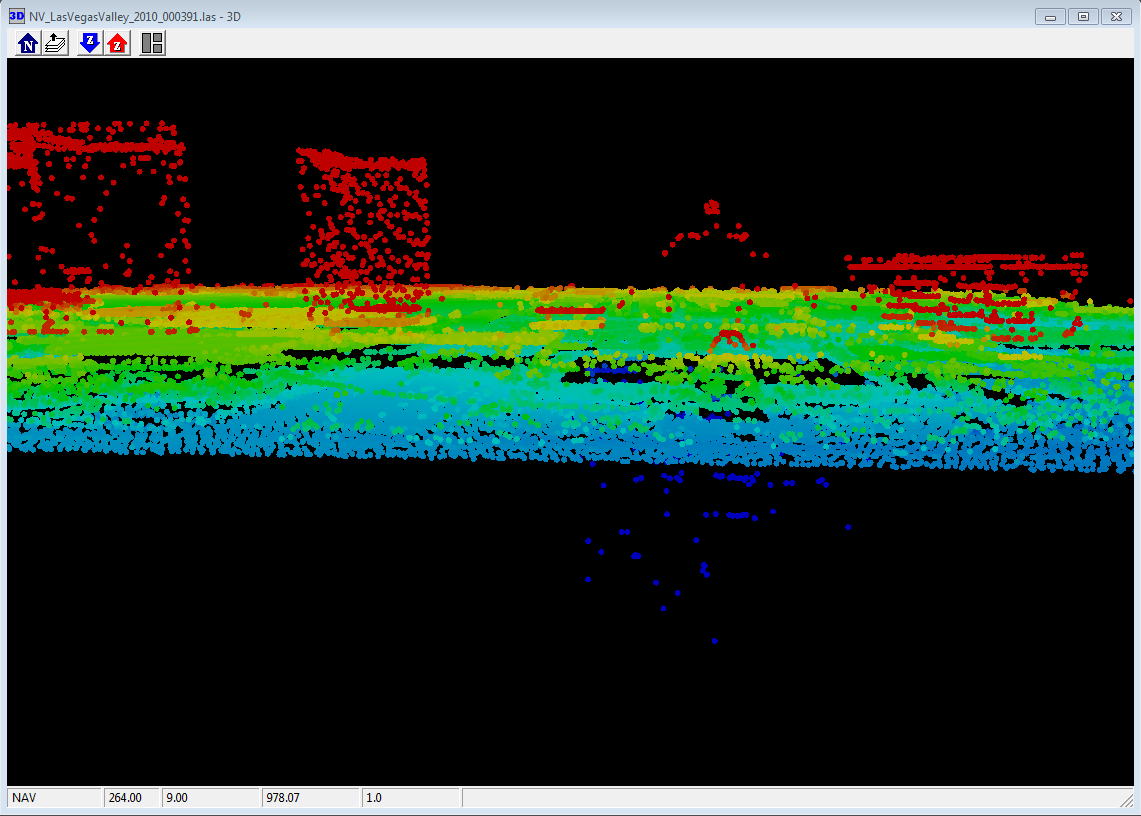
    <content type="html"><![CDATA[<p><em><strong><img class="alignright size-medium wp-image-15803" alt="noaa_white" src="http://gisandscience.files.wordpress.com/2014/02/noaa_white.gif?w=300&#038;h=300" width="300" height="300" />NOAA&#8217;s New GIS Platform Will Increase Availability of Ocean and Weather Data and Applications</strong></em></p>
<p>The National Oceanic and Atmospheric Administration (<a href="http://www.noaa.gov">NOAA</a>) recently signed an enterprise license agreement with Esri, the world leader in GIS technology.</p>
<p>The agreement enables NOAA to continue building its GIS platform while maintaining data quality in bathymetry, climate and weather data, navigational charting, fisheries protection, natural resource management, marine planning, and other areas of its mission.</p>
<p>&#8220;NOAA now has the ability to increase access to Esri software and services that provide additional options for making NOAA data and applications available to all our constituencies and partners,&#8221; says Tony LaVoi, NOAA geospatial information officer. &#8220;We&#8217;re looking forward to the opportunities this presents to continue to grow our geospatial programs in NOAA.&#8221;</p>
<p>All NOAA employees now gain unlimited access to select Esri desktop and server products, including the powerful ArcGIS for Desktop, ArcGIS Spatial Analyst and 3D Analyst extensions, and ArcGIS for Maritime. In addition, NOAA staff members gain unlimited access to Esri&#8217;s Virtual Campus for online training, discounts on Esri technical support and classroom training, and complimentary passes to annual Esri user and developer conferences.</p>
<p>Another benefit of the agreement is a subscription to Esri&#8217;s ArcGIS Online. This benefit allows NOAA to quickly create interactive maps and applications and share these with the rest of the organization and the public.</p>
<p>&#8220;The agreement provides a foundation for the development of an enterprise geospatial program for NOAA, which will likely result in increased efficiencies across the organization, enhanced access to NOAA data and services, and a streamlined acquisition process,&#8221; states Joe Klimavicz, NOAA&#8217;s chief information officer (CIO).</p>
<p>NOAA&#8217;s mission is to understand and predict changes in the earth&#8217;s environment, from the depths of the ocean to the surface of the sun, and to conserve and manage our coastal and marine resources.</p>
<p>For more information about enterprise license agreements, visit <a href="http://www.esri.com/industries/ela">esri.com/ela</a>.</p>
<p>[Source: Esri <a href="http://www.esri.com/esri-news/releases/14-1qtr/noaa-and-esri-agreement-to-broaden-understanding-of-environmental-change" target="_blank">press release</a>]</p><br />Filed under: <a href='http://gisandscience.com/category/climate-change/'>Climate Change</a>, <a href='http://gisandscience.com/category/earth-systems-science/'>Earth Systems Science</a>, <a href='http://gisandscience.com/category/environmental-science/'>Environmental Science</a>, <a href='http://gisandscience.com/category/esri/'>ESRI</a>, <a href='http://gisandscience.com/category/geography/'>Geography</a>, <a href='http://gisandscience.com/category/gis/'>GIS</a>  <img alt="" border="0" src="http://stats.wordpress.com/b.gif?host=gisandscience.com&#038;blog=5785235&#038;post=15802&#038;subd=gisandscience&#038;ref=&#038;feed=1" width="1" height="1" />]]></content>
  </entry>
  <entry>
    <id>http://cloverpoint.com/?p=1680</id>
    <title><![CDATA[Maps, Not Guns.]]></title>
    <updated>2014-02-28T03:03:08+00:00</updated>
    <link rel="alternate" href="http://cloverpoint.com/2014/02/maps-guns/"/>
    <summary><![CDATA[<p>I recently reviewed a colleagues Ph.D. thesis that took an in-depth look at the state of GIS and spatial data in South Australia as it compares to North America through an indigenous peoples lens. We participated in his research and got the privilege of a thesis preview before it was published. Paul Andrew Corcoran, the author [&#8230;]</p><p>The post <a rel="nofollow" href="http://cloverpoint.com/2014/02/maps-guns/">Maps, Not Guns.</a> appeared first on <a rel="nofollow" href="http://cloverpoint.com">CloverPoint</a>.</p>]]></summary>
    <content type="html"><![CDATA[<p>I recently reviewed a colleagues Ph.D. thesis that took an in-depth look at the state of GIS and spatial data in South Australia as it compares to North America through an indigenous peoples lens. We participated in his research and got the privilege of a thesis preview before it was published. Paul Andrew Corcoran, the author of the thesis, did some great research but in particular I noticed this little gem of a quote he found by Bernard Q. Nietschmann, a crusading academic geographer helping indigenous peoples map their own fate. Nietschmann refers to “Map Power” by stating,</p>
<blockquote><p>‘More Indigenous territory has been claimed by maps than by guns. This assertion has its corollary: more Indigenous territory can be reclaimed and defended by maps than by guns. Whereas maps like guns must be accurate, they have the additional advantages that they are inexpensive, don&#8217;t require a permit, can be openly carried and used, internationally neutralize the invader&#8217;s one-sided legalistic claims, and can be duplicated and transmitted electronically which defies all borders, all pretexts, and all occupations.’  (Bernard Q. Nietschmann, 1995)</p>
<p style="text-align: center;"><a href="http://cloverpoint.com/wp-content/uploads/2014/02/mapgun.jpg"><img class="aligncenter size-medium wp-image-1734" alt="maps not guns" src="http://cloverpoint.com/wp-content/uploads/2014/02/mapgun-300x294.jpg" width="300" height="294" /></a></p>
</blockquote>
<p id="E57"><span id="more-1680"></span></p>
<p>Maps, not guns – I love it. Through CloverPoint and its numerous mapping escapades, I’ve had the honor of helping several indigenous peoples in their quest to assert their rights and title to the land they call home no different to you or I defending our own personal homes and properties with pride. To date we’ve not needed any guns.</p>
<p>A spell back my esteemed colleague Brandon Thompson and I attended an Aboriginal Land Management conference and met Anthony Laforge of the Magnetawan First Nation. Anthony was an amazing individual filled with passion about his people and culture and how their way of life was at risk from the pressures that surrounded their natural resources and traditional ways of life. A great storyteller, Anthony put the cause of the Ojibwa people and of most indigenous peoples in perspective with this simple analogy.</p>
<p>“Imagine someone pulling up to your driveway, opening your white picket fence gate, crossing your grassed yard, opening your front door, walking in straight passed you through your living room and kitchen, then pouring and drinking a glass of water – How would you feel? While we would be happy to share our water, all you have to do is ask.”</span></p>
<p>Chief Karen Ogen has become a personal friend and inspires me with her every word. She is a courageous woman fighting for the people of the Wet’suwwet’en First Nation (<a href="http://wetsuwetenfirstnation.ca">http://wetsuwetenfirstnation.ca</a>) near Burns Lake BC. The LNG industry is poised to push through the Wet’suwet’en’s front yard and Chief Karen wants meaningful consultation with government and industry. She, like Anthony and the Magnetawan, wants the respect of those who chose to come to her people’s traditional territory to ask her permission, to ask what her people want, to ask for that glass of water.</p>
<p>Defending ones rights and titles is a basic principle. Defending that principle is done with the courage of people like Anthony Laforge and Chief Karen Ogen. Defending that principle is done with MAPS, not guns.</span></p>
<p>Corcoran’s thesis articulates a common bond we at CloverPoint share with those trailblazing geographers like Nietschmann and their technical counterparts like Jack Dangermond of Esri or Roger Tomlinson the founding father of GIS. Corcoran’s olive branch to the mappers of the world,</span></p>
<div>
<div id="E-8">
“Finally, to all the map makers out there that have seen our industry condense, our time is coming back, no longer are we confined to being boring, anorak wearing (geo) nerds. Spatial information technologies, such as GIS and GPS, are becoming intrinsic in society and in effect, as Painter (2006) indicated, making maps ‘cool’ … again.”</span></p>
<p>&nbsp;</p>
<p><center><a href="http://cloverpoint.com/wp-content/uploads/2014/01/06-1-0-basin.jpg"><img class="aligncenter  wp-image-1683" alt="coast salish map" src="http://cloverpoint.com/wp-content/uploads/2014/01/06-1-0-basin-233x300.jpg" width="242" height="310" /></a><br />
<bR><br />
Salish Sea, Coast Salish Territory.<br />
<BR>Georgia Basin Action Plan (<a href="http://www.firstnations.de/development/coast_salish.htm">Source</a>)<br />
<bR><br />
</center></p>
<p>Author: Jeff Warwick, President &amp; CEO, Cloverpoint &#8211; @warwickvic</p>
<p id="E185"><strong><span style="line-height: 1.714285714; font-size: 1rem;">References:</span></strong></p>
<p id="E192"><span style="line-height: 1.714285714; font-size: 1rem;">Benchmarking Spatial Information Endeavours in South Australia:<br />
</span>An Aboriginal Context<br />
By: Paul Andrew Corcoran BA, MSc.</p>
<p id="E210">A thesis submitted for the degree of Doctor of Philosophy (Geoinformatics)<br />
University of South Australia, Barbara Hardy Institute<br />
School of Natural and Built Environments,<br />
Division of Information Technology, Engineering and the Environment</p>
</div>
</div>
<p><a class="a2a_button_facebook" href="http://www.addtoany.com/add_to/facebook?linkurl=http%3A%2F%2Fcloverpoint.com%2F2014%2F02%2Fmaps-guns%2F&amp;linkname=Maps%2C%20Not%20Guns." title="Facebook" rel="nofollow" target="_blank"><img src="http://cloverpoint.com/wp-content/plugins/add-to-any/icons/facebook.png" width="16" height="16" alt="Facebook"/></a><a class="a2a_button_twitter" href="http://www.addtoany.com/add_to/twitter?linkurl=http%3A%2F%2Fcloverpoint.com%2F2014%2F02%2Fmaps-guns%2F&amp;linkname=Maps%2C%20Not%20Guns." title="Twitter" rel="nofollow" target="_blank"><img src="http://cloverpoint.com/wp-content/plugins/add-to-any/icons/twitter.png" width="16" height="16" alt="Twitter"/></a><a class="a2a_button_google_plus" href="http://www.addtoany.com/add_to/google_plus?linkurl=http%3A%2F%2Fcloverpoint.com%2F2014%2F02%2Fmaps-guns%2F&amp;linkname=Maps%2C%20Not%20Guns." title="Google+" rel="nofollow" target="_blank"><img src="http://cloverpoint.com/wp-content/plugins/add-to-any/icons/google_plus.png" width="16" height="16" alt="Google+"/></a><a class="a2a_button_linkedin" href="http://www.addtoany.com/add_to/linkedin?linkurl=http%3A%2F%2Fcloverpoint.com%2F2014%2F02%2Fmaps-guns%2F&amp;linkname=Maps%2C%20Not%20Guns." title="LinkedIn" rel="nofollow" target="_blank"><img src="http://cloverpoint.com/wp-content/plugins/add-to-any/icons/linkedin.png" width="16" height="16" alt="LinkedIn"/></a><a class="a2a_button_reddit" href="http://www.addtoany.com/add_to/reddit?linkurl=http%3A%2F%2Fcloverpoint.com%2F2014%2F02%2Fmaps-guns%2F&amp;linkname=Maps%2C%20Not%20Guns." title="Reddit" rel="nofollow" target="_blank"><img src="http://cloverpoint.com/wp-content/plugins/add-to-any/icons/reddit.png" width="16" height="16" alt="Reddit"/></a><a class="a2a_dd a2a_target addtoany_share_save" href="http://www.addtoany.com/share_save#url=http%3A%2F%2Fcloverpoint.com%2F2014%2F02%2Fmaps-guns%2F&amp;title=Maps%2C%20Not%20Guns." id="wpa2a_18">Share</a></p><p>The post <a rel="nofollow" href="http://cloverpoint.com/2014/02/maps-guns/">Maps, Not Guns.</a> appeared first on <a rel="nofollow" href="http://cloverpoint.com">CloverPoint</a>.</p>]]></content>
  </entry>
  <entry>
    <id>tag:blogger.com,1999:blog-7710608326397968868.post-4522433128853537701</id>
    <title><![CDATA[QGIS 2.0 Dufour on a Nexus 7 Tablet]]></title>
    <updated>2014-02-28T00:33:08+00:00</updated>
    <link rel="alternate" href="http://opensourcegisblog.blogspot.com/feeds/4522433128853537701/comments/default"/>
    <summary><![CDATA[]]></summary>
    <content type="html"><![CDATA[An update for readers of <a href="http://opensourcegisblog.blogspot.com/2013/03/qgis-on-nexus-7-tablet.html">last year's post about QGIS</a> on a Nexus 7 tablet/slate.&nbsp; In this post, I will&nbsp; cover downloading, installing, and using QGIS on a Nexus 7 Tablet (1st Generation, 8 GB) running <a href="http://www.android.com/versions/kit-kat-4-4/">Android 4.4.2 KitKat</a>.&nbsp; This is the same tablet I used last year.&nbsp; Keep in mind this tablet's touchscreen is only 7 inches.&nbsp; Larger tablets are on their way, <a href="http://www.tomsguide.com/us/best-tablets,review-1966.html">with a 12" Samsung tablet already available</a>.<br /><br />You will also gain an understanding of what additional apps you will need to make the experience as smooth as possible.&nbsp; Lastly, I'll discuss the strengths and weaknesses of QGIS on this particular tablet.<br /><br /><i><i>QGIS on Android is a work in progress.&nbsp; </i>Since many people may try installing QGIS for Android on their own tablet, a friend's, or even a work device, proceed at your own risk. To date: I have not had any problems with installing QGIS on my tablet. </i><br /><br /><b>Downloading, Pre-Install, and Installation</b><br /><ul><li>Before installing QGIS, make sure your device has enough space for installation (~600 MB) and downloading at least a few GIS-related shapefiles or rasters.&nbsp; On mobile devices, storage can run out really fast. </li><li>Head over to the <a href="http://hub.qgis.org/projects/android-qgis">QGIS for Android</a> page and select the "Download" link, then click the link for QGIS installer at the top of the page to download the *.apk or <a href="http://en.wikipedia.org/wiki/APK_%28file_format%29">Android Application Package</a>.</li><li>You will also have to download <a href="https://play.google.com/store/apps/details?id=org.kde.necessitas.ministro">Ministro</a> which is available on Google Play.</li></ul>To make your QGIS experience even better also download a file explorer app, such as <a href="https://play.google.com/store/apps/details?id=com.rhmsoft.fm">File Manager</a>, and a de/compression app like <a href="https://play.google.com/store/apps/details?id=com.rbigsoft.easyunrar.lite">EasyRar</a> or <a href="https://play.google.com/store/apps/details?id=ru.zdevs.zarchiver">ZArchiver </a>--since GIS files are really a set of files that work together. Clicking on the screenshots below will enlarge them.<br /><br /><table align="center" cellpadding="0" cellspacing="0" class="tr-caption-container" style="margin-left: auto; margin-right: auto; text-align: center;"><tbody><tr><td style="text-align: center;"><a href="http://2.bp.blogspot.com/-r4a2o_Ohv6M/Uw6xS_w-c6I/AAAAAAAAAYc/lTGHh3uZuRs/s1600/FileExplorer.png" imageanchor="1" style="margin-left: auto; margin-right: auto;"><img border="0" src="http://2.bp.blogspot.com/-r4a2o_Ohv6M/Uw6xS_w-c6I/AAAAAAAAAYc/lTGHh3uZuRs/s1600/FileExplorer.png" height="250" width="400" /></a></td></tr><tr><td class="tr-caption" style="text-align: center;">A screenshot of an unpacked shapefile in File Manager</td></tr></tbody></table>After downloading the APK, head to your download folder and follow the onscreen instructions.&nbsp; Installation will take a few minutes.&nbsp; QGIS will appear as a little green android icon with a Q on its stomach.&nbsp; After starting QGIS, you will be greeted with the familiar loading screen and tips.<br /><br /><b>Using QGIS</b><br />When using QGIS on a tablet, you may want to consider un-checking the "render" button until you are ready for your map to be displayed.&nbsp; You will&nbsp; also notice a "canvas rendering" progress bar while maps are rendering.<br /><br />For this post, I visited the <a href="http://nationalatlas.gov/maplayers.html">National Atlas</a> page in my tablet's Chrome browser and downloaded several <a href="http://en.wikipedia.org/wiki/Tar_%28computing%29">tar files</a>.&nbsp; Next, I navigated to my "Download" folder on my device, extracted then to a new folder, and then unpacked the contents. <br /><br /><b>A Single Vector Layer</b><br />Even on a small tablet,you can see a lot of real estate...<br /><b> </b><br /><table align="center" cellpadding="0" cellspacing="0" class="tr-caption-container" style="margin-left: auto; margin-right: auto; text-align: center;"><tbody><tr><td style="text-align: center;"><a href="http://3.bp.blogspot.com/-D-8S1p-fv7M/Uw6bcT22RWI/AAAAAAAAAYE/Lpq8KKfbU9o/s1600/Screenshot_2014-02-26-20-47-36.png" imageanchor="1" style="margin-left: auto; margin-right: auto;"><img border="0" src="http://3.bp.blogspot.com/-D-8S1p-fv7M/Uw6bcT22RWI/AAAAAAAAAYE/Lpq8KKfbU9o/s1600/Screenshot_2014-02-26-20-47-36.png" height="250" width="400" /></a></td></tr><tr><td class="tr-caption" style="text-align: center;">&nbsp;Unemployment Rate 2009, by County</td></tr></tbody></table><b>Raster and Vector Data</b><br />Like a desktop GIS and QGIS on  desktop, you can begin to create eye catching and more complex map  products--with multiple layers, data types, and labels.<b> </b><br /><table align="center" cellpadding="0" cellspacing="0" class="tr-caption-container" style="margin-left: auto; margin-right: auto; text-align: center;"><tbody><tr><td style="text-align: center;"><a href="http://2.bp.blogspot.com/-BsCIcDgwgDE/Uw_Tg0r-30I/AAAAAAAAAYs/RQ2dlDiA9wY/s1600/HawaiiVolcanoes.png" style="margin-left: auto; margin-right: auto;"><img border="0" src="http://2.bp.blogspot.com/-BsCIcDgwgDE/Uw_Tg0r-30I/AAAAAAAAAYs/RQ2dlDiA9wY/s1600/HawaiiVolcanoes.png" height="250" width="400" /></a></td></tr><tr><td class="tr-caption" style="text-align: center;">Hawaii, cities, volcanoes, and risk of lava flows, transparent, overlaying imagery.&nbsp;<b> </b></td></tr></tbody></table><b></b><b>Metadata&nbsp;</b><br />Metadata, important regardless of where you do your GIS work, can be viewed using several different programs, below using Android's text editor:<br /><br /><div class="separator" style="clear: both; text-align: center;"></div><div class="separator" style="clear: both; text-align: center;"><a href="http://4.bp.blogspot.com/-HPZQIEUjmcM/Uw6xFGTClNI/AAAAAAAAAYU/DF2PiTFeOQ0/s1600/Metadata_Example.png" imageanchor="1" style="margin-left: 1em; margin-right: 1em;"><img border="0" src="http://4.bp.blogspot.com/-HPZQIEUjmcM/Uw6xFGTClNI/AAAAAAAAAYU/DF2PiTFeOQ0/s1600/Metadata_Example.png" height="250" width="400" /></a></div><br /><b>Saving a Map</b><br />One esoteric step is when you go to save a map or *.qgs file.&nbsp; You will have to add the file extension ".qgs" to your filename to be able to successfully save your map. Otherwise, the "save" button will not be available.&nbsp; (I am currently looking through the bug listings to see if this is already a known issue.)<br /><br /><b>Impressions&nbsp; </b><br />Good with improvements over earlier versions.&nbsp; Overall, installing, importing data, symbolizing it, and other basic features of QGIS 2.0 are easy to implement on a small seven inch tablet.<br /><br />However, you will need patience working on a seven inch screen and there are limitations.&nbsp; For example, some slide bars for large drop down menus were too thin to select, even with a stylus.&nbsp; Reordering layers was almost impossible using this small touchscreen.&nbsp; The map composer was also too difficult to use and did not display well.&nbsp; Crashes are rare and generally occur when the user performs several different actions very close together in time or sequence.&nbsp; Performance will vary depending on the device you use.<br /><br />Newer tablets have increased processing power, memory, and storage--all of which should help performance.&nbsp; Given the rapid rise of mobile, having a free desktop GIS on tablet so soon is a big achievement!&nbsp; Later this year, I plan to get a  larger tablet--which should improve the ease of use with QGIS. I will be sure to install QGIS for Android and give it another go! ]]></content>
  </entry>
  <entry>
    <id>tag:blogger.com,1999:blog-7278262030537194084.post-2077250339113526216</id>
    <title><![CDATA[Wandering in the footsteps of the polar bear with Google Maps]]></title>
    <updated>2014-02-27T17:15:00+00:00</updated>
    <link rel="alternate" href="http://www.blogger.com/feeds/7278262030537194084/posts/default/2077250339113526216"/>
    <summary><![CDATA[]]></summary>
    <content type="html"><![CDATA[<div class="separator" style="clear: both; text-align: center;"></div><br /><i>This guest post is from Krista Wright, the executive director of <a href="http://www.polarbearsinternational.org/">Polar Bears International</a>. We’ve partnered with PBI to share a fascinating look at polar bears in the wild using Google Maps. -Ed.</i><br /><br />In Inuit poetry, the polar bear is known as Pihoqahiak, the ever-wandering one. Some of the most majestic and elusive creatures in the world, polar bears travel hundreds of miles every year, wandering the tundra and Arctic sea ice in search of food and mates. Today, with the help of Street View, we’re celebrating <a href="http://www.polarbearsinternational.org/our-work/action-programs/international-polar-bear-day">International Polar Bear Day</a> by sharing an <a href="http://www.google.com/maps/about/behind-the-scenes/streetview/treks/churchill-canada/">intimate look at polar bears</a> in their natural habitat.<br /><br /><div class="separator" style="clear: both; text-align: center;"><a href="http://2.bp.blogspot.com/-J8tNZHKLMtY/Uw9vM-08fNI/AAAAAAAAC5A/5DMPzfprn7I/s1600/PolarBears1.jpeg" imageanchor="1" style="margin-left: 1em; margin-right: 1em;"><img border="0" src="http://2.bp.blogspot.com/-J8tNZHKLMtY/Uw9vM-08fNI/AAAAAAAAC5A/5DMPzfprn7I/s1600/PolarBears1.jpeg" height="426" width="640" /></a></div><div style="text-align: center;"><i>The Street View Trekker, mounted on a Tundra Buggy, captures images of Churchill’s polar bears</i></div><br />We’ve joined forces with Google Maps to collect Street View imagery from a remote corner of Canada’s tundra: <a href="https://www.google.ca/maps/preview#!q=churchill+manitoba&amp;data=!4m12!2m11!1m10!1s0x526fd949c8f9f537%3A0xd10c44d8423762dd!3m8!1m3!1d369482!2d-79.32085!3d43.6568775!3m2!1i1024!2i768!4f13.1">Churchill, Manitoba</a>, home to one of the largest polar bear populations on the planet. With the help of outfitters <a href="http://www.frontiersnorth.com/">Frontiers North</a>, the Google Maps team mounted the Street View Trekker onto a specially designed “<a href="http://www.frontiersnorth.com/the-tundra-buggy-adventure">Tundra Buggy</a>,” allowing us to travel across this fragile landscape without interfering with the polar bears or other native species. Through October and November we collected Street View imagery from the shores of Hudson’s Bay as the polar bears waited for the sea ice to freeze over.<br /><br /><div style="text-align: center;"><iframe frameborder="0" height="426" marginheight="0" marginwidth="0" scrolling="no" src="https://www.google.com/maps?cbll=58.783674,-93.686482&amp;layer=c&amp;panoid=iOUFOA-VWtDXwKSrDWRuKQ&amp;cbp=12,335.83,,2,19.32&amp;ie=UTF8&amp;ll=58.762147,-93.645401&amp;spn=0.264931,0.727158&amp;t=m&amp;z=11&amp;source=embed&amp;output=svembed" width="640"></iframe><br /></div><div style="text-align: center;"><i><a href="https://www.google.com/maps?cbll=58.783674,-93.686482&amp;layer=c&amp;panoid=iOUFOA-VWtDXwKSrDWRuKQ&amp;cbp=12,335.83,,2,19.32&amp;ie=UTF8&amp;ll=58.762147,-93.645401&amp;spn=0.264931,0.727158&amp;t=m&amp;z=11&amp;source=embed">One of Churchill, Manitoba’s Polar Bears on Street View </a></i></div><br /><b>Modern cartography and polar bear conservation </b><br />There’s more to this effort than images of cuddly bears, though. PBI has been working in this region for more than 20 years, and we’ve witnessed firsthand the profound impact of warmer temperatures and <a href="http://nsidc.org/cryosphere/climate-change.html">melting sea ice</a> on the polar bear’s environment. Understanding global warming, and its impact on polar bear populations, requires both global and regional benchmarks. Bringing Street View to Canada's tundra establishes a baseline record of imagery associated with specific geospatial data—information that’s critical if we’re to understand and communicate the impact of climate change on their sensitive ecosystem. As we work to safeguard their habitat, PBI can add Street View imagery to the essential tools we use to assess and respond to the biggest threat facing polar bears today.<br /><br /><div class="separator" style="clear: both; text-align: center;"><a href="http://1.bp.blogspot.com/-nDAmoGD6TXU/Uw9vQEnkSvI/AAAAAAAAC5I/ZDL1f5VU9wI/s1600/PolarBears2.png" imageanchor="1" style="margin-left: 1em; margin-right: 1em;"><img border="0" src="http://1.bp.blogspot.com/-nDAmoGD6TXU/Uw9vQEnkSvI/AAAAAAAAC5I/ZDL1f5VU9wI/s1600/PolarBears2.png" height="434" width="640" /></a></div><div style="text-align: center;"><i>Polar Bear International’s <a href="http://www.polarbearsinternational.org/about-polar-bears/tracking/bear-tracker">Bear Tracker</a></i></div><br />We also use the Google Maps API to support our <a href="http://www.polarbearsinternational.org/about-polar-bears/tracking/bear-tracker">Bear Tracker</a>, which illustrates the frozen odyssey these bears embark on every year. As winter approaches and the sea ice freezes over, polar bears head out onto Hudson Bay to hunt for seals. Bear Tracker uses of satellite monitors and an interactive Google Map to display their migration for a global audience.<br /><br /><div style="text-align: center;"><iframe allowfullscreen="" frameborder="0" height="360" src="//www.youtube.com/embed/QYhoz54hpc8" width="640"></iframe><br /></div><br /><b>Mapping the communities of Canada’s Arctic</b><br />Google’s trip north builds on work they’ve done in the Arctic communities of <a href="http://google-latlong.blogspot.ca/2012/08/google-maps-heads-northway-north.html">Cambridge Bay</a> and <a href="http://www.google.ca/maps/about/behind-the-scenes/streetview/treks/canadian-arctic/">Iqaluit</a>. In the town of Churchill, the Google Maps team conducted a community <a href="https://sites.google.com/site/mapyourworldcommunity/mapups">MapUp</a>, which let participants use <a href="http://www.google.com/mapmaker">Map Maker</a> to edit and add to the Google Map. From the <a href="https://maps.google.com/?layer=c&amp;cbp=12,31.73,,0,14.42&amp;panoid=CDl62WbxURMrF70AurBfow">Town Centre Complex</a>, which includes the local school, rink and movie theatre, to the <a href="https://www.google.com/maps/@58.753227,-94.075104,3a,75y,31.73h,75.58t/data=!3m5!1e1!3m3!1s9OA5Aktrq-5dCzbtFmS9vg!2e0!3e5">bear holding facility</a> used to keep polar bears who have wandered into town until their release can be planned, the citizens of the Churchill made sure Google Maps reflects the community that they know.<br /><br />But building an accurate and comprehensive map of Canada’s north also means heading out of town to explore this country’s expansive tundra. And thanks to this collaboration with Google Maps, people around the world now have the opportunity to virtually experience Canada’s spectacular landscape—and maybe take a few moments to wander in the footsteps of the polar bear.<br /><br /><span class="byline-author">Krista Wright, Executive Director of Polar Bears International</span><div class="feedflare">
<a href="http://feeds.feedburner.com/~ff/blogspot/SbSV?a=S9aiYFfI1ts:Nqn3KD798Hc:yIl2AUoC8zA"><img src="http://feeds.feedburner.com/~ff/blogspot/SbSV?d=yIl2AUoC8zA" border="0"></img></a> <a href="http://feeds.feedburner.com/~ff/blogspot/SbSV?a=S9aiYFfI1ts:Nqn3KD798Hc:-BTjWOF_DHI"><img src="http://feeds.feedburner.com/~ff/blogspot/SbSV?i=S9aiYFfI1ts:Nqn3KD798Hc:-BTjWOF_DHI" border="0"></img></a>
</div><img src="http://feeds.feedburner.com/~r/blogspot/SbSV/~4/S9aiYFfI1ts" height="1" width="1"/>]]></content>
  </entry>
  <entry>
    <id>tag:blogger.com,1999:blog-1166669645725536266.post-8399151985241705864</id>
    <title><![CDATA[IRONSHEEP 2014: Wow. So Sheep. Such Maps.]]></title>
    <updated>2014-02-27T16:00:00+00:00</updated>
    <link rel="alternate" href="http://www.floatingsheep.org/feeds/8399151985241705864/comments/default"/>
    <summary><![CDATA[]]></summary>
    <content type="html"><![CDATA[<div style="margin-bottom: .0001pt; margin: 0in;"><br /></div><div class="separator" style="clear: both; text-align: center;"><a href="http://2.bp.blogspot.com/-mDJlPo-MOgg/Uw2Vq_U8z9I/AAAAAAAABcg/I7fo2YA6UFA/s1600/dogesheep.jpg" imageanchor="1" style="clear: left; float: left; margin-bottom: 1em; margin-right: 1em;"><img border="0" src="http://2.bp.blogspot.com/-mDJlPo-MOgg/Uw2Vq_U8z9I/AAAAAAAABcg/I7fo2YA6UFA/s1600/dogesheep.jpg" height="400" width="251" /></a></div><div style="margin-bottom: .0001pt; margin: 0in;">We are happy to announce that we will be holding our third annual IronSheep geo-hackathon at this year's annual AAG conference in Tampa, Florida.</div><div style="margin-bottom: .0001pt; margin: 0in;"><br /></div><div style="margin-bottom: .0001pt; margin: 0in;">The event seeks to mimic the format of the “Iron Chef” television series and challenges participants (grouped into teams with members from diverse backgrounds and skill sets) to produce meaningful analysis and fun, evocative map mash-ups from the same sets of user-generated, geo-coded data within a four hour time frame. The goal is to provide a semi-structured environment where participants can socialize and work on a fun, yet socially meaningful project. Participants will be drawn from academic, industry and artistic communities from around the world.<o:p></o:p></div><div style="margin-bottom: .0001pt; margin: 0in;"><br /></div><div style="margin-bottom: .0001pt; margin: 0in;">Interested?&nbsp; We have a larger venue (thanks to <a href="http://www.tampabaywave.org/">Tampa Bay Wave</a>) this year than in years past and so encourage all to come.&nbsp; We do ask, however, that you <a href="https://docs.google.com/forms/d/1RkIGxpd9uheSSS3pZABUKekR0N8MS_Tdo602so7c6AA/viewform">pre-register</a> so we have an idea of attendance.<o:p></o:p></div><div style="margin-bottom: .0001pt; margin: 0in;"><br /></div><div style="margin-bottom: .0001pt; margin: 0in;">There will be prizes, there will be trophies, there will be gratuitous sheep and use of the doge meme.<o:p></o:p></div><div style="margin-bottom: .0001pt; margin: 0in;"><br /></div><div style="margin-bottom: .0001pt; margin: 0in;"><b>Date:<span class="apple-converted-space">&nbsp;</span></b>Tuesday April 8, 2014<o:p></o:p></div><div style="margin-bottom: .0001pt; margin: 0in;"><b>Time:<span class="apple-converted-space">&nbsp;</span></b>5 pm to 9 pm<o:p></o:p></div><div style="margin-bottom: .0001pt; margin: 0in;"><b>Location:</b><span class="apple-converted-space">&nbsp;Tampa Bay Wave (<a href="http://goo.gl/maps/LrMRT">Directions from the Tampa Convention Center</a></span><span class="apple-converted-space">) </span><o:p></o:p></div><div style="margin-bottom: .0001pt; margin: 0in;"><b>Bring:</b><span class="apple-converted-space">&nbsp;</span>your laptop, software, friends, lovers, geographers, programmers, geo-geeks, ewes, rams and lambs<o:p></o:p></div><div style="margin-bottom: .0001pt; margin: 0in;"><b>Don't bring</b>: wolves, Chupacabra or mint sauce as we have learned last year they are hazardous (or offensive) to sheep.<o:p></o:p></div><div style="margin-bottom: .0001pt; margin: 0in;"><br /></div><div style="margin-bottom: .0001pt; margin: 0in;">We will provide food, beverages, data, internet, prizes and sparkling commentary. And perhaps even present one of the floating sheep collective<span class="apple-converted-space">&nbsp;</span><a href="http://compare.ebay.com/like/310372160552?var=lv&amp;ltyp=AllFixedPriceItemTypes&amp;var=sbar">as a sheep</a>. But don't count on that last point.<o:p></o:p></div><div style="margin-bottom: .0001pt; margin: 0in;"><br /></div><div style="margin-bottom: .0001pt; margin: 0in;"><a href="http://www.floatingsheep.org/2012/04/ironsheep-2012-team-mutton-and-seven.html">How to Win--suggestions from the first season of Iron Sheep</a></div>]]></content>
  </entry>
  <entry>
    <id>1974 at http://www.opengeospatial.org</id>
    <title><![CDATA[OGC I15 (ISO19115 Metadata) Extension Package of the OGC Catalogue Services 2.0 (CS-W) ebRIM Profile]]></title>
    <updated>2014-02-26T15:11:32+00:00</updated>
    <link rel="alternate" href="http://www.opengeospatial.org/blog/1974"/>
    <summary><![CDATA[<p><span>The OGC Catalogue Services (OGC CS) Standard establishes a general framework for implementing geospatial catalogue services that can be applied to meet the needs of stakeholders in a wide variety of domains.</span></p><p><a href="http://www.opengeospatial.org/blog/1974" target="_blank">read more</a></p>]]></summary>
    <content type="html"><![CDATA[<p><span>The OGC Catalogue Services (OGC CS) Standard establishes a general framework for implementing geospatial catalogue services that can be applied to meet the needs of stakeholders in a wide variety of domains.</span></p><p><a href="http://www.opengeospatial.org/blog/1974" target="_blank">read more</a></p>]]></content>
  </entry>
  <entry>
    <id>tag:blogger.com,1999:blog-23039370.post-655125752149021008</id>
    <title><![CDATA[PCI Geomatics Supports SkySat-1 Data Analysis]]></title>
    <updated>2014-02-26T02:14:11+00:00</updated>
    <link rel="alternate" href="http://www.educationgis.com/feeds/655125752149021008/comments/default"/>
    <summary><![CDATA[]]></summary>
    <content type="html"><![CDATA[Geomatics, a world leading developer of remote sensing and photogrammetric software and systems, announced today it supports data analysis of images from SkySat-1, the first in a planned constellation of 24 satellites from Skybox Imaging. Support for SkySat-1 is currently available in the company’s new software, Geomatica 2013 (Service Pack 3 – SP3). <br /><br />SkySat-1 is a high-performance satellite capable of providing 4-band, high-resolution sub-meter class imagery. Operating in a sun-synchronous orbit of 600 km, SkySat-1 also provides the first commercial high-resolution, full-motion video from space at 30 frames per second. <br /><br />“We are thrilled to be partnering with PCI Geomatics to ensure that our imagery products are seamlessly incorporated into user’s workflows,” said Matt Wood, Skybox Senior Director of Enterprise Solutions. “It is important that our imagery is easily accessible and can be used to derive information in a timely, operational manner. We’ve worked closely with PCI Geomatics to ensure speedy correction is possible in a way that is both highly accurate and automated.” <br /><br />“Our customers have come to expect Geomatica to support new sensors as imagery becomes available, and Skybox is no exception,” said Terry Moloney, President and CEO of PCI Geomatics. “SkySat-1 and other future sensors that will make up Skybox’s constellation will open new and exciting possibilities for the operational use of imagery. We are pleased to be able to offer support very early on in this exciting new era of commercial earth observation where pervasive coverage and imaging is becoming increasingly possible.” <br /><br />SOURCE PCI Geomatics<div class="feedflare">
<a href="http://feeds.feedburner.com/~ff/Geo-infoInEducation?a=9ku_lP-JAa4:lvmT6rlZ9Q4:yIl2AUoC8zA"><img src="http://feeds.feedburner.com/~ff/Geo-infoInEducation?d=yIl2AUoC8zA" border="0"></img></a> <a href="http://feeds.feedburner.com/~ff/Geo-infoInEducation?a=9ku_lP-JAa4:lvmT6rlZ9Q4:7Q72WNTAKBA"><img src="http://feeds.feedburner.com/~ff/Geo-infoInEducation?d=7Q72WNTAKBA" border="0"></img></a> <a href="http://feeds.feedburner.com/~ff/Geo-infoInEducation?a=9ku_lP-JAa4:lvmT6rlZ9Q4:dnMXMwOfBR0"><img src="http://feeds.feedburner.com/~ff/Geo-infoInEducation?d=dnMXMwOfBR0" border="0"></img></a> <a href="http://feeds.feedburner.com/~ff/Geo-infoInEducation?a=9ku_lP-JAa4:lvmT6rlZ9Q4:V_sGLiPBpWU"><img src="http://feeds.feedburner.com/~ff/Geo-infoInEducation?i=9ku_lP-JAa4:lvmT6rlZ9Q4:V_sGLiPBpWU" border="0"></img></a> <a href="http://feeds.feedburner.com/~ff/Geo-infoInEducation?a=9ku_lP-JAa4:lvmT6rlZ9Q4:gIN9vFwOqvQ"><img src="http://feeds.feedburner.com/~ff/Geo-infoInEducation?i=9ku_lP-JAa4:lvmT6rlZ9Q4:gIN9vFwOqvQ" border="0"></img></a> <a href="http://feeds.feedburner.com/~ff/Geo-infoInEducation?a=9ku_lP-JAa4:lvmT6rlZ9Q4:qj6IDK7rITs"><img src="http://feeds.feedburner.com/~ff/Geo-infoInEducation?d=qj6IDK7rITs" border="0"></img></a>
</div>]]></content>
  </entry>
  <entry>
    <id>http://www.gretchenpeterson.com/blog/?p=3530</id>
    <title><![CDATA[In Our Defense]]></title>
    <updated>2014-02-24T18:15:51+00:00</updated>
    <link rel="alternate" href="http://feedproxy.google.com/~r/GretchenPetersonsBlog/~3/5Qak7Qe4sbg/"/>
    <summary><![CDATA[I bill myself as a data scientist. After all, 50% of any GIS or cartography project, in general, involves data wrangling. Knowledge of statistics and geo-specific analytics is imperative to getting complex maps right. Of course, as with many tech fields, tools are always changing and there always seems to be something new to learn. [&#8230;]]]></summary>
    <content type="html"><![CDATA[<p>I bill myself as a data scientist. After all, 50% of any GIS or cartography project, in general, involves data wrangling. Knowledge of statistics and geo-specific analytics is imperative to getting complex maps right. Of course, as with many tech fields, tools are always changing and there always seems to be something new to learn.</p>
<p>However, I take issue with this little snippet in Sunday&#8217;s NY Times from David J. Hand. When speaking about geographic clusters* he wags his finger at us and pontificates, &#8220;&#8230;if you do see such a cluster, then you should work out the chance that you would see such a cluster purely randomly, purely by chance, and if it&#8217;s very low odds, then you should investigate it carefully.&#8221; See the short article <a href="http://www.nytimes.com/2014/02/23/magazine/david-j-hands-lottery-tips.html?ref=talk&amp;_r=0">here</a>.</p>
<p>Granted, he&#8217;s probably reacting to the surfeit of maps that have been circulating the internet claiming to prove this, that or the other, when in fact they are mostly bogus. For example, Kenneth Fields tweeted this abomination this morning:</p>
<blockquote class="twitter-tweet" lang="en"><p><a href="https://twitter.com/search?q=%23McCartoCrap&amp;src=hash">#McCartoCrap</a> ~2500 years of cartography and this RT <a href="https://twitter.com/Amazing_Maps">@Amazing_Maps</a>: what a time to be alive <a href="http://t.co/CnzVHLW26w">pic.twitter.com/CnzVHLW26w</a></p>
<p>&mdash; Kenneth Field (@kennethfield) <a href="https://twitter.com/kennethfield/statuses/437955293939789824">February 24, 2014</a></p></blockquote>
<p><script async src="//platform.twitter.com/widgets.js" charset="utf-8"></script></p>
<p>Jonah Atkins has created a github location for sharing remedies to bad maps like the above called Amazing-Er-Maps (this is itself in reaction to the name &#8220;Amazing Maps,&#8221; which has been given to a twitter account that showcases maps of questionable quality at times.)</p>
<p><a href="https://github.com/jonahadkins/Amazing-Er-Maps">Amazing-Er-Maps</a>, as I understand it, is a place for you to upload a folder that contains the link to a bad map and a new map that is similar but does a better job. You include the data and the map as well as any code that goes with it. It&#8217;s a fabulous idea. Don&#8217;t just complain about bad maps, seek to make them better in a way that the whole community can gain inspiration from and learn from. Check it out, Jonah&#8217;s already got it going with several fun examples. Super warm-fuzzies.</p>
<p>Circling back to Mr. Hand, he has a point: we need to apply sound statistical and mathematical reasoning to our datasets and the maps we make from them. For example, when I was helping the Hood Canal Coordinating Council map septic system points, I didn&#8217;t just provide maps for them to visually inspect for clusters of too-old septics, I produced a map of statistically significant clusters of the too-old septics using hierarchical nearest neighbor clustering, which provides a confidence level for the chance that the cluster could be random.</p>
<p>The point is, those who are already practicing sound data mapping practices don&#8217;t like to be lumped in with the creators of maps that are produced&#8211;let&#8217;s face it&#8211;as sensational products. Our little map community is challenging those bad maps out there, creating great ones for our clients and bosses, and continuing to learn to make them better. Give us a bit more credit here and check out some of the really amazing things we&#8217;ve done.</p>
<p>*On an exciting note, &#8220;geographic clusters&#8221; makes main-stream news media!</p>
<img src="http://feeds.feedburner.com/~r/GretchenPetersonsBlog/~4/5Qak7Qe4sbg" height="1" width="1"/>]]></content>
  </entry>
  <entry>
    <id>http://cloverpoint.com/?p=1723</id>
    <title><![CDATA[The Social Map and a Twitter Analysis of the Reach of #GoCanadaGo from Sochi Olympics]]></title>
    <updated>2014-02-24T17:56:59+00:00</updated>
    <link rel="alternate" href="http://cloverpoint.com/2014/02/social-map-twitter-analysis-reach-gocanada/"/>
    <summary><![CDATA[<p>A look at the reach of GoCanadaGo and a wander around Sochi on the Social Map &#8211; There&#8217;s no question at all that all of Canada was glued to &#8220;the game&#8221; that took place in Sochi on Sunday Feb 23, the final day of the Sochi Olympics. Canada loves their hockey and they love their [&#8230;]</p><p>The post <a rel="nofollow" href="http://cloverpoint.com/2014/02/social-map-twitter-analysis-reach-gocanada/">The Social Map and a Twitter Analysis of the Reach of #GoCanadaGo from Sochi Olympics</a> appeared first on <a rel="nofollow" href="http://cloverpoint.com">CloverPoint</a>.</p>]]></summary>
    <content type="html"><![CDATA[<p>A look at the reach of GoCanadaGo and a wander around Sochi on the Social Map &#8211; There&#8217;s no question at all that all of Canada was glued to &#8220;the game&#8221; that took place in Sochi on Sunday Feb 23, the final day of the Sochi Olympics. Canada loves their hockey and they love their Olympics. Watching on TV at 4 AM isn&#8217;t enough for many though and Twitter was a popular way for fans and Canadians all over the Globe to share their passion for the sport and their desire for Gold.</p>
<p style="text-align: center;"><a href="http://cloverpoint.com/wp-content/uploads/2014/02/echoSEC.canclosed.png"><img class="aligncenter size-full wp-image-1724" alt="canada closed" src="http://cloverpoint.com/wp-content/uploads/2014/02/echoSEC.canclosed.png" width="282" height="274" /></a></p>
<p> <span id="more-1723"></span></p>
<p>For us, the <strong>Echosec Social map</strong> was a fantastic resource for viewing live tweets and amazing photos being shared by fans in attendance at the game &#8211; you can view images from the <a href="http://j.mp/1atsMRX">Olympic village</a>, the <a href="http://j.mp/1bG7m4P">closing ceremonies</a>, and from <a href="http://j.mp/1bG7wZN">inside the arena</a> where the game took place.</p>
<p>Canada took to Twitter big time and jumped on the <a href="http://j.mp/1cyok3d"><strong>#GoCanadaGo hashtag</strong></a> to share their enthusiasm &#8211; you can see results from the hashtag on the social map for a fun look at the fans showing their support! For those looking for even more Canada luv from Sochi, our analysis of the hashtag shows that the following related hashtags were also popular for fans: <strong>#wearewinter #Olympics #CanadaProud #WJC2014 #TeamCanada #Sochi2014 #Olympics2014</strong></p>
<p>A quick report showing some of the most popular and most influencial users of the #GoCanadaGo hashtag:<br />
<center></p>
<p style="text-align: center;"><a href="http://cloverpoint.com/wp-content/uploads/2014/02/poptweet1.png"><img class="aligncenter size-medium wp-image-1732" alt="popular tweets on gocanadago" src="http://cloverpoint.com/wp-content/uploads/2014/02/poptweet1-281x300.png" width="281" height="300" /></a></p>
<p></center></p>
<p><a class="a2a_button_facebook" href="http://www.addtoany.com/add_to/facebook?linkurl=http%3A%2F%2Fcloverpoint.com%2F2014%2F02%2Fsocial-map-twitter-analysis-reach-gocanada%2F&amp;linkname=The%20Social%20Map%20and%20a%20Twitter%20Analysis%20of%20the%20Reach%20of%20%23GoCanadaGo%20from%20Sochi%20Olympics" title="Facebook" rel="nofollow" target="_blank"><img src="http://cloverpoint.com/wp-content/plugins/add-to-any/icons/facebook.png" width="16" height="16" alt="Facebook"/></a><a class="a2a_button_twitter" href="http://www.addtoany.com/add_to/twitter?linkurl=http%3A%2F%2Fcloverpoint.com%2F2014%2F02%2Fsocial-map-twitter-analysis-reach-gocanada%2F&amp;linkname=The%20Social%20Map%20and%20a%20Twitter%20Analysis%20of%20the%20Reach%20of%20%23GoCanadaGo%20from%20Sochi%20Olympics" title="Twitter" rel="nofollow" target="_blank"><img src="http://cloverpoint.com/wp-content/plugins/add-to-any/icons/twitter.png" width="16" height="16" alt="Twitter"/></a><a class="a2a_button_google_plus" href="http://www.addtoany.com/add_to/google_plus?linkurl=http%3A%2F%2Fcloverpoint.com%2F2014%2F02%2Fsocial-map-twitter-analysis-reach-gocanada%2F&amp;linkname=The%20Social%20Map%20and%20a%20Twitter%20Analysis%20of%20the%20Reach%20of%20%23GoCanadaGo%20from%20Sochi%20Olympics" title="Google+" rel="nofollow" target="_blank"><img src="http://cloverpoint.com/wp-content/plugins/add-to-any/icons/google_plus.png" width="16" height="16" alt="Google+"/></a><a class="a2a_button_linkedin" href="http://www.addtoany.com/add_to/linkedin?linkurl=http%3A%2F%2Fcloverpoint.com%2F2014%2F02%2Fsocial-map-twitter-analysis-reach-gocanada%2F&amp;linkname=The%20Social%20Map%20and%20a%20Twitter%20Analysis%20of%20the%20Reach%20of%20%23GoCanadaGo%20from%20Sochi%20Olympics" title="LinkedIn" rel="nofollow" target="_blank"><img src="http://cloverpoint.com/wp-content/plugins/add-to-any/icons/linkedin.png" width="16" height="16" alt="LinkedIn"/></a><a class="a2a_button_reddit" href="http://www.addtoany.com/add_to/reddit?linkurl=http%3A%2F%2Fcloverpoint.com%2F2014%2F02%2Fsocial-map-twitter-analysis-reach-gocanada%2F&amp;linkname=The%20Social%20Map%20and%20a%20Twitter%20Analysis%20of%20the%20Reach%20of%20%23GoCanadaGo%20from%20Sochi%20Olympics" title="Reddit" rel="nofollow" target="_blank"><img src="http://cloverpoint.com/wp-content/plugins/add-to-any/icons/reddit.png" width="16" height="16" alt="Reddit"/></a><a class="a2a_dd a2a_target addtoany_share_save" href="http://www.addtoany.com/share_save#url=http%3A%2F%2Fcloverpoint.com%2F2014%2F02%2Fsocial-map-twitter-analysis-reach-gocanada%2F&amp;title=The%20Social%20Map%20and%20a%20Twitter%20Analysis%20of%20the%20Reach%20of%20%23GoCanadaGo%20from%20Sochi%20Olympics" id="wpa2a_20">Share</a></p><p>The post <a rel="nofollow" href="http://cloverpoint.com/2014/02/social-map-twitter-analysis-reach-gocanada/">The Social Map and a Twitter Analysis of the Reach of #GoCanadaGo from Sochi Olympics</a> appeared first on <a rel="nofollow" href="http://cloverpoint.com">CloverPoint</a>.</p>]]></content>
  </entry>
  <entry>
    <id>tag:blogger.com,1999:blog-7278262030537194084.post-4517755710257488340</id>
    <title><![CDATA[Monitoring the World's Forests with Global Forest Watch]]></title>
    <updated>2014-02-24T17:32:04+00:00</updated>
    <link rel="alternate" href="http://www.blogger.com/feeds/7278262030537194084/posts/default/4517755710257488340"/>
    <summary><![CDATA[]]></summary>
    <content type="html"><![CDATA[<br />By the time we find out about deforestation, it’s usually too late to take action.<br /><br />Scientists have been studying forests for centuries, chronicling the vital importance of these ecosystems for human society. But most of us still lack timely and reliable information about where, when, and why forests are disappearing. <br /><br />This is about to change with the launch of <a href="http://www.globalforestwatch.org/">Global Forest Watch</a>—an online forest monitoring system created by the World Resources Institute, Google and a group of more than 40 partners. Global Forest Watch uses technologies including <a href="http://earthengine.google.org/">Google Earth Engine</a> and <a href="https://mapsengine.google.com/map/?pli=1">Google Maps Engine</a> to map the world’s forests with satellite imagery, detect changes in forest cover in near-real-time, and make this information freely available to anyone with Internet access.<br /><br />By accessing the most current and reliable information, everyone can learn what’s happening in forests around the world. Now that we have the ability to peer into forests, a number of telling stories are beginning to emerge.<br /><br /><br /><b>Global forest loss far exceeds forest gain</b><br /><br /><div style="text-align: center;"><a href="http://2.bp.blogspot.com/-Hp-9YOluCUM/UwVjcBjG4RI/AAAAAAAAC20/jIjL7K5w6j0/s1600/Global+Forest+Loss.png" imageanchor="1" style="margin-left: 1em; margin-right: 1em;"><img border="0" src="http://2.bp.blogspot.com/-Hp-9YOluCUM/UwVjcBjG4RI/AAAAAAAAC20/jIjL7K5w6j0/s275/Global+Forest+Loss.png" width="275" /></a><a href="http://1.bp.blogspot.com/-XzJAE40cpuM/UwVjcMQGMAI/AAAAAAAAC24/Fz8q5GsosUo/s1600/Global+Forest+Loss+2.png" imageanchor="1" style="margin-left: 1em; margin-right: 1em; text-align: center;"><img border="0" src="http://1.bp.blogspot.com/-XzJAE40cpuM/UwVjcMQGMAI/AAAAAAAAC24/Fz8q5GsosUo/s275/Global+Forest+Loss+2.png" width="275" /></a><br /><b style="text-align: start;"><a href="http://www.globalforestwatch.org/map"><i>Global forest loss far exceeds forest gain</i></a></b></div><div class="separator" style="clear: both; text-align: left;"><span style="font-size: x-small;">Legend: Red = tree cover loss • Blue= Tree cover gain</span></div><br />According to data from the University of Maryland and Google, the world lost more than 500 million acres of forest between 2000 and 2012. That’s the equivalent of losing 50 soccer fields’ worth of forests every minute of every day for the past 13 years! By contrast, only 0.8 million km2  have regrown,  been planted, or restored during the same period.<br /><br /><br /><b>The United States’ most heavily forested region is made up of production forests</b><br /><br /><div class="separator" style="clear: both; text-align: center;"><a href="http://2.bp.blogspot.com/-0IkIaqIuPYQ/UwVkzicBvWI/AAAAAAAAC3A/tZDyMsjroG0/s1600/US+Forest+Region.png" imageanchor="1" style="margin-left: 1em; margin-right: 1em;"><img border="0" src="http://2.bp.blogspot.com/-0IkIaqIuPYQ/UwVkzicBvWI/AAAAAAAAC3A/tZDyMsjroG0/s1600/US+Forest+Region.png" height="476" width="640" /></a></div><div style="text-align: center;"><b><a href="http://www.globalforestwatch.org/map/6/31.67/-86.62/ALL/"><i>The United States’ most heavily forested region is made up of production forests</i></a></b></div><span style="font-size: x-small;">Legend: Pink = tree cover loss • Blue= Tree cover gain</span><br /><br />The Southern United States is home to the nation’s most heavily forested region, making up 29 percent of the total U.S. forest land. Interestingly, the majority of this region is “production forests.” The mosaic of loss (pink) and gain (blue) in the above map shows how forests throughout this region are used as crops – grown and harvested in five-year cycles to produce timber or wood pulp for paper production.<br /><br />This practice of “intensive forestry” is used all over the world to provide valuable commodities and bolster regional and national economies. WRI <a href="http://www.wri.org/publication/southern-forests-future">analysis</a> suggests that if managers of production forests embrace a “<a href="http://www.wri.org/blog/promoting-development-protecting-environment">multiple ecosystem services strategy</a>”, they will be able to generate additional benefits such as biodiversity, carbon storage, and water filtration.<br /><br /><br /><b>Forests are protected in Brazil’s indigenous territories </b><br /><br /><div class="separator" style="clear: both; text-align: center;"><a href="http://2.bp.blogspot.com/-2YrT4esCuVw/UwVlHWNI6JI/AAAAAAAAC3I/52-GvLnYLqU/s1600/Forests+in+Brazil.png" imageanchor="1" style="margin-left: 1em; margin-right: 1em;"><img border="0" src="http://2.bp.blogspot.com/-2YrT4esCuVw/UwVlHWNI6JI/AAAAAAAAC3I/52-GvLnYLqU/s1600/Forests+in+Brazil.png" height="478" width="640" /></a></div><div style="text-align: center;"><b style="text-align: start;"><a href="http://www.globalforestwatch.org/map/10/-10.99/-61.17/ALL/"><i>Forests are protected in Brazil’s indigenous territories</i></a></b></div><span style="font-size: x-small;">Legend: Pink = tree cover loss • Dark green= forest • Light green = Degraded land or pastures</span><br /><br />The traditional territory of Brazil's Surui tribe is an island of green surrounded by lands that have been significantly degraded and deforested over the past 10+ years.  Indigenous communities often rely on forests for their livelihoods and cultural heritage and therefore have a strong incentive to manage forests sustainably. However, many indigenous communities struggle to protect their lands against encroachment by illegal loggers, which may be seen in Global Forest Watch using annual data from the University of Maryland and Google, or monthly alerts from <a href="http://www.imazon.org.br/">Imazon</a>, a Brazilian NGO and GFW partner.<br /><br /><br /><b>Make Your Own Forest Map </b><br /><br />Previously, the data required to make these maps was difficult to obtain and interpret, and most people lacked the resources necessary to access, view, and analyze the the information. With Global Forest Watch, this data is now open to anyone with Internet access. We encourage you to visit Global Forest Watch and <a href="http://www.globalforestwatch.org/map">make your own forest map</a>. There are many stories to tell about what is happening to forests around the world—and your stories can lead to action to protect these special and threatened places. What story will you tell?<br /><br />For more information, check out <a href="http://www.wri.org/blog/9-maps-explain-worlds-forests">9 Maps That Explain the World's Forests</a>.<br /><span class="byline-author"><br /></span> <span class="byline-author">Posted by Crystal Davis, Director of Global Forest Watch, the World Resources Institute, and Dave Thau, Developer Advocate, Google Earth Engine</span><br /><span class="byline-author"><br /></span><span class="byline-author"><i>Updated on February 24, 2014 to include link to World Resources Institute blog post.</i></span><div class="feedflare">
<a href="http://feeds.feedburner.com/~ff/blogspot/SbSV?a=TuQCfOMveTQ:usC2ddKmteU:yIl2AUoC8zA"><img src="http://feeds.feedburner.com/~ff/blogspot/SbSV?d=yIl2AUoC8zA" border="0"></img></a> <a href="http://feeds.feedburner.com/~ff/blogspot/SbSV?a=TuQCfOMveTQ:usC2ddKmteU:-BTjWOF_DHI"><img src="http://feeds.feedburner.com/~ff/blogspot/SbSV?i=TuQCfOMveTQ:usC2ddKmteU:-BTjWOF_DHI" border="0"></img></a>
</div><img src="http://feeds.feedburner.com/~r/blogspot/SbSV/~4/TuQCfOMveTQ" height="1" width="1"/>]]></content>
  </entry>
  <entry>
    <id>1970 at http://www.opengeospatial.org</id>
    <title><![CDATA[OGC Temporal Domain Working Group ponders difficult requirements]]></title>
    <updated>2014-02-21T18:49:26+00:00</updated>
    <link rel="alternate" href="http://www.opengeospatial.org/blog/1970"/>
    <summary><![CDATA[<p><span style="line-height: 1.6;">Suppose you are interested in displaying, or processing,
international historical data from some period in the last few centuries using OGC
Map Services or other standards. Scanning the available data, you or volunteers
or legions of underpaid students have extracted some interesting series of
data. And you realise that some of the data is labelled 10, 11, 12 or even 13
days out. This is because various countries switched their calendars from the
Julian calendar, established by the Roman emperor, Julius Caesar, to the
Gregorian calendar, established by Pope Gregory XIII, in different years,
between 1582 and 1923.</span></p><p><a href="http://www.opengeospatial.org/blog/1970" target="_blank">read more</a></p>]]></summary>
    <content type="html"><![CDATA[<p><span style="line-height: 1.6;">Suppose you are interested in displaying, or processing,
international historical data from some period in the last few centuries using OGC
Map Services or other standards. Scanning the available data, you or volunteers
or legions of underpaid students have extracted some interesting series of
data. And you realise that some of the data is labelled 10, 11, 12 or even 13
days out. This is because various countries switched their calendars from the
Julian calendar, established by the Roman emperor, Julius Caesar, to the
Gregorian calendar, established by Pope Gregory XIII, in different years,
between 1582 and 1923.</span></p><p><a href="http://www.opengeospatial.org/blog/1970" target="_blank">read more</a></p>]]></content>
  </entry>
  <entry>
    <id>http://andywoodruff.com/blog/?p=2022</id>
    <title><![CDATA[“It’s just a population map!”]]></title>
    <updated>2014-02-21T13:02:26+00:00</updated>
    <link rel="alternate" href="http://andywoodruff.com/blog/its-just-a-population-map/"/>
    <summary><![CDATA[Thou shalt not take xkcd 1138 in vain. It&#8217;s nice that xkcd provides the occasional popular exposure of cartographic topics, but unfortunate that it makes critics&#8217; jobs easier. The comic linked above has been invoked often since it first appeared, including in response to everyone&#8217;s latest favorite map to hate, US GDP Split in Half. [...]]]></summary>
    <content type="html"><![CDATA[<p><em>Thou shalt not take <a href="http://xkcd.com/1138/" target="_blank">xkcd 1138</a> in vain.</em></p>
<p>It&#8217;s nice that xkcd provides the occasional popular exposure of cartographic topics, but unfortunate that it makes critics&#8217; jobs easier. The comic linked above has been invoked often since it first appeared, including in response to everyone&#8217;s latest favorite map to hate, US GDP Split in Half.</p>
<p><a href="http://www.reddit.com/r/MapPorn/comments/1y371s/us_gdp_split_in_half_oc_1770x1114/" target="_blank"><img src="http://andywoodruff.com/blog/wp-content/uploads/2014/02/gdp_original.gif" alt="GDP map" title="GDP map" width="500" height="386" class="alignnone size-full wp-image-2024" /></a></p>
<p>If you&#8217;re a map person you&#8217;ve already seen this a thousand times, often accompanied by hyperbolic words like &#8220;incredible,&#8221; and you&#8217;ve also seen a thousand complaints about how it&#8217;s meaningless and simply a map of population density. (Indeed, I was not about to let an opportunity for <a href="https://twitter.com/awoodruff/status/436232829567913984/photo/1" target="_blank">snark</a> slip by, despite my stated support for <a href="http://www.axismaps.com/blog/2013/11/in-defense-of-bad-maps/" target="_blank">bad maps</a>.) The argument is that most people in the US live in metropolitan areas, so of course that&#8217;s where most of the economic activity will come from.</p>
<p>Is that true? There are reasons why the map doesn&#8217;t say anything significant about economic activity—one of them being that it&#8217;s totally arbitrary and there are infinite ways to divide GDP in half geographically—but &#8220;just a population map&#8221; is a cheap and thoughtless dismissal. The only thing that is actually a population map is a population map.</p>
<p>In this case, the numbers show that it&#8217;s not quite a population map. The 23 metropolitan areas account for half the GDP but only 39% of the population, and, by extension, their per capita gross metropolitan product is 50% higher than the remainder of the country. There&#8217;s wide variation among the metro areas, too: San Jose&#8217;s per capita GMP is nearly twice that of Phoenix. Here&#8217;s a version of the map with a little extra information based on 2012 <a href="http://www.usmayors.org/metroeconomies/2013/201311-report.pdf">source data</a> and population estimates (corrected to show metropolitan areas, not urbanized areas).</p>
<p><img src="http://andywoodruff.com/blog/wp-content/uploads/2014/02/gdp.jpg" alt="GDP and population" title="GDP and population" width="801" height="571" class="alignnone size-full wp-image-2042" /></p>
<p>That&#8217;s not to say the original map did a good job of highlighting contrasts between population and economic activity, or really anything at all—it doesn&#8217;t expose any population information, and the arbitrary grouping means that these 23 metros are not necessarily more special than any others—but the point only is that the contrasts do exist and the map is <em>not</em> simply a population map.</p>
<p>So, friends, let&#8217;s not be hasty to drop xkcd links and the categorical &#8220;just a population map&#8221; criticism. There&#8217;s nuance to every map, even if we have to go looking for it.</p>
<img src="http://feeds.feedburner.com/~r/Cartogrammar/~4/adAruNyJorE" height="1" width="1"/>]]></content>
  </entry>
  <entry>
    <id>tag:blogger.com,1999:blog-7278262030537194084.post-6703493407457120244</id>
    <title><![CDATA[Discover the Taj Mahal and other iconic Indian monuments on Street View]]></title>
    <updated>2014-02-20T22:33:36+00:00</updated>
    <link rel="alternate" href="http://www.blogger.com/feeds/7278262030537194084/posts/default/6703493407457120244"/>
    <summary><![CDATA[]]></summary>
    <content type="html"><![CDATA[<br />India’s Taj Mahal, with it’s majestic symmetry of white marble structures, is considered one of the top places to see during your lifetime. Starting today, anyone with an Internet connection can explore the Taj Mahal and 29 of India’s most iconic national monuments through Street View on <a href="http://maps.google.com/">Google Maps</a> and the <a href="http://www.google.com/culturalinstitute/exhibit/a-journey-across-india/wQUswqQO">Google Cultural Institute</a>. <br /><br /><div class="separator" style="clear: both; text-align: center;"><a href="http://4.bp.blogspot.com/-Uam1umSp5S0/UwVtmQOGnEI/AAAAAAAAC3Y/cjgelnXYGJk/s1600/Taj+Mahal.png" imageanchor="1" style="margin-left: 1em; margin-right: 1em;"><img border="0" src="http://4.bp.blogspot.com/-Uam1umSp5S0/UwVtmQOGnEI/AAAAAAAAC3Y/cjgelnXYGJk/s1600/Taj+Mahal.png" height="322" width="640" /></a></div><div style="text-align: center;"><i>The <a href="http://goo.gl/ck78Pv">Taj Mahal</a>, the crown jewel of India</i></div><br />These Indian heritage sites have historically been admired by those lucky enough to journey to and across India. With the new panoramic imagery live on Street View, people around the world can now visit these iconic monuments online. <br /><br />Using the Street View Trekker, we’ve brought you images that let you virtually stroll through the vast grounds of <a href="https://www.google.com/maps/@28.592718,77.250819,3a,75y,338.43h,86.78t/data=!3m5!1e1!3m3!1sfurW0gXxW6m1NEwqxnZxlg!2e0!3e5">Humayun's Tomb</a>, admire the red sandstone walls of <a href="https://www.google.com/maps/@28.655817,77.242009,3a,75y,92.45h,85.93t/data=!3m5!1e1!3m3!1sRmox5_YXyQL9SenkJZrB5Q!2e0!3e5">Red Fort</a>, and explore the ancient temples at <a href="https://www.google.com/maps/@10.541742,78.519203,3a,75y,96.19h,96.82t/data=!3m5!1e1!3m3!1sLTYxRphDDUYsMIU7t3lOcA!2e0!3e5">Muvar Koil</a>. <br /><br /><div class="separator" style="clear: both; text-align: center;"><a href="http://3.bp.blogspot.com/-Ec0CY4-sAlI/UwVvQBpGDjI/AAAAAAAAC3k/c92b4Dj5iV8/s1600/Agra+Fort.png" imageanchor="1" style="margin-left: 1em; margin-right: 1em;"><img border="0" src="http://3.bp.blogspot.com/-Ec0CY4-sAlI/UwVvQBpGDjI/AAAAAAAAC3k/c92b4Dj5iV8/s1600/Agra+Fort.png" height="350" width="640" /></a></div><div style="text-align: center;"><i><a href="https://www.google.com/maps/@27.17623,78.0219,3a,75y,25.42h,104.91t/data=!3m5!1e1!3m3!1sTD8byccniY-hth0NfqoFYQ!2e0!3e5">Agra Fort, Agra, India</a>, one the capital forts from the Mughal Empire</i></div><br /><br /><div class="separator" style="clear: both; text-align: center;"><a href="http://1.bp.blogspot.com/-Ej7XtxWKer8/UwVvl57gquI/AAAAAAAAC3s/QHqs0H0YReE/s1600/Qutb+Minar.png" imageanchor="1" style="margin-left: 1em; margin-right: 1em;"><img border="0" src="http://1.bp.blogspot.com/-Ej7XtxWKer8/UwVvl57gquI/AAAAAAAAC3s/QHqs0H0YReE/s1600/Qutb+Minar.png" height="348" width="640" /></a></div><div style="text-align: center;"><i><a href="https://www.google.com/maps/@28.524368,77.184372,3a,75y,64.14h,94.29t/data=!3m5!1e1!3m3!1sYtAuLOIdfB2bjGY8wP80Zw!2e0!3e5">Qutb Minar, Delhi, India</a>, home to the tallest brick minaret in India</i></div><div style="text-align: center;"><br /></div>We’ve worked with the Archaeological Survey of India to bring you this new way of experiencing India’s national treasures. Take a <a href="http://goo.gl/6wXjBi">behind-the-scenes</a> look the Taj Mahal, and experience this place in a whole new way through Google Maps.<br /><br /><div style="text-align: center;"><iframe allowfullscreen="" frameborder="0" height="360" src="//www.youtube.com/embed/-TtTwCNlulg" width="640"></iframe><br /></div><div style="text-align: center;"><br /></div>In a country as rich with heritage as India, technology can change the way we learn about and understand the past. We hope the Street View imagery of these 30 iconic Indian monuments will help share and preserve these sites, their stories and more of India’s diverse heritage for generations to come. <br /><br /><span class="byline-author">Posted by Gautam Gandhi, Street View Program Manager</span><div class="feedflare">
<a href="http://feeds.feedburner.com/~ff/blogspot/SbSV?a=deQaV4VXfjQ:Kai7Mzmj4_4:yIl2AUoC8zA"><img src="http://feeds.feedburner.com/~ff/blogspot/SbSV?d=yIl2AUoC8zA" border="0"></img></a> <a href="http://feeds.feedburner.com/~ff/blogspot/SbSV?a=deQaV4VXfjQ:Kai7Mzmj4_4:-BTjWOF_DHI"><img src="http://feeds.feedburner.com/~ff/blogspot/SbSV?i=deQaV4VXfjQ:Kai7Mzmj4_4:-BTjWOF_DHI" border="0"></img></a>
</div><img src="http://feeds.feedburner.com/~r/blogspot/SbSV/~4/deQaV4VXfjQ" height="1" width="1"/>]]></content>
  </entry>
  <entry>
    <id>tag:blogger.com,1999:blog-7278262030537194084.post-163955508019758546</id>
    <title><![CDATA[Expanding our Map Maker community in Southern and Eastern Europe]]></title>
    <updated>2014-02-20T19:55:52+00:00</updated>
    <link rel="alternate" href="http://www.blogger.com/feeds/7278262030537194084/posts/default/163955508019758546"/>
    <summary><![CDATA[]]></summary>
    <content type="html"><![CDATA[<br />Maps are no longer static paper records, but living, breathing representations of our world. Places around us are constantly changing — while mountains don’t move, roads are rerouted, homes are built, shops open and close. And oftentimes the best way to keep Google Maps fresh and up to date is by allowing anyone, anywhere with an Internet connection to contribute to the map using their knowledge of the areas they know best. So we’re delighted that <a href="http://www.google.com/mapmaker">Google Map Maker</a> is now available for budding cartographers to edit our maps of Greece, Croatia, Estonia, Latvia, Lithuania, Slovakia and Slovenia.<br /><br />With Map Maker, you can contribute your local expertise to make an even more comprehensive, useful and interesting map of Europe. Begin in your town or village and try adding the outlines or ‘footprints’ of local shops, restaurants and other businesses. Then help enrich the maps of national parks, or add leisure facilities and historic landmarks. If you enjoy the great outdoors, try adding campsites, beautiful beaches or your favorite cycling paths.<br /><br /><div style="text-align: center;"><div class="separator" style="clear: both; text-align: center;"><a href="http://4.bp.blogspot.com/-TC19Vv-mLTo/UwZduCDA5rI/AAAAAAAAC38/QriwL7f0Krc/s1600/korcula-before-after.png" imageanchor="1" style="margin-left: 1em; margin-right: 1em;"><img border="0" src="http://4.bp.blogspot.com/-TC19Vv-mLTo/UwZduCDA5rI/AAAAAAAAC38/QriwL7f0Krc/s1600/korcula-before-after.png" height="250" width="400" /></a></div><i>The map of Korcula, Croatia, birthplace of Marco Polo, before and after Map Maker edits</i></div><br />Whether you add a biking route through Tallinn or a landmark in Vilnius, each improvement to the map will help locals and tourists alike better understand the area and discover new things to do. Once approved, your contributions will appear on <a href="https://www.google.com/maps/preview">Google Maps</a>, <a href="http://www.google.com/earth/">Google Earth</a> and <a href="http://www.google.com/maps/about/explore/mobile/">Google Maps for mobile</a>.<br /><br />To get started, visit our Google Map Maker <a href="https://productforums.google.com/forum/#!forum/map-maker">community forum</a> and see the <a href="https://support.google.com/mapmaker/#topic=3180752">Help Center</a> for tips and tricks, or watch mapping in real-time with <a href="http://www.google.com/mapmaker/pulse">Map Maker Pulse</a>. Happy mapping!<br /><br /><span class="byline-author">Posted by Nicole Drobeck, Map Maker Community Manager</span><div class="feedflare">
<a href="http://feeds.feedburner.com/~ff/blogspot/SbSV?a=ytevYbQoAGk:NlRGOeTJaW8:yIl2AUoC8zA"><img src="http://feeds.feedburner.com/~ff/blogspot/SbSV?d=yIl2AUoC8zA" border="0"></img></a> <a href="http://feeds.feedburner.com/~ff/blogspot/SbSV?a=ytevYbQoAGk:NlRGOeTJaW8:-BTjWOF_DHI"><img src="http://feeds.feedburner.com/~ff/blogspot/SbSV?i=ytevYbQoAGk:NlRGOeTJaW8:-BTjWOF_DHI" border="0"></img></a>
</div><img src="http://feeds.feedburner.com/~r/blogspot/SbSV/~4/ytevYbQoAGk" height="1" width="1"/>]]></content>
  </entry>
  <entry>
    <id>tag:blogger.com,1999:blog-7278262030537194084.post-2853513108276352981</id>
    <title><![CDATA[Thank you, and welcome to the new Google Maps]]></title>
    <updated>2014-02-19T19:33:18+00:00</updated>
    <link rel="alternate" href="http://google-latlong.blogspot.com/feeds/2853513108276352981/comments/default"/>
    <summary><![CDATA[]]></summary>
    <content type="html"><![CDATA[<br />Over the coming weeks, the <a href="http://www.google.com/maps/about/explore/">new Google Maps</a> will make its way onto desktops around the world. Many of you have been previewing it since its <a href="http://www.youtube.com/watch?v=9pmPa_KxsAM&amp;feature=share&amp;t=2h25m53s">debut last May</a>, and thanks to your helpful feedback we’re ready to make the new Maps even more widely available. <br /><br />It’s now even easier to plan your next trip, check live traffic conditions, discover what’s happening around town, and learn about a new area—with <a href="https://plus.google.com/photos/+GoogleMaps/albums/5943215427176305713?sort=1">Pegman’s</a> help if needed. Here’s a quick refresher on what to expect in the new Google Maps:<br /><br /><b>Make smarter decisions</b>. Simply search for “coffee” in your neighborhood, and you’ll be able to see results and snippets right on the map. When you click on a cafe, the map will suggest related results that you may not have known about.<br /><br /><div class="separator" style="clear: both; text-align: center;"></div><span id="docs-internal-guid-30856d30-4708-6b68-af42-bc64314ec1ef"><img height="305" src="https://lh6.googleusercontent.com/PmqkV7fTv_ffMxH-n44BLdnjotjztGb95rYl3qRgEn59nY3sY0HFUm54uoUmnXNxR6Q_8VrqSwOaJb9nAF3R68apXBzTM3rkhE6n-26D6U3XFDMCDVX4jNMN4w" style="border: 0px solid transparent;" width="620" /></span><br /><b>Get where you're going, faster.</b> Car? Bike? Train? Find the <a href="http://google-latlong.blogspot.com/2013/10/hit-road-with-new-google-maps-preview.html#directions-for-multiple-destinations">most efficient route</a> for you, with your best options laid out on the map, including the time and distance for each route. And with the new <a href="http://google-latlong.blogspot.com/2013/11/from-where-you-are-to-where-you-want-to.html#live-traffic-and-incident-reports">real-time traffic reports</a> and Street View previews, you’ll become a commuting ninja.<br /><br /><span id="docs-internal-guid-30856d30-4708-b99e-92a8-3f9d94ce6110"><img height="294" src="https://lh4.googleusercontent.com/-AG_EZUa51fP9dlHP1S4kgvn2kPXbXb6bNYg34pnJ7SA7Gv_LslXo-9TtGgtEAHfV99nmXjsw2n4QTz4HMwbqRlBwcycoXyS7o3jxTu3utoietE7E4mAq0vGww" style="border: 0px solid transparent;" width="560" /></span><br /><br /><b>See the world from every angle</b>. <a href="http://google-latlong.blogspot.com/2013/11/from-where-you-are-to-where-you-want-to.html#explore-maps-imagery">Rich imagery</a> takes you to notable landmarks, sends you flying above mountains in 3D, and gives you a sneak peek of businesses you plan to visit. The new “carousel” at the bottom of the map makes all this imagery easy to access, so you can explore the world with a click.<br /><br /><span id="docs-internal-guid-30856d30-4709-604f-2b7d-5ee8ee5a08f2"><img height="342" src="https://lh4.googleusercontent.com/eIb4n4nVXzIYdpeSnpmD4WthFdyILlRbnKwV_0mOh8BZMVzOe8AojriDFClmDJyulRPlGuB6xaMFDKz9aGTARzCwdVj7pCX1W2eFl164Fp0mwYuCWN3zJtw_yA" style="border: 0px solid transparent;" width="610" /></span><br /><br />With any product redesign, there may be bumps along the road. We're hoping that you're as excited as we are to navigate uncharted territory in pursuit of the perfect map. As always, we want to <a href="https://support.google.com/maps/answer/3094045">hear what you think</a> as we work to improve the new Maps over time.<br /><br />Here’s to many more years of mapping together!<br /><br /><span class="byline-author">Posted by Brian McClendon, VP of Google Maps</span><div class="feedflare">
<a href="http://feeds.feedburner.com/~ff/blogspot/SbSV?a=cpz8RKqVqts:4gn43QO5KiE:yIl2AUoC8zA"><img src="http://feeds.feedburner.com/~ff/blogspot/SbSV?d=yIl2AUoC8zA" border="0"></img></a> <a href="http://feeds.feedburner.com/~ff/blogspot/SbSV?a=cpz8RKqVqts:4gn43QO5KiE:-BTjWOF_DHI"><img src="http://feeds.feedburner.com/~ff/blogspot/SbSV?i=cpz8RKqVqts:4gn43QO5KiE:-BTjWOF_DHI" border="0"></img></a>
</div><img src="http://feeds.feedburner.com/~r/blogspot/SbSV/~4/cpz8RKqVqts" height="1" width="1"/>]]></content>
  </entry>
  <entry>
    <id>http://www.geoplanit.co.uk/?p=1455</id>
    <title><![CDATA[Does the CityEngine webscene viewer work on a Nexus 7 (2012)?]]></title>
    <updated>2014-02-19T17:00:59+00:00</updated>
    <link rel="alternate" href="http://www.geoplanit.co.uk/?p=1455"/>
    <summary><![CDATA[Yes - this is a screen capture of Google Chrome running a webscene on a Nexus 7 (2012 version), it&#8217;s not hacked or modded in anyway.   It stutters on anything more than small models.   You&#8217;d be better on the newer generation of tablets and mobile devices, dare I say it you would be better [&#8230;]<p>Want more posts like <a href="http://www.geoplanit.co.uk/?p=1455">Does the CityEngine webscene viewer work on a Nexus 7 (2012)?</a> ? Then visit <a href="http://www.geoplanit.co.uk">GeoPlanIT</a> for more exciting posts (no really).  </p>
]]></summary>
    <content type="html"><![CDATA[<p><strong>Yes - </strong>this is a screen capture of Google Chrome running a webscene on a Nexus 7 (2012 version), it&#8217;s not hacked or modded in anyway.   It stutters on anything more than small models.   You&#8217;d be better on the newer generation of tablets and mobile devices, dare I say it you would be better to use a Windows tablet?</p>
<div id="attachment_1456" style="width: 394px" class="wp-caption aligncenter"><a href="http://www.geoplanit.co.uk/?attachment_id=1456" rel="attachment wp-att-1456"><img class=" wp-image-1456" alt="ce_webscene_nexus7" src="http://www.geoplanit.co.uk/wp-content/uploads/2014/02/ce_webscene_nexus7-640x1024.png" width="384" height="614" /></a><p class="wp-caption-text">It does work, just don&#8217;t expect it to work well.</p></div>
<div name="googleone_share_1" style="position:relative;z-index:5;float: right; margin-left: 10px;"><g:plusone size="medium" count="1" href="http://www.geoplanit.co.uk/?p=1455">{lang: 'en-GB'}</g:plusone></div><p>Want more posts like <a href="http://www.geoplanit.co.uk/?p=1455">Does the CityEngine webscene viewer work on a Nexus 7 (2012)?</a> ? Then visit <a href="http://www.geoplanit.co.uk">GeoPlanIT</a> for more exciting posts (no really).  </p>
]]></content>
  </entry>
  <entry>
    <id>http://blog.dc.esri.com/?p=4120</id>
    <title><![CDATA[Telemetry Part 2: The Code]]></title>
    <updated>2014-02-14T03:33:10+00:00</updated>
    <link rel="alternate" href="http://blog.dc.esri.com/2014/02/14/telemetry-part-2-the-code/"/>
    <summary><![CDATA[<p>In <a href="http://blog.davebouwman.com/2014/02/07/telemetry-p1/">part 1</a> we covered the three most common types of telemetry data we want to collect. In this part we will review how to actually implement tracking within your code.</p> <p>For this example we are going to use Google Analytics. Simple, Free, and virtually ubiquitous. Of course you could send this information to [...]]]></summary>
    <content type="html"><![CDATA[<p>In <a href="http://blog.davebouwman.com/2014/02/07/telemetry-p1/">part 1</a> we covered the three most common types of telemetry data we want to collect. In this part we will review how to actually implement tracking within your code.</p>
<p>For this example we are going to use Google Analytics. Simple, Free, and virtually ubiquitous. Of course you could send this information to another service or a custom back-end, but that&#8217;s beyond the scope of this discussion.</p>
<h2>Google Analytics API</h2>
<p>The three types of telemetry we want to track &#8211; page views, user actions and in-browser performance &#8211; all map very nicely to three calls in the Google Analytics API:</p>
<ul>
<li><a href="https://developers.google.com/analytics/devguides/collection/analyticsjs/pages">Page Tracking</a></li>
<li><a href="https://developers.google.com/analytics/devguides/collection/analyticsjs/events">Event Tracking</a></li>
<li><a href="https://developers.google.com/analytics/devguides/collection/analyticsjs/user-timings">User Timings</a></li>
</ul>
<p>Although analytics.js gives you a means to send this information to the backend service, it&#8217;s not the sort of thing that we want littered all over our code. Thus&#8230;</p>
<h3>Separation of Concerns</h3>
<p>Before we start into the details, let&#8217;s talk application design for a moment. While you could simply litter the code with calls to the analytics API, that would make a mess, and be a huge pain should you want to change to use some other tracking system.</p>
<p>Instead, we want to centralize the tracking and storing of telemetry in a central service. The specifics depend on your framework (Backbone/Angular/Ember/Dojo/other) but you will likely have some sort of &#8220;global event bus&#8221;, or a core &#8220;Application&#8221; object which all elements of your application can access.</p>
<p>In our application, we are using Backbone and Marionette, and so we have added methods to our <a href="https://github.com/marionettejs/backbone.marionette/blob/master/docs/marionette.application.md">&#8220;Application&#8221;</a> object, as that is passed into all the modules.</p>
<h3>Tracking Page Views</h3>
<p>Again, your application architecture will dictate where to attach these events, but in frameworks that have the concept of a <a href="http://backbonejs.org/#Router">router</a>, that&#8217;s a good place to start. For all &#8220;navigation&#8221; actions in our application, follow the same pattern and centralize things onto an application method, specifically Application.navigate(). Super handy, because we can just drop in the page view logging in this one function as shown below:</p>
<p><script src="https://gist.github.com/dbouwman/8661829.js"></script></p>
<p>The actual logPageView function is just a call to the analytics function.</p>
<p><script src="https://gist.github.com/dbouwman/8661846.js"></script></p>
<h3>Tracking User Actions</h3>
<p>As we mentioned in the last post, this is simply a means to track what the user has interacted with. So, any place you have DOM event handlers, we want to assign that action a name, and make a call to Application.logUiEvent() method.</p>
<p><script src="https://gist.github.com/dbouwman/8661870.js"></script></p>
<p>Depending on the amount of &#8220;magic&#8221; your application framework comes with (I&#8217;m looking at you Ember and Angular) this may be more or less difficult. Even with Marionette in the mix, our Backbone based app is pretty un-magical. All DOM interaction happens in handlers, defined in Views. So, all we do is drop in calls to logUiEvent in these handlers. While this could be made even more elegant by overriding the backbone and marionette view event binding infrastructure, in the interest of keeping the code easy to understand, we opted to just add these calls. Here is an example from one of our views.</p>
<p><script src="https://gist.github.com/dbouwman/8857184.js"></script></p>
<h3>Tracking In-Browser Performance</h3>
<p>This is the trickiest of the bunch. As we mentioned, we need two calls &#8211; one to setup the timer, and a second to indicate the event we were tracking has completed. Or failed. We also need to handle the case where it does not complete.</p>
<p>For this we created a timer object &#8211; &#8220;Took.js&#8221; &#8211; which grabs a time stamp when it&#8217;s instantiated, and calculates the duration until the stop() method is called. We also have two additional methods &#8211; store() and log().</p>
<p><script src="https://gist.github.com/dbouwman/8857262.js"></script></p>
<p>Here is a <a href="http://jsbin.com/tafe/1">jsbin</a> that you can play with as well (obviously it won&#8217;t report to Google Analytics)</p>
<p>We also expose this via the Application object as two simple methods startTimer(name, category, label, maxDuration) and stopTimer(name).</p>
<p>Through our code we wrap the various blocks we want timing data on in these two calls. Before we show an example, this brings up another area where we have centralized things &#8211; xhr calls. Although Backbone has a dependency on jQuery, and we could use $.ajax or $.getJson anywhere in the application, we have decided to route all requests through a central location &#8211; again on our Application object.</p>
<p>Anyhow &#8211; here is an example of a call that fetches rows from a remote feature service.</p>
<p><script src="https://gist.github.com/dbouwman/8857308.js"></script></p>
<h2>Using Telemetry</h2>
<p>At this point, our project has not gone live, so we just have telemetry from dev and test environments in Google Analytics. That said, having this setup well before launch has already helped us re-arrange some of our naming conventions, and validated some ideas about the types of reports we can get out of the system.</p>
<p>Since we know that javascript performance varies greatly between browsers (orders of magnitude between recent browsers and older versions of Internet Explorer), we really wanted to make sure we could segment our performance data by browser and version.</p>
<p>Turns out that segmenting the data like this is not &#8220;built-in&#8221;, but it&#8217;s not hard to setup. Basically you create new &#8220;segments&#8221; and in the UI for that choose &#8220;Technology&#8221;, and then Browser &amp; Browser Version.</p>
<p>With this in place, we can now easily compare performance of specific actions between different browsers. NOTE: data in this screen shot is from development &#8211; the actual performance is *much* better in production where all the code is combined and minified <img src='http://blog.dc.esri.com/wp-includes/images/smilies/icon_smile.gif' alt=':-)' class='wp-smiley' />  </p>
<p><img style="display:block; margin-left:auto; margin-right:auto;" src="http://blog.dc.esri.com/files/2014/02/analytics.jpg" alt="Analytics Example" title="analytics.jpg" border="0" width="600" height="556" /></p>
<h3>Summary</h3>
<p>We hope this helps you get started with telemetry in your javascript applications. This is extremely useful information to have, and now more than ever, it&#8217;s very easy to get. Happy coding!</p>
]]></content>
  </entry>
  <entry>
    <id>tag:blogger.com,1999:blog-7710608326397968868.post-3236494380174390450</id>
    <title><![CDATA[A Second Free Look at the Luxor Hotel...with LAStools]]></title>
    <updated>2014-02-14T02:15:21+00:00</updated>
    <link rel="alternate" href="http://opensourcegisblog.blogspot.com/feeds/3236494380174390450/comments/default"/>
    <summary><![CDATA[]]></summary>
    <content type="html"><![CDATA[<div class="separator" style="clear: both; text-align: center;"></div>I took a second look at the Luxor Hotel but this time with <a href="http://www.cs.unc.edu/~isenburg/lastools/">LAStools</a> in <a href="http://www.qgis.org/en/site/">QGIS</a>.&nbsp; If you missed the first post, check it out here: <a href="http://opensourcegisblog.blogspot.com/2014/01/a-free-look-at-luxor-hotel-in-las-vegas.html">http://opensourcegisblog.blogspot.com/2014/01/a-free-look-at-luxor-hotel-in-las-vegas.html</a><br /><br />Before I go a step further, it is important to note how to <a href="http://rapidlasso.com/2013/09/29/how-to-install-lastools-toolbox-in-qgis/">install LAStools</a> into the processing toolbox of QGIS.&nbsp; Essentially there are two parts: 1) adding a new "Lidar" folder to the QGIS program folder and 2) activating and linking LAStools to QGIS. <u>Avoid</u> placing this folder in any directory with a name that has spaces in its name, for example \My Documents\.<br /><br />After that, it should be smooth sailing!&nbsp; It is a really powerful toolbox that integrates well into QGIS.&nbsp; There is also an ArcGIS toolbox too.<br /><br />LAStools comes with a lot of different features for viewing and understanding lidar data.&nbsp; Just a few of them are implemented below. Click on any of the images to magnify them.<br /><br /><br /><b>&nbsp;&nbsp;&nbsp;&nbsp;&nbsp;&nbsp;&nbsp;&nbsp;&nbsp;&nbsp;&nbsp;&nbsp;&nbsp;&nbsp;&nbsp;&nbsp;&nbsp;&nbsp;&nbsp;&nbsp;&nbsp;&nbsp;&nbsp;&nbsp; Using lasclassify...</b><br /><table align="center" cellpadding="0" cellspacing="0" class="tr-caption-container" style="margin-left: auto; margin-right: auto; text-align: center;"><tbody><tr><td style="text-align: center;"><a href="http://4.bp.blogspot.com/-KE2ONWXsSII/Uv1Dd8TJYzI/AAAAAAAAAXc/FvRYWR5T6Kk/s1600/TriangulatedView.PNG" imageanchor="1" style="margin-left: auto; margin-right: auto;"><img border="0" src="http://4.bp.blogspot.com/-KE2ONWXsSII/Uv1Dd8TJYzI/AAAAAAAAAXc/FvRYWR5T6Kk/s1600/TriangulatedView.PNG" height="400" width="208" /></a></td></tr><tr><td class="tr-caption" style="text-align: center;">The same lidar data classified into different categories using lasclassify--and triangulated.</td><td class="tr-caption" style="text-align: center;"><br /></td><td class="tr-caption" style="text-align: center;"><br /></td><td class="tr-caption" style="text-align: center;"><br /></td><td class="tr-caption" style="text-align: center;"><br /></td></tr></tbody></table><br /><b>&nbsp;&nbsp;&nbsp;&nbsp;&nbsp;&nbsp;&nbsp;&nbsp;&nbsp;&nbsp;&nbsp;&nbsp;&nbsp;&nbsp;&nbsp;&nbsp;&nbsp;&nbsp;&nbsp;&nbsp;&nbsp;&nbsp; Using las2dem and las2iso...</b><br /><table align="center" cellpadding="0" cellspacing="0" class="tr-caption-container" style="margin-left: auto; margin-right: auto; text-align: center;"><tbody><tr><td style="text-align: center;"><a href="http://2.bp.blogspot.com/-kt3wWoA1Hs8/Uv1D8X8e9eI/AAAAAAAAAXk/nDxk4YuiDdk/s1600/Isos.PNG" imageanchor="1" style="margin-left: auto; margin-right: auto;"><img border="0" src="http://2.bp.blogspot.com/-kt3wWoA1Hs8/Uv1D8X8e9eI/AAAAAAAAAXk/nDxk4YuiDdk/s1600/Isos.PNG" height="327" width="400" /></a></td></tr><tr><td class="tr-caption" style="text-align: center;">Contours overlaying a raster DEM using las2dem and las2iso.</td></tr></tbody></table><b>&nbsp;&nbsp;&nbsp;&nbsp;&nbsp;&nbsp;&nbsp;&nbsp;&nbsp;&nbsp;&nbsp;&nbsp;&nbsp;&nbsp;&nbsp;&nbsp;&nbsp;&nbsp;&nbsp;&nbsp;&nbsp;&nbsp;&nbsp;&nbsp; Up close - an impressive view: </b><br /><table align="center" cellpadding="0" cellspacing="0" class="tr-caption-container" style="margin-left: auto; margin-right: auto; text-align: center;"><tbody><tr><td style="text-align: center;"><a href="http://1.bp.blogspot.com/-jUsRffp-2DI/Uv1Ect38IRI/AAAAAAAAAXs/Hfx1FzlhJro/s1600/Sphinx+upclose.png" imageanchor="1" style="margin-left: auto; margin-right: auto;"><img border="0" src="http://1.bp.blogspot.com/-jUsRffp-2DI/Uv1Ect38IRI/AAAAAAAAAXs/Hfx1FzlhJro/s1600/Sphinx+upclose.png" height="157" width="400" /></a></td></tr><tr><td class="tr-caption" style="text-align: center;"><div style="text-align: left;">The details of the sphinx, including head, front and rear legs, can be easily distinguished.</div><div style="text-align: left;">&nbsp; </div></td></tr></tbody></table><div class="separator" style="clear: both; text-align: center;"></div>]]></content>
  </entry>
  <entry>
    <id>tag:blogger.com,1999:blog-8123225361504762353.post-1390917708682382030</id>
    <title><![CDATA[Only Maps and Horses]]></title>
    <updated>2014-02-13T23:04:55+00:00</updated>
    <link rel="alternate" href="http://cartonerd.blogspot.com/feeds/1390917708682382030/comments/default"/>
    <summary><![CDATA[]]></summary>
    <content type="html"><![CDATA[I increasingly hear quite a lot of the latest buzz about this map and that map but where is this noise coming from?<br /><br />We're seeing the maps we're seeing because of one thing...ubiquity and ease of construction has created an appetite for them. Where there is a demand, someone is always going to meet the demand. The demand at the moment however is for quantity, not quality and there are plenty of middle men anxious to provide a mechanism to push their wares. These are the Del 'Boy' Trotter of the cartographic world. Buy cheap, Buy quantity, Sell at a markup and without a care for the consumer or the quality of the product you're shifting. Think <a href="http://en.wikipedia.org/wiki/The_Yellow_Peril" target="_blank">yellow peril</a>...<br /><br />Take, for example, 'Amazing Maps'. Their Facebook and Twitter pages have tens of thousands of followers and so on...the site exists simply to push maps that are found on the internet to their followers. I'm one of them but for every one that piques my interest and which I find genuinely intriguing, well made and purposeful, there are dozens more that fail on a very basic cartographic level. &nbsp;Often the maps display disturbing mistakes. &nbsp;I see them. So do other experts. But most do not...they are busy being experts in their own field and simply see the map, consume it and move on. &nbsp;Take today for example...here's a map of the Winter Olympics medal count they pushed:<br /><br /><div class="separator" style="clear: both; text-align: center;"><a href="http://2.bp.blogspot.com/-Zd2xR4NOMnc/Uv1A3MbPvCI/AAAAAAAAAn0/hwAd7McRO9c/s1600/winter+olympics.png" imageanchor="1" style="margin-left: 1em; margin-right: 1em;"><img border="0" src="http://2.bp.blogspot.com/-Zd2xR4NOMnc/Uv1A3MbPvCI/AAAAAAAAAn0/hwAd7McRO9c/s1600/winter+olympics.png" height="312" width="640" /></a></div><br /><br />Anyone who knows anything about mapping will immediately spot two glaring issues...the data are not normalised and the colour scheme is truly unhelpful in allowing readers to rapidly see the patterns. Here's a version I made...it's not particularly attention-grabbing but it's constructed with basic principles in mind so we are better able to see the patterns.<br /><br /><div class="separator" style="clear: both; text-align: center;"><a href="http://3.bp.blogspot.com/-rPit81GmShg/Uv1E_706spI/AAAAAAAAAoA/tT-k6vi3OS0/s1600/winter+olympics2.png" imageanchor="1" style="margin-left: 1em; margin-right: 1em;"><img border="0" src="http://3.bp.blogspot.com/-rPit81GmShg/Uv1E_706spI/AAAAAAAAAoA/tT-k6vi3OS0/s1600/winter+olympics2.png" height="326" width="640" /></a></div><br />Not only are the patterns modified when you normalize so they can be properly compared against one another against a constant baseline measure but light to dark means less to more. I'm afraid spectral colours aren't read like that by humans - we see 'difference', not 'quantity' so although in the first example I can tell Australia has a different count to China and Norway...I don't know in which order. Purple 'looks' more than light blue (because it's darker) but if you look at the legend China has more medals. But once normalized, actually they have no more per capita than Australia meaning that they are pretty much equally successful. Sure, China gets more medals overall but then have a massive population by comparison so you'd expect more medals. We normalize to allow us to visually compare like for like. And are the USA really as good as the top map suggests being in the next to top class? No...given their population, actually their winter medal haul is relatively poor and on a par with the UK per capita.<br /><br />So, back to the point...is the daily consumption of bad maps bad for you? I would say yes because you're getting the wrong message. It's a waste of map calories. &nbsp;I'm all for quick and dirty maps made well...but not ones that are constructed shambolically and peddled to us by people who know no difference.<br /><br />I mentioned this myself on Twitter a while ago and someone said to me that while they agree, they like fine restaurants but also dive into Subway on occasion. &nbsp;I've used the food analogy before but I think it needs to be more subtle here. Sure...go to <span style="font-family: inherit;">a&nbsp;Heston&nbsp;Blumenthal</span>&nbsp;restaurant and enjoy fine dining. Go to Subway and enjoy a sandwich&nbsp;too. &nbsp;Both different 'qualities' of food in all likelihood. However...would you want to go into Subway and order a meatball sub that comes with the meatball on the outside, trying desperately to envelop some bread? At least Subway construct their sandwiches according to the basic rules. &nbsp;Bread on the outside, filling in the middle so it works on a basic level as a sandwich even though it might taste like crap (taste, of course, is a different argument altogether).<br /><br />That, for me, is the problem with a lot of maps...they suffer from basic constructional issues that really affects their performance as maps. Yet the appetite is there because the 124,000 Twitter followers that @Amazingmaps has dwarfs the combined Twitter following of at least 50 of my map expert friends combined by some margin. Tabloid newspapers have higher circulations than quality broadsheets. The reporting is dubious. Same with maps...it's just that maps have in the last 10 years suddenly entered this realm of ubiquity so now we have professional cartographers along with good map-makers and not-so-good map makers and who cares who makes the map, how it's made or if it's any good because it all sells.<br /><br />No-one seems particularly bothered who made the map and what their cartographic qualifications are when they peddle maps they find on the internet yet I would strongly argue that being authoritative in your domain is crucial in distinguishing quality work from the masses. It's therefore not the fault of the makers of map-making tools or the map-makers themselves that we see so many poor maps. Just like any service based on mass consumption, if the demand is there, there will be someone keen to feed it regardless of the quality. The demand is for maps, good, bad, big, small, whatever. There are plenty of people and organisations that have set themselves up in the last few years to satiate the demand purely to serve their own agenda of being purveyors of content. How many of these have any real cartographic credibility? Take a look...you won't find many publicly visible examples that have a strong cartographic background. Such sites are not curated by people who know anything about maps. That much is obvious.<br /><br />Over at the <a href="http://mapdesign.icaci.org/" target="_blank">International Cartographic Association blog</a> we're trying to arrest this by providing a quality broadsheet version of Amazing Maps, set up as an antidote to tabloid cartography. I'd love you to go take a look and share the links if you care. We're running a daily series called 'MapCarte' where we're showcasing a curated map that evidences high quality classic and contemporary cartography. Beautiful maps, made well and described to explain something of why the map is regarded highly.<br /><br />Maybe the Twitter handle @AmazinglyBadMaps was taken? In truth what they're peddling is potentially interesting data mapped poorly. It's like Del Boy's paint...perfectly decent paint but painting a Chinese restaurant in British Rail luminous yellow just doesn't work. If you prefer eating at a decent restaurant rather than Del Boy's painted Golden Lotus then head over to <a href="http://mapdesign.icaci.org/" target="_blank">MapCarte</a> and gorge yourself.]]></content>
  </entry>
  <entry>
    <id>tag:blogger.com,1999:blog-8123225361504762353.post-443950283862874781</id>
    <title><![CDATA[Modifying a taxonomy of map types]]></title>
    <updated>2014-02-13T18:48:19+00:00</updated>
    <link rel="alternate" href="http://cartonerd.blogspot.com/feeds/443950283862874781/comments/default"/>
    <summary><![CDATA[]]></summary>
    <content type="html"><![CDATA[<div class="MsoNormal"><span style="font-family: inherit;">Maps can be described in many ways as I explored briefly in a <a href="http://cartonerd.blogspot.com/2011/11/50-words-for-map.html" target="_blank">previous blog</a>. Historically, they can be categorized into three general types based on their <b>function</b>, <b>scale</b> or <b>type</b>. In terms of <b>function</b>, a map might be termed reference<b>&nbsp;</b>if their function is<b>&nbsp;</b>to provide information about the character of a place, its general topography and the way in which the landscape is modified through human use. The detail was carefully managed to ensure a consistent design at a particular scale which resulted in often difficult choices for what to include or omit. Similarly, the term thematic often describes the function of a map in communicating something about a specific, often narrow theme. Alternatively, <b>scale</b> itself may be used as a taxonomy since small scale maps tend to share similar characteristics (highly generalized, country level) as do large scale maps that show detail of localities. The third main way of classifying maps considers their unique&nbsp;<b>type</b> such as choropleth, topographic map, aeronautical chart or cadastral plan.</span></div><div class="MsoNormal"><span style="font-family: inherit;"><br /></span></div><div class="MsoNormal"><span style="font-family: inherit;">Of course, there is overlap and there are outliers to this approach such as mental maps that exist in our minds to support knowledge of a place, navigation or wayfinding and so on. But the traditional three-way classification is now challenged as technology changes the way maps are designed and produced. Maps are now more fluid in their purpose and more flexible in the way we consume them so the overlaps have become more profound.</span></div><div class="MsoNormal"><span style="font-family: inherit;"><br /></span></div><div class="MsoNormal"><span style="font-family: inherit;">If we consider how the web has changed the way we consume maps we can see how the map itself has adapted and no longer fits into the traditional classification. Maps are now available as a mass consumption service through our web browsers and mobile devices. We no longer need to go to authoritative national mapping agencies for our mapping needs; instead we use maps supplied by search engine providers, news agencies and a plethora of organisations. Maps are made by everyone and consumed in many more ways.<o:p></o:p></span></div><div class="MsoNormal"><span style="font-family: inherit;"><br /></span></div><div class="MsoNormal"><span style="font-family: inherit;">A reference map may now be comprised of multiple layers that, viewed in a web browser can be selected or deselected. The map may rely on a basemap built and designed by someone else and consumed as part of a suite of layers of information. As such, that clear cartographic approach to ensuring different types of information sit neatly together is not necessarily the primary objective. If users of the map can switch between layers to highlight the reference layer of particular interest then, functionally, the map retains its core purpose yet it achieves it in a different way. The user experience of map consumption has changed and that requires a change in mindset concerning how we think of the map as a type.<o:p></o:p></span></div><div class="MsoNormal"><span style="font-family: inherit;"><br /></span></div><div class="MsoNormal"><span style="font-family: inherit;">We now also use reference maps as base layers for other information. More commonly called the ‘mashup’, the use of third party basemaps atop of which we add thematic content is becoming a common approach in contemporary mapping. the purist may suggest the basemap might be unsuitable but with more options available (such as neutral, decluttered basemaps) and the ability to modify the content and colour of map services to support your intended design, increasingly the ability is there to mashup thematic content on suitably modified basemaps. Here then, is a hybrid approach to making a map as we eschew basic outlines commonly used for thematic mapping in favour of a basemap that incorporates some geographical context (which itself may be modified to select/deselect certain features or modify the symbology to be sympathetic to a particular thematic overlay.&nbsp;</span><span style="font-family: inherit;">This, of course, benefits thematic mapping by providing a language-based way of helping us describe and interpret the patterns that our thematics show us since we can more easily relate them to places we are familiar with.</span></div><div class="MsoNormal"><span style="font-family: inherit;"><br /></span></div><div class="MsoNormal"><span style="font-family: inherit;">Scale is no longer a universally suitable way to classify a map’s character. If we consider mapping series produced by national mapping agencies and the like then of course, each scale will undoubtedly have a common design across the various sheets. More often than not, similar approaches are often taken in designing different scale map series by the same organization, but not always. Now, though, the development of the multiscale map has reduced the scope of our ability to characterize a map based on scale. Maps now exist across a range of scales. This may simply be a version of the same information made visible through the process of pan and zoom but when designed effectively, the detail itself is modified to take advantage of different scales. More detail and finer resolutions at larger zoom scales and less so at smaller zoom scales. In a simple way, this may refer to changes in the ground size represented by pixels in satellite imagery, or it may refer to progressive generalization of vectors as scale changes. Of course, this brings with it a challenge since multiscale web maps now no longer have the constraint of scale as a guide for the mapping process. The map-maker now has to consider, say, sixteen separate scale each of which must have a map designed to take advantage of that scale. Additionally, the design at each scale must flow between scales. this is no easy task since we’ve gone from making one map at one scale to making multiple maps at multiple scales each of which has to work individually and also in series...and intuitively in terms of user navigation.<o:p></o:p></span></div><div class="MsoNormal"><span style="font-family: inherit;"><br /></span></div><div class="MsoNormal"><span style="font-family: inherit;">Individual map types now no longer characterize maps as well as they once did. Where once we saw a single choropleth map and the map type was obvious, we now see layers of different map types presented in interesting and interactive ways with the potential addition of multimedia and other information graphics. I like to call these info-maps, though in truth maps have always been a conduit for imparting information but most seem to have forgotten that and prefer, instead, to make up ever more intriguing terms to replace the otherwise perfect description - map.</span></div><div class="MsoNormal"><span style="font-family: inherit;"><br /></span></div><div class="MsoNormal"><span style="font-family: inherit;">Perhaps due to the increasing ease of production and the ability to pour data, pictures, video, text etc into a template, the map is now not the central focus of the work but merely a mechanism and a pipeline to the real crux of what map-making is all about - telling a story. Telling stories (actually, communicating information) is the focus. Again it always has been for cartographers. The story is the focus and the map is a component of the story, albeit one that deserves a central part and which is designed in sympathy to the message. Here then, thematic maps and discrete map types are being used inventively and interchangeably by people as they search for compelling ways to present their work. The clear distinction of a map based on type (because of its character) is no longer adequate as a way of differentiating.<o:p></o:p></span></div><div class="MsoNormal"><span style="font-family: inherit;"><br /></span></div><div class="MsoNormal"><span style="font-family: inherit;">In terms of map type, then, it’s possibly even more difficult to create a neat taxonomy by which we can describe and identify maps. The process of technological change, the mechanism for design and production and the explosion of people now making maps means the distinctions have become further blurred. Where once maps used to be made by standard photo-mechanical processes we then saw a move to desktop based design and production. This remains but has also been augmented by coded solutions, web-based approaches, maps as services and APIs. Map consumption has changed too, driving the demand for maps available on the web and mobile devices. This in turn drives development of mapping technologies and the further proliferation of map making. These have changed both the process and result of mapping endeavor yet they exist in parallel and in many ways are complimentary rather than being replacements of former technologies.<o:p></o:p></span></div><div class="MsoNormal"><br /></div><div class="MsoNormal"><span style="font-family: inherit;">Based on these changes, I've attempted to modify the traditional broad categories. They cannot be considered mutually exclusive and it's up for debate whether they represent a new way of classifying maps or simply an updated description. Rather than differentiating on function, scale and type, I've attempted to tease out the salient characteristics of each category:<o:p></o:p></span></div><div class="MsoNormal"><br /></div><div class="MsoNormal"><span style="font-family: inherit;"><b>Reference maps</b>: characterized predominantly by their function. These support general tasks of locating oneself, navigating, finding where things are and understanding the natural world and patterns of human use. These maps include those produced by national mapping agencies and the multitude of digital basemaps provided online. They might exist in paper form or digital form and can combine imagery with vector graphics and, additionally, commercially provided, paid for or personalised content. These will most often be produced by large organisations (though not necessarily mapping organisations) and require significant investment in time and development as well as comprehensive data.<o:p></o:p></span><br /><br />e.g. Esri National Geographic basemap<br /><br /><iframe frameborder="0" height="450" marginheight="0" marginwidth="0" scrolling="no" src="http://carto.maps.arcgis.com/home/webmap/embedViewer.html?webmap=dd1f8119a2b144d28db1d35ad10f0995&amp;extent=-90.5273,-58.9046,90.5273,58.9046&amp;zoom=true" width="620"></iframe><span style="font-family: inherit;"><br /></span></div><div class="MsoNormal"></div><div class="MsoNormal"><br /></div><div class="MsoNormal"><span style="font-family: inherit;"><b>Multiscale maps</b>: characterized&nbsp; predominantly by an online delivery. These maps may have varying functions yet in common they offer the user a way to explore a theme at different scales, each one working in harmony with the next zoom level. Such maps may be entirely reference-based or thematic but will commonly integrate the two and reveal more detail at larger scales. Such maps will likely use a reference map provided as a service and pay most attention to the overlayed detail. In many ways this category has replaced that which uses scale as a differentiating characteristic though, of course, scale remains a key factor in cartographic design.<o:p></o:p></span><br /><span style="font-family: inherit;"><br /></span><span style="font-family: inherit;">e.g. Multiscale dasymetric map of the 2012 US Presidential Election&nbsp;</span></div><div class="MsoNormal"><br /></div><iframe frameborder="0" height="450" marginheight="0" marginwidth="0" scrolling="no" src="http://carto.maps.arcgis.com/home/webmap/templates/OnePane/basicviewer/embed.html?webmap=40edf78611c94cf68334a52b0ad14a75&amp;gcsextent=-135.0945,17.6443,-57.1686,55.6673&amp;displayslider=true&amp;displaylegend=true" width="620"></iframe> <br /><div class="MsoNormal"><span style="font-family: inherit;">View the map full screen <a href="http://carto.maps.arcgis.com/apps/StorytellingTextLegend/index.html?appid=e6c442c4c33542ba867d121e9f5b9f69" target="_blank">here</a>.</span><br /><span style="font-family: inherit;"><br /></span></div><div class="MsoNormal"><span style="font-family: inherit;"><b>Thematic Info-maps</b>: characterized predominantly by the integration of a range of media to present a rich, information product. The map will play a central role but will be augmented by graphs, graphics, pictures, animation, interaction etc. These maps may make fundamental use of new web technologies as a way of augmenting the map experience or may be the sort of high quality work associated with good journalistic cartography. They will often integrate a range of technologies using desktop, services and coded solutions to create bespoke products, often animated. Interaction is a key priority for such maps be it physically through a User Interface or through exploration of detailed information.<o:p></o:p></span><br /><span style="font-family: inherit;"><br /></span><span style="font-family: inherit;">e.g. History of US motor vehicle deaths in the US</span></div><div class="MsoNormal"><br /></div><iframe frameborder="0" height="450" marginheight="0" marginwidth="0" scrolling="no" src="http://carto.maps.arcgis.com/home/webmap/embedViewer.html?webmap=115bdac4334d46ef86b6414ab63b260a&amp;extent=-139.4316,18.7911,-62.2896,55.2527&amp;zoom=true" width="620"></iframe> <br /><div class="MsoNormal"><span style="font-family: inherit;">View the map full screen (with interaction and animation) <a href="http://carto.maps.arcgis.com/home/item.html?id=ca5db1f7a0674d2d96167c54ba0bf016" target="_blank">here</a>.</span><br /><span style="font-family: inherit;"><br /></span></div><div class="MsoNormal"><span style="font-family: inherit;"><b>Ephemeral maps</b>: characterized predominantly by simple, often linear, maps that offer an insight into a single topic with very clear boundaries, for instance the delivery of a set of images of a theme using map markers to show their location. Such maps will often be easily produced and delivered in pre-configured templates and be capable of being produced by many more people than the above categories due to the lower threshold of user knowledge/skill required. Here, the map-making process is as much a consumption service as users are encouraged to make use of pre-configured off-the-shelf mapping solutions. Such maps are inevitably short-lived.<o:p></o:p></span></div><div class="MsoNormal"><br />e.g. Jeff Friesen's 50 States of Lego<br /><br /></div><div class="MsoNormal" style="margin-bottom: 0.0001pt;"><iframe frameborder="0" height="450" marginheight="0" marginwidth="0" scrolling="no" src="http://downloads.esri.com/MappingCenter2007/webMaps/kf/lego/index.html" width="620"></iframe></div><div class="MsoNormal"><span style="font-family: inherit;">View the map full screen <a href="http://downloads.esri.com/MappingCenter2007/webMaps/kf/lego/index.html" target="_blank">here</a>.</span><br /><span style="font-family: inherit;"><br /></span><span style="font-family: inherit;">Map making and the map product have changed dramatically. Technologies now support a rich variety of possibilities, bringing the process of map-making to more people. The entry level to making a map now has a lower threshold. Quick, dirty and often transient maps are rapidly produced and quickly forgotten yet these add to the cartographic canon of work and possibilities and potentially create a new and developing class in our taxonomy. The traditional way of describing maps by function, scale or type has been fundamentally blurred as the milieu of mapping becomes increasingly varied affording more opportunities, more capabilities and more flexibility in almost every aspect of the design and production process. Are these new categories I propose different...or possibly just an updated description to take account of the changing map-making landscape?</span><o:p></o:p></div><div class="MsoNormal"><span style="font-family: inherit;"><br /></span></div><div class="MsoNormal"><span style="font-family: inherit;">Disclaimer: with the exception of the National Geographic basemap the maps illustrated herein are mine. I don't propose them as exemplar products, merely an illustration of type. Clearly the fact this blog is delivered digitally means the delivery mechanism is fixed. This illustrates the overlap between categories, whether old or as I've modified.</span></div>]]></content>
  </entry>
  <entry>
    <id>tag:blogger.com,1999:blog-7278262030537194084.post-4947799064656906479</id>
    <title><![CDATA[Forget Cupid, all you need is Google Maps this Valentine’s Day]]></title>
    <updated>2014-02-13T00:24:03+00:00</updated>
    <link rel="alternate" href="http://www.blogger.com/feeds/7278262030537194084/posts/default/4947799064656906479"/>
    <summary><![CDATA[]]></summary>
    <content type="html"><![CDATA[<br />Are you in a last minute scramble to plan a lovely evening for your Valentine? Hop to it! Reservations are going quick because according to <a href="http://www.zagat.com/b/2014-valentines-day-survey-results?utm_campaign=marcom&amp;utm_medium=pr&amp;utm_source=latlong&amp;utm_content=valentines&amp;utm_term=%20">Zagat’s 2014 Valentine’s survey</a>, 42% of respondents will be hitting the town to celebrate the day of love. Whether you’re searching for a restaurant to take your date to, scouting for the perfect gift in a store nearby or looking up directions to a movie with friends, Google Maps has the ingredients to cook up a successful night. <br /><br />Step one: we all gotta eat. If you’re still reading this post, chances are you’ve left dinner reservations -- how shall we say it? Up in the air. Here’s a hint: book Italian. Whether it’s pizza or pasta, Italian cuisine is the top pick for 2014 Valentine’s day meals, topping the survey chart at 28%. And to be sure the ambiance is just right, with Google Maps’ 360-degree virtual tours of venue interiors, you can scope out the perfect place to woo your date.<br /><div style="text-align: center;"><br /><div class="separator" style="clear: both; text-align: center;"><a href="http://4.bp.blogspot.com/-jF811vXLrhY/UvvIPsqdTvI/AAAAAAAAC1I/E97-deg4zPw/s1600/Delfina.png" imageanchor="1" style="margin-left: 1em; margin-right: 1em;"><img border="0" src="http://4.bp.blogspot.com/-jF811vXLrhY/UvvIPsqdTvI/AAAAAAAAC1I/E97-deg4zPw/s600/Delfina.png" height="" width="600" /></a></div><a href="https://www.google.com/maps/@37.761374,-122.424287,3a,75y,324.49h,73.99t/data=!3m5!1e1!3m3!1s6rA6qIs0yKav_AVG5DfDnQ!2e0!3e2"><i>Delfina Restaurant in San Francisco</i></a></div><br /><div class="separator" style="clear: both; text-align: center;"><a href="http://4.bp.blogspot.com/-D7nRQwHF_rk/UvvIQ1Q5epI/AAAAAAAAC1Y/4XG106I5mfs/s1600/River+Cafe.png" imageanchor="1" style="margin-left: 1em; margin-right: 1em;"><img border="0" src="http://4.bp.blogspot.com/-D7nRQwHF_rk/UvvIQ1Q5epI/AAAAAAAAC1Y/4XG106I5mfs/s600/River+Cafe.png" height="" width="600" /></a></div><div style="text-align: center;"><i><a href="https://www.google.com/maps/@51.484077,-0.224354,3a,75y,1.38h,90t/data=!3m5!1e1!3m3!1seZ7VmlSfgTsJI2YaB-3p3w!2e0!3e2" style="color: blue; text-align: left;">River Cafe in London, UK</a></i></div><div style="text-align: center;"><br /></div>Next up: a token of your love and affection. Whether you’re a guy or a gal, survey respondents agree that giving a gift is a must. No idea where to start? You can never go wrong with candy and flowers, whether it’s a lollipop bouquet or a dozen roses. Just fire up Google Maps on your phone and find the nearest one to your date destination, by tapping the search box to “explore nearby”.<br /><br /><div class="separator" style="clear: both; text-align: center;"><a href="http://1.bp.blogspot.com/-sQ69FISDg9o/UvvIPaf46TI/AAAAAAAAC1M/rOvssea6sxY/s1600/Dylan%2527s+Candy+Bar.png" imageanchor="1" style="margin-left: 1em; margin-right: 1em;"><img border="0" src="http://1.bp.blogspot.com/-sQ69FISDg9o/UvvIPaf46TI/AAAAAAAAC1M/rOvssea6sxY/s600/Dylan%2527s+Candy+Bar.png" height="" width="600" /></a></div><div style="text-align: center;"><div style="text-align: center;"><i><a href="https://www.google.com/maps/@40.762248,-73.965773,3a,75y,36.59h,81.22t/data=!3m5!1e1!3m3!1szXGar3faDe0a121R6vTNAA!2e0!3e2" style="color: blue; text-align: left;">Dylan's Candy Bar in NYC, USA</a></i></div></div><br /><div class="separator" style="clear: both; text-align: center;"><a href="http://3.bp.blogspot.com/-lEo_1GAE5Rk/UvvIPq-dazI/AAAAAAAAC1U/tzZvNc2vPy4/s1600/Aoyama+Flower.png" imageanchor="1" style="margin-left: 1em; margin-right: 1em;"><img border="0" src="http://3.bp.blogspot.com/-lEo_1GAE5Rk/UvvIPq-dazI/AAAAAAAAC1U/tzZvNc2vPy4/s600/Aoyama+Flower.png" height="" width="600" /></a></div><div style="text-align: center;"><i><a href="https://www.google.com/maps/@35.700653,139.743678,3a,90y,148h,90t/data=!3m5!1e1!3m3!1sgM2W0mEAcCW6OOh8YR4cXw!2e0!3e2?hl=en" style="color: blue; text-align: left;">Aoyama Flower Market Ramura Iidabashi in Tokyo, Japan</a></i></div><div style="text-align: center;"><br /></div>Finally: don’t be late. Navigating to your destination has never been easier on the <a href="http://goo.gl/5fqE5l">new Google Maps</a>. Quickly get directions from your saved home location to the restaurant, including a stop at your date’s place displayed right on the map -- whether you’re taking public transit, a car or riding a tandem bike. <br /><br />A parting tip: if you’re thinking of popping the question, consider waiting until after dessert. Apparently, 73% of Zagat survey respondents feel marriage proposals at restaurants are “cheesy”.<br /><div class="separator" style="clear: both; text-align: center;"><a href="http://1.bp.blogspot.com/-dyoSM_Kh0Qg/UvwQWWBDnNI/AAAAAAAAC14/_jm3sdSe8Jo/s1600/636x400_Valentines_GeoBlog_Infographic_R3+2.png" imageanchor="1" style="margin-left: 1em; margin-right: 1em;"><img border="0" src="http://1.bp.blogspot.com/-dyoSM_Kh0Qg/UvwQWWBDnNI/AAAAAAAAC14/_jm3sdSe8Jo/s600/636x400_Valentines_GeoBlog_Infographic_R3+2.png" height="400" width="600" /></a></div><div class="separator" style="clear: both; text-align: left;">Wishing you all a wonderful Valentine’s Day!</div><span class="byline-author"><br /></span><span class="byline-author">Posted by <a href="https://plus.google.com/photos/+GoogleMaps/albums/5943215427176305713?sort=1">Pegman</a></span><br /><div class="separator" style="clear: both; text-align: center;"><a href="http://3.bp.blogspot.com/-gaBZTW1DoWU/UvvOR_PSY_I/AAAAAAAAC1o/VEEZYWDJyas/s1600/Valentines+Pegman.png" imageanchor="1" style="margin-left: 1em; margin-right: 1em;"><img border="0" src="http://3.bp.blogspot.com/-gaBZTW1DoWU/UvvOR_PSY_I/AAAAAAAAC1o/VEEZYWDJyas/s1600/Valentines+Pegman.png" height="320" width="320" /></a></div><span class="byline-author"><br /></span> <br /><div class="separator" style="clear: both; text-align: center;"></div><span class="byline-author"><br /></span><div class="feedflare">
<a href="http://feeds.feedburner.com/~ff/blogspot/SbSV?a=LUraYa0NlkU:j_JR3DdP9Ts:yIl2AUoC8zA"><img src="http://feeds.feedburner.com/~ff/blogspot/SbSV?d=yIl2AUoC8zA" border="0"></img></a> <a href="http://feeds.feedburner.com/~ff/blogspot/SbSV?a=LUraYa0NlkU:j_JR3DdP9Ts:-BTjWOF_DHI"><img src="http://feeds.feedburner.com/~ff/blogspot/SbSV?i=LUraYa0NlkU:j_JR3DdP9Ts:-BTjWOF_DHI" border="0"></img></a>
</div><img src="http://feeds.feedburner.com/~r/blogspot/SbSV/~4/LUraYa0NlkU" height="1" width="1"/>]]></content>
  </entry>
  <entry>
    <id>b0e69553-2cae-4e7f-a7af-6cec4bf49fd9</id>
    <title><![CDATA[Esri DC DevSummit]]></title>
    <updated>2014-02-12T14:58:23+00:00</updated>
    <link rel="alternate" href="http://blog.entchev.com/2014/02/12/esri-dc-devsummit.aspx?ref=rss"/>
    <summary><![CDATA[In the plenary with Jim Barry going over the ArcGIS platform from a developer's perspective.
<div><br />
</div>
<div>Jim then gives way to Andrew Turner to talk open source and the R&amp;D labs and their missions. Both talks are emphasizing the idea of &nbsp;community.</div>
<div><br />
</div>
<div>Highlighting newer open initiatives like GitHub and other social coding activities. Also using GitHub within the company to increase collaboration. Pretty cool ASCII animation of a globe.</div>

<p>&nbsp;</p>
<script async src="//pagead2.googlesyndication.com/pagead/js/adsbygoogle.js"></script>
<!-- Oblivious A.T. in-post ad 468 -->
<ins class="adsbygoogle"
     style="display:inline-block;width:468px;height:60px"
     data-ad-client="ca-pub-9450303019720962"
     data-ad-slot="8475622262"></ins>
<script>
(adsbygoogle = window.adsbygoogle || []).push({});
</script>
<p>&nbsp;</p>


<div><br />
</div>
<div>Four areas of open&nbsp;</div>
<div><br />
</div>
<div>1 Open Source</div>
<div>&nbsp; &nbsp; ESRI.github.io many many languages and shared under Apache license</div>
<div>&nbsp; &nbsp; Showing a lot of examples of QuickStart projects.</div>
<div>&nbsp; &nbsp; Check out the video when it is posted as he is showing a lot of examples with urls.</div>
<div><br />
</div>
<div>2 Open Data</div>
<div><br />
</div>
<div>3 Open tools</div>
<div><br />
</div>
<div>4 Open Content</div>
<div><br />
</div>
<div>#esri ICRC.freenode.net</div>
<div><br />
</div>
<div>A lot of ESRI-based twitter accounts</div>
<div><br />
</div>
<div>"Geography as an open platform"</div>
<div><br />
</div>
<div>Next topic Is Online. Presenting is Sam Berg from the Boston Office.</div>
<div><br />
</div>
<div>Focusing on the rest API and what it is and does and that ArcGIS online is developer ready.</div>
<div><br />
</div>
<div>10-minute break</div>
<div><br />
</div>
<div>Web development presented by Julie Powell giving an overview of what is now possible on the web using Esri tools.</div>
<div><br />
</div>
<div>&nbsp; &nbsp; <span style="font-style: italic;">&nbsp;Side note @druidsmith is actively tweeting highlights</span>&nbsp;</div>
<div><br />
</div>
<div>Demoing the ArcGIS WebApp builder which looks cool</div>
<div><br />
</div>
<div>Allows users to configure a JavaScript web map through GUI interface.</div>
<div><br />
</div>
<div>Now looking at how to bring 3D to the web with JavaScript beta this spring final summer.</div>
<div><br />
</div>
<div>Native development up next with @geonixta @dcardella @ecbader</div>
<div><br />
</div>
<div>Dave Cardella is one of those really good Esri speakers. I always enjoy his sessions.</div>
<div><br />
</div>
<div>Runtime API platforms</div>
<div>
<ol>
    <li>Desktop</li>
    <li>Mobile</li>
    <li>Embedded</li>
</ol>
And several hybrids in-between</div>
<div><br />
</div>
<div>ArcGIS Runtime has a common conceptual model across platforms</div>
<div><br />
</div>
<div>Nick Furness demoing a simple work order system using runtime native apps working on and offline.</div>
<div><br />
</div>
<div>Hoping whatever EAP system I choose bakes this into their mobile client.</div>
<div><br />
</div>
<div>Working on a new .net SDK and API platform to allow code reuse between different windows platforms.&nbsp;</div>
<div><br />
</div>
<div>Eric Bader demoing this</div>
<div><br />
</div>
<div>Dave Cardella showing what's in the pipeline past this spring/summer update cycle.</div>]]></summary>
    <content type="html"><![CDATA[In the plenary with Jim Barry going over the ArcGIS platform from a developer's perspective.
<div><br />
</div>
<div>Jim then gives way to Andrew Turner to talk open source and the R&amp;D labs and their missions. Both talks are emphasizing the idea of &nbsp;community.</div>
<div><br />
</div>
<div>Highlighting newer open initiatives like GitHub and other social coding activities. Also using GitHub within the company to increase collaboration. Pretty cool ASCII animation of a globe.</div>

<p>&nbsp;</p>
<script async src="//pagead2.googlesyndication.com/pagead/js/adsbygoogle.js"></script>
<!-- Oblivious A.T. in-post ad 468 -->
<ins class="adsbygoogle"
     style="display:inline-block;width:468px;height:60px"
     data-ad-client="ca-pub-9450303019720962"
     data-ad-slot="8475622262"></ins>
<script>
(adsbygoogle = window.adsbygoogle || []).push({});
</script>
<p>&nbsp;</p>


<div><br />
</div>
<div>Four areas of open&nbsp;</div>
<div><br />
</div>
<div>1 Open Source</div>
<div>&nbsp; &nbsp; ESRI.github.io many many languages and shared under Apache license</div>
<div>&nbsp; &nbsp; Showing a lot of examples of QuickStart projects.</div>
<div>&nbsp; &nbsp; Check out the video when it is posted as he is showing a lot of examples with urls.</div>
<div><br />
</div>
<div>2 Open Data</div>
<div><br />
</div>
<div>3 Open tools</div>
<div><br />
</div>
<div>4 Open Content</div>
<div><br />
</div>
<div>#esri ICRC.freenode.net</div>
<div><br />
</div>
<div>A lot of ESRI-based twitter accounts</div>
<div><br />
</div>
<div>"Geography as an open platform"</div>
<div><br />
</div>
<div>Next topic Is Online. Presenting is Sam Berg from the Boston Office.</div>
<div><br />
</div>
<div>Focusing on the rest API and what it is and does and that ArcGIS online is developer ready.</div>
<div><br />
</div>
<div>10-minute break</div>
<div><br />
</div>
<div>Web development presented by Julie Powell giving an overview of what is now possible on the web using Esri tools.</div>
<div><br />
</div>
<div>&nbsp; &nbsp; <span style="font-style: italic;">&nbsp;Side note @druidsmith is actively tweeting highlights</span>&nbsp;</div>
<div><br />
</div>
<div>Demoing the ArcGIS WebApp builder which looks cool</div>
<div><br />
</div>
<div>Allows users to configure a JavaScript web map through GUI interface.</div>
<div><br />
</div>
<div>Now looking at how to bring 3D to the web with JavaScript beta this spring final summer.</div>
<div><br />
</div>
<div>Native development up next with @geonixta @dcardella @ecbader</div>
<div><br />
</div>
<div>Dave Cardella is one of those really good Esri speakers. I always enjoy his sessions.</div>
<div><br />
</div>
<div>Runtime API platforms</div>
<div>
<ol>
    <li>Desktop</li>
    <li>Mobile</li>
    <li>Embedded</li>
</ol>
And several hybrids in-between</div>
<div><br />
</div>
<div>ArcGIS Runtime has a common conceptual model across platforms</div>
<div><br />
</div>
<div>Nick Furness demoing a simple work order system using runtime native apps working on and offline.</div>
<div><br />
</div>
<div>Hoping whatever EAP system I choose bakes this into their mobile client.</div>
<div><br />
</div>
<div>Working on a new .net SDK and API platform to allow code reuse between different windows platforms.&nbsp;</div>
<div><br />
</div>
<div>Eric Bader demoing this</div>
<div><br />
</div>
<div>Dave Cardella showing what's in the pipeline past this spring/summer update cycle.</div>]]></content>
  </entry>
  <entry>
    <id>tag:blogger.com,1999:blog-7278262030537194084.post-1675149461296285097</id>
    <title><![CDATA[Introducing Slovenia Street View and updating Russian imagery]]></title>
    <updated>2014-02-12T07:03:07+00:00</updated>
    <link rel="alternate" href="http://www.blogger.com/feeds/7278262030537194084/posts/default/1675149461296285097"/>
    <summary><![CDATA[]]></summary>
    <content type="html"><![CDATA[<br />With the eyes of winter sports fans turning to Russia, we thought this would be a good time to add more towns, cities and picturesque sights of this sprawling country to Google Maps. From today, Street View is available in Vladivostok, Yakutsk, Irkutsk and, of course, <a href="http://goo.gl/kdCLjI">Sochi</a>. <br /><br />Winter lovers also are treated, for the first time, to images of mountainous Slovenia. This gorgeous Central European country becomes our 55th country to launch Street View.<br /><br /><div style="text-align: center;"><iframe height="310" src="https://mapsengine.google.com/map/embed?mid=zhulMp9mzU1E.k_1O2KAP3PSU" width="540"></iframe><br /></div><div style="text-align: center;"><i>Map of some of the newly available areas to explore in Russia</i></div><br />In Russia, our drivers reached the far away corners of the world's largest country.  Users can take a walk around Yakutsk, the city with the greatest seasonal temperature swings on Earth (the lowest recorded winter temperature was −64.4°C with the highest summer peak hitting 38.4°C). <br /><br /><div style="text-align: center;"><iframe frameborder="0" height="310" marginheight="0" marginwidth="0" scrolling="no" src="https://www.google.ru/maps?t=m&amp;ie=UTF8&amp;ll=62.027876,129.73304&amp;spn=0.001784,0.00398&amp;z=19&amp;layer=c&amp;cbll=62.027796,129.733191&amp;panoid=yHhEGU7x8h2xlkkU6_HxMA&amp;cbp=12,267.86,,0,-23.39&amp;source=embed&amp;output=svembed" width="540"></iframe><br /></div><div style="text-align: center;"><small><a href="https://www.google.ru/maps?t=m&amp;ie=UTF8&amp;ll=62.027876,129.73304&amp;spn=0.001784,0.00398&amp;z=19&amp;layer=c&amp;cbll=62.027796,129.733191&amp;panoid=yHhEGU7x8h2xlkkU6_HxMA&amp;cbp=12,267.86,,0,-23.39&amp;source=embed" style="color: blue; text-align: left;">View Larger Map</a></small></div><div style="text-align: center;"><i>Explore the city center of Yakutsk</i></div><div style="text-align: center;"><br /></div>In total, Street View cars covered 300,000 kilometers in Russia in 2013, an area housing almost 60 percent of the population. We mapped the biggest Russian island of <a href="https://www.google.ch/maps/preview/@48.184271,142.169358,3a,90y,11.46h,81.2t/data=!3m4!1e1!3m2!1sVaUVOnSmUgTwOuEXLOMaXw!2e0">Sakhalin </a>and the <a href="https://www.google.com/maps/preview/@43.058634,131.897871,3a,75y,74.82h,102.15t/data=!3m4!1e1!3m2!1sSCFnZVALYXYB_HxtBCTusw!2e0">Russkiy Bridge</a>, the world's longest cable-stayed bridge. While snapping the<a href="https://www.google.ch/maps/preview/@50.354007,87.382523,3a,75y,260.01h,105.24t/data=!3m4!1e1!3m2!1sJjhDs3aCAXG2lueSHJqZDA!2e0"> M52 highway</a>, also known as <a href="ps://www.google.ch/maps?ll=50.354007,87.382523&amp;spn=0.18,0.3&amp;cbll=50.354007,87.382523&amp;layer=c&amp;panoid=JjhDs3aCAXG2lueSHJqZDA&amp;cbp=,260.01,,0,-15.239998&amp;output=classic">Chuya Highway</a> or Chuysky Trakt, Street View drivers met indigenous tribes. <br /><br />The mapping team faced unusual challenges. When taking imagery of the <a href="https://maps.google.ru/maps?q=Tobolsk+monastery&amp;ll=58.200747,68.256083&amp;spn=0.008661,0.027874&amp;hq=monastery&amp;hnear=Tobolsk,+gorod+Tobolsk,+Tyumen+Oblast&amp;t=h&amp;z=16&amp;layer=c&amp;cbll=58.200657,68.256127&amp;panoid=IJIFS2-M8hDBCOgFlGfhZw&amp;cbp=12,232.17,,0,5.4">Tobolsk monastery</a> the drivers spent two days praying with the Monastery Abbot.  In order to get to some remote spots, Street View cars were transported in containers on tracks and boats. There was even place for romance: while shooting Sakhalin, one driver met his future wife!<br /><br /><div style="text-align: center;"><iframe frameborder="0" height="310" marginheight="0" marginwidth="0" scrolling="no" src="https://www.google.ru/maps?f=q&amp;source=embed&amp;hl=en&amp;geocode=&amp;q=Tobolsk+Monastery&amp;aq=&amp;sll=58.203013,68.258889&amp;sspn=0.016078,0.031843&amp;ie=UTF8&amp;hq=Monastery&amp;hnear=Tobolsk,+gorod+Tobolsk,+Tyumen+Oblast&amp;ll=58.19162,68.25118&amp;spn=0.018436,0.006295&amp;t=m&amp;layer=c&amp;cbll=58.200875,68.254902&amp;panoid=dJfFncm4yQBdB8M5lmz9wg&amp;cbp=12,223.54,,0,-6.97&amp;output=svembed" width="540"></iframe><br /></div><div style="text-align: center;"><small><a href="https://www.google.ru/maps?f=q&amp;source=embed&amp;hl=en&amp;geocode=&amp;q=Tobolsk+Monastery&amp;aq=&amp;sll=58.203013,68.258889&amp;sspn=0.016078,0.031843&amp;ie=UTF8&amp;hq=Monastery&amp;hnear=Tobolsk,+gorod+Tobolsk,+Tyumen+Oblast&amp;ll=58.19162,68.25118&amp;spn=0.018436,0.006295&amp;t=m&amp;layer=c&amp;cbll=58.200875,68.254902&amp;panoid=dJfFncm4yQBdB8M5lmz9wg&amp;cbp=12,223.54,,0,-6.97" style="color: blue; text-align: left;">View Larger Map</a></small></div><div style="text-align: center;"><i>The Tobolsk Monastery in Tyumen Oblast</i></div><div style="text-align: center;"><br /></div>We also are launching our imagery in Slovenia. Virtual tourists now can explore cities like Ljubljana, Maribor, Celje, Kranj, and Koper, as well as beautiful places like <a href="https://maps.google.com/maps?q=Rib%C4%8Dev+Laz,+Radovljica,+Slovenija&amp;hl=sl&amp;ie=UTF8&amp;ll=46.277845,13.886418&amp;spn=0.002625,0.006968&amp;sll=46.358384,14.087327&amp;sspn=0.005272,0.013937&amp;oq=rib%C4%8Dev+laz&amp;hnear=Rib%C4%8Dev+Laz,+Slovenija&amp;t=m&amp;z=18&amp;layer=c&amp;cbll=46.277995,13.886445&amp;panoid=Xbi7-418tT8IhU-0nC4IIQ&amp;cbp=12,341.04,,0,-14.76">Bohinj Lake</a> or the sea town of <a href="https://maps.google.com/maps?q=Tartinijev+trg,+Piran,+Slovenija&amp;hl=sl&amp;ll=45.528584,13.568652&amp;spn=0.010643,0.027874&amp;sll=46.475965,13.724048&amp;sspn=0.010521,0.027874&amp;oq=tartinije&amp;hnear=Tartinijev+trg,+6330+Piran+-+Pirano,+Slovenija&amp;t=m&amp;z=16&amp;layer=c&amp;cbll=45.528363,13.568226&amp;panoid=N7Ho8BDMi6PQknSRN94NZA&amp;cbp=12,21.96,,0,-16.31">Piran</a>.<br /><br /><div style="text-align: center;"><iframe frameborder="0" height="310" marginheight="0" marginwidth="0" scrolling="no" src="https://www.google.com/maps?f=q&amp;source=embed&amp;hl=en&amp;geocode=&amp;q=saint+nicolas+cathedral,+ljubljana&amp;aq=&amp;sll=46.046202,14.504608&amp;sspn=0.084475,0.170631&amp;ie=UTF8&amp;hq=&amp;hnear=&amp;ll=46.050748,14.507985&amp;spn=0.006295,0.006295&amp;t=m&amp;layer=c&amp;cbll=46.049718,14.504645&amp;panoid=OisyCqHWal78mGOMhJcrag&amp;cbp=11,246.56,,0,-7.29&amp;output=svembed" width="540"></iframe><br /></div><div style="text-align: center;"><small><a href="https://www.google.com/maps?f=q&amp;source=embed&amp;hl=en&amp;geocode=&amp;q=saint+nicolas+cathedral,+ljubljana&amp;aq=&amp;sll=46.046202,14.504608&amp;sspn=0.084475,0.170631&amp;ie=UTF8&amp;hq=&amp;hnear=&amp;ll=46.050748,14.507985&amp;spn=0.006295,0.006295&amp;t=m&amp;layer=c&amp;cbll=46.049718,14.504645&amp;panoid=OisyCqHWal78mGOMhJcrag&amp;cbp=11,246.56,,0,-7.29" style="color: blue; text-align: left;">View Larger Map</a></small></div><div style="text-align: center;"><i>Congress Square, Ljubljana</i></div><div style="text-align: center;"><br /></div>Enjoy some of these amazing sights on StreetView’s journey eastward through Europe.<br /><br /><span class="post-author">Posted by Carlos Reolid, Program Manager for Google Street View</span><div class="feedflare">
<a href="http://feeds.feedburner.com/~ff/blogspot/SbSV?a=7QkrHsiYDCQ:EIZUjicHgrc:yIl2AUoC8zA"><img src="http://feeds.feedburner.com/~ff/blogspot/SbSV?d=yIl2AUoC8zA" border="0"></img></a> <a href="http://feeds.feedburner.com/~ff/blogspot/SbSV?a=7QkrHsiYDCQ:EIZUjicHgrc:-BTjWOF_DHI"><img src="http://feeds.feedburner.com/~ff/blogspot/SbSV?i=7QkrHsiYDCQ:EIZUjicHgrc:-BTjWOF_DHI" border="0"></img></a>
</div><img src="http://feeds.feedburner.com/~r/blogspot/SbSV/~4/7QkrHsiYDCQ" height="1" width="1"/>]]></content>
  </entry>
  <entry>
    <id>tag:blogger.com,1999:blog-7278262030537194084.post-2958550526123883360</id>
    <title><![CDATA[Take off for the holidays with Google Street View]]></title>
    <updated>2014-02-12T05:51:07+00:00</updated>
    <link rel="alternate" href="http://google-latlong.blogspot.com/feeds/2958550526123883360/comments/default"/>
    <summary><![CDATA[]]></summary>
    <content type="html"><![CDATA[<br />Whether it’s touring the canals of <a href="http://www.google.com/maps/about/behind-the-scenes/streetview/treks/venice/">Venice</a>, swimming with the seals in the <a href="http://www.google.com/maps/about/behind-the-scenes/streetview/treks/galapagos-islands/">Galapagos</a> or climbing the <a href="http://www.google.com/maps/about/behind-the-scenes/streetview/treks/burj-khalifa/">Burj Khalifa</a> in Dubai, Street View has taken you to some of the most beautiful and exciting places around the world. <br /><br />Now, in addition to scoping out your destination, Street View can help you cut down the stress of traveling by giving you a preview of your journey, too. Our first efforts to map global transit locations include 16 international airports, over 50 train and subway stations, and even a cable car station in Hong Kong.<br /><div style="text-align: center;"><br /></div><div style="text-align: center;"><iframe height="375" src="https://mapsengine.google.com/map/embed?mid=zqafVP2X3Jp8.kL0YSq0tl8qw" width="500"></iframe><br /></div><div style="text-align: center;"><i>Here’s an <a href="https://mapsengine.google.com/map/edit?authuser=0&amp;hl=en&amp;mid=zqafVP2X3Jp8.kL0YSq0tl8qw">interactive map</a> so you can see the new Street View transit locations worldwide. </i></div><br />Now you can visit the check-in counter of your airline in Madrid, map out the way from baggage claim to the bus at Tokyo International Airport and check out where to pick up your rental car at Eindhoven Airport; you can even scope out your seat on an Emirates flight from Dubai! <br /><br />Or, if you’re planning to take the train, navigate through Waterloo station so you can be one step ahead, whether you’re with a group of friends, family or a baby stroller.  <br /><br /><div style="text-align: center;"><div class="separator" style="clear: both; text-align: center;"><a href="http://2.bp.blogspot.com/-Ci7IEQxfaeo/UpPCQ8ixs6I/AAAAAAAACxc/PDi52lEXYz0/s1600/Madrid.png" imageanchor="1" style="margin-left: 1em; margin-right: 1em;"><img border="0" src="http://2.bp.blogspot.com/-Ci7IEQxfaeo/UpPCQ8ixs6I/AAAAAAAACxc/PDi52lEXYz0/s500/Madrid.png" width="500" /></a></div></div><div style="text-align: center;"><i><a href="https://www.google.com/maps?ll=40.460009,-3.551331&amp;spn=0.388696,0.696945&amp;cbp=12,40.6,,0,0&amp;layer=c&amp;panoid=_BJpfPDwE_-yADTktLT2uw&amp;cbll=40.491253,-3.592823&amp;t=h&amp;z=11">Check in at Madrid Barajas, ES</a></i></div><br /><div style="text-align: center;"><div class="separator" style="clear: both; text-align: center;"><a href="http://3.bp.blogspot.com/-dOU6gibGYaw/UpPCYYzZ6uI/AAAAAAAACxk/-o9u4PNsYbE/s1600/Tokyo.png" imageanchor="1" style="margin-left: 1em; margin-right: 1em;"><img border="0" src="http://3.bp.blogspot.com/-dOU6gibGYaw/UpPCYYzZ6uI/AAAAAAAACxk/-o9u4PNsYbE/s500/Tokyo.png" width="500" /></a></div></div><div style="text-align: center;"><i><a href="https://maps.google.com.sg/maps?q=Haneda+Airport+Terminal+2+Station,+Tokyo,+Japan&amp;hl=en&amp;ll=35.551362,139.787984&amp;spn=0.003073,0.005681&amp;sll=22.277748,114.159057&amp;sspn=0.003475,0.005681&amp;oq=Haneda+Airport+T,+Tokyo,+Japan&amp;gl=sg&amp;t=m&amp;z=18&amp;layer=c&amp;cbll=35.551387,139.78797&amp;panoid=-CJ5JafDSsMaz1dE8XcJaw&amp;cbp=12,326.01,,0,-3.48">Arrivals, Tokyo International Airport, JP</a></i></div><div style="text-align: center;"><br /></div><div style="text-align: center;"><div class="separator" style="clear: both; text-align: center;"><a href="http://4.bp.blogspot.com/-TraacFtdN_E/UpPCgLC34VI/AAAAAAAACxs/8KVXnfkXkE8/s1600/Eindhoven+Airport.png" imageanchor="1" style="margin-left: 1em; margin-right: 1em;"><img border="0" src="http://4.bp.blogspot.com/-TraacFtdN_E/UpPCgLC34VI/AAAAAAAACxs/8KVXnfkXkE8/s500/Eindhoven+Airport.png" width="500" /></a></div></div><div style="text-align: center;"><i><a href="http://goo.gl/maps/O0uIa">Eindhoven Airport, NL</a></i></div><br /><div style="text-align: center;"><div class="separator" style="clear: both; text-align: center;"><a href="http://2.bp.blogspot.com/-m6a7ThhHw6Y/UpPCnqCEMKI/AAAAAAAACx0/9Z2iufxFkfs/s1600/Dubai.png" imageanchor="1" style="margin-left: 1em; margin-right: 1em;"><img border="0" src="http://2.bp.blogspot.com/-m6a7ThhHw6Y/UpPCnqCEMKI/AAAAAAAACx0/9Z2iufxFkfs/s500/Dubai.png" width="500" /></a></div></div><div style="text-align: center;"><i><a href="http://goo.gl/maps/gUgjJ">Emirates A380 at Dubai Airport</a></i></div><br /><div class="separator" style="clear: both; text-align: center;"><a href="http://4.bp.blogspot.com/-q09hsEbIGyw/UpPCwC-VISI/AAAAAAAACx8/C3qQeDXRm2c/s1600/Waterloo.png" imageanchor="1" style="margin-left: 1em; margin-right: 1em;"><img border="0" src="http://4.bp.blogspot.com/-q09hsEbIGyw/UpPCwC-VISI/AAAAAAAACx8/C3qQeDXRm2c/s500/Waterloo.png" width="500" /></a></div><div style="text-align: center;"><i><a href="http://goo.gl/maps/6qysm">Waterloo Station, London, UK</a></i></div><br />Don’t let travel logistics get you down this holiday season. With Street View, you can see how to get where you’re going faster and easier. Enjoy and safe travels!<br /><br /><span class="byline-author">Posted by Ulf Spitzer, Google Street View Program Manager</span><div class="feedflare">
<a href="http://feeds.feedburner.com/~ff/blogspot/SbSV?a=wOya1ZbZDdU:5NdDgzRPWrE:yIl2AUoC8zA"><img src="http://feeds.feedburner.com/~ff/blogspot/SbSV?d=yIl2AUoC8zA" border="0"></img></a> <a href="http://feeds.feedburner.com/~ff/blogspot/SbSV?a=wOya1ZbZDdU:5NdDgzRPWrE:-BTjWOF_DHI"><img src="http://feeds.feedburner.com/~ff/blogspot/SbSV?i=wOya1ZbZDdU:5NdDgzRPWrE:-BTjWOF_DHI" border="0"></img></a>
</div><img src="http://feeds.feedburner.com/~r/blogspot/SbSV/~4/wOya1ZbZDdU" height="1" width="1"/>]]></content>
  </entry>
  <entry>
    <id>50a858fc-61e3-41d4-82b2-13771a1307dc</id>
    <title><![CDATA[The road ahead ArcGIS Online]]></title>
    <updated>2014-02-11T19:14:21+00:00</updated>
    <link rel="alternate" href="http://blog.entchev.com/2014/02/11/the-road-ahead-arcgis-online.aspx?ref=rss"/>
    <summary><![CDATA[Next big release March 2014, another update later in the year.
<div><br />
</div>
<div>Informal poll shows most users are using AGOL to publish webmaps.</div>
<div><br />
</div>
<div>Review December updates</div>
<div>
<ul>
    <li>User exp improvements</li>
    <li>Redesigned gallery experience</li>
    <li>Favorite will be accessible across platform</li>
    <li>New simplified map viewer mode</li>
    <li>Copy layers</li>
    <li>Analysis and symbol enhancements</li>
    <li>and more</li>
</ul>
Reviewing organizational values of ArcGIS online. We are still in the pilot phase but I am seeing this a a big value of this system. My main use case is using AGOL maps in the iOS client and collector client. Also using hosted services to eliminate dealing with outside access our internal network.</div>
<div><br />
</div>

<p>&nbsp;</p>
<script async src="//pagead2.googlesyndication.com/pagead/js/adsbygoogle.js"></script>
<!-- Oblivious A.T. in-post ad 468 -->
<ins class="adsbygoogle"
     style="display:inline-block;width:468px;height:60px"
     data-ad-client="ca-pub-9450303019720962"
     data-ad-slot="8475622262"></ins>
<script>
(adsbygoogle = window.adsbygoogle || []).push({});
</script>
<p>&nbsp;</p>


<div>March 2014 update</div>
<div><br />
</div>
<div>Analysis</div>
<div>
<ul>
    <li>Existing tools will accept kml files as input</li>
    <li>New tools&nbsp;</li>
    <li>Map viewer improvements (interactive geocoding rematchings, new disaster symbol set)</li>
    <li>Collector is getting offline mapping</li>
    <li>Caching data locally to device to view, collect, and edit while offline.</li>
    <li>Ops Dashboard</li>
    <li>Added support for browsers (moving past windows)</li>
    <li>Using dynamic map services</li>
    <li>New web app templates</li>
    <li>Custom roles coming in March with more coming in June.</li>
</ul>
Content updates in March also&nbsp;</div>
<div><br />
</div>
<div>Redesigned help system and guided tours.</div>
<div><br />
</div>
<div>FISMA certification is imminent</div>
<div><br />
</div>
<div>Visit the developer site even if you don't do any development because there are tools there not available in AGOL.</div>
<div><br />
</div>
<div>Talking about ArcGIS Marketplace -- another informal poll shows not many audience members have visited the marketplace yet. Stated a mix of free and fee based.</div>
<div><br />
</div>
<div>Demo the Activity Dashboard App -- Used to dig into who is using your AGOL online account and what they are doing. Much more fine-grained than what you can see on the ArcGIS.com summary. Need to admin for AGOL org to use.</div>
<div><br />
</div>
<div>Showing home summary widget with graphs, charts, and counters and a map view of activity.</div>
<div><br />
</div>
<div>Ability to filter by time with slider bar.</div>
<div><br />
</div>
<div>Resource <a href="http://github.com/Esri/ago-admin-wiki &lt;/div&gt;&lt;div&gt;&lt;br&gt;&lt;/div&gt;&lt;div&gt;ESRI">github.com/Esri/ago-admin-wiki&nbsp;</a></div>
<div><a href="http://github.com/Esri/ago-admin-wiki &lt;/div&gt;&lt;div&gt;&lt;br&gt;&lt;/div&gt;&lt;div&gt;ESRI"><br />
</a></div>
<div><a href="http://github.com/Esri/ago-admin-wiki &lt;/div&gt;&lt;div&gt;&lt;br&gt;&lt;/div&gt;&lt;div&gt;ESRI">ESRI</a> is dog-fooding AGOL for Orgs using within their own org for sales and other activities.</div>
<div><br />
</div>
<div>Beyond March</div>
<div>
<ul>
    <li>Tagging and search (automated tagging system)</li>
    <li>Per user credit limit</li>
    <li>Export and import content backup packages</li>
    <li>Downloadable vector basemap for use on mobile devices and desktops</li>
    <li>Hosted dynamic map services -- server-side dynamic rendering of feature layers</li>
    <li>Hosted raster datasets and analysis.</li>
</ul>
</div>]]></summary>
    <content type="html"><![CDATA[Next big release March 2014, another update later in the year.
<div><br />
</div>
<div>Informal poll shows most users are using AGOL to publish webmaps.</div>
<div><br />
</div>
<div>Review December updates</div>
<div>
<ul>
    <li>User exp improvements</li>
    <li>Redesigned gallery experience</li>
    <li>Favorite will be accessible across platform</li>
    <li>New simplified map viewer mode</li>
    <li>Copy layers</li>
    <li>Analysis and symbol enhancements</li>
    <li>and more</li>
</ul>
Reviewing organizational values of ArcGIS online. We are still in the pilot phase but I am seeing this a a big value of this system. My main use case is using AGOL maps in the iOS client and collector client. Also using hosted services to eliminate dealing with outside access our internal network.</div>
<div><br />
</div>

<p>&nbsp;</p>
<script async src="//pagead2.googlesyndication.com/pagead/js/adsbygoogle.js"></script>
<!-- Oblivious A.T. in-post ad 468 -->
<ins class="adsbygoogle"
     style="display:inline-block;width:468px;height:60px"
     data-ad-client="ca-pub-9450303019720962"
     data-ad-slot="8475622262"></ins>
<script>
(adsbygoogle = window.adsbygoogle || []).push({});
</script>
<p>&nbsp;</p>


<div>March 2014 update</div>
<div><br />
</div>
<div>Analysis</div>
<div>
<ul>
    <li>Existing tools will accept kml files as input</li>
    <li>New tools&nbsp;</li>
    <li>Map viewer improvements (interactive geocoding rematchings, new disaster symbol set)</li>
    <li>Collector is getting offline mapping</li>
    <li>Caching data locally to device to view, collect, and edit while offline.</li>
    <li>Ops Dashboard</li>
    <li>Added support for browsers (moving past windows)</li>
    <li>Using dynamic map services</li>
    <li>New web app templates</li>
    <li>Custom roles coming in March with more coming in June.</li>
</ul>
Content updates in March also&nbsp;</div>
<div><br />
</div>
<div>Redesigned help system and guided tours.</div>
<div><br />
</div>
<div>FISMA certification is imminent</div>
<div><br />
</div>
<div>Visit the developer site even if you don't do any development because there are tools there not available in AGOL.</div>
<div><br />
</div>
<div>Talking about ArcGIS Marketplace -- another informal poll shows not many audience members have visited the marketplace yet. Stated a mix of free and fee based.</div>
<div><br />
</div>
<div>Demo the Activity Dashboard App -- Used to dig into who is using your AGOL online account and what they are doing. Much more fine-grained than what you can see on the ArcGIS.com summary. Need to admin for AGOL org to use.</div>
<div><br />
</div>
<div>Showing home summary widget with graphs, charts, and counters and a map view of activity.</div>
<div><br />
</div>
<div>Ability to filter by time with slider bar.</div>
<div><br />
</div>
<div>Resource <a href="http://github.com/Esri/ago-admin-wiki &lt;/div&gt;&lt;div&gt;&lt;br&gt;&lt;/div&gt;&lt;div&gt;ESRI">github.com/Esri/ago-admin-wiki&nbsp;</a></div>
<div><a href="http://github.com/Esri/ago-admin-wiki &lt;/div&gt;&lt;div&gt;&lt;br&gt;&lt;/div&gt;&lt;div&gt;ESRI"><br />
</a></div>
<div><a href="http://github.com/Esri/ago-admin-wiki &lt;/div&gt;&lt;div&gt;&lt;br&gt;&lt;/div&gt;&lt;div&gt;ESRI">ESRI</a> is dog-fooding AGOL for Orgs using within their own org for sales and other activities.</div>
<div><br />
</div>
<div>Beyond March</div>
<div>
<ul>
    <li>Tagging and search (automated tagging system)</li>
    <li>Per user credit limit</li>
    <li>Export and import content backup packages</li>
    <li>Downloadable vector basemap for use on mobile devices and desktops</li>
    <li>Hosted dynamic map services -- server-side dynamic rendering of feature layers</li>
    <li>Hosted raster datasets and analysis.</li>
</ul>
</div>]]></content>
  </entry>
  <entry>
    <id>6d62aa70-7615-471b-89ae-948fdf9c57c5</id>
    <title><![CDATA[ArcGIS Desktop the Road Ahead]]></title>
    <updated>2014-02-11T16:57:28+00:00</updated>
    <link rel="alternate" href="http://blog.entchev.com/2014/02/11/arcgis-desktop-the-road-ahead.aspx?ref=rss"/>
    <summary><![CDATA[Development teams are currently split 50/50 between current solutions and future solutions.
<div><br />
</div>
<div>ArcGIS Pro right off the bat. Beta should be coming in March or early April. New machines will need more memory and better graphic cards, especially if you are doing 3D. Will be truly multi-threaded and run in 64-bit. Will publish to server, portal, and online, and consume services from the same.</div>
<div><br />
</div>
<div>Big focus on 3D with this product. Cleaner rasterization of vector products should result in smoother look to prints and exported graphics, also increase in speed of rendering.</div>

<p>&nbsp;</p>
<script async src="//pagead2.googlesyndication.com/pagead/js/adsbygoogle.js"></script>
<!-- Oblivious A.T. in-post ad 468 -->
<ins class="adsbygoogle"
     style="display:inline-block;width:468px;height:60px"
     data-ad-client="ca-pub-9450303019720962"
     data-ad-slot="8475622262"></ins>
<script>
(adsbygoogle = window.adsbygoogle || []).push({});
</script>
<p>&nbsp;</p>


<div><br />
</div>
<div>Multiple layouts return. Can have mixed 2D and 3D layouts and link the layouts together.</div>
<div><br />
</div>
<div>Explained it is as a fusion of a Arc globe, ArcScene and ArcMap.</div>
<div><br />
</div>
<div>Ribbon-based toolbars.</div>
<div><br />
</div>
<div>Project-centric workflows, base unit will be a container rather than a document.</div>
<div><br />
</div>
<div>Simple search and query everywhere.</div>
<div><br />
</div>
<div>New help system, not installed locally by default but rather on a centralized server or online due to size, can still install locally if desired.</div>
<div><br />
</div>
<div>New term geodata management, refers to making edits in 2D or 3D and seeing results in the other.</div>
<div><br />
</div>
<div>Simplified data management. Interactive editing of schemas.</div>
<div><br />
</div>
<div>Integrated with ESRI industry-based solutions (water utilities, military, etc)</div>
<div><br />
</div>
<div>Task assistant gives step by step instruction to workflows.</div>
<div><br />
</div>
<div>Much faster update schedule, more like Windows update</div>
<div><br />
</div>
<div>Extendable with python and .net API customizing using Add-ins</div>
<div><br />
</div>
<div>There are some things that ArcMap can do that Pro will not do.</div>
<div><br />
</div>
<div>Getting to see ArcGIS Pro in action now.</div>
<div><br />
</div>
<div>Really has a whole new look from when you open the software. It has a web page feel to it.</div>
<div><br />
</div>
<div>Layout tools look really slick. Assume it also supports multiple layouts. Maplex labeling is included with Pro.</div>
<div><br />
</div>
<div>Export out to PDF was much faster thanks to faster rendering engine.</div>
<div><br />
</div>
<div>Wow ArcPress mention, haven't heard that name in a while. Pro will negate the need for that type of application.</div>
<div><br />
</div>
<div>New machines should have 8 GB of memory, but more is better.</div>
<div><br />
</div>
<div>You van import existing MXDs, including custom symbology and python tools</div>
<div><br />
</div>
<div>Can run ArcMap Desktop and pro simultaneously on the same machine..</div>
<div><br />
</div>
<div>Seemless panning is pretty impressive. A lot of emphasis on 3D component.</div>
<div><br />
</div>
<div>This is definitely something you will want to play with as soon as you can.&nbsp;</div>]]></summary>
    <content type="html"><![CDATA[Development teams are currently split 50/50 between current solutions and future solutions.
<div><br />
</div>
<div>ArcGIS Pro right off the bat. Beta should be coming in March or early April. New machines will need more memory and better graphic cards, especially if you are doing 3D. Will be truly multi-threaded and run in 64-bit. Will publish to server, portal, and online, and consume services from the same.</div>
<div><br />
</div>
<div>Big focus on 3D with this product. Cleaner rasterization of vector products should result in smoother look to prints and exported graphics, also increase in speed of rendering.</div>

<p>&nbsp;</p>
<script async src="//pagead2.googlesyndication.com/pagead/js/adsbygoogle.js"></script>
<!-- Oblivious A.T. in-post ad 468 -->
<ins class="adsbygoogle"
     style="display:inline-block;width:468px;height:60px"
     data-ad-client="ca-pub-9450303019720962"
     data-ad-slot="8475622262"></ins>
<script>
(adsbygoogle = window.adsbygoogle || []).push({});
</script>
<p>&nbsp;</p>


<div><br />
</div>
<div>Multiple layouts return. Can have mixed 2D and 3D layouts and link the layouts together.</div>
<div><br />
</div>
<div>Explained it is as a fusion of a Arc globe, ArcScene and ArcMap.</div>
<div><br />
</div>
<div>Ribbon-based toolbars.</div>
<div><br />
</div>
<div>Project-centric workflows, base unit will be a container rather than a document.</div>
<div><br />
</div>
<div>Simple search and query everywhere.</div>
<div><br />
</div>
<div>New help system, not installed locally by default but rather on a centralized server or online due to size, can still install locally if desired.</div>
<div><br />
</div>
<div>New term geodata management, refers to making edits in 2D or 3D and seeing results in the other.</div>
<div><br />
</div>
<div>Simplified data management. Interactive editing of schemas.</div>
<div><br />
</div>
<div>Integrated with ESRI industry-based solutions (water utilities, military, etc)</div>
<div><br />
</div>
<div>Task assistant gives step by step instruction to workflows.</div>
<div><br />
</div>
<div>Much faster update schedule, more like Windows update</div>
<div><br />
</div>
<div>Extendable with python and .net API customizing using Add-ins</div>
<div><br />
</div>
<div>There are some things that ArcMap can do that Pro will not do.</div>
<div><br />
</div>
<div>Getting to see ArcGIS Pro in action now.</div>
<div><br />
</div>
<div>Really has a whole new look from when you open the software. It has a web page feel to it.</div>
<div><br />
</div>
<div>Layout tools look really slick. Assume it also supports multiple layouts. Maplex labeling is included with Pro.</div>
<div><br />
</div>
<div>Export out to PDF was much faster thanks to faster rendering engine.</div>
<div><br />
</div>
<div>Wow ArcPress mention, haven't heard that name in a while. Pro will negate the need for that type of application.</div>
<div><br />
</div>
<div>New machines should have 8 GB of memory, but more is better.</div>
<div><br />
</div>
<div>You van import existing MXDs, including custom symbology and python tools</div>
<div><br />
</div>
<div>Can run ArcMap Desktop and pro simultaneously on the same machine..</div>
<div><br />
</div>
<div>Seemless panning is pretty impressive. A lot of emphasis on 3D component.</div>
<div><br />
</div>
<div>This is definitely something you will want to play with as soon as you can.&nbsp;</div>]]></content>
  </entry>
  <entry>
    <id>fce92fb2-1186-4c26-8349-938f18db9525</id>
    <title><![CDATA[Federal GIS Conference Day 2]]></title>
    <updated>2014-02-11T14:50:29+00:00</updated>
    <link rel="alternate" href="http://blog.entchev.com/2014/02/11/federal-gis-conference-day-2.aspx?ref=rss"/>
    <summary><![CDATA[Jack is on stage summarizing yesterday's message before introducing today's speaker -- National Geospatial-Intelligence Agency Dir. Letitia Long.
<div><br />
</div>
<div>She spoke about how NGA supported rescue and relief efforts in the Philippines post-typhoon. Now talking about history of information or data in intelligence. Started out isolated, then moved toward connected -- not to be confused with integration, which didn't come about till post-9/11. The shift to the connected phase saw the birth of the NGA.</div>
<div><br />

<p>&nbsp;</p>
<script async src="//pagead2.googlesyndication.com/pagead/js/adsbygoogle.js"></script>
<!-- Oblivious A.T. in-post ad 468 -->
<ins class="adsbygoogle"
     style="display:inline-block;width:468px;height:60px"
     data-ad-client="ca-pub-9450303019720962"
     data-ad-slot="8475622262"></ins>
<script>
(adsbygoogle = window.adsbygoogle || []).push({});
</script>
<p>&nbsp;</p>


</div>
<div>Looking to the future see sees the next phase being immersion.</div>
<div><br />
</div>
<div>The Map of the World is a key component of NGA plans for the future. It's a one stop shop for geo-int needed for national security. It will be the foundation for all geospatial intelligence.</div>
<div><br />
</div>
<div>The Globe is the the way they will enable access to this information. Goal is to allow customers to access this info from wherever they are when they need it. Still getting used to government agencies referring to users as customers, but I guess that is the local government naïveté coming out.</div>
<div><br />
</div>
<div>Now a Q&amp;A session with Jack and Dir. Long. Kind of feels like a Barbara Walters special.</div>
<div><br />
</div>
<div>Dir. Long made the point they are the only intelligence community member who has commercial competition.</div>
<div><br />
</div>
<div>Jack asked what we the audience can do to help the NGA in their efforts. Answer was follow standards, make the data accessible, and do it in a timely manner.</div>
<div><br />
</div>
<div>It goes without saying that Jack is a great speaker and in both her talk and chat with Jack it is clear that Dir. Long is a very good communicator in her own right.</div>
<div><br />
</div>
<div>Now taking questions from the audience. Some really good questions and responses. I'm not a good enough thumb typer to keep up.</div>
<div><br />
</div>
<div>And we are done.</div>]]></summary>
    <content type="html"><![CDATA[Jack is on stage summarizing yesterday's message before introducing today's speaker -- National Geospatial-Intelligence Agency Dir. Letitia Long.
<div><br />
</div>
<div>She spoke about how NGA supported rescue and relief efforts in the Philippines post-typhoon. Now talking about history of information or data in intelligence. Started out isolated, then moved toward connected -- not to be confused with integration, which didn't come about till post-9/11. The shift to the connected phase saw the birth of the NGA.</div>
<div><br />

<p>&nbsp;</p>
<script async src="//pagead2.googlesyndication.com/pagead/js/adsbygoogle.js"></script>
<!-- Oblivious A.T. in-post ad 468 -->
<ins class="adsbygoogle"
     style="display:inline-block;width:468px;height:60px"
     data-ad-client="ca-pub-9450303019720962"
     data-ad-slot="8475622262"></ins>
<script>
(adsbygoogle = window.adsbygoogle || []).push({});
</script>
<p>&nbsp;</p>


</div>
<div>Looking to the future see sees the next phase being immersion.</div>
<div><br />
</div>
<div>The Map of the World is a key component of NGA plans for the future. It's a one stop shop for geo-int needed for national security. It will be the foundation for all geospatial intelligence.</div>
<div><br />
</div>
<div>The Globe is the the way they will enable access to this information. Goal is to allow customers to access this info from wherever they are when they need it. Still getting used to government agencies referring to users as customers, but I guess that is the local government naïveté coming out.</div>
<div><br />
</div>
<div>Now a Q&amp;A session with Jack and Dir. Long. Kind of feels like a Barbara Walters special.</div>
<div><br />
</div>
<div>Dir. Long made the point they are the only intelligence community member who has commercial competition.</div>
<div><br />
</div>
<div>Jack asked what we the audience can do to help the NGA in their efforts. Answer was follow standards, make the data accessible, and do it in a timely manner.</div>
<div><br />
</div>
<div>It goes without saying that Jack is a great speaker and in both her talk and chat with Jack it is clear that Dir. Long is a very good communicator in her own right.</div>
<div><br />
</div>
<div>Now taking questions from the audience. Some really good questions and responses. I'm not a good enough thumb typer to keep up.</div>
<div><br />
</div>
<div>And we are done.</div>]]></content>
  </entry>
  <entry>
    <id>http://www.geoplanit.co.uk/?p=1447</id>
    <title><![CDATA[3D Flood Mapping Landscapes with CityEngine]]></title>
    <updated>2014-02-11T14:15:42+00:00</updated>
    <link rel="alternate" href="http://www.geoplanit.co.uk/?p=1447"/>
    <summary><![CDATA[Further to my London post I&#8217;ve also been experimenting with flood mapping in CityEngine and how best to display it in a webscene. I&#8217;ve been finding that small increments just don&#8217;t work very well (lots of z fighting).   On the plus side the new tree rendering in CityEngine 2013 webscenes is fantastic. You can [&#8230;]<p>Want more posts like <a href="http://www.geoplanit.co.uk/?p=1447">3D Flood Mapping Landscapes with CityEngine</a> ? Then visit <a href="http://www.geoplanit.co.uk">GeoPlanIT</a> for more exciting posts (no really).  </p>
]]></summary>
    <content type="html"><![CDATA[<p>Further to my London post I&#8217;ve also been experimenting with flood mapping in CityEngine and how best to display it in a webscene.</p>
<div id="attachment_1451" style="width: 587px" class="wp-caption aligncenter"><a href="http://www.geoplanit.co.uk/?attachment_id=1451" rel="attachment wp-att-1451"><img class="size-full wp-image-1451" alt="ce_terrain_flood_animated" src="http://www.geoplanit.co.uk/wp-content/uploads/2014/02/ce_terrain_flood_animated.gif" width="577" height="296" /></a><p class="wp-caption-text">The webscene is not animated you have to switch each on in turn&#8230;</p></div>
<p>I&#8217;ve been finding that small increments just don&#8217;t work very well (lots of z fighting).   On the plus side the new tree rendering in CityEngine 2013 webscenes is fantastic.</p>
<p><a href="http://howgill.maps.arcgis.com/home/item.html?id=a327d43a5690441bb2daf01566e57bca" target="_blank">You can view the webscene below on my company&#8217;s ArcGIS Online site.</a></p>
<div id="attachment_1448" style="width: 624px" class="wp-caption aligncenter"><a href="http://howgill.maps.arcgis.com/home/item.html?id=a327d43a5690441bb2daf01566e57bca" rel="attachment wp-att-1448"><img class=" wp-image-1448" alt="ce_flood_map_terrain_01" src="http://www.geoplanit.co.uk/wp-content/uploads/2014/02/ce_flood_map_terrain_01-1024x569.png" width="614" height="341" /></a><p class="wp-caption-text">Biblical title for this webscene, maybe I should model the Ark too&#8230;</p></div>
<div name="googleone_share_1" style="position:relative;z-index:5;float: right; margin-left: 10px;"><g:plusone size="medium" count="1" href="http://www.geoplanit.co.uk/?p=1447">{lang: 'en-GB'}</g:plusone></div><p>Want more posts like <a href="http://www.geoplanit.co.uk/?p=1447">3D Flood Mapping Landscapes with CityEngine</a> ? Then visit <a href="http://www.geoplanit.co.uk">GeoPlanIT</a> for more exciting posts (no really).  </p>
]]></content>
  </entry>
  <entry>
    <id>http://njgeo.org/?p=843</id>
    <title><![CDATA[Insignificant Spaces]]></title>
    <updated>2014-02-11T13:13:58+00:00</updated>
    <link rel="alternate" href="http://njgeo.org/2014/02/11/insignificant-spaces/"/>
    <summary><![CDATA[Yesterday, I mentioned that I discovered ArcGIS&#8217;s inconsistent handling of spaces within text fields. Today, I tested to see how ArcGIS handles NULLs, Empty Strings and Spaces within its native file formats. (...)Read the rest of Insignificant Spaces on my &#8230; <a href="http://njgeo.org/2014/02/11/insignificant-spaces/">Continue reading <span class="meta-nav">&#8594;</span></a>]]></summary>
    <content type="html"><![CDATA[<p><a title="Key issue with New Jersey’s parcel data" href="http://njgeo.org/2014/02/10/key-issue-new-jerseys-parcel-data/">Yesterday, I mentioned</a> that I discovered ArcGIS&#8217;s inconsistent handling of spaces within text fields. Today, I tested to see how ArcGIS handles NULLs, Empty Strings and Spaces within its native file formats.</p>
<div id="attachment_844" style="width: 510px" class="wp-caption aligncenter"><a href="http://njgeo.org/wp-content/uploads/2014/02/Screen-Shot-2014-02-09-at-9.34.01-PM-e1392094857987.png"><img class="size-large wp-image-844" alt="Selecting 3 spaces selects all the strings. " src="http://njgeo.org/wp-content/uploads/2014/02/Screen-Shot-2014-02-09-at-9.34.01-PM-e1392094857987-500x280.png" width="500" height="280" /></a><p class="wp-caption-text">Selecting 3 spaces selects all the strings.</p></div>
<p>(...)<br/>Read the rest of <a href="http://njgeo.org/2014/02/11/insignificant-spaces/">Insignificant Spaces</a> on my blog. </p>
<hr />
<p><small>© John Reiser for <a href="http://njgeo.org">new jersey geographer</a>, 2014. |
<a href="http://njgeo.org/2014/02/11/insignificant-spaces/">Permalink</a> |
<a href="http://njgeo.org/2014/02/11/insignificant-spaces/#comments">No comment</a> |
Add to
<a href="http://del.icio.us/post?url=http://njgeo.org/2014/02/11/insignificant-spaces/&title=Insignificant Spaces">del.icio.us</a>
<br/>
Post tags: <br/>
</small></p>]]></content>
  </entry>
  <entry>
    <id>http://blog.dc.esri.com/?p=4111</id>
    <title><![CDATA[Truth in Numbers: Telemetry for Javascript Apps]]></title>
    <updated>2014-02-10T22:01:00+00:00</updated>
    <link rel="alternate" href="http://blog.dc.esri.com/2014/02/10/telemetry-p1/"/>
    <summary><![CDATA[Designing applications can be a bit of a dark art. Shed light on the features that are actually being used by leveraging telemetry from running applications.]]></summary>
    <content type="html"><![CDATA[<p><img style="display:block; margin-left:auto; margin-right:auto;" src="http://blog.davebouwman.com/wp-content/uploads/2014/02/telemetry.jpg" alt="Telemetry" title="telemetry.jpg" border="0" width="600" height="150" /></p>
<p>Designing an application is really a set of educated guesses about what features users will actually use. We do interviews, conduct user testing sessions, and use our existing understanding of the &#8220;ideal user&#8221;, but without data coming in from real users, we just don&#8217;t know. In this two part series we will show you how to get this sort of data.</p>
<h2>Telemetry: The Raw Numbers</h2>
<p>The idea here is simple: track user actions in your application and send that information (&#8220;telemetry&#8221;) to a service that will aggregate it. Most analytics packages do this, but they are oriented towards so called &#8216;normal&#8217; web pages, and the information they provide for javascript heavy pages (aka apps) is very limited without doing some additional work. </p>
<h2>Types of Telemetry</h2>
<p>We are interested in three classes of telemetry data &#8211; Page Views, User Actions, and in-browser performance. In this post we will introduce these classes, give some ideas of what to track, and how to organize things. Next post we will review how to actually implement the tracking.</p>
<h3>Page Views</h3>
<p>While there are many &#8220;page view&#8221; tracking techniques, they usually revolve around full-page refreshes. Of course, modern javascript applications eschew the full-page refreshes in favor of a more immersive applications that manipulate the url via <a href="http://diveintohtml5.info/history.html">html5 push-state</a>.</p>
<p>Put another way, a user may spend 40 minutes using your web app, but traditional &#8220;page view&#8221; measurement may only register a single &#8220;hit&#8221; &#8211; when the page first loads.</p>
<p>Thus, when building rich javascript application, we need to help out and manually collect this information as the user changes pages, or &#8220;context&#8221; within your application. While most &#8220;single-page applications&#8221; don&#8217;t have clear boundaries between &#8220;pages&#8221;, we can usually break things down into reasonable units. Most applications will have some &#8220;home&#8221; or landing view, a search view, one or more types of search results views, item detail views etc etc.</p>
<p><img src="http://blog.davebouwman.com/wp-content/uploads/2014/02/server-requests.png" alt="server-requests" width="380" height="219" class="aligncenter size-full wp-image-1862" /></p>
<p> The main thing is to come up with a naming convention for these &#8220;pages&#8221; that is consistent and makes logical sense.</p>
<p>We will look at the details of how to integrate this sort of tracking in the next post, but if your application has a &#8220;router&#8221;, that is likely a good place to attach page view logging.</p>
<h3>User Actions</h3>
<p>Being able to track User Action is the core to being able to tell which features are actually being used. Since you are instrumenting the code yourself, you can track virtually anything that raises an event.</p>
<p>In our case, we want to measure the percentage of users change the base map, the size of the map&#8230; and virtually every other interface interaction.</p>
<p>The really boils down to adding code into every DOM event handler in the app, so how we structure our telemetry helpers will be really important &#8211; we don&#8217;t want to have brittle code littered all over the app. Think about having a central &#8220;telemetry service&#8221; that is available to all views or DOM events in the application.</p>
<p>Having a good naming convention is even more important for this type of tracking since these will likely be added by more than one developer and a mish-mash of naming will make the telemetry data a mess to work with. On the upside, it&#8217;s pretty easy to tweak</p>
<h3>In-Browser Performance</h3>
<p>The third type of information we want to track is related to performance. For our team, we develop on <a href="https://www.google.com/intl/en/chrome/browser/canary.html">Chrome Canary</a>, on maxed out Retina Macbook Pros while using high-speed internet. Unfortunately not all our users will have such an optimized environment. Add the fact that we are supporting IE8/9/10/11, Chrome, Firefox, Safari and Opera, virtually the only way to get realistic performance information for all those platforms is to harvest it from real users.</p>
<p>The end-goal of course is to help improve the real-world performance of the application. But, before we start wildly poking around the code base tweaking things we <em>think</em> may be performance bottle-necks, we want to have the system instrumented so we <em>know</em> where the real bottle necks are, and that when we deploy changes, we really do see <em>improved</em> performance.</p>
<p>So &#8211; what do we want to time? Initially, for our project, we want to track basic page load times, network calls (xhr&#8217;s), and computationally intensive code blocks (client-side filtering). Some specific timers:</p>
<ul>
<li>how long did it take to load the page and initialize the app?</li>
<li>how long did it take to initialize the map?</li>
<li>how long did it take to execute a search?</li>
<li>how long did it take to display a layer?</li>
<li>how long did it take to sort a table?</li>
<li>how long did it take to filter a table?</li>
</ul>
<p>While page view and events are essentially single calls, tracking timing requires two actions &#8211; one to start a timer, and a second to stop it and record the duration. Once again, having sensible, consistent naming is really helpful.</p>
<p>In the second part of this post, we will talk about how to integrate telemetry into an application.</p>
<p>Radio Telescope photo modified from  <a href="http://www.flickr.com/photos/shanafin/4142534038/sizes/l/">Stephen Hanafin</a>&#8216;s Flickr stream. <a href="http://creativecommons.org/licenses/by-sa/2.0/">cc by-sa</a>.</p>
]]></content>
  </entry>
  <entry>
    <id>http://www.geoplanit.co.uk/?p=1433</id>
    <title><![CDATA[3D Flood Mapping of London using CityEngine]]></title>
    <updated>2014-02-10T15:16:47+00:00</updated>
    <link rel="alternate" href="http://www.geoplanit.co.uk/?p=1433"/>
    <summary><![CDATA[A topical visualisation today after I wondered whether I could do this whole flood map thing in 3D.   What I&#8217;d really like to do next is have the rule file change the building colour as the water level rises&#8230; It can be done just not very nicely.  It also demonstrates the real potential of [&#8230;]<p>Want more posts like <a href="http://www.geoplanit.co.uk/?p=1433">3D Flood Mapping of London using CityEngine</a> ? Then visit <a href="http://www.geoplanit.co.uk">GeoPlanIT</a> for more exciting posts (no really).  </p>
]]></summary>
    <content type="html"><![CDATA[<p>A topical visualisation today after I wondered whether I could do this whole flood map thing in 3D.   What I&#8217;d really like to do next is have the rule file change the building colour as the water level rises&#8230; It can be done just not very nicely.  It also demonstrates the real potential of CityEngine to become a responsive Geodesign tool.</p>
<div id="attachment_1441" style="width: 587px" class="wp-caption aligncenter"><a href="http://www.geoplanit.co.uk/?attachment_id=1441" rel="attachment wp-att-1441"><img class="size-full wp-image-1441" alt="London3DFloodCityEngine" src="http://www.geoplanit.co.uk/wp-content/uploads/2014/02/London3DFloodCityEngine.gif" width="577" height="332" /></a><p class="wp-caption-text">This would obviously be a ridiculously large flood, it&#8217;s proof of concept really</p></div>
<p>Yes you can do this all in other packages but in CityEngine I can change the flood height variable and the model changes pretty much instantly (video to come).   I&#8217;ve obviously done some pre processing work in ArcGIS to allow for it to work in CityEngine.</p>
<p><img class="aligncenter  wp-image-1434" alt="cc3d_london_flood_ce_3" src="http://www.geoplanit.co.uk/wp-content/uploads/2014/02/cc3d_london_flood_ce_3-1024x883.png" width="614" height="530" /></p>
<p><iframe src="//www.youtube.com/embed/eDbY-FdEmMU?rel=0" height="315" width="420" allowfullscreen="" frameborder="0"></iframe></p>
<p><a href="http://www.cybercity3d.com/" target="_blank">Data courtesy of CyberCity3D, who I am providing CityEngine consulting for.</a></p>
<p><a href="http://www.cybercity3d.com/" rel="attachment wp-att-1380"><img alt="cybercity_logo" src="http://www.geoplanit.co.uk/wp-content/uploads/2014/01/cybercity_logo.jpg" width="229" height="57" /></a></p>
<p>&nbsp;</p>
<div name="googleone_share_1" style="position:relative;z-index:5;float: right; margin-left: 10px;"><g:plusone size="medium" count="1" href="http://www.geoplanit.co.uk/?p=1433">{lang: 'en-GB'}</g:plusone></div><p>Want more posts like <a href="http://www.geoplanit.co.uk/?p=1433">3D Flood Mapping of London using CityEngine</a> ? Then visit <a href="http://www.geoplanit.co.uk">GeoPlanIT</a> for more exciting posts (no really).  </p>
]]></content>
  </entry>
  <entry>
    <id>http://njgeo.org/?p=827</id>
    <title><![CDATA[Key issue with New Jersey’s parcel data]]></title>
    <updated>2014-02-10T15:05:12+00:00</updated>
    <link rel="alternate" href="http://njgeo.org/2014/02/10/key-issue-new-jerseys-parcel-data/"/>
    <summary><![CDATA[I&#8217;ve been working on a project to visualize differences between assessed value and levied taxes in New Jersey and I discovered a bug in some of New Jersey&#8217;s parcel data. New Jersey uses &#8220;PAMS_PIN&#8221; as a key between the GIS &#8230; <a href="http://njgeo.org/2014/02/10/key-issue-new-jerseys-parcel-data/">Continue reading <span class="meta-nav">&#8594;</span></a>]]></summary>
    <content type="html"><![CDATA[<p>I&#8217;ve been working on a project to visualize differences between assessed value and levied taxes in New Jersey and I discovered a bug in some of New Jersey&#8217;s parcel data.</p>
<div id="attachment_828" style="width: 510px" class="wp-caption aligncenter"><a href="http://njgeo.org/wp-content/uploads/2014/02/Screen-Shot-2014-02-09-at-9.12.05-AM.png"><img class="size-large wp-image-828" alt="screenshot of ArcGIS with some incorrect parcels selected" src="http://njgeo.org/wp-content/uploads/2014/02/Screen-Shot-2014-02-09-at-9.12.05-AM-500x259.png" width="500" height="259" /></a><p class="wp-caption-text">256 parcels with the same PAMS_PIN key.</p></div>
<p>New Jersey uses &#8220;PAMS_PIN&#8221; as a key between the GIS data and the tax assessors&#8217; rolls. The key is a simple concatenation: <a href="http://www.state.nj.us/treasury/taxation/pdf/lpt/cntycode.pdf">Municipal Code</a> (a four digit value for each municipality), Block, and Lot joined by underscores. If the Qualifier Code (&#8220;QCODE&#8221;) field is populated, then that is also joined, again with an underscore. In Somerset County, many of these PAMS_PIN keys are incorrect, resulting in duplicates.</p>
<p>(...)<br/>Read the rest of <a href="http://njgeo.org/2014/02/10/key-issue-new-jerseys-parcel-data/">Key issue with New Jersey&#8217;s parcel data</a> on my blog. </p>
<hr />
<p><small>© John Reiser for <a href="http://njgeo.org">new jersey geographer</a>, 2014. |
<a href="http://njgeo.org/2014/02/10/key-issue-new-jerseys-parcel-data/">Permalink</a> |
<a href="http://njgeo.org/2014/02/10/key-issue-new-jerseys-parcel-data/#comments">No comment</a> |
Add to
<a href="http://del.icio.us/post?url=http://njgeo.org/2014/02/10/key-issue-new-jerseys-parcel-data/&title=Key issue with New Jersey&#8217;s parcel data">del.icio.us</a>
<br/>
Post tags: <br/>
</small></p>]]></content>
  </entry>
  <entry>
    <id>996831e8-779f-4233-bd7f-9ee7840aa1a2</id>
    <title><![CDATA[ESRI FedGIS Conference Day 1]]></title>
    <updated>2014-02-10T14:58:44+00:00</updated>
    <link rel="alternate" href="http://blog.entchev.com/2014/02/10/esri-fedgis-conference-day-1.aspx?ref=rss"/>
    <summary><![CDATA[Despite train delays due to weather (I'm guessing), I made it to the Plenary session only about 10-15 minutes late. Seems we are still on the "GIS is becoming a Platform" message we have been on for awhile. Jack seems to be adding the -ize suffix to make his message clearer for the masses. I believe I heard a spatialize, serverize, and maybe webize among others thrown into his remarks.
<div><br />
</div>
<div>First demo was of ArcGIS.com and the data and apps available there. Esri seems to be positioning ArcGIS.com as the new atlas. It is smaller, easier to carry, always up-to-date, and authoritative. This was accompanied by the first demo. Next we got to see 3 new apps dealing with Landscapes (viewer, modeler, and planner). Jack equated this to online Geodesign (note the big G).</div>

<p>&nbsp;</p>
<script async src="//pagead2.googlesyndication.com/pagead/js/adsbygoogle.js"></script>
<!-- Oblivious A.T. in-post ad 468 -->
<ins class="adsbygoogle"
     style="display:inline-block;width:468px;height:60px"
     data-ad-client="ca-pub-9450303019720962"
     data-ad-slot="8475622262"></ins>
<script>
(adsbygoogle = window.adsbygoogle || []).push({});
</script>
<p>&nbsp;</p>


<div><br />
</div>
<div>Now we are moving onto the desktop, talking about 10.2 improvements which I guess is leading up to ArcGIS Pro. But first we have to talk a little about AGO and the free subscriptions. There it is will be released in a couple weeks (beta in March maybe early April or next week if Jack gets his way) with final ready for UC in July. Now we get a demo of AGP.<br />
<div><br />
</div>
<div>The demo of ArcGIS Pro is the next step of the generic GIS Analyst. It is the next step for making GIS a tool for professionals to add to their toolbox rather than a profession. There is a lot of 2D-3Dintegration. This looks like it will allow anybody to do 3D pretty easily. Also demoed some cool web-based 3D in a browser with no plugins.</div>
<div><br />
</div>
<div>Onto ArcGIS server and AGO. For you Feds you'll be happy to hear FISMA certification is imminent for AGO and sever soon thereafter. New AGExplorer app is coming, along with a web app builder based on HTML5. &nbsp;An open data app will allow for sharing a file in multiple formats. Landscape analysis, BAO, and community analyst apps are now going with subscription.</div>
<div><br />
</div>
<div>back from the break&nbsp;</div>
<div><br />
</div>
<div>Demo of leveraging the Esri platform in an Olympics-based project. This demo had a infomercial feel but was a pretty good demonstration of how the platform can empower a organization.</div>
<div><br />
</div>
<div>Now a military example, focusing on using templates to "jump-start" the analytical process.</div>
<div><br />
</div>
<div>Next demo is on geoevent processor and its ability to integrate with various sensors. This product is pretty powerful. I think will be a game changer.</div>
<div><br />
</div>
<div>That was short next up is an SAP demo. Maps for Business Objects along the same lines as maps for office.</div>
<div><br />
</div>
<div>Next How a map informs. Policy. Presented by former congressional aide. It's a pitch for authoritative, curated, and timely web services and maps that are easily accessible. This a a slightly new take on build from the bottom up.</div>
<div><br />
</div>
<div>Followed by another congressional use case demo to follow up what the last speaker said. She is demoing a look at factors that impact legislative activities on energy policy in Alaska. Liked that she changed projections for the demo.</div>
<div><br />
</div>
<div>Story map time -- looking at exercise habits related to exercise facilities. Now going through the different styles available.</div>
<div><br />
</div>
<div>New tech coming in March is an Exec briefing book. Designed for use with tablets to give execs and decision-makers the info they need in a format they are comfortable with.</div>
<div><br />
</div>
<div>Now, open data and the new ArcGIS for Open Data. EPA is presenting this, since one of their core responsibilities is data dissemination. A lot of this data they collect, collate, and republish. Now Andrew Turner is demoing the new AGO -- an Open Data tool for publishing data. Little tech glitch was handled well by Andrew. Tool looks interesting but I don't see a GeoJSON output option.</div>
<div><br />
</div>
<div>And that wraps up the morning.</div>
</div>]]></summary>
    <content type="html"><![CDATA[Despite train delays due to weather (I'm guessing), I made it to the Plenary session only about 10-15 minutes late. Seems we are still on the "GIS is becoming a Platform" message we have been on for awhile. Jack seems to be adding the -ize suffix to make his message clearer for the masses. I believe I heard a spatialize, serverize, and maybe webize among others thrown into his remarks.
<div><br />
</div>
<div>First demo was of ArcGIS.com and the data and apps available there. Esri seems to be positioning ArcGIS.com as the new atlas. It is smaller, easier to carry, always up-to-date, and authoritative. This was accompanied by the first demo. Next we got to see 3 new apps dealing with Landscapes (viewer, modeler, and planner). Jack equated this to online Geodesign (note the big G).</div>

<p>&nbsp;</p>
<script async src="//pagead2.googlesyndication.com/pagead/js/adsbygoogle.js"></script>
<!-- Oblivious A.T. in-post ad 468 -->
<ins class="adsbygoogle"
     style="display:inline-block;width:468px;height:60px"
     data-ad-client="ca-pub-9450303019720962"
     data-ad-slot="8475622262"></ins>
<script>
(adsbygoogle = window.adsbygoogle || []).push({});
</script>
<p>&nbsp;</p>


<div><br />
</div>
<div>Now we are moving onto the desktop, talking about 10.2 improvements which I guess is leading up to ArcGIS Pro. But first we have to talk a little about AGO and the free subscriptions. There it is will be released in a couple weeks (beta in March maybe early April or next week if Jack gets his way) with final ready for UC in July. Now we get a demo of AGP.<br />
<div><br />
</div>
<div>The demo of ArcGIS Pro is the next step of the generic GIS Analyst. It is the next step for making GIS a tool for professionals to add to their toolbox rather than a profession. There is a lot of 2D-3Dintegration. This looks like it will allow anybody to do 3D pretty easily. Also demoed some cool web-based 3D in a browser with no plugins.</div>
<div><br />
</div>
<div>Onto ArcGIS server and AGO. For you Feds you'll be happy to hear FISMA certification is imminent for AGO and sever soon thereafter. New AGExplorer app is coming, along with a web app builder based on HTML5. &nbsp;An open data app will allow for sharing a file in multiple formats. Landscape analysis, BAO, and community analyst apps are now going with subscription.</div>
<div><br />
</div>
<div>back from the break&nbsp;</div>
<div><br />
</div>
<div>Demo of leveraging the Esri platform in an Olympics-based project. This demo had a infomercial feel but was a pretty good demonstration of how the platform can empower a organization.</div>
<div><br />
</div>
<div>Now a military example, focusing on using templates to "jump-start" the analytical process.</div>
<div><br />
</div>
<div>Next demo is on geoevent processor and its ability to integrate with various sensors. This product is pretty powerful. I think will be a game changer.</div>
<div><br />
</div>
<div>That was short next up is an SAP demo. Maps for Business Objects along the same lines as maps for office.</div>
<div><br />
</div>
<div>Next How a map informs. Policy. Presented by former congressional aide. It's a pitch for authoritative, curated, and timely web services and maps that are easily accessible. This a a slightly new take on build from the bottom up.</div>
<div><br />
</div>
<div>Followed by another congressional use case demo to follow up what the last speaker said. She is demoing a look at factors that impact legislative activities on energy policy in Alaska. Liked that she changed projections for the demo.</div>
<div><br />
</div>
<div>Story map time -- looking at exercise habits related to exercise facilities. Now going through the different styles available.</div>
<div><br />
</div>
<div>New tech coming in March is an Exec briefing book. Designed for use with tablets to give execs and decision-makers the info they need in a format they are comfortable with.</div>
<div><br />
</div>
<div>Now, open data and the new ArcGIS for Open Data. EPA is presenting this, since one of their core responsibilities is data dissemination. A lot of this data they collect, collate, and republish. Now Andrew Turner is demoing the new AGO -- an Open Data tool for publishing data. Little tech glitch was handled well by Andrew. Tool looks interesting but I don't see a GeoJSON output option.</div>
<div><br />
</div>
<div>And that wraps up the morning.</div>
</div>]]></content>
  </entry>
  <entry>
    <id>http://www.geoplanit.co.uk/?p=1421</id>
    <title><![CDATA[3D London & Terrains]]></title>
    <updated>2014-02-07T17:36:23+00:00</updated>
    <link rel="alternate" href="http://www.geoplanit.co.uk/?p=1421"/>
    <summary><![CDATA[I&#8217;ve been working on the latest CyberCity3D London coverage today, using the terrain map we have and experimenting with the terrain colours.   Sometimes a satellite imagery overlay on terrain in CityEngine just doesn&#8217;t seem to work&#8230; Here are some screen shots from ArcGIS CityEngine and the Webscene viewer. Data courtesy of CyberCity3D, who I [&#8230;]<p>Want more posts like <a href="http://www.geoplanit.co.uk/?p=1421">3D London &#038; Terrains</a> ? Then visit <a href="http://www.geoplanit.co.uk">GeoPlanIT</a> for more exciting posts (no really).  </p>
]]></summary>
    <content type="html"><![CDATA[<p>I&#8217;ve been working on the latest <a href="http://www.cybercity3d.com/" target="_blank">CyberCity3D </a>London coverage today, using the terrain map we have and experimenting with the terrain colours.   Sometimes a satellite imagery overlay on terrain in CityEngine just doesn&#8217;t seem to work&#8230;</p>
<p>Here are some screen shots from ArcGIS CityEngine and the Webscene viewer.</p>
<div id="attachment_1422" style="width: 608px" class="wp-caption aligncenter"><a href="http://www.geoplanit.co.uk/?attachment_id=1422" rel="attachment wp-att-1422"><img class=" wp-image-1422" alt="cc3d_london_terrain1" src="http://www.geoplanit.co.uk/wp-content/uploads/2014/02/cc3d_london_terrain1.png" width="598" height="583" /></a><p class="wp-caption-text">CityEngine</p></div>
<div id="attachment_1423" style="width: 624px" class="wp-caption aligncenter"><a href="http://www.geoplanit.co.uk/?attachment_id=1423" rel="attachment wp-att-1423"><img class=" wp-image-1423" alt="cc3d_london_terrain3" src="http://www.geoplanit.co.uk/wp-content/uploads/2014/02/cc3d_london_terrain3-1024x840.png" width="614" height="504" /></a><p class="wp-caption-text">ArcGIS</p></div>
<div id="attachment_1424" style="width: 624px" class="wp-caption aligncenter"><a href="http://www.geoplanit.co.uk/?attachment_id=1424" rel="attachment wp-att-1424"><img class=" wp-image-1424" alt="cc3d_london_terrain2" src="http://www.geoplanit.co.uk/wp-content/uploads/2014/02/cc3d_london_terrain2-1024x633.png" width="614" height="380" /></a><p class="wp-caption-text">Webscene</p></div>
<div id="attachment_1428" style="width: 624px" class="wp-caption aligncenter"><a href="http://www.geoplanit.co.uk/?p=1407" rel="attachment wp-att-1428"><img class=" wp-image-1428" alt="cc3d_london_terrain3_londonbridge" src="http://www.geoplanit.co.uk/wp-content/uploads/2014/02/cc3d_london_terrain3_londonbridge-1024x577.png" width="614" height="346" /></a><p class="wp-caption-text"><a href="http://www.geoplanit.co.uk/?p=1407">Webscene view of London Bridge &#8211;&gt; Click on image to find out more about London Bridge!</a></p></div>
<p style="text-align: center;"><a href="http://www.geoplanit.co.uk/?attachment_id=1428" rel="attachment wp-att-1428"><br />
</a></p>
<p style="text-align: left;"><a href="http://www.cybercity3d.com/" target="_blank">Data courtesy of CyberCity3D, who I am providing CityEngine consulting for.</a></p>
<p style="text-align: left;"><a href="http://www.cybercity3d.com/" rel="attachment wp-att-1380"><img class="size-full wp-image-1380" alt="cybercity_logo" src="http://www.geoplanit.co.uk/wp-content/uploads/2014/01/cybercity_logo.jpg" width="229" height="57" /></a></p>
<div name="googleone_share_1" style="position:relative;z-index:5;float: right; margin-left: 10px;"><g:plusone size="medium" count="1" href="http://www.geoplanit.co.uk/?p=1421">{lang: 'en-GB'}</g:plusone></div><p>Want more posts like <a href="http://www.geoplanit.co.uk/?p=1421">3D London &#038; Terrains</a> ? Then visit <a href="http://www.geoplanit.co.uk">GeoPlanIT</a> for more exciting posts (no really).  </p>
]]></content>
  </entry>
  <entry>
    <id>tag:blogger.com,1999:blog-23039370.post-5467308193598318233</id>
    <title><![CDATA[ Spatial Ecology & Conservation Conference 2014: Call For Abstracts]]></title>
    <updated>2014-02-06T17:07:47+00:00</updated>
    <link rel="alternate" href="http://www.educationgis.com/feeds/5467308193598318233/comments/default"/>
    <summary><![CDATA[]]></summary>
    <content type="html"><![CDATA[Join the International conference on SPATIAL ECOLOGY &amp; CONSERVATION (SEC2) happening on 17 to 20 June 2014. The conference committee is now calling for abstracts for oral presentations,&nbsp;posters and training events within the core conference themes.  The proceedings will be published in the international journal <i>Ecological Informatics</i>.<br /><br />Abstracts for oral presentations or posters must be submitted by Friday 21st February. Full submission details <a href="http://www.ert-conservation.co.uk/sec2-call-for-presentations.php">can been viewed here</a>.&nbsp; Abstracts should fall broadly within our 6 conference themes:<br /><br />1. Advances in mapping and analysing terrestrial and marine systems<br />2. Understanding species’ distributions<br />3. Training and professional development<br />4. Realising the full potential of remotely sensed data for conservation<br />5. Decision support tools for conservation<br />6. Selecting and designating Marine Protected Areas (MPAs)<br /><br />Please send your abstract to&nbsp;Dr Mark O'Connell&nbsp;and include the following information:  <br /><ul><li>Title</li><li>Author(s)</li><li>Affiliation(s)</li><li>Contact email for lead presenter</li><li>200 word abstract</li></ul><b><i>Send to: mark@ert-conservation.co.uk</i></b>. Please state whether you wish to be considered for an oral presentation or poster, and which theme you think best fits your work. The conference committee will make a final decision on all submissions and let you know the outcome within 2 weeks of the final submission deadline.<br /><br />The conference will take place in the magnificent <em>Great Hall</em> of Birmingham University in the heart of England (UK). <div class="feedflare">
<a href="http://feeds.feedburner.com/~ff/Geo-infoInEducation?a=6BJKICsSdfc:EF-GNUoS4Cc:yIl2AUoC8zA"><img src="http://feeds.feedburner.com/~ff/Geo-infoInEducation?d=yIl2AUoC8zA" border="0"></img></a> <a href="http://feeds.feedburner.com/~ff/Geo-infoInEducation?a=6BJKICsSdfc:EF-GNUoS4Cc:7Q72WNTAKBA"><img src="http://feeds.feedburner.com/~ff/Geo-infoInEducation?d=7Q72WNTAKBA" border="0"></img></a> <a href="http://feeds.feedburner.com/~ff/Geo-infoInEducation?a=6BJKICsSdfc:EF-GNUoS4Cc:dnMXMwOfBR0"><img src="http://feeds.feedburner.com/~ff/Geo-infoInEducation?d=dnMXMwOfBR0" border="0"></img></a> <a href="http://feeds.feedburner.com/~ff/Geo-infoInEducation?a=6BJKICsSdfc:EF-GNUoS4Cc:V_sGLiPBpWU"><img src="http://feeds.feedburner.com/~ff/Geo-infoInEducation?i=6BJKICsSdfc:EF-GNUoS4Cc:V_sGLiPBpWU" border="0"></img></a> <a href="http://feeds.feedburner.com/~ff/Geo-infoInEducation?a=6BJKICsSdfc:EF-GNUoS4Cc:gIN9vFwOqvQ"><img src="http://feeds.feedburner.com/~ff/Geo-infoInEducation?i=6BJKICsSdfc:EF-GNUoS4Cc:gIN9vFwOqvQ" border="0"></img></a> <a href="http://feeds.feedburner.com/~ff/Geo-infoInEducation?a=6BJKICsSdfc:EF-GNUoS4Cc:qj6IDK7rITs"><img src="http://feeds.feedburner.com/~ff/Geo-infoInEducation?d=qj6IDK7rITs" border="0"></img></a>
</div>]]></content>
  </entry>
  <entry>
    <id>http://www.geoplanit.co.uk/?p=1407</id>
    <title><![CDATA[One of our Bridges is Missing! Mapping Discrepancies (update: no it isn’t)]]></title>
    <updated>2014-02-06T11:40:17+00:00</updated>
    <link rel="alternate" href="http://www.geoplanit.co.uk/?p=1407"/>
    <summary><![CDATA[UPDATE 07/02/2014 :  Read the associated comment on this post from Phil at the Ordnance Survey, quite possibly the best response I&#8217;ve ever had on this blog, thank you. UPDATE 07/02/2014 2: Old Maps at end of this post courtesy of &#8216;Phil Allen&#8217; FSE Manager at the Ordnance Survey, thank you! Working with real 3D models of London it sometimes [&#8230;]<p>Want more posts like <a href="http://www.geoplanit.co.uk/?p=1407">One of our Bridges is Missing! Mapping Discrepancies (update: no it isn&#8217;t)</a> ? Then visit <a href="http://www.geoplanit.co.uk">GeoPlanIT</a> for more exciting posts (no really).  </p>
]]></summary>
    <content type="html"><![CDATA[<div id="attachment_1409" style="width: 360px" class="wp-caption aligncenter"><a href="http://www.geoplanit.co.uk/?attachment_id=1409" rel="attachment wp-att-1409"><img class="size-full wp-image-1409" alt="One_of_our_BRIDGES_is_missing_movie_poster" src="http://www.geoplanit.co.uk/wp-content/uploads/2014/02/One_of_our_BRIDGES_is_missing_movie_poster.png" width="350" height="520" /></a><p class="wp-caption-text">Yes, I did spend sometime in Photoshop doing that&#8230; quite proud of the bridge&#8230;</p></div>
<p><strong>UPDATE 07/02/2014 :  Read the associated comment on this post from Phil at the <a href="http://www.ordnancesurvey.co.uk/" target="_blank">Ordnance Survey</a>, quite possibly the best response I&#8217;ve ever had on this blog, thank you.</strong></p>
<p><strong><strong>UPDATE 07/02/2014 2: </strong>Old Maps at end of this post courtesy of &#8216;Phil Allen&#8217; FSE Manager at the Ordnance Survey, thank you!</strong></p>
<p>Working with real <a href="http://www.reallondon3d.com/" target="_blank">3D models of London</a> it sometimes makes sense to place this in context on a boundary map, but I&#8217;ve run into to something that&#8217;s given me pause for thought&#8230;.</p>
<p><a href="http://www.cityoflondon.gov.uk/maps/Pages/COMPASS.aspx" target="_blank">The City of London is an odd and special part of London I think you&#8217;ll agree</a>, I&#8217;ve always known it&#8217;s administrative boundary as being a little odd (something about bridges&#8230;) sure enough on the City of London website there is the boundary showing clearing two bridges are covered in its area.</p>
<p style="text-align: center;"><a href="http://www.geoplanit.co.uk/?attachment_id=1408" rel="attachment wp-att-1408"><img class="aligncenter  wp-image-1408" alt="city_of_london_boundary" src="http://www.geoplanit.co.uk/wp-content/uploads/2014/02/city_of_london_boundary-1024x498.png" width="614" height="299" /></a></p>
<p style="text-align: left;">Now being a GIS sort of fellow I want to download this boundary set, so visiting the <a href="http://www.ordnancesurvey.co.uk/opendata/viewer/index.html" target="_blank">OS OpenData site</a>, I see that something&#8217;s up whilst one bridge is clearly there on the left, London Bridge has been excluded (hence my clever title).   What does it all mean?   Well I think probably OS Opendata is generalised in some way and this bit got missed&#8230; but I don&#8217;t really know.   Downloading boundary data from the <a href="http://data.london.gov.uk/datastore/package/statistical-gis-boundary-files-london" target="_blank">Greater London Authority data site doesn&#8217;t fix things either (it is just the data set the OS gives)</a>.</p>
<div id="attachment_1428" style="width: 563px" class="wp-caption aligncenter"><a href="http://www.geoplanit.co.uk/?p=1421" rel="attachment wp-att-1428"><img class=" wp-image-1428 " alt="cc3d_london_terrain3_londonbridge" src="http://www.geoplanit.co.uk/wp-content/uploads/2014/02/cc3d_london_terrain3_londonbridge-1024x577.png" width="553" height="311" /></a><p class="wp-caption-text">The 3D London Bridge is from Trimble Warehouse (click on image for more 3D London)</p></div>
<p style="text-align: left;">So what does this all mean?  Well it means that the OS may well be <strong>the</strong> &#8217;authoritative geographic data&#8217; set for the UK, but it doesn&#8217;t mean everything you get from it is without &#8216;issues&#8217;.   <strong>Know your data, know its limitations</strong>, also did I mention <a href="http://www.openstreetmap.org/relation/65606#map=15/51.5123/-0.0921" target="_blank">OpenStreetMap</a> seems to get it right?  Why am I relying on data from the OS again?</p>
<div id="attachment_1410" style="width: 624px" class="wp-caption aligncenter"><a href="http://www.openstreetmap.org/relation/65606#map=15/51.5123/-0.0921" target="_blank" rel="attachment wp-att-1410"><img class=" wp-image-1410" alt="city_of_london_boundary_OSM" src="http://www.geoplanit.co.uk/wp-content/uploads/2014/02/city_of_london_boundary_OSM-1024x740.png" width="614" height="444" /></a><p class="wp-caption-text">OpenStreetMap better than some give it credit for&#8230; (<strong>actually maybe not, see comments</strong>)</p></div>
<p><strong>UPDATE 07/02/2014 1:  Read the associated comment on this post from Phil at the <a href="http://www.ordnancesurvey.co.uk/" target="_blank">Ordnance Survey</a>, quite possibly the best response I&#8217;ve ever had on this blog, thank you.</strong></p>
<p><strong><strong>UPDATE 07/02/2014 2: </strong>Old Maps below courtesy of &#8216;Phil Allen&#8217; FSE Manager at the Ordnance Survey, thank you!</strong></p>
<div id="attachment_1417" style="width: 564px" class="wp-caption aligncenter"><a href="http://www.geoplanit.co.uk/?attachment_id=1417" rel="attachment wp-att-1417"><img class="size-full wp-image-1417" alt="image001" src="http://www.geoplanit.co.uk/wp-content/uploads/2014/02/image001.png" width="554" height="337" /></a><p class="wp-caption-text">1875</p></div>
<div id="attachment_1416" style="width: 550px" class="wp-caption aligncenter"><a href="http://www.geoplanit.co.uk/?attachment_id=1416" rel="attachment wp-att-1416"><img class="size-full wp-image-1416" alt="image002" src="http://www.geoplanit.co.uk/wp-content/uploads/2014/02/image002.png" width="540" height="334" /></a><p class="wp-caption-text">1916</p></div>
<div id="attachment_1415" style="width: 547px" class="wp-caption aligncenter"><a href="http://www.geoplanit.co.uk/?attachment_id=1415" rel="attachment wp-att-1415"><img class="size-full wp-image-1415" alt="image003" src="http://www.geoplanit.co.uk/wp-content/uploads/2014/02/image003.png" width="537" height="331" /></a><p class="wp-caption-text">1953</p></div>
<p>&nbsp;</p>
<div name="googleone_share_1" style="position:relative;z-index:5;float: right; margin-left: 10px;"><g:plusone size="medium" count="1" href="http://www.geoplanit.co.uk/?p=1407">{lang: 'en-GB'}</g:plusone></div><p>Want more posts like <a href="http://www.geoplanit.co.uk/?p=1407">One of our Bridges is Missing! Mapping Discrepancies (update: no it isn&#8217;t)</a> ? Then visit <a href="http://www.geoplanit.co.uk">GeoPlanIT</a> for more exciting posts (no really).  </p>
]]></content>
  </entry>
  <entry>
    <id>http://www.geoplanit.co.uk/?p=1403</id>
    <title><![CDATA[New 3D London data arrived today]]></title>
    <updated>2014-02-05T15:32:18+00:00</updated>
    <link rel="alternate" href="http://www.geoplanit.co.uk/?p=1403"/>
    <summary><![CDATA[My involvement with CyberCity3D means that I get to see lovely new 3D data come off the production line first.  Like this bit of London around Westminster shown here in ArcGlobe.   All GIS ready data for visualisation and analysis! {lang: 'en-GB'}Want more posts like New 3D London data arrived today ? Then visit GeoPlanIT [&#8230;]<p>Want more posts like <a href="http://www.geoplanit.co.uk/?p=1403">New 3D London data arrived today</a> ? Then visit <a href="http://www.geoplanit.co.uk">GeoPlanIT</a> for more exciting posts (no really).  </p>
]]></summary>
    <content type="html"><![CDATA[<p>My involvement with <a href="http://www.cybercity3d.com/" target="_blank">CyberCity3D </a>means that I get to see lovely new 3D data come off the production line first.  Like this bit of London around Westminster shown here in ArcGlobe.   All GIS ready data for visualisation and analysis!</p>
<div id="attachment_1404" style="width: 624px" class="wp-caption aligncenter"><a href="http://www.geoplanit.co.uk/?attachment_id=1404" rel="attachment wp-att-1404"><img class=" wp-image-1404 " alt="CyberCity3D new 3D London Coverage" src="http://www.geoplanit.co.uk/wp-content/uploads/2014/02/cc3d_london_westminster-1024x735.png" width="614" height="441" /></a><p class="wp-caption-text">CyberCity3D new 3D London Coverage</p></div>
<div name="googleone_share_1" style="position:relative;z-index:5;float: right; margin-left: 10px;"><g:plusone size="medium" count="1" href="http://www.geoplanit.co.uk/?p=1403">{lang: 'en-GB'}</g:plusone></div><p>Want more posts like <a href="http://www.geoplanit.co.uk/?p=1403">New 3D London data arrived today</a> ? Then visit <a href="http://www.geoplanit.co.uk">GeoPlanIT</a> for more exciting posts (no really).  </p>
]]></content>
  </entry>
  <entry>
    <id>http://www.digitalurban.org/?p=3595</id>
    <title><![CDATA[Introducing the MSc and MRes Smart Cities at the Bartlett Centre for Advanced Spatial Analysis]]></title>
    <updated>2014-02-05T12:11:08+00:00</updated>
    <link rel="alternate" href="http://feedproxy.google.com/~r/blogspot/EYWY/~3/zYWzB3WdAaA/introducing-the-msc-and-mres-smart-cities-at-the-bartlett-centre-for-advanced-spatial-analysis.html"/>
    <summary><![CDATA[Learn the New Science of Cities at University College London with the MSc in Smart Cities at The Bartlett&#8217;s Centre for Advanced Spatial Analysis from September 2014. APPLY NOW FOR SEPTEMBER ENTRY  As Course Director, i am pleased to announce the new MSc and MRes in Smart Cities, here at...<div class="tptn_counter" id="tptn_counter_3595">(Visited 488 times, 5 visits today)</div>]]></summary>
    <content type="html"><![CDATA[<p><strong>Learn the New Science of Cities at University College London with the MSc in Smart Cities at The Bartlett&#8217;s Centre for Advanced Spatial Analysis from September 2014.</strong></p>
<p><strong></strong><strong>APPLY NOW FOR SEPTEMBER ENTRY </strong></p>
<div>
<p><a href="http://mscsmartcities.org/"><img class="alignright" title="MSc Smart Cities" alt="MSc Smart Cities" src="http://www.digitalurban.org/wp-content/uploads/2014/02/Screen-Shot-2014-02-05-at-09.51.51-300x297.png" width="210" height="208" /></a></p>
<p>As Course Director, i am pleased to announce the new MSc and MRes in Smart Cities, here at the The Bartlett Centre for Advanced Spatial Analysis. Both the MSc and MRes offer an innovative and exciting opportunity to study at UCL &#8211; with key training for a new career in the emerging Smart Cities market. Smart cities are focused on how computers, data, and analytics which consist of models and predictions, are being embedded into cities. Cities  currently are being extensively wired, thus generating new kinds of control and new kinds of services, which are producing massive data streams – ‘big data’.  To this end, we need powerful analytics to make sense of this new world with a new skill set to understanding and lead this new field.</p>
<p><strong>CASA</strong></p>
<p>The <a href="http://www.casa.ucl.ac.uk">Bartlett Centre for Advanced Spatial Analysis</a> (CASA) is one of the leading forces in the science of cities, generating new knowledge and insights for use in city planning, policy and design and drawing on the latest geospatial methods and ideas in computer-based visualisation and modelling.</p>
<p>CASA’s focus is to be at the forefront of what is one of the grand challenges of 21st Century science: to build a science of cities from a multidisciplinary base, drawing on cutting edge methods, and ideas in modeling, complexity, visualisation and computation. Our current mix of architects, geographers, mathematicians, physicists, urban planners and computer scientists make CASA a unique department within UCL.</p>
<p>Our vision is to be central to this new science, the science of smart cities, and relate it to city planning, policy and architecture in its widest sense.</p>
<div style="width: 650px" class="wp-caption aligncenter"><img title="London - A Living Lab" alt="London - A Living Lab" src="http://www.digitalurban.org/wp-content/uploads/2014/02/London.jpg" width="640" height="303" /><p class="wp-caption-text">London &#8211; A Living Lab</p></div>
<p><strong>EDUCATIONAL AIMS OF THE PROGRAMME</strong></p>
<p>The MSc Smart Cities and Urban Analytics comprises 180 credits which can be taken full-time over 12 months or on a flexible modular basis of up to 5 years duration (full details of the <a href="http://mscsmartcities.org/mres-smart-cities/">MRes structure can be found here</a>.  If taken full time over one year, the following structure is followed:</p>
<p><strong>TERM ONE</strong></p>
<p><strong>Smart Systems Theory<br />
</strong>The module provides a comprehensive introduction to a theory and science of cities. Many different perspectives developed by urban researchers, systems theorists, complexity theorists, urban planners, geographers and transport engineers will be considered, such as spatial interactions and transport models, urban economic theories, scaling laws and the central place theory for systems of cities, growth, migration, etc., to name a few. The course will also focus on physical planning and urban policy analysis as has been developed in western countries during the last 100 years.</p>
<p><strong>The class runs during term one, for two hours per week</strong><br />
<strong>Assessment is by coursework (2,500 – 3,000 words)</strong></p>
<p><strong>Quantitative Methods<br />
</strong>This module will empower you with essential mathematical techniques to be able to describe quantitatively many aspects of a city. You will learn various methodologies, from traditional statistical techniques, to more novel approaches, such as complex networks. These techniques will focus on different scales and hierarchies, from the micro-level, e.g. individual interactions, to the macro-level, e.g. regional properties, taking into account both discrete and continuous variables, and using probabilistic and deterministic approaches. All these tools will be developed within the context of real world applications.</p>
<div>
<article id="post-93"><strong>The class runs during term one, for two hours per week</strong></article>
<article><strong>Assessment is by a mix of presentations and coursework</strong></article>
<article></article>
<article></article>
<article></article>
<article><strong></strong><strong>Geographic Information Systems and Science</strong></article>
<div>GI Systems and Science aims to equip students with an understanding of the principles underlying the conception, representation/measurement and analysis of spatial phenomena. It presents an overview of the core organising concepts and techniques of Geographic Information Systems, and the software and analysis systems that are integral to their effective deployment in advanced spatial analysis.The practical sessions in the course will introduce students to both traditional and emerging technologies in geographical information science through the use of desktop GIS software like Arc GIS and Quantum GIS, and the powerful statistical software environment, R. In developing technical expertise in these software tools, students will be introduced to real-world geographical analysis problems and, by the end of the course, will be able to identify, evaluate and process geographic data from a variety of different sources, analyse these data and present the results of the analysis using different cartographic techniques.</div>
</div>
<p><strong>The class runs during term one, for three hours per week (one hour lecture followed by two a hour practical)</strong></p>
<p><strong></strong><strong>Assessment is by coursework (2,500 – 3,000 words) and via an exam</strong></p>
</div>
<div role="complementary"><strong>There is also an optional module selected from any other relevant 15 credit M-level module from UCL</strong></div>
<div role="complementary"></div>
<div role="complementary">
<div style="width: 650px" class="wp-caption aligncenter"><img title="Urban Data and Simulation" alt="Urban Data and Simulation" src="http://www.digitalurban.org/wp-content/uploads/2014/02/citydata.jpg" width="640" height="343" /><p class="wp-caption-text">Urban Data and Simulation</p></div>
</div>
<div role="complementary"></div>
<div role="complementary"><strong>TERM TWO</strong></div>
<div role="complementary"></div>
<div role="complementary"><strong>Smart Cities: Context, Policy and Governance</strong></div>
<div role="complementary">This module provides  a perspective of smart cities from the viewpoint of technology. It will provide a context for the development of smart cities through a history of computing, networks and communications, of applications of smart technologies, ranging from science parks and technopoles to transport based on ICT. The course will cover a wide range of approaches, from concepts of The Universal Machine, to Wired Cities and sensing techniques, spatio-temporal real time data applications, smart energy, virtual reality and social media in the smart city, to name a few.</div>
<div role="complementary">
<p><strong>This class runs during term two, for one and a half hours per week</strong><br />
<strong>Assessment is by coursework (2,500 – 3,000 words)</strong></p>
<p><strong>Spatial Data Theory, Storage and Analysis</strong></p>
</div>
<p>This module introduces you to the tools needed to manipulate large datasets derived from Smart Cities data, from sensing, through storage and approaches to analysis. You will be able to capture and build data structures, perform SQL and basic queries in order to extract key metrics. In addition, you will learn how to use external software tools, such as R, Python, etc., in order to visualise and analyse the data. These database statistic tools will be complemented by artificial intelligence and pattern detection techniques, in addition to new technologies for big data.</p>
<p><strong>The class runs during term two, for two hours per week</strong><br />
<strong>Assessment is by project output (5,000 – 6,000 words)</strong></p>
<p><strong>Urban Simulation<br />
</strong>The module provides the key skills required  to construct and apply models in order to simulate urban systems. These are key in the development of smart cities technologies. You will learn different approaches, such as land-use transport interaction models, cellular automata, agent-based modelling, etc., and realise how these are fashioned into tools that are applicable in planning support systems, and how they are linked to big data and integrated data systems.  These models will be considered at different time scales, such as short-term modelling, e.g. diurnal patterns in cities, and long term models for exploring change through strategic planning.</p>
<p><strong>The module runs during term two, for two hours per week</strong><br />
<strong>Assessment is by coursework (2,500 – 3,000 words)</strong></p>
<div style="width: 650px" class="wp-caption aligncenter"><a href="http://www.digitalurban.org/wp-admin/The Hidden Data City"><img title="The Hidden Data City" alt="The Hidden Data City" src="http://www.digitalurban.org/wp-content/uploads/2014/02/dataviz.jpg" width="640" height="281" /></a><p class="wp-caption-text">The Hidden Data City</p></div>
<p><strong>TERM THREE</strong></p>
<p><strong>Dissertation<br />
</strong>This dissertation marks the culmination of your studies and gives you the opportunity to produce an original piece of research making use of the knowledge gathered in the lectures. You will be guided throughout this challenge by your supervisor and with the support of the Course Director, and together you will decide the subject of research. This enterprise will enable you to create a unique, individual piece of work with an emphasis on data collection; analysis and visualisation linked to policy and social science oriented applications.</p>
<p><strong>Assessment is by 10,000-12,000 words dissertation.</strong></p>
<p><strong>STAFF<br />
</strong>The teaching staff are worlds leaders in the field from Professor Mike Batty MBE, through to Sir Alan Wilson &#8211; you can found out full details and staff profiles at our sub-site <a href="http://mscsmartcities.org/">http://mscsmartcities.org/</a></p>
<p><strong>ENTRY REQUIREMENTS<br />
</strong>Ideally, you will already have a Bachelor’s degree in an appropriate subject such as Geography, GIS, Urban Planning, Architecture, Computer Science, Civil Engineering, Economics or a field related to the Built Environment though other subjects will be considered especially if you can demonstrate a keen interest in your personal statement to convince us you should be given a place. You’ll need to have obtained a 2.2 (or international equivalent) to join the MSc.</p>
<p>If you do not have a Bachelor’s degree, we can still consider you if you have a professional qualification and at least three years relevant experience, so don’t be put off applying if you fall into this category because the greater the mix of students we have on each course, the more interesting seminars and discussions are going to be.</p>
<p><strong>HOW TO APPLY</strong></p>
<p><strong></strong>You can <a href="http://www.ucl.ac.uk/adminsys/search/?lTitle=smart&amp;lDepartment=CASAN_BEN&amp;lProgrammeGroupID=Postgraduate+Taught&amp;lStudyTypeID=&amp;lStartYearID=&amp;search=Search+Now&amp;action=search">apply for this course online</a> or find out more at <a href="http://www.mscsmartcities.org">http://www.mscsmartcities.org</a>  -  If you have any questions, you can contact our Teaching and Learning Administrator, <a href="mailto:lisa.cooper@ucl.ac.uk">Lisa Cooper</a>. The <a href="http://mscsmartcities.org/wp-content/uploads/2013/11/CASASmartCitiesOptimised.pdf">course brochure can be download</a> in pdf format (5Mb).</p>
<div class="tptn_counter" id="tptn_counter_3595">(Visited 488 times, 5 visits today)</div><div class="feedflare">
<a href="http://feeds.feedburner.com/~ff/blogspot/EYWY?a=zYWzB3WdAaA:2oKvp3XRz44:yIl2AUoC8zA"><img src="http://feeds.feedburner.com/~ff/blogspot/EYWY?d=yIl2AUoC8zA" border="0"></img></a> <a href="http://feeds.feedburner.com/~ff/blogspot/EYWY?a=zYWzB3WdAaA:2oKvp3XRz44:dnMXMwOfBR0"><img src="http://feeds.feedburner.com/~ff/blogspot/EYWY?d=dnMXMwOfBR0" border="0"></img></a> <a href="http://feeds.feedburner.com/~ff/blogspot/EYWY?a=zYWzB3WdAaA:2oKvp3XRz44:2mJPEYqXBVI"><img src="http://feeds.feedburner.com/~ff/blogspot/EYWY?d=2mJPEYqXBVI" border="0"></img></a> <a href="http://feeds.feedburner.com/~ff/blogspot/EYWY?a=zYWzB3WdAaA:2oKvp3XRz44:V_sGLiPBpWU"><img src="http://feeds.feedburner.com/~ff/blogspot/EYWY?i=zYWzB3WdAaA:2oKvp3XRz44:V_sGLiPBpWU" border="0"></img></a> <a href="http://feeds.feedburner.com/~ff/blogspot/EYWY?a=zYWzB3WdAaA:2oKvp3XRz44:7Q72WNTAKBA"><img src="http://feeds.feedburner.com/~ff/blogspot/EYWY?d=7Q72WNTAKBA" border="0"></img></a> <a href="http://feeds.feedburner.com/~ff/blogspot/EYWY?a=zYWzB3WdAaA:2oKvp3XRz44:W1ccf-mKbkM"><img src="http://feeds.feedburner.com/~ff/blogspot/EYWY?d=W1ccf-mKbkM" border="0"></img></a>
</div>]]></content>
  </entry>
  <entry>
    <id>tag:blogger.com,1999:blog-7710608326397968868.post-4098379819152946646</id>
    <title><![CDATA[CrimeStat IV Released...Not Just for Crime Analysis...]]></title>
    <updated>2014-02-05T01:48:07+00:00</updated>
    <link rel="alternate" href="http://opensourcegisblog.blogspot.com/feeds/4098379819152946646/comments/default"/>
    <summary><![CDATA[]]></summary>
    <content type="html"><![CDATA[<a href="http://nij.gov/topics/technology/maps/Pages/crimestat.aspx">CrimeStat IV</a> was recently released, but you do not need to be a crime analyst to appreciate it or find it useful. CrimeStat is a lightweight piece of freeware with heavyweight analytical capabilities.&nbsp;<br /><br />Last year, I used CrimeStat to <a href="http://opensourcegisblog.blogspot.com/2013/04/crimestat-gme-vs-arcgis-kernel-density.html">show different programs performing basic density analysis</a>.&nbsp; But, CrimeStat can really do a whole lot more!&nbsp; CrimeStat IV boosts 60 different routines, so there is plenty of analytic power in this Windows-based program.<br /><br /><u>An abbreviated list of features</u>:<br /><ul><li>Importing two files with X/Y coordinates</li><li>Creating a reference grid</li><li>Using different types of distance measurement</li><li>Measures of Spatial Distribution (Mean center, standard distance,etc.)</li><li>Spatial Autocorrelation Indices</li><li>Distance Analysis (Nearest neighbor, Ripley's K,...)</li><li>Hot spot analysis&nbsp;</li><li>Spatial Modeling/Interpolation</li><li>Journey-to-crime analysis</li><li>Spatial Modeling (several types of regression models)</li><li>Time-series forecasting</li></ul>First, CrimeStat is not a GIS.&nbsp; For example, you cannot view, create, or edit spatial data or visualize any maps/GIS-related files within it.&nbsp; Rather, it is a program that imports, conducts spatial analysis, and exports results for being imported into any GIS. <br /><br />On the other hand, you can <b><i>import </i></b>GIS-related file types such as shapefiles, *.dbf files, and ASCII/delimited files (i.e. *.csv).&nbsp; Once you have decided on what type of analysis you are going to run,<a href="http://nij.gov/topics/technology/maps/Documents/crimestat-files/CrimeStat%20IV%20Chapter%203.pdf"> be sure to read how to import your data</a>.&nbsp; Once past this minor obstacle, you will be free to conduct your analysis...for free!<br /><br />CrimeStat's tabs make navigation easy.&nbsp; The program opens to the Data Setup tab--which is a necessary first stop. Click to magnify the screenshot below.<br /><table align="center" cellpadding="0" cellspacing="0" class="tr-caption-container" style="margin-left: auto; margin-right: auto; text-align: center;"><tbody><tr><td style="text-align: center;"><a href="http://2.bp.blogspot.com/-pnntWs8EJd0/UvF3gN6iu7I/AAAAAAAAAWY/Zsd0PFMaIEs/s1600/DataImportScreenshot.png" imageanchor="1" style="margin-left: auto; margin-right: auto;"><img border="0" src="http://2.bp.blogspot.com/-pnntWs8EJd0/UvF3gN6iu7I/AAAAAAAAAWY/Zsd0PFMaIEs/s1600/DataImportScreenshot.png" height="357" width="400" /></a></td></tr><tr><td class="tr-caption" style="text-align: center;">Like many free and open source programs, learning on how to import your data is a crucial first step!&nbsp; Understanding your projection, as always is also key, especially when moving the results back into a GIS.</td></tr></tbody></table><table align="center" cellpadding="0" cellspacing="0" class="tr-caption-container" style="margin-left: auto; margin-right: auto; text-align: center;"><tbody><tr><td style="text-align: center;"><a href="http://3.bp.blogspot.com/-UIlg_pBCLY8/UvGX-uD7wPI/AAAAAAAAAWw/0K6l5wC_ltc/s1600/SpatialDescriptionScreenshot.png" imageanchor="1" style="margin-left: auto; margin-right: auto;"><img border="0" src="http://3.bp.blogspot.com/-UIlg_pBCLY8/UvGX-uD7wPI/AAAAAAAAAWw/0K6l5wC_ltc/s1600/SpatialDescriptionScreenshot.png" height="400" width="356" /></a></td></tr><tr><td class="tr-caption" style="text-align: center;">The Spatial Description analysis tab shows the basic premise of  CrimeStat.&nbsp; After loading your data, the program makes the necessary  computations and 'saves result to'/Saves output to a folder for importing into a GIS.</td></tr></tbody></table>Since this is version 4.0, CrimeStat's documentation is <a href="http://nij.gov/topics/technology/maps/Pages/crimestat-downloads.aspx">well organized by type of analysis</a>.&nbsp; The website contains plenty of exercises and sample data to minimize.&nbsp; I was a bit disappointed that a Quick Guide is actually more like previous' versions workbooks--and exceeds 200 pages.&nbsp; I would recommend starting at Chapter 1 and reading each of the first few chapters on it own.&nbsp; You can then move on to specific analytic chapters--as needed.&nbsp; Still, all the documentation is in order. Lastly, you will find real world case studies by leading researchers.<br /><br /><div class="separator" style="clear: both; text-align: center;"></div>In sum, pairing CrimeStat IV with a free GIS, <a href="http://www.qgis.org/en/site/">such as QGIS</a>, makes for a powerful and free combination!<br /><br />]]></content>
  </entry>
  <entry>
    <id>tag:blogger.com,1999:blog-23039370.post-4187218807960109148</id>
    <title><![CDATA[GIS College Course Catalogue 2014 Released]]></title>
    <updated>2014-02-04T16:26:14+00:00</updated>
    <link rel="alternate" href="http://www.educationgis.com/feeds/4187218807960109148/comments/default"/>
    <summary><![CDATA[]]></summary>
    <content type="html"><![CDATA[GIS College has just released a new Course Catalogue for 2014, showcasing information on all of the GIS courses it delivers in one place. <br /><br />You can find the <a href="http://www.giscollege.com.au/wp-content/uploads/GIS_College_Training_Catalogue_2014.pdf" rel="nofollow">GIS College brochure here</a>. <br /><br />The instructor-led courses, delivered across Australia, are offered in desktop GIS, web mapping, spatial databases and remote sensing, each one focusing on a single piece of software. ArcGIS, MapInfo, Google Earth, FME and other major types of software are covered, and different levels of expertise are catered for – from complete GIS beginners to experienced professionals. <br /><br />And in addition to the standard courses listed, GIS College also delivers customised training courses to meet the specific needs of any organisation.<div class="feedflare">
<a href="http://feeds.feedburner.com/~ff/Geo-infoInEducation?a=jZwMtOVIAPY:EzOFianN4N0:yIl2AUoC8zA"><img src="http://feeds.feedburner.com/~ff/Geo-infoInEducation?d=yIl2AUoC8zA" border="0"></img></a> <a href="http://feeds.feedburner.com/~ff/Geo-infoInEducation?a=jZwMtOVIAPY:EzOFianN4N0:7Q72WNTAKBA"><img src="http://feeds.feedburner.com/~ff/Geo-infoInEducation?d=7Q72WNTAKBA" border="0"></img></a> <a href="http://feeds.feedburner.com/~ff/Geo-infoInEducation?a=jZwMtOVIAPY:EzOFianN4N0:dnMXMwOfBR0"><img src="http://feeds.feedburner.com/~ff/Geo-infoInEducation?d=dnMXMwOfBR0" border="0"></img></a> <a href="http://feeds.feedburner.com/~ff/Geo-infoInEducation?a=jZwMtOVIAPY:EzOFianN4N0:V_sGLiPBpWU"><img src="http://feeds.feedburner.com/~ff/Geo-infoInEducation?i=jZwMtOVIAPY:EzOFianN4N0:V_sGLiPBpWU" border="0"></img></a> <a href="http://feeds.feedburner.com/~ff/Geo-infoInEducation?a=jZwMtOVIAPY:EzOFianN4N0:gIN9vFwOqvQ"><img src="http://feeds.feedburner.com/~ff/Geo-infoInEducation?i=jZwMtOVIAPY:EzOFianN4N0:gIN9vFwOqvQ" border="0"></img></a> <a href="http://feeds.feedburner.com/~ff/Geo-infoInEducation?a=jZwMtOVIAPY:EzOFianN4N0:qj6IDK7rITs"><img src="http://feeds.feedburner.com/~ff/Geo-infoInEducation?d=qj6IDK7rITs" border="0"></img></a>
</div>]]></content>
  </entry>
  <entry>
    <id>1957 at http://www.opengeospatial.org</id>
    <title><![CDATA[OGC Activities and Mobile Industry Trends]]></title>
    <updated>2014-02-04T15:43:19+00:00</updated>
    <link rel="alternate" href="http://www.opengeospatial.org/blog/1957"/>
    <summary><![CDATA[<div>
<p><span style="line-height: 1.6;">As readers of this blog
are frequently reminded, spatial data is increasingly mobile. To remain highly
relevant to users, OGC standards must take into account mobile network and
platform/device strengths and limitations. As a result of several overarching
OGC activities initiated back in 2011, and the contribution of its members,
OGC’s standards are increasingly implemented on and designed to serve mobile
platform users. Looking ahead, the OGC’s standards and value proposition are
becoming increasingly attractive to mobile-only technology providers and their
users.</span></p></div><p><a href="http://www.opengeospatial.org/blog/1957" target="_blank">read more</a></p>]]></summary>
    <content type="html"><![CDATA[<div>
<p><span style="line-height: 1.6;">As readers of this blog
are frequently reminded, spatial data is increasingly mobile. To remain highly
relevant to users, OGC standards must take into account mobile network and
platform/device strengths and limitations. As a result of several overarching
OGC activities initiated back in 2011, and the contribution of its members,
OGC’s standards are increasingly implemented on and designed to serve mobile
platform users. Looking ahead, the OGC’s standards and value proposition are
becoming increasingly attractive to mobile-only technology providers and their
users.</span></p></div><p><a href="http://www.opengeospatial.org/blog/1957" target="_blank">read more</a></p>]]></content>
  </entry>
  <entry>
    <id>http://blog.dc.esri.com/?p=4107</id>
    <title><![CDATA[Working Around Min/Max Scale]]></title>
    <updated>2014-02-03T19:44:47+00:00</updated>
    <link rel="alternate" href="http://blog.dc.esri.com/2014/02/03/minmax-scale/"/>
    <summary><![CDATA[Sometimes you may need to access feature services at scales they were not published at - essentially working around min/max scale settings. This post will show a technique for doing so, and hi-light some of the possible down-sides.]]></summary>
    <content type="html"><![CDATA[<p>Another quick trick when using the Esri Javascript API. If you run into a scenario where the service you are accessing has min/max scales applied, but you need the data outside that scale range, here is a trick that can help out.</p>
<p>Before we get to the how, there are a few things you should know about this trick:</p>
<h3>Data Holes: When Max Record Count Bites Back</h3>
<p>Even with the gridded queries that dynamic mode feature layers use, at small scales (zoomed way out) it is common that you will be requesting more than the max record count number of features. When this happens, you get “holes” in the data returned, as shown below.</p>
<p><img title="data-holes.png" src="http://blog.davebouwman.com/wp-content/uploads/2014/01/data-holes.png" alt="data holes due to max record count" width="600" height="343" border="0" /></p>
<p>The default for max record count is usually 1000 features, but I think the latest release bumps this up to 2000. Regardless of the default, this value can be changed as part of the server configuration, so unless you control the server, it’s not something you can change. </p>
<h3>Performance May Suffer</h3>
<p>Scale ranges are commonly used to avoid sending very detailed or dense data over the wire. So, even if the layer you are working with only has a few dozen features, if they are really detailed geometries, things may get really slow, so perhaps reconsider.</p>
<h3>How To</h3>
<p>It’s actually really easy. Create a feature layer, then in it’s “load” event, reset the min/max scale properties. Then add it to the map.</p>
<p><script src="https://gist.github.com/dbouwman/8347389.js"></script></p>
<p>Here is a link to a <a href="http://jsbin.com/EXEwADO/6/edit?html,output">JSBIN you can play with</a>.</p>
<p>The map below shows a <a href="http://sampleserver6.arcgisonline.com/arcgis/rest/services/RedlandsEmergencyVehicles/FeatureServer/0">feature layer</a> from a demo server that has a minScale of 100,000 shown on a map that is at 1:36,978,595</p>
<p><a class="jsbin-embed" href="http://jsbin.com/EXEwADO/6/embed?output">Scale-free FeatureService </a><script src="http://static.jsbin.com/js/embed.js"></script></p>
<p>And of course you can use the same technique with MapService layers. Shown below is a layer that has a maxScale of 1,000,000 and we are zoomed in well past that.</p>
<p><a class="jsbin-embed" href="http://jsbin.com/EXEwADO/8/embed?output">MapService as FeatureService</a><script src="http://static.jsbin.com/js/embed.js"></script></p>
]]></content>
  </entry>
  <entry>
    <id>http://www.digitalurban.org/?p=3554</id>
    <title><![CDATA[IFTTT, Netatmo & Philips Hue: Linking Data to Lighting]]></title>
    <updated>2014-02-02T11:34:57+00:00</updated>
    <link rel="alternate" href="http://feedproxy.google.com/~r/blogspot/EYWY/~3/FZaogZBixT4/iftt-netatmo-philips-hue-linking-data-to-lighting.html"/>
    <summary><![CDATA[Here at The Bartlett Centre for Advanced Spatial Analysis we run a simple dashboard view of the weather in London. The background of the dashboard changes colour to a variety of pantone shades according to temperature. Via our CEDE project we are starting to experiment with the Philips Hue Wifi Lighting System. With the ability to...<div class="tptn_counter" id="tptn_counter_3554">(Visited 674 times, 10 visits today)</div>]]></summary>
    <content type="html"><![CDATA[<p>Here at <a title="CASA, UCL" href="http://www.casa.ucl.ac.uk">The Bartlett Centre for Advanced Spatial Analysis </a>we run a <a href="http://www.casa.ucl.ac.uk/weather/colours.html">simple dashboard view</a> of the weather in London. The background of the dashboard changes colour to a variety of pantone shades according to temperature. Via our <a href="http://www.projectcede.org">CEDE project </a>we are starting to experiment with the <a href="https://www.meethue.com/en-GB">Philips Hue Wifi Lighting System</a>. With the ability to connect the bulbs to a network and select colours according to a hex colour &#8211;  the logical link was to link the bulbs to the weather data, allowing the lighting to change according to the external temperature and in sync with the web dashboard.</p>
<div id="attachment_3556" style="width: 656px" class="wp-caption aligncenter"><img class=" wp-image-3556   " title="Philips Hue" alt="Philips Hue" src="http://www.digitalurban.org/wp-content/uploads/2014/02/Hue.jpg" width="646" height="362" /><p class="wp-caption-text">Philips Hue</p></div>
<p>Once the bulbs are connected to the network there are a variety of third party services that can be used to control the bulbs, either as a group or individually. One of our current favourites here at CASA is IF This Then That (<a href="https://ifttt.com/dashboard">IFTTT</a>), IFTTT is a service that allows the creation of simple &#8216;recipes&#8217;, linking popular online systems via a series of rules. Among the services linked on IFTTT is the <a href="http://www.netatmo.com/">Netatmo Weather Station </a>and the Philips Hue.</p>
<div id="attachment_3566" style="width: 580px" class="wp-caption aligncenter"><img class=" wp-image-3566  " title="Netatmo Weather Station" alt="Netatmo Weather Station" src="http://www.digitalurban.org/wp-content/uploads/2014/02/netatmo1.jpg" width="570" height="278" /><p class="wp-caption-text">Netatmo Weather Station</p></div>
<p style="text-align: left;">We are using the Netatmo in CASA as part of our forthcoming office data dashboard, it monitors internal temperature, humidity, sound levels and carbon dioxide with an external unit providing temperature and humidity readings.</p>
<p><center></p>
<div id="attachment_3555" style="width: 310px" class="wp-caption aligncenter"><img class="size-medium wp-image-3555" alt="Colour Range" src="http://www.digitalurban.org/wp-content/uploads/2014/02/Colours-300x49.png" width="300" height="49" /><p class="wp-caption-text">Colour Range</p></div>
<p></center>Our <a href="http://www.casa.ucl.ac.uk/weather/colours.html">Colours Weather Dashboard</a> changes its background every 5 degrees centigrade, as such via IFTTT it is possible to create a series of recipes using the same colour range and link it to a temperature reading from the external Netatmo unit.</p>
<div id="attachment_3559" style="width: 605px" class="wp-caption aligncenter"><img class=" wp-image-3559 " title="If This Then That Recipes" alt="If This Then That Recipes" src="http://www.digitalurban.org/wp-content/uploads/2014/02/Screen-Shot-2014-02-01-at-12.55.51.png" width="595" height="791" /><p class="wp-caption-text">If This Then That Recipes</p></div>
<p>IFTTT is an emerging service, as such it does have a number of limitations. We had to create a recipe for each temperature change, rather than combining it into one logical statement. IFTTT also only checks the readings from external services every 15 minutes, making it unsuitable for rapidly changing data. Finally, there do seem to be a few bugs, the hex colour does not seem to create a direct match to the Hue light, so a few tweaks are required to gain the correct colour output.</p>
<div id="attachment_3623" style="width: 332px" class="wp-caption alignright"><img class=" wp-image-3623  " alt="Ships Lamp Coloured by Temperature and IFTTT" src="http://www.digitalurban.org/wp-content/uploads/2014/02/ShipsLampIoT-767x1024.png" width="322" height="430" /><p class="wp-caption-text">Ships Lamp Coloured by Temperature and IFTTT</p></div>
<p>Despite a few limitations it does open up a number of possibilities, the next steps are to look into how to link in other data feeds. This is arguably where the power of IFTTT comes into play, its ability to link a number of services and then control external hardware makes it a perfect opening into linking data to the Internet of Things.</p>
<p>The whole system could arguably be built using an Arduino  board / Raspberry Pi linked to LED&#8217;s at a much lower cost. The linking of consumer grade units to data is however perhaps a step towards smart objects for everyone. The whole set up took  under two hours to get up and running, including the setting up of the IFTTT recipes and linking to the Philips Hue. <em>Edit (20/2/2014)</em> &#8211; the light is now installed inside an old Ships Lamp with the colour changing according to the outside temperature.</p>
<p>It is probably a niche market, but the linking of data to lighting is an intriguing development. From making the lights blink when carbon dioxide levels in the office rise through to changing colours according to a twitter or rss feed, we are excited by the possibilities.</p>
<p>The web based weather dashboard can be viewed at <a href="http://www.casa.ucl.ac.uk/weather/colours.html">http://www.casa.ucl.ac.uk/weather/colours.html</a> data updates every 3 seconds. We will be mounting the &#8216;weather bulb&#8217; in a small globe and placing it in the corner of the office. The Philips Hue starter pack comes with three bulbs, 50 lights can be linked to each bridge. With the ability to link each bulb, or a group of bulbs, to almost any data feed, the office is about to become a colourful place&#8230;</p>
<p>&nbsp;</p>
<div class="tptn_counter" id="tptn_counter_3554">(Visited 674 times, 10 visits today)</div><div class="feedflare">
<a href="http://feeds.feedburner.com/~ff/blogspot/EYWY?a=FZaogZBixT4:uNrmm0IlhjM:yIl2AUoC8zA"><img src="http://feeds.feedburner.com/~ff/blogspot/EYWY?d=yIl2AUoC8zA" border="0"></img></a> <a href="http://feeds.feedburner.com/~ff/blogspot/EYWY?a=FZaogZBixT4:uNrmm0IlhjM:dnMXMwOfBR0"><img src="http://feeds.feedburner.com/~ff/blogspot/EYWY?d=dnMXMwOfBR0" border="0"></img></a> <a href="http://feeds.feedburner.com/~ff/blogspot/EYWY?a=FZaogZBixT4:uNrmm0IlhjM:2mJPEYqXBVI"><img src="http://feeds.feedburner.com/~ff/blogspot/EYWY?d=2mJPEYqXBVI" border="0"></img></a> <a href="http://feeds.feedburner.com/~ff/blogspot/EYWY?a=FZaogZBixT4:uNrmm0IlhjM:V_sGLiPBpWU"><img src="http://feeds.feedburner.com/~ff/blogspot/EYWY?i=FZaogZBixT4:uNrmm0IlhjM:V_sGLiPBpWU" border="0"></img></a> <a href="http://feeds.feedburner.com/~ff/blogspot/EYWY?a=FZaogZBixT4:uNrmm0IlhjM:7Q72WNTAKBA"><img src="http://feeds.feedburner.com/~ff/blogspot/EYWY?d=7Q72WNTAKBA" border="0"></img></a> <a href="http://feeds.feedburner.com/~ff/blogspot/EYWY?a=FZaogZBixT4:uNrmm0IlhjM:W1ccf-mKbkM"><img src="http://feeds.feedburner.com/~ff/blogspot/EYWY?d=W1ccf-mKbkM" border="0"></img></a>
</div>]]></content>
  </entry>
  <entry>
    <id>http://njgeo.org/?p=812</id>
    <title><![CDATA[Mitch Hedberg and GIS]]></title>
    <updated>2014-01-30T14:46:19+00:00</updated>
    <link rel="alternate" href="http://njgeo.org/2014/01/30/mitch-hedberg-and-gis/"/>
    <summary><![CDATA[So, a recent post on Reddit highlighted a Mitch Hedberg joke. &#8220;La Quinta&#8221; is Spanish for &#8220;next to Denny&#8217;s.&#8221; Thinking about this, I realized we could use GIS to find the number of La Quintas that are next to Denny&#8217;s. &#8230; <a href="http://njgeo.org/2014/01/30/mitch-hedberg-and-gis/">Continue reading <span class="meta-nav">&#8594;</span></a>]]></summary>
    <content type="html"><![CDATA[<p>So, a recent post on Reddit highlighted <a href="http://www.reddit.com/r/funny/comments/wn66x/holy_shit_mitch_hedberg_was_right/">a Mitch Hedberg joke</a>.</p>
<blockquote><p>&#8220;La Quinta&#8221; is Spanish for &#8220;next to Denny&#8217;s.&#8221;</p></blockquote>
<p><img class="aligncenter" alt="" src="http://i.imgur.com/B1WMy.png" width="482" height="668" /></p>
<p>Thinking about this, I realized we could use GIS to find the number of La Quintas that are next to Denny&#8217;s. Last night after the kids were asleep, I sat down with a beer (Sierra Nevada) and figured out how I could get the data and perform the calculation.</p>
<p>First, I visited <a href="http://www.lq.com/lq/reservations/index.jsp?selectTab=1">La Quinta&#8217;s website and their interactive map of hotel locations</a>. Using <a href="https://getfirebug.com/">Firebug</a>, I found &#8220;<a href="http://www.lq.com/lq/data/hotelMarkers.js">hotelMarkers.js</a>&#8221; which contains the locations of the chain&#8217;s hotels in JSON. Using <a href="https://en.wikipedia.org/wiki/Regular_expression">a regular expression</a>, I converted the hotel data into CSV.</p>
<div id="attachment_815" style="width: 510px" class="wp-caption aligncenter"><a href="http://njgeo.org/wp-content/uploads/2014/01/Screen-Shot-2014-01-30-at-6.58.33-AM.png"><img class="size-large wp-image-815" alt="A sample of the data, before and after conversion to CSV." src="http://njgeo.org/wp-content/uploads/2014/01/Screen-Shot-2014-01-30-at-6.58.33-AM-500x137.png" width="500" height="137" /></a><p class="wp-caption-text">Sample of the data. Click for full size.</p></div>
<p>Next, I went to <a href="http://www.dennys.com/#/location">Denny&#8217;s website and their map</a>. Denny&#8217;s uses Where2GetIt to provide their restaurant locations. They provide a web service to return an XML document containing the restaurants near the user&#8217;s location (via GeoIP) or by a specified address. Their web service also has a hard limit of 1,000 results returned per call. Again, I used Firebug to get the URL of the service, then changed the URL to search for locations near <a href="http://hosted.where2getit.com/dennys/ajax?&amp;xml_request=&lt;request&gt;&lt;appkey&gt;8D6F0428-F3A9-11DD-8BF2-659237ABAA09&lt;%2Fappkey&gt;&lt;formdata+id%3D&quot;locatorsearch&quot;&gt;&lt;dataview&gt;store_default&lt;%2Fdataview&gt;&lt;limit&gt;3000&lt;%2Flimit&gt;&lt;geolocs&gt;&lt;geoloc&gt;&lt;addressline&gt;Washington, DC&lt;%2Faddressline&gt;&lt;longitude&gt;&lt;%2Flongitude&gt;&lt;latitude&gt;&lt;%2Flatitude&gt;&lt;%2Fgeoloc&gt;&lt;%2Fgeolocs&gt;&lt;searchradius&gt;3000|10000&lt;%2Fsearchradius&gt;&lt;%2Fformdata&gt;&lt;%2Frequest&gt;">Washington, DC </a>and <a href="http://hosted.where2getit.com/dennys/ajax?&amp;xml_request=&lt;request&gt;&lt;appkey&gt;8D6F0428-F3A9-11DD-8BF2-659237ABAA09&lt;%2Fappkey&gt;&lt;formdata+id%3D&quot;locatorsearch&quot;&gt;&lt;dataview&gt;store_default&lt;%2Fdataview&gt;&lt;limit&gt;3000&lt;%2Flimit&gt;&lt;geolocs&gt;&lt;geoloc&gt;&lt;addressline&gt;Salt Lake City, UT&lt;%2Faddressline&gt;&lt;longitude&gt;&lt;%2Flongitude&gt;&lt;latitude&gt;&lt;%2Flatitude&gt;&lt;%2Fgeoloc&gt;&lt;%2Fgeolocs&gt;&lt;searchradius&gt;3000|10000&lt;%2Fsearchradius&gt;&lt;%2Fformdata&gt;&lt;%2Frequest&gt;">Salt Lake City, Utah</a>, with the result limit set to 1000 and the radius set to 10000 (miles, presumably). From this, I was able to get an &#8220;east&#8221; and &#8220;west&#8221; set of results for the whole country. These results were in XML, so I wrote a quick Python script to convert the XML to CSV.</p>
<pre>#!/usr/bin/env python

import sys
from xml.dom.minidom import parse
dom = parse(sys.argv[1])
tags = ("uid", "address1", "address2", "city", "state", "country", "latitude", "longitude")
print ",".join(tags)
for poi in dom.getElementsByTagName("poi"):
    values = []
    for tag in tags:
        if len( poi.getElementsByTagName(tag)[0].childNodes ) == 1:
            values.append( poi.getElementsByTagName(tag)[0].firstChild.nodeValue )
        else:
            values.append("")
    print ",".join( map(lambda x: '"'+str(x)+'"', values) )</pre>
<p>I then loaded the CSVs into PostgreSQL. First, I needed to remove the duplicates from my two Denny&#8217;s CSVs.</p>
<pre>CREATE TABLE dennys2 (LIKE dennys);
INSERT INTO dennys2 SELECT DISTINCT * FROM dennys;
DROP TABLE dennys;
ALTER TABLE dennys2 RENAME TO dennys;</pre>
<p>Then I added a Geometry column to both tables.</p>
<pre>SELECT AddGeometryColumn('laquinta', 'shape', 4326, 'POINT', 2);
UPDATE laquinta SET shape = ST_SetSRID(ST_MakePoint(longitude, latitude),4326);
SELECT AddGeometryColumn('dennys', 'shape', 4326, 'POINT', 2);
UPDATE dennys SET shape = ST_SetSRID(ST_MakePoint(longitude, latitude),4326);</pre>
<p>From there, finding all of the La Quinta hotels that live up to their name quite easy.</p>
<pre>SELECT d.city, d.state, d.shape &lt;-&gt; l.shape as distance,
      ST_MakeLine(d.shape, l.shape) as shape
FROM dennys d, laquinta l 
WHERE (d.shape &lt;-&gt; l.shape) &lt; 0.001 -- 'bout 100m
ORDER BY 3;</pre>
<p>Here are the 29 cities that are home to La Quinta &#8211; Denny&#8217;s combos:</p>
<ul>
<li>Mobile, AL</li>
<li>Phoenix, AZ</li>
<li>Bakersfield, Irvine, &amp; Tulare, CA</li>
<li>Golden, CO</li>
<li>Orlando &amp; Pensacola, FL</li>
<li>Augusta &amp; Savannah, GA</li>
<li>Lenexa, KS</li>
<li>Metairie, LA</li>
<li>Amarillo, Austin, Brenham, College Station, Corpus Christi, Dallas, El Paso (2!), Galveston, Irving, Killeen, Laredo, Lubbock, McAllen, San Antonio, &amp; The Woodlands, TX.</li>
</ul>
<p>You might have noticed El Paso, Texas, has two La Quinta &#8211; Denny&#8217;s combos. Both happen to also be on the same street, just a few miles apart.</p>
<div id="attachment_817" style="width: 510px" class="wp-caption aligncenter"><a href="https://www.google.com/maps/preview/@31.781058,-106.408805,3a,47.1y,104.84h,92.9t/data=!3m4!1e1!3m2!1srjQ4W3c6fes6MccYAcLPbQ!2e0"><img class="size-large wp-image-817" alt="Gateway Boulevard to the West..." src="http://njgeo.org/wp-content/uploads/2014/01/Screen-Shot-2014-01-30-at-8.11.24-AM-500x312.png" width="500" height="312" /></a><p class="wp-caption-text">Gateway Boulevard to the West&#8230;</p></div>
<div id="attachment_818" style="width: 510px" class="wp-caption aligncenter"><a href="https://www.google.com/maps/preview/@31.745379,-106.332989,3a,48.7y,359.03h,91.39t/data=!3m4!1e1!3m2!1szCtnqehOLMpjej5408czzg!2e0"><img class="size-large wp-image-818" alt="and further east on Gateway..." src="http://njgeo.org/wp-content/uploads/2014/01/Screen-Shot-2014-01-30-at-8.15.38-AM-500x275.png" width="500" height="275" /></a><p class="wp-caption-text">and further east&#8230;</p></div>
<p>I love that the second one even shares a post for both of their highway-scale signage.</p>
<p>So out of the 833 La Quintas and 1,675 Denny&#8217;s, there are 29 that are very close (if not adjacent) to one another. So, only 3.4% of the La Quintas out there live up to Mitch Hedberg&#8217;s expectations.</p>
<p>GIS: coming up with solutions for the problems no one asked!</p>
<p><strong>Update:</strong> Chris in the comments made a good point about projection. So here&#8217;s the data reprojected into <a href="http://spatialreference.org/ref/epsg/2163/">US National Atlas Equal Area</a> and then limited to 150 meters distance between points.</p>
<pre>SELECT d.city, d.state, ST_Transform(d.shape,2163) &lt;-&gt; ST_Transform(l.shape,2163) as distance 
FROM dennys d, laquinta l 
WHERE (ST_Transform(d.shape,2163) &lt;-&gt; ST_Transform(l.shape,2163)) &lt; 150
ORDER BY 3;</pre>
<p>This yields 49 pairs (or 5.8% of all La Quintas):</p>
<ul>
<li>Alabama: Huntsville, Huntsville, Mobile</li>
<li>Arizona: Phoenix, Tempe, Tucson</li>
<li>California: Bakersfield, Bakersfield, Irvine, South San Francisco, Tulare</li>
<li>Colorado: Golden</li>
<li>Florida: Cocoa Beach, Orlando, Pensacola, St Petersburg</li>
<li>Georgia: Augusta, Savannah</li>
<li>Illinois: Schaumburg</li>
<li>Indiana: Greenwood</li>
<li>Kansas: Lenexa</li>
<li>Louisiana: Metairie</li>
<li>New Mexico: Albuquerque</li>
<li>Oregon: Salem</li>
<li>Texas: Amarillo, Austin, Brenham, College Station, Corpus Christi, Dallas, Dallas, El Paso, El Paso, Galveston, Irving, Killeen, Laredo, Live Oak, Lubbock, McAllen, San Antonio, San Antonio, San Antonio, Victoria, The Woodlands</li>
<li>Utah: Midvale</li>
<li>Virginia: Virginia Beach</li>
<li>Washington: Auburn, Seatac</li>
</ul>
<p>This modification to the query introduced a new oddity: <a href="https://www.google.com/maps/preview/@34.737498,-86.65413,3a,75y,329.17h,90.5t/data=!3m4!1e1!3m2!1s1alLIcE17VO9js27AuoTKg!2e0">Huntsville, AL</a> has <strong>a Denny&#8217;s that is between two La Quintas</strong>, which is why it&#8217;s on the revised list twice.</p>
<div id="attachment_822" style="width: 510px" class="wp-caption aligncenter"><a href="http://njgeo.org/wp-content/uploads/2014/01/betweentwolaquintas.jpg"><img class="size-large wp-image-822" alt="Between two La Quintas" src="http://njgeo.org/wp-content/uploads/2014/01/betweentwolaquintas-500x263.jpg" width="500" height="263" /></a><p class="wp-caption-text">A Denny&#8217;s adjacent to one La Quinta and about 400 feet from another&#8230;</p></div>
<p><strong>Update:</strong> <a href="https://github.com/johnjreiser/HedbergGIS">I uploaded a dump of the data to Github</a>, if you want to explore the data on your own.</p>
<hr />
<p><small>© John Reiser for <a href="http://njgeo.org">new jersey geographer</a>, 2014. |
<a href="http://njgeo.org/2014/01/30/mitch-hedberg-and-gis/">Permalink</a> |
<a href="http://njgeo.org/2014/01/30/mitch-hedberg-and-gis/#comments">3 comments</a> |
Add to
<a href="http://del.icio.us/post?url=http://njgeo.org/2014/01/30/mitch-hedberg-and-gis/&title=Mitch Hedberg and GIS">del.icio.us</a>
<br/>
Post tags: <br/>
</small></p>]]></content>
  </entry>
  <entry>
    <id>1955 at http://www.opengeospatial.org</id>
    <title><![CDATA[OGC's role in the world meteorology community]]></title>
    <updated>2014-01-29T22:59:29+00:00</updated>
    <link rel="alternate" href="http://www.opengeospatial.org/blog/1955"/>
    <summary><![CDATA[<p>The Met Ocean Domain Working Group of OGC is now approaching
its 5th birthday - it was established in 2009 at the OGC Athens Technical
Committee, transformed itself from just 'Meteorology' to 'Meteorology &amp;
Oceanography', and persuaded everyone that Climatology is a subset, so did not
need a separate interest group like Hydrology.</p>
<p>Meteorology is coordinated worldwide through a technical
commission of the United Nations: the World Meteorological Organisation (WMO),
whose roots were established in the 19th century. There is a long tradition of
global standards and interoperability. WMO also has responsibility for hydrology
and collaborates strongly with UNESCO's International Oceanographic Commission
(IOC) over marine matters. &nbsp;</p><p><a href="http://www.opengeospatial.org/blog/1955" target="_blank">read more</a></p>]]></summary>
    <content type="html"><![CDATA[<p>The Met Ocean Domain Working Group of OGC is now approaching
its 5th birthday - it was established in 2009 at the OGC Athens Technical
Committee, transformed itself from just 'Meteorology' to 'Meteorology &amp;
Oceanography', and persuaded everyone that Climatology is a subset, so did not
need a separate interest group like Hydrology.</p>
<p>Meteorology is coordinated worldwide through a technical
commission of the United Nations: the World Meteorological Organisation (WMO),
whose roots were established in the 19th century. There is a long tradition of
global standards and interoperability. WMO also has responsibility for hydrology
and collaborates strongly with UNESCO's International Oceanographic Commission
(IOC) over marine matters. &nbsp;</p><p><a href="http://www.opengeospatial.org/blog/1955" target="_blank">read more</a></p>]]></content>
  </entry>
  <entry>
    <id>tag:blogger.com,1999:blog-23039370.post-4338930025778955922</id>
    <title><![CDATA[Newest Idaho and New Mexico Topo Maps Now Available]]></title>
    <updated>2014-01-28T18:01:40+00:00</updated>
    <link rel="alternate" href="http://www.educationgis.com/feeds/4338930025778955922/comments/default"/>
    <summary><![CDATA[]]></summary>
    <content type="html"><![CDATA[The USGS, in cooperation with other Federal agencies, has posted new Idaho <a href="http://nationalmap.gov/ustopo/index.html">US Topo</a> quadrangles (1,193) and New Mexico quads (1,980 maps) which include <a href="http://nationalatlas.gov/articles/boundaries/a_plss.html">Public Land Survey System (PLSS)</a>. These are added to the growing list of states west of the Mississippi River to have PLSS data added to US Topo maps.<br /><br /> "It is a privilege to support production of the US Topo maps, as I am  an extensive user of these products,” said Kristin Fishburn, a  geographer with the USGS. “The capability to turn layers on and off  combined with the continuous enhancements in content makes the maps  particularly useful for a recreational user. I'm excited to peruse the  new Idaho and New Mexico maps."<br /><br /> The PLSS is a way of subdividing and describing land in the United  States. All lands in the public domain are subject to subdivision by  this rectangular system of surveys, which is regulated by the U.S.  Department of the Interior. Other selected states will begin getting  PLSS map data during the next respective <a href="http://www.usgs.gov/faq/?q=categories/9797/3579">revision cycle</a>.<br /><br /> The new design for <a href="http://nationalmap.gov/ustopo/index.html">US Topo maps</a> improves readability of maps for online and printed use, while  retaining the look and feel of the traditional USGS topo map. Map  symbols are easy to read when the digital aerial photograph layer  imagery is turned on.<br /><br /> Other re-design enhancements and new features:<br /> <ul><li>New shaded relief layer for enhanced view of the terrain</li><li>Military installation boundaries, post offices and cemeteries</li><li>New road classification</li><li>A slight screening (transparency) has been applied to some features to enhance visibility of multiple competing layers</li><li>New PDF legend attachment</li><li>Metadata formatted to support multiple browsers</li></ul>US Topo maps are created from geographic datasets in <a href="http://nationalmap.gov/"><em>The National Map</em></a><em>,</em> and deliver visible content such as high-resolution aerial photography,  which was not available on older paper-based topographic maps. The new  US Topo maps provide modern technical advantages that support wider and  faster public distribution and on-screen geographic analysis tools for  users.<br /><br /> The new digital topographic maps are PDF documents with geospatial extensions (GeoPDF) image software format and may be viewed using <a href="http://get.adobe.com/reader/">Adobe Reader</a>, available as a no-cost download.<br /><br /> These new quads replace the first edition US Topo maps for Idaho and New Mexico. The replaced maps will be added to the USGS <a href="http://nationalmap.gov/historical/index.html">Historical Topographic Map Collection</a> which are also available for free download from <a href="http://nationalmap.gov/"><em>The National Map</em></a> and the USGS Map Locator &amp; Downloader <a href="http://store.usgs.gov/b2c_usgs/usgs/maplocator/%28ctype=areaDetails&amp;xcm=r3standardpitrex_prd&amp;carea=%24ROOT&amp;layout=6_1_61_48&amp;uiarea=2%29/.do">website</a>.<br /><br /> US Topo maps are updated <a href="http://nationalmap.gov/ustopo/about.html">every three years</a>. The initial round of the 48 conterminous state coverage was <a href="http://www.usgs.gov/newsroom/article.asp?ID=3402">completed in September of 2012</a>. &nbsp;Hawaii and Puerto Rico maps have recently been added. More than 400 <a href="http://www.usgs.gov/newsroom/article.asp?ID=3681">new US Topo maps for Alaska</a> have been added to the USGS Map Locator &amp; Downloader, but will take several years to complete.<br /><br /> For more information, go to: <a href="http://nationalmap.gov/ustopo/">http://nationalmap.gov/ustopo/</a><br /><br />SOURCE USGS <div class="feedflare">
<a href="http://feeds.feedburner.com/~ff/Geo-infoInEducation?a=GBwGK1XwNSw:d25iPFyr14E:yIl2AUoC8zA"><img src="http://feeds.feedburner.com/~ff/Geo-infoInEducation?d=yIl2AUoC8zA" border="0"></img></a> <a href="http://feeds.feedburner.com/~ff/Geo-infoInEducation?a=GBwGK1XwNSw:d25iPFyr14E:7Q72WNTAKBA"><img src="http://feeds.feedburner.com/~ff/Geo-infoInEducation?d=7Q72WNTAKBA" border="0"></img></a> <a href="http://feeds.feedburner.com/~ff/Geo-infoInEducation?a=GBwGK1XwNSw:d25iPFyr14E:dnMXMwOfBR0"><img src="http://feeds.feedburner.com/~ff/Geo-infoInEducation?d=dnMXMwOfBR0" border="0"></img></a> <a href="http://feeds.feedburner.com/~ff/Geo-infoInEducation?a=GBwGK1XwNSw:d25iPFyr14E:V_sGLiPBpWU"><img src="http://feeds.feedburner.com/~ff/Geo-infoInEducation?i=GBwGK1XwNSw:d25iPFyr14E:V_sGLiPBpWU" border="0"></img></a> <a href="http://feeds.feedburner.com/~ff/Geo-infoInEducation?a=GBwGK1XwNSw:d25iPFyr14E:gIN9vFwOqvQ"><img src="http://feeds.feedburner.com/~ff/Geo-infoInEducation?i=GBwGK1XwNSw:d25iPFyr14E:gIN9vFwOqvQ" border="0"></img></a> <a href="http://feeds.feedburner.com/~ff/Geo-infoInEducation?a=GBwGK1XwNSw:d25iPFyr14E:qj6IDK7rITs"><img src="http://feeds.feedburner.com/~ff/Geo-infoInEducation?d=qj6IDK7rITs" border="0"></img></a>
</div>]]></content>
  </entry>
  <entry>
    <id>http://blog.dc.esri.com/?p=4096</id>
    <title><![CDATA[Feature Layers from Map Services]]></title>
    <updated>2014-01-28T17:21:55+00:00</updated>
    <link rel="alternate" href="http://blog.dc.esri.com/2014/01/28/fl-from-map-services/"/>
    <summary><![CDATA[Leverage your MapService layers as Feature Layers with this simple, lesser known trick.]]></summary>
    <content type="html"><![CDATA[<p>Here is a lesser known fact: using the <a href="https://developers.arcgis.com/javascript/">ArcGIS Javascript API</a>, you can create a <a href="https://developers.arcgis.com/javascript/jsapi/featurelayer-amd.html">FeatureLayer</a> from any vector layer in a <a href="http://resources.arcgis.com/en/help/rest/apiref/mapserver.html">MapService</a>. Of course it will be read-only, but you still have all the usual control over it in terms of styling and interaction. If that works for you, it&#8217;s really simple: just drop the full url to the layer in the map, into the FeatureLayer constructor, and you’re up an running.</p>
<p><script src="https://gist.github.com/dbouwman/63cfb6c3110233aa8b39.js"></script></p>
<p>Of course you should be careful with this technique. Many times MapServices are used to display very dense data, so you may end up pulling a lot of data over the wire. But, if you happen to need more interactivity from a layer that&#8217;s already published as a MapService, this is a great way to avoid having to publish a FeatureService.</p>
<p>Here is a <a href="http://jsbin.com/ONIBUtI/3/edit?html,output">JSBin with the example running</a>.</p>
<p><a class="jsbin-embed" href="http://jsbin.com/ONIBUtI/3/embed?output">MapService Layer as FeatureLayer</a><script src="http://static.jsbin.com/js/embed.js"></script></p>
]]></content>
  </entry>
  <entry>
    <id>tag:blogger.com,1999:blog-7710608326397968868.post-1944483610185472399</id>
    <title><![CDATA[A Free Look at the Luxor Hotel in Las Vegas]]></title>
    <updated>2014-01-27T01:41:22+00:00</updated>
    <link rel="alternate" href="http://opensourcegisblog.blogspot.com/feeds/1944483610185472399/comments/default"/>
    <summary><![CDATA[]]></summary>
    <content type="html"><![CDATA[A while back, I wrote a brief post on <a href="http://opensourcegisblog.blogspot.com/2012/03/open-source-lidar-software.html">FUSION LIDAR viewing software</a>.&nbsp; In this post, I will use real world data with the <a href="http://www.fugroviewer.com/">FugroViewer</a>, freeware from the Dutch company Fugro.&nbsp;<b><span style="color: #cc0000;">&nbsp;</span></b><br /><br />I downloaded LIDAR data from <a href="http://earthexplorer.usgs.gov/">EarthExplorer</a> -- focusing on downtown Las Vegas, specifically the pyramidal <a href="http://en.wikipedia.org/wiki/Luxor_Las_Vegas">Luxor Hotel</a>. The hotel's shape is so constraining that it needs specialized elevators, which tilt and shimmy, up to visitors' rooms. Of course, it is noteworthy to mention that LIDAR is also being utilized to search for <a href="http://www.bbc.com/future/story/20120827-the-laser-archaeologists">ancient lost pyramids</a>.<br /><br />At first glance, the Luxor hotel is hard to pick out.&nbsp; However, increasing the point display size from the menu helps to highlight its unique shape. Alternatively, I could also have tried turning off some returns or chosen to highlight specific values for different LIDAR attributes. Redder points have higher elevation values.&nbsp; Click on the screenshots below to magnify them.&nbsp; <br /><br /><table align="center" cellpadding="0" cellspacing="0" class="tr-caption-container" style="margin-left: auto; margin-right: auto; text-align: center;"><tbody><tr><td style="text-align: center;"><a href="http://3.bp.blogspot.com/-aa9asVECXiA/UuCMn8lHiyI/AAAAAAAAAU8/YculvWaV1BY/s1600/Luxor+at+a+Glance.PNG" imageanchor="1" style="margin-left: auto; margin-right: auto;"><img border="0" src="http://3.bp.blogspot.com/-aa9asVECXiA/UuCMn8lHiyI/AAAAAAAAAU8/YculvWaV1BY/s1600/Luxor+at+a+Glance.PNG" height="285" width="400" /></a></td></tr><tr><td class="tr-caption" style="text-align: center;">Can you see the Luxor Hotel?</td></tr></tbody></table>LIDAR points can be converted into <a href="http://en.wikipedia.org/wiki/Triangulated_irregular_network">TINs</a> to help visualize what we are looking for.&nbsp; The three panes below show three different views: overhead (left), a cross-section profile (upper right), and 3-D (bottom right).<br /><br /><table align="center" cellpadding="0" cellspacing="0" class="tr-caption-container" style="margin-left: auto; margin-right: auto; text-align: center;"><tbody><tr><td style="text-align: center;"><a href="http://1.bp.blogspot.com/-zLK_7bR-L-8/UuCQwi663YI/AAAAAAAAAVI/PG27C42SMUs/s1600/FugroViewerLasVegasLuxor.png" imageanchor="1" style="margin-left: auto; margin-right: auto;"><img border="0" src="http://1.bp.blogspot.com/-zLK_7bR-L-8/UuCQwi663YI/AAAAAAAAAVI/PG27C42SMUs/s1600/FugroViewerLasVegasLuxor.png" height="250" width="400" /></a></td></tr><tr><td class="tr-caption" style="text-align: center;">Left: Overhead view with a view selected with the Profile tool.&nbsp; Top Right: View from the Profile Tool.&nbsp; Bottom Right: A 3-D view of the TIN generated from the LIDAR data clearly showing the Luxor Hotel and nearby attractions.</td><td class="tr-caption" style="text-align: center;"></td><td class="tr-caption" style="text-align: center;"></td><td class="tr-caption" style="text-align: center;"></td><td class="tr-caption" style="text-align: center;"><br /></td></tr></tbody></table><br /><table align="center" cellpadding="0" cellspacing="0" class="tr-caption-container" style="margin-left: auto; margin-right: auto; text-align: center;"><tbody><tr><td style="text-align: center;"><a href="http://2.bp.blogspot.com/-CGRnndRyD8o/UuCXkooF3tI/AAAAAAAAAVg/X05fdpQ5e4M/s1600/PartingShot.PNG" imageanchor="1" style="margin-left: auto; margin-right: auto;"><img border="0" src="http://2.bp.blogspot.com/-CGRnndRyD8o/UuCXkooF3tI/AAAAAAAAAVg/X05fdpQ5e4M/s1600/PartingShot.PNG" height="183" width="400" /></a></td></tr><tr><td class="tr-caption" style="text-align: center;">A slightly cleaned up 3-D view of the Luxor Hotel.</td></tr></tbody></table>Lastly, LIDAR can be used to measure dimensions with great precision and accuracy.&nbsp; The Luxor Hotel is listed at 107m.&nbsp; Using the measurement tool, a height of ~ 107m&nbsp; (104.7m) is calculated.<br /><br /><table align="center" cellpadding="0" cellspacing="0" class="tr-caption-container" style="margin-left: auto; margin-right: auto; text-align: center;"><tbody><tr><td style="text-align: center;"><a href="http://1.bp.blogspot.com/-5VoMoTg1zJo/UuCRozGMYtI/AAAAAAAAAVQ/Y2JQi15QbJU/s1600/LuxorHeight.png" imageanchor="1" style="margin-left: auto; margin-right: auto;"><img border="0" src="http://1.bp.blogspot.com/-5VoMoTg1zJo/UuCRozGMYtI/AAAAAAAAAVQ/Y2JQi15QbJU/s1600/LuxorHeight.png" height="221" width="400" /></a></td></tr><tr><td class="tr-caption" style="text-align: center;">How tall is the Luxor Hotel?&nbsp; Here, a quick measurement calculates about 105 meters-close to its actual 107m.</td></tr></tbody></table><span style="color: #cc0000;"><b>UPDATE on 1/25</b>: <span style="color: black;">I was able to add in imagery in Fugro viewer.&nbsp; It has to be a single-band georeferenced image.</span></span><br /><br /><table align="center" cellpadding="0" cellspacing="0" class="tr-caption-container" style="margin-left: auto; margin-right: auto; text-align: center;"><tbody><tr><td style="text-align: center;"><a href="http://2.bp.blogspot.com/-6qykDM7x4ok/UuP6XgvAfeI/AAAAAAAAAV8/pasqcg1xj44/s1600/OverlayLIDARImagery.PNG" imageanchor="1" style="margin-left: auto; margin-right: auto;"><img border="0" src="http://2.bp.blogspot.com/-6qykDM7x4ok/UuP6XgvAfeI/AAAAAAAAAV8/pasqcg1xj44/s1600/OverlayLIDARImagery.PNG" height="308" width="400" /></a></td></tr><tr><td class="tr-caption" style="text-align: center;"><b><span style="color: #cc0000;">NEW</span></b>: LIDAR data with satellite imagery underneath.</td></tr></tbody></table><br /><table align="center" cellpadding="0" cellspacing="0" class="tr-caption-container" style="margin-left: auto; margin-right: auto; text-align: center;"><tbody><tr><td style="text-align: center;"><a href="http://1.bp.blogspot.com/-BngQHTudP_4/UuCbDSy72MI/AAAAAAAAAVs/CgU7fV5xJws/s1600/GoogleStreetView.png" imageanchor="1" style="margin-left: auto; margin-right: auto;"><img border="0" src="http://1.bp.blogspot.com/-BngQHTudP_4/UuCbDSy72MI/AAAAAAAAAVs/CgU7fV5xJws/s1600/GoogleStreetView.png" height="171" width="400" /></a></td></tr><tr><td class="tr-caption" style="text-align: center;">Google Street View of the Luxor and surrounding area</td></tr></tbody></table><br />See also:<br /><a href="http://forsys.cfr.washington.edu/fusion/fusionlatest.html">FUSION Viewer</a><br /><a href="http://www.interpine.co.nz/UOC%20LiDAR%20LAB/Lab.pdfRVO-IsaA&amp;bvm=bv.59568121,d.cWc">LIDAR Exercises</a>]]></content>
  </entry>
  <entry>
    <id>1951 at http://www.opengeospatial.org</id>
    <title><![CDATA[OGC Directors ask for your ideas]]></title>
    <updated>2014-01-23T15:34:39+00:00</updated>
    <link rel="alternate" href="http://www.opengeospatial.org/blog/1951"/>
    <summary><![CDATA[<p>OGC was formed by a few exceptional people – David Schell, Ken Gardels, Kurt Buehler, Carl Reed and a few others – who had a vision of how much more value to society geospatial data could have if only the sources of data and the software services used to manipulate it could be made to work together simply and straightforwardly without the complexity, time-wasting and cost of working with multiple bespoke formats and interfaces. They not only had the foresight to see this opportunity but the insight, skills and determination to make vision become fact.&nbsp;</p><p><a href="http://www.opengeospatial.org/blog/1951" target="_blank">read more</a></p>]]></summary>
    <content type="html"><![CDATA[<p>OGC was formed by a few exceptional people – David Schell, Ken Gardels, Kurt Buehler, Carl Reed and a few others – who had a vision of how much more value to society geospatial data could have if only the sources of data and the software services used to manipulate it could be made to work together simply and straightforwardly without the complexity, time-wasting and cost of working with multiple bespoke formats and interfaces. They not only had the foresight to see this opportunity but the insight, skills and determination to make vision become fact.&nbsp;</p><p><a href="http://www.opengeospatial.org/blog/1951" target="_blank">read more</a></p>]]></content>
  </entry>
  <entry>
    <id>tag:blogger.com,1999:blog-7710608326397968868.post-6780797507975965674</id>
    <title><![CDATA[Be Weather-Ready...The Open-Source Way...]]></title>
    <updated>2014-01-21T01:46:00+00:00</updated>
    <link rel="alternate" href="http://opensourcegisblog.blogspot.com/feeds/6780797507975965674/comments/default"/>
    <summary><![CDATA[]]></summary>
    <content type="html"><![CDATA[More snow is on the way for the east coast, but it is not the 5 to 6 inches of snow that has me excited!&nbsp; Weather forecasts and data are probably one of the best examples of an open-source philosophy.&nbsp; Sure there is privatization, since there is always a new innovation or buck to be made, but the amount of data collection, visualization, and analysis is growing more and more impressive.&nbsp; Even large companies such was the Weather Channel<a href="http://www.computerworlduk.com/news/open-source/3489251/the-weather-company-turns-to-open-source-big-data-analytics/"> turn to open source</a>.<br /><br />Maps play a vital role in communicating location-based weather-related risks.&nbsp; A lot of web-based weather maps and and apps are out there. I won't dare creating a list, since I will probably miss your favorite. A quick Google search even reveals <a href="http://openweathermap.org/">OpenWeatherMap.org</a> complete with an API.<br /><br />The National Weather Service (NWS) has several different open web-based mapping options.&nbsp; Most recently, I stumbled upon their ESRI-based app:<a href="http://preview.weather.gov/edd/">NWS Enhanced Data Display</a>.&nbsp; Since it is a simple, easy-to-use well designed app, it is worth a blog post!&nbsp; Click on the image below to magnify the screenshot.&nbsp; It is an improvement over other NWS products and similar maps out on the web, because it is designed with the user(s) in mind.<br /><br /><table align="center" cellpadding="0" cellspacing="0" class="tr-caption-container" style="margin-left: auto; margin-right: auto; text-align: center;"><tbody><tr><td style="text-align: center;"><a href="http://1.bp.blogspot.com/-XCtpgXBYHKE/Ut3Of-2ckAI/AAAAAAAAAUk/yENOjk0JS_o/s1600/NWS+Enhanced+Data+Display.png" imageanchor="1" style="margin-left: auto; margin-right: auto;"><img border="0" src="http://1.bp.blogspot.com/-XCtpgXBYHKE/Ut3Of-2ckAI/AAAAAAAAAUk/yENOjk0JS_o/s1600/NWS+Enhanced+Data+Display.png" height="196" width="400" /></a></td></tr><tr><td class="tr-caption" style="text-align: center;">The NWS Enhanced Data Display - Snow Predictions</td></tr></tbody></table>First, different types of users--whether concerned with basic hazards, fire, marine, or aviation risks, can be selected.&nbsp; The choice of user changes the app to focus on what different users need to see (and more importantly what they don't need to see!).&nbsp; Brillant!<br /><br />Clicking on individual weather stations, or searching for one, brings up all the needed forecasts and hourly graphs.&nbsp; Users can also add their own map files and draw polygons to get forecasts for specific regions, which may cross several state boundaries. There are also some basic storm-tracking/analytical functions such as a storm's time of arrival. Lastly, when a user is done, they can even share the map by clicking a "Save/Share" button at the bottom of the screen. A small url is generated and can be shared.<br /><br /><table align="center" cellpadding="0" cellspacing="0" class="tr-caption-container" style="margin-left: auto; margin-right: auto; text-align: center;"><tbody><tr><td style="text-align: center;"><a href="http://4.bp.blogspot.com/-HcQs0p0wPi8/Ut3PUJrNbbI/AAAAAAAAAUs/5SG5qWkhlBs/s1600/Hour-by-Hour.png" imageanchor="1" style="margin-left: auto; margin-right: auto;"><img border="0" src="http://4.bp.blogspot.com/-HcQs0p0wPi8/Ut3PUJrNbbI/AAAAAAAAAUs/5SG5qWkhlBs/s1600/Hour-by-Hour.png" height="265" width="400" /></a></td></tr><tr><td class="tr-caption" style="text-align: center;">Hour-by-Hour Predictions...</td></tr></tbody></table>Overall, a simple weather map that is easy to use is one that will be used more!&nbsp; So, next time you hear your local forecast, don't forget to log-on to the the web to check out the specifics and even share a map with family and friends!<br /><br />Also check out:<br /><a href="http://www.nws.noaa.gov/gis/">NWS GIS Data Portal</a> <br /><a href="http://www.nws.noaa.gov/os/Aware/">NWS Aware Report</a>]]></content>
  </entry>
  <entry>
    <id>695ac67f-cd07-43a4-b792-373b3c9195a7</id>
    <title><![CDATA[2014 Esri Federal GIS Conference & DC Developer Summit]]></title>
    <updated>2014-01-20T18:04:52+00:00</updated>
    <link rel="alternate" href="http://blog.entchev.com/2014/01/20/2014-esri-federal-gis-conference--dc-developer-summit.aspx?ref=rss"/>
    <summary><![CDATA[I will be attending the 2014 Esri Federal GIS Conference, formerly know as the Federal UC, for the second time this year. It is open to State and Local users, of which I am one, for a small fee.&nbsp; This year Esri is also holding a one-day Developer Summit immediately following the two-day Federal conference, which I am also hoping to attend (jury is still out on that one). I will attempt to share the nuggets of knowledge, insight, and rumors that are fit to print with all of you on this blog and at @cmcclain_nj on Twitter.<br />

<p>&nbsp;</p>
<script async src="//pagead2.googlesyndication.com/pagead/js/adsbygoogle.js"></script>
<!-- Oblivious A.T. in-post ad 468 -->
<ins class="adsbygoogle"
     style="display:inline-block;width:468px;height:60px"
     data-ad-client="ca-pub-9450303019720962"
     data-ad-slot="8475622262"></ins>
<script>
(adsbygoogle = window.adsbygoogle || []).push({});
</script>
<p>&nbsp;</p>


<br />
Here are some of things I am looking to hear more about during my sojourn to DC this year.&nbsp; ArcGIS Professional, as I didn't attend last years UC and it is unlikely I will go this year, I am hoping to learn more about and hopefully see this new software in action. I was kinda shocked not to get any info on it at the Esri Mid-Atlantic User Conference held last month in Baltimore, as it only got a passing reference during the plenary. I'm also interested in what improvements and changes are coming to ArcGIS Online for Orgs. We have recently started to use this along with the ArcGIS apps for iOS and Android to roll out a mobile GIS solution used by some of our field guys. And while this system has a lot of capabilities,I see it as only the tip of the iceberg. These are the two ig major topics on my radar, but as always after reading over the agenda a bunch more will pop up.<br />
<br />
I am also looking forward to catching up with people I usually only interact with on social media. As this is the biggest Conference I get to attend on a semi-regular basis, it is my one big chance to get out of my small pond and mingle with the fish who spend their time in the much larger ponds out there. The conversations and interactions about all things spatial and non-spatial are always reinvigorating.]]></summary>
    <content type="html"><![CDATA[I will be attending the 2014 Esri Federal GIS Conference, formerly know as the Federal UC, for the second time this year. It is open to State and Local users, of which I am one, for a small fee.&nbsp; This year Esri is also holding a one-day Developer Summit immediately following the two-day Federal conference, which I am also hoping to attend (jury is still out on that one). I will attempt to share the nuggets of knowledge, insight, and rumors that are fit to print with all of you on this blog and at @cmcclain_nj on Twitter.<br />

<p>&nbsp;</p>
<script async src="//pagead2.googlesyndication.com/pagead/js/adsbygoogle.js"></script>
<!-- Oblivious A.T. in-post ad 468 -->
<ins class="adsbygoogle"
     style="display:inline-block;width:468px;height:60px"
     data-ad-client="ca-pub-9450303019720962"
     data-ad-slot="8475622262"></ins>
<script>
(adsbygoogle = window.adsbygoogle || []).push({});
</script>
<p>&nbsp;</p>


<br />
Here are some of things I am looking to hear more about during my sojourn to DC this year.&nbsp; ArcGIS Professional, as I didn't attend last years UC and it is unlikely I will go this year, I am hoping to learn more about and hopefully see this new software in action. I was kinda shocked not to get any info on it at the Esri Mid-Atlantic User Conference held last month in Baltimore, as it only got a passing reference during the plenary. I'm also interested in what improvements and changes are coming to ArcGIS Online for Orgs. We have recently started to use this along with the ArcGIS apps for iOS and Android to roll out a mobile GIS solution used by some of our field guys. And while this system has a lot of capabilities,I see it as only the tip of the iceberg. These are the two ig major topics on my radar, but as always after reading over the agenda a bunch more will pop up.<br />
<br />
I am also looking forward to catching up with people I usually only interact with on social media. As this is the biggest Conference I get to attend on a semi-regular basis, it is my one big chance to get out of my small pond and mingle with the fish who spend their time in the much larger ponds out there. The conversations and interactions about all things spatial and non-spatial are always reinvigorating.]]></content>
  </entry>
  <entry>
    <id>tag:blogger.com,1999:blog-23039370.post-1943807693133360433</id>
    <title><![CDATA[Abstract Due 3 February 2014 for Optical Data Storage, part of SPIE Optics + Photonics 2014]]></title>
    <updated>2014-01-17T19:45:34+00:00</updated>
    <link rel="alternate" href="http://www.educationgis.com/feeds/1943807693133360433/comments/default"/>
    <summary><![CDATA[]]></summary>
    <content type="html"><![CDATA[The ODS special conference offers an excellent forum for exchanging information on the status, advances, and future directions in the field of optical data storage. The Blu-ray Disc, which is the latest generation optical data storage system, is growing in the commercial market. However, competition with hard disk drives and solid state drives, as well as the growth of storage in the cloud, is making it unclear what the future ODS system might look like.<br /><br />New developments in technologies for next generation systems such as holographic, multi-dimensional, and hybrid recording will be the main focus at this conference. New concepts based on nano-scale optical materials and phenomena will also be explored. Developments and methodologies in the related areas such as nano-photonics and bio-photonics are expected to influence future optical data storage and will be in the spotlight of this conference. Contributions in a variety of areas ranging from basic theory and modeling, to systems and applications for industrial and consumer use are strongly encouraged.<br /><br />Papers are solicited in the following and related areas:<br /><br />&nbsp;&nbsp;&nbsp; holographic recording<br />&nbsp;&nbsp;&nbsp; multi-dimensional recording<br />&nbsp;&nbsp;&nbsp; near-field recording<br />&nbsp;&nbsp;&nbsp; super-resolution<br />&nbsp;&nbsp;&nbsp; hybrid recording<br />&nbsp;&nbsp;&nbsp; advanced or related optical storage technologies<br />&nbsp;&nbsp;&nbsp; basic theory and modeling<br />&nbsp;&nbsp;&nbsp; testing and characterization<br />&nbsp;&nbsp;&nbsp; media and materials<br />&nbsp;&nbsp;&nbsp; components<br />&nbsp;&nbsp;&nbsp; coding and signal processing<br />&nbsp;&nbsp;&nbsp; drive technologies<br />&nbsp;&nbsp;&nbsp; systems and applications<br />&nbsp;&nbsp;&nbsp; nano-photonic ODS<br />&nbsp;&nbsp;&nbsp; plasmonic ODS<br />&nbsp;&nbsp;&nbsp; spintronic ODS<br />&nbsp;&nbsp;&nbsp; bio-photonic ODS<br />&nbsp;&nbsp;&nbsp; future and emerging technologies<br /><br /><span>Abstract Due:</span> 3 February 2014<br />                <span>Author Notification:</span> 14 April 2014<br />                <span>Manuscript Due Date:</span> 23 July 2014<br /><br /><span class="formSectionLabel" id="ctl00_Main_SPIESignIn_lblLeftSectionTitle">Submit an <a href="https://spie.org/app/signon/?redir=/app/submissions/submit/Overview.aspx&amp;EventID=2049300" rel="nofollow">Abstract HERE</a>.</span> <div class="feedflare">
<a href="http://feeds.feedburner.com/~ff/Geo-infoInEducation?a=QC-sMETNByQ:uijZDEgB6lw:yIl2AUoC8zA"><img src="http://feeds.feedburner.com/~ff/Geo-infoInEducation?d=yIl2AUoC8zA" border="0"></img></a> <a href="http://feeds.feedburner.com/~ff/Geo-infoInEducation?a=QC-sMETNByQ:uijZDEgB6lw:7Q72WNTAKBA"><img src="http://feeds.feedburner.com/~ff/Geo-infoInEducation?d=7Q72WNTAKBA" border="0"></img></a> <a href="http://feeds.feedburner.com/~ff/Geo-infoInEducation?a=QC-sMETNByQ:uijZDEgB6lw:dnMXMwOfBR0"><img src="http://feeds.feedburner.com/~ff/Geo-infoInEducation?d=dnMXMwOfBR0" border="0"></img></a> <a href="http://feeds.feedburner.com/~ff/Geo-infoInEducation?a=QC-sMETNByQ:uijZDEgB6lw:V_sGLiPBpWU"><img src="http://feeds.feedburner.com/~ff/Geo-infoInEducation?i=QC-sMETNByQ:uijZDEgB6lw:V_sGLiPBpWU" border="0"></img></a> <a href="http://feeds.feedburner.com/~ff/Geo-infoInEducation?a=QC-sMETNByQ:uijZDEgB6lw:gIN9vFwOqvQ"><img src="http://feeds.feedburner.com/~ff/Geo-infoInEducation?i=QC-sMETNByQ:uijZDEgB6lw:gIN9vFwOqvQ" border="0"></img></a> <a href="http://feeds.feedburner.com/~ff/Geo-infoInEducation?a=QC-sMETNByQ:uijZDEgB6lw:qj6IDK7rITs"><img src="http://feeds.feedburner.com/~ff/Geo-infoInEducation?d=qj6IDK7rITs" border="0"></img></a>
</div>]]></content>
  </entry>
  <entry>
    <id>tag:blogger.com,1999:blog-23039370.post-5158700961176831961</id>
    <title><![CDATA[International Astronautical Congress 2014 - Call For Abstracts]]></title>
    <updated>2014-01-14T18:48:40+00:00</updated>
    <link rel="alternate" href="http://www.educationgis.com/feeds/5158700961176831961/comments/default"/>
    <summary><![CDATA[]]></summary>
    <content type="html"><![CDATA[NASA announces its intent to participate in the 65th <b>International Astronautical Congress (IAC)</b> and requests that full-time graduate students attending U.S. universities or colleges respond to this “Call for Abstracts.”&nbsp; The IAC – which is organized by the International Astronautical Federation (IAF), the International Academy of Astronautics (IAA), and the International Institute of Space Law (IISL) – is the largest space-related conference world-wide and selects an average of 1000 scientific papers every year. The upcoming IAC will be held September 29-October 3, 2014 in Toronto Canada.&nbsp; NASA’s participation in this event is an on-going effort to continue to bridge NASA with the astronautical and space international community.<br /><br />This “Call for Abstracts” is a precursor to a subsequent submission of a final paper, which may be presented at the 63nd IAC.&nbsp; Student authors are invited to submit an abstract regarding an original, unpublished paper that has not been submitted in any other forum.&nbsp; A NASA technical review panel of scientist and/or officials will select abstracts.&nbsp; Many students and professors are involved in NASA related research.&nbsp; Persons submitting abstracts are strongly encouraged to seek advice from their research advisors, professors who are conducting NASA research, and/or from NASA scientists and engineers.&nbsp; <br /><br /><b>Abstract Preparation</b>:<br />•&nbsp;&nbsp;&nbsp; Abstracts must be 400 words or less <br />•&nbsp;&nbsp;&nbsp; Abstracts must be written in English <br />•&nbsp;&nbsp;&nbsp; Abstracts can not include formulas, tables or drawings <br />•&nbsp;&nbsp;&nbsp; Select the Symposium and Session in which you wish to post the abstract. Please view the IAC brochure at <a href="http://www.iafastro.com/index.php/events/iac/iac-2014" rel="nofollow">http://www.iafastro.com/index.php/events/iac/iac-2014</a>&nbsp; and select “IAC 2014 call for papers” for list of sessions and more details.<br /><br />Abstracts must be related to NASA’s ongoing vision for space exploration and fit into one of the following categories:<br /><br />•&nbsp;&nbsp;&nbsp; Science and Exploration – Systems sustaining missions including life, microgravity, space exploration, space debris and Search for Extra-Terrestrial Intelligence (SETI) <br />•&nbsp;&nbsp;&nbsp; Applications and Operations&nbsp; - On-going and future operational applications, including Earth observation, communication, navigation, human space endeavors and small satellites <br />•&nbsp;&nbsp;&nbsp; Technology – Common technologies to space systems including astrodynamics, structures, power and propulsion<br />•&nbsp;&nbsp;&nbsp; Infrastructures – Systems sustaining space missions including space system transportation, future systems and safety<br />•&nbsp;&nbsp;&nbsp; Space and Society – Interaction of space with society including education, policy and economics, history and law<br /><br />The full text of the abstract must be submitted electronically in the prescribed format to the IAC website at <a href="http://www.iafastro.org/" rel="nofollow">www.iafastro.org</a> no later than February 24, 2014 and to NASA at <a href="http://iac.nasaprs.com/" rel="nofollow">http://iac.nasaprs.com</a> by February 21, 2014<br /><br />If you have a question or concern about the programmatic or the electronic submission of your abstract, please email<br />abstract@nasaprs.com and you will receive a response within two (2) business days.<br />&nbsp; <br /><b>NOTE</b>: Abstracts are due to the IAF by February 24, 2014.&nbsp; Applicants must be selected by the IAF to be eligible for sponsorship by NASA.&nbsp; However, all IAF accepted applicants may not be sponsored by NASA.<div class="feedflare">
<a href="http://feeds.feedburner.com/~ff/Geo-infoInEducation?a=qlXDz3u_RIM:fMaA6cktMGo:yIl2AUoC8zA"><img src="http://feeds.feedburner.com/~ff/Geo-infoInEducation?d=yIl2AUoC8zA" border="0"></img></a> <a href="http://feeds.feedburner.com/~ff/Geo-infoInEducation?a=qlXDz3u_RIM:fMaA6cktMGo:7Q72WNTAKBA"><img src="http://feeds.feedburner.com/~ff/Geo-infoInEducation?d=7Q72WNTAKBA" border="0"></img></a> <a href="http://feeds.feedburner.com/~ff/Geo-infoInEducation?a=qlXDz3u_RIM:fMaA6cktMGo:dnMXMwOfBR0"><img src="http://feeds.feedburner.com/~ff/Geo-infoInEducation?d=dnMXMwOfBR0" border="0"></img></a> <a href="http://feeds.feedburner.com/~ff/Geo-infoInEducation?a=qlXDz3u_RIM:fMaA6cktMGo:V_sGLiPBpWU"><img src="http://feeds.feedburner.com/~ff/Geo-infoInEducation?i=qlXDz3u_RIM:fMaA6cktMGo:V_sGLiPBpWU" border="0"></img></a> <a href="http://feeds.feedburner.com/~ff/Geo-infoInEducation?a=qlXDz3u_RIM:fMaA6cktMGo:gIN9vFwOqvQ"><img src="http://feeds.feedburner.com/~ff/Geo-infoInEducation?i=qlXDz3u_RIM:fMaA6cktMGo:gIN9vFwOqvQ" border="0"></img></a> <a href="http://feeds.feedburner.com/~ff/Geo-infoInEducation?a=qlXDz3u_RIM:fMaA6cktMGo:qj6IDK7rITs"><img src="http://feeds.feedburner.com/~ff/Geo-infoInEducation?d=qj6IDK7rITs" border="0"></img></a>
</div>]]></content>
  </entry>
  <entry>
    <id>http://blog.dc.esri.com/?p=4090</id>
    <title><![CDATA[Looking Ahead: Javascript in 2014]]></title>
    <updated>2014-01-14T14:17:51+00:00</updated>
    <link rel="alternate" href="http://blog.dc.esri.com/2014/01/14/javascript-2014/"/>
    <summary><![CDATA[A look at various javascript tools and frameworks that the Esri DC R&#38;D Center will be investigating over the next year.]]></summary>
    <content type="html"><![CDATA[<p><img alt="Javascript in 2014" src="http://blog.davebouwman.com/wp-content/uploads/2014/01/js-2014-post.png" class="aligncenter" width="600" height="150" /></p>
<p>Ah 2013, what a great year you were &#8211; returning to full-time development has been a fantastic change of pace, and I’m super excited about what the next year will bring. In that spirit, here are a few things that the Esri DC team is looking forward to investigating.</p>
<h2>Developer Tooling &amp; Automation</h2>
<p>This year our team is looking at adding <a href="http://yeoman.io/">Yeoman</a> and <a href="http://bower.io/">Bower</a> into the mix. We’ve been using <a href="http://gruntjs.com">grunt</a> since we started our project, and I can’t imagine doing any front-end development with out it. Yeoman and Bower are companion tools that bring more awesome workflow options for front-end developers. Yeoman focuses on scaffolding out applications or components for you (think Rails or ASP.NET MVC scaffolding but for your javascript). Bower is a dependency management tool which makes it easy to pull down all the front end libraries you use, and easily update them over time. Grunt of course is a javascript task runner that can <a href="http://gruntjs.com/plugins">orchestrate things</a>, and you should be using it. Or <a href="http://gulpjs.com/">gulp.js</a>, which is a “streaming build system”.</p>
<h2>Web Frameworks</h2>
<p>Although our team, and our primary project uses <a href="http://rubyonrails.org/">Ruby on Rails</a> for a back-end web framework, as javascript developers, we can&#8217;t ignore all the activity around <a href="http://expressjs.com/">Express.js</a> &amp;<a href="http://sailsjs.org/#!">Sails.js</a>.</p>
<p>Personally, in switching over to OSX, I’ve been feeling a little off the back in terms of full-stack chops, so I’ve been hacking around with building simple web apps using <a href="http://expressjs.com/">Express</a>, which is a back-end framework built on node.js. Express is the most mature of the node.js “frameworks” and thus the <a href="http://expressjs.com/api.html">documentation</a> is pretty good, and there are good <a href="http://www.packtpub.com/express-web-application-development/book">intro</a> and <a href="http://www.packtpub.com/advanced-express-web-application-development/book">advanced</a> books available. There are also <a href="https://nodejsmodules.org/tags/expressjs">a lot of modules</a> that can be used to extend express.</p>
<p>Taking it up a level, <a href="http://sailsjs.org/#!">Sails.js</a> is a set of Express middleware that adds “stronger opinions” to Express. It is crazy quick to get started, and makes building out single-page style apps, and APIs a breeze. It’s similar to Rails in that it comes with scaffolding tools &#8211; so it’s a simple command to whip up a model and controller at the same time, and have that auto-magically become a REST and Socket.io based API. Again similar to Rails, it also has a plug-able data store model, allowing you to switch between database technologies as your project progresses. Sweet. That said, development is on-going and documentation is limited, so expect to fall back on some Express chops when you start digging into things. From a team perspective, Chris Helm (@chelm) has built the <a href="https://github.com/Esri/koop">Koop</a> project on top of Sails, so stay tuned for some interesting things coming on that front.</p>
<h2>Front-End Javascript</h2>
<p>If you are paying any amount of attention to the front-end web development space, you&#8217;ve likely heard people raving about <a href="http://angularjs.org/">Angular JS</a>. While I am a big fan of <a href="http://backbonejs.org/">Backbone</a> &amp; <a href="http://marionettejs.com/">Marionette</a>, the more I read about Angular, the more interested I am. Backbone is great when you want “extreme control” of the user experience (as is the case in our project), but in other scenarios, frameworks like Angular are a big win, as they can off-load a lot of work from the developer. On top of that, Angular seems to be able to play-nice with server-rendered markup, which is a big plus for building apps with really fast initial page-load times. Finally, being built by Google, using solid software engineering principles (<a href="http://docs.angularjs.org/guide/di">dependency injection</a> anyone?), with an eye towards our web-componety future (see below), I&#8217;d expect Angular to be relevant for quite some time.</p>
<p>I also found this <a href="http://blog.nebithi.com/backbone-and-angular-demystifying-the-myths/">very interesting post about Backbone and Angular </a>. Not sure I completely agree with everything in there, but if you use backbone, it’s worth reading.</p>
<p>Speaking of looking forward over the next few years, the <a href="http://www.w3.org/TR/components-intro/">proposed web components standard</a> is extremely interesting, and will be a huge shift in front-end development. At it’s core are 4 technologies (<a href="https://dvcs.w3.org/hg/webcomponents/raw-file/tip/spec/templates/index.html">Templates</a>, <a href="http://www.w3.org/TR/shadow-dom/">Shadow DOM</a>, <a href="https://dvcs.w3.org/hg/webcomponents/raw-file/tip/spec/custom/index.html">Custom Elements</a> and <a href="https://dvcs.w3.org/hg/webcomponents/raw-file/tip/explainer/index.html#external-custom-elements-and-decorators">Packaging</a>) which combined will allow developers to create re-usable “components” for applications. What’s this boils down to is that we will be able to create new html tags and bake in behavior &#8211; just like built-in UI components like the &lt;select&gt;. Only much bigger and better. What will be particularly interesting to watch is how application frameworks (Backbone, Ember, Angular) adapt to web components.</p>
<p>Thanks to Google, this future is available today. <a href="https://www.google.com/intl/en/chrome/browser/canary.html">Chrome Canary</a> has support for many of the underlying technologies, and the <a href="http://www.polymer-project.org/">Polymer Project</a> is a set of polyfills that allow web components to be used on all modern browsers (IE10+)</p>
<p>To learn more about Web Components&#8230;</p>
<ul>
<li><a href="http://www.w3.org/TR/components-intro/">W3C Web Components Draft</a></li>
<li><a href="http://www.polymer-project.org/">Polymer-Project.org</a></li>
<li><a href="http://www.html5rocks.com/en/search?q=web+components">Html5Rocks.com Web Components Articles</a></li>
<li><a href="http://www.youtube.com/watch?v=fqULJBBEVQE">Google I/O 2013 Web Components Talk</a></li>
<li><a href="http://www.youtube.com/watch?v=0g0oOOT86NY">Google I/O 2013 Web Components in Action Talk</a><span style="font-size: 1.17em"> </span></li>
</ul>
<p>If nothing else, this year will be a ton of fun as we all try to build the next awesome thing.</p>
<p>Cross posted from blog.davebouwman.com</p>
]]></content>
  </entry>
  <entry>
    <id>http://blog.dc.esri.com/?p=4070</id>
    <title><![CDATA[Resources for Leveling up your Javascript-Fu]]></title>
    <updated>2014-01-10T16:02:23+00:00</updated>
    <link rel="alternate" href="http://blog.dc.esri.com/2014/01/10/javascript-fu-2014/"/>
    <summary><![CDATA[Esri Javascript developer Dave Bouwman shares useful resources for leveling up your front-end web development skills in 2014.]]></summary>
    <content type="html"><![CDATA[<p><div id="attachment_4084" class="wp-caption aligncenter" style="width: 610px"><img src="http://blog.dc.esri.com/files/2014/01/level-up.png" alt="Kung-Fu Dude on a roof" width="600" height="150" class="size-full wp-image-4084" /><p class="wp-caption-text"> </p></div><br />
In the six+ months since joining <a href="http://dc.esri.com">Esri</a>, I&#8217;ve spent nearly all my time learning, writing, debugging, re-learning, designing, debugging, unit testing, debugging and refactoring javascript. It&#8217;s been a lot of fun and I have learned a ton, and I thought I&#8217;d share some of the most useful resources I have found. But before diving into that, some background on our project (for context).</p>
<p><a href="http://dc.esri.com/">Our team</a> is building an extension to <a href="http://arcgis.com/">ArcGIS.com</a> that will better enable organizations to meet their Open Data initiatives. Much more about the specifics of the application functionality will be coming out in the next few months (think Esri Fed UC aka FedGIS) but what is important in the context of this post (and partly why I joined this team @ Esri) is the technology stack.</p>
<p>Although the &#8220;back-back-end&#8221; is the <a href="http://resources.arcgis.com/en/help/arcgis-rest-api/index.html#//02r3000000mt000000">ArcGIS Online item-store</a>, our app itself has a Rails back-end that acts (more or less) as a fancy caching proxy / search engine. Knowing <a href="http://blog.davebouwman.com/category/rails/">just enough Ruby</a> to be very dangerous, I&#8217;m pretty insulated from the guts of the back-end, but it does impact the front end code because we use the <a href="https://www.google.com/url?sa=t&amp;rct=j&amp;q=&amp;esrc=s&amp;source=web&amp;cd=1&amp;cad=rja&amp;ved=0CCwQFjAA&amp;url=http%3A%2F%2Fguides.rubyonrails.org%2Fasset_pipeline.html&amp;ei=Bwu2UqnrIs7hoAS3tIGYDg&amp;usg=AFQjCNEcRFwFyWFL3DaXK1bBI-w0Cah8fg&amp;bvm=bv.58187178,d.cGU">Rails asset pipeline</a> to concatenate, and minify our javascript.</p>
<p>Like many web apps these days, the front-end of our application uses <a href="http://backbonejs.org/">Backbone</a> + <a href="http://marionettejs.com/">Marionette</a>. We chose this framework because it provides us enough structure to ensure consistent separation of concerns across the code-base (read: it’s maintainable and testable), while still affording lots of flexibility in terms of implementation and integration.</p>
<p>With that in mind, here is a list of the resources that I’ve found useful&#8230;</p>
<h3>Editor: Sublime Text</h3>
<p>A great editor on it’s own, sublime&#8217;s plug-in ecosystem is what makes it truly rock. I’ve tried a bunch of other plugins and these are the ones that I actually end up using on a regular basis:</p>
<ul>
<li><a href="http://wbond.net/sublime_packages/package_control">Package Control </a> &#8211; like npm for plugins &#8211; it’s how you install the rest of these</li>
<li><a href="https://github.com/spadgos/sublime-jsdocs">DockBlockr</a> &#8211; snippets for code comments / documentation</li>
<li><a href="https://github.com/sergeche/emmet-sublime">Emmet</a> &#8211; text-expander-ish html &amp; css power-tools &#8211; check out <a href="http://docs.emmet.io/">the demos</a> here, and bookmark the <a href="http://docs.emmet.io/cheat-sheet/">cheat sheet</a></li>
<li><a href="https://github.com/gja/sublime-text-2-jasmine">Jasmine</a> &#8211; similar thing for writing the boiler-plate describe/beforeEach/afterEach/it/expect blocks faster</li>
</ul>
<h3>Git &amp; GitHub</h3>
<p>I very quickly learned that using git by yourself working directly in master, is very different from working on a team that’s got a very fluid “git-flow” going. Leveling up took some time, and I still feel like I’m one bad merge away from disaster</p>
<ul>
<li><a href="http://documentup.com/skwp/git-workflows-book">git workflows book</a> &#8211; good place to get the basics and refer to when you need to figure stuff out</li>
<li><a href="http://pcottle.github.io/learnGitBranching/">learn git branching</a> &#8211; interactive web app that teaches you branching</li>
<li><a href="http://www.sourcetreeapp.com/">source tree</a> &#8211; visual git app, windows &amp; mac &#8211; handy for adding files to commits</li>
</ul>
<h3>JavaScript</h3>
<p>While I’ve been working with javascript on a regular basis for the last 5+ years, I was also wearing a lot of other hats, so it was time to get into the language at a whole new level.</p>
<ul>
<li><a href="http://www.amazon.com/JavaScript-Good-Parts-Douglas-Crockford/dp/0596517742">Javascript The Good Parts</a> &#8211; I’ve read this about 5 times since June and expect to keep coming back. You can google for the PDF of the book.</li>
<li><a href="http://addyosmani.com/resources/essentialjsdesignpatterns/book/">Learning Javascript Design Patterns by Addy Osmani</a> &#8211; Having spent the last 7+ years designing systems, I had a good handle on the patterns I wanted to use, and this book provides insights regarding implementing them in javascript. Not fluent in design patterns yet? No worries, in typical Addy style, everything is explained. Oh &#8211; it’s also open source and free <img src='http://blog.dc.esri.com/wp-includes/images/smilies/icon_smile.gif' alt=':-)' class='wp-smiley' /> </li>
<li><a href="http://javascriptjabber.com/">Javascript jabber podcast</a> &#8211; Really good podcast with very interesting guests &#8211; like <a href="http://javascriptjabber.com/004-jsj-backbone-js-with-jeremy-ashkenas/">Jeremy Askenas</a> (backbone, underscore), <a href="http://javascriptjabber.com/079-jsj-lo-dash-with-john-david-dalton/">John-David Dalton</a> (lo-dash), <a href="http://javascriptjabber.com/category/panelists/yehuda-katz/">Yahuda Katz</a> (ember) among many others.</li>
</ul>
<h3>Backbone</h3>
<p>Again, while I’d built a few backbone applications, there is a difference between using a framework, and knowing it. Reading the backbone source code is a good option, but it can be abstract. Here are some additional resources that are really helpful.</p>
<ul>
<li><a href="http://addyosmani.github.io/backbone-fundamentals/">Developing Backbone.js Applications</a> by Addy Osmani &#8211; another great open-source book from Addy Osamani. I’d say this is a must read for anyone getting into Backbone, and it has a chapter on Marionette. It also talks about using AMD with Backbone, and unit testing Backbone apps with qunit and jasmine.</li>
<li><a href="http://stackoverflow.com/questions/tagged/backbone.js">Backbone.js Questions at StackOverflow</a> &#8211; another advantage of using a super popular, relatively small framework, is that there is a huge community who have dug through nearly any use-case you can imagine.</li>
</ul>
<h3>Backbone + Marionette</h3>
<p>Marionette is composite application library build on top of Backbone. Essentially Marionette helps remove the repetitive, boiler-plate code that is common in Backbone apps.</p>
<ul>
<li><a href="http://marionettejs.com/">MarionetteJs.com</a> &#8211; Main site for the project</li>
<li><a href="https://github.com/marionettejs/backbone.marionette/tree/master/docs">Docs</a> &#8211; well written docs that explain why each component was built, and how to use it</li>
<li><a href="http://marionettejs.com/docs/backbone.marionette.html">Annotated Source</a> &#8211; the final word on how things work</li>
<li><a href="http://www.backbonerails.com/">BackboneRails.com</a> &#8211; Brian Mann has created a set of truly amazing screen casts about building backbone + marionette applications with a rails backend. Code is in coffee script,but the ideas and patterns are great and really well explained. Highly recommended</li>
<li><a href="https://leanpub.com/building-backbone-plugins">Building Backbone Plugins</a> by Derick Bailey (author of Marionette) &#8211; Great description of how the marionette components were designed, and why. Also &#8211; if you use marrionette &#8211; just buy &#8211; you will certainly learn something new, and it’s a great way to give a little something back to Derick</li>
</ul>
<h3>Backbone Plugins</h3>
<p>There is a great eco-system of <a href="https://github.com/jashkenas/backbone/wiki/Extensions,-Plugins,-Resources">Backbone plugins</a> out there, and here are two that we are using</p>
<ul>
<li><a href="https://github.com/mrappleton/backbone-fetch-cache">Backbone Fetch Cache</a> &#8211; this uses local storage to create a cache of requested objects. It’s nice because it is just a drop-in upgrade for the fetch() method on models and collections. We use it for search results, so that when a user navigates from search results, to a datasets and back, the search results are pulled from the cache instead of making another request.</li>
<li><a href="https://github.com/jhudson8/backbone-query-parameters">Backbone Query Parameters</a> &#8211; by default, the backbone router disregards query string parameters &#8211; which is fine if your app’s urls are all super “RESTful”, but that is not always viable (i.e. check the url of a google search). This plugin fixes this up, and converts the query string into a key/value hash. Additionally, by “respecting” the query string, it also causes the router to fire when navigating between urls that only differ by query string parameters &#8211; which is important for going “back” through search history in our app.</li>
</ul>
<h3>Unit Testing</h3>
<p>How anyone can build a non-trivial javascript application without good unit testing is a mystery to me. While it takes some effort to get into the swing of writing tests, the value you get back out of it is totally worthwhile. I can’t even begin to explain how much having tests has helped our project &#8211; and we have ~50% coverage. There are lots of testing tools out there, and this is what we are using.</p>
<ul>
<li><a href="http://jasmine.github.io/">Jasmine</a> &#8211; “Behavior Driven” javascript test framework</li>
<li>jquery-jasmine &#8211; extensions to make DOM assertions easier, as well as adding support for html, css and json fixtures</li>
<li> <a href="http://addyosmani.github.io/backbone-fundamentals/#jasmine">Jasmine Chapter</a> in Developing Backbone Applications by Addy Osmani &#8211; good overview of using Jasmine to write tests for Backbone applications. There are also chapters on using <a href="http://addyosmani.github.io/backbone-fundamentals/#qunit">QUnit</a> and <a href="http://addyosmani.github.io/backbone-fundamentals/#sinonjs">Sinon</a> for those interested.</li>
<li><a href="http://www.packtpub.com/jasmine-javascript-testing/book">Jasmine Javascipt Testing</a> by Paulo Ragonha &#8211; This is an excellent book in that it explains not only how to write tests but how to organize and write javascript so that it is easy to test. It also has good coverage on writing tests for Backbone Views and Models. (Full disclosure &#8211; I was given a copy to review by the publisher &#8211; that said, it’s a great book &#8211; and you can get it before 1/3/13 for $5!)</li>
<li><a href="http://gotwarlost.github.io/istanbul/">Istanbul</a> &#8211; writing tests is all well and good, but it’s important to know how much of your code has test coverage, and this is where a coverage tool comes in. We use this as a <a href="https://github.com/maenu/grunt-template-jasmine-istanbul">template mix-in for grunt-contrib-jasmine</a>, and it runs as part of our automated test system</li>
</ul>
<h3>Automation: Grunt</h3>
<p>Just because we are working a simple text editors does not mean we don’t want automation, and that is where GruntJs comes in. Written in node, it can be used to automate a lot of the “behind the scenes” work that heavier IDEs perform &#8211; i.e. syntax checking (aka linting), running unit tests, and code coverage tools. Grunt’s plugin ecosystem is huge, and although we use just a few packages, the breadth of what  you can automate is amazing. Install them by adding entries to package.json and running npm install.</p>
<ul>
<li><a href="https://npmjs.org/package/grunt-contrib-watch">watch plugin</a> &#8211; watch a set of files in a tree and runs other plugins when changes occur</li>
<li><a href="https://npmjs.org/package/grunt-contrib-jshint">jshint plugin</a> &#8211; a friendlier version of jshint that catches syntax errors</li>
<li><a href="https://npmjs.org/package/grunt-contrib-jasmine">jasmine plugin</a> &#8211; automated unit test runner</li>
<li><a href="https://github.com/maenu/grunt-template-jasmine-istanbul">istanbul plugin</a> &#8211; code coverage mix-in for jasmine</li>
<li><a href="https://npmjs.org/package/grunt-contrib-jst">jst plugin</a> &#8211; compiles underscore templates server side for much win</li>
</ul>
<p>As I mentioned in the intro, we use Rails asset pipeline to combine + minify our javascript, and to compile the sass to css. But of course there are grunt plugins for that stuff as well &#8211; just poke around at <a href="http://gruntjs.com/">GruntJs.com</a></p>
<h3>Debugging</h3>
<p>If only I wrote perfect code all the time! Alas, a lot of time is spent debugging things, and so it’s good to get familiar with the tools of the trade. In the past I’d used FireBug quite a lot, but over the last year, I’ve switched to Chrome Dev Tools and never looked back. At this point the Dev Tools are practically an IDE, allowing for direct editing of source javascript and css. Support for javacript source maps and css source maps is also amazingly helpful. But that’s just the tip of the iceberg. Performance and memory profiling, mobile emulation and a console that is crazy powerful take it to the next level</p>
<ul>
<li><a href="https://developers.google.com/chrome-developer-tools/">Chrome Dev Tools site</a> &#8211; dig into all the details here</li>
<li><a href="https://developers.google.com/events/io/sessions/325206725">DevTools at Google I/O 2013</a> &#8211; Paul Irish shows off many features in this 30min video</li>
<li><a href="https://developers.google.com/events/io/sessions/325933151">Jank Free: Chrome Rendering Performance</a> &#8211; From Google I/O 2013, this shows how to use the tools to optimize rendering</li>
<li><a href="https://developers.google.com/chrome-developer-tools/docs/videos">More DevTools Videos</a> &#8211; whole heap of videos showing how to use specific features</li>
</ul>
<p>That’s about it &#8211; thanks to all the people who contribute their time and energy to building this amazing eco-system that helps push the web forward.</p>
<p>Photo Credit: <a href="http://creativecommons.org/licenses/by/2.0/"> Some rights reserved </a> by <a href="http://www.flickr.com/photos/toms/252275489">Toms Bauģis</a></p>
]]></content>
  </entry>
  <entry>
    <id>tag:blogger.com,1999:blog-8123225361504762353.post-3764290151929660978</id>
    <title><![CDATA[Old atlas, new projection]]></title>
    <updated>2014-01-09T17:32:29+00:00</updated>
    <link rel="alternate" href="http://cartonerd.blogspot.com/feeds/3764290151929660978/comments/default"/>
    <summary><![CDATA[]]></summary>
    <content type="html"><![CDATA[<span style="font-family: inherit;"><span style="background-color: white; color: #333333; line-height: 30px;">Charles O. Paullin and John K. Wright's&nbsp;</span><cite style="background-color: white; box-sizing: border-box; color: #333333; line-height: 30px;">Atlas of the Historical Geography of the United States</cite><span style="background-color: white; color: #333333; line-height: 30px;">, first published in 1932, is an award winning work of art. A magnificent historical atlas published ahead of its time and including innovative thematic representations. Each one of the nearly 700 maps makes it a truly fantastic cartographic work deserving of a new audience.</span></span><br /><span style="background-color: white; color: #333333; line-height: 30px;"><span style="font-family: inherit;"><br /></span></span><span style="background-color: white; color: #333333; line-height: 30px;"><span style="font-family: inherit;">The <a href="http://dsl.richmond.edu/" target="_blank">Digital Scholarship lab of University of Richmond</a> have gone to great lengths (and no doubt great expense) to bring this atlas into the 21st century by creating a <a href="http://dsl.richmond.edu/historicalatlas/" target="_blank">digital version</a>. It's described as an enhanced edition, a composite work of the combined efforts of students and staff with support from the <a href="http://www.mellon.org/" target="_blank">Andrew W. Mellon Foundation</a>. Please do go take a look because if you've never seen the original the new version opens it up to new eyes and a significantly wider audience. That's a huge positive.</span></span><br /><span style="background-color: white; color: #333333; line-height: 30px;"><span style="font-family: inherit;"><br /></span></span><span style="background-color: white; color: #333333; line-height: 30px;"><span style="font-family: inherit;">The digital version effectively takes the scanned content from the atlas and places it atop a digital map so the atlas is reincarnated in an online form. Text panels are included, legends are thoughtfully added as insets on the page and there are some really sensible, intuitive and simple controls to help navigate the work, include textual context panes and provide interactivity.</span></span><br /><span style="background-color: white; color: #333333; line-height: 30px;"><span style="font-family: inherit;"><br /></span></span><span style="background-color: white; color: #333333; line-height: 30px;"><span style="font-family: inherit;">In addition to general enhancements, there are three main improvements over the original that the new online edition claims in terms of functionality. Firstly, the maps are now clickable. Great! Now we can access the data to go with the maps and mine the information for specific places. This is one of the main benefits of any online map of course. Second, many of the maps in the original formed a series which were represented using side-by-side small(ish) multiples but now they are animated (effectively flicking between the overlayed small multiples). Again, web mapping supports animation very well and it's been used to good effect here. Rollovers are also used well, for instance to hover over the isochrones on the rates of travel maps and reveal location specific details.&nbsp;</span></span><br /><span style="background-color: white; color: #333333; line-height: 30px;"><span style="font-family: inherit;"><br /></span></span><span style="background-color: white; color: #333333; line-height: 30px;"><span style="font-family: inherit;">Third...the new edition contains "Georectified maps...warped so they can be placed consistently on top of a digital map".</span></span><br /><div class="separator" style="clear: both; text-align: center;"><a href="http://1.bp.blogspot.com/-Y3ylQ4dyNHQ/UsybYMcFqnI/AAAAAAAAAm4/fh7qMSM9Ckk/s1600/paullin1.png" imageanchor="1" style="margin-left: 1em; margin-right: 1em;"><img border="0" src="http://1.bp.blogspot.com/-Y3ylQ4dyNHQ/UsybYMcFqnI/AAAAAAAAAm4/fh7qMSM9Ckk/s1600/paullin1.png" /></a></div><br /><span style="background-color: white; color: #333333; line-height: 30px;"><span style="font-family: inherit;"><rubs eyes in disbelief&gt; Come again?</span></span><br /><span style="background-color: white; color: #333333; line-height: 30px;"><span style="font-family: inherit;"><br /></span></span><span style="background-color: white; color: #333333; line-height: 30px;"><span style="font-family: inherit;">While placing the maps into a consistent projection to support some of the other objectives (like animation) is cited as a reason for the georectification I'm completely bemused.</span></span><br /><span style="background-color: white; color: #333333; line-height: 30px;"><span style="font-family: inherit;"><br /></span></span><span style="color: #333333;"><span style="line-height: 30px;">Paullin and Wright chose their projection perfectly. Albers is an equal area projection. It is absolutely the right choice to represent thematic information because it maintains area across the map meaning that no one part has its visual importance in our perception exaggerated. &nbsp;This is crucial if we're to accurately compare the values on the thematic maps and not have those impressions modified by a projection before they even hit our eyes. Yet here, they've taken the original plates and manipulated them into Web Mercator. In so doing, not only have they changed the originals in terms of their dimensions, they've warped the message the maps communicate because they've distorted area. The unnecessarily curved text is really just an inconvenience of the process...there are bigger implications though it does show clearly the impact of changing projections on a map. Northern latitudes suffer most from the warping so they now appear larger in relation to southern latitudes.</span></span><br /><span style="color: #333333;"><span style="line-height: 30px;"><br /></span></span><span style="color: #333333;"><span style="line-height: 30px;">Take the following as comparison. There is more yellow on the georectified top map than the original shown beneath. Your first impression is slightly different depending on which map you look at. The way your brain assimilates the image is based entirely on the area that each colour fills. This impact is subtle on some maps, profound on others.</span></span><br /><span style="color: #333333;"><span style="line-height: 30px;"><br /></span></span><br /><div class="separator" style="clear: both; text-align: center;"><a href="http://3.bp.blogspot.com/-4X7s_UCBDvc/UsybY0u9FhI/AAAAAAAAAm8/XExwtgeUNtc/s1600/paullin2.png" imageanchor="1" style="margin-left: 1em; margin-right: 1em;"><img border="0" src="http://3.bp.blogspot.com/-4X7s_UCBDvc/UsybY0u9FhI/AAAAAAAAAm8/XExwtgeUNtc/s1600/paullin2.png" /></a></div><span style="color: #333333;"><span style="line-height: 30px;"><br /></span></span><br /><div class="separator" style="clear: both; text-align: center;"><a href="http://1.bp.blogspot.com/-RMwd2IN0suo/UsybYz4VfdI/AAAAAAAAAnE/ZA94xujLzkg/s1600/paullin3.png" imageanchor="1" style="margin-left: 1em; margin-right: 1em;"><img border="0" src="http://1.bp.blogspot.com/-RMwd2IN0suo/UsybYz4VfdI/AAAAAAAAAnE/ZA94xujLzkg/s1600/paullin3.png" /></a></div><span style="color: #333333;"><span style="line-height: 30px;"><br /></span></span><span style="color: #333333;"><span style="line-height: 30px;">And what of the impact on those nice round proportional symbols?</span></span><br /><span style="color: #333333;"><span style="line-height: 30px;"><br /></span></span><br /><div class="separator" style="clear: both; text-align: center;"><a href="http://3.bp.blogspot.com/-EQdejY7rUQ8/UsyeIj_xwdI/AAAAAAAAAnU/2YHGnVxZ0zY/s1600/paullin4.png" imageanchor="1" style="margin-left: 1em; margin-right: 1em;"><img border="0" src="http://3.bp.blogspot.com/-EQdejY7rUQ8/UsyeIj_xwdI/AAAAAAAAAnU/2YHGnVxZ0zY/s1600/paullin4.png" /></a></div><span style="color: #333333;"><span style="line-height: 30px;"><br /></span></span><span style="color: #333333;"><span style="line-height: 30px;">Not round any more so our ability to assess relative size is impeded.</span></span><br /><span style="color: #333333;"><span style="line-height: 30px;"><br /></span></span><span style="color: #333333;"><span style="line-height: 30px;">At least you can toggle between the georectified maps and the original plates but here's my very simple beef with this work...why not use an Albers digital basemap? Why go to all that effort of making the old maps fit a completely inappropriate projection when the original authors had already chosen the right projection? Why let the tail of the default web map projection dictate the needs of the new digital version? There was nothing about the digital version that demanded Web Mercator. Just reconfigure your map app to use Albers and you not only save a considerable amount of work processing all those maps to nicely fit Web Mercator, you actually preserve the use of the correct projection.</span></span><br /><span style="color: #333333;"><span style="line-height: 30px;"><br /></span></span><span style="color: #333333;"><span style="line-height: 30px;">What a shame...a terrific project with so many good elements but one utterly incomprehensible cartographic howler. They're not the first to fall into this trap though. Plenty of other large, highly lauded projects have also taken the Web Mercator route rather than tackle the issue of projections properly.</span></span>]]></content>
  </entry>
  <entry>
    <id>tag:blogger.com,1999:blog-8123225361504762353.post-3847969729856703861</id>
    <title><![CDATA[Cartolove]]></title>
    <updated>2014-01-07T21:24:00+00:00</updated>
    <link rel="alternate" href="http://cartonerd.blogspot.com/feeds/3847969729856703861/comments/default"/>
    <summary><![CDATA[]]></summary>
    <content type="html"><![CDATA[Via my geopal&nbsp;<a href="http://www.edparsons.com/" target="_blank">Ed Parsons</a> I read an article in today's New York Times entitled '<a href="http://bits.blogs.nytimes.com/2014/01/06/a-makeover-for-maps/?smid=tw-share&amp;_r=0" target="_blank">A makeover for maps</a>'. It's effectively an interview with Eric Rodenback of Stamen Design that frames an argument for how he is trying to rethink how data is presented...graphs, maps, animation etc. Time was when we called a graph a graph, a map a map and the art and science of making them... cartography. Not any more.<br /><br />Ed pointed out that, unsurprisingly, the term 'cartography' is not mentioned once in the article (though it subsequently is in the many comments). This isn't the first time we've seen this apparent glossing over of 'cartography' and I've mentioned this issue before in a previous <a href="http://www.cartonerd.blogspot.com/2013/06/cartographic-identity-disorder.html" target="_blank">blog</a>.. Is this a problem? Do maps need a makeover? Does everything new have to be described as 'rethinking' as if in some way that elevates it to some new, more profound level of importance for which we should be eternally grateful for the insight?<br /><br />Maps have changed. The people making them have also...and so have the tools of production. Data is now seen as different (but possibly it's just because there's so much more of it and it's more complex to sift it into something meaningful). All of the components of cartographic practice have evolved immensely. Consumption has also changed. We demand immediacy in our information so waiting for weeks to publish a map or to see a map is no longer acceptable to most. It has to be done rapidly and with maximum visual impact to resonate and satiate the appetite of our fleeting interest. So we end up with people creating new 'visualizations'...and there we have another term to throw into the mix to avoid using the term 'cartography'.<br /><br />Cartography undoubtedly has an image problem otherwise there wouldn't be so many people re-thinking it. It has for years been seen as old-skool, stuffy, populated as a disipline with people who yearn for the long lost age of the scribing tool. Even the modern ones are seen as archaic if they dare to suggest their tool of choice is Adobe Illustrator...heck, even GIS is now considered as 'paleo' if that's how you make your maps. But as much as some of this is true, people 'new' to making maps are also fundamentally responsible for perpetuating the myth that what they are doing is something new. They don't want to be seen as belonging to something that pre-existed because that dilutes their relevance. They want to be modern, clean and avant-garde...just like the 'visualizations' they create. They claim there is a gulf between what went before and what they are doing and it demarcates something fresh and different. It suits them to be different because different is good and it sets them apart as new and important players in the landscape. They need to be seen to be doing something 'new' to fulfill that destiny.<br /><br />Bullshit.<br /><br />I challenge you to look at any modern map or data visualization or whatever you want to call it and not be able to see clear lineage to cartographic theory or practice. &nbsp;The challenge of how to present data meaningfully has been what cartography has been concerned with for centuries. The number of times I see something that purports to be a 'new way of seeing this or that' when I can probably pick out an example from 5, 10, 20, 50 years ago is becoming laughable. There is prior art for most of what we see today. Just because some people are unwilling to acknowledge it or aren't aware of it doesn't mean it never happened. Yes, people are experimenting and pushing boundaries. Yes, they are doing exciting things in the cartographic space. This has always been the case in any generation of cartographic evolution. Occasionally some seriously great work emerges to add to the canon that is truly a progression of note...but by and large I can see the use of Bertin's visual variables, cognitive theory or a particular projection, or the development of some experimental time-space animations from 15 years ago or a range of almost all other cartographic stuff. &nbsp;Computing and technology are making it easier to implement. Graphics engines are making it possible to do things that are more polished, faster and more visually arresting...but the lineage is still there. It's cartography by whatever other name you want to call it....except most call it anything but cartography.<br /><br />Making maps is now considered part of what designers do...but also what data scientists, journalists and artists also do. The pool of map-makers has expanded and people are now finding out about cartography in their own ways but if the output is a map-like object you are doing cartography to some extent even if you hate to think of it that way. You might do it well, you might do it poorly (depending who you show your work to), you might do it having read up on a technique or you might have stumbled across a way of representing stuff that makes sense to you and which you never knew had been done before. Whatever the process, you're doing some cartography. Cartography, though, is probably the last term you would use to describe your work. &nbsp;It continues to have an image problem. It's just not a sexy term and old stuff doesn't sell well unless you invent a new way of selling it.<br /><br />Digging a little deeper, most cartographers would probably concur that a lot of what they see isn't very 'cartographic' because use of that label implies a professional touch...a professional cartographer's touch. That doesn't necessarily make the work amateurish. Far from it...but that view does tend to support the philosophy that there is cartography...and then there is the new way. That distinction is crucial because it feeds the divide. Cartographers have a skill set learnt and practiced. It's their professional area of expertise yet as a discrete profession it's been on the slide for years. Unfortunately, when the rest of the world decided to get busy mapping, cartography was still slumbering and failed to pick up the pace. It got overtaken so the high ground of modern map-making is no longer ruled by people from that profession. Consequently their voice is diminished and their ability to influence is weakened. That's not to say others cannot become proficient or, indeed, far better at making maps. Many great maps are made by non-cartographers. But as long as that distinction of 'us and them' and the notion of what skill-sets new and old map-makers can bring to the table remains, the divide will grow...the term cartography will become even less attractive and it will slowly die. More people will seek their advice on making maps from designers, coders, data scientists and anyone else who has stumbled across cartography...rather than getting a cartographer involved. That would be sad to see because so much of what is being re-thought already exists. You've just got to talk to the right people, read the right books/blogs and engage with the past as a way of informing your desire to shape (not reinvent) the future.<br /><br />Cartography is a great term and it's entirely appropriate for most of what we see today. Rather than being seen as elitist or defining a small group of like-minded old-skoolers its use should be expanded to encompass modern thinking and practice. As the President of ICA, Georg Gartner, said at the International Cartographic Conference in 2013 "It's OK to be a cartographer". Well yes, it is...but only if you want to be frowned at, ignored, derided &nbsp;and so on...until some of the newer crowd get over their hang ups about the term and accept what they are doing is not profoundly new (as in not a new paradigm) but is, in fact, simply a development of what went before supported by changes in technology. It also requires those with a longer cartographic history to get with it...change has happened and fast but you might need to modify your view of what you do to be seen as relevant until people come round to using the term cartography in a positive way again. This is more profound than just semantics. This is about us potentially consigning a great term to history simply because different tribal tendencies have seen it fade out of fashion. We need to encourage some carto love (as another of my geo pals <a href="https://twitter.com/vicchi" target="_blank">Gary Gale</a> said) and once again see cartography as something more than just worthy...it needs to become fashionable once again. It needs a good re-branding job. Then we genuinely can begin to think of a new golden age of cartography.]]></content>
  </entry>
  <entry>
    <id>tag:blogger.com,1999:blog-8123225361504762353.post-146072011705286815</id>
    <title><![CDATA[Worst map of 2013]]></title>
    <updated>2014-01-07T18:10:37+00:00</updated>
    <link rel="alternate" href="http://cartonerd.blogspot.com/feeds/146072011705286815/comments/default"/>
    <summary><![CDATA[]]></summary>
    <content type="html"><![CDATA[<i>Update: since I wrote this blog the author of the map concerned got in touch with some vitriol and a lack of humour citing some copyright nonsense, unprofessionalism and such like. He had a less than enthusiastic take on my writing on what remains the worst map of 2013. I guess the truth hurt and he failed to see the tongue-in-cheek approach I took to this. Despite the fact I know I am well within my rights to use the image under the principle of 'fair use' the author was being somewhat difficult. So the image is removed...but you can click on it to go to his tweets directly (wear shades). He tweets this bilge daily. yes, it is bilge. He might not like my humorous take on his efforts but make a map that bad and it deserves to be completely slated in unflattering terms.</i><br /><br />My friend and colleague <a href="https://twitter.com/williamscraigm" target="_blank">Craig Williams</a> posted this gem on Twitter and it immediately registered as possibly the worst map I have seen in a long while...and for that alone it's gone straight in as my worst map of the year (by someone other than me). So bad, it's not even in a top ten - it's in a list of one.<br /><div><br /><div><div class="separator" style="clear: both; text-align: center;"><span style="margin-left: 1em; margin-right: 1em;"><a href="https://twitter.com/RyanMaue/status/420311055957372928/photo/1" target="_blank"><img border="0" src="http://1.bp.blogspot.com/-TQMFWfGgcSI/UstBVzYrOdI/AAAAAAAAAmo/u7aWDpZn-Ws/s1600/removed.png" height="204" width="320" /></a></span></div><br /></div><div class="separator" style="clear: both; text-align: center;"></div><div><br /></div><div><br /></div><div>Colours...holy mother of all that is decent...this is out of bounds, off the hook, shut the door and throw away the key awful. Not content with a simple rainbow effort this crowbars two of the worst colour ramps I have ever seen together in one discontinuous continuous blur. A symposium of technicolour psychedelic vomit across the map. Zero or -100? -20 or 125? You tell me. Land or water? Again, tricky.</div><div><br /></div><div>Good job they added temperature annotation all over the map so you don't need to worry about the colour...at least it would be if you could make them out. Quite a bit of overlapping annotation and black lines overprinted make that task a little tricky. &nbsp;You'd like to think labels means land and no labels mean water but no...some (not all) water has labels to.</div><div><br /></div><div>Somewhere in there is a coastline but with State boundaries also on board that bisect the Great Lakes it makes uncovering that a little cumbersome. And look at those beautiful offshore temperatures...what accuracy...what precision...each colour and one degree of temperature change gets its own contour interval.&nbsp;</div><div><br /></div><div>And zero...that's the huge cliff drop in colour across the map. How many 'white-ish' zones does the ramp go through? Well there's one at about -45, another at 0...one more at 30. Ugh!&nbsp;</div><div><br /></div><div>At least it has a title...erm, well...it has a collection of codes and characters across the top, some of which make some sense.</div><div><br /></div><div>It squeaked in at the end of the year but it's singularly the most worthy effort of the crown of cartographic failure of the year for this cartonerd at least. The very reason that cartography exists is to prevent this sort of crap. Please people...let's try a little harder and not insist on using every single crayola.</div><div><br /></div><div><div><div>I'm quite sure weather modellers would say they understand this nonsense perfectly well (or maybe it explains why weather forecasting is as much miss as it is hit?) but modelling the map on some Grateful Dead album cover from the 1970s is taking things too far. Actually...no it isn't...</div><div><br /></div><div class="separator" style="clear: both; text-align: center;"><a href="http://2.bp.blogspot.com/-G_8OHfDPH4M/UsH-2aRD7rI/AAAAAAAAAk4/-uTFf6x6KeQ/s1600/weather3.png" imageanchor="1" style="margin-left: 1em; margin-right: 1em;"><img border="0" src="http://2.bp.blogspot.com/-G_8OHfDPH4M/UsH-2aRD7rI/AAAAAAAAAk4/-uTFf6x6KeQ/s640/weather3.png" height="524" width="640" /></a></div><div class="separator" style="clear: both; text-align: center;"><br /></div><div class="separator" style="clear: both; text-align: left;"><br /></div><div class="separator" style="clear: both; text-align: left;">Happy Mappy New Year to you all (except for the author of this map who has no sense of humour)</div><div><br /></div><div><br /></div><div><br /></div><div><br /></div></div></div></div>]]></content>
  </entry>
  <entry>
    <id>tag:blogger.com,1999:blog-23039370.post-1983773545540158938</id>
    <title><![CDATA[Free Access BioScience Journal Until February 2014]]></title>
    <updated>2014-01-07T17:11:39+00:00</updated>
    <link rel="alternate" href="http://www.educationgis.com/feeds/1983773545540158938/comments/default"/>
    <summary><![CDATA[]]></summary>
    <content type="html"><![CDATA[This free access to BioScience may be of broad interest. <br /><br />The entire archive and current content of BioScience, the monthly journal of the American Institute of Biological Sciences, are now open access for a limited time on the servers of its new publisher, Oxford University Press. <br /><br />Users can access the entire archive of BioScience for free until the end of February 2014. <br /><br />Free access of the <a href="http://bioscience.oxfordjournals.org/" rel="nofollow">Bioscience journal here</a>. <div class="feedflare">
<a href="http://feeds.feedburner.com/~ff/Geo-infoInEducation?a=WJKVEMwfQQw:tzEnKRBe73Q:yIl2AUoC8zA"><img src="http://feeds.feedburner.com/~ff/Geo-infoInEducation?d=yIl2AUoC8zA" border="0"></img></a> <a href="http://feeds.feedburner.com/~ff/Geo-infoInEducation?a=WJKVEMwfQQw:tzEnKRBe73Q:7Q72WNTAKBA"><img src="http://feeds.feedburner.com/~ff/Geo-infoInEducation?d=7Q72WNTAKBA" border="0"></img></a> <a href="http://feeds.feedburner.com/~ff/Geo-infoInEducation?a=WJKVEMwfQQw:tzEnKRBe73Q:dnMXMwOfBR0"><img src="http://feeds.feedburner.com/~ff/Geo-infoInEducation?d=dnMXMwOfBR0" border="0"></img></a> <a href="http://feeds.feedburner.com/~ff/Geo-infoInEducation?a=WJKVEMwfQQw:tzEnKRBe73Q:V_sGLiPBpWU"><img src="http://feeds.feedburner.com/~ff/Geo-infoInEducation?i=WJKVEMwfQQw:tzEnKRBe73Q:V_sGLiPBpWU" border="0"></img></a> <a href="http://feeds.feedburner.com/~ff/Geo-infoInEducation?a=WJKVEMwfQQw:tzEnKRBe73Q:gIN9vFwOqvQ"><img src="http://feeds.feedburner.com/~ff/Geo-infoInEducation?i=WJKVEMwfQQw:tzEnKRBe73Q:gIN9vFwOqvQ" border="0"></img></a> <a href="http://feeds.feedburner.com/~ff/Geo-infoInEducation?a=WJKVEMwfQQw:tzEnKRBe73Q:qj6IDK7rITs"><img src="http://feeds.feedburner.com/~ff/Geo-infoInEducation?d=qj6IDK7rITs" border="0"></img></a>
</div>]]></content>
  </entry>
  <entry>
    <id>tag:blogger.com,1999:blog-23039370.post-5606118491716187673</id>
    <title><![CDATA[New Datasets From The Large Scale Biosphere-Atmosphere Experiment in Amazonia (LBA)]]></title>
    <updated>2014-01-06T21:43:03+00:00</updated>
    <link rel="alternate" href="http://www.educationgis.com/feeds/5606118491716187673/comments/default"/>
    <summary><![CDATA[]]></summary>
    <content type="html"><![CDATA[The ORNL DAAC announces the release of 6 datasets from four science themes. These science research themes are components of the LBA-ECO Large Scale Biosphere-Atmosphere Experiment in Amazonia (LBA).  <br /><br /><b>Carbon Dynamics: </b><br /><br />LBA-ECO CD-08 Tree Diameter Measurements, Jacaranda Plots, Manaus, Brazil: 1999-2001, <a href="http://daac.ornl.gov/cgi-bin/dsviewer.pl?ds_id=1194" rel="nofollow">http://daac.ornl.gov/cgi-bin/dsviewer.pl?ds_id=1194</a>  <br /><br /><b>Land Use and Land Cover: </b><br /><br />LBA-ECO LC-14 Biophysical Measurements, Rainfall Exclusion, Tapajos National Forest, <a href="http://daac.ornl.gov/cgi-bin/dsviewer.pl?ds_id=1196" rel="nofollow">http://daac.ornl.gov/cgi-bin/dsviewer.pl?ds_id=1196</a>  <br /><br /><b>Nutrient Dynamics: </b><br /><br />LBA-ECO ND-01 Georegistered Landsat Imagery for Rondonia, Brazil: 1975-2000, <a href="http://daac.ornl.gov/cgi-bin/dsviewer.pl?ds_id=1197" rel="nofollow">http://daac.ornl.gov/cgi-bin/dsviewer.pl?ds_id=1197</a>  <br /><br />LBA-ECO ND-01 Landsat 28.5-m Land Cover Time Series, Rondonia, Brazil: 1984-2010, <a href="http://daac.ornl.gov/cgi-bin/dsviewer.pl?ds_id=1165" rel="nofollow">http://daac.ornl.gov/cgi-bin/dsviewer.pl?ds_id=1165</a>  <br /><br /><b>Trace Gases: </b><br /><br />LBA-ECO TG-05 NPP, Carbon Pool, Soil Characteristics, Soil Gas Flux Maps of Brazil, <a href="http://daac.ornl.gov/cgi-bin/dsviewer.pl?ds_id=1199" rel="nofollow">http://daac.ornl.gov/cgi-bin/dsviewer.pl?ds_id=1199</a>  <br /><br />LBA-ECO TG-10 Fire Emission Factors in Mato Grosso, Para, and Amazonas, Brazil: 2004, <a href="http://daac.ornl.gov/cgi-bin/dsviewer.pl?ds_id=1195" rel="nofollow">http://daac.ornl.gov/cgi-bin/dsviewer.pl?ds_id=1195</a>  <br /><br />LBA was an international research initiative under the leadership of Brazil. The project focused on the climatological, ecological, biogeochemical, and hydrological functions of Amazonia; the impact of land use change on these functions; and the interactions between Amazonia and the Earth system. The LBA-ECO component, which was funded by NASA, focused on the question: "How do tropical forest conversion, regrowth, and selective logging influence carbon storage, nutrient dynamics, trace gas fluxes, and the prospect for sustainable land use in Amazonia? "  <br /><br />The ORNL DAAC is a NASA-funded data center archiving and distributing terrestrial ecology and biogeochemical dynamics data.  <div class="feedflare">
<a href="http://feeds.feedburner.com/~ff/Geo-infoInEducation?a=I6iM2RBDpio:qHsD0W3_j5I:yIl2AUoC8zA"><img src="http://feeds.feedburner.com/~ff/Geo-infoInEducation?d=yIl2AUoC8zA" border="0"></img></a> <a href="http://feeds.feedburner.com/~ff/Geo-infoInEducation?a=I6iM2RBDpio:qHsD0W3_j5I:7Q72WNTAKBA"><img src="http://feeds.feedburner.com/~ff/Geo-infoInEducation?d=7Q72WNTAKBA" border="0"></img></a> <a href="http://feeds.feedburner.com/~ff/Geo-infoInEducation?a=I6iM2RBDpio:qHsD0W3_j5I:dnMXMwOfBR0"><img src="http://feeds.feedburner.com/~ff/Geo-infoInEducation?d=dnMXMwOfBR0" border="0"></img></a> <a href="http://feeds.feedburner.com/~ff/Geo-infoInEducation?a=I6iM2RBDpio:qHsD0W3_j5I:V_sGLiPBpWU"><img src="http://feeds.feedburner.com/~ff/Geo-infoInEducation?i=I6iM2RBDpio:qHsD0W3_j5I:V_sGLiPBpWU" border="0"></img></a> <a href="http://feeds.feedburner.com/~ff/Geo-infoInEducation?a=I6iM2RBDpio:qHsD0W3_j5I:gIN9vFwOqvQ"><img src="http://feeds.feedburner.com/~ff/Geo-infoInEducation?i=I6iM2RBDpio:qHsD0W3_j5I:gIN9vFwOqvQ" border="0"></img></a> <a href="http://feeds.feedburner.com/~ff/Geo-infoInEducation?a=I6iM2RBDpio:qHsD0W3_j5I:qj6IDK7rITs"><img src="http://feeds.feedburner.com/~ff/Geo-infoInEducation?d=qj6IDK7rITs" border="0"></img></a>
</div>]]></content>
  </entry>
  <entry>
    <id>tag:blogger.com,1999:blog-23039370.post-8122116724375101681</id>
    <title><![CDATA[New Datasets From The North American Carbon Program (NACP)]]></title>
    <updated>2014-01-06T21:24:28+00:00</updated>
    <link rel="alternate" href="http://www.educationgis.com/feeds/8122116724375101681/comments/default"/>
    <summary><![CDATA[]]></summary>
    <content type="html"><![CDATA[The ORNL DAAC is pleased to announce the release of four data sets associated with The North American Carbon Program (NACP):  <br /><br />NACP Integrated Wildland and Cropland 30-m Fuel Characteristics Map, U.S.A., 2010, <a href="http://daac.ornl.gov/cgi-bin/dsviewer.pl?ds_id=1163">http://daac.ornl.gov/cgi-bin/dsviewer.pl?ds_id=1163</a>  <br /><br />NACP Regional: National Greenhouse Gas Inventories and Aggregated Gridded Model Data, <a href="http://daac.ornl.gov/cgi-bin/dsviewer.pl?ds_id=1179">http://daac.ornl.gov/cgi-bin/dsviewer.pl?ds_id=1179</a>  <br /><br />NACP Site: Terrestrial Biosphere Model and Aggregated Flux Data in Standard Format, <a href="http://daac.ornl.gov/cgi-bin/dsviewer.pl?ds_id=1192">http://daac.ornl.gov/cgi-bin/dsviewer.pl?ds_id=1192</a>  <br /><br />NACP Site: Tower Meteorology, Flux Observations with Uncertainty, and Ancillary Data, <a href="http://daac.ornl.gov/cgi-bin/dsviewer.pl?ds_id=1178">http://daac.ornl.gov/cgi-bin/dsviewer.pl?ds_id=1178</a>  <br /><br />The North American Carbon Program (NACP), is a multi-disciplinary research program designed to obtain scientific understanding of North America's carbon sources and sinks and of the changes in carbon stocks needed to meet societal concerns, and to provide tools for decision makers. NACP began in 2002 and continues to date. The NACP data collection contains continental carbon budgets, dynamics, processes, and management of the sources and sinks of carbon dioxide, methane, and carbon monoxide in North America and in adjacent ocean regions.   <br /><br />The ORNL DAAC is a NASA-funded data center archiving and distributing terrestrial ecology and biogeochemical dynamics data.  <div class="feedflare">
<a href="http://feeds.feedburner.com/~ff/Geo-infoInEducation?a=NEps4o7a000:fPSCLrEl6_4:yIl2AUoC8zA"><img src="http://feeds.feedburner.com/~ff/Geo-infoInEducation?d=yIl2AUoC8zA" border="0"></img></a> <a href="http://feeds.feedburner.com/~ff/Geo-infoInEducation?a=NEps4o7a000:fPSCLrEl6_4:7Q72WNTAKBA"><img src="http://feeds.feedburner.com/~ff/Geo-infoInEducation?d=7Q72WNTAKBA" border="0"></img></a> <a href="http://feeds.feedburner.com/~ff/Geo-infoInEducation?a=NEps4o7a000:fPSCLrEl6_4:dnMXMwOfBR0"><img src="http://feeds.feedburner.com/~ff/Geo-infoInEducation?d=dnMXMwOfBR0" border="0"></img></a> <a href="http://feeds.feedburner.com/~ff/Geo-infoInEducation?a=NEps4o7a000:fPSCLrEl6_4:V_sGLiPBpWU"><img src="http://feeds.feedburner.com/~ff/Geo-infoInEducation?i=NEps4o7a000:fPSCLrEl6_4:V_sGLiPBpWU" border="0"></img></a> <a href="http://feeds.feedburner.com/~ff/Geo-infoInEducation?a=NEps4o7a000:fPSCLrEl6_4:gIN9vFwOqvQ"><img src="http://feeds.feedburner.com/~ff/Geo-infoInEducation?i=NEps4o7a000:fPSCLrEl6_4:gIN9vFwOqvQ" border="0"></img></a> <a href="http://feeds.feedburner.com/~ff/Geo-infoInEducation?a=NEps4o7a000:fPSCLrEl6_4:qj6IDK7rITs"><img src="http://feeds.feedburner.com/~ff/Geo-infoInEducation?d=qj6IDK7rITs" border="0"></img></a>
</div>]]></content>
  </entry>
  <entry>
    <id>tag:blogger.com,1999:blog-23039370.post-84158975529113365</id>
    <title><![CDATA[Global Fire Emissions Database, Version 3.1 Published ]]></title>
    <updated>2014-01-06T21:17:43+00:00</updated>
    <link rel="alternate" href="http://www.educationgis.com/feeds/84158975529113365/comments/default"/>
    <summary><![CDATA[]]></summary>
    <content type="html"><![CDATA[The ORNL DAAC is pleased to announce the release of the Global Fire Emissions Database, Version 3.1:  <br /><br />Global Fire Emissions Database, Version 3.1, <a href="http://daac.ornl.gov/cgi-bin/dsviewer.pl?ds_id=1191" rel="nofollow">http://daac.ornl.gov/cgi-bin/dsviewer.pl?ds_id=1191</a>. Data set prepared by J.T. Randerson, G.R. van der Werf, L. Giglio, G.J. Collatz, and P.S. Kasibhatla. This data set provides monthly burned area, and monthly and annual fire emissions data from July 1996 to February 2012. Emissions data are available for carbon (C), dry matter (DM), carbon dioxide (CO2), carbon monoxide (CO), methane (CH4), hydrogen (H2), nitrous oxide (N2O), nitrogen oxides (NOx), non-methane hydrocarbons (NMHC), organic carbon (OC), black carbon (BC), particulate matter 2.5 micron (PM2p5), total particulate matter (TPM), and sulfur dioxide (SO2) among others. The C4 fraction of carbon emissions is also provided.  <br /><br />This data set is intended for use for large-scale modeling studies. It supersedes and replaces the Global Fire Emissions Database, Version 2 (GFEDv2.1) which was archived by the Oak Ridge National Laboratory Distributed Active Archive Center in 2007.  <br /><br />The ORNL DAAC is a NASA-funded data center archiving and distributing terrestrial ecology and biogeochemical dynamics data.  <div class="feedflare">
<a href="http://feeds.feedburner.com/~ff/Geo-infoInEducation?a=huqNZeWs6xs:ALhp9BmtF-k:yIl2AUoC8zA"><img src="http://feeds.feedburner.com/~ff/Geo-infoInEducation?d=yIl2AUoC8zA" border="0"></img></a> <a href="http://feeds.feedburner.com/~ff/Geo-infoInEducation?a=huqNZeWs6xs:ALhp9BmtF-k:7Q72WNTAKBA"><img src="http://feeds.feedburner.com/~ff/Geo-infoInEducation?d=7Q72WNTAKBA" border="0"></img></a> <a href="http://feeds.feedburner.com/~ff/Geo-infoInEducation?a=huqNZeWs6xs:ALhp9BmtF-k:dnMXMwOfBR0"><img src="http://feeds.feedburner.com/~ff/Geo-infoInEducation?d=dnMXMwOfBR0" border="0"></img></a> <a href="http://feeds.feedburner.com/~ff/Geo-infoInEducation?a=huqNZeWs6xs:ALhp9BmtF-k:V_sGLiPBpWU"><img src="http://feeds.feedburner.com/~ff/Geo-infoInEducation?i=huqNZeWs6xs:ALhp9BmtF-k:V_sGLiPBpWU" border="0"></img></a> <a href="http://feeds.feedburner.com/~ff/Geo-infoInEducation?a=huqNZeWs6xs:ALhp9BmtF-k:gIN9vFwOqvQ"><img src="http://feeds.feedburner.com/~ff/Geo-infoInEducation?i=huqNZeWs6xs:ALhp9BmtF-k:gIN9vFwOqvQ" border="0"></img></a> <a href="http://feeds.feedburner.com/~ff/Geo-infoInEducation?a=huqNZeWs6xs:ALhp9BmtF-k:qj6IDK7rITs"><img src="http://feeds.feedburner.com/~ff/Geo-infoInEducation?d=qj6IDK7rITs" border="0"></img></a>
</div>]]></content>
  </entry>
  <entry>
    <id>e66415dc-4728-4a64-870e-852396f91d38</id>
    <title><![CDATA[GeoPredictions for 2014]]></title>
    <updated>2014-01-05T20:54:31+00:00</updated>
    <link rel="alternate" href="http://blog.entchev.com/2014/01/05/geopredictions-for-2014.aspx?ref=rss"/>
    <summary><![CDATA[<div>An eclectic crowd of GeoLuminaries offer their predictions about what will be HOT in geo in 2014.</div>
<div><br />
</div>
<div>
<div>Open source? Hybrid systems? Drones? Hi-res custom imagery? A crowdfunded mapping site? Indoor maps? Geotriggers? GeoSEO?</div>
</div>
<div><br />
</div>
<div>See them all on <a href="http://geohipster.com/2013/12/31/what-will-be-hot-in-geo-in-2014-predictions-from-the-geohipster-crowd/" target="_blank">GeoHipster</a>.</div>
<div><br />
</div>
<div>PS Not a single mention of "cloud". What an awesome crowd that is!</div>

<p>&nbsp;</p>
<script async src="//pagead2.googlesyndication.com/pagead/js/adsbygoogle.js"></script>
<!-- Oblivious A.T. in-post ad 468 -->
<ins class="adsbygoogle"
     style="display:inline-block;width:468px;height:60px"
     data-ad-client="ca-pub-9450303019720962"
     data-ad-slot="8475622262"></ins>
<script>
(adsbygoogle = window.adsbygoogle || []).push({});
</script>
<p>&nbsp;</p>]]></summary>
    <content type="html"><![CDATA[<div>An eclectic crowd of GeoLuminaries offer their predictions about what will be HOT in geo in 2014.</div>
<div><br />
</div>
<div>
<div>Open source? Hybrid systems? Drones? Hi-res custom imagery? A crowdfunded mapping site? Indoor maps? Geotriggers? GeoSEO?</div>
</div>
<div><br />
</div>
<div>See them all on <a href="http://geohipster.com/2013/12/31/what-will-be-hot-in-geo-in-2014-predictions-from-the-geohipster-crowd/" target="_blank">GeoHipster</a>.</div>
<div><br />
</div>
<div>PS Not a single mention of "cloud". What an awesome crowd that is!</div>

<p>&nbsp;</p>
<script async src="//pagead2.googlesyndication.com/pagead/js/adsbygoogle.js"></script>
<!-- Oblivious A.T. in-post ad 468 -->
<ins class="adsbygoogle"
     style="display:inline-block;width:468px;height:60px"
     data-ad-client="ca-pub-9450303019720962"
     data-ad-slot="8475622262"></ins>
<script>
(adsbygoogle = window.adsbygoogle || []).push({});
</script>
<p>&nbsp;</p>]]></content>
  </entry>
  <entry>
    <id>tag:blogger.com,1999:blog-23039370.post-4726494809933634768</id>
    <title><![CDATA[2013 URISA ESIG Awards Recipients Announced]]></title>
    <updated>2014-01-04T02:58:48+00:00</updated>
    <link rel="alternate" href="http://www.educationgis.com/feeds/4726494809933634768/comments/default"/>
    <summary><![CDATA[]]></summary>
    <content type="html"><![CDATA[URISA is pleased to announce the recipients of the 2013 URISA Exemplary Systems in Government (ESIG) Awards. Since 1980, URISA's ESIG Awards have recognized exceptional achievements in the application of information technology that have improved the delivery and quality of government services. <br /><br /><b>Enterprise Systems Category</b><br />This category recognizes outstanding use of information systems technology in a multidepartment environment as part of an integrated process. <br /><br /><b>Exemplary System</b><br />The GEM Project: Bringing Information to the Emergency Operations Centre (City of Calgary)—Liz Findlay, GEM project sponsor and manager, and Nancy Merritt, geospatial consultant and GEM project adviser, Geospatial Business Solutions Division, Corporate Services, City of Calgary, Alberta, Canada: Using a strategic implementation in a phased approach, the GEM project supports a population of more than one million and a city with more than 14,000 employees. <br /><br /><b>Distinguished Systems</b><br />    - Department of Homeland Security Common Operational Picture—David Alexander, director, Geospatial Management Office, Department of Homeland Security, Washington, DC<br /><br />    - Department of Homeland Security Geospatial Information Infrastructure—David Alexander, director, Geospatial Management Office, Department of Homeland Security, Washington, DC (See "US Department of Homeland Security Simplifies Its Enterprise Mission with WebGIS.")     - National Capital Region Geospatial Data Exchange—Robert Horne, GIS Committee chair, Metropolitan Washington Council of Governments, Washington, DC <br /><br /><b>Single Process System Category</b><br />This category recognizes outstanding application of information system technology to automate a specific single process or operation involving one department or subunit of an agency. <br /><br /><b>Exemplary System</b><br />The Transportation Investment Act Process: Georgia Department of Transportation—Jane H. Smith, State Transportation Data Administrator, Georgia Department of Transportation, Chamblee, Georgia: Serving state agencies, 159 counties, and more than 500 cities, the process provides a single, accurate, and up-to-date road database (55,000 miles of road centerline) covering the entire state. <br /><br /><b>Distinguished System</b><br />"Show Me My House" for Snow Ordinance Searches (Des Moines, Iowa)—Anna Whipple, GISP, GIS manager, City of Des Moines, Iowa. <br /><br />For more information and to read the winning system submissions, visit www.urisa.org/awards/exemplary-systems-in-government. <div class="feedflare">
<a href="http://feeds.feedburner.com/~ff/Geo-infoInEducation?a=ODy59LyLSUA:uyZkgEe6ZbE:yIl2AUoC8zA"><img src="http://feeds.feedburner.com/~ff/Geo-infoInEducation?d=yIl2AUoC8zA" border="0"></img></a> <a href="http://feeds.feedburner.com/~ff/Geo-infoInEducation?a=ODy59LyLSUA:uyZkgEe6ZbE:7Q72WNTAKBA"><img src="http://feeds.feedburner.com/~ff/Geo-infoInEducation?d=7Q72WNTAKBA" border="0"></img></a> <a href="http://feeds.feedburner.com/~ff/Geo-infoInEducation?a=ODy59LyLSUA:uyZkgEe6ZbE:dnMXMwOfBR0"><img src="http://feeds.feedburner.com/~ff/Geo-infoInEducation?d=dnMXMwOfBR0" border="0"></img></a> <a href="http://feeds.feedburner.com/~ff/Geo-infoInEducation?a=ODy59LyLSUA:uyZkgEe6ZbE:V_sGLiPBpWU"><img src="http://feeds.feedburner.com/~ff/Geo-infoInEducation?i=ODy59LyLSUA:uyZkgEe6ZbE:V_sGLiPBpWU" border="0"></img></a> <a href="http://feeds.feedburner.com/~ff/Geo-infoInEducation?a=ODy59LyLSUA:uyZkgEe6ZbE:gIN9vFwOqvQ"><img src="http://feeds.feedburner.com/~ff/Geo-infoInEducation?i=ODy59LyLSUA:uyZkgEe6ZbE:gIN9vFwOqvQ" border="0"></img></a> <a href="http://feeds.feedburner.com/~ff/Geo-infoInEducation?a=ODy59LyLSUA:uyZkgEe6ZbE:qj6IDK7rITs"><img src="http://feeds.feedburner.com/~ff/Geo-infoInEducation?d=qj6IDK7rITs" border="0"></img></a>
</div>]]></content>
  </entry>
  <entry>
    <id>tag:blogger.com,1999:blog-7278262030537194084.post-1751250471570109527</id>
    <title><![CDATA[Tour Builder: Tell your stories with Google Earth]]></title>
    <updated>2014-01-04T02:45:19+00:00</updated>
    <link rel="alternate" href="http://google-latlong.blogspot.com/feeds/1751250471570109527/comments/default"/>
    <summary><![CDATA[]]></summary>
    <content type="html"><![CDATA[As we’ve worked with veterans and their family members on projects like <a href="http://www.cnn.com/2009/TECH/05/24/memorial.fallen.troops/">Map The Fallen</a> and <a href="http://www.vetnethq.com/">VetNet</a>, we’ve heard many amazing stories and seen how helpful storytelling can be. So we thought it might be useful to make a very simple storytelling tool. One hallway conversation led to a joint project between the Google Creative Lab and <a href="http://www.google.com/earth/outreach/index.html">Google Earth Outreach</a>, and today, in honor of Veterans Day, we’re excited to share <a href="http://tourbuilder.withgoogle.com/">Tour Builder</a>—a simple tool for recording and sharing stories on a map.<br /><br />Though originally inspired by veterans, we quickly realized that Tour Builder has the potential be a simple, useful tool for any aspiring storyteller. You could be a high school history teacher explaining the <a href="https://tourbuilder.withgoogle.com/builder#play/ahJzfmd3ZWItdG91cmJ1aWxkZXJyDAsSBFRvdXIY6fgEDA">geography of the Revolutionary War</a>, a musician updating your fans <a href="https://tourbuilder.withgoogle.com/builder#play/ahJzfmd3ZWItdG91cmJ1aWxkZXJyDAsSBFRvdXIYh8oEDA">from the road</a>, or a grandmother who wants to share her <a href="https://tourbuilder.withgoogle.com/builder#play/ahJzfmd3ZWItdG91cmJ1aWxkZXJyDAsSBFRvdXIYxIgSDA">family’s story of service in WWII</a>.<br /><div style="text-align: center;"><br /></div><div style="text-align: center;"><iframe allowfullscreen="" frameborder="0" height="315" src="//www.youtube.com/embed/qYnQ8A7QNig" width="560"></iframe><br /></div><div style="text-align: center;"><br /></div>Creating a tour is easy: give it a name, add an introduction photo and a quick description. Then search the map for where your story begins and drop a placemark. Describe each place and embed photos &amp; videos as you guide people through your story. You can dive into Street View or pick the perfect 3D view to show off your adventure.<br /><br />For inspiration, just <a href="http://www.google.com/earth/download/ge/agree.html">download Google Earth</a> and explore our <a href="http://tourbuilder.withgoogle.com/gallery">Gallery</a>, which showcases some incredible journeys that have already been created using Tour Builder:<br /><ul><li><a href="https://tourbuilder.withgoogle.com/builder#play/ahJzfmd3ZWItdG91cmJ1aWxkZXJyDAsSBFRvdXIY-I0LDA">Elizabeth O’Herrin’s story</a> of service in the Air National Guard from Wisconsin to Afghanistan and back.</li><li>The veterans of <a href="https://tourbuilder.withgoogle.com/builder#play/ahJzfmd3ZWItdG91cmJ1aWxkZXJyDAsSBFRvdXIYuosEDA">Team Rubicon</a> who deploy emergency response teams following natural disasters like the Haiti earthquake</li><li><a href="http://tourbuilder.withgoogle.com/builder#play/ahJzfmd3ZWItdG91cmJ1aWxkZXJyDAsSBFRvdXIYuLcFDA">Dr. Jane Goodall's multi-generational saga</a> of the chimpanzee “G Family” and how her Institute is protecting endangered chimpanzees with high-tech tools</li><li><a href="https://tourbuilder.withgoogle.com/builder#play/ahJzfmd3ZWItdG91cmJ1aWxkZXJyDAsSBFRvdXIYgvMgDA">BRAC</a>’s efforts spreading anti-poverty solutions in 11 countries through the 100,000+ people they employ worldwide.</li></ul><div style="text-align: center;"><a href="http://3.bp.blogspot.com/-veHmZ1rvawY/UoEDcXMAdcI/AAAAAAAANrA/x0d-R7WnA8g/s1600/tour+builder+screen.jpeg" imageanchor="1" style="margin-left: 1em; margin-right: 1em;"><img border="0" src="http://3.bp.blogspot.com/-veHmZ1rvawY/UoEDcXMAdcI/AAAAAAAANrA/x0d-R7WnA8g/s500/tour+builder+screen.jpeg" width="500" /></a></div><br />We invite you to try Tour Builder, and share your memories and stories with the people you love.  Let us know what you think—we’d love to hear your ideas and feedback at <a href="mailto:tourbuilder-team@google.com">tourbuilder-team@google.com</a> for how Tour Builder could be a better storytelling tool and we’d love to see your tours.<br /><br />Happy Veterans Day and thank you to all of the service members and military families, past and present, whose stories of service, patriotism, survival and achievement inspire us all.<br /><br /><span class="byline-author">Posted by Sean Askay, Google Earth Outreach, and Carrie Laureno, Google Creative Lab &amp; Google Veterans Network</span><div class="feedflare">
<a href="http://feeds.feedburner.com/~ff/blogspot/SbSV?a=0ZQm7qItDUg:6dAUuVJ1MY0:yIl2AUoC8zA"><img src="http://feeds.feedburner.com/~ff/blogspot/SbSV?d=yIl2AUoC8zA" border="0"></img></a> <a href="http://feeds.feedburner.com/~ff/blogspot/SbSV?a=0ZQm7qItDUg:6dAUuVJ1MY0:-BTjWOF_DHI"><img src="http://feeds.feedburner.com/~ff/blogspot/SbSV?i=0ZQm7qItDUg:6dAUuVJ1MY0:-BTjWOF_DHI" border="0"></img></a>
</div><img src="http://feeds.feedburner.com/~r/blogspot/SbSV/~4/0ZQm7qItDUg" height="1" width="1"/>]]></content>
  </entry>
  <entry>
    <id>tag:blogger.com,1999:blog-7278262030537194084.post-2513028167591109374</id>
    <title><![CDATA[Meet nonprofits using “Geo for Good”]]></title>
    <updated>2014-01-04T02:45:00+00:00</updated>
    <link rel="alternate" href="http://google-latlong.blogspot.com/feeds/2513028167591109374/comments/default"/>
    <summary><![CDATA[]]></summary>
    <content type="html"><![CDATA[<br />This week, we are excited to welcome this year’s group of nonprofit mapping specialists to the annual <a href="http://geoforgood2013.earthoutreach.org/">Geo for Good User Summit</a> – a workshop hosted by the <a href="http://www.google.com/earth/outreach/index.html">Google Earth Outreach</a> team. The 4-day intensive workshop gives these do-gooder techies hands-on technical training with Google mapping tools and guidance with their projects. Out of the 75 participating organizations this year, there are some truly amazing stories to tell.<br /><br />One of the attendees, Devin Dotson, is from the nonprofit <a href="http://www.americanrivers.org/">American Rivers</a>, focused on protecting and restoring the rivers of the United States. American Rivers uses maps to help tell the story of river conservation across the nation. Most recently, American Rivers made their <a href="http://www.americanrivers.org/endangered-rivers/">annual announcement</a> of the 10 rivers that are America’s Most Endangered Rivers in 2013. To illustrate these rivers, they released <a href="https://mapsengine.google.com/08723640015831495142-07748557252239149656-4/mapview/?version=2&amp;hl=en">this map</a> in the <a href="http://www.google.com/gadgets/directory?synd=earth">Google Earth Gallery</a>, built using a <a href="http://www.google.com/earth/outreach/grants/software/mapsengine.html">Google Maps Engine software grant</a>. The map allows the public to explore the map of the rivers and learn more about how to get involved by clicking each river.<br /><br /><div style="text-align: center;"><div class="separator" style="clear: both; text-align: center;"><a href="http://4.bp.blogspot.com/-dViBGVttdUM/UoHPhDV3zyI/AAAAAAAACwk/0IXxkcbnfJE/s1600/americanrivers.jpg" imageanchor="1" style="margin-left: 1em; margin-right: 1em;"><img border="0" height="270" src="http://4.bp.blogspot.com/-dViBGVttdUM/UoHPhDV3zyI/AAAAAAAACwk/0IXxkcbnfJE/s400/americanrivers.jpg" width="400" /></a></div><div class="separator" style="clear: both; text-align: center;"><i><span style="font-size: x-small;">American River’s map of <a href="https://mapsengine.google.com/08723640015831495142-07748557252239149656-4/mapview/?version=2&amp;hl=en">America’s Most Endangered Rivers in 2013</a></span></i></div></div><div style="text-align: center;"><br /></div>Another Geo for Good participant is Lilian Pintea from the <a href="http://www.janegoodall.org/">Jane Goodall Institute</a> (JGI). Lilian will be sharing <a href="http://www.google.com/earth/outreach/stories/jgi.html">JGI’s story</a> about how they’ve used mapping technology on mobile devices to monitor chimpanzee populations, habitats and human threats with local communities in Tanzania. Using this data, JGI is able to engage local communities in protecting chimpanzees and share real-time information with the world through dynamic web maps using <a href="https://developers.google.com/appengine/">App Engine</a>, <a href="http://www.google.com/drive/apps.html#fusiontables">Fusion Tables</a>, <a href="https://developers.google.com/maps/">Google Maps API</a>, and <a href="http://opendatakit.org/">Open Data Kit (ODK)</a>. <br /><div style="text-align: center;"><span style="font-size: x-small;"><br /></span></div><div style="text-align: center;"><span style="font-size: x-small;"><iframe allowfullscreen="" frameborder="0" height="315" src="//www.youtube.com/embed/CNXv8EEs0P8" width="420"></iframe><br /></span></div><div style="text-align: center;"><i><span style="font-size: x-small;">Learn how the Jane Goodall Institute uses Google mapping technology to protect chimpanzees</span></i></div><br />Returning to the Summit from last year is Daniel Orellana, representing the <a href="http://www.darwinfoundation.org/">Charles Darwin Foundation</a>. It was during last year’s Summit that Daniel was inspired to suggest that Charles Darwin Foundation work with Google Earth Outreach to bring Street View to the Galapagos. Since the imagery was <a href="http://googleblog.blogspot.com/2013/09/explore-galapagos-biodiversity-with.html">launched in September</a>, the Charles Darwin Foundation has been working on projects to use the images for science, conservation and education. One of these projects is <a href="http://www.darwinforaday.org/">Darwin for a Day</a>, which allows the public to help identify plants and animals observed when navigating through the imagery.<br /><div style="text-align: center;"><span style="font-size: x-small;"><br /></span></div><div style="text-align: center;"><a href="http://4.bp.blogspot.com/-7ov8o30sc5M/UoHPZzumLsI/AAAAAAAACwc/XGlX9i3IfOY/s1600/Trekker+2+-+corrected.jpg" imageanchor="1" style="margin-left: 1em; margin-right: 1em;"><img border="0" height="266" src="http://4.bp.blogspot.com/-7ov8o30sc5M/UoHPZzumLsI/AAAAAAAACwc/XGlX9i3IfOY/s400/Trekker+2+-+corrected.jpg" width="400" /></a></div><div style="text-align: center;"><i><span style="font-size: x-small;">Daniel Orellana of <a href="http://www.darwinfoundation.org/">Charles Darwin Foundation</a> wearing the Street View Trekker to capture Galapagos’s volcanic beauty</span></i></div><br />To learn about Google Earth Outreach and how you can use maps to make the world a better place, head to the <a href="http://www.google.com/earth/outreach/stories/index.html">Google Earth Outreach website</a>. To find out about next year’s Geo for Good or other mapping workshops, follow <a href="https://twitter.com/earthoutreach">Google Earth Outreach on Twitter</a>.<br /><br /><span class="byline-author">Raleigh Seamster, Program Manager, Google Earth Outreach</span><div class="feedflare">
<a href="http://feeds.feedburner.com/~ff/blogspot/SbSV?a=WwT7yzfVNJs:3lfah5op7Og:yIl2AUoC8zA"><img src="http://feeds.feedburner.com/~ff/blogspot/SbSV?d=yIl2AUoC8zA" border="0"></img></a> <a href="http://feeds.feedburner.com/~ff/blogspot/SbSV?a=WwT7yzfVNJs:3lfah5op7Og:-BTjWOF_DHI"><img src="http://feeds.feedburner.com/~ff/blogspot/SbSV?i=WwT7yzfVNJs:3lfah5op7Og:-BTjWOF_DHI" border="0"></img></a>
</div><img src="http://feeds.feedburner.com/~r/blogspot/SbSV/~4/WwT7yzfVNJs" height="1" width="1"/>]]></content>
  </entry>
  <entry>
    <id>tag:blogger.com,1999:blog-7278262030537194084.post-8345401281236944514</id>
    <title><![CDATA[Mapping the world’s deforestation over time]]></title>
    <updated>2014-01-04T02:42:02+00:00</updated>
    <link rel="alternate" href="http://google-latlong.blogspot.com/feeds/8345401281236944514/comments/default"/>
    <summary><![CDATA[]]></summary>
    <content type="html"><![CDATA[<div dir="ltr" style="text-align: left;" trbidi="on"><br />We’re excited to announce today that, in a collaboration led by Dr. Matthew Hansen at the University of Maryland, we’ve built the <a href="http://earthenginepartners.appspot.com/science-2013-global-forest">first detailed maps of the world’s forests</a>, from 2000-2012, documenting and quantifying forest landscape changes such as fires, tornadoes, disease and logging.<br /><br />The most significant findings were that the overall rate of tropical deforestation is increasing, and global forests have experienced a net loss of 1.5M sq km during 2000-2012 due to both natural (disturbance) and human causes. That’s a loss of forested land comparable in size to the entire state of Alaska.<br /><br /><div class="separator" style="clear: both; text-align: center;"><a href="http://4.bp.blogspot.com/-m1d5RWCWVUU/UoUYhdFOvbI/AAAAAAAANwo/ivPfNmg5VV4/s1600/Hansen_Global+Forest_Change_480x270px_animated.gif" imageanchor="1" style="margin-left: 1em; margin-right: 1em;"><img border="0" height="225" src="http://4.bp.blogspot.com/-m1d5RWCWVUU/UoUYhdFOvbI/AAAAAAAANwo/ivPfNmg5VV4/s400/Hansen_Global+Forest_Change_480x270px_animated.gif" width="400" /></a></div><div style="text-align: center;"><i>Global Forest Change, 2000-2012: individual maps of forest extent, gain, loss, and loss color-coded by year.&nbsp;</i><i><a href="https://plus.google.com/photos/+GoogleEarth/albums/5945835727174665985/5945838776208728226?pid=5945838776208728226&amp;oid=106191537604091348855">Click to enlarge</a>.</i></div><br /><div class="separator" style="clear: both; text-align: center;"><a href="http://4.bp.blogspot.com/-0hPqGo9qE1k/UoUY2O6NNpI/AAAAAAAANww/rgpk5ImzMzM/s1600/Hansen_Forest_Loss_Riau_480x270px_animated.gif" imageanchor="1" style="margin-left: 1em; margin-right: 1em;"><img border="0" height="225" src="http://4.bp.blogspot.com/-0hPqGo9qE1k/UoUY2O6NNpI/AAAAAAAANww/rgpk5ImzMzM/s400/Hansen_Forest_Loss_Riau_480x270px_animated.gif" width="400" /></a></div><div style="text-align: center;"><i>Sumatra has lost over 50% of its natural forest within the past 30 years.&nbsp;</i><i><a href="https://plus.google.com/photos/+GoogleEarth/albums/5945835727174665985/5945838719211651826?pid=5945838719211651826&amp;oid=106191537604091348855">Click to enlarge</a>.</i></div><br />The detailed study was published today in the journal <i><a href="http://www.sciencemag.org/content/342/6160/850">Science, High-Resolution Global Maps of 21st-Century Forest Cover Change</a></i>.  Key to the study’s success was the collaboration between scientists at the University of Maryland, who developed the models to analyze <a href="http://landsat.gsfc.nasa.gov/">Landsat</a> satellite data, and computer scientists at Google, who then used <a href="https://earthengine.google.org/">Google Earth Engine</a> technology to run these models on more than 650,000 Landsat images. While the analysis would have taken a single computer more than 15 years to perform, it was completed in a matter of days using Google Earth Engine.<br /><br />Here are some other notable sites:<br /><br /><div style="text-align: center;"><a href="http://2.bp.blogspot.com/-JtheC8YC9d0/UoUZ6LyWHQI/AAAAAAAANxA/sk0JrpWcQY0/s1600/Hansen_Forest_Loss_Paraguay_480x270px_animated.gif" imageanchor="1" style="margin-left: 1em; margin-right: 1em;"><img border="0" height="224" src="http://2.bp.blogspot.com/-JtheC8YC9d0/UoUZ6LyWHQI/AAAAAAAANxA/sk0JrpWcQY0/s400/Hansen_Forest_Loss_Paraguay_480x270px_animated.gif" width="400" /></a><br /><i>Paraguay’s Chaco woodlands within the western half of the country are experiencing rapid deforestation in the development of cattle ranches. The result is the highest rate of deforestation in the world.&nbsp;<a href="https://plus.google.com/photos/+GoogleEarth/albums/5945835727174665985/5945868637392432770?pid=5945868637392432770&amp;oid=106191537604091348855">Click to enlarge</a>.</i><br /><i><br /></i><a href="http://4.bp.blogspot.com/-x_RmqEhtuqU/UoUZ59-GlKI/AAAAAAAANw8/gyYAgUVq0CU/s1600/Hansen_Forest_Loss_Yakutsk_480x270px_animated.gif" imageanchor="1" style="margin-left: 1em; margin-right: 1em;"><img border="0" height="224" src="http://4.bp.blogspot.com/-x_RmqEhtuqU/UoUZ59-GlKI/AAAAAAAANw8/gyYAgUVq0CU/s400/Hansen_Forest_Loss_Yakutsk_480x270px_animated.gif" width="400" /></a></div><div style="text-align: center;"><i>The Siberian larch forests of Yakutia, Russia, are prone to fire during spring to early summer. Most of these fires are deliberately set and spread uncontrolled.  Such extensive fires result in significant carbon emissions. <a href="https://plus.google.com/photos/+GoogleEarth/albums/5945835727174665985/5945840691072588114?pid=5945840691072588114&amp;oid=%2BGoogleEarth">Click to enlarge</a>.</i><br /><i><br /></i><br /><div style="text-align: left;">If you'd like to dive even deeper and learn more about this project, head on over to the&nbsp;<a href="http://googleresearch.blogspot.com/2013/11/the-first-detailed-maps-of-global.html">Google Research blog post</a>&nbsp;authored by Dr. Matt Hansen. Also, tune in next Monday, November 18 at 1:00pm ET, 10:00am PT to an online&nbsp;<a href="https://www.youtube.com/watch?v=NXHhsaU3o0Y">presentation</a>&nbsp;and demonstration by Matt Hansen and colleagues from UMD, Google, USGS, NASA and the Moore Foundation. Please submit your&nbsp;<a href="http://goo.gl/rhxK5X">questions</a>&nbsp;for live Q&amp;A.<br /><br /><i>Updated 3:30pm PDT: Corrected total sq km of net loss during 2000-2012.</i></div></div><br /><span class="byline-author">Posted by Rebecca Moore and Matt Hancher, Google Earth Engine team</span></div><div class="feedflare">
<a href="http://feeds.feedburner.com/~ff/blogspot/SbSV?a=zK14-AGVzvY:ibpvHOlqxiE:yIl2AUoC8zA"><img src="http://feeds.feedburner.com/~ff/blogspot/SbSV?d=yIl2AUoC8zA" border="0"></img></a> <a href="http://feeds.feedburner.com/~ff/blogspot/SbSV?a=zK14-AGVzvY:ibpvHOlqxiE:-BTjWOF_DHI"><img src="http://feeds.feedburner.com/~ff/blogspot/SbSV?i=zK14-AGVzvY:ibpvHOlqxiE:-BTjWOF_DHI" border="0"></img></a>
</div><img src="http://feeds.feedburner.com/~r/blogspot/SbSV/~4/zK14-AGVzvY" height="1" width="1"/>]]></content>
  </entry>
  <entry>
    <id>tag:blogger.com,1999:blog-7278262030537194084.post-671231952106731886</id>
    <title><![CDATA[Street View floats into Venice]]></title>
    <updated>2014-01-04T02:41:44+00:00</updated>
    <link rel="alternate" href="http://google-latlong.blogspot.com/feeds/671231952106731886/comments/default"/>
    <summary><![CDATA[]]></summary>
    <content type="html"><![CDATA[<br />Venice was once described as “undoubtedly the most beautiful city built by man,” and from these pictures it’s hard to disagree. You can now explore panoramic imagery of one of the most romantic spots in the world, captured with our Street View <a href="http://www.google.com/maps/about/behind-the-scenes/streetview/treks/">Trekker</a> technology.<br /><br />It was impossible for us to collect images of Venice with a Street View car or trike—blame the picturesque canals and narrow cobbled walkways—but our team of backpackers took to the streets to give Google Maps a truly <a href="http://en.wikipedia.org/wiki/The_Merchant_of_Venice">Shakespearean</a> backdrop. And not just the streets—we also loaded the Trekker onto a boat and floated by the famous gondolas to give you the best experience of Venice short of being there.<br /><br /><div class="separator" style="clear: both; text-align: center;"><a href="http://2.bp.blogspot.com/-y-yMHDfwLns/UoQq4B_x1fI/AAAAAAAANv0/frRDXGv5VZY/s1600/gondolier.jpeg" imageanchor="1" style="margin-left: 1em; margin-right: 1em;"><img border="0" height="265" src="http://2.bp.blogspot.com/-y-yMHDfwLns/UoQq4B_x1fI/AAAAAAAANv0/frRDXGv5VZY/s400/gondolier.jpeg" width="400" /></a></div><div style="text-align: center;"><i>Our Trekker operator taking a well-earned rest while the gondolier does the hard work</i><br /><i><br /></i></div><div class="separator" style="clear: both; text-align: center;"><a href="http://3.bp.blogspot.com/-Fc5vFLyY7fA/UoQq5MBK8GI/AAAAAAAANv4/A30H2ZH7O8Q/s1600/san+marco.jpeg" imageanchor="1" style="margin-left: 1em; margin-right: 1em;"><img border="0" height="246" src="http://3.bp.blogspot.com/-Fc5vFLyY7fA/UoQq5MBK8GI/AAAAAAAANv4/A30H2ZH7O8Q/s400/san+marco.jpeg" width="400" /></a></div><div style="text-align: center;"><i>The beautiful <a href="https://www.google.com/maps/preview#!q=piazza+san+marco&amp;data=!1m8!1m3!1d3!2d12.337206!3d45.433735!2m2!1f75.13!2f94.54!4f75!2m7!1e1!2m2!1swRsvnVsLI5eI0pDbTyeS-A!2e0!5m2!1swRsvnVsLI5eI0pDbTyeS-A!2e0!4m14!1m13!4m8!1m3!1d158858!2d-0.1015987!3d51.5286416!3m2!1i1024!2i768!4f13.1!17b1!27m2!1spiazza+san+marco!2spiazza+san+marco&amp;fid=5">Piazza San Marco</a>, where you can discover Doge's Palace, St. Marks' Cathedral, the bell tower, the Marciana National Library and the clocktower</i></div><br />We covered a lot of ground—about 265 miles on foot and 114 miles by boat—capturing not only iconic landmarks but several hidden gems, such as the <a href="https://www.google.com/maps/preview#!data=!1m8!1m3!1d3!2d12.327327!3d45.445491!2m2!1f227.86!2f96.3!4f75!2m9!1e1!2m3!1skhf0cptM3UoPb-oyK7-_vw!2e0!7e5!5m3!1skhf0cptM3UoPb-oyK7-_vw!2e0!3e5!4m2!13m1!1e5&amp;fid=5">Synagogue</a> of the first Jewish <a href="http://en.wikipedia.org/wiki/Ghetto">Ghetto</a>, the Devil’s Bridge in Torcello island, a <a href="https://www.google.com/maps/preview#!data=!1m8!1m3!1d3!2d12.340704!3d45.437116!2m2!1f22.59!2f91.22!4f25.14!2m7!1e1!2m2!1sriZMre80ckOEeM3S0qzS1g!2e0!5m2!1sriZMre80ckOEeM3S0qzS1g!2e0&amp;fid=5">mask</a> to scare the same Devil off the church of Santa Maria Formosa and the <a href="https://www.google.com/maps/preview#!data=!1m8!1m3!1d3!2d12.328915!3d45.438936!2m2!1f182.15!2f102.2!4f75!2m7!1e1!2m2!1sGfc_6w1xADDeEukGpQSFHw!2e0!5m2!1sGfc_6w1xADDeEukGpQSFHw!2e0&amp;fid=5">place</a> where the typographer <a href="http://en.wikipedia.org/wiki/Aldus_Manutius">Manutius</a> created the Italics font. Unfortunately, Street View can’t serve you a <i>cicchetto</i> (local appetizer) in a classic <i>bacaro</i> (a typical Venetian bar), though we can show you how to get there.<br /><br /><div class="separator" style="clear: both; text-align: center;"><a href="http://2.bp.blogspot.com/-7n5jzaoIKHw/UoQq2q2X-PI/AAAAAAAANvs/EMezT9rSlYk/s1600/devils+bridge.jpeg" imageanchor="1" style="margin-left: 1em; margin-right: 1em;"><img border="0" height="226" src="http://2.bp.blogspot.com/-7n5jzaoIKHw/UoQq2q2X-PI/AAAAAAAANvs/EMezT9rSlYk/s400/devils+bridge.jpeg" width="400" /></a></div><div style="text-align: center;"><i>The <a href="https://www.google.com/maps/preview#!data=!1m8!1m3!1d3!2d12.416177!3d45.496852!2m2!1f234.56!2f62.53!4f75!2m7!1e1!2m2!1s02RBaHPV8iajREav1SbGjQ!2e0!5m2!1s02RBaHPV8iajREav1SbGjQ!2e0!4m2!13m1!1e5&amp;fid=5">Devil’s Bridge</a> in Torcello Island</i></div><br />Once you’ve explored the city streets of today, you can immerse yourself in the beauty of Venice’s past by diving deep in to the artworks of the <a href="http://www.google.com/culturalinstitute/collection/museo-correr?projectId=art-project">Museo Correr</a>, which has joined the <a href="http://www.google.com/culturalinstitute/">Google Cultural Institute</a> along with <a href="http://www.google.com/culturalinstitute/collection/museo-del-vetro?projectId=art-project">Museo del Vetro</a> and <a href="http://www.google.com/culturalinstitute/collection/ca-pesaro-galleria-internazionale-d-arte-moderna?projectId=art-project">Ca’ Pesaro - International Gallery of Modern Art</a>.<br /><br /><div class="separator" style="clear: both; text-align: center;"><a href="http://2.bp.blogspot.com/-V4B7Bp8wg7U/UoQq68Ex60I/AAAAAAAANwI/4XJMvvcnuZY/s1600/cultural+institute.png" imageanchor="1" style="margin-left: 1em; margin-right: 1em;"><img border="0" height="202" src="http://2.bp.blogspot.com/-V4B7Bp8wg7U/UoQq68Ex60I/AAAAAAAANwI/4XJMvvcnuZY/s400/cultural+institute.png" width="400" /></a></div><div style="text-align: center;"><i><a href="http://www.google.com/maps/about/behind-the-scenes/streetview/treks/venice/">Click on a pin under "Take a Tour"</a> to compare the modern streets with paintings of the same spots by artists such as Carpaccio and Cesare Vecellio</i><br /><i><br /></i></div><div class="separator" style="clear: both; text-align: center;"><a href="http://4.bp.blogspot.com/-mdpQyOZ0W40/UoQq6mbohVI/AAAAAAAANwE/H7qPvQWOEpQ/s1600/frari+church.png" imageanchor="1" style="margin-left: 1em; margin-right: 1em;"><img border="0" height="196" src="http://4.bp.blogspot.com/-mdpQyOZ0W40/UoQq6mbohVI/AAAAAAAANwE/H7qPvQWOEpQ/s400/frari+church.png" width="400" /></a></div><div style="text-align: center;"><i>Or delve into historical maps of Venice, like this one showing the Frari Church, built in 1396 </i></div><br />Finally, take a look <a href="http://www.google.com/maps/about/behind-the-scenes/streetview/treks/venice">behind the scenes</a> showing how we captured our Street View imagery in Venice.<br /><div style="text-align: center;"><br /></div><div style="text-align: center;"><iframe allowfullscreen="" frameborder="0" height="315" src="//www.youtube.com/embed/rMzNVtEeo6s" width="560"></iframe><br /></div><br />The Floating City is steeped in culture; it’s easy to see why it’s retained a unique fascination and romance for artists, filmmakers, musicians, playwrights and pilgrims through the centuries—and now, we hope, for Street View tourists too.<br /><br /><span class="byline-author">Posted by Daniele Rizzetto, Street View Operations Manager (and proud Venetian!)</span><div class="feedflare">
<a href="http://feeds.feedburner.com/~ff/blogspot/SbSV?a=l_oRzXU0qfA:lSXPCKnFHvw:yIl2AUoC8zA"><img src="http://feeds.feedburner.com/~ff/blogspot/SbSV?d=yIl2AUoC8zA" border="0"></img></a> <a href="http://feeds.feedburner.com/~ff/blogspot/SbSV?a=l_oRzXU0qfA:lSXPCKnFHvw:-BTjWOF_DHI"><img src="http://feeds.feedburner.com/~ff/blogspot/SbSV?i=l_oRzXU0qfA:lSXPCKnFHvw:-BTjWOF_DHI" border="0"></img></a>
</div><img src="http://feeds.feedburner.com/~r/blogspot/SbSV/~4/l_oRzXU0qfA" height="1" width="1"/>]]></content>
  </entry>
  <entry>
    <id>tag:blogger.com,1999:blog-7278262030537194084.post-3177534383858483470</id>
    <title><![CDATA[Take a hike with Street View through U.S. National Parks and Parks Canada]]></title>
    <updated>2014-01-04T02:41:33+00:00</updated>
    <link rel="alternate" href="http://google-latlong.blogspot.com/feeds/3177534383858483470/comments/default"/>
    <summary><![CDATA[]]></summary>
    <content type="html"><![CDATA[<br />What do tents and hiking boots have in common? You don’t need either to start exploring or planning your next adventure to some of the best national parks and historical sites across North America. <br /><br />Working with the <a href="http://www.nps.gov/index.htm">U.S. National Park Service</a> and <a href="http://www.pc.gc.ca/eng/index.aspx">Parks Canada</a>, our Street View cars, trikes and <a href="http://www.google.com/maps/about/behind-the-scenes/streetview/treks/">Trekker</a> mapped more than 44 locations with beautiful, 360 degree panoramas.<br /><br />Leave your gear behind and still get a chance to marvel at the <a href="https://www.google.com/maps?ll=36.536123,-118.725815&amp;spn=0.543982,1.09108&amp;cbp=12,123.71,,0,-50.66&amp;layer=c&amp;panoid=XIIstyNTM0y3NDIyZIvZrg&amp;cbll=36.569051,-118.767188&amp;t=m&amp;z=11">Sequoias</a> in California. Or perhaps you’re looking for more adventure?  Lookout to <a href="https://maps.google.com/?ie=UTF8&amp;t=m&amp;vpsrc=0&amp;layer=c&amp;panoid=ISwCqJ6AR44oZgDOw9ir_A&amp;cbp=12,31.73,,0,14.42&amp;z=12">Signal Mountain</a> in Wyoming’s Grand Tetons, climb around California’s <a href="https://www.google.com/maps?ll=33.980948,-116.131668&amp;spn=0.406539,0.74707&amp;cbp=12,165.82,,1,-5.03&amp;layer=c&amp;panoid=R3myvCbkJEL1QYNUk0tarQ&amp;cbll=34.015334,-116.173124&amp;t=m&amp;z=11">Joshua Tree</a> National Park, or dip your toe into <a href="https://www.google.com/maps?ll=51.474968,-0.081024&amp;spn=0.255754,0.683899&amp;cbp=12,217.79,,0,-9.91&amp;layer=c&amp;panoid=FRwQVUp8gTz_s0mNIHrBpA">Moraine Lake</a>  in Banff, Canada.<br /><br /><div class="separator" style="clear: both; text-align: center;"><a href="http://1.bp.blogspot.com/-hj3b765uBfo/Uov4Mb19nuI/AAAAAAAACw0/HLDXf5rAvWw/s1600/Banff+National+Park.png" imageanchor="1" style="margin-left: 1em; margin-right: 1em;"><img border="0" src="http://1.bp.blogspot.com/-hj3b765uBfo/Uov4Mb19nuI/AAAAAAAACw0/HLDXf5rAvWw/s500/Banff+National+Park.png" width="500" /></a></div><div style="text-align: center;"><i>Moraine Lake’s beautiful color comes from the light reflecting off rock flour at the bottom of the lake. (<a href="http://en.wikipedia.org/wiki/Moraine_Lake">Wikipedia</a>)</i></div><br />Getting tired? Take a break to watch the <a href="https://www.google.com/maps?ll=44.459659,-110.828759&amp;spn=41.675594,95.625&amp;cbp=12,42.94,,0,4.16&amp;layer=c&amp;panoid=bhLFpQH7wlCZA2NJiJUuLg&amp;cbll=44.459659,-110.828759&amp;t=m&amp;z=4">Old Faithful</a> geyser in Yellowstone National Park, the first national park in the world.<br /><br /><div class="separator" style="clear: both; text-align: center;"><a href="http://1.bp.blogspot.com/-QI9mCddc4Uw/Uov4o_vrARI/AAAAAAAACw8/1D9VU0xAn-A/s1600/Old+Faithful.png" imageanchor="1" style="margin-left: 1em; margin-right: 1em;"><img border="0" src="http://1.bp.blogspot.com/-QI9mCddc4Uw/Uov4o_vrARI/AAAAAAAACw8/1D9VU0xAn-A/s500/Old+Faithful.png" width="500" /></a></div><div style="text-align: center;"><i>Old Faithful’s eruptions last 1 1/2 to 5 minutes, expel up to 8,400 gallons of boiling water, and can be as high as 184 feet. (<a href="http://www.nps.gov/features/yell/tours/oldfaithful/oldfaith.htm">Yellowstone National Park</a>)</i></div><br />Or, let your inner history buff come out to explore monuments and fortresses across North America. <br /><br />Brush up presidential facts as you check out the <a href="https://www.google.com/maps?ll=51.474968,-0.081024&amp;spn=0.255754,0.683899&amp;cbp=12,217.79,,0,-9.91&amp;layer=c&amp;panoid=L0mVhmTCc9ONAHOoNvmljw">Lincoln Memorial</a> or get a closer look at US presidents at <a href="https://www.google.com/maps?ll=43.848394,-103.417053&amp;spn=0.353567,0.74707&amp;cbp=12,333.11,,1,-40.35&amp;layer=c&amp;panoid=2gNiZx-Vq_qy3p8ZbkjHdg&amp;cbll=43.87802,-103.458108&amp;t=m&amp;z=11">Mount Rushmore</a>. Take a moment to “<a href="https://www.google.com/maps?ll=29.425814,-98.486398&amp;spn=0.380965,0.646133&amp;cbp=12,121.36,,0,-6.87&amp;layer=c&amp;panoid=pEn-wSoOBDW2tfjOxUBuEA&amp;cbll=29.425814,-98.486398&amp;t=m&amp;z=11">Remember the Alamo</a>” as you visit this battlefield in Texas or step inside the <a href="https://www.google.com/maps?ll=51.474968,-0.081024&amp;spn=0.255754,0.683899&amp;cbp=12,217.79,,0,-9.91&amp;layer=c&amp;panoid=9efAfzyugUR2BhpPfh1xvg">Halifax Citadel</a> to investigate the city’s role as a key naval station in the British Empire. For a selection of our favorites, check out the <a href="https://www.google.com/maps/views/streetview/natural-and-historical-highlights">Views collection</a>.<br /><div style="text-align: center;"><br /></div><div class="separator" style="clear: both; text-align: center;"><a href="http://2.bp.blogspot.com/-zUgoWzN7Snk/Uov5JBhyL8I/AAAAAAAACxE/GFnqOfo9z3M/s1600/World+War+II+Memorial.png" imageanchor="1" style="margin-left: 1em; margin-right: 1em;"><img border="0" src="http://2.bp.blogspot.com/-zUgoWzN7Snk/Uov5JBhyL8I/AAAAAAAACxE/GFnqOfo9z3M/s500/World+War+II+Memorial.png" width="500" /></a></div><div style="text-align: center;"><i>Fifty-six pillars and a pair of small triumphal arches surrounding a plaza and fountain make up the humbling World War II Memorial in Washington, D.C.</i></div><br />Take a moment to remember those that served at the <a href="https://www.google.com/maps?ll=51.474968,-0.081024&amp;spn=0.255754,0.683899&amp;cbp=12,217.79,,0,-9.91&amp;layer=c&amp;panoid=IWzCKS--IPxiY0xyq0MOnA">Korean War Memorial</a>, <a href="https://www.google.com/maps?ll=51.474968,-0.081024&amp;spn=0.255754,0.683899&amp;cbp=12,217.79,,0,-9.91&amp;layer=c&amp;panoid=Q6YOvR3iWUjm8s6obUtACw">Vietnam Veterans Memorial</a> and <a href="https://www.google.com/maps?ll=51.474968,-0.081024&amp;spn=0.255754,0.683899&amp;cbp=12,217.79,,0,-9.91&amp;layer=c&amp;panoid=HPYqcZ57TLgTUc3UDoCjTQ">National World War II Memorial</a> in Washington, D.C.<br /><br />Whether you’re planning your next adventure or just looking to be inspired by the beauty of the world from the comfort of your living room, we invite you to head over to Google Maps and let Pegman be your virtual guide to Street View. We hope you enjoy exploring the <a href="http://www.google.com/maps/about/behind-the-scenes/streetview/treks/grand-canyon/">majestic scenery</a> of North America’s national parks and monuments.<br /><br />Posted by Evan Rapoport, Product Manager, Google Maps<div class="feedflare">
<a href="http://feeds.feedburner.com/~ff/blogspot/SbSV?a=8FukPou4JEs:lmwv6X_1Z74:yIl2AUoC8zA"><img src="http://feeds.feedburner.com/~ff/blogspot/SbSV?d=yIl2AUoC8zA" border="0"></img></a> <a href="http://feeds.feedburner.com/~ff/blogspot/SbSV?a=8FukPou4JEs:lmwv6X_1Z74:-BTjWOF_DHI"><img src="http://feeds.feedburner.com/~ff/blogspot/SbSV?i=8FukPou4JEs:lmwv6X_1Z74:-BTjWOF_DHI" border="0"></img></a>
</div><img src="http://feeds.feedburner.com/~r/blogspot/SbSV/~4/8FukPou4JEs" height="1" width="1"/>]]></content>
  </entry>
  <entry>
    <id>tag:blogger.com,1999:blog-7278262030537194084.post-9012879088067598322</id>
    <title><![CDATA[Join Santa and his elves in the countdown to Christmas Eve]]></title>
    <updated>2014-01-04T02:41:01+00:00</updated>
    <link rel="alternate" href="http://google-latlong.blogspot.com/feeds/9012879088067598322/comments/default"/>
    <summary><![CDATA[]]></summary>
    <content type="html"><![CDATA[<br />After 11 months soaking up the sun in the tropics, Santa and his elves are back at the North Pole getting ready for Christmas Eve. In addition to making toys, they need to clear the snow off 23 elf homes, candy factories and command centers in <a href="http://www.google.com/santatracker/">Santa’s Village</a>.<br /><br /><div style="text-align: center;"><iframe allowfullscreen="" frameborder="0" height="315" src="//www.youtube.com/embed/0qrFL0mn3Uk" width="560"></iframe><br /><i>Santa's&nbsp;jet-skiing&nbsp;all the way to the North Pole from his tropical vacation</i></div><br />To join in the flurry of preparations for Christmas Eve, visit the Village every day through December 24. You'll have the chance to join the elves as they catapult presents and <a href="http://www.google.com/santatracker/#/village/racer">race with reindeer</a>—and you'll be able to send holiday wishes to friends and family from Santa himself. The elves make a little more progress each day, so be sure to stop by the Village to see the latest.<br /><br /><div class="separator" style="clear: both; text-align: center;"><a href="http://1.bp.blogspot.com/-5q-smQVkQCw/Up5Poe74sGI/AAAAAAAACyQ/JWLnDf4czyg/s1600/Santa+Tracker+1.png" imageanchor="1" style="margin-left: 1em; margin-right: 1em;"><img border="0" src="http://1.bp.blogspot.com/-5q-smQVkQCw/Up5Poe74sGI/AAAAAAAACyQ/JWLnDf4czyg/s560/Santa+Tracker+1.png" width="560" /></a></div><div class="separator" style="clear: both; text-align: center;"><i>Come back to Santa's Village every day to see the newest games and scenes</i></div><br />Meanwhile, a team of Google engineers are working hard to track Santa’s sleigh with the most advanced maps and holiday technology available. On December 24, grab some cookies and apple cider and settle down in front of your computer, phone or TV to follow the big guy across the globe with our Santa Tracker. See where Santa’s going, the number of presents he’s delivered, and what he’s thinking throughout the evening. <br /><br />Keep up the holiday cheer across all of your screens. Once the elves approve, we’ll launch the Google Santa Tracker app for Android in mid-December. Use your phone for on-the-go flight practice with the elves or cozy up near the fireplace with your tablet to follow Santa around the world as he delivers presents Christmas Eve. If you have Chromecast, cast from the Santa Tracker Android app to explore the Village or track his route right from your TV. Worried you’ll forget the big day? Download the&nbsp;<a href="https://www.google.com/chrome/santatracker/">Chrome extension</a>&nbsp;to count down to Santa’s takeoff while browsing the web for holiday gifts.<br /><div class="separator" style="clear: both; text-align: center;"><br /></div><div class="separator" style="clear: both; text-align: center;"><i></i></div><div class="separator" style="clear: both; margin: 0px; text-align: center;"><a href="http://4.bp.blogspot.com/-33UhH_zrYOs/Up6-fDHjd5I/AAAAAAAACys/zmyMILE1-t4/s1600/Santa+Tracker+2.png" imageanchor="1" style="margin-left: 1em; margin-right: 1em;"><img border="0" src="http://4.bp.blogspot.com/-33UhH_zrYOs/Up6-fDHjd5I/AAAAAAAACys/zmyMILE1-t4/s560/Santa+Tracker+2.png" width="560" /></a></div><div style="text-align: center;"><i>Help the elves get ready&nbsp;</i><i>across all your devices</i></div><div style="text-align: center;"><br /></div><br /><div class="separator" style="clear: both; text-align: center;"><a href="http://3.bp.blogspot.com/-MeyA_AFO4lI/Up5PrLYyYcI/AAAAAAAACyg/9YUsGIjrq4o/s1600/Santa+Tracker+3.png" imageanchor="1" style="margin-left: 1em; margin-right: 1em;"><img border="0" src="http://3.bp.blogspot.com/-MeyA_AFO4lI/Up5PrLYyYcI/AAAAAAAACyg/9YUsGIjrq4o/s560/Santa+Tracker+3.png" width="560" /></a></div><div class="separator" style="clear: both; text-align: center;"><i>Download the Chrome extension for easy Santa tracking from your browser</i></div><br />Be sure to come back to Santa’s Village each day to find new ways to celebrate—and from all of us at Google, happy holidays! <br /><br /><span class="byline-author">Posted by Sandy Russell, Elf Creative Director</span><div class="feedflare">
<a href="http://feeds.feedburner.com/~ff/blogspot/SbSV?a=21LOzJtj9l0:UtLpj-ZY7UE:yIl2AUoC8zA"><img src="http://feeds.feedburner.com/~ff/blogspot/SbSV?d=yIl2AUoC8zA" border="0"></img></a> <a href="http://feeds.feedburner.com/~ff/blogspot/SbSV?a=21LOzJtj9l0:UtLpj-ZY7UE:-BTjWOF_DHI"><img src="http://feeds.feedburner.com/~ff/blogspot/SbSV?i=21LOzJtj9l0:UtLpj-ZY7UE:-BTjWOF_DHI" border="0"></img></a>
</div><img src="http://feeds.feedburner.com/~r/blogspot/SbSV/~4/21LOzJtj9l0" height="1" width="1"/>]]></content>
  </entry>
  <entry>
    <id>tag:blogger.com,1999:blog-7278262030537194084.post-5669479936894556796</id>
    <title><![CDATA[National Geographic shares rich map content with the world via Google Maps Engine]]></title>
    <updated>2014-01-04T02:40:44+00:00</updated>
    <link rel="alternate" href="http://google-latlong.blogspot.com/feeds/5669479936894556796/comments/default"/>
    <summary><![CDATA[]]></summary>
    <content type="html"><![CDATA[<div dir="ltr" style="text-align: left;" trbidi="on"><div dir="ltr" style="text-align: left;" trbidi="on"><br /><i>(Cross-posted from the <a href="http://googleenterprise.blogspot.com/2013/12/national-geographic-shares-rich-map.html">Google Enterprise Blog</a>)</i><br /><br /><i><b>Editor's note:</b> Today’s guest blog is about the newly launched Google Maps Engine <a href="https://support.google.com/mapsengine/answer/3453400" target="_blank">public data program</a>, which lets organizations distribute their map content to consumers using Google’s cloud infrastructure. Frank Biasi, Director of Digital Development at <a href="http://www.natgeomaps.com/" target="_blank">National Geographic Maps</a>, tells us how his organization is participating in the public data program and sharing over 500 maps to the world.</i> <br /><br /><b>Why are maps important for National Geographic?</b><br />Founded in 1888, National Geographic Society aims to inspire people to care about the planet. As one of the world’s largest nonprofit scientific and educational organizations, we’ve funded more than 10,000 research, conservation and exploration projects. Maps and geography are integral to everything we do; it’s even part of our name. Over our long history, we’ve created and published more than 800 reference, historic and travel maps. <br /><br /><iframe height="450px" src="https://mapsengine.google.com/09267728715394281115-03545259837897199133-4/mapview/?version=2&amp;gallery=1/widget/in_iframe" width="100%"></iframe><br /><div style="text-align: center;"><i>Medieval England (1979)</i></div><br /><iframe height="450px" src="https://mapsengine.google.com/09267728715394281115-14506064732532553502-4/mapview/?version=2&amp;gallery=1 /widget/in_iframe" width="100%"></iframe><br /><div style="text-align: center;"><i>Dominican Republic: Adventure Map</i></div><br /><b>Why did you want to take part in the Google Enterprise Maps public data program?</b><br />People have collected our magazine fold-out maps for over a hundred years, and many of those maps are sequestered away in attics and garages. The public data program gives us the opportunity to release our amazing map collection to the wider world.<br /><br />We will also use Maps Engine to overlay our maps with interactive editorial content, so the maps can “tell stories” and raise awareness about environmental issues and historic events. Anyone will be able to access our free public maps, but we also plan to sell or license high-resolution and print versions to raise funds for our nonprofit mission. <br /><br /><b>Why did you choose to work with Google and not another maps technology partner?</b><br />We needed a high-performance mapping platform to produce and publish hundreds of interactive maps. We also wanted a relatively simple web-based workflow that could be used by non-technical employees and wouldn’t require any programming or desktop software. Google Maps Engine offers a good blend of robust technology and simple usability. Of course, Google will also help our maps get discovered by more people, including National Geographic fans, students and educators and travelers. We expect travel and home decor businesses, publishers and brand marketers will also want to buy or license them.<br /><br /><b>Which Google Maps Engine advanced tools do you use the most?</b><br />We use all the features. We load data, create layers, combine layers into maps, publish individual layers as maps and integrate multiple maps. We use both the raster and vector capabilities to put descriptors, links, pop-ups and thumbnails on top of maps. For example, we could use Maps Engine to add articles, photography and information from National Geographic expeditions to our ocean maps. These interactive maps, which we can display in 2D or 3D using Maps Engine, will allow people to follow along with expeditions as they unfold or retrace past expeditions.<br /><br /><b>What’s the most exciting thing about participating in the Google Maps Engine public data program?</b><br />Google Maps Engine lets us turn our maps into interactive full-screen images that can be panned and zoomed and overlaid with tons of great data. We are proud of our century-long cartographic tradition. The Maps Engine public data program will help get our maps out into the world where more people can enjoy and learn from them.</div></div><br /><span class="byline-author">Posted by Frank Biasi, Director of Digital Development, National Geographic Maps</span><div class="feedflare">
<a href="http://feeds.feedburner.com/~ff/blogspot/SbSV?a=aydS00tANMA:WuEjEsEyPc0:yIl2AUoC8zA"><img src="http://feeds.feedburner.com/~ff/blogspot/SbSV?d=yIl2AUoC8zA" border="0"></img></a> <a href="http://feeds.feedburner.com/~ff/blogspot/SbSV?a=aydS00tANMA:WuEjEsEyPc0:-BTjWOF_DHI"><img src="http://feeds.feedburner.com/~ff/blogspot/SbSV?i=aydS00tANMA:WuEjEsEyPc0:-BTjWOF_DHI" border="0"></img></a>
</div><img src="http://feeds.feedburner.com/~r/blogspot/SbSV/~4/aydS00tANMA" height="1" width="1"/>]]></content>
  </entry>
  <entry>
    <id>tag:blogger.com,1999:blog-7278262030537194084.post-6454009584648684382</id>
    <title><![CDATA[Create your own Street View]]></title>
    <updated>2014-01-04T02:40:33+00:00</updated>
    <link rel="alternate" href="http://google-latlong.blogspot.com/feeds/6454009584648684382/comments/default"/>
    <summary><![CDATA[]]></summary>
    <content type="html"><![CDATA[<br />Have you ever tried to convey the feeling of walking through your favorite park?&nbsp;<span style="background-color: white; line-height: 19px;"><span style="font-family: inherit;">Or have you wanted to create an interactive tour of a memorable journey?</span></span><span style="background-color: white; font-family: arial, sans-serif; font-size: 13px; line-height: 19px;">&nbsp;</span>Well, starting today,&nbsp;it's now possible for you to build your own Street View experiences to do just that. Using a new feature in our <a href="http://www.google.com/maps/views">Views</a> community, you can easily connect your <a href="http://g.co/photosphere">photo spheres</a> to create 360º virtual tours of the places you love, then share them with the world on Google Maps.<br /><br /><div class="separator" style="clear: both; text-align: center;"><a href="http://1.bp.blogspot.com/-9H5m8tZIrNw/UqX8ykLSjVI/AAAAAAAACy8/g0e92WrwAU0/s1600/1H9q3c-QLbb0UQ3vGEw93Dc554co8ujoxZpY0YQ.png" imageanchor="1" style="margin-left: 1em; margin-right: 1em;"><img border="0" src="http://1.bp.blogspot.com/-9H5m8tZIrNw/UqX8ykLSjVI/AAAAAAAACy8/g0e92WrwAU0/s560/1H9q3c-QLbb0UQ3vGEw93Dc554co8ujoxZpY0YQ.png" width="560" /></a></div><div style="text-align: center;"><div style="text-align: center;"><i>Creating Street View from your photo spheres is as easy as connecting the dots into what looks like a “constellation” of stars. You can even connect your photo spheres to our own Street View panoramas.</i></div></div><br />To get started, just create photo spheres using your <a href="https://support.google.com/maps/answer/2839084?hl=en&amp;ref_topic=3189543">Android phone</a> or a <a href="https://support.google.com/maps/answer/2839084?hl=en&amp;ref_topic=3189543#DSLR">DSLR</a> and then share them on <a href="http://www.google.com/maps/views">Views</a>. Next, select the photo spheres from your profile and use our new tool to connect them together (as seen in the example above).  Once your photo spheres are connected and published, people can navigate between them on Google Maps, just like they can in Street View. Please visit our help center to <a href="http://support.google.com/maps/?p=photosphere_connect">learn more about connecting photo spheres</a>.<br /><br /><div style="text-align: center;"><iframe frameborder="0" height="315" marginheight="0" marginwidth="0" scrolling="no" src="https://maps.google.com/?t=m&amp;layer=c&amp;panoid=qJpgXDHQUQMAAAQJODvovw&amp;cbp=13,3.34,,0,12.3&amp;cbll=55.210905,-6.57862&amp;ie=UTF8&amp;source=embed&amp;ll=55.209335,-6.578622&amp;spn=0.005509,0.013518&amp;z=16&amp;output=svembed" width="560"></iframe></div><div><div style="text-align: center;"><i>I built this <a href="https://www.google.com/maps/views/view/117971837164857644538/photo/qJpgXDHQUQMAAAQJODvovw?gl=us&amp;heading=366&amp;pitch=91&amp;fovy=75">Street View experience</a>&nbsp;from photo spheres I created with both my Android phone (Nexus 4) and my DSLR camera. Now everyone can virtually explore this beautiful location I visited on my vacation.</i></div></div><br />We are excited to see the different types of Street View experiences that everyone will contribute. For example, this feature can now enable environmental non-profits to document and promote the beautiful places they strive to protect. It also opens up a new tool for photographers to showcase diversity in a specific location -- by times of day, weather conditions or cultural events -- in a way that Street View currently doesn’t cover.<br /><br />And, just like with Street View, you can embed our interactive viewer on your own website or build applications with it using the Google Maps API. You can learn more about <a href="https://developers.google.com/photo-sphere/web/">solutions for developers</a>.<br /><br />We hope this new feature will enable people to share and witness the beauty and breadth of our planet through Google Maps. Whether you’re photographing exotic islands or your favorite neighborhood hangout, mountain peaks or city streets, historic castles or your town center, we’re thrilled to see the places you love coming to life on Google Maps.<br /><br /><span style="background-color: white;"><span style="font-family: inherit;">Businesses, as a reminder, you can showcase the beauty of your interiors through <a href="http://google-latlong.blogspot.com/2013/07/where-are-we-going-to-eat-see-inside.html">Business Photos</a>.</span></span><br /><br /><span class="byline-author">Evan Rapoport, Product Manager, Google Maps &amp; Photo Sphere</span><br /><i><span style="color: #999999;">Updated December 16: Modified use cases for clarity &amp; added reference to Business Photos.</span></i><div class="feedflare">
<a href="http://feeds.feedburner.com/~ff/blogspot/SbSV?a=lbTEaqTNy4k:CCn21VmLt6w:yIl2AUoC8zA"><img src="http://feeds.feedburner.com/~ff/blogspot/SbSV?d=yIl2AUoC8zA" border="0"></img></a> <a href="http://feeds.feedburner.com/~ff/blogspot/SbSV?a=lbTEaqTNy4k:CCn21VmLt6w:-BTjWOF_DHI"><img src="http://feeds.feedburner.com/~ff/blogspot/SbSV?i=lbTEaqTNy4k:CCn21VmLt6w:-BTjWOF_DHI" border="0"></img></a>
</div><img src="http://feeds.feedburner.com/~r/blogspot/SbSV/~4/lbTEaqTNy4k" height="1" width="1"/>]]></content>
  </entry>
  <entry>
    <id>tag:blogger.com,1999:blog-7278262030537194084.post-4726961600389543735</id>
    <title><![CDATA[Building Better Maps in Brazil, Israel, and Russia]]></title>
    <updated>2014-01-04T02:39:50+00:00</updated>
    <link rel="alternate" href="http://google-latlong.blogspot.com/feeds/4726961600389543735/comments/default"/>
    <summary><![CDATA[]]></summary>
    <content type="html"><![CDATA[<br />Whether you’re exploring new places or your own hometown, you want an up-to-date, accurate map that gets you where you want to go quickly and easily. That’s why we’re launching our <a href="https://developers.google.com/events/io/sessions/383278298">Ground Truth</a> initiative in Brazil, Israel, and additional parts of Russia (including Nizhny Novgorod, Samara, and Volgograd). With Ground Truth data, we can improve a country’s map faster so that it accurately reflects the ever-changing world.<br /><br />The newest Ground Truth update also gives all three countries the option to add local knowledge to the map with the <a href="https://support.google.com/maps/answer/162873?hl=en">Report a Problem tool</a>. We’ve also relaunched <a href="https://support.google.com/mapmaker/answer/157176?hl=en">Map Maker</a> in Brazil, so you can add and update geographic information for millions of users to see in Google Maps and Google Earth. Now, from the bustling markets of Manaus to the dazzling coastline of Rio de Janeiro, Brazilian map enthusiasts can directly contribute their local expertise for all the world to see with <a href="http://www.google.com/mapmaker">Google Map Maker</a>.<br /><br />In the updated maps for Brazil, Israel, and Russia, you can easily distinguish areas of interest with crisper, colored depictions of water bodies and greenery. For example, you can quickly identify Copacabana beach on the map by its yellow coloring, making it easier to find nearby restaurants or streets to explore.<br /><div style="text-align: center;"><br /></div><div class="separator" style="clear: both; text-align: center;"><a href="http://4.bp.blogspot.com/-R3lVDQxjtlg/Uqh8OYScN_I/AAAAAAAACzY/JdMFCJQY-xk/s1600/screenshot1_copacabana.png" imageanchor="1" style="margin-left: 1em; margin-right: 1em;"><img border="0" src="http://4.bp.blogspot.com/-R3lVDQxjtlg/Uqh8OYScN_I/AAAAAAAACzY/JdMFCJQY-xk/s560/screenshot1_copacabana.png" width="560" /></a></div><div style="text-align: center;"><i><a href="https://www.google.com/maps/preview#!data=!1m4!1m3!1d9107!2d-43.1769482!3d-22.9691909">Discover restaurants along Brazil's Copacabana Beach</a></i></div><div style="text-align: center;"><br /></div>Updates to the maps’ road priorities, turn restrictions, street names, and interchange signs make navigating the roads more accurate and efficient. For example, in Israel we’ve updated the recently extended Highway 22, helping residents and visitors quickly arrive at their destinations.<br /><div style="text-align: center;"><br /></div><div class="separator" style="clear: both; text-align: center;"><a href="http://2.bp.blogspot.com/-_JliEfJKm9o/Uqh8OdbBvSI/AAAAAAAACzc/QuHE9u3U_nI/s1600/screenshot2_highway22.png" imageanchor="1" style="margin-left: 1em; margin-right: 1em;"><img border="0" src="http://2.bp.blogspot.com/-_JliEfJKm9o/Uqh8OdbBvSI/AAAAAAAACzc/QuHE9u3U_nI/s560/screenshot2_highway22.png" width="560" /></a></div><div style="text-align: center;"><i><a href="https://www.google.com/maps/preview#!data=!1m4!1m3!1d66474!2d35.0558279!3d32.8547879">Navigate Israel's updated Highway 22</a></i></div><div style="text-align: center;"><br /></div>Easily identify points of interest, like national parks, hospitals, and universities, with improved highlighting and visual enhancements. In Israel, Tel Aviv University now shows detailed walking paths, named roads, building department labels, and even designated grounds for the sculpture garden and swimming pools.<br /><div style="text-align: center;"><br /></div><div class="separator" style="clear: both; text-align: center;"><a href="http://2.bp.blogspot.com/-3NfhPVL1O70/Uqh8OcA-oII/AAAAAAAACzg/7_ltN6HlAjg/s1600/screenshot3_telavivuniv.png" imageanchor="1" style="margin-left: 1em; margin-right: 1em;"><img border="0" src="http://2.bp.blogspot.com/-3NfhPVL1O70/Uqh8OcA-oII/AAAAAAAACzg/7_ltN6HlAjg/s560/screenshot3_telavivuniv.png" width="560" /></a></div><div style="text-align: center;"><i><a href="https://www.google.com/maps/preview#!data=!1m4!1m3!1d4189!2d34.8047194!3d32.1132484">Explore the grounds of Israel's Tel Aviv University</a></i></div><div class="separator" style="clear: both; text-align: center;"></div><br />More than 20 additional Russian regions will also see a more detailed map with this update. By highlighting major roads, greenery, and extensive networks of water bodies, the map now accurately displays the richness of localities like Kaliningrad.<br /><div style="text-align: center;"><br /></div><div class="separator" style="clear: both; text-align: center;"><a href="http://2.bp.blogspot.com/-GGnxznQVlLE/Uqh8PlRZgbI/AAAAAAAACzo/ZzuFLBTntyg/s1600/screenshot4_kaliningrad.png" imageanchor="1" style="margin-left: 1em; margin-right: 1em;"><img border="0" src="http://2.bp.blogspot.com/-GGnxznQVlLE/Uqh8PlRZgbI/AAAAAAAACzo/ZzuFLBTntyg/s560/screenshot4_kaliningrad.png" width="560" /></a></div><div style="text-align: center;"><i><a href="https://www.google.com/maps/preview#!data=!1m4!1m3!1d91422!2d20.5139685!3d54.7138903">Uncover the richness of Russia's Kliningrad</a></i></div><div style="text-align: center;"><br /></div>With visually clearer and increasingly detailed Google Maps, exploring the breathtaking streets of Old Jerusalem or traversing the lush Amazon rainforest is just a click away.<br /><br /><span class="byline-author">Sophia Lin, Product Manager, Google Maps</span><div class="feedflare">
<a href="http://feeds.feedburner.com/~ff/blogspot/SbSV?a=7Jt8UzLEjiU:X7-tle0Q0aE:yIl2AUoC8zA"><img src="http://feeds.feedburner.com/~ff/blogspot/SbSV?d=yIl2AUoC8zA" border="0"></img></a> <a href="http://feeds.feedburner.com/~ff/blogspot/SbSV?a=7Jt8UzLEjiU:X7-tle0Q0aE:-BTjWOF_DHI"><img src="http://feeds.feedburner.com/~ff/blogspot/SbSV?i=7Jt8UzLEjiU:X7-tle0Q0aE:-BTjWOF_DHI" border="0"></img></a>
</div><img src="http://feeds.feedburner.com/~r/blogspot/SbSV/~4/7Jt8UzLEjiU" height="1" width="1"/>]]></content>
  </entry>
  <entry>
    <id>tag:blogger.com,1999:blog-7278262030537194084.post-18298728538455351</id>
    <title><![CDATA[Santa’s sleigh is ready for lift-off]]></title>
    <updated>2014-01-04T02:38:41+00:00</updated>
    <link rel="alternate" href="http://google-latlong.blogspot.com/feeds/18298728538455351/comments/default"/>
    <summary><![CDATA[]]></summary>
    <content type="html"><![CDATA[<br />The countdown is over. Santa and his elves have been preparing around the clock for the big day, opening up new pieces of <a href="http://www.google.com/santatracker?utm_source=google&amp;utm_medium=blog&amp;utm_campaign=googleblog">Santa’s Village</a> throughout the month. Santa’s been <a href="http://santadive.withgoogle.com/">skydiving</a>, the elves <a href="http://www.google.com/santatracker/#/village/boatload">catapulted presents</a>, and Santa even sent <a href="http://www.google.com/santatracker/#/village/callfromsanta">custom voice messages</a> to friends and family. <br /><br />The elves are now reporting that the sleigh is ready for takeoff! <br /><br /><div style="text-align: center;"><iframe allowfullscreen="" frameborder="0" height="315" src="//www.youtube.com/embed/BfF7vfw6Zjw" width="560"></iframe><br /></div><br />Join Santa as he delivers presents around the globe. Whether you’re in Sydney or South Dakota, hop in the driver’s seat by checking out <a href="http://www.google.com/santatracker?utm_source=google&amp;utm_medium=blog&amp;utm_campaign=googleblog">Santa’s Dash(er) Board</a>. See where Santa’s been, where he’s going, and his real-time jolly status ("mmm, those cookies were delicious!”). Don’t forget to check out the photos and local info for places he visits on the route. <br /><br /><div class="separator" style="clear: both; text-align: center;"><a href="http://1.bp.blogspot.com/-upwysT-EfyI/UrkCTU74x0I/AAAAAAAAC0A/9LKfvL1gHiM/s1600/Santa%2527s+Dashboard.png" imageanchor="1" style="margin-left: 1em; margin-right: 1em;"><img border="0" src="http://1.bp.blogspot.com/-upwysT-EfyI/UrkCTU74x0I/AAAAAAAAC0A/9LKfvL1gHiM/s560/Santa%2527s+Dashboard.png" width="560" /></a></div><br />For the next 24 hours, tune in on your desktop, tablet, or phone to the <a href="http://www.google.com/santatracker?utm_source=google&amp;utm_medium=blog&amp;utm_campaign=googleblog">Santa Tracker</a> website.  Still worried you’ll miss a minute of Santa’s big day? The developer elves have been hard at work so you can:<br /><ul><li>Stay updated on Santa’s real-time location with the <a href="https://play.google.com/store/apps/details?id=com.google.android.apps.santatracker">Santa Tracker app for Android</a></li><li>Light up your TV by <a href="https://play.google.com/store/apps/details?id=com.google.android.apps.santatracker">casting from the Android app</a></li><li>Keep tabs on Santa across the web with the <a href="https://chrome.google.com/webstore/detail/santa-tracker/iodomglenhcehfbhbakhedmbobhbgjcb">Santa Tracker Chrome extension</a></li><li>View the journey in 3D in the Tour Guide feature of  <a href="http://www.google.com/earth/download/ge/agree.html">Google Earth</a> and <a href="http://www.google.com/mobile/earth/">Google Earth mobile</a></li></ul><div class="separator" style="clear: both; text-align: center;"><a href="http://2.bp.blogspot.com/-EkAO5EcwsWE/UrkCTYUu1LI/AAAAAAAAC0E/hn6YIkW_pUM/s1600/Santa+Tracker+Tablet.png" imageanchor="1" style="margin-left: 1em; margin-right: 1em;"><img border="0" src="http://2.bp.blogspot.com/-EkAO5EcwsWE/UrkCTYUu1LI/AAAAAAAAC0E/hn6YIkW_pUM/s560/Santa+Tracker+Tablet.png" width="560" /></a></div>And, follow Google Maps on <a href="https://plus.google.com/+GoogleMaps">Google+</a>, <a href="http://www.facebook.com/GoogleMaps">Facebook</a> and <a href="https://twitter.com/googlemaps">Twitter</a> to get up-to-the-minute details on Santa’s journey around the world.  <br /><br />With more than 300,000 kilometers to go, Santa’s got a lot of the map to cover. So set out those cookies and a glass of milk and get ready to <a href="https://plus.sandbox.google.com/s/%23tracksanta">#tracksanta</a>! <br /><br /><span class="byline-author">Brian McClendon, Vice President, Google Maps</span><div class="feedflare">
<a href="http://feeds.feedburner.com/~ff/blogspot/SbSV?a=n8bSJ1UdpzM:Z91ypuci8JM:yIl2AUoC8zA"><img src="http://feeds.feedburner.com/~ff/blogspot/SbSV?d=yIl2AUoC8zA" border="0"></img></a> <a href="http://feeds.feedburner.com/~ff/blogspot/SbSV?a=n8bSJ1UdpzM:Z91ypuci8JM:-BTjWOF_DHI"><img src="http://feeds.feedburner.com/~ff/blogspot/SbSV?i=n8bSJ1UdpzM:Z91ypuci8JM:-BTjWOF_DHI" border="0"></img></a>
</div><img src="http://feeds.feedburner.com/~r/blogspot/SbSV/~4/n8bSJ1UdpzM" height="1" width="1"/>]]></content>
  </entry>
  <entry>
    <id>tag:blogger.com,1999:blog-7710608326397968868.post-9155341720531083174</id>
    <title><![CDATA[Happy New Year!...What's Ahead This Year...]]></title>
    <updated>2014-01-04T02:24:35+00:00</updated>
    <link rel="alternate" href="http://opensourcegisblog.blogspot.com/feeds/9155341720531083174/comments/default"/>
    <summary><![CDATA[]]></summary>
    <content type="html"><![CDATA[What can you look forward to from the Open Source GIS Blog--in the year ahead?&nbsp; Well I hope to get the New Year off to a good start <a href="http://opensourcegisblog.blogspot.com/2013/09/cleaning-address-fields-with-r-string.html">by finishing some R code for cleaning messy address fields</a>.&nbsp; <br /><br />Most importantly, I will be featuring&nbsp;more ArcGIS vs. Open Source GIS "showdowns/throw downs"--comparing similar features in paid vs. free and open source GIS&nbsp;software, focusing on spatial analysis and other features.&nbsp; These are one of my favorite posts to write but usually take the most time to create.&nbsp; <a href="http://opensourcegisblog.blogspot.com/2013/04/crimestat-gme-vs-arcgis-kernel-density.html">Here, you can check out one&nbsp;past post about kernel density in ArcGIS vs CrimeStat</a>. I cannot guarantee open source GIS will win every time, but the journey will be fun!&nbsp; In addition, we will be taking a look at download and using&nbsp;<a href="http://landsat.usgs.gov/landsat8.php">Landsat 8 data</a>.&nbsp; I&nbsp;also plan on&nbsp;posting more book reviews on books about open source GIS and other relevant topics.<br /><blockquote class="tr_bq"><span style="font-size: small;"><strong><span style="color: red;">Announcement:</span></strong>&nbsp; If you are interested in Android App Development, check out the </span><a href="https://www.coursera.org/"><span style="font-size: small;">Coursera</span></a><span style="font-size: small;"> course </span><a href="https://www.coursera.org/course/android"><span style="font-size: small;">"Programming Mobile Applications for Android Operating Systems"</span></a><span style="font-size: small;"> from the University of Maryland.&nbsp; I will taking it and hope to see you there!&nbsp; The course is free.&nbsp; However, Coursera offers a Verified Certificate for $49--</span><a href="https://www.coursera.org/signature/course/android/971246?utm_source=course&amp;utm_medium=button"><span style="font-size: small;">which may be worthwhile</span></a><span style="font-size: small;">&nbsp;for professional development.&nbsp; The course beings on January 21st, and lasts 8 weeks,&nbsp;so if you are interested get registered now!&nbsp; Check out the video below!</span></blockquote><iframe allowfullscreen="" frameborder="0" height="315" src="//www.youtube.com/embed/1EmVP4RhML8" width="560"></iframe><br /><br />I started this blog about two years ago...this will be third year!&nbsp; Each year, I try to post&nbsp;higher quality information&nbsp;so stay tuned.&nbsp; By the numbers, a few statistics:<br /><ul><li>The&nbsp;blog has had a&nbsp;modest 5,700 page views since its first creation in February 2012.&nbsp; </li><li>Viewers have come from many different countries.&nbsp;</li><ul><li>The most frequent users hail from my home county of the US, Latvia (real or bots/spam?), Germany, UK, Russia, France, Canada, Australia, China, and India.&nbsp; However, many different countries have viewers including: Brazil, Portugal, and South Korea, and the list goes on!&nbsp;</li></ul><li>There have been 56 posts - each with an important piece of information, software, analysis, web map, or links to great resources. </li><li>By&nbsp;browser: 35% of page views have been in Firefox, 27% from Chrome Browsers, 23% from Internet Explorer, and the remainder from other mobile browsers. </li><li>By operating system, most users are using Windows (74%), Mac (8%)--with reminder from Linux and mobile OS.</li></ul>If there is something you would like to see on the blog, feel free to write in the comments below.&nbsp; Again, happy new year!<br /><ul></ul>]]></content>
  </entry>
  <entry>
    <id>745298:8869129:34541236</id>
    <title><![CDATA[2013 Year End Recap]]></title>
    <updated>2014-01-04T00:49:31+00:00</updated>
    <link rel="alternate" href="http://www.birdseyeviewgis.com/blog/2014/1/3/2013-year-end-recap.html"/>
    <summary><![CDATA[<p>The summer and fall went by so quickly! Unfortunately this blog necessarily took a backseat to the actual work. Thankfully the holidays have given me time to reflect on 2013. Professionally it was a fantastic year filled with great projects. Below are some of the highlights, in no particular order. &nbsp;</p>
<ul>
<li>&nbsp;~400 maps produced</li>
<li>Modeled potential and suitable beaver habitat in New Mexico</li>
<li>Traveled to Seattle, WA and Honolulu, HI to train people in an open source data collection workflow</li>
<li>Taught the 5th installment of the Introduction to Open Source Software and Web Mapping at <a href="http://www.cnm.edu/programs-of-study/all-programs-a-z/geographic" target="_blank">CNM</a>...the best one yet!</li>
<li>Attending <a href="http://foss4g-na.org/" target="_blank">FOSS4G NA</a> in Minneapolis, MN</li>
<li>Supporting the Wildlands Networks TrekWest with route maps</li>
<li>Applied GIS to a wide variety of topics: wildfire, wildlife habitat protection, public health, wilderness proposals, travel management analysis, water rights, industrial noise, and parcel mapping.</li>
</ul>
<p>&nbsp;<span class="full-image-block ssNonEditable"><span><strong><img style="width: 400px;" src="http://www.birdseyeviewgis.com/storage/Report_Suitable_Habitat.jpg?__SQUARESPACE_CACHEVERSION=1388797209339" alt="" /></strong></span><span class="thumbnail-caption" style="width: 400px;"><strong>Suitable Beaver Habitat</strong></span></span></p>
<p>&nbsp;<img style="width: 400px;" src="http://www.birdseyeviewgis.com/storage/post-images/Loi_400px.jpg?__SQUARESPACE_CACHEVERSION=1388798395103" alt="" /></p>
<p><span class="full-image-block ssNonEditable"><span class="thumbnail-caption" style="width: 400px;"><strong>A tour of the Moana Lo'i (tarot field) and native Hawaiian permaculture</strong></span></span></p>
<p><br /><span class="full-image-block ssNonEditable"><span><strong><img style="width: 400px;" src="http://www.birdseyeviewgis.com/storage/post-images/Trek_West_English_Final2013.jpg?__SQUARESPACE_CACHEVERSION=1388798574000" alt="" /></strong></span><span class="thumbnail-caption" style="width: 400px;"><strong>TrekWest Route map</strong></span></span></p>]]></summary>
    <content type="html"><![CDATA[<p>The summer and fall went by so quickly! Unfortunately this blog necessarily took a backseat to the actual work. Thankfully the holidays have given me time to reflect on 2013. Professionally it was a fantastic year filled with great projects. Below are some of the highlights, in no particular order. &nbsp;</p>
<ul>
<li>&nbsp;~400 maps produced</li>
<li>Modeled potential and suitable beaver habitat in New Mexico</li>
<li>Traveled to Seattle, WA and Honolulu, HI to train people in an open source data collection workflow</li>
<li>Taught the 5th installment of the Introduction to Open Source Software and Web Mapping at <a href="http://www.cnm.edu/programs-of-study/all-programs-a-z/geographic" target="_blank">CNM</a>...the best one yet!</li>
<li>Attending <a href="http://foss4g-na.org/" target="_blank">FOSS4G NA</a> in Minneapolis, MN</li>
<li>Supporting the Wildlands Networks TrekWest with route maps</li>
<li>Applied GIS to a wide variety of topics: wildfire, wildlife habitat protection, public health, wilderness proposals, travel management analysis, water rights, industrial noise, and parcel mapping.</li>
</ul>
<p>&nbsp;<span class="full-image-block ssNonEditable"><span><strong><img style="width: 400px;" src="http://www.birdseyeviewgis.com/storage/Report_Suitable_Habitat.jpg?__SQUARESPACE_CACHEVERSION=1388797209339" alt="" /></strong></span><span class="thumbnail-caption" style="width: 400px;"><strong>Suitable Beaver Habitat</strong></span></span></p>
<p>&nbsp;<img style="width: 400px;" src="http://www.birdseyeviewgis.com/storage/post-images/Loi_400px.jpg?__SQUARESPACE_CACHEVERSION=1388798395103" alt="" /></p>
<p><span class="full-image-block ssNonEditable"><span class="thumbnail-caption" style="width: 400px;"><strong>A tour of the Moana Lo'i (tarot field) and native Hawaiian permaculture</strong></span></span></p>
<p><br /><span class="full-image-block ssNonEditable"><span><strong><img style="width: 400px;" src="http://www.birdseyeviewgis.com/storage/post-images/Trek_West_English_Final2013.jpg?__SQUARESPACE_CACHEVERSION=1388798574000" alt="" /></strong></span><span class="thumbnail-caption" style="width: 400px;"><strong>TrekWest Route map</strong></span></span></p>]]></content>
  </entry>
  <entry>
    <id>tag:blogger.com,1999:blog-8123225361504762353.post-7347695781845608741</id>
    <title><![CDATA[Favourite maps from 2013]]></title>
    <updated>2013-12-24T04:25:56+00:00</updated>
    <link rel="alternate" href="http://cartonerd.blogspot.com/feeds/7347695781845608741/comments/default"/>
    <summary><![CDATA[]]></summary>
    <content type="html"><![CDATA[Everyone and their dog tends to publish their own 'best maps of...'. Given I spend most of my time on this blog haranguing bad maps during the year I thought I might try it myself this year so here goes, in no particular order...my favourite 10 maps of 2013. For those that are counting, there's 11 but here goes...<br /><br /><b><a href="http://nychenge.com/" target="_blank">NYCHenge</a> by <a href="https://twitter.com/andrewxhill" target="_blank">Andrew Hill</a></b><br /><br />The Manhattan Solstice occurs twice a year when the setting sun aligns perfectly with the east-west street grid in New York City. This map could not be any simpler but it captures the phenomena perfectly. Intuitive, interactive controls and a great use of colour allow viewers to explore the way in which the sun splashes across the city throughout the year. Temporal data, perfectly represented with expert use of colour and contrast.<br /><a href="http://nychenge.com/" target="_blank"><br /></a><br /><div class="separator" style="clear: both; text-align: left;"><span style="margin-left: 1em; margin-right: 1em;"><a href="http://nychenge.com/" target="_blank"><img alt="http://nychenge.com/" border="0" height="430" src="http://2.bp.blogspot.com/-_iOq6o2u5UY/UrW2Tbotl_I/AAAAAAAAAiY/Nk6Xy3dyBt4/s640/nychenge.png" width="640" /></a></span></div><div class="separator" style="clear: both; text-align: center;"><br /></div><br /><b><a href="http://spatial.ly/2013/09/population-lines/" target="_blank">Population Lines</a>&nbsp;by <a href="https://twitter.com/spatialanalysis" target="_blank">James Cheshire</a></b><br /><br />Global population density drawn as horizontal lines...almost like a cardiograph of the pulse of the world's populus. Not the first map of population that's ever been made but a compelling, alternative and fresh approach. A map that is also a piece of art and the beauty of it's design lies in its simplicity with colour used sparingly and for emphasis. There's an attention to detail that most will overlook that makes this so pleasing to view. Design is implicit.<br /><br /><br /><div class="separator" style="clear: both; text-align: center;"><span style="margin-left: 1em; margin-right: 1em;"><a href="http://spatial.ly/2013/09/population-lines/" target="_blank"><img alt="http://spatial.ly/2013/09/population-lines/" border="0" height="390" src="http://4.bp.blogspot.com/-2G7gEc61YQU/UrW2Tdl7p1I/AAAAAAAAAiU/68NmXovaPf8/s640/populationlines.png" width="640" /></a></span></div><br /><br /><b><a href="http://benheb.github.io/tornado-days/" target="_blank">Tornado Days</a> by <a href="https://twitter.com/BrendansWeather" target="_blank">Brenden Heberton</a></b><br /><br />2013 saw any number of maps made using NOAA's historical tornado data but this example did a fantastic job of going beyond the map by combining a wide range of multimedia in an innovative way. &nbsp;The reader scrolls down to reveal new facts, new maps and a new layout. This heightens the interest and keeps people immersed in the rich story being told. Maps as a component of a story...expertly collated and combined with related material.<br /><a href="http://benheb.github.io/tornado-days/" target="_blank"><br /></a><br /><div class="separator" style="clear: both; text-align: center;"><span style="margin-left: 1em; margin-right: 1em;"><a href="http://benheb.github.io/tornado-days/" target="_blank"><img alt="http://benheb.github.io/tornado-days/" border="0" height="430" src="http://4.bp.blogspot.com/-Djx9QZkFN18/UrW2T_ZkD9I/AAAAAAAAAig/zMFitMia2dM/s640/tornadodays.png" width="640" /></a></span></div><div class="separator" style="clear: both; text-align: center;"><br /></div><br /><b><a href="http://andrewxhill.com/cartodb-examples/scroll-story/pluto/index.html#0" target="_blank">PLUTO is Free!</a> by <a href="https://twitter.com/andrewxhill" target="_blank">Andrew Hill</a></b><br /><br />A selection of maps that celebrate the release of New York City's PLUTO dataset. As you cycle through, the range of maps is well matched to each dataset and illustrated with simple, effective and eye-catching approaches. The maps were initially prepared to provide images for projection at a party but as a linear gallery, they work here to highlight not only the data but high quality cartography, professionally applied in a clean UI.<br /><a href="http://andrewxhill.com/cartodb-examples/scroll-story/pluto/#1" target="_blank"><br /></a><br /><div class="separator" style="clear: both; text-align: center;"><span style="margin-left: 1em; margin-right: 1em;"><a href="http://andrewxhill.com/cartodb-examples/scroll-story/pluto/#1" target="_blank"><img alt="http://andrewxhill.com/cartodb-examples/scroll-story/pluto/#1" border="0" height="430" src="http://2.bp.blogspot.com/-h4EUQdIbnRA/UrW2TLpfsTI/AAAAAAAAAiQ/PjOlzcwhlGY/s640/plutoisfree.png" width="640" /></a></span></div><br /><br /><b><a href="http://www.sensorymaps.com/maps_cities/glasgow_smell.html" target="_blank">Scents of Glasgow</a> by <a href="https://twitter.com/katemclean" target="_blank">Kate McLean</a></b><br /><br />Putting the art in Cartography; a visual art installation that combines a map of perceived smells from Glasgow during the winter of 2012 with bottled scents. The idea is to use the map, combined with 9 bottled scents to inform the culture, history, planning and climate of the city. Soap, Bovril, damp moss, sausage all represent synonymous places. The map shows the centre of the smell and how it dissipates using proportional symbols. It's art. It's c'art. It's done beautifully.<br /><br /><div class="separator" style="clear: both; text-align: center;"><span style="margin-left: 1em; margin-right: 1em;"><a href="http://www.sensorymaps.com/maps_cities/glasgow_smell.html" target="_blank"><img alt="http://www.sensorymaps.com/maps_cities/glasgow_smell.html" border="0" height="456" src="http://2.bp.blogspot.com/-L8rBdUuGVf8/UrXUS9E1_VI/AAAAAAAAAjs/Uonks49PSNU/s640/scents.png" width="640" /></a></span></div><br /><br /><b><a href="https://www.mapbox.com/blog/cloudless-atlas-with-landsat/" target="_blank">Cloudless Atlas</a>&nbsp;by <a href="https://twitter.com/Mapbox" target="_blank">Mapbox</a></b><br /><br />A fresh approach to making a mosaic of NASA's LANCE-MODIS data. Rather than taking the best image of a particular place and then quilting them together, Mapbox stacked images and processed them, pixel by pixel to get the average of the least cloudy pixel before stitching it all back together to create a seamless cloud-free atlas. Completely synthetic but a great example of using generalisation techniques to create a product that is greater than the sum of its parts (literally). Beautiful imagery.<br /><a href="https://www.mapbox.com/blog/cloudless-atlas-with-landsat/" target="_blank"><br /></a><br /><div class="separator" style="clear: both; text-align: center;"><span style="margin-left: 1em; margin-right: 1em;"><a href="https://www.mapbox.com/blog/cloudless-atlas-with-landsat/" target="_blank"><img alt="https://www.mapbox.com/blog/cloudless-atlas-with-landsat/" border="0" height="466" src="http://3.bp.blogspot.com/-QpNZZ7aLymc/UrXbSRBx0iI/AAAAAAAAAkI/JszDizuTscI/s640/cloudless.png" width="640" /></a></span></div><br /><br /><b><a href="http://earth.nullschool.net/#current/wind/isobaric/1000hPa/orthographic=-45.02,40.99,405" target="_blank">Global Wind Map</a> by <a href="https://twitter.com/cambecc" target="_blank">Cameron Beccario</a></b><br /><br /><span style="background-color: white; color: #281b21; font-family: inherit; font-size: 15px; line-height: 27px;">Fernanda Viégas and Martin Wattenberg's Wind Map of the USA was one of the best maps of 2012. Here, a similar approach is applied globally for near real-time data. A mesmerizing, beautiful depiction of global weather patterns though the serene nature of the map belies the potential power and savagery of the mapped theme. Intuitive UI and some simple and useful ways to modify the view. Neat.</span><br /><a href="http://earth.nullschool.net/" target="_blank"><br /></a><br /><div class="separator" style="clear: both; text-align: center;"><a href="http://earth.nullschool.net/" target="_blank"><img alt="http://earth.nullschool.net/" border="0" height="430" src="http://3.bp.blogspot.com/-eKAj7snWOPk/UrW2UGmJxhI/AAAAAAAAAis/JhrJGcyz8oc/s640/worldwind.png" width="640" /></a></div><br /><br /><b><a href="http://www.collinsbartholomew.com/PDF/Collins%20Crossword%20Puzzle%20With%20Answers.pdf" target="_blank">Collins Crossworld</a> Puzzle by Kenneth Gibson and Kathryn Kelly (<a href="https://twitter.com/collinsmaps" target="_blank">Collins Bartholomew</a>)</b><br /><br />The world map...as a crossword. That makes it a crossworld. Geddit? Such a simple idea and a well crafted design with clues that broadly fit the locations of their position on the map. Sometimes the simplest of ideas can turn into the most effective of maps. Interaction is implicit. The classic black and white print crossword depiction is favoured and thankfully the temptation to colour continents was ignored. Great work.<br /><a href="http://www.collinsbartholomew.com/PDF/Collins%20Crossword%20Puzzle%20With%20Answers.pdf" target="_blank"><br /></a><br /><div class="separator" style="clear: both; text-align: center;"><span style="margin-left: 1em; margin-right: 1em;"><a href="http://www.collinsbartholomew.com/PDF/Collins%20Crossword%20Puzzle%20With%20Answers.pdf" target="_blank"><img alt="http://www.collinsbartholomew.com/PDF/Collins%20Crossword%20Puzzle%20With%20Answers.pdf" border="0" height="448" src="http://2.bp.blogspot.com/-22afAKlricM/UrXZIi_wf-I/AAAAAAAAAj8/8wwEFA6Otrc/s640/crossworld.png" width="640" /></a></span></div><br /><br /><b><a href="http://www.youtube.com/watch?v=X9UtUzHDn4c" target="_blank">The Next Big Spill</a></b><b> by <a href="https://twitter.com/lvanhala" target="_blank">Lauri Vanhala</a></b><br /><br />Beautiful production on this video of marine traffic in The Baltic Sea gives the map a cinematic quality. The map is the main actor but the supporting cast of captions makes it easy to understand. The map provokes a questioning approach to what you're seeing. The zooming, panning and soft-focus gives the map a strong aesthetic and the use of a sensible soundscape adds to the atmospheric approach.<br /><a href="http://www.youtube.com/watch?v=X9UtUzHDn4c" target="_blank"><br /></a><br /><div class="separator" style="clear: both; text-align: left;"><span style="margin-left: 1em; margin-right: 1em;"><a href="http://www.youtube.com/watch?v=X9UtUzHDn4c" target="_blank"><img alt="http://www.youtube.com/watch?v=X9UtUzHDn4c" border="0" height="350" src="http://1.bp.blogspot.com/-Qi0qhxfZkZw/UrW_NSde8nI/AAAAAAAAAjA/Tf4JQxm1BvY/s640/balticoil.png" width="640" /></a></span></div><br /><br /><b><a href="http://vizynary.com/2013/11/18/restless-america-state-to-state-migration-in-2012/" target="_blank">Restless America</a> by <a href="https://twitter.com/cpwalker07" target="_blank">Chris Walker</a></b><br /><br />Proving that a map doesn't need to take a conventional form, here a chord chart shows the inter-state migration of people in the US in 2012. Good use of size to conotate magnitude and colour to enable differentiation between the States. Simple mouseover interaction means viewers don't get RSI through having to click everywhere. Trying to put this information onto a map wouldn't work as it'd be too overcrowded. This woks. Simply.<br /><a href="http://vizynary.com/2013/11/18/restless-america-state-to-state-migration-in-2012/" target="_blank"><br /></a><br /><div class="separator" style="clear: both; text-align: center;"><span style="margin-left: 1em; margin-right: 1em;"><a href="http://vizynary.com/2013/11/18/restless-america-state-to-state-migration-in-2012/" target="_blank"><img alt="http://vizynary.com/2013/11/18/restless-america-state-to-state-migration-in-2012/" border="0" height="488" src="http://4.bp.blogspot.com/-YWWYRFZgmvE/UrXCLmBGGOI/AAAAAAAAAjM/JooSgQz7CA0/s640/migration.png" width="640" /></a></span></div><br /><br /><b><a href="http://icaci.org/map-of-the-month-122013/" target="_blank">Khumbu Himal</a> by <a href="http://kartographie.geo.tu-dresden.de/index.php?l=eng" target="_blank">Institute of Cartography at TU Dresden</a></b><br /><br />Classic mountain cartography gets a refresh. There's a new colour scheme to go alongside the additional topographic detail derived from new surveys and satellite imagery. The lineage of classic Imhof-inspired depiction of mountain terrain is evident but the colours have been tweaked to give even clearer lines. The detail is breathtaking and although the map is abstract (the earth doesn't actually look like that of course), the colours and symbology give you an unparalleled sense of place.<br /><a href="http://icaci.org/map-of-the-month-122013/" target="_blank"><br /></a><br /><div class="separator" style="clear: both; text-align: center;"><span style="margin-left: 1em; margin-right: 1em;"><a href="http://icaci.org/map-of-the-month-122013/" target="_blank"><img alt="http://icaci.org/map-of-the-month-122013/" border="0" height="460" src="http://2.bp.blogspot.com/-yt5Q1k-jMao/UrXJGRp6rpI/AAAAAAAAAjc/SRB5koqbf2M/s640/khumbuhimal.png" width="640" /></a></span></div><br /><br /><br />I've probably missed a few but these are the ones I remember so on that basis alone they obviously registered somewhere in my mapping subconscious. Agree? Disagree?<br /><br />What can we expect from 2014? World Cup Maps....probably as cartograms.<br /><br /><br /><br /><br /><br /><br /><br /><br /><br /><br /><br /><br /><br /><br /><br /><br /><br /><br /><br /><br /><br /><br /><br />]]></content>
  </entry>
  <entry>
    <id>tag:blogger.com,1999:blog-8123225361504762353.post-3192344183605148393</id>
    <title><![CDATA[Keep calm and study cartography]]></title>
    <updated>2013-12-21T15:19:10+00:00</updated>
    <link rel="alternate" href="http://cartonerd.blogspot.com/feeds/3192344183605148393/comments/default"/>
    <summary><![CDATA[]]></summary>
    <content type="html"><![CDATA[As regular readers (and critics...I know who you are) of this blog will know, this is where I point to examples of bad maps and try and explain why they are bad and why life may be that little bit better if they were improved. It strikes me, however, that this is fast becoming a complete waste of time because the tide of poor mapping is beyond endemic...beyond epidemic even. It's a pandemic. What's more...it seems less people neither want to know or care. They are content with sub-par efforts even if they contain basic mistakes.<br /><br />It's one thing for the internet to provide a mechanism for people to get mapping, but another entirely when such maps are duly picked up and promoted beyond what they are capable of showing...and that's my beef in this blog.<br /><br />Business Insider were guilty of this with a series of maps they made earlier this year...promoting their own <a href="http://cartonerd.blogspot.com/2013/08/choropleth-madness.html" target="_blank">cartographic ignorance</a>&nbsp;(total of 808,000 views to date). This was also the case after the latest viral tweetmap (<a href="http://cartonerd.blogspot.com/2013/12/the-flawless-map.html" target="_blank">the Beyonce flawless map</a>) was picked up by several online blogs and then hit TIME magazine online. Now we have another.<br /><br /><a href="https://twitter.com/tennisabstract" target="_blank">Jeff Sackmann</a>&nbsp;of the blog <a href="http://tennisabstract.com/">tennisabstract.com</a> has made an <a href="http://www.tennisabstract.com/cgi-bin/rankingMap.cgi?mw=w&amp;under=20&amp;top=1000" target="_blank">app to map ranking of players by country</a>.<br /><br />Here's a screen shot showing the top 1000 WTA players by country:<br /><br /><div class="separator" style="clear: both; text-align: center;"><a href="http://www.tennisabstract.com/cgi-bin/rankingMap.cgi?mw=w&amp;under=&amp;top=1000" target="_blank"><img border="0" height="396" src="http://2.bp.blogspot.com/-HLIEczhSbT8/UrM8Jdwu_HI/AAAAAAAAAh0/J39FzjJAZwY/s640/tennis.png" width="640" /></a></div><a href="http://www.tennisabstract.com/cgi-bin/rankingMap.cgi?mw=w&amp;under=20&amp;top=1000" target="_blank"><br /></a><br /><div class="separator" style="clear: both; text-align: center;"></div>Here, then...the classic non-normalised choropleth. The data needs to be per capita. I might have mentioned this before (yawn!) and I was going to leave this map alone until anumber of blogs and then&nbsp;<a href="http://ftw.usatoday.com/2013/12/tennis-map-united-states-rankings/#sthash.M35zwudM.uxfs" target="_blank">USA Today</a> picked it up. Now to be fair, they do at least point to the same drawback of the maps but it seems to me a pattern is emerging and it goes something like this...<br /><br />1. Person makes a map...it is alive therefore it is right (the internet says so and no-one's checking anyway)<br />2. Person self-promotes it on their own blog/site (nothing wrong with that...it's the internet!)<br />3. Some people look at map...most believe it because it's a map so it must be true.<br />4. Map becomes the modern equivalent of fish'n'chip paper except...on the odd occasion...<br /><br />5. Other people in need of content to promote their own site trawl the internet for stuff happen across map<br />6. Said map is re-promoted on a new site to many more people (ad nauseum)<br />7. Any problems with the map are lost in the mists of time (the cacophony of 'Likes' speaks volumes)<br />8. The map is now cool so to be cool you have to like a map that is cool (hit 'Like')<br />9. A piece of cartography dies and...<br /><br />11. Bloggers/commentators/experts (like me) get criticised for not liking the latest cool map<br /><br />Just because I can...here's what the above map should look like when normalised (and on an equal area projection to avoid the visual bias caused by Mercator). I could have stuck this in an online map (to get clicky things so you can see values for each country) but no-one would have 'liked' it so I didn't go that far but I feel it proves the point anyway.<br /><br /><br /><div class="separator" style="clear: both; text-align: center;"><a href="http://3.bp.blogspot.com/-GDeVQakCsyY/UrM8JZ4ZrbI/AAAAAAAAAh4/55Syj_hGZtM/s1600/tennis2.png" imageanchor="1" style="margin-left: 1em; margin-right: 1em;"><img border="0" height="360" src="http://3.bp.blogspot.com/-GDeVQakCsyY/UrM8JZ4ZrbI/AAAAAAAAAh4/55Syj_hGZtM/s640/tennis2.png" width="640" /></a></div><br />Now...if someone wants to argue that the non-normalised version tells the same story as the normalised version then I'm happy to use pistols at dawn.<br /><br />I love that people make maps. I just wish more would make them properly...and even more, I'd like for those that promote maps on their own sites for their own purpose to do some basic research to figure out whether what they are showing is actually worth showing. If people reading maps are unable to tell the difference (and why should they...they're busy with their own lives and areas of expertise) then it's beholden on map-makers to make their maps right.<br /><br />Keep calm and study (a little) cartography.<br /><br />[update: edits to correct spellings]]]></content>
  </entry>
  <entry>
    <id>tag:blogger.com,1999:blog-23039370.post-3098655932868266742</id>
    <title><![CDATA[A New Approach for the Analysis of Hyperspectral Data: Theory and Sensitivity Analysis of the Moment Distance Method ]]></title>
    <updated>2013-12-19T22:31:17+00:00</updated>
    <link rel="alternate" href="http://www.educationgis.com/feeds/3098655932868266742/comments/default"/>
    <summary><![CDATA[]]></summary>
    <content type="html"><![CDATA[If you are interested of trying this new method for the analysis of hyperspectral data: try Moment Distance Method.  A new paper called "<b>A New Approach for the Analysis of Hyperspectral Data: Theory and Sensitivity Analysis of the Moment Distance Method</b>" by Salas, E.A.L.; Henebry, G.M. (2014) was just published online via MDPI. <br /><br /><b>Abstract</b>: We present the Moment Distance (MD) method to advance spectral analysis in vegetation studies. It was developed to take advantage of the information latent in the shape of the reflectance curve that is not available from other spectral indices. Being mathematically simple but powerful, the approach does not require any curve transformation, such as smoothing or derivatives. Here, we show the formulation of the MD index (MDI) and demonstrate its potential for vegetation studies. We simulated leaf and canopy reflectance samples derived from the combination of the PROSPECT and SAIL models to understand the sensitivity of the new method to leaf and canopy parameters. We observed reasonable agreements between vegetation parameters and the MDI when using the 600 to 750 nm wavelength range, and we saw stronger agreements in the narrow red-edge region 720 to 730 nm. Results suggest that the MDI is more sensitive to the Chl content, especially at higher amounts (Chl > 40 mg/cm2) compared to other indices such as NDVI, EVI, and WDRVI. Finally, we found an indirect relationship of MDI against the changes of the magnitude of the reflectance around the red trough with differing values of LAI. <br /><br />Download the <a href="http://www.mdpi.com/2072-4292/6/1/20/pdf">FREE PDF of the article here</a>.<div class="feedflare">
<a href="http://feeds.feedburner.com/~ff/Geo-infoInEducation?a=efVoSW-jDuM:qB4VAu5RF8Q:yIl2AUoC8zA"><img src="http://feeds.feedburner.com/~ff/Geo-infoInEducation?d=yIl2AUoC8zA" border="0"></img></a> <a href="http://feeds.feedburner.com/~ff/Geo-infoInEducation?a=efVoSW-jDuM:qB4VAu5RF8Q:7Q72WNTAKBA"><img src="http://feeds.feedburner.com/~ff/Geo-infoInEducation?d=7Q72WNTAKBA" border="0"></img></a> <a href="http://feeds.feedburner.com/~ff/Geo-infoInEducation?a=efVoSW-jDuM:qB4VAu5RF8Q:dnMXMwOfBR0"><img src="http://feeds.feedburner.com/~ff/Geo-infoInEducation?d=dnMXMwOfBR0" border="0"></img></a> <a href="http://feeds.feedburner.com/~ff/Geo-infoInEducation?a=efVoSW-jDuM:qB4VAu5RF8Q:V_sGLiPBpWU"><img src="http://feeds.feedburner.com/~ff/Geo-infoInEducation?i=efVoSW-jDuM:qB4VAu5RF8Q:V_sGLiPBpWU" border="0"></img></a> <a href="http://feeds.feedburner.com/~ff/Geo-infoInEducation?a=efVoSW-jDuM:qB4VAu5RF8Q:gIN9vFwOqvQ"><img src="http://feeds.feedburner.com/~ff/Geo-infoInEducation?i=efVoSW-jDuM:qB4VAu5RF8Q:gIN9vFwOqvQ" border="0"></img></a> <a href="http://feeds.feedburner.com/~ff/Geo-infoInEducation?a=efVoSW-jDuM:qB4VAu5RF8Q:qj6IDK7rITs"><img src="http://feeds.feedburner.com/~ff/Geo-infoInEducation?d=qj6IDK7rITs" border="0"></img></a>
</div>]]></content>
  </entry>
  <entry>
    <id>tag:blogger.com,1999:blog-8123225361504762353.post-6886672828172238836</id>
    <title><![CDATA[Apple patents maps]]></title>
    <updated>2013-12-19T17:24:48+00:00</updated>
    <link rel="alternate" href="http://cartonerd.blogspot.com/feeds/6886672828172238836/comments/default"/>
    <summary><![CDATA[]]></summary>
    <content type="html"><![CDATA[Hot on the heels of Microsoft's <a href="http://cartonerd.blogspot.com/2012/10/choropleth-copyrighted.html" target="_blank">attempt to patent choropleth maps</a> and Apple's own attempt to <a href="http://appft1.uspto.gov/netacgi/nph-Parser?Sect1=PTO1&amp;Sect2=HITOFF&amp;d=PG01&amp;p=1&amp;u=%2Fnetahtml%2FPTO%2Fsrchnum.html&amp;r=1&amp;f=G&amp;l=50&amp;s1=%2220110196610%22.PGNR.&amp;OS=DN/20110196610&amp;RS=DN/20110196610" target="_blank">patent schematic maps</a>, news this morning from Cupertino's increasingly bizarre r<a href="http://en.wikipedia.org/wiki/Reality_distortion_field" target="_blank">eality distortion field</a>&nbsp;that Apple, fine purveyor of shiny consumer electronic wet dreams, has filed a <a href="http://appleinsider.com/articles/13/12/19/apple-patent-filing-hints-at-future-maps-app" target="_blank">patent application for 'layered maps'</a>. &nbsp;I'm surprised no-one has thought of this...<br /><br />Marshall Island stick charts<br />John Snow's map of cholera<br />Minard's map of Napoleon's March to Moscow<br />a small matter of GIS (talk to Roger Tomlinson for starters...there are others who could advise)<br />Google (et al.)<br />every map I've bloody well made<br />pretty much every map anyone else has every made<br /><br />...all prior art for the layering of layers of data, in map form, that provide a rich environment in which to describe and answer spatial questions. Technology has changed and we now do this mostly using layers from internet derived sources...quite often mashing them up using apps to generate new information. Bang goes the crux of their terrific idea. Ya boo sucks.<br /><br />End of. .<br /><br />P.S. I'm still trying to find a way to file a patent for crap chLoropleth maps...but everyone's making them.<br /><br />]]></content>
  </entry>
  <entry>
    <id>http://www.digitalurban.org/?p=3543</id>
    <title><![CDATA[Happy Christmas and a Happy New Year (Movie)]]></title>
    <updated>2013-12-19T10:30:36+00:00</updated>
    <link rel="alternate" href="http://feedproxy.google.com/~r/blogspot/EYWY/~3/XzcA94PeiX8/happy-christmas-and-a-happy-new-year-movie.html"/>
    <summary><![CDATA[2013 has been quite a year for research  - the Smart/Future Cities discussion has moved forward with a notable pace, new setups such as the Future Cities Catapult  and the Smart London Report from the GLA are starting to drive the uptake. It has been a year of research around...<div class="tptn_counter" id="tptn_counter_3543">(Visited 363 times, 1 visits today)</div>]]></summary>
    <content type="html"><![CDATA[<p>2013 has been quite a year for research  - the Smart/Future Cities discussion has moved forward with a notable pace, new setups such as the <a href="https://futurecities.catapult.org.uk/">Future Cities Catapult</a>  and the <a href="http://www.london.gov.uk/priorities/business-economy/vision-and-strategy/smart-london?source=vanityurl">Smart London Report</a> from the GLA are starting to drive the uptake. It has been a year of research around cities with multiple new grants, awards and PhD funding at <a href="http://www.casa.ucl.ac.uk">The Bartlett Centre for Advanced Spatial Analysis</a> (home of digitalurban).</p>
<div id="attachment_3544" style="width: 689px" class="wp-caption aligncenter"><img class=" wp-image-3544 " alt="UCL Quad in the Snow London 2050" src="http://www.digitalurban.org/wp-content/uploads/2013/12/QuadSnow-1024x576.jpg" width="679" height="382" /><p class="wp-caption-text">UCL Quad in the Snow London 2050</p></div>
<p>Of note in the literature is Mike Batty&#8217;s new book on <a href="http://www.amazon.co.uk/The-Science-Cities-Michael-Batty/dp/0262019523">The Science of Cities</a> along with new papers in the <a href="http://www.bartlett.ucl.ac.uk/casa/latest/publications">CASA Working Paper Series</a> &#8211; now up to number 194 and all available to download. We have launched a new <a href="http://mscsmartcities.org/">MSc in Smart Cities and Urban Analytics </a>as well as an <a href="http://mscsmartcities.org/">MRes in Smart Cities</a> to run along side the current <a href="http://www.bartlett.ucl.ac.uk/casa/programmes/postgraduate/mres-advanced-spatial-analysis-visualisation">MRes in Advanced Spatial Analysis and Visualisation</a>, opening up a number of new routes to gain a Masters Degree at CASA. As a note to the season, our Christmas Movie is below:</p>
<p><center><iframe src="//www.youtube.com/embed/OSMotRy8D6c?list=UUJ1tszHG3t_xumcz5kPdiVg" height="360" width="640" allowfullscreen="" frameborder="0"></iframe><center></center></center>2014 brings with it teaching of the Occulus Rift Virtual Reality Headset on our Masters courses, new research into the emotions of cities and a continuation of everything cities at CASA &#8211; from all <a href="https://twitter.com/CASAUCL">@CASA</a> and <a href="https://twitter.com/digitalurban">@digitalurban</a> have a wonderful Christmas and a Happy New Year&#8230;.</p>
<p>&nbsp;</p>
<div class="tptn_counter" id="tptn_counter_3543">(Visited 363 times, 1 visits today)</div><div class="feedflare">
<a href="http://feeds.feedburner.com/~ff/blogspot/EYWY?a=XzcA94PeiX8:PlL_pAZPGeU:yIl2AUoC8zA"><img src="http://feeds.feedburner.com/~ff/blogspot/EYWY?d=yIl2AUoC8zA" border="0"></img></a> <a href="http://feeds.feedburner.com/~ff/blogspot/EYWY?a=XzcA94PeiX8:PlL_pAZPGeU:dnMXMwOfBR0"><img src="http://feeds.feedburner.com/~ff/blogspot/EYWY?d=dnMXMwOfBR0" border="0"></img></a> <a href="http://feeds.feedburner.com/~ff/blogspot/EYWY?a=XzcA94PeiX8:PlL_pAZPGeU:2mJPEYqXBVI"><img src="http://feeds.feedburner.com/~ff/blogspot/EYWY?d=2mJPEYqXBVI" border="0"></img></a> <a href="http://feeds.feedburner.com/~ff/blogspot/EYWY?a=XzcA94PeiX8:PlL_pAZPGeU:V_sGLiPBpWU"><img src="http://feeds.feedburner.com/~ff/blogspot/EYWY?i=XzcA94PeiX8:PlL_pAZPGeU:V_sGLiPBpWU" border="0"></img></a> <a href="http://feeds.feedburner.com/~ff/blogspot/EYWY?a=XzcA94PeiX8:PlL_pAZPGeU:7Q72WNTAKBA"><img src="http://feeds.feedburner.com/~ff/blogspot/EYWY?d=7Q72WNTAKBA" border="0"></img></a> <a href="http://feeds.feedburner.com/~ff/blogspot/EYWY?a=XzcA94PeiX8:PlL_pAZPGeU:W1ccf-mKbkM"><img src="http://feeds.feedburner.com/~ff/blogspot/EYWY?d=W1ccf-mKbkM" border="0"></img></a>
</div>]]></content>
  </entry>
  <entry>
    <id>http://www.digitalurban.org/?p=3537</id>
    <title><![CDATA[Screens in the Wild]]></title>
    <updated>2013-12-19T09:53:04+00:00</updated>
    <link rel="alternate" href="http://feedproxy.google.com/~r/blogspot/EYWY/~3/PB3QyklkYaE/screens-in-the-wild.html"/>
    <summary><![CDATA[Screens in the Wild is a collaborative project initiated by researchers from the Space Group at University College London and the Mixed Reality Lab at University of Nottingham. It investigates how media screens located in urban space can be designed to benefit public life, rather than merely transmit commercial content....<div class="tptn_counter" id="tptn_counter_3537">(Visited 288 times, 3 visits today)</div>]]></summary>
    <content type="html"><![CDATA[<p>Screens in the Wild is a collaborative project initiated by researchers from the <a href="http://www.bartlett.ucl.ac.uk/bartlett/graduate/research/space">Space Group at University College London</a> and the <a href="http://www.nottingham.ac.uk/research/groups/mixedrealitylab/index.aspx">Mixed Reality Lab at University of Nottingham</a>. It investigates how media screens located in urban space can be designed to benefit public life, rather than merely transmit commercial content.</p>
<div id="attachment_3538" style="width: 310px" class="wp-caption alignright"><img class="size-medium wp-image-3538" alt="Screens in the Wild" src="http://www.digitalurban.org/wp-content/uploads/2013/12/Screen-Shot-2013-12-19-at-09.50.05-300x167.png" width="300" height="167" /><p class="wp-caption-text">Screens in the Wild</p></div>
<p>The project is building a series of architectural interfaces in East London and Nottingham neighbourhoods, which use broadcast media and interactive technologies to enhance real world connections, add value to the daily experience of the urban environment, foster community participation and ownership of the urban space. In this project we are seeking to involve local organisations and residents as key partners in the creative development process.</p>
<p><center><iframe src="//www.youtube.com/embed/dE78ldyN_eg" height="480" width="640" allowfullscreen="" frameborder="0"></iframe></center>&nbsp;</p>
<p>It is one of our favourite projects out of the current Research in the Wild themes, The Screens in the Wild team includes: makers, architects, HCI designers, computer scientists, anthropologists, developers, artists and curators.</p>
<p>Find out more at <a href="http://www.screensinthewild.org/">http://www.screensinthewild.org/</a></p>
<div class="tptn_counter" id="tptn_counter_3537">(Visited 288 times, 3 visits today)</div><div class="feedflare">
<a href="http://feeds.feedburner.com/~ff/blogspot/EYWY?a=PB3QyklkYaE:Tq4UnR906TM:yIl2AUoC8zA"><img src="http://feeds.feedburner.com/~ff/blogspot/EYWY?d=yIl2AUoC8zA" border="0"></img></a> <a href="http://feeds.feedburner.com/~ff/blogspot/EYWY?a=PB3QyklkYaE:Tq4UnR906TM:dnMXMwOfBR0"><img src="http://feeds.feedburner.com/~ff/blogspot/EYWY?d=dnMXMwOfBR0" border="0"></img></a> <a href="http://feeds.feedburner.com/~ff/blogspot/EYWY?a=PB3QyklkYaE:Tq4UnR906TM:2mJPEYqXBVI"><img src="http://feeds.feedburner.com/~ff/blogspot/EYWY?d=2mJPEYqXBVI" border="0"></img></a> <a href="http://feeds.feedburner.com/~ff/blogspot/EYWY?a=PB3QyklkYaE:Tq4UnR906TM:V_sGLiPBpWU"><img src="http://feeds.feedburner.com/~ff/blogspot/EYWY?i=PB3QyklkYaE:Tq4UnR906TM:V_sGLiPBpWU" border="0"></img></a> <a href="http://feeds.feedburner.com/~ff/blogspot/EYWY?a=PB3QyklkYaE:Tq4UnR906TM:7Q72WNTAKBA"><img src="http://feeds.feedburner.com/~ff/blogspot/EYWY?d=7Q72WNTAKBA" border="0"></img></a> <a href="http://feeds.feedburner.com/~ff/blogspot/EYWY?a=PB3QyklkYaE:Tq4UnR906TM:W1ccf-mKbkM"><img src="http://feeds.feedburner.com/~ff/blogspot/EYWY?d=W1ccf-mKbkM" border="0"></img></a>
</div>]]></content>
  </entry>
  <entry>
    <id>188533f9-9a52-46da-9a3b-4cd98e0923de</id>
    <title><![CDATA[What is a GeoHipster?]]></title>
    <updated>2013-12-18T22:27:07+00:00</updated>
    <link rel="alternate" href="http://blog.entchev.com/2013/12/18/what-is-a-geohipster.aspx?ref=rss"/>
    <summary><![CDATA[<div>What started as a simple joke has graduated to a semi-serious study of the attributes of a species many geo geeks know all too well: The GeoHipster. What defines the GeoHipster?</div>
<div><br />
</div>
<div>The folks behind <a href="http://geohipster.com" target="_blank">GeoHipster.com</a> (disclosure: I am one of them) decided to find out. The website's <a href="http://geohipster.com/2013/12/07/you-may-be-a-geohipster-if/" target="_blank">online poll "What defines the GeoHipster?"</a> has gathered <a href="http://geohipster.com/poll-tally/" target="_blank">352 responses</a> from 115 visitors at the time of this writing. The poll is still open. <a href="http://geohipster.com/2013/12/07/you-may-be-a-geohipster-if/" target="_blank">Vote today</a> and let your voice be heard.</div>
<div><br />
</div>

<p>&nbsp;</p>
<script async src="//pagead2.googlesyndication.com/pagead/js/adsbygoogle.js"></script>
<!-- Oblivious A.T. in-post ad 468 -->
<ins class="adsbygoogle"
     style="display:inline-block;width:468px;height:60px"
     data-ad-client="ca-pub-9450303019720962"
     data-ad-slot="8475622262"></ins>
<script>
(adsbygoogle = window.adsbygoogle || []).push({});
</script>
<p>&nbsp;</p>]]></summary>
    <content type="html"><![CDATA[<div>What started as a simple joke has graduated to a semi-serious study of the attributes of a species many geo geeks know all too well: The GeoHipster. What defines the GeoHipster?</div>
<div><br />
</div>
<div>The folks behind <a href="http://geohipster.com" target="_blank">GeoHipster.com</a> (disclosure: I am one of them) decided to find out. The website's <a href="http://geohipster.com/2013/12/07/you-may-be-a-geohipster-if/" target="_blank">online poll "What defines the GeoHipster?"</a> has gathered <a href="http://geohipster.com/poll-tally/" target="_blank">352 responses</a> from 115 visitors at the time of this writing. The poll is still open. <a href="http://geohipster.com/2013/12/07/you-may-be-a-geohipster-if/" target="_blank">Vote today</a> and let your voice be heard.</div>
<div><br />
</div>

<p>&nbsp;</p>
<script async src="//pagead2.googlesyndication.com/pagead/js/adsbygoogle.js"></script>
<!-- Oblivious A.T. in-post ad 468 -->
<ins class="adsbygoogle"
     style="display:inline-block;width:468px;height:60px"
     data-ad-client="ca-pub-9450303019720962"
     data-ad-slot="8475622262"></ins>
<script>
(adsbygoogle = window.adsbygoogle || []).push({});
</script>
<p>&nbsp;</p>]]></content>
  </entry>
  <entry>
    <id>tag:blogger.com,1999:blog-8123225361504762353.post-2376429532791389863</id>
    <title><![CDATA[The flawless map]]></title>
    <updated>2013-12-17T18:45:52+00:00</updated>
    <link rel="alternate" href="http://cartonerd.blogspot.com/feeds/2376429532791389863/comments/default"/>
    <summary><![CDATA[]]></summary>
    <content type="html"><![CDATA[<span style="font-family: inherit; font-weight: normal; letter-spacing: normal; line-height: 22px;">Beyoncé recently launched a new album, unannounced. <a href="https://twitter.com/smfrogers" target="_blank">Simon Rogers</a> (formerly of The Guardian and now at Twitter) capitalised on this and created a map using CartoDB and the new Torque. And here it is:</span><br /><span style="font-family: inherit;"><iframe frameborder="0" height="520" src="http://srogers.cartodb.com/viz/337d9194-6458-11e3-85b5-e5e70547d141/embed_map?title=true&amp;description=true&amp;search=true&amp;shareable=true&amp;cartodb_logo=true&amp;layer_selector=false&amp;legends=false&amp;scrollwheel=true&amp;sublayer_options=1&amp;sql=&amp;zoom=2&amp;center_lat=23.079731762449878&amp;center_lon=6.85546875" width="100%%"></iframe><br /></span><span style="font-family: inherit;"><br /></span><span style="font-family: inherit;">I'm a big fan of CartoDB and also the new Torque engine for creating animated maps with simple, intuitive UI design. But what of the map? The map is a great example of rapidly collating a dataset and publishing it.</span><br /><span style="font-family: inherit;"><br /></span><span style="font-family: inherit;">I was going to ignore it as blog fodder because it's just one of those transient map objects that we tend to see daily on the interwebs. You look at it, then move on pretty rapidly...but then a TIME magazine article entitled <a href="http://newsfeed.time.com/2013/12/16/this-map-of-beyonce-related-tweets-in-real-time-after-the-album-dropped-is-flawless/" target="_blank">"This Map of Beyoncé-Related Tweets in Real Time After the Album Dropped Is Flawless"</a>&nbsp;appeared. Obvious references aside, the other adjectives used to describe it are..."awesome", "amazing". Now we have blog fodder.</span><br /><span style="font-family: inherit;"><br /></span><span style="font-family: inherit;">Flawless? &nbsp;FLAWLESS? I get the reference but this is the hugely respected TIME magazine. It's nearly 100 years old, has the largest circulation of any weekly news publication and a readership of 25 million. The article was written by <a href="https://twitter.com/laurastampler" target="_blank">Laura Stampler</a>, a graduate of Stanford who has held positions at Business insider and the Huffington Post. Now a reporter at TIME she may be a good news hound, she may even be a fan of&nbsp;<span style="color: #333333; line-height: 22px;">Beyoncé but based on her article she's got no idea about mapping. She demonstrates herself as just another consumer of the interweb who tacitly accepts its wares. She's not alone by the way...it's a plague.</span></span><br /><span style="font-family: inherit;"><br /></span><span style="font-family: inherit;">The map is nothing more than day-glo pinkish-purple splodges of geolocated tweets. Tweets that I've noted <a href="http://cartonerd.blogspot.com/2013/06/3-billion-tweets-on-map.html" target="_blank">before</a> are possibly the worst metric of any modern scrapable dataset. They account for such a biased population they simply cannot be taken as representative of anything. There's so much error and uncertainty which the map implicitly portrays. Sure, it's eye candy but nothing more. It doesn't even really show the true explosion of&nbsp;<span style="color: #333333; line-height: 22px;">Beyoncé fandom...it only shows the explosion of geolocated tweets that mention her album as people wake up across the globe...or maybe just mention her name since it's a self-titled album. Can we really gauge the geographical pattern of fandom? Do we know whether people liked or disliked the album? And what about the much larger proportion of people without smartphones, in countries with little network coverage and who don't use Twitter. What of those who use Twitter but turn off geolocation. The map fails to answer any sort of question. Even at it's basic level, the question of &nbsp;'where'</span></span><br /><span style="font-family: inherit;"><span style="color: #333333; line-height: 22px;">(in this case...where do people tweet about&nbsp;</span><span style="color: #333333; line-height: 22px;">Beyoncé), the map falls over because it's such a partial dataset.</span></span><br /><span style="font-family: inherit;"><span style="color: #333333; line-height: 22px;"><br /></span></span><br /><span style="font-family: inherit;"><span style="color: #333333; line-height: 22px;">Ms Stampler offers some in-depth interpretation...the US east coast is consumed by bright purple light whereas Russia is underwhelmed. OK...Web Mercator makes Russia appear much larger, having the effect of dissipating what tweets may exist and comparing the densely populated, spatially proximal cities on the east coast of the US to the vast barren expanses of Russia isn't really relevant. In order to make any sensible interpretation of the extent to which, say, Muscovites and New Yorkers like the new album we need to know the proportion of the population that (a) use Twitter and (b) turn on geolocated tweets. And China? Could people there even download her album?</span></span><br /><span style="color: #333333;"><span style="line-height: 22px;"><br /></span></span><span style="font-family: inherit;"><span style="color: #333333; line-height: 22px;">So it's not a flawless map. It's a map.It has flaws, just like pretty much every other map ever made.&nbsp;</span></span><span style="color: #333333; line-height: 22px;">&nbsp;</span><span style="color: #333333; line-height: 22px;">It's not awesome and it's not amazing either.</span><span style="color: #333333; line-height: 22px;">&nbsp;</span><span style="color: #333333; font-family: inherit; line-height: 22px;">It actually has some pretty major flaws because the data is so weak but then again, these days the ability to recognise, appreciate and acknowledge flaws in online maps seems to be an irrelevance for most people. They're happy in their ignorance consuming this sort of work and not caring.</span><br /><span style="color: #333333;"><span style="line-height: 22px;"><br /></span></span><span style="font-family: inherit;"><span style="color: #333333; line-height: 22px;">Like I said...nice eye candy and we move on...but pur-leeaaase let's not elevate such work to being 'flawless' when it isn't. If this is flawless then I'll get my coat. taxi for Field.</span></span><br /><br /><span style="font-family: inherit;"><span style="color: #333333; line-height: 22px;"><br /></span></span><span style="font-family: inherit; font-size: x-small;"><span style="color: #333333; line-height: 22px;"><br /></span></span>]]></content>
  </entry>
  <entry>
    <id>tag:blogger.com,1999:blog-23039370.post-1839454539603399452</id>
    <title><![CDATA[SPIE Remote Sensing 2014 Call for Papers]]></title>
    <updated>2013-12-16T15:28:54+00:00</updated>
    <link rel="alternate" href="http://www.educationgis.com/feeds/1839454539603399452/comments/default"/>
    <summary><![CDATA[]]></summary>
    <content type="html"><![CDATA[Submit your abstract and present in Amsterdam for the <b>SPIE Remote Sensing 2014</b> conference.  <br /><br />SPIE Remote Sensing 2014 is an important European conference focused on giving international researchers and scientists access to the most recent satellite-based imaging systems and the data generated by them, as well as a way to share that information with peers within science, government, and industry while furthering that impact worldwide.  <br /><br /><b>Conference Topic Areas for 2014:</b><br />•  Sensors, Systems, and Next-generation Satellites<br />•  Remote Sensing of the Ocean, Sea Ice, Coastal Waters, and Large Water Regions 2014 <br />•  Image and Signal Processing for Remote Sensing <br />•  Sensors, Systems, and Next-Generation Satellites   <br />•  Utilization and Validation of Remote Sensing Observations and Tools for Hydrology, Agriculture, and Flood Mapping and Modeling: Remote Sensing 2014<br />•  Remote Sensing of Clouds and the Atmosphere <br />•  Optics in Atmospheric Propagation and Adaptive Systems <br />•  SAR Image Analysis, Modeling, and Techniques<br />•  Earth Resources and Environmental Remote Sensing/GIS Applications<br />•  Lidar Technologies, Techniques, and Measurements for Atmospheric Remote Sensing<br />•  High-Performance Computing in Remote Sensing<br /><br />For more info, read <a href="http://spie.org/Documents/ConferencesExhibitions/ERS14%20CALL.pdf" rel="nofollow">Call for Papers (PDF)</a> and submit your work. <br /><br /><b>SPIE Remote Sensing 2014</b><br />Amsterdam RAI Exhibition and Convention Centre<br />Amsterdam, Netherlands<br />22 - 25 September 2014<br /><div class="feedflare">
<a href="http://feeds.feedburner.com/~ff/Geo-infoInEducation?a=6Ukd9s5tJS4:-HSzRfTAha4:yIl2AUoC8zA"><img src="http://feeds.feedburner.com/~ff/Geo-infoInEducation?d=yIl2AUoC8zA" border="0"></img></a> <a href="http://feeds.feedburner.com/~ff/Geo-infoInEducation?a=6Ukd9s5tJS4:-HSzRfTAha4:7Q72WNTAKBA"><img src="http://feeds.feedburner.com/~ff/Geo-infoInEducation?d=7Q72WNTAKBA" border="0"></img></a> <a href="http://feeds.feedburner.com/~ff/Geo-infoInEducation?a=6Ukd9s5tJS4:-HSzRfTAha4:dnMXMwOfBR0"><img src="http://feeds.feedburner.com/~ff/Geo-infoInEducation?d=dnMXMwOfBR0" border="0"></img></a> <a href="http://feeds.feedburner.com/~ff/Geo-infoInEducation?a=6Ukd9s5tJS4:-HSzRfTAha4:V_sGLiPBpWU"><img src="http://feeds.feedburner.com/~ff/Geo-infoInEducation?i=6Ukd9s5tJS4:-HSzRfTAha4:V_sGLiPBpWU" border="0"></img></a> <a href="http://feeds.feedburner.com/~ff/Geo-infoInEducation?a=6Ukd9s5tJS4:-HSzRfTAha4:gIN9vFwOqvQ"><img src="http://feeds.feedburner.com/~ff/Geo-infoInEducation?i=6Ukd9s5tJS4:-HSzRfTAha4:gIN9vFwOqvQ" border="0"></img></a> <a href="http://feeds.feedburner.com/~ff/Geo-infoInEducation?a=6Ukd9s5tJS4:-HSzRfTAha4:qj6IDK7rITs"><img src="http://feeds.feedburner.com/~ff/Geo-infoInEducation?d=qj6IDK7rITs" border="0"></img></a>
</div>]]></content>
  </entry>
  <entry>
    <id>tag:blogger.com,1999:blog-8123225361504762353.post-8528808474434255846</id>
    <title><![CDATA[Cartographic tribalism]]></title>
    <updated>2013-12-12T19:11:35+00:00</updated>
    <link rel="alternate" href="http://cartonerd.blogspot.com/feeds/8528808474434255846/comments/default"/>
    <summary><![CDATA[]]></summary>
    <content type="html"><![CDATA[Below is a blogged version of my latest Editorial from <i>The</i> Cartographic Journal which I wrote mid-October. It's based on my very personal impressions from a busy period of geo-conference attendance during August-October this year. I'm not the only one who has been mulling over the issue of geo-tribes. I previously wrote about my thoughts on the <a href="http://cartonerd.blogspot.com/2013/03/the-fallacy-of-new-cartography.html" target="_blank">fallacy of new cartography</a> and this Editorial represents a development of that thinking based on the way that different 'clubs' manage and deliver their events and meetings. I'm not alone.<br /><br />Michael Gould (<a href="https://twitter.com/michael_d_gould" target="_blank">@michael_d_gould</a>) hosted and Alan McConchie (<a href="https://twitter.com/mappingmashups" target="_blank">@mappingmashups</a>) organized a #geowebchat on 3rd December, a transcript of which can be accessed <a href="http://mappingmashups.net/2013/12/05/geowebchat-transcript-3-december-2013-geoweb-tribes-redux/" target="_blank">here</a>. Michael&nbsp;and Renee Sieber have also proposed a panel session at the 2014 meeting of the Association of American Geographers. It's entitled "Battle of the tribes: geoweb, GIS, GI Science, cyberGIS, neogography". I look forward to taking part from the geo-crowd at the panel session but for now here's my Editorial...it's long (it's an Editorial!):<br /><br /><div class="MsoNormal">Cartographic Tribalism<o:p></o:p></div><div class="MsoNormal"><br /></div><div class="MsoNormal">I survived Maptember 2013. What can we learn about the state of Cartography from all the various geo-events? A hectic conference season began in Dresden, Germany, with the International Cartographic Conference (ICC).&nbsp; I then moved immediately on to the UK to take in some of the Society of Cartographer’s (SoC) Summer School before heading to Leicestershire (actually, Northamptonshire but that will become clear) for the British Cartographic Society’s (BCS) Symposium.&nbsp; A quick trip back to Redlands to do some laundry and then it was back to the UK for the co-hosted Association of Geographic Information’s (AGI) annual GeoCommunity conference and then the Free and Open Source Software for Geospatial (FOSS4G) conference in Nottingham; then finishing up with the North American Cartographic information Society (NACIS) conference in Greenville, South Carolina. I managed six conferences. That wasn’t even half of those I could have attended but it was a decent effort. The main take-away for me is that tribalism, badges and a ‘club’ mentality are still very much in evidence across and within mapping related societies which are really not doing very much to break down the barriers between different types of map-maker. Here, I’ll take a look at some of my thoughts from each of the conferences and then see where we’re headed because the way in which different communities function and see themselves gives us plenty to think about.<o:p></o:p></div><div class="MsoNormal"><br /></div><div class="MsoNormal">The ICA’s biennial event was held in Germany and unlike an organization with individual members this is a conference that brings together academia, industry, map publishers and pretty much anyone with an interest in mapping. The ICA is a global organization and with over 1000 people attending there was a rich and diverse programme to satisfy pretty much every map-related need. There was a strong pre-conference with many ICA Commissions hosting workshops. Along with the ICA Commission on NeoCartography (led by Steve Chilton and Andrew Turner), the Commission on Map Design (Chaired by myself with Alex Kent, Bernhard Jenny and Anja Hopfstock) enjoyed a great day of presentations and discussion on the future of mapping. The technical sessions in the main programme were broad in appeal; the map gallery had some spectacular work and the exhibition had most of the major players showing their wares.&nbsp; SwissTopo were even handing out neck ties based on their stunning map designs. There was a nod to new map-makers in the programme and some of those who would call themselves neo-cartographers attended which is encouraging.&nbsp; It was, however, quite a ‘traditional’ conference in the main and with an Executive Committee largely led by academics the programme veers towards cartographic research and development. This isn’t necessarily a bad thing as this is where ideas are sparked and where we often (certainly historically) see the cutting edge of what’s new.&nbsp; The map gallery was predominantly paper-based and the vendors were mostly those with a traditional business model and outreach. There was very little representation from the likes of Google, Apple, MapBox or any of a similar focus who have disrupted cartography over the last few years and although many of the presenters of papers were using a wide variety of software the Open Source community were not well represented in any sort of formal sense.&nbsp; In some respects this, then, was a meeting of people who have a longer history in cartography and that at least allowed a sense of reflection on where the discipline and industry might be headed; what the challenges are; and how we might tackle them in the coming years.&nbsp; No doubt, the sense of cartography being at an evolutionary (possibly revolutionary) juncture was palpable and most are keen to embrace change and ride the wave.&nbsp; I couldn’t help reflecting on the fact that new players were not inspired enough about the prospect of a global gathering to consider attending a benefit.&nbsp; Was this due to the location (and the cost of attendance) or perhaps the idea that cartography is not something they consider valuable? It might define a business model that they are attacking because they can (through code) make maps, but the practice of cartography isn’t necessarily something they see as core to their work so engagement in that community isn’t top of their agenda. Hopefully this might change for the next ICC in Rio in 2015 and it’s certainly an aim of ICA to strengthen links with emerging mapping communities.</div><div class="MsoNormal"><i><br /></i></div><div class="MsoNormal"><i>The</i> Cartographic Journal had a Special Issue for the Dresden meeting but it was disappointing that at least one other affiliate journal failed to meet their obligation. It is also interesting to note that the ICA itself are moving ahead with plans for their own International Journal of Cartography. I’m unsure of the value of launching a new journal, with a traditional publishing model, in the current climate. More journals are moving towards offering free content and with a number of cartography journals all vying in a niche area does the world really need another?&nbsp; Many more people are using blogs and other publishing mechanisms to be heard. Fewer people need a journal to publish and there is some sense that another journal might not be necessary.&nbsp; ICA feel strongly that a new journal will increase the body of work and help with improving citations but this will take some time to roll out. We’ll have to wait and see how this initiative plays out in the coming years but ICA want to focus on a strong scientific basis for the discipline and see research and it’s dissemination as a key aspect of what the organization offers.&nbsp; The ICA map gallery was, as always, a feast of mapping from a wide range of countries; showcasing both traditional topographic map production as well as innovative single purpose thematic products.&nbsp; Somewhat surprisingly, a map I had produced won the overall prize for best map but I have to say if I’d been on the panel of judges that award would have gone elsewhere. It’s humbling and also a privilege for work to be commended by your peers and a great honour for a map submitted by the UK to have won; though the irony of the same map being one of those not considered nearly good enough for a BCS award in 2012 wasn’t lost on a good number of people.&nbsp; Mapping is subjective in so many ways and this proves the point magnificently!</div><div class="MsoNormal"><br /></div><div class="MsoNormal">ICC in Dresden was very well organized and with such a packed schedule there was so much quality on show. It’s always valuable to go outside of your close circle of carto-friends and colleagues and meet others and the ICC events are a perfect opportunity to stretch your own carto-horizons. Cartography is in good health on the face of it but behind the scenes there are concerns that the new and the old are drifting in different directions. This became more obvious for me as Maptember continued.<o:p></o:p></div><div class="MsoNormal"><br /></div><div class="MsoNormal">Naturally the Society of Cartographer’s Summer School event was on a much more modest scale though with perhaps only 30-40 people the event is becoming more of a workshop style than a full conference. Attendees represented a broad church but as you’d expect, many were of an academic background and the programme reflected fairly niche research interests.&nbsp; There’s a much stronger link with ‘new cartography’ in evidence at SoC events partly as a function of the tastes of those that organize the events. The event is low-key and in a crowded conference space how long it can sustain as a separate entity is questionable. Large conference banquets are replaced by pub quizzes. Questions of sustainability and relevance are naturally of concern as the Society and the event look to the future. The economics of staging a conference are such that at some point smaller events will have to look at different models. Membership is also an issue with the 'club' mentality being quite strong in SoC. How does such an organization attract new members?&nbsp; Indeed, do people want to ‘belong’ to a club based on cartography any more when it’s becoming such a part of general life, particularly one that is stubbornly hanging on to an academic production support environment background.&nbsp; What defines someone with those interests now that the map might be considered just as ubiquitous as a spreadsheet or word processed document that the notion of a cartography club is not something people feel a strong urge to join. What do they get out of it? I’d always suggest that the opportunity to meet people, face to face, rather than in the disembodied virtual world of our social networks is immensely valuable and rewarding. Talking with people often sparks so much more…but with travel, accommodation and time costs becoming more critical, can such meetings survive among the plethora of others. Albeit the talks were fascinating, the event had an air of it clinging onto its last breath and perhaps the most startling and disappointing aspect was that there were no entries to the annual Wallis award for cartography.&nbsp; As Benjamin Hennig succinctly put it “dammit, I could have won!”; a missed opportunity for so many and a sad reflection on the lack of support for a prestigious award.<o:p></o:p></div><div class="MsoNormal"><br /></div><div class="MsoNormal">In contrast to SoC, the BCS Annual Symposium had a triumphant air to it as attendees were welcomed to the somewhat stately Hothorpe Hall in Leicestershire for the 50<sup>th</sup> Anniversary celebrations. Actually…when you look at the map, Hothorpe Hall is in fact about 50 metres inside Northamptonshire since the River Welland is to the north and separates it from Leicestershire.&nbsp; Really…you simply couldn’t make it up that having made a big play of returning to Leicestershire, the location of the first Symposium in 1963, the event had actually got it wrong on the map. It made a good number of us chuckle. Regardless, BCS is always a little more formal, a little more focused on corporate cartography and less academically inclined. One might compare SoC to BCS by suggesting the former functions like a working men’s club and the latter considers itself somewhat more refined.&nbsp; To some that might come across as a little pompous and exclusive which is not an attractive trait. &nbsp;&nbsp;The programme of talks at BCS were geared more towards those from cartographic businesses promoting their wares. There were relatively few talks concerned with cartographic research which were certainly more in evidence in Dresden and to an extent, at SoC.&nbsp; With over 120 attendees the event was well attended which, one suspects, had to do with it being a landmark anniversary with a terrific set of talks and panel discussion by the heads of Britain’s five mapping agencies. For my third conference in Maptember though, similar themes of relevance and sustainability began to emerge.&nbsp; Attendees were all quite well known to one another. The exhibition was similar to most other years. What’s new? Where are the new people? How does the Society promote relevance amongst new map-makers? The cost of events such as the BCS Symposium is certainly one major issue to overcome if it is to encourage wider participation; particularly from emerging and, dare I say, younger map-makers. Could co-locating with other conferences be an answer or again...are these sort of people really not interested in belonging to any sort of traditionally styled ‘club’? I don’t have the answer but I have a feeling that BCS, SoC and all those of a similar size and approach need to really tackle the issue head on over the next few years or participation will dwindle.&nbsp; The map gallery and awards at BCS perhaps, again, provide a barometer of where the society is situated.&nbsp; The maps that won awards were traditional in the main and while there’s no suggestion that they weren’t worthy of recognition, there was very little that was innovative or that demonstrably pushed cartographic boundaries.&nbsp; None of them particularly inspired and, for some, they were just unremarkable. The BCS awards have always been held up as prestigious and they should shine a light on the very best of mapping. This year, they didn’t but you have to be in it to win it and many great maps weren’t entered…why? Is it apathy? Is the process of entering too much effort? Do people not care about awards any more and do they get their recognition and satisfaction in other ways? In some ways, the maps that won reflect the society and its membership more generally. There is more interesting work out there but to showcase it, you first need to attract those people to your club. So until new and different people are encouraged to enter their work then the same sort of maps will continue to win awards.<o:p></o:p></div><div class="MsoNormal"><br /></div><div class="MsoNormal">Of course, BCS isn’t the most corporate of geo-events on the UK calendar. For that, attention turns to the AGI’s GeoCommunity event, this year held at the University of Nottingham’s conference centre. Suits abound! Here then is the annual show of corporate geo with slick exhibition space and people all too willing to sell you something. You get what you pay for with this conference and it’s designed specifically to bring together geo-business for a mutual bit of back-slapping (and geobeer consumption).&nbsp; In some respects it’s really just a trade show for geo and an opportunity for people to get together and while it offers an opportunity for businesses to get together the geo-world is actually so small most of these people probably meet every few months or so anyway. Long gone are the days when there were workshops and other practical tracks and although many of the talks are little more than advertisements, there are a few gems hidden away if you care to hunt them down. No map gallery. No maps. It’s hard to see where AGI fits into the scheme of things this year because if we’re honest, most people (me included) were really only in Nottingham to attend the co-located Free and Open Source Software for Geospatial (FOSS4G) conference which had pre-conference workshops on the same days and then the main programme immediately afterwards. Of course, what this demonstrates is that co-locating events does bring economies of scale and I am convinced GeoCommunity was well attended because people could justify one trip and expense for two events.<o:p></o:p></div><div class="MsoNormal"><br /></div><div class="MsoNormal">For the first time, FOSS4G was being held in the UK and organized by possibly the most enthusiastic and ebullient group of people you could ever meet. These people are passionate about geo and some, even, passionate about maps.&nbsp; This is an entirely different crowd and the fact that there were possibly only one or two people I saw here who were at ICC, SoC or BCS tells its own story. Yet here we had a far more diverse group of people. The average age of attendees was much younger. They were generally focused on practical issues; developing code to support geo and mapping…yes, mapping. These are people who would never call themselves cartographers yet they are all making maps and there were hundreds of them. Why don’t these people go to cartographic conferences? Simple: they do not find them to be relevant. The making of a map is simply the result of a different process for them; they are interested in the technical challenge and construction but the work they are producing is innovative, disruptive and, crucially, is beginning to yield some impressive results. I have to add a disclaimer here that I was asked by the Local Organizing Committee to organize and curate a map gallery for the FOSS4G conference. Given my experience as a participant and organizer of such events in other places over the years I wanted to see what we could do differently.&nbsp; The original plans were for a traditional gallery of maps printed out but I wanted to make this cutting edge, different.&nbsp; I persuaded my fellow organisers we should go entirely digital. Maps were to be either web apps or if they were designed for print, submitted as a PDF. This approach was either going to go well or fail miserably. In the weeks leading up to the event we eventually received over 70 entries. I’ve been vocal in the past that web mapping has taken us a step back in cartographic terms, and that modern map-makers are eschewing the practice of cartography in favour of coded solutions but…I was impressed. We’ve reached a cusp where quality is now in evidence. Sure, there’s still a dearth of poor web maps we can point to daily but there are those who are harnessing the power of new technology and tools and really beginning to shape the next generation of mapping. Here, then, we saw some of the very best mapping currently being generated by (mostly) non-cartographers. The contrast with the BCS map gallery and awards (and the ICA to an extent) was remarkable though BCS was a supporter of the FOSS4G map gallery and it was good to be able to make the link between BCS and modern mapping in this way. We set up a web site to view the maps, we had a group of cartographic expert judges vote for category winners and we held a public vote via the web site for the best map.&nbsp; This was global. You did not need to attend the conference to either submit or vote. We built a video to promote the entries and CASA at University College London loaned us their iPad wall which acted as a focal point alongside three large plasma screens located around the event. The gallery was promoted via Social Media, including being featured by Wired magazine and we got a huge number of hits to the site.&nbsp; It remains live and I strongly encourage you to visit and be impressed (<a href="http://2013.foss4g.org/conf/gallery/">http://2013.foss4g.org/conf/gallery/</a>) and also see the winners (<a href="http://2013.foss4g.org/conf/gallery/winners">http://2013.foss4g.org/conf/gallery/winners</a>).&nbsp;</div><div class="MsoNormal"><br /></div><div class="MsoNormal">The gallery was a huge success and a stand-out feature of the conference.&nbsp; We managed to encourage participation from a wide range of people but there wasn’t a single map submitted to the FOSS4G gallery that had been submitted to any of the other club’s awards. This simply has to change if the traditional cartography clubs want to remain relevant. Finding ways to encourage these new map-makers that they can benefit from networking with cartographers and that showcasing their work in those arenas is important for the health of cartography. That said there was a strong undercurrent of tribalism at the event.&nbsp; You’re either seen as being pro-open source or you’re badged as being from the proprietary world.&nbsp; In terms of cartography, there’s still the age-old dichotomy of the paleo vs neo and far too many people seem to have incredible difficulty with the idea that you can have an interest in cartography but use and promote modern tools.&nbsp; I increasingly get the feeling that it’s actually the new map-makers that enjoy this distinction.&nbsp; They are approaching map-making using their unique skill-set and they seem to use this as a stick to beat anyone who may use proprietary GIS software or, heaven forbid, Adobe Illustrator.</div><div class="MsoNormal"><br /></div><div class="MsoNormal">I keep making noises that cartography evolves and changes based on technology and that with each new technological epoch, mapping tends to suffer for a while as the tools catch up and then we get launched into a new phase where we move forward once more.&nbsp; Some people inevitably get left behind but those that are willing to evolve and grasp new challenges are well placed. But increasingly the new kids on the block seem to like to be seen as different, avant-garde almost; a new breed who simply aren’t interested in what theory or practice might have gone before. They usually align behind a new label to distinguish themselves from what has gone before (geoweb, neo, cyber...whatever). These are the very people who ICA, SoC and BCS want to encourage to their clubs but with such entrenched attitudes I’m unconvinced it’s a good idea if they harbor such attitudes.&nbsp; Maybe the fact there are two worlds is something we just have to manage and learn to stop being so disparaging about others’ and their use of tools that might differ to our own preferences? I also felt very uncomfortable being badged as someone who works at a company that produces proprietary GIS software.&nbsp; In much the same way that these new players tend to ignore much of the discipline of mapping pre-Google, it was quite interesting being effectively an unknown person. My 20+ years in academia went unknown and I was simply seen as someone who worked at a large American GIS firm…or ‘the enemy’ of open source if you want it in stark terms.&nbsp; It’s a funny world when your employer is seen as what defines you. I wasn’t attending as a spokesperson of my company. I was actually attending as an individual…yet many preferred to overlook that I might have my own views, thoughts and comments untainted by my employer. I tend to find that most people whose company I enjoy in the geo-world are individuals that share a passion for geo, for maps and suchlike.&nbsp; I couldn’t care who they work for particularly or how they do their mapping.&nbsp; We share something far more profound than the mechanism we each choose to pay the mortgage.&nbsp; I am constantly reminded by The classic quote from The Prisoner of “I am not a number, I’m a free man”. Most level-headed people in geo are not defined by their employer; and that’s what makes it so fascinating. Those that choose to apply labels (and perpetuate tribalism) don’t help themselves or the community in general. There were some very inappropriate comments made by presenters who should know better. What do those with a predilection for open (as in freedom of choice, not as in beer) source hope to gain by promoting their altruistic efforts by bashing those that have a different business model? It’s geo-tribalism at its worst and just not necessary.&nbsp; So in much the same way as cartography itself is seen as divisive…you’re either in the old club or the new club, now the new club are trying to ostracize themselves further by insisting that open is vastly superior morally, commercially and functionally than proprietary.&nbsp; Can’t we all just accept difference, see it as a good thing and work alongside or, even, with each other? <o:p></o:p></div><div class="MsoNormal"><br /></div><div class="MsoNormal">And so to the final Maptember event I attended (which, technically, was in October but let’s not split hairs): the North American Cartographic Information Society (NACIS) conference in Greenville, South Carolina. NACIS has done a good job of moving with the times and the mix of old and new, open and proprietary, paleo and neo is probably the most diverse of all the events I’ve attended and it’s a dynamic and passionate crowd.&nbsp; In simple, terms there’s a good mix amongst the 150 or so people who attended. Don’t be fooled though, the divisions are still there. Many of the newer crowd are caught presenting material that, frankly, is old hat to someone who’s been around the discipline a while. Reinventing the wheel or, worse, ignoring the vast body of previous work, is a common theme in new mapping and amongst many new mappers.&nbsp; That’s not to say new ways of doing things aren’t valuable; they very much are, but trying to assert they are revolutionary when it’s simply not is just not good enough. It’s akin to a student saying they couldn’t find any references and, by inference, that there isn’t any prior work.&nbsp; Prior art exists for so much in cartography and many of the new map-makers do themselves a disservice by not acknowledging and honouring the legacy. Worse, becoming indignant if someone points this out just rams a huge attitudinal wedge into the mix that is precisely what needs to be broken down to build bridges between the tribes. NACIS was the only conference I attended that had a strong MapBox presence, alongside the likes of Esri (Google have also attended this event in the past). Now this is likely to be partly due to the fact it was held in North America and not Europe but at least they are engaging with the community in an active way. The map gallery is a student-led affair and the work the winning students put together was quite frankly, of an incredibly high standard.&nbsp; They had print and web cartography on display which put much of what I saw at the other Maptember conferences to shame.</div><div class="MsoNormal"><br /></div><div class="MsoNormal">How, then, have NACIS been successful in encouraging new map-makers and younger map-makers to their conferences when the same cannot be said for many UK events?&nbsp; I think the answer is simple…the spirit of entrepreneurship and the idea that you can do what you want and be who you want is strongly encouraged in the US from an early age.&nbsp; People who make maps are confident in going to events where other map-makers go. Age is no barrier. Startups want to showcase their wares too and do not feel belittled by the bigger companies...they actually enjoy and gorge themselves on the challenge. Crucially, there is still such a thing as cartography taught in colleges and Universities in the US. There’s also a strong GIS presence across the curricula so there’s a steady stream of people happy to call themselves ‘cartographers’ entering the job market every year.&nbsp; This isn’t the case in the UK. If you’re in geo you’re a minority. You are in an even smaller minority if you’re a geo-academic with GIS or cartography as a specialism. They are not seen as core or key skills or even as a serious discipline.&nbsp; Consequently, there is very little in the way of new people coming through in the UK. Conferences and societies are populated by the same people who are getting older. New people are finding alternative avenues to be recognized. NACIS has not had such a hard job to persuade young or new map-makers to be involved because cartography is still a recognized ‘thing’ in the US. They also actively encourage new delegates to get involved.&nbsp; They are encouraged to present. There’s a dedicated Practical Cartography Day. Social events focus on inclusivity and there’s even a ‘Lunch bunch’ event where groups of people are led by a ‘well known cartographer’ to an informal lunch in town somewhere.&nbsp; I was one such ‘well-known cartographer’&nbsp;(in my own lunch-time literally!!!)&nbsp;this year which was an honour but it was a great way to encourage new people to hang out with those who have been to a number of events. Even the equivalent of the pub quiz only allowed teams to enter if they contained a team member attending their first conference.&nbsp; These are small things that make belonging to the club a much more pleasant experience for new people and also keep the more experienced on their toes! That’s not to say NACIS is not looking to the future, but they’re concerned that their membership is only 35% females and how can they redress that balance.&nbsp; It’s a different problem.</div><div class="MsoNormal"><br /></div><div class="MsoNormal">So I come back to the original question of what can be learnt from Maptember? There’s no doubt that cartography is evolving rapidly. There’s also no doubt that people seem convinced that their own particular tribe is a safe haven and they are nervous (sometimes critical) of fellow map-makers who choose (or are paid) to do things differently.&nbsp; The map galleries provided a good barometer of the health of each society and the type of people that are attracted to the events. The use of social media possibly provides another barometer. Non-existent at BCS, some use at SoC, lively at ICC (in relation to certain topic areas) and prevalent at NACIS.&nbsp; The challenge then, is to continue to build bridges between the tribes. Can we sustain all these separate clubs? My sense is that the answer is no and that the role of a club of cartographers is perhaps in need of change. In just the same way that cartography as a discipline and practice has evolved then so too do the organisations that represent them. Stubbornly holding onto the past does no good; though there has to be give and take on both sides and if clubs are to change to meet the needs of new and emerging map-makers then they also have to recognize that others have gone before them in so many ways. I’m fortunate to have been able to attend all these events but I’m left with one lasting impression…it’s just too damn much! 21 days of conference in a 6 week period is unsustainable. That said, I truly value the friendships I’ve made through going to the various clubs I’m involved with. I was able to catch up with some remarkable people on my travels and meet new colleagues. My work will be richer for the experience. That’s what clubs are ultimately all about…sharing, debating and exploring the joy of mapping with like-minded people.<o:p></o:p></div><div class="MsoNormal"><br /></div><br /><div align="right" class="MsoNormal" style="text-align: right;">Kenneth Field<br />October 2013<br />Redlands, CA<o:p></o:p></div><div><br /></div>]]></content>
  </entry>
  <entry>
    <id>tag:blogger.com,1999:blog-23039370.post-7310176331142039051</id>
    <title><![CDATA[American Geophysical Union (AGU) 2013 Live Streaming Of Sessions]]></title>
    <updated>2013-12-10T18:47:08+00:00</updated>
    <link rel="alternate" href="http://www.educationgis.com/feeds/7310176331142039051/comments/default"/>
    <summary><![CDATA[]]></summary>
    <content type="html"><![CDATA[Join now the <b>American Geophysical Union</b> (AGU) 2013 live streaming via Google+.<br /><br />The following 5 Fall Meeting sessions begin at 10:20 am PST. Watch via Google+ (use code AGU13 for free access): <br /><br />&gt;&gt;Glacier Hydrologic Change: Downstream Implications<br />&gt;&gt;IPCC Climate Change 2013: Assessment of the Future<br />&gt;&gt;Bjerknes Lecture<br />&gt;&gt;Bowen Lecture<br />&gt;&gt;Walter B. Langbein Lecture <br /><br />The <a href="http://virtualoptions.agu.org/" rel="nofollow">live AGU 2013 streaming is here</a>.<div class="feedflare">
<a href="http://feeds.feedburner.com/~ff/Geo-infoInEducation?a=6lxhJwwNHr0:N2Bg39Pvlbc:yIl2AUoC8zA"><img src="http://feeds.feedburner.com/~ff/Geo-infoInEducation?d=yIl2AUoC8zA" border="0"></img></a> <a href="http://feeds.feedburner.com/~ff/Geo-infoInEducation?a=6lxhJwwNHr0:N2Bg39Pvlbc:7Q72WNTAKBA"><img src="http://feeds.feedburner.com/~ff/Geo-infoInEducation?d=7Q72WNTAKBA" border="0"></img></a> <a href="http://feeds.feedburner.com/~ff/Geo-infoInEducation?a=6lxhJwwNHr0:N2Bg39Pvlbc:dnMXMwOfBR0"><img src="http://feeds.feedburner.com/~ff/Geo-infoInEducation?d=dnMXMwOfBR0" border="0"></img></a> <a href="http://feeds.feedburner.com/~ff/Geo-infoInEducation?a=6lxhJwwNHr0:N2Bg39Pvlbc:V_sGLiPBpWU"><img src="http://feeds.feedburner.com/~ff/Geo-infoInEducation?i=6lxhJwwNHr0:N2Bg39Pvlbc:V_sGLiPBpWU" border="0"></img></a> <a href="http://feeds.feedburner.com/~ff/Geo-infoInEducation?a=6lxhJwwNHr0:N2Bg39Pvlbc:gIN9vFwOqvQ"><img src="http://feeds.feedburner.com/~ff/Geo-infoInEducation?i=6lxhJwwNHr0:N2Bg39Pvlbc:gIN9vFwOqvQ" border="0"></img></a> <a href="http://feeds.feedburner.com/~ff/Geo-infoInEducation?a=6lxhJwwNHr0:N2Bg39Pvlbc:qj6IDK7rITs"><img src="http://feeds.feedburner.com/~ff/Geo-infoInEducation?d=qj6IDK7rITs" border="0"></img></a>
</div>]]></content>
  </entry>
  <entry>
    <id>tag:blogger.com,1999:blog-1166669645725536266.post-2799915060025344140</id>
    <title><![CDATA[Remembering Mandela]]></title>
    <updated>2013-12-08T17:30:03+00:00</updated>
    <link rel="alternate" href="http://www.floatingsheep.org/feeds/2799915060025344140/comments/default"/>
    <summary><![CDATA[]]></summary>
    <content type="html"><![CDATA[Coming of age as I did in the 1980s, Nelson Mandela loomed large and it was with a profound sadness that I learned of his death. &nbsp;He was a revolutionary fighting against both the unjust racial system of apartheid as well as larger political and economic structures that enabled (and continue to enable) the some to exploit the many.<br /><br />With his death, the world has lessened; but the dream and the work for justice remains, both in South Africa and the world.<br /><br />I take comfort in this visualization of the globalness of his legacy, presently partially and imperfectly, in the animation below. Individuals from around the world sending a message containing his name, the merest flash in time-space, that when combined with others sparks, can set the world aglow.<br /><br />Nkosi Sikelel' iAfrika….<br /><br /><div style="text-align: center;"><b>Tweets from December 5th and 6th 2013 containing "Mandela"&nbsp;</b></div><div class="separator" style="clear: both; text-align: center;"><object class="BLOGGER-youtube-video" classid="clsid:D27CDB6E-AE6D-11cf-96B8-444553540000" codebase="http://download.macromedia.com/pub/shockwave/cabs/flash/swflash.cab#version=6,0,40,0" data-thumbnail-src="http://i1.ytimg.com/vi/pjdGc1GV6Ww/0.jpg" height="266" width="320"><param name="movie" value="http://www.youtube.com/v/pjdGc1GV6Ww?version=3&f=user_uploads&c=google-webdrive-0&app=youtube_gdata" /><param name="bgcolor" value="#FFFFFF" /><param name="allowFullScreen" value="true" /><embed width="320" height="266"  src="http://www.youtube.com/v/pjdGc1GV6Ww?version=3&f=user_uploads&c=google-webdrive-0&app=youtube_gdata" type="application/x-shockwave-flash" allowfullscreen="true"></embed></object></div><br />-------- technical notes -----<br />- This animation represents 190,000 geocoded tweets mentioning 'mandela' sent from 14:00 December 5th to 16:00 on December 6th. Geocoded tweets are only a fraction of all tweets and so the actually number of tweets sent is likely up to 100 times more.<br />- The use of Twitter varies across countries and low levels of use means that some countries with large populations do no stand out in this map (e.g., China and India). This is most likely an artifact of differences in technology use as well as non-Roman alphabets rather than an indicator of interest.]]></content>
  </entry>
  <entry>
    <id>tag:blogger.com,1999:blog-7710608326397968868.post-5998212876856855956</id>
    <title><![CDATA[Book Review: Learning QGIS 2.0 ]]></title>
    <updated>2013-12-02T02:27:27+00:00</updated>
    <link rel="alternate" href="http://opensourcegisblog.blogspot.com/feeds/5998212876856855956/comments/default"/>
    <summary><![CDATA[]]></summary>
    <content type="html"><![CDATA[The best place&nbsp;to discover&nbsp;<a href="http://qgis.org/en/site/">QGIS</a> is "Learning QGIS 2.0" by Anita Graser for its&nbsp;brevity and&nbsp;attention to detail.&nbsp;&nbsp;Making great maps using QGIS, a&nbsp;free and open source&nbsp;desktop GIS,&nbsp;is only a&nbsp;few steps away using this book.&nbsp; Released in September 2013, it is the most up-to-date&nbsp;reference on how to get the results you want using QGIS.&nbsp; I finally had a chance to read the e-book in its entirety and here is what I think.<br /><br />The book was written for a range of audiences--including newcomers and more seasoned veterans.&nbsp; It covers basic and advanced&nbsp;topics&nbsp;from installing&nbsp;QGIS, whether a user or developer and&nbsp; <a href="http://www.ubuntu.com/">Ubuntu/Linux</a> or Windows, to adding and editing map data.&nbsp; In addition, the book contains&nbsp;color screenshots to illustrate what actions are being performed. <br /><br />The book proceeds logically and words are used efficiently.&nbsp;It helps users add different types of GIS-related&nbsp;data, understand&nbsp;how&nbsp;QGIS treats projections, and&nbsp;highlights vital&nbsp;mapmaking tasks such&nbsp;as&nbsp;symbolizing and labeling.&nbsp; &nbsp;It also covers QGIS' plugins, notably the Open Street Map plugin for using&nbsp;common basemaps and the Heatmap plugin for density analysis.<br /><br />Later topics include using the&nbsp;Map Composer (analogous to Layout View in ArcGIS) and the Graphical&nbsp;modeler (Model Builder in ArcGIS).&nbsp; <br /><br />Two potential criticisms of open source software are that they tend be harder to use than their paid counterparts.&nbsp; In addition, some programs lack easy-to-read and authoritative documentation.&nbsp; With "Learning QGIS 2.0", these&nbsp;barriers no longer exist.&nbsp;&nbsp; The timing of the book could not be more perfect with the release of QGIS 2.0 Dufour.<br /><br />When you finish the book,&nbsp;be sure to visit&nbsp;Anita Graser's blog at: <a href="http://anitagraser.com/">http://anitagraser.com/</a>.&nbsp; It is a real treat!&nbsp; There you can gain even more advanced knowledge.<br /><br />To purchase Learning QGIS 2.0 visit <a href="http://www.packtpub.com/learning-qgis-2-0-to-create-maps-and-perform-geoprocessing-tasks/book">Packt Publishing</a> or <a href="http://www.amazon.com/Learning-QGIS-2-0-Anita-Graser/dp/178216748X/ref=sr_1_1?ie=UTF8&amp;qid=1385679208&amp;sr=8-1&amp;keywords=learning+qgis+2.0">Amazon.com and Kindle.</a>&nbsp; The book is available both in e-book formats and physical&nbsp;paper copies/softcover.&nbsp; E-book formats run about $12.&nbsp; You can also&nbsp;get a physical copy of the book and all e-book formats for ~$25 on the publisher's site.&nbsp; Released Sept 2013, 110 pages.<br /><br /><table align="center" cellpadding="0" cellspacing="0" class="tr-caption-container" style="margin-left: auto; margin-right: auto; text-align: center;"><tbody><tr><td style="text-align: center;"><a href="http://1.bp.blogspot.com/-6uW2eOJ91bo/UpfOpt77EWI/AAAAAAAAAT4/cqePU5SdthE/s1600/LearningQGIS2.png" imageanchor="1" style="margin-left: auto; margin-right: auto;"><img border="0" src="http://1.bp.blogspot.com/-6uW2eOJ91bo/UpfOpt77EWI/AAAAAAAAAT4/cqePU5SdthE/s400/LearningQGIS2.png" height="400" width="325" /></a></td></tr><tr><td class="tr-caption" style="text-align: center;">Available from Packt Publishing and Amazon/Amazon Kindle</td></tr></tbody></table>]]></content>
  </entry>
  <entry>
    <id>http://www.digitalurban.org/?p=3526</id>
    <title><![CDATA[The One Show – Pigeon Sim]]></title>
    <updated>2013-11-27T11:08:28+00:00</updated>
    <link rel="alternate" href="http://feedproxy.google.com/~r/blogspot/EYWY/~3/ldwPVe4kz94/the-one-show-pigeon-sim.html"/>
    <summary><![CDATA[Pigeon Sim is a Kinect powered, Google Earth linked, system to fly around live data &#8211; pulling in feeds from citydashboard.org it was developed originally as part of an EPSRC funded exhibition project (ANALOGIES) in April 2012 by CASA Researcher George MacKerron (now Lecturer at the University of Sussex). It is...<div class="tptn_counter" id="tptn_counter_3526">(Visited 388 times, 1 visits today)</div>]]></summary>
    <content type="html"><![CDATA[<p><img src="http://www.digitalurban.org/wp-content/uploads/2013/11/One-Show-small-150x150.jpg" alt="One-Show-small" width="150" height="150" class="alignleft size-thumbnail wp-image-3529" />Pigeon Sim is a Kinect powered, Google Earth linked, system to fly around live data &#8211; pulling in feeds from <a href="http://citydashboard.org">citydashboard.org</a> it was developed originally as part of an EPSRC funded exhibition project (ANALOGIES) in April 2012 by CASA Researcher <a href="http://mackerron.com/home/">George MacKerron</a> (now Lecturer at the University of Sussex). It is now part of the ESRC funded TALISMAN project at CASA and Leeds where it is being further developed to link into the DISTANCE <a href="http://www.iotschool.org/eight-uk-schools-to-take-part-in-internet-of-things-pilot/">Internet of Schools</a> project funded by the TSB.</p>
<p>As part of a wider segment on the BBC&#8217;s  One Show with a 4 minute documentary about pigeons by Mike Dilger and Adam Rogers the Pigeon Sim was wired up for a fly through by comedian Jack Dee. The clip below shows the system in action and our attempt of making sense of the whole thing on live tv:</p>
<p><center><iframe width="640" height="360" src="//www.youtube.com/embed/w5ye9dfeu7c?list=UUJ1tszHG3t_xumcz5kPdiVg" frameborder="0" allowfullscreen></iframe></center></p>
<p>The One Show was hosted by Chris Evans and Alex Jone and attracts audience ratings in excess of 4 million, the joys of live TV and technology should not be underestimated &#8211; it worked but with a full studio getting the Kinect to recognise a comedian in a pigeon outfit is challenging to say the least&#8230;..</p>
<p>You can fly Pigeon Sim yourself at the <a href="http://www.english-heritage.org.uk/daysout/events/almost-lost-wa-4-dec/">Almost Lost exhibition in Wellington Arch</a>, London, from December 4th.</p>
<div class="tptn_counter" id="tptn_counter_3526">(Visited 388 times, 1 visits today)</div><div class="feedflare">
<a href="http://feeds.feedburner.com/~ff/blogspot/EYWY?a=ldwPVe4kz94:VgIjnPsXFsU:yIl2AUoC8zA"><img src="http://feeds.feedburner.com/~ff/blogspot/EYWY?d=yIl2AUoC8zA" border="0"></img></a> <a href="http://feeds.feedburner.com/~ff/blogspot/EYWY?a=ldwPVe4kz94:VgIjnPsXFsU:dnMXMwOfBR0"><img src="http://feeds.feedburner.com/~ff/blogspot/EYWY?d=dnMXMwOfBR0" border="0"></img></a> <a href="http://feeds.feedburner.com/~ff/blogspot/EYWY?a=ldwPVe4kz94:VgIjnPsXFsU:2mJPEYqXBVI"><img src="http://feeds.feedburner.com/~ff/blogspot/EYWY?d=2mJPEYqXBVI" border="0"></img></a> <a href="http://feeds.feedburner.com/~ff/blogspot/EYWY?a=ldwPVe4kz94:VgIjnPsXFsU:V_sGLiPBpWU"><img src="http://feeds.feedburner.com/~ff/blogspot/EYWY?i=ldwPVe4kz94:VgIjnPsXFsU:V_sGLiPBpWU" border="0"></img></a> <a href="http://feeds.feedburner.com/~ff/blogspot/EYWY?a=ldwPVe4kz94:VgIjnPsXFsU:7Q72WNTAKBA"><img src="http://feeds.feedburner.com/~ff/blogspot/EYWY?d=7Q72WNTAKBA" border="0"></img></a> <a href="http://feeds.feedburner.com/~ff/blogspot/EYWY?a=ldwPVe4kz94:VgIjnPsXFsU:W1ccf-mKbkM"><img src="http://feeds.feedburner.com/~ff/blogspot/EYWY?d=W1ccf-mKbkM" border="0"></img></a>
</div>]]></content>
  </entry>
  <entry>
    <id>a873bdf4-57bc-4ab3-8899-570dee5694b1</id>
    <title><![CDATA[Some Post-PostGIS Day thoughts]]></title>
    <updated>2013-11-22T14:17:00+00:00</updated>
    <link rel="alternate" href="http://blog.entchev.com/2013/11/22/some-post-postgis-day-thoughts.aspx?ref=rss"/>
    <summary><![CDATA[<blockquote style="margin: 0px 0px 0px 40px; border: none; padding: 0px;">
<div><em>"The dogs bark, but the caravan moves on." --Persian proverb</em></div>
<div><em><br />
</em></div>
<div><em>"That's the way of the world, kid. Go with the winner." --Saul Goodman, self-described "criminal" lawyer, Breaking Bad</em></div>
</blockquote>
<div><br />
</div>
<div>There was a flurry of GIS-Day-like activities in the past few days. First there were the announcements, with a twist: Along with the countless obligatory <a href="http://gisday.com" target="_blank">GIS Day</a> promos, there were a couple of PostGIS-Day-related ones. James Fee scheduled a <a href="http://www.spatiallyadjusted.com/2013/11/21/todays-hangout-postgis-day-extravaganza-panel/" target="_blank">PostGIS Day hangout</a>, and Bill Dollins published the <a href="http://blog.geomusings.com/2013/11/19/gis-day-after/" target="_blank">first-ever piece of GIS fanfic</a> (and set the bar sky-high for aspiring GIS <strike>men</strike> persons of letters).</div>

<p>&nbsp;</p>
<script async src="//pagead2.googlesyndication.com/pagead/js/adsbygoogle.js"></script>
<!-- Oblivious A.T. in-post ad 468 -->
<ins class="adsbygoogle"
     style="display:inline-block;width:468px;height:60px"
     data-ad-client="ca-pub-9450303019720962"
     data-ad-slot="8475622262"></ins>
<script>
(adsbygoogle = window.adsbygoogle || []).push({});
</script>
<p>&nbsp;</p>


<div><br />
</div>
<div>Then came GIS Day itself, which I celebrated by riding my bike to my office.</div>
<div><br />
</div>
<div>Then <a href="http://www.postgisday.com" target="_blank">PostGIS Day</a> came, and I <a href="http://www.youtube.com/watch?v=xzl6gaOsasE" target="_blank">watched PostGIS luminaries explain</a> how PostGIS is everywhere but nobody seems to notice. Nobody seems to notice. Nobody seems to notice. Were they talking about me?</div>
<div><br />
</div>
<div>They could have been. About me and my clients. And my business prospects. For as much as I love open source as an idea and a concept and an overall approach to things, decades of pounding the pavement have convinced me that open source is a scary concept for users. Unless the product is ubiquitous (e.g., WordPress), or unless there is a huge solid company behind it (e.g., Google), users are very leery to consider an open source solution.</div>
<div><br />
</div>
<div>In the ways they are perceived by lay people, I liken open source to alternative medicine. Both have a small but devoted core of advocates. Both offer alternatives to mainstream solutions. These alternatives are often cheaper, and (the claim is) more effective. Yet the vast majority of users feel uncomfortable with anything outside of the mainstream.</div>
<div><br />
</div>
<div>Just like with alternative medicine, I keep an open mind about open source software in general, and open source GIS in particular. But just like a practicing physician who doesn't want to risk losing his patients, I can't force the alternative solution down the user's throat. I can only suggest it. I have been, and I will continue to do so.</div>
<div><br />
</div>
<div>Happy Post-PostGIS Day!</div>]]></summary>
    <content type="html"><![CDATA[<blockquote style="margin: 0px 0px 0px 40px; border: none; padding: 0px;">
<div><em>"The dogs bark, but the caravan moves on." --Persian proverb</em></div>
<div><em><br />
</em></div>
<div><em>"That's the way of the world, kid. Go with the winner." --Saul Goodman, self-described "criminal" lawyer, Breaking Bad</em></div>
</blockquote>
<div><br />
</div>
<div>There was a flurry of GIS-Day-like activities in the past few days. First there were the announcements, with a twist: Along with the countless obligatory <a href="http://gisday.com" target="_blank">GIS Day</a> promos, there were a couple of PostGIS-Day-related ones. James Fee scheduled a <a href="http://www.spatiallyadjusted.com/2013/11/21/todays-hangout-postgis-day-extravaganza-panel/" target="_blank">PostGIS Day hangout</a>, and Bill Dollins published the <a href="http://blog.geomusings.com/2013/11/19/gis-day-after/" target="_blank">first-ever piece of GIS fanfic</a> (and set the bar sky-high for aspiring GIS <strike>men</strike> persons of letters).</div>

<p>&nbsp;</p>
<script async src="//pagead2.googlesyndication.com/pagead/js/adsbygoogle.js"></script>
<!-- Oblivious A.T. in-post ad 468 -->
<ins class="adsbygoogle"
     style="display:inline-block;width:468px;height:60px"
     data-ad-client="ca-pub-9450303019720962"
     data-ad-slot="8475622262"></ins>
<script>
(adsbygoogle = window.adsbygoogle || []).push({});
</script>
<p>&nbsp;</p>


<div><br />
</div>
<div>Then came GIS Day itself, which I celebrated by riding my bike to my office.</div>
<div><br />
</div>
<div>Then <a href="http://www.postgisday.com" target="_blank">PostGIS Day</a> came, and I <a href="http://www.youtube.com/watch?v=xzl6gaOsasE" target="_blank">watched PostGIS luminaries explain</a> how PostGIS is everywhere but nobody seems to notice. Nobody seems to notice. Nobody seems to notice. Were they talking about me?</div>
<div><br />
</div>
<div>They could have been. About me and my clients. And my business prospects. For as much as I love open source as an idea and a concept and an overall approach to things, decades of pounding the pavement have convinced me that open source is a scary concept for users. Unless the product is ubiquitous (e.g., WordPress), or unless there is a huge solid company behind it (e.g., Google), users are very leery to consider an open source solution.</div>
<div><br />
</div>
<div>In the ways they are perceived by lay people, I liken open source to alternative medicine. Both have a small but devoted core of advocates. Both offer alternatives to mainstream solutions. These alternatives are often cheaper, and (the claim is) more effective. Yet the vast majority of users feel uncomfortable with anything outside of the mainstream.</div>
<div><br />
</div>
<div>Just like with alternative medicine, I keep an open mind about open source software in general, and open source GIS in particular. But just like a practicing physician who doesn't want to risk losing his patients, I can't force the alternative solution down the user's throat. I can only suggest it. I have been, and I will continue to do so.</div>
<div><br />
</div>
<div>Happy Post-PostGIS Day!</div>]]></content>
  </entry>
  <entry>
    <id>tag:blogger.com,1999:blog-8123225361504762353.post-73774607426184255</id>
    <title><![CDATA[GIS Day fun]]></title>
    <updated>2013-11-20T20:08:39+00:00</updated>
    <link rel="alternate" href="http://cartonerd.blogspot.com/feeds/73774607426184255/comments/default"/>
    <summary><![CDATA[]]></summary>
    <content type="html"><![CDATA[It's GIS Day. What do you mean you've never heard of it? Well, in the spirit of contributing a little fun to those having a geotastic day here's a little nugget I used to get my students to do as a map interpretation exercise. I can't claim it's original...my Oxford Polytechnic tutor Roger Anson made me do it during our cartography degree. So...get your pens and pencils out and let's see what you can conjure up. Submit your drawings (photos of scraps of paper, links to web maps or 3D animations with music) in the comments. I'll think up a prize for the most accurate answer...and if former Oxpoly carto grads are reading then you're excluded!<div><br /></div><div>Draw, stating your scale, a contoured sketch map to show:</div><div><br /></div><div>An island 65km long from SW to NE which varies in width from 48km in the SW to 16km in the NE.</div><div><br /></div><div>The SW coast is much dissected by long, narrow fjord-like inlets, and is fringed by 5 small rocky islands of varying sizes. From this coast the land rises sharply to a plateau some 600m above sea level and extending through about one-third of the island.</div><div><br /></div><div>The plateau descends to a low undulating plain about 25km long and 20km wide. &nbsp;From the plain a range of hills rises to the NE and is flanked by a coastal plain about 8km wide. From these hills, rivers flow to both plains and also from the plateau to the larger plain.</div><div><br /></div><div>The plateau is gritstone. The hills which run down to the coast in the NE, to form cliffs, are of chalk. Much of the smaller coastal plain is marsh, but the larger plain, from which two estuaries open, is of well drained land predominantly covered by alluvium.</div><div><br /></div><div>In addition to relief and general topography, show drainage features, possible sites of settlement and lines of communication. Name your island appropriately!</div>]]></content>
  </entry>
  <entry>
    <id>7e6952da-9142-4eb2-8bc4-783edb23c83a</id>
    <title><![CDATA[New Jersey Geospatial Forum (NJGF) December 2013 meeting]]></title>
    <updated>2013-11-20T18:45:30+00:00</updated>
    <link rel="alternate" href="http://blog.entchev.com/2013/11/20/new-jersey-geospatial-forum-njgf-december-2013-meeting.aspx?ref=rss"/>
    <summary><![CDATA[<div>I don’t always post announcements about regular <a href="https://njgin.state.nj.us/OIT_NJGF/index.jsp" target="_blank">New Jersey Geospatial Forum (NJGF)</a> meetings, but when I do they involve major federal geospatial officials.</div>
<div><br />
</div>
<div>This year’s December 13 NJGF meeting is one not to miss. I have it on good authority (NJGF Executive Committee Chair Chris McClain) that the guest speaker will be none other than Dr. Jerry Johnston, Geospatial Information Officer at the US Department of the Interior.</div>
<div><br />
</div>
<div>About Dr. Johnston <a href="http://www.doi.gov/ocio/people/gio.cfm" target="_blank">from the DOI website</a>:</div>
<div><br />
</div>
<blockquote style="margin: 0px 0px 0px 40px; border: none; padding: 0px;">
<div>Jerry Johnston is Geospatial Information Officer at the US Department of the Interior. In this role, Dr. Johnston leads DOI’s efforts to coordinate and implement geospatial technology across the Department to meet a wide range of mission goals. This includes providing a vision for geospatial interoperability throughout the enterprise, as well as guidance and perspective on opportunities for adopting place-based approaches more broadly across Departmental lines of business.</div>
</blockquote>
<div><br />
</div>
<div>Results of the NJGF Executive Committee election will also be announced at the meeting. So mark your calendars: December 13, 2013 10:00 am at the New Jersey Office of Information Technology (NJ OIT), First Floor Conference Room, 300 Riverview Plaza, Trenton.</div>
<div><br />
</div>
<div>See you there.</div>

<p>&nbsp;</p>
<script async src="//pagead2.googlesyndication.com/pagead/js/adsbygoogle.js"></script>
<!-- Oblivious A.T. in-post ad 468 -->
<ins class="adsbygoogle"
     style="display:inline-block;width:468px;height:60px"
     data-ad-client="ca-pub-9450303019720962"
     data-ad-slot="8475622262"></ins>
<script>
(adsbygoogle = window.adsbygoogle || []).push({});
</script>
<p>&nbsp;</p>

]]></summary>
    <content type="html"><![CDATA[<div>I don’t always post announcements about regular <a href="https://njgin.state.nj.us/OIT_NJGF/index.jsp" target="_blank">New Jersey Geospatial Forum (NJGF)</a> meetings, but when I do they involve major federal geospatial officials.</div>
<div><br />
</div>
<div>This year’s December 13 NJGF meeting is one not to miss. I have it on good authority (NJGF Executive Committee Chair Chris McClain) that the guest speaker will be none other than Dr. Jerry Johnston, Geospatial Information Officer at the US Department of the Interior.</div>
<div><br />
</div>
<div>About Dr. Johnston <a href="http://www.doi.gov/ocio/people/gio.cfm" target="_blank">from the DOI website</a>:</div>
<div><br />
</div>
<blockquote style="margin: 0px 0px 0px 40px; border: none; padding: 0px;">
<div>Jerry Johnston is Geospatial Information Officer at the US Department of the Interior. In this role, Dr. Johnston leads DOI’s efforts to coordinate and implement geospatial technology across the Department to meet a wide range of mission goals. This includes providing a vision for geospatial interoperability throughout the enterprise, as well as guidance and perspective on opportunities for adopting place-based approaches more broadly across Departmental lines of business.</div>
</blockquote>
<div><br />
</div>
<div>Results of the NJGF Executive Committee election will also be announced at the meeting. So mark your calendars: December 13, 2013 10:00 am at the New Jersey Office of Information Technology (NJ OIT), First Floor Conference Room, 300 Riverview Plaza, Trenton.</div>
<div><br />
</div>
<div>See you there.</div>

<p>&nbsp;</p>
<script async src="//pagead2.googlesyndication.com/pagead/js/adsbygoogle.js"></script>
<!-- Oblivious A.T. in-post ad 468 -->
<ins class="adsbygoogle"
     style="display:inline-block;width:468px;height:60px"
     data-ad-client="ca-pub-9450303019720962"
     data-ad-slot="8475622262"></ins>
<script>
(adsbygoogle = window.adsbygoogle || []).push({});
</script>
<p>&nbsp;</p>

]]></content>
  </entry>
  <entry>
    <id>http://njgeo.org/?p=794</id>
    <title><![CDATA[Using a TMS in JOSM’s Download Data window]]></title>
    <updated>2013-11-19T14:30:21+00:00</updated>
    <link rel="alternate" href="http://njgeo.org/2013/11/19/using-a-tms-in-josms-download-data-window/"/>
    <summary><![CDATA[Now that our crowdsourced update to New Jersey&#8217;s land use map has had some serious contributions &#8211; we&#8217;re just shy of 20,000 user-contributed points of new (2007-2012) urbanization &#8211; I realized that many of these locations are in need of &#8230; <a href="http://njgeo.org/2013/11/19/using-a-tms-in-josms-download-data-window/">Continue reading <span class="meta-nav">&#8594;</span></a>]]></summary>
    <content type="html"><![CDATA[<p>Now that our crowdsourced update to New Jersey&#8217;s land use map has had some serious contributions &#8211; we&#8217;re just shy of 20,000 user-contributed points of new (2007-2012) urbanization &#8211; I realized that many of these locations are in need of updating in OpenStreetMap.</p>
<p><a href="http://josm.openstreetmap.de/">JOSM</a> is my preferred editor for OpenStreetMap. I find it to be incredibly robust and powerful. I also love that it&#8217;s extensible; there are plenty of great plugins and it integrates with web services well. One thing that JOSM supports is WMS and TMS background imagery. I often use the <a href="https://njgin.state.nj.us/NJ_NJGINExplorer/jviewer.jsp?pg=wms_instruct">freely-available 2012 imagery for New Jersey</a> as a base for my edits. We&#8217;re also using the 2012 WMS for <a href="http://njmap.rowan.edu/growth/">our NJ MAP &#8220;Growth&#8221; crowdsourcing web app to help identify areas of recent development in NJ</a>. If you haven&#8217;t seen the app, check it out. It&#8217;s an easy to use app where 2012 imagery is presented along with a black mask derived from the 2007 urban lands in <a href="http://nj.gov/dep/gis/lulc07shp.html">the Land Use/Land Cover data</a>. Simply put, if you see a building on the aerials, click on it and tell us what it is.</p>
<p>Because those clusters of single family housing built post-2007 are not likely reflected in OpenStreetMap, I wanted to see if I could provide some base roadways for the new subdivisions as well as clean up <a href="http://njgeo.org/2010/02/03/updating-osm-lu-data/">the land use imported into OSM, which was from 2002</a>.</p>
<p>I have a WMS service of the points in the Growth app, served up by GeoServer. GeoServer is also capable of providing the same data in TMS. While I was going to simply add a link to the WMS to JOSM, so that I could see the project&#8217;s contributions along side the aerial photo and the OSM data, I realized that it wouldn&#8217;t be as useful in the main map interface, because I&#8217;d only see the points after I downloaded some OSM data.</p>
<p><a href="http://njgeo.org/wp-content/uploads/2013/11/Screen-Shot-2013-11-18-at-4.26.56-PM.png"><img class="aligncenter size-large wp-image-799" alt="Screen Shot 2013-11-18 at 4.26.56 PM" src="http://njgeo.org/wp-content/uploads/2013/11/Screen-Shot-2013-11-18-at-4.26.56-PM-500x312.png" width="500" height="312" /></a> To help you find your area of interest, JOSM includes several OSM-derived map services  through the Download Data window. I did not realize that the list of layers included any TMS layers you added to JOSM. So instead of adding the new urban points from Growth as a WMS, I added them as a TMS. Now, instead of browsing for locations using Mapnik tiles, I can look for clusters of development points.</p>
<p><a href="http://njgeo.org/wp-content/uploads/2013/11/Screen-Shot-2013-11-18-at-4.27.04-PM.png"><img class="aligncenter size-large wp-image-800" alt="Screen Shot 2013-11-18 at 4.27.04 PM" src="http://njgeo.org/wp-content/uploads/2013/11/Screen-Shot-2013-11-18-at-4.27.04-PM-500x312.png" width="500" height="312" /></a>Granted, it&#8217;s not too meaningful &#8211; it&#8217;s just the points without any other background information &#8211; but it&#8217;s easy to find areas that likely need attention.</p>
<p><a href="http://njgeo.org/wp-content/uploads/2013/11/Screen-Shot-2013-11-18-at-4.27.32-PM.png"><img class="aligncenter size-large wp-image-801" alt="Screen Shot 2013-11-18 at 4.27.32 PM" src="http://njgeo.org/wp-content/uploads/2013/11/Screen-Shot-2013-11-18-at-4.27.32-PM-500x323.png" width="500" height="323" /></a>This area was forest in 2002, but in 2012 is a new housing development. I was able to add the roads of the new development, as well as clean up the surrounding land use.</p>
<p><a href="http://njgeo.org/wp-content/uploads/2013/11/Screen-Shot-2013-11-18-at-4.32.14-PM.png"><img class="aligncenter size-large wp-image-802" alt="Screen Shot 2013-11-18 at 4.32.14 PM" src="http://njgeo.org/wp-content/uploads/2013/11/Screen-Shot-2013-11-18-at-4.32.14-PM-500x323.png" width="500" height="323" /></a>Now, I&#8217;ll still need to refer to another available source (such as NJ&#8217;s <a href="http://www.state.nj.us/transportation/gis/data.shtm">road network</a> or our <a href="https://njgin.state.nj.us/NJ_NJGINExplorer/IW.jsp?DLayer=Parcels%20by%20County/Muni">parcel data</a> &#8211; both freely available under OSM-friendly licenses) for things like the road names, being able to focus in on areas that need updating in OSM will help us all improve the New Jersey portion of the world&#8217;s best free map.</p>
<p>If you want to help update OSM using <a href="http://njmap.rowan.edu/growth/">NJ MAP: Growth</a> as a guide, add the following TMS to JOSM:<br />
<code>tms:http://gis.rowan.edu:8080/geoserver/gwc/service/tms/1.0.0/njmap%3Acrowdsource_points@EPSG%3A900913@png/{zoom}/{x}/{-y}.png</code></p>
<hr />
<p><small>© John Reiser for <a href="http://njgeo.org">new jersey geographer</a>, 2013. |
<a href="http://njgeo.org/2013/11/19/using-a-tms-in-josms-download-data-window/">Permalink</a> |
<a href="http://njgeo.org/2013/11/19/using-a-tms-in-josms-download-data-window/#comments">No comment</a> |
Add to
<a href="http://del.icio.us/post?url=http://njgeo.org/2013/11/19/using-a-tms-in-josms-download-data-window/&title=Using a TMS in JOSM&#8217;s Download Data window">del.icio.us</a>
<br/>
Post tags: <a href="http://njgeo.org/tag/crowdsourcing/" rel="tag">crowdsourcing</a>, <a href="http://njgeo.org/tag/gis/" rel="tag">GIS</a>, <a href="http://njgeo.org/tag/land-use/" rel="tag">Land Use</a>, <a href="http://njgeo.org/tag/new-jersey/" rel="tag">new jersey</a>, <a href="http://njgeo.org/tag/openstreetmap/" rel="tag">OpenStreetMap</a>, <a href="http://njgeo.org/tag/tile/" rel="tag">tile</a>, <a href="http://njgeo.org/tag/tms/" rel="tag">TMS</a><br/>
</small></p>]]></content>
  </entry>
  <entry>
    <id>tag:blogger.com,1999:blog-7710608326397968868.post-300710349956865688</id>
    <title><![CDATA[Fighting the MOOCDEMIC with Open Source GIS]]></title>
    <updated>2013-11-18T02:16:32+00:00</updated>
    <link rel="alternate" href="http://opensourcegisblog.blogspot.com/feeds/300710349956865688/comments/default"/>
    <summary><![CDATA[]]></summary>
    <content type="html"><![CDATA[The <a href="https://www.moocdemic.com/">MOOCDEMIC</a>, billed as the world's first online epidemic, is an web-based app that simulates infectious disease dynamics--part of a <a href="https://www.coursera.org/course/epidemics">Coursera course.</a>&nbsp; Coursera courses are free massive open online courses.&nbsp; <br /><br />Moreover, the app is also GIS based and anyone can participate.&nbsp; Participants "scan" for infection from their present position with a mobile device.&nbsp; How cases are being seeded or created has not yet made been clear to participants.&nbsp; So, stay tuned... The course creators also created a game called "Vax" showing differences between vaccination strategies.<br /><br />The epidemic is about half-way over, at least in terms of course time, and here are a few physical and online maps that I have produced using <a href="http://qgis.org/en/site/">QGIS</a> and <a href="http://cartodb.com/">CartoDB.</a>&nbsp;The course instructors have released a basic <a href="https://www.moocdemic.com/data/scans_days1-13.txt">*.text file of date/times and coordinates</a> for crowd sourced analysis.&nbsp; CartoDB allows for beautiful maps to be created quickly, has CartoCSS elements, but does not require the expertise and&nbsp;time as other packages such as <a href="https://www.mapbox.com/tilemill/">MapBox/TileMill</a>.<br /><br />What I chose and why:&nbsp; I chose to use QGIS as my desktop GIS platform.&nbsp; In addition, I chose <a href="http://www.naturalearthdata.com/">Natural Earth</a> for my base layers.&nbsp; Using both, I knew that any of&nbsp;my tens of thousands&nbsp;classmates could duplicate my work for no cost.&nbsp; Furthermore, they&nbsp;maintain&nbsp;accuracy&nbsp;worldwide but keep details to a minimum, so I could work with them quickly.&nbsp; I did not need to be bogged down with huge layers or downloads.&nbsp; <br /><br />The physical maps are below and a link to one interactive map with cases can be found here:&nbsp; <a href="http://cdb.io/17C1sKA">http://cdb.io/17C1sKA</a>.&nbsp; Click on the maps below to enlarge them.<br /><br />﻿<br /><table align="center" cellpadding="0" cellspacing="0" class="tr-caption-container" style="margin-left: auto; margin-right: auto; text-align: center;"><tbody><tr><td style="text-align: center;"><a href="http://3.bp.blogspot.com/-hYb70yPz_LA/UolvhcbILVI/AAAAAAAAATI/tcX15RL3QAA/s1600/DC+VA+MD+Map+v2.png" imageanchor="1" style="margin-left: auto; margin-right: auto;"><img border="0" src="http://3.bp.blogspot.com/-hYb70yPz_LA/UolvhcbILVI/AAAAAAAAATI/tcX15RL3QAA/s1600/DC+VA+MD+Map+v2.png" height="281" width="400" /></a></td></tr><tr><td class="tr-caption" style="text-align: center;">Week 1 Map: Early in the epidemic...<br /><br />&nbsp;</td></tr></tbody></table><table align="center" cellpadding="0" cellspacing="0" class="tr-caption-container" style="margin-left: auto; margin-right: auto; text-align: center;"><tbody><tr><td style="text-align: center;"><a href="http://3.bp.blogspot.com/-j6_dG-ocsvI/Uolv1mfauJI/AAAAAAAAATQ/KLzuFCMZCCE/s1600/Hong+Kong.png" imageanchor="1" style="margin-left: auto; margin-right: auto;"><img border="0" src="http://3.bp.blogspot.com/-j6_dG-ocsvI/Uolv1mfauJI/AAAAAAAAATQ/KLzuFCMZCCE/s1600/Hong+Kong.png" height="257" width="400" /></a></td></tr><tr><td class="tr-caption" style="text-align: center;">Hong Kong: Generated/fake "cases" appear to be located in<br />&nbsp;the water through error or perhaps how they are being generated.<br /><br /><br /><div class="separator" style="clear: both; text-align: center;"><a href="http://2.bp.blogspot.com/-EwKZoGepfm0/UolwcBvxNMI/AAAAAAAAATY/ReqM6bP-5b0/s1600/DCGridAnalysis.png" imageanchor="1" style="margin-left: 1em; margin-right: 1em;"><img border="0" src="http://2.bp.blogspot.com/-EwKZoGepfm0/UolwcBvxNMI/AAAAAAAAATY/ReqM6bP-5b0/s1600/DCGridAnalysis.png" height="282" width="400" /></a></div><div class="separator" style="clear: both; text-align: center;">&nbsp;</div>&nbsp;</td></tr></tbody></table>]]></content>
  </entry>
  <entry>
    <id>tag:blogger.com,1999:blog-1166669645725536266.post-2237681396279602130</id>
    <title><![CDATA[two new researcher positions at the Oxford Internet Institute ]]></title>
    <updated>2013-11-14T14:30:02+00:00</updated>
    <link rel="alternate" href="http://www.floatingsheep.org/feeds/2237681396279602130/comments/default"/>
    <summary><![CDATA[]]></summary>
    <content type="html"><![CDATA[We're happy to announce two new researcher posts that have been made available at the Oxford Internet Institute. Both positions link into Mark's larger ERC and IDRC funded research into knowledge economies and virtual labour in Sub-Saharan Africa.<br /><br /><a href="http://www.oii.ox.ac.uk/people/newpositions/#p38">One post is for a researcher with quantitative and statistical skills.&nbsp;</a><br /><br /><a href="http://www.oii.ox.ac.uk/people/newpositions/#p37">The other is targeted towards a researcher that has experience using qualitative methods.&nbsp;</a><br /><br />Mark will be working closely with the two successful candidates, and is looking forward to the exciting research possibilities in both projects. Please feel free to <a href="http://www.oii.ox.ac.uk/people/?id=165">get in touch</a> with any questions.<br /><br /><br /><div class="MsoNormal" style="background-color: white; color: #222222; font-family: Calibri, sans-serif; font-size: 11pt; margin: 0cm 0cm 0.0001pt;"><b><a href="http://www.oii.ox.ac.uk/people/newpositions/#p38">Researcher</a><u></u><u></u></b></div><div class="MsoNormal" style="background-color: white; color: #222222; font-family: Calibri, sans-serif; font-size: 11pt; margin: 0cm 0cm 0.0001pt;"><br /></div><div class="MsoNormal" style="background-color: white; color: #222222; font-family: Calibri, sans-serif; font-size: 11pt; margin: 0cm 0cm 0.0001pt;"><b>OXFORD INTERNET INSTITUTE<u></u><u></u></b></div><div class="MsoNormal" style="background-color: white; color: #222222; font-family: Calibri, sans-serif; font-size: 11pt; margin: 0cm 0cm 0.0001pt;"><br /></div><div class="MsoNormal" style="background-color: white; color: #222222; font-family: Calibri, sans-serif; font-size: 11pt; margin: 0cm 0cm 0.0001pt;"><b>Grade 7: Salary&nbsp;<a href="http://www.blogger.com/blogger.g?blogID=1166669645725536266" name="14237479d4324d5f_OLE_LINK18"></a><a href="http://www.blogger.com/blogger.g?blogID=1166669645725536266" name="14237479d4324d5f_OLE_LINK16"></a><a href="http://www.blogger.com/blogger.g?blogID=1166669645725536266" name="14237479d4324d5f_OLE_LINK17"></a><a href="http://www.blogger.com/blogger.g?blogID=1166669645725536266" name="14237479d4324d5f_OLE_LINK15"></a>£29,541 - £36,298 p.a.<u></u><u></u></b></div><div class="MsoNormal" style="background-color: white; color: #222222; font-family: Calibri, sans-serif; font-size: 11pt; margin: 0cm 0cm 0.0001pt;"><br /></div><div class="MsoNormal" style="background-color: white; color: #222222; font-family: Calibri, sans-serif; font-size: 11pt; margin: 0cm 0cm 0.0001pt;">The research focuses on how&nbsp;<span lang="EN-US">new economic practices and processes are taking root in Sub-Saharan Africa as a result of changing connectivities. We plan to map formal and informal types of participation in ‘knowledge economies’ in order to investigate why certain places have sustained their dominance, why others have become more central, and why some places, practices, and initiatives have declined.<u></u><u></u></span></div><div class="MsoNormal" style="background-color: white; color: #222222; font-family: Calibri, sans-serif; font-size: 11pt; margin: 0cm 0cm 0.0001pt;"><br /></div><div class="MsoNormal" style="background-color: white; color: #222222; font-family: Calibri, sans-serif; font-size: 11pt; margin: 0cm 0cm 0.0001pt;"><span lang="EN-US">To do this we are seeking a&nbsp;</span>researcher with experience in quantitative social research. The researcher will work on three stages of the project.&nbsp;<span lang="EN-US">First,&nbsp;</span>collecting and bringing together all necessary data. While some of the data are readily available in existing and open datasets, others require the creation of custom scripts and data collection tools. Second, using GIS and statistical packages to comprehensively analyse the data. We plan to employ both inferential models and descriptive graphics and maps. Finally, broadly disseminating this work in a variety of open and accessible formats including a data-sharing tool, an interactive website, open reports, and peer-reviewed academic journal articles. The work will also be used as a base for detailed qualitative research performed by two other members of the research team.<u></u><u></u></div><div class="MsoNormal" style="background-color: white; color: #222222; font-family: Calibri, sans-serif; font-size: 11pt; margin: 0cm 0cm 0.0001pt;"><br /></div><div class="MsoNormal" style="background-color: white; color: #222222; font-family: Calibri, sans-serif; font-size: 11pt; margin: 0cm 0cm 0.0001pt;">The successful applicant will demonstrate an ability to carry out social and spatial statistical analysis, visualise results, write for both public and academic audiences, and work with an interdisciplinary team. We also welcome applications from candidates who are additionally eager to design a future research programme in order to extend the position.<u></u><u></u></div><div class="MsoNormal" style="background-color: white; color: #222222; font-family: Calibri, sans-serif; font-size: 11pt; margin: 0cm 0cm 0.0001pt;"><br /></div><div class="MsoNormal" style="background-color: white; color: #222222; font-family: Calibri, sans-serif; font-size: 11pt; margin: 0cm 0cm 0.0001pt;">Based at the Oxford Internet Institute, this position is available from 1<sup>st</sup>&nbsp;March 2014 for 36 months in the first instance, with the possibility of renewal thereafter funding permitting.<u></u><u></u></div><div class="MsoNormal" style="background-color: white; color: #222222; font-family: Calibri, sans-serif; font-size: 11pt; margin: 0cm 0cm 0.0001pt;"><br /></div><div class="MsoNormal" style="background-color: white; color: #222222; font-family: Calibri, sans-serif; font-size: 11pt; margin: 0cm 0cm 0.0001pt;">Only applications received before 12:00 midday on 9<sup>th</sup>&nbsp;January, 2014 can be considered. Interviews for those short-listed are currently planned to take place in the week commencing 27<sup>th</sup>January 2014.<u></u><u></u></div><div class="MsoNormal" style="background-color: white; color: #222222; font-family: Calibri, sans-serif; font-size: 11pt; margin: 0cm 0cm 0.0001pt;"><br /></div><div class="MsoNormal" style="background-color: white; color: #222222; font-family: Calibri, sans-serif; font-size: 11pt; margin: 0cm 0cm 0.0001pt;">To apply for this role and for further details, including a job description, please click on the link below:<u></u><u></u></div><div class="MsoNormal" style="background-color: white; color: #222222; font-family: Calibri, sans-serif; font-size: 11pt; margin: 0cm 0cm 0.0001pt;"><br /></div><div class="MsoNormal" style="background-color: white; color: #222222; font-family: Calibri, sans-serif; font-size: 11pt; margin: 0cm 0cm 0.0001pt;"><span lang="EN-US"><a href="https://www.recruit.ox.ac.uk/pls/hrisliverecruit/erq_jobspec_version_4.jobspec?p_id=110556" style="color: #1155cc;" target="_blank">https://www.recruit.ox.ac.uk/<wbr></wbr>pls/hrisliverecruit/erq_<wbr></wbr>jobspec_version_4.jobspec?p_<wbr></wbr>id=110556</a></span></div><br /><br /><div class="MsoNormal" style="background-color: white; color: #222222; font-family: Calibri, sans-serif; font-size: 11pt; margin: 0cm 0cm 0.0001pt;"><b><a href="http://www.oii.ox.ac.uk/people/newpositions/#p37">Researcher</a><u></u><u></u></b></div><div class="MsoNormal" style="background-color: white; color: #222222; font-family: Calibri, sans-serif; font-size: 11pt; margin: 0cm 0cm 0.0001pt;"><br /></div><div class="MsoNormal" style="background-color: white; color: #222222; font-family: Calibri, sans-serif; font-size: 11pt; margin: 0cm 0cm 0.0001pt;"><b>OXFORD INTERNET INSTITUTE<u></u><u></u></b></div><div class="MsoNormal" style="background-color: white; color: #222222; font-family: Calibri, sans-serif; font-size: 11pt; margin: 0cm 0cm 0.0001pt;"><br /></div><div class="MsoNormal" style="background-color: white; color: #222222; font-family: Calibri, sans-serif; font-size: 11pt; margin: 0cm 0cm 0.0001pt;"><b>Grade 7: Salary £29,541 - £36,298 p.a.<u></u><u></u></b></div><div class="MsoNormal" style="background-color: white; color: #222222; font-family: Calibri, sans-serif; font-size: 11pt; margin: 0cm 0cm 0.0001pt;"><br /></div><div class="MsoNormal" style="background-color: white; color: #222222; font-family: Calibri, sans-serif; font-size: 11pt; margin: 0cm 0cm 0.0001pt;">The Oxford Internet Institute is a leading centre for research into individual, collective and institutional behaviour on the Internet. We are looking for a full-time Researcher to work with Dr Mark Graham and Dr Vili Lehdonvirta on the IDRC-funded project&nbsp;<i>Microwork and Virtual Production Networks in Sub-Saharan Africa and Southeast Asia</i>. Combining archival research, surveys, and interviews, this ambitious project will critically assess the impact of Internet and mobile connectivities on social and economic development, particularly insofar as they open up opportunities for novel forms of online work, such as ‘e-lancing’, ‘microwork’, and ‘game labour’.<u></u><u></u></div><div class="MsoNormal" style="background-color: white; color: #222222; font-family: Calibri, sans-serif; font-size: 11pt; margin: 0cm 0cm 0.0001pt;"><br /></div><div class="MsoNormal" style="background-color: white; color: #222222; font-family: Calibri, sans-serif; font-size: 11pt; margin: 0cm 0cm 0.0001pt;">In this exciting role, the Researcher&nbsp;will carry out a total of approximately six months of fieldwork among virtual workers and organizations in Sub-Saharan Africa and Southeast Asia, as well as working at OII’s premises in Oxford. The Researcher will also contribute to the dissemination of the findings through peer-reviewed academic papers, project reports, events, blogs and social media.<u></u><u></u></div><div class="MsoNormal" style="background-color: white; color: #222222; font-family: Calibri, sans-serif; font-size: 11pt; margin: 0cm 0cm 0.0001pt;"><br /></div><div class="MsoNormal" style="background-color: white; color: #222222; font-family: Calibri, sans-serif; font-size: 11pt; margin: 0cm 0cm 0.0001pt;">Candidates should have experience of social science research in Development Studies, Geography, Sociology, Social Anthropology, Communications, Organization Studies, Management or related disciplines, training and practical experience in qualitative research methods.<u></u><u></u></div><div class="MsoNormal" style="background-color: white; color: #222222; font-family: Calibri, sans-serif; font-size: 11pt; margin: 0cm 0cm 0.0001pt;"><br /></div><div class="MsoNormal" style="background-color: white; color: #222222; font-family: Calibri, sans-serif; font-size: 11pt; margin: 0cm 0cm 0.0001pt;">Based primarily at the Oxford Internet Institute (with periods of fieldwork), this position is available immediately for 2.5 years in the first instance, with the possibility of renewal thereafter, funding permitting.&nbsp;For qualified candidates, there may also be opportunities to teach course modules on our ‘Social Science of the Internet’ MSc course.<u></u><u></u></div><div class="MsoNormal" style="background-color: white; color: #222222; font-family: Calibri, sans-serif; font-size: 11pt; margin: 0cm 0cm 0.0001pt; text-align: justify;"><br /></div><div class="MsoNormal" style="background-color: white; color: #222222; font-family: Calibri, sans-serif; font-size: 11pt; margin: 0cm 0cm 0.0001pt;">Only online applications received before 12:00 midday on 13 December 2013 can be considered. Interviews for those short-listed are planned to take place on 16 January 2014.<u></u><u></u></div><div class="MsoNormal" style="background-color: white; color: #222222; font-family: Calibri, sans-serif; font-size: 11pt; margin: 0cm 0cm 0.0001pt;"><br /></div><div class="MsoNormal" style="background-color: white; color: #222222; font-family: Calibri, sans-serif; font-size: 11pt; margin: 0cm 0cm 0.0001pt;">To apply for this role and for further details, including a job description, please click on the link below:<u></u><u></u></div><div class="MsoNormal" style="background-color: white; color: #222222; font-family: Calibri, sans-serif; font-size: 11pt; margin: 0cm 0cm 0.0001pt;"><br /></div><div class="MsoNormal" style="background-color: white; color: #222222; font-family: Calibri, sans-serif; font-size: 11pt; margin: 0cm 0cm 0.0001pt;"><span lang="EN-US"><a href="https://www.recruit.ox.ac.uk/pls/hrisliverecruit/erq_jobspec_version_4.jobspec?p_id=110708" style="color: #1155cc;" target="_blank">https://www.recruit.ox.ac.uk/<wbr></wbr>pls/hrisliverecruit/erq_<wbr></wbr>jobspec_version_4.jobspec?p_<wbr></wbr>id=110708</a></span></div><div class="MsoNormal" style="background-color: white; color: #222222; font-family: Calibri, sans-serif; font-size: 11pt; margin: 0cm 0cm 0.0001pt;"><br /></div><div class="MsoNormal" style="background-color: white; color: #222222; font-family: Calibri, sans-serif; font-size: 11pt; margin: 0cm 0cm 0.0001pt;"><br /></div>]]></content>
  </entry>
  <entry>
    <id>tag:blogger.com,1999:blog-8123225361504762353.post-8865120780473470569</id>
    <title><![CDATA[To react or not to react. That is the question.]]></title>
    <updated>2013-11-13T02:25:02+00:00</updated>
    <link rel="alternate" href="http://cartonerd.blogspot.com/feeds/8865120780473470569/comments/default"/>
    <summary><![CDATA[]]></summary>
    <content type="html"><![CDATA[It seems I've irked&nbsp;<a href="https://twitter.com/tmcw" target="_blank">Mr MacWright</a>&nbsp;again&nbsp;with my latest blog about the<a href="http://cartonerd.blogspot.com/2013/11/oh-crikeyits-rozzers.html" target="_blank">&nbsp;police.uk</a>&nbsp;crime map.<br /><br /><div class="separator" style="clear: both; text-align: center;"><a href="http://2.bp.blogspot.com/-mK2CHjhBWdM/UoF_ZRX_YJI/AAAAAAAAAgo/MU5sn2LHQhs/s1600/tom.png" imageanchor="1" style="margin-left: 1em; margin-right: 1em;"><img border="0" src="http://2.bp.blogspot.com/-mK2CHjhBWdM/UoF_ZRX_YJI/AAAAAAAAAgo/MU5sn2LHQhs/s1600/tom.png" /></a></div><div class="separator" style="clear: both; text-align: center;"><br /></div><div class="separator" style="clear: both; text-align: left;">He's even gone to the effort of cataloging my blogs and creating a taxonomy of alleged anti-MapBox sentiment:</div><div class="separator" style="clear: both; text-align: left;"><br /></div><div class="separator" style="clear: both; text-align: center;"><a href="http://1.bp.blogspot.com/-wMRztaooUwQ/UoF_pT_aUfI/AAAAAAAAAgw/5SgAcl41STg/s1600/tom2.png" imageanchor="1" style="margin-left: 1em; margin-right: 1em;"><img border="0" height="536" src="http://1.bp.blogspot.com/-wMRztaooUwQ/UoF_pT_aUfI/AAAAAAAAAgw/5SgAcl41STg/s640/tom2.png" width="640" /></a></div><div class="separator" style="clear: both; text-align: center;"><br /></div><div class="separator" style="clear: both; text-align: left;"><br /></div><div class="separator" style="clear: both; text-align: left;">A little scary but kudos for the effort! Odd classification though. I try not to focus on any platform but, rather, look at specific maps so using my blogs as an anti-MapBox metric is being a little mendacious.</div><div class="separator" style="clear: both; text-align: left;"><br /></div><div class="separator" style="clear: both; text-align: left;">This is a blog that voices constructive criticism about maps...that's the point. That's what the internet does - provide a place to share thoughts and ideas. &nbsp;My intention in the blog is to challenge people's ideas of how maps work by pointing out their weaknesses. Not everyone will agree but it's my blog and I stand by the comments. When I can, or time/data permits, I even rework maps to show how I feel they may be improved. Choose not to read if they offend but making the assumption this conduit is my only voice is a serious misrepresentation.</div><div class="separator" style="clear: both; text-align: left;"><br /></div><div class="separator" style="clear: both; text-align: left;">I speak at many events. I write and publish. I perform numerous critiques in my role at work and these are forwarded to the appropriate persons using the appropriate form. &nbsp;This blog allows me to explore publicly visible maps too. I could choose not to but there are already too many people who tacitly accept any map the internet pushes. This blog is but a fraction of my contribution to cartographic discourse, both positive and negative (though I prefer to see it as constructively pointing out limitations rather than just being negative for the sake of it). It's also true that silence often says much more than words so sometimes it's simply best not to use social media as a vehicle and choose a less public form of interaction instead.</div><div class="separator" style="clear: both; text-align: left;"><br /></div><div class="separator" style="clear: both; text-align: left;">My take on the maps I use as a basis for comment is to see how the message suffers through poor cartography. The same is true for the crime map blog which is very positive about the technology underpinning it but the message the map delivers is flawed. &nbsp;I struggle to see how one might come to the conclusion it was negative about MapBox per se.</div><div class="separator" style="clear: both; text-align: left;"><br /></div><div class="separator" style="clear: both; text-align: left;">I don't criticize the work of my colleagues via my blog because I strongly suspect my employer would be somewhat displeased. I wouldn't imagine this is a situation unique to me. Internally, comments are shared. I am also very critical of my own maps where I cannot necessarily achieve what I might want. It's really up to others to provide critical commentary on my work (which I would encourage)...and they often do which is what helps in trying to improve my own work.</div><div class="separator" style="clear: both; text-align: left;"><br /></div><div class="separator" style="clear: both; text-align: left;">There are many ways to influence change in trying to improve how maps communicate and my blog is one piece of a much larger jigsaw. You have to see the whole puzzle to get the big picture. Take my tweets for instance...there's probably a fair split between sharing or commenting on good work as their is sub-par work. I've certainly been pretty positive in tweets over the last few months about many initiatives coming out of MapBox, CartoDB, d3, the open source community and a host of other stuff. &nbsp;I was the author of a very popular blog on the Esri web site explaining how those using ArcGIS Online can consume their MapBox maps as an alternative to the Esri offerings.</div><div class="separator" style="clear: both; text-align: left;"><br /></div><div class="separator" style="clear: both; text-align: left;">Do good work. Share it. Take critical comment in the right spirit. Set up parody Twitter accounts. Use your right of reply if you want.</div><div class="separator" style="clear: both; text-align: left;"><br /></div><div class="separator" style="clear: both; text-align: left;">To react or not to react: that is the question:</div><div class="separator" style="clear: both;">Whether 'tis nobler in the mind to suffer</div><div class="separator" style="clear: both;">The slings and arrows of outrageous tweeting,</div><div class="separator" style="clear: both;">Or to take arms against a sea of misrepresntation,</div><div class="separator" style="clear: both;">And by opposing end them? To blog: to tweet.</div><div class="separator" style="clear: both; text-align: left;"><br /></div>]]></content>
  </entry>
  <entry>
    <id>1930 at http://www.opengeospatial.org</id>
    <title><![CDATA[Ideas4OGC reaches an important milestone]]></title>
    <updated>2013-11-12T22:53:13+00:00</updated>
    <link rel="alternate" href="http://www.opengeospatial.org/blog/1930"/>
    <summary><![CDATA[<p>The OGC was formally founded in 1994 after a long series of meetings
organized to discuss possibilities for opening up and growing the geospatial
market. In the 20 years since those first meetings, membership has grown
annually and the OGC has continuously evolved its process to better meet member
needs in a rapidly evolving market. Agreements on process change have sometimes
resulted in adjustments to the organization's goals and structure, and they
have very often resulted in changes to the Technical Committee Policies and
Procedures.</p><p><a href="http://www.opengeospatial.org/blog/1930" target="_blank">read more</a></p>]]></summary>
    <content type="html"><![CDATA[<p>The OGC was formally founded in 1994 after a long series of meetings
organized to discuss possibilities for opening up and growing the geospatial
market. In the 20 years since those first meetings, membership has grown
annually and the OGC has continuously evolved its process to better meet member
needs in a rapidly evolving market. Agreements on process change have sometimes
resulted in adjustments to the organization's goals and structure, and they
have very often resulted in changes to the Technical Committee Policies and
Procedures.</p><p><a href="http://www.opengeospatial.org/blog/1930" target="_blank">read more</a></p>]]></content>
  </entry>
  <entry>
    <id>tag:blogger.com,1999:blog-1166669645725536266.post-2097003233176372329</id>
    <title><![CDATA[Crisis Mapping in the Philippines: Efforts and Resources]]></title>
    <updated>2013-11-12T16:00:01+00:00</updated>
    <link rel="alternate" href="http://www.floatingsheep.org/feeds/2097003233176372329/comments/default"/>
    <summary><![CDATA[]]></summary>
    <content type="html"><![CDATA[Typhoon Haiyan/Yolanda in the Philippines has resulted in catastrophic loss of life and deprivation and our hearts go out the people and towns affected. Response to this crisis (as in the case of Hurricane Katrina, the Haitian Earthquake and Hurricane Sandy) includes a range of efforts that leverage user-generated data and the volunteer mapping efforts of individuals and organizations. We thought it useful to highlight some of these unfolding efforts here as resource for our readers and ourselves. At present this is just a listing of some of the things we've seen in our feeds, please add additional ones to the comments.<br /><br /><b>MANY of these Maps are actively seeking volunteers so please join in.&nbsp;</b><br /><br /><b>A Variety of Crisis Maps for the Philippines:</b><br /><ul><li><a href="http://wiki.openstreetmap.org/wiki/Typhoon_Haiyan_(2013)">Open Street Map</a>&nbsp;&nbsp;</li><li><a href="http://google.org/crisismap/a/gmail.com/TyphoonYolanda">Google</a>&nbsp;&nbsp;</li><li><a href="http://www.rappler.com/rich-media/43075-yolandaph-help-map-criticial-report-agos">Rappler</a>&nbsp;</li><li><a href="http://irevolution.net/2013/11/11/live-crisis-map-of-disaster-damage-reported-on-social-media/">SBTF, GISCorps and ESRI</a></li><li><a href="http://www.micromappers.com/">MicroMappers Human Analysis of Tweets</a>&nbsp;</li></ul><b>News Articles about Current Crisis Mapping Responses:</b><br /><ul><li><a href="http://news.nationalgeographic.com/news/2013/11/131108-typhoon-haiyan-philippines-crisis-mapping/?rptregcta=reg_free_np&amp;rptregcampaign=20131016_rw_membership_n1p_us_se_w#close-modal">National Geographic&nbsp;</a></li><li><a href="http://www.wired.com/wiredscience/2013/11/mapping-typhoon-haiyan-response">Wired</a>&nbsp;</li><li><a href="http://www.theatlantic.com/technology/archive/2013/11/how-online-mapmakers-are-helping-the-red-cross-save-lives-in-the-philippines/281366/">The Atlantic</a></li></ul><b>Previous academic work on crowd-sourced crisis mapping responses:</b><br /><ul><li><span style="background-color: white; color: #222222; font-family: Arial, sans-serif; font-size: 13.333333969116211px; line-height: 17.77777862548828px;"><span style="font-size: 13.333333969116211px; line-height: 17.77777862548828px;">Goodchild, Michael F., and J. Alan Glennon. "<a href="http://www.tandfonline.com/doi/abs/10.1080/17538941003759255">Crowdsourcing geographic information for disaster response: a research frontier</a>."&nbsp;</span><i style="font-size: 13.333333969116211px; line-height: 17.77777862548828px;">International Journal of Digital Earth</i><span style="font-size: 13.333333969116211px; line-height: 17.77777862548828px;">&nbsp;3.3 (2010): 231-241.</span></span></li><li><span style="background-color: white; color: #222222; font-family: Arial, sans-serif; font-size: 13.333333969116211px; line-height: 17.77777862548828px;"><span style="font-size: 13.333333969116211px; line-height: 17.77777862548828px;">Liu, Sophia B., and Leysia Palen. "<a href="http://www.tandfonline.com/doi/abs/10.1559/152304010790588098">The new cartographers: Crisis map mashups and the emergence of neogeographic practice</a>."&nbsp;</span><i style="font-size: 13.333333969116211px; line-height: 17.77777862548828px;">Cartography and Geographic Information Science</i><span style="font-size: 13.333333969116211px; line-height: 17.77777862548828px;">&nbsp;37.1 (2010): 69-90.</span></span></li><li><span style="background-color: white; color: #222222; font-family: Arial, sans-serif; font-size: 13.333333969116211px; line-height: 17.77777862548828px;"><span style="font-size: 13.333333969116211px; line-height: 17.77777862548828px;">Roche, Stephane, Eliane Propeck-Zimmermann, and Boris Mericskay. "<a href="http://link.springer.com/article/10.1007/s10708-011-9423-9">GeoWeb and crisis management: Issues and perspectives of volunteered geographic information.</a>"&nbsp;</span><i style="font-size: 13.333333969116211px; line-height: 17.77777862548828px;">GeoJournal</i><span style="font-size: 13.333333969116211px; line-height: 17.77777862548828px;">&nbsp;78.1 (2013): 21-40.</span></span></li><li><span style="background-color: white; color: #222222; font-family: Arial, sans-serif; font-size: 13.333333969116211px; line-height: 17.77777862548828px;">Zook, Matthew, Mark Graham, Taylor Shelton, and Sean Gorman. "<a href="http://onlinelibrary.wiley.com/doi/10.2202/1948-4682.1069/abstract">Volunteered geographic information and crowdsourcing disaster relief</a>: a case study of the Haitian earthquake."</span><i style="background-color: white; color: #222222; font-family: Arial, sans-serif; font-size: 13.333333969116211px; line-height: 17.77777862548828px;">World Medical and Health Policy</i><span style="background-color: white; color: #222222; font-family: Arial, sans-serif; font-size: 13.333333969116211px; line-height: 17.77777862548828px;">&nbsp;2.2 (2010): 7-33.</span></li></ul>]]></content>
  </entry>
  <entry>
    <id>tag:blogger.com,1999:blog-8123225361504762353.post-3425618284730326324</id>
    <title><![CDATA[Oh crikey!...it's the rozzers!]]></title>
    <updated>2013-11-11T21:57:40+00:00</updated>
    <link rel="alternate" href="http://cartonerd.blogspot.com/feeds/3425618284730326324/comments/default"/>
    <summary><![CDATA[]]></summary>
    <content type="html"><![CDATA[Police.UK just published an updated <a href="http://www.police.uk/metropolitan/00BK17N/crime/" target="_blank">crime map</a>.<br /><br /><div class="separator" style="clear: both; text-align: center;"><a href="http://3.bp.blogspot.com/-AS-tQwixT6I/UoFJTk4oy0I/AAAAAAAAAgY/le2w-vFADDk/s1600/police.png" imageanchor="1" style="margin-left: 1em; margin-right: 1em;"><img border="0" height="434" src="http://3.bp.blogspot.com/-AS-tQwixT6I/UoFJTk4oy0I/AAAAAAAAAgY/le2w-vFADDk/s640/police.png" width="640" /></a></div><div class="separator" style="clear: both; text-align: center;"><br /></div><div class="separator" style="clear: both; text-align: left;">They've been hard at work over the last couple of years since the original version which was released in February 2011.</div><div class="separator" style="clear: both; text-align: left;"><br /></div><div class="separator" style="clear: both; text-align: left;">OSM. Check</div><div class="separator" style="clear: both; text-align: left;">MapBox.js. Check.</div><div class="separator" style="clear: both; text-align: left;">Leaflet. Check.</div><div class="separator" style="clear: both; text-align: left;">Dynamic cluster markers. Check.</div><div class="separator" style="clear: both; text-align: left;">Neat customisable search area. Check</div><div class="separator" style="clear: both; text-align: left;">Clean UI. Check</div><div class="separator" style="clear: both; text-align: left;"><br /></div><div class="separator" style="clear: both; text-align: left;">Yep, they've got all the latest tech driving the map and in respect of the UI/UX it's a clear improvement but has it improved in terms of what it offers the casual user? &nbsp;I wrote a <a href="http://bcsmaps.blogspot.com/2011/02/uk-police-maps-x-does-not-mark-spot.html" target="_blank">blog</a> on the first map and pointed out a few cartographic issues with how the data was misrepresenting geography and crime...so what's changed?</div><div class="separator" style="clear: both; text-align: left;"><br /></div><div class="separator" style="clear: both; text-align: left;">Nothing. Check.</div><div class="separator" style="clear: both; text-align: left;"><br /></div><div class="separator" style="clear: both; text-align: left;">It's a new face on an old map. The data model is the same as before...crimes are aggregated to a generic locator placed on a road segment. Only when you click on the marker symbol do you get a breakdown of crime type (and only when you're zoomed well into the map). I can filter by type but that just updates the number. &nbsp;Why hasn't the map been designed so I can easily 'see' the patterns? Why make me have to interpret numbers?</div><div class="separator" style="clear: both; text-align: left;"><br /></div><div class="separator" style="clear: both; text-align: left;">Why aren't the symbols scaled properly...look in the image above. 1 crime is the same sized symbol as 8. 286 only marginally larger. This is a false picture visually and perceptually. Did 286 crimes really get committed 'here' as it says when you open the popup? Of course they didn't. They occurred across an area. So what area is that and how can I see it? This is a perfect example of the Modifiable Areal Unit Problem at work. Every number in the map is a function of the size and shape of the reporting area. What are these? It's important to understand them to gauge how those arbitrary areas affect the pattern you're seeing. Small numbers appear on smaller roads and larger numbers on larger ones...so the reporting seems to have a relationship with the nearest road and of course you'd expect more crimes over longer roads covering larger areas.</div><div class="separator" style="clear: both; text-align: left;"><br /></div><div class="separator" style="clear: both; text-align: left;">And here's the sting...unless those numbers all relate to equally sized areas, or they are on an equally spaced grid the map is clearly falling foul of that age old problem of not normalizing your data to account for differently sized enumeration areas. &nbsp;I have no problem with proportional symbols of totals being used as long as I can see what the pattern of the enumeration area is...but without it I have no idea how the map is being shaped whatever slick interface I have to navigate.</div><div class="separator" style="clear: both; text-align: left;"><br /></div><div class="separator" style="clear: both; text-align: left;">My previous comments about version 1 stand...the proportional symbols are weak and suggest absolute location as well as the uncertainty of the underlying enumeration geography not being visible. Why not use a proportional linear symbol for the entire road rather than suggest all crimes occur at that specific point? Better still...why not symbolize the reporting areas to give us a truer picture of crime across space? Are area maps just not sexy enough any more?</div><div class="separator" style="clear: both; text-align: left;"><br /></div><div class="separator" style="clear: both; text-align: left;">Is this a question of the data being generalized to a nearest point or is it the mapping trying to introduce some fuzziness so as not to be too accurate in identifying specific locations? Either way, the map locates crimes at points that don't actually locate crimes and probably fails to show us the true pattern. It's a dangerous story to tell. It's also laziness...the data are most likely reported to a nearest enumeration point and that defines the map. No attempt to process it into something more meaningful.</div><div class="separator" style="clear: both; text-align: left;"><br /></div><div class="separator" style="clear: both; text-align: left;">As readers of Treasure Island know full well, X didn't actually mark the spot where the treasure was buried...and this national map of crime perpetuates this myth by showing inaccurate locations. I look forward to version 3 in 2016 when they might actually address the data and cartographic issues of the map rather than just the cosmetic.The KISS principle used to mean "Keep It Simple Stupid" but now seems to be more appropriately "Keep It Slick Stupid". &nbsp;UI/UX is not the same as cartographic design.</div><div class="separator" style="clear: both; text-align: center;"><br /></div><div class="separator" style="clear: both; text-align: center;"><br /></div><br />]]></content>
  </entry>
  <entry>
    <id>tag:blogger.com,1999:blog-1166669645725536266.post-8282287362575389748</id>
    <title><![CDATA[The Geography of Top Level Domain Names]]></title>
    <updated>2013-11-06T14:06:19+00:00</updated>
    <link rel="alternate" href="http://www.floatingsheep.org/feeds/8282287362575389748/comments/default"/>
    <summary><![CDATA[]]></summary>
    <content type="html"><![CDATA[<br /><div class="separator" style="clear: both; text-align: center;"><a href="http://1.bp.blogspot.com/-V808rEIWaEU/Uno399ZgjRI/AAAAAAAAYOU/ZiRL36sGCv0/s1600/Geography_of_TopLevel_Domain_names.png" imageanchor="1" style="margin-left: 1em; margin-right: 1em;"><img border="0" height="235" src="http://1.bp.blogspot.com/-V808rEIWaEU/Uno399ZgjRI/AAAAAAAAYOU/ZiRL36sGCv0/s400/Geography_of_TopLevel_Domain_names.png" width="400" /></a></div><div class="separator" style="clear: both; text-align: center;"><br /></div>Some of the sheep team have just published a new map over at the&nbsp;<a href="http://geography.oii.ox.ac.uk/">Information Geographies</a>&nbsp;project. This one draws on some of Matt's long term&nbsp;<a href="http://abs.sagepub.com/content/44/10/1679.short">research</a>&nbsp;into the geography of domain names which dates back more than fifteen years.[1]&nbsp;&nbsp;&nbsp;Egads, where did the time go?.<br /><br />The map offers a detailed overview of one-facet of the geography of content production. &nbsp;While not the normal kind of user generated data we use in our work at FloatingSheep, domain name registrations are an indicator of content production.<br /><br />Some results are unsurprising (for instance the low scores in many countries that have low numbers of internet users). However, other unexpected patterns also reveal themselves (such as the relatively low numbers of domains in many Asian countries). &nbsp;For a more detailed description of results take a look at the&nbsp;<a href="http://geography.oii.ox.ac.uk/2013/11/geography-of-top-level-domain-names/">discussion on the map's Internet Geography home</a>.<br /><br />Also, to give some perspective on how much things have changed, here is map of .com domains in San Francisco (and zoomed into just the South of Market region) back in 1998 when there were less than 2 million rather than 110 million that exist today.<br /><br /><div style="text-align: center;"><b>Distribution of .com domains by Registrant Address, San Francisco, Summer 1998</b></div><div class="separator" style="clear: both; text-align: center;"><a href="http://2.bp.blogspot.com/-fAjjK1ffupc/UnpE6jGmVsI/AAAAAAAABak/35QJhXeJZdE/s1600/SF-domains.jpg" imageanchor="1" style="margin-left: 1em; margin-right: 1em;"><img border="0" height="400" src="http://2.bp.blogspot.com/-fAjjK1ffupc/UnpE6jGmVsI/AAAAAAAABak/35QJhXeJZdE/s400/SF-domains.jpg" width="397" /></a></div><div style="text-align: center;">Source: Matthew Zook, 2005 (see below)<br /><br /><b>Distribution of .com domains by Registrant Address,&nbsp;</b><br /><b>South of Market, San Francisco, Summer 1998</b><br />(apologies for the low quality image, it is the only one available)<br /><div class="separator" style="clear: both; text-align: center;"><a href="http://4.bp.blogspot.com/-BrkwwdZotTo/UnpMYU1nWZI/AAAAAAAABa8/SkU0Fya8FLA/s1600/soma_sites.gif" imageanchor="1" style="margin-left: 1em; margin-right: 1em;"><img border="0" height="480" src="http://4.bp.blogspot.com/-BrkwwdZotTo/UnpMYU1nWZI/AAAAAAAABa8/SkU0Fya8FLA/s640/soma_sites.gif" width="640" /></a></div>Source: Matthew Zook, (see below)</div>-------------<br />[1] If you are interested in reading more domain name work check out.<br /><br /><div style="background-color: white; font-family: Helvetica, Arial, sans-serif; font-size: 14px; line-height: 21px; margin-bottom: 1.2em; margin-left: 27pt;">Zook, M.A. (2005).&nbsp;<a href="http://books.google.com/books/about/The_Geography_of_the_Internet_Industry.html?id=nzb7oggyIRQC" style="color: #0070b3; text-decoration: none;"><em>The Geography of the Internet Industry: Venture Capital, Dot-coms and Local Knowledge</em></a>. Blackwell Publishers.</div><div style="background-color: white; font-family: Helvetica, Arial, sans-serif; font-size: 14px; line-height: 21px; margin-bottom: 1.2em; margin-left: 27pt;">Zook, M.A. (2001).&nbsp;<a href="http://abs.sagepub.com/content/44/10/1679.short" style="color: #0070b3; text-decoration: none;">Old hierarchies or new networks of centrality? The global geography of the internet content market</a>.&nbsp;<em>American Behavioral Scientist</em>. (June). Vol 44. No. 10. 1679-1696.</div><div style="background-color: white; font-family: Helvetica, Arial, sans-serif; font-size: 14px; line-height: 21px; margin-bottom: 1.2em; margin-left: 27pt;">Zook, M.A. (2000).&nbsp;<a href="http://www.environmentandplanning.com/epa/fulltext/a32/a32124.pdf" style="color: #0070b3; text-decoration: none;">The web of production: The economic geography of commercial internet content production in the United States</a>.&nbsp;<em>Environment and Planning A</em>. Vol. 32. 411-426. &nbsp;</div>]]></content>
  </entry>
  <entry>
    <id>tag:blogger.com,1999:blog-1166669645725536266.post-4985881231644961054</id>
    <title><![CDATA[One more CFP for AAG 2013]]></title>
    <updated>2013-10-31T15:31:45+00:00</updated>
    <link rel="alternate" href="http://www.floatingsheep.org/feeds/4985881231644961054/comments/default"/>
    <summary><![CDATA[]]></summary>
    <content type="html"><![CDATA[<span style="color: #222222; font-family: arial, sans-serif; font-size: x-small;">And here is one more call for papers for the Association of American Geographers meeting in Tampa, FL. &nbsp;</span><br /><span style="background-color: white; color: #222222; font-family: arial, sans-serif; font-size: 13.333333969116211px;"><br /></span><b><span style="background-color: white; color: #222222; font-family: arial, sans-serif; font-size: 13.333333969116211px;">Alternative Computation and Unconventional Spaces</span></b><br /><br style="background-color: white; color: #222222; font-family: arial, sans-serif; font-size: 13.333333969116211px;" /><span style="background-color: white; color: #222222; font-family: arial, sans-serif; font-size: 13.333333969116211px;">Newly emergent features of the computational turn (e.g., Berry 2011)</span><br /><span style="background-color: white; color: #222222; font-family: arial, sans-serif; font-size: 13.333333969116211px;">posit new challenges for geographers practicing computer-mediated</span><br /><span style="background-color: white; color: #222222; font-family: arial, sans-serif; font-size: 13.333333969116211px;">research. &nbsp;While geographers maintain a strong relationship with</span><br /><span style="background-color: white; color: #222222; font-family: arial, sans-serif; font-size: 13.333333969116211px;">geographic information systems, new technologies, hardware, and</span><br /><span style="background-color: white; color: #222222; font-family: arial, sans-serif; font-size: 13.333333969116211px;">practices suggest exciting new avenues for computational research.</span><br /><span style="background-color: white; color: #222222; font-family: arial, sans-serif; font-size: 13.333333969116211px;">Geographic “big data” demand new, computationally intensive approaches</span><br /><span style="background-color: white; color: #222222; font-family: arial, sans-serif; font-size: 13.333333969116211px;">to geospatial analysis. &nbsp;Textual artifacts from social media sources</span><br /><span style="background-color: white; color: #222222; font-family: arial, sans-serif; font-size: 13.333333969116211px;">augment traditional geospatial inquiry, but also serve as data for</span><br /><span style="background-color: white; color: #222222; font-family: arial, sans-serif; font-size: 13.333333969116211px;">non-GIS computational work such as natural language processing, topic</span><br /><span style="background-color: white; color: #222222; font-family: arial, sans-serif; font-size: 13.333333969116211px;">modeling, or social media analysis. &nbsp;These provocative treatments</span><br /><span style="background-color: white; color: #222222; font-family: arial, sans-serif; font-size: 13.333333969116211px;">suggest ways in which information can be geographic, yet not</span><br /><span style="background-color: white; color: #222222; font-family: arial, sans-serif; font-size: 13.333333969116211px;">necessarily require explicit Cartesian expression. Results of such</span><br /><span style="background-color: white; color: #222222; font-family: arial, sans-serif; font-size: 13.333333969116211px;">analyses have determined uneven distributions of data, and limits to</span><br /><span style="background-color: white; color: #222222; font-family: arial, sans-serif; font-size: 13.333333969116211px;">the representational abilities of GIS.</span><br /><br style="background-color: white; color: #222222; font-family: arial, sans-serif; font-size: 13.333333969116211px;" /><br style="background-color: white; color: #222222; font-family: arial, sans-serif; font-size: 13.333333969116211px;" /><span style="background-color: white; color: #222222; font-family: arial, sans-serif; font-size: 13.333333969116211px;">We’re excited to push beyond traditional GIS techniques to explore</span><br /><span style="background-color: white; color: #222222; font-family: arial, sans-serif; font-size: 13.333333969116211px;">other ways in which our digital beings are expressed through space and</span><br /><span style="background-color: white; color: #222222; font-family: arial, sans-serif; font-size: 13.333333969116211px;">place. &nbsp;This session welcomes both empirical and theoretical work that</span><br /><span style="background-color: white; color: #222222; font-family: arial, sans-serif; font-size: 13.333333969116211px;">advances computer-mediated research in novel ways.</span><br /><br style="background-color: white; color: #222222; font-family: arial, sans-serif; font-size: 13.333333969116211px;" /><br style="background-color: white; color: #222222; font-family: arial, sans-serif; font-size: 13.333333969116211px;" /><span style="background-color: white; color: #222222; font-family: arial, sans-serif; font-size: 13.333333969116211px;">We welcome papers on the following topics (or any closely related):</span><br /><br style="background-color: white; color: #222222; font-family: arial, sans-serif; font-size: 13.333333969116211px;" /><br style="background-color: white; color: #222222; font-family: arial, sans-serif; font-size: 13.333333969116211px;" /><span style="background-color: white; color: #222222; font-family: arial, sans-serif; font-size: 13.333333969116211px;">1) &nbsp;Digital humanities-inspired inquiry for Geography</span><br /><br style="background-color: white; color: #222222; font-family: arial, sans-serif; font-size: 13.333333969116211px;" /><span style="background-color: white; color: #222222; font-family: arial, sans-serif; font-size: 13.333333969116211px;">2) &nbsp;Alternative methodologies for the digitally underrepresented</span><br /><br style="background-color: white; color: #222222; font-family: arial, sans-serif; font-size: 13.333333969116211px;" /><span style="background-color: white; color: #222222; font-family: arial, sans-serif; font-size: 13.333333969116211px;">3) &nbsp;Novel geospatial and other computer-mediated approaches to “big</span><br /><span style="background-color: white; color: #222222; font-family: arial, sans-serif; font-size: 13.333333969116211px;">data” analyses</span><br /><br style="background-color: white; color: #222222; font-family: arial, sans-serif; font-size: 13.333333969116211px;" /><span style="background-color: white; color: #222222; font-family: arial, sans-serif; font-size: 13.333333969116211px;">4) &nbsp;Non-Cartesian geographic information and its analyses</span><br /><br style="background-color: white; color: #222222; font-family: arial, sans-serif; font-size: 13.333333969116211px;" /><span style="background-color: white; color: #222222; font-family: arial, sans-serif; font-size: 13.333333969116211px;">5) &nbsp;Computer-mediated research located in underrepresented spaces</span><br /><span style="background-color: white; color: #222222; font-family: arial, sans-serif; font-size: 13.333333969116211px;">(rural areas, impoverished places, etc.)</span><br /><br style="background-color: white; color: #222222; font-family: arial, sans-serif; font-size: 13.333333969116211px;" /><span style="background-color: white; color: #222222; font-family: arial, sans-serif; font-size: 13.333333969116211px;">6) &nbsp;Geographic natural language processing, topic modeling, or other</span><br /><span style="background-color: white; color: #222222; font-family: arial, sans-serif; font-size: 13.333333969116211px;">textual analysis</span><br /><br style="background-color: white; color: #222222; font-family: arial, sans-serif; font-size: 13.333333969116211px;" /><span style="background-color: white; color: #222222; font-family: arial, sans-serif; font-size: 13.333333969116211px;">7) &nbsp;Relational spaces of Social Network Analysis</span><br /><br style="background-color: white; color: #222222; font-family: arial, sans-serif; font-size: 13.333333969116211px;" /><br style="background-color: white; color: #222222; font-family: arial, sans-serif; font-size: 13.333333969116211px;" /><span style="background-color: white; color: #222222; font-family: arial, sans-serif; font-size: 13.333333969116211px;">Please send related abstracts to Joe Eckert (</span><a href="mailto:jeckert1@uw.edu" style="background-color: white; color: #1155cc; font-family: arial, sans-serif; font-size: 13.333333969116211px;">jeckert1@uw.edu</a><span style="background-color: white; color: #222222; font-family: arial, sans-serif; font-size: 13.333333969116211px;">) and</span><br /><span style="background-color: white; color: #222222; font-family: arial, sans-serif; font-size: 13.333333969116211px;">Monica Stephens (</span><a href="mailto:monica.stephens@humboldt.edu" style="background-color: white; color: #1155cc; font-family: arial, sans-serif; font-size: 13.333333969116211px;">monica.stephens@humboldt.edu</a><span style="background-color: white; color: #222222; font-family: arial, sans-serif; font-size: 13.333333969116211px;">).</span>]]></content>
  </entry>
  <entry>
    <id>http://www.digitalurban.org/?p=3513</id>
    <title><![CDATA[Future Cities Finance Initiative Announced in Partnership with Level39]]></title>
    <updated>2013-10-31T14:33:58+00:00</updated>
    <link rel="alternate" href="http://feedproxy.google.com/~r/blogspot/EYWY/~3/qHWLFogayh4/future-cities-finance-initiative-announced-in-partnership-with-level39.html"/>
    <summary><![CDATA[Cities are clearly the topic of the moment, be it Smart/Future/Sustainable/Computable, the concept is moving towards a new understanding of our urban world and with it an opening up of new social and economic opportunities. There has never been a better time to look into the research and commercial opportunities...<div class="tptn_counter" id="tptn_counter_3513">(Visited 432 times, 3 visits today)</div>]]></summary>
    <content type="html"><![CDATA[<p>Cities are clearly the topic of the moment, be it Smart/Future/Sustainable/Computable, the concept is moving towards a new understanding of our urban world and with it an opening up of new social and economic opportunities. There has never been a better time to look into the research and commercial opportunities around cities and data (as our forthcoming MSc in Smart Cities highlights, more on that in a future post). As such the new initiative linking up Level39 and the Future Cities Catapult is one of potential. The full press release went out in July, so this a little late to the table in terms of the blog post, but the it is the concept of linking cities research/innovation and financing start ups that we feel is notably timely, the press release with details is below:</p>
<p>The UK’s Future Cities movement is set to receive a major boost, thanks to a new initiative by the Future Cities Catapult and Level39, Europe’s largest accelerator space for financial, retail and future city technologies, based at Canary Wharf.</p>
<p>Launched in March this year, the <a href="https://futurecities.catapult.org.uk/home">Future Cities Catapult</a> is an independent innovation centre set up by the Technology Strategy Board (TSB). It aims to help UK businesses develop cutting-edge, high value urban solutions and then sell them to the world. The Catapult will unite business, city governments, innovators and academia to run a series of large-scale pilot projects that address how cities can become more economically active, while lowering their environmental footprint and moving towards a low-carbon economy.</p>
<p>The Future Cities Catapult is prioritising the ‘Future Cities Financing’ aspect of their work programme to address the need for large-scale investment into the sector. Growing cities represent a great opportunity to develop innovative technologies that have the potential to provide a major boost to the UK economy.nMore than £6.5tn will be invested globally in city infrastructure over the next 10 to 15 years. Of this, the accessible market for companies developing future city systems is estimated to be worth £200bn a year by 2030. Critical to the flourishing of future cities is greater access to finance for integrated city systems (not simply the traditional model of investment in specific projects in areas such as transport, energy and health).</p>
<p>The Future Cities Catapult will focus on developing and leveraging finance for cohesive city systems as a key area of activity in future. This work has begun by tasking Level39 with pulling together experts from within its extensive finance and investor networks to raise awareness of investment opportunities and draw upon their knowledge to debate the merits of the current or potential new funding models.</p>
<p>Peter Madden, Chief Executive, Future Cities Catapult, said: “In the future, the majority of people will live in cities. There are huge benefits to people and opportunities for business in making cities better places to live, but at present we lack the financial mechanisms to unlock these opportunities.</p>
<p>“Future Cities Financing will explore the challenges, opportunities and risk profiles for different kinds of investment. By engaging with the right financial stakeholders, we can also amplify the message <span style="font-size: 13px; line-height: 19px;">that investment in smart cities is a new and highly valuable asset class.”</span></p>
<p>Eric Van Der Kleij, Head of Level39 at Canary Wharf Group plc says:</p>
<p>“We are pleased to be <span style="font-size: 13px; line-height: 19px;">supporting the Future Cities Catapult by creating the right blend of industry experts to debate the crucial issue of future cities financing.” “The built environment at Canary Wharf is one of the most technologically advanced in London and we will continue this journey at Level39 by facilitating new innovation in future cities technology. Our </span><span style="font-size: 13px; line-height: 19px;">location alongside the capital’s leading financial district and extensive contacts, which include finance specialists, fund managers and investors, will enable us to help unlock vital sources of funding.”</span></p>
<p>The clip below provides a good insight into Level39 &#8211; having been there a couple of times we can safely say its an exciting place:</p>
<p><center><iframe src="//www.youtube.com/embed/-wxauDnRJXk" height="360" width="640" allowfullscreen="" frameborder="0"></iframe></center>&nbsp;</p>
<p>Finally, details on What is the Future Cities Catapult are highlighted in the movie below:</p>
<p><center><iframe src="//player.vimeo.com/video/70855690?byline=0&amp;portrait=0" height="360" width="640" allowfullscreen="" frameborder="0"></iframe><a href="http://vimeo.com/70855690">What is the Future Cities Catapult?</a> from <a href="http://vimeo.com/user19703473">Future Cities Catapult</a> on <a href="https://vimeo.com">Vimeo</a>.</center>&nbsp;</p>
<p><span style="font-size: 13px; line-height: 19px;">You can find out more about the Future Cities Catapult at </span><a style="font-size: 13px; line-height: 19px;" href="https://futurecities.catapult.org.uk">https://futurecities.catapult.org.uk</a><span style="font-size: 13px; line-height: 19px;"> and Level39 at </span><a style="font-size: 13px; line-height: 19px;" href="http://level39.co/level39/introduction/">http://level39.co/level39/introduction/</a></p>
<div class="tptn_counter" id="tptn_counter_3513">(Visited 432 times, 3 visits today)</div><div class="feedflare">
<a href="http://feeds.feedburner.com/~ff/blogspot/EYWY?a=qHWLFogayh4:JLNKIetWfmY:yIl2AUoC8zA"><img src="http://feeds.feedburner.com/~ff/blogspot/EYWY?d=yIl2AUoC8zA" border="0"></img></a> <a href="http://feeds.feedburner.com/~ff/blogspot/EYWY?a=qHWLFogayh4:JLNKIetWfmY:dnMXMwOfBR0"><img src="http://feeds.feedburner.com/~ff/blogspot/EYWY?d=dnMXMwOfBR0" border="0"></img></a> <a href="http://feeds.feedburner.com/~ff/blogspot/EYWY?a=qHWLFogayh4:JLNKIetWfmY:2mJPEYqXBVI"><img src="http://feeds.feedburner.com/~ff/blogspot/EYWY?d=2mJPEYqXBVI" border="0"></img></a> <a href="http://feeds.feedburner.com/~ff/blogspot/EYWY?a=qHWLFogayh4:JLNKIetWfmY:V_sGLiPBpWU"><img src="http://feeds.feedburner.com/~ff/blogspot/EYWY?i=qHWLFogayh4:JLNKIetWfmY:V_sGLiPBpWU" border="0"></img></a> <a href="http://feeds.feedburner.com/~ff/blogspot/EYWY?a=qHWLFogayh4:JLNKIetWfmY:7Q72WNTAKBA"><img src="http://feeds.feedburner.com/~ff/blogspot/EYWY?d=7Q72WNTAKBA" border="0"></img></a> <a href="http://feeds.feedburner.com/~ff/blogspot/EYWY?a=qHWLFogayh4:JLNKIetWfmY:W1ccf-mKbkM"><img src="http://feeds.feedburner.com/~ff/blogspot/EYWY?d=W1ccf-mKbkM" border="0"></img></a>
</div>]]></content>
  </entry>
  <entry>
    <id>tag:blogger.com,1999:blog-8123225361504762353.post-29548897583571884</id>
    <title><![CDATA[What price cartography?]]></title>
    <updated>2013-10-28T16:25:26+00:00</updated>
    <link rel="alternate" href="http://cartonerd.blogspot.com/feeds/29548897583571884/comments/default"/>
    <summary><![CDATA[]]></summary>
    <content type="html"><![CDATA[An <a href="http://www.cartography.org.uk/default.asp?contentID=1092" target="_blank">advert </a>caught my eye this morning for a 12 month maternity cover post as a Cartographic Assistant in Cambridge UK. Salary? £14,000 (maximum) per annum plus a few odd benefits like a clothing allowance (map ties?). Now before I get carried away I appreciate this is for the post of 'assistant' and it's a non-permanent contract but...<br /><br />That salary is derisory. In my last few years as a lecturer at Kingston University it was becoming increasingly difficult to attract wannabee degree students to courses that blended GIS with mapping and computer science. &nbsp;Mapping has become so pervasive that so many presume it's largely something that just 'happens' and the job market reflects that; there can't possibly be a worthwhile career to be had; and surely it's not worth dedicating three years of study on. We also worked closely with the geo-industry and the story we got from them is that they were finding it increasingly difficult to recruit graduate level talent with geo-skills. Sure, plenty of geography graduates who can staff the local McDonalds but not that many with the skills for a modern mapping job.<br /><br />When you see derisory salaries such as this you can easily see why the industry is not attractive to people deciding what to choose for their degree and possible career path. A quick look at <a href="http://www.thecompleteuniversityguide.co.uk/careers/what-do-graduates-do/what-do-graduates-earn/" target="_blank">what graduates earn</a> reveals an average graduate salary of £21,762 and an average non-graduate of £14,801. Geography graduates slightly below average, Computer Science slightly higher. Big bucks for Engineering, Medicine, Dentistry etc... There's clear value in getting a University education and that's without taking account of future earning potential.<br /><br />Why then, is cartography relegated to the non-graduate pile, particularly as the world now more than ever needs people with skills in understanding and communicating spatial information and who can both build and harness the amazing new mapping tools we have? For what it's worth, my perception is still that far too many sorely underestimate the value they place on quality mapping. They don't really understand what it means to be a cartographer, what it entails and see it as a relatively low-skilled position. We've all heard the jibes about "hasn't the world already been mapped" and that attitude pervades but if companies really want to get serious with their mapping they need to hire people who know what they are doing and can do it well.<br /><br />So the company advertising this position clearly sees cartography as a non-graduate role. Little wonder, then, that it's tough to persuade people of the value of a University education in GIS/Mapping or a related subject. Cartography, then, will continue to be classed as a largely unimportant and poorly paid job. I pity the person who takes this...a quick look at the <a href="http://www.home.co.uk/for_rent/cambridge/current_rents?location=cambridge" target="_blank">Cambridge rental market</a> reveals an average rent of £1,135 per month. Good luck living off your spare £380 for the year...oh, wait, that rent doesn't include Council Tax, Utilities and lattes...debt here we come!]]></content>
  </entry>
  <entry>
    <id>tag:blogger.com,1999:blog-8123225361504762353.post-3465927736039693534</id>
    <title><![CDATA[A touch too much on house prices]]></title>
    <updated>2013-10-24T15:58:41+00:00</updated>
    <link rel="alternate" href="http://cartonerd.blogspot.com/feeds/3465927736039693534/comments/default"/>
    <summary><![CDATA[]]></summary>
    <content type="html"><![CDATA[Neal Hudson (<a href="https://twitter.com/resi_analyst" target="_blank">@resi_analyst</a>) just published what he describes as a 'detailed map of London house prices':<br /><a href="https://twitter.com/resi_analyst/status/393290607390511104/photo/1" target="_blank"><br /></a><div class="separator" style="clear: both; text-align: center;"><a href="https://twitter.com/resi_analyst/status/393290607390511104/photo/1" target="_blank"><img border="0" height="470" src="http://4.bp.blogspot.com/-fLwMtGK-MgM/UmlCWOyAKzI/AAAAAAAAAfw/GeYOiwhRICk/s640/houseprices.png" width="640" /></a></div><br /><br />Neal's map struck me as an example of a breed of maps that are becoming pervasive online simply by virtue of the fact that large datasets are more accessible. Is that a problem? No...quite the opposite; the potential for making maps has never been greater though the default approach to mapping large datasets is simply to throw it all on the map. &nbsp;A few years ago this map would have been on a Google basemap with a smothering of red Google markers. &nbsp;We've certainly progressed and Neal's done two things...coloured the symbols to denote average house price and sized them to denote the number of sales. I think he's gone too far.<br /><br />The number of bits of data you have doesn't make the map 'detailed'. It just makes it 'a lot'. &nbsp;Detail can only be seen if the map's content is legible and so much of it masks itself. We get a broad idea that there are concentrations of higher house prices but that's about it. &nbsp;Where's the context? I know that the areas without any dots are predominantly parks so it's no surprise that higher prices are evident around Hyde Park, Regent's Park or Richmond Park. &nbsp;It's also no surprise that there are lower average prices around the Lee Valley, Heathrow airport or the Thames estuary but unless you know the geography you have no hope of being able to describe the pattern and explore possible relationships with environmental or socio-economic circumstance. So the map sparks interest but you can't actually explore any questions you may have.<br /><br />I also wonder if removing the house price sales variable and just showing the average house price would be a better idea? Do these two variables actually make sense on the same map? I get why they would but encoding too much in one map is sometimes a touch too much for the map to be able to handle. The symbols are inevitably competing for space because postcode areas in London are small. As soon as the decision was made to map number of house sales by varying the symbol size the problem became almost unmanageable. Sticking with one variable and keeping the map simple might have made the message more striking. &nbsp;Making two maps, side by side may also show some interesting patterns that combining the data masks.<br /><br />Couple of other carto-quibbles...the red-blue dichromatic colour scheme is clearly a default and going through washed out colours in the mid-range does nothing for the map...but hang on...why use a dichromatic scheme in the first place? The symbols vary around £400k. Is this the average of averages? What is the importance of this critical break in the symbols? I'd wager nothing...so the map would probably work better with a single hue scheme. And what of some other context? How does the London bubble compare to the rest of the UK? Even at the lower end, most London houses are probably more expensive that the average for the rest of the country which might be a useful comparison to state. Finally, and I'm getting into cartonerd detail here...overlapping classes in the legend just needs modifying to avoid the same value appearing to lie in two classes.]]></content>
  </entry>
  <entry>
    <id>016a93b1-75bb-4dca-8cf2-90b9498f6f64</id>
    <title><![CDATA[The great GeoExodus of 2013]]></title>
    <updated>2013-10-22T15:49:56+00:00</updated>
    <link rel="alternate" href="http://blog.entchev.com/2013/10/22/the-great-geoexodus-of-2013.aspx?ref=rss"/>
    <summary><![CDATA[<div>A well-known and -liked <a href="https://twitter.com/geofeminina/status/392345127315705856" target="_blank">member of the GeoTwitterverse</a> made a prominent geoexit this week. Several other just as well-known and -liked GeoTwitterverse members made more or less prominent but <a href="http://seagor.tumblr.com/post/58076554639/opening-up-the-data-aperture" target="_blank">just as significant geoexits</a> recently. What is going on? Is this a trend?</div>
<div><br />
</div>
<div>Geo has changed a lot in the 22 years that I have been involved. I see two major changes in the industry, which may explain this exodus. One is cultural, the other -- business.</div>
<h2>Not as exciting</h2>
<div>Geo is not as interesting as it once was. What was once the province of ubergeekery (and a badge of honor) is today a mundane and tedious series of tasks. What was once an exciting vocation is now as boring as word processing. Easy-to-use killed the excitement, and Google Maps commoditized the product. Now everyone knows what we do, but they don't care.</div>
<p>&nbsp;</p>
<script async src="//pagead2.googlesyndication.com/pagead/js/adsbygoogle.js"></script>
<!-- Oblivious A.T. in-post ad 468 -->
<ins class="adsbygoogle"
     style="display:inline-block;width:468px;height:60px"
     data-ad-client="ca-pub-9450303019720962"
     data-ad-slot="8475622262"></ins>
<script>
(adsbygoogle = window.adsbygoogle || []).push({});
</script>
<p>&nbsp;</p>
<h2>Doesn't pay the bills</h2>
<div>Geo doesn't pay the bills any more. With all the talk about businesses embracing GIS, government is still the largest user of GIS technology. And with government budgets at all levels getting slashed to the bone, GIS is often the first to go. Nowadays the most valuable certification in GIS is clearance, not GISP.</div>
<h2>Me, too!</h2>
<div>I consider myself a minor contributor to this geoexodus trend, having recently made new business cards giving equal weight to GIS and web development, and dropping the GISP. I make no secret of the fact that <a href="http://entchev.com" target="_blank">my small business</a>, which launched eight years ago as "All GIS, all the time" is now 50% GIS, 50% web development.</div>
<h2>Open to discussion</h2>
<div>I realize that my view may be skewed by my age and by the company I keep. I am aware that there are startups doing new things in geo. I realize that there may be legions of young folks excited about geo just like I was in the 1990s. I'd be happy to hear from them, and to be proven wrong.</div>]]></summary>
    <content type="html"><![CDATA[<div>A well-known and -liked <a href="https://twitter.com/geofeminina/status/392345127315705856" target="_blank">member of the GeoTwitterverse</a> made a prominent geoexit this week. Several other just as well-known and -liked GeoTwitterverse members made more or less prominent but <a href="http://seagor.tumblr.com/post/58076554639/opening-up-the-data-aperture" target="_blank">just as significant geoexits</a> recently. What is going on? Is this a trend?</div>
<div><br />
</div>
<div>Geo has changed a lot in the 22 years that I have been involved. I see two major changes in the industry, which may explain this exodus. One is cultural, the other -- business.</div>
<h2>Not as exciting</h2>
<div>Geo is not as interesting as it once was. What was once the province of ubergeekery (and a badge of honor) is today a mundane and tedious series of tasks. What was once an exciting vocation is now as boring as word processing. Easy-to-use killed the excitement, and Google Maps commoditized the product. Now everyone knows what we do, but they don't care.</div>
<p>&nbsp;</p>
<script async src="//pagead2.googlesyndication.com/pagead/js/adsbygoogle.js"></script>
<!-- Oblivious A.T. in-post ad 468 -->
<ins class="adsbygoogle"
     style="display:inline-block;width:468px;height:60px"
     data-ad-client="ca-pub-9450303019720962"
     data-ad-slot="8475622262"></ins>
<script>
(adsbygoogle = window.adsbygoogle || []).push({});
</script>
<p>&nbsp;</p>
<h2>Doesn't pay the bills</h2>
<div>Geo doesn't pay the bills any more. With all the talk about businesses embracing GIS, government is still the largest user of GIS technology. And with government budgets at all levels getting slashed to the bone, GIS is often the first to go. Nowadays the most valuable certification in GIS is clearance, not GISP.</div>
<h2>Me, too!</h2>
<div>I consider myself a minor contributor to this geoexodus trend, having recently made new business cards giving equal weight to GIS and web development, and dropping the GISP. I make no secret of the fact that <a href="http://entchev.com" target="_blank">my small business</a>, which launched eight years ago as "All GIS, all the time" is now 50% GIS, 50% web development.</div>
<h2>Open to discussion</h2>
<div>I realize that my view may be skewed by my age and by the company I keep. I am aware that there are startups doing new things in geo. I realize that there may be legions of young folks excited about geo just like I was in the 1990s. I'd be happy to hear from them, and to be proven wrong.</div>]]></content>
  </entry>
  <entry>
    <id>1905 at http://www.opengeospatial.org</id>
    <title><![CDATA[Next Steps in Aviation Information System Interoperability]]></title>
    <updated>2013-10-16T14:24:40+00:00</updated>
    <link rel="alternate" href="http://www.opengeospatial.org/blog/1905"/>
    <summary><![CDATA[<p>The OGC is off to a good start on another year of work with
the international aviation information systems community. Earlier this month
the tenth annual OGC Web Services testbed activity (<a href="http://www.opengeospatial.org/projects/initiatives/ows-10">OGC Testbed
10</a>) kicked off, with Aviation as one if its main "threads".
The AAtS (Aircraft Access to System Wide Aviation Management (SWIM)) Request
for Information is out, and the SESAR (Single European Sky ATM Research) MOSIA
consortium work is underway.</p><p><a href="http://www.opengeospatial.org/blog/1905" target="_blank">read more</a></p>]]></summary>
    <content type="html"><![CDATA[<p>The OGC is off to a good start on another year of work with
the international aviation information systems community. Earlier this month
the tenth annual OGC Web Services testbed activity (<a href="http://www.opengeospatial.org/projects/initiatives/ows-10">OGC Testbed
10</a>) kicked off, with Aviation as one if its main "threads".
The AAtS (Aircraft Access to System Wide Aviation Management (SWIM)) Request
for Information is out, and the SESAR (Single European Sky ATM Research) MOSIA
consortium work is underway.</p><p><a href="http://www.opengeospatial.org/blog/1905" target="_blank">read more</a></p>]]></content>
  </entry>
  <entry>
    <id>tag:blogger.com,1999:blog-7710608326397968868.post-4898342992665357431</id>
    <title><![CDATA[Quantum GIS 2.0 Dufour Released]]></title>
    <updated>2013-10-10T01:13:26+00:00</updated>
    <link rel="alternate" href="http://opensourcegisblog.blogspot.com/feeds/4898342992665357431/comments/default"/>
    <summary><![CDATA[]]></summary>
    <content type="html"><![CDATA[Quantum GIS or QGIS 2.0 has been released!&nbsp; Be sure to check it out on the newly redesigned QGIS website: <a href="http://www.qgis.org/en/site/">http://www.qgis.org/en/site/</a>.<br /><table align="center" cellpadding="0" cellspacing="0" class="tr-caption-container" style="margin-left: auto; margin-right: auto; text-align: center;"><tbody><tr><td style="text-align: center;"><a href="http://1.bp.blogspot.com/-m2xV-iZX-FU/UlX8CSfta_I/AAAAAAAAASQ/3dp0UKhuRpE/s1600/QGIS.png" imageanchor="1" style="margin-left: auto; margin-right: auto;"><img border="0" src="http://1.bp.blogspot.com/-m2xV-iZX-FU/UlX8CSfta_I/AAAAAAAAASQ/3dp0UKhuRpE/s1600/QGIS.png" height="206" width="400" /></a></td></tr><tr><td class="tr-caption" style="text-align: center;">New Sleek Looking QGIS Website</td><td class="tr-caption" style="text-align: center;"><br /></td><td class="tr-caption" style="text-align: center;"><br /></td></tr></tbody></table>The user interface has undergone some improvements aesthetically and functionally.&nbsp; Several of the plugins appear to be working better--including the heat map add-on--for getting your spatial analysis started. The user can even choose the type of kernel function.&nbsp; Symbolizing layers also has improved and appears to be easier.<br /><br /><table align="center" cellpadding="0" cellspacing="0" class="tr-caption-container" style="margin-left: auto; margin-right: auto; text-align: center;"><tbody><tr><td style="text-align: center;"><a href="http://1.bp.blogspot.com/-TZcdS92aWaw/UlX86k3z6SI/AAAAAAAAASY/W1pp5SONWfM/s1600/Heatmap.png" imageanchor="1" style="margin-left: auto; margin-right: auto;"><img border="0" src="http://1.bp.blogspot.com/-TZcdS92aWaw/UlX86k3z6SI/AAAAAAAAASY/W1pp5SONWfM/s1600/Heatmap.png" height="276" width="320" /></a></td></tr><tr><td class="tr-caption" style="text-align: center;">A Heat/Density Map of Healthy Food Stores in Philadelphia</td></tr></tbody></table>&nbsp;For a full list of the new features, go here:<a href="http://www.qgis.org/en/docs/user_manual/preamble/whats_new.html"> http://www.qgis.org/en/docs/user_manual/preamble/whats_new.html</a><br /><br />If you have not used QGIS before, be sure to check out the user's section: <a href="http://www.qgis.org/en/site/forusers/index.html">http://www.qgis.org/en/site/forusers/index.html</a> <br /><br />Lastly a new e-book and book in print has been published by a top QGIS blogger.&nbsp; Be sure to check it out, even if you have some experience using QGIS before! <a href="http://www.packtpub.com/learning-qgis-2-0-to-create-maps-and-perform-geoprocessing-tasks/book">http://www.packtpub.com/learning-qgis-2-0-to-create-maps-and-perform-geoprocessing-tasks/book</a><br /><br />Trivia: Previous releases of QGIS have been named after places.&nbsp; However, this release is named after a famous cartographer: <a href="http://en.wikipedia.org/wiki/Guillaume-Henri_Dufour">http://en.wikipedia.org/wiki/Guillaume-Henri_Dufour</a><br /><br />Open data combined with open source GIS is an extremely powerful and versatile platform!]]></content>
  </entry>
  <entry>
    <id>http://blog.dc.esri.com/?p=4063</id>
    <title><![CDATA[Investigating Linked Open Data]]></title>
    <updated>2013-10-09T14:11:22+00:00</updated>
    <link rel="alternate" href="http://blog.dc.esri.com/2013/10/09/investigating-linked-open-data/"/>
    <summary><![CDATA[<p>Our team is embarking on a few ambitious open data projects. There are <a href="http://pinboard.in/u:ajturner/t:opendata">well documented</a> practices and principles of open data. In particular, Tim Berners-Lee highlighted his <a href="http://5stardata.info/">5 stars of Open Data</a> where the best datasets are ‘linked data to other data to provide context’.</p> Early Use of Linked Data <p>In 2008 we [...]]]></summary>
    <content type="html"><![CDATA[<p>Our team is embarking on a few ambitious open data projects. There are <a href="http://pinboard.in/u:ajturner/t:opendata">well documented</a> practices and principles of open data. In particular, Tim Berners-Lee highlighted his <a href="http://5stardata.info/">5 stars of Open Data</a> where the best datasets are ‘linked data to other data to provide context’.</p>
<h2 id="early_use_of_linked_data">Early Use of Linked Data</h2>
<p><img src="http://blog.dc.esri.com/files/2013/10/201310091119.jpg" style="width: 271px; height: 193px; float:right; padding-left: 5px" width="1750" height="1252" />In 2008 we launched the <a href="http://geocommons.com">GeoCommons open geodata sharing community</a>. To date the community has shared over 200,000 datasets, including a few hundred million features. The goal was to make it as easy as possible for people to share, find, and use open geospatial data for exploration, and collaboration. As a small company we were very pragmatic on our API and metadata while also attempting to evolve the developer ecosystem to use these small but important mechanisms.</p>
<p>For example we <a href="http://geocommons.com/overlays/1">embedded Dublin core meta tags</a> in the HTML, used <a href="http://geocommons.com/opensearch.xml">OpenSearch-Geo</a> for auto-discovery to reference our <a href="http://geocommons.com/overlays/1.atom">AtomPub</a> <a href="http://geocommons.com/search.atom?query=water">feeds</a> that provided links to relevant formats and actionable endpoints.</p>
<p>A year ago we joined Esri and I am interested in extending our use of lightweight, pragmatic linked open data formats. I believe that by prolific availability of data both in highly accessible (e.g. CSV) but also modern, advanced (e.g. <a href="http://json-ld.org/">JSON-LD</a> , <a href="http://alps.io/">ALPS</a> ) formats we can not only encourage, but enable the community to evolve its adoption of these formats. We can utilize this linked data for a vastly improved user experience, similar to what Google is <a href="https://developers.google.com/gmail/actions/reference/formats/json-ld">doing</a> with <a href="https://developers.google.com/gmail/actions/reference/formats/microdata">Gmail</a>.</p>
<h2 id="future_of_linked_data">Future of Linked Data</h2>
<p>Historically I have seen most discussions of Linked Data devolve into deep ontological debates and overly focus on schemas in OWL or RDF, lacking the practicality of user experience and application capabilities. I am hoping that it’s possible to bring the development and deployment of these ideas that are meant for people that do not need to know the technical specifications in order to realize the benefits.</p>
<p>Thematic web maps themselves provide some linked relationships. Layers are styled references to data services, implying a contextual relationship between layers and in a specific geographic area of interest. Through styling, users have characterized attributes of interest, but likely are missing links to the units of measurement, statistical relevance, or methods of measurement.</p>
<p>What other examples are there, akin to Google or Apple’s embedded metadata, where annotated, and ideally even linked, data directly enhance the user experience? Relevant to the geospatial domain, what types of formats have gained prevalence and tool adoption. OpenStreetMap as <a href="http://linkedgeodata.org/">LinkedGeoData</a> was a good start but seems to be <a href="https://github.com/GeoKnow/LinkedGeoData">moving, but slowly</a>. What shortcomings still need to be addresses that perhaps we as a group can discuss and drive community discussion?</p>
<p>And if you are interested investigating and building this technology &#8211; we are actively hiring smart engineers and user experience designers &#8211; make sure to <a href="http://twitter.com/esridc">ping us</a>.</p>
]]></content>
  </entry>
  <entry>
    <id>tag:blogger.com,1999:blog-1166669645725536266.post-2320544154331125458</id>
    <title><![CDATA[CFPs for AAG 2014 Meeting in Tampa]]></title>
    <updated>2013-10-01T14:00:00+00:00</updated>
    <link rel="alternate" href="http://www.floatingsheep.org/feeds/2320544154331125458/comments/default"/>
    <summary><![CDATA[]]></summary>
    <content type="html"><![CDATA[Though the deadline for abstracts for the 2014 Meetings of the Association of American Geographers isn't until December this year, we thought we'd get a jump on things and get our sessions organized early. Below are CFPs for two Floatingsheep-organized sessions, one by Mark and Matt on data shadows and another by Taylor on smart cities.<br /><br /><b style="line-height: 18px;"><span lang="EN-US"><span style="font-family: inherit;">1) CFP: Data Shadows and Urban Augmented Realities &nbsp;</span></span></b><br /><div class="MsoNormal"><br /></div><div class="MsoNormal"><span style="font-family: inherit;"><span lang="EN-US">Most parts of our urban areas have become both digitally connected and represented by digitalized information.&nbsp;</span><span lang="EN-US">Digital layers of geographic information (commonly referred to as "augmented reality" by computer scientists) can take myriad forms. The most visible of which are probably the digital maps that many people use to navigate through cities. Google, Yahoo!, Wikipedia, Apple, OpenStreetMap, Baidu, and many other companies and organisations all host publicly accessible platforms that partially reflect parts of our world. These services also become the platform for an almost unimaginable amount of additional content that both reflects the materiality of cities and augments it with additional content. This additional volunteered (and emitted) geographic information is comprised of photographs, blogs, tweets, social media checkins, webcams, videos, and encyclopedia articles. These layers of digital representations are then further reproduced and repurposed in the ways that they annotate the urban environment<o:p></o:p></span></span></div><div class="MsoNormal"><br /></div><div class="MsoNormal"><span lang="EN-US"><span style="font-family: inherit;">The ambition of this session is to interrogate the increasing prevalence of both geographically referenced digital information and the code through which it is regulated. By asking what these augmented realities are, where they are and where they are not, and how they are brought into being, we can both unpack the language we use to speak about digital augmentations and explore the ways in which digital extensions of place are becoming increasingly important in everyday, lived geographies.<o:p></o:p></span></span></div><div class="MsoNormal"><br /></div><div class="MsoNormal"><span lang="EN-US"><span style="font-family: inherit;">This session seeks two kinds of papers. First it aims to provide space for papers that explore the ways in which we should imagine, describe, critique, and even name, the digital and informational augmentations of our lives. Second, the session seeks papers that critically examine information geographies and augmented realities in specific contexts. How do informational augmentations impact on how we bring our worlds into being? What and where do they exclude? What narratives and discourses do they allow, and what do they conceal? How are they governed, regulated, and challenged?<o:p></o:p></span></span></div><div class="MsoNormal"><br /></div><div class="MsoNormal" style="margin-bottom: 6pt;"><span lang="EN-US"><span style="font-family: inherit;">Please submit abstracts of less than 250 words to&nbsp;<a href="http://www.oii.ox.ac.uk/people/graham/">MarkGraham</a>&nbsp;(mark.graham@oii.ox.ac.uk) and&nbsp;<a href="https://geography.as.uky.edu/users/zook">Matthew Zook</a>&nbsp;(zook@uky.edu) before October 31, 2013.&nbsp;&nbsp;We will review abstracts in order to form cohesive sessions.<o:p></o:p></span></span></div><div class="MsoNormal" style="margin-bottom: 6pt;"><span lang="EN-US"><span style="font-family: inherit;"><br /></span></span></div><div class="MsoNormal" style="margin-bottom: 6pt;"><span style="font-family: inherit;"><span style="background-color: white; font-weight: bold;">2) CFP:&nbsp;</span><span style="background-color: white; color: #222222; font-weight: bold; line-height: 14px;">Thinking the ‘smart city’: power, politics and networked urbanism</span></span></div><div class="MsoNormal" style="margin-bottom: 6pt;"><span style="font-family: inherit;"><span lang="EN-US"></span></span></div><span style="font-family: inherit;">The fact that cities are increasingly being augmented by digital hardware and software, producing massive amounts of data about urban processes, has been well documented in recent years. Discourses around so-called ‘smart cities’ and tend to position them as either a panacea, an entirely new conceptual and material breakthrough, or as a kind of dystopian imposition of technological rationality onto cities, leaving the precise nature of this social and spatial reorganization unclear. This session will engage these issues through empirically-focused, but conceptually-rich, research on how digital information and communication technologies do not simply connect cities to distanciated networks, but also drive new forms of urban development and new methods of civic exchange and political contention between municipalities and their residents.&nbsp;</span><br /><span style="font-family: inherit;"><br /></span><span style="font-family: inherit;">This session seeks papers that document and analyze how these new socio-technical systems are reconfiguring the relationships of urban governance, and how these systems remain embedded in longstanding social structures at both local and global scales. We are also interested in how geographers might offer a unique perspective on the processes and outcomes of smart urbanism, especially given the dominance of computer scientists and management consultants in the making of these projects. Possible topics might include, but are not limited to:</span><br /><span style="font-family: inherit;"> <br />-- Policy mobilities and the ‘smart city’ model<br />-- Politics of urban data<br />-- Smart cities and technocratic planning<br />-- Smart cities as new urban entrepreneurial assemblages<br />-- Virtual spaces in the networked city<br />-- Role of transnational corporations in promoting smart city developments<br />-- Smart cities and urban environmental sustainability<br />-- Smart cities in the Global South<br />-- Cybernetics and the intellectual history of smart urbanism<br /> <br />Please submit abstracts of no more than 250 words to Alan Wiig (<a href="mailto:alanwiig@temple.edu">alanwiig@temple.edu</a>) and Taylor Shelton (<a href="mailto:jshelton@clarku.edu">jshelton@clarku.edu</a>) by October 15th to ensure sufficient time for review.</span><br /><div class="MsoNormal" style="margin-bottom: 6pt;"><br /></div><div class="MsoNormal" style="margin-bottom: 6pt;"><br /></div><br />]]></content>
  </entry>
  <entry>
    <id>http://www.digitalurban.org/?p=3506</id>
    <title><![CDATA[CASA Barbican Cinema One Trailer and Live Stream: Future Cities and Digital Technologies]]></title>
    <updated>2013-09-25T08:30:25+00:00</updated>
    <link rel="alternate" href="http://feedproxy.google.com/~r/blogspot/EYWY/~3/3BtxTMleUcw/casa-conference-2013-future-cities-and-digital-technologies-trailer-and-live-stream.html"/>
    <summary><![CDATA[Cities have always been places where new technologies are invented but as more and more of the world’s population is living in cities, it is ever more urgent to consider their future. Cities are also being reinvented using new digital technologies and this one day conference will explore how CASA...<div class="tptn_counter" id="tptn_counter_3506">(Visited 707 times, 1 visits today)</div>]]></summary>
    <content type="html"><![CDATA[<p>Cities have always been places where new technologies are invented but as more and more of the world’s population is living in cities, it is ever more urgent to consider their future. Cities are also being reinvented using new digital technologies and this one day conference will explore how CASA at University College London is exploring the future city through big data, smart technologies, and new ideas about simulation and prediction. This conference will showcase a range of work dealing with digital futures based on using computers to measure, model and predict the future state of our town and cities using many examples drawn from London and beyond.</p>
<p>A free day of everything related to future cities and the built environment at the premiere 300 seater Barbican Cinema One:<br />
<center><iframe src="//www.youtube.com/embed/kv0p40mnj54?list=UUJ1tszHG3t_xumcz5kPdiVg" height="360" width="640" allowfullscreen="" frameborder="0"></iframe></center></p>
<p>Held at the 300 seater Barbican Cinema One in London, the open to all conference will deal with new ways of visualising cities in 3D using virtual realities, it will show how we are building an internet of things around which the city is being reinvented and it will explore how the prosperity of cities relates to their scale and size. A particular feature of the day will be a focus on new ways of exploring movement patterns in cities using data sets from smart cards, from open data sources and from new methods for crowdsourcing not only data but ideas for future cities.</p>
<p><span style="font-size: 13px; line-height: 19px;">The event will be streamed live at <a title="CASA Conference Live Stream" href="http://conference.casa.ucl.ac.uk/ " target="_blank">http://conference.casa.ucl.ac.uk/ </a> from 10am Friday 27th, 2013&#8230;..</span></p>
<div class="tptn_counter" id="tptn_counter_3506">(Visited 707 times, 1 visits today)</div><div class="feedflare">
<a href="http://feeds.feedburner.com/~ff/blogspot/EYWY?a=3BtxTMleUcw:9ZjlX6C7P5c:yIl2AUoC8zA"><img src="http://feeds.feedburner.com/~ff/blogspot/EYWY?d=yIl2AUoC8zA" border="0"></img></a> <a href="http://feeds.feedburner.com/~ff/blogspot/EYWY?a=3BtxTMleUcw:9ZjlX6C7P5c:dnMXMwOfBR0"><img src="http://feeds.feedburner.com/~ff/blogspot/EYWY?d=dnMXMwOfBR0" border="0"></img></a> <a href="http://feeds.feedburner.com/~ff/blogspot/EYWY?a=3BtxTMleUcw:9ZjlX6C7P5c:2mJPEYqXBVI"><img src="http://feeds.feedburner.com/~ff/blogspot/EYWY?d=2mJPEYqXBVI" border="0"></img></a> <a href="http://feeds.feedburner.com/~ff/blogspot/EYWY?a=3BtxTMleUcw:9ZjlX6C7P5c:V_sGLiPBpWU"><img src="http://feeds.feedburner.com/~ff/blogspot/EYWY?i=3BtxTMleUcw:9ZjlX6C7P5c:V_sGLiPBpWU" border="0"></img></a> <a href="http://feeds.feedburner.com/~ff/blogspot/EYWY?a=3BtxTMleUcw:9ZjlX6C7P5c:7Q72WNTAKBA"><img src="http://feeds.feedburner.com/~ff/blogspot/EYWY?d=7Q72WNTAKBA" border="0"></img></a> <a href="http://feeds.feedburner.com/~ff/blogspot/EYWY?a=3BtxTMleUcw:9ZjlX6C7P5c:W1ccf-mKbkM"><img src="http://feeds.feedburner.com/~ff/blogspot/EYWY?d=W1ccf-mKbkM" border="0"></img></a>
</div>]]></content>
  </entry>
  <entry>
    <id>tag:blogger.com,1999:blog-8123225361504762353.post-2973898279080955876</id>
    <title><![CDATA[FOSS4G 2013 Map Gallery]]></title>
    <updated>2013-09-19T08:26:36+00:00</updated>
    <link rel="alternate" href="http://cartonerd.blogspot.com/feeds/2973898279080955876/comments/default"/>
    <summary><![CDATA[]]></summary>
    <content type="html"><![CDATA[About a year ago I was asked by <a href="https://twitter.com/StevenFeldman" target="_blank">Steven Feldman</a>, Chair of the <a href="http://2013.foss4g.org/" target="_blank">2013 FOSS4G Conference</a>, if I'd be interested in organising and curating a map gallery for the event. I jumped at the chance. The conference was being held in my home town of Nottingham, UK and it was an honour to be charged with helping out my geo-friends.<br /><br />I have worked closely with <a href="https://twitter.com/rollohome" target="_blank">Rollo Home</a> and <a href="https://twitter.com/geospacedman" target="_blank">Barry Rowlingson</a>, with support from the <a href="http://www.cartography.org.uk/" target="_blank">British Cartographic Society</a> and <a href="http://icaci.org/" target="_blank">International Cartographic Association</a>, to get the gallery up and running. We decided early on to go for a 'digital' gallery meaning we weren't going to have walls pinned with paper maps at the conference. &nbsp;This was initially controversial but in the new age of cartography I felt that giving space to new map-makers and focussing on digital media seemed appropriate. Paper isn't dead but this conference, probably more than many, demands the map gallery to move with the times. This was an experiment in some respects but I'm delighted to say that as the conference kicks off it's come together superbly.<br /><br />We've had over 70 submissions and I have to say that as someone who often bemoans the lack of quality in modern cartography, I've been hugely impressed. &nbsp;There are some truly impressive maps and on the whole, the collection represents a time-slice of map-making that showcases the state of the art as it stands. &nbsp;Sure the tools to make maps are progressing at an astonishing rate and maps will mature and become far more nuanced as products but this is where we are at currently.<br /><br />So I invite you to head over to the <a href="http://2013.foss4g.org/conf/gallery/" target="_blank">FOSS4G Map Gallery</a> and take a look for yourselves. &nbsp;You'll find one or two maps you may have seen before and a whole load you haven't. There are maps made by people you're no doubt familiar with and many more from names you're probably going to hear far more of in the coming years.<br /><a href="http://2013.foss4g.org/conf/gallery/" target="_blank"><br /></a><br /><div class="separator" style="clear: both; text-align: center;"><span style="margin-left: 1em; margin-right: 1em;"><a href="http://2013.foss4g.org/conf/gallery/" target="_blank"><img border="0" height="380" src="http://1.bp.blogspot.com/-MYWp7OMGVqA/Ujf3dHnn6KI/AAAAAAAAAe0/bc7AFqM9gYE/s640/gallery.png" width="640" /></a></span></div><div class="separator" style="clear: both; text-align: center;"><a href="http://2013.foss4g.org/conf/gallery/" target="_blank"><br /></a></div><div class="separator" style="clear: both; text-align: left;"><br /></div>There are a number of prizes on offer for entrants to the map gallery competition. The categories of best data integration, best software integration, best cartographic display, best static map (digital display), best anti-map, best web map application and most unique map have already been judged by an international panel of map experts. The results will be announced during the closing plenary on Saturday 21st <a href="http://www.maptember.org/" target="_blank">Maptember</a> (yes, the month of September has been hijacked because of the sheer number of geo-events taking place in the UK).<br /><br />There is one final prize available though...the People's Award. &nbsp;And YOU can vote too because the voting takes place entirely from the Map Gallery itself. &nbsp;Click on a map you like and a vote button appears. &nbsp;The voting is open to the global community and not just conference attendees so if you like a map...let us know by voting. &nbsp;Voting closes Saturday just before the winners are announced.<br /><br />It's looking like it's going to be a terrific week of geo-fun at the conference. &nbsp;The gallery lives online but is also being showcased in a 20 minute movie streamed via three large plasma screens on site. &nbsp;You can watch the movie on <a href="http://www.youtube.com/watch?v=Ub9ggTAWbPc" target="_blank">YouTube</a>.<br /><br />We're also extremely grateful to our friends at <a href="http://www.bartlett.ucl.ac.uk/casa" target="_blank">CASA</a>&nbsp;who have loaned us their iPad wall to display a patchwork of gallery entries.<br /><br /><div class="separator" style="clear: both; text-align: center;"><a href="http://1.bp.blogspot.com/-q2CStgBYzsU/UjqzQgjd3lI/AAAAAAAAAfE/drZePNoVCRY/s1600/foss4gipad.jpg" imageanchor="1" style="margin-left: 1em; margin-right: 1em;"><img border="0" height="478" src="http://1.bp.blogspot.com/-q2CStgBYzsU/UjqzQgjd3lI/AAAAAAAAAfE/drZePNoVCRY/s640/foss4gipad.jpg" width="640" /></a></div><br /><br />The iPad and plasma screens provide a great way of seeing the range of maps and soaking them up but please VOTE.<br /><br />I'd personally like to thank Barry who has gone above and beyond in developing the technical backend to much of what we can see and use. Thanks. &nbsp;Oh...and in case you're wondering, yes some of my maps are in the gallery because it was open to all but you can't vote for mine even if you were minded to. The last time I organised and then won a competition it ended very badly...student days, pub golf...those who know me know the story and if you catch me at the conference I'll share it with you. I learnt my lesson.<br /><br />A HUGE thanks to all who entered. It's been a privilege to help organise the gallery and good luck in the awards!]]></content>
  </entry>
  <entry>
    <id>tag:blogger.com,1999:blog-1166669645725536266.post-1764718817761688760</id>
    <title><![CDATA[What do Twerking and Syria have in common? Not much, except for the Twerking Tramp Stamp of America]]></title>
    <updated>2013-09-18T20:08:48+00:00</updated>
    <link rel="alternate" href="http://www.floatingsheep.org/feeds/1764718817761688760/comments/default"/>
    <summary><![CDATA[]]></summary>
    <content type="html"><![CDATA[User-generated data, especially generated via social media, provides a useful look into the day-to-day experiences and conversations that occur around the world. This kind of data provides insights, however partial, into our hopes, our triumphs and our fears. Sometimes it reveals things that we would rather not think about, like <a href="http://www.floatingsheep.org/2013/05/hatemap.html">hate speech</a>&nbsp;or <a href="http://www.floatingsheep.org/2012/11/mapping-racist-tweets-in-response-to.html">racially charged discourse</a>. But in all cases, it enlightens us to what matters to people, or at least what matters to the people participating in online discussions.<br /><br />The past month has seen a sharp increase in two topics of discussion, the first representing an African American cultural meme from the&nbsp;<a href="http://en.wikipedia.org/wiki/Bounce_music">bounce music tradition</a> of New Orleans but more recently (and cynically) appropriated by white pop artists, and the other tied to an ongoing conflict that rapidly garnered calls for international intervention. We speak, of course, of twerking [1] and the ongoing civil war in Syria. While the two topics share little in common apart from recent media attention, the divergences between the space-time patterns of these geo-coded tweets show how online and offline actions and characteristics are intricately and imperfectly connected.<br /><br />Using <a href="http://www.floatingsheep.org/p/dolly.html">DOLLY</a>, we extracted all geocoded tweets from July 1, 2012 to September 11, 2013 from North America that referenced either "twerk*" or "syria*". It quickly became apparent that twerking is a much more popular topic on Twitter, with 775,000 geocoded tweets during this time period, while there were only 75,000 references to Syria [3]. These numbers have changed significantly over the past month as the U.S. has called for military strikes in response to reports of chemical weapon attacks in Syria, but nevertheless there have still been three times as many references to twerking as Syria in August and September, with 133,000 tweets against just 43,000.<br /><br /><div style="text-align: center;"><b>Indexed Volumes of Twerk and Syria Tweets, July 2012 to August 2013</b></div><div class="separator" style="clear: both; text-align: center;"><a href="http://1.bp.blogspot.com/-NcU_cCkIbw4/UjF-HhZeTjI/AAAAAAAABZA/6tCUeEPpgFo/s1600/twerkyria.png" imageanchor="1" style="margin-left: 1em; margin-right: 1em;"><img border="0" height="300" src="http://1.bp.blogspot.com/-NcU_cCkIbw4/UjF-HhZeTjI/AAAAAAAABZA/6tCUeEPpgFo/s400/twerkyria.png" width="400" /></a></div>The evolution in volume of each kind of tweet overtime is also strikingly different. &nbsp;Compared to the number of mentions in July 2012, twerking has steadily become a more popular topic of Twitter conversations over the course of the past thirteen months. In contrast, discussion about Syria largely declined over the course of the year, and only in August did it became a hot topic. Since July 2013, the relative amount of conversation about Syria increased almost tenfold, from an index value of 61 to an index value of 526. Though they took much different trajectories, both topics have around five times as much discussion as was the case a year ago.<br /><br />Looking at the geography of these tweets, just for the month of August 2013, illustrates how tweeting behavior varies across space during a time when there was a lot of national attention to both topics. Using a simple ratio of the <b># of Syria Tweets / # of Twerking Tweets</b>,&nbsp;which we term the Twerkyria Index, the maps below show this distribution at the state and county levels.<br /><br /><div style="text-align: center;"><b>The Twerkyria Index by State, August 2013</b></div><br /><div class="separator" style="clear: both; text-align: center;"><a href="http://2.bp.blogspot.com/-a1le_ajQNl8/UjGVNDPscdI/AAAAAAAABZQ/s_vPr7KlVSk/s1600/twerkindex_states2-01.jpg" imageanchor="1" style="margin-left: 1em; margin-right: 1em;"><img border="0" height="258" src="http://2.bp.blogspot.com/-a1le_ajQNl8/UjGVNDPscdI/AAAAAAAABZQ/s_vPr7KlVSk/s400/twerkindex_states2-01.jpg" width="400" /></a></div><br /><br />One of the most compelling results is the clear difference in ratios for Washington D.C., which has three times as many Syria tweets as twerking tweets, bucking the national average which is three to one in the opposite direction. The next closest areas are Vermont and Alaska, with relatively small African American populations, which have roughly the same number of tweets for each topic. The rest of the country is divided into red states that have more than the national average of twerking and pink states that are slightly less twerking obsessed (at least relative to attention to events in Syria). The concentration of states in the southeast -- from Texas to South Carolina -- forms a Twerking Tramp Stamp across America [4], with a few other concentrations tastefully tattooed across the Great Plains and Midwest.<br /><div class="separator" style="clear: both; text-align: center;"></div><div></div><br />The pattern suggests a number of possible connections between the Twerkyria index of Twitter activity and offline demographics. Despite Miley Cyrus's&nbsp;"<a href="http://www.nytimes.com/2013/09/01/opinion/sunday/explaining-twerking-to-your-parents.html?_r=1&amp;">act of cultural appropriation being passed off as a rebellious reclamation of her sexuality after a childhood in the Disneyfied spotlight</a>", twerking's roots are within<br />African American culture, especially as it relates to southern hip-hop. In this context, sending a tweet containing twerk is likely much more about cultural expression of local and identity politics than the more recent appropriation of the work by the dominant culture to work through "<a href="http://www.nytimes.com/2013/09/01/opinion/sunday/explaining-twerking-to-your-parents.html?_r=1&amp;">a raft of personal, socioeconomic and third-wave-feminist issues</a>". Likewise, tweets containing Syria represent a wide range of political views and stances towards possible U.S. intervention.<br /><br />In short, it's complicated. Far from a simple unitary meaning, the use of both twerking and Syria on Twitter are complicated expressions of cultural and political expression in the U.S., relating these locations both to particular regional cultures within the country and particular geopolitical configurations that span the globe.<br /><br />In an effort to test some of these relationships, we ran a quick (and relatively crude) OLS regression at the state level with the Twerkyria index as the dependent variable and a range of demographic variables including:<br /><ul><li>Population under 18 years, percent, 2012 &nbsp;</li><li>African American&nbsp;Population, percent, 2012&nbsp;</li><li>Median value of owner-occupied housing , 2007-2011</li><li>Population per square mile, 2010&nbsp;</li></ul>The model excludes Washington DC, given that it is a city rather than a state [5] and includes dummy variables for Hawaii and Alaska given their unique spatial position vis-a-vis the lower 48 states.<br /><br /><div style="text-align: center;"><b>Modelling the Twerkyria Index</b></div><div class="separator" style="clear: both; text-align: center;"></div><div class="separator" style="clear: both; text-align: center;"><a href="http://3.bp.blogspot.com/-hvyLAAeurgM/UjgUoU-abpI/AAAAAAAABZ4/iN04yj0WyPo/s1600/model-twerkia.PNG" imageanchor="1" style="margin-left: 1em; margin-right: 1em;"><img border="0" height="308" src="http://3.bp.blogspot.com/-hvyLAAeurgM/UjgUoU-abpI/AAAAAAAABZ4/iN04yj0WyPo/s400/model-twerkia.PNG" width="400" /></a></div><br />While there are any number of ways to critique/improve upon this basic model, it works well for simple illustration [6]. The model explains about 65% of the variation in the Twerkyria Index. States with younger populations and a higher percentage of African Americans are associated with more twerking tweets. Interest in foreign affairs is more difficult to measure (at least with standard Census data), but a combination of housing price and population density provides a measure of a state's urbanity and presumed interest in international affairs. Locations with more expensive real estate and higher population densities, <i>i.e.</i>, more urbanized states,&nbsp;have relatively fewer tweets about twerking and more with Syria. This model shows that the Twerkyria Index correlates fairly well with some reasonable theoretical expectations about the nature of the offline demographics of the points of origin of these tweets.<br /><br /><div><div style="text-align: center;"><b>The Twerkyria Index by County,</b><b>&nbsp;August 2013</b></div><div class="separator" style="clear: both; text-align: center;"><a href="http://4.bp.blogspot.com/-hdQy2w_JJsU/Ujf8pkBXB0I/AAAAAAAABZg/9VvDMvNVC50/s1600/counties_fixed-01.jpg" imageanchor="1" style="margin-left: 1em; margin-right: 1em;"><img border="0" height="241" src="http://4.bp.blogspot.com/-hdQy2w_JJsU/Ujf8pkBXB0I/AAAAAAAABZg/9VvDMvNVC50/s400/counties_fixed-01.jpg" width="400" /></a></div></div><div><br /></div>The state level, however, masks many of the subtle distinctions that emerge within these relatively large spatial units. &nbsp;Examining the Twerkyria index at the county level (see below) shows that the higher number of Syria tweets in Washington DC is also evident in a number of counties, roughly equal in size, to the district. While these counties are scattered across the country, a particularly large concentration is found in the San Francisco Bay with Alameda County, containing Oakland and Berkeley, representing the source of fully 8% of all Syria-related tweets. Given this large concentration, it is not surprising, that the Twerkyria Index diverges greatly from the rest of the country. In contrast, southern California largely conforms with the larger national trend of tweeting considerably more about twerking.<br /><br />In summary, we have no easy answer to the age old, "To twerk, or not to twerk" [7], but looking at the socio-spatial dimension of online activities provides useful insight on the complicated interconnections between our online and offline activities.<br /><br />-------------------------<br />[1] For those few unaware of what twerking is, we refer you to the&nbsp;<a href="http://en.wikipedia.org/wiki/Twerking">Wikipedia&nbsp;</a>definition, which defines it as "<i>a type of dancing in which the dancer, usually a woman, shakes her hips in an up-and-down bouncing motion, causing the dancer's buttocks to shake, "wobble" and "jiggle".</i> &nbsp;If you still have trouble understanding it we suggest this <a href="http://www.nytimes.com/2013/09/01/opinion/sunday/explaining-twerking-to-your-parents.html?_r=1&amp;">thoughtful overview provided by the New York Times</a>. After all, where else would one go to <i>truly</i> understand an artifact of twenty-century African American urban culture than the grand grey lady of journalism? &nbsp;Or you could view the three videos at YouTube with the most hits 1)&nbsp;<a href="https://www.youtube.com/watch?v=zlpwSj5cLjg">Booty Me Down Song By Kstylis</a>; 2)&nbsp;<a href="https://www.youtube.com/watch?v=NgoyVRO0A0E">How to Twerk</a>&nbsp;and 3)&nbsp;<a href="https://www.youtube.com/watch?v=HSJMoH7tnvw">Jimmy Kimmel Reveals "Worst Twerk Fail EVER - Girl Catches Fire" Prank"</a>. <br /><br />We're still working on obtaining video of someone from the FloatingSheep collective twerking but an array of technical and legal difficulties have prevented this thus far. [2]<br /><div><br /></div>[2] Also the fact that no one has volunteered has been a bit of problem. But we have high hopes that we'll eventually wear Mark's resistance down.<br /><br />[3] For sake of international comparison, the UK has 26,607 tweets on Syria and 28,342 tweets containing Twerk. &nbsp;Apparently, twerking still has room for expansion in Britian.<br /><div><br /></div>[4] Not to be confused with the <a href="http://www.floatingsheep.org/2010/02/beer-belly-of-america.html">Beer Belly of America</a>,&nbsp;which is an entirely different socio-spatial phenomenon that we anthropomorphized into a regional definition.<br /><br />[5] Although models that include DC actually have a higher r-squared. It just seems better to exclude it from a state level model.<br /><br />[6] Seriously, this is just a blog post comparing twerking and Syria. For this, you expect peer review?<br /><br />[7] Except in the case of Mark (see [2]) in which case the answer is yes.]]></content>
  </entry>
  <entry>
    <id>tag:blogger.com,1999:blog-7710608326397968868.post-1575622777889535462</id>
    <title><![CDATA[Cleaning Address Fields with R String Functions]]></title>
    <updated>2013-09-15T22:02:17+00:00</updated>
    <link rel="alternate" href="http://opensourcegisblog.blogspot.com/feeds/1575622777889535462/comments/default"/>
    <summary><![CDATA[]]></summary>
    <content type="html"><![CDATA[I have been surprised by the lack of solutions for cleaning addresses in the open source world. So, I decided to&nbsp;look into<a href="http://www.r-project.org/"> R Statistical Program</a>.&nbsp; Whether in R or other statistical programs, both have string/character functions that allow for splitting fields.&nbsp; The <a href="http://cran.r-project.org/web/packages/stringr/stringr.pdf">stringr R package</a> is also very helpful.<br /><br />Dirty address fields&nbsp;can be a symptom of problems with data collection (lack of defined fields,&nbsp;standardization, minor errors) or something simple--like&nbsp; typographical errors -- which can be compounded over time.&nbsp; <br /><br />These mistakes can affect matching of addresses to reference datasets and ultimately any analysis that is performed. If addresses are so poorly collected, no analysis may actually be able to be done or simply have results that are two unreliable to interpret.<br /><br />Before geocoding addresses, it is best to get the data as "clean" as possible.&nbsp; If you have a database setup properly with data being entered by automation or by hand, validation rules, or warning messages about potential conflicts,&nbsp;then you should be in relatively good shape.&nbsp; <br /><br /> Hopefully, in the coming weeks, I will have some sample data and R code posted illustrating common problems and solutions.<br /><br /><br />]]></content>
  </entry>
  <entry>
    <id>http://www.digitalurban.org/?p=3488</id>
    <title><![CDATA[3D Printed Mechanical Clock]]></title>
    <updated>2013-09-14T13:26:50+00:00</updated>
    <link rel="alternate" href="http://feedproxy.google.com/~r/blogspot/EYWY/~3/fvNJMX4A1kc/3d-printed-clock.html"/>
    <summary><![CDATA[The rise in 3D printers and the move towards semi-consumer level models, such as MakerBot Replicator 2, opens up a wealth of opportunity to build everyday items. With a Replicator 2 in the corner of the office here at CASA, University College London, we thought we would try to print...<div class="tptn_counter" id="tptn_counter_3488">(Visited 4,111 times, 13 visits today)</div>]]></summary>
    <content type="html"><![CDATA[<p>The rise in 3D printers and the move towards semi-consumer level models, such as <a href="http://store.makerbot.com/replicator2.html">MakerBot Replicator 2</a>, opens up a wealth of opportunity to build everyday items. With a Replicator 2 in the corner of the office here at <a href="http://www.casa.ucl.ac.uk">CASA</a>, University College London, we thought we would try to print a weight powered 3D clock. There are a number of sites online that provide plans or kits for wooden clocks, often aimed at CNC type machines or simply scroll saw cutting out of the individual cogs. A key site is <a title="Wooden Clock Plans and Kits" href="http://www.woodentimes.com">woodentimes.com</a>, the clock we have printed is a modified version of the <a href="http://www.woodentimes.com/septimus.html">Septimus</a>.</p>
<div id="attachment_3494" style="width: 689px" class="wp-caption aligncenter"><img class=" wp-image-3494" title="Replicator 2 Printing Cogs" alt="Replicator 2 Printing Cogs" src="http://www.digitalurban.org/wp-content/uploads/2013/09/IMG_0078-1024x768.jpg" width="679" height="509" /><p class="wp-caption-text">Replicator 2 Printing Cogs</p></div>
<p>The parts were created in the free version of SketchUp, via a DXF plan and exported to .stl for import into MakerWare. 3D printing is still a hit and miss affair, we printed each part out individually to minimise the risk of any printing errors on the replicator.</p>
<div id="attachment_3495" style="width: 708px" class="wp-caption aligncenter"><img class=" wp-image-3495  " alt="3D Printed Parts" src="http://www.digitalurban.org/wp-content/uploads/2013/09/Printed-Parts-1024x671.jpg" width="698" height="457" /><p class="wp-caption-text">3D Printed Parts</p></div>
<p>In general, printing in the centre of the replicator reduces any errors, we also added a raft to each cog and printed at 100% to increase the strength of the final print. Each cog took approximately 2 hours to print with the frame sections 3 to 4 hours.</p>
<div id="attachment_3490" style="width: 631px" class="wp-caption aligncenter"><img class=" wp-image-3490  " alt="3D Printed Clock" src="http://www.digitalurban.org/wp-content/uploads/2013/09/IMG_0086-1024x768.jpg" width="621" height="466" /><p class="wp-caption-text">3D Printed Clock</p></div>
<p>The complete clock took 4 days to print, it runs on an 600g weight and requires winding every 48 hours &#8211; the clip below details the completed 3D printed clock:</p>
<p><center><iframe src="//www.youtube.com/embed/1d5pbnsX14c" height="480" width="640" allowfullscreen="" frameborder="0"></iframe></center> 3D printing opens up any number of possibilities, at the moment it is still slightly experimental and creating the clock was a process of trial of error, especially in terms of the 3D printer settings. The ability to load up SketchUp, model an item and have a 3D printed version in a few hours still fills me with wonder though&#8230;.</p>
<div class="tptn_counter" id="tptn_counter_3488">(Visited 4,111 times, 13 visits today)</div><div class="feedflare">
<a href="http://feeds.feedburner.com/~ff/blogspot/EYWY?a=fvNJMX4A1kc:WQI0i3X27qE:yIl2AUoC8zA"><img src="http://feeds.feedburner.com/~ff/blogspot/EYWY?d=yIl2AUoC8zA" border="0"></img></a> <a href="http://feeds.feedburner.com/~ff/blogspot/EYWY?a=fvNJMX4A1kc:WQI0i3X27qE:dnMXMwOfBR0"><img src="http://feeds.feedburner.com/~ff/blogspot/EYWY?d=dnMXMwOfBR0" border="0"></img></a> <a href="http://feeds.feedburner.com/~ff/blogspot/EYWY?a=fvNJMX4A1kc:WQI0i3X27qE:2mJPEYqXBVI"><img src="http://feeds.feedburner.com/~ff/blogspot/EYWY?d=2mJPEYqXBVI" border="0"></img></a> <a href="http://feeds.feedburner.com/~ff/blogspot/EYWY?a=fvNJMX4A1kc:WQI0i3X27qE:V_sGLiPBpWU"><img src="http://feeds.feedburner.com/~ff/blogspot/EYWY?i=fvNJMX4A1kc:WQI0i3X27qE:V_sGLiPBpWU" border="0"></img></a> <a href="http://feeds.feedburner.com/~ff/blogspot/EYWY?a=fvNJMX4A1kc:WQI0i3X27qE:7Q72WNTAKBA"><img src="http://feeds.feedburner.com/~ff/blogspot/EYWY?d=7Q72WNTAKBA" border="0"></img></a> <a href="http://feeds.feedburner.com/~ff/blogspot/EYWY?a=fvNJMX4A1kc:WQI0i3X27qE:W1ccf-mKbkM"><img src="http://feeds.feedburner.com/~ff/blogspot/EYWY?d=W1ccf-mKbkM" border="0"></img></a>
</div>]]></content>
  </entry>
  <entry>
    <id>1886 at http://www.opengeospatial.org</id>
    <title><![CDATA[Smart Cities Depend on Smart Location]]></title>
    <updated>2013-09-11T18:41:17+00:00</updated>
    <link rel="alternate" href="http://www.opengeospatial.org/blog/1886"/>
    <summary><![CDATA[<div class="WordSection1">
<p class="Quotations">Paradoxically,
as&nbsp;cyberspace provides a world without borders,&nbsp;human population is
becoming more centralized. The increasing&nbsp;production of&nbsp;information
in cities raises issues of privacy, access, and inclusion. Who will own the
brains of Smart Cities? <i><a href="http://www.fastcompany.com/1710342/battle-control-smart-cities"><u>Fast
Company</u></a></i>&nbsp;sees a battle for control between
"hacktivists" pushing for self-serve governance and companies
providing opaque systems based on proprietary technology. Achieving balance
depends on an agenda of openness, transparency and inclusiveness led by
municipal government and enabled by open standards.</p></div><p><a href="http://www.opengeospatial.org/blog/1886" target="_blank">read more</a></p>]]></summary>
    <content type="html"><![CDATA[<div class="WordSection1">
<p class="Quotations">Paradoxically,
as&nbsp;cyberspace provides a world without borders,&nbsp;human population is
becoming more centralized. The increasing&nbsp;production of&nbsp;information
in cities raises issues of privacy, access, and inclusion. Who will own the
brains of Smart Cities? <i><a href="http://www.fastcompany.com/1710342/battle-control-smart-cities"><u>Fast
Company</u></a></i>&nbsp;sees a battle for control between
"hacktivists" pushing for self-serve governance and companies
providing opaque systems based on proprietary technology. Achieving balance
depends on an agenda of openness, transparency and inclusiveness led by
municipal government and enabled by open standards.</p></div><p><a href="http://www.opengeospatial.org/blog/1886" target="_blank">read more</a></p>]]></content>
  </entry>
  <entry>
    <id>tag:blogger.com,1999:blog-1166669645725536266.post-6382790064162394190</id>
    <title><![CDATA[Hiring a full-time researcher to work with Mark at the Oxford Internet Institute]]></title>
    <updated>2013-09-09T18:00:05+00:00</updated>
    <link rel="alternate" href="http://www.floatingsheep.org/feeds/6382790064162394190/comments/default"/>
    <summary><![CDATA[]]></summary>
    <content type="html"><![CDATA[<br />The <a href="http://www.oii.ox.ac.uk/">Oxford Internet Institute</a> is hiring a full-time researcher to work with <a href="http://www.oii.ox.ac.uk/people/graham/">Mark</a> on an&nbsp;ESRC-DFID funded project,&nbsp;<a href="http://www.oii.ox.ac.uk/research/projects/eastafrica/">The Promises of Fibre-Optic Broadband: A Pipeline for Economic Development in East Africa</a>. Employing case-studies, interviews, surveys and textual analysis in Kenya and Rwanda, this project examines the expectations and stated potentials of broadband Internet and compares those expectations to on-the-ground effects that broadband connectivity is having in three economic sectors: tea production, tourism, and business process outsourcing.<br /><div class="MsoNormal"><o:p></o:p></div><div class="MsoNormal"><br /></div><div class="MsoNormal">This is an exciting role in which the Researcher will conduct in-depth qualitative research on the topic of connectivity, value chains, information flow, and exclusion in Rwanda. The researcher will also contribute to the dissemination of this work through academic papers and project reports.<o:p></o:p></div><div class="MsoNormal"><br /></div><div class="MsoNormal">Candidates should have experience of social science research in Development Studies, Geography, Sociology, Social Anthropology, Communications, or related disciplines and a strong record of training and practical experience in qualitative research methodology.<o:p></o:p></div><div class="MsoNormal"><br /></div><div class="MsoNormal">Based primarily at the Oxford Internet Institute (with periods of fieldwork in Rwanda), this position is available from immediately for 10 months in the first instance, with the possibility of renewal thereafter, funding permitting. We will soon be starting a multi-year project focusing on knowledge economies in Sub-Saharan Africa. We would therefore also&nbsp;welcome applications from candidates who are keen to be part of a larger research programme in order to extend the position.<br /><br />The deadline is September 27 and&nbsp;interviews for those short-listed are planned to take place on October 15th and 17th.&nbsp;<a href="https://www.recruit.ox.ac.uk/pls/hrisliverecruit/erq_jobspec_version_4.jobspec?p_id=109757">More info and an application package</a>&nbsp;is available&nbsp;<a href="https://www.recruit.ox.ac.uk/pls/hrisliverecruit/erq_jobspec_version_4.jobspec?p_id=109757">here</a>, but feel free to&nbsp;<a href="http://www.oii.ox.ac.uk/people/graham/">get in touch</a>&nbsp;if you have any question about the job.</div>]]></content>
  </entry>
  <entry>
    <id>136b69e6-4194-4077-b4e5-a92017ff3e32</id>
    <title><![CDATA[GeoEnrichment? Not for adjuncts.]]></title>
    <updated>2013-09-09T14:48:48+00:00</updated>
    <link rel="alternate" href="http://blog.entchev.com/2013/09/09/geoenrichment-not-for-adjuncts.aspx?ref=rss"/>
    <summary><![CDATA[<h2>Teach GIS or flip burgers at McDonald’s -- it’s a toss-up.</h2><div>A new GeoBuzzWord has entered the GeoLandscape – <a href="http://apb.directionsmag.com/entry/esri-developers-need-to-learn-the-term-geoenrichment/351903" target="_blank" class="">GeoEnrichment</a>. But don't take it too literally, especially if you are an adjunct.</div><div><br></div><div>I was invited to teach an intro to GIS course as an adjunct professor at a respectable university. The engagement would be for one semester. I would be expected to develop the course that I would teach. I would have to commute an hour and a half one-way, once a week, for 16 weeks.</div><div><br></div><div>When I ran all the numbers, I determined that during my "professorial tenure" I would be making $8.25/hour, just one dollar above the New Jersey minimum wage (and a quarter less than the proposed NJ minimum wage of $8.50/hour).</div><div><br></div><div>This is not an isolated case. Over the years I have explored adjunct teaching opportunities with several other universities (and accepted one). The pay is virtually the same across the board, and pitifully low.</div><div><br></div><div>Don't get me wrong. I love GIS, and I enjoy teaching. I appreciate the opportunities that have been offered to me. But I also think that the meager pay offered to adjuncts is way out of touch with the current economic realities, and not commensurate with the value an adjunct brings to the classroom.</div><div><br></div><div>It's a sad realization that a GIS instructor's skills are apparently valued so little. Is it because our industry is so niche? Is it because that there is an excess supply of qualified GeoInstructors? Or is it because spatial is not so special after all?</div><div><br></div><div>I thought long and hard about this offer. Ultimately, I had to decline. When you need to put food on your family, love for GIS alone is not enough.</div><div><br></div>]]></summary>
    <content type="html"><![CDATA[<h2>Teach GIS or flip burgers at McDonald’s -- it’s a toss-up.</h2><div>A new GeoBuzzWord has entered the GeoLandscape – <a href="http://apb.directionsmag.com/entry/esri-developers-need-to-learn-the-term-geoenrichment/351903" target="_blank" class="">GeoEnrichment</a>. But don't take it too literally, especially if you are an adjunct.</div><div><br></div><div>I was invited to teach an intro to GIS course as an adjunct professor at a respectable university. The engagement would be for one semester. I would be expected to develop the course that I would teach. I would have to commute an hour and a half one-way, once a week, for 16 weeks.</div><div><br></div><div>When I ran all the numbers, I determined that during my "professorial tenure" I would be making $8.25/hour, just one dollar above the New Jersey minimum wage (and a quarter less than the proposed NJ minimum wage of $8.50/hour).</div><div><br></div><div>This is not an isolated case. Over the years I have explored adjunct teaching opportunities with several other universities (and accepted one). The pay is virtually the same across the board, and pitifully low.</div><div><br></div><div>Don't get me wrong. I love GIS, and I enjoy teaching. I appreciate the opportunities that have been offered to me. But I also think that the meager pay offered to adjuncts is way out of touch with the current economic realities, and not commensurate with the value an adjunct brings to the classroom.</div><div><br></div><div>It's a sad realization that a GIS instructor's skills are apparently valued so little. Is it because our industry is so niche? Is it because that there is an excess supply of qualified GeoInstructors? Or is it because spatial is not so special after all?</div><div><br></div><div>I thought long and hard about this offer. Ultimately, I had to decline. When you need to put food on your family, love for GIS alone is not enough.</div><div><br></div>]]></content>
  </entry>
  <entry>
    <id>http://www.digitalurban.org/?p=3476</id>
    <title><![CDATA[Pedagogy meets Big Data and BIM – Big Data, Sensing and Augmented Reality: Paper and Key Note Presentation]]></title>
    <updated>2013-09-09T08:59:37+00:00</updated>
    <link rel="alternate" href="http://feedproxy.google.com/~r/blogspot/EYWY/~3/QcUNfr7ylk8/pedagogy-meets-big-data-and-bim-big-data-sensing-and-augmented-reality-paper-and-key-note-presentation.html"/>
    <summary><![CDATA[In June 2013 The Bartlett held  a conference entitled &#8216;Pedagogy meets Big Data and BIM&#8217;. The conference brought together over 100 participants from across the United Kingdom, European Union and the United States from diverse backgrounds such as academic institutions, government and industry &#8211; including ARUP, Autodesk, Balfour Beatty, BAM, and...<div class="tptn_counter" id="tptn_counter_3476">(Visited 1,388 times, 5 visits today)</div>]]></summary>
    <content type="html"><![CDATA[<p style="text-align: justify;">In June 2013 The Bartlett held  a conference entitled &#8216;Pedagogy meets Big Data and BIM&#8217;. The conference brought together over 100 participants from across the United Kingdom, European Union and the United States from diverse backgrounds such as academic institutions, government and industry &#8211; including ARUP, Autodesk, Balfour Beatty, BAM, and Royal Institute of British Architects. <span style="font-size: 13px; line-height: 19px;">The Faculty&#8217;s motivation to focus on BIM (Building Information Modelling) and Big Data (deriving from the exponential growth of the profession&#8217;s access to spatial statistics) was the realisation that innovation, collaboration and technology are rewriting industry practice in profound ways and must also reshape the built environment curricula. I was lucky enough to be asked to present the key note to the conference, below is the short paper produced along with the full key note presentation:</span></p>
<p style="text-align: center;" align="center"><strong>Big Data, Sensing and Augmented Reality – New Directions for The Crowd and Industry</strong><br />
<strong> Andrew Hudson-Smith</strong><br />
<strong> Director, The Bartlett Centre for Advanced Spatial Analysis, http://www.casa.ucl.ac.uk / http://www.digitalurban.org, @digitalurban</strong></p>
<p style="text-align: justify;"><span style="font-size: 13px; line-height: 19px;">Everyday we create 2.5 quintillion bytes of data — so much that 90% of the data in the world today has been created in the last two years alone. This data comes from everywhere: sensors used to gather climate information, posts to social media sites, digital pictures and videos, purchase transaction records, and cell phone GPS signals to name a few (IBM, 2013). This data, compared to traditional data sources, can arguably be defined as ‘big’ with cities and urban environments the main source of this data creation. Every minute 100,000 tweets are sent globally, Google receives 2,000,000 search requests and users share 684,478 pieces of content on Facebook (Mashable, 2012). An increasing amount of this data stream is geolocated, from Check-ins via Foursquare through to Tweets and searches via Google Now. These streams of data that cities and individuals emit can be collected and viewed to make the data city visible, aiding our understanding of not only how urban systems operate but opening up the possibility of a real-time view of the city at large (Hudson-Smith, 2013). This paper and presentation explores the rise in big data and the need to link Building Information Modelling (BIM) to Geographic Information Systems (GIS), Citizen Science and finally the Internet of Things (IoT). This four-way linkage, we argue, is key to the generation of the future smart city, a city that will be viewed via augmented reality. We explore various augmented reality systems and conclude that the next decade will see the fall of the smart phone and the rise of electroencephalograph embedded devices with information sent directly to our retinas – this is, we argue, the future of big data, sensing and augmented reality in relation to the built environment.</span></p>
<h2 style="text-align: justify;">Data</h2>
<p style="text-align: justify;">Over the last 5 years there has been a turning point in the availability of data related to the urban environment. Systems such as The London Data Store, a download data service from the Greater London Authority (GLA), stand out as first steps towards opening up data related to the city. The store was developed with the ethos of allowing anyone to access the data that the GLA and other public sector organisations hold and to use the data however they see fit – for free (GLA, 2013). With on-going development as part of a European wide Smart Cities project known as iCity, the Date Store has, to date, stimulated over 70 mobile applications linking to the 500+ datasets and a combination of the 27 real-time live traffic and transport data feeds. The key to opening up our understanding of the city is the joining of such datasets with other feeds and systems. The collection and visualisation of live data, linked to current systems such as the established BIM and GIS sectors, and the emerging citizen science and IoT movements is central to this ethos. The Internet of Things, a term attributed to the Auto-ID research group at MIT in 1999, denotes the idea that in future every object will have an online presence (de Jode et al, 2012). Information from occupancy rates through to ambient temperature can be collected using sensors linked to IoT, combined with location and time attributes it moves from the hyper-local view of the sensor through the macro scale of an urban system. IoT is still in its infancy with systems ranging from Xively (<a href="https://xively.com/">https://xively.com/</a>) and an array of numerical data through to Tales of Things (<a href="http://www.talesofthings.com">http://www.talesofthings.com</a>) and its narrative based take on objects. It is however estimated that over 6 billion objects will be connected to the internet by 2015 (Anita Bunk, 2013). These objects will form the backbone of future smart buildings, BIM systems, and ultimately,the smart city for data analysis, predictive modelling and visualisation.</p>
<h2 style="text-align: justify;">Citizen</h2>
<p style="text-align: justify;">The current theme in many research fields is citizen science. As (Haklay, 2010) states, using citizen science can take a form in which volunteers put their efforts to a purely scientific endeavour, such as mapping galaxies, or a different form that might be termed ‘community science’ in which scientific measurements and analysis are carried out by members of local communities so they can develop an evidence base and set action plans to deal with problems in their area. Largely driven by the rise in mobile phone ownership and access to networked technology, ‘the crowd’ is both a provider and user of data. Access to social networks is a key source of crowd based data, almost all the main social network providers allow access to data feeds via an Application Interface (API), this allows data to be collected or mined. These API’s are central to the current ability to make sense of these growing streams of data. One of the most popular current social networks is Twitter, created in 2006 the network now was 500 million registered users with over 340 million tweets made daily. Twitter allows users to send a message up to 140 characters in length; a tweet can contain links to other web based content, user name and a user’s location. At The Bartlett Centre for Advanced Spatial Analysis we have developed a variety of techniques and toolkits to mine and track this variety of network data, from the IoT through to the crowd, often with location and time as the linking theme.</p>
<div id="attachment_3480" style="width: 587px" class="wp-caption aligncenter"><img class=" wp-image-3480 " alt="Pedagogy meets Big Data and BIM" src="http://www.digitalurban.org/wp-content/uploads/2013/09/Screen-Shot-2013-09-09-at-10.18.01.png" width="577" height="431" /><p class="wp-caption-text">Pedagogy meets Big Data and BIM</p></div>
<h2>Future Connected Systems</h2>
<p style="text-align: justify;">Arguably, the core unifying aspect of data is location and time. As such, on-site augmented reality systems, similar in characteristic to the forthcoming Google Glass, have the potential to join up the smart city.  Powered by BIM, GIS, IoT and the crowd, such systems will embed a new range of sensors to capture and share the ‘emotion of place’ while streaming in data. Taking a look at current number of complex systems it is clear that there is a need to join up and simplify urban data acquisition and analysis, the move to augmented reality may provide this unique opportunity.</p>
<h2>Key Note Presentation and Demos:</h2>
<p><center><iframe src="//www.youtube.com/embed/a8beUbLkdIA" height="360" width="640" allowfullscreen="" frameborder="0"></iframe></center></p>
<h2>References</h2>
<p>Bunk, A. (2013), The Internet of Things, http://blog.bosch-si.com/<br />
de Jode M., Barthel R., Rogers J., Karpovich A., Hudson-Smith A., Quigley M. and Speed C.&#8221;Enhancing the &#8216;second-hand&#8217; retail experience with digital object memories&#8221;, Proceedings of the 2012 ACM Conference on Ubiquitous Computing, Pittsburgh, Pennsylvania, 2012, pp 451-460.<br />
GLA. (2013), The London Datastore,http://data.london.gov.uk/datastore/about.<br />
Haklay, M (2010) Geographical Citizen Science – Clash of Cultures and New Opportunities. In: (Proceedings) Workshop on the Role of Volunteered Geographic Information in Advancing Science, GIScience 2010.<br />
Hudson-Smith (2013), Tagging and Tracking, Architectural Design, forthcoming.<br />
IBM. (2013), Big Data at the Speed of Business, http://www-01.ibm.com/software/data/bigdata/<br />
Mashable. (2012), How Much Data is Created Every Minute? http://mashable.com/2012/06/22/data-created-every-minute/</p>
<div class="tptn_counter" id="tptn_counter_3476">(Visited 1,388 times, 5 visits today)</div><div class="feedflare">
<a href="http://feeds.feedburner.com/~ff/blogspot/EYWY?a=QcUNfr7ylk8:G3S0R9X0XcY:yIl2AUoC8zA"><img src="http://feeds.feedburner.com/~ff/blogspot/EYWY?d=yIl2AUoC8zA" border="0"></img></a> <a href="http://feeds.feedburner.com/~ff/blogspot/EYWY?a=QcUNfr7ylk8:G3S0R9X0XcY:dnMXMwOfBR0"><img src="http://feeds.feedburner.com/~ff/blogspot/EYWY?d=dnMXMwOfBR0" border="0"></img></a> <a href="http://feeds.feedburner.com/~ff/blogspot/EYWY?a=QcUNfr7ylk8:G3S0R9X0XcY:2mJPEYqXBVI"><img src="http://feeds.feedburner.com/~ff/blogspot/EYWY?d=2mJPEYqXBVI" border="0"></img></a> <a href="http://feeds.feedburner.com/~ff/blogspot/EYWY?a=QcUNfr7ylk8:G3S0R9X0XcY:V_sGLiPBpWU"><img src="http://feeds.feedburner.com/~ff/blogspot/EYWY?i=QcUNfr7ylk8:G3S0R9X0XcY:V_sGLiPBpWU" border="0"></img></a> <a href="http://feeds.feedburner.com/~ff/blogspot/EYWY?a=QcUNfr7ylk8:G3S0R9X0XcY:7Q72WNTAKBA"><img src="http://feeds.feedburner.com/~ff/blogspot/EYWY?d=7Q72WNTAKBA" border="0"></img></a> <a href="http://feeds.feedburner.com/~ff/blogspot/EYWY?a=QcUNfr7ylk8:G3S0R9X0XcY:W1ccf-mKbkM"><img src="http://feeds.feedburner.com/~ff/blogspot/EYWY?d=W1ccf-mKbkM" border="0"></img></a>
</div>]]></content>
  </entry>
  <entry>
    <id>tag:blogger.com,1999:blog-8123225361504762353.post-4185470107810346345</id>
    <title><![CDATA[Guardian's Australian Election Map]]></title>
    <updated>2013-09-07T16:46:34+00:00</updated>
    <link rel="alternate" href="http://cartonerd.blogspot.com/feeds/4185470107810346345/comments/default"/>
    <summary><![CDATA[]]></summary>
    <content type="html"><![CDATA[Mapping election results usually brings out the worst in cartography. &nbsp;The usual default is to map an arbitrary area in a single solid colour showing the winner's affiliation (think red/blue US States). &nbsp;The problem with this sort of approach is the underlying 'real' geography of where people who vote actually live is missing. &nbsp;The map ends up showing a severely distorted geography because it doesn't take account of the population size and distribution and so the map of US elections appears predominantly red even though Obama (blue) won. The counter is often to distort the geography to equalase the underlying problem..such as creating a population density equalizing cartogram (the so-called Gastner-Newman approach). Then there's the dot density approach, hex-binning approach and the dasymetric approach ad nauseam.<div><br /></div><div>What a refreshing change, then, to see some sense by <a href="http://www.theguardian.com/world/datablog/2013/sep/06/better-election-results-map?CMP=twt_fd" target="_blank">The Guardian</a> when mapping the Australian election.&nbsp;<a href="http://www.theguardian.com/profile/nick-evershed" target="_blank">Nick Evershed</a> briefly touches on some problems with 'traditional' election maps then shows his creation...</div><div><a href="http://www.theguardian.com/world/datablog/interactive/2013/sep/06/australian-election-results-map" target="_blank"><br /></a></div><div class="separator" style="clear: both; text-align: center;"><a href="http://www.theguardian.com/world/datablog/interactive/2013/sep/06/australian-election-results-map" target="_blank"><img border="0" height="384" src="http://2.bp.blogspot.com/--87VJmWMc84/UitUoEzfj2I/AAAAAAAAAek/XYfZ-oZ_WvA/s640/Australian-election-2010--008.jpg" width="640" /></a></div><div><br /></div><div>It's a sort of Dorling cartogram with circles sized proportional to the population in that electoral area and then coloured according to affiliation. &nbsp;The circles are displaced to avoid overlapping but they've added a basemap to at least give some geographical sense to the otherwise abstract representation.</div><div><br /></div><div>I like Dorling cartograms so I am bound to like this effort. &nbsp;The symbols are clear, efficient and unambiguous. Because of the nature of the population distribution in Australia the map works and the major cities become identifiable (labels would help for people to identify each of the major cities though). &nbsp;In a country that has far more people crammed across more of the actual space the technique wouldn't be as effective.</div><div><br /></div><div>I'd have preferred a larger variation in symbol size (it's difficult to see any differentiation) and a legend to tell me what amount of people are represented by the symbol sizes but kudos to The Guardian who have not simply reached for the defaults and have sought to illustrate the story with something more nuanced and thought through. They've actually showed something sadly lacking amongst many of today's rapid map-making map-makers...they've done some cartographic research and made effective use of it. Even better, their write-up briefly describes their design process and explains why other maps were discounted before they arrived at this effort.</div><div><br /></div><div>Form, function and keeping it simple. &nbsp;Simple!</div><div><br /></div><div><br /></div>]]></content>
  </entry>
  <entry>
    <id>tag:blogger.com,1999:blog-1166669645725536266.post-1879048682025477985</id>
    <title><![CDATA[Schmos, Schmucks and Schlongs, Oy vey!]]></title>
    <updated>2013-09-05T13:00:00+00:00</updated>
    <link rel="alternate" href="http://www.floatingsheep.org/feeds/1879048682025477985/comments/default"/>
    <summary><![CDATA[]]></summary>
    <content type="html"><![CDATA[Oy vey. It has been a very busy, long summer and due to some glitches we've fallen behind in producing posts for the blog like some kind of nebbish. We could kvetch some more but no one likes a nudnik and beside we know all of our readers are real mensches and won't complain and become pains in our tukhus.<br /><br />Besides, Rosh Hashanah is upon us and we have just enough time to power up the patented FloatingSheep mapping chutzpah and create a special holiday post...&nbsp;<b>Mazel Tov!</b><br /><br />And in case you haven't figured it out, today's theme is Yiddish, that wonderfully expressive language of the Jews of central and eastern Europe and more recently (by which we mean the past century) of New York. Drawing from the DOLLY database, aka the golem of the geoweb, we compiled maps of tweets in the USA for the most common yiddish words used in English. Ok, well, <a href="https://en.wikipedia.org/wiki/List_of_English_words_of_Yiddish_origin">Wikipedia complied the list</a>&nbsp;and we made the maps.<br /><br />Since it is a holiday, we'll keep things short and simple. A key finding is that Yiddish words are alive and well on Twitter within the US, albeit primarily used as single words rather than in whole phrases or sentences. For example, there is a whole lot of "Oy" and "Oy vey" in the Twitterverse. Likewise, the surprisingly long list of Yiddish terms for penis (putz, schlong, schmuck) are running amuk like some kind of meshuggener, which upon reflection makes sense. Nosh is also very popular relative to other Yiddish terms, such as the delightful zaftig which is not as heavily used.<br /><br />Below, you'll find a series of maps showing how these various terms are distributed across the U.S. Shalom.<br /><div><br /></div><div class="separator" style="clear: both; text-align: center;"><a href="http://3.bp.blogspot.com/-IiQRxen5IUA/UibUXA38pSI/AAAAAAAANMg/veKyVhGfa0A/s1600/allyiddish.jpg" imageanchor="1" style="margin-left: 1em; margin-right: 1em;"><img border="0" height="309" src="http://3.bp.blogspot.com/-IiQRxen5IUA/UibUXA38pSI/AAAAAAAANMg/veKyVhGfa0A/s400/allyiddish.jpg" width="400" /></a></div><div class="separator" style="clear: both; text-align: left;">Yiddish words are predominantly used in large cities in the US. <a href="https://en.wikipedia.org/wiki/File:Yiddish_language_distribution_in_the_United_States.svg">The map of Yiddish speakers on Wikipedia</a> suffers from the modifiable area unit problem, so not aggregating to the level of the state is more illustrative here.</div><div class="separator" style="clear: both; text-align: center;"><br /></div><div><div class="separator" style="clear: both; text-align: center;"><a href="http://1.bp.blogspot.com/-5dDxzv15obA/UibTR7nKrCI/AAAAAAAANIM/q-a29p-vR-c/s1600/chutzpah.jpg" imageanchor="1" style="margin-left: 1em; margin-right: 1em;"><img border="0" height="308" src="http://1.bp.blogspot.com/-5dDxzv15obA/UibTR7nKrCI/AAAAAAAANIM/q-a29p-vR-c/s400/chutzpah.jpg" width="400" /></a></div><div class="separator" style="clear: both; text-align: center;"><b style="background-color: white; font-family: sans-serif; font-size: 13px; line-height: 19.1875px;"><a href="https://en.wikipedia.org/wiki/Chutzpah" style="background-image: none; background-position: initial initial; background-repeat: initial initial; color: #0b0080; text-decoration: none;" title="Chutzpah">chutzpah</a></b><span style="background-color: white; font-family: sans-serif; font-size: 13px; line-height: 19.1875px;">: nerve, guts, daring, audacity, effrontery (Yiddish חוצפּה</span><span style="background-color: white; font-family: sans-serif; font-size: 13px; line-height: 19.1875px;">&nbsp;</span><i style="background-color: white; font-family: sans-serif; font-size: 13px; line-height: 19.1875px;">khutspe</i><span style="background-color: white; font-family: sans-serif; font-size: 13px; line-height: 19.1875px;">, from Hebrew)</span></div><div class="separator" style="clear: both; text-align: center;"><span style="background-color: white; font-family: sans-serif; font-size: 13px; line-height: 19.1875px;"><br /></span></div><div class="separator" style="clear: both; text-align: center;"><a href="http://3.bp.blogspot.com/-stoQhPFJDTI/UibTUF16zEI/AAAAAAAANIY/VziE34fIA9o/s1600/kvetch.jpg" imageanchor="1" style="margin-left: 1em; margin-right: 1em;"><img border="0" height="308" src="http://3.bp.blogspot.com/-stoQhPFJDTI/UibTUF16zEI/AAAAAAAANIY/VziE34fIA9o/s400/kvetch.jpg" width="400" /></a></div><div class="separator" style="clear: both; text-align: center;"><b style="background-color: white; font-family: sans-serif; font-size: 13px; line-height: 19.1875px; text-align: left;"><a class="extiw" href="https://en.wiktionary.org/wiki/kvetch" style="background-image: none; background-position: initial initial; background-repeat: initial initial; color: #663366; text-decoration: none;" title="wikt:kvetch">kvetch</a></b><span style="background-color: white; font-family: sans-serif; font-size: 13px; line-height: 19.1875px; text-align: left;">: to complain habitually, gripe; as a noun, a person who always complains (from Yiddish קװעטשן&nbsp;</span><i style="background-color: white; font-family: sans-serif; font-size: 13px; line-height: 19.1875px; text-align: left;">kvetshn</i><span style="background-color: white; font-family: sans-serif; font-size: 13px; line-height: 19.1875px; text-align: left;">&nbsp;'press, squeeze', cf. German&nbsp;</span><i style="background-color: white; font-family: sans-serif; font-size: 13px; line-height: 19.1875px; text-align: left;">quetschen</i><span style="background-color: white; font-family: sans-serif; font-size: 13px; line-height: 19.1875px; text-align: left;">&nbsp;'squeeze')</span></div><div class="separator" style="clear: both; text-align: center;"><span style="background-color: white; font-family: sans-serif; font-size: 13px; line-height: 19.1875px; text-align: left;"><br /></span></div><div class="separator" style="clear: both; text-align: left;">People in the north east kvetch more on Twitter than in other areas of the country.</div><div class="separator" style="clear: both; text-align: left;"><br /></div><div class="separator" style="clear: both; text-align: center;"><a href="http://4.bp.blogspot.com/-3lJo-xPm_k4/UibTRq9rZTI/AAAAAAAANIE/RIel_NHKX_0/s1600/mensch.jpg" imageanchor="1" style="margin-left: 1em; margin-right: 1em;"><img border="0" height="308" src="http://4.bp.blogspot.com/-3lJo-xPm_k4/UibTRq9rZTI/AAAAAAAANIE/RIel_NHKX_0/s400/mensch.jpg" width="400" /></a></div><div class="separator" style="clear: both; text-align: center;"><b style="background-color: white; font-family: sans-serif; font-size: 13px; line-height: 19.1875px; text-align: left;"><a href="https://en.wikipedia.org/wiki/Mensch" style="background-image: none; color: #0b0080;" title="Mensch">mensch</a></b><span style="background-color: white; font-family: sans-serif; font-size: 13px; line-height: 19.1875px; text-align: left;">: an upright man; a decent human being (from Yiddish מענטש&nbsp;</span><i style="background-color: white; font-family: sans-serif; font-size: 13px; line-height: 19.1875px; text-align: left;">mentsh</i><span style="background-color: white; font-family: sans-serif; font-size: 13px; line-height: 19.1875px; text-align: left;">&nbsp;'person', cf. German&nbsp;</span><i style="background-color: white; font-family: sans-serif; font-size: 13px; line-height: 19.1875px; text-align: left;">Mensch</i><span style="background-color: white; font-family: sans-serif; font-size: 13px; line-height: 19.1875px; text-align: left;">)&nbsp;</span></div><br /><div class="separator" style="clear: both; text-align: center;"><a href="http://4.bp.blogspot.com/-QsizkEgk7ec/UibTUA0aGHI/AAAAAAAANIU/9GUmQXJsAdQ/s1600/nosh.jpg" imageanchor="1" style="margin-left: 1em; margin-right: 1em;"><img border="0" height="308" src="http://4.bp.blogspot.com/-QsizkEgk7ec/UibTUA0aGHI/AAAAAAAANIU/9GUmQXJsAdQ/s400/nosh.jpg" width="400" /></a></div><div class="separator" style="clear: both; text-align: center;"><b style="background-color: white; font-family: sans-serif; font-size: 13px; line-height: 19.1875px; text-align: left;">nosh</b><span style="background-color: white; font-family: sans-serif; font-size: 13px; line-height: 19.1875px; text-align: left;">: snack (noun or verb) (Yiddish נאַשן&nbsp;</span><i style="background-color: white; font-family: sans-serif; font-size: 13px; line-height: 19.1875px; text-align: left;">nashn</i><span style="background-color: white; font-family: sans-serif; font-size: 13px; line-height: 19.1875px; text-align: left;">, cf. German&nbsp;</span><i style="background-color: white; font-family: sans-serif; font-size: 13px; line-height: 19.1875px; text-align: left;">naschen</i><span style="background-color: white; font-family: sans-serif; font-size: 13px; line-height: 19.1875px; text-align: left;">)</span></div><div class="separator" style="clear: both; text-align: center;"><span style="background-color: white; font-family: sans-serif; font-size: 13px; line-height: 19.1875px; text-align: left;"><br /></span></div><br /><div class="separator" style="clear: both; text-align: center;"><a href="http://4.bp.blogspot.com/-uLEgdQxFW-Y/UibTUaRQ14I/AAAAAAAANIc/36xNVcobQng/s1600/oy+vey.jpg" imageanchor="1" style="margin-left: 1em; margin-right: 1em;"><img border="0" height="308" src="http://4.bp.blogspot.com/-uLEgdQxFW-Y/UibTUaRQ14I/AAAAAAAANIc/36xNVcobQng/s400/oy+vey.jpg" width="400" /></a></div><div class="separator" style="clear: both; text-align: center;"><b style="background-color: white; font-family: sans-serif; font-size: 13px; line-height: 19.1875px; text-align: left;">oy</b><span style="background-color: white; font-family: sans-serif; font-size: 13px; line-height: 19.1875px; text-align: left;">&nbsp;or&nbsp;</span><b style="background-color: white; font-family: sans-serif; font-size: 13px; line-height: 19.1875px; text-align: left;"><a href="https://en.wikipedia.org/wiki/Oy_vey" style="background-image: none; background-position: initial initial; background-repeat: initial initial; color: #0b0080; text-decoration: none;" title="Oy vey">oy vey</a></b><span style="background-color: white; font-family: sans-serif; font-size: 13px; line-height: 19.1875px; text-align: left;">: interjection of grief, pain, or horror (Yiddish אוי וויי&nbsp;</span><i style="background-color: white; font-family: sans-serif; font-size: 13px; line-height: 19.1875px; text-align: left;">oy vey</i><span style="background-color: white; font-family: sans-serif; font-size: 13px; line-height: 19.1875px; text-align: left;">&nbsp;'oh, pain!' or "oh, woe"; cf. German&nbsp;</span><i style="background-color: white; font-family: sans-serif; font-size: 13px; line-height: 19.1875px; text-align: left;">oh weh</i><span style="background-color: white; font-family: sans-serif; font-size: 13px; line-height: 19.1875px; text-align: left;">)&nbsp;</span></div><br /><div class="separator" style="clear: both; text-align: center;"><a href="http://2.bp.blogspot.com/-_qNMmDRU9V4/UibTV4fg3kI/AAAAAAAANIs/B-CNW1HHrFw/s1600/schlep.jpg" imageanchor="1" style="margin-left: 1em; margin-right: 1em;"><img border="0" height="308" src="http://2.bp.blogspot.com/-_qNMmDRU9V4/UibTV4fg3kI/AAAAAAAANIs/B-CNW1HHrFw/s400/schlep.jpg" width="400" /></a></div><div class="separator" style="clear: both; text-align: center;"><b style="background-color: white; font-family: sans-serif; font-size: 13px; line-height: 19.1875px; text-align: left;">schlep</b><span style="background-color: white; font-family: sans-serif; font-size: 13px; line-height: 19.1875px; text-align: left;">: to drag or haul (an object); to walk, esp. to make a tedious journey (from Yiddish שלעפּן&nbsp;</span><i style="background-color: white; font-family: sans-serif; font-size: 13px; line-height: 19.1875px; text-align: left;">shlepn</i><span style="background-color: white; font-family: sans-serif; font-size: 13px; line-height: 19.1875px; text-align: left;">; cf. German&nbsp;</span><i style="background-color: white; font-family: sans-serif; font-size: 13px; line-height: 19.1875px; text-align: left;">schleppen</i><span style="background-color: white; font-family: sans-serif; font-size: 13px; line-height: 19.1875px; text-align: left;">)</span></div><br /><div class="separator" style="clear: both; text-align: center;"><a href="http://1.bp.blogspot.com/-ciq8inH0ZRQ/UibTXTyD4II/AAAAAAAANI8/jD32JlbMs-U/s1600/schlong.jpg" imageanchor="1" style="margin-left: 1em; margin-right: 1em;"><img border="0" height="308" src="http://1.bp.blogspot.com/-ciq8inH0ZRQ/UibTXTyD4II/AAAAAAAANI8/jD32JlbMs-U/s400/schlong.jpg" width="400" /></a></div><div class="separator" style="clear: both; text-align: center;"><b style="background-color: white; font-family: sans-serif; font-size: 13px; line-height: 19.1875px; text-align: left;">schlong</b><span style="background-color: white; font-family: sans-serif; font-size: 13px; line-height: 19.1875px; text-align: left;">: (vulgar)&nbsp;</span><a href="https://en.wikipedia.org/wiki/Penis" style="background-color: white; background-image: none; color: #0b0080; font-family: sans-serif; font-size: 13px; line-height: 19.1875px; text-align: left; text-decoration: none;" title="Penis">penis</a><span style="background-color: white; font-family: sans-serif; font-size: 13px; line-height: 19.1875px; text-align: left;">&nbsp;(from Yiddish שלאַנג&nbsp;</span><i style="background-color: white; font-family: sans-serif; font-size: 13px; line-height: 19.1875px; text-align: left;">shlang</i><span style="background-color: white; font-family: sans-serif; font-size: 13px; line-height: 19.1875px; text-align: left;">&nbsp;'snake'; cf. German&nbsp;</span><i style="background-color: white; font-family: sans-serif; font-size: 13px; line-height: 19.1875px; text-align: left;">Schlange</i><span style="background-color: white; font-family: sans-serif; font-size: 13px; line-height: 19.1875px; text-align: left;">)</span></div><div class="separator" style="clear: both; text-align: left;"><br /></div><div class="separator" style="clear: both; text-align: left;">There was more intense discussion of schlongs in smaller cities and suburbs throughout the United States.</div><div><br /></div><div class="separator" style="clear: both; text-align: center;"><a href="http://4.bp.blogspot.com/-iM4yvvnGpYU/UibTWkhUjpI/AAAAAAAANI0/X2PGR9UWchg/s1600/schmo.jpg" imageanchor="1" style="margin-left: 1em; margin-right: 1em;"><img border="0" height="308" src="http://4.bp.blogspot.com/-iM4yvvnGpYU/UibTWkhUjpI/AAAAAAAANI0/X2PGR9UWchg/s400/schmo.jpg" width="400" /></a></div><div class="separator" style="clear: both; text-align: center;"><b style="background-color: white; font-family: sans-serif; font-size: 13px; line-height: 19.1875px; text-align: left;">schmo</b><span style="background-color: white; font-family: sans-serif; font-size: 13px; line-height: 19.1875px; text-align: left;">: a stupid person. (an alteration of&nbsp;</span><i style="background-color: white; font-family: sans-serif; font-size: 13px; line-height: 19.1875px; text-align: left;">schmuck</i><span style="background-color: white; font-family: sans-serif; font-size: 13px; line-height: 19.1875px; text-align: left;">; see below)</span></div><br /><div class="separator" style="clear: both; text-align: center;"><a href="http://3.bp.blogspot.com/-MQ0e_Tk3Fkc/UibTYFc1M6I/AAAAAAAANJE/TGBeEiz3irk/s1600/schmuck.jpg" imageanchor="1" style="margin-left: 1em; margin-right: 1em;"><img border="0" height="308" src="http://3.bp.blogspot.com/-MQ0e_Tk3Fkc/UibTYFc1M6I/AAAAAAAANJE/TGBeEiz3irk/s400/schmuck.jpg" width="400" /></a></div><div class="separator" style="clear: both; text-align: center;"><b style="background-color: white; font-family: sans-serif; font-size: 13px; line-height: 19.1875px; text-align: left;"><a href="https://en.wikipedia.org/wiki/Schmuck_(pejorative)" style="background-image: none; color: #0b0080;" title="Schmuck (pejorative)">schmuck</a></b><span style="background-color: white; font-family: sans-serif; font-size: 13px; line-height: 19.1875px; text-align: left;">: (vulgar) a contemptible or foolish person; a jerk; literally means 'penis' (from Yiddish שמאָק&nbsp;</span><i style="background-color: white; font-family: sans-serif; font-size: 13px; line-height: 19.1875px; text-align: left;">shmok</i><span style="background-color: white; font-family: sans-serif; font-size: 13px; line-height: 19.1875px; text-align: left;">&nbsp;'penis', maybe from Polish&nbsp;</span><i style="background-color: white; font-family: sans-serif; font-size: 13px; line-height: 19.1875px; text-align: left;">smok</i><span style="background-color: white; font-family: sans-serif; font-size: 13px; line-height: 19.1875px; text-align: left;">&nbsp;'dragon')</span></div><div class="separator" style="clear: both; text-align: center;"><span style="background-color: white; font-family: sans-serif; font-size: 13px; line-height: 19.1875px; text-align: left;"><br /></span></div><div class="separator" style="clear: both; text-align: center;"><a href="http://1.bp.blogspot.com/-Df9myDMn8VM/UieEGaB9A7I/AAAAAAAANNA/yDONsx0y8LQ/s1600/schmutz.jpg" imageanchor="1" style="margin-left: 1em; margin-right: 1em;"><img border="0" height="308" src="http://1.bp.blogspot.com/-Df9myDMn8VM/UieEGaB9A7I/AAAAAAAANNA/yDONsx0y8LQ/s400/schmutz.jpg" width="400" /></a></div><div class="separator" style="clear: both; text-align: center;"></div><div class="separator" style="clear: both; text-align: center;"><b style="background-color: white; font-family: sans-serif; font-size: 13px; line-height: 19.1875px; text-align: left;"><a class="extiw" href="https://en.wiktionary.org/wiki/schmutz" style="background-image: none; background-position: initial initial; background-repeat: initial initial; color: #663366; text-decoration: none;" title="wikt:schmutz">schmutz</a></b><span style="background-color: white; font-family: sans-serif; font-size: 13px; line-height: 19.1875px; text-align: left;">: dirt (from Yiddish שמוץ&nbsp;</span><i style="background-color: white; font-family: sans-serif; font-size: 13px; line-height: 19.1875px; text-align: left;">shmuts</i><span style="background-color: white; font-family: sans-serif; font-size: 13px; line-height: 19.1875px; text-align: left;">&nbsp;or German&nbsp;</span><i style="background-color: white; font-family: sans-serif; font-size: 13px; line-height: 19.1875px; text-align: left;">Schmutz</i><span style="background-color: white; font-family: sans-serif; font-size: 13px; line-height: 19.1875px; text-align: left;">&nbsp;'dirt')</span></div><br /><div class="separator" style="clear: both; text-align: center;"><a href="http://1.bp.blogspot.com/-6yCZfFX7244/UibTZx0QTHI/AAAAAAAANJU/yB6SEI2X7nw/s1600/schnoz.jpg" imageanchor="1" style="margin-left: 1em; margin-right: 1em;"><img border="0" height="308" src="http://1.bp.blogspot.com/-6yCZfFX7244/UibTZx0QTHI/AAAAAAAANJU/yB6SEI2X7nw/s400/schnoz.jpg" width="400" /></a></div><div class="separator" style="clear: both; text-align: center;"><b style="background-color: white; font-family: sans-serif; font-size: 13px; line-height: 19.1875px; text-align: left;">schnoz</b><span style="background-color: white; font-family: sans-serif; font-size: 13px; line-height: 19.1875px; text-align: left;">&nbsp;or&nbsp;</span><b style="background-color: white; font-family: sans-serif; font-size: 13px; line-height: 19.1875px; text-align: left;">schnozz</b><span style="background-color: white; font-family: sans-serif; font-size: 13px; line-height: 19.1875px; text-align: left;">&nbsp;also&nbsp;</span><b style="background-color: white; font-family: sans-serif; font-size: 13px; line-height: 19.1875px; text-align: left;">schnozzle</b><span style="background-color: white; font-family: sans-serif; font-size: 13px; line-height: 19.1875px; text-align: left;">: a nose, especially a large nose (perhaps from Yiddish שנויץ&nbsp;</span><i style="background-color: white; font-family: sans-serif; font-size: 13px; line-height: 19.1875px; text-align: left;">shnoyts</i><span style="background-color: white; font-family: sans-serif; font-size: 13px; line-height: 19.1875px; text-align: left;">&nbsp;'snout', cf. German&nbsp;</span><i style="background-color: white; font-family: sans-serif; font-size: 13px; line-height: 19.1875px; text-align: left;">Schnauze</i><span style="background-color: white; font-family: sans-serif; font-size: 13px; line-height: 19.1875px; text-align: left;">)</span></div><br /><div class="separator" style="clear: both; text-align: center;"><a href="http://3.bp.blogspot.com/--4dcypcChSs/UibTaTwMNzI/AAAAAAAANJc/X-gDGTjtelA/s1600/shtup.jpg" imageanchor="1" style="margin-left: 1em; margin-right: 1em;"><img border="0" height="308" src="http://3.bp.blogspot.com/--4dcypcChSs/UibTaTwMNzI/AAAAAAAANJc/X-gDGTjtelA/s400/shtup.jpg" width="400" /></a></div><div class="separator" style="clear: both; text-align: center;"><b style="background-color: white; font-family: sans-serif; font-size: 13px; line-height: 19.1875px; text-align: left;">shtup</b><span style="background-color: white; font-family: sans-serif; font-size: 13px; line-height: 19.1875px; text-align: left;">: vulgar slang, to have intercourse (from Yiddish שטופּ "shtoop" 'push,' 'poke,' or 'intercourse'; cf. German&nbsp;</span><i style="background-color: white; font-family: sans-serif; font-size: 13px; line-height: 19.1875px; text-align: left;">stupsen</i><span style="background-color: white; font-family: sans-serif; font-size: 13px; line-height: 19.1875px; text-align: left;">&nbsp;'poke')</span></div><div style="text-align: left;"><span style="text-align: center;"><br /></span><span style="text-align: center;">Shtup is used evenly across the country, perhaps as a misprint for "shut up" in conversations, but then again shtuping is a popular activity across time and space.</span></div><div style="text-align: left;"><span style="text-align: center;"><br /></span></div><div class="separator" style="clear: both; text-align: center;"><a href="http://4.bp.blogspot.com/-2MIU7IEWRwc/UibTbyiOQHI/AAAAAAAANJk/VNWmhbFPNUQ/s1600/spiel.jpg" imageanchor="1" style="margin-left: 1em; margin-right: 1em;"><img border="0" height="306" src="http://4.bp.blogspot.com/-2MIU7IEWRwc/UibTbyiOQHI/AAAAAAAANJk/VNWmhbFPNUQ/s400/spiel.jpg" width="400" /></a></div><div class="separator" style="clear: both; text-align: center;"><b style="background-color: white; font-family: sans-serif; font-size: 13px; line-height: 19.1875px; text-align: left;">spiel</b><span style="background-color: white; font-family: sans-serif; font-size: 13px; line-height: 19.1875px; text-align: left;">&nbsp;or&nbsp;</span><b style="background-color: white; font-family: sans-serif; font-size: 13px; line-height: 19.1875px; text-align: left;">shpiel</b><span style="background-color: white; font-family: sans-serif; font-size: 13px; line-height: 19.1875px; text-align: left;">: a sales pitch or speech intended to persuade (from Yiddish שפּיל&nbsp;</span><i style="background-color: white; font-family: sans-serif; font-size: 13px; line-height: 19.1875px; text-align: left;">shpil</i><span style="background-color: white; font-family: sans-serif; font-size: 13px; line-height: 19.1875px; text-align: left;">&nbsp;'play' or German&nbsp;</span><i style="background-color: white; font-family: sans-serif; font-size: 13px; line-height: 19.1875px; text-align: left;">Spiel</i><span style="background-color: white; font-family: sans-serif; font-size: 13px; line-height: 19.1875px; text-align: left;">&nbsp;'play')</span></div><div style="text-align: left;"><span style="text-align: center;"><br /></span><span style="text-align: center;">Spiel is used more in small cities, such as around Marion, Illinois and Sandusky, Ohio.</span></div><span style="text-align: center;"><br /></span><span style="text-align: center;"><br /></span><br /><div class="separator" style="clear: both; text-align: center;"><a href="http://1.bp.blogspot.com/-JEly7jYI7mA/UibTcUBkIrI/AAAAAAAANJ0/L5L_BCC39r4/s1600/tush.jpg" imageanchor="1" style="margin-left: 1em; margin-right: 1em;"><img border="0" height="305" src="http://1.bp.blogspot.com/-JEly7jYI7mA/UibTcUBkIrI/AAAAAAAANJ0/L5L_BCC39r4/s400/tush.jpg" width="400" /></a></div><div class="separator" style="clear: both; text-align: center;"><b style="background-color: white; font-family: sans-serif; font-size: 13px; line-height: 19.1875px; text-align: left;">tush</b><span style="background-color: white; font-family: sans-serif; font-size: 13px; line-height: 19.1875px; text-align: left;">&nbsp;(also&nbsp;</span><b style="background-color: white; font-family: sans-serif; font-size: 13px; line-height: 19.1875px; text-align: left;">tushy</b><span style="background-color: white; font-family: sans-serif; font-size: 13px; line-height: 19.1875px; text-align: left;">): buttocks, bottom, rear end (from&nbsp;</span><i style="background-color: white; font-family: sans-serif; font-size: 13px; line-height: 19.1875px; text-align: left;">tukhus</i><span style="background-color: white; font-family: sans-serif; font-size: 13px; line-height: 19.1875px; text-align: left;">)&nbsp;</span></div><br /><div class="separator" style="clear: both; text-align: center;"><a href="http://2.bp.blogspot.com/-FrAlUph3DL8/UibTcHtks6I/AAAAAAAANJo/zwVLWfchQE8/s1600/yutz.jpg" imageanchor="1" style="margin-left: 1em; margin-right: 1em;"><img border="0" height="308" src="http://2.bp.blogspot.com/-FrAlUph3DL8/UibTcHtks6I/AAAAAAAANJo/zwVLWfchQE8/s400/yutz.jpg" width="400" /></a></div><div class="separator" style="clear: both; text-align: center;"><b style="background-color: white; font-family: sans-serif; font-size: 13px; line-height: 19.1875px; text-align: left;">yutz</b><span style="background-color: white; font-family: sans-serif; font-size: 13px; line-height: 19.1875px; text-align: left;">: a fool&nbsp;</span></div><br /><div class="separator" style="clear: both; text-align: center;"><a href="http://1.bp.blogspot.com/-UMdi6JVgS2c/UibTeb-rpRI/AAAAAAAANJ8/1jXcEkSnrdw/s1600/zaftig.jpg" imageanchor="1" style="margin-left: 1em; margin-right: 1em;"><img border="0" height="308" src="http://1.bp.blogspot.com/-UMdi6JVgS2c/UibTeb-rpRI/AAAAAAAANJ8/1jXcEkSnrdw/s400/zaftig.jpg" width="400" /></a></div><div class="separator" style="clear: both; text-align: center;"><b style="background-color: white; font-family: sans-serif; font-size: 13px; line-height: 19.1875px; text-align: left;">zaftig</b><span style="background-color: white; font-family: sans-serif; font-size: 13px; line-height: 19.1875px; text-align: left;">: pleasingly plump, buxom, full-figured, as a woman (from Yiddish זאַפֿטיק&nbsp;</span><i style="background-color: white; font-family: sans-serif; font-size: 13px; line-height: 19.1875px; text-align: left;">zaftik</i><span style="background-color: white; font-family: sans-serif; font-size: 13px; line-height: 19.1875px; text-align: left;">&nbsp;'juicy'; cf. German&nbsp;</span><i style="background-color: white; font-family: sans-serif; font-size: 13px; line-height: 19.1875px; text-align: left;">saftig</i><span style="background-color: white; font-family: sans-serif; font-size: 13px; line-height: 19.1875px; text-align: left;">&nbsp;'juicy')&nbsp;</span></div><div class="separator" style="clear: both; text-align: center;"><span style="background-color: white; font-family: sans-serif; font-size: 13px; line-height: 19.1875px; text-align: left;"><br /></span></div>There is no particular pattern of where 'zaftig' is used more, apparently the pleasingly plump are distributed throughout the continental United States.</div>]]></content>
  </entry>
  <entry>
    <id>tag:blogger.com,1999:blog-8123225361504762353.post-8861275086594065273</id>
    <title><![CDATA[The Underground Map of [insert here]]]></title>
    <updated>2013-09-04T08:59:04+00:00</updated>
    <link rel="alternate" href="http://cartonerd.blogspot.com/feeds/8861275086594065273/comments/default"/>
    <summary><![CDATA[]]></summary>
    <content type="html"><![CDATA[Tube maps. Beck's is beautiful. One or two others work. &nbsp;I currently have a collection of over 170 copies, parodies, imitations and fakes; most of which are just tedious. &nbsp;Simon Patterson published The Great Bear in the early 1980s which kicked off the craze of using the Tube map as a canvas on which to hang your own crazy idea. &nbsp;I gave a talk at the International Cartographic Conference on this very issue as myself and collaborator Professor William Cartwright feel it's time to leave the map alone (<a href="http://www.slideshare.net/kennethfield/beck-to-the-future-25710597" target="_blank">slides here</a>).<br /><br />And then today this pops up...<br /><br /><div class="separator" style="clear: both; text-align: center;"><a href="http://4.bp.blogspot.com/-qxQIfqwErJg/Uibybo-0ByI/AAAAAAAAAeQ/TqNv50aJwzc/s1600/ElementsBigPicture.jpg" imageanchor="1" style="margin-left: 1em; margin-right: 1em;"><img border="0" height="344" src="http://4.bp.blogspot.com/-qxQIfqwErJg/Uibybo-0ByI/AAAAAAAAAeQ/TqNv50aJwzc/s640/ElementsBigPicture.jpg" width="640" /></a></div><div class="separator" style="clear: both; text-align: center;"><br /></div><div class="separator" style="clear: both; text-align: left;">It's a tube map of the elements in the periodic table. There's a write up in <a href="http://www.theguardian.com/science/blog/2013/sep/03/underground-map-elements-periodic-table" target="_blank">The Guardian</a>. It's a map made by Mark Lorch, a Senior Lecturer in Chemistry at University of Hull. &nbsp;Now I don't want to be too disparaging because no-one likes criticism but in my opinion this guy has clearly spent too long in the fume cupboard.</div><div class="separator" style="clear: both; text-align: left;"><br /></div><div class="separator" style="clear: both; text-align: left;">What was he thinking? &nbsp;The periodic table is a masterpiece of clear, efficient design that captures the organisation and relationship of the elements perfectly. Dmitri Mendeleev is credited with the first fully published version in the mid 1800s and, like Beck in the 1930s, clearly took cues from previous work but sprinkled a bit of magic to create a definitive masterpiece.</div><div class="separator" style="clear: both; text-align: left;"><br /></div><div class="separator" style="clear: both; text-align: left;">If you are going to have a stab at re-designing such a classic start with a blank canvas and think creatively. Instead, Dr Lorch decided to plagiarise Mr Beck's work and use it as a basis for this Frankenstein of a tube map derivative. Many have done so. Most fail but at least they are usually trying to make a map of some humourous nonsense. This plumbs new depths as it takes two classics, rides roughshod over one while destroying another.</div><div class="separator" style="clear: both; text-align: left;"><br /></div><div class="separator" style="clear: both; text-align: left;">A few years ago such nonsense would have never seen the light of day but now it gets top billing on The Guardian's web site for all to see and it's already racking up the obligatory likes, re-tweets and suchlike.</div><div class="separator" style="clear: both; text-align: left;"><br /></div><div class="separator" style="clear: both; text-align: left;">h/t to @Jon_Two and @williamscraigm for ruining my morning by alerting me to this.</div><div class="separator" style="clear: both; text-align: left;"><br /></div><div class="separator" style="clear: both; text-align: left;"><br /></div><br /><br />]]></content>
  </entry>
  <entry>
    <id>tag:blogger.com,1999:blog-8123225361504762353.post-1278068248439449164</id>
    <title><![CDATA[Cartography Conference in Wrong Location Shock]]></title>
    <updated>2013-09-03T08:17:11+00:00</updated>
    <link rel="alternate" href="http://cartonerd.blogspot.com/feeds/1278068248439449164/comments/default"/>
    <summary><![CDATA[]]></summary>
    <content type="html"><![CDATA[The British Cartographic Society is holding its 50th Anniversary conference in Leicestershire, UK in 2013 (now, as I write). &nbsp;Their very first get-together was in Leicester and so, reasonably, the desire was to return for the 2013 celebration. The venue is Hothorpe Hall...whose postal address is in Leicestershire except someone forgot to check the map because it's actually in Northamptonshire, its southerly neighbouring County. &nbsp;Can there be a more delicious slice of cartographic irony for a mapping conference?<br /><br /><div class="separator" style="clear: both; text-align: center;"></div><br /><div class="separator" style="clear: both; text-align: center;"><a href="http://1.bp.blogspot.com/-ptWA8cRJtu8/UiWUDKnOcHI/AAAAAAAAAd0/J4xzYqmkINA/s1600/bcs2013.png" imageanchor="1" style="margin-left: 1em; margin-right: 1em;"><img border="0" height="484" src="http://1.bp.blogspot.com/-ptWA8cRJtu8/UiWUDKnOcHI/AAAAAAAAAd0/J4xzYqmkINA/s640/bcs2013.png" width="640" /></a></div><br />That thick black line represents the County boundary between Leicestershire (to the North) and Northamptonshire. &nbsp;The River Welland is the border and flows about 50 yards north of Hothorpe Hall itself.<br /><br />It's OK though...isn't this what OpenStreetMap is for? &nbsp;I quickly fired it up and made a face-saving edit to the location of the County administrative boundary...<br /><br /><div class="separator" style="clear: both; text-align: center;"><a href="http://2.bp.blogspot.com/--_3kR3eXNz4/UiWUDKItgZI/AAAAAAAAAeA/mBHvvRnWyIE/s1600/hothorpeedit.png" imageanchor="1" style="margin-left: 1em; margin-right: 1em;"><img border="0" height="402" src="http://2.bp.blogspot.com/--_3kR3eXNz4/UiWUDKItgZI/AAAAAAAAAeA/mBHvvRnWyIE/s640/hothorpeedit.png" width="640" /></a></div><div class="separator" style="clear: both; text-align: center;"><br /></div>There...everyone can relax and get on with the conference which is now, according to the latest digital mapping technology (so it must be right...right?), back in Leicestershire.<br /><br />PS...no, of course I didn't save the edit]]></content>
  </entry>
  <entry>
    <id>tag:blogger.com,1999:blog-8123225361504762353.post-4288781975204720262</id>
    <title><![CDATA[Maptember]]></title>
    <updated>2013-09-01T18:39:18+00:00</updated>
    <link rel="alternate" href="http://cartonerd.blogspot.com/feeds/4288781975204720262/comments/default"/>
    <summary><![CDATA[]]></summary>
    <content type="html"><![CDATA[A slightly modified extract from my latest <i><a href="http://maneypublishing.com/index.php/journals/caj/" target="_blank">The Cartographic Journal </a></i>Editorial:<br /><br /><br /><div class="MsoNormal" style="line-height: 200%;"><span lang="EN-US">It seems that Autumn in Europe in 2013 is awash with geo-conferences. <a href="http://www.icc2013.org/?node=1" target="_blank">The International Cartographic Conference (ICC 2013)</a> in late August is the forerunner for a further 12 geo-focussed conferences in the UK alone!</span></div><div class="MsoNormal" style="line-height: 200%;"><span lang="EN-US"><br /></span></div><div class="MsoNormal" style="line-height: 200%;"><span lang="EN-US">Has there ever been such an explosion in interest in geospatial and mapping as now? Only a weekend separates ICC 2013 in Dresden, Germany from the <a href="http://www.soc.org.uk/" target="_blank">Society of Cartographers</a> who hold their annual summer school in Stoke-on Trent 2-4th September. The <a href="http://www.cartography.org.uk/" target="_blank">British Cartographic Society</a> holds its annual symposium 3-5th September in Leicestershire. The other major conferences in September include <a href="http://2013.stateofthemap.org/" target="_blank">State of the Map</a> (6-8th, Birmingham), <a href="http://www.agi.org.uk/geocommunity/" target="_blank">AGI GeoCommunity</a>(16-18th, Nottingham) and <a href="http://2013.foss4g.org/" target="_blank">FOSS4G</a> (17th-21st, Nottingham). There are a further eight conferences in what is being called <a href="http://www.maptember.org/" target="_blank">Maptember</a>&nbsp;(yes, there's even a web site).&nbsp;It’s a great name for a month of conferences but is it too many?</span></div><div class="MsoNormal" style="line-height: 200%;"><span lang="EN-US"><br /></span></div><div class="MsoNormal" style="line-height: 200%;"><span lang="EN-US">I've just returned from ICC2013 in Dresden which was terrific and supremely well organised. &nbsp;Over 1400 people converged on Dresden for a great set of scientific and technical papers, a great exhibition and map gallery. &nbsp;It kicks off a 6 week marathon for some and I'm now camped in a hotel awaiting my next dose of Maptember...Society of Cartographers in Stoke. I'm tired already though...my 8 day stint in Dresden included giving several papers, displaying my work in the gallery, giving demos on my employer's booth, meeting people new and old, running a pre-conference workshop, chairing sessions and meetings as well as getting involved in the social side of the conference. I'm fortunate to be able to attend a good number of these events and ICC was one of the most rewarding of recent years. For many though, their employers, personal circumstances, finances and energies will mean they have to pick and choose wisely and inevitably they will miss some great stuff. For some, the nonsensical clashes that arise mean that geo-conferences are effectively cannibalising each other. I cannot go to them all either and I have some sympathy with the view that there are simply too many. &nbsp;I'm planning to attend ICC, SoC, BCS and FOSS4G. I simply cannot justify the time and cost to stop by any more...and I doubt I would have the energy anyway. And from a good number of people I spoke to in Dresden many are unable to go to all they would want. Whilst it's nice to think of Maptember as a geo-carnival this has the potential to be a major headache.</span></div><div class="MsoNormal" style="line-height: 200%;"><span lang="EN-US"><br /></span></div><div class="MsoNormal" style="line-height: 200%;"><span lang="EN-US">Let me give you an example that goes beyond Maptember in 2013. It’s been said before by many but quite how the Society of Cartographers and the BCS manage to find a way to hold their conferences across virtually the same days is baffling and a real shame. Yes, for each there are perfectly good reasons why certain dates are chosen. They are understandable on their own merit. But clashes happen regularly and is a constant source of irritation to many who do want to actively participate in the two main UK conferences that focus solely on cartography.&nbsp; Vanessa Lawrence, CB, Director-General and Chief Executive of Ordnance Survey (UK) has expressed these concerns before and for many in the UK in particular, it’s time to explore ways of accommodating the wishes of those who would like to attend both conferences as much as the wishes of those who seem intent on keeping their separate identities but who seem unable to make their events mutually exclusive. There's perfectly good reasons why both SoC and BCS might have wanted their conferences in September this year. &nbsp;And yes, they both probably sought to avoid the ICC week and other Maptember events but it’s time to put personalities, histories and politics aside and focus on supporting a strong, vibrant industry going forward that has its members and practitioners at its core. Mapping is bigger than ever and our societies need to be prepared to adapt and accommodate change themselves to remain able to represent and lead. A good start would be to avoid the same dates where possible. I had to, unfortunately, withdraw a paper from one conference because of a clash and the need for me to pick rather than try to be in two places at once. &nbsp;I'm sure I'm not alone.</span></div><div class="MsoNormal" style="line-height: 200%;"><span lang="EN-US"><br /></span></div><div class="MsoNormal" style="line-height: 200%;"><span lang="EN-US">Only time will tell whether the dozen or so conferences in Maptember will lead to geo-burnout for attendees. Maybe there should be a prize for those who manage to attend all of the different conferences...and possibly a bigger prize for anyone who finds a way to rework the same paper to give at all the different events.</span></div>]]></content>
  </entry>
  <entry>
    <id>tag:blogger.com,1999:blog-8123225361504762353.post-5759285072604870672</id>
    <title><![CDATA[Taste the Rainbow: Second Helpings]]></title>
    <updated>2013-09-01T18:09:43+00:00</updated>
    <link rel="alternate" href="http://cartonerd.blogspot.com/feeds/5759285072604870672/comments/default"/>
    <summary><![CDATA[]]></summary>
    <content type="html"><![CDATA[How many times do we see a map then up pops another using a very similar technique soon after. &nbsp;Only a couple of weeks since we saw <a href="http://bklynr.com/block-by-block-brooklyns-past-and-present/" target="_blank">Block by Block, Brooklyn's Past and Present</a> which mapped building age in Brooklyn and now we have The Netherlands mapped in a similar way.<br /><br /><div class="separator" style="clear: both; text-align: center;"><a href="http://dev.citysdk.waag.org/buildings/#52.3732,4.9003,13" target="_blank"><img border="0" height="342" src="http://1.bp.blogspot.com/-8H3H5j5SMFc/UiOANik7bRI/AAAAAAAAAdk/Ee-F58_sCKY/s640/Netherlandsland.png" width="640" /></a></div><br /><br />I wrote a blog called <a href="http://cartonerd.blogspot.co.uk/2013/08/taste-rainbow.html" target="_blank">Taste the Rainbow</a> which explored the problems of mapping sequenced data using a qualitative colour scheme and so this is a follow up, second helpings if you will, that comments on the colour on this new map. The Brooklyn map used a full spectral colour scheme and the point I made in the previous blog was simply that there was no way you could see any date sequence in the map with that colour scheme.<br /><br />Made by Bert Spaan, the map of The Netherlands makes pleasant viewing with highly saturated colours on a dark background. Only the buildings are shown so the structure of the city gives the map its structure. &nbsp;No other data is necessary. It resamples a little as you zoom out but quite honestly at smaller scales the map doesn't have much impact. &nbsp;There needs to be some aggregation of the data and new symbolisation applied. At larger scales the individual buildings can be seen (and queried).<br /><br />The use of colour on this map is certainly an improvement on the Brooklyn map. &nbsp;It uses a dichromatic colour scheme so we can see (a) buildings that share similar construction dates and (b) how neighbouring buildings are dated in relative terms. &nbsp;Dark reds move into oranges into yellows. But there are still problems. The colour scheme then goes into light blues and then onto dark blues. Why use dichromatic? &nbsp;There's no obvious reason why red should be old and blue should be new. Why not just use a single hue in a sequential scheme, light to dark? &nbsp;Then we could genuinely see at a glance older to newer.<br /><br />Don't get me wrong...this map makes huge strides over the Brooklyn one and corrects the basic errors made. &nbsp;It just seems to still want to use lots of colour when actually, a brevity of colour and a more judicious use of lightness and saturation would give a map that communicates the key information more easily.<br /><br />Is this an example of the map-maker wanting to use a full palette because it grabs attention more? Possibly. Throwing colour on a map is easy. &nbsp;It doesn't always do the data or purpose justice though.<br /><br /><br />]]></content>
  </entry>
  <entry>
    <id>tag:blogger.com,1999:blog-1166669645725536266.post-4450995151228189309</id>
    <title><![CDATA[Visualizing the Relational Spaces of Hurricane Sandy]]></title>
    <updated>2013-08-14T17:00:02+00:00</updated>
    <link rel="alternate" href="http://www.floatingsheep.org/feeds/4450995151228189309/comments/default"/>
    <summary><![CDATA[]]></summary>
    <content type="html"><![CDATA[Nearly a year ago, Hurricane Sandy made landfall on the eastern seaboard of the US, wreaking havoc on the lives of millions of people in its path. At the time, we threw together <a href="http://www.floatingsheep.org/2012/10/the-urban-geographies-of-hurricane.html">some quick maps of where Sandy was being talked about on Twitter</a>, and how <a href="http://www.floatingsheep.org/2012/10/hurricane-sandy-and-geographies-of.html">the geographies of Sandy-related tweets were both intensely connected to the material impacts of the storm</a>, but&nbsp;<a href="http://www.floatingsheep.org/2012/10/mapping-frankenstorm-on-twitter.html">also somewhat incongruent</a>.<br /><br />Since then, we've been putting the finishing touches on a paper that extends our initial interest in the data shadows of Hurricane Sandy to a more comprehensive look at how we can use Sandy-related tweeting to understand the multidimensionality of the geographies of social media activity. All too often, a one-to-one connection is made between the location of a geotagged tweet or other piece of social media content and the content of that tweet [1]. We have instead been attempting to understand how we can think through, and then visualize, how geotagged tweets reflect and produce much more complex socio-spatial relations, which include both intense connections to the places where such content is produced, as well as much more physically distant locations which are brought closer in relational space through such informational flows. The rest of this post is adapted from our paper-in-progress, and outlines how we can map and measure the relational spaces of Hurricane Sandy.<br /><br />Using T-100 Domestic Market data from the Research and Innovative Technology Administration (RITA) on flights and the number of passengers between city pairs in 2012, we determined the 50 cities that have the most passenger traffic with New York City, ranging from Chicago (3.5 million passengers back and forth) to Kansas City (175,000 passengers). Since operations and activities at some airports close to New York were directly affected by Sandy’s landfall, we exclude any airport within 500 kilometres of Manhattan in this analysis. For the remaining airports we used a buffer of 5km to collect all Hurricane Sandy related tweets and calculated the lower bound of the odds-ratio (or location quotient). &nbsp;This metric measures the level of Hurricane Sandy tweets relative to overall Twitter activity . If relational networks did not play a significant role in Sandy-related tweeting, one would expect to see a direct distance decay effect: as the distance from New York City increases the odds-ratio should decrease.  <br /><br /><div style="text-align: center;"><b>Twitter Activity vs. Physical Distance</b></div><div style="text-align: center;"><a href="http://3.bp.blogspot.com/-s_X4etk8S1Y/UgaIV43_T1I/AAAAAAAAAt4/2ORCmSbwVXI/s1600/Figure_6a.jpg" imageanchor="1" style="margin-left: 1em; margin-right: 1em;"><img border="0" height="326" src="http://3.bp.blogspot.com/-s_X4etk8S1Y/UgaIV43_T1I/AAAAAAAAAt4/2ORCmSbwVXI/s400/Figure_6a.jpg" width="400" /></a></div><br />Our map shows, however, that physical distance has no significant relationship with the relative level of tweeting activity about Hurricane Sandy as is evidenced by both the scatterplot  and the map (Spearman’s rho is -0.05). The map uses an azimuthal equidistant projection with New York City as the center, where the size of each airport is proportional to its odds ratio. Airports that are equally distant in physical terms from New York have widely diverging measures of Sandy-related Twitter activity. In addition, the average odds ratio in each 1000km zone does not decrease the further away one travels from New York.  <br /><br />In contrast, a slightly altered version of our map shows that the number of passengers between each city and New York City exhibits a much stronger positive correlation with the odds-ratio metric of Twitter activity (Spearman’s rho is 0.34). This figure preserves the directional bearing of each city with respect to New York City, but instead uses an inverse of the number of passengers to recalculate the relational distance between the cities. Airports are thus no longer displayed according to their physical distance from New York City, but rather based on the intensity of air traffic between the two cities. Since the bearing has remained the same, airports with a higher intensity will move closer to New York along that line, and vice versa. In addition to the correlation coefficient, we can also visually determine that cities with a lower odds-ratio, such as Pittsburgh and Memphis, have a tendency to move towards the outer circles while cities with a higher odds-ratio, such as San Francisco and Los Angeles, move relatively closer.<br /><div style="text-align: center;"><br /></div><div style="text-align: center;"><b>Twitter Activity vs. Air Traffic Interactivity</b></div><div style="text-align: center;"><a href="http://2.bp.blogspot.com/-uX7ftfB8F94/UgaIV4ZkB4I/AAAAAAAAAt8/14lqGf-ah9g/s1600/Figure_6b.jpg" imageanchor="1" style="margin-left: 1em; margin-right: 1em;"><img border="0" height="327" src="http://2.bp.blogspot.com/-uX7ftfB8F94/UgaIV4ZkB4I/AAAAAAAAAt8/14lqGf-ah9g/s400/Figure_6b.jpg" width="400" /></a></div><br />In other words, it is the relational connection to New York, measured by number of air travelers, not physical distance, which better explains the level of concern with Hurricane Sandy as expressed via Twitter. This concern, however, can vary <i>within</i> metropolitan territories depending upon the scale of analysis; some parts of an urban area may have much stronger relational ties to distant cities, while other parts are largely disconnected from such global flows.<br /><br />To test the extent to which the data shadows of Sandy-related tweeting are a localized phenomenon within certain parts of metropolitan areas (rather than a more generalized territorial phenomenon), we increased the initial buffer around each airport from 5km to 25km. Thus, rather than just capturing neighborhoods that are spatially proximate to the airport, this measure captures a much wider swath of each metropolitan area. With this larger buffer, there is a near-reversal of the correlations illustrated in our first map, as Pearson’s rho for total number of passengers is now 0.06 (rather than 0.34), while the distance effect starts to emerge (rho is -0.15). In other words, even though the sociospatiality of a phenomenon like Sandy is expressed partly through a network of connections between territories, these connections are very much bounded by the locally-specific practices of place. This once again highlights the complex ways in which the digital data shadows of a material event are manifest through the intertwinement of different dimensions of social space.<br /><br />As evidenced by these examples, Sandy’s data shadows are not evenly distributed through the continental United States. They are instead quite intense in some locations, while hardly reaching others at all, demonstrating the multiple spatial dimensions of social processes such as the response to Hurricane Sandy.<br />---------------------------<br />[1] We're as guilty of this as anyone.]]></content>
  </entry>
  <entry>
    <id>http://andywoodruff.com/blog/?p=1945</id>
    <title><![CDATA[Six map links that every cartographer has seen a million times]]></title>
    <updated>2013-08-14T15:30:31+00:00</updated>
    <link rel="alternate" href="http://andywoodruff.com/blog/six-map-links-that-every-cartographer-has-seen-a-million-times/"/>
    <summary><![CDATA[We have a problem as cartographers. It&#8217;s that nobody would ever in a million years have believed that there&#8217;s such a thing as cartography anymore. Whenever somebody discovers (with much amazement) that we do exist, either by joining our ranks or simply realizing that we weren&#8217;t lying about our jobs after all, they react predictably. [...]]]></summary>
    <content type="html"><![CDATA[<p>We have a problem as cartographers. It&#8217;s that nobody would ever in a million years have believed that there&#8217;s such a thing as cartography anymore. Whenever somebody discovers (with much amazement) that we do exist, either by joining our ranks or simply realizing that we weren&#8217;t lying about our jobs after all, they react predictably. They send around the thing that led to this discovery, or the thing that they found soon after the discovery. And most of the time it&#8217;s one of the same few things. Heck, we tweet and retweet these things over and over ourselves, probably because we&#8217;re still trying to convince everyone that we exist. Friends, let me save you some trouble. Here are some things that every cartographer has seen a million times; you don&#8217;t need to send us these links.</p>
<p><strong>THAT WEST WING BIT ABOUT THE GALL-PETERS PROJECTION</strong><br />
We feel smug every time someone tweets or emails this to us, because we already knew the distortions of the Mercator projection and the social arguments for the Gall-Peters projection. It&#8217;s all we can do not to lecture you about it beyond the four minutes of the clip. Don&#8217;t get us wrong: we&#8217;re kind of giddy that the ever-highbrow West Wing introduced you to the subject, but we&#8217;ve seen it a million times.</p>
<p><em>Nothing is where you think it is.</em></p>
<p><iframe width="420" height="315" src="//www.youtube.com/embed/n8zBC2dvERM" frameborder="0" allowfullscreen></iframe></p>
<p><br/><strong>&#8220;HASN&#8217;T EVERYTHING ALREADY BEEN MAPPED?&#8221;</strong><br />
Okay, this one isn&#8217;t a link people send us. But, every time. Every time we mention our job to someone new, this is what we hear in reply. Or something along those lines, anyway. We&#8217;ve heard it a million times and we&#8217;re tired of answering it.</p>
<p><em>You make maps? That&#8217;s so sad!</em><br />
<a href="http://www.axismaps.com/blog/2011/12/but-hasnt-everything-already-been-mapped/" target="_blank">The inevitable conversation</a></p>
<p><br/><strong>BUSTER BLUTH</strong><br />
Buster thinks that blue on the map indicates land, LOLOLOLOL!!!111!!1!one. Okay, we can laugh at Buster for that one, but the harder joke to swallow is the one earlier in the episode, which kind of dismisses cartography because everything has been discovered by Magellan, Cortés, and NASA. Oh well. Cartographers are cool, so we&#8217;re Arrested Development fans, which means we&#8217;d seen this a million times before you ever sent it to us.</p>
<p><em>Never hurts to double check.</em></p>
<p><iframe width="560" height="315" src="//www.youtube.com/embed/tj7RlQdF25A" frameborder="0" allowfullscreen></iframe></p>
<p><br/><strong>zOMG AMATEUR CARTOGRAPHERS</strong><br />
Every few months some notable outlet runs a story on the growing interest in things like OpenStreetMap and the ever-increasing accessibility of mapping tools and data. Admittedly these aren&#8217;t written for us—and they provide excellent exposure for good things—but they still fly around cartography circles. Hey, we are keenly aware that amateur cartographers are everywhere. Why do you think we get so cranky and act like know-it-alls? Because a million amateurs are going to STEAL OUR JOBS!</p>
<p><em>What&#8217;s next, robots?</em><br />
<a href="http://www.wired.com/wiredscience/2013/08/power-of-amateur-cartographers/" target="_blank">Uncharted Territory: The Power of Amateur Cartographers</a><br />
<a href="http://www.theatlantic.com/technology/archive/2013/07/what-happens-when-everyone-makes-maps/277850/" target="_blank">What Happens When Everyone Makes Maps?</a><br />
etc.</p>
<p><br/><strong>26 MAPS THAT [WILL BLOW YOUR MIND/EXPLAIN EVERYTHING/ARE PRETTY/ARE FUNNY]</strong><br />
These appear almost monthly now and come in a few flavors, ranging from Buzzfeed nonsense to respectable journalism. They tend to follow a pattern, which is to include:</p>
<ul>
<li>A half dozen superbly crafted, informative maps</li>
<li>A handful of disgusting cartograms</li>
<li>About 20 maps that simplify complex world issues into bite-sized MS Paint-quality choropleths</li>
</ul>
<p>Trust me, the only satisfaction we get from these is seeing that some of our colleagues made the list. (Those would be the several good maps.) Otherwise we cringe. Also, we&#8217;ve already seen all the maps a million times. We&#8217;ve seen this 26 million times before.</p>
<p><em>Look at the title of this post! Ha ha ha!!!</em><br />
<a href="http://www.washingtonpost.com/blogs/worldviews/wp/2013/08/12/40-maps-that-explain-the-world/" target="_blank">40 maps that explain the world</a><br />
<a href="http://www.boredpanda.com/fun-maps-they-didnt-teach-you-in-school/" target="_blank">40 maps they didn&#8217;t teach you in school</a><br />
<a href="http://www.buzzfeed.com/awesomer/maps-you-never-knew-you-needed" target="_blank">38 maps you never knew you needed</a><br />
etc.</p>
<p><br/><strong>SOMETHINGOROTHER AS A SUBWAY MAP</strong><br />
Harry Beck must be rolling over in his grave. The subway map infographic craze was in full swing a couple of years ago, with people &#8220;visualizing&#8221; all kinds of things using this well-known style. Yeah, it&#8217;s a nice visual, but folks: if there isn&#8217;t actual topology to show, it shouldn&#8217;t be a subway-style map. Among the popular images that get passed around are some magnificent maps that actually make sense (often dealing with transportation, for example <a href="http://www.cambooth.net/archives/801" target="_blank">Cameron Booth&#8217;s maps</a>), and a few of the others are clever enough to be worthwhile, but we cartographers do a lot of eye-rolling at the rest of them. A million eye rolls.</p>
<p><em>But this is one of the clever ones.</em><br />
<a href="http://xkcd.com/1196/" target="_blank"><img src="http://imgs.xkcd.com/comics/subways.png" alt="xkcd subway map" title="Using the title attribute, because it's xkcd!" style="width:370px;height:555px"/></a></p>
<p><br/><br/><span style="font-size: 75%">I am in reality only half as rude as the above post may suggest.</span></p>
<img src="http://feeds.feedburner.com/~r/Cartogrammar/~4/QpaTCvz3iqQ" height="1" width="1"/>]]></content>
  </entry>
  <entry>
    <id>7119fb4e-9ec6-456c-8008-afabf7729a6b</id>
    <title><![CDATA[GIS blogging in decline?]]></title>
    <updated>2013-08-08T22:07:45+00:00</updated>
    <link rel="alternate" href="http://blog.entchev.com/2013/08/08/gis-blogging-in-decline.aspx?ref=rss"/>
    <summary><![CDATA[<div><font style="font-size: 12px;"></font>In the last several years I have been maintaining one professional (this GIS-related) blog, and one "civilian", <a href="http://obliviousat.com" target="_blank">general-interest blog</a>. But in recent months I haven't been doing as much GIS blogging as I used to.</div>
<div><br>
</div>
<div><br>
</div>
<blockquote class="twitter-tweet">
<p>count of my blogposts by year: 2008, 136; 2009,81; 2010,46; 2011,16; 2012,4; 2013,2;</p>
— NYGeog (@nygeog) <a href="https://twitter.com/nygeog/statuses/365479705723817984">August 8, 2013</a></blockquote>
<!--RADEDITORSAVEDTAG_script async src="//platform.twitter.com/widgets.js" charset="utf-8"></script-->
<div><br>
</div>
<div>So when I saw this tweet from NYGeog (<a href="https://twitter.com/nygeog" target="_blank">@nygeog</a>), I set out to examine my own blogging activity for the period 2008-2013. The tabulated results are displayed in the chart below. The chart clearly shows that my GIS blogging output is in steady decline. Coincidentally, as of late I have observed a similar phenomenon with some high-profile and well-regarded GIS blogs.</div>
<div><br>
</div>
<div><img alt="" src="http://entchev.com/gis_blog_images/Atanas_Entchev_five-year_blogging_activity_2008-2013.jpg?a=51" style="border: 0px solid;"><br>
</div>
<div><br>
</div>
<div>What is going on?</div>
<div><br>
</div>
<div>Bryan McBride (<a target="_blank" href="https://twitter.com/brymcbride">@brymcbride</a>) suggests that "<a href="https://twitter.com/brymcbride/status/365483188711194625" target="_blank">Blog posts have turned into Tweets and GitHub comments</a>." This is likely a partial explanation, but does not explain my increased "civilian" blogging. I have a feeling that there is more to this story, but I can't tease it out.</div>
<div><br>
</div>
<div>Thoughts?</div>
<div><br>
</div>
<div>***</div>
<div><br>
</div>
<div>[UPDATE August 9, 2013] I thank all readers for their comments, whether left <a href="http://blog.entchev.com/2013/08/08/gis-blogging-in-decline.aspx#Comment" target="_blank" class="">here on the blog</a> or elsewhere. Some readers chose to comment in social media. With these commenters' permission I am reproducing their comments below (link to <a href="https://plus.google.com/u/0/110319601981109631300/posts/A3twyjrs8yL" target="_blank" class="">source thread</a> on Google+).</div>
<div><br>
</div>
<blockquote>
<div>Jason Birch: I haven't blogged in two years. Partially because of a technology shift at work away from open source, and partially because our industry is less exciting than it was five years ago, and partially because I'm lazy (and have better things to do in my spare time) <img src="http://blog.entchev.com/emoticons/smile.png" border="0"></div>
<div><br>
</div>
<div>Bill Morris: Because I don't call it GIS blogging <img src="http://blog.entchev.com/emoticons/smile.png" border="0"></div>
<div><br>
</div>
<div>Roger Diercks: I gave up blogging two years ago. I haven't undergone any significant technology shifts at work, but +Jason Birch otherwise squarely hit on exactly the same reasons I pulled the plug. I very much appreciate the engagement from my blog's readers, but blogging began to feel like a chore and less like an enjoyable creative outlet.</div></blockquote>]]></summary>
    <content type="html"><![CDATA[<div><font style="font-size: 12px;"></font>In the last several years I have been maintaining one professional (this GIS-related) blog, and one "civilian", <a href="http://obliviousat.com" target="_blank">general-interest blog</a>. But in recent months I haven't been doing as much GIS blogging as I used to.</div>
<div><br>
</div>
<div><br>
</div>
<blockquote class="twitter-tweet">
<p>count of my blogposts by year: 2008, 136; 2009,81; 2010,46; 2011,16; 2012,4; 2013,2;</p>
— NYGeog (@nygeog) <a href="https://twitter.com/nygeog/statuses/365479705723817984">August 8, 2013</a></blockquote>
<!--RADEDITORSAVEDTAG_script async src="//platform.twitter.com/widgets.js" charset="utf-8"></script-->
<div><br>
</div>
<div>So when I saw this tweet from NYGeog (<a href="https://twitter.com/nygeog" target="_blank">@nygeog</a>), I set out to examine my own blogging activity for the period 2008-2013. The tabulated results are displayed in the chart below. The chart clearly shows that my GIS blogging output is in steady decline. Coincidentally, as of late I have observed a similar phenomenon with some high-profile and well-regarded GIS blogs.</div>
<div><br>
</div>
<div><img alt="" src="http://entchev.com/gis_blog_images/Atanas_Entchev_five-year_blogging_activity_2008-2013.jpg?a=51" style="border: 0px solid;"><br>
</div>
<div><br>
</div>
<div>What is going on?</div>
<div><br>
</div>
<div>Bryan McBride (<a target="_blank" href="https://twitter.com/brymcbride">@brymcbride</a>) suggests that "<a href="https://twitter.com/brymcbride/status/365483188711194625" target="_blank">Blog posts have turned into Tweets and GitHub comments</a>." This is likely a partial explanation, but does not explain my increased "civilian" blogging. I have a feeling that there is more to this story, but I can't tease it out.</div>
<div><br>
</div>
<div>Thoughts?</div>
<div><br>
</div>
<div>***</div>
<div><br>
</div>
<div>[UPDATE August 9, 2013] I thank all readers for their comments, whether left <a href="http://blog.entchev.com/2013/08/08/gis-blogging-in-decline.aspx#Comment" target="_blank" class="">here on the blog</a> or elsewhere. Some readers chose to comment in social media. With these commenters' permission I am reproducing their comments below (link to <a href="https://plus.google.com/u/0/110319601981109631300/posts/A3twyjrs8yL" target="_blank" class="">source thread</a> on Google+).</div>
<div><br>
</div>
<blockquote>
<div>Jason Birch: I haven't blogged in two years. Partially because of a technology shift at work away from open source, and partially because our industry is less exciting than it was five years ago, and partially because I'm lazy (and have better things to do in my spare time) <img src="http://blog.entchev.com/emoticons/smile.png" border="0"></div>
<div><br>
</div>
<div>Bill Morris: Because I don't call it GIS blogging <img src="http://blog.entchev.com/emoticons/smile.png" border="0"></div>
<div><br>
</div>
<div>Roger Diercks: I gave up blogging two years ago. I haven't undergone any significant technology shifts at work, but +Jason Birch otherwise squarely hit on exactly the same reasons I pulled the plug. I very much appreciate the engagement from my blog's readers, but blogging began to feel like a chore and less like an enjoyable creative outlet.</div></blockquote>]]></content>
  </entry>
  <entry>
    <id>tag:blogger.com,1999:blog-7710608326397968868.post-5603779982319354823</id>
    <title><![CDATA[OpenLayers 3.0]]></title>
    <updated>2013-07-29T23:58:05+00:00</updated>
    <link rel="alternate" href="http://opensourcegisblog.blogspot.com/feeds/5603779982319354823/comments/default"/>
    <summary><![CDATA[]]></summary>
    <content type="html"><![CDATA[OpenLayers is a great resource for those wanting to put a map on the web.&nbsp; Simply put, OpenLayers "is a pure JavaScript library for displaying map data in most modern web browsers, with no server-side dependencies." Many posts ago, I used OpenLayers to post a web map.<br /><br />New features will include a more accessible API and a host of other features.&nbsp; An alpha version is currently available for download: <a href="https://github.com/openlayers/ol3/releases/tag/r3.0.0-alpha.4">https://github.com/openlayers/ol3/releases/tag/r3.0.0-alpha.4</a><br /><br />If you have not seen OpenLayers libraries before be sure to check out: <a href="http://openlayers.org/">http://openlayers.org/</a>.<br /><br /><br />]]></content>
  </entry>
  <entry>
    <id>tag:blogger.com,1999:blog-1166669645725536266.post-7164140093920951683</id>
    <title><![CDATA[Tweeting for Trayvon]]></title>
    <updated>2013-07-17T17:30:01+00:00</updated>
    <link rel="alternate" href="http://www.floatingsheep.org/feeds/7164140093920951683/comments/default"/>
    <summary><![CDATA[]]></summary>
    <content type="html"><![CDATA[While the not guilty verdict is in for George Zimmerman, the discussion about and ramifications of Trayvon Martin's killing seventeen months ago are only beginning, from protest marches throughout the country to tweeting with hashtags like #MillionHoodies. <a href="http://www.theatlantic.com/national/archive/2013/07/trayvon-martin-and-the-irony-of-american-justice/277782/">Plenty of people smarter than us have weighed in</a> on what this means for the persistent racism and inequity of the justice system in the United States, so we'll leave that side of the analysis to them. But as we specialize in thinking about and analyzing the geographies of social media, we want to offer our own two cents on what we can collectively take away from the case based on an analysis of geotagged tweets reacting to George Zimmerman's acquittal for Trayvon Martin's slaying.<br /><br />First, some quick notes on our methodology and general trends in the data. Using <a href="http://www.floatingsheep.org/p/dolly.html">DOLLY</a>, we collected all the geotagged tweets from July 1 through July 15, referencing either "JusticeForTrayvon" or "Not Guilty", capturing the usage of these phrases with or without an accompanying hashtag. There were a total of 27,863 tweets referencing "Not Guilty" in this time frame, and just 6,614 referencing "JusticeForTrayvon". We calculated location quotients using hexagonal binning in order to normalize the data based on a relative measure of tweeting activity, as well as to account for differential size of counties or other similarly arbitrary areal units [1]. More simply, this allows us to compare the relative level of Twitter activity in any particular location, rather than relying on raw counts which are biased by population density.<br /><br /><div style="text-align: center;"><b>Timeline of Tweets Referencing "Trayvon" from July 13th-14th</b></div><div class="separator" style="clear: both; text-align: center;"><a href="http://3.bp.blogspot.com/-z7xoiYaMPVs/UeQVvhELiAI/AAAAAAAAAq0/V76KcnOPp60/s1600/Timeline.png" imageanchor="1" style="margin-left: 1em; margin-right: 1em;"><img border="0" height="39" src="http://3.bp.blogspot.com/-z7xoiYaMPVs/UeQVvhELiAI/AAAAAAAAAq0/V76KcnOPp60/s400/Timeline.png" width="500" /></a></div><br />In addition to our primary interest in the spatial dimension of tweeting, we're also able to visualize a timeline of tweeting activity, which shows a clear spike immediately following the verdict on Saturday evening around 10 pm. While we're sure that many people's timelines were filled with reactions to the verdict throughout the day on Sunday, it seems as though much of the tweeting became more dissipated throughout the day as protests heated up and others went back to their usual routines.<br /><br /><div class="separator" style="clear: both;">Taking a look at the spatial patterns of these keywords, there are some clear differences. While there are many fewer JusticeForTrayvon tweets overall, they tend to be generally scattered, but with some relative concentrations largely in the south, in cities like Shreveport and Alexandria, Louisiana and Durham, North Carolina. Again, these measured are normalized for overall level of Twitter activity and thus show that these places were more engaged in this topic via Twitter than other parts of the country.</div><div style="text-align: center;"><br /></div><div class="separator" style="clear: both; text-align: center;"><a href="http://2.bp.blogspot.com/-HY4ZNox8x6w/UeYeDCW1kSI/AAAAAAAAAsU/17YWwdP61Pk/s1600/JusticeForTrayvon.jpg" imageanchor="1" style="margin-left: 1em; margin-right: 1em;"><img border="0" height="382" src="http://2.bp.blogspot.com/-HY4ZNox8x6w/UeYeDCW1kSI/AAAAAAAAAsU/17YWwdP61Pk/s400/JusticeForTrayvon.jpg" width="500" /></a></div><br /><div class="separator" style="clear: both; text-align: left;">References to Not Guilty, however, in addition to being far more prevalent, demonstrate significantly more clustering in areas of the country outside the south, especially in Texas (depending on whether or not you consider it to be Southern) and some of the Midwestern or Mid-Atlantic states. We should note that there is a greater concentration references to Not Guilty in the vicinity of Sanford, Florida, the location of Trayvon Martin's killing and the subsequent trial, than was visible in references to JusticeForTrayvon.&nbsp;</div><div class="separator" style="clear: both; text-align: left;"><br /></div><div class="separator" style="clear: both; text-align: center;"><a href="http://1.bp.blogspot.com/-mUElNipN9NU/UeYeFxtp0zI/AAAAAAAAAsk/71iZ6mUthyw/s1600/NotGuilty.jpg" imageanchor="1" style="margin-left: 1em; margin-right: 1em;"><img border="0" height="383" src="http://1.bp.blogspot.com/-mUElNipN9NU/UeYeFxtp0zI/AAAAAAAAAsk/71iZ6mUthyw/s400/NotGuilty.jpg" width="500" /></a></div><div class="separator" style="clear: both; text-align: center;"><br /></div><div style="text-align: center;"><div style="text-align: left;">It is also important to note, however, that large cities on the west coast, like Los Angeles, San Francisco and Seattle, have relatively little tweeting about the case for either term, as do major cities along the eastern seaboard, like New York, Boston, D.C. and Philadelphia, despite being the sites of the major protests following the verdict.<br /><br /></div></div><div style="text-align: center;"><div style="text-align: start;"><div style="text-align: left;">Comparing references to the two terms -- while keeping in mind that they are not entirely oppositional, i.e., "Not Guilty" is a much more neutral and contextually dependent phrase than JusticeforTrayvon, which explicitly 'takes sides' in this debate -- reveals a much clearer geographic pattern. This comparison brings the different geographies of these phrases into a stark contrast, with many more references to JusticeforTrayvon concentrated throughout the southern states of Arkansas, Louisiana, Mississippi, Alabama, Georgia and Kentucky (highlighted in purple), with a greater number of more generic references to the verdict (highlighted in green) scattered throughout much of the rest of the country. In short, the hashtag that is more closely associated with protesting the outcome of the court case, is more highly concentrated in Southern states.</div></div><div><br /></div></div><div style="text-align: center;"><a href="http://4.bp.blogspot.com/-0v3ZfU3-dsU/UeYeEUmJqjI/AAAAAAAAAsc/iy9meZtWMrQ/s1600/JusticeForTrayvon_or_NotGuilty.jpg" imageanchor="1" style="margin-left: 1em; margin-right: 1em;"><img border="0" height="382" src="http://4.bp.blogspot.com/-0v3ZfU3-dsU/UeYeEUmJqjI/AAAAAAAAAsc/iy9meZtWMrQ/s400/JusticeForTrayvon_or_NotGuilty.jpg" width="500" /></a></div><div style="text-align: center;"><br /></div>One thing that is clear is that <b>although the experience of racism isn't unique to the American South, it <i>is</i> uniquely associated with and experienced in that place&nbsp;when viewed through geotagged social media content </b>[2]. This isn't to say that the tweeting about the case throughout the south is, in and of itself racist, as many, if not most, tweets express outrage at Zimmerman's acquittal, as evidenced by the large number of tweets referencing the JusticeForTrayvon hashtag. But given the back-and-forth around the particularity of racism in the south or the universality of racism across the United States, the higher concentration of this Twitter discussion within the region suggests a process distinct from the rest of the country.<br /><br />The fact that Trayvon Martin's killing took place in Florida, which shares a similar history with regard to race as the rest of the south, has clearly elicited a broader reaction from those in a (relatively) similar geographic context. The complexities of racism (both historical and contemporary) as expressed in part through <a href="http://blog.metrotrends.org/2012/03/stand-ground-laws-miscarriages-justice/">problematically-enforced laws like stand-your-ground</a>&nbsp;come to the fore in the south at a time like this, as can be seen in the much higher-than-usual tweeting about the case in Alabama, Georgia, Mississippi, Louisiana and Arkansas. If anything, the outpouring of tweets throughout the south in support of the Martin family and in favor of a more sensible and equitable justice system serves to destabilize the common narrative that the south is unitary, coherent region populated by those clinging to nineteenth century racial mores. The south is, like any other place, marked by conflict and contradiction, something evident nowhere more than in the way it continues to deal with (or ignore) persistent racial inequality like that seen in Trayvon Martin's killing and George Zimmerman's acquittal.<br />-----------<br />[1] We've previously demonstrated <a href="http://www.floatingsheep.org/2012/11/mapping-eastern-kentucky-earthquake.html">the utility of this method for mapping concentrations of tweets</a>&nbsp;about a given phenomena.<br />[2] See, for example, <a href="http://www.floatingsheep.org/2012/11/mapping-racist-tweets-in-response-to.html">our work on mapping racist tweets in response to President Obama's re-election last November</a>.]]></content>
  </entry>
  <entry>
    <id>tag:blogger.com,1999:blog-7710608326397968868.post-9185029510208564867</id>
    <title><![CDATA[AIDSVu Map Provides Better National View of the Epidemic]]></title>
    <updated>2013-07-09T02:19:41+00:00</updated>
    <link rel="alternate" href="http://opensourcegisblog.blogspot.com/feeds/9185029510208564867/comments/default"/>
    <summary><![CDATA[]]></summary>
    <content type="html"><![CDATA[<a href="http://aidsvu.org/map/">AIDSVu Map</a> provides the "most detailed publicly available view of HIV prevalence in the United States"&nbsp; It&nbsp;is a "compilation of interactive online maps that display HIV prevalence data at the national, state and local levels and by different demographics, including age, race and sex." <br /><br />Estimates of the prevalence of persons living with HIV go from the state and county level down to ZIP codes and census tracts in the United States.&nbsp; AIDSVu was produced by the Emory School of Public Health.&nbsp; In addition, <a href="http://aidsvu.org/resources/downloadable-maps-and-resources/">it provides aggregate data for download and use</a>.&nbsp; The website uses OpenStreetMap. Click either of the screenshots below to enlarge them.<br /><br /><table align="center" cellpadding="0" cellspacing="0" class="tr-caption-container" style="margin-left: auto; margin-right: auto; text-align: center;"><tbody><tr><td style="text-align: center;"><a href="http://3.bp.blogspot.com/-LjzNmDfNs5k/UdtxCu3TxCI/AAAAAAAAAQg/hPVkNa-RpeY/s1600/AIDSVuMap.png" imageanchor="1" style="margin-left: auto; margin-right: auto;"><img border="0" height="242" src="http://3.bp.blogspot.com/-LjzNmDfNs5k/UdtxCu3TxCI/AAAAAAAAAQg/hPVkNa-RpeY/s1600/AIDSVuMap.png" width="400" /></a></td></tr><tr><td class="tr-caption" style="text-align: center;">An Overview of Several Cities</td></tr></tbody></table><br /><br />﻿<br /><table align="center" cellpadding="0" cellspacing="0" class="tr-caption-container" style="margin-left: auto; margin-right: auto; text-align: center;"><tbody><tr><td style="text-align: center;"><a href="http://4.bp.blogspot.com/-izMjER5xeaI/UdtufvyTEMI/AAAAAAAAAQQ/ApAJft-9vLU/s1600/Houston.png" imageanchor="1" style="margin-left: auto; margin-right: auto;"><img border="0" height="278" src="http://4.bp.blogspot.com/-izMjER5xeaI/UdtufvyTEMI/AAAAAAAAAQQ/ApAJft-9vLU/s1600/Houston.png" width="400" /></a></td></tr><tr><td class="tr-caption" style="text-align: center;">The Epidemic in Houston</td></tr></tbody></table>In addition, the group does a good job explaining the methods for <a href="http://aidsvu.org/data-methods-zip-code-census-tract/">protecting patient privacy</a>--avoiding cases where a person's identity may be surmised from sparse population, data, or a combination of circumstances.<br /><br />However, it would be nice to see some spatial analysis doneor overlays with socioeconomic data to help the viewer understand patterns.&nbsp; Overall, the map performs very well on the web.&nbsp; Zooming-in is relatively straightforward and the map renders well--but is quite flicker-y.&nbsp; Maybe a projection issue?&nbsp;It is good to see some agencies using census tracts over ZIP codes because of the ease to link them to Census and American Community Survey (ACS) Data.]]></content>
  </entry>
  <entry>
    <id>tag:blogger.com,1999:blog-1166669645725536266.post-8633644439595154518</id>
    <title><![CDATA[Welcome to 'Merica (or is it 'Murica?) ]]></title>
    <updated>2013-07-03T17:30:00+00:00</updated>
    <link rel="alternate" href="http://www.floatingsheep.org/feeds/8633644439595154518/comments/default"/>
    <summary><![CDATA[]]></summary>
    <content type="html"><![CDATA[<blockquote class="tr_bq">"Chicken &amp; waffle flavored lays? #Murica."</blockquote>On this day (well, technically the day before) in which we celebrate our independence from those limey redcoats and their tea-guzzling ways [1], it's time we take on one of the truly great debates tearing at the fabric of our country... <b>'Merica? or 'Murica? </b><br /><br />When dropping the first letter of America (either sarcastically or to preserve our limited supply of vowels), is it more correct to (a) continue as if it were still there and use the term 'Merica? or (b) <span style="font-family: inherit;">produce an altogether different word, 'Murica, to express our facetiousness and/or lack of spelling ability?</span><br /><span style="font-family: inherit;"><br /></span><span style="font-family: inherit;">For instance, the emotionally incensed Twitter user below makes a compelling argument for 'Merica:</span><br /><blockquote class="tr_bq"><span style="background-color: white; font-family: inherit; line-height: 15px;">"P.s. please stop spelling it #murica or #mericuh or any other variation. It's #MERICA. #northerngirlprobs"</span></blockquote><span style="font-family: inherit;">In contrast, this erudite tweeter prefers the more&nbsp;guttural&nbsp;'Murica spelling:</span><br /><blockquote class="tr_bq"><span style="font-family: inherit;">"I don't know Harry, I heard the French are assholes" true statement. Elated to be back in 'Murica"&nbsp;</span></blockquote><span style="font-family: inherit;">But sadly, there is no consensus around this important issue, which if left unchecked (or at least unmapped) could threaten to undermine the very foundation of the nation. Even more tragic is that someone [2] was so unthoughtful as to bring up this topic on the day in which all 'Mericans/'Muricans should join together i</span>n our hatred of everyone who doesn't acknowledge that we're so totally superior to them. As such, we dutifully bring you an investigation of this debate that you may not have even been aware of. You're welcome.<br /><br />In this endeavor, we collected all geotagged tweets referencing "murica" or "merica" in the United States from July 1, 2012 to June 30, 2013, producing 12,407 references to "murica" and 80,344 references to "merica". If you believe that absolute numbers solve the debate, read no further, as we should obviously err on the side of 'Merica. But if you believe that, you must also believe that "<i>On dit que Dieu est toujours pour les gros bataillons</i>" [3], which we must point out is in FRENCH, and hence your opinion on this day can easily be ignored. Again, you're welcome.<br /><br />Seeing as there is such a significant preference for 'Merica, we created a normalized measure at the county level to allow for geographic comparison in spite of the massive difference in usage of the terms. &nbsp;Thus, the maps below illustrate counties' share of tweets for each of the two terms.<br /><br />For example, Cook County, Illinois had the absolute most tweets for either term, with 201 for "murica" and 782 for "merica". But because its 201 tweets represented 1.6% of all tweets referencing 'Murica, and its 782 were only 0.97% of the tweets refrencing 'Merica, it was determined to have a relatively greater usage of 'Murica, and is shaded as such on the map. So in this first map, the areas that are the darkest shade of red are those places where that place produces a significantly greater share of the overall number of tweets for 'Murica than it does for tweets referencing 'Merica. Confused? You're welcome.<br /><div style="text-align: center;"><br /></div><div style="text-align: center;"><b>The Misspellings of America</b></div><div style="text-align: center;"><a href="http://4.bp.blogspot.com/-DRdhSDgZuI8/UdNtIEH1qaI/AAAAAAAAAqA/Wj1y4iRmaZQ/s1600/Misspellings.jpg" imageanchor="1" style="margin-left: 1em; margin-right: 1em;"><img border="0" height="385" src="http://4.bp.blogspot.com/-DRdhSDgZuI8/UdNtIEH1qaI/AAAAAAAAAqA/Wj1y4iRmaZQ/s400/Misspellings.jpg" width="500" /></a></div><br />While it might be remarked that this unusual methodology unfairly tilts the linguistic playing field in favor of the much less used 'Murica, we would respond with: who cares? This is our map and we can do what we want with it. Also, we're academics (aka commies) and are totally OK with doing things like changing the rules to benefit the less well-off. Also, note the holiday appropriate color ramp of blues to white to reds. Clever, yes? You're welcome.<br /><br />As you can see, use of 'Murica tends to be associated with the east and west coasts, with there being fairly little usage of the term, even by relative measures, in the interior of the United States. So it appears that those living in "flyover country" tend to prefer the more simple 'Merica, the coastal elite like to step up their sarcasm an extra notch by exchanging an 'e' for a 'u'.<br /><br />While some of the country's biggest cities -- Los Angeles, New York City, Chicago, Boston, Phoenix, Minneapolis, Seattle and D.C. -- have a relatively greater amount of 'Murica-ness (or should that be 'Murica-lity), the divide between the two spellings doesn't break down along clear urban/rural lines. Oklahoma City and Indianapolis are two of the biggest users of 'Merica, while parts of the Charlotte and Atlanta metropolitan regions are also on the list of counties who believe that it's spelled 'Merica, not 'Murica.<br /><br />Indeed, if you further normalize by creating a location quotient -- in effect controlling for absolute size -- a similar picture emerges, albeit one which tends to emphasize the large urban areas much less, regardless of whether they see themselves (or others) as 'Mericans or 'Muricans.<br /><br /><div style="text-align: center;"><b>The Misspellings of America (by Location Quotient)</b></div><div class="separator" style="clear: both; text-align: center;"><a href="http://4.bp.blogspot.com/-P0JBFS3aDBU/UdN0l3P--yI/AAAAAAAAAqQ/5hffPENPvxs/s1600/MisspellingsLQ.jpg" imageanchor="1" style="margin-left: 1em; margin-right: 1em;"><img border="0" height="385" src="http://4.bp.blogspot.com/-P0JBFS3aDBU/UdN0l3P--yI/AAAAAAAAAqQ/5hffPENPvxs/s400/MisspellingsLQ.jpg" width="500" /></a></div><br />Unlike in the previous map, the most red end of the spectrum here actually shows the places where there is the most parity between the usage of the two spellings, even if there are still a greater number of absolute references to 'Merica than to 'Murica. So less populous counties, or those with many fewer Twitter users, such as Piscataquis County, Maine, with fewer than five or ten overall references to either term, will generally tend to be more red.<br /><div><br /><div class="separator" style="clear: both; text-align: center;"><a href="http://1.bp.blogspot.com/-mfO2sLheFQk/UdQrAY9g5pI/AAAAAAAAAqg/pmatuQYkjn4/s425/MisspellingsTable.png" imageanchor="1" style="margin-left: 1em; margin-right: 1em;"><img border="0" height="210" src="http://1.bp.blogspot.com/-mfO2sLheFQk/UdQrAY9g5pI/AAAAAAAAAqg/pmatuQYkjn4/s320/MisspellingsTable.png" width="320" /></a></div>But perhaps the most interesting (and actually rather methodologically valid) ways of examining the data is to simply look at a ranked list of the top ten counties for each term. One sees here that the top ten counties for 'Merica are almost exclusively in the South, while the top ten counties for 'Murica are outside the South and within large metropolitan areas. So, our working hypothesis (which we suggest you discuss over beer and burgers on this fine day), is that <b>'Murica is likely a derivative of 'Merica, used ironically by slow-pour-coffee-drinking, skinny-jean-wearing hipsters in big cities</b>. Our extensive examination of hipsters (n=1) confirms this hypothesis and places the epicenter of this plague somewhere in the Greater Boston area. But you can probably spell it however you'd like.<br /><br />Happy 4th of July everyone!</div><div>-----<br />[1] No offense intended. Verily, some of the FloatingSheep collective members are British and have yet to make the move to the promised land of 'Merica/'Murica.<br />[2] That would be us.<br />[3] "It is said that God is always on the side of the big battalions." -Voltaire</div>]]></content>
  </entry>
  <entry>
    <id>tag:blogger.com,1999:blog-1166669645725536266.post-5510199756967430506</id>
    <title><![CDATA[The Geography of #StandWithWendy Tweets]]></title>
    <updated>2013-06-28T14:46:21+00:00</updated>
    <link rel="alternate" href="http://www.floatingsheep.org/feeds/5510199756967430506/comments/default"/>
    <summary><![CDATA[]]></summary>
    <content type="html"><![CDATA[The <a href="http://politic365.com/2013/06/27/dont-mess-with-texas-standwithwendy-enthralls-social-media/">filibuster</a>&nbsp;by Texas State Senator Wendy Davis on June 25th to block a new piece of legislation that would have resulted in many more restrictions on abortion in Texas brought a lot of attention to the Lone Star state this week. Day-long filibusters, parliamentary machinations, vocal protesters, and changing the time stamps on votes all make for great political theater, even more so as it involves a highly contentious issue and inter-party fights. From our perspective, one of the most compelling elements of this story was the strong <a href="http://www.huffingtonpost.com/kimberly-tan/wendy-davis-sb5_b_3505396.html">response within social media</a>&nbsp;(including Twitter) that this event engendered. In the course of a few hours, tens (or even hundreds) of thousands of tweets were sent using the hashtag #standwithwendy in order to show their support for the senator's efforts.<br /><br />We collected all geocoded tweets from June 25th and 26th that contained the text "standwithwendy", resulting in a dataset of 3,702 tweets. Although we are primarily interested in the spatial dimension of tweeting activity, the way this event played out over time is particularly interesting. Using our dataset, one can see how this event - or at least its reflection in Twitterspace - started building around 8pm on the 25th and peaking around midnight as the deadline for the special session neared, though it maintained momentum well into the early hours of the 26th when the legislative session was officially declared over and the bill defeated. <br /><br /><div><div style="text-align: center;"><b>Temporal Distribution of Relative Frequency of&nbsp;</b></div><div style="text-align: center;"><b>Tweets Containing #StandWithWendy at the County Level</b></div><div style="text-align: center;">Blue = relatively more #StandWithWendy Tweets; Red = relatively fewer&nbsp;</div></div><div class="separator" style="clear: both; text-align: center;"><a href="http://3.bp.blogspot.com/-WwjcKPW_ho4/UcyIMmearZI/AAAAAAAABXY/oFmhsuVvMI0/s469/timeline.PNG" imageanchor="1" style="margin-left: 1em; margin-right: 1em;"><img border="0" height="126" src="http://3.bp.blogspot.com/-WwjcKPW_ho4/UcyIMmearZI/AAAAAAAABXY/oFmhsuVvMI0/s400/timeline.PNG" width="500" /></a></div><div><div style="text-align: center;"><span style="font-size: x-small;">Source:&nbsp;<a href="http://www.floatingsheep.org/p/dolly.html">DOLLY</a>, n = 3702 #StandWithWendy&nbsp;tweets on June 25th and 26th, 2013;&nbsp;</span><span style="font-size: x-small;">Normalized by the total number of tweets sent during the same time period; The peak is at ~700 tweets right around midnight</span></div><div style="text-align: center;"><div style="text-align: left;"><br /></div><div style="text-align: left;">Returning to our primary interest in the spatial distribution of tweets, it should come as no surprise that Texas had by far the most tweets, around a thousand in all, or 28.7% of all tweets with the aforementioned hashtag. While Texas is home to six of the twenty largest cities in the US, and thus is likely to have a significant number of tweets based on its population alone, the state is over-represented in the corpus of #StandWithWendy tweets by ~3.5x, relative to its share of the total US population (Texas constitutes around 8% of the country's population), so there is an obvious localizing effect that comes with being the epicenter of this debate. But the phenomenon was far from limited to Texas, with many tweets coming from around the country, though the rest of these tweets much more closely resemble the distribution of population.</div><div style="text-align: left;"><br /></div><div style="text-align: center;"><b>Percentage of Tweets by State (blue text) &amp; Location of Each Tweet (pink dot)</b><br /><table cellpadding="0" cellspacing="0" class="tr-caption-container" style="margin-left: auto; margin-right: auto; text-align: center;"><tbody><tr><td style="text-align: center;"><a href="http://4.bp.blogspot.com/-RY4rMuz6JqM/UczlRQUZxnI/AAAAAAAANFw/mbqXswXe_70/s1600/wendypctfix2-01.jpg" imageanchor="1" style="margin-left: auto; margin-right: auto;"><img border="0" height="332" src="http://4.bp.blogspot.com/-RY4rMuz6JqM/UczlRQUZxnI/AAAAAAAANFw/mbqXswXe_70/s400/wendypctfix2-01.jpg" width="500" /></a></td></tr><tr><td class="tr-caption" style="text-align: left;"><div style="text-align: center;"><span style="font-size: x-small;">Source:&nbsp;</span><a href="http://www.floatingsheep.org/p/dolly.html" style="font-size: small;">DOLLY</a><span style="font-size: x-small;">, n = 3702 #StandWithWendy&nbsp;tweets on June 25th and 26th, 2013;&nbsp;Darker shading indicates greater intensity</span></div></td></tr></tbody></table><div style="text-align: left;"><span style="font-family: inherit;">The spatial differences are particularly telling when one looks not just at the raw number of tweets, but rather a value normalized by the total number of tweets sent during this time. Doing so allows us to avoid simply highlighting those places with a large number of people by comparing a given place's production of #StandWithWendy tweets relative to its 'usual' tweet output.</span></div></div><div style="text-align: left;"><br />The map below shows this normalized distribution. Darker shaded states have relatively more tweets containing #StandWithWendy than the national average, and lighter states have relatively fewer tweets. &nbsp;The darker the shading the greater the intensity. That Texas remains shaded dark grey in this map is further indication of the above point that its high volume of tweets in this case goes beyond simply its mass of population, while it becomes evident that the large amount of tweeting in California and New York is more dependent on its population than on any unusual interest in the issue by users in those states. South Carolina and Kentucky were the biggest standouts in terms of having relatively few tweets on the subject.<br /><br /></div></div></div><div style="text-align: center;"><b>Geographic Distribution of Relative Frequency of&nbsp;</b></div><div style="text-align: center;"><b>Tweets Containing #StandWithWendy at the State Level</b></div><table align="center" cellpadding="0" cellspacing="0" class="tr-caption-container" style="margin-left: auto; margin-right: auto; text-align: center;"><tbody><tr><td style="text-align: center;"><a href="http://1.bp.blogspot.com/-LyqcdZmuLjY/Uczle9AKy0I/AAAAAAAANF4/56SV7UAC-EM/s1600/wendynormalized-01.jpg" imageanchor="1" style="margin-left: auto; margin-right: auto;"><img border="0" height="332" src="http://1.bp.blogspot.com/-LyqcdZmuLjY/Uczle9AKy0I/AAAAAAAANF4/56SV7UAC-EM/s400/wendynormalized-01.jpg" width="500" /></a></td></tr><tr><td class="tr-caption" style="text-align: center;"><span style="font-family: inherit; font-size: x-small;">Source:&nbsp;<a href="http://www.floatingsheep.org/p/dolly.html">DOLLY</a>, n = 3702 #StandWithWendy&nbsp;tweets on June 25th and 26th, 2013;&nbsp;Darker shading indicates greater intensity;&nbsp;Normalized by the total number of tweets sent during the same time period</span></td></tr></tbody></table><div style="text-align: center;"><div style="text-align: left;">Overall, there seems to be a general pattern of more tweets in the Northeast, Upper Great Plains and West Coast, while states in the Southeast, Mid-Atlantic, Midwest and Southwest have relatively fewer. &nbsp;But as this is a quick analysis, we'd caution against reading too much into this.<br /><br />We can also look into the relative amount of tweets at the county level. The map below shows a small section of the country from Texas to South Carolina. One can see that Austin, the location of the state capitol and Senator Davis' filibuster, is very over represented in the number of tweets, as are many other places in Texas. One of the most interesting patterns is within larger metropolitan areas in which the level of tweeting activity around #StandWithWendy varies widely between neighboring counties, as in Atlanta.&nbsp;</div><div style="text-align: left;"><br /></div></div><div style="text-align: center;"><b>Geographic Distribution of Relative Frequency of&nbsp;</b></div><div style="text-align: center;"><b>Tweets Containing #StandWithWendy at the County Level</b></div><div style="text-align: center;">Blue = relatively more #StandWithWendy Tweets; Red = relatively fewer; White = no tweets; Darker shading indicates greater intensity</div><table align="center" cellpadding="0" cellspacing="0" class="tr-caption-container" style="margin-left: auto; margin-right: auto; text-align: center;"><tbody><tr><td style="text-align: center;"><a href="http://4.bp.blogspot.com/-iWXkPSA7WsQ/UcyH4BgSeKI/AAAAAAAABXM/0zq0-BwwilY/s995/istandwithwendy-county.PNG" imageanchor="1" style="margin-left: auto; margin-right: auto;"><img border="0" height="265" src="http://4.bp.blogspot.com/-iWXkPSA7WsQ/UcyH4BgSeKI/AAAAAAAABXM/0zq0-BwwilY/s400/istandwithwendy-county.PNG" width="500" /></a></td></tr><tr><td class="tr-caption" style="text-align: center;"><span style="font-family: inherit;">Source:&nbsp;<a href="http://www.floatingsheep.org/p/dolly.html">DOLLY</a>, n = 3702 #StandWithWendy&nbsp;tweets on June 25th and 26th, 2013; Normalized by the total number of tweets sent during the same time period</span></td></tr></tbody></table>]]></content>
  </entry>
  <entry>
    <id>tag:blogger.com,1999:blog-1166669645725536266.post-7415689592893433673</id>
    <title><![CDATA[Mapping Zombies Book Chapter Now Available!]]></title>
    <updated>2013-06-24T12:02:51+00:00</updated>
    <link rel="alternate" href="http://www.floatingsheep.org/feeds/7415689592893433673/comments/default"/>
    <summary><![CDATA[]]></summary>
    <content type="html"><![CDATA[Not often do we get to write about zombies, internet geography, German Wikipedia articles, cats, and goatse.cx all in the same chapter. But that is precisely what we got to do when working on our newest book chapter "Mapping Zombies".<br /><div><br /></div><div class="separator" style="clear: both; text-align: center;"><a href="http://4.bp.blogspot.com/-kuSQbpFHC80/UcWZip2MGjI/AAAAAAAAWpg/BlZPCn_dXOg/s1600/Screen+Shot+2013-06-22+at+13.32.44.png" imageanchor="1" style="margin-left: 1em; margin-right: 1em;"><img border="0" height="320" src="http://4.bp.blogspot.com/-kuSQbpFHC80/UcWZip2MGjI/AAAAAAAAWpg/BlZPCn_dXOg/s320/Screen+Shot+2013-06-22+at+13.32.44.png" width="253" /></a></div><div class="separator" style="clear: both; text-align: center;"><br /></div>Feel free to download a pre-publication version of the paper below:<br /><br />Graham, M., Shelton, T., and Zook, M. 2013.&nbsp;<a href="http://papers.ssrn.com/sol3/papers.cfm?abstract_id=2283617">Mapping Zombies: A Guide for Pre-Apocalyptic Analysis and Post-Apocalyptic Survival</a>. In <i>Zombies in the Academy: Living Death in Higher Education</i>. Eds. Whelan, A., Walker, R., and Moore, C. Chicago: University of Chicago Press.<br /><br />Abstract:<br /><blockquote class="tr_bq">Zombies exist, though perhaps not in an entirely literal sense. But the existence, even the outright prevalence, of zombies in the collective social imaginary gives them a ‘realness’, even though a zombie apocalypse has yet to happen. The zombie trope exists as a means through which society can playfully, if somewhat grimly and gruesomely, discover the intricacies of humanity’s relationship with nature and the socially constructed world that emerges from it. In this chapter, we present an analysis of the prevalence of zombies and zombie-related terminology within the geographically grounded parts of cyberspace, known as the geoweb (see also Haklay et al. 2008 and Graham 2010). Just as zombies provide a means to explore, imagine and reconstruct the world around us, so too do the socio-technical practices of the geoweb provide a means for better understanding human society (Shelton et al. 2013; Graham and Zook 2011; Zook et al. 2010; Zook and Graham 2007). In short, looking for and mapping geo-coded references to zombies on the web provides insight on the memes, mechanisms and the macabre of the modern world. Using a series of maps that visualize the virtual geographies of zombies, this chapter seeks to comprehend the ways in which both zombies and the geoweb are simultaneously reflective of and employed in producing new understandings of our world.</blockquote>]]></content>
  </entry>
  <entry>
    <id>tag:blogger.com,1999:blog-1166669645725536266.post-957457821593191714</id>
    <title><![CDATA[The Maps of IronSheep 2013]]></title>
    <updated>2013-06-07T16:00:05+00:00</updated>
    <link rel="alternate" href="http://www.floatingsheep.org/feeds/957457821593191714/comments/default"/>
    <summary><![CDATA[]]></summary>
    <content type="html"><![CDATA[<div class="MsoNormal">It's been about a month and a half since our <a href="http://www.floatingsheep.org/2013/03/ironsheep.html">IronSheep maphacking event at the AAGs</a> in Los Angeles, but with the end of semester, the <a href="http://www.floatingsheep.org/2013/05/hatemap.html">Geography of Hate map</a> and a number of other goings on around Floatingsheep HQ, we've been negligent in posting the results. It was another great year, with about 35 participants divided up into seven teams (see below). But we'd like to give a special thanks to Rohit Shukla and Mike Rudis at <a href="https://www.google.com/url?sa=t&amp;rct=j&amp;q=&amp;esrc=s&amp;source=web&amp;cd=1&amp;cad=rja&amp;ved=0CCwQFjAA&amp;url=http%3A%2F%2Fwww.larta.org%2F&amp;ei=XfKxUbfrApTb4AOwzoCYDQ&amp;usg=AFQjCNHtObmvi6bW7TLIEYvvswtfq7QSZQ&amp;sig2=938pR2dGapdBNna4ydETSw&amp;bvm=bv.47534661,d.dmg">LARTA</a> for being such fantastic hosts, as well as John Yaist and Tim Flewelling at Esri for providing the resources for some pretty sweet prizes.<o:p></o:p></div><div class="MsoNormal"><br /></div><div class="MsoNormal">For reasons of propriety/reputation (you'll know why when you seem some of the results), we're not releasing the names of who belong to which team….but you know who you are! The rules of the event and the list of data made available is at the bottom of the post in case you are interested in the details.<o:p></o:p><br /><br />For the actual maps used in the presentations (albeit cleaned up a bit as we try to run a PG-13 blog) see the powerpoint at slideshare embedded below.<br /><div style="text-align: center;"><iframe allowfullscreen="" frameborder="0" height="356" marginheight="0" marginwidth="0" mozallowfullscreen="" scrolling="no" src="http://www.slideshare.net/slideshow/embed_code/22609250" style="border-width: 1px 1px 0; border: 1px solid #CCC; margin-bottom: 5px;" webkitallowfullscreen="" width="427"> </iframe> </div><div style="margin-bottom: 5px;"><div style="text-align: center;"><strong> <a href="http://www.slideshare.net/matthewzook/for-website-debriefing-ironsheep-2013" target="_blank" title="Maps from IRONSHEEP 2013">Maps from IRONSHEEP 2013</a> </strong> from <strong><a href="http://www.slideshare.net/matthewzook" target="_blank">matthewzook</a></strong> </div></div><div style="text-align: center;"><div style="text-align: center;"><br /></div></div><div style="text-align: center;"><b>IRONSHEEP 2013 TEAMS w/ MAPS</b></div><div style="text-align: left;">Team Bo Peep: Justin Bieber and p0rn</div><div style="text-align: left;">Team Ewe: Gangs and Gangnam</div><div style="text-align: left;">Team Feta: A Field Guide to Tweeter Types</div><div style="text-align: left;">Team Ram: Using Argentine Racing Sheep as a Peri-Urban Transport System</div><div style="text-align: left;">Team Wool: Hipsters and Lattes</div><div style="text-align: left;">Team Mutton: Exploring the Spacio-cultural dimensions of Furries</div><div><b style="text-align: center;"><br /></b></div><div><br /><div style="text-align: center;"><b>IRONSHEEP 2013 PHOTOS</b></div></div><div class="separator" style="clear: both; text-align: center;"><a href="http://1.bp.blogspot.com/-CypVdhjFTjU/UbHz1GyaYqI/AAAAAAAABV8/lQ9B0kouBbY/s1600/Picture4.png" imageanchor="1" style="margin-left: 1em; margin-right: 1em;"><img border="0" height="213" src="http://1.bp.blogspot.com/-CypVdhjFTjU/UbHz1GyaYqI/AAAAAAAABV8/lQ9B0kouBbY/s320/Picture4.png" width="320" /></a></div><div style="text-align: center;"><br /></div><div class="separator" style="clear: both; text-align: center;"><a href="http://1.bp.blogspot.com/-ENjm2Ys3oFk/UbHz1aIfNVI/AAAAAAAABWE/rHJOITA6Ov8/s1600/Picture5.png" imageanchor="1" style="margin-left: 1em; margin-right: 1em;"><img border="0" height="217" src="http://1.bp.blogspot.com/-ENjm2Ys3oFk/UbHz1aIfNVI/AAAAAAAABWE/rHJOITA6Ov8/s320/Picture5.png" width="320" /></a></div><div style="text-align: center;"><br /></div><div class="separator" style="clear: both; text-align: center;"><a href="http://3.bp.blogspot.com/-PY6gIMNMYrM/UbHz1hVILqI/AAAAAAAABWA/Lph_bkX7fiI/s1600/Picture6.jpg" imageanchor="1" style="margin-left: 1em; margin-right: 1em;"><img border="0" height="240" src="http://3.bp.blogspot.com/-PY6gIMNMYrM/UbHz1hVILqI/AAAAAAAABWA/Lph_bkX7fiI/s320/Picture6.jpg" width="320" /></a></div><div style="text-align: center;"><br /></div><div class="separator" style="clear: both; text-align: center;"><a href="http://3.bp.blogspot.com/-lWfqZhkGk8Y/UbHz2L3eN6I/AAAAAAAABWc/orqiOiQOj54/s1600/Picture7.jpg" imageanchor="1" style="margin-left: 1em; margin-right: 1em;"><img border="0" height="320" src="http://3.bp.blogspot.com/-lWfqZhkGk8Y/UbHz2L3eN6I/AAAAAAAABWc/orqiOiQOj54/s320/Picture7.jpg" width="239" /></a></div><div style="text-align: center;"><br /></div><div class="separator" style="clear: both; text-align: center;"><a href="http://3.bp.blogspot.com/-nbQTCa_K8j4/UbHz0vwG-yI/AAAAAAAABVw/VTz8JalIn_w/s1600/Picture1.png" imageanchor="1" style="margin-left: 1em; margin-right: 1em;"><img border="0" height="232" src="http://3.bp.blogspot.com/-nbQTCa_K8j4/UbHz0vwG-yI/AAAAAAAABVw/VTz8JalIn_w/s320/Picture1.png" width="320" /></a></div><div style="text-align: center;"><br /></div><div class="separator" style="clear: both; text-align: center;"><a href="http://2.bp.blogspot.com/--2xU93sPYtI/UbHz01g6EVI/AAAAAAAABVo/Kq6_u6nwKOM/s1600/Picture2.png" imageanchor="1" style="margin-left: 1em; margin-right: 1em;"><img border="0" height="199" src="http://2.bp.blogspot.com/--2xU93sPYtI/UbHz01g6EVI/AAAAAAAABVo/Kq6_u6nwKOM/s320/Picture2.png" width="320" /></a></div><div style="text-align: center;"><br /></div><div class="separator" style="clear: both; text-align: center;"><a href="http://2.bp.blogspot.com/-pcG5TQ5jbDQ/UbHz0r-oypI/AAAAAAAABVk/JDmYfvSZ7Hs/s1600/Picture3.png" imageanchor="1" style="margin-left: 1em; margin-right: 1em;"><img border="0" height="209" src="http://2.bp.blogspot.com/-pcG5TQ5jbDQ/UbHz0r-oypI/AAAAAAAABVk/JDmYfvSZ7Hs/s320/Picture3.png" width="320" /></a></div><div style="text-align: center;"><br /></div><div class="separator" style="clear: both; text-align: center;"><a href="http://3.bp.blogspot.com/-8UIIq6hMWS8/UbHz2Md4yPI/AAAAAAAABWI/WNcdI9mrR6I/s1600/Picture8.png" imageanchor="1" style="margin-left: 1em; margin-right: 1em;"><img border="0" height="320" src="http://3.bp.blogspot.com/-8UIIq6hMWS8/UbHz2Md4yPI/AAAAAAAABWI/WNcdI9mrR6I/s320/Picture8.png" width="292" /></a></div><div><div style="text-align: center;"><br /></div></div><div><div style="text-align: center;"><br /></div></div><div><div style="text-align: center;"><br /></div></div><div><div style="text-align: center;"><b>IRONSHEEP 2013 DATA</b></div><div><ol><li>We collected all geocoded Tweets in LA county from June 2012 to April 2013 using the DOLLY system.</li><li>Keyword topics included a range of cultural, political and activity based indicators within the tweet text. &nbsp;</li><ul><li>The full list of terms included "Beer", "wine", "marijuana", "beer pong", "Zombies", "hipster", "traffic", "accident", "surf* AND !web", "beach", "AK47 OR AK-47 OR "AK 47", "AR15 OR AR-15 OR "AR 15", "shooting*", "happy", "sad", "scared", "ghetto", "danger", "korean taco", "foodtruck OR "food truck", "sushi", "burrito", "latte", "hollywood", "celebrity", "actor* OR actress*", "movie star", "screenwriter OR "screen writer", "broken dream", "beiber", "Lindsay Lohan", "Matthew McConaughey", "hippie*", "yoga", "vegan", "organic", "earthquake", "porn or p0rn", "sunny", "the 405", "gangs", "bloods", "crips", "bloods AND !crips", "crips AND !bloods",&nbsp;</li></ul><li>Everyone got the same data and was allowed one special data pull as their “secret sauce”.</li></ol></div></div><div><br /></div><div><div style="text-align: center;"><b>IRONSHEEP 2013 RULES</b></div><div><br /><ul><li>Sheep come in herds, so work in your group.</li><li>Come up with an entertaining or interesting question, And answer it with a geo-visualization.</li><li>Ask a question that will help us save the world. And answer it with a geo-visualization.</li><li>Bonus point for the gratuitous use of sheep.</li><li>A series of visualizations would be great.</li><li>60 second lightning presentation of your visualizations.</li><li>Prizes will be award by voting</li></ul></div></div><div><br /></div></div>]]></content>
  </entry>
  <entry>
    <id>tag:blogger.com,1999:blog-7710608326397968868.post-7787301422049356222</id>
    <title><![CDATA[USGS Seamless ArcGIS Toolbar]]></title>
    <updated>2013-06-02T23:06:59+00:00</updated>
    <link rel="alternate" href="http://opensourcegisblog.blogspot.com/feeds/7787301422049356222/comments/default"/>
    <summary><![CDATA[]]></summary>
    <content type="html"><![CDATA[Paid and free and open-source software (FOSS) and data do not have to work in isolation.&nbsp; One example is the USGS ArcGIS Toolbar (for versions 9.3 and 10) that allows users to seamlessly download data from the USGS into ArcGIS.&nbsp; <br /><br />As stated on the USGS website:<br /><span style="font-size: x-small;"><em><span style="font-size: small;">"The purpose of the enhanced tools are to allow the user to define an area of interest (AOI), select products or options for downloading products, and then download the product to a local disk. The capabilities available in ArcMap would allow for more client options: add preview, index and outline layers, template selection, reprojection, and import the downloaded products into the current map overlay. All of this can be done without leaving the ArcMap environment. With the functions included with the ArcGIS toolbox, users may allow for client-side scripting, model-building, and easier integration in local ArcGIS based development."</span>&nbsp; </em></span><br /><br />It beats hopping from different websites, waiting and moving downloads, checking your e-mail, and all of those other activities preventing you from getting work done!<br /><br />Check it out here and give it a try!:&nbsp; <a href="http://cumulus.cr.usgs.gov/toolbar.php">http://cumulus.cr.usgs.gov/toolbar.php</a>]]></content>
  </entry>
  <entry>
    <id>tag:blogger.com,1999:blog-1166669645725536266.post-6126062606880653702</id>
    <title><![CDATA[FAQ: The Geography of Hate]]></title>
    <updated>2013-06-01T22:59:03+00:00</updated>
    <link rel="alternate" href="http://www.floatingsheep.org/feeds/6126062606880653702/comments/default"/>
    <summary><![CDATA[]]></summary>
    <content type="html"><![CDATA[<span style="font-family: inherit;">Dear Readers,</span><br /><span style="font-family: inherit;"><br /></span><span style="font-family: inherit;">Thanks to everyone (well, almost everyone) for their comments and constructive critiques on our Geography of Hate map. In light of all of the different directions these comments have come from, we wanted to respond to some of the more common questions and misunderstandings all at once. Before commenting or emailing about the map, please keep the following in mind...</span><br /><span style="font-family: inherit;"><br /></span><span style="font-family: inherit;">1. First, <a href="http://www.floatingsheep.org/2013/05/hatemap.html">read our original&nbsp;post</a>.&nbsp;Second, read through this FAQ. Third, <a href="http://users.humboldt.edu/mstephens/hate/hate_map.html#">read the "Details about this map" section included in the interactive map</a>, itself. We specifically spent time on these things in order to explain our approach, and they go into some detail about the methods we used. Nearly all of the critiques of our map are already included in one of these venues. We're happy to engage and confident in our methodology (not that any approach is perfect), but please, use the skills your first teacher gave you and take the time to read.</span><br /><span style="background-color: white; color: #222222; font-family: inherit;"><br /></span><span style="background-color: white; color: #222222; font-family: inherit;">2. If you are offended by these words, and we sincerely hope that you are, remember that they are the object of a research project. As such, we felt compelled to reproduce the words in full in order to be as clear as possible about our project. While we agree that the use of these slurs can be hurtful to some, especially the groups that they are targeted at, we believe that there is a difference between including them as the object of our study and using them as they are 'meant' to be used.</span><br /><div style="background-color: white; color: #222222;"><span style="font-family: inherit;"><br /></span></div><div style="background-color: white; color: #222222;"><span style="font-family: inherit;">3. The map is based solely on geocoded data from Twitter, and does not reflect our personal attitudes about a given place. The map represents real tweets sent by real people, and is evidence that the feeling of anonymity provided by Twitter can manifest itself in an ugly way. If you feel that the place you live is more or less racist than somewhere else and this isn't reflected in the map, please start a conversation with your community about these issues.</span></div><div style="background-color: white; color: #222222;"><span style="font-family: inherit;"><br /></span></div><div style="background-color: white;"><span style="color: #222222; font-family: inherit;">4. In order to produce this map, we took the number of geotagged hateful tweets, aggregated them to the county level and then normalized this count by the overall number of tweets in that county. This means that the spatial distributions you see for the different variables are decidedly NOT showing population density. As we mentioned above, this is clearly stated in all of the previously written material accompanying the map. And because we are specifically looking at the geographic patterns of Twitter activity, it makes more sense to normalize by overall levels of Twitter activity than by population.</span><br /><span style="color: #222222; font-family: inherit;"><br /></span><span style="font-family: inherit;"></span><span style="font-family: inherit;"><span style="color: #222222;">Were that not enough, however, the fact that there is so little activity on the map in California - home to an eighth of the entire US population, including the cities of Los Angeles, San Francisco and San Diego - should be a clue that something else besides population is at work in explaining these distributions.&nbsp;</span><span style="color: #222222;">While we share with </span><a href="http://xkcd.com/1138/">the infamous xkcd cartoon</a><span style="color: #222222;"> a distaste for non-normalized data, just because you thought for a second that maybe it was relevant in this case doesn't make it so. There are many possible explanations for some of the distributions that you can see, and we don't pretend to have all of the explanations. But population just isn't one. &nbsp;</span></span><br /><span style="font-family: inherit;"><span style="color: #222222;"><br /></span><span style="color: #222222;">5. This map includes ALL geotagged tweets for each of these words that were determined as negative. This is not a sample of tweets containing these words, but rather the entire population that meets our criteria. That being said, only around 1.5 % of all tweets are geotagged, as it requires opting-in to <a href="https://support.twitter.com/articles/78525-faqs-about-the-tweet-location-feature">Twitter's location services</a>. Sure enough, that subset might be biased in a multitude of ways when compared with the the entire body of tweets or even with the general population. But that does not mean that the <i>spatial patterns </i>we discover based on geotagged tweets should automatically be discarded - see for example some of our earlier posts on <a href="http://www.floatingsheep.org/2012/11/mapping-eastern-kentucky-earthquake.html" target="_blank">earthquakes</a> and <a href="http://www.floatingsheep.org/2012/11/digital-data-trails-of-uk-floods.html" target="_blank">flooding</a>.&nbsp;</span></span><br /><span style="font-family: inherit;"><span style="color: #222222;"><br /></span><span style="color: #222222;">6. 150,000 is in no way a "small" number. Yes, it is less than the total population of earth. Yes, it is less than the number of atoms in the universe. But no, it is not small number, especially as it is the total population of the phenomenon rather than a sample (see #5). And were one to extrapolate out that, considering these 150,000 geotagged hateful tweets are only around 1.5% of the total number of hateful tweets, the actual number of tweets (both geotagged and not) containing such hateful words is quite a bit larger. Regardless, we think that 150,000 is a sufficiently large number to be quite depressed about the state of bigotry in our country.</span></span><br /><span style="font-family: inherit;"><span style="color: #222222;"><br /></span><span style="color: #222222;">7. Furthermore, given that each and every geotagged tweet including the words listed was read and manually coded by actual human beings (if you consider undergraduates to be human beings!), rather than automatically by a piece of software, 150,000 isn't an especially small number. For students to read just these 150,000 tweets, it took approximately 150 hours of labor. This isn't insignificant.</span></span></div><div style="background-color: white;"><span style="color: #222222; font-family: inherit;"><br /></span></div><span style="font-family: inherit;"><span style="color: #222222;">8. The original lists of words included were derived fro</span><span style="color: #222222;">m&nbsp;</span><a href="http://en.wikipedia.org/wiki/List_of_ethnic_slurs" style="color: #1155cc;" target="_blank">http://en.wikipedia.org/<wbr></wbr>wiki/List_of_ethnic_slurs</a><span style="color: #222222;">&nbsp;</span><span style="color: #222222;">and&nbsp;</span><a href="http://en.wikipedia.org/wiki/List_of_LGBT_slang" style="color: #1155cc;" target="_blank">http://en.wikipedia.org/<wbr></wbr>wiki/List_of_LGBT_slang</a>&nbsp;and included the following words:</span><br /><div style="background-color: white;"><span style="font-family: inherit;"><br /></span></div><div style="background-color: white;"><span style="color: #222222; font-family: inherit;">bitch</span><br /><span style="color: #222222; font-family: inherit;">nigger</span><br /><span style="font-family: inherit;"><span style="color: #222222;">fag</span><span style="color: #222222;">*</span></span><br /><span style="font-family: inherit;"><span style="color: #222222;">homo</span><span style="color: #222222;">*</span></span><br /><span style="color: #222222; font-family: inherit;">queer</span><br /><span style="color: #222222; font-family: inherit;">dyke</span><br /><span style="color: #222222; font-family: inherit;">Darky OR darkey OR darkie</span><br /><span style="color: #222222; font-family: inherit;">gook*</span><br /><span style="color: #222222; font-family: inherit;">gringo</span><br /><span style="color: #222222; font-family: inherit;">honky OR honkey OR honkie</span><br /><span style="color: #222222; font-family: inherit;">injun OR indian</span><br /><span style="color: #222222; font-family: inherit;">monkey</span><br /><span style="color: #222222; font-family: inherit;">towel head</span><br /><span style="color: #222222; font-family: inherit;">Wigger OR Whigger OR Wigga</span><br /><span style="color: #222222; font-family: inherit;">wet back OR wetback</span><br /><span style="color: #222222; font-family: inherit;">cripple</span><br /><span style="color: #222222; font-family: inherit;">cracker</span><br /><span style="color: #222222; font-family: inherit;">honkey</span><br /><span style="font-family: inherit;"><span style="color: #222222;">fa</span><span style="color: #222222;">iry</span></span></div><div style="background-color: white;"><span style="color: #222222; font-family: inherit;">fudge packer</span><br /><span style="color: #222222; font-family: inherit;">tranny</span><br /><span style="color: #222222; font-family: inherit;"><br /></span></div><div style="background-color: white;"><span style="font-family: inherit;"><span style="color: #222222;">A * indicates a list of <a href="http://en.wikipedia.org/wiki/Lemma_(morphology)">lexeme</a>&nbsp;variations&nbsp;was used, which accounts for</span><span style="color: #222222;">&nbsp;alternate spellings of words. For example, "fag" was not just "fag," but also "fags", "faggot", "faggie", and "fagging", among other things.&nbsp;</span><span style="color: #222222;">All geotagged tweets containing these terms were examined. All tweets that were not used in a derogatory manner were discarded during coding, and as a result some words no longer achieved a minimum number to be displayed on the map. For example, honky/honkey/honkie was discarded, as most of the tweets were positive references towards honky-tonk music and not slurs aimed at white people. &nbsp;</span></span></div><div style="background-color: white; color: #222222;"><div><span style="font-family: inherit;"><br /></span></div></div><div style="background-color: white;"><span style="font-family: inherit;"><span style="color: #222222;">In the end we were also constrained to words that could be manually coded, and words that could not. For instance, the 5.5 million tweets with reference to "bitch" were excluded from the list. Students were paid roughly $10 per 1000 coded tweets, and therefore including the word "bitch" alone would have cost roughly $55,000 to manually check for sentiment. Tranny/tranney would have been under $200. While we're obviously interested in including a wider range of hateful terms in our analysis, our research funds, and thus the scope of this project, are extremely limited. It's not like we have billions of dollars in funding lying around.</span><span style="color: #222222;">&nbsp;If you feel strongly,&nbsp;</span><span style="color: #222222;">feel free to donate to&nbsp;</span></span><span style="color: #222222;">http://humboldt.edu/giving. and enter&nbsp;</span><span style="color: #222222; font-family: inherit;">"The Geography of Hate Project" in your comments.</span><br /><span style="font-family: inherit;"><span style="color: #222222;"><br /></span><span style="color: #222222;">9. If you are a disgruntled white male who feels that the persistence of hatred towards minority groups is a license to complain about how discrimination against you is being ignored, just stop. You can refer to&nbsp;</span><a href="http://www.floatingsheep.org/2012/11/faq-mapping-racist-tweets-in-response.html">all of our previous commentary on this issue from November</a><span style="color: #222222;">. Though we have typically refrained from deleting asinine comments to this effect - those who choose to make these comments do more to prove themselves to be fools than we ever could - we fully reserve the right to delete any and all comments we believe to be unnecessary.</span></span></div>]]></content>
  </entry>
  <entry>
    <id>tag:blogger.com,1999:blog-1166669645725536266.post-1485383956497839254</id>
    <title><![CDATA[The Geography of Hate]]></title>
    <updated>2013-06-01T22:58:54+00:00</updated>
    <link rel="alternate" href="http://www.floatingsheep.org/feeds/1485383956497839254/comments/default"/>
    <summary><![CDATA[]]></summary>
    <content type="html"><![CDATA[<b>UPDATE</b>&nbsp;(5/13/13 @ 10:45pm): <a href="http://www.floatingsheep.org/2013/05/faq-geography-of-hate.html">We have written and published a FAQ to respond to some of the questions and concerns</a> raised in the comments here and elsewhere. Please review our comments there before commenting or emailing.<br /><br />Following the 2012 US Presidential election, <a href="http://www.floatingsheep.org/2012/11/mapping-racist-tweets-in-response-to.html">we created a map of tweets that referred to President Obama using a variety of racist slurs</a>. In the wake of that map, we received a number of criticisms - some constructive, others not - about how we were measuring what we determined to be racist sentiments. In that work, we showed that the states with the highest relative amount of racist content referencing President Obama - Mississippi and Alabama - were notable not only for being starkly anti-Obama in their voting patterns, but also for their problematic histories of racism. That is, even a fairly crude and cursory analysis can show how contemporary expressions of racism on social media can be tied to any number of contextual factors which explain their persistence.<br /><br />The prominence of debates around online bullying and the censorship of hate speech prompted us to examine how social media has become an important conduit for hate speech, and how particular terminology used to degrade a given minority group is expressed geographically. As we’ve documented in a variety of cases, the virtual spaces of social media are intensely tied to particular socio-spatial contexts in the offline world, and as this work shows, the geography of online hate speech is no different.<br /><br />Rather than focusing just on hate directed towards a single individual at a single point in time, we wanted to analyze a broader swath of discriminatory speech in social media, including the usage of racist, homophobic and ableist slurs.<br /><br />Using DOLLY to search for all geotagged tweets in North America between June 2012 and April 2013, we discovered 41,306 tweets containing the word ‘nigger’, 95,123 referenced ‘homo’, among other terms. In order to address one of the earlier criticisms of our map of racism directed at Obama, students at Humboldt State manually read and coded the sentiment of each tweet to determine if the given word was used in a positive, negative or neutral manner. This allowed us to avoid using any algorithmic sentiment analysis or natural language processing, as many algorithms would have simply classified a tweet as ‘negative’ when the word was used in a neutral or positive way. For example the phrase ‘dyke’, while often negative when referring to an individual person, was also used in positive ways (e.g. “dykes on bikes #SFPride”). The students were able to discern which were negative, neutral, or positive. Only those tweets used in an explicitly negative way are included in the map.<br /><br /><table align="center" cellpadding="0" cellspacing="0" class="tr-caption-container" style="margin-left: auto; margin-right: auto; text-align: center;"><tbody><tr><td style="text-align: center;"><span style="margin-left: auto; margin-right: auto;"><a href="http://users.humboldt.edu/mstephens/hate/hate_map.html#" target="_blank"><img border="0" height="213" src="http://3.bp.blogspot.com/-aQd4t8R-TQk/UYyV7eQOZrI/AAAAAAAANBk/4Xub9BrBU0g/s400/Screen+Shot+2013-05-09+at+11.37.39+PM.png" width="400" /></a></span></td></tr><tr><td class="tr-caption" style="text-align: center;"><a href="http://users.humboldt.edu/mstephens/hate/hate_map.html#" target="_blank">Tweets negatively referring to "Dyke"</a></td></tr></tbody></table><div>All together, the students determined over 150,000 geotagged tweets with a hateful slur to be negative. Hateful tweets were aggregated to the county level and then normalized by the total number of tweets in each county. This then shows a comparison of places with disproportionately high amounts of a particular hate word relative to all tweeting activity. For example, Orange County, California has the highest absolute number of tweets mentioning many of the slurs, but because of its significant overall Twitter activity, such hateful tweets are less prominent and therefore do not appear as prominently on our map. So when viewing the map at a broad scale, it’s best not to be covered with the blue smog of hate, as even the lower end of the scale includes the presence of hateful tweeting activity.<br /><div><br /><div class="separator" style="clear: both; text-align: left;">Even when normalized, many of the slurs included in our analysis display little meaningful spatial distribution. For example, tweets referencing ‘nigger’ are not concentrated in any single place or region in the United States; instead, quite depressingly, there are a number of pockets of concentration that demonstrate heavy usage of the word. In addition to looking at the density of hateful words, we also examined how many unique users were tweeting these words. For example in the Quad Cities (East Iowa) 31 unique Twitter users tweeted the word “nigger” in a hateful way 41 times. There are two likely reasons for higher proportion of such slurs in rural areas: demographic differences and differing social practices with regard to the use of Twitter. We will be testing the clusters of hate speech against the demographic composition of an area in a later phase of this project.&nbsp;</div><div class="separator" style="clear: both; text-align: center;"><br /></div><table align="center" cellpadding="0" cellspacing="0" class="tr-caption-container" style="margin-left: auto; margin-right: auto; text-align: center;"><tbody><tr><td style="text-align: center;"><span style="margin-left: auto; margin-right: auto;"><a href="http://users.humboldt.edu/mstephens/hate/hate_map.html#" target="_blank"><img border="0" height="202" src="http://3.bp.blogspot.com/-nOhP8pVWS1k/UYyUG4kIRtI/AAAAAAAANBY/C7mdK_r4zxs/s400/Screen+Shot+2013-05-09+at+11.30.14+PM.png" width="400" /></a></span></td></tr><tr><td class="tr-caption" style="text-align: center;"><a href="http://users.humboldt.edu/mstephens/hate/hate_map.html#" target="_blank">Hotspots for "wetback" Tweets</a></td></tr></tbody></table>Perhaps the most interesting concentration comes for references to ‘wetback’, a slur meant to degrade Latino immigrants to the US by tying them to ‘illegal’ immigration. Ultimately, this term is used most in different areas of Texas, showing the state’s centrality to debates about immigration in the US. But the areas with significant concentrations aren’t necessarily that close to the border, and neither do other border states who feature prominently in debates about immigration contain significant concentrations.<br /><br />Ultimately, some of the slurs included in our analysis might not have particularly revealing spatial distributions. But, unfortunately, they show the significant persistence of hatred in the United States and the ways that the open platforms of social media have been adopted and appropriated to allow for these ideas to be propagated.<br /><br />Funding for this map was provided by the University Research and Creative Activities Fellowship at HSU. Geography students Amelia Egle, Miles Ross and Matthew Eiben at Humboldt State University coded tweets and created this map.<br /><br /><b>The full interactive map is available here: <a href="http://users.humboldt.edu/mstephens/hate/hate_map.html#">http://users.humboldt.edu/mstephens/hate/hate_map.html</a></b></div></div>]]></content>
  </entry>
  <entry>
    <id>tag:blogger.com,1999:blog-1166669645725536266.post-3207012457502156433</id>
    <title><![CDATA[Mapping Controversy in Wikipedia]]></title>
    <updated>2013-06-01T19:23:11+00:00</updated>
    <link rel="alternate" href="http://www.floatingsheep.org/feeds/3207012457502156433/comments/default"/>
    <summary><![CDATA[]]></summary>
    <content type="html"><![CDATA[<br /><div class="separator" style="clear: both; text-align: center;"><a href="http://1.bp.blogspot.com/-ZriEbCDe-Ho/UZ_IA3JRMdI/AAAAAAAAWUY/uD9AWdhd_ag/s1600/conflict_en2.png" imageanchor="1" style="margin-left: 1em; margin-right: 1em;"><img border="0" height="193" src="http://1.bp.blogspot.com/-ZriEbCDe-Ho/UZ_IA3JRMdI/AAAAAAAAWUY/uD9AWdhd_ag/s320/conflict_en2.png" width="320" /></a></div><br /><span style="font-family: inherit;">Wikipedia, the collection of&nbsp;</span><a href="http://wikistats.wmflabs.org/display.php?t=wp&amp;s=good_asc" style="font-family: inherit;">37 million articles</a><span style="font-family: inherit;">&nbsp;that anyone can edit, is defined by conflict. The ability for anyone to shape this global repository of knowledge inevitable means that we are presented with fascinating, shocking, and often hilarious discussions on the talk pages of articles.&nbsp;Just check out the talk pages of articles about&nbsp;</span><a href="http://en.wikipedia.org/wiki/Obama" style="font-family: inherit;">Barack Obama</a><span style="font-family: inherit;">, the&nbsp;</span><a href="http://en.wikipedia.org/wiki/Persian_Gulf" style="font-family: inherit;">Persian Gulf</a><span style="font-family: inherit;">, and&nbsp;</span><a href="http://en.wikipedia.org/wiki/Freddie_Mercury" style="font-family: inherit;">Freddie Mercury</a><span style="font-family: inherit;">&nbsp;(or, if you really want to waste an afternoon, dive into Wikipedia's collection of '</span><a href="http://en.wikipedia.org/wiki/Wikipedia:Lamest_edit_wars" style="font-family: inherit;">lamest edit wars</a><span style="font-family: inherit;">'). &nbsp;</span><br /><span style="font-family: inherit;"><br />So, a natural question for&nbsp;was whether we can model and map the controversiality of Wikipedia articles. Does controversy have distinct geographies? It turns out that it does.</span><br /><span style="font-family: inherit;"><br /></span><span style="background-color: white; color: #222222; font-family: inherit;">To quantify the controversiality of an article based on its editorial history, we focused on “reverts”, i.e.&nbsp;when an editor undoes another editor’s edit completely. We counted all of the reverts in the history of every article and gave a higher weight to editors that revert each other repeatedly.&nbsp;</span><span style="background-color: white; color: #222222; font-family: inherit;">To validate everything, we measured&nbsp;the classifier against human&nbsp;judgement. If you want to read more about the method check articles by friends of the sheep&nbsp;</span><a href="http://www.plosone.org/article/info%3Adoi%2F10.1371%2Fjournal.pone.0038869" style="background-color: white; font-family: inherit;">here</a><span style="background-color: white; color: #222222; font-family: inherit;">&nbsp;or&nbsp;</span><a href="http://arxiv.org/abs/1107.3689" style="background-color: white; font-family: inherit;">here</a><span style="background-color: white; color: #222222; font-family: inherit;">.&nbsp;</span><br /><span style="font-family: inherit;"><br /></span><span style="font-family: inherit;">This all allowed us to get a sense of what the most controversial articles in each Wikipedia language editions are. &nbsp;In English, the most controversial article is&nbsp;<a href="http://en.wikipedia.org/wiki/George_W._Bush">George W. Bush</a>, followed by&nbsp;<a href="http://en.wikipedia.org/wiki/Anarchism">Anarchism</a>, followed by&nbsp;<a href="http://en.wikipedia.org/wiki/Muhammed">Muhammed</a>. Whereas in French, the top-three most controversial articles are&nbsp;<a href="http://fr.wikipedia.org/wiki/S%C3%A9gol%C3%A8ne_Royal">Ségolène Royal</a>,&nbsp;<a href="http://fr.wikipedia.org/wiki/Unidentified_Flying_Object">UFOs</a>, and&nbsp;<a href="http://fr.wikipedia.org/wiki/T%C3%A9moins_de_J%C3%A9hovah">Jehovah's Witnesses</a>&nbsp;(we're certain there are some good jokes hiding in the orders of these lists). For the full&nbsp;</span>list of top-10 controversial articles in ten languages,<a href="http://papers.ssrn.com/sol3/papers.cfm?abstract_id=2269392">&nbsp;check out our&nbsp;<i>in press&nbsp;</i>chapter on the topi</a>c (or look at the complete lists&nbsp;<a href="http://wwm.phy.bme.hu/">here</a>&nbsp;and an interactive visualisation of Wikipedia conflicts at&nbsp;<a href="http://comminfo.rutgers.edu/~aspoerri/searchCrystal/searchCrystal_editWars_ALL.html">this link</a>). But the short version is that&nbsp;<span style="font-family: inherit;">at the top of the lists in multiple languages we see&nbsp;<a href="http://tahayasseri.wordpress.com/2013/05/27/wikipedia-modern-platform-ancient-debates-on-land-and-gods/">articles related to religion, politics, and football</a>; i.e.</span><span style="font-family: inherit;">&nbsp;pretty much exactly what you would expect people to be arguing about.</span><br /><span style="font-family: inherit;"><br />But what about the geography of these controversial articles in different languages? Where do we see the most controversial articles in different languages? Below is the full list of maps that we created:</span><br /><span style="font-family: inherit;"><br /></span><div class="separator" style="clear: both; text-align: center;"><a href="http://4.bp.blogspot.com/-v3B10MGjarY/UZ_H4Z95duI/AAAAAAAAWT4/gFcaXFxXWHU/s1600/conflict_ar.png" imageanchor="1" style="margin-left: 1em; margin-right: 1em;"><img border="0" height="193" src="http://4.bp.blogspot.com/-v3B10MGjarY/UZ_H4Z95duI/AAAAAAAAWT4/gFcaXFxXWHU/s320/conflict_ar.png" width="320" /></a></div><br /><div class="separator" style="clear: both; text-align: center;"><a href="http://3.bp.blogspot.com/-uccw1v7dGSM/UZ_H5WehD7I/AAAAAAAAWUE/0FStheMqMyU/s1600/conflict_cs.png" imageanchor="1" style="margin-left: 1em; margin-right: 1em;"><img border="0" height="193" src="http://3.bp.blogspot.com/-uccw1v7dGSM/UZ_H5WehD7I/AAAAAAAAWUE/0FStheMqMyU/s320/conflict_cs.png" width="320" /></a></div><br /><div class="separator" style="clear: both; text-align: center;"><a href="http://1.bp.blogspot.com/-Wpxep6dHGrc/UZ_H3hAAsOI/AAAAAAAAWT0/9930u79ihi8/s1600/conflict_de.png" imageanchor="1" style="margin-left: 1em; margin-right: 1em;"><img border="0" height="194" src="http://1.bp.blogspot.com/-Wpxep6dHGrc/UZ_H3hAAsOI/AAAAAAAAWT0/9930u79ihi8/s320/conflict_de.png" width="320" /></a></div><br /><div class="separator" style="clear: both; text-align: center;"><a href="http://1.bp.blogspot.com/-2es6GZuzc3k/UZ_IAqlvyrI/AAAAAAAAWUU/7bQTP4m999A/s1600/conflict_fa.png" imageanchor="1" style="margin-left: 1em; margin-right: 1em;"><img border="0" height="193" src="http://1.bp.blogspot.com/-2es6GZuzc3k/UZ_IAqlvyrI/AAAAAAAAWUU/7bQTP4m999A/s320/conflict_fa.png" width="320" /></a></div><br /><div class="separator" style="clear: both; text-align: center;"><a href="http://2.bp.blogspot.com/-MLjybmUKalQ/UZ_IDa-M58I/AAAAAAAAWUk/vzUBEBHbchA/s1600/conflict_fr.png" imageanchor="1" style="margin-left: 1em; margin-right: 1em;"><img border="0" height="194" src="http://2.bp.blogspot.com/-MLjybmUKalQ/UZ_IDa-M58I/AAAAAAAAWUk/vzUBEBHbchA/s320/conflict_fr.png" width="320" /></a></div><br /><div class="separator" style="clear: both; text-align: center;"><a href="http://1.bp.blogspot.com/-NGBQDfYK3ns/UZ_IHOdaRPI/AAAAAAAAWU0/ksyC528Ymv0/s1600/conflict_hu.png" imageanchor="1" style="margin-left: 1em; margin-right: 1em;"><img border="0" height="193" src="http://1.bp.blogspot.com/-NGBQDfYK3ns/UZ_IHOdaRPI/AAAAAAAAWU0/ksyC528Ymv0/s320/conflict_hu.png" width="320" /></a></div><br /><div class="separator" style="clear: both; text-align: center;"><a href="http://4.bp.blogspot.com/-yuEBwE7AsFw/UZ_II14ZOrI/AAAAAAAAWU8/6VWy4MsYyyw/s1600/conflict_ja.png" imageanchor="1" style="margin-left: 1em; margin-right: 1em;"><img border="0" height="194" src="http://4.bp.blogspot.com/-yuEBwE7AsFw/UZ_II14ZOrI/AAAAAAAAWU8/6VWy4MsYyyw/s320/conflict_ja.png" width="320" /></a></div><br /><div class="separator" style="clear: both; text-align: center;"><a href="http://1.bp.blogspot.com/-HL8q8CsjfgQ/UZ_IKxjhPVI/AAAAAAAAWVE/UNaEtMUV3QI/s1600/conflict_pt.png" imageanchor="1" style="margin-left: 1em; margin-right: 1em;"><img border="0" height="193" src="http://1.bp.blogspot.com/-HL8q8CsjfgQ/UZ_IKxjhPVI/AAAAAAAAWVE/UNaEtMUV3QI/s320/conflict_pt.png" width="320" /></a></div><br /><div class="separator" style="clear: both; text-align: center;"><a href="http://2.bp.blogspot.com/-HywYiPCIO_c/UZ_IMnpDIJI/AAAAAAAAWVM/um-XNM9gu8c/s1600/conflict_ro.png" imageanchor="1" style="margin-left: 1em; margin-right: 1em;"><img border="0" height="194" src="http://2.bp.blogspot.com/-HywYiPCIO_c/UZ_IMnpDIJI/AAAAAAAAWVM/um-XNM9gu8c/s320/conflict_ro.png" width="320" /></a></div><br /><div class="separator" style="clear: both; text-align: center;"><a href="http://4.bp.blogspot.com/-jme_uYEQOJc/UZ_INe3BH4I/AAAAAAAAWVU/Xn0xQbF9nuo/s1600/conflict_zh.png" imageanchor="1" style="margin-left: 1em; margin-right: 1em;"><img border="0" height="194" src="http://4.bp.blogspot.com/-jme_uYEQOJc/UZ_INe3BH4I/AAAAAAAAWVU/Xn0xQbF9nuo/s320/conflict_zh.png" width="320" /></a></div><br /><div class="separator" style="clear: both; text-align: center;"><a href="http://2.bp.blogspot.com/-GfqUUJBB1iU/UZ_IEyyf2aI/AAAAAAAAWUs/6GcNK1jzPYY/s1600/conflict_he.png" imageanchor="1" style="margin-left: 1em; margin-right: 1em;"><img border="0" height="192" src="http://2.bp.blogspot.com/-GfqUUJBB1iU/UZ_IEyyf2aI/AAAAAAAAWUs/6GcNK1jzPYY/s320/conflict_he.png" width="320" /></a></div><br /><div class="separator" style="clear: both; text-align: center;"><a href="http://4.bp.blogspot.com/-u3LclWAUjwI/UZ_H-pnbd3I/AAAAAAAAWUM/MqXrr12j0NI/s1600/conflict_es.png" imageanchor="1" style="margin-left: 1em; margin-right: 1em;"><img border="0" height="194" src="http://4.bp.blogspot.com/-u3LclWAUjwI/UZ_H-pnbd3I/AAAAAAAAWUM/MqXrr12j0NI/s320/conflict_es.png" width="320" /></a></div><span style="font-family: inherit;"><br /></span>What do these maps tell us? First,&nbsp;<span style="color: #00000a;">we see an interesting amount of difference between the various language editions of Wikipedia. Some of the smaller Wikipedias have a high-degree of self-focus in articles that are characterized by the greatest degree of conflict (check out some of&nbsp;<a href="http://dl.acm.org/citation.cfm?id=1556463">Brent Hecht's work</a>&nbsp;for more on this).</span><span style="color: #00000a;">&nbsp;For instance, we see articles with the highest amount of conflict in the Czech and Hebrew Wikipedias being about the Czech Republic and Israel respectively.&nbsp;</span><br /><span style="color: #00000a;"><br /></span><span style="color: #00000a;">Even when looking at large languages that are primarily spoken in more than one country, we are able to see that a significant amount of self-focus occurs (look at the Arabic and Spanish maps of conflict for examples of this).&nbsp;</span><br /><span style="color: #00000a;"><br /></span><span style="font-family: inherit;"><span style="color: #00000a;">The interesting exception to this rule is the Middle East.&nbsp;</span><span style="color: #00000a;">All languages in our sample apart from Hungarian, Romanian, Japanese, and Chinese actually include articles in Israel as some of those characterised by a large amount of conflict.</span><span style="color: #00000a;">&nbsp;</span></span><br /><span style="color: #00000a; font-family: inherit;"><br /></span><span style="color: #00000a; font-family: inherit;">Also, worth pointing out is the fact that we see significant differences in the geographic topics that generate the most conflict. The articles in Japanese that generate the most conflict are not only all located in Japan (and are all educational institutions). The Portuguese articles that generate the most conflict are similarly all located in Brasil (the world’s largest Portuguese-speaking nation), with four out of the top five conflict scores being about football teams.</span><span style="color: #00000a; font-family: inherit;">&nbsp;</span><br /><span style="color: #00000a; font-family: inherit;"><br /></span><span style="color: #00000a; font-family: inherit;">Within our sample, we actually only see the English, German, and French Wikipedias with a significant amount of diversity in the topics and patterns of conflict in geographic articles. This probably indicates the less significant role that specific editors and arguments play in these larger encyclopaedias.</span><span style="color: #00000a; font-family: inherit;">&nbsp;</span><br /><br />Ultimately by visualizing the geography of conflict in Wikipedia, we're able to see both topics that appear to have cross-linguistic resonance (e.g. Arab-Israeli conflict), and those of more narrow interest such as the Islas Malvinas/Falkland islands article in the Spanish Wikipedia.<br /><br />These maps therefore offer a window into not just the topics that different language communities are interested in, but also the topics that seem worth fighting about.<br /><br /><br /><br /><i>To read more about conflict and Wikipedia</i>:<br /><br /><br />Yasseri, Taha, Spoerri, Anselm, Graham, Mark and Kertesz, Janos, (2014) The Most Controversial Topics in Wikipedia: A Multilingual and Geographical Analysis. In: Fichman P., Hara N., editors, Global Wikipedia: International and cross-cultural issues in online collaboration. Scarecrow Press.&nbsp;<a href="http://papers.ssrn.com/sol3/papers.cfm?abstract_id=2269392">Available at SSRN</a>.<br /><br />Graham, M., M. Zook., and A. Boulton. 2012.&nbsp;<a href="http://onlinelibrary.wiley.com/doi/10.1111/j.1475-5661.2012.00539.x/abstract">Augmented Reality in the Urban Environment: contested content and the duplicity of code</a>. Transactions of the Institute of British Geographers. DOI: 10.1111/j.1475-5661.2012.00539.x<br /><br />Graham, Mark,&nbsp;<a href="http://papers.ssrn.com/sol3/papers.cfm?abstract_id=2212824">The Virtual Dimension</a>&nbsp;(2013). Global City Challenges: Debating a Concept, Improving the Practice, M. Acuto and W. Steele. Available at SSRN: http://ssrn.com/abstract=2212824<br /><br />Yasseri, T., Sumi, R., Rung, A., Kornai, A., and Kertész, J. (2012)&nbsp;<a href="http://www.plosone.org/article/info%3Adoi%2F10.1371%2Fjournal.pone.0038869">Dynamics of conflicts in Wikipedia</a>. PLoS ONE 7(6): e38869.<br /><br />Török, J., Iñiguez, G., Yasseri, T., San Miguel, M., Kaski, K., and Kertész, J. (2013)&nbsp;<a href="http://prl.aps.org/abstract/PRL/v110/i8/e088701">Opinions, Conflicts and Consensus: Modeling Social Dynamics in a Collaborative Environment</a>. Physical Review Letters 110 (8).<br />]]></content>
  </entry>
  <entry>
    <id>tag:blogger.com,1999:blog-7710608326397968868.post-1706358934019309229</id>
    <title><![CDATA[TileMill and MapBox]]></title>
    <updated>2013-05-29T02:10:26+00:00</updated>
    <link rel="alternate" href="http://opensourcegisblog.blogspot.com/feeds/1706358934019309229/comments/default"/>
    <summary><![CDATA[]]></summary>
    <content type="html"><![CDATA[Publishing a map on the web can be accomplished through many different ways and programs.&nbsp; Costs, ranging from free to expensive,&nbsp;are mostly based on the popularity of the map (i.e. number of views) as well as how much information is&nbsp;stored&nbsp;to create the map.&nbsp; Performance of the map can also be a key component to cost.<br /><br /><a href="http://www.mapbox.com/">MapBox</a>, a website,&nbsp;and it associated downloadable&nbsp;tool, <a href="http://www.mapbox.com/tilemill/">TileMill</a>, are a great way to create a visually appealing, interactive,&nbsp;and quickly deployable map.&nbsp; The fully interactive map is <a href="http://a.tiles.mapbox.com/v3/ravens2012.map-82rmly30/page.html">available here</a>. The map below works correctly in Firefox.<br /><iframe frameborder="0" height="500" src="http://a.tiles.mapbox.com/v3/ravens2012.map-82rmly30.html#13/41.86694501592633/-87.64935599975588" width="500"></iframe><br /><br /><br />A screenshot below shows the TileMill program with an example of easy coding on the right-hand side.&nbsp; If you decide to give TileMill a try, be sure to check out its <a href="http://www.mapbox.com/tilemill/docs/crashcourse/introduction/">Crash Course!</a><br /><table align="center" cellpadding="0" cellspacing="0" class="tr-caption-container" style="margin-left: auto; margin-right: auto; text-align: center;"><tbody><tr><td style="text-align: center;"><a href="http://2.bp.blogspot.com/-5LVYkD0fFDY/UaViA8_tVbI/AAAAAAAAAOs/ma6eD2pdrTc/s1600/TillMill.png" imageanchor="1" style="margin-left: auto; margin-right: auto;"><img border="0" src="http://2.bp.blogspot.com/-5LVYkD0fFDY/UaViA8_tVbI/AAAAAAAAAOs/ma6eD2pdrTc/s1600/TillMill.png" height="265" width="400" /></a></td></tr><tr><td class="tr-caption" style="text-align: center;">Screenshot of TileMill</td></tr></tbody></table>]]></content>
  </entry>
  <entry>
    <id>745298:8869129:33765902</id>
    <title><![CDATA[FOSS4G-NA 2013]]></title>
    <updated>2013-05-27T22:18:09+00:00</updated>
    <link rel="alternate" href="http://www.birdseyeviewgis.com/blog/2013/5/27/foss4g-na-2013.html"/>
    <summary><![CDATA[<p>I just returned from my favorite conference, The North American conference on <a href="http://foss4g-na.org/" target="_blank">Free and Open Source Software for Geospatial (FOSS4G-NA)</a>. I know it's a mouthful. But it's a gathering of the brightest FOSS4G developers (aka geeks), and has a friendly atmosphere of collaboration and openness.&nbsp; It covered two and a half days and included: pre-conference workshops, multiple plenary sessions, five concurrent paper sessions, lightning talks, code sprints, a Gala Event, panel sessions, and birds of a feather sessions. It was my first time in Minneapolis since the inaugural <a href="http://mum03.mapserver.org/" target="_blank">2003 Mapserver Users Meeting</a>&nbsp;and it was nice being back.&nbsp;</p>
<p><span class="full-image-block ssNonEditable"><span><img src="http://www.birdseyeviewgis.com/storage/FOSS4G-NA_logo.jpg?__SQUARESPACE_CACHEVERSION=1369693397586" alt="" /></span></span></p>
<p>One day standing in line for lunch I met two guys who were also in attendance 10 years ago, but we'd never met before. It was the guy in front of me and the guy directly behind me. We ended up eating together. What are the odds of that? It's those little moments of connection that make these events so much fun.</p>
<p>This year I noticed an even more distinct focus on web mapping technologies, and web development, than usual. With QGIS 2.0 just about to release it would have been great to hear a state of <a href="http://www.qgis.org/" target="_blank">QGIS</a> talk. I'd also really appreciate more sessions on spatial analysis. Maybe I'll need to sign up for one next time. After all there is more to geospatial than web development.</p>
<p>The opening plenary was one of the highlights. Erek Dyskant covered use of FOSS4G technologies behind the Democratic National Committee's recent presidential campaign. A stack of FOSS4G software was developed including PostGIS, QGIS and web services. This stack allowed access to current campaign related data in near real time to all nationwide staff. Field offices were then in a great position to prioritize door knocking and calling campaign, and maximize resources.</p>
<p>Another session of note had an educational focus with papers titled: <em>The New Users</em>, <em>Adapting Web Mapping Curriculum to Open Source Technologies</em>, and<em> Building a Geospatially Competent Workforce with FOSS4G</em>. This was especially interesting for me as I strive to keep my Introduction to Open Source GIS and Web Mapping course current in a rapidly changing field. I also heard valuable updates on MapServer, GeoServer, MapBox, OpenGeo, GDAL/OGR, Leaflet and OpenLayers 3.</p>
<p><span class="full-image-block ssNonEditable"><span><img style="width: 400px;" src="http://www.birdseyeviewgis.com/storage/StevelIme.JPG?__SQUARESPACE_CACHEVERSION=1369693882019" alt="" /></span><span class="thumbnail-caption" style="width: 400px;">Steve Lime and Daniel Morissette answering questions about MapServer</span></span></p>
<p>The final session was a panel discussion on the use of FOSS4G in state and local governments. It was an interesting frank discussion. On one side it was about the political and bureaucratic hurdles in the way of organizations adopting FOSS4G. On the other were success stories of FOSS4G being utilized in state governments.</p>
<p>The Gala was held at the <a href="http://www.millcitymuseum.org/" target="_blank">Mill City Museum</a> in the ruins of the Gold Medal Flour mill on the Mississippi River. A gorgeous site. Seeing voluminous water is a treat coming from drought stricken&nbsp;New Mexico.</p>
<p><span class="full-image-block ssNonEditable"><span><img src="http://www.birdseyeviewgis.com/storage/MillCityMuseum.JPG?__SQUARESPACE_CACHEVERSION=1369694995817" alt="" /></span><span class="thumbnail-caption" style="width: 400px;">The ruins of the old Gold Medal Flour Mill</span></span></p>
<p><img style="width: 400px;" src="http://www.birdseyeviewgis.com/storage/MCM.JPG?__SQUARESPACE_CACHEVERSION=1369694945917" alt="" /></p>
<p><span class="full-image-block ssNonEditable"><span class="thumbnail-caption" style="width: 400px;">The view of the Mississippi River from the 8th floor of the old mill.</span></span></p>
<p>Plus I met a bunch of new folks! Kudos to the organizers for putting on another great show. It was a great conference!</p>
<p>************************************************************</p>
<p>END NOTE: If you're a geo-geek and into exercise you've got to get a <a href="http://www.suunto.com/Products/sports-watches/Suunto-Ambit/Suunto-Ambit-Silver/" target="_blank">Suunto Ambit</a>. Here is the data from my walk back to the conference hotel from the Gala Event. I wasn't wearing my heart rate monitor, but it still collects elevation, barometric pressure, GPS, elevation, speed, temperature etc., and allows export to KML. Oh and you can navigate with it and it has a compass.&nbsp;</p>
<p><span class="full-image-block ssNonEditable"><span><a href="http://www.movescount.com/moves/move13962708" target="_blank"><img style="width: 400px;" src="http://www.birdseyeviewgis.com/storage/map.jpg?__SQUARESPACE_CACHEVERSION=1369696828935" alt="" /></a></span><span class="thumbnail-caption" style="width: 400px;">My walk back to the hotel from the Gala event recorded with my Suunto Ambit GPS watch</span></span></p>
<p>&nbsp;</p>]]></summary>
    <content type="html"><![CDATA[<p>I just returned from my favorite conference, The North American conference on <a href="http://foss4g-na.org/" target="_blank">Free and Open Source Software for Geospatial (FOSS4G-NA)</a>. I know it's a mouthful. But it's a gathering of the brightest FOSS4G developers (aka geeks), and has a friendly atmosphere of collaboration and openness.&nbsp; It covered two and a half days and included: pre-conference workshops, multiple plenary sessions, five concurrent paper sessions, lightning talks, code sprints, a Gala Event, panel sessions, and birds of a feather sessions. It was my first time in Minneapolis since the inaugural <a href="http://mum03.mapserver.org/" target="_blank">2003 Mapserver Users Meeting</a>&nbsp;and it was nice being back.&nbsp;</p>
<p><span class="full-image-block ssNonEditable"><span><img src="http://www.birdseyeviewgis.com/storage/FOSS4G-NA_logo.jpg?__SQUARESPACE_CACHEVERSION=1369693397586" alt="" /></span></span></p>
<p>One day standing in line for lunch I met two guys who were also in attendance 10 years ago, but we'd never met before. It was the guy in front of me and the guy directly behind me. We ended up eating together. What are the odds of that? It's those little moments of connection that make these events so much fun.</p>
<p>This year I noticed an even more distinct focus on web mapping technologies, and web development, than usual. With QGIS 2.0 just about to release it would have been great to hear a state of <a href="http://www.qgis.org/" target="_blank">QGIS</a> talk. I'd also really appreciate more sessions on spatial analysis. Maybe I'll need to sign up for one next time. After all there is more to geospatial than web development.</p>
<p>The opening plenary was one of the highlights. Erek Dyskant covered use of FOSS4G technologies behind the Democratic National Committee's recent presidential campaign. A stack of FOSS4G software was developed including PostGIS, QGIS and web services. This stack allowed access to current campaign related data in near real time to all nationwide staff. Field offices were then in a great position to prioritize door knocking and calling campaign, and maximize resources.</p>
<p>Another session of note had an educational focus with papers titled: <em>The New Users</em>, <em>Adapting Web Mapping Curriculum to Open Source Technologies</em>, and<em> Building a Geospatially Competent Workforce with FOSS4G</em>. This was especially interesting for me as I strive to keep my Introduction to Open Source GIS and Web Mapping course current in a rapidly changing field. I also heard valuable updates on MapServer, GeoServer, MapBox, OpenGeo, GDAL/OGR, Leaflet and OpenLayers 3.</p>
<p><span class="full-image-block ssNonEditable"><span><img style="width: 400px;" src="http://www.birdseyeviewgis.com/storage/StevelIme.JPG?__SQUARESPACE_CACHEVERSION=1369693882019" alt="" /></span><span class="thumbnail-caption" style="width: 400px;">Steve Lime and Daniel Morissette answering questions about MapServer</span></span></p>
<p>The final session was a panel discussion on the use of FOSS4G in state and local governments. It was an interesting frank discussion. On one side it was about the political and bureaucratic hurdles in the way of organizations adopting FOSS4G. On the other were success stories of FOSS4G being utilized in state governments.</p>
<p>The Gala was held at the <a href="http://www.millcitymuseum.org/" target="_blank">Mill City Museum</a> in the ruins of the Gold Medal Flour mill on the Mississippi River. A gorgeous site. Seeing voluminous water is a treat coming from drought stricken&nbsp;New Mexico.</p>
<p><span class="full-image-block ssNonEditable"><span><img src="http://www.birdseyeviewgis.com/storage/MillCityMuseum.JPG?__SQUARESPACE_CACHEVERSION=1369694995817" alt="" /></span><span class="thumbnail-caption" style="width: 400px;">The ruins of the old Gold Medal Flour Mill</span></span></p>
<p><img style="width: 400px;" src="http://www.birdseyeviewgis.com/storage/MCM.JPG?__SQUARESPACE_CACHEVERSION=1369694945917" alt="" /></p>
<p><span class="full-image-block ssNonEditable"><span class="thumbnail-caption" style="width: 400px;">The view of the Mississippi River from the 8th floor of the old mill.</span></span></p>
<p>Plus I met a bunch of new folks! Kudos to the organizers for putting on another great show. It was a great conference!</p>
<p>************************************************************</p>
<p>END NOTE: If you're a geo-geek and into exercise you've got to get a <a href="http://www.suunto.com/Products/sports-watches/Suunto-Ambit/Suunto-Ambit-Silver/" target="_blank">Suunto Ambit</a>. Here is the data from my walk back to the conference hotel from the Gala Event. I wasn't wearing my heart rate monitor, but it still collects elevation, barometric pressure, GPS, elevation, speed, temperature etc., and allows export to KML. Oh and you can navigate with it and it has a compass.&nbsp;</p>
<p><span class="full-image-block ssNonEditable"><span><a href="http://www.movescount.com/moves/move13962708" target="_blank"><img style="width: 400px;" src="http://www.birdseyeviewgis.com/storage/map.jpg?__SQUARESPACE_CACHEVERSION=1369696828935" alt="" /></a></span><span class="thumbnail-caption" style="width: 400px;">My walk back to the hotel from the Gala event recorded with my Suunto Ambit GPS watch</span></span></p>
<p>&nbsp;</p>]]></content>
  </entry>
  <entry>
    <id>tag:blogger.com,1999:blog-7710608326397968868.post-5447125612274396188</id>
    <title><![CDATA[Census Data: Easier to Use]]></title>
    <updated>2013-05-19T08:47:37+00:00</updated>
    <link rel="alternate" href="http://opensourcegisblog.blogspot.com/feeds/5447125612274396188/comments/default"/>
    <summary><![CDATA[]]></summary>
    <content type="html"><![CDATA[The <a href="http://www.census.gov/geo/maps-data/data/tiger.html">Census Bureau</a> has come a long way by offering census data in formats that can be  easily imported into GIS software.&nbsp; Whether at small or large scales,  census data are vital to any analysis.&nbsp; Of course, census data are free,  even though some companies charge!&nbsp; In addition, it is noteworthy to  add census data can be ordered on DVD and includes user friendly tools  to help extract the data you need.<br /><br />Previously, and in still in some cases, attribute data would have to be joined with shapefiles.&nbsp; The <a href="http://www.census.gov/geo/maps-data/data/tiger.html">TIGER/Line pag</a>e  now features demographic and social data pre-joined to shapefiles and  geodatabases for users that are not familiar with joining and managing  such complex data. Click the map below to enlarge it.<br /><br /><table align="center" cellpadding="0" cellspacing="0" class="tr-caption-container" style="margin-left: auto; margin-right: auto; text-align: center;"><tbody><tr><td style="text-align: center;"><a href="http://4.bp.blogspot.com/-zp7izR-v7FI/UZiRnFVf4XI/AAAAAAAAAOc/K_Va9sWeYhk/s1600/PopulationbyCounty.png" imageanchor="1" style="margin-left: auto; margin-right: auto;"><img border="0" src="http://4.bp.blogspot.com/-zp7izR-v7FI/UZiRnFVf4XI/AAAAAAAAAOc/K_Va9sWeYhk/s1600/PopulationbyCounty.png" height="241" width="400" /></a></td></tr><tr><td class="tr-caption" style="text-align: center;">US Population Counts by County and Cities with Population Greater than 250,000</td></tr></tbody></table><br /><div style="text-align: right;"></div><div class="separator" style="clear: both; text-align: center;"></div>Data from the American Community Survey (ACS) 5-year estimates can also be downloaded easily.&nbsp; However, more can be done and more ready-to-use files could be created--<a href="http://www.nytimes.com/2013/03/25/opinion/census-budget-cuts-show-willful-ignorance.html?_r=0">resources allowing!&nbsp;</a> Hopefully, the Census will be able to maintain what they are doing and expand in the future.<br /><br /><table align="center" cellpadding="0" cellspacing="0" class="tr-caption-container" style="margin-left: auto; margin-right: auto; text-align: center;"><tbody><tr><td style="text-align: center;"><a href="http://2.bp.blogspot.com/-v2p_hbkzizw/UZiPl7mgyfI/AAAAAAAAAOM/9aA-1BGHdtM/s1600/FamilySize.png" imageanchor="1" style="margin-left: auto; margin-right: auto;"><img border="0" src="http://2.bp.blogspot.com/-v2p_hbkzizw/UZiPl7mgyfI/AAAAAAAAAOM/9aA-1BGHdtM/s1600/FamilySize.png" height="241" width="400" /></a></td></tr><tr><td class="tr-caption" style="text-align: center;">Family Size (Purple/Red = Greater than 1 Standard Deviation above the  mean, Blue = Below, No Color = Mean to 1 SD Above).&nbsp; Both maps are  derived from data in the Summary Demographic Profile 1.</td></tr></tbody></table><br /><div class="separator" style="clear: both; text-align: center;"></div><div class="separator" style="clear: both; text-align: center;"></div>Maps made with <a href="http://www.qgis.org/">QGIS</a>]]></content>
  </entry>
  <entry>
    <id>329898df-a8c8-429f-b619-84368ea1199d</id>
    <title><![CDATA[Developers and users: Divided by a common language]]></title>
    <updated>2013-05-10T19:39:20+00:00</updated>
    <link rel="alternate" href="http://blog.entchev.com/2013/05/10/developers-and-users-divided-by-a-common-language.aspx?ref=rss"/>
    <summary><![CDATA[Back in February I was invited to keynote the <a href="http://www.meetup.com/DevMeetUpNortheast/events/99130292/" target="_blank">Esri developer meetup in Philadelphia</a>. It was a well-attended event at a very nice venue, hosted by <a href="https://twitter.com/JimBarry" target="_blank">Jim Barry</a> and <a href="https://twitter.com/AmyNiessen" target="_blank">Amy Niessen</a>. I saw many old friends, made new ones, and learned quite a bit.
<div><br />

<p>&nbsp;</p>
<script async src="//pagead2.googlesyndication.com/pagead/js/adsbygoogle.js"></script>
<!-- Oblivious A.T. in-post ad 468 -->
<ins class="adsbygoogle"
     style="display:inline-block;width:468px;height:60px"
     data-ad-client="ca-pub-9450303019720962"
     data-ad-slot="8475622262"></ins>
<script>
(adsbygoogle = window.adsbygoogle || []).push({});
</script>
<p>&nbsp;</p>


</div>
<div>Below is my presentation "Developers and users: Divided by a common language". The jokes were much funnier at the time of delivery.</div>
<div><br />
</div>
<iframe src="https://docs.google.com/presentation/d/1sDhgu8_KaXUPjcpuHAfwovOYFSRizyxq9V3R6K61NLM/embed?start=false&amp;loop=false&amp;delayms=3000" frameborder="0" width="480" height="389" allowfullscreen="true" mozallowfullscreen="true" webkitallowfullscreen="true"></iframe>
<div><br />
</div>]]></summary>
    <content type="html"><![CDATA[Back in February I was invited to keynote the <a href="http://www.meetup.com/DevMeetUpNortheast/events/99130292/" target="_blank">Esri developer meetup in Philadelphia</a>. It was a well-attended event at a very nice venue, hosted by <a href="https://twitter.com/JimBarry" target="_blank">Jim Barry</a> and <a href="https://twitter.com/AmyNiessen" target="_blank">Amy Niessen</a>. I saw many old friends, made new ones, and learned quite a bit.
<div><br />

<p>&nbsp;</p>
<script async src="//pagead2.googlesyndication.com/pagead/js/adsbygoogle.js"></script>
<!-- Oblivious A.T. in-post ad 468 -->
<ins class="adsbygoogle"
     style="display:inline-block;width:468px;height:60px"
     data-ad-client="ca-pub-9450303019720962"
     data-ad-slot="8475622262"></ins>
<script>
(adsbygoogle = window.adsbygoogle || []).push({});
</script>
<p>&nbsp;</p>


</div>
<div>Below is my presentation "Developers and users: Divided by a common language". The jokes were much funnier at the time of delivery.</div>
<div><br />
</div>
<iframe src="https://docs.google.com/presentation/d/1sDhgu8_KaXUPjcpuHAfwovOYFSRizyxq9V3R6K61NLM/embed?start=false&amp;loop=false&amp;delayms=3000" frameborder="0" width="480" height="389" allowfullscreen="true" mozallowfullscreen="true" webkitallowfullscreen="true"></iframe>
<div><br />
</div>]]></content>
  </entry>
  <entry>
    <id>tag:blogger.com,1999:blog-7710608326397968868.post-526810095364190366</id>
    <title><![CDATA[Space-Time Cluster Analysis with SatScan]]></title>
    <updated>2013-05-07T02:49:03+00:00</updated>
    <link rel="alternate" href="http://opensourcegisblog.blogspot.com/feeds/526810095364190366/comments/default"/>
    <summary><![CDATA[]]></summary>
    <content type="html"><![CDATA[Numerous basic and advanced techniques exist for finding spatial and temporal clusters.&nbsp; Searching for clusters has broad applications for any field of scientific inquiry!<br /><br />Unlike other spatial models in other free and paid software, SatScan's statistics' probability distributions allow for poisson (count data and rates) and binomial distributions--to name two.&nbsp; There is also the ability to treat same data as continuous.&nbsp; You won't find an easier way to do this than with SatScan!<br /><br />SatScan is a free program but requires several steps to get data into it for analysis.&nbsp; For most analyses you will need three files in a text delimited format -- without column headers (such as variable names).<br /><br />The three files: 1)&nbsp; A case file with a column for the geographic unit. day, month or year (see documentation), and number of cases.&nbsp; You can aggregate the data into any geographic unit--large or small. 2) A geographic coordinate file (cartesian or lat/long) with the name of the unit (i.e. census tract), x and y for centroids of the geographic units, and 3) population file with the estimated population over the time period-- by year.<br /><br />After this slightly painful process, which one learned, can easily be duplicated, one can easily perform complex spatial analysis and adjust key parameters such as the population at risk and maximum size of the cluster.&nbsp; Time units are important, and you will have to make key decisions as to how long a cluster may have to develop--depending on the problem of interest.<br /><br /><a href="http://www.satscan.org/">SatScan</a> can look for purely  spatial, purely temporal, space-time, and spatial variation in temporal  trends in data.&nbsp;&nbsp; SatScan uses 'scan' statistics/scanning window and  cylinder to finding and differentiating potential clusters.<br /><br />SatScan's output includes *.txt and/or *.dbf files of the results and clusters.&nbsp; The *.gis file can be joined to the shapefile of the geographic units, which are using, to show risks and different clusters.&nbsp; This part is straightforward and less painful.&nbsp; You will need to take your time selecting parameters and interepreting results!<br /><br />Two good  articles to read are: 1)&nbsp; <a href="http://ssc.sagepub.com/content/early/2007/12/10/0894439306298562.abstract">Block's Tutorial and Review</a> &nbsp; and 2) <a href="http://geoanalytics.net/GeoVisualAnalytics08/a04.pdf">Visual Analytics of Space-Time Statistics</a>.&nbsp; The <a href="http://www.satscan.org/">SatScan manual</a> on its website also has a great list of references.<br /><br />Additional Article:<br /><a href="http://medicine.plosjournals.org/archive/1549-1676/2/3/pdf/10.1371_journal.pmed.0020059-L.pdf">http://medicine.plosjournals.org/archive/1549-1676/2/3/pdf/10.1371_journal.pmed.0020059-L.pdf</a><br /><br />]]></content>
  </entry>
  <entry>
    <id>tag:blogger.com,1999:blog-1166669645725536266.post-2063838252314203926</id>
    <title><![CDATA[Tweeting the AAGs]]></title>
    <updated>2013-05-06T16:34:31+00:00</updated>
    <link rel="alternate" href="http://www.floatingsheep.org/feeds/2063838252314203926/comments/default"/>
    <summary><![CDATA[]]></summary>
    <content type="html"><![CDATA[Now that we've all had a couple of weeks after the AAGs to relax and&nbsp;<a href="http://www.floatingsheep.org/2013/04/tracking-personal-activity-at-aag.html">make fun of certain unnamed party-animals</a>, we thought we would reflect on how the conference itself was reflected in the Twittersphere. With comments abound that there was more conference-related Twitter activity than ever before, we wanted to see if we couldn't uncover some more specific trends.<br /><br />Thanks to an enterprising geographer,&nbsp;<a href="http://eventifier.co/event/aag2013/tweets">we have an archive of all 3,154 tweets with the official conference hashtag, #AAG2013</a>. We know from this database that those tweets came from a total of 697 users, of which the top 10 users contributed about 23% of the total number of tweets.<br /><br />But cross-referencing the Eventifier database with DOLLY's archive of geotagged tweets with the conference hashtag, we can try to understand how and where some geographers tweet and whether geographers fit the overall profile of Twitter users in terms of geotagging. Do geographers geotag their tweets at a higher rate than the average user because of their heightened awareness of spatial issues? Or do they intentionally avoid geotagging their tweets due to sensitivity to location privacy?<br /><br />According to DOLLY, there were just 137 geotagged tweets with #AAG2013, coming from just 41 users. So, rather than adhering to the oft-cited rule of ~1.5% of all tweets being geotagged, <b>geographers in Los Angeles for the AAGs actually geotagged more than 4% of their conference-related tweets</b>. Of the 137, 127 actually have exact lat/lon coordinates, so we're able to do some mapping at the urban scale in order to see where geographers were tweeting about the conference.<br /><br />And because only 8 tweets came before the AAG started on April 9, and only 5 came after it ended on April 13, and these are roughly congruent with the 16 tweets outside of Los Angeles County, we'll focus on the 113 of 127 tweets with exact coordinates which were located in downtown LA.&nbsp;In other words, because most of the AAG-related tweeting happened during the conference and in its general proximity, it isn't too interesting to focus on the other locations from which the hashtag was being used.<br /><br /><div style="text-align: center;"><b>AAG-related Tweeting Activity in Downtown Los Angeles</b></div><div class="separator" style="clear: both; text-align: center;"><a href="http://4.bp.blogspot.com/-jYPtrvPnobs/UXbkNWrbSXI/AAAAAAAAAoY/kRYocoiqW6c/s1600/%23AAG2013.jpg" imageanchor="1" style="margin-left: 1em; margin-right: 1em;"><img border="0" height="400" src="http://4.bp.blogspot.com/-jYPtrvPnobs/UXbkNWrbSXI/AAAAAAAAAoY/kRYocoiqW6c/s400/%23AAG2013.jpg" width="400" /></a></div><div class="separator" style="clear: both;">As is evident from this map, <b>the vast majority of the tweets referencing #AAG2013 came from the Westin Bonaventure Hotel</b>, the primary site of the conference. The second highest concentration of tweeting activity came from the Millenium Biltmore Hotel and LARTA, the secondary conference site and location of our IronSheep event, respectively, which were just half-a-block or so apart, and immediately adjacent to Pershing Square. But given the lack of free conference Wi-Fi and general lack of cell phone service in the Biltmore, it's even less surprising that it had quite a bit less geotagged tweeting activity. <b>Other small pockets of tweeting activity around the downtown seem to be located in the general vicinity of bars that were known to be frequented by geographers</b>, such as the Library Bar, which hosted multiple conference related parties over the course of the week.</div><div class="separator" style="clear: both;"><br /></div><div class="separator" style="clear: both;">As is the case with many of our maps, there's nothing too surprising here. Of course it makes sense that people tweet about the conference from the location of the conference. But we'd still be careful about reading too much into these results. More specifically, we shouldn't get the impression that geographers go to the AAGs primarily to sit in stuffy hotel rooms giving paper presentations rather than&nbsp;gallivant&nbsp;around town with old friends, instead, it seems more plausible that geographers are simply having too great of a time at various drinking establishments to tweet about it, or too smart to use the official conference hashtag when doing so!</div><!--1-->]]></content>
  </entry>
  <entry>
    <id>tag:blogger.com,1999:blog-1166669645725536266.post-7162838286568609736</id>
    <title><![CDATA[DOLLY's Birthday! ]]></title>
    <updated>2013-05-02T14:28:16+00:00</updated>
    <link rel="alternate" href="http://www.floatingsheep.org/feeds/7162838286568609736/comments/default"/>
    <summary><![CDATA[]]></summary>
    <content type="html"><![CDATA[We recently added a <a href="http://www.floatingsheep.org/p/dolly.html">page outlining in more detail the DOLLY (Data On Local Life and You) project</a> at the University of Kentucky to provide an overview to this ongoing and exciting project to make the massive datasets associated with geosocial media data (such as Twitter) accessible and explorable. &nbsp;Yesterday we archived the 3 billionth tweet and it seemed worth recognizing DOLLY (along with all her algorithmic stream and process workers, since it was May Day) by declaring it to be her official one year birthday. &nbsp;And since few of us can carry a tune (even with handles) we thought we'd let Satchmo serenade DOLLY.<br /><div style="text-align: center;"><br /></div><div><div style="text-align: center;"><iframe allowfullscreen="" frameborder="0" height="315" src="http://www.youtube.com/embed/kmfeKUNDDYs" width="420"></iframe></div></div><div style="text-align: center;"><br /></div><div style="text-align: center;"><br /></div>We've posted some of our work based on DOLLY here including an analysis of tweets after the&nbsp;<a href="http://www.floatingsheep.org/2013/04/mapping-boston-marathon-bombing.html">Boston bombing</a>,&nbsp;<a href="http://www.floatingsheep.org/2013/01/premier-league-teams-on-twitter-or-why.html">Premier League fandom</a>&nbsp;in the UK,&nbsp;<a href="http://www.floatingsheep.org/2012/11/digital-data-trails-of-uk-floods.html">Flooding in the UK</a>,&nbsp;<a href="http://www.floatingsheep.org/2012/11/do-people-tweet-of-mashed-turnips-and.html">Thanksgiving tweets</a>,&nbsp;<a href="http://www.floatingsheep.org/2012/11/mapping-eastern-kentucky-earthquake.html">earthquakes in Kentucky</a>&nbsp;and&nbsp;<a href="http://www.floatingsheep.org/2012/11/mapping-racist-tweets-in-response-to.html">racist tweets after the 2012 election</a>.<br /><br />Now that the Spring semester is winding down we will be stepping up our work and posts here. &nbsp;We have a couple of really great posts that will be appearing over the next week or so.<br /><br />We see DOLLY as both a key tool for our own work but also as a means to break down the technological barrier that is often present for researchers that would like to study big data but do not necessarily possess the required technical skills. &nbsp;So stay tuned.<br /><br />]]></content>
  </entry>
  <entry>
    <id>tag:blogger.com,1999:blog-7710608326397968868.post-458101199435705545</id>
    <title><![CDATA[Files, Files Everywhere!]]></title>
    <updated>2013-05-01T01:00:30+00:00</updated>
    <link rel="alternate" href="http://opensourcegisblog.blogspot.com/feeds/458101199435705545/comments/default"/>
    <summary><![CDATA[]]></summary>
    <content type="html"><![CDATA[Naming, organizing, and accessing files during any type of analysis or project is always a challenge.&nbsp; The most <a href="http://www.qgis.org/">recent release of QGIS</a> features a file browser to help create and manage different types of geospatial data and is akin to ArcCatalog.&nbsp; After installing QGIS, you will notice a second yellow "Q" icon--this is the shortcut to the browser.<br /><br />In the example below, you will see a connection made to USGS Web Map Service (WMS) through the QGIS browser.<br /><br /><table align="center" cellpadding="0" cellspacing="0" class="tr-caption-container" style="margin-left: auto; margin-right: auto; text-align: center;"><tbody><tr><td style="text-align: center;"><a href="http://1.bp.blogspot.com/-GuCgsqAVRaY/UYBoBCKMq4I/AAAAAAAAAMo/DyjLbLOahqk/s1600/QGIS+Browser.png" imageanchor="1" style="margin-left: auto; margin-right: auto;"><img border="0" height="213" src="http://1.bp.blogspot.com/-GuCgsqAVRaY/UYBoBCKMq4I/AAAAAAAAAMo/DyjLbLOahqk/s400/QGIS+Browser.png" width="400" /></a></td></tr><tr><td class="tr-caption" style="text-align: center;">Finally, a way to organize all of these open GIS files!</td></tr></tbody></table><br />The browser can also be docked to QGIS so there is no need to re-open and close any windows.]]></content>
  </entry>
  <entry>
    <id>tag:blogger.com,1999:blog-8470995059384390571.post-706260499172285686</id>
    <title><![CDATA[New "Geospatial Amateurs" monthly meetup in Denver]]></title>
    <updated>2013-04-30T02:21:39+00:00</updated>
    <link rel="alternate" href="http://geothought.blogspot.com/feeds/706260499172285686/comments/default"/>
    <summary><![CDATA[Myself, Nate Irwin and Jason Sanford are starting a new monthly meetup in Denver called Geospatial Amateurs. We plan to have a few short talks each month and hang out for a few drinks and chat about interesting things that people are up to in the geo space. The first meeting is this Thursday at Galvanize, come along and say hi! Details here.<img src="http://feeds.feedburner.com/~r/Geothought/~4/Ueb9k4NTX2k" height="1" width="1"/>]]></summary>
    <content type="html"><![CDATA[]]></content>
  </entry>
  <entry>
    <id>745298:8869129:33525645</id>
    <title><![CDATA[Low Cost Tools for Mapping Community Public Health]]></title>
    <updated>2013-04-28T21:27:31+00:00</updated>
    <link rel="alternate" href="http://www.birdseyeviewgis.com/blog/2013/4/28/low-cost-tools-for-mapping-community-public-health.html"/>
    <summary><![CDATA[<p>The past week was spent conducting training sessions on how to use a low cost workflow for public health mapping in minority communities. Trainings were conducted at two sites. The first site was the Urban Indian Health Institute in Seattle, Washington. They are monitoring noise pollution in urban indian populations. The other Papa Ola Lokahi in Honolulu, Hawai'i. They are working on a community public health assessment. The workflow starts with data collection using iPhones/iPads, moves into working with the the data in QGIS and finally data presentation via GIS Cloud.</p>
<p>&nbsp;</p>
<p><span class="full-image-block ssNonEditable"><span><img src="http://www.birdseyeviewgis.com/storage/fieldcollection.JPG?__SQUARESPACE_CACHEVERSION=1369692761632" alt="" /></span><span class="thumbnail-caption" style="width: 400px;">Taking GPS and decibel readings in Seattle.</span></span>There is an ever expanding ecosystem of geospatial apps for iOS. For this project we are evaluating EPICollect and GIS Pro. EPICollect is a free app designed to collect point data with a custom form. GIS Pro is a very expesive app. However, with the price comes a very intuitive and robust data collection system.&nbsp;</p>
<p><span class="full-image-block ssNonEditable"><span><img style="width: 400px;" src="http://www.birdseyeviewgis.com/storage/post-images/mappingapps.jpg?__SQUARESPACE_CACHEVERSION=1369692790035" alt="" /></span><span class="thumbnail-caption" style="width: 400px;">An assortment of mapping apps for iPad</span></span></p>
<p>Once data is collected QGIS is used to combine the data with other organizational datasets, conduct spatial analyses and prepare maps. GIS Cloud is being used for final online presentation.</p>]]></summary>
    <content type="html"><![CDATA[<p>The past week was spent conducting training sessions on how to use a low cost workflow for public health mapping in minority communities. Trainings were conducted at two sites. The first site was the Urban Indian Health Institute in Seattle, Washington. They are monitoring noise pollution in urban indian populations. The other Papa Ola Lokahi in Honolulu, Hawai'i. They are working on a community public health assessment. The workflow starts with data collection using iPhones/iPads, moves into working with the the data in QGIS and finally data presentation via GIS Cloud.</p>
<p>&nbsp;</p>
<p><span class="full-image-block ssNonEditable"><span><img src="http://www.birdseyeviewgis.com/storage/fieldcollection.JPG?__SQUARESPACE_CACHEVERSION=1369692761632" alt="" /></span><span class="thumbnail-caption" style="width: 400px;">Taking GPS and decibel readings in Seattle.</span></span>There is an ever expanding ecosystem of geospatial apps for iOS. For this project we are evaluating EPICollect and GIS Pro. EPICollect is a free app designed to collect point data with a custom form. GIS Pro is a very expesive app. However, with the price comes a very intuitive and robust data collection system.&nbsp;</p>
<p><span class="full-image-block ssNonEditable"><span><img style="width: 400px;" src="http://www.birdseyeviewgis.com/storage/post-images/mappingapps.jpg?__SQUARESPACE_CACHEVERSION=1369692790035" alt="" /></span><span class="thumbnail-caption" style="width: 400px;">An assortment of mapping apps for iPad</span></span></p>
<p>Once data is collected QGIS is used to combine the data with other organizational datasets, conduct spatial analyses and prepare maps. GIS Cloud is being used for final online presentation.</p>]]></content>
  </entry>
  <entry>
    <id>http://njgeo.org/?p=781</id>
    <title><![CDATA[Portfolio Workshop]]></title>
    <updated>2013-04-26T15:23:45+00:00</updated>
    <link rel="alternate" href="http://njgeo.org/2013/04/26/portfolio-workshop/"/>
    <summary><![CDATA[Yesterday, I held a Portfolio Workshop for our Rowan Geography and Environment students. The audio of my talk along with the slides are available on the workshop web page. While I think the talk and discussion was well-received, the audio &#8230; <a href="http://njgeo.org/2013/04/26/portfolio-workshop/">Continue reading <span class="meta-nav">&#8594;</span></a>]]></summary>
    <content type="html"><![CDATA[<p>Yesterday, I held a Portfolio Workshop for our Rowan Geography and Environment students. The audio of my talk along with the slides are available on <a href="http://njgeo.org/presentations/portfolio-workshop/">the workshop web page</a>. While I think the talk and discussion was well-received, the audio is unedited, so you&#8217;ll hear plenty of ums and ahs before I hit my stride. I&#8217;ll probably repost this to YouTube with a clean narration at some later date.</p>
<hr />
<p><small>© John Reiser for <a href="http://njgeo.org">new jersey geographer</a>, 2013. |
<a href="http://njgeo.org/2013/04/26/portfolio-workshop/">Permalink</a> |
<a href="http://njgeo.org/2013/04/26/portfolio-workshop/#comments">No comment</a> |
Add to
<a href="http://del.icio.us/post?url=http://njgeo.org/2013/04/26/portfolio-workshop/&title=Portfolio Workshop">del.icio.us</a>
<br/>
Post tags: <a href="http://njgeo.org/tag/education/" rel="tag">education</a>, <a href="http://njgeo.org/tag/environmental-studies/" rel="tag">environmental studies</a>, <a href="http://njgeo.org/tag/gis/" rel="tag">GIS</a>, <a href="http://njgeo.org/tag/planning/" rel="tag">Planning</a>, <a href="http://njgeo.org/tag/portfolio/" rel="tag">portfolio</a>, <a href="http://njgeo.org/tag/teaching/" rel="tag">Teaching</a><br/>
</small></p>]]></content>
  </entry>
  <entry>
    <id>tag:blogger.com,1999:blog-1166669645725536266.post-2886628158044319420</id>
    <title><![CDATA[Tracking personal activity at AAG: A cautionary tale of big data and lack of sleep]]></title>
    <updated>2013-04-23T15:32:53+00:00</updated>
    <link rel="alternate" href="http://www.floatingsheep.org/feeds/2886628158044319420/comments/default"/>
    <summary><![CDATA[]]></summary>
    <content type="html"><![CDATA[At FloatingSheep we are always seeking to push the envelop in terms of user-generated data, and so when it came to our attention that someone we know was sporting a <a href="http://www.nike.com/us/en_us/c/nikeplus-fuelband">Nike Fuelband</a>,&nbsp;we couldn't resist taking a quick look at the data. For those of you unfamiliar with the Fuelband, it is a bracelet one wears to capture activity and exercise and "precisely" measure caloric consumption. Even better, it awards "points" so that you and your cyborg friends can compete for bragging rights. To be honest, we don't quite understand the appeal, but have little doubt everyone will be sporting these things in the near future as we <strike>bow down to our digital overlords</strike> happily greet each new consumer product as it arrives.<br /><br />In any case, a well-known friend of the sheep (FOTS)[1] was sporting one at the recent annual meetings of the&nbsp;Association of American Geographers&nbsp;two weeks ago and was kind enough (or suffers from some sort of twisted exhibitionism) to share the data with us so that we could share it with you (see below). This FOTS was kind enough to also add yellow ellipses during his/her sleep periods and a handy counter of the daily ration of sleep (in terms of hours).<br /><br /><div class="separator" style="clear: both; text-align: center;"><a href="http://3.bp.blogspot.com/-FVMiAn_8Wj8/UWyuCwvhngI/AAAAAAAABUQ/rXUKafHT9Z4/s1600/AAG-activity.PNG" imageanchor="1" style="margin-left: 1em; margin-right: 1em;"><img border="0" height="275" src="http://3.bp.blogspot.com/-FVMiAn_8Wj8/UWyuCwvhngI/AAAAAAAABUQ/rXUKafHT9Z4/s400/AAG-activity.PNG" width="400" /></a></div><br />To provide a bit of a base line, the days before the conference (which began on Tuesday) are also included. &nbsp;Note, the conference was in LA (Pacific Time) but the data is presented &nbsp;in Eastern time, so the activity is actually three hours later than indicated in the chart. The big takeaway here is that this FOTS had only 13 hours of sleep from Tuesday to Sunday (mostly between 4 am and 8 am) until s/he boarded a plane and collapsed on Sunday. Given the crude nature of the data, other patterns are harder to distinguish but peaks in the late evening or early morning suggest dancing or other activities.<br /><br />While just looking at this chart makes us tired (as well as giving us a headache) it does allow for some preliminary observations:<br /><ul><li>There is an important late-night component to the AAG (and academic conferences more generally) that deserves further study...sounds like a good field opportunity for auto-ethnography;</li><li>A cost saving measure for certain conference attendees (such as this FOTS) would be simply to not get a hotel room and stay up the entire time; and</li><li>Some people are having a lot more fun (or more precisely, activity) at the AAG than us.</li></ul>We have no doubt that we'll be seeing more of this individual daily monitoring data in the months/years to come, and are placing bets on how long before it becomes smoothly integrated with GPS (the technology is already there) in order to produce spatial activity maps for everyone [2]. No more bragging about going to the gym (and then hanging out at the refreshment bar) or calling in sick so that you can go skiing. The data will know!<br /><br /><div>-------------------------</div><div>[1] But if you think you know who it is, feel free to leave a comment. &nbsp;Chances are that you are right.<br />[2] Think Hagerstrand's space-time prism on steroids.&nbsp;</div>]]></content>
  </entry>
  <entry>
    <id>tag:blogger.com,1999:blog-1166669645725536266.post-6697028419704294198</id>
    <title><![CDATA[New Article Published in Cartography and Geographic Information Science]]></title>
    <updated>2013-04-19T14:01:22+00:00</updated>
    <link rel="alternate" href="http://www.floatingsheep.org/feeds/6697028419704294198/comments/default"/>
    <summary><![CDATA[]]></summary>
    <content type="html"><![CDATA[<div class="separator" style="clear: both; text-align: center;"><a href="http://4.bp.blogspot.com/-RuTA0SMsjWQ/UXFJWtmw79I/AAAAAAAAAoI/S0CQUXSDM3I/s1600/LPSretweet.jpg" imageanchor="1" style="margin-left: 1em; margin-right: 1em;"><img border="0" height="303" src="http://4.bp.blogspot.com/-RuTA0SMsjWQ/UXFJWtmw79I/AAAAAAAAAoI/S0CQUXSDM3I/s400/LPSretweet.jpg" width="500" /></a></div><br />We're happy to report that our article -- <a href="http://dx.doi.org/10.1080/15230406.2013.777137">Beyond the geotag: situating 'big data' and leveraging the potential of the geoweb</a> -- has been published in <i>Cartography and Geographic Information Science</i> as part of a special issue on "Mapping Cyberspace and Social Media", edited by Ming-Hsing Tsou and Michael Leitner. The article was written collaboratively amongst the five sheep, as well as Jeremy Crampton and Matt Wilson of the University of Kentucky. The abstract and full citation for the paper are below:<br /><blockquote class="tr_bq">This article presents an overview and initial results of a geoweb analysis designed to provide the foundation for a continued discussion of the potential impacts of ‘big data’ for the practice of critical human geography. While Haklay's (2012) observation that social media content is generated by a small number of ‘outliers’ is correct, we explore alternative methods and conceptual frameworks that might allow for one to overcome the limitations of previous analyses of user-generated geographic information. Though more illustrative than explanatory, the results of our analysis suggest a cautious approach toward the use of the geoweb and big data that are as mindful of their shortcomings as their potential.<br /><br />More specifically, we propose five extensions to the typical practice of mapping georeferenced data that we call going ‘beyond the geotag’: (1) going beyond social media that is explicitly geographic; (2) going beyond spatialities of the ‘here and now’; (3) going beyond the proximate; (4) going beyond the human to data produced by bots and automated systems, and (5) going beyond the geoweb itself, by leveraging these sources against ancillary data, such as news reports and census data. We see these extensions of existing methodologies as providing the potential for overcoming existing limitations on the analysis of the geoweb.<br /><br />The principal case study focuses on the widely reported riots following the University of Kentucky men's basketball team's victory in the 2012 NCAA championship and its manifestation within the geoweb. Drawing upon a database of archived Twitter activity – including all geotagged tweets since December 2011–we analyze the geography of tweets that used a specific hashtag (#LexingtonPoliceScanner) in order to demonstrate the potential application of our methodological and conceptual program. By tracking the social, spatial, and temporal diffusion of this hashtag, we show how large databases of such spatially referenced internet content can be used in a more systematic way for critical social and spatial analysis.</blockquote><a href="http://papers.ssrn.com/sol3/papers.cfm?abstract_id=2253918">Crampton, J.W., M. Graham, A. Poorthuis, T. Shelton, M. Stephens, M.W. Wilson and M. Zook. 2013. Beyond the Geotag: Situating ‘Big Data’ and Leveraging the Potential of the Geoweb. Cartography and Geographic Information Science 40(2): 130-139. </a><br /><br />If you'd like the final publication version and don't have institutional access to the article, feel free to email any of us to get a copy.]]></content>
  </entry>
  <entry>
    <id>tag:blogger.com,1999:blog-7710608326397968868.post-7495144170548895805</id>
    <title><![CDATA[Arches Heritage Inventory and Management System]]></title>
    <updated>2013-04-18T02:41:09+00:00</updated>
    <link rel="alternate" href="http://opensourcegisblog.blogspot.com/feeds/7495144170548895805/comments/default"/>
    <summary><![CDATA[]]></summary>
    <content type="html"><![CDATA[<br />If you have taken or even thought of taking an anthropology&nbsp;course, you will understand the need for&nbsp;<a href="http://archesproject.org/">Arches</a>. Arches is an open-source based heritage inventory and management system.&nbsp;&nbsp; It was envisioned and created by the Getty Conservation&nbsp;Institute (GCI).&nbsp; Code is currently available for download.&nbsp;A more advanced version is expected in July.&nbsp; <br /><blockquote class="tr_bq"><em>"Arches has been purpose-built for the international cultural heritage field, and can be used to inventory and document all types of immovable heritage, including buildings and other structures, cultural landscapes, heritage ensembles or districts, as well as archaeological sites."</em></blockquote><div class="separator" style="clear: both; text-align: center;"><a href="http://2.bp.blogspot.com/-ewvxZpOOhS4/UW9ZsMtYGlI/AAAAAAAAAMQ/VFtMwZz9AJ4/s1600/Arches.png" imageanchor="1" style="margin-left: 1em; margin-right: 1em;"><img border="0" height="131" src="http://2.bp.blogspot.com/-ewvxZpOOhS4/UW9ZsMtYGlI/AAAAAAAAAMQ/VFtMwZz9AJ4/s320/Arches.png" width="320" /></a></div>On the Arches website, you will also find interesting background information about similar systems being deployed: <a href="http://archesproject.org/project-background/">http://archesproject.org/project-background/</a>.&nbsp; Also be sure to check about their FAQ page: <a href="http://archesproject.org/faq/">http://archesproject.org/faq/</a>&nbsp;or view the <a href="http://archesproject.org/wp-content/uploads/2013/01/Arches_Factsheet_English.pdf">factsheet.</a><br /><br />For a quick hands-on-feel, quick out a demo from an earlier version of the tool&nbsp;using Jordan and search for a site like Petra and explore a few different areas.&nbsp; You will notice familiar features, like web-based mapping from OpenLayers.<br /><br /><div class="separator" style="clear: both; text-align: center;"><a href="http://2.bp.blogspot.com/-sABBXZPh9W0/UW9dIvx50RI/AAAAAAAAAMY/j4XSb0qOvxg/s1600/MEGA.png" imageanchor="1" style="margin-left: 1em; margin-right: 1em;"><img border="0" height="201" src="http://2.bp.blogspot.com/-sABBXZPh9W0/UW9dIvx50RI/AAAAAAAAAMY/j4XSb0qOvxg/s400/MEGA.png" width="400" /></a></div><br /><br />]]></content>
  </entry>
  <entry>
    <id>http://andywoodruff.com/blog/?p=1898</id>
    <title><![CDATA[Why are choropleth Mercator maps bad? Because we said so.]]></title>
    <updated>2013-04-12T14:14:14+00:00</updated>
    <link rel="alternate" href="http://andywoodruff.com/blog/why-are-choropleth-mercator-maps-bad-because-we-said-so/"/>
    <summary><![CDATA[The other day I was speaking to a non-map person about the problems with choropleth mapping on the Mercator projection and went looking for a link to something that could explain it more clearly than my bumbling self. It became a familiar exercise, because I&#8217;ve done this before: there&#8217;s hardly anything out there on the [...]]]></summary>
    <content type="html"><![CDATA[<p>The other day I was speaking to a non-map person about the problems with choropleth mapping on the Mercator projection and went looking for a link to something that could explain it more clearly than my bumbling self. It became a familiar exercise, because I&#8217;ve done this before: there&#8217;s hardly anything out there on the web that really explains this problem in clear detail. We talk about Mercator choropleth maps often enough, and the idea of them ranges from ill-advised to anathema, but we hardly go beyond simply saying &#8220;it&#8217;s bad because areas are distorted.&#8221;</p>
<p>So, two things. First, we could stand to share knowledge better, cartographers! Everyone is pretty good at sharing code and data these days, but we fall short on sharing the <em>why</em> of things, especially those of us who went to school for this and everything.</p>
<p>Second, an attempt at uncovering the problems with choropleth mapping on the Mercator projection.</p>
<p>Now, perhaps nobody really talks about why small-scale Mercator choropleths are bad because the gist of the reason is intuitive enough: bigger looks like &#8220;more,&#8221; so any map projection that distorts area (especially as severely as Mercator does) will make some values look exaggerated and will thus be misinterpreted. Size comparison is at the heart of many types of statistical graphics, and obviously relative sizes need to be correct for the whole concept to make any sense at all.</p>
<p><img src="https://upload.wikimedia.org/wikipedia/commons/thumb/8/87/Tissot_mercator.png/250px-Tissot_mercator.png" title="Just look at this indicatrix!" alt="Distortion on the Mercator projection" /></p>
<p>Indeed, this sometimes applies to areal mapping, for example &#8220;land-use or similar mapping in which a measure of the area occupied by some distribution is crucial to map interpretation&#8221; (Muehrcke and Muehrcke, <em>Map Use</em> 3rd ed.). If you need to compare areas, areas cannot be distorted. (Never mind that humans are terrible at estimating and comparing areas of irregular shapes, from what I hear.)</p>
<p>In the typical choropleth map, however, area is not directly the visual variable of interest, and we are not trying to measure it. Still we assume that relative sizes need to be true in order for the map to work. How do we know that? Well, I&#8217;m not sure. I flipped through all my cartography textbooks and to my surprise it&#8217;s not that I forgot the evidence for this—it&#8217;s that they really don&#8217;t cite anything on the subject. We accept it on faith and common sense, apparently, although I&#8217;d bet a shiny nickel that someone somewhere has done empirical studies to confirm it, or that somewhere buried in <em>How Maps Work</em> is an explanation. Please, if anybody can point me to some of the research behind all this, it would be appreciated!</p>
<p><img src="http://andywoodruff.com/blog/wp-content/uploads/2013/04/projections.jpg" alt="Choropleth and proportional symbol maps" title="What's the difference between these maps?" width="800" height="182" class="alignnone size-full wp-image-1899" /></p>
<p>It turns out, then, that this is not just an internet problem. A textbook education in cartography will not teach you, in scientific terms, why a choropleth Mercator map is worse than a choropleth sinusoidal map or a proportional symbol map. Interpretation of area in quantitative maps gets no quantitative explanation; instead it gets basically the same treatment as propaganda maps and the whole <a href="http://geography.about.com/library/weekly/aa030201a.htm">Peters</a> thing, which paraphrased boils down to &#8220;bigger things totally look more prominent and important because they&#8217;re bigger.&#8221; <em>Semiology of Graphics</em> is the only book I have that really addresses size directly and as matter of fact—noting among other things that &#8220;it is not possible to disregard it visually&#8221; and &#8220;in any map representing areas of unequal size, what is seen is [quantity] multiplied by the size of the area&#8221;—but even if he was correct, Bertin was pretty much making things up.</p>
<p>Mentioned more commonly but no more deeply explained is the need to normalize data to account for area in choropleth maps, i.e., not mapping counts. Considering this rule, the projection requirement, and a host of &#8220;ideal&#8221; enumeration unit characteristics, choropleth mapping just starts to sound like a terrible idea for anything at all. Size variation that is not directly related to numerical variation seems to cause nothing but problems. Danny Dorling&#8217;s <a href="http://www.dannydorling.org/?page_id=1659">arguments</a> for cartograms and mapping human phenomena in human space, not geographic space, start to sound appealing.</p>
<p>Too bad cartograms are also kind of awful.</p>
<img src="http://feeds.feedburner.com/~r/Cartogrammar/~4/-TqwOxsfk-0" height="1" width="1"/>]]></content>
  </entry>
  <entry>
    <id>tag:blogger.com,1999:blog-7710608326397968868.post-8401831296735350850</id>
    <title><![CDATA[CrimeStat & GME vs. ArcGIS: Kernel Density]]></title>
    <updated>2013-04-11T00:34:24+00:00</updated>
    <link rel="alternate" href="http://opensourcegisblog.blogspot.com/feeds/8401831296735350850/comments/default"/>
    <summary><![CDATA[]]></summary>
    <content type="html"><![CDATA[Many spatial analyses begin with using kernel density in GIS.&nbsp; In ArcGIS, kernel density is part of the Spatial Analyst Extension.&nbsp; However, several viable alternatives exist.&nbsp; For today's post, I chose two of the easiest to implement and the ones that I have had the most success with: <a href="http://www.icpsr.umich.edu/CrimeStat/">CrimeStat </a>and <a href="http://www.spatialecology.com/gme/">Geospatial Modeling Environment</a> (GME), formerly known as Hawth's Tools. Note: For GME you will also have to have <a href="http://www.r-project.org/">R installed</a> and several spatial packages.&nbsp; They are both free, so enjoy!<br /><br />When using these different tools, keep in mind that there are different&nbsp;kernel functions.&nbsp;ArcGIS uses a quadratic estimation while CrimeStat and GME have several. <span style="color: red;">Click on the image below to magnify it.&nbsp;&nbsp; </span><span style="color: black;">The maps show density analysis of Wifi spots in New York City.</span><br /><br /><div class="separator" style="clear: both; text-align: center;"><a href="http://3.bp.blogspot.com/-d4mM8txV-aw/UWYB8o4kdhI/AAAAAAAAALw/1OnfUSfz4lE/s1600/NYC_Kernel.png" imageanchor="1" style="margin-left: 1em; margin-right: 1em;"><img border="0" height="308" src="http://3.bp.blogspot.com/-d4mM8txV-aw/UWYB8o4kdhI/AAAAAAAAALw/1OnfUSfz4lE/s1600/NYC_Kernel.png" width="400" /></a></div>I chose different kernel functions to highlight the intricacies of density analysis.&nbsp; In addition, ESRI has a video on performing proper density analysis, <a href="http://video.esri.com/watch/401/performing-proper-density-analysis">which you should check out</a>.<br /><br />Crimestat is a lightweight program that is relatively straightforward.&nbsp; GME requires more installation steps but uses a point-and-click interface to generate the density map.&nbsp;After installing GME and R,&nbsp;in GME, be sure to search and use r.setpath to link GME to R.&nbsp;In addition, in GME you can copy, paste, and edit code in the same window--an extremely helpful feature!<br /><br />Notes:&nbsp;I have been rather frustrated with the kernel density implementation in GRASS and Quantum GIS--even after diving into the help pages and discussion boards.]]></content>
  </entry>
  <entry>
    <id>http://andywoodruff.com/blog/?p=1868</id>
    <title><![CDATA[Free as in painstaking cartography labor]]></title>
    <updated>2013-04-10T04:41:56+00:00</updated>
    <link rel="alternate" href="http://andywoodruff.com/blog/free-as-in-painstaking-cartography-labor/"/>
    <summary><![CDATA[There are ways in which I think cartography is an under-appreciated and poorly understood field, some of which are enumerated in occasional rants on the Axis Maps blog and elsewhere. But these are usually philosophical or academic matters, and as someone who is making a career of cartography, increasingly I&#8217;ve been trying to offer this [...]]]></summary>
    <content type="html"><![CDATA[<p>There are ways in which I think cartography is an under-appreciated and poorly understood field, some of which are enumerated in occasional rants on the Axis Maps blog and elsewhere. But these are usually philosophical or academic matters, and as someone who is making a career of cartography, increasingly I&#8217;ve been trying to offer this piece of advice (which isn&#8217;t as obvious as it should be) to aspiring map people: <strong>cartography skills are valuable, as in dollar bills</strong>.</p>
<p>Hence my—and some peers&#8217;—disappointment in the most recent &#8220;challenge&#8221; from the MBTA, Greater Boston&#8217;s transit agency. To summarize a <a href="http://mbta.com/rider_tools/developers/default.asp?id=26569" target="_blank">somewhat lengthy description page</a>, they are essentially seeking new design ideas for their <a href="http://transitmaps.tumblr.com/post/16347223974/boston-mbta" target="_blank">standard subway map</a>—in the space of three weeks, for free, and with no rights retained by the cartographer. And if you win this contest? You get&#8230; um, fleeting glory, apparently.</p>
<p><img src="http://andywoodruff.com/blog/wp-content/uploads/2013/04/tumblr_ly8q7uBVxA1r54c4oo1_1280.jpg" alt="MBTA map" title="MBTA map" width="800" height="800" class="alignnone size-full wp-image-1869" /></p>
<p>I want to like the idea. The MBTA carries crippling debt, and as a somewhat regular user of the system I don&#8217;t want to see its service diminished or my fares increased, so I applaud any other funding or savings. But—and I&#8217;m looking for some kind of &#8220;third rail&#8221; wordplay here—this time they strike a nerve with those of us who have mapping jobs.</p>
<p>The T has run contests before. The most successful was a few years ago at the dawn of its open data age, resulting in some cool visualizations and interesting apps using schedule data, which shortly thereafter was supplanted by real-time tracking. These previous contests, though, were very much about openness. Yes, the clever angle was to get the community to create products at no cost to the agency, but at least these products were not owned by the agency. And there totally were prizes.</p>
<p>From the outside it&#8217;s easy to mistake modern cartography for a free endeavor driven by some desire to improve the world. Indeed, we do have a few altruistic motives, and the latest trends are all about openness: open data, open source code, etc. But even these things are not always free. Free to use, yes, but often enough someone has paid for them to be made in the first place. And this model doesn&#8217;t really apply to design. Good design is a part of any project, open or not, but when the job itself is design, we don&#8217;t jump at the chance to do it for someone else without compensation just because it&#8217;s fun. Like everyone else in the world, we do this to earn a living.</p>
<p>In short, if you can design a subway map that&#8217;s good enough for millions of people to use on a daily basis, you are <em><strong>very good at this</strong></em>. Maps are easy. Good maps are not. Your skills are valuable. Make maps for fun when it&#8217;s for your own satisfaction or for the causes you champion, but recognize your worth when it&#8217;s for others&#8217; satisfaction. And make them recognize your worth, too.</p>
<p>In any case, while we&#8217;re on the subject, do enjoy Cameron Booth&#8217;s <a href="http://www.cambooth.net/archives/850" target="_blank">MBTA map redesign</a>—which the MBTA <a href="http://transitmaps.tumblr.com/post/47598851586/boston-free" target="_blank">can&#8217;t have for free</a>—and Peter Dunn&#8217;s <a href="http://www.stonebrowndesign.com/boston-t-time.html" target="_blank">time-based map</a>.</p>
<img src="http://feeds.feedburner.com/~r/Cartogrammar/~4/N6DLj57oUpI" height="1" width="1"/>]]></content>
  </entry>
  <entry>
    <id>tag:blogger.com,1999:blog-7710608326397968868.post-9036891412026907746</id>
    <title><![CDATA[GRASS vs. ArcGIS: Thiessen Polygons]]></title>
    <updated>2013-03-28T00:44:42+00:00</updated>
    <link rel="alternate" href="http://opensourcegisblog.blogspot.com/feeds/9036891412026907746/comments/default"/>
    <summary><![CDATA[]]></summary>
    <content type="html"><![CDATA[This is the first of a few showdowns, or throwdowns if you prefer, comparing open source GIS' spatial analysis tools to ArcGIS.&nbsp; This week: Thiessen polygons. You will need an ArcGIS Advanced Desktop (formerly ArcInfo) license to create these, or some patience with open source software.<br /><br />See below for a comparison.&nbsp; Unfortunately, QGIS produced some different/strange results.&nbsp; I'm not sure why this is but I am investigating.&nbsp; Haven't tried with pysal yet.&nbsp; Anyway, see below.&nbsp; Fyi.<br /><br /><div class="separator" style="clear: both; text-align: center;"><a href="http://3.bp.blogspot.com/-oEn0MFp-ib0/UVORUIdFPBI/AAAAAAAAALg/747_rGKhEVs/s1600/SpatialShowdown.png" imageanchor="1" style="margin-left: 1em; margin-right: 1em;"><img border="0" height="400" src="http://3.bp.blogspot.com/-oEn0MFp-ib0/UVORUIdFPBI/AAAAAAAAALg/747_rGKhEVs/s400/SpatialShowdown.png" width="376" /></a></div><br /><br /><br />]]></content>
  </entry>
  <entry>
    <id>2d47d39e-3b0c-48fb-8383-b71103819ad3</id>
    <title><![CDATA[Google Crisis Response Team Hurricane Sandy response]]></title>
    <updated>2013-03-07T17:42:01+00:00</updated>
    <link rel="alternate" href="http://blog.entchev.com/2013/03/07/google-crisis-response-team-hurricane-sandy-response.aspx?ref=rss"/>
    <summary><![CDATA[The <a href="http://www.google.org/crisisresponse/" target="_blank">Google Crisis Response</a> Team gave a presentation on their Hurricane Sandy response for the <a href="http://www.nysgis.net/" target="_blank">New York State GIS Association</a>&nbsp;on Feb 19, 2013 at the Google offices in New York City.
<div><br>
</div>
<div>Presenter&nbsp;Vanessa Schneider talks about crowdsourcing efforts, including my involvement and contribution (<a href="http://www.youtube.com/watch?feature=player_detailpage&amp;v=rLt-sXiL1ug#t=1404s" target="_blank">beginning around 23:20</a>), and Dr. Wansoo Im's high school student volunteers.</div><div><br></div><div>See below video of full presentation.</div>
<div><br>
</div><iframe width="560" height="315" src="http://www.youtube.com/embed/rLt-sXiL1ug?rel=0" frameborder="0" allowfullscreen=""></iframe>
<div><br>
</div><div><p style="margin: 0px; color: rgb(51, 51, 51); font-family: verdana, helvetica, Arial, sans-serif; font-size: 12px; background-color: rgb(255, 255, 255);">--</p><p style="margin: 0px; color: rgb(51, 51, 51); font-family: verdana, helvetica, Arial, sans-serif; font-size: 12px; background-color: rgb(255, 255, 255);">Follow me on Twitter&nbsp;<a href="https://twitter.com/atanas" target="_blank" style="color: rgb(22, 56, 123);">@atanas</a></p></div>]]></summary>
    <content type="html"><![CDATA[The <a href="http://www.google.org/crisisresponse/" target="_blank">Google Crisis Response</a> Team gave a presentation on their Hurricane Sandy response for the <a href="http://www.nysgis.net/" target="_blank">New York State GIS Association</a>&nbsp;on Feb 19, 2013 at the Google offices in New York City.
<div><br>
</div>
<div>Presenter&nbsp;Vanessa Schneider talks about crowdsourcing efforts, including my involvement and contribution (<a href="http://www.youtube.com/watch?feature=player_detailpage&amp;v=rLt-sXiL1ug#t=1404s" target="_blank">beginning around 23:20</a>), and Dr. Wansoo Im's high school student volunteers.</div><div><br></div><div>See below video of full presentation.</div>
<div><br>
</div><iframe width="560" height="315" src="http://www.youtube.com/embed/rLt-sXiL1ug?rel=0" frameborder="0" allowfullscreen=""></iframe>
<div><br>
</div><div><p style="margin: 0px; color: rgb(51, 51, 51); font-family: verdana, helvetica, Arial, sans-serif; font-size: 12px; background-color: rgb(255, 255, 255);">--</p><p style="margin: 0px; color: rgb(51, 51, 51); font-family: verdana, helvetica, Arial, sans-serif; font-size: 12px; background-color: rgb(255, 255, 255);">Follow me on Twitter&nbsp;<a href="https://twitter.com/atanas" target="_blank" style="color: rgb(22, 56, 123);">@atanas</a></p></div>]]></content>
  </entry>
  <entry>
    <id>tag:blogger.com,1999:blog-8470995059384390571.post-3447931548830169134</id>
    <title><![CDATA[What's new with JavaScript and geospatial - wrapup from the js.geo event]]></title>
    <updated>2013-01-18T17:28:01+00:00</updated>
    <link rel="alternate" href="http://geothought.blogspot.com/feeds/3447931548830169134/comments/default"/>
    <summary><![CDATA[The past couple of days I've been at the js.geo event in Denver, which was a small informal conference focused on JavaScript and geospatial, organized by Chris Helm, Steve Citron-Pousty and Brian Timoney. I've been head down on customer projects and product development the past few months, so it was great to get out and see what's going on in the broader world. As usual with this type of event I <img src="http://feeds.feedburner.com/~r/Geothought/~4/Ne1ujDsptUI" height="1" width="1"/>]]></summary>
    <content type="html"><![CDATA[]]></content>
  </entry>
  <entry>
    <id>7ad4383c-941e-486f-aa27-3dc586152dee</id>
    <title><![CDATA[Is there a cat in the room?]]></title>
    <updated>2013-01-13T00:07:45+00:00</updated>
    <link rel="alternate" href="http://blog.entchev.com/2013/01/12/is-there-a-cat-in-the-room.aspx?ref=rss"/>
    <summary><![CDATA[UPDATE January 16, 2013 5:24 PM: Yesterday <a href="http://searchenginewatch.com/article/2236618/Facebook-Introduces-Graph-Search" target="_blank" class="">Facebook announced its upcoming Graph Search</a>. While I haven't tried it yet, the Graph Search is clearly targeted at providing near-real-time search results -- something Google and Bing sorely lack. This includes up-to-date local business location information, the subject of my original post.<div><br></div><div>###<br><blockquote style="margin: 0px 0px 0px 40px; border: none; padding: 0px;">
<div><br></div><div>"The hardest thing of all is to find a black cat in a dark room, especially if there is no cat." --Confucius (attributed)</div>
</blockquote>
<div><br>
</div>
<div>"Digitally mapping the world" appears to be the new digital gold rush, and the Internet mapping giants -- Google, Apple, Nokia -- are the new prospectors. But is there gold to be found? Is there a cat in that dark room?</div>
<div><br>
</div>
<div>Farhad Manjoo speculates in a curiously disappearing Fast Company&nbsp;<a href="http://www.fastcompany.com/3004339/google-apple-nokia-and-quest-perfect-map" target="_blank">article</a> (<a href="http://webcache.googleusercontent.com/search?q=cache:_33oSNkSyUUJ:www.fastcompany.com/3004339/google-apple-nokia-and-quest-perfect-map+&amp;cd=1&amp;hl=en&amp;ct=clnk" target="_blank">cached copy</a>) that the answer is unknown. I submit that there is a cat, but it can't be found with the methods these three are using.</div>
<div><br>
</div>
<div>Why are these giant&nbsp;companies&nbsp;so obsessed with the pursuit of "the map"? How will they monetize "the map"? By selling advertisements for local merchants, of course. So the local merchant data layer -- accurate and current -- is the gold. The local merchant data layer --&nbsp;not the highways or parks or&nbsp;stadiums&nbsp;-- is the cat that needs to be found and caught.</div>
<div><br>
</div>
<div>Ay, there's the rub! Can Google et al. catch the cat? The answer is no because the shelf life of the most important map data layer is shorter than the duration of the mappers' vetting process.&nbsp;By the time the map data is&nbsp;collected, processed, vetted, and QA/QCd, it is already outdated. This problem is not limited to locations of merchants of consumer goods and services, but is most pronounced there.</div>
<div><br>
</div>
<div>The billion dollar question is how to collect and maintain data that is both authoritative and current. Or, to put it differently, how to reduce the vetting time to zero. <a href="https://foursquare.com/" target="_blank" class="">Foursquare</a>, Gowalla (now incorporated into <a href="https://www.facebook.com/" target="_blank" class="">Facebook</a>), <a href="http://www.waze.com/" target="_blank" class="">Waze</a>, and <a href="http://www.groupon.com/" target="_blank" class="">Groupon</a> (which just <a href="http://techcrunch.com/2013/01/11/groupon-acquires-realtime-location-aware-service-glassmap-to-help-you-find-deals/" target="_blank" class="">acquired Glassmap</a>) are all working to solve this problem -- by using consumers as mapping sensors.</div>
<div><br>
</div>
<div>Will any of them succeed? "He who knows all the answers has not been asked all the questions."</div><div><br></div><div>PS&nbsp;There is no money in gold prospecting, but there is money in making shovels and selling them to prospectors.</div><div><br></div><div><p style="margin: 0px;">--</p><p style="margin: 0px;">Follow me on Twitter&nbsp;<a href="https://twitter.com/atanas" target="_blank">@atanas</a></p></div></div>]]></summary>
    <content type="html"><![CDATA[UPDATE January 16, 2013 5:24 PM: Yesterday <a href="http://searchenginewatch.com/article/2236618/Facebook-Introduces-Graph-Search" target="_blank" class="">Facebook announced its upcoming Graph Search</a>. While I haven't tried it yet, the Graph Search is clearly targeted at providing near-real-time search results -- something Google and Bing sorely lack. This includes up-to-date local business location information, the subject of my original post.<div><br></div><div>###<br><blockquote style="margin: 0px 0px 0px 40px; border: none; padding: 0px;">
<div><br></div><div>"The hardest thing of all is to find a black cat in a dark room, especially if there is no cat." --Confucius (attributed)</div>
</blockquote>
<div><br>
</div>
<div>"Digitally mapping the world" appears to be the new digital gold rush, and the Internet mapping giants -- Google, Apple, Nokia -- are the new prospectors. But is there gold to be found? Is there a cat in that dark room?</div>
<div><br>
</div>
<div>Farhad Manjoo speculates in a curiously disappearing Fast Company&nbsp;<a href="http://www.fastcompany.com/3004339/google-apple-nokia-and-quest-perfect-map" target="_blank">article</a> (<a href="http://webcache.googleusercontent.com/search?q=cache:_33oSNkSyUUJ:www.fastcompany.com/3004339/google-apple-nokia-and-quest-perfect-map+&amp;cd=1&amp;hl=en&amp;ct=clnk" target="_blank">cached copy</a>) that the answer is unknown. I submit that there is a cat, but it can't be found with the methods these three are using.</div>
<div><br>
</div>
<div>Why are these giant&nbsp;companies&nbsp;so obsessed with the pursuit of "the map"? How will they monetize "the map"? By selling advertisements for local merchants, of course. So the local merchant data layer -- accurate and current -- is the gold. The local merchant data layer --&nbsp;not the highways or parks or&nbsp;stadiums&nbsp;-- is the cat that needs to be found and caught.</div>
<div><br>
</div>
<div>Ay, there's the rub! Can Google et al. catch the cat? The answer is no because the shelf life of the most important map data layer is shorter than the duration of the mappers' vetting process.&nbsp;By the time the map data is&nbsp;collected, processed, vetted, and QA/QCd, it is already outdated. This problem is not limited to locations of merchants of consumer goods and services, but is most pronounced there.</div>
<div><br>
</div>
<div>The billion dollar question is how to collect and maintain data that is both authoritative and current. Or, to put it differently, how to reduce the vetting time to zero. <a href="https://foursquare.com/" target="_blank" class="">Foursquare</a>, Gowalla (now incorporated into <a href="https://www.facebook.com/" target="_blank" class="">Facebook</a>), <a href="http://www.waze.com/" target="_blank" class="">Waze</a>, and <a href="http://www.groupon.com/" target="_blank" class="">Groupon</a> (which just <a href="http://techcrunch.com/2013/01/11/groupon-acquires-realtime-location-aware-service-glassmap-to-help-you-find-deals/" target="_blank" class="">acquired Glassmap</a>) are all working to solve this problem -- by using consumers as mapping sensors.</div>
<div><br>
</div>
<div>Will any of them succeed? "He who knows all the answers has not been asked all the questions."</div><div><br></div><div>PS&nbsp;There is no money in gold prospecting, but there is money in making shovels and selling them to prospectors.</div><div><br></div><div><p style="margin: 0px;">--</p><p style="margin: 0px;">Follow me on Twitter&nbsp;<a href="https://twitter.com/atanas" target="_blank">@atanas</a></p></div></div>]]></content>
  </entry>
  <entry>
    <id>bb6487f5-e9ea-4dd7-8eef-dcd191ebe79b</id>
    <title><![CDATA["Mapping is a thankless job"]]></title>
    <updated>2013-01-10T20:35:48+00:00</updated>
    <link rel="alternate" href="http://blog.entchev.com/2013/01/10/mapping-is-a-thankless-job.aspx?ref=rss"/>
    <summary><![CDATA[<div>UPDATE January 15, 2013 5:54 PM: The Fast Company <a href="http://www.fastcompany.com/3004339/google-apple-nokia-and-quest-perfect-map" target="_blank" class="">article is back online</a>, dated today (January 15, 2013). Thanks to <a href="https://twitter.com/adenas" target="_blank" class="">Adena Schutzberg</a> for the discovery. She thinks the article was published early by accident.</div><div><br></div><div>UPDATE January 11, 2013 10:53 AM: "Mapping is a thankless endeavor" is the correct quote. The original Fast Company article is still unavailable, but blog reader and commenter Kevin M pointed me to <a href="http://webcache.googleusercontent.com/search?q=cache:_33oSNkSyUUJ:www.fastcompany.com/3004339/google-apple-nokia-and-quest-perfect-map+&amp;cd=1&amp;hl=en&amp;ct=clnk">a cached copy</a>&nbsp;(which was unavailable yesterday). Thank you, Kevin!</div>
<div><br>
</div><div>###</div><div><br></div>
"Mapping is a thankless job."* So wrote <a href="http://en.wikipedia.org/wiki/Farhad_Manjoo" target="_blank">Farhad Manjoo</a> in "Google, Apple, Nokia, And The Quest For The Perfect Map" -- a great piece on the escalating mapping war between the Internet giants, published by Fast Company yesterday. I decided to blog about it. But when I went to <a href="http://www.fastcompany.com/3004339/google-apple-nokia-and-quest-perfect-map" target="_blank">the article's URL</a> today, I was greeted by "Access denied |&nbsp;You are not authorized to access this page."
<div><br>
</div>
<div>The article discussed the&nbsp;"unknowable promise" of digital mapping -- a concept I can relate to, and upon which I wanted to expound in my blog post. Somewhat ironically, the article itself is now gone.<br>
<div><br>
</div>
<div>I hope this is a temporary glitch, and the article will be back online soon. If and when it does I'll be back with more commentary. (<a href="http://blog.entchev.com/2013/01/12/is-there-a-cat-in-the-room.aspx" target="_blank" class="">related new post January 12, 2013 7:09 PM</a>)</div>
<div><br>
</div>
<div>Adena Schutzberg from Directions Media (<a href="https://twitter.com/adenas" target="_blank">@adenas</a>) is investigating the article's disappearance.</div>
</div>
<div><br>
</div>
<div>--</div>
<div>* Quoting from memory</div><div><br></div><div><p style="margin: 0px;">--</p><p style="margin: 0px;">Follow me on Twitter&nbsp;<a href="https://twitter.com/atanas" target="_blank">@atanas</a></p></div>]]></summary>
    <content type="html"><![CDATA[<div>UPDATE January 15, 2013 5:54 PM: The Fast Company <a href="http://www.fastcompany.com/3004339/google-apple-nokia-and-quest-perfect-map" target="_blank" class="">article is back online</a>, dated today (January 15, 2013). Thanks to <a href="https://twitter.com/adenas" target="_blank" class="">Adena Schutzberg</a> for the discovery. She thinks the article was published early by accident.</div><div><br></div><div>UPDATE January 11, 2013 10:53 AM: "Mapping is a thankless endeavor" is the correct quote. The original Fast Company article is still unavailable, but blog reader and commenter Kevin M pointed me to <a href="http://webcache.googleusercontent.com/search?q=cache:_33oSNkSyUUJ:www.fastcompany.com/3004339/google-apple-nokia-and-quest-perfect-map+&amp;cd=1&amp;hl=en&amp;ct=clnk">a cached copy</a>&nbsp;(which was unavailable yesterday). Thank you, Kevin!</div>
<div><br>
</div><div>###</div><div><br></div>
"Mapping is a thankless job."* So wrote <a href="http://en.wikipedia.org/wiki/Farhad_Manjoo" target="_blank">Farhad Manjoo</a> in "Google, Apple, Nokia, And The Quest For The Perfect Map" -- a great piece on the escalating mapping war between the Internet giants, published by Fast Company yesterday. I decided to blog about it. But when I went to <a href="http://www.fastcompany.com/3004339/google-apple-nokia-and-quest-perfect-map" target="_blank">the article's URL</a> today, I was greeted by "Access denied |&nbsp;You are not authorized to access this page."
<div><br>
</div>
<div>The article discussed the&nbsp;"unknowable promise" of digital mapping -- a concept I can relate to, and upon which I wanted to expound in my blog post. Somewhat ironically, the article itself is now gone.<br>
<div><br>
</div>
<div>I hope this is a temporary glitch, and the article will be back online soon. If and when it does I'll be back with more commentary. (<a href="http://blog.entchev.com/2013/01/12/is-there-a-cat-in-the-room.aspx" target="_blank" class="">related new post January 12, 2013 7:09 PM</a>)</div>
<div><br>
</div>
<div>Adena Schutzberg from Directions Media (<a href="https://twitter.com/adenas" target="_blank">@adenas</a>) is investigating the article's disappearance.</div>
</div>
<div><br>
</div>
<div>--</div>
<div>* Quoting from memory</div><div><br></div><div><p style="margin: 0px;">--</p><p style="margin: 0px;">Follow me on Twitter&nbsp;<a href="https://twitter.com/atanas" target="_blank">@atanas</a></p></div>]]></content>
  </entry>
  <entry>
    <id>745298:8869129:32489104</id>
    <title><![CDATA[2013 Brings An Adjustable Height Desk to the Office]]></title>
    <updated>2013-01-07T16:48:00+00:00</updated>
    <link rel="alternate" href="http://www.birdseyeviewgis.com/blog/2013/1/7/2013-brings-an-adjustable-height-desk-to-the-office.html"/>
    <summary><![CDATA[<p>One of the best parts of my job is working at home. This allows me to cook and eat whatever I need to, anytime I need to, take breaks etc... For this I am eternally grateful. However, like most GIS folks, I also work at a computer 40-50 hours a week. I've been doing this type of work for 15 years now and it has taken a toll on me physically. In fact the side effects of working at a computer all these years is a big part of why I made the change and adopted the <a href="http://www.paleoquerque.com/?page_id=113" target="_blank">Paleo</a> lifestyle two years ago.&nbsp;I experienced a very gradual physical decline, with a suite of evolving and nagging aches and pains. Tennis elbow, stiff neck, sore wrists, numb fingers, tight shoulders became my everyday reality. I feel significantly better these days as a result of eliminating grains, legumes, dairy, sugar and&nbsp;industrial&nbsp;seed oils from my diet, and following Mark Sisson's&nbsp;<a href="http://www.marksdailyapple.com/primal-blueprint-workout-plan-basics/#axzz2H2IdP6kv" target="_blank">Primal Blueprint</a>&nbsp;workout plan. The diet has reduced inflammation and the workouts have me moving again and getting stronger.</p>
<p><span class="full-image-block ssNonEditable"><span><img style="width: 400px;" src="http://www.birdseyeviewgis.com/storage/post-images/DeskDay_0003.JPG?__SQUARESPACE_CACHEVERSION=1357578131548" alt="" /></span><span class="thumbnail-caption" style="width: 400px;">GeekDesk Max in sitting position</span></span></p>
<p>I'm still always looking for ways to improve my&nbsp;work space. I've used an ergonomic&nbsp;keyboard/&nbsp;mouse tray for the last 4 years. I try and get up and walk around frequently too. Two years ago, I read this&nbsp;<a href="http://www.nytimes.com/2010/04/22/technology/personaltech/22basics.html?_r=0" target="_blank">article&nbsp;</a>in the New York Times. I've wanted an adjustable height desk ever since. I then started hearing all the news reports about how unhealthy it is to sit all day. For example, this&nbsp;<a href="http://www.npr.org/2011/04/25/135575490/sitting-all-day-worse-for-you-than-you-might-think" target="_blank">piece aired on NPR</a>&nbsp;and this&nbsp;<a href="http://www.marksdailyapple.com/sitting-unhealthy/#axzz2H2IdP6kv" target="_blank">blog</a>&nbsp;post came up on Mark's Daily Apple. It's certainly not shocking news. However, it got me thinking about how much sitting I do between work all day, and lounging in the living room at night.&nbsp;I started realizing I not only want, but need, a desk that would allow me to stand at least part of the day.</p>
<div class="mceTemp"><dl id="attachment_363" class="alignleft wp-caption"><dd class="wp-caption-dd"><span class="full-image-block ssNonEditable"><span><img style="width: 400px;" src="http://www.birdseyeviewgis.com/storage/post-images/DeskDay_0002.JPG?__SQUARESPACE_CACHEVERSION=1357578197447" alt="" /></span><span class="thumbnail-caption" style="width: 400px;">GeekDesk in an intermediate position</span></span><br /></dd></dl></div>
<p>I felt almost immediately that the GeekDesk would be the perfect fit. It was at the right price and it matches my existing office furniture. Just before the holidays I ordered my&nbsp;<a href="http://www.geekdesk.com/" target="_blank">GeekDesk</a>&nbsp;figuring I could use the break to get it set up, and tear the old one down. Originally, I ordered the<a href="http://www.geekdesk.com/default.asp?contentID=633" target="_blank">&nbsp;GeekDesk v3</a>&nbsp;in the 47" width. I then realized the GeekDesk Max had a nice feature, it comes with a control pad that allows you to preset four desk heights. That same afternoon I changed my order to the&nbsp;<a href="http://www.geekdesk.com/default.asp?contentID=622" target="_blank">GeekDesk Max</a>&nbsp;in the same size. Once it arrived I realized that the wider one would work better taking into account my CPU hangar and my space. The folks at GeekDesk were very&nbsp;accommodating with all these changes to my order. In fact they have some of the best customer service I've ever encountered. &nbsp;In the end, they let me exchange just the parts that differed between the small and large desks - the table top and some braces.</p>
<div class="mceTemp"><dl id="attachment_362" class="alignleft wp-caption"><dt class="wp-caption-dt"></dt><dd class="wp-caption-dd"><span class="full-image-block ssNonEditable"><span><img style="width: 400px;" src="http://www.birdseyeviewgis.com/storage/post-images/DeskDay_0001.JPG?__SQUARESPACE_CACHEVERSION=1357578230809" alt="" /></span><span class="thumbnail-caption" style="width: 400px;">GeekDesk in standing position</span></span><br /></dd></dl></div>
<p>I also purchased a&nbsp;<a href="http://www.ergostoreonline.com/vcpu-4.html" target="_blank">CPU hangar</a>&nbsp;to hold my computer underneath the desk. This keeps the computer with the desk as it raises and lowers. It was easy to install and works great with my HP workstation. I still need to either buy a new human scale keyboard tray or cut my existing keyboard track because it is too long to fit under the desk.&nbsp;Aside from that, my GeekDesk is now completely set up and works great. It will adjust from 23" to 48". I absolutely love it! It's been a&nbsp;seamless&nbsp;transition and it feels very natural to stand. I haven't gotten into any routine yet. I noticed though, that I seem to prefer standing in the morning while I'm reading and returning emails and surfing the web. Then while I'm working on more challenging tasks I tend to sit or use a stool. I now change the height of my desk half a dozen times a day!</p>
<p><span class="full-image-block ssNonEditable"><span><img style="width: 400px;" src="http://www.birdseyeviewgis.com/storage/post-images/GeekDesk3_0001.JPG?__SQUARESPACE_CACHEVERSION=1357578327416" alt="" /></span><span class="thumbnail-caption" style="width: 400px;">GeeKDesk Control Pad with 4 presets and a height display</span></span></p>
<p>&nbsp;</p>]]></summary>
    <content type="html"><![CDATA[<p>One of the best parts of my job is working at home. This allows me to cook and eat whatever I need to, anytime I need to, take breaks etc... For this I am eternally grateful. However, like most GIS folks, I also work at a computer 40-50 hours a week. I've been doing this type of work for 15 years now and it has taken a toll on me physically. In fact the side effects of working at a computer all these years is a big part of why I made the change and adopted the <a href="http://www.paleoquerque.com/?page_id=113" target="_blank">Paleo</a> lifestyle two years ago.&nbsp;I experienced a very gradual physical decline, with a suite of evolving and nagging aches and pains. Tennis elbow, stiff neck, sore wrists, numb fingers, tight shoulders became my everyday reality. I feel significantly better these days as a result of eliminating grains, legumes, dairy, sugar and&nbsp;industrial&nbsp;seed oils from my diet, and following Mark Sisson's&nbsp;<a href="http://www.marksdailyapple.com/primal-blueprint-workout-plan-basics/#axzz2H2IdP6kv" target="_blank">Primal Blueprint</a>&nbsp;workout plan. The diet has reduced inflammation and the workouts have me moving again and getting stronger.</p>
<p><span class="full-image-block ssNonEditable"><span><img style="width: 400px;" src="http://www.birdseyeviewgis.com/storage/post-images/DeskDay_0003.JPG?__SQUARESPACE_CACHEVERSION=1357578131548" alt="" /></span><span class="thumbnail-caption" style="width: 400px;">GeekDesk Max in sitting position</span></span></p>
<p>I'm still always looking for ways to improve my&nbsp;work space. I've used an ergonomic&nbsp;keyboard/&nbsp;mouse tray for the last 4 years. I try and get up and walk around frequently too. Two years ago, I read this&nbsp;<a href="http://www.nytimes.com/2010/04/22/technology/personaltech/22basics.html?_r=0" target="_blank">article&nbsp;</a>in the New York Times. I've wanted an adjustable height desk ever since. I then started hearing all the news reports about how unhealthy it is to sit all day. For example, this&nbsp;<a href="http://www.npr.org/2011/04/25/135575490/sitting-all-day-worse-for-you-than-you-might-think" target="_blank">piece aired on NPR</a>&nbsp;and this&nbsp;<a href="http://www.marksdailyapple.com/sitting-unhealthy/#axzz2H2IdP6kv" target="_blank">blog</a>&nbsp;post came up on Mark's Daily Apple. It's certainly not shocking news. However, it got me thinking about how much sitting I do between work all day, and lounging in the living room at night.&nbsp;I started realizing I not only want, but need, a desk that would allow me to stand at least part of the day.</p>
<div class="mceTemp"><dl id="attachment_363" class="alignleft wp-caption"><dd class="wp-caption-dd"><span class="full-image-block ssNonEditable"><span><img style="width: 400px;" src="http://www.birdseyeviewgis.com/storage/post-images/DeskDay_0002.JPG?__SQUARESPACE_CACHEVERSION=1357578197447" alt="" /></span><span class="thumbnail-caption" style="width: 400px;">GeekDesk in an intermediate position</span></span><br /></dd></dl></div>
<p>I felt almost immediately that the GeekDesk would be the perfect fit. It was at the right price and it matches my existing office furniture. Just before the holidays I ordered my&nbsp;<a href="http://www.geekdesk.com/" target="_blank">GeekDesk</a>&nbsp;figuring I could use the break to get it set up, and tear the old one down. Originally, I ordered the<a href="http://www.geekdesk.com/default.asp?contentID=633" target="_blank">&nbsp;GeekDesk v3</a>&nbsp;in the 47" width. I then realized the GeekDesk Max had a nice feature, it comes with a control pad that allows you to preset four desk heights. That same afternoon I changed my order to the&nbsp;<a href="http://www.geekdesk.com/default.asp?contentID=622" target="_blank">GeekDesk Max</a>&nbsp;in the same size. Once it arrived I realized that the wider one would work better taking into account my CPU hangar and my space. The folks at GeekDesk were very&nbsp;accommodating with all these changes to my order. In fact they have some of the best customer service I've ever encountered. &nbsp;In the end, they let me exchange just the parts that differed between the small and large desks - the table top and some braces.</p>
<div class="mceTemp"><dl id="attachment_362" class="alignleft wp-caption"><dt class="wp-caption-dt"></dt><dd class="wp-caption-dd"><span class="full-image-block ssNonEditable"><span><img style="width: 400px;" src="http://www.birdseyeviewgis.com/storage/post-images/DeskDay_0001.JPG?__SQUARESPACE_CACHEVERSION=1357578230809" alt="" /></span><span class="thumbnail-caption" style="width: 400px;">GeekDesk in standing position</span></span><br /></dd></dl></div>
<p>I also purchased a&nbsp;<a href="http://www.ergostoreonline.com/vcpu-4.html" target="_blank">CPU hangar</a>&nbsp;to hold my computer underneath the desk. This keeps the computer with the desk as it raises and lowers. It was easy to install and works great with my HP workstation. I still need to either buy a new human scale keyboard tray or cut my existing keyboard track because it is too long to fit under the desk.&nbsp;Aside from that, my GeekDesk is now completely set up and works great. It will adjust from 23" to 48". I absolutely love it! It's been a&nbsp;seamless&nbsp;transition and it feels very natural to stand. I haven't gotten into any routine yet. I noticed though, that I seem to prefer standing in the morning while I'm reading and returning emails and surfing the web. Then while I'm working on more challenging tasks I tend to sit or use a stool. I now change the height of my desk half a dozen times a day!</p>
<p><span class="full-image-block ssNonEditable"><span><img style="width: 400px;" src="http://www.birdseyeviewgis.com/storage/post-images/GeekDesk3_0001.JPG?__SQUARESPACE_CACHEVERSION=1357578327416" alt="" /></span><span class="thumbnail-caption" style="width: 400px;">GeeKDesk Control Pad with 4 presets and a height display</span></span></p>
<p>&nbsp;</p>]]></content>
  </entry>
  <entry>
    <id>055ae8e4-512d-474e-9683-f9ce887e0e91</id>
    <title><![CDATA[Happy holidays!]]></title>
    <updated>2012-12-22T00:15:24+00:00</updated>
    <link rel="alternate" href="http://blog.entchev.com/2012/12/21/Happy-holidays.aspx?ref=rss"/>
    <summary><![CDATA[We wish you happy holidays and a prosperous 2013!

<p style="" align="center"><img alt="" src="http://entchev.com/gis_blog_images/ENTCHEV_2012_holiday_card.jpg" style="border: 0px solid;"></p>

<div><br>
</div>]]></summary>
    <content type="html"><![CDATA[We wish you happy holidays and a prosperous 2013!

<p style="" align="center"><img alt="" src="http://entchev.com/gis_blog_images/ENTCHEV_2012_holiday_card.jpg" style="border: 0px solid;"></p>

<div><br>
</div>]]></content>
  </entry>
  <entry>
    <id>1e7b7a84-da90-4edc-9c51-91eacba909f2</id>
    <title><![CDATA[Hurricane Sandy storm surge data for New Jersey available from FEMA]]></title>
    <updated>2012-12-18T19:31:10+00:00</updated>
    <link rel="alternate" href="http://blog.entchev.com/2012/12/18/hurricane-sandy-storm-surge-data-for-new-jersey-available-from-fema.aspx?ref=rss"/>
    <summary><![CDATA[<div>UPDATE January 2, 2013: Google has added the storm surge data to their Sandy crisis maps (<a href="http://google.org/crisismap/2012-sandy-nyc?hl=en&amp;llbox=41.236%2C40.166%2C-72.791%2C-74.797&amp;t=CM_CUSTOM_MAP_TYPE&amp;layers=28%2C48%2C63%2C64%2C65%2C71%2C73%2C75%2C77%2C78%2C79%2Clayer2%3A100%2C83%3A100%2C84%3A100%2C86%3A100%2C88%2C2%2C21%2C46%2C30%2C17%2C10%2C37%2C1337907266660%2C12%3A47%2C3%2C9&amp;promoted" target="_blank">Superstorm Sandy: NYC</a>,&nbsp;<a href="http://google.org/crisismap/2012-sandy?hl=en&amp;llbox=48.69%2C31.58%2C-58.93%2C-91.03&amp;t=CM_CUSTOM_MAP_TYPE&amp;layers=14%2C25%2C29%2C33%2C34%2C36%2C38%2C41%2C48%2C49%2C50%2C32%2Clayer2%3A100%2C39%3A100%2C42%3A100%2C46%3A100%2C26%2C27%2C30%2Clayer4%2C9%2Clayer3%2C12%2C52%2C56%2C1337907303704%3A51%2C76%2C1337907266660%2Clayer0&amp;promoted" target="_blank">Superstorm Sandy</a>). HT <a href="https://plus.google.com/u/0/112165535573494654992/about" target="_blank">Pete Giencke</a> from the&nbsp;Google Crisis Response Team</div>
<div><br />
</div>
<div>###</div>
<div><br />
</div>
<div>Hurricane Sandy storm surge data for New Jersey are now available for download from FEMA, as per note from NJ Office of GIS Director Andy Rowan sent to the New Jersey Geospatial Forum (NJGF) email listserv.</div>
<div><br />
</div>
<div>Below is an excerpt from the original announcement made by the FEMA Region II Geospatial Coordinator. The URL points to a 990 MB zip file (which unzips to 13.9 GB ).</div>
<div><br />
</div>
<blockquote style="margin: 0px 0px 0px 40px; border: none; padding: 0px;">
<div>If you need only the data for New Jersey, then use this file:</div>
<div><br />
</div>
<div><a href="http://184.72.33.183/GISData/MOTF/NJ_Nov11Interim3mSurgeData.zip" target="_blank">http://184.72.33.183/GISData/MOTF/NJ_Nov11Interim3mSurgeData.zip</a></div>
<div><br />
</div>
<div>If you need the other states, look in the MOTF FTP link for similar file names with different state abbreviations. &nbsp;Contained in that zip file are a vector shapefile of the estimated storm surge extent based on field observation data collected through November 11, and there is a depth grid (ESRI raster) at 3-meter resolution as well. &nbsp;These files were created by interpolating the high water marks (collected by USGS under FEMA mission assignment) into a water surface elevation grid, and then subtracting the ground elevation (3-meter DEM) from the water surface elevations in order to provide estimated water depth over land (inundation).</div>
<div><br />
</div>
</blockquote>
<div><br />
</div>
<p style="margin: 0px;">--</p>
<p style="margin: 0px;">Follow me on Twitter&nbsp;<a href="https://twitter.com/atanas" target="_blank">@atanas</a></p>
<div><br />
</div>


<p>&nbsp;</p>
<script async src="//pagead2.googlesyndication.com/pagead/js/adsbygoogle.js"></script>
<!-- Oblivious A.T. in-post ad 468 -->
<ins class="adsbygoogle"
     style="display:inline-block;width:468px;height:60px"
     data-ad-client="ca-pub-9450303019720962"
     data-ad-slot="8475622262"></ins>
<script>
(adsbygoogle = window.adsbygoogle || []).push({});
</script>
<p>&nbsp;</p>]]></summary>
    <content type="html"><![CDATA[<div>UPDATE January 2, 2013: Google has added the storm surge data to their Sandy crisis maps (<a href="http://google.org/crisismap/2012-sandy-nyc?hl=en&amp;llbox=41.236%2C40.166%2C-72.791%2C-74.797&amp;t=CM_CUSTOM_MAP_TYPE&amp;layers=28%2C48%2C63%2C64%2C65%2C71%2C73%2C75%2C77%2C78%2C79%2Clayer2%3A100%2C83%3A100%2C84%3A100%2C86%3A100%2C88%2C2%2C21%2C46%2C30%2C17%2C10%2C37%2C1337907266660%2C12%3A47%2C3%2C9&amp;promoted" target="_blank">Superstorm Sandy: NYC</a>,&nbsp;<a href="http://google.org/crisismap/2012-sandy?hl=en&amp;llbox=48.69%2C31.58%2C-58.93%2C-91.03&amp;t=CM_CUSTOM_MAP_TYPE&amp;layers=14%2C25%2C29%2C33%2C34%2C36%2C38%2C41%2C48%2C49%2C50%2C32%2Clayer2%3A100%2C39%3A100%2C42%3A100%2C46%3A100%2C26%2C27%2C30%2Clayer4%2C9%2Clayer3%2C12%2C52%2C56%2C1337907303704%3A51%2C76%2C1337907266660%2Clayer0&amp;promoted" target="_blank">Superstorm Sandy</a>). HT <a href="https://plus.google.com/u/0/112165535573494654992/about" target="_blank">Pete Giencke</a> from the&nbsp;Google Crisis Response Team</div>
<div><br />
</div>
<div>###</div>
<div><br />
</div>
<div>Hurricane Sandy storm surge data for New Jersey are now available for download from FEMA, as per note from NJ Office of GIS Director Andy Rowan sent to the New Jersey Geospatial Forum (NJGF) email listserv.</div>
<div><br />
</div>
<div>Below is an excerpt from the original announcement made by the FEMA Region II Geospatial Coordinator. The URL points to a 990 MB zip file (which unzips to 13.9 GB ).</div>
<div><br />
</div>
<blockquote style="margin: 0px 0px 0px 40px; border: none; padding: 0px;">
<div>If you need only the data for New Jersey, then use this file:</div>
<div><br />
</div>
<div><a href="http://184.72.33.183/GISData/MOTF/NJ_Nov11Interim3mSurgeData.zip" target="_blank">http://184.72.33.183/GISData/MOTF/NJ_Nov11Interim3mSurgeData.zip</a></div>
<div><br />
</div>
<div>If you need the other states, look in the MOTF FTP link for similar file names with different state abbreviations. &nbsp;Contained in that zip file are a vector shapefile of the estimated storm surge extent based on field observation data collected through November 11, and there is a depth grid (ESRI raster) at 3-meter resolution as well. &nbsp;These files were created by interpolating the high water marks (collected by USGS under FEMA mission assignment) into a water surface elevation grid, and then subtracting the ground elevation (3-meter DEM) from the water surface elevations in order to provide estimated water depth over land (inundation).</div>
<div><br />
</div>
</blockquote>
<div><br />
</div>
<p style="margin: 0px;">--</p>
<p style="margin: 0px;">Follow me on Twitter&nbsp;<a href="https://twitter.com/atanas" target="_blank">@atanas</a></p>
<div><br />
</div>


<p>&nbsp;</p>
<script async src="//pagead2.googlesyndication.com/pagead/js/adsbygoogle.js"></script>
<!-- Oblivious A.T. in-post ad 468 -->
<ins class="adsbygoogle"
     style="display:inline-block;width:468px;height:60px"
     data-ad-client="ca-pub-9450303019720962"
     data-ad-slot="8475622262"></ins>
<script>
(adsbygoogle = window.adsbygoogle || []).push({});
</script>
<p>&nbsp;</p>]]></content>
  </entry>
  <entry>
    <id>http://njgeo.org/?p=742</id>
    <title><![CDATA[Rendering weirdness with reference data]]></title>
    <updated>2012-11-27T13:35:56+00:00</updated>
    <link rel="alternate" href="http://njgeo.org/2012/11/27/rendering-weirdness-with-reference-data/"/>
    <summary><![CDATA[Continued from yesterday&#8217;s post: Bizarre GeoServer WMS Rendering Both the NJ Landscape Project habitat data and the Municipalities data are complex. It is hard to pinpoint a rendering issue when the data is very complex. I prepared a reference data &#8230; <a href="http://njgeo.org/2012/11/27/rendering-weirdness-with-reference-data/">Continue reading <span class="meta-nav">&#8594;</span></a>]]></summary>
    <content type="html"><![CDATA[<p><em>Continued from yesterday&#8217;s post: <a href="http://njgeo.org/2012/11/26/bizarre-geoserver-wms-rendering-possibly-due-to-arcgis-handling-of-postgis-data/">Bizarre GeoServer WMS Rendering</a></em></p>
<p>Both the NJ Landscape Project habitat data and the Municipalities data are complex. It is hard to pinpoint a rendering issue when the data is very complex. I prepared a reference data set composed of a few multipart features. You can <a href="http://gis.rowan.edu/stuff/multipolygons/hexagons-shp.zip">download the reference shapefile here</a>.</p>
<div id="attachment_743" style="width: 510px" class="wp-caption aligncenter"><a href="http://njgeo.org/wp-content/uploads/2012/11/njmap-test_hexagons_ogr.png"><img class="size-large wp-image-743" title="njmap-test_hexagons_ogr" src="http://njgeo.org/wp-content/uploads/2012/11/njmap-test_hexagons_ogr-500x121.png" alt="" width="500" height="121" /></a><p class="wp-caption-text">Reference multipart polygons. Click for full size.</p></div>
<p>I created the polygon features in ArcGIS Desktop as a shapefile. I then imported the shapefile into my PostGIS database twice, once using PG_GEOMETRY &amp; ArcSDE, the other using OGR. I then prepared two WMS layers in GeoServer, one based off of <a href="http://gis.rowan.edu:8080/geoserver/njmap/wms?service=WMS&amp;version=1.1.0&amp;request=GetMap&amp;layers=njmap:test_hexagons_sde&amp;styles=&amp;bbox=316824.51777342,319105.123497926,320424.51746317,319981.489199258&amp;width=1355&amp;height=330&amp;srs=EPSG:3424&amp;format=application/openlayers">the SDE import</a> and one from <a href="http://gis.rowan.edu:8080/geoserver/njmap/wms?service=WMS&amp;version=1.1.0&amp;request=GetMap&amp;layers=njmap:test_hexagons_ogr&amp;styles=&amp;bbox=316824.51777342,319105.123497926,320424.51746317,319981.489199258&amp;width=1355&amp;height=330&amp;srs=EPSG:3424&amp;format=application/openlayers">the OGR import</a>. The SDE import causes GeoServer to improperly render the data. GeoServer can render the OGR import without issue.</p>
<div id="attachment_744" style="width: 510px" class="wp-caption aligncenter"><a href="http://njgeo.org/wp-content/uploads/2012/11/njmap-test_hexagons_sde.png"><img class="size-large wp-image-744" title="njmap-test_hexagons_sde" src="http://njgeo.org/wp-content/uploads/2012/11/njmap-test_hexagons_sde-500x121.png" alt="Improperly rendered multipart features." width="500" height="121" /></a><p class="wp-caption-text">Improperly rendered multipart features.</p></div>
<p>I exported the geometries of each table as WKT: <a href="http://gis.rowan.edu/stuff/multipolygons/hexagons-sde.txt">hexagons imported using SDE</a>; <a href="http://gis.rowan.edu/stuff/multipolygons/hexagons-ogr.txt">hexagons imported using OGR</a>. Note that the coordinates are essentially the same, but the &#8220;wrappers&#8221; around the coordinates are different. You can also tell that it is a rendering issue; in GeoServer&#8217;s layer preview mode, you can click on the OpenLayers map to identify a feature. <a href="http://gis.rowan.edu:8080/geoserver/njmap/wms?service=WMS&amp;version=1.1.0&amp;request=GetMap&amp;layers=njmap:test_hexagons_sde&amp;styles=&amp;bbox=316824.51777342,319105.123497926,320424.51746317,319981.489199258&amp;width=1355&amp;height=330&amp;srs=EPSG:3424&amp;format=application/openlayers">Clicking on one of the erroneous polygons yields no results.</a></p>
<p>It appears that GeoServer is improperly handling MULTIPOLYGON features. POLYGON features (with multiple parts) are properly rendered. This is also what is being suggested in <a href="https://getsatisfaction.com/opengeo/topics/bizarre_wms_rendering_in_geoserver">the support forum</a>. </p>
<p>One other issue I encountered was that OGR would not import the shapefile without the -nlt flag set.</p>
<pre style="overflow: scroll;">$ ogr2ogr -f "PostgreSQL" PG:"<em>pg connection string</em>" ./testing.shp -nln test_hexagons_ogr 
Warning 1: Geometry to be inserted is of type Multi Polygon, whereas the layer geometry type is Polygon.
Insertion is likely to fail
ERROR 1: INSERT command for new feature failed.
ERROR:  new row for relation "test_hexagons_ogr" violates check constraint "enforce_geotype_wkb_geometry"

Command: INSERT INTO "test_hexagons_ogr" ("wkb_geometry" , "id") VALUES ('<em>snip</em>'::GEOMETRY, 3) RETURNING "ogc_fid"
ERROR 1: Terminating translation prematurely after failed
translation of layer testing (use -skipfailures to skip errors)

$ ogr2ogr -f "PostgreSQL" PG:"<em>pg connection string</em>" ./testing.shp -nln test_hexagons_ogr -nlt POLYGON
$</pre>
<hr />
<p><small>© John Reiser for <a href="http://njgeo.org">new jersey geographer</a>, 2012. |
<a href="http://njgeo.org/2012/11/27/rendering-weirdness-with-reference-data/">Permalink</a> |
<a href="http://njgeo.org/2012/11/27/rendering-weirdness-with-reference-data/#comments">5 comments</a> |
Add to
<a href="http://del.icio.us/post?url=http://njgeo.org/2012/11/27/rendering-weirdness-with-reference-data/&title=Rendering weirdness with reference data">del.icio.us</a>
<br/>
Post tags: <a href="http://njgeo.org/tag/geoserver/" rel="tag">Geoserver</a>, <a href="http://njgeo.org/tag/postgis/" rel="tag">postgis</a>, <a href="http://njgeo.org/tag/wms/" rel="tag">wms</a><br/>
</small></p>]]></content>
  </entry>
  <entry>
    <id>http://njgeo.org/?p=737</id>
    <title><![CDATA[Bizarre GeoServer WMS rendering possibly due to ArcGIS handling of PostGIS data]]></title>
    <updated>2012-11-26T21:09:37+00:00</updated>
    <link rel="alternate" href="http://njgeo.org/2012/11/26/bizarre-geoserver-wms-rendering-possibly-due-to-arcgis-handling-of-postgis-data/"/>
    <summary><![CDATA[I just submitted a problem to the OpenGeo support forum regarding an unusual bug I&#8217;ve discovered in GeoServer. Multipart polygon geometries are producing &#8220;unintentional art&#8221; when rendered through GeoServer. Several GIS data sets that have been brought into PostGIS using &#8230; <a href="http://njgeo.org/2012/11/26/bizarre-geoserver-wms-rendering-possibly-due-to-arcgis-handling-of-postgis-data/">Continue reading <span class="meta-nav">&#8594;</span></a>]]></summary>
    <content type="html"><![CDATA[<p>I just submitted a problem to <a href="https://getsatisfaction.com/opengeo/topics/bizarre_wms_rendering_in_geoserver">the OpenGeo support forum</a> regarding an unusual bug I&#8217;ve discovered in GeoServer. Multipart polygon geometries are producing <a href="http://blog.entchev.com/2009/03/10/map-of-congressional-votes-butchered-by-gis-software.aspx">&#8220;unintentional art&#8221;</a> when rendered through GeoServer.</p>
<div id="attachment_738" style="width: 275px" class="wp-caption aligncenter"><a href="http://njgeo.org/wp-content/uploads/2012/11/njmap-landscape_rank.png"><img class="size-full wp-image-738" title="njmap-landscape_rank" src="http://njgeo.org/wp-content/uploads/2012/11/njmap-landscape_rank.png" alt="" width="265" height="512" /></a><p class="wp-caption-text">NJ Landscape Project data improperly rendered.</p></div>
<p>Several GIS data sets that have been brought into PostGIS using ArcGIS 10.0 (with the PG_GEOMETRY keyword) have then exhibited some bizarre rendering issues when rendered using GeoServer. Above, the <a href="http://www.state.nj.us/dep/fgw/ensp/landscape/index.htm">Landscape Project data</a> appears to have some random triangular polygons that stretch beyond New Jersey&#8217;s western border. We used ArcGIS to process this layer as I wanted a Union (ESRI not PostGIS terminology) between Landscape and NJ&#8217;s municipality layer. ArcGIS Desktop&#8217;s method of storing multipart polygons in PostGIS seems valid &#8211; the table renders just fine in ArcGIS Desktop and QGIS &#8211; but is a little different than what GeoServer&#8217;s rendering engine is expecting.</p>
<p>Here&#8217;s a &#8220;fixed&#8221; version that enables GeoServer to render the data correctly.</p>
<div id="attachment_739" style="width: 275px" class="wp-caption aligncenter"><a href="http://njgeo.org/wp-content/uploads/2012/11/njmap-landscape_fix.png"><img class="size-full wp-image-739" title="njmap-landscape_fix" src="http://njgeo.org/wp-content/uploads/2012/11/njmap-landscape_fix.png" alt="" width="265" height="512" /></a><p class="wp-caption-text">Proper way to render Landscape Project data.</p></div>
<p>The &#8220;fix&#8221; comes in the form of a simple table view. By forcing the geometry field through <a href="http://postgis.refractions.net/docs/ST_Force_Collection.html">ST_Force_Collection</a> and then setting the table view up as a new WMS layer, the problem polygons disappear. Frankly, I was surprised this worked, but I assumed that if ArcGIS and QGIS could handle the data, the problem wasn&#8217;t the data, but GeoServer&#8217;s ability to process it. ST_Force_Collection is just enough to massage the data into a GeoServer-friendly form.</p>
<p>I&#8217;m not sure if it&#8217;s something to do with ArcGIS&#8217;s PostGIS support directly, but I have already experienced issues with weirdness due to inconsistent handling of circular features between ArcGIS, PostGIS and OGR. I&#8217;m going to generate a shapefile of some bizarre multipart shapes and see how the shapes are handled via SDE &amp; PG_GEOMETRY and well as OGR to PostGIS. I&#8217;ll share my findings here along with the source data.</p>
<hr />
<p><small>© John Reiser for <a href="http://njgeo.org">new jersey geographer</a>, 2012. |
<a href="http://njgeo.org/2012/11/26/bizarre-geoserver-wms-rendering-possibly-due-to-arcgis-handling-of-postgis-data/">Permalink</a> |
<a href="http://njgeo.org/2012/11/26/bizarre-geoserver-wms-rendering-possibly-due-to-arcgis-handling-of-postgis-data/#comments">One comment</a> |
Add to
<a href="http://del.icio.us/post?url=http://njgeo.org/2012/11/26/bizarre-geoserver-wms-rendering-possibly-due-to-arcgis-handling-of-postgis-data/&title=Bizarre GeoServer WMS rendering possibly due to ArcGIS handling of PostGIS data">del.icio.us</a>
<br/>
Post tags: <a href="http://njgeo.org/tag/arcgis/" rel="tag">ArcGIS</a>, <a href="http://njgeo.org/tag/geoserver/" rel="tag">Geoserver</a>, <a href="http://njgeo.org/tag/gis/" rel="tag">GIS</a>, <a href="http://njgeo.org/tag/postgis/" rel="tag">postgis</a>, <a href="http://njgeo.org/tag/rendering/" rel="tag">rendering</a>, <a href="http://njgeo.org/tag/wms/" rel="tag">wms</a><br/>
</small></p>]]></content>
  </entry>
  <entry>
    <id>http://andywoodruff.com/blog/?p=1850</id>
    <title><![CDATA[Silence breaker, 2012 edition]]></title>
    <updated>2012-11-26T04:21:19+00:00</updated>
    <link rel="alternate" href="http://andywoodruff.com/blog/silence-breaker-2012-edition/"/>
    <summary><![CDATA[I don&#8217;t use this blog much at all these days. As far as blogs go, more of my efforts have gone toward the Axis Maps blog and Bostonography. But in the interest of this site having any purpose at all, I figured I&#8217;d jot down some of the things I&#8217;ve been up to lately. Hubway [...]]]></summary>
    <content type="html"><![CDATA[<p>I don&#8217;t use this blog much at all these days. As far as blogs go, more of my efforts have gone toward the <a href="http://axismaps.com/blog">Axis Maps blog</a> and <a href="http://bostonography.com">Bostonography</a>. But in the interest of this site having any purpose at all, I figured I&#8217;d jot down some of the things I&#8217;ve been up to lately.</p>
<ul>
<li>
<a href="http://bostonography.com/hubwaymap">Hubway trip explorer map</a>: An exploratory tool to see where trips occur in Boston&#8217;s bike sharing system. It&#8217;s a fairly simple map done in Leaflet that connects to a database of some 550,000 trips and allows the user to filter by a variety of factors of time, demographics, and weather. This was for a <a href="http://hubwaydatachallenge.org/">contest</a> run by Hubway and MAPC and it won the &#8220;Best Data Exploration Tool&#8221; award. (Be sure to see the other winners and all the rest!) Finally actually used one of the bikes the other day; pretty convenient!
</li>
<li>
<a href="http://bostonography.com/hubwaymap/hubway_snapshots.pdf">Hubway infographics</a>: For the same contest I also put together a few infographics. There are some pretty bogus charts in there, but I wanted to try my hand and infographicky things, and it was kind of fun.
</li>
<li>
<a href="http://whynotthebest.org/maps">&#8220;Why Not The Best&#8221; map</a>: We (Axis Maps) completely rebuilt a map we had done with <a href="http://www.ipro.org/">IPRO</a> in Flash a year or two before. Kind of an enjoyable project because I learned a lot of JavaScript mapping techniques; it was only my second real js map project. It&#8217;s done with Leaflet and does a bunch of canvas and tile stuff: <a href="http://www.axismaps.com/blog/2012/07/the-why-not-the-best-map-thematic-mapping-with-leaflet/">read all about it.</a>
</li>
<li>
<a href="http://store.axismaps.com/">New typographic maps</a>: I didn&#8217;t really work on these except for proofreading, but we put out four new typographic map posters this summer: <a href="http://store.axismaps.com/product/london">London</a>, <a href="http://store.axismaps.com/product/philadelphia">Philadelphia</a>, <a href="http://store.axismaps.com/product/seattle">Seattle</a>, and <a href="http://store.axismaps.com/product/minneapolis">Minneapolis</a>. One that I did work on is a <a href="http://store.axismaps.com/category/boston">letterpress print</a> of the Boston typographic map.
</li>
<li>
<a href="http://bostonography.com/neighborhoods">Crowdsourced neighborhood boundaries</a>: A pretty fascinating project looking at the ill-defined boundaries of Boston&#8217;s neighborhoods. We made a simple online survey tool in which people can draw neighborhood boundaries as they see them. I <a href="http://bostonography.com/2012/crowdsourced-neighborhood-boundaries-part-one-consensus/">mapped some of the data</a> earlier this year, finding where there is consensus (and how much) in each neighborhood.
</li>
<li>
<a href="http://axismaps.com/nacis/">NACIS Practical Cartography Day</a>: At the NACIS conference in Portland in October, I gave a Practical Cartography Day presentation with some tips and thoughts on user interface design for interactive maps, a topic not often addressed there for some reason. The link here goes to the accompanying examples and also has the presentation slides. (Also, I&#8217;ll be a co-chair of PCD next year; looking forward to working on that!)
</li>
<li>
<a href="http://www.axismaps.com/blog/2012/10/the-aesthetician-and-the-cartographer/">&#8220;The Aesthetician and the Cartographer&#8221;</a>: A rant, sort of, about the superficial view of cartography, and an encouragement to speak more about the <em>why</em> of our maps, not just the <em>how</em>.
</li>
<li>
<a href="http://www.bostonglobe.com/ideas/2012/06/09/mocking-boston-antique-edition/LDK7MtXkbvceP3o4E9TPnN/story.html">Newspaper</a>: I had one essay sort of thing for the Boston Globe this summer. Tim Wallace and I occasionally do little features for the Ideas section, but usually one of us has made a map. This time it was about some old-timey satire. That link may require a subscription; I&#8217;m not sure. Here&#8217;s the <a href="http://bostonography.com/2012/life-the-boston-number/">blog post</a> that it&#8217;s based on.
</li>
<li>
<a href="http://www.axismaps.com/blog/2011/12/web-cartography-thats-like-google-maps-right/">On the nature of web cartography</a>: This link is already a year old, but it&#8217;s a recurring topic. Last year I spoke to cartography students at Middlebury College about the processes and philosophies we have at Axis Maps, along with a few practical tidbits. This spring I spoke about similar things to cartography students back in good old Science Hall at the University of Wisconsin-Madison.
</li>
<li>
<strong>Send me your high-tech mapping tutorials!</strong> I am the section editor for &#8220;On the Horizon&#8221; in <a href="http://cartographicperspectives.org/index.php/journal">Cartographic Perspectives</a>. We&#8217;re still looking for tutorial submissions to this section, so hook us up!
</li>
<li>
<a href="http://atlasofdesign.org/">Atlas of Design plug</a>: This is not my work, but it deserves many plugs! The Atlas of Design, edited by <a href="http://www.somethingaboutmaps.com/">Daniel Huffman</a> and <a href="http://timwallace.info">Tim Wallace</a>, came together quite nicely and was launched at the NACIS conference. It features 27 awesome maps selected from the many submissions they received. Actually, you can&#8217;t get it now because it&#8217;s sold out, but put yourself on a <a href="http://atlasofdesign.org/ordering-waitlist/">waitlist</a> to encourage a second printing.</li>
<img src="http://feeds.feedburner.com/~r/Cartogrammar/~4/0I8vBucwirA" height="1" width="1"/>]]></content>
  </entry>
  <entry>
    <id>http://njgeo.org/?p=725</id>
    <title><![CDATA[Beach erosion in Ocean City]]></title>
    <updated>2012-11-13T14:20:59+00:00</updated>
    <link rel="alternate" href="http://njgeo.org/2012/11/13/beach-erosion-in-ocean-city/"/>
    <summary><![CDATA[While not as hard hit as the towns near Seaside Heights, Ocean City felt the effects of Sandy and is still in the process of cleanup. Back in July, I took a Gigapan photo of the Ocean City beach from &#8230; <a href="http://njgeo.org/2012/11/13/beach-erosion-in-ocean-city/">Continue reading <span class="meta-nav">&#8594;</span></a>]]></summary>
    <content type="html"><![CDATA[<p>While not as hard hit as the towns near Seaside Heights, Ocean City felt the effects of Sandy and is still in the process of cleanup. Back in July, I took a Gigapan photo of the Ocean City beach from the south side of the Music Pier.</p>
<p><iframe src="http://gigapan.com/gigapans/110581/options/nosnapshots/iframe/2.0/flash.html" frameborder="0" height="250" scrolling="no" width="100%"></iframe><br />
<small><a href="http://gigapan.com/gigapans/110581">View on Gigapan.com</a></small></p>
<p>Two weeks after Sandy, I took another shot from roughly the same spot.</p>
<p><iframe src="http://gigapan.com/gigapans/118347/options/nosnapshots/iframe/2.0/flash.html" frameborder="0" height="250" scrolling="no" width="100%"></iframe><br />
<small><a href="http://gigapan.com/gigapans/118347">View on Gigapan.com</a></small></p>
<p>The dunes present in the top photo are completely gone. Many of the shops fared well, a little broken glass and best signs, but overall, intact.</p>
<p>Here&#8217;s another panorama of the boardwalk in front of the Music Pier. </p>
<p><iframe src="http://gigapan.com/gigapans/118338/options/nosnapshots/iframe/2.0/flash.html" frameborder="0" height="250" scrolling="no" width="100%"></iframe><br />
<small><a href="http://gigapan.com/gigapans/118338">View on Gigapan.com</a></small></p>
<hr />
<p><small>© John Reiser for <a href="http://njgeo.org">new jersey geographer</a>, 2012. |
<a href="http://njgeo.org/2012/11/13/beach-erosion-in-ocean-city/">Permalink</a> |
<a href="http://njgeo.org/2012/11/13/beach-erosion-in-ocean-city/#comments">No comment</a> |
Add to
<a href="http://del.icio.us/post?url=http://njgeo.org/2012/11/13/beach-erosion-in-ocean-city/&title=Beach erosion in Ocean City">del.icio.us</a>
<br/>
Post tags: <a href="http://njgeo.org/tag/gigapan/" rel="tag">gigapan</a>, <a href="http://njgeo.org/tag/hurricane/" rel="tag">Hurricane</a>, <a href="http://njgeo.org/tag/hurricane-sandy/" rel="tag">hurricane sandy</a>, <a href="http://njgeo.org/tag/ocean-city/" rel="tag">ocean city</a><br/>
</small></p>]]></content>
  </entry>
  <entry>
    <id>http://njgeo.org/?p=716</id>
    <title><![CDATA[From NOAA imagery, extent of Seaside Heights damage can be seen]]></title>
    <updated>2012-11-01T16:17:18+00:00</updated>
    <link rel="alternate" href="http://njgeo.org/2012/11/01/from-noaa-imagery-extent-of-seaside-heights-damage-can-be-seen/"/>
    <summary><![CDATA[The amusement piers in Seaside Heights have been significantly damaged. Funtown Pier partially destroyed. A roller coaster at Casino Pier can be seen sitting in the surf. Two buildings at the end of the Pier are entirely gone. For those &#8230; <a href="http://njgeo.org/2012/11/01/from-noaa-imagery-extent-of-seaside-heights-damage-can-be-seen/">Continue reading <span class="meta-nav">&#8594;</span></a>]]></summary>
    <content type="html"><![CDATA[<p>The amusement piers in Seaside Heights have been significantly damaged.</p>
<p><a href="http://www.funtownpier.com/">Funtown Pier</a> partially destroyed.</p>
<div id="attachment_718" style="width: 510px" class="wp-caption aligncenter"><a href="http://184.72.33.183/Sandy/NJ_20121031_Part2/195656_DSC_0057.JPG"><img class="size-full wp-image-718" title="funtown" src="http://njgeo.org/wp-content/uploads/2012/11/funtown.jpg" alt="" width="500" height="298" /></a><p class="wp-caption-text">Funtown Pier. Click through for full size.</p></div>
<p>A roller coaster at <a href="http://www.casinopiernj.com/">Casino Pier</a> can be seen sitting in the surf. Two buildings at the end of the Pier are entirely gone.</p>
<div id="attachment_717" style="width: 510px" class="wp-caption aligncenter"><a href="http://184.72.33.183/Sandy/NJ_20121031_Part2/195704_DSC_0058.JPG"><img class="size-full wp-image-717" title="casinopier" src="http://njgeo.org/wp-content/uploads/2012/11/casinopier.jpg" alt="" width="500" height="636" /></a><p class="wp-caption-text">Casino Pier. Click through for full size image.</p></div>
<p>For those that are unfamiliar with the two piers, here&#8217;s a before and after.</p>
<div id="attachment_719" style="width: 567px" class="wp-caption aligncenter"><a href="http://njgeo.org/wp-content/uploads/2012/11/funtown.gif"><img class="size-full wp-image-719" title="funtown" src="http://njgeo.org/wp-content/uploads/2012/11/funtown.gif" alt="" width="557" height="734" /></a><p class="wp-caption-text">Funtown Pier, before and after.</p></div>
<div id="attachment_720" style="width: 679px" class="wp-caption aligncenter"><a href="http://njgeo.org/wp-content/uploads/2012/11/casinopier.gif"><img class="size-full wp-image-720" title="casinopier" src="http://njgeo.org/wp-content/uploads/2012/11/casinopier.gif" alt="" width="669" height="381" /></a><p class="wp-caption-text">Casino Pier, before and after</p></div>
<hr />
<p><small>© John Reiser for <a href="http://njgeo.org">new jersey geographer</a>, 2012. |
<a href="http://njgeo.org/2012/11/01/from-noaa-imagery-extent-of-seaside-heights-damage-can-be-seen/">Permalink</a> |
<a href="http://njgeo.org/2012/11/01/from-noaa-imagery-extent-of-seaside-heights-damage-can-be-seen/#comments">No comment</a> |
Add to
<a href="http://del.icio.us/post?url=http://njgeo.org/2012/11/01/from-noaa-imagery-extent-of-seaside-heights-damage-can-be-seen/&title=From NOAA imagery, extent of Seaside Heights damage can be seen">del.icio.us</a>
<br/>
Post tags: <a href="http://njgeo.org/tag/aerial-photography/" rel="tag">Aerial Photography</a>, <a href="http://njgeo.org/tag/hurricane/" rel="tag">Hurricane</a>, <a href="http://njgeo.org/tag/sandy/" rel="tag">sandy</a>, <a href="http://njgeo.org/tag/seaside-heights/" rel="tag">seaside heights</a><br/>
</small></p>]]></content>
  </entry>
  <entry>
    <id>http://njgeo.org/?p=705</id>
    <title><![CDATA[Post Sandy imagery available from NOAA]]></title>
    <updated>2012-11-01T15:17:47+00:00</updated>
    <link rel="alternate" href="http://njgeo.org/2012/11/01/post-sandy-imagery-available-from-noaa/"/>
    <summary><![CDATA[NOAA&#8216;s web viewer of post-Hurricane Sandy imagery is now live. Many portions of the Jersey Shore received incredible damage. Below are some before and after pictures compiled from the viewer. I&#8217;m hoping to get NJ&#8217;s March 2012 imagery available as &#8230; <a href="http://njgeo.org/2012/11/01/post-sandy-imagery-available-from-noaa/">Continue reading <span class="meta-nav">&#8594;</span></a>]]></summary>
    <content type="html"><![CDATA[<p><a href="http://www.noaa.gov/">NOAA</a>&#8216;s <a href="http://storms.ngs.noaa.gov/storms/sandy/">web viewer of post-Hurricane Sandy imagery is now live</a>. Many portions of the Jersey Shore received incredible damage. Below are some before and after pictures compiled from the viewer. I&#8217;m hoping to get NJ&#8217;s March 2012 imagery available as a standard baseline for comparison. Click for full size images.</p>
<div id="attachment_706" style="width: 474px" class="wp-caption aligncenter"><a href="http://njgeo.org/wp-content/uploads/2012/11/brick_beach_3.jpg"><img class="size-large wp-image-706" title="brick_beach_3" src="http://njgeo.org/wp-content/uploads/2012/11/brick_beach_3-464x530.jpg" alt="" width="464" height="530" /></a><p class="wp-caption-text">Brick Beach 3</p></div>
<div id="attachment_707" style="width: 510px" class="wp-caption aligncenter"><a href="http://njgeo.org/wp-content/uploads/2012/11/mantoloking_bridge.jpg"><img class="size-large wp-image-707" title="mantoloking_bridge" src="http://njgeo.org/wp-content/uploads/2012/11/mantoloking_bridge-500x229.jpg" alt="" width="500" height="229" /></a><p class="wp-caption-text">Mantoloking Bridge</p></div>
<div id="attachment_708" style="width: 510px" class="wp-caption aligncenter"><a href="http://njgeo.org/wp-content/uploads/2012/11/lyman_street.jpg"><img class="size-large wp-image-708" title="lyman_street" src="http://njgeo.org/wp-content/uploads/2012/11/lyman_street-500x398.jpg" alt="" width="500" height="398" /></a><p class="wp-caption-text">Lyman Street, now an inlet</p></div>
<div id="attachment_709" style="width: 510px" class="wp-caption aligncenter"><a href="http://njgeo.org/wp-content/uploads/2012/11/AtlanticCityBoardwalk_sidebyside_postSandy.jpg"><img class="size-large wp-image-709" title="AtlanticCityBoardwalk_sidebyside_postSandy" src="http://njgeo.org/wp-content/uploads/2012/11/AtlanticCityBoardwalk_sidebyside_postSandy-500x462.jpg" alt="" width="500" height="462" /></a><p class="wp-caption-text">Atlantic City Boardwalk, by the casinos</p></div>
<div id="attachment_710" style="width: 510px" class="wp-caption aligncenter"><a href="http://njgeo.org/wp-content/uploads/2012/11/AtlanticCity_sidebyside_postSandy.jpg"><img class="size-large wp-image-710" title="AtlanticCity_sidebyside_postSandy" src="http://njgeo.org/wp-content/uploads/2012/11/AtlanticCity_sidebyside_postSandy-500x371.jpg" alt="" width="500" height="371" /></a><p class="wp-caption-text">abandoned portion of the AC Boardwark, now destroyed</p></div>
<p>One bright note: <a href="http://www.lucytheelephant.org/">Lucy the Elephant</a> survived!</p>
<p><a href="http://njgeo.org/wp-content/uploads/2012/11/lucy.jpg"><img class="aligncenter size-full wp-image-712" title="lucy" src="http://njgeo.org/wp-content/uploads/2012/11/lucy.jpg" alt="" width="402" height="376" /></a></p>
<hr />
<p><small>© John Reiser for <a href="http://njgeo.org">new jersey geographer</a>, 2012. |
<a href="http://njgeo.org/2012/11/01/post-sandy-imagery-available-from-noaa/">Permalink</a> |
<a href="http://njgeo.org/2012/11/01/post-sandy-imagery-available-from-noaa/#comments">No comment</a> |
Add to
<a href="http://del.icio.us/post?url=http://njgeo.org/2012/11/01/post-sandy-imagery-available-from-noaa/&title=Post Sandy imagery available from NOAA">del.icio.us</a>
<br/>
Post tags: <a href="http://njgeo.org/tag/aerial-photography/" rel="tag">Aerial Photography</a>, <a href="http://njgeo.org/tag/hurricane/" rel="tag">Hurricane</a>, <a href="http://njgeo.org/tag/ngs/" rel="tag">ngs</a>, <a href="http://njgeo.org/tag/noaa/" rel="tag">noaa</a>, <a href="http://njgeo.org/tag/sandy/" rel="tag">sandy</a><br/>
</small></p>]]></content>
  </entry>
  <entry>
    <id>tag:blogger.com,1999:blog-8470995059384390571.post-8468557603789951417</id>
    <title><![CDATA[Hangout with James Fee to discuss the future of GIS]]></title>
    <updated>2012-10-22T18:18:51+00:00</updated>
    <link rel="alternate" href="http://geothought.blogspot.com/feeds/8468557603789951417/comments/default"/>
    <summary><![CDATA[Just a quick post to let you know that tomorrow I'll be doing a hangout with James Fee to talk about the future of GIS. If you watch live you can send in questions for either of us via chat. If you miss the live show, a recorded version will be posted shortly afterwards. Full details of this and James' other hangouts here.

Update: here's the recorded version of the hangout, we had an interesting<img src="http://feeds.feedburner.com/~r/Geothought/~4/eM-FgSUEW5Y" height="1" width="1"/>]]></summary>
    <content type="html"><![CDATA[]]></content>
  </entry>
  <entry>
    <id>http://www.orlinska.com/?p=498</id>
    <title><![CDATA[GIS conferentie 2012 – wednesday]]></title>
    <updated>2012-09-26T18:42:25+00:00</updated>
    <link rel="alternate" href="http://feedproxy.google.com/~r/OnWebgisWebAndGis/~3/SbVHepJVrr8/"/>
    <summary><![CDATA[Today and tomorrow there is GIS conference in Rotterdam. It&#8217;s called &#8220;GIS conference&#8221; however, it&#8217;s actually a users&#8217; day of esri the Netherlands. Every other year I&#8217;m here just during one day but this year is special. I&#8217;m just back from my mathernity leave and I thought it would be&#160; <a href="http://orlinska.com/gis-conferentie-2012-wednesday/" title="Read more GIS conferentie 2012 &#8211; wednesday">Read more &#187;</a><img src="http://feeds.feedburner.com/~r/OnWebgisWebAndGis/~4/SbVHepJVrr8" height="1" width="1"/>]]></summary>
    <content type="html"><![CDATA[Today and tomorrow there is GIS conference in Rotterdam. It&#8217;s called &#8220;GIS conference&#8221; however, it&#8217;s actually a users&#8217; day of esri the Netherlands. Every other year I&#8217;m here just during one day but this year is special. I&#8217;m just back from my mathernity leave and I thought it would be&#160; <a href="http://orlinska.com/gis-conferentie-2012-wednesday/" title="Read more GIS conferentie 2012 &#8211; wednesday">Read more &#187;</a><img src="http://feeds.feedburner.com/~r/OnWebgisWebAndGis/~4/SbVHepJVrr8" height="1" width="1"/>]]></content>
  </entry>
  <entry>
    <id>http://www.orlinska.com/?p=469</id>
    <title><![CDATA[My 10 productivity tips]]></title>
    <updated>2012-09-24T04:42:20+00:00</updated>
    <link rel="alternate" href="http://feedproxy.google.com/~r/OnWebgisWebAndGis/~3/G6RfYTDoCV0/"/>
    <summary><![CDATA[Being productive is important. Being productive at work is crucial for your good performance and less stress. Being productive at home gives you more free time to spend with your dearest. Funny thing is that everyone thinks they are productive until the tasks they have storm on them and they&#160; <a href="http://orlinska.com/my-10-productivity-tips/" title="Read more My 10 productivity tips">Read more &#187;</a><img src="http://feeds.feedburner.com/~r/OnWebgisWebAndGis/~4/G6RfYTDoCV0" height="1" width="1"/>]]></summary>
    <content type="html"><![CDATA[Being productive is important. Being productive at work is crucial for your good performance and less stress. Being productive at home gives you more free time to spend with your dearest. Funny thing is that everyone thinks they are productive until the tasks they have storm on them and they&#160; <a href="http://orlinska.com/my-10-productivity-tips/" title="Read more My 10 productivity tips">Read more &#187;</a><img src="http://feeds.feedburner.com/~r/OnWebgisWebAndGis/~4/G6RfYTDoCV0" height="1" width="1"/>]]></content>
  </entry>
  <entry>
    <id>http://www.orlinska.com/?p=486</id>
    <title><![CDATA[Cookiewet in Holland – part 2]]></title>
    <updated>2012-09-17T18:46:08+00:00</updated>
    <link rel="alternate" href="http://feedproxy.google.com/~r/OnWebgisWebAndGis/~3/Jof0tEJgIzE/"/>
    <summary><![CDATA[So does my blog fall under the Cookiewet of the Netherlands? Yes and no&#8230; Who knows&#8230; When a website falls under the Dutch law According to what I have found about when a website falls under the Dutch law, my blog does not fall under the Dutch law because I&#160; <a href="http://orlinska.com/cookiewet-in-holland-part-2/" title="Read more Cookiewet in Holland &#8211; part 2">Read more &#187;</a><img src="http://feeds.feedburner.com/~r/OnWebgisWebAndGis/~4/Jof0tEJgIzE" height="1" width="1"/>]]></summary>
    <content type="html"><![CDATA[So does my blog fall under the Cookiewet of the Netherlands? Yes and no&#8230; Who knows&#8230; When a website falls under the Dutch law According to what I have found about when a website falls under the Dutch law, my blog does not fall under the Dutch law because I&#160; <a href="http://orlinska.com/cookiewet-in-holland-part-2/" title="Read more Cookiewet in Holland &#8211; part 2">Read more &#187;</a><img src="http://feeds.feedburner.com/~r/OnWebgisWebAndGis/~4/Jof0tEJgIzE" height="1" width="1"/>]]></content>
  </entry>
  <entry>
    <id>http://www.orlinska.com/?p=478</id>
    <title><![CDATA[Cookiewet in Holland]]></title>
    <updated>2012-09-16T21:51:30+00:00</updated>
    <link rel="alternate" href="http://feedproxy.google.com/~r/OnWebgisWebAndGis/~3/SG-N8trzbKk/"/>
    <summary><![CDATA[We got a new law some time ago &#8211; Cookiewet it is called and as the most of the Dutch internet community I see absolutely no point in it. It&#8217;s a typical trial of law trying to catch up with technology and failing at it. This way or another it&#8217;s&#160; <a href="http://orlinska.com/cookieswet-in-holland/" title="Read more Cookiewet in Holland">Read more &#187;</a><img src="http://feeds.feedburner.com/~r/OnWebgisWebAndGis/~4/SG-N8trzbKk" height="1" width="1"/>]]></summary>
    <content type="html"><![CDATA[We got a new law some time ago &#8211; Cookiewet it is called and as the most of the Dutch internet community I see absolutely no point in it. It&#8217;s a typical trial of law trying to catch up with technology and failing at it. This way or another it&#8217;s&#160; <a href="http://orlinska.com/cookieswet-in-holland/" title="Read more Cookiewet in Holland">Read more &#187;</a><img src="http://feeds.feedburner.com/~r/OnWebgisWebAndGis/~4/SG-N8trzbKk" height="1" width="1"/>]]></content>
  </entry>
  <entry>
    <id>http://www.orlinska.com/?p=348</id>
    <title><![CDATA[Quick wins and long term goals while implementing WebGIS]]></title>
    <updated>2012-09-09T21:05:20+00:00</updated>
    <link rel="alternate" href="http://feedproxy.google.com/~r/OnWebgisWebAndGis/~3/IvxrSrePSMk/"/>
    <summary><![CDATA[It has already been some time ago: Geocortex users conference&#8230; but only now I&#8217;m up to writing on the subject of quick wins and long term goals. During the conference Colin Doak held a presentation: Striking the Balance: Ensuring quick wins and long term success with Geocortex Essentials and of&#160; <a href="http://orlinska.com/quick-wins-and-long-term-goals-while-implementing-webgis/" title="Read more Quick wins and long term goals while implementing WebGIS">Read more &#187;</a><img src="http://feeds.feedburner.com/~r/OnWebgisWebAndGis/~4/IvxrSrePSMk" height="1" width="1"/>]]></summary>
    <content type="html"><![CDATA[It has already been some time ago: Geocortex users conference&#8230; but only now I&#8217;m up to writing on the subject of quick wins and long term goals. During the conference Colin Doak held a presentation: Striking the Balance: Ensuring quick wins and long term success with Geocortex Essentials and of&#160; <a href="http://orlinska.com/quick-wins-and-long-term-goals-while-implementing-webgis/" title="Read more Quick wins and long term goals while implementing WebGIS">Read more &#187;</a><img src="http://feeds.feedburner.com/~r/OnWebgisWebAndGis/~4/IvxrSrePSMk" height="1" width="1"/>]]></content>
  </entry>
  <entry>
    <id>http://www.orlinska.com/?p=453</id>
    <title><![CDATA[Something cool – word cloud tool]]></title>
    <updated>2012-09-03T07:32:57+00:00</updated>
    <link rel="alternate" href="http://feedproxy.google.com/~r/OnWebgisWebAndGis/~3/s8J4oAGziL8/"/>
    <summary><![CDATA[Today quite by accident I have found something cool!I was checking my Facebook timeline and among many updates from friends, I have also found an update from Darren Rowse from ProBlogger. Darren asked people about words they use to describe an entrepreneur and made a &#8220;tag cloud&#8221; out of them.&#160; <a href="http://orlinska.com/something-cool-word-cloud-tool/" title="Read more Something cool &#8211; word cloud tool">Read more &#187;</a><img src="http://feeds.feedburner.com/~r/OnWebgisWebAndGis/~4/s8J4oAGziL8" height="1" width="1"/>]]></summary>
    <content type="html"><![CDATA[Today quite by accident I have found something cool!I was checking my Facebook timeline and among many updates from friends, I have also found an update from Darren Rowse from ProBlogger. Darren asked people about words they use to describe an entrepreneur and made a &#8220;tag cloud&#8221; out of them.&#160; <a href="http://orlinska.com/something-cool-word-cloud-tool/" title="Read more Something cool &#8211; word cloud tool">Read more &#187;</a><img src="http://feeds.feedburner.com/~r/OnWebgisWebAndGis/~4/s8J4oAGziL8" height="1" width="1"/>]]></content>
  </entry>
  <entry>
    <id>http://www.orlinska.com/?p=444</id>
    <title><![CDATA[GIS conference 2012 – Kraacht van de kaart]]></title>
    <updated>2012-09-02T20:56:34+00:00</updated>
    <link rel="alternate" href="http://feedproxy.google.com/~r/OnWebgisWebAndGis/~3/lqDpJkbAwlI/"/>
    <summary><![CDATA[It&#8217;s that time of the year and esri GIS conference is coming up. Just few weeks left. This year I&#8217;m not presenting at the conference and actually it will be me re-entering the GIS world after my maternity leave. I have decided to attend both days. Since I have not&#160; <a href="http://orlinska.com/gis-conference-2012-kraacht-van-de-kaart/" title="Read more GIS conference 2012 &#8211; Kraacht van de kaart">Read more &#187;</a><img src="http://feeds.feedburner.com/~r/OnWebgisWebAndGis/~4/lqDpJkbAwlI" height="1" width="1"/>]]></summary>
    <content type="html"><![CDATA[It&#8217;s that time of the year and esri GIS conference is coming up. Just few weeks left. This year I&#8217;m not presenting at the conference and actually it will be me re-entering the GIS world after my maternity leave. I have decided to attend both days. Since I have not&#160; <a href="http://orlinska.com/gis-conference-2012-kraacht-van-de-kaart/" title="Read more GIS conference 2012 &#8211; Kraacht van de kaart">Read more &#187;</a><img src="http://feeds.feedburner.com/~r/OnWebgisWebAndGis/~4/lqDpJkbAwlI" height="1" width="1"/>]]></content>
  </entry>
  <entry>
    <id>http://www.orlinska.com/?p=339</id>
    <title><![CDATA[How doing things “wrong” can be just “right” for your users]]></title>
    <updated>2012-08-13T04:55:48+00:00</updated>
    <link rel="alternate" href="http://feedproxy.google.com/~r/OnWebgisWebAndGis/~3/4Lesf6fECF8/"/>
    <summary><![CDATA[When you are working with standard products, sometimes you have to compromise. Not everything is possible, sure you know that&#8230; yet compromise does not come easy. Sometimes it means you have to either sacrifice usability (or user friendliness) of your WebGIS; or simply do things &#8220;wrong&#8221;. How can you do&#160; <a href="http://orlinska.com/how-doing-things-wrong-can-be-just-right-for-your-users/" title="Read more How doing things &#8220;wrong&#8221; can be just &#8220;right&#8221; for your users">Read more &#187;</a><img src="http://feeds.feedburner.com/~r/OnWebgisWebAndGis/~4/4Lesf6fECF8" height="1" width="1"/>]]></summary>
    <content type="html"><![CDATA[When you are working with standard products, sometimes you have to compromise. Not everything is possible, sure you know that&#8230; yet compromise does not come easy. Sometimes it means you have to either sacrifice usability (or user friendliness) of your WebGIS; or simply do things &#8220;wrong&#8221;. How can you do&#160; <a href="http://orlinska.com/how-doing-things-wrong-can-be-just-right-for-your-users/" title="Read more How doing things &#8220;wrong&#8221; can be just &#8220;right&#8221; for your users">Read more &#187;</a><img src="http://feeds.feedburner.com/~r/OnWebgisWebAndGis/~4/4Lesf6fECF8" height="1" width="1"/>]]></content>
  </entry>
  <entry>
    <id>http://www.orlinska.com/?p=390</id>
    <title><![CDATA[GIS jargon buster]]></title>
    <updated>2012-07-04T19:50:50+00:00</updated>
    <link rel="alternate" href="http://feedproxy.google.com/~r/OnWebgisWebAndGis/~3/iwsG743s1rI/"/>
    <summary><![CDATA[It happens more than often that GIS professionals start to use this &#8220;language&#8221; of theirs and &#8220;normal people&#8221; do not understand anything out of it. This is frustrating to both sides actually but it&#8217;s not a flaw of GIS professionals as such but it&#8217;s more of a common problem when&#160; <a href="http://orlinska.com/gis-jargon-buster/" title="Read more GIS jargon buster">Read more &#187;</a><img src="http://feeds.feedburner.com/~r/OnWebgisWebAndGis/~4/iwsG743s1rI" height="1" width="1"/>]]></summary>
    <content type="html"><![CDATA[It happens more than often that GIS professionals start to use this &#8220;language&#8221; of theirs and &#8220;normal people&#8221; do not understand anything out of it. This is frustrating to both sides actually but it&#8217;s not a flaw of GIS professionals as such but it&#8217;s more of a common problem when&#160; <a href="http://orlinska.com/gis-jargon-buster/" title="Read more GIS jargon buster">Read more &#187;</a><img src="http://feeds.feedburner.com/~r/OnWebgisWebAndGis/~4/iwsG743s1rI" height="1" width="1"/>]]></content>
  </entry>
  <entry>
    <id>http://andywoodruff.com/blog/?p=1732</id>
    <title><![CDATA[The end of imagination]]></title>
    <updated>2012-07-01T16:01:06+00:00</updated>
    <link rel="alternate" href="http://andywoodruff.com/blog/the-end-of-imagination/"/>
    <summary><![CDATA[Looking dusty here. Tap, tap. Is this blog still on? Here&#8217;s an anecdote and a thought. As much as a decade ago, I remember running into amazingly high resolution aerial imagery of Cambridge, Massachusetts. You could see people in this imagery, which was not so common on the web at the time. I explored Cambridge [...]]]></summary>
    <content type="html"><![CDATA[<p>Looking dusty here. <em>Tap, tap.</em> Is this blog still on? Here&#8217;s an anecdote and a thought.</p>
<p>As much as a decade ago, I remember running into amazingly high resolution aerial imagery of Cambridge, Massachusetts. You could see <em>people</em> in this imagery, which was not so common on the web at the time. I explored Cambridge a bit via the map, as I am wont to do with any map in front of me. I found what looked like some busy spots, identified the famous Harvard University, and so on. It was a strange, unknown place—a city I only knew in person as a collection of buildings glimpsed from highways or from across the river in Boston, where I had been a number of times. It was mostly only a place on a map, and it was up to my imagination to picture what it was like to be there.</p>
<p><img src="http://andywoodruff.com/blog/wp-content/uploads/2012/06/harvardsquare.jpg" alt="Harvard Square aerial circa 2001" title="Harvard Square aerial circa 2001" width="748" height="314" class="size-full wp-image-1742" />
<p style="margin-top:-5px;text-align:center;width:100%;font-size:11px;line-height:80%;font-style:italic;">Aerial image of Harvard Square, dated 2001 in Google Earth.</p>
<p>Then, some years later, circumstances brought me to Cambridge as a resident. Now a further four years after that, I obviously have a much different image of the city. I love this place, and I&#8217;m glad I&#8217;ve come to know it well, but there&#8217;s no longer any mystique. I kind of miss imaginary Cambridge.</p>
<p>Part of maps&#8217; broad appeal is that they are captivating as canvases for imagination. They can represent lands we&#8217;ve never seen, offering a simple lattice of information but requiring us to fill in the gaps in our minds. We can explore maps and &#8220;know&#8221; places to be as fantastic as our minds will allow. Ultimately, I think, it leads us to explore the places in reality, and it can be shocking when reality doesn&#8217;t match our imagined expectations. The shock is not necessarily bad and may even be pleasant (except when, say, imaginary beauty turns out to be a trash-strewn real world); but if you&#8217;re like me, you lament the demise of the place your mind invented, even if the reality that supplanted it is better.</p>
<p>As web reference maps move toward less and less abstracted representations of the world, some observers have begun to wonder whether people are losing the interest or need to go to explore real places and experience them in real life, because Street View can show you exactly what a place looks like, or Twitter maps can tell you exactly what people are talking about there, and so forth. I remain optimistic that modern maps will not be a substitute for reality, but rather will draw people in to experience what they know is happening in different places. The maps of old may have tantalized people with their sea monsters and blank spaces, but people didn&#8217;t stop climbing mountains when someone else had mapped their slopes with precision, and I didn&#8217;t avoid walking around town because I had already seen people-level aerial photos. Knowing what&#8217;s out there is as much of a draw as not knowing.</p>
<p>No, the victim in the march toward realistic maps is not real-world experience; the victim is imagination and a bit of the fun of reading maps. I don&#8217;t cease to imagine places when looking at a map. It&#8217;s just that my imagination is increasingly accurate. It used to be that for every place in the world there were actually two places: one in my mind and one on the ground. Soon, perhaps, there will be only one.</p>
<p>RIP, the last imaginary place on Earth.</p>
<p><img src="http://andywoodruff.com/blog/wp-content/uploads/2012/06/monster.jpg" alt="Map monster from the Carta Marina" title="Map monster from the Carta Marina" width="185" height="138" class="alignleft size-full wp-image-1743" /></p>
<img src="http://feeds.feedburner.com/~r/Cartogrammar/~4/EsIXnKd2p7c" height="1" width="1"/>]]></content>
  </entry>
  <entry>
    <id>tag:blogger.com,1999:blog-1151139567791967403.post-5252867177370156222</id>
    <title><![CDATA[Why Apple Maps Doesn't Matter]]></title>
    <updated>2012-06-16T14:19:12+00:00</updated>
    <link rel="alternate" href="http://a2groupc.blogspot.com/feeds/5252867177370156222/comments/default"/>
    <summary><![CDATA[]]></summary>
    <content type="html"><![CDATA[It's official: Apple is challenging Google's so far uncontested flagship product Google Maps. The move was foreshadowed long ago by its acquisitions of <a href="http://arstechnica.com/apple/2012/05/apple-reportedly-putting-acquired-map-technologies-to-good-use-in-ios-6/" target="_blank">Poly9, Placebase, and C3 Technologies</a>. Ever since the blogosphere has been growing hot meticulously comparing features of  <a href="http://www.apple.com/ios/ios6/maps/" target="_blank">Apple Maps</a> side-by-side with <a href="http://en.wikipedia.org/wiki/Google_Maps" target="_blank">Google Maps</a> and arguing over future development potential. A few of the best 'street view' articles are listed at the bottom.<br /><br /><table align="center" cellpadding="0" cellspacing="0" class="tr-caption-container" style="margin-left: auto; margin-right: auto; text-align: center;"><tbody><tr><td style="text-align: center;"><a href="http://img.gawkerassets.com/img/17pobsq6vo22cjpg/xlarge.jpg" imageanchor="1" style="margin-left: auto; margin-right: auto;"><img border="0" height="180" src="http://img.gawkerassets.com/img/17pobsq6vo22cjpg/xlarge.jpg" width="320" /></a></td></tr><tr><td class="tr-caption" style="text-align: center;">Source: http://img.gawkerassets.com/img/17pobsq6vo22cjpg/xlarge.jpg</td></tr></tbody></table>We want to take a step back again and look at the issue from a 'flyover' perspective and answer a big question raised by F. Manjoo from <a href="http://www.slate.com/articles/technology/technology/2012/06/google_maps_can_apple_dominate_mapping_by_kicking_google_off_the_iphone_.html" target="_blank">Slate.com</a>: <b><u>Does Apple Maps matte</u></b><u><b>r</b></u>?<br /><blockquote class="tr_bq"><blockquote class="tr_bq"><i>"Is Google worried that Apple’s defection will substantially reduce its user base, and, consequently, the advertising revenue it gains through maps? Does the search company fear that it could lose its place as the online mapping leader, a position that has long been one of its competitive advantages? Is it concerned that Apple might build a better, more useful maps app?"&nbsp;</i></blockquote></blockquote>&nbsp; Our answer is: <b><u>IT doesn't matter!</u></b> Here is why:<br /><br /><a name='more'></a><br /><b>1. The highly publicized <a href="http://www.dailymail.co.uk/sciencetech/article-2157804/Apple-WWDC-2012-New-app-takes-Google-maps-Facebook-integrated-iPhones-iPads.html" target="_blank">mapping war</a> is an arms race with no clear winner</b>. Apple will succeed in &nbsp;locking away more its users from Google's reach through its own mapping standard. We do acknowledge that this will somewhat inhibit Google's revenue potential. But it's likely that you're only gonna be an Apple Maps user if you buy into the Apple product chain. For those who don't, Google Maps will remain the standard. Both companies will continue to improve their apps through marginal innovations with one copying the ideas of the other. In fact, as a preemptive response to Apple's anticipated announcement to launch its own map service, Google promised to deliver its own <a href="http://www.pcworld.com/article/257062/google_beefs_up_maps_as_apple_breakup_nears.html" target="_blank">3D flyover version</a> by the end of 2012. <br /><br /><b>2. Don't forget about Microsoft and Facebook.</b> Each company tries to lock in user traffic with its integrated services in order to monetize it in some way. Although far less popular, let's not forget that Microsoft also tries to play in the arena with Bing Maps (see <a href="http://pennwic.wordpress.com/2011/08/31/google-maps-vs-bing-maps/" target="_blank">Google vs. Bing comparison</a>). Facebook will have the muscle to break away from Google Maps if it wants to, although this is unlikely to happen any time soon. However, leveraging spatial data with social network data could create an enormous advantage for Facebook over both Google and Apple. The point is, the mapping market is not a duopoly but an oligopoly, which diminishes the ability of any one player to dominate.<br /><br /><b>3. Mapping becomes commoditized</b>. Although hotly contested, <a href="http://en.wikipedia.org/wiki/Nicholas_G._Carr" target="_blank">Nicholas Carr</a> made a valid point in his &nbsp;best-selling book <a href="http://www.roughtype.com/" target="_blank">Does IT Matter?</a> describing how IT generally loses its strategic importance as it becomes widely distributed and universally adopted. He draws on countless examples dating even back as far as the invention of the steam engine, the light bulb, or more recently ERP software and the internet. Mapping software is already becoming basic GIS infrastructure. Neither Google nor Apple nor Bing have much proprietary to really edge out a competitive advantage. Any temporary increases in market share will eventually erode in the competitive battle over mapping superiority. The battle over who will have the most up-to-date 3D airplane pictures, the most detailed views of the Grand Canyon inevitably drive up the cost content and reduce profit.<br /><br /><b>So what's the alternative? </b>That we do not have an answer to. But in the end, as with all infrastructure technologies, 3rd party consumers and businesses are the winners. We all get to enjoy the neat benefits of being able to preview the Grand Canyon in 3D flyover motion before having to set a foot on a trail. Well, at least this kind of benefit we shall leave up to debate...<br /><br /><table align="center" cellpadding="0" cellspacing="0" class="tr-caption-container" style="margin-left: auto; margin-right: auto; text-align: center;"><tbody><tr><td style="text-align: center;"><a href="http://www.flagstaffshuttle.net/images/GC3.jpg" imageanchor="1" style="margin-left: auto; margin-right: auto;"><img border="0" height="240" src="http://www.flagstaffshuttle.net/images/GC3.jpg" width="320" /></a></td></tr><tr><td class="tr-caption" style="text-align: center;">Source: http://www.flagstaffshuttle.net/images/GC3.jpg</td></tr></tbody></table><b><br /></b><br /><b>Side-by-side comparisons of Google Maps and Apple Maps:</b><br /><div style="text-align: justify;"><ul><li><a href="http://gizmodo.com/5918176/google-maps-vs-apple-maps-a-side-by-side-comparison" target="_blank">Gizmodo.com</a> offers a side-by-side comparison of the basic mapping features of Google Maps and Apple Maps concluding that Apple's version at its current state lacks the granularity of Google's.</li><li><a href="http://mashable.com/2012/06/11/apple-vs-google-maps/" target="_blank">Mashable.com</a> highlights the differences in both but in the end focuses mainly on Apple's distinctive features including turn-by-turn navigation, Siri integration, traffic, local search, and 3D flyover.</li><li><a href="http://www.businessinsider.com/apple-maps-dont-have-transit-directions-2012-6" target="_blank">Businessinsider.com</a> argues Apple's inferiority to Google Maps on a higher level based on the pre-beta version.&nbsp;</li><li><a href="http://www.pcworld.com/article/257341/apple_kicks_google_maps_off_ios.html" target="_blank">PCWorld.com</a> stresses the gains and losses in mapping functionality on the new IPhone generation.</li><li><a href="http://www.iphonehacks.com/2012/06/apple-maps-versus-google-maps.html" target="_blank">Iphonehacks.com</a> offers a neat expansion of Gizmodo's side-by-side comparison.</li></ul></div><br /><br />]]></content>
  </entry>
  <entry>
    <id>tag:blogger.com,1999:blog-1151139567791967403.post-3891957340924017738</id>
    <title><![CDATA[Prepare for the Apocalypse!]]></title>
    <updated>2012-06-15T21:24:20+00:00</updated>
    <link rel="alternate" href="http://a2groupc.blogspot.com/feeds/3891957340924017738/comments/default"/>
    <summary><![CDATA[]]></summary>
    <content type="html"><![CDATA[<div style="text-align: justify;">All this talk about zombies in the US has got me thinking. &nbsp;Are we really ready for a zombie apocalypse? &nbsp;On October 26, 2007, the city of Austin, TX, released a report that sought to, "determine the sites of zombie resurrection, prepare for the movement of zombies and the subsequent zombie transformations and multiplications, and to determine areas of extreme concern." &nbsp;To accomplish this, they used GIS, of course!</div><div><br /></div><div class="separator" style="clear: both; text-align: center;"><a href="http://1.bp.blogspot.com/-zD8WIR2luYw/T9ug6dbSNsI/AAAAAAAAAC8/JigKUH6Zmvk/s1600/zombie1.tiff" imageanchor="1" style="margin-left: 1em; margin-right: 1em;"><img border="0" height="400" src="http://1.bp.blogspot.com/-zD8WIR2luYw/T9ug6dbSNsI/AAAAAAAAAC8/JigKUH6Zmvk/s400/zombie1.tiff" width="395" /></a></div><div class="separator" style="clear: both; text-align: center;"><i><span class="Apple-style-span" style="font-size: x-small;">Where the zombies will come from...</span></i></div><div><br /></div><div>To accomplish such an awesome report, the city states that:<br /><ul><li style="text-align: justify;">Cemeteries were selected from the Land Use 2003 data set.</li><li style="text-align: justify;">Zombie movement buffers were created by calculating zombie speed &amp; distance from cemeteries.</li><li style="text-align: justify;">Population density was determined by dissolving Census 2000 block groups into Census 2000 tracts.  The population density was then calculated for each tract.</li><li style="text-align: justify;">Areas Of Extreme Concern (see map below) were located by intersecting 1 hour cemetery buffers and the top 5 most populous tracts in the city.</li></ul></div><div><div><div class="separator" style="clear: both; text-align: center;"><br /></div><div class="separator" style="clear: both; text-align: center;"><a href="http://2.bp.blogspot.com/-rJSxChOOlog/T9ug8nUvI4I/AAAAAAAAADE/MqBCg6gc2Rg/s1600/zombie2.tiff" imageanchor="1" style="margin-left: 1em; margin-right: 1em;"><img border="0" height="400" src="http://2.bp.blogspot.com/-rJSxChOOlog/T9ug8nUvI4I/AAAAAAAAADE/MqBCg6gc2Rg/s400/zombie2.tiff" width="327" /></a></div><div class="separator" style="clear: both; text-align: center;"><i><span class="Apple-style-span" style="font-size: x-small;">Are you in an area of danger?</span></i></div><div class="separator" style="clear: both; text-align: left;"><i><br /></i></div><div style="text-align: justify;">While these maps are Austin-specific, you can extrapolate their thought process, buy your own local map, and start making some gruesome discoveries about how much <s>longer</s> shorter you might have left to live once "brainzzzzzz" become the <i>menú del día</i>.<br /><br /><a name='more'></a><a href="http://www.ci.austin.tx.us/gis/gis_mapsbypeople/get_map.cfm?map_id=3&amp;type=pdf" target="_blank">PDF Version of Austin's Awesome Zombie Maps</a><br /><a href="http://www.ci.austin.tx.us/gis/gis_mapsbypeople/view_gallery.cfm?CurrentPage=1&amp;view=all" target="_blank">More great maps from the City of Austin, TX</a><br /><a href="http://disastermapping.wordpress.com/2011/12/27/mapping-the-zombie-apocalypse-2/" target="_blank">Disaster Mapping's Zombie Apocalypse insights</a></div></div></div>]]></content>
  </entry>
  <entry>
    <id>http://www.orlinska.com/?p=344</id>
    <title><![CDATA[Making a mess and how to avoid it]]></title>
    <updated>2012-06-15T11:53:41+00:00</updated>
    <link rel="alternate" href="http://feedproxy.google.com/~r/OnWebgisWebAndGis/~3/y5AGrCg246U/"/>
    <summary><![CDATA[Life of any software manager is not easy and if you are a WebGIS software manager it is not different. No matter how you try, you will make at least a bit of a mess! Here are some examples and &#8220;strategies&#8221; of making a mess, that you should stay away&#160; <a href="http://orlinska.com/making-a-mess-and-how-to-avoid-it/" title="Read more Making a mess and how to avoid it">Read more &#187;</a><img src="http://feeds.feedburner.com/~r/OnWebgisWebAndGis/~4/y5AGrCg246U" height="1" width="1"/>]]></summary>
    <content type="html"><![CDATA[Life of any software manager is not easy and if you are a WebGIS software manager it is not different. No matter how you try, you will make at least a bit of a mess! Here are some examples and &#8220;strategies&#8221; of making a mess, that you should stay away&#160; <a href="http://orlinska.com/making-a-mess-and-how-to-avoid-it/" title="Read more Making a mess and how to avoid it">Read more &#187;</a><img src="http://feeds.feedburner.com/~r/OnWebgisWebAndGis/~4/y5AGrCg246U" height="1" width="1"/>]]></content>
  </entry>
  <entry>
    <id>tag:blogger.com,1999:blog-8470995059384390571.post-3780119777991822354</id>
    <title><![CDATA[Reaction to Apple Maps announcement]]></title>
    <updated>2012-06-12T16:24:14+00:00</updated>
    <link rel="alternate" href="http://geothought.blogspot.com/feeds/3780119777991822354/comments/default"/>
    <summary><![CDATA[


What they announced
As predicted by the entire world, Apple announced their new maps application today as part of iOS 6. You can see the keynote presentation of the video here, and Apple's summary information about the Maps app here. Overall my predictions from last week were pretty spot on :) ... they announced that it would have turn by turn directions with voice guidance, real time <img src="http://feeds.feedburner.com/~r/Geothought/~4/bGJqSE8RqPA" height="1" width="1"/>]]></summary>
    <content type="html"><![CDATA[]]></content>
  </entry>
  <entry>
    <id>tag:blogger.com,1999:blog-1151139567791967403.post-5681404655548938017</id>
    <title><![CDATA[GIS in Warfare Agent Detection (Part II)]]></title>
    <updated>2012-06-09T13:37:18+00:00</updated>
    <link rel="alternate" href="http://a2groupc.blogspot.com/feeds/5681404655548938017/comments/default"/>
    <summary><![CDATA[]]></summary>
    <content type="html"><![CDATA[<br /><div style="text-align: justify;">The theory sounds great: Whenever a building permit is issued, part of the due diligence on part of the building contractor is to figure out, if the grounds first must be searched for unexploded ordnances (UXOs). A central authority maintains and updates a state-of-the-art GIS to classify regions as potentially dangerous. The GIS also specifies a 'bomb horizon', a maximum depth in which aerial bombs are expected to be buried depending on the soil conditions. In other words, suspect sites are defined in 3-dimensional space.</div><div style="text-align: justify;"><br /></div><div style="text-align: justify;">Companies specializing in locating <a href="http://www.articlesnatch.com/Article/What-Is-A-Uxo-Survey-/3640012" target="_blank">UXOs surveys</a> employ a variety of technologies to scan suspect areas. The most convenient and least costly above-surface screening methods, however, are only able to reliably detect warfare agents that are buried a few meters under the surface. Bomb horizons often reach into depths of more than 15 - 20 m necessitating the use of more intrusive scanning methods. The most common technique is to drill a vertical hole with a small diameter of, say, 10 cm and insert a magnetometer, which "takes real time readings of the amplitude of the Earth’s magnetic field. Buried ferrous items [...] are manifested as anomalies in the data that are invaluable for locating buried metal objects such as tanks, drums, pipes or bombs." (see <a href="http://www.conepenetration.com/online-book/part-3-special-cones-other-cones/magnetometer-for-unexploded-ordnance-detection/" target="_blank">full article</a>)</div><div style="text-align: justify;"><br /></div><table align="center" cellpadding="0" cellspacing="0" class="tr-caption-container" style="margin-left: auto; margin-right: auto; text-align: center;"><tbody><tr><td style="text-align: center;"><a href="http://www.conepenetration.com/images/wysiwyg_images/1185964886.gif" imageanchor="1" style="margin-left: auto; margin-right: auto;"><img border="0" height="225" src="http://www.conepenetration.com/images/wysiwyg_images/1185964886.gif" width="320" /></a></td></tr><tr><td class="tr-caption" style="text-align: center;">Magnetometer plot indicating a UXO or ferrous item at 3 m depth (source: <a href="http://www.conepenetration.com/online-book/part-3-special-cones-other-cones/magnetometer-for-unexploded-ordnance-detection/" target="_blank">www.conepenetration.com</a>)</td></tr></tbody></table><div style="text-align: justify;"><br /></div><div style="text-align: justify;"><br /></div><div style="text-align: justify;">Here comes the <u><b>chicken-and-egg problem</b></u>: Do you first drill the hole and then scan it or do you scan first and then drill step-by-step each time reinserting the magnetometer? The latter practice allows you to only drill into grounds that have previously been surveyed and "signed free" by a field expert. In practice, however, this is a very time-consuming and costly process. Therefore, it is common practice for companies to drill the hole first, thereby risking that their drilling tools directly and unknowingly penetrate potential UXOs, and then insert their magnetometers in order to scan the surrounding building ground! In fact, since my company (<a href="http://www.neidhardt-grundbau.com/" target="_blank">Neidhardt Grundbau GmbH</a>) is a leading provider of geotechnical engineering services, I have witnessed this practice many times first hand.&nbsp;</div><div style="text-align: justify;"><br /></div><div style="text-align: justify;">German government authorities have long turned a blind eye toward the warfare agent detection methods employed in the private industry.&nbsp;</div><div style="text-align: justify;"><br /></div><div style="text-align: justify;">The problem exacerbates when the circumstances become even trickier: In the rapid rebuilding efforts post WW2, buildings, tunnels, and bridges were erected without regard for the potential hazards buried underneath. Building projects in urban areas often require the intrusion of neighboring building grounds to install pipes, drill ground anchors, etc. Especially ground anchors, often measuring 30+ m in length, can reach far underneath adjacent building structures that literally sit on a ticking bomb. Traditional survey methods fail under these circumstances as magnetometric readings become too distorted by surrounding "noise", i.e. ferrous foundation plates. Until now, government has largely ignored the threat giving permission to building companies to carry out their tasks in spite of the apparent threat because no solution yet existed.</div><div style="text-align: justify;"><o:p><br /></o:p></div><div style="text-align: justify;">A new proprietary GIS technology that is supposed to circumvent this problem has for the first time been successfully tested on a site in Hamburg, Germany, last year. A GIS based detection device is introduced into the bore hole as the drilling tools perforate the building ground allowing for real-time uninterrupted scanning and drilling at the same time. The precise GPS coordinates are then automatically transferred to a warfare agent specialist on the site, who monitors the resulting readings and prompts for a production halt whenever a potential hazard is being discovered. The data is then fed to local authorities in order to update the governmental warfare agent mapping database.</div><a name='more'></a><b><u><br /></u></b><br /><o:p><b><u>Links and Sources</u></b>:</o:p><br /><div style="text-align: justify;"><br /><a href="http://www.conepenetration.com/online-book/part-3-special-cones-other-cones/magnetometer-for-unexploded-ordnance-detection/" target="_blank">http://www.conepenetration.com/online-book/part-3-special-cones-other-cones/magnetometer-for-unexploded-ordnance-detection/</a><br /><br /></div><div class="MsoNormal"><a href="http://tl.netlog.com/elizabethcross/blog" target="_blank">http://tl.netlog.com/elizabethcross/blog</a></div><div class="MsoNormal"><br /></div><div class="MsoNormal"><a href="http://en.wikipedia.org/wiki/Unexploded_ordnance" target="_blank">http://en.wikipedia.org/wiki/Unexploded_ordnance</a><br /><br /><a href="http://www.articlesnatch.com/Article/What-Is-A-Uxo-Survey-/3640012" target="_blank">http://www.articlesnatch.com/Article/What-Is-A-Uxo-Survey-/3640012</a><br /><br /><a href="http://rachelhutchinsonblog.wordpress.com/tag/uxo-survey/" target="_blank">http://rachelhutchinsonblog.wordpress.com/tag/uxo-survey/</a></div><br />]]></content>
  </entry>
  <entry>
    <id>tag:blogger.com,1999:blog-1151139567791967403.post-1991142294445717228</id>
    <title><![CDATA[GIS in Warfare Agent Detection (Part I)]]></title>
    <updated>2012-06-09T11:07:18+00:00</updated>
    <link rel="alternate" href="http://a2groupc.blogspot.com/feeds/1991142294445717228/comments/default"/>
    <summary><![CDATA[]]></summary>
    <content type="html"><![CDATA[<div style="text-align: justify;">True story: I was running my first project site as a young site manager for my family-owned business (http://www.neidhardt-grundbau.com) in Warsaw, Poland, when a strange sight caught my attention. A corpulent Polish machine operator (120kg+) had just decided to abandon his 45-ton excavator and was hastening &nbsp;toward his supervisor's site office. Puzzled but amused by the extraordinary athletic effort by a man otherwise known for his "efficiency" at work, the reason for his sudden change in temperament was relayed to me by our Polish client: a 250 lbs relict from WWII had just surfaced. Even more disturbing to me was the resolution that was taken by our Polish colleagues: a different machine operator appeared in a matter of ca. 45 min, elegantly hoisting the explosive with his machine and dumping it onto the next sand pile, from where it was trucked off along with the other excess ground material.<br /><br />On German territory, such matters are taken quite seriously. In fact, the discovery of a <a href="http://www.bbc.co.uk/news/world-europe-16018659" target="_blank">1.8 ton wartime bomb</a>&nbsp;in the Rhine riverbed in November 2011 triggered the immediate evacuation of ca. 45,000 people of the city Koblenz. Still today, more than 65 years after WWII, an average of 15 wartime explosives, most of them dormant aerial bombs, are discovered in Germany <u>per day</u>! The danger is still imminent. Accidental discovery in the course of construction works killed a roadside worker near Frankfurt in 2006 (<a href="http://www.usatoday.com/news/world/2007-09-04-3523800939_x.htm" target="_blank">USA Today</a>).</div><br /><div class="separator" style="clear: both; text-align: center;"><a href="http://3.bp.blogspot.com/-ZbkkvGVq5Hk/T8kEy9htZAI/AAAAAAAAACE/FD7gXHyXlDg/s1600/_57119855_013453719-1.jpg" imageanchor="1" style="margin-left: 1em; margin-right: 1em;"><img border="0" height="180" src="http://3.bp.blogspot.com/-ZbkkvGVq5Hk/T8kEy9htZAI/AAAAAAAAACE/FD7gXHyXlDg/s320/_57119855_013453719-1.jpg" width="320" /></a></div><div class="separator" style="clear: both; text-align: center;"><i><span class="Apple-style-span" style="font-size: x-small;">A 1.8 ton RAF bomb dropped by the Royal Air Force between 1943 and 1945 was successfully defused by specialists (Source: BBC)</span></i></div><div style="text-align: justify;"><br /></div><div><div style="text-align: justify;">Thanks to detailed aerial photo documentation of bomb dropping sites before and after air raids by the Allied Forces, a vast number of dormant warfare agents could be spotted and defused by German disposal teams. This is made possible by the use of modern GIS software that allows the overlay of different photographic images (see <a href="http://fiducialmark.blogspot.com.es/2008/12/mapping-unexploded-wwii-bombs-in.html" target="_blank">example</a>). However, due to the density of bombings identifying unexploded bombs in the midst of explosion craters caused by successful hits in urban areas was not always feasible (see Spiegel Online article for <a href="http://www.spiegel.de/international/germany/unexploded-bombs-in-germany-the-lethal-legacy-of-world-war-ii-a-584091.html" target="_blank">more info</a>). Moreover, with many of the main dropping sites (e.g. Hamburg, Dresden) being located along waterways, analysis of aerial photographs could not spot hidden explosives in riverbeds or harbour basins.<br /><br />The German government uses these aerial maps of bomb dropping sites to classify potentially dangerous regions where inactive warfare agents are still likely to be hidden. Consequently, if a new building permit is issued for a property that lies in a suspected area, the building ground has to be screened and signed free by field experts. Once an area has been scanned the results are reported to the supervising government agency in order to update its GIS database, in essence turning 'red' or potentially dangerous sites into 'green' or 'safe to build' areas.</div></div><br /><a name='more'></a><u>Links and Sources</u>:<br /><div style="text-align: justify;"><br /><a href="http://www.neidhardt-grundbau.de/en/referenzen/baugrubenwaende/s8-expressway-trasa-armii-krajowej-in-warschau-polen.html" target="_blank">Neidhardt Grundbau project site in Warsaw Poland</a></div><div style="text-align: justify;"><br /><a href="http://fiducialmark.blogspot.com.es/2008/12/mapping-unexploded-wwii-bombs-in.html" target="_blank">http://fiducialmark.blogspot.com.es/2008/12/mapping-unexploded-wwii-bombs-in.html</a><br /><br /><a href="http://www.spiegel.de/panorama/luftmine-bei-koblenz-killer-im-schlick-a-801397.html" target="_blank">http://www.spiegel.de/panorama/luftmine-bei-koblenz-killer-im-schlick-a-801397.html</a><br /><br /><br /><br /><a href="http://www.telegraph.co.uk/news/uknews/2391450/New-map-reveals-locations-of-unexploded-World-War-Two-bombs.html#" target="_blank">http://www.telegraph.co.uk/news/uknews/2391450/New-map-reveals-locations-of-unexploded-World-War-Two-bombs.html#</a><br /><br /><a href="http://www.usatoday.com/news/world/2007-09-04-3523800939_x.htm" target="_blank">http://www.usatoday.com/news/world/2007-09-04-3523800939_x.htm</a><br /><br /><a href="http://blog.ordnancesurvey.co.uk/2010/11/mapping-the-southampton-blitz-70-years-on" target="_blank">http://blog.ordnancesurvey.co.uk/2010/11/mapping-the-southampton-blitz-70-years-on</a><br /><br /><a href="http://www.rodcollins.com/wordpress/wartime-bombing-in-grimsby-lincolnshire-with-unique-maps" target="_blank">http://www.rodcollins.com/wordpress/wartime-bombing-in-grimsby-lincolnshire-with-unique-maps</a></div>]]></content>
  </entry>
  <entry>
    <id>tag:blogger.com,1999:blog-8470995059384390571.post-8828843705610792983</id>
    <title><![CDATA[Today the mapping wars escalate]]></title>
    <updated>2012-06-07T15:11:56+00:00</updated>
    <link rel="alternate" href="http://geothought.blogspot.com/feeds/8828843705610792983/comments/default"/>
    <summary><![CDATA[The next week is going to be an interesting one for the geospatial industry. It's not every week that the world's most valuable company enters your industry with a fanfare, but next week at its worldwide developer conference, Apple is expected to announce its own mapping application to replace Google Maps as the primary mapping app on iPhones and iPads. This has been anticipated for quite some <img src="http://feeds.feedburner.com/~r/Geothought/~4/yUU4jJo5h-A" height="1" width="1"/>]]></summary>
    <content type="html"><![CDATA[]]></content>
  </entry>
  <entry>
    <id>tag:blogger.com,1999:blog-8470995059384390571.post-5872101620549438058</id>
    <title><![CDATA[Apple Maps: Predictions and Questions]]></title>
    <updated>2012-06-07T05:06:51+00:00</updated>
    <link rel="alternate" href="http://geothought.blogspot.com/feeds/5872101620549438058/comments/default"/>
    <summary><![CDATA[
Today's Google Maps event pretty much confirmed all the speculation that has been going on about Apple announcing their own mapping product next week. As I discussed in a post earlier today, I was underwhelmed by Google's announcements, and the overwhelming message I took away was that Google was concerned about Apple's plans. In this post I'll get into some detail on some predictions about the <img src="http://feeds.feedburner.com/~r/Geothought/~4/CQXTGAOIAhc" height="1" width="1"/>]]></summary>
    <content type="html"><![CDATA[]]></content>
  </entry>
  <entry>
    <id>tag:blogger.com,1999:blog-8470995059384390571.post-5338885916816902318</id>
    <title><![CDATA[Google announces that it is scared of Apple Maps]]></title>
    <updated>2012-06-07T04:44:08+00:00</updated>
    <link rel="alternate" href="http://geothought.blogspot.com/feeds/5338885916816902318/comments/default"/>
    <summary><![CDATA[As mentioned earlier, Google held a press event this morning to talk about the "next dimension of Google Maps", with a timing that is clearly intended to pre-empt Apple's expected mapping announcement next week. The first part of the talk was given by Brian McLendon, and included both some interesting history and some very interesting information on how Google creates and maintains its map data. <img src="http://feeds.feedburner.com/~r/Geothought/~4/OjVkZ4fXqsM" height="1" width="1"/>]]></summary>
    <content type="html"><![CDATA[]]></content>
  </entry>
  <entry>
    <id>tag:blogger.com,1999:blog-1151139567791967403.post-5770701783021436555</id>
    <title><![CDATA[flightmemory.com]]></title>
    <updated>2012-06-06T11:17:09+00:00</updated>
    <link rel="alternate" href="http://a2groupc.blogspot.com/feeds/5770701783021436555/comments/default"/>
    <summary><![CDATA[]]></summary>
    <content type="html"><![CDATA[<div style="text-align: justify;">One of my favorite websites is <a href="http://www.flightmemory.com/">flightmemory.com</a>. &nbsp;FlightMemory&nbsp;is a website that allows you to input every flight you've taken, then it maps out your flights and creates a list of interesting statistics about your time in the air. &nbsp;It's a simple yet addictive way to see how your flights look on a world map.</div><div style="text-align: justify;"><br /></div><div style="text-align: justify;">When you log into FlightMemory, you get to view a map of all the trips taken yesterday by the website's community. &nbsp;For example, here are all the flights taken by users yesterday, Tuesday, June 5, 2012:</div><br /><div class="separator" style="clear: both; text-align: center;"><a href="http://3.bp.blogspot.com/-w9EvErKUEQc/T88jKDWPx9I/AAAAAAAAACc/omRX5COa-8Y/s1600/yesterday.png" imageanchor="1" style="margin-left: 1em; margin-right: 1em;"><img border="0" height="257" src="http://3.bp.blogspot.com/-w9EvErKUEQc/T88jKDWPx9I/AAAAAAAAACc/omRX5COa-8Y/s640/yesterday.png" width="640" /></a></div><div class="separator" style="clear: both; text-align: center;"><i><span class="Apple-style-span" style="font-size: x-small;">All FlightMemory users' data for June 5, 2012 (source: flightmemory.com)</span></i></div><div class="separator" style="clear: both; text-align: center;"><i><br /></i></div><div class="separator" style="clear: both; text-align: justify;">I was so excited when I first joined the website that I painstakingly entered all my flights in my life that I could remember into the database. &nbsp;I even took out my old passports to double check dates of our family vacations. &nbsp;It took forever, but I'm glad that I took the time to get my information correct so I could have the most accurate statistics about my life at 36,000 feet.</div><div class="separator" style="clear: both; text-align: justify;"><br /></div><div class="separator" style="clear: both; text-align: center;"><a href="http://3.bp.blogspot.com/-XejsW_59ABM/T88jMSaQuMI/AAAAAAAAACk/SHvVvK1NupY/s1600/us368491331800247.png" imageanchor="1" style="margin-left: 1em; margin-right: 1em;"><img border="0" height="370" src="http://3.bp.blogspot.com/-XejsW_59ABM/T88jMSaQuMI/AAAAAAAAACk/SHvVvK1NupY/s640/us368491331800247.png" width="640" /></a></div><div class="separator" style="clear: both; text-align: center;"><i><span class="Apple-style-span" style="font-size: x-small;">My USA map (source: flightmemory.com)</span></i></div><div class="separator" style="clear: both; text-align: center;"><br /></div><div class="separator" style="clear: both;">Some of the great average statistics FlightMemory gives me are:</div><div class="separator" style="clear: both;"><br /></div><u>Flight Distances</u><br />In Miles - 349,908<br />In Kilometer - 563,122<br />Earth Circumnavigation - 14.05x<br />Distance to the Moon - 1.465x<br />Distance to the Sun - 0.0038x<br /><div class="separator" style="clear: both;"><u><br /></u></div><div class="separator" style="clear: both;"><u>Flight Time</u>&nbsp;</div><div class="separator" style="clear: both;">Hours - 799:38</div>Days - 33.3<br />Weeks - 4.8<br /><div class="separator" style="clear: both;"><u><br /></u></div><div class="separator" style="clear: both;"><u>Flights</u></div><div class="separator" style="clear: both;">Total - 330</div><div class="separator" style="clear: both;"><br /></div><div class="separator" style="clear: both; text-align: center;"><a href="http://3.bp.blogspot.com/-zqn6EW7aICc/T88nE_EQyFI/AAAAAAAAACw/AUwL6gVCaGw/s1600/welt368491331800247.png" imageanchor="1" style="margin-left: 1em; margin-right: 1em;"><img border="0" height="258" src="http://3.bp.blogspot.com/-zqn6EW7aICc/T88nE_EQyFI/AAAAAAAAACw/AUwL6gVCaGw/s640/welt368491331800247.png" width="640" /></a></div><div class="separator" style="clear: both; text-align: center;"><span class="Apple-style-span" style="font-size: x-small;"><i>My World Map (source: flightmemory.com)</i></span></div><div class="separator" style="clear: both;"><br /></div><div class="separator" style="clear: both;">FlightMemory also ranks the top ten airports, airlines, and airplanes I've flown in/out/on:</div><div class="separator" style="clear: both;"><br /></div><u>My Top Three Airports</u><br />DFW&nbsp;Dallas/Fort Worth - &nbsp;144 flights (21.8% of my flights)<br />BNA&nbsp;Nashville - &nbsp;140 flights (21.2% of my flights)<br />ORD&nbsp;Chicago - 50 flights (7.6% of my flights) <br /><br /><u>My Top Three Airlines</u><br />American Airlines - 169 flights (51.2% of my flights)<br />Air Canada - 35 flights (10.6% of my flights)<br />American Eagle Airlines - 26 flights (7.9% of my flights)<br /><br /><u>My Top Three Aircraft</u><br />McDonnell Douglas-80 - 109 flights (33.0% of my flights)<br />Boeing 737 - 58 flights (17.6% of my flights)<br />Canadair 200 - 27 flights (8.2% of my flights)<br /><div><br /></div><div>In addition, FlightMemory gives crew members an easy way to track all their flights. &nbsp;Every flight a pilot flies must be logged in a book by hand. &nbsp;However, FlightMemory allows users to say whether the flight they took was for pleasure, business, or as a crew member - therefore eliminating the need for the pen and paper!<br /><div><br /></div><div>See more about my personal flying at&nbsp;<a href="http://my.flightmemory.com/twoodard">http://my.flightmemory.com/twoodard</a>.</div><div><br /></div><div>Sign up for your own account at&nbsp;<a href="http://www.flightmemory.com/">http://www.flightmemory.com/</a>.</div></div>]]></content>
  </entry>
  <entry>
    <id>tag:blogger.com,1999:blog-1151139567791967403.post-2721750235872431836</id>
    <title><![CDATA[Living on Mars!]]></title>
    <updated>2012-06-04T20:38:46+00:00</updated>
    <link rel="alternate" href="http://a2groupc.blogspot.com/feeds/2721750235872431836/comments/default"/>
    <summary><![CDATA[]]></summary>
    <content type="html"><![CDATA[<div style="text-align: justify;">Well not quite yet, but looking for a place to spend the rest of your life (on earth) has never been easier. Are you retiring? Or are you a young couple looking for a suitable place for your kids to grow? Whatever your aspirations, you can use GIS software to find the ideal place.</div><div class="MsoNormal" style="font-family: Georgia, serif; font-size: 100%; font-style: normal; font-variant: normal; font-weight: normal; line-height: normal;"><span style="background-color: white; font-family: 'Times New Roman'; font-size: 100%;"><br /></span></div><div class="MsoNormal"><div style="text-align: center;"><span style="background-color: white;"><iframe allowfullscreen="" frameborder="0" height="315" src="http://www.youtube.com/embed/eZny_O92fg0" width="560"></iframe></span></div></div><div class="MsoNormal"><span style="background-color: white;"><br /></span></div><div style="text-align: justify;">Commercial real estate agencies and realtors are using GIS for mapping and analyzing state and local housing and community development data to determine where investments are being made. As GIS has evolved, it has been heavily used in government and science for land use planning, infrastructure management, and environmental research. In recent years commercial real estate companies are able to site-select locations, target and allocate resources, and review neighborhood statistics such as the locations of businesses or crime.</div><div style="text-align: justify;"><br /></div><div style="text-align: justify;">Regional and urban planning is one of the most common types of GIS applications. Planners use GIS to study roads and traffic patterns, education and other public facilities locations, utilities infrastructure and waterways, and zoning and housing areas. Combining this data with mapping data helps them analyze needs and plan for future development. In the commercial sector, business planners can use demographic data, business location data, zoning data, and transportation and utility data to determine the best location for a planned new business.</div><div style="text-align: justify;"><br /></div><div style="text-align: justify;">Because GIS techniques are very useful tools for regional planning, it helps in determining future growth of any metropolitan area. GIS has the ability to combine existing data and can overlay one type of data over another. And the most powerful contribution is that GIS can be used to display data for both presentation and analysis as well.</div><div style="text-align: justify;"><br /></div><div style="text-align: justify;">GIS allows you to better understand your community by assembling, organizing and providing tools to analyze its geographic data. In the long run, it is about knowing where something is, what is at, on, in, or around the location you choose to live.</div><a name='more'></a><br /> Sources:<br /><a href="http://bit.ly/LuWvHM">http://bit.ly/LuWvHM</a><br /><a href="http://bit.ly/KwNMHa">http://bit.ly/KwNMHa</a><br /><a href="http://bit.ly/H412Vw">http://bit.ly/H412Vw</a>]]></content>
  </entry>
  <entry>
    <id>tag:blogger.com,1999:blog-1151139567791967403.post-6911955778739337590</id>
    <title><![CDATA[When GIS Fails, Part 2]]></title>
    <updated>2012-06-01T19:59:34+00:00</updated>
    <link rel="alternate" href="http://a2groupc.blogspot.com/feeds/6911955778739337590/comments/default"/>
    <summary><![CDATA[]]></summary>
    <content type="html"><![CDATA[<div style="text-align: justify;">On February 25, 2009, Turkish Airlines flight 1951 from Istanbul to Amsterdam crashed just short of runway 18R while on final approach. &nbsp;There were 128 passengers onboard the Boeing 737-800, the world's best selling aircraft. &nbsp;Nine people died in the crash - including all three pilots and also three Boeing engineers. &nbsp;Investigators were puzzled - passengers and witnesses said the plane dropped out of the sky. &nbsp;Why did this happen?</div><br /><div class="separator" style="clear: both; text-align: center;"><a href="http://4.bp.blogspot.com/-XDZAk8Hd3KQ/T8kXPRnU9wI/AAAAAAAAACQ/x_a5wDcAvHU/s1600/turkish-crash-1951-amsterdam-4.jpg" imageanchor="1" style="margin-left: 1em; margin-right: 1em;"><img border="0" height="266" src="http://4.bp.blogspot.com/-XDZAk8Hd3KQ/T8kXPRnU9wI/AAAAAAAAACQ/x_a5wDcAvHU/s400/turkish-crash-1951-amsterdam-4.jpg" width="400" /></a></div><div class="separator" style="clear: both; text-align: center;"><i><span class="Apple-style-span" style="font-size: x-small;">The Boeing 737's fuselage cracked and the engines separated from the wings (Source: flyaway simulation.com)</span></i></div><div class="separator" style="clear: both; text-align: center;"><br /></div><div class="separator" style="clear: both; text-align: justify;">The cause of the accident was determined to be a faulty radio altimeter on the captain's side of the flight deck (in total, the aircraft has three altimeters). &nbsp;A radio altimeter is "an instrument that determines elevation, usually from mean sea level, by measuring the amount of time an electromagnetic pulse takes to travel from an aircraft to the ground and back again." [1] &nbsp;The Boeing 737-800 has four external antennas to assist the altimeter readings - two that send out the signal and two that read the signal back.</div><div class="separator" style="clear: both; text-align: justify;"><br /></div><div class="separator" style="clear: both; text-align: justify;">At about 8,000 feet above the earth while descending, the captain's altimeter began to show a reading of -8 feet. &nbsp;The pilots were obviously aware that this altimeter's reading was incorrect and ignored the warning horns that started going off in the cockpit to put down their landing gear. &nbsp;So if the pilots were aware of the fault, why did they still crash?</div><div class="separator" style="clear: both; text-align: justify;"><br /></div><div class="separator" style="clear: both; text-align: justify;">There are two automated systems on airplanes that greatly assist pilots - one is the well known autopilot, that controls the yoke, and the other is the lesser known autothrottle, that controls the engines. &nbsp;The autothrottle's altitude information is supplied by the captain's side altimeter. &nbsp;Since this reading was showing the plane to already be on the ground, the autothrottle brought the engines power to idle. &nbsp;Following the instructions of their air traffic controller, the pilots (captain, first officer, and a third pilot assisting the training of the new first officer)&nbsp;were at a stage in their descent where they would have needed the engines to be near idle. &nbsp;This is not typical of most descents, but it is typical at busy Amsterdam, where ATC tries to bring the airplanes in faster by requiring a quicker/steeper descent. &nbsp;Because of this unique approach, the pilots did not realize that the autothrottle had actually kept the engines permanently at idle. &nbsp;With the loss of engine thrust, the airplane kept losing speed and at 460 feet above the ground, it stalled. &nbsp;The pilots were unable to recover the throttles in time and the Boeing dropped from the sky into a muddy field.</div><div class="separator" style="clear: both; text-align: center;"><br /></div><div class="separator" style="clear: both; text-align: center;"><iframe allowfullscreen="" frameborder="0" height="315" src="http://www.youtube.com/embed/nBo1QOoESUw" width="560"></iframe></div><div class="separator" style="clear: both; text-align: justify;"><br /></div><div class="separator" style="clear: both; text-align: justify;">Above is the episode from the show Mayday that discusses Turkish Airlines flight 1951.</div><div class="separator" style="clear: both; text-align: justify;"></div><a name='more'></a><br /><br /><div class="separator" style="clear: both; text-align: justify;">Sources:</div><div class="separator" style="clear: both; text-align: justify;">1.&nbsp;http://support.esri.com/en/knowledgebase/GISDictionary/term/radar%20altimeter</div>]]></content>
  </entry>
  <entry>
    <id>tag:blogger.com,1999:blog-1151139567791967403.post-6214339128205534517</id>
    <title><![CDATA[Traffic Along the Flyway]]></title>
    <updated>2012-06-01T18:12:22+00:00</updated>
    <link rel="alternate" href="http://a2groupc.blogspot.com/feeds/6214339128205534517/comments/default"/>
    <summary><![CDATA[]]></summary>
    <content type="html"><![CDATA[<div style="text-align: justify;">Thousands of species of birds partake in their yearly migration, be it for weather, food, or mating.  Birds may migrate short or long distances; some birds only change altitude.  The path along which birds migrate is called a flyway.</div><div style="text-align: justify;"><br /></div><div style="text-align: justify;">In the US, there are four flyways - Atlantic (along the east coast), Mississippi (following the longest river in the US), Central (east of the Rockies), and Pacific (along the west coast). &nbsp;"As a matter of fact, in the region of Panama, parts of all four flyways merge into one." [1]</div><div><br /></div><div class="separator" style="clear: both; text-align: center;"><a href="http://4.bp.blogspot.com/-6s3mm7Zs6mo/T8ZP-YsYRgI/AAAAAAAAAB4/9uFv6ylA7hU/s1600/Flyways.jpg" imageanchor="1" style="margin-left: 1em; margin-right: 1em;"><img alt="FLYWAYS" border="0" height="331" src="http://4.bp.blogspot.com/-6s3mm7Zs6mo/T8ZP-YsYRgI/AAAAAAAAAB4/9uFv6ylA7hU/s400/Flyways.jpg" title="FLYWAYS" width="400" /></a></div><div class="separator" style="clear: both; text-align: center;"><i><span class="Apple-style-span" style="font-size: x-small;">Flyways over the US (Source: birdnature.com)</span></i></div><div><br /><div style="text-align: justify;">Their journey is remarkable.  For example, the bird with the longest non-stop migration flight of any species is the Bar-tailed Godwit.  This bird has been known to fly 11,000 km from Alaska to New Zealand.  Their uninterrupted journey is fueled by stored body fat. [2]</div><div style="text-align: justify;"><br /></div><div style="text-align: justify;">While migration is a natural instinct in birds, many species have been threatened during their migrations by humans by hunting and building structures that interfere with their breeding grounds and flyways.</div></div><div><div style="text-align: justify;"><br /></div><div style="text-align: justify;">To better understand our feathered friends, a website called <a href="http://ebird.org/">eBird.org</a> has been busy mapping bird migratory patterns. You can even view flyways by particular species viewing what they call&nbsp;STEM (Spatio-Temporal Exploratory Model) maps.</div></div><div><br /></div><div style="text-align: center;"><a href="http://ebird.org/content/ebird/about/occurrence-maps/occurrence-maps" target="_blank">Check out these amazing maps here</a>!</div><div><a name='more'></a><br />Sources:<br /><div>1. Bird Nature - http://www.birdnature.com/flyways.html<br />2.  Wikipedia.org - http://en.wikipedia.org/wiki/Bird_migration</div></div>]]></content>
  </entry>
  <entry>
    <id>tag:blogger.com,1999:blog-1151139567791967403.post-4554669887371186373</id>
    <title><![CDATA[When GIS Fails.]]></title>
    <updated>2012-05-26T13:44:49+00:00</updated>
    <link rel="alternate" href="http://a2groupc.blogspot.com/feeds/4554669887371186373/comments/default"/>
    <summary><![CDATA[]]></summary>
    <content type="html"><![CDATA[<div>On July 1, 2002, a Bashkirian Airlines Tupolev Tu-154M crashed into a DHL Boeing 757 in mid-air over Germany.  The collision killed all 71 passengers onboard both aircraft, including 45 schoolchildren onboard the Tupolev.  The accident was cited as a failure because of Swiss Air Traffic Control (although the aircraft was flying over Germany, it was under Swiss control) and because both flights failed to properly adhere to the instructions from their onboard Traffic Collision Avoidance Systems - an application of GIS.<span class="Apple-style-span" style="font-family: Georgia, 'Times New Roman', serif;"><br /></span><br /><div class="separator" style="clear: both; text-align: center;"><a href="http://upload.wikimedia.org/wikipedia/commons/2/22/BashTuDHL757.png" imageanchor="1" style="margin-left: 1em; margin-right: 1em;"><img border="0" height="158" src="http://upload.wikimedia.org/wikipedia/commons/2/22/BashTuDHL757.png" width="400" /></a></div><div style="text-align: center;"><i><span class="Apple-style-span" style="font-size: x-small;">CGI rendering moments before the collision (Source: wikipedia.org)</span></i></div><span class="Apple-style-span" style="font-family: Georgia, 'Times New Roman', serif;"><br /></span><br /><b>What the heck is TCAS?</b><br /><br />Every commercial airplane in the United States is required to have a Traffic Collision Avoidance System, or TCAS, unit installed onboard.  While Air Traffic Control (ATC) maintains the responsibility to safely control airspace, pilots are also able to see nearby airplanes thanks to TCAS.  The TCAS system is composed of three parts.  First, there is a TCAS computer installed in the aircraft’s avionics network.  Second, there are four antennas on the outside of the aircraft - two on the top, two on the bottom.  Third, there are two displays in the flight deck. (“TCAS” wikipedia.org)<br /><br />“The TCAS system builds a three dimensional map of aircraft in the airspace, incorporating their range (garnered from the interrogation and response round trip time), altitude (as reported by the interrogated aircraft), and bearing (by the directional antenna from the response). Then, by extrapolating current range and altitude difference to anticipated future values, it determines if a potential collision threat exists.” (“TCAS” wikipedia.org)  Should the two flights come too close, the two TCAS systems will communicate with each other so that each aircraft is given the appropriate avoidance instructions (for example, one is told to descend while the other is told to climb).<br /><br />So, who has the final say - ATC or TCAS?  ATC is unaware of the direction that TCAS has instructed the pilot to move in order to avoid collision.  For this reason, the pilots are required to listen to the instructions from TCAS versus ATC.  Keep this important fact in mind as I reveal more information about how the Überlingen crash was able to happen.<br /><br /><div style="text-align: center;"><a href="http://upload.wikimedia.org/wikipedia/commons/8/87/Tcas_EU-Flysafe.jpg" imageanchor="1" style="margin-left: 1em; margin-right: 1em;"><img border="0" src="http://upload.wikimedia.org/wikipedia/commons/8/87/Tcas_EU-Flysafe.jpg" /></a></div></div><div style="text-align: center;"><i><span class="Apple-style-span" style="font-size: x-small;">TCAS Display (Source: wikipedia.org)</span></i></div><span class="Apple-style-span" style="font-size: small;"><br /><b>How did TCAS fail that fateful night?</b><br /><br />The first factor in the crash was the failure of Swiss ATC to properly respond to the fact that both planes were flying at 36,000 feet on a collision course.  That night, some of the ATC radar systems were working slower due to being upgraded and while two controllers were technically on duty, only one was awake.  Peter Nielsen, the lone controller, was too preoccupied with another flight to properly address the imminent disaster.  With only less than a minute before impact, Nielsen told the Tupolev to descend 1,000 feet to avoid the Boeing. Following Nielsen's orders, the Tupolev began to descend.  He gave no instructions to the Boeing.  (“2002 Überlingen mid-air collision” wikipedia.org)<br /><br />Viewing this crash from a mechanical standpoint, TCAS did not fail; it was installed and working properly on both airplanes.  The fatal problem occurred when TCAS gave its instructions after Nielsen did - it told the Boeing to descend and the Tupolev to climb, contradicting Nielsen's orders.  Ignoring TCAS, the Tupolev continued descending.  Following TCAS to some degree, the Boeing began to descend - however not as fast as TCAS had instructed.  (“2002 Überlingen mid-air collision” wikipedia.org)  The result was catastrophic.<br /><br /><b>Collision Aftermath</b><br /><br />The mid-air collision shook the aviation safety community.  As a result, TCAS and ATC systems were upgraded and improved.  Pilots were given clearer instructions to always follow TCAS over ATC.  Controller Peter Nielsen took time off work due to traumatic stress.  In 2004, he was murdered by Vitaly Kaloyev, whose wife and children perished onboard the Tupolev.<br /><br />To read more about TCAS, this and other air disasters, and other ways GIS has improved aviation safety, check out "<a href="http://www.tripbase.com/blog/why-planes-crash-and-how-technology-is-keeping-us-safe/">Why Planes Crash and How Technology is Keeping us Safe</a>" written by real airline pilot (versus me, the <i>wannabe</i>).</span><br /><a name='more'></a><span class="Apple-style-span" style="font-size: small;"><br />Works Cited<br /><br />"TCAS." Wikipedia. Wikimedia Foundation, 04 Mar. 2012. Web. 17 Apr. 2012. <<a href="http://en.wikipedia.org/wiki/TCAS">http://en.wikipedia.org/wiki/TCAS</a>&gt;.<br /><br />"2002 Überlingen mid-air collision" Wikipedia. Wikimedia Foundation, 04 Mar. 2012. Web. 11 May. 2012. <<a href="http://en.wikipedia.org/wiki/Bashkirian_Airlines_Flight_2937">http://en.wikipedia.org/wiki/Bashkirian_Airlines_Flight_2937</a>&gt;. </span>]]></content>
  </entry>
  <entry>
    <id>tag:blogger.com,1999:blog-1151139567791967403.post-5611923349609424938</id>
    <title><![CDATA[GIS in Geotechnical Engineering]]></title>
    <updated>2012-05-26T13:41:46+00:00</updated>
    <link rel="alternate" href="http://a2groupc.blogspot.com/feeds/5611923349609424938/comments/default"/>
    <summary><![CDATA[]]></summary>
    <content type="html"><![CDATA[<div>Do you care about what happens underneath your home? No, this is not meant as a metaphor; "underneath" is meant quite literally in the spatial context. Your house is most likely built on top of something. Soil? Rock? A pile of dirt? Who cares??<br /><br />Well, if your house suddenly disappears in the throat of a sudden sinkhole, you should care (see image below)! This scare scenario that actually became reality in Guatemala, where a 350 ft sinkhole not only swallowed a house but also killed several people, may be extreme. Possible causes for this phenomenon include washouts due to rainfall, ground vibrations due to construction work, sudden weather changes, or local mining activity, just to name a few. Seldom do they reach such large dimensions as depicted below. Much more common are smaller dents that can cause buildings to settle just enough to leave some visible cracks in the facade behind.<br /><br /><table align="center" cellpadding="0" cellspacing="0" class="tr-caption-container" style="margin-left: auto; margin-right: auto;"><tbody><tr><td style="text-align: center;"><a href="http://mark-lawton.com/wp-content/uploads/2010/06/sinkhole-Guatemala.jpg" imageanchor="1" style="margin-left: auto; margin-right: auto;"><span class="Apple-style-span" style="font-family: Georgia, 'Times New Roman', serif;"><img border="0" height="213" src="http://mark-lawton.com/wp-content/uploads/2010/06/sinkhole-Guatemala.jpg" width="320" /></span></a></td></tr><tr><td class="tr-caption"><i><span class="Apple-style-span" style="font-size: x-small;">Approx. 100 m deep sinkhole in Guatemala:  <a href="http://mark-lawton.com/worlds-largest-sinkholes/">The world's largest sinkholes&nbsp;</a>&nbsp;</span></i></td></tr></tbody></table><br />Is this problem avoidable? In many cases, it is. A common mistake in the planning phase of a building project is to "save" money by neglecting to conduct adequate geological surveys.  For this purpose, test boreholes are drilled in the planning stage on the project site and the results are analyzed to compile detailed bore profiles depicting the type of soils and their geotechnical parameters. The results of such surveys are crucial in determining, if additional measures have to be taken in order to stabilize the building over the long haul. Such site investigations are generally not even very costly in relation to the cost of the total building project.<br /><br />But is there a way to save money on such site investigations? Well, if there are four neighbors around you and at least two of them had geological surveys done at some point, wouldn't it those data be of some value to you? The idea is old. If someone could just collect all the data from soil investigations conducted in a geographic region and make it accessible to homeowners, building companies, architects, governments, engineering consultants, etc., a lot of money could be saved on performing redundant soil investigations.</div><div><br />In many countries, bore profiles are produced solely on a project basis and the information is not shared with a larger institution in order to compile a systematic database that can be used for future purposes. Singapore is cited as one example where government has accomplished the task to build up a very detailed web-based 3D geotechnical information system, a specific application of Geographical Information Systems (<a href="http://en.wikipedia.org/wiki/Geographic_information_system">GIS</a>). It allows users to locate, view and download borehole logs as well as their cross sections. Users are charged a small fee for obtaining these information. (see <a href="http://ascelibrary.org/cpo/resource/1/jccee5/v19/i3/p323_s1?isAuthorized=no">Development of a Web-GIS Based Geotechnical Information System</a>). <br /><br />Therefore, one obvious business application lies in the compilation of a user-friendly GIS database for geotechnical information. Governments, geotechnical institutes and building enterprises would be prime users of such information. One problem in doing so consists not only of the collection of the data but also in bringing it into the right format. One proposal therefore calls for an open-source database application, into which all potential stakeholders can add their information.</div>]]></content>
  </entry>
  <entry>
    <id>tag:blogger.com,1999:blog-1151139567791967403.post-6000811792136350817</id>
    <title><![CDATA[GIS Applications in Energy Industries]]></title>
    <updated>2012-05-26T13:40:05+00:00</updated>
    <link rel="alternate" href="http://a2groupc.blogspot.com/feeds/6000811792136350817/comments/default"/>
    <summary><![CDATA[]]></summary>
    <content type="html"><![CDATA[<div dir="ltr" trbidi="on">The unstoppable de<span class="Apple-style-span" style="font-family: inherit;">mand as well as the continuous site discoveries has made it extremely necessary for the energy corporations to have an effective reliable mapping system for the energy and mining sources around the planet. Such mapping he</span>lp the energy enterprises manage different aspects of their business&nbsp;such as logistics, energy saving, planning, engineering, etc., to achieve higher process efficiencies.<br /><br /><b>GIS in Oil &amp; Gas industry</b><br /><br /><i>Role of GIS in petroleum industry</i><br /><br />For oil companies, it is necessary to count on reliable exploration systems to discover new oil sources ahead of competitors. In these days, among the main systems types used are GIS based systems.<br /><br />GIS systems advantage arises form their ability to relate information captured by different collection methods, such as satellite imagery, aerial photo mosaics, surface geological studies, etc., to actual locations on interactive maps, which helps to perform further analyses to evaluate further potential [1].<br /><br />Petroleum companies nowadays have the advantage of access to such technology, which enables them to manage the main aspect of their industry including, leases, facilities, pipelines, etc.  They are also able to effectively integrate such a management system with the various technical analyses held across the whole enterprise.<br /><br /><i>Natural Gas pipelines</i><br /><br />Apart from the GIS role in exploration of the potential sources of oil and gas, it now plays important roles in other processes down the line. For example; a current popular application is the design and management of the Natural Gas pipelines.<br /><br />As the population counts rise, the cities become larger everyday. This makes the process of implementing the infrastructures even more complicated. One of the main infrastructure parts is the natural gas pipeline [2]. Now, GIS systems are used to design, plan, implement the new gas pipelines. Afterwards, the GIS systems are used to manage the pipelines including maintenance planning, logistical planning, emergency preparedness, etc. [3]<br /><br /><b>Disaster Management</b><br /><br />The oil and gas industry is very sensitive to the changes in production rates around the world since the price can change due to the slightest decrease in the supply and consequently affect the entire global economy.<br /><br />This is why there was a need to establish reliable disaster management systems that can help reduce the losses in case of disasters.<br /><br />In response to that need, GIS based systems were developed to help the oil and gas corporations to asses the risks of natural disasters such as hurricanes, or other disasters such as oil spills [1]. Such systems help the companies and governments to build their plans to overcome the crises and minimize the losses.<br /><br />The figure below shows the oil production in relationship to the path of the Hurricane Katrina [1].<br /><div class="MsoNormal" style="margin-bottom: .0001pt; margin-bottom: 0cm; mso-layout-grid-align: none; mso-pagination: none; tab-stops: 28.0pt 56.0pt 84.0pt 112.0pt 140.0pt 168.0pt 196.0pt 224.0pt 252.0pt 280.0pt 308.0pt 336.0pt; text-align: justify; text-autospace: none;"><span style="font-family: inherit;"><br /></span><br /><div class="separator" style="clear: both; text-align: center;"><a href="http://4.bp.blogspot.com/-M3Rh2KgOqnE/T6-noHvlMtI/AAAAAAAAABo/gvN8rKEUn4M/s1600/pastedGraphic.png" imageanchor="1" style="margin-left: 1em; margin-right: 1em;"><img alt="Oil production in relationship to the path of Hurricane Katrina" border="0" height="253" src="http://4.bp.blogspot.com/-M3Rh2KgOqnE/T6-noHvlMtI/AAAAAAAAABo/gvN8rKEUn4M/s320/pastedGraphic.png" title="Oil production in relationship to the path of Hurricane Katrina" width="320" /></a></div></div><div class="MsoNormal" style="margin-bottom: .0001pt; margin-bottom: 0cm; mso-layout-grid-align: none; mso-pagination: none; tab-stops: 28.0pt 56.0pt 84.0pt 112.0pt 140.0pt 168.0pt 196.0pt 224.0pt 252.0pt 280.0pt 308.0pt 336.0pt; text-autospace: none;"><br /></div><b>GIS in renewable energy</b><br /><br />In response to the high rates of consumption of conventional energy resources such as oil and gas as well as continuous rise in global awareness towards the environmental protection initiatives, the need for alternative renewable energy resources emerged.<br /><br />GIS systems have proven to be very useful to the renewable energy industry since it helps locate and utilize the renewable energy resources’ sites.<br /><br />The main use of GIS in this particular field is to predict, to high levels of accuracy, the potential areas for high wind energy sources and the best sites for placing the wind farms and their optimum distribution. Even after installation GIS systems help manage and maintain the wind energy networks.<br /><br />GIS systems can also use the above-mentioned predictions to analyze the cost effectiveness of wind farms, which saves the investor companies a huge amount of work and money to actually perform the analysis on site. [1]</div><div dir="ltr" trbidi="on">Similarly to the case of wind energy, GIS can be used to map the possible investments in solar energy units. Solar energy is the most popular and of the most wasted energy forms in the world and if utilized could be a strong competitor to fossil fuels.<br /><br />The GIS based systems can help experts predict the solar radiation and required design aspects to build the cells and plant them in the right positions as well as also identifying the most efficient sites for solar cells’ investments. [1]<br /><br />GIS can also be utilized in industries that include other forms of renewable energy such as biomass energy or geothermal energy.<br /><a name='more'></a><br />References<br /><br />1. http://www.esri.com/library/bestpractices/renewable-energy.pdf<br />2. “Application of GIS Technique To Natural Gas Pipeline Management”, Geoscience and Remote Sensing Symposium Proceedings, 1998. IGARSS '98. 1998 IEEE International<br />3. http://www.sooperarticles.com/finance-articles/using-oil-gas-gis-data-effective-management-pipeline-assets-3263.html</div>]]></content>
  </entry>
  <entry>
    <id>tag:blogger.com,1999:blog-1151139567791967403.post-7046739256123505600</id>
    <title><![CDATA[DON’T BE AFRAID OF GOING BLIND!]]></title>
    <updated>2012-05-26T13:37:16+00:00</updated>
    <link rel="alternate" href="http://a2groupc.blogspot.com/feeds/7046739256123505600/comments/default"/>
    <summary><![CDATA[]]></summary>
    <content type="html"><![CDATA[A lot of people can never get used to the probability of going blind. Yes, indeed it can be very scary. Like you, many people are more afraid of going blind, and unfortunately many more are born blind or virtually impaired.<br /><span class="Apple-style-span" style="font-family: Georgia, 'Times New Roman', serif;"><br /></span><br /><div style="text-align: center;"><span class="Apple-style-span" style="font-family: Georgia, 'Times New Roman', serif;"><img border="0" src="http://4.bp.blogspot.com/-9vZTLy4ul7M/T65r5HIXNtI/AAAAAAAAAB4/yeQe0UdfcaA/s320/gis%2Bpic%2B3.jpeg" /></span></div><div style="text-align: center;"><i><span class="Apple-style-span" style="font-size: x-small;">Source: spectrum.ieee.org</span></i></div><span class="Apple-style-span" style="font-family: Georgia, 'Times New Roman', serif;"><br /></span><br />In most parts of the world it is very difficult for a virtually impaired person to get around outside, and that is why you do not see many of them. Many at times, the virtually impaired rely on committing previously threaded on directions to memory, rely on strangers for help, and navigate the dangerously crowded streets and sidewalks with a cane.<br /><br />That fear is OVER! The technology that helps drivers get where they are going is now doing the same for the virtually impaired. The many available products like the <a href="http://www.nanopac.com/GPS%20Trekker.htm">trekker</a> assist people with visual impairments to navigate the global environment commonly rely upon the Global Positioning System (GPS) and the Geographic Information System (GIS).<br /><br />How GIS works is, with spatial information it is often presented in the form of maps that viewers actively explore to learn about an area. People who cannot see cannot share the benefits of such a visual representation, and have traditionally relied on audio descriptions, tactile maps, guidance from others, and even trial and error when learning the layout of a region.(1)<span class="Apple-style-span" style="font-family: Georgia, 'Times New Roman', serif;"><br /></span><br /><div style="text-align: center;"><span class="Apple-style-span" style="font-family: Georgia, 'Times New Roman', serif;"><iframe allowfullscreen="" frameborder="0" height="315" src="http://www.youtube.com/embed/MsM5l54e_sA" width="420"></iframe></span></div><span class="Apple-style-span" style="font-family: Georgia, 'Times New Roman', serif;"><br /></span><br />GIS is a powerful tool to help record, analyze and map spatial data, which as a visual technology provides <a href="http://www.spatialanalysisonline.com/">spatial analysis</a> and maps for the visually impaired and blind.<br /><br />A GIS map not only of every road, but also of every manhole cover, storm drain, road sign, telephone or power pole, fire hydrant, walkway, sidewalk crack, and much more. Think of how useful it would be to a blind traveler to know that not only is a telephone pole just ahead on the right, but there could be a large crack in the sidewalk that may not have been repaired yet. (2)<br /><br />What brings together existing geographical information system (GIS) resources with currently available computer-controlled embossing technologies to yield a revolutionary tool with significant implications for education, orientation, and mobility of blind and visually impaired travelers is what is called the TMAP.<br /><br />Well, TMAP is Tactile Map Automated Production that uses free GIS data and off-the-shelf embossing technology to allow blind people to download and emboss customized tactile street maps of any location in the US. (3)<br /><br />These specialize maps are mapped out by a science called cartography and is used in developing color-blind friendly maps.<span class="Apple-style-span" style="font-family: Georgia, 'Times New Roman', serif;"><br /></span><br /><div style="text-align: center;"><span class="Apple-style-span" style="font-family: Georgia, 'Times New Roman', serif;"><img border="0" src="http://2.bp.blogspot.com/-0uvPC3_TomY/T65skHwVzKI/AAAAAAAAACE/AzMrpiqHhzA/s320/gis%2Bpic%2B4.jpeg" /></span></div><div style="text-align: center;"><i><span class="Apple-style-span" style="font-size: x-small;">Source: vcgiblog.wordpress.com</span></i></div><br />To read more on cartography and the power of mapping, <a href="http://bit.ly/JkOWZ9">click here</a> to understand in depth the spatial phenomenon on mapping.<br /><br /><a name='more'></a><br /><br />Sources<br /><br />1. <a href="http://bit.ly/J5M8iM">http://bit.ly/J5M8iM</a><br />2. <a href="http://bit.ly/ITEk2n">http://bit.ly/ITEk2n</a><br />3. <a href="http://bit.ly/gTD1b">http://bit.ly/gTD1b</a>]]></content>
  </entry>
  <entry>
    <id>tag:blogger.com,1999:blog-1151139567791967403.post-1860442336007111934</id>
    <title><![CDATA[Mapping the Market to Create Healthy Banks]]></title>
    <updated>2012-05-26T13:34:28+00:00</updated>
    <link rel="alternate" href="http://a2groupc.blogspot.com/feeds/1860442336007111934/comments/default"/>
    <summary><![CDATA[]]></summary>
    <content type="html"><![CDATA[<span style="font-family: 굴림;"> </span><br />How we can use mapping the market to create healthy banks.<a href="http://www.blogger.com/blogger.g?blogID=1151139567791967403#_ftn1">[1]</a><br /><br />In the midst of today’s financial turmoil, soundness of banking becomes an issue not just to people in the industry but to the public. As you probably noticed in our previous posts, Geographic Information Technology (GIS) can be applied to any business. Here I found a quite interesting case of a financial data provider that helps banks to come up with the best strategic decision using the information collected through GIS software.<br /><br />SNL financial, based in Charlottesville, Virginia, provides its clients with up-to-date visual information that enables banks to do some scenario-based simulations by changing attributes that affect their strategic decisions in a speedy but easy and intuitive manner. “SNL collects, standardizes and disseminates specialized information for the banking, financial services, insurance, real estate, and energy industries through its web portal SNL Interactive or SNLi, which uses GIS software called ArcGIS to view and analyze information on a map."<a href="http://www.blogger.com/blogger.g?blogID=1151139567791967403#_ftn2">[2]</a><br /><br />The following is a summary of the article, but for the full details of the story, <a href="http://www.esri.com/news/arcwatch/0211/banking-on.html">please click here</a>.<br /><br /><i>SNLi Mapping</i><br /><br />With this GIS applied technology, clients can view various types of data, including street information and aerial images, and create new data, such as adding new market areas and incorporating demographic information and business data. For example, SNL’s clients can quickly visualize their branch locations against the locations of competitors to evaluate growth opportunity through M&amp;As, pictured below.<span class="Apple-style-span" style="font-family: Georgia, 'Times New Roman', serif;"><br /></span><br /><div class="separator" style="clear: both; text-align: center;"><span class="Apple-style-span" style="font-family: Georgia, 'Times New Roman', serif;"><img alt="Visualizing branch locations" border="0" height="266" src="http://1.bp.blogspot.com/-3JH_Qb7WKwc/T7adl-JFVZI/AAAAAAAAAAM/qOe1CwxiqKk/s400/banking1.jpg" title="Visualizing branch locations" width="400" /></span></div><div class="MsoNormal" style="margin: 0cm 0cm 0pt;"><span lang="EN-US" style="font-family: Georgia, 'Times New Roman', serif;"><v:shapetype coordsize="21600,21600" filled="f" id="_x0000_t75" o:preferrelative="t" o:spt="75" path="m@4@5l@4@11@9@11@9@5xe" stroked="f"> <v:stroke joinstyle="miter"> <v:formulas>  <v:f eqn="if lineDrawn pixelLineWidth 0">  <v:f eqn="sum @0 1 0">  <v:f eqn="sum 0 0 @1">  <v:f eqn="prod @2 1 2">  <v:f eqn="prod @3 21600 pixelWidth">  <v:f eqn="prod @3 21600 pixelHeight">  <v:f eqn="sum @0 0 1">  <v:f eqn="prod @6 1 2">  <v:f eqn="prod @7 21600 pixelWidth">  <v:f eqn="sum @8 21600 0">  <v:f eqn="prod @7 21600 pixelHeight">  <v:f eqn="sum @10 21600 0"> </v:f></v:f></v:f></v:f></v:f></v:f></v:f></v:f></v:f></v:f></v:f></v:f></v:formulas> <v:path gradientshapeok="t" o:connecttype="rect" o:extrusionok="f"> <o:lock aspectratio="t" v:ext="edit"></o:lock></v:path></v:stroke></v:shapetype></span></div><div class="MsoNormal" style="margin: 0cm 0cm 0pt;"><span class="Apple-style-span" style="font-family: Georgia, 'Times New Roman', serif;"><br /></span></div><br /><i>Branch Analytics</i><br /><br />Branch Analytics allows customers to quickly perform in-depth market studies, integrating bank branch deposit and demographic data. It is a powerful GIS analytics on web that helps banks to find the best solution to maintain a healthy balance sheet. With data on changes in market deposit concentration, service subscribers can easily model what-if scenarios such as what would happen if they opened new branches, offered different services, or closed underperforming sites. Branch Analytics also makes it easier for bankers to create a report and a map for presentations. And the maps update and reflect on changes in information.<br /><br />Despite proclaimed accuracy of its data and success in the US, “public good” nature of their service may limit its wider use in the future. Individual financial institutions have a strong incentive to use the data SNL provides, but on the other hand, they are unwilling to share information that contribute to accuracy of SNL data but may be used against their own interests, which eventually leads to overall inaccuracy of the data. In a market where externality is strong, a public rather than private entity serves better, I think.<span class="Apple-style-span" style="font-family: Georgia, 'Times New Roman', serif;"><br /></span><br /><div class="MsoNormal" style="margin: 0cm 0cm 0pt;"><span class="Apple-style-span" style="font-family: Georgia, 'Times New Roman', serif;"></span><br /><a name='more'></a><span class="Apple-style-span" style="font-family: Georgia, 'Times New Roman', serif;"><br /></span></div>References<br /><br />1.    <a href="http://www.esri.com/">www.esri.com</a><br />2.    Karen Richardson, “Mapping the market to create healthy banks”, esri.com , Summer 2011.<br /><br /><a href="http://www.blogger.com/blogger.g?blogID=1151139567791967403#_ftnref1">[1]</a> Karen Richardson, “Mapping the market to create healthy banks”, esri.com , Summer 2011, p. 20<br /><a href="http://www.blogger.com/blogger.g?blogID=1151139567791967403#_ftnref2">[2]</a> Ibid, p. 20.<div style="mso-element: footnote-list;"><div id="ftn2" style="mso-element: footnote;"><span style="font-family: 굴림;"> </span></div><span style="font-family: 굴림;"> </span></div><span style="font-family: 굴림;"> </span>]]></content>
  </entry>
  <entry>
    <id>tag:blogger.com,1999:blog-1151139567791967403.post-6029772086727552487</id>
    <title><![CDATA[MAYDAY-MAYDAY-MAYDAY: GIS Saves Lives]]></title>
    <updated>2012-05-26T13:32:47+00:00</updated>
    <link rel="alternate" href="http://a2groupc.blogspot.com/feeds/6029772086727552487/comments/default"/>
    <summary><![CDATA[]]></summary>
    <content type="html"><![CDATA[<style><!--  /* Font Definitions */ @font-face  {font-family:"ＭＳ 明朝";  mso-font-charset:78;  mso-generic-font-family:auto;  mso-font-pitch:variable;  mso-font-signature:-536870145 1791491579 18 0 131231 0;} @font-face  {font-family:"ＭＳ 明朝";  mso-font-charset:78;  mso-generic-font-family:auto;  mso-font-pitch:variable;  mso-font-signature:-536870145 1791491579 18 0 131231 0;} @font-face  {font-family:Cambria;  panose-1:2 4 5 3 5 4 6 3 2 4;  mso-font-charset:0;  mso-generic-font-family:auto;  mso-font-pitch:variable;  mso-font-signature:-536870145 1073743103 0 0 415 0;}  /* Style Definitions */ p.MsoNormal, li.MsoNormal, div.MsoNormal  {mso-style-unhide:no;  mso-style-qformat:yes;  mso-style-parent:"";  margin:0cm;  margin-bottom:.0001pt;  mso-pagination:widow-orphan;  font-size:12.0pt;  font-family:Cambria;  mso-ascii-font-family:Cambria;  mso-ascii-theme-font:minor-latin;  mso-fareast-font-family:"ＭＳ 明朝";  mso-fareast-theme-font:minor-fareast;  mso-hansi-font-family:Cambria;  mso-hansi-theme-font:minor-latin;  mso-bidi-font-family:"Times New Roman";  mso-bidi-theme-font:minor-bidi;} a:link, span.MsoHyperlink  {mso-style-priority:99;  color:blue;  mso-themecolor:hyperlink;  text-decoration:underline;  text-underline:single;} a:visited, span.MsoHyperlinkFollowed  {mso-style-noshow:yes;  mso-style-priority:99;  color:purple;  mso-themecolor:followedhyperlink;  text-decoration:underline;  text-underline:single;} .MsoChpDefault  {mso-style-type:export-only;  mso-default-props:yes;  font-family:Cambria;  mso-ascii-font-family:Cambria;  mso-ascii-theme-font:minor-latin;  mso-fareast-font-family:"ＭＳ 明朝";  mso-fareast-theme-font:minor-fareast;  mso-hansi-font-family:Cambria;  mso-hansi-theme-font:minor-latin;  mso-bidi-font-family:"Times New Roman";  mso-bidi-theme-font:minor-bidi;} @page WordSection1  {size:595.0pt 842.0pt;  margin:72.0pt 90.0pt 72.0pt 90.0pt;  mso-header-margin:35.4pt;  mso-footer-margin:35.4pt;  mso-paper-source:0;} div.WordSection1  {page:WordSection1;} --></style> <br /><div style="text-align: justify;">During the last years many countries have been faced with different threats, such as terrorist attacks and huge natural disasters.   Government may not prevent these events from occurring but they have been using GIS to minimize causalities and control difficult scenarios.</div><div style="text-align: justify;"><br /></div><div style="text-align: justify;">After a 25-mile thunderstorm that stalled FT. Collins, Colorado, the Cities GIS department quickly reacted by mapping the damages caused by this undesirable event.  These maps where used both by the Red Cross and the Federal Emergency Management Agency (FEMA) to facilitate their jobs.   The Red Cross used the maps to allocate homeless people and building with standing water to avoid a health crisis.  The FEMA used these maps to send their first relief teams to site ASAP.&nbsp;</div><br /><div class="MsoNormal"><div style="text-align: center;"><img border="0" src="http://3.bp.blogspot.com/-ybE5YO_EQ80/T76J2MG58VI/AAAAAAAAAAQ/-yNJAj6iE1U/s1600/Screen+Shot+2012-05-24+at+9.07.23+PM.png" /></div><br /></div><div style="text-align: justify;">It is very important for emergency management personal to have fast, accurate and clear information when there has been a natural disaster; man made emergencies, epidemics, riots, or even terrorists attacks. Before introducing GIS, agencies relied on their manager’s intuition and experience. There was no time to analysis information. The GIS framework that is now used allows agencies and governments to coordinate and acquire essential information to minimize casualties and undesired events. GIS maps complex information making it instantly comprehensive, thing that cannot be done with text. Wireless technologies and GIS applications have also helped response teams be more efficient in their response.<br /><br />Governments cannot control devastating situations but they can leverage on GIS to prevent disasters from occurring. &nbsp;“An emergency that that overwhelms the ability of local resources to deal with it is termed a disaster."[1]<br /><br />Not only does GIS allow an efficient response but can also prevent certain undesired events to occur. Take for example, “mapping and analyzing the relations of faults to existing infrastructure highlights areas vulnerable to earthquakes. These areas become the focus of mitigation efforts.”[1]   GIS can also reduce secondary damages in natural disasters such as fires, gas leaks and water contamination that can create health issues.</div><div class="separator" style="clear: both;"><br /></div>Larimer County (29 different districts, cities, towns and communities), located in the north of Colorado, well known for its entrance to the Rocky Mountain National Park receives over 3 million visitors per year.  This had led the county to have the Larimer County GIS center (LCGIS), which stores a variety of important spatial enabled data including important locations such as shelters, schools, fire department, police department, public facilities and others.   <br /><br /><div style="text-align: center;"><img border="0" height="266" src="http://2.bp.blogspot.com/-oANOmoK22cY/T76KLTbaNOI/AAAAAAAAAAY/ir0AZYsyo54/s320/Screen+Shot+2012-05-24+at+9.20.47+PM.png" width="320" /></div><div class="MsoNormal"><br /></div>Due to the fact of the difficulties they used to have to report to the Federal Emergency Management Agency (FEMA), the LCGIS decided to create a special Emergency Response web application (Larimer Interactive Geographic Emergency Responder, {LIGER}) which would allow them to have “instant collaboration, visualize population and infrastructure vulnerabilities and visualize and manage the allocation of resources with their associated hazards.” After having come up with this new application emergency managers have quickly benefited by being able to update and manage resources as needed in any type of hazardous situation.  This allows them to give fast and reliable information to the FEMA.<br /><a name='more'></a><div><br /></div><div>SOURCES<br /><br />1 <a href="http://www.esri.com/news/arcuser/0701/umbrella15.html">http://www.esri.com/news/arcuser/0701/umbrella15.html</a><br />2 <a href="http://www.esri.com/news/arcnews/fall11articles/emergency-response-20.html">http://www.esri.com/news/arcnews/fall11articles/emergency-response-20.html</a><br /><br /></div>]]></content>
  </entry>
  <entry>
    <id>tag:blogger.com,1999:blog-1151139567791967403.post-7396284546419589455</id>
    <title><![CDATA[Never lose your pet again!]]></title>
    <updated>2012-05-26T13:25:36+00:00</updated>
    <link rel="alternate" href="http://a2groupc.blogspot.com/feeds/7396284546419589455/comments/default"/>
    <summary><![CDATA[]]></summary>
    <content type="html"><![CDATA[For only $0.55 a day, you can keep constant tabs on your pet with a GPS collar.<div style="text-align: center;"><span class="Apple-style-span" style="font-family: Georgia, 'Times New Roman', serif; font-size: x-small;"><br /></span></div><div style="text-align: center;"><span class="Apple-style-span" style="font-family: Georgia, 'Times New Roman', serif; font-size: x-small;"><iframe allowfullscreen="" frameborder="0" height="315" src="http://www.youtube.com/embed/FZN3JqWT_eI" width="420"></iframe></span></div>]]></content>
  </entry>
  <entry>
    <id>tag:blogger.com,1999:blog-8470995059384390571.post-7118906805606600718</id>
    <title><![CDATA[Presentations from GeoAlberta 2012]]></title>
    <updated>2012-05-14T10:05:12+00:00</updated>
    <link rel="alternate" href="http://geothought.blogspot.com/feeds/7118906805606600718/comments/default"/>
    <summary><![CDATA[I spent last week up in Calgary for the GeoAlberta conference, which was celebrating its tenth anniversary. It was a good event and I attended a number of good presentations. Dale Lutz of Safe Software gave an interesting review of the history of geospatial data, and my vintage 1990 paper on Exploiting Relational Database Technology in GIS got a mention in the section about moving into databases.<img src="http://feeds.feedburner.com/~r/Geothought/~4/jV30o_yZBuU" height="1" width="1"/>]]></summary>
    <content type="html"><![CDATA[]]></content>
  </entry>
  <entry>
    <id>tag:blogger.com,1999:blog-1201802713399019554.post-3066371546798886473</id>
    <title><![CDATA[Understanding Geographic Information Systems]]></title>
    <updated>2012-05-09T09:26:24+00:00</updated>
    <link rel="alternate" href="http://pakgis.blogspot.com/feeds/3066371546798886473/comments/default"/>
    <summary><![CDATA[]]></summary>
    <content type="html"><![CDATA[<p align="justify">Pakistan GIS is offering GIS training courses for beginners interested in learning concepts and applications of GIS in different spheres of life. “<strong>Understanding Geographic Information Systems”</strong> is an introductory training being organized for students and professionals who stand at primary level in the field of GIS and want to enhance their learning about the subject.</p>  <p>This course is a perfect mix of theoretical and practical sessions particularly designed for people who are looking for their capacity enhancement in evening time in Islamabad.</p>  <p><a href="http://lh3.ggpht.com/-Z6Vl8ylAXSM/T6o4NjR2J4I/AAAAAAAABUY/CUDwl5EFtlI/GIS_Training_Invitation4.jpg?imgmax=800"><img style="background-image: none; border-right-width: 0px; padding-left: 0px; padding-right: 0px; display: inline; border-top-width: 0px; border-bottom-width: 0px; border-left-width: 0px; padding-top: 0px" title="GIS_Training_Invitation" border="0" alt="GIS_Training_Invitation" src="http://lh4.ggpht.com/-9HHmumkop6s/T6o4PExhE3I/AAAAAAAABUg/ku6wxrVwHZM/GIS_Training_Invitation_thumb2.jpg?imgmax=800" width="569" height="458" /></a></p>  <table border="0" cellspacing="0" cellpadding="2" width="400"><tbody>     <tr>       <td valign="top" width="200"><strong><span style="color: #0080c0">Contact Details: </span></strong>pakgis@citypulse.com.pk           <br />0333 461 490 5</td>        <td valign="top" width="200"><strong><span style="color: #0080c0">Venue:</span>             <br /></strong>House 162, Street 91, I 8/4, Islamabad, Pakistan</td>     </tr>      <tr>       <td valign="top" width="200"><strong><span style="color: #0080c0">Dates and Timings:</span>             <br /></strong>21-25 May 2012           <br />06:00 PM to 09:00 PM</td>        <td valign="top" width="200"><strong><span style="color: #0080c0">Registration Fee:              <br /></span></strong>Normal&#160;&#160;&#160;&#160; = Rs. 6000 PKR           <br />Students&#160; = Rs. 5500 PKR</td>     </tr>      <tr>       <td valign="top" width="200"><a href="http://citypulse.com.pk/images/GIS_Training1_Schedule.jpg" target="_blank"><strong>See Training Schedule&gt;&gt;</strong></a></td>        <td valign="top" width="200"><a href="http://citypulse.com.pk/pakistangis/registration/?action=evregister&amp;event_id=2" target="_blank"><strong>Register Here&gt;&gt;</strong></a></td>     </tr>   </tbody></table>  ]]></content>
  </entry>
  <entry>
    <id>tag:blogger.com,1999:blog-8470995059384390571.post-4897305818757886077</id>
    <title><![CDATA[Geospatial technology in 5 to 10 years]]></title>
    <updated>2012-05-02T20:10:47+00:00</updated>
    <link rel="alternate" href="http://geothought.blogspot.com/feeds/4897305818757886077/comments/default"/>
    <summary><![CDATA[
I have been absent from blogging for a while, working on various interesting new things behind the scenes! I am planning to make an effort to be posting here more regularly - yes I know everyone says that, we'll see if I can manage it!

To kick things off again, the post below is a document I was asked to write for the United Nations Programme on Global Geospatial Information Management (GGIM), <img src="http://feeds.feedburner.com/~r/Geothought/~4/Fw5mVq23kEY" height="1" width="1"/>]]></summary>
    <content type="html"><![CDATA[]]></content>
  </entry>
  <entry>
    <id>tag:blogger.com,1999:blog-1201802713399019554.post-4958378040390125581</id>
    <title><![CDATA[Airline Route Mapper]]></title>
    <updated>2012-04-25T12:10:15+00:00</updated>
    <link rel="alternate" href="http://pakgis.blogspot.com/feeds/4958378040390125581/comments/default"/>
    <summary><![CDATA[]]></summary>
    <content type="html"><![CDATA[<p><em>Airline Route Mapper</em> is a Windows program for exploring route maps of over 550 airlines. You can search by airports or airlines. </p>  <p><a href="http://lh4.ggpht.com/-I9EI_iFyTlQ/T5fpkar7PXI/AAAAAAAABT0/ukuJ6nCQzY8/s1600-h/image14.png"><img style="background-image: none; border-right-width: 0px; padding-left: 0px; padding-right: 0px; display: inline; border-top-width: 0px; border-bottom-width: 0px; border-left-width: 0px; padding-top: 0px" title="image" border="0" alt="image" src="http://lh5.ggpht.com/-GOLoOSItTc0/T5fplzEGA8I/AAAAAAAABT8/BkoJeF6TXTg/image_thumb17.png?imgmax=800" width="569" height="297" /></a><a href="http://lh5.ggpht.com/-8JEVt321XTI/T5fpnt9XPBI/AAAAAAAABUE/jgA_vRhqCTg/s1600-h/image18.png"><img style="background-image: none; border-right-width: 0px; padding-left: 0px; padding-right: 0px; display: inline; border-top-width: 0px; border-bottom-width: 0px; border-left-width: 0px; padding-top: 0px" title="image" border="0" alt="image" src="http://lh5.ggpht.com/-nw8oMK6QbOQ/T5fppG7xP0I/AAAAAAAABUM/MNu7-bVl-pY/image_thumb19.png?imgmax=800" width="569" height="298" /></a></p>  <p>Download <a href="http://citypulse.com.pk/pakistangis/airline-route-mapper/" target="_blank">Airline Route Mapper</a></p>  <p>&#160;</p>  <p>Originally available at <a href="http://arm.64hosts.com/">http://arm.64hosts.com/</a></p>  ]]></content>
  </entry>
  <entry>
    <id>745298:8869129:15327645</id>
    <title><![CDATA[Sights from the 2012 AAG Conference in New York City]]></title>
    <updated>2012-03-07T01:02:39+00:00</updated>
    <link rel="alternate" href="http://www.birdseyeviewgis.com/blog/2012/3/6/sights-from-the-2012-aag-conference-in-new-york-city.html"/>
    <summary><![CDATA[<p>Last week I headed to New York City to attend the American Association of Geographers conference. I conducted a <a href="http://www.aag.org/cs/annualmeeting/workshops" target="_blank">workshop for educators on teaching free and open source GIS (FOSS4G)</a> and sat in on a panel discussion on teaching introductory GIS courses. I also had an opportunity to do a lot of urban hiking and exploring, some of which was lead by Kevin Patrick, an urban geographer from the Indian University of Pennsylvania. The weather was fabulous and the big apple was spectacular. Selected highlights are below.</p>
<p><span class="full-image-block ssNonEditable"><span><img src="http://www.birdseyeviewgis.com/storage/post-images/IMG_0011.JPG?__SQUARESPACE_CACHEVERSION=1335999265357" alt="" /></span></span></p>
<p>&nbsp;The Queensboro Bridge and sight of the famous scene in Woody Allen's 'Manhattan'.</p>
<p><span class="full-image-block ssNonEditable"><span><img src="http://www.birdseyeviewgis.com/storage/post-images/IMG_0003.JPG?__SQUARESPACE_CACHEVERSION=1335999315965" alt="" /></span></span><br />The view north from the Top of the Rock looking at Central Park.</p>
<p>&nbsp;<span class="full-image-block ssNonEditable"><span><img src="http://www.birdseyeviewgis.com/storage/post-images/IMG_0004.JPG?__SQUARESPACE_CACHEVERSION=1335999356930" alt="" /></span></span></p>
<p>The Dakota on Central Park West.</p>
<p>&nbsp;<span class="full-image-block ssNonEditable"><span><img src="http://www.birdseyeviewgis.com/storage/post-images/IMG_0007.JPG?__SQUARESPACE_CACHEVERSION=1335999383199" alt="" /></span></span></p>
<p>The old American Radiator Building, built in 1924, with the Empire State Building in the background. This is one of the most magnificent gothic art deco buildings in the city. It's now called the Bryant Park Hotel and is just south of Bryant Park and west of the New York City Public Library.</p>
<p>&nbsp;<span class="full-image-block ssNonEditable"><span><img src="http://www.birdseyeviewgis.com/storage/post-images/IMG_0006.JPG?__SQUARESPACE_CACHEVERSION=1335999408410" alt="" /></span></span></p>
<p>Grand Central Station buzzing with activity on an early weekday morning.</p>
<p>&nbsp;<span class="full-image-block ssNonEditable"><span><img src="http://www.birdseyeviewgis.com/storage/post-images/IMG_0010.JPG?__SQUARESPACE_CACHEVERSION=1335999466565" alt="" /></span></span></p>
<p>The Seagram Building at Park and 52nd. A classic modern skyscraper built in 1957 and site of a famous scene from 'Breakfast at Tiffany's'.</p>
<p>&nbsp;<span class="full-image-block ssNonEditable"><span><img src="http://www.birdseyeviewgis.com/storage/post-images/IMG_0009.JPG?__SQUARESPACE_CACHEVERSION=1335999492043" alt="" /></span></span></p>
<p>The famous Flatiron Building at Madison Square Park.</p>
<p>&nbsp;<span class="full-image-block ssNonEditable"><span><img src="http://www.birdseyeviewgis.com/storage/post-images/IMG_0001.JPG?__SQUARESPACE_CACHEVERSION=1335999567517" alt="" /></span></span></p>
<p>Katz's Delicatessen near 1st Ave and 1st Street in the Lower East side.</p>
<p>&nbsp;<span class="full-image-block ssNonEditable"><span><img src="http://www.birdseyeviewgis.com/storage/IMG_0002.JPG?__SQUARESPACE_CACHEVERSION=1335999598732" alt="" /></span></span></p>
<p>The lunch crowd at Katz's Deli. &nbsp;Site of a famous scene from "When Harry Met Sally'.</p>
<p><span class="full-image-block ssNonEditable"><span><img src="http://www.birdseyeviewgis.com/storage/post-images/IMG_0008.JPG?__SQUARESPACE_CACHEVERSION=1335999621675" alt="" /></span></span><br /><span class="full-image-block ssNonEditable">The Brooklyn Bridge.</span></p>
<p>&nbsp;<img style="width: 400px;" src="http://www.birdseyeviewgis.com/storage/post-images/IMG_0015.PNG?__SQUARESPACE_CACHEVERSION=1331084051413" alt="" /></p>
<p>The route of one days walk from the Lower East Side across the Manhattan Bridge into Redhook in Brooklyn.</p>
<p>&nbsp;<span class="full-image-block ssNonEditable"><span><img src="http://www.birdseyeviewgis.com/storage/post-images/IMG_0005.JPG?__SQUARESPACE_CACHEVERSION=1335999646840" alt="" /></span></span></p>
<p>The view of the Brooklyn Bridge from the Manhattan Bridge.</p>]]></summary>
    <content type="html"><![CDATA[<p>Last week I headed to New York City to attend the American Association of Geographers conference. I conducted a <a href="http://www.aag.org/cs/annualmeeting/workshops" target="_blank">workshop for educators on teaching free and open source GIS (FOSS4G)</a> and sat in on a panel discussion on teaching introductory GIS courses. I also had an opportunity to do a lot of urban hiking and exploring, some of which was lead by Kevin Patrick, an urban geographer from the Indian University of Pennsylvania. The weather was fabulous and the big apple was spectacular. Selected highlights are below.</p>
<p><span class="full-image-block ssNonEditable"><span><img src="http://www.birdseyeviewgis.com/storage/post-images/IMG_0011.JPG?__SQUARESPACE_CACHEVERSION=1335999265357" alt="" /></span></span></p>
<p>&nbsp;The Queensboro Bridge and sight of the famous scene in Woody Allen's 'Manhattan'.</p>
<p><span class="full-image-block ssNonEditable"><span><img src="http://www.birdseyeviewgis.com/storage/post-images/IMG_0003.JPG?__SQUARESPACE_CACHEVERSION=1335999315965" alt="" /></span></span><br />The view north from the Top of the Rock looking at Central Park.</p>
<p>&nbsp;<span class="full-image-block ssNonEditable"><span><img src="http://www.birdseyeviewgis.com/storage/post-images/IMG_0004.JPG?__SQUARESPACE_CACHEVERSION=1335999356930" alt="" /></span></span></p>
<p>The Dakota on Central Park West.</p>
<p>&nbsp;<span class="full-image-block ssNonEditable"><span><img src="http://www.birdseyeviewgis.com/storage/post-images/IMG_0007.JPG?__SQUARESPACE_CACHEVERSION=1335999383199" alt="" /></span></span></p>
<p>The old American Radiator Building, built in 1924, with the Empire State Building in the background. This is one of the most magnificent gothic art deco buildings in the city. It's now called the Bryant Park Hotel and is just south of Bryant Park and west of the New York City Public Library.</p>
<p>&nbsp;<span class="full-image-block ssNonEditable"><span><img src="http://www.birdseyeviewgis.com/storage/post-images/IMG_0006.JPG?__SQUARESPACE_CACHEVERSION=1335999408410" alt="" /></span></span></p>
<p>Grand Central Station buzzing with activity on an early weekday morning.</p>
<p>&nbsp;<span class="full-image-block ssNonEditable"><span><img src="http://www.birdseyeviewgis.com/storage/post-images/IMG_0010.JPG?__SQUARESPACE_CACHEVERSION=1335999466565" alt="" /></span></span></p>
<p>The Seagram Building at Park and 52nd. A classic modern skyscraper built in 1957 and site of a famous scene from 'Breakfast at Tiffany's'.</p>
<p>&nbsp;<span class="full-image-block ssNonEditable"><span><img src="http://www.birdseyeviewgis.com/storage/post-images/IMG_0009.JPG?__SQUARESPACE_CACHEVERSION=1335999492043" alt="" /></span></span></p>
<p>The famous Flatiron Building at Madison Square Park.</p>
<p>&nbsp;<span class="full-image-block ssNonEditable"><span><img src="http://www.birdseyeviewgis.com/storage/post-images/IMG_0001.JPG?__SQUARESPACE_CACHEVERSION=1335999567517" alt="" /></span></span></p>
<p>Katz's Delicatessen near 1st Ave and 1st Street in the Lower East side.</p>
<p>&nbsp;<span class="full-image-block ssNonEditable"><span><img src="http://www.birdseyeviewgis.com/storage/IMG_0002.JPG?__SQUARESPACE_CACHEVERSION=1335999598732" alt="" /></span></span></p>
<p>The lunch crowd at Katz's Deli. &nbsp;Site of a famous scene from "When Harry Met Sally'.</p>
<p><span class="full-image-block ssNonEditable"><span><img src="http://www.birdseyeviewgis.com/storage/post-images/IMG_0008.JPG?__SQUARESPACE_CACHEVERSION=1335999621675" alt="" /></span></span><br /><span class="full-image-block ssNonEditable">The Brooklyn Bridge.</span></p>
<p>&nbsp;<img style="width: 400px;" src="http://www.birdseyeviewgis.com/storage/post-images/IMG_0015.PNG?__SQUARESPACE_CACHEVERSION=1331084051413" alt="" /></p>
<p>The route of one days walk from the Lower East Side across the Manhattan Bridge into Redhook in Brooklyn.</p>
<p>&nbsp;<span class="full-image-block ssNonEditable"><span><img src="http://www.birdseyeviewgis.com/storage/post-images/IMG_0005.JPG?__SQUARESPACE_CACHEVERSION=1335999646840" alt="" /></span></span></p>
<p>The view of the Brooklyn Bridge from the Manhattan Bridge.</p>]]></content>
  </entry>
  <entry>
    <id>tag:blogger.com,1999:blog-1201802713399019554.post-8510371210033782761</id>
    <title><![CDATA[OrbView-3 High Resolution Images of Pakistan for Free]]></title>
    <updated>2012-02-13T06:35:18+00:00</updated>
    <link rel="alternate" href="http://pakgis.blogspot.com/feeds/8510371210033782761/comments/default"/>
    <summary><![CDATA[]]></summary>
    <content type="html"><![CDATA[<p>OrbView-3 high resolution imagery of Pakistan is now available in public domain since January 9, 2012. The images in this catalogue have been acquired between 2003 to 2007 and include more than 2400 scenes with the resolution of 1 meter (pan) and 4 meters (multispectral) of different place in Pakistan. Map below shows coverage of the available images. One can access it via USGS's <a href="http://earthexplorer.usgs.gov/">EarthExplorer</a> as well.<a href="http://lh3.ggpht.com/-gpz_03excMo/TzivE_AnRlI/AAAAAAAABTQ/D8tr6ZrHCpk/s1600-h/Orbiew-3-Coverage-Pakistan5.jpg"><img style="background-image: none; border-right-width: 0px; padding-left: 0px; padding-right: 0px; display: inline; border-top-width: 0px; border-bottom-width: 0px; border-left-width: 0px; padding-top: 0px" title="Orbiew-3 Coverage Pakistan" border="0" alt="Orbiew-3 Coverage Pakistan" src="http://lh4.ggpht.com/-6zOX5GJkTLI/TzivGJzTvrI/AAAAAAAABTY/NOkVWxhVIz8/Orbiew-3-Coverage-Pakistan_thumb3.jpg?imgmax=800" width="569" height="534" /></a></p>  <p><a href="http://lh5.ggpht.com/-EUb-Qse_tRQ/TzivHqneGfI/AAAAAAAABTg/Bvkc4zXrqSY/s1600-h/Orbiew-3-Coverage-Pakistan24.jpg"><img style="background-image: none; border-right-width: 0px; padding-left: 0px; padding-right: 0px; display: inline; border-top-width: 0px; border-bottom-width: 0px; border-left-width: 0px; padding-top: 0px" title="Orbiew-3 Coverage Pakistan2" border="0" alt="Orbiew-3 Coverage Pakistan2" src="http://lh3.ggpht.com/-FrBtFbO2meU/TzivIzmjIVI/AAAAAAAABTo/yebAxIjPphk/Orbiew-3-Coverage-Pakistan2_thumb1.jpg?imgmax=800" width="569" height="322" /></a></p>  <p><strong><a href="http://citypulse.com.pk/pakistangis/orbview-3-high-resolution-images-of-pakistan-for-free/" target="_blank">Download KML file of the Coverage HERE:</a></strong></p>  <p>An analysis of mapping potential from OrbView 3 Images is given below (extracted from GIM International)</p> <small></small>  <p><b>Information Content of High-resolution Satellite Image</b> </p>  <p>The information content of OrbView-3 and Ikonos imagery is compared, using the Zonguldak area in Turkey as test area. Although OrbView-3 images are qualitatively slightly inferior to Ikonos panchromatic scenes, they can be used for the generation of topographic maps at scale 1:10,000. However, they are not suited for 1:5,000 mapping, for which scale Ikonos images also show limitations. </p>  <p>In operation since 2004, OrbView-3 is one of the recent very high-resolution space sensors, offering images of 1m panchromatic and 4m multispectral Ground Sampling Distance (GSD). In mapping terms both geometric accur-acy and information content are important, but the required geometric accuracy can be reached without difficulty provided that images are not degraded by at-mosphere and sun-elevation effects. As a rule of thumb, the GSD should be at least 0.1mm of the map scale, corresponding to scale 1:10,000 for 1m GSD.    <br /><strong></strong></p>  <p><strong>Visual Comparison</strong>     <br />Examination of information content has to be done by visual inspection (Figure 1). OrbView-3 and Ikonos have approximately the same resolution, but comparison shows that edges are sharper in the Ikonos image and that whilst OrbView-3 shows cars only as blobs, structural elements are visible in Ikonos. The GSD of 0.62m offered by QuickBird enables identification of more detail. On the other hand, the 5m GSD of Spot 5 limits the use of these images to the creation of maps of smaller scale. Buildings are still visible but they cannot be mapped in detail, and sometimes back-gardens will be identified as streets. Many of these differences result from sensor configuration, radiometric resolution, recording conditions and terrain characteristics.     <br /><strong></strong></p>  <p><strong>Sensor Configuration      <br /></strong>OrbView-3 uses staggered CCD-lines; two CCD-lines are shifted by 0.5 pixels against each other so that the pixel size projected on the ground for nadir view is 2m and adjacent pixels overlap 50% in both directions (Figure 2). The effective GSD of 1m resulting from such over-sampled pixels differs from nominal GSD of 1m. OrbView-3 takes 2,500 double lines per second, but the satellite footprint speed is 7.1km/sec, which requires permanent change of view direction to slow down angular speed. The resulting slowdown factor is 1.4 (Figure 3). The effective GSD as determined by point-spread analysis of sharp edges does not show loss of resolution against the nominal GSD, but it can be manipulated by contrast enhancement.     <br /><strong></strong></p>  <p><strong>Radiometric Resolution      <br /></strong>OrbView-3, Ikonos and QuickBird have a radiometric resolution of 11bit, with which 2,048 grey valu-es can be represented. However, the grey values within one scene will not cover the whole range and a qualified change from 11bit to 8bit grey values does not lead to significant loss of information. Only in some crucial areas do differences appear between the original 11bit and the derived 8bit grey values. Figure 4 shows more details in the roof in the original 11bit image than in its 8bit counterpart. This may be important for automatic image matching, but for mapping purposes it is unimportant because in both cases the building can be sufficiently well identified in all required detail.     <br /><strong></strong></p>  <p><strong>Recording Conditions      <br /></strong>Haze, clouds and smoke may reduce contrast; enhancement is possible but the resulting image quality will not approach that of images taken under optimal conditions. Sun elevation and azimuth cause shadows that hinder identification of details (Figure 5). With a sun elevation angle of 63°, shadows in the OrbView-3 image are not so long as in the Ikonos image with a sun elevation angle of 41°. Shadows cause identification problems in scenes with narrow streets, high buildings and terrain inclination, as is the case in the north of the Zonguldak area, but sometimes shadows may support object identification. For example, a helicopter landing-pad might at first sight look like a roof, but missing shadow may indicate that it is on the same level as surrounding grassland.     <br /><strong></strong></p>  <p><strong>Terrain Characteristics      <br /></strong>Contrast is the dominant component of image interpretation, but identification of objects also depends on their characteristics. Planned areas, with larger, well-arranged buildings can be more easily mapped than unplanned areas with smaller and irregu-lar objects, especially when the latter occur in hilly terrain (Figure 6). Identification of objects in planned areas does not result in significant differences between OrbView-3 and Ikonos panchromatic images, while in unplanned areas the better image quality of Ikonos resulted in a larger number of identified objects. Not every building has a rectangular shape and, particularly in hilly terrain, walls may not be parallel. Figure 7 shows a building of irregular shape (a), a rectangular building (c) and a low building throwing little shadow (b). The latter has not been identified during the mapping exercise, mainly because of missing shadow. OrbView-3 cannot take panchromatic and colour images simultaneously as do Ikonos and QuickBird, so no direct pan-sharpening was possible. Mapping with pan-sharpened Ikonos and QuickBird images simplified object identification, but this does not mean that more objects can be identified; the number was insignificant.     <br /><strong></strong></p>  <p><strong>Results      <br /></strong>Table 1 summarises the detection (DET) and recognition (REC) possibilities of features and objects in OrbView-3 and Ikonos imagery. Figure 8 shows maps created from panchromatic OrbView-3 and Ikonos images. All buildings and nearly all roads have been recognised in the Ikonos image; a few roads in shadowy areas have not been recognised. In the OrbView-3 mapping 93% of the buildings and 96% of the roads mapped with Ikonos are seen, while only 33% of the pavements could be identified. These results demonstrate that OrbView-3 images are well suited for creation of 1:10,000 topographic maps.</p>  <p>Biography of the Author(s)    <br /><b>Huseyin Topan</b> is a PhD candidate for geodesy and photogrammetry in the Ýstanbul Technical University, Turkey. His main research direction is the infor-mation content and geometry of high-resolution space imagery. </p>  <p><b>Gürcan Büyüksalih</b> is professor in Photogrammetry at Zonguldak Karaelmas University, Turkey. He received his PhD from the University of Glasgow, UK, Department of Geography and Topographic Science. His research direction is the full range of photogrammetry, especially application of space imagery. </p>  <p><b>Karsten Jacobsen</b> received a PhD in Photogrammetry from Leibniz University, Hanover, Germany. He is academic director of the Institute of Photogrammetry and Geo-information at the same university. His main research area is numerical photogrammetry, especially the use of space imagery. </p>  ]]></content>
  </entry>
  <entry>
    <id>tag:blogger.com,1999:blog-8470995059384390571.post-3825692583524627592</id>
    <title><![CDATA[Looking for a web developer for Ubisense myWorld]]></title>
    <updated>2012-02-09T00:30:45+00:00</updated>
    <link rel="alternate" href="http://geothought.blogspot.com/feeds/3825692583524627592/comments/default"/>
    <summary><![CDATA[My previous post was also about a job ... am definitely going to start doing more posts shortly on a variety of other topics including some of the cool new things we've been working on in terms of products at Ubisense!

But anyway, we are looking for a senior developer and software architect to join the Ubisense myWorld product team. If you read this blog you're probably familiar with myWorld, <img src="http://feeds.feedburner.com/~r/Geothought/~4/29j-10AeT-8" height="1" width="1"/>]]></summary>
    <content type="html"><![CDATA[]]></content>
  </entry>
  <entry>
    <id>http://geochalkboard.wordpress.com/?p=1652</id>
    <title><![CDATA[GeoChalkboard Blog Has Moved]]></title>
    <updated>2012-02-06T17:58:40+00:00</updated>
    <link rel="alternate" href="http://geochalkboard.wordpress.com/2012/02/06/geochalkboard-blog-has-moved/"/>
    <summary><![CDATA[GeoChalkboard has moved. &#160;<img alt="" border="0" src="http://stats.wordpress.com/b.gif?host=geochalkboard.wordpress.com&#038;blog=1212545&#038;post=1652&#038;subd=geochalkboard&#038;ref=&#038;feed=1" width="1" height="1" />]]></summary>
    <content type="html"><![CDATA[<p><a href="http://geospatialtraining.com/blog">GeoChalkboard has moved.</a></p>
<p>&nbsp;</p><br />  <a rel="nofollow" href="http://feeds.wordpress.com/1.0/gocomments/geochalkboard.wordpress.com/1652/"><img alt="" border="0" src="http://feeds.wordpress.com/1.0/comments/geochalkboard.wordpress.com/1652/" /></a> <img alt="" border="0" src="http://stats.wordpress.com/b.gif?host=geochalkboard.wordpress.com&#038;blog=1212545&#038;post=1652&#038;subd=geochalkboard&#038;ref=&#038;feed=1" width="1" height="1" />]]></content>
  </entry>
  <entry>
    <id>tag:blogger.com,1999:blog-1201802713399019554.post-2247867505633943689</id>
    <title><![CDATA[Union Council Boundaries of Rawalpindi City and District]]></title>
    <updated>2012-02-06T05:37:49+00:00</updated>
    <link rel="alternate" href="http://pakgis.blogspot.com/feeds/2247867505633943689/comments/default"/>
    <summary><![CDATA[]]></summary>
    <content type="html"><![CDATA[<p>This GIS datasets contains polygonal boundaries for <strong>170 union councils</strong> of Rawalpindi urban area as well as Rawalpindi District. This geo-dataset is more reliable for urban area and seems to be less accurate for rural towns. </p>  <p><a href="http://lh3.ggpht.com/-l8O5Wg0v2WA/Ty9m4x4EcCI/AAAAAAAABTA/t0y8Q751ih8/s1600-h/Rawalpindi-UCs-Pakistan-GIS5.jpg"><img style="background-image: none; border-right-width: 0px; padding-left: 0px; padding-right: 0px; display: inline; border-top-width: 0px; border-bottom-width: 0px; border-left-width: 0px; padding-top: 0px" title="Rawalpindi UCs Pakistan GIS" border="0" alt="Rawalpindi UCs Pakistan GIS" src="http://lh4.ggpht.com/-RynAId_FhVM/Ty9m6N6Ax6I/AAAAAAAABTI/YCGzKM4EGRk/Rawalpindi-UCs-Pakistan-GIS_thumb3.jpg?imgmax=800" width="568" height="736" /></a></p>  <p align="center">.::Click <a href="http://citypulse.com.pk/pakistangis/request-data/" target="_blank">HERE</a><strong></strong> to request for this data set::.</p>  ]]></content>
  </entry>
  <entry>
    <id>tag:blogger.com,1999:blog-1201802713399019554.post-2891804320509219919</id>
    <title><![CDATA[US Drone Attacks in Pakistan 2004-2010]]></title>
    <updated>2012-01-24T10:30:00+00:00</updated>
    <link rel="alternate" href="http://pakgis.blogspot.com/feeds/2891804320509219919/comments/default"/>
    <summary><![CDATA[]]></summary>
    <content type="html"><![CDATA[<iframe style="width: 568px; height: 400px" height="400" marginheight="0" src="http://www.arcgis.com/home/webmap/embedViewer.html?webmap=5179ec6c47cf4fbb8ac31f6476b31203&amp;zoom=true&amp;extent=65.5444286545374,30.2897882432581,79.7983889146329,35.1848211677353" frameborder="0" width="500" marginwidth="0" scrolling="no"></iframe>  <br /><small><a style="text-align: left; color: #0000ff" href="http://www.arcgis.com/home/webmap/viewer.html?webmap=5179ec6c47cf4fbb8ac31f6476b31203" target="_blank">View Larger Map</a></small>  ]]></content>
  </entry>
  <entry>
    <id>http://andywoodruff.com/blog/?p=1728</id>
    <title><![CDATA[Submit to the Atlas of Design]]></title>
    <updated>2012-01-23T17:09:28+00:00</updated>
    <link rel="alternate" href="http://andywoodruff.com/blog/submit-to-the-atlas-of-design/"/>
    <summary><![CDATA[This is a quick plug for a new publication being put together by NACIS (the North American Cartographic Information Society, also known as the most awesome bunch of cartographers anywhere): the Atlas of Design, which will feature &#8220;cartography at its most beautiful, its cleverest, its sharpest, and its most intriguing.&#8221; It&#8217;ll be the best coffee [...]]]></summary>
    <content type="html"><![CDATA[<p>This is a quick plug for a new publication being put together by NACIS (the North American Cartographic Information Society, also known as the most awesome bunch of cartographers anywhere): the <a href="http://www.nacis.org/index.cfm?x=47">Atlas of Design</a>, which will feature &#8220;cartography at its most beautiful, its cleverest, its sharpest, and its most intriguing.&#8221; It&#8217;ll be the best coffee table book ever!</p>
<p>A couple of our favorite cartographers are out there now rounding up work from all of our other favorite cartographers. If you&#8217;ve got a map to show off, <a href="http://www.nacis.org/index.cfm?x=47">submit it for consideration</a>! If you know people who have maps to show off, encourage them to submit! The deadline is February 24; see all the instructions on the Atlas site.</p>
<p>Do it!</p>
<p><img src="http://dl.dropbox.com/u/1315170/atlasOfDesigner.jpg" alt="Atlas of Design" /></p>
<img src="http://feeds.feedburner.com/~r/Cartogrammar/~4/OozQhdOl1rs" height="1" width="1"/>]]></content>
  </entry>
  <entry>
    <id>tag:blogger.com,1999:blog-1201802713399019554.post-4512614800380854900</id>
    <title><![CDATA[Vector Datasets]]></title>
    <updated>2012-01-23T07:09:42+00:00</updated>
    <link rel="alternate" href="http://pakgis.blogspot.com/feeds/4512614800380854900/comments/default"/>
    <summary><![CDATA[]]></summary>
    <content type="html"><![CDATA[<p>Currently following vector datasets are available in ESRI Shape files Format at this blog:</p>  <p><strong>Administrative Boundaries Maps:</strong></p>  <ol>   <li><a href="http://pakgis.blogspot.com/2009/03/national-provincial-boundaries-of.html" target="_blank">National and Provincial Boundaries of Pakistan</a> (Admin Level 0 and 1) </li>    <li><a href="http://pakgis.blogspot.com/2009/03/district-boundaries-of-pakistan.html" target="_blank">District Boundaries of Pakistan</a> (Admin Level 2) </li>    <li><a href="http://pakgis.blogspot.com/2009/03/tehsil-boundaries-of-pakistan.html" target="_blank">Tehsil Boundaries of Pakistan</a> (Admin Level 3) </li>    <li>Union Council Map (Admin level 4) of District Barkhan - Balochistan </li>    <li>     <p>Union Council Map (Admin level 4) of District Jaffarabad – Balochistan</p>   </li>    <li>     <p>Union Council Map (Admin level 4) of District Killa Saifullah – Balochistan</p>   </li>    <li>     <p>Union Council Map (Admin level 4) of District Kohlu – Balochistan</p>   </li>    <li>     <p>Union Council Map (Admin level 4) of District Loralai – Balochistan</p>   </li>    <li>     <p>Union Council Map (Admin level 4) of District Nasirabad – Balochistan</p>   </li>    <li>     <p>Union Council Map (Admin level 4) of District Sibi – Balochistan</p>   </li> </ol>  <p><strong>Khyber Pakhtunkhwa</strong></p>  <ol>   <li>     <p>Union Council Map (Admin level 4) of District Abbottabad – KPK</p>   </li>    <li>     <p>Union Council Map (Admin level 4) of District Bannu – KPK</p>   </li>    <li>     <p>Union Council Map (Admin level 4) of District Batagram – KPK</p>   </li>    <li>     <p>Union Council Map (Admin level 4) of District Buner – KPK</p>   </li>    <li>     <p>Union Council Map (Admin level 4) of District Charsadda – KPK</p>   </li>    <li>     <p>Union Council Map (Admin level 4) of District Chitral – KPK</p>   </li>    <li>     <p>Union Council Map (Admin level 4) of District Dera Ismail Khan – KPK</p>   </li>    <li>     <p>Union Council Map (Admin level 4) of District Hangu – KPK</p>   </li>    <li>     <p>Union Council Map (Admin level 4) of District Haripur – KPK</p>   </li>    <li>     <p>Union Council Map (Admin level 4) of District Karak – KPK</p>   </li>    <li>     <p>Union Council Map (Admin level 4) of District Kohat – KPK</p>   </li>    <li>     <p>Union Council Map (Admin level 4) of District Kohistan – KPK</p>   </li>    <li>     <p>Union Council Map (Admin level 4) of District Lakki Marwat – KPK</p>   </li>    <li>     <p>Union Council Map (Admin level 4) of District Lower Dir – KPK</p>   </li>    <li>     <p>Union Council Map (Admin level 4) of District Malakand P.a. – KPK</p>   </li>    <li>     <p>Union Council Map (Admin level 4) of District Mansehra – KPK</p>   </li>    <li>     <p>Union Council Map (Admin level 4) of District Mardan – KPK</p>   </li>    <li>     <p>Union Council Map (Admin level 4) of District Nowshera – KPK</p>   </li>    <li>     <p>Union Council Map (Admin level 4) of District Peshawar – KPK</p>   </li>    <li>     <p>Union Council Map (Admin level 4) of District Shangla – KPK</p>   </li>    <li>     <p>Union Council Map (Admin level 4) of District Swabi – KPK</p>   </li>    <li>     <p>Union Council Map (Admin level 4) of District Swat – KPK</p>   </li>    <li>     <p>Union Council Map (Admin level 4) of District Tank – KPK</p>   </li>    <li>     <p>Union Council Map (Admin level 4) of District Upper Dir – KPK</p>   </li> </ol>  <p><strong>Punjab</strong></p>  <ol>   <li>     <p>Union Council Map (Admin level 4) of District Bahawalpur - Punjab</p>   </li>    <li>     <p>Union Council Map (Admin level 4) of District Bhakkar – Punjab</p>   </li>    <li>     <p>Union Council Map (Admin level 4) of District Dera Ghazi Khan – Punjab</p>   </li>    <li>     <p>Union Council Map (Admin level 4) of District Jhang – Punjab</p>   </li>    <li>     <p>Union Council Map (Admin level 4) of District Khushab – Punjab</p>   </li>    <li>     <p>Union Council Map (Admin level 4) of District Layyah – Punjab</p>   </li>    <li>     <p>Union Council Map (Admin level 4) of District Mianwali – Punjab</p>   </li>    <li>     <p>Union Council Map (Admin level 4) of District Multan – Punjab</p>   </li>    <li>     <p>Union Council Map (Admin level 4) of District Muzaffargarh – Punjab</p>   </li>    <li>     <p>Union Council Map (Admin level 4) of District Rahim Yar Khan – Punjab</p>   </li>    <li>     <p>Union Council Map (Admin level 4) of District Rajanpur – Punjab</p>   </li> </ol>  <p><strong>Sindh</strong></p>  <ol>   <li>     <p>Union Council Map (Admin level 4) of District Dadu – Sindh</p>   </li>    <li>     <p>Union Council Map (Admin level 4) of District Ghotki – Sindh</p>   </li>    <li>     <p>Union Council Map (Admin level 4) of District Hyderabad – Sindh</p>   </li>    <li>     <p>Union Council Map (Admin level 4) of District Jacobabad – Sindh</p>   </li>    <li>     <p>Union Council Map (Admin level 4) of District Jamshoro – Sindh</p>   </li>    <li>     <p>Union Council Map (Admin level 4) of District Kashmore – Sindh</p>   </li>    <li>     <p>Union Council Map (Admin level 4) of District Khairpur – Sindh</p>   </li>    <li>     <p>Union Council Map (Admin level 4) of District Larkana – Sindh</p>   </li>    <li>     <p>Union Council Map (Admin level 4) of District Matiari – Sindh</p>   </li>    <li>     <p>Union Council Map (Admin level 4) of District Naushahro Feroze – Sindh</p>   </li>    <li>     <p>Union Council Map (Admin level 4) of District Qambar Shahdadkot – Sindh</p>   </li>    <li>     <p>Union Council Map (Admin level 4) of District Shaheed Benazirabad – Sindh</p>   </li>    <li>     <p>Union Council Map (Admin level 4) of District Shikarpur – Sindh</p>   </li>    <li>     <p>Union Council Map (Admin level 4) of District Sukkur – Sindh</p>   </li>    <li>     <p>Union Council Map (Admin level 4) of District Tando Muhammad Khan – Sindh</p>   </li>    <li>     <p>Union Council Map (Admin level 4) of District Thatta – Sindh</p>   </li> </ol>  <p><strong>Urban Union Councils:</strong></p>  <ol>   <li>     <div><a href="http://pakgis.blogspot.com/2012/01/union-council-boundaries-of-faisalabad.html" target="_blank">Union Council Map of Faisalabad City</a></div>   </li>    <li>     <div><a href="http://pakgis.blogspot.com/2011/10/karachi-town-administration-boundaries.html" target="_blank">Karachi Town Administration Boundaries</a></div>   </li>    <li>     <div><a href="http://pakgis.blogspot.com/2012/01/town-wise-union-council-boundaries-of.html" target="_blank">Town wise Union Council Boundaries of Lahore</a></div>   </li> </ol>  <p><strong>Urban Area Maps:</strong></p>  <ol>   <li>     <div><a href="http://pakgis.blogspot.com/2009/04/gis-map-of-lahore-esri-format.html" target="_blank">Lahore GIS Map (ESRI Format)</a></div>   </li>    <li>     <div><a href="http://pakgis.blogspot.com/2009/08/gis-map-of-islamabadrawalpindi-esri.html" target="_blank">Islamabad/Rawalpindi GIS Map (ESRI Format)</a></div>   </li>    <li>     <div><a href="http://pakgis.blogspot.com/2009/06/gis-based-street-level-map-of-multan.html" target="_blank">Multan GIS Map (ESRI Format)</a></div>   </li>    <li>     <div>Haripur GIS Map (ESRI Format)</div>   </li>    <li>     <div>Peshawar GIS Map (ESRI Format)</div>   </li>    <li>     <div>Mianwali Tehsil GIS Map (ESRI Format)</div>   </li>    <li>     <div>Quetta GIS Map (ESRI Format)</div>   </li>    <li>     <div>Gilgit GIS Map (ESRI Format)</div>   </li>    <li>     <div><a href="http://pakgis.blogspot.com/2010/04/street-level-gis-map-of-kasur.html" target="_blank">Kasur GIS Map (ESRI Format)</a></div>   </li>    <li>     <div><a href="http://pakgis.blogspot.com/2010/04/street-level-gis-map-of-faisalabad.html" target="_blank">Faisalabad GIS Map (ESRI Format)</a></div>   </li>    <li>     <div>Nankana Sahib GIS Map (ESRI Format)</div>   </li>    <li>     <div>Jaranwala GIS Map (ESRI Format)</div>   </li>    <li>     <div>Pindi Bhattian GIS Map&#160; (ESRI Format)</div>   </li>    <li>     <div>Khangah Dogran GIS Map (ESRI Format)</div>   </li>    <li>     <div>Chiniot GIS Map (ESRI Format)</div>   </li>    <li>     <div><a href="http://pakgis.blogspot.com/2009/06/street-level-gis-map-of-kamoke-muredkey.html" target="_blank">Kamoke GIS Map (ESRI Format)</a></div>   </li>    <li>     <div><a href="http://pakgis.blogspot.com/2009/06/street-level-gis-map-of-sheikhupura.html" target="_blank">Sheikhupura GIS Map (ESRI Format)</a></div>   </li>    <li>     <div><a href="http://pakgis.blogspot.com/2009/06/street-level-gis-map-of-jhelum.html" target="_blank">Jhelum GIS Map (ESRI Format)</a></div>   </li>    <li>     <div><a href="http://pakgis.blogspot.com/2009/06/street-level-gis-map-of-bahawalnagar.html" target="_blank">Bahawalnagar GIS Map (ESRI Format)</a></div>   </li>    <li>     <div><a href="http://pakgis.blogspot.com/2009/06/street-level-gis-map-of-vehari.html" target="_blank">Vehari GIS Map (ESRI Format)</a></div>   </li>    <li>     <div><a href="http://pakgis.blogspot.com/2009/06/street-level-gis-map-of-okara.html" target="_blank">Okara GIS Map (ESRI Format)</a></div>   </li>    <li>     <div><a href="http://pakgis.blogspot.com/2009/06/street-level-gis-map-of-sahiwal.html" target="_blank">Sahiwal GIS Map (ESRI Format)</a></div>   </li>    <li>     <div><a href="http://pakgis.blogspot.com/2009/06/street-level-gis-map-of-burewala.html" target="_blank">Burewala GIS Map (ESRI Format)</a></div>   </li>    <li>     <div><a href="http://pakgis.blogspot.com/2009/06/street-level-gis-map-of-gojra.html" target="_blank">Gojra GIS Map (ESRI Format)</a></div>   </li>    <li>     <div><a href="http://pakgis.blogspot.com/2010/04/street-level-gis-map-of-jhang.html" target="_blank">Jhang GIS Map (ESRI Format)</a></div>   </li>    <li>     <div>Chakwal GIS Map (ESRI Format)</div>   </li>    <li>     <div>Attock GIS based Land use Map (ESRI Format)</div>   </li>    <li>     <div>Faisalabad GIS based Land use Map (ESRI Format)</div>   </li>    <li>     <div>Village Kesar Garh (District Kasur) GIS Based Landuse Map (ESRI Format)</div>   </li>    <li>     <div><a href="http://pakgis.blogspot.com/2009/07/road-network-and-settlements-of.html" target="_blank">Road Network and Settlements of Pakistan</a></div>   </li>    <li>     <div><a href="http://pakgis.blogspot.com/2009/05/gis-map-of-bus-routes-in-lahore.html" target="_blank">GIS Map of Public Transport Bus Routes in Lahore</a></div>   </li>    <li>     <div><a href="http://pakgis.blogspot.com/2009/05/pakistan-flood-2010-water-extent-from_16.html" target="_blank">Pakistan Flood 2010, Water Extent from MODIS 12 to 29 August 2010</a></div>   </li> </ol>  ]]></content>
  </entry>
  <entry>
    <id>tag:blogger.com,1999:blog-1201802713399019554.post-4506490744202489787</id>
    <title><![CDATA[Union Council Boundaries of Faisalabad City]]></title>
    <updated>2012-01-23T07:03:28+00:00</updated>
    <link rel="alternate" href="http://pakgis.blogspot.com/feeds/4506490744202489787/comments/default"/>
    <summary><![CDATA[]]></summary>
    <content type="html"><![CDATA[<p>This GIS map consists of polygonal boundaries for <strong>118 union councils</strong> of Faisalabad urban area. It has been developed and generously shared by Nasar min Allah Bhalli (M.Phil) from&#160; Department of geography, GC University Faisalabad.</p>  <p><a href="http://lh6.ggpht.com/-wYcuSL9tSK4/Tx0GOdRT2SI/AAAAAAAABSw/FY8whRFDHQI/s1600-h/Union%252520council%252520boundaries%252520of%252520faisalabad%25255B4%25255D.jpg"><img style="background-image: none; border-bottom: 0px; border-left: 0px; padding-left: 0px; padding-right: 0px; display: inline; border-top: 0px; border-right: 0px; padding-top: 0px" title="Union council boundaries of faisalabad" border="0" alt="Union council boundaries of faisalabad" src="http://lh4.ggpht.com/-dNz0sjLiQmw/Tx0GPuZ0haI/AAAAAAAABS4/EPjDchGxvKM/Union%252520council%252520boundaries%252520of%252520faisalabad_thumb%25255B2%25255D.jpg?imgmax=800" width="549" height="441" /></a></p>  <p>&#160;&#160;&#160;&#160;&#160;&#160;&#160;&#160;&#160;&#160;&#160;&#160;&#160;&#160;&#160;&#160;&#160;&#160;&#160;&#160;&#160;&#160;&#160;&#160;&#160;&#160;&#160;&#160;&#160;&#160;&#160;&#160;&#160;&#160; .::Click <a href="http://pakgis.blogspot.com/2009/05/data-request-form_04.html">HERE</a><strong></strong> to request for this data set::.</p>  ]]></content>
  </entry>
  <entry>
    <id>tag:blogger.com,1999:blog-1201802713399019554.post-7276389037139313813</id>
    <title><![CDATA[Town wise Union Council Boundaries of Lahore]]></title>
    <updated>2012-01-23T06:16:41+00:00</updated>
    <link rel="alternate" href="http://pakgis.blogspot.com/feeds/7276389037139313813/comments/default"/>
    <summary><![CDATA[]]></summary>
    <content type="html"><![CDATA[<p>This GIS map consists of polygonal boundaries for <strong>151 union councils</strong> of Lahore urban area divided in 11 Towns.</p>  <p><a href="http://lh3.ggpht.com/-vxtTNOYNrW0/Txz7QPFyR4I/AAAAAAAABSg/388yOY7zDCU/s1600-h/Union%252520council%252520boundaries%252520of%252520lahore%25255B4%25255D.jpg"><img style="background-image: none; border-bottom: 0px; border-left: 0px; padding-left: 0px; padding-right: 0px; display: inline; border-top: 0px; border-right: 0px; padding-top: 0px" title="Union council boundaries of lahore" border="0" alt="Union council boundaries of lahore" src="http://lh4.ggpht.com/-6WFwEcFO-EI/Txz7RsNZyxI/AAAAAAAABSo/eUkr6Mcbc1g/Union%252520council%252520boundaries%252520of%252520lahore_thumb%25255B2%25255D.jpg?imgmax=800" width="556" height="446" /></a></p>  <p>Special thank to our very Valued Contributor for Lahore.</p>  <p>&#160;&#160;&#160;&#160;&#160;&#160;&#160;&#160;&#160;&#160;&#160;&#160;&#160;&#160;&#160;&#160;&#160;&#160;&#160;&#160;&#160;&#160;&#160;&#160;&#160;&#160;&#160;&#160;&#160;&#160;&#160;&#160;&#160;&#160; .::Click <a href="http://pakgis.blogspot.com/2009/05/data-request-form_04.html">HERE</a><strong></strong> to request for this data set::.</p>  ]]></content>
  </entry>
  <entry>
    <id>http://andywoodruff.com/blog/?p=1717</id>
    <title><![CDATA[Things I hope you want: this year’s typographic maps]]></title>
    <updated>2011-12-12T22:13:52+00:00</updated>
    <link rel="alternate" href="http://andywoodruff.com/blog/things-i-hope-you-want-this-years-typographic-maps/"/>
    <summary><![CDATA[Permit me one avaricious advertisement of a blog post this holiday season. We at Axis Maps have several new typographic city maps that have come out since the summer, and, well, we think they make super gifts. Here are the ones I haven&#8217;t mentioned on the blog before. Chicago letterpress: Two-color prints of the downtown [...]]]></summary>
    <content type="html"><![CDATA[<p>Permit me one avaricious advertisement of a blog post this holiday season. We at Axis Maps have several new <a href="http://store.axismaps.com/">typographic city maps</a> that have come out since the summer, and, well, we think they make super gifts. Here are the ones I haven&#8217;t mentioned on the blog before.</p>
<p><a href="http://store.axismaps.com/category/chicago">Chicago letterpress</a>: Two-color prints of the downtown area, with a light blue background on the lake and rivers and either blue or black ink for the text. An addition from the poster prints is the inclusion of the &#8216;L&#8217; transit lines.<br />
<a href="http://store.axismaps.com/category/chicago"><img src="http://cache0.bigcartel.com/product_images/48265733/chicagoBlack_title.jpg" alt="Chicago letterpress map" width="500" height="334"  /></a></p>
<p><br/><a href="http://store.axismaps.com/category/san-francisco">San Francisco letterpress</a> (2nd edition): In either blue or black ink, this one features a waterline effect around the city.<br />
<a href="http://store.axismaps.com/category/san-francisco"><img src="http://cache1.bigcartel.com/product_images/43793941/SF_blue4.jpg" alt="San Francisco letterpress map" width="500" height="334"/></a></p>
<p><br/><a href="http://store.axismaps.com/category/new-york-city">Manhattan letterpress</a>: Two sections, upper and lower Manhattan. Available individually or as a set; with careful cutting you could splice them together and everything will properly line up.<br />
<a href="http://store.axismaps.com/category/new-york-city"><img src="http://cache0.bigcartel.com/product_images/43795197/NY_lower_blue4.jpg" alt="Manhatttan letterpress map" width="500" height="334"/></a></p>
<p><br/><a href="http://store.axismaps.com/product/madison">Madison, Wisconsin</a>: The old Axis Maps stomping grounds and home of our graduate institution, the University of Wisconsin. This one is a regular offset print and covers the isthmus and university areas.<br />
<a href="http://store.axismaps.com/product/madison"><img src="http://cache0.bigcartel.com/product_images/48993975/madison_3.jpg" alt="Madison typographic map" width="500" height="334"/></a></p>
<p><br/>Besides those we&#8217;ve got our old standard posters: Washington DC, New York, San Francisco, Chicago, and Boston.</p>
<p>So there it is. Get in any orders by this Friday to ensure delivery by Christmas!</p>
<img src="http://feeds.feedburner.com/~r/Cartogrammar/~4/GY46Hy7ZCpg" height="1" width="1"/>]]></content>
  </entry>
  <entry>
    <id>tag:blogger.com,1999:blog-8470995059384390571.post-5258530311653571973</id>
    <title><![CDATA[Ubisense looking for Senior Project Manager and Technical Manager]]></title>
    <updated>2011-11-18T16:24:11+00:00</updated>
    <link rel="alternate" href="http://geothought.blogspot.com/feeds/5258530311653571973/comments/default"/>
    <summary><![CDATA[Just a quick post to mention that Ubisense is looking for a couple of people to join our geospatial team in the US. We've been growing rapidly and have a lot of exciting things going on. First is a Senior Project Manager.  Ideally we'd like someone with experience managing complex geospatial projects in utilities and/or telecommunications companies, and preferably but not necessarily experience <img src="http://feeds.feedburner.com/~r/Geothought/~4/C-4qatgQmiA" height="1" width="1"/>]]></summary>
    <content type="html"><![CDATA[]]></content>
  </entry>
  <entry>
    <id>tag:blogger.com,1999:blog-1201802713399019554.post-1594133810548740156</id>
    <title><![CDATA[Situation Map of Dengue Fever Cases (04 Nov 2011)]]></title>
    <updated>2011-11-10T05:31:04+00:00</updated>
    <link rel="alternate" href="http://pakgis.blogspot.com/feeds/1594133810548740156/comments/default"/>
    <summary><![CDATA[]]></summary>
    <content type="html"><![CDATA[<p>A very informative and interesting map developed by NDMA on Dengue Fever Cases situation in Punjab and Sindh. This map represents the number of cases generalized on district level and is updated till 04 November 2011.</p>  <p><a href="http://lh6.ggpht.com/-hojJgB8s2-8/TrthkX-tbJI/AAAAAAAABSE/_UQerCvBftg/s1600-h/Pakistan_Dengue%252520Situation_Map_4.11%25255B4%25255D.jpg"><img style="background-image: none; border-bottom: 0px; border-left: 0px; padding-left: 0px; padding-right: 0px; display: inline; border-top: 0px; border-right: 0px; padding-top: 0px" title="Pakistan_Dengue Situation_Map_4.11" border="0" alt="Pakistan_Dengue Situation_Map_4.11" src="http://lh4.ggpht.com/-zC25N3La_hY/TrthlgdqppI/AAAAAAAABSM/jvb_KInfppw/Pakistan_Dengue%252520Situation_Map_4.11_thumb%25255B1%25255D.jpg?imgmax=800" width="553" height="400" /></a></p>  ]]></content>
  </entry>
  <entry>
    <id>http://www.cartogrammar.com/blog/?p=1700</id>
    <title><![CDATA[Cartogrammar is stupid]]></title>
    <updated>2011-10-31T03:49:36+00:00</updated>
    <link rel="alternate" href="http://andywoodruff.com/blog/cartogrammar-is-stupid/"/>
    <summary><![CDATA[Three or four years in, I&#8217;m sick of that &#8220;Cartogrammar&#8221; name. I&#8217;m abandoning it and using my own name instead: andywoodruff.com. Back in 2007, or maybe 2008, I agonized over choosing a domain name. Those were wild days, a time when we all had to try to compete with the more badass names of our [...]]]></summary>
    <content type="html"><![CDATA[<p>Three or four years in, I&#8217;m sick of that &#8220;Cartogrammar&#8221; name. I&#8217;m abandoning it and using my own name instead: andywoodruff.com.</p>
<p>Back in 2007, or maybe 2008, I agonized over choosing a domain name. Those were wild days, a time when we all had to try to compete with the more badass names of our friends&#8217; websites (e.g., or really i.e., <a href="http://indiemaps.com">indiemaps</a>). Eventually I settled on Cartogrammar for its mild wordplay. It was about the grammar of cartography or some such nonsense. It never was a cool name and I never did invent a meaning for it, but even worse is that it sounds like it has to do with cartograms, which I kind of <a href="/blog/i-hate-your-favorite-election-map/">hate</a>. And why try to give myself branding, anyway? I&#8217;m already part of a <a href="http://axismaps.com">company</a> that has a name. Using my own name for a domain name seemed dull a few years ago, but now dot-comming myself just seems to make sense.</p>
<p>No bookmarks or anything are dying here. The new domain simply points to the same place as cartogrammar.com, so everything continues to work as usual. Just wanted to note that I&#8217;m dropping the Cartogrammar name from the site and that from now on I prefer to link to andywoodruff.com instead. (While I was at these changes, by the way, I made some updates to my <a href="/portfolio.html">portfolio</a> page.)</p>
<p>See you in hell, Cartogrammar!</p>
<img src="http://feeds.feedburner.com/~r/Cartogrammar/~4/abMHF7WfzF0" height="1" width="1"/>]]></content>
  </entry>
  <entry>
    <id>tag:blogger.com,1999:blog-1201802713399019554.post-450163797139526028</id>
    <title><![CDATA[Land Capability Map of Sind]]></title>
    <updated>2011-10-28T09:21:47+00:00</updated>
    <link rel="alternate" href="http://pakgis.blogspot.com/feeds/450163797139526028/comments/default"/>
    <summary><![CDATA[]]></summary>
    <content type="html"><![CDATA[<p><a href="http://lh3.ggpht.com/-1C-sK5_I8NI/Tqp0IgAa9eI/AAAAAAAABRE/ypS4mGePKQU/s1600-h/land_capability_map_sindh%25255B4%25255D.jpg"><img style="background-image: none; border-bottom: 0px; border-left: 0px; padding-left: 0px; padding-right: 0px; display: inline; border-top: 0px; border-right: 0px; padding-top: 0px" title="land_capability_map_sindh" border="0" alt="land_capability_map_sindh" src="http://lh3.ggpht.com/-B2TvcYMuaR4/Tqp0KF94_SI/AAAAAAAABRM/f3F-8T8V5jg/land_capability_map_sindh_thumb%25255B2%25255D.jpg?imgmax=800" width="554" height="532" /></a></p>  <p>Title:   <br />Land Capability Map of Sind.</p>  <p>Publication year:   <br />1978</p>  <p>Publisher(s):   <br />Direction of Dt. M. Bashir Choudhri. Director General. Soil Survey of Pakistan.</p>  <p>Language:   <br />En</p>  <p>Coordinates:   <br />N28°10 - N23°50 °55 - E71°10</p>  <p>Scale:   <br />1,000,000</p>  ]]></content>
  </entry>
  <entry>
    <id>tag:blogger.com,1999:blog-1201802713399019554.post-8986332371713709059</id>
    <title><![CDATA[Soil Map of Sindh]]></title>
    <updated>2011-10-28T09:18:39+00:00</updated>
    <link rel="alternate" href="http://pakgis.blogspot.com/feeds/8986332371713709059/comments/default"/>
    <summary><![CDATA[]]></summary>
    <content type="html"><![CDATA[<p><a href="http://lh5.ggpht.com/-YHKnZEMk58I/TqpzZRYtmeI/AAAAAAAABQ0/l6ows0zcK6Q/s1600-h/Soil%252520Map%252520of%252520sindh%25255B4%25255D.jpg"><img style="background-image: none; border-bottom: 0px; border-left: 0px; padding-left: 0px; padding-right: 0px; display: inline; border-top: 0px; border-right: 0px; padding-top: 0px" title="Soil Map of sindh" border="0" alt="Soil Map of sindh" src="http://lh5.ggpht.com/-IKcJpL8nGPk/TqpzbMF-Y_I/AAAAAAAABQ8/wfk35lI_h-8/Soil%252520Map%252520of%252520sindh_thumb%25255B2%25255D.jpg?imgmax=800" width="554" height="538" /></a></p>  <p>Title:   <br />Soil Map of Sind.</p>  <p>Publication year:   <br />1978</p>  <p>Publisher(s):   <br />Direction of Dt. M. Bashir Choudhri. Director General. Soil Survey of Pakistan.</p>  <p>Language:   <br />En</p>  <p>Coordinates:   <br />N28°10 - N23°50 °55 - E71°10</p>  <p>Scale:   <br />1,000,000</p>  ]]></content>
  </entry>
  <entry>
    <id>tag:blogger.com,1999:blog-1201802713399019554.post-1524437754316440123</id>
    <title><![CDATA[Soil Map of Punjab, Pakistan]]></title>
    <updated>2011-10-28T09:10:50+00:00</updated>
    <link rel="alternate" href="http://pakgis.blogspot.com/feeds/1524437754316440123/comments/default"/>
    <summary><![CDATA[]]></summary>
    <content type="html"><![CDATA[<p><a href="http://lh3.ggpht.com/-W90lROyy-YQ/Tqpxji0ybnI/AAAAAAAABQk/UVD47XaEBiE/s1600-h/Soil_map_punjab%25255B5%25255D.jpg"><img style="background-image: none; border-bottom: 0px; border-left: 0px; padding-left: 0px; padding-right: 0px; display: inline; border-top: 0px; border-right: 0px; padding-top: 0px" title="Soil_map_punjab" border="0" alt="Soil_map_punjab" src="http://lh3.ggpht.com/-kHFJzM4aWSo/TqpxlqHeTrI/AAAAAAAABQs/1QLQQhOd8ow/Soil_map_punjab_thumb%25255B3%25255D.jpg?imgmax=800" width="535" height="679" /></a></p>  <p>Title:   <br />Soil Map of the Punjab.</p>  <p>Publication year:   <br />1978</p>  <p>Publisher(s):   <br />Direction of Dt. M. Bashir Choudhri. Director General. Soil Survey of Pakistan.</p>  <p>Language:   <br />En</p>  <p>Coordinates:   <br />N34°0 - N27°50 °10 - E75°10</p>  <p>Scale:   <br />1,000,000</p>  ]]></content>
  </entry>
  <entry>
    <id>tag:blogger.com,1999:blog-1201802713399019554.post-7680708397220506874</id>
    <title><![CDATA[Land Capability Map of Punjab]]></title>
    <updated>2011-10-28T08:57:37+00:00</updated>
    <link rel="alternate" href="http://pakgis.blogspot.com/feeds/7680708397220506874/comments/default"/>
    <summary><![CDATA[]]></summary>
    <content type="html"><![CDATA[<a href="http://lh6.ggpht.com/-FueUSHU_uog/TqpudcXC3hI/AAAAAAAABQU/Rj1k_a1i218/s1600-h/landcapability%252520map%252520of%252520punjab%25255B4%25255D.jpg"><img style="background-image: none; border-bottom: 0px; border-left: 0px; padding-left: 0px; padding-right: 0px; display: inline; border-top: 0px; border-right: 0px; padding-top: 0px" title="landcapability map of punjab" border="0" alt="landcapability map of punjab" src="http://lh6.ggpht.com/-Ldrs51ZT-2I/TqpufpxZ0uI/AAAAAAAABQc/yfVizmGhz_8/landcapability%252520map%252520of%252520punjab_thumb%25255B2%25255D.jpg?imgmax=800" width="550" height="677" /></a>  <p>Title:   <br />Land Capability Map of the Punjab.</p>  <p>Publication year:   <br />1978</p>  <p>Publisher(s):   <br />Direction of Dt. M. Bashir Choudhri. Director General. Soil Survey of Pakistan.</p>  <p>Language:   <br />En</p>  <p>Coordinates:   <br />N34°0 - N27°50 °10 - E75°10</p>  <p>Scale:   <br />1,000,000</p>  ]]></content>
  </entry>
  <entry>
    <id>http://www.cartogrammar.com/blog/?p=1656</id>
    <title><![CDATA[Cartography and NACIS 2011]]></title>
    <updated>2011-10-24T03:11:06+00:00</updated>
    <link rel="alternate" href="http://andywoodruff.com/blog/cartography-and-nacis-2011/"/>
    <summary><![CDATA[I&#8217;ve recently returned from the annual meeting of the North American Cartographic Information Society in my old stomping grounds of Madison, Wisconsin. I&#8217;ve mentioned NACIS here in the past. It&#8217;s a wonderful organization and it holds the best conference ever. While I will recap some of the conference (which was very good this year), this [...]]]></summary>
    <content type="html"><![CDATA[<p><img src="http://farm3.static.flickr.com/2493/3868505704_b5e8c13fa3_d.jpg" alt="Madison, Wisconsin" /></p>
<p>I&#8217;ve recently returned from the annual meeting of the <a href="http://nacis.org">North American Cartographic Information Society</a> in my old stomping grounds of Madison, Wisconsin. I&#8217;ve mentioned NACIS here in the past. It&#8217;s a wonderful organization and it holds the best conference ever.</p>
<p>While I will recap some of the conference (which was very good this year), this time I&#8217;ve been thinking about it as a good representation of the state of American cartography. Even if you don&#8217;t care about the conference, bear with me as I hit on a few of its points and contemplate their significance to the field.</p>
<p><strong>How does design make a difference?</strong><br />
This was the tagline of the conference, and I&#8217;m not sure there was much of an answer. It&#8217;s not an easy question, really. We all agree that good design can make a difference over bad design, but what is design? Can we make maps with an absence of design, and if so what difference does design make over non-design?</p>
<p>Let&#8217;s assume there is some agreed-upon definition of &#8220;design&#8221; and think about what it means that this was the theme of the conference. In an era when it&#8217;s not always clear what a &#8220;cartographer&#8221; is, here is a core group self-identified cartographers identifying themselves as <em>designers</em>. I&#8217;m among them and have encountered surprise when describing cartography to the uninitiated as by and large a design practice. Maybe now that anyone is a mapmaker, this attitude is what defines cartography. Maybe that&#8217;s how design makes a difference. Cartography isn&#8217;t making a map; it&#8217;s <em>designing</em> a map.</p>
<p><strong>Art in cartography</strong><br />
Or maybe a cartographer is an artist. Tim Wallace organized a session on art in modern cartography, a topic that has come up many times over the years but this time stemmed from a series of blog posts that Tim <a href="http://timwallace.wordpress.com/2011/04/19/on-art-science-in-web-cartography/">instigated</a> this past spring.</p>
<p>It continues to be an interesting debate because of its technological facets. Daniel Huffman argued for the art in &#8220;<a href="http://somethingaboutmaps.wordpress.com/2011/04/20/on-human-cartography/">human cartography</a>,&#8221; lamenting computer automation, which to be honest I see as a bit of a straw man. Aaron Straup Cope, if I am not misinterpreting <a href="http://www.aaronland.info/weblog/2011/10/14/pixelspace/#nacis">his points</a>, noted that newfangled ubiquitous, easy mapping creates more room for artistic cartography now that we don&#8217;t need to put all our efforts toward painstakingly accurate maps for navigation and the like.</p>
<p><strong>Practical Cartography Day</strong><br />
The main NACIS conference is preceded by a day of more workshoppy talks, which this time I think comprised a representative slice of modern cartography. There was some of the usual fare, tips for traditional print or desktop cartography such as Alex Tait&#8217;s <a href="http://taitmaps.com/pcref.pdf">top ten reference cheat sheets</a>. But nearly half the talks dealt with web cartography, with several hot shots covering hot topics. They included Nathaniel Vaughn Kelso of <a href="http://stamen.com/">Stamen</a>, AJ Ashton of <a href="http://developmentseed.org/">Development Seed</a> (I mean, have you read anything about web cartography lately that doesn&#8217;t mention <a href="http://mapbox.com/tilemill/">TileMill</a>?), Adam DuVander of the <a href="http://mapscripting.com/">Map Scripting</a> book, and my good pals Jeremy White of the New York Times and (with a presentation that alone was worth the price of admission) <a href="http://indiemaps.com">Zachary Forest Johnson</a> of GeoIQ and other fame.</p>
<p>Thanks to cool guys <a href="http://timwallace.wordpress.com/">Tim Wallace</a> and <a href="http://samplecartography.com/">Sam Pepple</a> for crafting this session so well!</p>
<p><strong>The new crowd</strong><br />
Speaking of those guys, in the six years that I&#8217;ve known NACIS I&#8217;ve been pleased to see how the membership has evolved to better reflect the reality of modern cartography. At the 2006 NACIS meeting, which was also in Madison and was the first one I attended, Schuyler Erle was invited to give a keynote address. He spoke, as was <a href="http://mappinghacks.com/">his wont</a>, about the democratized cartography afforded by things like the still young Google Maps. Listening to the murmurs around the room, one could hear that many of the old school cartographers—the core constituency of NACIS—were appalled by the idea of amateur non-cartographers making maps. But now we seem to welcome these types, as it&#8217;s been proven that some of the best cartography is coming from people without cartography backgrounds but rather, often, web backgrounds. It is excellent to see, for instance, Messrs. Cope (who is &#8220;from the Internet&#8221;) and Migurski (who gave the <a href="http://mike.teczno.com/notes/slides/nacis.html">keynote</a> two years ago) from Stamen showing up among the &#8220;mainstream&#8221; cartographers, if that&#8217;s the right word. Even almighty Google now has a presence.</p>
<p>Meanwhile, I&#8217;m looking forward to seeing how my generation of bona fide cartographers helps shape the community. We&#8217;re the ones who are trained in cartography but during this explosive period of web mapping, which perhaps gives us a different perspective on the field from that of the more established cartographers. NACIS meetings are attended by a fair number of students as well as people like me who are only a few years out of school, and some of them already have pretty strong and active voices.</p>
<p><strong>Teaching cartography</strong><br />
So far in this post I&#8217;ve mostly ignored the academic side of cartography, and I should mention that NACIS comprises a mix of professionals and academics. For me the most fascinating session at this year&#8217;s conference was one that brought together both types: a panel discussion on teaching cartography. It sounds ridiculous, but I&#8217;ve never had such an easy time staying awake at a conference session. Many topics and challenges were discussed, like teaching software versus teaching concepts and thematic versus reference mapping. (Also, glad that panelist, Harvard scholar, and new local carto/drinking buddy <a href="http://twitter.com/#!/kirkgoldsberry">Kirk Goldsberry</a> was dragged to the conference for this.) But at a week&#8217;s removal, what&#8217;s really fascinating is my fascination itself. I sat there, engrossed in the discussions, kind of wondering why I, not being a cartography teacher, was so interested. Perhaps it&#8217;s just reflection on my own roots and where my education was good and where it was lacking. But more likely it&#8217;s that cartography is—and I don&#8217;t care if this sounds pathetic—my essence, and I care a lot about how it is taught or otherwise instilled in others. It matters to all of us who make maps in this time when, as I noted before, we&#8217;re not even sure what a cartographer is. However we arrived at map-making, let&#8217;s think about <em>what</em> people need to learn to practice the craft and <em>how</em> it can be taught.</p>
<p><strong>Best week of the year</strong><br />
One of my happiest days a couple of years ago was when the top search term directing people to my website was &#8220;drinking in a bathtub,&#8221; which brought visitors to a post about a previous NACIS conference. I have certainly been much more serious this time, but don&#8217;t let that distract from the fact hat NACIS is simply the best time you will ever have at a conference, especially if it&#8217;s in Madison. NACIS truly is a community, where the people you meet are more like friends than professional contacts. The conference organizers do an amazing job of establishing a productive but fun environment. (I want to thank them profusely but don&#8217;t want to list names for fear of leaving someone out. If you&#8217;re a current or future NACIS attendee you&#8217;ll know them.) The schmoozing is easy, and there is a healthy drinking culture among cartographers (I&#8217;d like to think that we at UW-Madison were pioneers in that area).</p>
<p>Consider it plugged. NACIS is awesome. Cartography is awesome.</p>
<img src="http://feeds.feedburner.com/~r/Cartogrammar/~4/2ZkArmfCOqM" height="1" width="1"/>]]></content>
  </entry>
  <entry>
    <id>tag:blogger.com,1999:blog-1201802713399019554.post-626791754325532587</id>
    <title><![CDATA[Karachi Town Administration Boundaries]]></title>
    <updated>2011-10-20T05:31:14+00:00</updated>
    <link rel="alternate" href="http://pakgis.blogspot.com/feeds/626791754325532587/comments/default"/>
    <summary><![CDATA[]]></summary>
    <content type="html"><![CDATA[<p>This GIS map contains polygonal boundaries for <strong>31 administration town of Karachi</strong>. It has been developed by Dr. Jamil H. Kazmi at he Department of geography, University of Karachi and generously shared by <a href="bilal_alchemist@hotmail.com" target="_blank">Bilal Aslam</a> (Research Fellow).</p>  <p><a href="http://lh4.ggpht.com/-mMdJ-GmamKM/Tp-yHbkfP0I/AAAAAAAABQE/ZIcxo11Xwdk/s1600-h/Karachi_town_boundaries%25255B7%25255D.jpg"><img style="background-image: none; border-bottom: 0px; border-left: 0px; padding-left: 0px; padding-right: 0px; display: inline; border-top: 0px; border-right: 0px; padding-top: 0px" title="Karachi_town_boundaries" border="0" alt="Karachi_town_boundaries" src="http://lh3.ggpht.com/-EWoCfhGXzKs/Tp-yIOMnjcI/AAAAAAAABQM/DVn7iG_gE38/Karachi_town_boundaries_thumb%25255B5%25255D.jpg?imgmax=800" width="546" height="751" /></a></p>  ]]></content>
  </entry>
  <entry>
    <id>http://geochalkboard.wordpress.com/?p=1645</id>
    <title><![CDATA[Add Layers to ArcGIS Online from Zip,Text, and GPS Exchange Files]]></title>
    <updated>2011-09-13T14:55:19+00:00</updated>
    <link rel="alternate" href="http://geochalkboard.wordpress.com/2011/09/13/add-layers-to-arcgis-online-from-ziptext-and-gps-exchange-files/"/>
    <summary><![CDATA[ArcGIS Online has enabled the capability for you to add layers from a file such as a shapefile compressed into a zip file, delimited text file (.txt or .csv), or a GPS Exchange file (.gpx) when creating a map using the free online map viewer.  This allows even more functionality and map creation possibilities when [&#8230;]<img alt="" border="0" src="http://stats.wordpress.com/b.gif?host=geochalkboard.wordpress.com&#038;blog=1212545&#038;post=1645&#038;subd=geochalkboard&#038;ref=&#038;feed=1" width="1" height="1" />]]></summary>
    <content type="html"><![CDATA[<p>ArcGIS Online has enabled the capability for you to add layers from a file such as a shapefile compressed into a zip file, delimited text file (.txt or .csv), or a GPS Exchange file (.gpx) when creating a map using the free online map viewer.  This allows even more functionality and map creation possibilities when using the map viewer to develop maps.</p>
<p>The map viewer acts similar to other ArcGIS programs such as ArcMap and draws the features by using the location information as well as stores any attribute information that is included with the data.  By including the attribute information, the map viewer allows you to create pop-up windows for your map based on this data.</p>
<p>To add a layer from a file from the map viewer:</p>
<p>–        Click “Add”</p>
<p>–        Click “Add Layer from file”</p>
<p>–        Navigate to the file location on your computer</p>
<p>–        Click “Import Layer”</p>
<p>If you are using Mozilla Firefox or Google Chrome, you can import the data directly by dragging the data from your computer and dropping the file into the map</p>
<p>There are a few things to keep in mind when adding features from a file:</p>
<p>–        Delimited text files must have latitude and longitude information stored in separate fields</p>
<p>–        The map viewer will display the first 1000  waypoint, track, and/or route features from a GPS exchange file</p>
<p>–        You must compress the shapefile into a .zip file which must contain the .shp, .shx, .dbf and .prj files that comprise a shapefile.  In addition, the zip file and shapefile must have the same name and be under 1 MB since larger datasets will experience poor performance</p>
<p>Interested in learning more?  GeoSpatial Training Services is offering an <a href="http://geospatialtraining.com/index.php?option=com_catalog&amp;view=node&amp;id=82%3Aintroduction-to-arcgis-online&amp;Itemid=65" target="_blank">introductory course on the basics of working with ArcGIS Online</a>.</p><br />  <a rel="nofollow" href="http://feeds.wordpress.com/1.0/gocomments/geochalkboard.wordpress.com/1645/"><img alt="" border="0" src="http://feeds.wordpress.com/1.0/comments/geochalkboard.wordpress.com/1645/" /></a> <img alt="" border="0" src="http://stats.wordpress.com/b.gif?host=geochalkboard.wordpress.com&#038;blog=1212545&#038;post=1645&#038;subd=geochalkboard&#038;ref=&#038;feed=1" width="1" height="1" />]]></content>
  </entry>
  <entry>
    <id>http://geochalkboard.wordpress.com/?p=1640</id>
    <title><![CDATA[Special Offer on Python GIS Programming Bootcamp]]></title>
    <updated>2011-09-06T14:51:55+00:00</updated>
    <link rel="alternate" href="http://geochalkboard.wordpress.com/2011/09/06/special-offer-on-python-gis-programming-bootcamp/"/>
    <summary><![CDATA[We&#8217;ve got a special offer for you this week only!  When you purchase our self-paced GIS Programming 101 for ArcGIS 10: Mastering Python course we&#8217;ll send you a discount code for the Python GIS Programming Bootcamp course equal to the amount you spent for the course ($129).  Offer good through September 10th.  The Python GIS [&#8230;]<img alt="" border="0" src="http://stats.wordpress.com/b.gif?host=geochalkboard.wordpress.com&#038;blog=1212545&#038;post=1640&#038;subd=geochalkboard&#038;ref=&#038;feed=1" width="1" height="1" />]]></summary>
    <content type="html"><![CDATA[<p align="left"><strong>We&#8217;ve got a special offer</strong> for you this week only!  When you purchase our self-paced <a href="http://geospatialtraining.com/index.php?option=com_catalog&amp;view=node&amp;id=63%3Agis-programming-101-for-arcgis-10-mastering-python&amp;Itemid=87">GIS Programming 101 for ArcGIS 10: Mastering Python</a> course we&#8217;ll send you a discount code for the Python GIS Programming Bootcamp course equal to the amount you spent for the course ($129).  Offer good through September 10th.</p>
<p align="left"> The <a href="http://geospatialtraining.com/index.php?option=com_catalog&amp;view=node&amp;id=83%3Apython-gis-programming-bootcamp&amp;Itemid=87">Python GIS Programming Bootcamp</a> will be comprised of 3 courses scheduled back to back with a one week break between each.</p>
<p align="left"> Each of the courses is instructor guided and self-paced. You also have access to all course materials for an entire year so if you need extra time it&#8217;s not a problem!</p>
<p align="left"> We are going to limit this first session to 20 participants so don&#8217;t wait to register. We expect it to fill very quickly given the popularity of our GIS Programming 101 for ArcGIS 10 course.</p>
<p align="left">Suggested pre-requisite: <a href="http://geospatialtraining.com/index.php?option=com_catalog&amp;view=node&amp;id=24%3Agis-programming-101-mastering-python-for-geoprocessing-in-arcgis&amp;Itemid=100">GIS Programming 101 for ArcGIS 10: Mastering Python</a></p>
<p align="left"> The three courses that will be part of this bootcamp are listed below<strong>:</strong></p>
<p align="left"><strong>Intermediate Python Programming Concepts for GIS Programmers</strong></p>
<ul>
<li>File Handling</li>
<li>Persistent Storage with DBM Files and Pickling</li>
<li>Reading and Writing XML, JSON, and CSV Files</li>
<li>Reading and Writing from Enterprise Geodatabases</li>
<li>Reading and Writing Archives (zip, tar, etc)</li>
<li>Sending Email</li>
<li>Internet Communication</li>
<li>Processing HTML</li>
</ul>
<p align="left">Course dates: October 17th &#8211; October 28th</p>
<p align="left"><strong>Open Source GIS Programming with Python</strong></p>
<ul>
<li>Introduction to Open Source GIS Programming</li>
<li>Making Life Easy with Python Templating Technologies</li>
<li>Programming OGR for Vector Data</li>
<li>Programming GDAL for Raster Data</li>
<li>KML Programming with Python</li>
<li>Writing to a PostGIS Database with Python</li>
</ul>
<p align="left">Course dates: November 7th &#8211; November 18th</p>
<p align="left"><strong>Advanced ArcGIS Programming with Python</strong></p>
<ul>
<li>Updating and Fixing Data Sources with ArcPy.Mapping</li>
<li>Using Python to Creating Geoprocessing Tasks</li>
<li>Accessing ArcGIS Server REST Services</li>
<li>Advanced Cursor Topics for Searching, Creating, Updating, and Deleting Data from Feature Classes and Tables</li>
<li>Advanced Tool Creation</li>
<li>Convert GPS Data to Geodatabase</li>
<li>Creating a Map Book with ArcPy.Mapping</li>
<li>Creating Scripts with ModelBuilder</li>
<li>Introduction to the Spatial Analyst Module</li>
<li>Creating Add-Ins for ArcGIS Desktop with Python<br />
(10.1 topic)</li>
<li>Managing a Geodatabase with Python (10.1 topic)</li>
</ul>
<p align="left">Course Dates: November 28th &#8211; December 9th</p>
<p align="left"><strong> Bootcamp Price is $697<br />
</strong></p>
<p align="left"><strong> </strong>Don&#8217;t want to take all 3 courses but are still interested in one or two? You can register for them individually.</p>
<p align="left"><br />  <a rel="nofollow" href="http://feeds.wordpress.com/1.0/gocomments/geochalkboard.wordpress.com/1640/"><img alt="" border="0" src="http://feeds.wordpress.com/1.0/comments/geochalkboard.wordpress.com/1640/" /></a> <img alt="" border="0" src="http://stats.wordpress.com/b.gif?host=geochalkboard.wordpress.com&#038;blog=1212545&#038;post=1640&#038;subd=geochalkboard&#038;ref=&#038;feed=1" width="1" height="1" />]]></content>
  </entry>
  <entry>
    <id>tag:blogger.com,1999:blog-8470995059384390571.post-6596283658479513217</id>
    <title><![CDATA[Crowdsourcing my State of the Map keynote talk]]></title>
    <updated>2011-09-04T20:44:30+00:00</updated>
    <link rel="alternate" href="http://geothought.blogspot.com/feeds/6596283658479513217/comments/default"/>
    <summary><![CDATA[A couple of months ago I gave a talk at the monthly OpenStreetMap meetup in Denver and I decided to try crowdsourcing the content (in the best OpenStreetMap tradition), and it worked out very well. I received a good amount of interesting content from several folks (thanks everyone!). I rashly agreed to do a keynote at the upcoming State of the Map conference in Denver (rashly since I'm chairing <img src="http://feeds.feedburner.com/~r/Geothought/~4/24R8LtKmdPE" height="1" width="1"/>]]></summary>
    <content type="html"><![CDATA[]]></content>
  </entry>
  <entry>
    <id>340238 at https://www.amherst.edu</id>
    <title><![CDATA[Hurricane Irene]]></title>
    <updated>2011-09-01T13:30:27+00:00</updated>
    <link rel="alternate" href="https://www.amherst.edu/people/facstaff/aanderson/geoobservatory/node/340238"/>
    <summary><![CDATA[<div class="field field-name-body field-type-text-with-summary field-label-hidden"><div class="field-items"><div class="field-item even"><p>Hurricane Irene, which hit the East Coast of the U.S. over the weekend of August 27 - 28 2011, produced large amounts of flooding in some inland areas such as the state of Vermont (its <a href="http://www.ntn24.com/news/videos/vermont-declares-states-worst-natural-disaster-after-irene-hit">worst natural disaster since 1927</a>), while leaving other areas such as the Connecticut River valley of Massachusetts relatively unscathed. The Berkshire Mountains of western Massachusetts received between 6 and 8 inches of rain from Irene. In particular, the picturesque town of Shelburne Falls on the Deerfield River, which <a href="http://www.intellicast.com/Local/History.aspx?location=USMA0371">averages  4.4 inches of rain for the entire month of August</a>, had to be evacuated due to <a href="http://www.youtube.com/watch?v=T0_GESfXHbo">flooding</a>.</p>
<p>There are already lots of maps out there depicting Hurricane Irene and its effects, such as <a href="http://t.co/mOO0DeO">this New York Times map</a>, but many of us would like to play with the data itself. Prompted by a question about local precipitation data, I located downloadable shapefiles from the <a href="http://water.weather.gov/precip/">National Weather Service's Advanced Hydrologic Prediction Service</a> and put it together with storm track information from the <a href="http://www.nhc.noaa.gov/2011atlan.shtml">National Hurricane Center</a> to produce this map:</p>
<div class="mediainline"><a href="/people/facstaff/aanderson/geoobservatory/images/node/340246/original/Hurricane%20Irene.png"><img src="/media/view/340246/original/Hurricane%2BIrene.png" alt="A map of Hurricane Irene from August 27 to August 29, 2011, including the storm track and precipitation totals." title="Hurricane Irene" width="637" height="879" class="image original image-margin"></a></div>
<h6><span class="Apple-style-span" style="line-height:16px;">Technical Details:</span></h6>
<p>The precipitation data from the National Weather Service is provided as point shapefiles on a 4.3-Km grid (rather than as rasters, possibly because this lets them leave out points with zero precipitation). The files with the shortest time period are for the "hydrologic day", ending at 12 Noon GMT. Two days of data were merged with <strong>ArcToolbox</strong> &gt; <strong>Data Management Tools</strong> &gt; <strong>General</strong> &gt; <strong>Merge</strong>, and then the precipitation from coincident locations (sharing unique IDs and coordinates) were summed using <strong>ArcToolbox</strong> &gt; <strong>Data Management Tools</strong> &gt; <strong>Generalization</strong> &gt; <strong>Dissolve</strong> (note that this short-changes North Carolina totals). The hurricane data is provided as a Google Earth KML document, which was converted to a table using <a href="http://www.gpsvisualizer.com/">GPS Visualizer</a> and imported. The hurricane symbols are built from Character Marker Symbols using ESRI's Climate and Precipitation and Geometric Symbols fonts.</p>
<h6><a href="/people/facstaff/aanderson/geoobservatory/node/340238/">Permalink</a></h6></div></div></div>]]></summary>
    <content type="html"><![CDATA[<div class="field field-name-body field-type-text-with-summary field-label-hidden"><div class="field-items"><div class="field-item even"><p>Hurricane Irene, which hit the East Coast of the U.S. over the weekend of August 27 - 28 2011, produced large amounts of flooding in some inland areas such as the state of Vermont (its <a href="http://www.ntn24.com/news/videos/vermont-declares-states-worst-natural-disaster-after-irene-hit">worst natural disaster since 1927</a>), while leaving other areas such as the Connecticut River valley of Massachusetts relatively unscathed. The Berkshire Mountains of western Massachusetts received between 6 and 8 inches of rain from Irene. In particular, the picturesque town of Shelburne Falls on the Deerfield River, which <a href="http://www.intellicast.com/Local/History.aspx?location=USMA0371">averages  4.4 inches of rain for the entire month of August</a>, had to be evacuated due to <a href="http://www.youtube.com/watch?v=T0_GESfXHbo">flooding</a>.</p>
<p>There are already lots of maps out there depicting Hurricane Irene and its effects, such as <a href="http://t.co/mOO0DeO">this New York Times map</a>, but many of us would like to play with the data itself. Prompted by a question about local precipitation data, I located downloadable shapefiles from the <a href="http://water.weather.gov/precip/">National Weather Service's Advanced Hydrologic Prediction Service</a> and put it together with storm track information from the <a href="http://www.nhc.noaa.gov/2011atlan.shtml">National Hurricane Center</a> to produce this map:</p>
<div class="mediainline"><a href="/people/facstaff/aanderson/geoobservatory/images/node/340246/original/Hurricane%20Irene.png"><img src="/media/view/340246/original/Hurricane%2BIrene.png" alt="A map of Hurricane Irene from August 27 to August 29, 2011, including the storm track and precipitation totals." title="Hurricane Irene" width="637" height="879" class="image original image-margin"></a></div>
<h6><span class="Apple-style-span" style="line-height:16px;">Technical Details:</span></h6>
<p>The precipitation data from the National Weather Service is provided as point shapefiles on a 4.3-Km grid (rather than as rasters, possibly because this lets them leave out points with zero precipitation). The files with the shortest time period are for the "hydrologic day", ending at 12 Noon GMT. Two days of data were merged with <strong>ArcToolbox</strong> &gt; <strong>Data Management Tools</strong> &gt; <strong>General</strong> &gt; <strong>Merge</strong>, and then the precipitation from coincident locations (sharing unique IDs and coordinates) were summed using <strong>ArcToolbox</strong> &gt; <strong>Data Management Tools</strong> &gt; <strong>Generalization</strong> &gt; <strong>Dissolve</strong> (note that this short-changes North Carolina totals). The hurricane data is provided as a Google Earth KML document, which was converted to a table using <a href="http://www.gpsvisualizer.com/">GPS Visualizer</a> and imported. The hurricane symbols are built from Character Marker Symbols using ESRI's Climate and Precipitation and Geometric Symbols fonts.</p>
<h6><a href="/people/facstaff/aanderson/geoobservatory/node/340238/">Permalink</a></h6></div></div></div>]]></content>
  </entry>
  <entry>
    <id>http://geochalkboard.wordpress.com/?p=1635</id>
    <title><![CDATA[Final Day to Save on GIS Training Bundles]]></title>
    <updated>2011-08-31T15:52:21+00:00</updated>
    <link rel="alternate" href="http://geochalkboard.wordpress.com/2011/08/31/final-day-to-save-on-gis-training-bundles/"/>
    <summary><![CDATA[During the month of August you can save up to $100 on our self-paced GIS training bundles.  Bundling our self-paced courses is an excellent way to obtain training in several different subjects while getting a great discount on registration fees. Our current selection of software training bundles include: ArcGIS 10 Bundle Web Mapping Programmers Bundle [&#8230;]<img alt="" border="0" src="http://stats.wordpress.com/b.gif?host=geochalkboard.wordpress.com&#038;blog=1212545&#038;post=1635&#038;subd=geochalkboard&#038;ref=&#038;feed=1" width="1" height="1" />]]></summary>
    <content type="html"><![CDATA[<p>During the month of August you can <a href="http://geospatialtraining.com/index.php?option=com_content&amp;view=article&amp;id=101&amp;Itemid=116" target="_blank">save up to <strong>$100</strong> on our self-paced GIS training bundles</a>.  Bundling our self-paced courses is an excellent way to obtain training in several different subjects while getting a great discount on registration fees. Our current selection of software training bundles include:</p>
<ul>
<li><a href="http://geospatialtraining.com/index.php?option=com_catalog&amp;view=node&amp;id=57%3Aarcgis-10-bundle&amp;Itemid=65" target="_blank">ArcGIS 10 Bundle</a></li>
<li><a href="http://geospatialtraining.com/index.php?option=com_catalog&amp;view=node&amp;id=76%3Aweb-mapping-programmers-bundle&amp;Itemid=65" target="_blank">Web Mapping Programmers Bundle</a></li>
<li><a href="http://geospatialtraining.com/index.php?option=com_catalog&amp;view=node&amp;id=81%3Ageodatabase-bundle&amp;Itemid=65" target="_blank">Geodatabase Bundle</a></li>
<li><a href="http://geospatialtraining.com/index.php?option=com_catalog&amp;view=node&amp;id=42%3Aarcgis-desktop-101-mastering-python-for-geoprocessing-in-arcgis&amp;Itemid=65" target="_blank">ArcGIS Desktop 101 for ArcGIS 10 + GIS Programming 101 for ArcGIS 10</a></li>
<li><a href="http://geospatialtraining.com/index.php?option=com_catalog&amp;view=node&amp;id=11%3Agoogle-earth-and-google-maps-bundle&amp;Itemid=85" target="_blank">Google Earth and Google Maps Bundle</a></li>
<li><a href="http://geospatialtraining.com/index.php?option=com_catalog&amp;view=node&amp;id=12%3Agoogle-maps-developer-bundle&amp;Itemid=85" target="_blank">Google Maps Developer Bundle</a></li>
<li><a href="http://geospatialtraining.com/index.php?option=com_catalog&amp;view=node&amp;id=13%3Agoogle-earth-developer-bundle&amp;Itemid=86" target="_blank">Google Earth Developer Bundle</a></li>
</ul>
<p>Our self-paced GIS Training provides a fast, easy, inexpensive, and highly effective method for acquiring GIS skills. Here are some of the key features of our self paced training:</p>
<ul>
<li>Courses are delivered through our<a href="http://moodle.geospatialtraining.com" target="_blank"> Virtual GIS Classroom</a></li>
<li>What is the Virtual GIS Classroom? <a href="http://moodle.geospatialtraining.com/course/view.php?id=33" target="_blank">You can view a sample class here</a>.  Click &#8220;Login as a guest&#8221;</li>
<li>One year of access for each course registration</li>
<li>Bound hard copies of the lecture notes are available for a small additional charge.  These are excellent resources if you need to take notes while watching the lectures.</li>
<li>Courses can be taken from anywhere that you have an Internet connection.  No special software is needed.</li>
<li>An average of 40 hours training with each full length GIS course.</li>
<li>Exercises and data included with each full length course to give hands-on experience with the software.</li>
<li>GIS courses offered in a variety of formats including full length courses, chapter length courses, and job aids.</li>
<li>Compatible with PCs and Mac</li>
<li>GIS training delivered by experts in both audio and video &#8211; Anyone can learn regardless of your learning style (auditory or visual)</li>
<li>You can repeat lessons anytime you like, from anywhere you like (you can&#8217;t do that with classroom training).</li>
</ul><br />  <a rel="nofollow" href="http://feeds.wordpress.com/1.0/gocomments/geochalkboard.wordpress.com/1635/"><img alt="" border="0" src="http://feeds.wordpress.com/1.0/comments/geochalkboard.wordpress.com/1635/" /></a> <img alt="" border="0" src="http://stats.wordpress.com/b.gif?host=geochalkboard.wordpress.com&#038;blog=1212545&#038;post=1635&#038;subd=geochalkboard&#038;ref=&#038;feed=1" width="1" height="1" />]]></content>
  </entry>
  <entry>
    <id>http://www.geospatialbuzz.com/?p=351</id>
    <title><![CDATA[Track Hurricane Irene – Esri Cyclone Map & Crisis map resources]]></title>
    <updated>2011-08-26T19:46:30+00:00</updated>
    <link rel="alternate" href="http://www.geospatialbuzz.com/2011/08/26/hurricaneirene/"/>
    <summary><![CDATA[From Google:  http://www.google.org/crisismap Wiki Page: http://wiki.crisiscommons.org/wiki/Hurricane_Irene_Data_Profile http://irene.betanyc.org/ Ushahidi Instance: http://irene.tethr.org/ &#160; &#160; Data and services being hosted through ArcGIS.com  Irene group. &#160; http://www.arcgis.com/home/search.html?q=Irene&#38;t=groups &#160; Esri Cyclone Map &#160; &#160; &#160; &#160; &#160; &#160;]]></summary>
    <content type="html"><![CDATA[<p><a href="http://www.geospatialbuzz.com/wp-content/uploads/2011/08/irene.jpg"><img class="alignleft size-full wp-image-353" title="irene" src="http://www.geospatialbuzz.com/wp-content/uploads/2011/08/irene.jpg" alt="" width="188" height="185" /></a>From Google:  <a href="http://www.google.org/crisismap" target="_blank">http://www.google.org/<wbr>crisismap</wbr></a></p>
<p>Wiki Page: <a href="http://wiki.crisiscommons.org/wiki/Hurricane_Irene_Data_Profile" target="_blank">http://wiki.crisiscommons.org/<wbr>wiki/Hurricane_Irene_Data_<wbr>Profile</wbr></wbr></a><br />
<a href="http://irene.betanyc.org/" target="_blank">http://irene.betanyc.org/</a></p>
<p>Ushahidi Instance: <a href="http://irene.tethr.org/">http://irene.tethr.org/</a></p>
<p>&nbsp;</p>
<p>&nbsp;</p>
<p>Data and services being hosted through ArcGIS.com  Irene group.</p>
<p>&nbsp;</p>
<p><a href="http://www.arcgis.com/home/search.html?q=Irene&amp;t=groups" target="_blank">http://www.arcgis.com/home/<wbr>search.html?q=Irene&amp;t=groups</wbr></a></p>
<p>&nbsp;</p>
<p><strong>Esri Cyclone Map</strong></p>
<p><iframe src="http://tmappsevents.esri.com/website/hurricane/index.html?locate=Locate&amp;baseMap=lyrTopo&amp;visLyrs=HC|PC|WW|SG|YT|TW|FL|PH&amp;ytkw=hurricane%20irene&amp;twkw=%23irene&amp;flkw=hurricane%20irene&amp;xmin=-11295235.33194537&amp;ymin=1607636.5040220045&amp;xmax=-6696783.710310389&amp;ymax=5032015.371196991&amp;embed=true" frameborder="0" marginwidth="0" marginheight="0" scrolling="no" align="center" width="480" height="360"></iframe><br />
&nbsp;</p>
<p>&nbsp;</p>
<p>&nbsp;</p>
<p>&nbsp;</p>
<p>&nbsp;</p>
<p>&nbsp;</p>
]]></content>
  </entry>
  <entry>
    <id>http://www.geospatialbuzz.com/?p=338</id>
    <title><![CDATA[Esri User Conference 2011 CrisisMappers meetup – Where crisis meets the map!]]></title>
    <updated>2011-08-22T21:07:35+00:00</updated>
    <link rel="alternate" href="http://www.geospatialbuzz.com/2011/08/22/esriuc2011crisismappers/"/>
    <summary><![CDATA[For the past three years, during  the month of July, I&#8217;ve made it a point to visit the Disneyland in San Diego. I am sure you are already questioning my sanity. &#8220;Really, Disneyland in San Diego?&#8221; Well, yes. As all geo-geeks would agree, the International User Conference organized by Esri ( it&#8217;s Ezree) in San Diego is, definitely, [...]]]></summary>
    <content type="html"><![CDATA[<div>
<p>For the past three years, during  the month of July, I&#8217;ve made it a point to visit the Disneyland in San Diego. I am sure you are already questioning my sanity. &#8220;Really, Disneyland in San Diego?&#8221;</p>
<p>Well, yes. As all geo-geeks would agree, the <a href="http://www.esri.com/events/user-conference/index.html" target="_blank">International User Conference</a> organized by <a href="http://www.esri.com/" target="_blank">Esr</a>i ( it&#8217;s Ezree) in San Diego is, definitely, the &#8220;Disneyland&#8221; that attracts 14,000 geo-sapiens from all over the world. Here, the various geospatial offerings will take you from Alice in Wonderland to Space Mountain, &#8220;adventure(Is)land&#8221; is where you try out different geospatial software and a &#8220;fantasyland&#8221; of map gallery is filled with maps beyond imagination.</p>
<p>This year&#8217;s conference provided an opportunity for few of our crisismappers to meet.  The group comprised of members from Esri, Ushahidi, GIS Corps and SBTF. With increased partnerships comes more ideas and opportunities. An interesting relationship that blossomed during the meet-up was a possible partnership with <a href="http://giscorps.org/" target="_blank">GIS Corps</a>. GIS corps is a 10 year old, dynamic group of professional volunteers providing GIS support to organizations dealing with crises. SBTF can leverage their GIS expertise in developing analysis capabilities to expand the amount of information made available to ground teams.</p>
<p>And of course, there&#8217;s Esri! These folks are dedicated to improving the analysis of crowdsourced information collected at the time of a crisis. During several crises including Haiti and Japan, Esri extended their support by offering data and publishing social media maps.  Discussions with the  Esri team have led  to concrete steps to be taken towards improving interoperability of Ushahidi with ArcGIS platform and also establishing a focus group of Ushahidi/GIS users. Members of SBTF&#8217;s analysis team will be involved in the focus group.</p>
<p>In addition to being a great place for exchanging ideas, the User Conference allowed us to explore cross-applications of GIS and draw inspiration from such projects from around the world. The <a href="http://blog.ushahidi.com/index.php/2011/08/16/categorization-sometimes-less-is-more/" target="_blank">Ushahidi team&#8217;s blog post</a> is one such example that was inspired by GIS for the War-Fighter application. Other useful takeaways for SBTF related to GIS tools are:</p>
<p><a href="http://www.arcgis.com/home/" target="_blank">ArcGIS Online</a> is a place to access, and visualize maps and data created by GIS users.  There are tons of data, maps, and applications posted by various federal and private organizations. Newbies to GIS can create their own map that can then be viewed in a browser, desktop, or mobile platforms. The maps can also be shared via blog, email, or embedded in a website. The tools are highly intuitive; I encourage you to go create your first map today and become an official geo-geek! I believe that the crisismapping community can leverage this platform as a data repository to facilitate geospatial data exchange between agencies.</p>
<p>The option to create private groups is available which helps maintain integrity and security in data transactions. When a crisis response deployment demands added security such as a firewall, Esri&#8217;s <a href="http://www.esri.com/software/arcgis/portal-for-arcgis/index.html" target="_blank">Portal for ArcGIS</a> (due to be released soon) helps. It is simply ArcGIS Online behind a firewall, that is, data residing in a private cloud.</p>
<p><a href="http://geocommons.com/" target="_blank">GeoCommons</a>, I quote from their website, are &#8220;a public community of geo users building open repository of data and maps for the world.&#8221; This is yet another free platform to create, share, analyze maps &amp; data.</p>
<p>ArcGIS Explorer is another free product from the Esri family. Similar in functionality to ArcGIS Online, the Explorer provides free versions for both <a href="http://www.esri.com/software/arcgis/explorer/index.html" target="_blank">desktop</a> and <a href="http://explorer.arcgis.com/" target="_blank">online</a>, and enables creation of visually rich, map presentations. It is important for Crisis Mappers to create powerful stories, now made possible by this application.</p>
<p><a href="http://www.esri.com/software/arcgis/community-maps-program/index.html" target="_blank">Community Maps Program</a> is an initiative by Esri that provides most of the thematic data found in ArcGIS Online.  Organizations, from local governments to humanitarian aid agencies, interested in making their data content broadly available utilize this program. I call this Esri&#8217;s crowdsourcing model for data collection but open to enterprises crowd only.</p>
<p>High resolution satellite imagery and LIDAR  were other hot topics discussed at the conference that SBTF could utilize for analysis during humanitarian crisis response deployments.</p>
<p>My affiliation with SBTF made this year&#8217;s user conference awe-inspiring because I met fellow crisismappers who once were strangers, got-together as a team, brainstormed, argued, supported,  developed wonderful friendships, and joined hands in the quest to save lives. I realized the significance of Patrick Meier&#8217;s (Co-founder, International Network of CrisisMappers) words, &#8220;Changing the world, one map at a time! &#8221;</p>
<p><em>Special thanks to Jessica Heinzelman, a fellow crisismapper,  for sharing her thoughts and presentation at Esri User Conference.</em></p>
</div>
]]></content>
  </entry>
  <entry>
    <id>745298:8869129:12557612</id>
    <title><![CDATA[Fear, Uncertainty and Doubt]]></title>
    <updated>2011-08-18T20:31:07+00:00</updated>
    <link rel="alternate" href="http://www.birdseyeviewgis.com/blog/2011/8/18/fear-uncertainty-and-doubt.html"/>
    <summary><![CDATA[<p><span>There are two factors that stop people from exploring or adopting free and open source (FOSS) GIS<span class="full-image-float-right ssNonEditable"><span><img style="width: 220px;" src="http://www.birdseyeviewgis.com/storage/post-images/No_FUD.jpg?__SQUARESPACE_CACHEVERSION=1313699566957" alt="" /></span></span>&nbsp;software.&nbsp;The first is fear, uncertainty and doubt (FUD). While it's true that corporations, such as <a href="http://arstechnica.com/microsoft/news/2010/10/microsoft-posts-video-of-customers-criticizing-openoffice.ars" target="_blank">Microsoft</a>, have used FUD as a marketing strategy (purposely spreading FUD about OS software),&nbsp;FUD&nbsp;regarding FOSS GIS software is now commonly spread by GIS users themselves.&nbsp;I don't think this is intentional.&nbsp;Rather, it can be counterintuitive for people who have grown up in a competitive capitalist society to understand why anyone would create and use free software.</span></p>
<p><span>Initially people often wonder:</span></p>
<ul>
<li><span>How can I make money using FOSS software?</span></li>
<li><span>Why would anyone create FOSS software, what's in it for them?&nbsp;</span></li>
</ul>
<p><span>The other main factor is unfamiliarity. Over the last two summers I've taught a semester long course called,&nbsp;<em><strong>Introduction to Open Source GIS</strong></em>&nbsp;at the <a href="http://www.cnm.edu/" target="_blank">local community college</a>.&nbsp;The GIS program at my school, like most, is ESRI-centric.&nbsp;A majority of the students are very surprised to learn about the broad array of FOSS GIS software. Once exposed to FOSS software, such as QGIS, they ask, "Why doesn't everyone use it?"&nbsp;It comes down to a combination of these two factors.</span></p>
<p><span>In full disclosure, I also use ArcGIS almost every day.&nbsp;However, I also utilize all the leading FOSS GIS software.&nbsp;I consider them all valuable tools in my toolkit. One of the nice features of FOSS GIS software is that it's free. So there is absolutely nothing preventing you from downloading a FOSS GIS package and trying it out.&nbsp;If it doesn't meet your needs just uninstall it. My hope is to inspire people to do exactly this.</span></p>
<p><span><span class="full-image-float-left ssNonEditable"><span><img style="width: 200px;" src="http://www.birdseyeviewgis.com/storage/post-images/FOSS4G_press_color.jpg?__SQUARESPACE_CACHEVERSION=1313699947970" alt="" /></span></span>This year the FOSS4G Conference is in Denver, CO and very accessible to those of us in the USA. The timing couldn't be better to learn more about FOSS4G.&nbsp;</span><span>While FOSS GIS software has been around since the 1980's, recent years have seen the software becoming much more mature and user friendly. There are great FOSS GIS products for the desktop, web server, web client, spatial database and mobile GIS. There are now intuitive Windows installers for all the leading packages.</span></p>
<p><span>&nbsp;</span><span>So, if you have questions like:</span></p>
<ul>
<li><span>What is free and open source software?</span></li>
<li><span>What FOSS GIS software is out there?</span></li>
<li><span>Is it really free?</span></li>
<li><span>Does it work?</span></li>
</ul>
<p><span>you should sign up for the&nbsp;<a href="http://2011.foss4g.org/content/introduction-geospatial-open-source" target="_blank">Introduction to Geospatial Open Source</a>&nbsp;at this year's&nbsp;<a href="http://2011.foss4g.org/" target="_blank">FOSS4G conference</a>.&nbsp;</span></p>
<p><span>Hope to see you there!</span></p>]]></summary>
    <content type="html"><![CDATA[<p><span>There are two factors that stop people from exploring or adopting free and open source (FOSS) GIS<span class="full-image-float-right ssNonEditable"><span><img style="width: 220px;" src="http://www.birdseyeviewgis.com/storage/post-images/No_FUD.jpg?__SQUARESPACE_CACHEVERSION=1313699566957" alt="" /></span></span>&nbsp;software.&nbsp;The first is fear, uncertainty and doubt (FUD). While it's true that corporations, such as <a href="http://arstechnica.com/microsoft/news/2010/10/microsoft-posts-video-of-customers-criticizing-openoffice.ars" target="_blank">Microsoft</a>, have used FUD as a marketing strategy (purposely spreading FUD about OS software),&nbsp;FUD&nbsp;regarding FOSS GIS software is now commonly spread by GIS users themselves.&nbsp;I don't think this is intentional.&nbsp;Rather, it can be counterintuitive for people who have grown up in a competitive capitalist society to understand why anyone would create and use free software.</span></p>
<p><span>Initially people often wonder:</span></p>
<ul>
<li><span>How can I make money using FOSS software?</span></li>
<li><span>Why would anyone create FOSS software, what's in it for them?&nbsp;</span></li>
</ul>
<p><span>The other main factor is unfamiliarity. Over the last two summers I've taught a semester long course called,&nbsp;<em><strong>Introduction to Open Source GIS</strong></em>&nbsp;at the <a href="http://www.cnm.edu/" target="_blank">local community college</a>.&nbsp;The GIS program at my school, like most, is ESRI-centric.&nbsp;A majority of the students are very surprised to learn about the broad array of FOSS GIS software. Once exposed to FOSS software, such as QGIS, they ask, "Why doesn't everyone use it?"&nbsp;It comes down to a combination of these two factors.</span></p>
<p><span>In full disclosure, I also use ArcGIS almost every day.&nbsp;However, I also utilize all the leading FOSS GIS software.&nbsp;I consider them all valuable tools in my toolkit. One of the nice features of FOSS GIS software is that it's free. So there is absolutely nothing preventing you from downloading a FOSS GIS package and trying it out.&nbsp;If it doesn't meet your needs just uninstall it. My hope is to inspire people to do exactly this.</span></p>
<p><span><span class="full-image-float-left ssNonEditable"><span><img style="width: 200px;" src="http://www.birdseyeviewgis.com/storage/post-images/FOSS4G_press_color.jpg?__SQUARESPACE_CACHEVERSION=1313699947970" alt="" /></span></span>This year the FOSS4G Conference is in Denver, CO and very accessible to those of us in the USA. The timing couldn't be better to learn more about FOSS4G.&nbsp;</span><span>While FOSS GIS software has been around since the 1980's, recent years have seen the software becoming much more mature and user friendly. There are great FOSS GIS products for the desktop, web server, web client, spatial database and mobile GIS. There are now intuitive Windows installers for all the leading packages.</span></p>
<p><span>&nbsp;</span><span>So, if you have questions like:</span></p>
<ul>
<li><span>What is free and open source software?</span></li>
<li><span>What FOSS GIS software is out there?</span></li>
<li><span>Is it really free?</span></li>
<li><span>Does it work?</span></li>
</ul>
<p><span>you should sign up for the&nbsp;<a href="http://2011.foss4g.org/content/introduction-geospatial-open-source" target="_blank">Introduction to Geospatial Open Source</a>&nbsp;at this year's&nbsp;<a href="http://2011.foss4g.org/" target="_blank">FOSS4G conference</a>.&nbsp;</span></p>
<p><span>Hope to see you there!</span></p>]]></content>
  </entry>
  <entry>
    <id>tag:blogger.com,1999:blog-1201802713399019554.post-163080408229685874</id>
    <title><![CDATA[Seismo-Tectonic map of Pakistan]]></title>
    <updated>2011-08-16T17:59:44+00:00</updated>
    <link rel="alternate" href="http://pakgis.blogspot.com/feeds/163080408229685874/comments/default"/>
    <summary><![CDATA[]]></summary>
    <content type="html"><![CDATA[<p>Seismo-Tectonic map of Pakistan having information for earth quack distribution, damages categories and major structural features with the background with interpolation on depth of the earthquakes.</p>  <p><a href="http://lh6.ggpht.com/-z9Pshot1PxU/TkqwBgcFLpI/AAAAAAAABP8/mw4NZGBnQ0k/s1600-h/SEISMOTECTONICS%25255B3%25255D.jpg"><img style="background-image: none; border-bottom: 0px; border-left: 0px; padding-left: 0px; padding-right: 0px; display: inline; border-top: 0px; border-right: 0px; padding-top: 0px" title="SEISMOTECTONICS" border="0" alt="SEISMOTECTONICS" src="http://lh5.ggpht.com/-iQO63OhFHEc/TkqwDzvLxGI/AAAAAAAABQA/5OkKcfoe4s4/SEISMOTECTONICS_thumb%25255B1%25255D.jpg?imgmax=800" width="543" height="397" /></a></p>  <p>This map has been developed and generously shared by <strong><a href="geoihsan@gmail.com" target="_blank">Mohammad Ihsan Afridi</a>, </strong>Geologist Pakistan Mineral Development Corporation, Peshawar Pakistan</p>  <p>Base data for this map have been collected from the meteorological department, some from the Engineering council as building design code of Pakistan and the rest have been digitized from the published map of the Geological Survey of Pakistan. </p>  ]]></content>
  </entry>
  <entry>
    <id>http://geochalkboard.wordpress.com/?p=1630</id>
    <title><![CDATA[Want to Build ArcGIS Server Applications without Programming?]]></title>
    <updated>2011-08-10T15:12:36+00:00</updated>
    <link rel="alternate" href="http://geochalkboard.wordpress.com/2011/08/10/want-to-build-arcgis-server-applications-without-programming/"/>
    <summary><![CDATA[The ArcGIS Server Viewer for  Flex provides an excellent framework for creating web GIS applications without the need for programming experience!  Anyone can build attractive, functional web applications with just a little knowledge of how the ArcGIS Server Viewer can be controlled through the use of XML configuration files.  These configuration files can be edited in any [&#8230;]<img alt="" border="0" src="http://stats.wordpress.com/b.gif?host=geochalkboard.wordpress.com&#038;blog=1212545&#038;post=1630&#038;subd=geochalkboard&#038;ref=&#038;feed=1" width="1" height="1" />]]></summary>
    <content type="html"><![CDATA[<p>The <a href="http://help.arcgis.com/en/webapps/flexviewer/" target="_blank">ArcGIS Server Viewer for  Flex </a>provides an excellent framework for creating web GIS applications without the need for programming experience!  Anyone can build attractive, functional web applications with just a little knowledge of how the ArcGIS Server Viewer can be controlled through the use of XML configuration files.  These configuration files can be edited in any text editor and control everything from the appearance of the application to the layers that are included in the viewer as well as the widgets that are available to the user.</p>
<p>To help you in getting started with building your ArcGIS Server Viewer applications we are releasing<a href="https://s3.amazonaws.com/VirtualGISClassroom/Programming%20the%20ArcGIS%20Server%20API%20for%20Flex/Introduction%20to%20the%20Flex%20Viewer/player.html" target="_blank"> Introduction to the ArcGIS Viewer for Flex </a>as a free learning module.  This is the first module in our <strong><a href="http://geospatialtraining.com/index.php?option=com_catalog&amp;view=node&amp;id=58%3Aprogramming-the-flex-api-for-arcgis-server&amp;Itemid=100" target="_blank">Programming the ArcGIS Server API for Flex course</a></strong>.  This has been a very popular course over the past two years and has now been updated for version 2.4 of the Flex API.  The next session begins August 29th and includes the course modules you see below.  This is a self-paced, web-based, instructor guided course.  One year of access to all course materials is included so you can review as necessary.  This also includes any course updates that occur during the year.</p>
<p>The free module also includes 5 exercises.  These exercises are in pdf format and can be found below the list of course modules.</p>
<ul>
<li><a href="https://s3.amazonaws.com/VirtualGISClassroom/Programming%20the%20ArcGIS%20Server%20API%20for%20Flex/Introduction%20to%20the%20Flex%20Viewer/player.html" target="_blank">Introduction to the ArcGIS Server Viewer for Flex</a></li>
<li>ArcGIS Server for Developers</li>
<li>Basic Concepts of the ArcGIS Server API for Flex</li>
<li>Flex and ActionScript Basics</li>
<li>Advanced Concepts of the ArcGIS Server API for Flex</li>
<li>Using Bing Maps with the Flex API</li>
<li>Creating Custom Widgets for the ArcGIS Server View for Flex</li>
</ul>
<p>Exercises for Introduction to the ArcGIS Server Viewer for Flex:</p>
<ul>
<li><a href="https://s3.amazonaws.com/VirtualGISClassroom/Programming%20the%20ArcGIS%20Server%20API%20for%20Flex/Introduction%20to%20the%20Flex%20Viewer/Exercise_Download_Install_Flex_Viewer.pdf" target="_blank">Download and Install the Flex Viewer</a></li>
<li><a href="https://s3.amazonaws.com/VirtualGISClassroom/Programming%20the%20ArcGIS%20Server%20API%20for%20Flex/Introduction%20to%20the%20Flex%20Viewer/Exercise_Styling_Flex_Viewer.pdf" target="_blank">Styling the Flex Viewer</a></li>
<li><a href="https://s3.amazonaws.com/VirtualGISClassroom/Programming%20the%20ArcGIS%20Server%20API%20for%20Flex/Introduction%20to%20the%20Flex%20Viewer/Exercise_Creating_Hybrid_Basemap.pdf" target="_blank">Creating a Hybrid Basemap</a></li>
<li><a href="https://s3.amazonaws.com/VirtualGISClassroom/Programming%20the%20ArcGIS%20Server%20API%20for%20Flex/Introduction%20to%20the%20Flex%20Viewer/Exercise_Working_with_Operational_Layers.pdf" target="_blank">Working with Operational Layers</a></li>
<li><a href="https://s3.amazonaws.com/VirtualGISClassroom/Programming%20the%20ArcGIS%20Server%20API%20for%20Flex/Introduction%20to%20the%20Flex%20Viewer/Exercise_Adding_Widgets_To_Flex_Viewer.pdf" target="_blank">Adding Widgets to the Interface</a></li>
</ul><br />  <a rel="nofollow" href="http://feeds.wordpress.com/1.0/gocomments/geochalkboard.wordpress.com/1630/"><img alt="" border="0" src="http://feeds.wordpress.com/1.0/comments/geochalkboard.wordpress.com/1630/" /></a> <img alt="" border="0" src="http://stats.wordpress.com/b.gif?host=geochalkboard.wordpress.com&#038;blog=1212545&#038;post=1630&#038;subd=geochalkboard&#038;ref=&#038;feed=1" width="1" height="1" />]]></content>
  </entry>
  <entry>
    <id>tag:blogger.com,1999:blog-8470995059384390571.post-3807091328995996685</id>
    <title><![CDATA[How FOSS4G had a profound impact on my geospatial technology path]]></title>
    <updated>2011-08-07T18:11:32+00:00</updated>
    <link rel="alternate" href="http://geothought.blogspot.com/feeds/3807091328995996685/comments/default"/>
    <summary><![CDATA[As some of you will know, the FOSS4G 2011 conference is coming up in Denver and I am the conference chair. I have only been to one previous FOSS4G, which was in Victoria in Canada in 2007. That event had a profound impact on my perspective on the geospatial industry, and on the software platforms I've chosen to implement geospatial applications on since then. And it has saved my companies a lot <img src="http://feeds.feedburner.com/~r/Geothought/~4/PVPtwoX7R5U" height="1" width="1"/>]]></summary>
    <content type="html"><![CDATA[]]></content>
  </entry>
  <entry>
    <id>http://geochalkboard.wordpress.com/?p=1626</id>
    <title><![CDATA[Free Course – Programming ArcObjects with VBA]]></title>
    <updated>2011-08-05T14:49:33+00:00</updated>
    <link rel="alternate" href="http://geochalkboard.wordpress.com/2011/08/05/free-course-programming-arcobjects-with-vba/"/>
    <summary><![CDATA[Although VBA is still available if needed at ArcGIS 10 it will not be supported at release 10.1.  You can read more about this here and here.  We&#8217;ve decided to go ahead and retire our Programming ArcObjects with VBA course and make it available free of charge as a self-paced course.  I know there are [&#8230;]<img alt="" border="0" src="http://stats.wordpress.com/b.gif?host=geochalkboard.wordpress.com&#038;blog=1212545&#038;post=1626&#038;subd=geochalkboard&#038;ref=&#038;feed=1" width="1" height="1" />]]></summary>
    <content type="html"><![CDATA[<p>Although VBA is still available if needed at ArcGIS 10 it will <a href="http://events.esri.com/uc/QandA/index.cfm?fuseaction=answer&amp;conferenceId=DD02CFE7-1422-2418-7F271831F47A7A31&amp;questionId=4032" target="_blank">not be supported at release 10.1</a>.  You can read more about this <a href="http://blogs.esri.com/Support/blogs/supportcenter/archive/2010/06/25/farewell-to-vba.aspx" target="_blank">here</a> and <a href="http://blogs.esri.com/Dev/blogs/arcobjectsdevelopment/archive/2009/03/30/VBA-and-VB6_3A00_-The-Road-Ahead.aspx" target="_blank">here</a>.  We&#8217;ve decided to go ahead and retire our <strong>Programming ArcObjects with VBA</strong> course and make it available free of charge as a self-paced course.  I know there are still a lot of you working on ArcGIS Desktop 9.3 so hopefully this will help those of you still working with that release.</p>
<p>This course is broken into two sections: <strong><a href="https://s3.amazonaws.com/VirtualGISClassroom/Introduction%20to%20VBA%20for%20ArcMap/index.htm" target="_blank">Introduction to VBA for ArcMap</a></strong> and <strong><a href="https://s3.amazonaws.com/VirtualGISClassroom/Introduction%20to%20ArcObjects/index.htm" target="_blank">Introduction to ArcObjects</a></strong>.  They are meant to be taken in sequence.  Exercises for the course come from the book <strong><a href="http://astore.amazon.com/geospatitrain-20/detail/158948018X" target="_blank">Getting to Know ArcObjects</a></strong> which you&#8217;ll need to purchase if you intend to complete the exercises.  However, the lectures provided above are free for all to use.</p>
<p>For more information on other courses please <a href="http://www.geospatialtraining.com" target="_blank">visit our website</a>.</p>
<p>&nbsp;</p><br />  <a rel="nofollow" href="http://feeds.wordpress.com/1.0/gocomments/geochalkboard.wordpress.com/1626/"><img alt="" border="0" src="http://feeds.wordpress.com/1.0/comments/geochalkboard.wordpress.com/1626/" /></a> <img alt="" border="0" src="http://stats.wordpress.com/b.gif?host=geochalkboard.wordpress.com&#038;blog=1212545&#038;post=1626&#038;subd=geochalkboard&#038;ref=&#038;feed=1" width="1" height="1" />]]></content>
  </entry>
  <entry>
    <id>http://geochalkboard.wordpress.com/?p=1619</id>
    <title><![CDATA[3 New Courses from GeoSpatial Training Services]]></title>
    <updated>2011-08-03T14:37:15+00:00</updated>
    <link rel="alternate" href="http://geochalkboard.wordpress.com/2011/08/03/3-new-courses-from-geospatial-training-services/"/>
    <summary><![CDATA[GeoSpatial Training Services is excited to announce the release of 3 new courses including Introduction to Managing ArcSDE with SQL Server, Introduction to Web Development, and Introduction to ArcGIS Online. The first session of our newest instructor guided, Internet based Virtual GIS Classroom course entitled &#8220;Introduction to Managing ArcSDE with SQL Server&#8221; will be delivered [&#8230;]<img alt="" border="0" src="http://stats.wordpress.com/b.gif?host=geochalkboard.wordpress.com&#038;blog=1212545&#038;post=1619&#038;subd=geochalkboard&#038;ref=&#038;feed=1" width="1" height="1" />]]></summary>
    <content type="html"><![CDATA[<p><a href="http://www.geospatialtraining.com">GeoSpatial Training Services</a> is excited to announce the release of 3 new courses including<a href="http://geospatialtraining.com/index.php?option=com_catalog&amp;view=node&amp;id=80%3Aintroduction-to-managing-arcsde-with-sql-server&amp;Itemid=100" target="_blank"> Introduction to Managing ArcSDE with SQL Server</a>, <a href="http://geospatialtraining.com/index.php?option=com_catalog&amp;view=node&amp;id=79%3Aintroduction-to-web-development&amp;Itemid=60" target="_blank">Introduction to Web Development</a>, and<a href="http://geospatialtraining.com/index.php?option=com_catalog&amp;view=node&amp;id=82%3Aintroduction-to-arcgis-online&amp;Itemid=87" target="_blank"> Introduction to ArcGIS Online</a>.</p>
<p>The first session of our newest instructor guided, Internet based Virtual GIS Classroom course entitled &#8220;<a href="http://geospatialtraining.com/index.php?option=com_catalog&amp;view=node&amp;id=80%3Aintroduction-to-managing-arcsde-with-sql-server&amp;Itemid=100" target="_blank"><strong>Introduction to Managing ArcSDE with SQL Server</strong></a>&#8221; will be delivered beginning September 26th.  Learn how to configure SQL Server for ArcSDE, configure and optimize ArcSDE, perform database backup and recovery, manage ArcSDE, store and manage vector and raster data, manage versioned and non-versioned databases.</p>
<p><strong>Course Modules</strong></p>
<ul>
<li>SQL Server Configuration for ArcSDE</li>
<li>Configuration and Optimization of ArcSDE</li>
<li>Database Backup and Recovery</li>
<li>Managing ArcSDE</li>
<li>Storage and Management of Vector and Raster Data in ArcSDE</li>
<li>Management of Versioned and Non-Versioned Geodatabases</li>
</ul>
<p>This course is also now a part of our <strong><a href="http://geospatialtraining.com/index.php?option=com_catalog&amp;view=node&amp;id=60%3Aarcgis-server-bootcamp&amp;Itemid=100" target="_blank">ArcGIS Server Bootcamp</a></strong>.  The next session of the bootcamp begins September 12th.  Register by August 15th for the pre-registration price of $615.00</p>
<p><a href="http://geospatialtraining.com/index.php?option=com_catalog&amp;view=node&amp;id=79%3Aintroduction-to-web-development&amp;Itemid=60" target="_blank"><strong>Introduction to Web Development</strong></a><br />
Do you want to start developing web applications but aren&#8217;t sure where to begin?  This introductory level course will introduce you to the basic web concepts you need to understand BEFORE you start developing web applications.  This course will give you a solid understanding of things like web servers, IP and DNS addresses, dynamic versus static web pages, web hosting, HTML, CSS, and web programming languages including JavaScript.  We highly recommend that you take this introductory level course as a pre-requisite to our Mastering the ArcGIS Server JavaScript API, Programming the ArcGIS Server API for Flex, Programming ArcGIS Server with Silverlight, Introduction to Programming the Google Maps API, and Introduction to OpenLayers Programming courses.  <strong><br />
</strong></p>
<p><strong>Modules<br />
</strong>Module 1: Introduction to Web Development<br />
Module 2: Web Architecture<br />
Module 3: Identifying Computers by IP and DNS<br />
Module 4: Static versus Dynamic Web Pages<br />
Module 5: Web Hosting<br />
Module 6: Introduction to HTML<br />
Module 7: Introduction to Cascading Style Sheets (CSS)<br />
Module 8: Design and Planning for the Web<br />
Module 9: HTML Editors<br />
Module 10: Tools for Creating Websites<br />
Module 11: Web Programming Languages<br />
Module 12: Introduction to JavaScript</p>
<p><strong>This course will be available September 15th.</strong>  <strong>Pre-purchase now and save $30.00</strong></p>
<p><strong><a href="http://geospatialtraining.com/index.php?option=com_catalog&amp;view=node&amp;id=82%3Aintroduction-to-arcgis-online&amp;Itemid=65" target="_blank">Introduction to ArcGIS Online</a></strong><br />
ArcGIS Online is a website that is created and maintained by ESRI and is dedicated to working with maps and data.  The website acts like an online warehouse of maps, data, applications, and tools provided by ESRI, ESRI partners, and the GIS community.  You can access the website at <a href="http://www.arcgis.com/home. " rel="nofollow">http://www.arcgis.com/home. </a> In this course you will be introduced to ArcGIS Online, learn how to search for existing maps, access basemaps, create maps, access online tasks, share contents and maps and use the community maps program.</p>
<p><strong>Modules<br />
</strong>Module 1: Introduction to ArcGIS Online<br />
Module 2: Searching ArcGIS Online and Opening Maps<br />
Module 3: Basemaps<br />
Module 4: Creating Maps Using ArcGIS Online<br />
Module 5: ArcGIS Online Tasks<br />
Module 6: Sharing Content and Maps<br />
Module 7: Community Maps Program and ArcGIS Online Groups</p>
<p><strong>This course will be available September 1st.  Pre-purchase now and save $30.00</strong></p>
<p>This course is now part of our <strong><a href="http://geospatialtraining.com/index.php?option=com_catalog&amp;view=node&amp;id=57%3Aarcgis-desktop-bundle&amp;Itemid=87" target="_blank">ArcGIS 10 Bundle</a></strong>.  <strong>Save $100</strong> on this bundle during the month of August when you enter the discount code &#8216;<strong>agisbundle</strong>&#8216; (no quotes) when purchasing online.</p><br />  <a rel="nofollow" href="http://feeds.wordpress.com/1.0/gocomments/geochalkboard.wordpress.com/1619/"><img alt="" border="0" src="http://feeds.wordpress.com/1.0/comments/geochalkboard.wordpress.com/1619/" /></a> <img alt="" border="0" src="http://stats.wordpress.com/b.gif?host=geochalkboard.wordpress.com&#038;blog=1212545&#038;post=1619&#038;subd=geochalkboard&#038;ref=&#038;feed=1" width="1" height="1" />]]></content>
  </entry>
  <entry>
    <id>http://geochalkboard.wordpress.com/?p=1615</id>
    <title><![CDATA[August Sale on Self-Paced GIS Training Bundles]]></title>
    <updated>2011-07-31T22:27:08+00:00</updated>
    <link rel="alternate" href="http://geochalkboard.wordpress.com/2011/07/31/august-sale-on-self-paced-gis-training-bundles/"/>
    <summary><![CDATA[During the month of August you can save up to $100 on our self-paced GIS training bundles.  Bundling our self-paced courses is an excellent way to obtain training in several different subjects while getting a great discount on registration fees. Our current selection of software training bundles include: ArcGIS 10 Bundle Web Mapping Programmers Bundle [&#8230;]<img alt="" border="0" src="http://stats.wordpress.com/b.gif?host=geochalkboard.wordpress.com&#038;blog=1212545&#038;post=1615&#038;subd=geochalkboard&#038;ref=&#038;feed=1" width="1" height="1" />]]></summary>
    <content type="html"><![CDATA[<p>During the month of August you can <a href="http://geospatialtraining.com/index.php?option=com_content&amp;view=article&amp;id=101&amp;Itemid=116" target="_blank">save up to <strong>$100</strong> on our self-paced GIS training bundles</a>.  Bundling our self-paced courses is an excellent way to obtain training in several different subjects while getting a great discount on registration fees. Our current selection of software training bundles include:</p>
<ul>
<li><a href="http://geospatialtraining.com/index.php?option=com_catalog&amp;view=node&amp;id=57%3Aarcgis-10-bundle&amp;Itemid=65" target="_blank">ArcGIS 10 Bundle</a></li>
<li><a href="http://geospatialtraining.com/index.php?option=com_catalog&amp;view=node&amp;id=76%3Aweb-mapping-programmers-bundle&amp;Itemid=65" target="_blank">Web Mapping Programmers Bundle</a></li>
<li><a href="http://geospatialtraining.com/index.php?option=com_catalog&amp;view=node&amp;id=81%3Ageodatabase-bundle&amp;Itemid=65" target="_blank">Geodatabase Bundle</a></li>
<li><a href="http://geospatialtraining.com/index.php?option=com_catalog&amp;view=node&amp;id=42%3Aarcgis-desktop-101-mastering-python-for-geoprocessing-in-arcgis&amp;Itemid=65" target="_blank">ArcGIS Desktop 101 for ArcGIS 10 + GIS Programming 101 for ArcGIS 10</a></li>
<li><a href="http://geospatialtraining.com/index.php?option=com_catalog&amp;view=node&amp;id=11%3Agoogle-earth-and-google-maps-bundle&amp;Itemid=85" target="_blank">Google Earth and Google Maps Bundle</a></li>
<li><a href="http://geospatialtraining.com/index.php?option=com_catalog&amp;view=node&amp;id=12%3Agoogle-maps-developer-bundle&amp;Itemid=85" target="_blank">Google Maps Developer Bundle</a></li>
<li><a href="http://geospatialtraining.com/index.php?option=com_catalog&amp;view=node&amp;id=13%3Agoogle-earth-developer-bundle&amp;Itemid=86" target="_blank">Google Earth Developer Bundle</a></li>
</ul>
<p>Our self-paced GIS Training provides a fast, easy, inexpensive, and highly effective method for acquiring GIS skills. Here are some of the key features of our self paced training:</p>
<ul>
<li>Courses are delivered through our<a href="http://moodle.geospatialtraining.com" target="_blank"> Virtual GIS Classroom</a></li>
<li>What is the Virtual GIS Classroom? <a href="http://moodle.geospatialtraining.com/course/view.php?id=33" target="_blank">You can view a sample class here</a>.  Click &#8220;Login as a guest&#8221;</li>
<li>One year of access for each course registration</li>
<li>Bound hard copies of the lecture notes are available for a small additional charge.  These are excellent resources if you need to take notes while watching the lectures.</li>
<li>Courses can be taken from anywhere that you have an Internet connection.  No special software is needed.</li>
<li>An average of 40 hours training with each full length GIS course.</li>
<li>Exercises and data included with each full length course to give hands-on experience with the software.</li>
<li>GIS courses offered in a variety of formats including full length courses, chapter length courses, and job aids.</li>
<li>Compatible with PCs and Mac</li>
<li>GIS training delivered by experts in both audio and video &#8211; Anyone can learn regardless of your learning style (auditory or visual)</li>
<li>You can repeat lessons anytime you like, from anywhere you like (you can&#8217;t do that with classroom training).</li>
</ul><br />  <a rel="nofollow" href="http://feeds.wordpress.com/1.0/gocomments/geochalkboard.wordpress.com/1615/"><img alt="" border="0" src="http://feeds.wordpress.com/1.0/comments/geochalkboard.wordpress.com/1615/" /></a> <img alt="" border="0" src="http://stats.wordpress.com/b.gif?host=geochalkboard.wordpress.com&#038;blog=1212545&#038;post=1615&#038;subd=geochalkboard&#038;ref=&#038;feed=1" width="1" height="1" />]]></content>
  </entry>
  <entry>
    <id>http://geochalkboard.wordpress.com/?p=1606</id>
    <title><![CDATA[Fall GIS Training Schedule from GeoSpatial Training Services]]></title>
    <updated>2011-07-29T16:48:33+00:00</updated>
    <link rel="alternate" href="http://geochalkboard.wordpress.com/2011/07/29/fall-gis-training-schedule-from-geospatial-training-services/"/>
    <summary><![CDATA[We&#8217;re looking forward to an exciting Fall schedule of web-based, instructor guided training as well as traditional face to face training.  Here is our current schedule. Traditional face-to face training GIS Programming 101 for ArcGIS 10 Aug 23rd &#8211; 25th Duluth, GA &#8211; Keck &#38; Wood Headquarters $1325.00 Programming the Flex API for ArcGIS Server [&#8230;]<img alt="" border="0" src="http://stats.wordpress.com/b.gif?host=geochalkboard.wordpress.com&#038;blog=1212545&#038;post=1606&#038;subd=geochalkboard&#038;ref=&#038;feed=1" width="1" height="1" />]]></summary>
    <content type="html"><![CDATA[<p>We&#8217;re looking forward to an exciting Fall schedule of web-based, instructor guided training as well as traditional face to face training.  Here is our current schedule.</p>
<p><strong>Traditional face-to face training</strong></p>
<ul>
<li><a href="http://geospatialtraining.com/index.php?option=com_catalog&amp;view=node&amp;id=24%3Agis-programming-101-mastering-python-for-geoprocessing-in-arcgis&amp;Itemid=100" target="_blank">GIS Programming 101 for ArcGIS 10</a><br />
Aug 23rd &#8211; 25th<br />
Duluth, GA &#8211; Keck &amp; Wood Headquarters<br />
$1325.00</li>
<li><a href="http://www.shrug-gis.info/workshop11/trainingcourse6.aspx" target="_blank">Programming the Flex API for ArcGIS Server</a><br />
Nov 7th &#8211; 8th<br />
SHRUG 2011 Workshop<br />
$560.00</li>
</ul>
<p><strong>Web based, instructor guided</strong></p>
<ul>
<li><a href="http://geospatialtraining.com/index.php?option=com_catalog&amp;view=node&amp;id=37%3Amastering-the-arcgis-server-javascript-api&amp;Itemid=100" target="_blank">Mastering the ArcGIS Server JavaScript API</a><br />
Aug 29th &#8211; Sept 30th<br />
$615 when you register by July 31st</li>
<li><a href="http://geospatialtraining.com/index.php?option=com_catalog&amp;view=node&amp;id=58%3Aprogramming-the-flex-api-for-arcgis-server&amp;Itemid=100" target="_blank">Programming the ArcGIS Server API for Flex</a><br />
Aug 29th &#8211; Sept 30th<br />
$615 when you register by July 31st</li>
<li><a href="http://geospatialtraining.com/index.php?option=com_catalog&amp;view=node&amp;id=60%3Aarcgis-server-bootcamp&amp;Itemid=100" target="_blank">ArcGIS Server Bootcamp</a><br />
Sept 12th &#8211; Oct 21st<br />
$599 when you register by Aug 15th</li>
<li><a href="http://geospatialtraining.com/index.php?option=com_catalog&amp;view=node&amp;id=71%3Aopen-source-gis-bootcamp&amp;Itemid=108" target="_blank">Open Source GIS Bootcamp (PostGIS + GeoServer + OpenLayers)</a><br />
Sept 6th &#8211; Oct 7th<br />
$615 when you register by July 31st</li>
<li><a href="http://geospatialtraining.com/index.php?option=com_catalog&amp;view=node&amp;id=75%3Aarcgis-desktop-10-associate-exam-preparation&amp;Itemid=87" target="_blank">ArcGIS Desktop 10 Asssociate Exam Preparation</a><br />
Aug. 29th &#8211; Sept. 1st<br />
$600</li>
<li><a href="http://geospatialtraining.com/index.php?option=com_catalog&amp;view=node&amp;id=80%3Aintroduction-to-managing-arcsde-with-sql-server&amp;Itemid=100" target="_blank">Introduction to Managing ArcSDE with SQL Server</a><br />
Sept. 26th &#8211; Oct. 14th<br />
$499 when you register by Aug. 15th</li>
<li>Coming Soon is our Python GIS Programming Bootcamp<br />
Consists of Introduction to the Python Programming Language,  <a href="http://geospatialtraining.com/index.php?option=com_catalog&amp;view=node&amp;id=24%3Agis-programming-101-mastering-python-for-geoprocessing-in-arcgis&amp;Itemid=100">GIS Programming 101 for ArcGIS 10</a>, Intermediate Python Programming, and Open Source GIS Programming with Python<br />
Take the entire bootcamp or register individually.<br />
More details coming soon!</li>
</ul><br />  <a rel="nofollow" href="http://feeds.wordpress.com/1.0/gocomments/geochalkboard.wordpress.com/1606/"><img alt="" border="0" src="http://feeds.wordpress.com/1.0/comments/geochalkboard.wordpress.com/1606/" /></a> <img alt="" border="0" src="http://stats.wordpress.com/b.gif?host=geochalkboard.wordpress.com&#038;blog=1212545&#038;post=1606&#038;subd=geochalkboard&#038;ref=&#038;feed=1" width="1" height="1" />]]></content>
  </entry>
  <entry>
    <id>233 at http://maptogether.org</id>
    <title><![CDATA[Monday Mapping Meetup (free!)]]></title>
    <updated>2011-07-27T22:03:01+00:00</updated>
    <link rel="alternate" href="http://maptogether.org/monday-maps"/>
    <summary><![CDATA[<div class="field field-type-date field-field-date">
      <div class="field-label">Date:&nbsp;</div>
    <div class="field-items">
            <div class="field-item odd">
                    <span class="date-display-single">Mon, 2011-09-19</span>        </div>
        </div>
</div>
<p>The first ever Monday Mapping Meetup will be held at 9am on Monday, September 19th, at the Map Room in Chicago! &nbsp;This is a <strong>free</strong> informal and coffee-laced gathering for NPO and community group staff interested in learning more about community mapmaking. &nbsp;We'll look at free and user-friendly tools and data sources - like Google Maps, US Census Datasets, and GeoCommons - that other groups are using to build powerful online "mapplications" in their neighborhoods and cities. &nbsp;Bring a laptop (optional) and your map-related questions and ideas!</p>
<p>Although this event is free, we're asking all attendees to buy a coffee, juice, and/or bagel to thank the Map Room for graciously hosting our meetup! &nbsp;Map Room is a short walk east of the Armitage Blue Line stop; bike parking is available. &nbsp;Questions? &nbsp;<a href="/contact">Contact us</a>.</p>
<p>&nbsp;</p>
]]></summary>
    <content type="html"><![CDATA[<div class="field field-type-date field-field-date">
      <div class="field-label">Date:&nbsp;</div>
    <div class="field-items">
            <div class="field-item odd">
                    <span class="date-display-single">Mon, 2011-09-19</span>        </div>
        </div>
</div>
<p>The first ever Monday Mapping Meetup will be held at 9am on Monday, September 19th, at the Map Room in Chicago! &nbsp;This is a <strong>free</strong> informal and coffee-laced gathering for NPO and community group staff interested in learning more about community mapmaking. &nbsp;We'll look at free and user-friendly tools and data sources - like Google Maps, US Census Datasets, and GeoCommons - that other groups are using to build powerful online "mapplications" in their neighborhoods and cities. &nbsp;Bring a laptop (optional) and your map-related questions and ideas!</p>
<p>Although this event is free, we're asking all attendees to buy a coffee, juice, and/or bagel to thank the Map Room for graciously hosting our meetup! &nbsp;Map Room is a short walk east of the Armitage Blue Line stop; bike parking is available. &nbsp;Questions? &nbsp;<a href="/contact">Contact us</a>.</p>
<p>&nbsp;</p>
]]></content>
  </entry>
  <entry>
    <id>http://geochalkboard.wordpress.com/?p=1602</id>
    <title><![CDATA[GIS Salary Survey Results]]></title>
    <updated>2011-07-27T18:54:03+00:00</updated>
    <link rel="alternate" href="http://geochalkboard.wordpress.com/2011/07/27/gis-salary-survey-results/"/>
    <summary><![CDATA[We&#8217;re keeping the survey open through July 31st.  If you haven&#8217;t already participated in the survey please take a few moments to do so and forward this to your colleagues. To date we have had 731 respondents.  Here are some of the highlights: 40% of respondents list their job titles as either GIS Analyst or [&#8230;]<img alt="" border="0" src="http://stats.wordpress.com/b.gif?host=geochalkboard.wordpress.com&#038;blog=1212545&#038;post=1602&#038;subd=geochalkboard&#038;ref=&#038;feed=1" width="1" height="1" />]]></summary>
    <content type="html"><![CDATA[<p>We&#8217;re keeping the<a href="http://survey.constantcontact.com/survey/a07e47dqegagpetdh5k/start" target="_blank"> survey open</a> through July 31st.  If you haven&#8217;t already participated in the survey please take a few moments to do so and forward this to your colleagues.</p>
<p>To date we have had 731 respondents.  Here are some of the highlights:</p>
<ul>
<li>40% of respondents list their job titles as either GIS Analyst or GIS Technician.  16% are GIS Managers/Coordinators/Directors, and 6% GIS Developers/Programmers.</li>
<li>40% of respondents have 10 years of experience or greater.</li>
<li>43% have a Master&#8217;s degree or higher.  <a href="http://geomattix.com/blog/should-you-get-a-masters-in-gis-now" target="_blank">Should You Get a Master&#8217;s Degree in GIS?</a></li>
<li>70% of respondents are male.  I suppose this is better than it was 10 years ago, but we really need to attract more women to the field.</li>
<li>41% of you are between the ages of 30-39.  24%  are between the ages of 40-49.  Less than 2% are above the age of 60.</li>
<li>Salaries appear to be widely dispersed with 29% between $50,000-$70,000/year.  I was surprised to see almost 13% below $20,000/year.</li>
<li>ESRI is far and away the most popular platform with 93% of respondents indicating this as one of their primary platforms.  This question allows more than one platform to be selected.  Open Source GIS software came in second at 14%.  I suspect this will grow quite a bit in the coming years.</li>
<li>Primary programming languages in use include .NET (55%), Python (50%) , JavaScript (27%), Java (20%), and Flex (17%).  You can learn more about <a href="http://geospatialtraining.com/index.php?option=com_catalog&amp;view=node&amp;id=63%3Agis-programming-101-for-arcgis-10-mastering-python&amp;Itemid=65" target="_blank">Python</a>, <a href="http://geospatialtraining.com/index.php?option=com_catalog&amp;view=node&amp;id=37%3Amastering-the-arcgis-server-javascript-api&amp;Itemid=100" target="_blank">JavaScript</a>, and <a href="http://geospatialtraining.com/index.php?option=com_catalog&amp;view=node&amp;id=58%3Aprogramming-the-flex-api-for-arcgis-server&amp;Itemid=100" target="_blank">Flex</a> through our training classes.</li>
</ul>
<p><a href="http://www.geospatialtraining.com/GISSalarySurvey.pdf" target="_blank">You can get all the results here.</a></p><br />  <a rel="nofollow" href="http://feeds.wordpress.com/1.0/gocomments/geochalkboard.wordpress.com/1602/"><img alt="" border="0" src="http://feeds.wordpress.com/1.0/comments/geochalkboard.wordpress.com/1602/" /></a> <img alt="" border="0" src="http://stats.wordpress.com/b.gif?host=geochalkboard.wordpress.com&#038;blog=1212545&#038;post=1602&#038;subd=geochalkboard&#038;ref=&#038;feed=1" width="1" height="1" />]]></content>
  </entry>
  <entry>
    <id>745298:8869129:12264008</id>
    <title><![CDATA[HR 1581: The Great Outdoors Giveaway Act]]></title>
    <updated>2011-07-25T16:06:39+00:00</updated>
    <link rel="alternate" href="http://www.birdseyeviewgis.com/blog/2011/7/25/hr-1581-the-great-outdoors-giveaway-act.html"/>
    <summary><![CDATA[<p>Officially called the &ldquo;<a href="http://thomas.loc.gov/cgi-bin/query/z?c112:H.R.1581:" target="_blank">Wilderness and Roadless Area Release Act</a>,"&nbsp;HR 1581, recently introduced by Rep. McCarthy (R-CA) and co-sponsored by Rep. Pearce (R-NM), would roll back protections from 58.5 million acres of Forest Service roadless areas and another 6.7 million acres of BLM Wilderness&nbsp;Study Areas. The bill would nullify&nbsp;the Roadless Rule and eliminate all Wilderness Study Areas. Bird's Eye View created the map below for the PEW Environmental Group to highlight the issue. &nbsp;Protections would be removed from all the red areas in this map. This has caused a broad coalition of conservation organizations to call it the <a href="http://www.greatoutdoorsgiveaway.org/" target="_blank">Great Outdoors Giveaway</a>.</p>
<p><span class="full-image-block ssNonEditable"><span><a href="http://www.birdseyeviewgis.com/picture/hr1581_ppt_sized_200dpi.jpg?pictureId=10689891" target="_blank"><img style="width: 400px;" src="http://www.birdseyeviewgis.com/storage/post-images/HR1581_ppt_sized.jpg?__SQUARESPACE_CACHEVERSION=1312385048717" alt="" /></a></span></span></p>
<p>All of these areas represent potential wilderness, and they would all be opened to road-building and&nbsp;off-road vehicle use&ndash;impacts. Not only would existing&nbsp;protections for these areas be reversed, but future administrations would be&nbsp;prevented from ever protecting Wilderness Study Areas or unroaded Forest<br />Service Lands.</p>
<p>For more information go to:&nbsp;<a href="http://www.www.pewenvironment.org/news-room/other-resources/maps-public-lands-at-risk-from-hr1581-85899362280" target="_blank">PEW Environmental Group</a></p>]]></summary>
    <content type="html"><![CDATA[<p>Officially called the &ldquo;<a href="http://thomas.loc.gov/cgi-bin/query/z?c112:H.R.1581:" target="_blank">Wilderness and Roadless Area Release Act</a>,"&nbsp;HR 1581, recently introduced by Rep. McCarthy (R-CA) and co-sponsored by Rep. Pearce (R-NM), would roll back protections from 58.5 million acres of Forest Service roadless areas and another 6.7 million acres of BLM Wilderness&nbsp;Study Areas. The bill would nullify&nbsp;the Roadless Rule and eliminate all Wilderness Study Areas. Bird's Eye View created the map below for the PEW Environmental Group to highlight the issue. &nbsp;Protections would be removed from all the red areas in this map. This has caused a broad coalition of conservation organizations to call it the <a href="http://www.greatoutdoorsgiveaway.org/" target="_blank">Great Outdoors Giveaway</a>.</p>
<p><span class="full-image-block ssNonEditable"><span><a href="http://www.birdseyeviewgis.com/picture/hr1581_ppt_sized_200dpi.jpg?pictureId=10689891" target="_blank"><img style="width: 400px;" src="http://www.birdseyeviewgis.com/storage/post-images/HR1581_ppt_sized.jpg?__SQUARESPACE_CACHEVERSION=1312385048717" alt="" /></a></span></span></p>
<p>All of these areas represent potential wilderness, and they would all be opened to road-building and&nbsp;off-road vehicle use&ndash;impacts. Not only would existing&nbsp;protections for these areas be reversed, but future administrations would be&nbsp;prevented from ever protecting Wilderness Study Areas or unroaded Forest<br />Service Lands.</p>
<p>For more information go to:&nbsp;<a href="http://www.www.pewenvironment.org/news-room/other-resources/maps-public-lands-at-risk-from-hr1581-85899362280" target="_blank">PEW Environmental Group</a></p>]]></content>
  </entry>
  <entry>
    <id>745298:8869129:12111044</id>
    <title><![CDATA[FOSS4G Workshop for Educators at FOSS4G]]></title>
    <updated>2011-07-13T23:18:13+00:00</updated>
    <link rel="alternate" href="http://www.birdseyeviewgis.com/blog/2011/7/13/foss4g-workshop-for-educators-at-foss4g.html"/>
    <summary><![CDATA[<p>&nbsp;</p>
<p><span style="color: black;"><span class="full-image-float-right ssNonEditable"><span><img style="width: 200px;" src="http://www.birdseyeviewgis.com/storage/post-images/FOSS4G_press_color.jpg?__SQUARESPACE_CACHEVERSION=1310599766513" alt="" /></span></span>This fall Bird's Eye View (with the support of the <a href="http://www.geotechcenter.org/" target="_blank">GeoTech Center</a>) will be holding the <span><strong><a href="http://2011.foss4g.org/sessions/foss4g-workshop-educators" target="_blank">FOSS4G Workshop for Educators</a></strong> </span>at the <a href="http://2011.foss4g.org/" target="_blank">Free and Open Source Software for Geospatial Conference (FOSS4G)</a> in Denver, Colorado. This is exciting for at least two reasons. Having the FOSS4G Conference in North America, let alone the United States, is fairly uncommon. In recent years it has been held in Australia, South Africa and Spain. Secondly, the workshop will premier one of the only FOSS GIS curricula in the United States. Entitled <em>Introduction to Open Source GIS and Web Mapping</em>, it is currently being taught at<a href="http://www.cnm.edu/" target="_blank"> Central New Mexico Community College</a>.</span></p>
<p><span style="color: #000000;">Free and&nbsp; open source software comprises one of the fastest evolving sectors of GIS. While FOSS GIS software has been around since the 1980's, recent years have seen the software becoming much more mature and user friendly. There are great FOSS GIS products for the desktop, web server, web client, spatial database and mobile GIS. Historically, ease of access and installation has been a major hurdle for those wanting to transition to FOSS GIS software. Now there are intuitive Windows installers for all the leading packages.</span></p>
<p><span style="color: #000000;">The course is expected to become increasingly important to the CNM program. In New Mexico, employers are starting to favor applicants with knowledge of both ESRI and FOSS applications. This is in part due to the economic times. Students at CNM and elsewhere learn GIS in pure ESRI environments. Most are shocked to discover how many capable FOSS GIS software packages exist.</span></p>
<p><span style="color: #000000;">The course sticks to a pure FOSS paradigm. For example, assignments and lectures are provided in Open Office versus Microsoft Office. The students are not introduced to much new GIS material in the course, save web mapping. Rather they are shown how to do things they have learned in other foundational courses using FOSS GIS software. The packages used include: Quantum GIS, GRASS GIS, GDAL/OGR, SpatiaLite, PostgreSQL/PostGIS, and MapServer. They are also introduced to open standards and open data. Midway through the semester they are given a final project assignment. For this they research a FOSS GIS package not being covered in the course lab, and during&nbsp; the last week of class they present their findings to the class. This exposes the students to a large number of new tools.</span></p>
<p><span style="color: #000000;">The web mapping portion is an introduction to web mapping and the web in general. Part of the overall goal for the course is to make it accessible to students who have completed the Introduction to GIS course. So, this course has no programming requirement. Google maps (although no open source) is used as a gentle introduction to web mapping. Then students move on to labs where they use MapServer to create basic web mapping applications.</span><span style="color: #000000;">&nbsp;</span></p>
<p><span style="color: black;">The workshop this fall will target educators wanting to incorporate FOSS GIS into their curricula, or those who are just curious about what FOSS GIS is and what it can do. The course goals, readings, labs and exam structures will be shared. Attendees will also get to try their hand at a lab or two. For more information visit the <a href="http://2011.foss4g.org/workshops/" target="_blank">conference workshop page</a>.</span></p>]]></summary>
    <content type="html"><![CDATA[<p>&nbsp;</p>
<p><span style="color: black;"><span class="full-image-float-right ssNonEditable"><span><img style="width: 200px;" src="http://www.birdseyeviewgis.com/storage/post-images/FOSS4G_press_color.jpg?__SQUARESPACE_CACHEVERSION=1310599766513" alt="" /></span></span>This fall Bird's Eye View (with the support of the <a href="http://www.geotechcenter.org/" target="_blank">GeoTech Center</a>) will be holding the <span><strong><a href="http://2011.foss4g.org/sessions/foss4g-workshop-educators" target="_blank">FOSS4G Workshop for Educators</a></strong> </span>at the <a href="http://2011.foss4g.org/" target="_blank">Free and Open Source Software for Geospatial Conference (FOSS4G)</a> in Denver, Colorado. This is exciting for at least two reasons. Having the FOSS4G Conference in North America, let alone the United States, is fairly uncommon. In recent years it has been held in Australia, South Africa and Spain. Secondly, the workshop will premier one of the only FOSS GIS curricula in the United States. Entitled <em>Introduction to Open Source GIS and Web Mapping</em>, it is currently being taught at<a href="http://www.cnm.edu/" target="_blank"> Central New Mexico Community College</a>.</span></p>
<p><span style="color: #000000;">Free and&nbsp; open source software comprises one of the fastest evolving sectors of GIS. While FOSS GIS software has been around since the 1980's, recent years have seen the software becoming much more mature and user friendly. There are great FOSS GIS products for the desktop, web server, web client, spatial database and mobile GIS. Historically, ease of access and installation has been a major hurdle for those wanting to transition to FOSS GIS software. Now there are intuitive Windows installers for all the leading packages.</span></p>
<p><span style="color: #000000;">The course is expected to become increasingly important to the CNM program. In New Mexico, employers are starting to favor applicants with knowledge of both ESRI and FOSS applications. This is in part due to the economic times. Students at CNM and elsewhere learn GIS in pure ESRI environments. Most are shocked to discover how many capable FOSS GIS software packages exist.</span></p>
<p><span style="color: #000000;">The course sticks to a pure FOSS paradigm. For example, assignments and lectures are provided in Open Office versus Microsoft Office. The students are not introduced to much new GIS material in the course, save web mapping. Rather they are shown how to do things they have learned in other foundational courses using FOSS GIS software. The packages used include: Quantum GIS, GRASS GIS, GDAL/OGR, SpatiaLite, PostgreSQL/PostGIS, and MapServer. They are also introduced to open standards and open data. Midway through the semester they are given a final project assignment. For this they research a FOSS GIS package not being covered in the course lab, and during&nbsp; the last week of class they present their findings to the class. This exposes the students to a large number of new tools.</span></p>
<p><span style="color: #000000;">The web mapping portion is an introduction to web mapping and the web in general. Part of the overall goal for the course is to make it accessible to students who have completed the Introduction to GIS course. So, this course has no programming requirement. Google maps (although no open source) is used as a gentle introduction to web mapping. Then students move on to labs where they use MapServer to create basic web mapping applications.</span><span style="color: #000000;">&nbsp;</span></p>
<p><span style="color: black;">The workshop this fall will target educators wanting to incorporate FOSS GIS into their curricula, or those who are just curious about what FOSS GIS is and what it can do. The course goals, readings, labs and exam structures will be shared. Attendees will also get to try their hand at a lab or two. For more information visit the <a href="http://2011.foss4g.org/workshops/" target="_blank">conference workshop page</a>.</span></p>]]></content>
  </entry>
  <entry>
    <id>tag:blogger.com,1999:blog-1201802713399019554.post-4581827783960848703</id>
    <title><![CDATA[Volunteers required for PakGIS]]></title>
    <updated>2011-07-13T06:44:45+00:00</updated>
    <link rel="alternate" href="http://pakgis.blogspot.com/feeds/4581827783960848703/comments/default"/>
    <summary><![CDATA[]]></summary>
    <content type="html"><![CDATA[<p><img style="display: block; float: none; margin-left: auto; margin-right: auto" src="http://www.tullycorbetparish.com/images/Volunteers.jpg" /></p>  <p>The project of PakGIS was started to support researchers, students and professional in their work/ studies by the provision of geo-data which is generally not available free of cost. </p>  <p>Being first and biggest forum of free GIS data provision, now we are getting an increased number of GIS data requests on daily basis from all over the world.</p>  <p><strong><font color="#9b00d3"></font></strong></p>  <p><strong><font color="#9b00d3">How can you contribute?</font></strong></p>  <p>&#160;</p>  <p>For sustainability of the initiative, we are looking for home based volunteers for the following tasks:</p>  <p><img style="display: inline; float: right" align="right" src="http://www.mindtools.com/media/HomePage/addvalue_alexsl_226x150.jpg" width="164" height="117" /></p>  <ol>   <li>The creation of a standard geo-database for the shapefiles of city maps available&#160; at PakGIS </li>    <li>Development of&#160; new GIS maps of different cities in Pakistan </li>    <li>Creation of a Road network dataset for complete Pakistan, we have raw data available. just need to compile in ArcGIS </li>    <li>Managing visitors on the blog and ensuring in time feed back mechanism. </li>    <li>Establishment of some GIS working groups of students in universities department </li> </ol>  <p>&#160;</p>  <p>We can teach you for any GIS processing required for any task. All we need is dedicated and trust worthy persons committed to the cause. </p>  <p><strong><font color="#9b00d3"><strong><font color="#9b00d3"></font></strong></font></strong></p>  <p><strong><font color="#9b00d3"></font></strong></p>  <p><strong><font color="#9b00d3">Benefits<strong><font color="#9b00d3"><strong><font color="#9b00d3"><img style="display: inline; float: right" align="right" src="http://www.afpp.org.uk/_uploads/imgpool/Benefits.jpg" width="120" height="120" /></font></strong></font></strong></font></strong></p>  <p><strong><font color="#9b00d3"></font></strong></p>  <ul>   <li>Be a part of large network of professionals (urban planners, GIS experts, Engineers, researchers) </li>    <li>Visible Contribution in building future of Pakistan </li>    <li>Professional Working experience </li>    <li>Honorary letter of volunteer ship </li>    <li>Quickest access to GIS data of PakGIS&#160; </li> </ul>  <p>&#160;</p>  <p>&#160;</p>  <p><strong><font color="#9b00d3">Join Us Today<a href="http://citypulse.com.pk/Volunteer_Registration.html" target="_blank"><img style="display: inline; float: left" align="left" src="http://t0.gstatic.com/images?q=tbn:ANd9GcSnykXgKRhBm9bNYdv4aHYhgao2Kygpw7c5zshmDV7Ia9VJVShVbQ" width="181" height="128" /></a></font></strong></p>  <p><font color="#9b00d3"></font></p>  <p><font color="#9b00d3"><a href="http://citypulse.com.pk/Volunteer_Registration.html" target="_blank">Join PakGIS now by registering HERE</a> </font></p>  <p><strong><font color="#9b00d3"></font></strong></p>  <p><strong><font color="#9b00d3"></font></strong></p>  <p><strong><font color="#9b00d3"></font></strong></p>  <p>&#160;</p>  <p>&#160;</p>  <p>&#160;</p>  <p>Please spread this message among your juniors and friends interested in GIS stuff through mail, facebook or other sources.</p>  ]]></content>
  </entry>
  <entry>
    <id>http://www.geospatialbuzz.com/?p=324</id>
    <title><![CDATA[ArcGIS for Home Use]]></title>
    <updated>2011-07-05T18:45:14+00:00</updated>
    <link rel="alternate" href="http://www.geospatialbuzz.com/2011/07/05/arcgis-homeuse/"/>
    <summary><![CDATA[June of last year, I blogged about having a personal GIS and also steered a Linkedin discussion on the same topic. Well, Esri is serious about it #patontheback For $100 annual fee, interested and prospective users can purchase ArcGIS for Home Use designated for noncommercial personal use only. The home use 12-month term license includes: ArcView ArcGIS [...]]]></summary>
    <content type="html"><![CDATA[<p><a href="http://www.geospatialbuzz.com/wp-content/uploads/2011/07/arcgishome.png"><img class="alignleft size-full wp-image-328" title="arcgishome" src="http://www.geospatialbuzz.com/wp-content/uploads/2011/07/arcgishome.png" alt="" width="234" height="240" /></a>June of last year, I blogged about having a <a href="http://www.geospatialbuzz.com/2010/06/09/personalgis/">personal GIS</a> and also steered a Linkedin discussion on the same topic. Well, <a href="http://www.esri.com/arcgis-for-home/index.html" target="_blank">Esri</a> is serious about it #patontheback <img src='http://www.geospatialbuzz.com/wp-includes/images/smilies/icon_smile.gif' alt=':)' class='wp-smiley' /> </p>
<p>For $100 annual fee, interested and prospective users can purchase ArcGIS for Home Use designated for noncommercial personal use only. The home use 12-month term license includes:</p>
<ul>
<li>ArcView</li>
<li>ArcGIS 3D Analyst</li>
<li>ArcGIS Geostatistical Analyst</li>
<li>ArcGIS Network Analyst</li>
<li>ArcGIS Publisher</li>
<li>ArcGIS Schematics</li>
<li>ArcGIS Spatial Analyst</li>
<li>ArcGIS Tracking Analyst</li>
</ul>
<p>While available worldwide, US residents can order online and the rest of the world can purchase through local distributors. The online ordering for US customers will be open from July 11, 2011.</p>
<p>The ArcGIS puppy follows you everywhere!</p>
]]></content>
  </entry>
  <entry>
    <id>232 at http://maptogether.org</id>
    <title><![CDATA[Gerrymandering - creating the maps of politics]]></title>
    <updated>2011-07-03T19:30:00+00:00</updated>
    <link rel="alternate" href="http://maptogether.org/node/232"/>
    <summary><![CDATA[<p>With the 2010 Census behind us, political districts of all levels across the United States are being redrawn. &nbsp;<a href="http://en.wikipedia.org/wiki/Gerrymandering" target="_blank">Gerrymandering</a> - the process of creating political districts to give extra power or take away power from a certain group of people, usually on the basis of race or class - has been going on in the United States since our earliest history. &nbsp;The Economist recently published a nice <a href="http://www.economist.com/node/18836108" target="_blank">overview article of the history and challenges of drawing fair political maps</a>. &nbsp;We've also looked before at the <a href="http://maptogether.org/blogs/jim/fair-maps-for-illinois" target="_self">Illinois Fair Map Amendment</a> and its impact on political districting here in Illinois.</p>
]]></summary>
    <content type="html"><![CDATA[<p>With the 2010 Census behind us, political districts of all levels across the United States are being redrawn. &nbsp;<a href="http://en.wikipedia.org/wiki/Gerrymandering" target="_blank">Gerrymandering</a> - the process of creating political districts to give extra power or take away power from a certain group of people, usually on the basis of race or class - has been going on in the United States since our earliest history. &nbsp;The Economist recently published a nice <a href="http://www.economist.com/node/18836108" target="_blank">overview article of the history and challenges of drawing fair political maps</a>. &nbsp;We've also looked before at the <a href="http://maptogether.org/blogs/jim/fair-maps-for-illinois" target="_self">Illinois Fair Map Amendment</a> and its impact on political districting here in Illinois.</p>
]]></content>
  </entry>
  <entry>
    <id>tag:blogger.com,1999:blog-1201802713399019554.post-1108522805332641838</id>
    <title><![CDATA[GIS Jobs]]></title>
    <updated>2011-06-22T04:46:27+00:00</updated>
    <link rel="alternate" href="http://pakgis.blogspot.com/feeds/1108522805332641838/comments/default"/>
    <summary><![CDATA[]]></summary>
    <content type="html"><![CDATA[<ol>   <li><a href="http://pakgis.blogspot.com/2011/06/webgis-expert-required-in-islamabad-17.html" target="_blank">WebGIS Expert Required in Islamabad (17 June 2011)</a>&#160;</li>    <li><a href="http://pakgis.blogspot.com/2011/05/jobs-in-urban-unit-lahore-may-2011.html" target="_blank">Jobs in Urban Unit Lahore, May 2011</a> </li>    <li><a href="http://pakgis.blogspot.com/2011/05/gis-job-in-benazir-income-support.html" target="_blank">GIS Job in Benzir Income Support Porgram (BISP) May 13 2011</a> </li>    <li><a href="http://pakgis.blogspot.com/2011/04/gis-jobs-in-urban-unit-lahore-2011.html" target="_blank">GIS Jobs in Urban Unit Lahore, 2011</a> </li>    <li><a href="http://pakgis.blogspot.com/2011/03/gis-jobs-in-sakkar.html" target="_blank">GIS Jobs in Sakkar</a> </li>    <li><a href="http://pakgis.blogspot.com/2011/03/gis-digitizers-required.html" target="_blank">GIS Digitizers Required in Islamabad</a> </li> </ol>  ]]></content>
  </entry>
  <entry>
    <id>tag:blogger.com,1999:blog-8470995059384390571.post-4989152723476160490</id>
    <title><![CDATA[Speaking at OpenStreetMap Meetup in Denver tomorrow]]></title>
    <updated>2011-06-20T16:02:40+00:00</updated>
    <link rel="alternate" href="http://geothought.blogspot.com/feeds/4989152723476160490/comments/default"/>
    <summary><![CDATA[As mentioned previously, I'll be speaking at tomorrow's OpenStreetMap meetup in Denver tomorrow, at the cool new MapQuest offices downtown. My attempt to crowdsource the presentation got a great response, and I got lots of suggestions for interesting content. I plan to have something for everyone, along the following lines:
A quick intro to OpenStreetMap for any newcomers
Some tips on using the <img src="http://feeds.feedburner.com/~r/Geothought/~4/cBUMkof4hLM" height="1" width="1"/>]]></summary>
    <content type="html"><![CDATA[]]></content>
  </entry>
  <entry>
    <id>231 at http://maptogether.org</id>
    <title><![CDATA[Mapnificent - How Far Can You Get In An Hour?]]></title>
    <updated>2011-06-20T02:53:49+00:00</updated>
    <link rel="alternate" href="http://maptogether.org/blogs/jim/mapnificent-transit-map-visualizer"/>
    <summary><![CDATA[<p><a href="http://www.mapnificent.net/" target="_blank">Mapnificent</a> is a mapping application that shows how far you can go from a certain point in a certain time using public transit. &nbsp;For example, you can enter your workplace location and see everywhere in your city that you could live to ensure a maximum 30 minute commute to work. &nbsp;Or, you could find every park within a 20-minute transit ride from your house. &nbsp;</p>
<p>Because it depends on public transit data encoded using Google's open data standard for transit info, the <a href="http://code.google.com/transit/spec/transit_feed_specification.html" target="_blank">Transit Feed Specification</a>, it's only available for certain cities. &nbsp;It's a follow-up to the <a href="http://mapumental.channel4.com/signup" target="_blank">Mapumental site</a>, a UK version which has been in closed beta for quite a while. &nbsp;You can learn more about the <a href="http://blog.stefanwehrmeyer.com/post/1448498820/a-mapnificent-world" target="_blank">technology behind Mapnificent in a blog article by the creator</a>.</p>
<p>&nbsp;</p>
<p>&nbsp;</p>
]]></summary>
    <content type="html"><![CDATA[<p><a href="http://www.mapnificent.net/" target="_blank">Mapnificent</a> is a mapping application that shows how far you can go from a certain point in a certain time using public transit. &nbsp;For example, you can enter your workplace location and see everywhere in your city that you could live to ensure a maximum 30 minute commute to work. &nbsp;Or, you could find every park within a 20-minute transit ride from your house. &nbsp;</p>
<p>Because it depends on public transit data encoded using Google's open data standard for transit info, the <a href="http://code.google.com/transit/spec/transit_feed_specification.html" target="_blank">Transit Feed Specification</a>, it's only available for certain cities. &nbsp;It's a follow-up to the <a href="http://mapumental.channel4.com/signup" target="_blank">Mapumental site</a>, a UK version which has been in closed beta for quite a while. &nbsp;You can learn more about the <a href="http://blog.stefanwehrmeyer.com/post/1448498820/a-mapnificent-world" target="_blank">technology behind Mapnificent in a blog article by the creator</a>.</p>
<p>&nbsp;</p>
<p>&nbsp;</p>
]]></content>
  </entry>
  <entry>
    <id>tag:blogger.com,1999:blog-8470995059384390571.post-8553456200129808050</id>
    <title><![CDATA[Looking for content for "State of OpenStreetMap" presentation]]></title>
    <updated>2011-06-14T21:58:56+00:00</updated>
    <link rel="alternate" href="http://geothought.blogspot.com/feeds/8553456200129808050/comments/default"/>
    <summary><![CDATA[I'm doing a couple of upcoming presentations on OpenStreetMap, the first one next week at the very cool MapQuest office in downtown Denver, so I encourage you to come along to that if you're in the neighborhood ... and this may well evolve into a presentation for State of the Map in Denver too!

So in the best OpenStreetMap tradition I thought I'd try a little crowdsourcing to help me pull this <img src="http://feeds.feedburner.com/~r/Geothought/~4/4EjA2bWj_4c" height="1" width="1"/>]]></summary>
    <content type="html"><![CDATA[]]></content>
  </entry>
  <entry>
    <id>745298:8869129:11727931</id>
    <title><![CDATA[Some maps of the Wallow fire in Arizona]]></title>
    <updated>2011-06-07T23:24:06+00:00</updated>
    <link rel="alternate" href="http://www.birdseyeviewgis.com/blog/2011/6/7/some-maps-of-the-wallow-fire-in-arizona.html"/>
    <summary><![CDATA[<p>The Wallow Fire in Arizona has now burned more than 300,000 acres and is 0% contained. This makes it the third largest wildfire in Arizona history so far. The smoke plume is spreading past the Rio Grande Valley in New Mexico. &nbsp;Visibility in Albuquerque has been reduced to 1 mile or less several times during the last week. Here are some of the more interesting maps I've seen recently.</p>
<p>From AZ Central.com here's a fire progression up to June 6th. &nbsp;You can click on the link go directly to the site.</p>
<p><span class="full-image-block ssNonEditable"><span><a href="http://www.azcentral.com/news/articles/wallow-fire-timeline.html" target="_blank"><img style="width: 400px;" src="http://www.birdseyeviewgis.com/storage/0606.jpg?__SQUARESPACE_CACHEVERSION=1307489125920" alt="" /></a></span></span></p>
<p>&nbsp;</p>
<p>From NASA here is a MODIS satellite image from June 4th showing the smoke plume spreading far into New Mexico. &nbsp;Click on the image to go directly to this NASA site.&nbsp;</p>
<p><span class="full-image-block ssNonEditable"><span><a href="http://earthobservatory.nasa.gov/NaturalHazards/view.php?id=50871&amp;src=eorss-nh" target="_blank"><img style="width: 400px;" src="http://www.birdseyeviewgis.com/storage/post-images/Arizona_amo_2011155.jpg?__SQUARESPACE_CACHEVERSION=1307489585653" alt="" /></a></span></span></p>
<p>&nbsp;</p>
<p>From Wildfire Today here is a map of fire danger across the lower 48.</p>
<p><span class="full-image-block ssNonEditable"><span><img style="width: 400px;" src="http://www.birdseyeviewgis.com/storage/post-images/fd_cls_f.png?__SQUARESPACE_CACHEVERSION=1307489210282" alt="" /></span></span></p>]]></summary>
    <content type="html"><![CDATA[<p>The Wallow Fire in Arizona has now burned more than 300,000 acres and is 0% contained. This makes it the third largest wildfire in Arizona history so far. The smoke plume is spreading past the Rio Grande Valley in New Mexico. &nbsp;Visibility in Albuquerque has been reduced to 1 mile or less several times during the last week. Here are some of the more interesting maps I've seen recently.</p>
<p>From AZ Central.com here's a fire progression up to June 6th. &nbsp;You can click on the link go directly to the site.</p>
<p><span class="full-image-block ssNonEditable"><span><a href="http://www.azcentral.com/news/articles/wallow-fire-timeline.html" target="_blank"><img style="width: 400px;" src="http://www.birdseyeviewgis.com/storage/0606.jpg?__SQUARESPACE_CACHEVERSION=1307489125920" alt="" /></a></span></span></p>
<p>&nbsp;</p>
<p>From NASA here is a MODIS satellite image from June 4th showing the smoke plume spreading far into New Mexico. &nbsp;Click on the image to go directly to this NASA site.&nbsp;</p>
<p><span class="full-image-block ssNonEditable"><span><a href="http://earthobservatory.nasa.gov/NaturalHazards/view.php?id=50871&amp;src=eorss-nh" target="_blank"><img style="width: 400px;" src="http://www.birdseyeviewgis.com/storage/post-images/Arizona_amo_2011155.jpg?__SQUARESPACE_CACHEVERSION=1307489585653" alt="" /></a></span></span></p>
<p>&nbsp;</p>
<p>From Wildfire Today here is a map of fire danger across the lower 48.</p>
<p><span class="full-image-block ssNonEditable"><span><img style="width: 400px;" src="http://www.birdseyeviewgis.com/storage/post-images/fd_cls_f.png?__SQUARESPACE_CACHEVERSION=1307489210282" alt="" /></span></span></p>]]></content>
  </entry>
  <entry>
    <id>230 at http://maptogether.org</id>
    <title><![CDATA[Mapping sandboxes: Ushahidi, Drupal+OpenLayers, GoogleMaps]]></title>
    <updated>2011-05-24T01:46:32+00:00</updated>
    <link rel="alternate" href="http://maptogether.org/sandboxes"/>
    <summary><![CDATA[<p>We test a lot of mapping-related tools, services, and platforms that nonprofits and community groups might find useful. &nbsp;Our current sandboxes include:</p>

<ul>
<li><strong><a href="http://awesomeq.com" target="_blank">AwesomeQ - the social network for people waiting in line</a></strong><br /><br />AwesomeQ is a Drupal 6 platform utilizing QR Codes, Mobile Tools, Open Layers mapping software, and Google Geolocation. &nbsp;AwesomeQ allows us to test various mobile, mapping, and social networking integration services.<br /><br /></li>
<li><strong><a href="http://ushahidi.maptogether.org/" target="_blank">Ushahidi demonstration</a></strong><br /><br />This is a generic sandbox based on the <a href="http://www.ushahidi.com" target="_blank">Ushahidi</a> community incident reporting and mapping platform.<br /><br /></li>
<li><strong><a href="http://chicagomonsters.com" target="_blank">Chicago Monsters - "a monster mash(up) for the 312"</a></strong><br /><br />Specially designed for communities without pervasive Internet access (such as a modern community following a disaster); community members can report sightings via text message, Twitter, iPhone app, Android app, email, or web form! &nbsp;</li>
</ul>

]]></summary>
    <content type="html"><![CDATA[<p>We test a lot of mapping-related tools, services, and platforms that nonprofits and community groups might find useful. &nbsp;Our current sandboxes include:</p>

<ul>
<li><strong><a href="http://awesomeq.com" target="_blank">AwesomeQ - the social network for people waiting in line</a></strong><br /><br />AwesomeQ is a Drupal 6 platform utilizing QR Codes, Mobile Tools, Open Layers mapping software, and Google Geolocation. &nbsp;AwesomeQ allows us to test various mobile, mapping, and social networking integration services.<br /><br /></li>
<li><strong><a href="http://ushahidi.maptogether.org/" target="_blank">Ushahidi demonstration</a></strong><br /><br />This is a generic sandbox based on the <a href="http://www.ushahidi.com" target="_blank">Ushahidi</a> community incident reporting and mapping platform.<br /><br /></li>
<li><strong><a href="http://chicagomonsters.com" target="_blank">Chicago Monsters - "a monster mash(up) for the 312"</a></strong><br /><br />Specially designed for communities without pervasive Internet access (such as a modern community following a disaster); community members can report sightings via text message, Twitter, iPhone app, Android app, email, or web form! &nbsp;</li>
</ul>

]]></content>
  </entry>
  <entry>
    <id>tag:blogger.com,1999:blog-8470995059384390571.post-3680948671747718981</id>
    <title><![CDATA[A couple of discussions on location privacy and the iPhone]]></title>
    <updated>2011-04-27T14:46:47+00:00</updated>
    <link rel="alternate" href="http://geothought.blogspot.com/feeds/3680948671747718981/comments/default"/>
    <summary><![CDATA[So my recent posts analyzing the iPhone location data log have gained a lot of traffic and attention over the past few days, from places including the Toronto Star, the Wall Street Journal, TUAW, PC World, MacDailyNews, Apfeltalk (German), Cisco, Pete Warden at O'Reilly, Business Insider, and more.

This led to me being invited to participate in a discussion on the Brian Lehrer Show yesterday on <img src="http://feeds.feedburner.com/~r/Geothought/~4/UG81p3F7QTU" height="1" width="1"/>]]></summary>
    <content type="html"><![CDATA[]]></content>
  </entry>
  <entry>
    <id>tag:blogger.com,1999:blog-8470995059384390571.post-2112824799543104600</id>
    <title><![CDATA[The scoop: Apple's iPhone is NOT storing your accurate location, and NOT storing history]]></title>
    <updated>2011-04-27T13:48:15+00:00</updated>
    <link rel="alternate" href="http://geothought.blogspot.com/feeds/2112824799543104600/comments/default"/>
    <summary><![CDATA[The Summary 
So in my previous two posts I discussed how the data I was seeing in my iPhone location logs was actually not very accurate, and certainly didn't reveal where I lived or worked or had stayed on my travels - beyond showing the cities I had been to, including general areas I had visited, as well as some I hadn't. There had been some discussion that the data appeared to be, in a number <img src="http://feeds.feedburner.com/~r/Geothought/~4/OmPTcSTb0nY" height="1" width="1"/>]]></summary>
    <content type="html"><![CDATA[]]></content>
  </entry>
  <entry>
    <id>tag:blogger.com,1999:blog-8470995059384390571.post-8538487857120592194</id>
    <title><![CDATA[Apple issues Q&A on "Locationgate", and addresses key issues]]></title>
    <updated>2011-04-27T13:26:29+00:00</updated>
    <link rel="alternate" href="http://geothought.blogspot.com/feeds/8538487857120592194/comments/default"/>
    <summary><![CDATA[Apple rather belatedly issued a Q&amp;A on the whole "LocationGate" saga. This confirms what I said about the data being a cache of cell tower and wifi locations. The fact that this was kept for up to a year was a bug. Within the next few weeks they will reduce this to 7 days, they will not back up the cache any longer, and they will turn off the cache when you turn location services off, which <img src="http://feeds.feedburner.com/~r/Geothought/~4/VJof5ajwllI" height="1" width="1"/>]]></summary>
    <content type="html"><![CDATA[]]></content>
  </entry>
  <entry>
    <id>tag:blogger.com,1999:blog-8470995059384390571.post-3096533609317909326</id>
    <title><![CDATA[More on Apple recording your iPhone location history]]></title>
    <updated>2011-04-24T15:29:22+00:00</updated>
    <link rel="alternate" href="http://geothought.blogspot.com/feeds/3096533609317909326/comments/default"/>
    <summary><![CDATA[In my previous post I discussed how the location data being recorded from my iPhone actually wasn't very accurate, and certainly not accurate enough to tell where I live or work (based on the data I've examined so far, which is in a table called CellLocation in the iPhone backup, and is the data discussed by Pete Warden and displayed by his iPhoneTracker app, which is what I used for the <img src="http://feeds.feedburner.com/~r/Geothought/~4/6QnhMkqn09A" height="1" width="1"/>]]></summary>
    <content type="html"><![CDATA[]]></content>
  </entry>
  <entry>
    <id>tag:blogger.com,1999:blog-8470995059384390571.post-6540592282478410804</id>
    <title><![CDATA[So actually, Apple isn't recording your (accurate) iPhone location]]></title>
    <updated>2011-04-23T23:54:23+00:00</updated>
    <link rel="alternate" href="http://geothought.blogspot.com/feeds/6540592282478410804/comments/default"/>
    <summary><![CDATA[So over the past couple of days there has been mass hysteria, questions in Congress, etc, over the fact that Apple is apparently recording all the locations you've been to with your iPhone without telling you, and storing it without encryption. The news was broken by my friend Pete Warden at Where 2.0 last week and has escalated rapidly since then. As someone who publishes their location anyway (<img src="http://feeds.feedburner.com/~r/Geothought/~4/OAwyDCCj37E" height="1" width="1"/>]]></summary>
    <content type="html"><![CDATA[]]></content>
  </entry>
  <entry>
    <id>tag:blogger.com,1999:blog-8470995059384390571.post-5122865135634955910</id>
    <title><![CDATA[So long to the GITA "annual conference" and thanks for the memories]]></title>
    <updated>2011-04-14T04:00:43+00:00</updated>
    <link rel="alternate" href="http://geothought.blogspot.com/feeds/5122865135634955910/comments/default"/>
    <summary><![CDATA[I just wrapped up the closing panel at the 34th and last GITA "annual conference" (officially known as the geospatial solutions conference these days), which was quite a sad moment for me. I attended my first GITA (then AM/FM, Automated Mapping and Facilities Management) conference in 1992, and have only missed one since then. Especially back in the 1990s, and into the early 2000s, it was always <img src="http://feeds.feedburner.com/~r/Geothought/~4/q1UV1t-4shg" height="1" width="1"/>]]></summary>
    <content type="html"><![CDATA[]]></content>
  </entry>
  <entry>
    <id>http://delicious.com/url/ff66b31e090749eaedb50f4b85408e20#mmahaffie</id>
    <title><![CDATA[OpenStreetBlock - a web service for turning a given lat/lon coordinate into a text description]]></title>
    <updated>2011-04-04T12:16:14+00:00</updated>
    <link rel="alternate" href="http://frumin.net/ation/2011/04/openstreetblock.html"/>
    <summary><![CDATA[]]></summary>
    <content type="html"><![CDATA[]]></content>
  </entry>
  <entry>
    <id>http://delicious.com/url/d480cb36ca9e7900c93f769f85e28d9e#mmahaffie</id>
    <title><![CDATA[Sunlight Foundation - Stop Transparency Cutbacks]]></title>
    <updated>2011-04-04T00:02:55+00:00</updated>
    <link rel="alternate" href="http://sunlightfoundation.com/savethedata/"/>
    <summary><![CDATA[Some of the most important technology programs that keep Washington accountable are in danger of being eliminated.]]></summary>
    <content type="html"><![CDATA[Some of the most important technology programs that keep Washington accountable are in danger of being eliminated.]]></content>
  </entry>
  <entry>
    <id>http://delicious.com/url/c878aa86b7fc2a719f6d1c09e2034b4f#mmahaffie</id>
    <title><![CDATA[Designers Make Data Much Easier to Digest - NYTimes.com]]></title>
    <updated>2011-04-03T13:41:47+00:00</updated>
    <link rel="alternate" href="http://www.nytimes.com/2011/04/03/business/03stream.html?_r=1&amp;nl=todaysheadlines&amp;emc=tha26"/>
    <summary><![CDATA[On the growing field of information design]]></summary>
    <content type="html"><![CDATA[On the growing field of information design]]></content>
  </entry>
  <entry>
    <id>tag:blogger.com,1999:blog-8470995059384390571.post-8359160010542514016</id>
    <title><![CDATA[Pete Warden's Data Science Toolkit offers cool geo capabilities]]></title>
    <updated>2011-03-29T02:20:14+00:00</updated>
    <link rel="alternate" href="http://geothought.blogspot.com/feeds/8359160010542514016/comments/default"/>
    <summary><![CDATA[I just had an interesting chat with Pete Warden, a fellow Brit who was living in Boulder for a while and is now out in San Francisco, and who has worked on various interesting development projects including quite a bit of geo stuff. He is most famous for his cool map of Facebook users, which led to Facebook threatening to sue him :( !!He has just launched a new project called the Data Science <img src="http://feeds.feedburner.com/~r/Geothought/~4/hOAN00Ca48s" height="1" width="1"/>]]></summary>
    <content type="html"><![CDATA[]]></content>
  </entry>
  <entry>
    <id>http://delicious.com/url/763653d7fe5909e9310b104e88b9dfe5#mmahaffie</id>
    <title><![CDATA[GeoConnexion: Boundary Solutions to Get National Parcel Database Patent - All Points Blog]]></title>
    <updated>2011-03-18T12:12:56+00:00</updated>
    <link rel="alternate" href="http://apb.directionsmag.com/entry/geoconnextion-boundary-solutions-to-get-national-parcel-database-paten/169873"/>
    <summary><![CDATA[The European GIS publication reports the United States Patent Office will issue patent #7,912,880 entitled "Computerized National Online Parcel-level Map Data Portal" (NPDP™) to Boundary Solutions, Inc. (BSI) of Mill Valley, California.]]></summary>
    <content type="html"><![CDATA[The European GIS publication reports the United States Patent Office will issue patent #7,912,880 entitled "Computerized National Online Parcel-level Map Data Portal" (NPDP™) to Boundary Solutions, Inc. (BSI) of Mill Valley, California.]]></content>
  </entry>
  <entry>
    <id>http://delicious.com/url/694d3f3a6db464dc3afb192ceab061bd#mmahaffie</id>
    <title><![CDATA[NSGIC 2011 Midyear Meeting Presentations Archive]]></title>
    <updated>2011-03-17T13:37:03+00:00</updated>
    <link rel="alternate" href="http://www.nsgic.org/events/2011_midyear.cfm"/>
    <summary><![CDATA[A collection of PPTs from the 2011 NSGIC Midyear]]></summary>
    <content type="html"><![CDATA[A collection of PPTs from the 2011 NSGIC Midyear]]></content>
  </entry>
  <entry>
    <id>http://delicious.com/url/6a958d60596878afa9f96a90d3d26733#mmahaffie</id>
    <title><![CDATA[AmeriSurv.com - Montana's GIS-Based Cadastre Layered with Riches]]></title>
    <updated>2011-03-16T11:59:40+00:00</updated>
    <link rel="alternate" href="http://www.amerisurv.com/content/view/8440/153/"/>
    <summary><![CDATA[Article from American Surveyor magazine on Montana's GIS-based statewide cadastral database.]]></summary>
    <content type="html"><![CDATA[Article from American Surveyor magazine on Montana's GIS-based statewide cadastral database.]]></content>
  </entry>
  <entry>
    <id>http://delicious.com/url/45e930dfa3b75484b65e01c2d11ca76e#mmahaffie</id>
    <title><![CDATA[Seth's Blog: Bring me stuff that's dead, please]]></title>
    <updated>2011-03-14T11:48:43+00:00</updated>
    <link rel="alternate" href="http://sethgodin.typepad.com/seths_blog/2011/03/bring-me-stuff-thats-dead-please.html?utm_source=feedburner&amp;utm_medium=feed&amp;utm_campaign=Feed%3A+typepad%2Fsethsmainblog+%28Seth%27s+Blog%29&amp;utm_content=FaceBook"/>
    <summary><![CDATA[I love to hear about the next big thing, but I'm far more interested in what you're doing with the old big thing.]]></summary>
    <content type="html"><![CDATA[I love to hear about the next big thing, but I'm far more interested in what you're doing with the old big thing.]]></content>
  </entry>
  <entry>
    <id>http://delicious.com/url/5335e1d7e465083b6df15af03940cd41#mmahaffie</id>
    <title><![CDATA[DGS releases new geologic map of Rehoboth Beach area : University of Delaware]]></title>
    <updated>2011-03-11T14:20:56+00:00</updated>
    <link rel="alternate" href="http://www.udel.edu/udaily/2011/mar/rehoboth-geologic-map-030911.html"/>
    <summary><![CDATA[Delaware Geological Survey (DGS) has published a new geologic map of the Rehoboth Beach area in eastern Sussex County entitled Geologic Map of the Fairmount and Rehoboth Beach Quadrangles, Delaware.]]></summary>
    <content type="html"><![CDATA[Delaware Geological Survey (DGS) has published a new geologic map of the Rehoboth Beach area in eastern Sussex County entitled Geologic Map of the Fairmount and Rehoboth Beach Quadrangles, Delaware.]]></content>
  </entry>
  <entry>
    <id>http://delicious.com/url/2e837d32ae825bc52d24679fa77f4c52#mmahaffie</id>
    <title><![CDATA[2011 Esri Developer Summit - Palm Springs - a set on Flickr]]></title>
    <updated>2011-03-10T12:50:58+00:00</updated>
    <link rel="alternate" href="http://www.flickr.com/photos/esri/sets/72157626217727912/with/5509694186/"/>
    <summary><![CDATA[Photos from ESRI's 2011 developer summit]]></summary>
    <content type="html"><![CDATA[Photos from ESRI's 2011 developer summit]]></content>
  </entry>
  <entry>
    <id>http://delicious.com/url/392198a46571f3a49c1cb42dd6f25c01#mmahaffie</id>
    <title><![CDATA[States collaborate to acquire cloud services for common GIS storage requirements (GCN)]]></title>
    <updated>2011-03-09T14:32:06+00:00</updated>
    <link rel="alternate" href="http://gcn.com/articles/2011/03/07/feature-2-gis-cloud-main.aspx"/>
    <summary><![CDATA[States try to lure fed agencies into Western geospatial cloud]]></summary>
    <content type="html"><![CDATA[States try to lure fed agencies into Western geospatial cloud]]></content>
  </entry>
  <entry>
    <id>tag:blogger.com,1999:blog-8470995059384390571.post-671908822708445998</id>
    <title><![CDATA[New open source server options for Ubisense myWorld]]></title>
    <updated>2011-03-01T00:12:10+00:00</updated>
    <link rel="alternate" href="http://geothought.blogspot.com/feeds/671908822708445998/comments/default"/>
    <summary><![CDATA[We have been busy working away on various aspects of Ubisense myWorld. One of the biggest enhancements is behind the scenes, with support for new server options, so that we can run in the cloud or in house.Up to this point we’ve been working with Arc2Earth, which runs on top of Google App Engine, and both these platforms have worked very well for us, and were a great way of getting an initial <img src="http://feeds.feedburner.com/~r/Geothought/~4/fndOCRsKH3U" height="1" width="1"/>]]></summary>
    <content type="html"><![CDATA[]]></content>
  </entry>
  <entry>
    <id>tag:blogger.com,1999:blog-8470995059384390571.post-7726507095291786805</id>
    <title><![CDATA[Who knew glass was so cool?]]></title>
    <updated>2011-02-25T23:26:06+00:00</updated>
    <link rel="alternate" href="http://geothought.blogspot.com/feeds/7726507095291786805/comments/default"/>
    <summary><![CDATA[Very slick future technology vision video from glass maker Corning. Quite a few maps make an appearance. Worth watching! (Courtesy of fellow FortiusOne advisory board member Jeff Harris).<img src="http://feeds.feedburner.com/~r/Geothought/~4/iEhkVQfubFA" height="1" width="1"/>]]></summary>
    <content type="html"><![CDATA[]]></content>
  </entry>
  <entry>
    <id>http://www.geospatialbuzz.com/?p=301</id>
    <title><![CDATA[Data geeks ]]></title>
    <updated>2011-02-25T18:49:52+00:00</updated>
    <link rel="alternate" href="http://www.geospatialbuzz.com/2011/02/25/pattern_python/"/>
    <summary><![CDATA[Computational Linguistics &#38; PSycholiguistics Research Center (CLiPS) has a flock of open source (BSD license) web mining modules for Python, that will excite you (if you are a data geek) for the rest of the day! Named as Pattern, the bundle contains data retrieval, text analysis, and 2d data visualization tools downloadable with 30+ sample scripts. [...]]]></summary>
    <content type="html"><![CDATA[<p>Computational Linguistics &amp; PSycholiguistics Research Center (<a href="http://www.clips.ua.ac.be/" target="_blank">CLiPS</a>) has a flock of open source (BSD license) web mining modules for Python, that will excite you (if you are a data geek) for the rest of the day! Named as <a href="http://www.clips.ua.ac.be/pages/pattern" target="_blank">Pattern</a>, the bundle contains data retrieval, text analysis, and 2d data visualization tools downloadable with 30+ sample scripts.</p>
<p><img class="alignright size-full wp-image-318" title="pattern_graph" src="http://www.geospatialbuzz.com/wp-content/uploads/2011/02/pattern_graph.jpg" alt="" width="422" height="208" /></p>
<p>The notable modules include a web tool kit that bundles [Google, Gmail, Bing, Twitter, Wikipedia, Flickr] APIs with a robust HTML parser and web spider; a NLP toolkit for english; search algorithm and graphical data structure to represent relationships.</p>
<p><img class="alignleft" title="pattern schema" src="http://www.clips.ua.ac.be/media/pattern_schema.gif" alt="" width="391" height="117" /></p>
<p>&nbsp;</p>
<p>&nbsp;</p>
<p>A <a href="http://www.clips.ua.ac.be/pages/pattern-examples-elections" target="_blank">case study</a> on Twitter opinion mining experimented during Belgian 2010 elections is available for reference. I look forward to endless applications in geospatial context from a geographically distributed product branding analysis to critical data mining for crisis mappers.</p>
<p><a href="http://www.clips.ua.ac.be/pages/pattern" target="_blank">Download</a> and unleash your beast, developers!<em> [Via <a href="http://www.readwriteweb.com/hack/2011/02/pattern-a-web-mining-module-fo.php?utm_source=feedburner&amp;utm_medium=feed&amp;utm_campaign=Feed%3A+readwriteweb+%28ReadWriteWeb%29" target="_blank">RWW</a>]</em></p>
]]></content>
  </entry>
  <entry>
    <id>http://www.geospatialbuzz.com/?p=281</id>
    <title><![CDATA[Interesting Salary theorem!]]></title>
    <updated>2011-02-23T18:42:10+00:00</updated>
    <link rel="alternate" href="http://www.geospatialbuzz.com/2011/02/23/salary-theorem/"/>
    <summary><![CDATA[An interesting Dilbert&#8217;s salary theorem: Dilbert&#8217;s &#8220;Salary Theorem&#8221; states that: &#8220;Engineers and scientists can never earn as much as business executives and sales people.&#8221; This theorem is supported by a mathematical equation based on the following two postulates: 1. Knowledge is Power.2. Time is Money. As every engineer knows: Power = Work / Time Since: [...]]]></summary>
    <content type="html"><![CDATA[<p>An interesting<strong> Dilbert&#8217;s salary theorem</strong>:</p>
<p><img class="alignright size-medium wp-image-282" title="salarytheorem" src="http://www.geospatialbuzz.com/wp-content/uploads/2011/02/salarytheorem-300x227.png" alt="" width="300" height="227" /></p>
<p>Dilbert&#8217;s &#8220;Salary Theorem&#8221; states that:<br />
<em>&#8220;Engineers and scientists can never earn as much as business executives and sales people.&#8221;</em></p>
<p>This theorem is supported by a mathematical equation based on the following two postulates:<br />
1. Knowledge is Power.2. Time is Money.</p>
<p>As every engineer knows: Power = Work / Time<br />
Since: Knowledge = Power, and Time = Money, then Knowledge = Work / Money<br />
Solving for Money, we get: Money = Work / Kowledge</p>
<p>Thus, as Knowledge approaches zero, Money approaches infinity, regardless of the amount of work done.</p>
<p>Conclusion: The less you know, the more you make.</p>
<p><em><strong>If you have difficulty following the above theorem, I am sure you must make a lot of money</strong></em> <img src='http://www.geospatialbuzz.com/wp-includes/images/smilies/icon_smile.gif' alt=':)' class='wp-smiley' /> </p>
]]></content>
  </entry>
  <entry>
    <id>http://www.geospatialbuzz.com/?p=268</id>
    <title><![CDATA[Crowdsourced crisismapping – Christchurch, NZ Earthquake]]></title>
    <updated>2011-02-22T15:06:48+00:00</updated>
    <link rel="alternate" href="http://www.geospatialbuzz.com/2011/02/22/crowdmapnz/"/>
    <summary><![CDATA[Minutes after the Christchurch quake news, Crisismappers activated their media monitoring and verification teams of standby task force to help the NZ emergency managers. Click here for the Christchurch Crowdsourced Crisismap. Google contributed its part by deploying a person finder application and there are 5000 records being tracked already. Click here to access those records if [...]]]></summary>
    <content type="html"><![CDATA[<p><object style="width: 425px; height: 350px;" classid="clsid:d27cdb6e-ae6d-11cf-96b8-444553540000" width="425" height="350" codebase="http://download.macromedia.com/pub/shockwave/cabs/flash/swflash.cab#version=6,0,40,0"><param name="src" value="http://www.youtube.com/v/KetOf15Q3lc" /><param name="align" value="right" /><embed style="width: 425px; height: 350px;" type="application/x-shockwave-flash" width="425" height="350" src="http://www.youtube.com/v/KetOf15Q3lc" align="right"></embed></object></p>
<p><a href="http://www.youtube.com/watch?v=KetOf15Q3lc"></a>Minutes after the Christchurch quake news, <a href="http://crisismapping.ning.com/" target="_blank">Crisismappers</a> activated their media monitoring and verification teams of <a href="http://twitter.com/#!/SBTaskForce" target="_blank">standby task force</a> to help the NZ emergency managers.</p>
<p><a href="http://eq.org.nz/" target="_blank">Click here for the Christchurch Crowdsourced Crisismap.</a></p>
<p><strong>Google</strong> contributed its part by deploying a person finder application and there are 5000 records being tracked already.</p>
<p><a href="http://christchurch-2011.person-finder.appspot.com/" target="_blank">Click here</a> to access those records if you are looking for someone in the chaos.</p>
<p><strong><a href="http://www.esri.com" target="_blank">Esri</a></strong> deployed an editable social media map,today, that organizes geo-tagged ushahidi posts and relevant youtube videos.</p>
<p><a href="http://s1.demos.eaglegis.co.nz/JavaScript/earthquake-christchurch/" target="_blank">Click here to visit the Esri&#8217;s NZ Earthquake Incident Viewer.</a></p>
]]></content>
  </entry>
  <entry>
    <id>tag:blogger.com,1999:blog-1201802713399019554.post-3939848576866829286</id>
    <title><![CDATA[Raster Datasets]]></title>
    <updated>2011-02-08T06:02:16+00:00</updated>
    <link rel="alternate" href="http://pakgis.blogspot.com/feeds/3939848576866829286/comments/default"/>
    <summary><![CDATA[]]></summary>
    <content type="html"><![CDATA[<p>Following raster datasets are available for at this plate form:</p>  <ol>   <li><a href="http://pakgis.blogspot.com/2009/06/digital-elevation-model-data-of-whole.html" target="_blank">Digital Elevation Model Data of whole Pakistan (SRTM 90m)</a><a href="http://lh5.ggpht.com/_s-MnWDlTdQw/TG5fhiqwVZI/AAAAAAAABLU/Y1tiEQlKkEI/s1600-h/AB%5B4%5D.gif"><img style="display: inline" title="AB" alt="AB" src="http://lh3.ggpht.com/_s-MnWDlTdQw/TG5foxMxGYI/AAAAAAAABLY/AMf8rwwCZ1w/AB_thumb%5B2%5D.gif?imgmax=800" width="43" height="23" /></a> </li>    <li>Digital Elevation Model Data of whole Pakistan (GASTER DEM 30m) </li>    <li><a href="http://pakgis.blogspot.com/2009/07/satellite-image-of-pakistan-flood-07.html" target="_blank">Satellite Image of Pakistan Flood 13 September 2010</a></a> </li>    <li><a href="http://pakgis.blogspot.com/2009/07/satellite-image-of-pakistan-flood-07.html" target="_blank">Satellite Image of Pakistan Flood 07 September 2010</a> </li>    <li><a href="http://pakgis.blogspot.com/2009/07/satellite-image-pakistan-flood-02.html" target="_blank">Satellite Image of Pakistan Flood 02 September 2010</a></a> </li>    <li><a href="http://pakgis.blogspot.com/2009/06/satellite-image-pakistan-flood-29.html" target="_blank">Satellite Image of Pakistan Flood 29 August 2010</a> </li>    <li><a href="http://pakgis.blogspot.com/2009/07/satellite-image-pakistan-flood-22.html" target="_blank">Satellite Image of Pakistan Flood 22 August 2010</a>&#160; </li>    <li><a href="http://pakgis.blogspot.com/2009/07/satellite-image-pakistan-flood-17_17.html" target="_blank">Satellite Image of Pakistan Flood 17 August 2010</a></a> </li>    <li><a href="http://pakgis.blogspot.com/2009/07/satellite-image-pakistan-flood-15.html" target="_blank">Satellite Image of Pakistan Flood 15 August 2010</a> </li>    <li><a href="http://pakgis.blogspot.com/2009/07/satellite-image-pakistan-flood-12.html" target="_blank">Satellite Image of Pakistan Flood 12 August 2010</a> </li>    <li><a href="http://pakgis.blogspot.com/2009/07/satellite-image-pakistan-flood-11.html" target="_blank">Satellite Image of Pakistan Flood 11 August 2010</a> </li>    <li><a href="http://pakgis.blogspot.com/2009/07/satellite-image-pakistan-flood-10.html" target="_blank">Satellite Image of Pakistan Flood 10 August 2010</a> </li>    <li><a href="http://pakgis.blogspot.com/2009/07/satellite-image-pakistan-flood-08.html" target="_blank">Satellite Image of Pakistan Flood 08 August 2010</a> </li>    <li><a href="http://pakgis.blogspot.com/2010/07/satellite-image-pakistan-flood-30-july.html" target="_blank">Satellite Image of Pakistan Flood 30 July 2010</a> </li>    <li><a href="http://pakgis.blogspot.com/2009/07/satellite-images-pakistan-flood-28.html" target="_blank">Satellite Image of Pakistan Flood 28 August 2009</a> </li>    <li><a href="http://pakgis.blogspot.com/2009/07/satellite-image-pakistan-flood-14.html" target="_blank">Satellite Image of Pakistan Flood 14 August 2009</a>&#160; </li>    <li><a href="http://pakgis.blogspot.com/2009/07/satellite-image-pakistan-flood-11_17.html" target="_blank">Satellite Image of Pakistan Flood 11 August 2009</a> </li>    <li><a href="http://pakgis.blogspot.com/2009/04/topographic-maps-of-pakistan.html" target="_blank">Geo-referenced Topographic maps of Pakistan</a> </li>    <li><a href="http://pakgis.blogspot.com/2009/03/geo-referenced-satellite-image-of.html" target="_blank">Geo-referenced Satellite Image of Sialkot</a> </li>    <li><a href="http://pakgis.blogspot.com/2009/08/satellite-map-of-abbottabad-city.html" target="_blank">Satellite Map of Abbottabad City</a> </li>    <li><a href="http://pakgis.blogspot.com/2009/03/satellite-image-of-lahore.html" target="_blank">Satellite Image of Lahore City</a> </li>    <li><a href="http://pakgis.blogspot.com/2009/03/satellite-map-of-muredkey.html" target="_blank">Satellite Image of Muredkey</a> </li>    <li><a href="http://pakgis.blogspot.com/2009/03/satellite-image-of-jhelum-city.html" target="_blank">Satellite Image of Jhelum</a> </li>    <li><a href="http://pakgis.blogspot.com/2009/03/satellite-image-of-vehari.html" target="_blank">Satellite Image of Vehari</a> </li>    <li><a href="http://pakgis.blogspot.com/2009/03/satellite-image-of-liaqatpur-rahim-yar.html" target="_blank">Satellite Image of Liaqatput (Rahim yar Khan)</a> </li>    <li><a href="http://pakgis.blogspot.com/2009/03/satellite-image-of-faisalabad.html" target="_blank">Satellite Image of Faisalabad</a> </li> </ol>  <p><a href="http://lh4.ggpht.com/_s-MnWDlTdQw/Sy8ELwX5m4I/AAAAAAAABGQ/xhVjUtPPPqU/s1600-h/Citiesimagessmall%5B5%5D.gif"><img style="display: block; float: none; margin-left: auto; margin-right: auto" title="Citiesimagessmall" alt="Citiesimagessmall" src="http://lh3.ggpht.com/_s-MnWDlTdQw/Sy8Ehz80cvI/AAAAAAAABGU/PO4vjMecOJs/Citiesimagessmall_thumb%5B3%5D.gif?imgmax=800" width="515" height="353" /></a></p>  ]]></content>
  </entry>
  <entry>
    <id>http://www.geospatialbuzz.com/?p=196</id>
    <title><![CDATA[2011 – Year of GeoSpatial ‘Cloudsumers’?]]></title>
    <updated>2011-01-06T17:33:58+00:00</updated>
    <link rel="alternate" href="http://www.geospatialbuzz.com/2011/01/06/cloudsumers/"/>
    <summary><![CDATA[We are in a new decade and have carried with us several seeds of fascinating technologies from 2010. Social media, mobile, cloud computing, location awareness, 3D, augmented reality, touch UI have been snazzy enough in 2010 and will continue to engage us through 2011. We will experience high dominance of cloud interventions in the mainstream [...]]]></summary>
    <content type="html"><![CDATA[<p style="text-align: center;"><a href="http://www.geospatialbuzz.com/wp-content/uploads/2011/01/cloudsumers.png"><img class="size-full wp-image-219 aligncenter" title="cloudsumers" src="http://www.geospatialbuzz.com/wp-content/uploads/2011/01/cloudsumers.png" alt="" width="574" height="221" /></a></p>
<p>We are in a new decade and have carried with us several seeds of fascinating technologies from 2010. Social media, mobile, cloud computing, location awareness, 3D, augmented reality, touch UI have been snazzy enough in 2010 and will continue to engage us through 2011. We will experience high dominance of cloud interventions in the mainstream tech-arena from watching TV to listening music to paying bills (mobile integrated payments like <a href="https://www.facecash.com/" target="_blank">Facecash</a>) to targeted, location-aware mobile marketing and to what not!</p>
<p>Believe it or not, consumers have turned into &#8216;cloud&#8217;sumers. Well, the geospatial world has not been spared too. We have evolved from using historic paper maps (wow!) to dynamic maps in mobile apps.  Ipads, iphones, androids, and digital slates will be our new &#8220;<a href="http://www.esri.com" target="_blank">Arcview</a>&#8221; stations. Cloud enabled geospatial architectures will be the new engines driving the industry. Everyday will be a new day, new life, and a new geo-space with increased participation in volunteered geographic information (VGI) maps / crowd-sourced data / <a href="http://www.openstreetmap.org/" target="_blank">openstreetmap</a>.  Though a historically adapted concept, <a href="http://en.wikipedia.org/wiki/Geodesign" target="_blank">Geodesign</a> will be the geospatial buzz word and I would call it as &#8216;Digital Geodesign.&#8217;</p>
<p>We will constantly acquire social responsibilities with multiple citizenships in dynamic, spatial communities. By wearing those polymorphic digital suits, we will provide more feedback, share more often, shout out loud, build more 3D spaces, fly-through augmented reality apps, and care digitally!</p>
<p>Thou shall witness the rise of &#8216;cloudsumers&#8217; in 2011!</p>
<p>Thoughts ?</p>
<p><em>Tip: Success formula in 2011 for all the geo-sapiens out there: Collaborate more; communicate often; wear a &#8216;geodesigner&#8217; badge, and hey, learn Python (rightly said, <a href="http://www.spatiallyadjusted.com/2011/01/03/2011-the-year-python-takes-over-gis/" target="_blank">James Fee</a>)!</em></p>
]]></content>
  </entry>
  <entry>
    <id>http://www.geospatialbuzz.com/?p=177</id>
    <title><![CDATA[Bhuvan – Road to the Indian “Google Earth”]]></title>
    <updated>2011-01-06T15:06:30+00:00</updated>
    <link rel="alternate" href="http://www.geospatialbuzz.com/2011/01/06/bhuvan/"/>
    <summary><![CDATA[Bhuvan &#8211; meaning &#8216;earth&#8217; in Sanskrit, is an initiative of India&#8217;s National Remote Sensing Centre (NRSC) that showcases the data from Indian Remote Sensing (IRS) series of satellites. A while ago, Bhuvan was acknowledged by Open Geospatial Consortium (OGC) as the website of the month. At its infancy, this graphic visualization tool for geospatial data [...]]]></summary>
    <content type="html"><![CDATA[<p>Bhuvan &#8211; meaning &#8216;earth&#8217; in Sanskrit, is an initiative of India&#8217;s <a href="http://www.nrsc.gov.in/" target="_blank">National Remote Sensing Centre (NRSC)</a> that showcases the data from <a href="http://en.wikipedia.org/wiki/Indian_Remote_Sensing_satellite" target="_blank">Indian Remote Sensing (IRS)</a> series of satellites. A while ago, <a href="http://www.bhuvan.nrsc.gov.in/index.aspx" target="_blank">Bhuvan</a> was acknowledged by <a href="http://www.opengeospatial.org/pressroom/newsletters/201012/#C4" target="_blank">Open Geospatial Consortium (OGC)</a> as the website of the month. At its infancy, this graphic visualization tool for geospatial data is built using OpenLayers &#8211; an OGC WMS client. The application holds all the basic visualization, query and analysis tools and is presented in 2D and 3D viewing capabilities. The 3D globe requires a plugin to be installed by the users.  Multi-sensor satellite images superimposed at multi-spatial resolutions (5.8m in major areas) is comprised of natural resources data of the country. The map services are categorized under land, weather, ocean, and disaster services and are targeted towards end-users from the scientific communities. Also, Bhuvan boasts of a &#8216;collaborate&#8217; option for users to conduct interactive chat sessions.<a href="http://www.bhuvan.nrsc.gov.in/index.aspx" target="_blank"><img class="alignright size-full wp-image-184" title="Bhuvan" src="http://www.geospatialbuzz.com/wp-content/uploads/2011/01/bhuvan.png" alt="" width="625" height="300" /></a></p>
<p>I have a good feeling about India&#8217;s long journey towards data transparency initiatives and strongly believe that Bhuvan is a good seed sown. It has immense capabilities to evolve into a full-scale Indian information portal.  Kudos to the Bhuvan team! However, with right technologies, constant collaboration, effective feedback, and efficient marketing, you can do better Bhuvan!</p>
]]></content>
  </entry>
  <entry>
    <id>http://www.geospatialbuzz.com/?p=152</id>
    <title><![CDATA[Santa & Geodesign!]]></title>
    <updated>2010-12-25T01:30:48+00:00</updated>
    <link rel="alternate" href="http://www.geospatialbuzz.com/2010/12/24/santa-geodesign/"/>
    <summary><![CDATA[C&#8217;mon~ It&#8217;s holiday time! Enough of geo-stuff&#8230;Have some fun!]]></summary>
    <content type="html"><![CDATA[<h1>C&#8217;mon~ It&#8217;s holiday time! Enough of geo-stuff&#8230;Have some fun!<a href="http://www.geospatialbuzz.com/wp-content/uploads/2010/12/xmas-e1293207646870.png"><img class="aligncenter size-full wp-image-170" title="xmas" src="http://www.geospatialbuzz.com/wp-content/uploads/2010/12/xmas-e1293207646870.png" alt="" width="600" height="450" /></a></h1>
<h1>
<p style="text-align: center;">
</h1>
]]></content>
  </entry>
  <entry>
    <id>http://www.geospatialbuzz.com/?p=93</id>
    <title><![CDATA[Cloudy (GIS) with a chance of Chrome OS!]]></title>
    <updated>2010-12-14T17:49:18+00:00</updated>
    <link rel="alternate" href="http://www.geospatialbuzz.com/2010/12/14/chromeos/"/>
    <summary><![CDATA[Last week, Google launched the Chrome OS, its new, light-weight, open source operating system that is entirely browser-based and relies heavily on apps and browser extensions.  According to the Chrome blog, Google  is working with several device manufacturers to release Chrome OS loaded netbooks.  With ipad&#8217;s huge success, tech companies like Acer, HP, ASUS, Lenova, Toshiba, [...]]]></summary>
    <content type="html"><![CDATA[<p><a href="http://www.geospatialbuzz.com/wp-content/uploads/2010/12/chromeOS.png"><img class="size-medium wp-image-110  alignright" title="chromeOS" src="http://www.geospatialbuzz.com/wp-content/uploads/2010/12/chromeOS-300x275.png" alt="" width="300" height="275" /></a></p>
<p>Last week, Google launched the <a href="http://www.google.com/chromeos/features-guidedtour.html" target="_blank">Chrome OS</a>, its new, light-weight, open source operating system that is entirely browser-based and relies heavily on apps and browser extensions.  According to the <a href="http://chrome.blogspot.com/2009/07/google-chrome-os-faq.html" target="_blank">Chrome blog</a>, Google  is working with several device manufacturers to release Chrome OS loaded netbooks.  With ipad&#8217;s huge success, tech companies like Acer, HP, ASUS, Lenova, Toshiba, TI, and Dell are in the pool, seriously considering Chrome OS.  Even though the OS is launched officially, it is not in a consumable form for the public yet (expected after mid 2011). However, Google is sending out a test netbook named CR-48 to pilot testers around the country.</p>
<p><em>Tip: If you have applied for the pilot program and are anxiously awaiting the result, <a href="http://addicted-gamer.com/cr48-tracker/" target="_blank">click here</a> to use an unofficial version of cr-48 shipment tracker.</em></p>
<p><strong>Will the Geo-community hop on?</strong></p>
<p>Few months ago, we had a brainstorming discussion in <a href="http://www.linkedin.com/groupItem?view=&amp;gid=43546&amp;type=member&amp;item=25985156&amp;qid=64bce2f7-ea92-451b-a58c-79d82554a2c2&amp;goback=.gmp_43546" target="_blank">Linkedin</a>, over my post &#8216;<a href="http://www.geospatialbuzz.com/2010/07/29/journey/" target="_blank">Journey from Desktop to Cloud</a>.&#8217; While there were mixed feelings on cloud GIS services, most of the users were willing to adapt to the cloud environment gradually. Not to mention, <a href="http://www.esri.com" target="_blank">Esri</a> led the way by moving <a href="http://blogs.esri.com/Dev/blogs/arcgisserver/archive/2010/07/27/ArcGIS-Server-on-Amazon-EC2_3A00_-The-Basics.aspx" target="_blank">ArcGIS server on Amazon EC2</a> , launching <a href="http://www.arcgis.com/home/" target="_blank">ArcGIS online</a> and <a href="http://www.erdas.com" target="_blank">ERDAS</a>, as well, launched <a href="http://www.erdas.com/products/ERDASAPOLLO/ERDASAPOLLOontheCloud/Details.aspx" target="_blank">Apollo on the cloud</a> with <a href="http://www.skygoneinc.com/#blog" target="_blank">Skygone</a>. There are several pure browser-based GIS applications too.</p>
<p>Assuming Chrome OS secures fast adoption rates, the increased demand for web-based services may shift a percentage of the geospatial industry into cloud. Although it is too early to speculate and the change is not going to happen overnight, I do expect the migration (average consumers) to be real in about 2 to 5 years. Eventually, would Chrome OS replace Windows and/or other operating systems? Negative. Although, gone are the days of unreliable networks. We have entered an era of sophisticated, fast, robust, scalable, and reliable networks. Based on initial reviews, chrome development, and future trends I would bet on the success of Chrome OS in sweeping market shares, as Android did.</p>
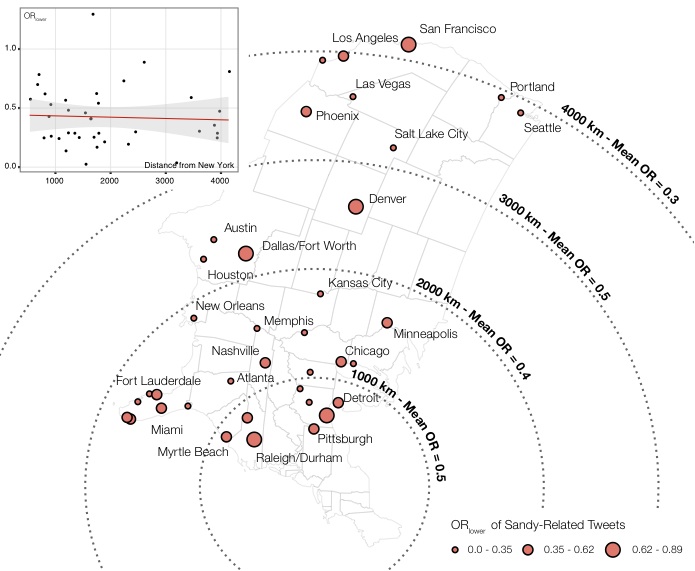
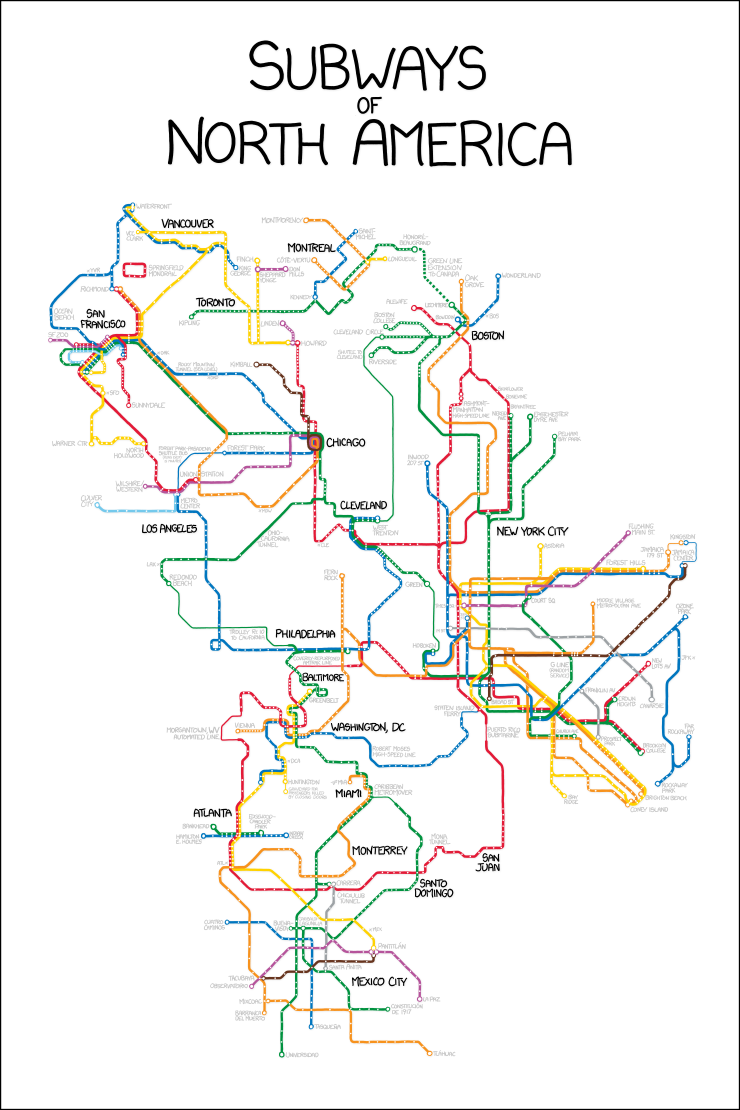
<p>Fingers crossed!</p>
]]></content>
  </entry>
  <entry>
    <id>275517 at https://www.amherst.edu</id>
    <title><![CDATA[Building Historical Maps for Cityscapes, An Online Discovery Tool for Urban and Cultural Studies]]></title>
    <updated>2010-12-13T22:04:34+00:00</updated>
    <link rel="alternate" href="https://www.amherst.edu/people/facstaff/aanderson/geoobservatory/node/275517"/>
    <summary><![CDATA[<div class="field field-name-body field-type-text-with-summary field-label-hidden"><div class="field-items"><div class="field-item even"><p>For the past year and a half, my department, Academic Technology Services, has been working on a mapping project that we call <strong>Cityscapes</strong>. It's a “Web 2.0” tool to allow students to collaborate in their studies of urban neighborhoods, where geography should be an organizing theme. Think of Google Maps, then think of groups of students adding their own location markers and decorating them with photos, videos, and blogs.</p><p>The two sites we've created so far can be seen here:</p><blockquote style="border:none;"><p><a href="http://www.ats.amherst.edu/tokyodemo">http://www.ats.amherst.edu/tokyodemo</a><br><a href="http://www.ats.amherst.edu/parisdemo">http://www.ats.amherst.edu/parisdemo</a> </p></blockquote><p>The Tokyo site is not completely open due to copyright considerations; if you would like an account, <a href="mailto:Andy Anderson &lt;aanderson@amherst.edu&gt;?Cityscapes Tokyo Demonstration Account">contact me</a>.</p><p>My part of this project was preparing the historical maps that you see in the image below. This included georeferencing them but also turning them into properly positioned Google tiles.</p><div class="mediainline"><span class="inline"><img class="image original" src="/media/view/275599/original/Cityscapes%2BTokyo%2BAnimated.gif" border="0" alt="The Cityscapes Tokyo site, animating the available maps." title="Cityscapes Tokyo Animated" width="690" height="595"></span></div><div class="mediainline"></div><div class="mediainline"><span class="inline">I recently gave a presentation on this project at the <a href="http://www.northeastarc.org/2010/html/anderson.shtml">Northeast Arc Users Group Annual Conference</a> in Newport, RI, and I've uploaded my presentation here:<cite style="border-bottom-width:1px;border-bottom-style:dashed;border-bottom-color:blue;">Building Historical Maps for Cityscapes, An Online Discovery Tool for Urban and Cultural Studies </cite> <a href="/media/view/275313/original/Cityscapes%2BAnderson%2BNEArc%2B2010-11-08.mov">Movie</a> <a href="/media/view/275312/original/Cityscapes%2BAnderson%2BNEArc%2B2010-11-08.pdf">PDF</a>Even more recently I gave a second presentation at the <a href="http://www.meetup.com/DevMeetUpNortheast/calendar/15478390/">ESRI Developers Meet Up</a> in Boston, MA, which was focused on the details of the Python script I wrote to automate the process of generating the Google tiles. I've uploaded that presentation here:<cite style="border-bottom-width:1px;border-bottom-style:dashed;border-bottom-color:blue;">GTiler: A Python Script to Generate Google Tiles From a Georeferenced Image</cite> <a href="/media/view/275007/original/GTiler%2BAnderson%2BESRI%2BDevelopers%2BBoston%2B2010-12-08.mov">Movie</a> <a href="/media/view/275006/original/GTiler%2BAnderson%2BESRI%2BDevelopers%2BBoston%2B2010-12-08.pdf">PDF</a>I plan to make the GTiler script available shortly, once I work around a geoprocessor memory leak and finish a couple of remaining features.</span></div><h6><a href="/people/facstaff/aanderson/geoobservatory/node/275517/">Permalink</a></h6></div></div></div><div class="field field-name-upload field-type-file field-label-hidden"><div class="field-items"><div class="field-item even"><table class="sticky-enabled">
 <thead><tr><th>Attachment</th><th>Size</th> </tr></thead>
<tbody>
 <tr class="odd"><td><span class="file"><img class="file-icon" alt="" title="image/gif" src="/modules/file/icons/image-x-generic.png" /> <a href="https://www.amherst.edu/system/files/Cityscapes%2520Tokyo%2520Animated.gif" type="image/gif; length=1205569" title="Cityscapes Tokyo Animated.gif">Cityscapes Tokyo Animated.gif</a></span></td><td>1.15 MB</td> </tr>
</tbody>
</table>
</div></div></div><div class="field field-name-taxonomy-vocabulary-1 field-type-taxonomy-term-reference field-label-above"><div class="field-label">Tags:&nbsp;</div><div class="field-items"><div class="field-item even"><a href="/taxonomy/term/11076">Tokyo</a></div><div class="field-item odd"><a href="/taxonomy/term/14433">Google Maps</a></div><div class="field-item even"><a href="/taxonomy/term/14437">Cityscapes</a></div><div class="field-item odd"><a href="/taxonomy/term/14438">Python</a></div><div class="field-item even"><a href="/taxonomy/term/14446">Paris</a></div><div class="field-item odd"><a href="/taxonomy/term/14447">georeferencing</a></div></div></div>]]></summary>
    <content type="html"><![CDATA[<div class="field field-name-body field-type-text-with-summary field-label-hidden"><div class="field-items"><div class="field-item even"><p>For the past year and a half, my department, Academic Technology Services, has been working on a mapping project that we call <strong>Cityscapes</strong>. It's a “Web 2.0” tool to allow students to collaborate in their studies of urban neighborhoods, where geography should be an organizing theme. Think of Google Maps, then think of groups of students adding their own location markers and decorating them with photos, videos, and blogs.</p><p>The two sites we've created so far can be seen here:</p><blockquote style="border:none;"><p><a href="http://www.ats.amherst.edu/tokyodemo">http://www.ats.amherst.edu/tokyodemo</a><br><a href="http://www.ats.amherst.edu/parisdemo">http://www.ats.amherst.edu/parisdemo</a> </p></blockquote><p>The Tokyo site is not completely open due to copyright considerations; if you would like an account, <a href="mailto:Andy Anderson &lt;aanderson@amherst.edu&gt;?Cityscapes Tokyo Demonstration Account">contact me</a>.</p><p>My part of this project was preparing the historical maps that you see in the image below. This included georeferencing them but also turning them into properly positioned Google tiles.</p><div class="mediainline"><span class="inline"><img class="image original" src="/media/view/275599/original/Cityscapes%2BTokyo%2BAnimated.gif" border="0" alt="The Cityscapes Tokyo site, animating the available maps." title="Cityscapes Tokyo Animated" width="690" height="595"></span></div><div class="mediainline"></div><div class="mediainline"><span class="inline">I recently gave a presentation on this project at the <a href="http://www.northeastarc.org/2010/html/anderson.shtml">Northeast Arc Users Group Annual Conference</a> in Newport, RI, and I've uploaded my presentation here:<cite style="border-bottom-width:1px;border-bottom-style:dashed;border-bottom-color:blue;">Building Historical Maps for Cityscapes, An Online Discovery Tool for Urban and Cultural Studies </cite> <a href="/media/view/275313/original/Cityscapes%2BAnderson%2BNEArc%2B2010-11-08.mov">Movie</a> <a href="/media/view/275312/original/Cityscapes%2BAnderson%2BNEArc%2B2010-11-08.pdf">PDF</a>Even more recently I gave a second presentation at the <a href="http://www.meetup.com/DevMeetUpNortheast/calendar/15478390/">ESRI Developers Meet Up</a> in Boston, MA, which was focused on the details of the Python script I wrote to automate the process of generating the Google tiles. I've uploaded that presentation here:<cite style="border-bottom-width:1px;border-bottom-style:dashed;border-bottom-color:blue;">GTiler: A Python Script to Generate Google Tiles From a Georeferenced Image</cite> <a href="/media/view/275007/original/GTiler%2BAnderson%2BESRI%2BDevelopers%2BBoston%2B2010-12-08.mov">Movie</a> <a href="/media/view/275006/original/GTiler%2BAnderson%2BESRI%2BDevelopers%2BBoston%2B2010-12-08.pdf">PDF</a>I plan to make the GTiler script available shortly, once I work around a geoprocessor memory leak and finish a couple of remaining features.</span></div><h6><a href="/people/facstaff/aanderson/geoobservatory/node/275517/">Permalink</a></h6></div></div></div><div class="field field-name-upload field-type-file field-label-hidden"><div class="field-items"><div class="field-item even"><table class="sticky-enabled">
 <thead><tr><th>Attachment</th><th>Size</th> </tr></thead>
<tbody>
 <tr class="odd"><td><span class="file"><img class="file-icon" alt="" title="image/gif" src="/modules/file/icons/image-x-generic.png" /> <a href="https://www.amherst.edu/system/files/Cityscapes%2520Tokyo%2520Animated.gif" type="image/gif; length=1205569" title="Cityscapes Tokyo Animated.gif">Cityscapes Tokyo Animated.gif</a></span></td><td>1.15 MB</td> </tr>
</tbody>
</table>
</div></div></div><div class="field field-name-taxonomy-vocabulary-1 field-type-taxonomy-term-reference field-label-above"><div class="field-label">Tags:&nbsp;</div><div class="field-items"><div class="field-item even"><a href="/taxonomy/term/11076">Tokyo</a></div><div class="field-item odd"><a href="/taxonomy/term/14433">Google Maps</a></div><div class="field-item even"><a href="/taxonomy/term/14437">Cityscapes</a></div><div class="field-item odd"><a href="/taxonomy/term/14438">Python</a></div><div class="field-item even"><a href="/taxonomy/term/14446">Paris</a></div><div class="field-item odd"><a href="/taxonomy/term/14447">georeferencing</a></div></div></div>]]></content>
  </entry>
  <entry>
    <id>245269 at https://www.amherst.edu</id>
    <title><![CDATA[Adventures in Scripting ArcGIS, Part 1: The Tool Dialog]]></title>
    <updated>2010-10-28T13:55:05+00:00</updated>
    <link rel="alternate" href="https://www.amherst.edu/people/facstaff/aanderson/geoobservatory/node/245269"/>
    <summary><![CDATA[<div class="field field-name-body field-type-text-with-summary field-label-hidden"><div class="field-items"><div class="field-item even"><p>I have recently been writing my first script to handle a geoprocessing task related to our Cityscapes project, where we place georeferenced <script type="text/javascript"></script>historical maps in a Google Maps framework that can be used in urban studies classes (more to come!). Since the beginning I have been converting the georeferenced maps into Google Maps tiles by hand, a process that takes a couple of hours. This is small compared to the georeferencing time, so even though it was a prime candidate for scripting I had been putting it off in order to complete more maps.</p><p>For about a year now I have been learning the scripting language <a href="http://www.python.org/">Python</a>, as it has become the new, open way to script ArcGIS (and also has many fans in other areas of <a href="http://www.scipy.org/">scientific computing</a>). As my summer Cityscapes efforts ended, and as I prepare for <a href="http://www.northeastarc.org/2010/html/anderson.shtml">my Cityscapes presentation at the NEArc meeting on November 8</a>, my education has finally shifted over to using Python with ArcGIS (9.3). The documentation I have been using includes the following items:</p><ul><li>A nice, short overview from a course at&nbsp;<a href="http://bss.sfsu.edu/jdavis/cert/9021/3-Python.pdf">San Francisco State University</a>;</li><li>A longer overview from ESRI, <a href="http://www.library.carleton.ca/gis/documents/Writing_Geoprocessing_Scripts.pdf">Writing Geoprocessing Scripts with ArcGIS</a>;</li><li>The <a href="http://webhelp.esri.com/arcgisdesktop/9.3/index.cfm?TopicName=What_is_geoprocessing?">ArcGIS Desktop Help Reference</a>, in particular <a href="http://webhelp.esri.com/arcgisdesktop/9.3/index.cfm?TopicName=An_overview_of_writing_geoprocessing_scripts">Writing Geoprocessing Scripts</a> and <a href="http://webhelp.esri.com/arcgisdesktop/9.3/index.cfm?TopicName=Geoprocessor_object">The Geoprocessor Object</a>.</li><li>A chart of the <a href="http://webhelp.esri.com/arcgisdesktop/9.3/pdf/Geoprocessor_93.pdf">ArcGIS Geoprocessing Model</a>.</li></ul><p>The script is being implemented through ArcToolbox, which makes it easier to provide script parameters, such as the input raster, through a GUI dialog. But because I want it to be usable by others, I have to write it in a general way, which means displaying information about the input raster, suggesting reasonable values for subsequent inputs, and checking for illegal values. Hence I have been learning about the <a href="http://webhelp.esri.com/arcgisdesktop/9.3/index.cfm?TopicName=Customizing_script_tool_behavior">ToolValidator class</a>, apparently a new feature in version 9.3, and I've been struggling to understand some undocumented characteristics. Some of my observations follow.</p><h6>The ToolValidator Class and Toolbox Dialogs</h6><p>First off, the ToolValidator class is only very loosely connected to its Tool dialog. In particular, it is not instantiated just once when the dialog opens, which would allow the preservation of state within the class as the user changes the dialog, but instead every time the dialog parameters are changed, and before each of its methods are called. Hence the dialog parameters themselves are the only way to store information as the user fills in the fields and they are validated.</p><h6>Accessing Tool Parameters</h6><p>The ToolValidator template provided for each script accesses the dialog parameters in its initialization method:</p><blockquote style="margin: 0 0 0 40px; border: none; padding: 0px;"><p><code>def __init__(self):<br />&nbsp;&nbsp;import arcgisscripting as ARC<br />&nbsp;&nbsp;self.GP = ARC.create(9.3)<br />&nbsp;&nbsp;self.params = self.GP.GetParameterInfo()</code></p></blockquote><p>The parameter values themselves are accessed through, for example, <code>self.params[2].Value</code>, but be forewarned that sometimes the property <code>Value</code> is a <dfn>Value object</dfn>, rather than just a string of characters (poor documentation on this is discussed <a href="http://forums.arcgis.com/threads/15616-Value.Value?p=48310">here</a>). This seems to be the case when the parameter refers to a file or other data structure, and if you want its name as a character string you must reference the property</p><blockquote style="margin: 0 0 0 40px; border: none; padding: 0px;"><p><code>self.params[0].Value.Value</code></p></blockquote><p>or use the expression</p><blockquote style="margin: 0 0 0 40px; border: none; padding: 0px;"><p><code>str( self.params[0].Value )</code></p></blockquote><p>The latter conversion will occur automatically in contexts requiring a string, such as concatenation.</p><h6 style="font-size: 13px; font-family: verdana; font-weight: bold; color: #4d3f8f; line-height: 15px; margin-top: 1.5em; margin-right: 0px; margin-bottom: 0.1em; margin-left: 0px; text-transform: none; padding: 0px;">The initializeParameters() Method</h6><p>When a dialog is first opened, the ToolValidator method&nbsp;<code style="font: normal normal normal 105%/normal Courier, monospace, fixed; color: #666666;">initializeParameters()</code>&nbsp;is called. It can be used to insert initial values into the parameter fields, and also set some characteristics of those fields in the dialog. For example, to disable a parameter field (make it uneditable), you can include code such as:</p><blockquote style="margin-top: 0px; margin-right: 0px; margin-bottom: 0px; margin-left: 40px; padding: 0px; border: initial none initial;"><p><code style="font: normal normal normal 105%/normal Courier, monospace, fixed; color: #666666;"><span style="white-space: pre;"> </span>self.params[2].Enabled = False</code></p></blockquote><h6 style="font-size: 13px; font-family: verdana; font-weight: bold; color: #4d3f8f; line-height: 15px; margin-top: 1.5em; margin-right: 0px; margin-bottom: 0.1em; margin-left: 0px; text-transform: none; padding: 0px;">Validating Parameters</h6><p>When a dialog field has been modified (which may include when the dialog first opens), verification that a parameter value is usable occurs at several places:</p><ol><li>If the user enters an inappropriate value into a dialog, for example a letter when a number is expected or a nonexistent folder when one is required, the Toolbox provides some very basic validation based on the field type, beeping and preventing one from "tabbing" out of the field. The user can still click out of it, though; in the first example the field is reset, and in the second an error message is displayed (probably due to steps 3 &amp; 4, though).</li><li>The ToolValidator method&nbsp;<code>updateParameters()</code>&nbsp;comes next, and can be used to verify many characteristics of input values and avoid processing bad ones. It's also possible to correct the values directly, but in most cases it's better to send a message to the user as described in step 4 and let them correct them.</li><li>Next, the Geoprocessor performs a basic validation, I guess so that it can catch script errors. If any are found, it sets error messages that will display unless cleared in the next step.&nbsp;</li><li>Finally, the ToolValidator&nbsp;method <code>updateMessages()</code> is called, where the messages returned from step 3 can be inspected and, if you want, reset with your own. These messages can direct users to fix their errors.</li></ol><p>The result of the separation of steps 2 and 4 is that sometimes the same tests must take place, first to avoid processing bad data and second to send a message about it.</p><h6>The updateParameters() Method</h6><p>The ToolValidator&nbsp;method <code>updateParameters()</code> can be used to process new parameter values (e.g. to set related parameters). No information is provided about which of the dialog fields was modified, though, so you must check each parameter of interest to see if <i>it</i>&nbsp;is the one that needs to be validated:</p><blockquote style="margin: 0 0 0 40px; border: none; padding: 0px;"><p><code>if not self.params[0].Ha<script type="text/javascript"></script>sBeenValidated :<br />&nbsp;&nbsp;&hellip;<br />elif not self.params[1].HasBeenValidated :<br />&nbsp;&nbsp;&hellip;</code></p></blockquote><p>Once you find the modified parameter, you can ignore the update if it's due to the script itself (e.g. initialization) rather than being altered by the user:</p><blockquote style="margin: 0 0 0 40px; border: none; padding: 0px;"><p><code>if not self.params[1].altered : return<br /></code></p></blockquote><p>Before processing an input dataset, you should test for its existence:</p><blockquote style="margin: 0 0 0 40px; border: none; padding: 0px;"><p><code>if not self.GP.Exists( str( self.params[0] ) ) : return</code></p></blockquote><p>If the data isn't actually there, this method will raise an error, but it won't be reported until later, hence the need to <code>return</code> at this point.</p><h6>The updateMessages() Method</h6><p><span>The ToolValidator&nbsp;method&nbsp;<code style="font: normal normal normal 105%/normal Courier, monospace, fixed; color: #666666;">updateMessages()</code>&nbsp;can be used&nbsp;to send the user a message about problems with the value in a dialog field. The result is a red &otimes;&nbsp;next to the input field, and clicking on it will display the message. Once again no information is provided about which of the dialog fields has the problem, so you must check each parameter of interest (even if this was done previously), e.g.:</span></p><blockquote style="margin: 0 0 0 40px; border: none; padding: 0px;"><p><code>if self.params[1].Value and&nbsp;self.params[1].Value &lt;= 0 :<br />&nbsp;&nbsp;self.params[1].ClearMessage()<br />&nbsp;&nbsp;self.params[1].SetErrorMessage("This parameter must be positive.")</code></p></blockquote><h6>Parameter Documentation</h6><p>Providing basic documentation for the tool and its&nbsp;parameters is fairly easy, once you know that the simplest way to create and modify them is with the Documentation Editor. The ArcGIS&nbsp;<a href="http://webhelp.esri.com/arcgisdesktop/9.3/index.cfm?TopicName=An_overview_of_the_Documentation_Editor">documentation</a> provides two options for opening the Editor, the first of which doesn't work, the second of which is available by opening ArcCatalog and menuing <cite>View</cite> &gt; <cite>Toolbars</cite> &gt; <cite>Metadata</cite>&nbsp;to bring up that toolbar. Then click on the script, click on its tab <cite style="border-bottom-width: 1px; border-bottom-style: dashed; border-bottom-color: blue; color: #666666;">Metadata</cite>,&nbsp;and finally, in the <cite style="border-bottom-width: 1px; border-bottom-style: dashed; border-bottom-color: blue; color: #666666;">Metadata</cite>&nbsp;toolbar,&nbsp;click on the button&nbsp;<cite>Edit metadata</cite>.</p><p>When the Documentation Editor opens, the left side lists the various types of information you can provide. The main tool description, visible when it first opens, is added in the section&nbsp;<cite style="border-bottom-width: 1px; border-bottom-style: dashed; border-bottom-color: blue; color: #666666;">General Information</cite>, in the item&nbsp;<cite style="border-bottom-width: 1px; border-bottom-style: dashed; border-bottom-color: blue; color: #666666;">Abstract</cite>. The various parameters are described in the section&nbsp;<cite>Help</cite>&nbsp;in the item <cite>Parameters</cite>, and they will all be listed to the right under <cite>Contents</cite>. Open the one you want to describe, click on <cite>Dialog Reference</cite>, click on the <cite>[A] Paragraph</cite>&nbsp;button, and then click in the box to the right to add text.</p><p><strong>Warning:</strong> if you change a parameter name <i>after</i> creating a description for it, the latter will be lost!</p><h6><a href="/people/facstaff/aanderson/geoobservatory/node/245269/">Permalink</a></h6></div></div></div>]]></summary>
    <content type="html"><![CDATA[<div class="field field-name-body field-type-text-with-summary field-label-hidden"><div class="field-items"><div class="field-item even"><p>I have recently been writing my first script to handle a geoprocessing task related to our Cityscapes project, where we place georeferenced <script type="text/javascript"></script>historical maps in a Google Maps framework that can be used in urban studies classes (more to come!). Since the beginning I have been converting the georeferenced maps into Google Maps tiles by hand, a process that takes a couple of hours. This is small compared to the georeferencing time, so even though it was a prime candidate for scripting I had been putting it off in order to complete more maps.</p><p>For about a year now I have been learning the scripting language <a href="http://www.python.org/">Python</a>, as it has become the new, open way to script ArcGIS (and also has many fans in other areas of <a href="http://www.scipy.org/">scientific computing</a>). As my summer Cityscapes efforts ended, and as I prepare for <a href="http://www.northeastarc.org/2010/html/anderson.shtml">my Cityscapes presentation at the NEArc meeting on November 8</a>, my education has finally shifted over to using Python with ArcGIS (9.3). The documentation I have been using includes the following items:</p><ul><li>A nice, short overview from a course at&nbsp;<a href="http://bss.sfsu.edu/jdavis/cert/9021/3-Python.pdf">San Francisco State University</a>;</li><li>A longer overview from ESRI, <a href="http://www.library.carleton.ca/gis/documents/Writing_Geoprocessing_Scripts.pdf">Writing Geoprocessing Scripts with ArcGIS</a>;</li><li>The <a href="http://webhelp.esri.com/arcgisdesktop/9.3/index.cfm?TopicName=What_is_geoprocessing?">ArcGIS Desktop Help Reference</a>, in particular <a href="http://webhelp.esri.com/arcgisdesktop/9.3/index.cfm?TopicName=An_overview_of_writing_geoprocessing_scripts">Writing Geoprocessing Scripts</a> and <a href="http://webhelp.esri.com/arcgisdesktop/9.3/index.cfm?TopicName=Geoprocessor_object">The Geoprocessor Object</a>.</li><li>A chart of the <a href="http://webhelp.esri.com/arcgisdesktop/9.3/pdf/Geoprocessor_93.pdf">ArcGIS Geoprocessing Model</a>.</li></ul><p>The script is being implemented through ArcToolbox, which makes it easier to provide script parameters, such as the input raster, through a GUI dialog. But because I want it to be usable by others, I have to write it in a general way, which means displaying information about the input raster, suggesting reasonable values for subsequent inputs, and checking for illegal values. Hence I have been learning about the <a href="http://webhelp.esri.com/arcgisdesktop/9.3/index.cfm?TopicName=Customizing_script_tool_behavior">ToolValidator class</a>, apparently a new feature in version 9.3, and I've been struggling to understand some undocumented characteristics. Some of my observations follow.</p><h6>The ToolValidator Class and Toolbox Dialogs</h6><p>First off, the ToolValidator class is only very loosely connected to its Tool dialog. In particular, it is not instantiated just once when the dialog opens, which would allow the preservation of state within the class as the user changes the dialog, but instead every time the dialog parameters are changed, and before each of its methods are called. Hence the dialog parameters themselves are the only way to store information as the user fills in the fields and they are validated.</p><h6>Accessing Tool Parameters</h6><p>The ToolValidator template provided for each script accesses the dialog parameters in its initialization method:</p><blockquote style="margin: 0 0 0 40px; border: none; padding: 0px;"><p><code>def __init__(self):<br />&nbsp;&nbsp;import arcgisscripting as ARC<br />&nbsp;&nbsp;self.GP = ARC.create(9.3)<br />&nbsp;&nbsp;self.params = self.GP.GetParameterInfo()</code></p></blockquote><p>The parameter values themselves are accessed through, for example, <code>self.params[2].Value</code>, but be forewarned that sometimes the property <code>Value</code> is a <dfn>Value object</dfn>, rather than just a string of characters (poor documentation on this is discussed <a href="http://forums.arcgis.com/threads/15616-Value.Value?p=48310">here</a>). This seems to be the case when the parameter refers to a file or other data structure, and if you want its name as a character string you must reference the property</p><blockquote style="margin: 0 0 0 40px; border: none; padding: 0px;"><p><code>self.params[0].Value.Value</code></p></blockquote><p>or use the expression</p><blockquote style="margin: 0 0 0 40px; border: none; padding: 0px;"><p><code>str( self.params[0].Value )</code></p></blockquote><p>The latter conversion will occur automatically in contexts requiring a string, such as concatenation.</p><h6 style="font-size: 13px; font-family: verdana; font-weight: bold; color: #4d3f8f; line-height: 15px; margin-top: 1.5em; margin-right: 0px; margin-bottom: 0.1em; margin-left: 0px; text-transform: none; padding: 0px;">The initializeParameters() Method</h6><p>When a dialog is first opened, the ToolValidator method&nbsp;<code style="font: normal normal normal 105%/normal Courier, monospace, fixed; color: #666666;">initializeParameters()</code>&nbsp;is called. It can be used to insert initial values into the parameter fields, and also set some characteristics of those fields in the dialog. For example, to disable a parameter field (make it uneditable), you can include code such as:</p><blockquote style="margin-top: 0px; margin-right: 0px; margin-bottom: 0px; margin-left: 40px; padding: 0px; border: initial none initial;"><p><code style="font: normal normal normal 105%/normal Courier, monospace, fixed; color: #666666;"><span style="white-space: pre;"> </span>self.params[2].Enabled = False</code></p></blockquote><h6 style="font-size: 13px; font-family: verdana; font-weight: bold; color: #4d3f8f; line-height: 15px; margin-top: 1.5em; margin-right: 0px; margin-bottom: 0.1em; margin-left: 0px; text-transform: none; padding: 0px;">Validating Parameters</h6><p>When a dialog field has been modified (which may include when the dialog first opens), verification that a parameter value is usable occurs at several places:</p><ol><li>If the user enters an inappropriate value into a dialog, for example a letter when a number is expected or a nonexistent folder when one is required, the Toolbox provides some very basic validation based on the field type, beeping and preventing one from "tabbing" out of the field. The user can still click out of it, though; in the first example the field is reset, and in the second an error message is displayed (probably due to steps 3 &amp; 4, though).</li><li>The ToolValidator method&nbsp;<code>updateParameters()</code>&nbsp;comes next, and can be used to verify many characteristics of input values and avoid processing bad ones. It's also possible to correct the values directly, but in most cases it's better to send a message to the user as described in step 4 and let them correct them.</li><li>Next, the Geoprocessor performs a basic validation, I guess so that it can catch script errors. If any are found, it sets error messages that will display unless cleared in the next step.&nbsp;</li><li>Finally, the ToolValidator&nbsp;method <code>updateMessages()</code> is called, where the messages returned from step 3 can be inspected and, if you want, reset with your own. These messages can direct users to fix their errors.</li></ol><p>The result of the separation of steps 2 and 4 is that sometimes the same tests must take place, first to avoid processing bad data and second to send a message about it.</p><h6>The updateParameters() Method</h6><p>The ToolValidator&nbsp;method <code>updateParameters()</code> can be used to process new parameter values (e.g. to set related parameters). No information is provided about which of the dialog fields was modified, though, so you must check each parameter of interest to see if <i>it</i>&nbsp;is the one that needs to be validated:</p><blockquote style="margin: 0 0 0 40px; border: none; padding: 0px;"><p><code>if not self.params[0].Ha<script type="text/javascript"></script>sBeenValidated :<br />&nbsp;&nbsp;&hellip;<br />elif not self.params[1].HasBeenValidated :<br />&nbsp;&nbsp;&hellip;</code></p></blockquote><p>Once you find the modified parameter, you can ignore the update if it's due to the script itself (e.g. initialization) rather than being altered by the user:</p><blockquote style="margin: 0 0 0 40px; border: none; padding: 0px;"><p><code>if not self.params[1].altered : return<br /></code></p></blockquote><p>Before processing an input dataset, you should test for its existence:</p><blockquote style="margin: 0 0 0 40px; border: none; padding: 0px;"><p><code>if not self.GP.Exists( str( self.params[0] ) ) : return</code></p></blockquote><p>If the data isn't actually there, this method will raise an error, but it won't be reported until later, hence the need to <code>return</code> at this point.</p><h6>The updateMessages() Method</h6><p><span>The ToolValidator&nbsp;method&nbsp;<code style="font: normal normal normal 105%/normal Courier, monospace, fixed; color: #666666;">updateMessages()</code>&nbsp;can be used&nbsp;to send the user a message about problems with the value in a dialog field. The result is a red &otimes;&nbsp;next to the input field, and clicking on it will display the message. Once again no information is provided about which of the dialog fields has the problem, so you must check each parameter of interest (even if this was done previously), e.g.:</span></p><blockquote style="margin: 0 0 0 40px; border: none; padding: 0px;"><p><code>if self.params[1].Value and&nbsp;self.params[1].Value &lt;= 0 :<br />&nbsp;&nbsp;self.params[1].ClearMessage()<br />&nbsp;&nbsp;self.params[1].SetErrorMessage("This parameter must be positive.")</code></p></blockquote><h6>Parameter Documentation</h6><p>Providing basic documentation for the tool and its&nbsp;parameters is fairly easy, once you know that the simplest way to create and modify them is with the Documentation Editor. The ArcGIS&nbsp;<a href="http://webhelp.esri.com/arcgisdesktop/9.3/index.cfm?TopicName=An_overview_of_the_Documentation_Editor">documentation</a> provides two options for opening the Editor, the first of which doesn't work, the second of which is available by opening ArcCatalog and menuing <cite>View</cite> &gt; <cite>Toolbars</cite> &gt; <cite>Metadata</cite>&nbsp;to bring up that toolbar. Then click on the script, click on its tab <cite style="border-bottom-width: 1px; border-bottom-style: dashed; border-bottom-color: blue; color: #666666;">Metadata</cite>,&nbsp;and finally, in the <cite style="border-bottom-width: 1px; border-bottom-style: dashed; border-bottom-color: blue; color: #666666;">Metadata</cite>&nbsp;toolbar,&nbsp;click on the button&nbsp;<cite>Edit metadata</cite>.</p><p>When the Documentation Editor opens, the left side lists the various types of information you can provide. The main tool description, visible when it first opens, is added in the section&nbsp;<cite style="border-bottom-width: 1px; border-bottom-style: dashed; border-bottom-color: blue; color: #666666;">General Information</cite>, in the item&nbsp;<cite style="border-bottom-width: 1px; border-bottom-style: dashed; border-bottom-color: blue; color: #666666;">Abstract</cite>. The various parameters are described in the section&nbsp;<cite>Help</cite>&nbsp;in the item <cite>Parameters</cite>, and they will all be listed to the right under <cite>Contents</cite>. Open the one you want to describe, click on <cite>Dialog Reference</cite>, click on the <cite>[A] Paragraph</cite>&nbsp;button, and then click in the box to the right to add text.</p><p><strong>Warning:</strong> if you change a parameter name <i>after</i> creating a description for it, the latter will be lost!</p><h6><a href="/people/facstaff/aanderson/geoobservatory/node/245269/">Permalink</a></h6></div></div></div>]]></content>
  </entry>
  <entry>
    <id>229 at http://maptogether.org</id>
    <title><![CDATA[STATS America]]></title>
    <updated>2010-10-15T14:00:00+00:00</updated>
    <link rel="alternate" href="http://maptogether.org/node/229"/>
    <summary><![CDATA[<p><img src="http://maptogether.org/sites/default/files/statsamericashot.png" alt="stats america shot" style="float: left; margin-left: 5px; margin-right: 5px; border: 1px solid black;" />STATS America is a data portal where visitors can get demographic, workforce, housing, and other data for every state, county, and metro area in the United States. &nbsp;The site is jointly sponsored by the US Commerce Department and Indiana University.</p>
<div class="field field-type-link field-field-url">
      <div class="field-label">URL:&nbsp;</div>
    <div class="field-items">
            <div class="field-item odd">
                    <a href="http://statsamerica.org/" target="_blank">http://statsamerica.org/</a>        </div>
        </div>
</div>
]]></summary>
    <content type="html"><![CDATA[<p><img src="http://maptogether.org/sites/default/files/statsamericashot.png" alt="stats america shot" style="float: left; margin-left: 5px; margin-right: 5px; border: 1px solid black;" />STATS America is a data portal where visitors can get demographic, workforce, housing, and other data for every state, county, and metro area in the United States. &nbsp;The site is jointly sponsored by the US Commerce Department and Indiana University.</p>
<div class="field field-type-link field-field-url">
      <div class="field-label">URL:&nbsp;</div>
    <div class="field-items">
            <div class="field-item odd">
                    <a href="http://statsamerica.org/" target="_blank">http://statsamerica.org/</a>        </div>
        </div>
</div>
]]></content>
  </entry>
  <entry>
    <id></id>
    <title><![CDATA[Technical Overview: Marble]]></title>
    <updated>2010-10-04T14:16:23+00:00</updated>
    <link rel="alternate" href="http://www.geowebguru.com/articles/286-technical-overview-marble"/>
    <summary><![CDATA[<p>Marble is an open source digital globe application that is capable of displaying a number of local and Internet data sources. Intended for educational applications, Marble could be likened to an "open source Google Earth".</p><p>Marble is cross-platform and has versions for the KDE environment and Qt.</p>]]></summary>
    <content type="html"><![CDATA[<p>Marble is an open source digital globe application that is capable of displaying a number of local and Internet data sources. Intended for educational applications, Marble could be likened to an "open source Google Earth".</p><p>Marble is cross-platform and has versions for the KDE environment and Qt.</p>]]></content>
  </entry>
  <entry>
    <id>tag:blogger.com,1999:blog-1201802713399019554.post-4258437646139589727</id>
    <title><![CDATA[Satellite Image of Pakistan Flood 13 September 2010]]></title>
    <updated>2010-09-15T12:15:45+00:00</updated>
    <link rel="alternate" href="http://pakgis.blogspot.com/feeds/4258437646139589727/comments/default"/>
    <summary><![CDATA[]]></summary>
    <content type="html"><![CDATA[<p>Relying on <a href="http://earthobservatory.nasa.gov/NaturalHazards/event.php?id=44986" target="_blank">NASA Earth Observatory on Natural Hazards</a>, following image has been geo-referencing and converted to KML:</p>  <ol>   <li><strong><font color="#ff0000">13 September 2010</font></strong> </li> </ol>  <p align="justify">The Moderate Resolution Imaging Spectroradiometer <a href="http://modis.gsfc.nasa.gov">(MODIS)</a> on NASA’s <a href="http://aqua.nasa.gov">Aqua</a> satellite captured this image of Pakistan. This image uses a combination of infrared and visible light to increase the contrast between water and land. Water appears in varying shades of blue, vegetation is green, and bare ground is pinkish brown. Clouds are bright turquoise.</p>  <p align="justify"><a href="http://lh3.ggpht.com/_s-MnWDlTdQw/TJC4P5Q3QuI/AAAAAAAABMc/OYq3MgrScbA/s1600-h/pakistan_amo_13%20Sep%202010%5B3%5D.jpg"><img style="border-bottom: 0px; border-left: 0px; display: inline; border-top: 0px; border-right: 0px" title="pakistan_amo_13 Sep 2010" border="0" alt="pakistan_amo_13 Sep 2010" src="http://lh6.ggpht.com/_s-MnWDlTdQw/TJC47jI706I/AAAAAAAABMo/Ds-A4_0YD0Q/pakistan_amo_13%20Sep%202010_thumb%5B1%5D.jpg?imgmax=800" width="544" height="401" /></a> </p>  <p align="justify">&#160;&#160;&#160;&#160;&#160;&#160;&#160;&#160;&#160;&#160;&#160;&#160;&#160;&#160;&#160;&#160;&#160;&#160;&#160;&#160;&#160;&#160;&#160;&#160;&#160;&#160;&#160;&#160;&#160;&#160;&#160;&#160;&#160;&#160;&#160;&#160;&#160;&#160;&#160;&#160;&#160; .::Click <a href="http://pakgis.blogspot.com/2009/05/data-request-form_04.html" target="_blank">HERE</a><strong></strong> to request for this data set::. </p>  ]]></content>
  </entry>
  <entry>
    <id>tag:blogger.com,1999:blog-1201802713399019554.post-4929296779237049763</id>
    <title><![CDATA[Satellite Image Pakistan Flood 22 August 2010]]></title>
    <updated>2010-08-29T09:15:13+00:00</updated>
    <link rel="alternate" href="http://pakgis.blogspot.com/feeds/4929296779237049763/comments/default"/>
    <summary><![CDATA[]]></summary>
    <content type="html"><![CDATA[<p>Relying on <a href="http://earthobservatory.nasa.gov/NaturalHazards/event.php?id=44986">NASA Earth Observatory on Natural Hazards</a>, following image has been geo-referencing and converted to KML:</p>  <ol>   <li><strong>22 August 2010</strong> </li> </ol>  <p>The Moderate Resolution Imaging Spectroradiometer <a href="http://modis.gsfc.nasa.gov">(MODIS)</a> on NASA’s<a href="http://aqua.nasa.gov">Aqua</a> satellite captured this image of Pakistan. This image uses a combination of infrared and visible light to increase the contrast between water and land. Water appears in varying shades of blue, vegetation is green, and bare ground is pinkish brown. Clouds are bright turquoise.<a href="http://pakgis.blogspot.com/2009/05/data-request-form_04.html" target="_blank"><img style="border-right-width: 0px; display: inline; border-top-width: 0px; border-bottom-width: 0px; border-left-width: 0px" title="pakistan_tmo_22 Aug 2010" border="0" alt="pakistan_tmo_22 Aug 2010" src="http://lh4.ggpht.com/_s-MnWDlTdQw/THolHY4UfSI/AAAAAAAABLo/LQkYQzurNFk/pakistan_tmo_22Aug2010%5B1%5D.jpg?imgmax=800" width="553" height="408" /></a></p>  <p>&#160;&#160;&#160;&#160;&#160;&#160;&#160;&#160;&#160;&#160;&#160;&#160;&#160;&#160;&#160;&#160;&#160;&#160;&#160;&#160;&#160;&#160;&#160;&#160;&#160;&#160;&#160;&#160;&#160;&#160;&#160;&#160;&#160;&#160;&#160; .::Click <a href="http://pakgis.blogspot.com/2009/05/data-request-form_04.html" target="_blank">HERE</a><strong></strong> to request for this data set::.</p>  ]]></content>
  </entry>
  <entry>
    <id>tag:blogger.com,1999:blog-1201802713399019554.post-7580619204865282970</id>
    <title><![CDATA[Satellite Images Pakistan Flood 28 August 2009]]></title>
    <updated>2010-08-29T09:12:24+00:00</updated>
    <link rel="alternate" href="http://pakgis.blogspot.com/feeds/7580619204865282970/comments/default"/>
    <summary><![CDATA[]]></summary>
    <content type="html"><![CDATA[<p>Relying on <a href="http://earthobservatory.nasa.gov/NaturalHazards/event.php?id=44986">NASA Earth Observatory on Natural Hazards</a>, following image has been geo-referencing and converted to KML:</p>  <ol>   <li><strong>28 August 2009</strong> </li> </ol>  <p>The Moderate Resolution Imaging Spectroradiometer <a href="http://modis.gsfc.nasa.gov">(MODIS)</a> on NASA’s<a href="http://aqua.nasa.gov">Aqua</a> satellite captured this image of Pakistan. This image uses a combination of infrared and visible light to increase the contrast between water and land. Water appears in varying shades of blue, vegetation is green, and bare ground is pinkish brown. Clouds are bright turquoise.</p>  <p><a href="http://pakgis.blogspot.com/2009/05/data-request-form_04.html" target="_blank"><img style="border-right-width: 0px; display: inline; border-top-width: 0px; border-bottom-width: 0px; border-left-width: 0px" title="pakistan_tmo_28 Aug 2009" border="0" alt="pakistan_tmo_28 Aug 2009" src="http://lh5.ggpht.com/_s-MnWDlTdQw/THokdc156VI/AAAAAAAABLk/dz3gh4Ig-m8/pakistan_tmo_28Aug20094.jpg?imgmax=800" width="554" height="409" /></a> </p>  <p>&#160;&#160;&#160;&#160;&#160;&#160;&#160;&#160;&#160;&#160;&#160;&#160;&#160;&#160;&#160;&#160;&#160;&#160;&#160;&#160;&#160;&#160;&#160;&#160;&#160;&#160;&#160;&#160;&#160;&#160;&#160;&#160;&#160;&#160;&#160; .::Click <a href="http://pakgis.blogspot.com/2009/05/data-request-form_04.html" target="_blank">HERE</a><strong></strong> to request for this data set::.</p>  ]]></content>
  </entry>
  <entry>
    <id></id>
    <title><![CDATA[Using Definition Expressions in the AGIS API for Flex to Restrict Feature Display]]></title>
    <updated>2010-08-23T16:57:07+00:00</updated>
    <link rel="alternate" href="http://www.geowebguru.com/articles/282-using-definition-expressions-in-the-agis-api-for-flex-to-restrict-feature-display"/>
    <summary><![CDATA[<p><i>This article was previously published on GeoChalkboard, and has been reproduced here with permission. GeoChalkboard is published by <a href="http://www.geowebguru.com//component/content/article/39-promotions/101-geospatial-training-services" mce_href="http://www.geowebguru.com//component/content/article/39-promotions/101-geospatial-training-services">Geospatial Training Services</a> who provide a <a href="http://www.geowebguru.com//component/content/article/39-promotions/101-geospatial-training-services" mce_href="http://www.geowebguru.com//component/content/article/39-promotions/101-geospatial-training-services">range of geospatial web courses</a>.</i>
</p>


<p>In the <a href="http://www.geowebguru.com/articles/280-introduction-to-the-arcgis-server-api-for-flex" target="_blank">first article</a> in our series on the ArcGIS Server API for Flex we covered some basic concepts including how to create maps and add layers. We covered both tiled and dynamic map service layers. In this brief article you will learn how to apply a definition expression to your dynamic map service layer to restrict the features displayed from a layer.  For instance, in the figure below we are plotting only those counties that suffered a population loss from 2000 to 2007.
</p>]]></summary>
    <content type="html"><![CDATA[<p><i>This article was previously published on GeoChalkboard, and has been reproduced here with permission. GeoChalkboard is published by <a href="http://www.geowebguru.com//component/content/article/39-promotions/101-geospatial-training-services" mce_href="http://www.geowebguru.com//component/content/article/39-promotions/101-geospatial-training-services">Geospatial Training Services</a> who provide a <a href="http://www.geowebguru.com//component/content/article/39-promotions/101-geospatial-training-services" mce_href="http://www.geowebguru.com//component/content/article/39-promotions/101-geospatial-training-services">range of geospatial web courses</a>.</i>
</p>


<p>In the <a href="http://www.geowebguru.com/articles/280-introduction-to-the-arcgis-server-api-for-flex" target="_blank">first article</a> in our series on the ArcGIS Server API for Flex we covered some basic concepts including how to create maps and add layers. We covered both tiled and dynamic map service layers. In this brief article you will learn how to apply a definition expression to your dynamic map service layer to restrict the features displayed from a layer.  For instance, in the figure below we are plotting only those counties that suffered a population loss from 2000 to 2007.
</p>]]></content>
  </entry>
  <entry>
    <id>tag:blogger.com,1999:blog-1201802713399019554.post-49265477457182313</id>
    <title><![CDATA[Satellite Image Pakistan Flood 11 August 2009]]></title>
    <updated>2010-08-20T09:15:06+00:00</updated>
    <link rel="alternate" href="http://pakgis.blogspot.com/feeds/49265477457182313/comments/default"/>
    <summary><![CDATA[]]></summary>
    <content type="html"><![CDATA[<p>Relying on <a href="http://earthobservatory.nasa.gov/NaturalHazards/event.php?id=44986">NASA Earth Observatory on Natural Hazards</a>, following image has been geo-referencing and converted to KML:</p>  <ol>   <li><strong>11 August 2009</strong></li> </ol>  <p>The Moderate Resolution Imaging Spectroradiometer <a href="http://modis.gsfc.nasa.gov">(MODIS)</a> on NASA’s<a href="http://aqua.nasa.gov">Aqua</a> satellite captured this image of Pakistan. This image uses a combination of infrared and visible light to increase the contrast between water and land. Water appears in varying shades of blue, vegetation is green, and bare ground is pinkish brown. Clouds are bright turquoise.</p>  <p><a href="http://pakgis.blogspot.com/2009/05/data-request-form_04.html"><img style="border-bottom: 0px; border-left: 0px; display: inline; border-top: 0px; border-right: 0px" title="pakistan_amo_11 Aug 2009" border="0" alt="pakistan_amo_11 Aug 2009" src="http://lh6.ggpht.com/_s-MnWDlTdQw/TG5HmIVjrrI/AAAAAAAABLM/7hdT7WMbReU/pakistan_amo_11%20Aug%202009%5B4%5D.jpg?imgmax=800" width="550" height="406" /></a> </p>  <p>&#160;&#160;&#160;&#160;&#160;&#160;&#160;&#160;&#160;&#160;&#160;&#160;&#160;&#160;&#160;&#160;&#160;&#160;&#160;&#160;&#160;&#160;&#160;&#160;&#160;&#160;&#160;&#160;&#160;&#160;&#160;&#160;&#160;&#160; .::Click <a href="http://pakgis.blogspot.com/2009/05/data-request-form_04.html">HERE</a><strong></strong> to request for this data set::.</p>  ]]></content>
  </entry>
  <entry>
    <id>tag:blogger.com,1999:blog-1201802713399019554.post-1911747365351504151</id>
    <title><![CDATA[Satellite Image Pakistan Flood 11 August 2010]]></title>
    <updated>2010-08-20T09:09:19+00:00</updated>
    <link rel="alternate" href="http://pakgis.blogspot.com/feeds/1911747365351504151/comments/default"/>
    <summary><![CDATA[]]></summary>
    <content type="html"><![CDATA[<p>Relying on <a href="http://earthobservatory.nasa.gov/NaturalHazards/event.php?id=44986">NASA Earth Observatory on Natural Hazards</a>, following image has been geo-referencing and converted to KML:</p>  <ol>   <li><strong>11 August 2010</strong></li> </ol>  <p>The Moderate Resolution Imaging Spectroradiometer <a href="http://modis.gsfc.nasa.gov">(MODIS)</a> on NASA’s<a href="http://aqua.nasa.gov">Aqua</a> satellite captured this image of Pakistan. This image uses a combination of infrared and visible light to increase the contrast between water and land. Water appears in varying shades of blue, vegetation is green, and bare ground is pinkish brown. Clouds are bright turquoise.</p>  <p><a href="http://pakgis.blogspot.com/2009/05/data-request-form_04.html" target="_blank"><img style="border-bottom: 0px; border-left: 0px; display: inline; border-top: 0px; border-right: 0px" title="pakistan_tmo_11 Aug 2010" border="0" alt="pakistan_tmo_11 Aug 2010" src="http://lh3.ggpht.com/_s-MnWDlTdQw/TG5GPcAXiII/AAAAAAAABLE/xglEPSVWvg0/pakistan_tmo_11%20Aug%202010%5B4%5D.jpg?imgmax=800" width="549" height="405" /></a> </p>  <p>&#160;&#160;&#160;&#160;&#160;&#160;&#160;&#160;&#160;&#160;&#160;&#160;&#160;&#160;&#160;&#160;&#160;&#160;&#160;&#160;&#160;&#160;&#160;&#160;&#160;&#160;&#160;&#160;&#160;&#160;&#160;&#160;&#160;&#160;&#160;&#160;&#160;&#160;&#160;&#160;&#160;&#160; .::Click <a href="http://pakgis.blogspot.com/2009/05/data-request-form_04.html">HERE</a><strong></strong> to request for this data set::.</p>  ]]></content>
  </entry>
  <entry>
    <id></id>
    <title><![CDATA[Technical Overview: GeoCommons]]></title>
    <updated>2010-07-19T14:40:08+00:00</updated>
    <link rel="alternate" href="http://www.geowebguru.com/articles/281-technical-overview-geocommons"/>
    <summary><![CDATA[<p>GeoCommons is provided by FortuisOne and builds on their software products to provide a free and public community service. GeoCommons currently provides two  easy-to-use free services based on open source and other freely available datasets. GeoCommons Maker is a simple point-and-click map creator that does not require programming experience; and GeoCommons Finder is a data uploading and sharing service with some basic geocoding abilities.</p><p>Although these tools are remarkably easy to use, GeoCommons Maker makes the mistake of using the Mercator projection for geospatial data visualization.</p>]]></summary>
    <content type="html"><![CDATA[<p>GeoCommons is provided by FortuisOne and builds on their software products to provide a free and public community service. GeoCommons currently provides two  easy-to-use free services based on open source and other freely available datasets. GeoCommons Maker is a simple point-and-click map creator that does not require programming experience; and GeoCommons Finder is a data uploading and sharing service with some basic geocoding abilities.</p><p>Although these tools are remarkably easy to use, GeoCommons Maker makes the mistake of using the Mercator projection for geospatial data visualization.</p>]]></content>
  </entry>
  <entry>
    <id>228 at http://maptogether.org</id>
    <title><![CDATA[NPO Mapping Case Study: Illinois Network of Centers for Independent Living]]></title>
    <updated>2010-07-12T17:00:00+00:00</updated>
    <link rel="alternate" href="http://maptogether.org/blogs/jim/npo-mapping-case-study-incil"/>
    <summary><![CDATA[<p><img src="http://maptogether.org/sites/default/files/incils_after_regions.png" alt="regional map of illinois centers for independent living" style="float: left; margin: 5px;" class="mceItem" height="320" width="200" />The <a href="http://www.incil.org" target="_blank">Illinois Network of Centers for Independent Living</a> is a statewide coalition of the 23 regional centers for independent living (CIL) that serve Illinoisans with disabilities.&nbsp; CILs promote full and equal access to our communities for those residents and visitors with disabilities.&nbsp; The mission of INCIL is to help these regional centers share resources and collaborate on statewide issues such as funding and advocacy.</p>
<p><a href="http://maptogether.org/blogs/jim/npo-mapping-case-study-incil" target="_blank">read more</a></p>]]></summary>
    <content type="html"><![CDATA[<p><img src="http://maptogether.org/sites/default/files/incils_after_regions.png" alt="regional map of illinois centers for independent living" style="float: left; margin: 5px;" class="mceItem" height="320" width="200" />The <a href="http://www.incil.org" target="_blank">Illinois Network of Centers for Independent Living</a> is a statewide coalition of the 23 regional centers for independent living (CIL) that serve Illinoisans with disabilities.&nbsp; CILs promote full and equal access to our communities for those residents and visitors with disabilities.&nbsp; The mission of INCIL is to help these regional centers share resources and collaborate on statewide issues such as funding and advocacy.</p>
<p><a href="http://maptogether.org/blogs/jim/npo-mapping-case-study-incil" target="_blank">read more</a></p>]]></content>
  </entry>
  <entry>
    <id>225 at http://maptogether.org</id>
    <title><![CDATA[NPO Mapping Case Study: Arthritis Foundation]]></title>
    <updated>2010-07-07T15:12:46+00:00</updated>
    <link rel="alternate" href="http://maptogether.org/blogs/jim/npo-mapping-case-study-arthritis"/>
    <summary><![CDATA[<p><img src="http://maptogether.org/sites/default/files/arthritis_001.png" alt="screenshot of mapping exercise" width="190" height="219" style="margin: 10px; float: right;" class="mceItem" />The <a href="http://www.arthritis.org/" target="_blank">Arthritis Foundation</a>'s Heartland Region office serves Americans with arthritis throughout the upper midwest.&nbsp; Arthritis affects tens of millions of Americans each year - the second most common chronic condition after heart disease.&nbsp; When your organization's constituent base is that large, it's important to make sure that you're offering services to as many people as possible and to make those services as accessible as possible.&nbsp; In this article, we'll examine how the Arthritis Foundation is using mapping technologies to meet those requirements!</p>
<p><a href="http://maptogether.org/blogs/jim/npo-mapping-case-study-arthritis" target="_blank">read more</a></p>]]></summary>
    <content type="html"><![CDATA[<p><img src="http://maptogether.org/sites/default/files/arthritis_001.png" alt="screenshot of mapping exercise" width="190" height="219" style="margin: 10px; float: right;" class="mceItem" />The <a href="http://www.arthritis.org/" target="_blank">Arthritis Foundation</a>'s Heartland Region office serves Americans with arthritis throughout the upper midwest.&nbsp; Arthritis affects tens of millions of Americans each year - the second most common chronic condition after heart disease.&nbsp; When your organization's constituent base is that large, it's important to make sure that you're offering services to as many people as possible and to make those services as accessible as possible.&nbsp; In this article, we'll examine how the Arthritis Foundation is using mapping technologies to meet those requirements!</p>
<p><a href="http://maptogether.org/blogs/jim/npo-mapping-case-study-arthritis" target="_blank">read more</a></p>]]></content>
  </entry>
  <entry>
    <id></id>
    <title><![CDATA[Introduction to the ArcGIS Server API for Flex]]></title>
    <updated>2010-07-05T14:19:58+00:00</updated>
    <link rel="alternate" href="http://www.geowebguru.com/articles/280-introduction-to-the-arcgis-server-api-for-flex"/>
    <summary><![CDATA[<p><i>This article was previously published on GeoChalkboard, and has been reproduced here with permission. GeoChalkboard is published by <a href="http://www.geowebguru.com//component/content/article/39-promotions/101-geospatial-training-services" mce_href="http://www.geowebguru.com//component/content/article/39-promotions/101-geospatial-training-services">Geospatial Training Services</a> who provide a <a href="http://www.geowebguru.com//component/content/article/39-promotions/101-geospatial-training-services" mce_href="http://www.geowebguru.com//component/content/article/39-promotions/101-geospatial-training-services">range of geospatial web courses</a>.</i>
</p>


<p>Today we are beginning a new series of posts on the ArcGIS Server API for Flex.  The ArcGIS API for Flex allows the creation of Rich Internet applications on top of ArcGIS Server, and is based on the free Adobe Flex framework. The Flex framework is a client-side technology that is rendered by Flash Player 9 and above, or by Adobe AIR.
</p>

<p>The term Rich Internet Applications or RIAs has become synonymous with Web 2.0 applications.  But what are Rich Internet Applications?  RIAs provide desktop functionality in a web application.  They are engaging, interactive, and expressive applications with easy to use interfaces.  RIA provide increased productivity to end users.  There is no waiting for full-page reloading after user actions.  Instead, RIAs provide instant feedback to the user and are responsive to their actions.  In GIS terms, RIA applications provide the ability to create attractive visualizations of geographic analysis, and the ability to interact with the data.
</p><p> </p>]]></summary>
    <content type="html"><![CDATA[<p><i>This article was previously published on GeoChalkboard, and has been reproduced here with permission. GeoChalkboard is published by <a href="http://www.geowebguru.com//component/content/article/39-promotions/101-geospatial-training-services" mce_href="http://www.geowebguru.com//component/content/article/39-promotions/101-geospatial-training-services">Geospatial Training Services</a> who provide a <a href="http://www.geowebguru.com//component/content/article/39-promotions/101-geospatial-training-services" mce_href="http://www.geowebguru.com//component/content/article/39-promotions/101-geospatial-training-services">range of geospatial web courses</a>.</i>
</p>


<p>Today we are beginning a new series of posts on the ArcGIS Server API for Flex.  The ArcGIS API for Flex allows the creation of Rich Internet applications on top of ArcGIS Server, and is based on the free Adobe Flex framework. The Flex framework is a client-side technology that is rendered by Flash Player 9 and above, or by Adobe AIR.
</p>

<p>The term Rich Internet Applications or RIAs has become synonymous with Web 2.0 applications.  But what are Rich Internet Applications?  RIAs provide desktop functionality in a web application.  They are engaging, interactive, and expressive applications with easy to use interfaces.  RIA provide increased productivity to end users.  There is no waiting for full-page reloading after user actions.  Instead, RIAs provide instant feedback to the user and are responsive to their actions.  In GIS terms, RIA applications provide the ability to create attractive visualizations of geographic analysis, and the ability to interact with the data.
</p><p> </p>]]></content>
  </entry>
  <entry>
    <id>224 at http://maptogether.org</id>
    <title><![CDATA[Accessibility Map Project - Geneva]]></title>
    <updated>2010-06-30T03:04:56+00:00</updated>
    <link rel="alternate" href="http://maptogether.org/blogs/jim/accessibility-map-geneva-megafone"/>
    <summary><![CDATA[<p>The <a href="http://www.megafone.net/INFO/" target="_blank">Megafone.net</a> project invites "groups of people on the fringe of society to express their experiences and opinions through face-to-face meetings and mobile phones." &nbsp;They've worked on some very cool projects but I'm most impressed with their <a href="http://megafone.net/GENEVE/map.php?r=1" target="_blank">urban accessibility maps</a> (thanks to <a href="http://urbantick.blogspot.com/2010/06/territoriality-mapping-individual-city.html" target="_blank">Urban Tick</a> for the link).</p>
<p>The Geneva and Barcelona accessibility maps were created by giving GPS-enabled camera phones to people using wheelchairs. &nbsp;Over a 6-month period, the mapmakers documented inaccessible barriers around their respective cities - each barrier was photographed and placed automatically on a mashup. &nbsp;Common barriers include stairways, inaccessible curbs, escalators, broken elevators, etc.</p>
<p><a href="http://maptogether.org/blogs/jim/accessibility-map-geneva-megafone" target="_blank">read more</a></p>]]></summary>
    <content type="html"><![CDATA[<p>The <a href="http://www.megafone.net/INFO/" target="_blank">Megafone.net</a> project invites "groups of people on the fringe of society to express their experiences and opinions through face-to-face meetings and mobile phones." &nbsp;They've worked on some very cool projects but I'm most impressed with their <a href="http://megafone.net/GENEVE/map.php?r=1" target="_blank">urban accessibility maps</a> (thanks to <a href="http://urbantick.blogspot.com/2010/06/territoriality-mapping-individual-city.html" target="_blank">Urban Tick</a> for the link).</p>
<p>The Geneva and Barcelona accessibility maps were created by giving GPS-enabled camera phones to people using wheelchairs. &nbsp;Over a 6-month period, the mapmakers documented inaccessible barriers around their respective cities - each barrier was photographed and placed automatically on a mashup. &nbsp;Common barriers include stairways, inaccessible curbs, escalators, broken elevators, etc.</p>
<p><a href="http://maptogether.org/blogs/jim/accessibility-map-geneva-megafone" target="_blank">read more</a></p>]]></content>
  </entry>
  <entry>
    <id></id>
    <title><![CDATA[Generating Google Map Heatmap Mashups from your geo-related data]]></title>
    <updated>2010-06-21T15:25:53+00:00</updated>
    <link rel="alternate" href="http://www.geowebguru.com/articles/277-generating-google-map-heatmap-mashups-from-your-geo-related-data"/>
    <summary><![CDATA[<p align="justify"><a href="http://diffent.com/"><span style="font-family: Arial;"></span></a><span style="font-family: Arial;"> de/numerics have released
a web service for creating </span><a href="http://diffent.com/heatmap"><span style="font-family: Arial;">heatmap</span></a><span style="font-family: Arial;"> translucent
color overlays of geographic-based data on Google maps. No programming is
required, but this service can be accessed using a PHP API. This article shows you how to use this service using the PHP programming interface.</span></p>]]></summary>
    <content type="html"><![CDATA[<p align="justify"><a href="http://diffent.com/"><span style="font-family: Arial;"></span></a><span style="font-family: Arial;"> de/numerics have released
a web service for creating </span><a href="http://diffent.com/heatmap"><span style="font-family: Arial;">heatmap</span></a><span style="font-family: Arial;"> translucent
color overlays of geographic-based data on Google maps. No programming is
required, but this service can be accessed using a PHP API. This article shows you how to use this service using the PHP programming interface.</span></p>]]></content>
  </entry>
  <entry>
    <id>223 at http://maptogether.org</id>
    <title><![CDATA[@DigiDem helps NYC students map their community and future!]]></title>
    <updated>2010-06-17T04:53:20+00:00</updated>
    <link rel="alternate" href="http://maptogether.org/blogs/jim/digital-democracy-future-now-community-mapping"/>
    <summary><![CDATA[<p>Mark Belinsky of <a href="http://digital-democracy.org" target="_blank">Digital Democracy</a> wrote an article called&nbsp;<a href="http://digital-democracy.org/2010/06/07/future-now-nyc%E2%80%99s-digital-storybook/" target="_blank">Future Now: NYC’s Digital Storybook</a> &nbsp;- it's about his experience working with students in New York City on a webmapping demonstration project. &nbsp;The students used a modified version of Ushahidi software to map ideas and resources in their community. &nbsp;You can check out the <a href="http://handheldhumanrights.org/nyc" target="_blank">resulting web map</a>&nbsp;as well, but Mark's article includes some great background information and analysis.</p>
]]></summary>
    <content type="html"><![CDATA[<p>Mark Belinsky of <a href="http://digital-democracy.org" target="_blank">Digital Democracy</a> wrote an article called&nbsp;<a href="http://digital-democracy.org/2010/06/07/future-now-nyc%E2%80%99s-digital-storybook/" target="_blank">Future Now: NYC’s Digital Storybook</a> &nbsp;- it's about his experience working with students in New York City on a webmapping demonstration project. &nbsp;The students used a modified version of Ushahidi software to map ideas and resources in their community. &nbsp;You can check out the <a href="http://handheldhumanrights.org/nyc" target="_blank">resulting web map</a>&nbsp;as well, but Mark's article includes some great background information and analysis.</p>
]]></content>
  </entry>
  <entry>
    <id>222 at http://maptogether.org</id>
    <title><![CDATA[Mapping the US Community Health Data Initiative]]></title>
    <updated>2010-06-07T16:43:03+00:00</updated>
    <link rel="alternate" href="http://maptogether.org/blogs/jim/us_health_data"/>
    <summary><![CDATA[<p>The US Department of Health and Human Services recently announced a new open data initiative, the <a href="http://www.cdc.gov/nchs/data_access/chdi.htm" target="_blank">Community Health Data Initiative</a>, intended to provide tools and data sets for community-level health analysis. &nbsp;As the first part of this initiative, HHS and related government and&nbsp;non-government&nbsp;entities&nbsp;will be collecting and linking to existing data and resources, some of which we've already examined (such as the <a href="http://www.countyhealthrankings.org/" target="_blank">CountyHealthRankings.org mapplication</a>). &nbsp;The USDA contributes its <a href="http://ers.usda.gov/foodatlas/" target="_blank">county-level food and nutrition atlas</a>, useful for visualizing statistics about food deserts, food access, and food insecurity issues, as well as physical activity statistics. &nbsp;</p>
<p>&nbsp;</p>
]]></summary>
    <content type="html"><![CDATA[<p>The US Department of Health and Human Services recently announced a new open data initiative, the <a href="http://www.cdc.gov/nchs/data_access/chdi.htm" target="_blank">Community Health Data Initiative</a>, intended to provide tools and data sets for community-level health analysis. &nbsp;As the first part of this initiative, HHS and related government and&nbsp;non-government&nbsp;entities&nbsp;will be collecting and linking to existing data and resources, some of which we've already examined (such as the <a href="http://www.countyhealthrankings.org/" target="_blank">CountyHealthRankings.org mapplication</a>). &nbsp;The USDA contributes its <a href="http://ers.usda.gov/foodatlas/" target="_blank">county-level food and nutrition atlas</a>, useful for visualizing statistics about food deserts, food access, and food insecurity issues, as well as physical activity statistics. &nbsp;</p>
<p>&nbsp;</p>
]]></content>
  </entry>
  <entry>
    <id></id>
    <title><![CDATA[Using Microsoft MapCruncher with Google Maps]]></title>
    <updated>2010-05-31T14:42:23+00:00</updated>
    <link rel="alternate" href="http://www.geowebguru.com/articles/275-using-microsoft-mapcruncher-with-google-maps"/>
    <summary><![CDATA[<p>Previously I have <a href="http://www.geowebguru.com/articles/124-add-your-own-satellite-images-to-virtual-earth-with-mapcruncher-and-amazon-s3" target="_blank" mce_href="http://www.geowebguru.com/articles/124-add-your-own-satellite-images-to-virtual-earth-with-mapcruncher-and-amazon-s3">demonstrated how to use Microsoft Research's MapCruncher tool to create map tiles from custom bitmaps for Bing Maps</a> (nee Virtual Earth). That particular example used an ASTER satellite image for the <a href="http://www.ecomapcostarica.com" target="_blank" mce_href="http://www.ecomapcostarica.com">EcoMapCostaRica.com project</a>, and hosted the map tiles on Amazon's S3 service with delivery using Amazon Cloudfront. Although MapCruncher was intended for use with Bing Maps, the resulting tiles can be used for custom applications and with map APIs from competing companies. This article shows you how to use MapCruncher tiles with Google Maps.</p>]]></summary>
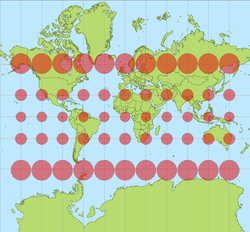
    <content type="html"><![CDATA[<p>Previously I have <a href="http://www.geowebguru.com/articles/124-add-your-own-satellite-images-to-virtual-earth-with-mapcruncher-and-amazon-s3" target="_blank" mce_href="http://www.geowebguru.com/articles/124-add-your-own-satellite-images-to-virtual-earth-with-mapcruncher-and-amazon-s3">demonstrated how to use Microsoft Research's MapCruncher tool to create map tiles from custom bitmaps for Bing Maps</a> (nee Virtual Earth). That particular example used an ASTER satellite image for the <a href="http://www.ecomapcostarica.com" target="_blank" mce_href="http://www.ecomapcostarica.com">EcoMapCostaRica.com project</a>, and hosted the map tiles on Amazon's S3 service with delivery using Amazon Cloudfront. Although MapCruncher was intended for use with Bing Maps, the resulting tiles can be used for custom applications and with map APIs from competing companies. This article shows you how to use MapCruncher tiles with Google Maps.</p>]]></content>
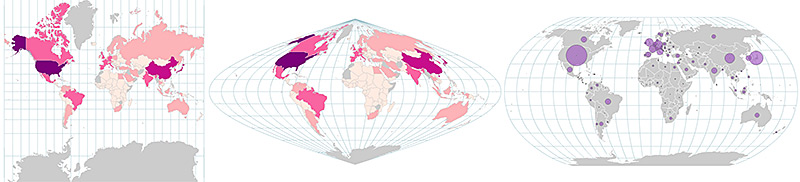
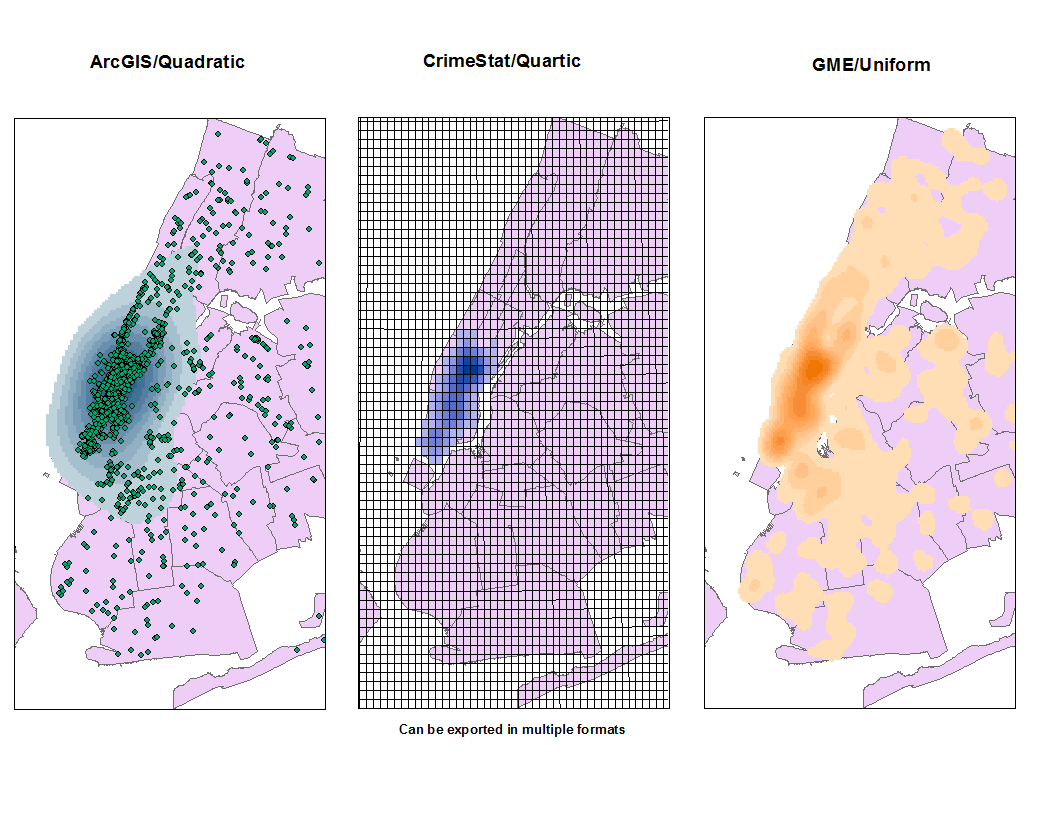
  </entry>
  <entry>
    <id></id>
    <title><![CDATA[Initial thoughts on Web Mapping and the iPad]]></title>

    <updated>2010-05-17T14:58:23+00:00</updated>
    <link rel="alternate" href="http://www.geowebguru.com/articles/273-initial-thoughts-on-web-mapping-and-the-ipad"/>
    <summary><![CDATA[<p>The iPad makes a very tempting platform for geoweb applications. This a short post on my initial findings after a week of using 3G iPad. I intend to follow it with further articles and commentaries over the coming months. Executive summary: Should make a great platform, but current geoweb support is limited. </p><p> </p>]]></summary>
    <content type="html"><![CDATA[<p>The iPad makes a very tempting platform for geoweb applications. This a short post on my initial findings after a week of using 3G iPad. I intend to follow it with further articles and commentaries over the coming months. Executive summary: Should make a great platform, but current geoweb support is limited. </p><p> </p>]]></content>
  </entry>
  <entry>
    <id>tag:blogger.com,1999:blog-1201802713399019554.post-1901524311677227876</id>
    <title><![CDATA[University of Engineering & Technology, Lahore]]></title>
    <updated>2010-05-13T06:56:25+00:00</updated>
    <link rel="alternate" href="http://pakgis.blogspot.com/feeds/1901524311677227876/comments/default"/>
    <summary><![CDATA[]]></summary>
    <content type="html"><![CDATA[<strong><span style="color: blue;">Our Valued Contributors:</span></strong><br /><marquee align="left" onmouseout="this.start()" onmouseover="this.stop()" scrollamount="2" style="height: 21px; width: 559px;"><span style="color: blue;">Askar Gardezi, Tayyabah Ahmad, Ansar Inayat, Samavia Khalid, Masooma Ikram, Ihsan Nawaz, Muhammad Nadeem, Muhammad Umair, Hassan Ali, Hamid Arshad, Ijaz Iqbal, Muhammad Afzal, Muhammad Bilal        </span></marquee><br /><iframe frameborder="0" height="350" marginheight="0" marginwidth="0" scrolling="no" src="http://maps.google.com/?ie=UTF8&amp;ll=31.579925,74.354975&amp;spn=0.010621,0.01929&amp;t=h&amp;z=16&amp;output=embed" style="height: 414px; width: 576px;" width="425"></iframe>  <br /><small><a href="http://maps.google.com/?ie=UTF8&amp;ll=31.579925,74.354975&amp;spn=0.010621,0.01929&amp;t=h&amp;z=16&amp;source=embed" style="color: blue; text-align: left;">View Larger Map</a></small>]]></content>
  </entry>
  <entry>
    <id></id>
    <title><![CDATA[An Overview of OpenAddresses.org]]></title>
    <updated>2010-05-03T13:23:18+00:00</updated>
    <link rel="alternate" href="http://www.geowebguru.com/articles/269-an-overview-of-openaddressesorg"/>
    <summary><![CDATA[<p>The aim of OpenAddresses.org is to establish a copyright-free database of geocoded addresses, using donations and voluntary help. Such a database has a wide range of applications including spatial analysis and geomarketing. The database is intended to be of greater accuracy than navigation systems which typically have insufficient accuracy for microgeographic analysis.</p><p>OpenAddresses includes a user web interface and a number of REST services. Data is typically hand-digitized or donated by institutions and public authorities.</p>]]></summary>
    <content type="html"><![CDATA[<p>The aim of OpenAddresses.org is to establish a copyright-free database of geocoded addresses, using donations and voluntary help. Such a database has a wide range of applications including spatial analysis and geomarketing. The database is intended to be of greater accuracy than navigation systems which typically have insufficient accuracy for microgeographic analysis.</p><p>OpenAddresses includes a user web interface and a number of REST services. Data is typically hand-digitized or donated by institutions and public authorities.</p>]]></content>
  </entry>
  <entry>
    <id></id>
    <title><![CDATA[Technical Overview: OpenScales]]></title>
    <updated>2010-04-19T12:36:48+00:00</updated>
    <link rel="alternate" href="http://www.geowebguru.com/articles/266-technical-overview-openscales"/>
    <summary><![CDATA[<p>OpenScales is an open source mapping framework for ActionScript 3 and Flex. Supporting a range of OGC data protocols, it has many similarities to the OpenLayers framework but uses Flash rather than JavaScript. The combination of Flash, 'tweening', and fast data providers results in a smoother, more compelling user experience - remniscent of Bing Map's new Silverlight control.</p>]]></summary>
    <content type="html"><![CDATA[<p>OpenScales is an open source mapping framework for ActionScript 3 and Flex. Supporting a range of OGC data protocols, it has many similarities to the OpenLayers framework but uses Flash rather than JavaScript. The combination of Flash, 'tweening', and fast data providers results in a smoother, more compelling user experience - remniscent of Bing Map's new Silverlight control.</p>]]></content>
  </entry>
  <entry>
    <id></id>
    <title><![CDATA[Technical Overview: GeoNames]]></title>
    <updated>2010-04-05T14:31:24+00:00</updated>
    <link rel="alternate" href="http://www.geowebguru.com/articles/264-technical-overview-geonames"/>
    <summary><![CDATA[<p>GeoNames is a series of web services to an extensive geographical database of over 8,000,000 names. The database is also available for "bulk" download. Both access methods are under the Creative Commons attribution license. The web services are available through free and commercial interfaces, and using a number of different format/protocols.</p>]]></summary>
    <content type="html"><![CDATA[<p>GeoNames is a series of web services to an extensive geographical database of over 8,000,000 names. The database is also available for "bulk" download. Both access methods are under the Creative Commons attribution license. The web services are available through free and commercial interfaces, and using a number of different format/protocols.</p>]]></content>
  </entry>
  <entry>
    <id></id>
    <title><![CDATA[Create Custom Tile Overlays for Google Maps with GMapCreator]]></title>
    <updated>2010-03-22T15:07:28+00:00</updated>
    <link rel="alternate" href="http://www.geowebguru.com/articles/260-create-custom-tile-overlays-for-google-maps-with-gmapcreator"/>
    <summary><![CDATA[<p><i>This article was previously published on GeoChalkboard, and has been reproduced here with permission. GeoChalkboard is published by <a href="http://www.geowebguru.com/component/content/article/39-promotions/101-geospatial-training-services" mce_href="http://www.geowebguru.com/component/content/article/39-promotions/101-geospatial-training-services">Geospatial Training Services</a> who provide a <a href="http://www.geowebguru.com/component/content/article/39-promotions/101-geospatial-training-services" mce_href="http://www.geowebguru.com/component/content/article/39-promotions/101-geospatial-training-services">range of geospatial web courses</a>.</i>
</p>

<p>Google Maps provides a web mapping application wherein maps are produced in advance and served as a set of small tiles for assembly into one big image in the browser. The advantage of this approach is consistency of appearance and graphical quality of the map and, probably more important, enormous scalability that can be achieved. There is no need for server side processing to generate maps and individual map tiles are much smaller than the whole map presented at the user end, so they are able to be delivered and displayed much faster. The trade off is a big effort up front to generate nice looking maps and the need to fix zoom levels rather than allowing a continuous zoom, as is the case with older web mapping technologies.  The approach has been copied by other online map technology providers.  But what approach should you take if you’d like to present your own custom data on top of a Google Maps base layer without using markers, polylines, or polygons?  Perhaps you have a large dataset stored in a shapefile and you’d simply like to convert this data to a format suitable for display in Google Maps.  In this case it would make sense to pre-create custom map tiles of your data at various zoom levels and have them available for display.
</p>]]></summary>
    <content type="html"><![CDATA[<p><i>This article was previously published on GeoChalkboard, and has been reproduced here with permission. GeoChalkboard is published by <a href="http://www.geowebguru.com/component/content/article/39-promotions/101-geospatial-training-services" mce_href="http://www.geowebguru.com/component/content/article/39-promotions/101-geospatial-training-services">Geospatial Training Services</a> who provide a <a href="http://www.geowebguru.com/component/content/article/39-promotions/101-geospatial-training-services" mce_href="http://www.geowebguru.com/component/content/article/39-promotions/101-geospatial-training-services">range of geospatial web courses</a>.</i>
</p>

<p>Google Maps provides a web mapping application wherein maps are produced in advance and served as a set of small tiles for assembly into one big image in the browser. The advantage of this approach is consistency of appearance and graphical quality of the map and, probably more important, enormous scalability that can be achieved. There is no need for server side processing to generate maps and individual map tiles are much smaller than the whole map presented at the user end, so they are able to be delivered and displayed much faster. The trade off is a big effort up front to generate nice looking maps and the need to fix zoom levels rather than allowing a continuous zoom, as is the case with older web mapping technologies.  The approach has been copied by other online map technology providers.  But what approach should you take if you’d like to present your own custom data on top of a Google Maps base layer without using markers, polylines, or polygons?  Perhaps you have a large dataset stored in a shapefile and you’d simply like to convert this data to a format suitable for display in Google Maps.  In this case it would make sense to pre-create custom map tiles of your data at various zoom levels and have them available for display.
</p>]]></content>
  </entry>
  <entry>
    <id></id>
    <title><![CDATA[Dracones, a Component Framework for MapServer]]></title>
    <updated>2010-02-22T18:35:36+00:00</updated>
    <link rel="alternate" href="http://www.geowebguru.com/articles/255-dracones-a-component-framework-for-mapserver"/>
    <summary><![CDATA[<p><i>In this article, Christian Jauvin describes the Dracones Framework for MapServer, and the DraconesPH application that is based on this framework. <br /></i></p><p>MapServer is a widely used open source GIS platform, especially useful in web environments. It is written in C, and has two primary modes of usage: through a CGI script, or in a more programmatic manner, via MapScript, a set bindings for many programming languages. Both methods are based on MapFiles, which contain specifications and parameters for a map (which can be based on a shapefile for instance), written in a declarative mini-language. The basic working of MapServer can be abstracted in an easy way: you give it a MapFile as its input, and it produces in return a (static) image of the resulting map (usually via a web server), which a client application is then free to manipulate in any useful way.<br /></p>]]></summary>
    <content type="html"><![CDATA[<p><i>In this article, Christian Jauvin describes the Dracones Framework for MapServer, and the DraconesPH application that is based on this framework. <br /></i></p><p>MapServer is a widely used open source GIS platform, especially useful in web environments. It is written in C, and has two primary modes of usage: through a CGI script, or in a more programmatic manner, via MapScript, a set bindings for many programming languages. Both methods are based on MapFiles, which contain specifications and parameters for a map (which can be based on a shapefile for instance), written in a declarative mini-language. The basic working of MapServer can be abstracted in an easy way: you give it a MapFile as its input, and it produces in return a (static) image of the resulting map (usually via a web server), which a client application is then free to manipulate in any useful way.<br /></p>]]></content>
  </entry>
  <entry>
    <id>180797 at https://www.amherst.edu</id>
    <title><![CDATA[A Close Encounter with Mars]]></title>
    <updated>2010-02-21T23:06:32+00:00</updated>
    <link rel="alternate" href="https://www.amherst.edu/people/facstaff/aanderson/geoobservatory/node/180797"/>
    <summary><![CDATA[<div class="field field-name-body field-type-text-with-summary field-label-hidden"><div class="field-items"><div class="field-item even"><p><span class="inline"><a href="http://hubblesite.org/newscenter/archive/releases/2003/22/image/a/"><img class="image-align-right" src="/media/view/180800/original/hs-2001-24-a-small_web.jpg" border="0" alt="Mars at Opposition 2001" title="Mars at Opposition 2001" width="200" height="200"></a></span>The     planet Mars is currently enjoying <a href="http://science.nasa.gov/headlines/y2010/26jan_mars.htm">its     biannual dalliance with the Earth</a>. Marching through the constellation     Cancer, the Red Planet's nearness and opposition to the Sun produce an unusually     bright spessartine gem against the black velvet sky. It now hangs above the     eastern horizon in the evening, where it will remain for several months.</p> <div class="mediainline"><span class="inline"><a href="http://science.nasa.gov/headlines/y2001/ast24may_1.htm"><img class="image-align-left" src="/media/view/180818/original/face_e03-824_proc_i.jpg" border="0" alt="Cydonian &quot;Face&quot; on Mars" title="Cydonian &quot;Face&quot; on Mars" width="200" height="200"></a></span></div> <p>Mars has been the subject of intense human scrutiny for centuries, and <a href="http://www.jpl.nasa.gov/missions/index.cfm">a         battery of NASA probes</a> have visited the planet since the dawn of         the space age. The first wave began in the 1960s with the Mariner flybys         and orbiters, and ended in the early 1980s with the Viking orbiters and         landers. Starting in the late 1990s, a new series of sophisticated craft         invaded Mars. Probably most famous are the three robotic rovers deployed         to directly explore and analyze its surface (Sojourner, Spirit, and Opportunity).         Of more interest for geography are the three orbiting satellites that         have remotely imaged the entirety of Mars, returning unprecedented amounts         of information and transforming our understanding of the planet.</p> <p><img class="image-align-right" src="/media/view/180822/original/gorgonum2_c_i1.jpg" border="0" alt="Gorganum Chaos and Probable Water Gullies" title="Gorganum Chaos and Probable Water Gullies" width="288" height="250"></p> <p>The <a href="http://mars.jpl.nasa.gov/mgs/">Mars Global Surveyor</a>, operating     from 1999 to 2006, carried a number of <a href="http://mars.jpl.nasa.gov/mgs/mission/sc_instruments.html">scientific     instruments</a>, including a high-resolution camera with a horizontal resolution     as small as 50 cm, a laser altimeter with a vertical resolution of 30 cm,     a thermal emission spectrometer, and a magnetometer, and provided <a href="http://www.msss.com/mars_images/moc/june2000/gorgonum/">evidence     for relatively recent water flow</a>!</p> <p><a href="http://mars.jpl.nasa.gov/odyssey/">Mars Odyssey</a> began studying     the material composition of the planet in 2002, using another thermal emission     imaging system and a gamma ray spectrometer, and <a href="http://mars.jpl.nasa.gov/odyssey/news/whatsnew/index.cfm?FuseAction=ShowNews&amp;NewsID=264">confirmed     the existence of subsurface frozen water</a>.</p> <p><img class="image-align-left" src="/media/view/180821/standard/20040825_20040825a-br-br.jpg" border="0" alt="Water Content of Martian Soil" title="Water Content of Martian Soil" width="300" height="200"></p> <p>The <a href="http://marsprogram.jpl.nasa.gov/mro/">Mars Reconnaissance Orbiter</a> reached     Mars in 2006, and includes a telescopic camera with a resolution around half     a meter per pixel. Using stereoimaging, improved measurements of elevation     are also being calculated.</p> <p>Currently the highest resolution topographic data is only available in certain     areas. There is so much data that it isn't being processed in its entirety,     but only where scientists have been particularly interested!</p> <p>The best global topographic data currently available comes from the Mars Global     Surveyor's <a href="http://mola.gsfc.nasa.gov/">Mars Orbiter     Laser Altimeter</a> (MOLA), which covers the planet in 1/128<sup>th</sup>-degree     (28 arc second) measurements (and four times more detailed in the polar regions).     For example, this "slice" of the planet extends from the north pole on the     left to the south pole on the right along the prime meridian, revealing the     generally higher elevations in the southern hemisphere:</p> <p><img class="image original" src="/media/view/191201/original/Mars%2BPrime%2BMeridian%2BElevation%2BProfile.jpg" border="0" alt="Mars Topography Along the Prime Meridian" title="Mars Topography Along the Prime Meridian" width="714" height="120"></p> <p>One representation of MOLA data as a Digital Elevation Model (DEM) is in the     Planetary Data System (PDS) IMG raster format, which can be viewed with the     NASAView software:<br><br><span style="white-space:pre;"> </span><a href="http://starbeam.jpl.nasa.gov/tools/nasa-view.shtml">http://starbeam.jpl.nasa.gov/tools/nasa-view.shtml</a></p> <p>PDS/IMG is somewhat obscure; NASAView can save it as GIF or JPEG format, which     is one way to quickly use it in other tools, but a lot of information is     lost. Specifically, Martian elevation varies from -8,068 m to +21,134 m (a     larger range than on Earth!), so the data is stored as 16-bit signed integers,     while GIF and JPEG can only handle 8-bit unsigned integers (grayscale), forcing     the output to be scaled and offset into values from 0 to 255.</p> <p>Not surprisingly, the specialized image analysis program ENVI understands     PDS/IMG as an external/generic format, which can be opened and resaved in     another format such as ESRI's Grid for use with ArcGIS.</p> <p>More generally, PDS/IMG is actually a pretty simple format, being a file of     uncompressed data with a separate human-readable label file (.lbl) describing     its layout. The data can be purely sequential or interleaved (if it's color/multi-band).     It's therefore the same as what ESRI ArcGIS and IDL-VIS ENVI call <dfn><strong>Band     Sequential</strong></dfn> (.bsq), <dfn><strong>Band Interleaved by Pixel</strong></dfn> (.bip)     or <dfn><strong>Band Interleaved by Line</strong></dfn> (.bil). (Note that     these formats are identical for grayscale/single-band data.) The only difference,     it appears, is that ArcGIS expects a "header" file (.hdr) with a different     layout of information. So only the latter file needs to be created, and the     data file can simply have its file extension changed. A basic file is described     below, but there is also a detailed description of the .hdr format here:<br><br><span style="white-space:pre;"> </span><a href="http://webhelp.esri.com/arcgisdesktop/9.3/index.cfm?topicname=BIL,_BIP,_and_BSQ_raster_files">http://webhelp.esri.com/arcgisdesktop/9.3/index.cfm?topicname=BIL,_BIP,_and_BSQ_raster_files</a><br><br> The procedure to view the Mars data is as follows:</p> <ol><li>The MOLA data is stored here:<br><br><span style="white-space:pre;"> </span><a href="http://pds-geosciences.wustl.edu/missions/mgs/megdr.html">http://pds-geosciences.wustl.edu/missions/mgs/megdr.html</a><br><br> As an example, the lowest resolution topography can be studied by clicking         on the link MEG004, downloading <samp>megt90n000cb.img</samp> and <samp>megt90n000cb.lbl</samp>,         and renaming the former to <samp>megt90n000cb.bsq</samp> .</li> <li>Open the label file with a text editor and read its description. For         these files, the data is sampled in geographic coordinates, 0.25°/pixel,         and its values are referenced to an estimate of the "areoid" (like sea         level but without the water!). The datum used is spherical, with a radius         of 3396 Km. With this information you can create an "areographic coordinate         system". Note that the Mars standard is to take the Prime Meridian at         its Meridian Planum (coincidence?), and to measure longitude from 0° to         360°, which puts the Prime Meridian at the far left of the typical         Mars image. In ArcGIS this means assigning the prime meridian to -180°.<br><br> The necessary projection file (e.g. <samp>megt90n000cb.prj</samp>) will         therefore look like this one line:<br><br><code>GEOGCS["ACS_Mars_MGS_MOLA",DATUM["D_&lt;custom&gt;",SPHEROID["_custom",3396000.0,0.0]],PRIMEM["Meridian         Planum",-180.0],UNIT["Degree",0.017453292519943295]]</code></li> <li>Using information from the label file, the header file (e.g. <samp>megt90n000cb.hdr</samp>)         can be created with a text editor, and it should look something like         the first column of this table (after the first row):<br><span style="white-space:pre;"> </span><br><table border="0"><tr><td align="center" colspan="2"><strong>Corresponding Descriptions of Raster Characteristics</strong></td></tr><tr><th width="220">.hdr parameter</th> <th width="320">Corresponding .lbl parameter(s)</th></tr><tbody><tr><td><code>nrows 720</code></td> <td><code>lines = 720</code></td></tr><tr><td colspan="2"><blockquote><div><br>Number of rows of pixels in the image</div></blockquote></td></tr><tr><td colspan="2"><hr></td></tr><tr><td><code>ncols 1440</code></td> <td><code>line_samples = 1440</code></td></tr><tr><td colspan="2"><blockquote><div><br>Number of pixels per row (columns) in the image</div></blockquote></td></tr><tr><td colspan="2"><hr></td></tr><tr><td><code>skipbytes 0</code></td> <td><code>record_bytes = 2880<br> file_records = 720<br> lines = 720</code></td></tr><tr><td colspan="2"><blockquote><div><br>Number of bytes of header information to skip over                         to get to the image data; it will be padded to the end                         of a row, so that it will always be an integer multiple                         of the number of bytes per row:<br><code>record_bytes * (file_records - lines)</code></div></blockquote></td></tr><tr><td colspan="2"><hr></td></tr><tr><td><code>nbands 1</code></td> <td><code>bands = 1</code></td></tr><tr><td colspan="2"><blockquote><div><br>Number of bands in each pixel (e.g. 1 for                             grayscale &amp; 3 for RGB)</div></blockquote></td></tr><tr><td colspan="2"><hr></td></tr><tr><td><code>nbits 16</code></td> <td><code>sample_bits = 16</code></td></tr><tr><td colspan="2"><blockquote><div><br>Number of bits in each band (e.g. 32 bits                             for four-byte values)</div></blockquote></td></tr><tr><td colspan="2"><hr></td></tr><tr><td><code>pixeltype unsignedint<br> pixeltype signedint<br> pixeltype float</code></td> <td><code>sample_type =<var> </var>*_unsigned_integer<br> sample_type =<var> </var> *_signed_integer<br> sample_type = *_real</code></td></tr><tr><td colspan="2"><blockquote><div><br> The <code>*</code> represents a byte order (described next).<br> The default value is <code>msb_unsigned_integer</code>.<br></div></blockquote></td></tr><tr><td colspan="2"><hr></td></tr><tr><td><code>byteorder I<br><br> byteorder M</code></td> <td><code>sample_type = lsb_*<br> sample_type = pc_*<br><br> sample_type = msb_*<br> sample_type = sun_*</code></td></tr><tr><td colspan="2"><blockquote><div><br><code>lsb</code> = least significant byte first = <code>pc</code> =                         Intel =&gt; <code>I</code><br><code>msb</code> = most significant byte first = <code>sun</code> =                         Motorola =&gt; <code>M</code><br>The <code>*</code> represents a pixel type  (described                         previously).<br>The default value is <code>msb_unsigned_integer</code>.</div></blockquote></td></tr><tr><td colspan="2"><hr></td></tr><tr><td><code>layout BSQ<br> layout BIP<br> layout BIL<br></code></td> <td><code>band_storage_type = band_sequential</code><br><code>band_storage_type = sample_interleaved</code><br><code>band_storage_type = line_interleaved</code></td></tr><tr><td colspan="2"><blockquote><div><br>These are the same when <code>bands = 1</code> .</div></blockquote></td></tr><tr><td colspan="2"><hr></td></tr><tr><td><code>nodata -3.4028226550889045e+38</code></td> <td><code>missing_constant = 16#FF7FFFFB#</code></td></tr><tr><td colspan="2"><hr></td></tr><tr><td><code>xdim 0.25</code></td> <td><code>map_resolution = 4.0 &lt;PIX/DEG&gt;</code></td></tr><tr><td colspan="2"><blockquote><div><br>Width of an easting pixel in map units<br><code>= 1 / map_resolution</code></div></blockquote></td></tr><tr><td colspan="2"><hr></td></tr><tr><td><code>ydim 0.25</code></td> <td><code>map_resolution = 4.0  &lt;PIX/DEG&gt;</code></td></tr><tr><td colspan="2"><blockquote><div><br>Width of a northing pixel in map units<br><code>= 1 / map_resolution</code></div></blockquote></td></tr><tr><td colspan="2"><hr></td></tr><tr><td><code>ulxmap 0.125<br></code></td> <td><code>westernmost_longitude = 0 &lt;DEG&gt;<br> map_resolution = 4.0  &lt;PIX/DEG&gt;</code></td></tr><tr><td colspan="2"><blockquote><div><br>Map coordinate of the center of the first column<br><code>= westernmost_longitude + 1 / map_resolution / 2</code></div></blockquote></td></tr><tr><td colspan="2"><hr></td></tr><tr><td><code>ulymap 89.875</code></td> <td><code>maximum_latitude = 90 &lt;DEG&gt;<br> map_resolution = 4.0 &lt;PIX/DEG&gt;</code></td></tr><tr><td colspan="2"><blockquote><div><br>Map coordinate of the center of the first row<br><code>= maximum_latitude - 1 / map_resolution / 2</code></div></blockquote></td></tr><tr><td colspan="2"><hr></td></tr></tbody></table><br> This provides the same information as in a world file, so one isn't necessary         for this raster.</li> <li>At this point you can preview the image in ArcCatalog! Optionally you         can build statistics for the image, which will establish the maximum         and minimum values and reduce the necessary color range, thereby enhancing         the grayscale/color representation. In ArcCatalog, double-click on the         data file (e.g. <samp>megt90n000cb.bsq</samp>) to open its <code>Properties</code> dialog,         scroll down to <code>Statistics</code>, click on the button <code>Options</code>,         and select <code>Build Statistics…</code>.</li> <li>Finally, using 3D Analyst, create an elevation profile of an interesting         location, e.g. the gigantic extinct volcano Olympus Mons. Add the raster         you just created to ArcGIS, then menu <code>Tools</code> =&gt; <code>Extensions…</code>,         and turn on <code>3D Analyst</code>. Then menu <code>View</code> =&gt; <code>Toolbars</code> =&gt; <code>3D         Analyst</code>.<br> In the <code>3D         Analyst</code> toolbar, click on the button <code>Interpolate Line</code>,         and create a polyline along the path where you want to see the profile,         by clicking once at each vertex and ending with a double-click. Then         click on the button <code>Create Profile Graph</code>.<br><br> The resulting profile for Olympus Mons is below:</li> </ol><div><img src="/media/view/191203/standard/Olympus%2BMons%2BProfile.png" border="0" alt="Olympus Mons Elevation" title="Olympus Mons Elevation" width="100%"></div> <p>An alternative source of data is the <dfn>Precision Experiment Data Records</dfn> (PEDR),     a point set (Digital Terrain Model/DTM) from which the raster DEM is derived:</p> <p><a href="http://pds-geosciences.wustl.edu/missions/mgs/pedr.html">http://pds-geosciences.wustl.edu/missions/mgs/pedr.html</a></p> <p>As noted above, there are also some bits and pieces of newer, high-resolution     Mars DTM available from the <a href="http://marsprogram.jpl.nasa.gov/mro/">Mars     Reconnaissance Orbiter</a>, available here:</p> <p><a href="http://www.uahirise.org/dtm/">http://www.uahirise.org/dtm/</a></p> <p>This data has an embedded header, which ArcGIS 9.3 is able to partially recognize,     but it makes a few mistakes along the way. In particular:</p> <ol><li>ArcMap understands that the data has a projection of Equirectangular         (Plate Carée), but it sets the linear unit incorrectly, and it         misinterprets the value described as "CENTER_LATITUDE" as the origin         of latitude, rather than as the standard parallel (secant line of the         projection cylinder). Creating a projection file that looks like this         will fix this:<br><br><code>PROJCS["Plate_Carree",GEOGCS["EQUIRECTANGULAR MARS",<br> DATUM["D_MARS",SPHEROID["MARS",3393830.0,0.0]],PRIMEM["Reference_Meridian",-180.0],<br> UNIT["Degree",0.0174532925199433]],PROJECTION["Plate_Carree"],<br> PARAMETER["false_easting",0.0],PARAMETER["false_northing",0.0],<br> PARAMETER["central_meridian",341.0599975585938],<br> PARAMETER["Standard_Parallel_1",20.0],UNIT["Millimeter",0.001]]</code><br><br> Note that this data will vary from image to image; be sure to check not         only <code>Standard_Parallel_1</code> and the <code>Central_Meridian</code>,         but also the spheroid radius.</li> <li>ArcMap doesn't properly interpret the NoData value, expressed as a hexadecimal         value in the LBL file.  To fix this, load the BSQ (renamed from         IMG) file, and then export the layer as a TIFF file; in that dialog,         in the field <code>NoData as:</code>, assign the following value: <code>-3.4028226550889045e+38</code> .</li> <li>Finally, Arc somehow sees a maximum value that's way too large. In the         LBL file, the actual maximum is listed, and you can use that to change         the symbology stretch to a proper maximum-minimum range.</li> </ol><p>The cleanest way to import this data is to use a utility like <cite>tail</cite> (standard on Unix, an add-on for Windows) to remove the label from the beginning of the data file; with properly constructed .hdr and .prj files as described above, the data is ready to use.</p><p>An alternative, more black-box approach is described at <a href="https://isis.astrogeology.usgs.gov/IsisSupport/index.php?topic=2415.0">ISIS         support</a>.</p> <h6><a href="/people/facstaff/aanderson/geoobservatory/node/180797/">Permalink</a></h6></div></div></div><div class="field field-name-taxonomy-vocabulary-1 field-type-taxonomy-term-reference field-label-above"><div class="field-label">Tags:&nbsp;</div><div class="field-items"><div class="field-item even"><a href="/taxonomy/term/4239">mars</a></div><div class="field-item odd"><a href="/taxonomy/term/7046">opportunity</a></div><div class="field-item even"><a href="/taxonomy/term/9471">NASA</a></div><div class="field-item odd"><a href="/taxonomy/term/12585">Mars Global Surveyor</a></div><div class="field-item even"><a href="/taxonomy/term/13041">Mariner</a></div><div class="field-item odd"><a href="/taxonomy/term/13042">Viking</a></div><div class="field-item even"><a href="/taxonomy/term/13043">Sojourner</a></div><div class="field-item odd"><a href="/taxonomy/term/13044">Spirit</a></div><div class="field-item even"><a href="/taxonomy/term/13045">Mars Odyssey</a></div><div class="field-item odd"><a href="/taxonomy/term/13046">Mars REconnaissance Orbiter</a></div></div></div>]]></summary>
    <content type="html"><![CDATA[<div class="field field-name-body field-type-text-with-summary field-label-hidden"><div class="field-items"><div class="field-item even"><p><span class="inline"><a href="http://hubblesite.org/newscenter/archive/releases/2003/22/image/a/"><img class="image-align-right" src="/media/view/180800/original/hs-2001-24-a-small_web.jpg" border="0" alt="Mars at Opposition 2001" title="Mars at Opposition 2001" width="200" height="200"></a></span>The     planet Mars is currently enjoying <a href="http://science.nasa.gov/headlines/y2010/26jan_mars.htm">its     biannual dalliance with the Earth</a>. Marching through the constellation     Cancer, the Red Planet's nearness and opposition to the Sun produce an unusually     bright spessartine gem against the black velvet sky. It now hangs above the     eastern horizon in the evening, where it will remain for several months.</p> <div class="mediainline"><span class="inline"><a href="http://science.nasa.gov/headlines/y2001/ast24may_1.htm"><img class="image-align-left" src="/media/view/180818/original/face_e03-824_proc_i.jpg" border="0" alt="Cydonian &quot;Face&quot; on Mars" title="Cydonian &quot;Face&quot; on Mars" width="200" height="200"></a></span></div> <p>Mars has been the subject of intense human scrutiny for centuries, and <a href="http://www.jpl.nasa.gov/missions/index.cfm">a         battery of NASA probes</a> have visited the planet since the dawn of         the space age. The first wave began in the 1960s with the Mariner flybys         and orbiters, and ended in the early 1980s with the Viking orbiters and         landers. Starting in the late 1990s, a new series of sophisticated craft         invaded Mars. Probably most famous are the three robotic rovers deployed         to directly explore and analyze its surface (Sojourner, Spirit, and Opportunity).         Of more interest for geography are the three orbiting satellites that         have remotely imaged the entirety of Mars, returning unprecedented amounts         of information and transforming our understanding of the planet.</p> <p><img class="image-align-right" src="/media/view/180822/original/gorgonum2_c_i1.jpg" border="0" alt="Gorganum Chaos and Probable Water Gullies" title="Gorganum Chaos and Probable Water Gullies" width="288" height="250"></p> <p>The <a href="http://mars.jpl.nasa.gov/mgs/">Mars Global Surveyor</a>, operating     from 1999 to 2006, carried a number of <a href="http://mars.jpl.nasa.gov/mgs/mission/sc_instruments.html">scientific     instruments</a>, including a high-resolution camera with a horizontal resolution     as small as 50 cm, a laser altimeter with a vertical resolution of 30 cm,     a thermal emission spectrometer, and a magnetometer, and provided <a href="http://www.msss.com/mars_images/moc/june2000/gorgonum/">evidence     for relatively recent water flow</a>!</p> <p><a href="http://mars.jpl.nasa.gov/odyssey/">Mars Odyssey</a> began studying     the material composition of the planet in 2002, using another thermal emission     imaging system and a gamma ray spectrometer, and <a href="http://mars.jpl.nasa.gov/odyssey/news/whatsnew/index.cfm?FuseAction=ShowNews&amp;NewsID=264">confirmed     the existence of subsurface frozen water</a>.</p> <p><img class="image-align-left" src="/media/view/180821/standard/20040825_20040825a-br-br.jpg" border="0" alt="Water Content of Martian Soil" title="Water Content of Martian Soil" width="300" height="200"></p> <p>The <a href="http://marsprogram.jpl.nasa.gov/mro/">Mars Reconnaissance Orbiter</a> reached     Mars in 2006, and includes a telescopic camera with a resolution around half     a meter per pixel. Using stereoimaging, improved measurements of elevation     are also being calculated.</p> <p>Currently the highest resolution topographic data is only available in certain     areas. There is so much data that it isn't being processed in its entirety,     but only where scientists have been particularly interested!</p> <p>The best global topographic data currently available comes from the Mars Global     Surveyor's <a href="http://mola.gsfc.nasa.gov/">Mars Orbiter     Laser Altimeter</a> (MOLA), which covers the planet in 1/128<sup>th</sup>-degree     (28 arc second) measurements (and four times more detailed in the polar regions).     For example, this "slice" of the planet extends from the north pole on the     left to the south pole on the right along the prime meridian, revealing the     generally higher elevations in the southern hemisphere:</p> <p><img class="image original" src="/media/view/191201/original/Mars%2BPrime%2BMeridian%2BElevation%2BProfile.jpg" border="0" alt="Mars Topography Along the Prime Meridian" title="Mars Topography Along the Prime Meridian" width="714" height="120"></p> <p>One representation of MOLA data as a Digital Elevation Model (DEM) is in the     Planetary Data System (PDS) IMG raster format, which can be viewed with the     NASAView software:<br><br><span style="white-space:pre;"> </span><a href="http://starbeam.jpl.nasa.gov/tools/nasa-view.shtml">http://starbeam.jpl.nasa.gov/tools/nasa-view.shtml</a></p> <p>PDS/IMG is somewhat obscure; NASAView can save it as GIF or JPEG format, which     is one way to quickly use it in other tools, but a lot of information is     lost. Specifically, Martian elevation varies from -8,068 m to +21,134 m (a     larger range than on Earth!), so the data is stored as 16-bit signed integers,     while GIF and JPEG can only handle 8-bit unsigned integers (grayscale), forcing     the output to be scaled and offset into values from 0 to 255.</p> <p>Not surprisingly, the specialized image analysis program ENVI understands     PDS/IMG as an external/generic format, which can be opened and resaved in     another format such as ESRI's Grid for use with ArcGIS.</p> <p>More generally, PDS/IMG is actually a pretty simple format, being a file of     uncompressed data with a separate human-readable label file (.lbl) describing     its layout. The data can be purely sequential or interleaved (if it's color/multi-band).     It's therefore the same as what ESRI ArcGIS and IDL-VIS ENVI call <dfn><strong>Band     Sequential</strong></dfn> (.bsq), <dfn><strong>Band Interleaved by Pixel</strong></dfn> (.bip)     or <dfn><strong>Band Interleaved by Line</strong></dfn> (.bil). (Note that     these formats are identical for grayscale/single-band data.) The only difference,     it appears, is that ArcGIS expects a "header" file (.hdr) with a different     layout of information. So only the latter file needs to be created, and the     data file can simply have its file extension changed. A basic file is described     below, but there is also a detailed description of the .hdr format here:<br><br><span style="white-space:pre;"> </span><a href="http://webhelp.esri.com/arcgisdesktop/9.3/index.cfm?topicname=BIL,_BIP,_and_BSQ_raster_files">http://webhelp.esri.com/arcgisdesktop/9.3/index.cfm?topicname=BIL,_BIP,_and_BSQ_raster_files</a><br><br> The procedure to view the Mars data is as follows:</p> <ol><li>The MOLA data is stored here:<br><br><span style="white-space:pre;"> </span><a href="http://pds-geosciences.wustl.edu/missions/mgs/megdr.html">http://pds-geosciences.wustl.edu/missions/mgs/megdr.html</a><br><br> As an example, the lowest resolution topography can be studied by clicking         on the link MEG004, downloading <samp>megt90n000cb.img</samp> and <samp>megt90n000cb.lbl</samp>,         and renaming the former to <samp>megt90n000cb.bsq</samp> .</li> <li>Open the label file with a text editor and read its description. For         these files, the data is sampled in geographic coordinates, 0.25°/pixel,         and its values are referenced to an estimate of the "areoid" (like sea         level but without the water!). The datum used is spherical, with a radius         of 3396 Km. With this information you can create an "areographic coordinate         system". Note that the Mars standard is to take the Prime Meridian at         its Meridian Planum (coincidence?), and to measure longitude from 0° to         360°, which puts the Prime Meridian at the far left of the typical         Mars image. In ArcGIS this means assigning the prime meridian to -180°.<br><br> The necessary projection file (e.g. <samp>megt90n000cb.prj</samp>) will         therefore look like this one line:<br><br><code>GEOGCS["ACS_Mars_MGS_MOLA",DATUM["D_&lt;custom&gt;",SPHEROID["_custom",3396000.0,0.0]],PRIMEM["Meridian         Planum",-180.0],UNIT["Degree",0.017453292519943295]]</code></li> <li>Using information from the label file, the header file (e.g. <samp>megt90n000cb.hdr</samp>)         can be created with a text editor, and it should look something like         the first column of this table (after the first row):<br><span style="white-space:pre;"> </span><br><table border="0"><tr><td align="center" colspan="2"><strong>Corresponding Descriptions of Raster Characteristics</strong></td></tr><tr><th width="220">.hdr parameter</th> <th width="320">Corresponding .lbl parameter(s)</th></tr><tbody><tr><td><code>nrows 720</code></td> <td><code>lines = 720</code></td></tr><tr><td colspan="2"><blockquote><div><br>Number of rows of pixels in the image</div></blockquote></td></tr><tr><td colspan="2"><hr></td></tr><tr><td><code>ncols 1440</code></td> <td><code>line_samples = 1440</code></td></tr><tr><td colspan="2"><blockquote><div><br>Number of pixels per row (columns) in the image</div></blockquote></td></tr><tr><td colspan="2"><hr></td></tr><tr><td><code>skipbytes 0</code></td> <td><code>record_bytes = 2880<br> file_records = 720<br> lines = 720</code></td></tr><tr><td colspan="2"><blockquote><div><br>Number of bytes of header information to skip over                         to get to the image data; it will be padded to the end                         of a row, so that it will always be an integer multiple                         of the number of bytes per row:<br><code>record_bytes * (file_records - lines)</code></div></blockquote></td></tr><tr><td colspan="2"><hr></td></tr><tr><td><code>nbands 1</code></td> <td><code>bands = 1</code></td></tr><tr><td colspan="2"><blockquote><div><br>Number of bands in each pixel (e.g. 1 for                             grayscale &amp; 3 for RGB)</div></blockquote></td></tr><tr><td colspan="2"><hr></td></tr><tr><td><code>nbits 16</code></td> <td><code>sample_bits = 16</code></td></tr><tr><td colspan="2"><blockquote><div><br>Number of bits in each band (e.g. 32 bits                             for four-byte values)</div></blockquote></td></tr><tr><td colspan="2"><hr></td></tr><tr><td><code>pixeltype unsignedint<br> pixeltype signedint<br> pixeltype float</code></td> <td><code>sample_type =<var> </var>*_unsigned_integer<br> sample_type =<var> </var> *_signed_integer<br> sample_type = *_real</code></td></tr><tr><td colspan="2"><blockquote><div><br> The <code>*</code> represents a byte order (described next).<br> The default value is <code>msb_unsigned_integer</code>.<br></div></blockquote></td></tr><tr><td colspan="2"><hr></td></tr><tr><td><code>byteorder I<br><br> byteorder M</code></td> <td><code>sample_type = lsb_*<br> sample_type = pc_*<br><br> sample_type = msb_*<br> sample_type = sun_*</code></td></tr><tr><td colspan="2"><blockquote><div><br><code>lsb</code> = least significant byte first = <code>pc</code> =                         Intel =&gt; <code>I</code><br><code>msb</code> = most significant byte first = <code>sun</code> =                         Motorola =&gt; <code>M</code><br>The <code>*</code> represents a pixel type  (described                         previously).<br>The default value is <code>msb_unsigned_integer</code>.</div></blockquote></td></tr><tr><td colspan="2"><hr></td></tr><tr><td><code>layout BSQ<br> layout BIP<br> layout BIL<br></code></td> <td><code>band_storage_type = band_sequential</code><br><code>band_storage_type = sample_interleaved</code><br><code>band_storage_type = line_interleaved</code></td></tr><tr><td colspan="2"><blockquote><div><br>These are the same when <code>bands = 1</code> .</div></blockquote></td></tr><tr><td colspan="2"><hr></td></tr><tr><td><code>nodata -3.4028226550889045e+38</code></td> <td><code>missing_constant = 16#FF7FFFFB#</code></td></tr><tr><td colspan="2"><hr></td></tr><tr><td><code>xdim 0.25</code></td> <td><code>map_resolution = 4.0 &lt;PIX/DEG&gt;</code></td></tr><tr><td colspan="2"><blockquote><div><br>Width of an easting pixel in map units<br><code>= 1 / map_resolution</code></div></blockquote></td></tr><tr><td colspan="2"><hr></td></tr><tr><td><code>ydim 0.25</code></td> <td><code>map_resolution = 4.0  &lt;PIX/DEG&gt;</code></td></tr><tr><td colspan="2"><blockquote><div><br>Width of a northing pixel in map units<br><code>= 1 / map_resolution</code></div></blockquote></td></tr><tr><td colspan="2"><hr></td></tr><tr><td><code>ulxmap 0.125<br></code></td> <td><code>westernmost_longitude = 0 &lt;DEG&gt;<br> map_resolution = 4.0  &lt;PIX/DEG&gt;</code></td></tr><tr><td colspan="2"><blockquote><div><br>Map coordinate of the center of the first column<br><code>= westernmost_longitude + 1 / map_resolution / 2</code></div></blockquote></td></tr><tr><td colspan="2"><hr></td></tr><tr><td><code>ulymap 89.875</code></td> <td><code>maximum_latitude = 90 &lt;DEG&gt;<br> map_resolution = 4.0 &lt;PIX/DEG&gt;</code></td></tr><tr><td colspan="2"><blockquote><div><br>Map coordinate of the center of the first row<br><code>= maximum_latitude - 1 / map_resolution / 2</code></div></blockquote></td></tr><tr><td colspan="2"><hr></td></tr></tbody></table><br> This provides the same information as in a world file, so one isn't necessary         for this raster.</li> <li>At this point you can preview the image in ArcCatalog! Optionally you         can build statistics for the image, which will establish the maximum         and minimum values and reduce the necessary color range, thereby enhancing         the grayscale/color representation. In ArcCatalog, double-click on the         data file (e.g. <samp>megt90n000cb.bsq</samp>) to open its <code>Properties</code> dialog,         scroll down to <code>Statistics</code>, click on the button <code>Options</code>,         and select <code>Build Statistics…</code>.</li> <li>Finally, using 3D Analyst, create an elevation profile of an interesting         location, e.g. the gigantic extinct volcano Olympus Mons. Add the raster         you just created to ArcGIS, then menu <code>Tools</code> =&gt; <code>Extensions…</code>,         and turn on <code>3D Analyst</code>. Then menu <code>View</code> =&gt; <code>Toolbars</code> =&gt; <code>3D         Analyst</code>.<br> In the <code>3D         Analyst</code> toolbar, click on the button <code>Interpolate Line</code>,         and create a polyline along the path where you want to see the profile,         by clicking once at each vertex and ending with a double-click. Then         click on the button <code>Create Profile Graph</code>.<br><br> The resulting profile for Olympus Mons is below:</li> </ol><div><img src="/media/view/191203/standard/Olympus%2BMons%2BProfile.png" border="0" alt="Olympus Mons Elevation" title="Olympus Mons Elevation" width="100%"></div> <p>An alternative source of data is the <dfn>Precision Experiment Data Records</dfn> (PEDR),     a point set (Digital Terrain Model/DTM) from which the raster DEM is derived:</p> <p><a href="http://pds-geosciences.wustl.edu/missions/mgs/pedr.html">http://pds-geosciences.wustl.edu/missions/mgs/pedr.html</a></p> <p>As noted above, there are also some bits and pieces of newer, high-resolution     Mars DTM available from the <a href="http://marsprogram.jpl.nasa.gov/mro/">Mars     Reconnaissance Orbiter</a>, available here:</p> <p><a href="http://www.uahirise.org/dtm/">http://www.uahirise.org/dtm/</a></p> <p>This data has an embedded header, which ArcGIS 9.3 is able to partially recognize,     but it makes a few mistakes along the way. In particular:</p> <ol><li>ArcMap understands that the data has a projection of Equirectangular         (Plate Carée), but it sets the linear unit incorrectly, and it         misinterprets the value described as "CENTER_LATITUDE" as the origin         of latitude, rather than as the standard parallel (secant line of the         projection cylinder). Creating a projection file that looks like this         will fix this:<br><br><code>PROJCS["Plate_Carree",GEOGCS["EQUIRECTANGULAR MARS",<br> DATUM["D_MARS",SPHEROID["MARS",3393830.0,0.0]],PRIMEM["Reference_Meridian",-180.0],<br> UNIT["Degree",0.0174532925199433]],PROJECTION["Plate_Carree"],<br> PARAMETER["false_easting",0.0],PARAMETER["false_northing",0.0],<br> PARAMETER["central_meridian",341.0599975585938],<br> PARAMETER["Standard_Parallel_1",20.0],UNIT["Millimeter",0.001]]</code><br><br> Note that this data will vary from image to image; be sure to check not         only <code>Standard_Parallel_1</code> and the <code>Central_Meridian</code>,         but also the spheroid radius.</li> <li>ArcMap doesn't properly interpret the NoData value, expressed as a hexadecimal         value in the LBL file.  To fix this, load the BSQ (renamed from         IMG) file, and then export the layer as a TIFF file; in that dialog,         in the field <code>NoData as:</code>, assign the following value: <code>-3.4028226550889045e+38</code> .</li> <li>Finally, Arc somehow sees a maximum value that's way too large. In the         LBL file, the actual maximum is listed, and you can use that to change         the symbology stretch to a proper maximum-minimum range.</li> </ol><p>The cleanest way to import this data is to use a utility like <cite>tail</cite> (standard on Unix, an add-on for Windows) to remove the label from the beginning of the data file; with properly constructed .hdr and .prj files as described above, the data is ready to use.</p><p>An alternative, more black-box approach is described at <a href="https://isis.astrogeology.usgs.gov/IsisSupport/index.php?topic=2415.0">ISIS         support</a>.</p> <h6><a href="/people/facstaff/aanderson/geoobservatory/node/180797/">Permalink</a></h6></div></div></div><div class="field field-name-taxonomy-vocabulary-1 field-type-taxonomy-term-reference field-label-above"><div class="field-label">Tags:&nbsp;</div><div class="field-items"><div class="field-item even"><a href="/taxonomy/term/4239">mars</a></div><div class="field-item odd"><a href="/taxonomy/term/7046">opportunity</a></div><div class="field-item even"><a href="/taxonomy/term/9471">NASA</a></div><div class="field-item odd"><a href="/taxonomy/term/12585">Mars Global Surveyor</a></div><div class="field-item even"><a href="/taxonomy/term/13041">Mariner</a></div><div class="field-item odd"><a href="/taxonomy/term/13042">Viking</a></div><div class="field-item even"><a href="/taxonomy/term/13043">Sojourner</a></div><div class="field-item odd"><a href="/taxonomy/term/13044">Spirit</a></div><div class="field-item even"><a href="/taxonomy/term/13045">Mars Odyssey</a></div><div class="field-item odd"><a href="/taxonomy/term/13046">Mars REconnaissance Orbiter</a></div></div></div>]]></content>
  </entry>
  <entry>
    <id></id>
    <title><![CDATA[Technical Overview: Google Maps Data API]]></title>
    <updated>2010-02-08T14:40:22+00:00</updated>
    <link rel="alternate" href="http://www.geowebguru.com/articles/251-technical-overview-google-maps-data-api"/>
    <summary><![CDATA[<p>The Google Maps Data API is a web service that allows client applications to view, store, and update  map data for Google Maps, using the Google Data API. Data is stored in the form of individual features and collections of features.</p><p>Full pricing information has yet to be released, but the service is currently free for publically-visible data.</p>]]></summary>
    <content type="html"><![CDATA[<p>The Google Maps Data API is a web service that allows client applications to view, store, and update  map data for Google Maps, using the Google Data API. Data is stored in the form of individual features and collections of features.</p><p>Full pricing information has yet to be released, but the service is currently free for publically-visible data.</p>]]></content>
  </entry>
  <entry>
    <id></id>
    <title><![CDATA[Technical Overview: MapGuide]]></title>
    <updated>2010-02-01T19:49:15+00:00</updated>
    <link rel="alternate" href="http://www.geowebguru.com/articles/250-technical-overview-mapguide"/>
    <summary><![CDATA[<p>MapGuide is a web-based map platform that includes both server and client components. It is currently available in two forms: "MapGuide Open Source" from the Open Source Geospatial Foundation (OSGeo) under the Lesser GPL license; and as "Autodesk MapGuide for Enterprise" directly from Autodesk.</p>]]></summary>
    <content type="html"><![CDATA[<p>MapGuide is a web-based map platform that includes both server and client components. It is currently available in two forms: "MapGuide Open Source" from the Open Source Geospatial Foundation (OSGeo) under the Lesser GPL license; and as "Autodesk MapGuide for Enterprise" directly from Autodesk.</p>]]></content>
  </entry>
  <entry>
    <id></id>
    <title><![CDATA[Spatial and Attribute Queries with the ArcGIS Server JavaScript API]]></title>
    <updated>2010-01-25T16:10:28+00:00</updated>
    <link rel="alternate" href="http://www.geowebguru.com/articles/247-spatial-and-attribute-queries-with-the-arcgis-server-javascript-api"/>
    <summary><![CDATA[<p><i>This article was previously published on GeoChalkboard, and has been reproduced here with permission. GeoChalkboard is published by <a href="http://www.geowebguru.com//home/39-promotions/101-geospatial-training-services" mce_href="http://www.geowebguru.com//home/39-promotions/101-geospatial-training-services">Geospatial Training Services</a> who provide a <a href="http://www.geowebguru.com/home/39-promotions/101-geospatial-training-services">range of geospatial web courses</a>.</i>
</p>


<p>With the ArcGIS Server Query Task you can perform attribute and spatial queries against data layers in a map service that has been exposed.  You can also combine these query types to perform a combination attribute and spatial query.  Some examples would perhaps be illustrative at this point.  An attribute query might search for all land parcels with a valuation of greater than $100,000.  A spatial query could be used to find all land parcels that intersect a 100 year floodplain, and a combination query might search for all land parcels with a valuation of greater than $100,000 and whose geometry intersects the 100 year floodplain.  In this article we’ll take a look at the mechanics of querying data from a map service using the ArcGIS Server JavaScript API.
</p>]]></summary>
    <content type="html"><![CDATA[<p><i>This article was previously published on GeoChalkboard, and has been reproduced here with permission. GeoChalkboard is published by <a href="http://www.geowebguru.com//home/39-promotions/101-geospatial-training-services" mce_href="http://www.geowebguru.com//home/39-promotions/101-geospatial-training-services">Geospatial Training Services</a> who provide a <a href="http://www.geowebguru.com/home/39-promotions/101-geospatial-training-services">range of geospatial web courses</a>.</i>
</p>


<p>With the ArcGIS Server Query Task you can perform attribute and spatial queries against data layers in a map service that has been exposed.  You can also combine these query types to perform a combination attribute and spatial query.  Some examples would perhaps be illustrative at this point.  An attribute query might search for all land parcels with a valuation of greater than $100,000.  A spatial query could be used to find all land parcels that intersect a 100 year floodplain, and a combination query might search for all land parcels with a valuation of greater than $100,000 and whose geometry intersects the 100 year floodplain.  In this article we’ll take a look at the mechanics of querying data from a map service using the ArcGIS Server JavaScript API.
</p>]]></content>
  </entry>
  <entry>
    <id></id>
    <title><![CDATA[Polar Maps and Projections: Part 2, Implementation]]></title>
    <updated>2010-01-18T15:27:35+00:00</updated>
    <link rel="alternate" href="http://www.geowebguru.com/articles/243-polar-maps-and-projections-part-2-implementation"/>
    <summary><![CDATA[<p>The <a href="http://www.geowebguru.com/articles/242-polar-maps-and-projections-part-1-overview" target="_blank" mce_href="http://www.geowebguru.com/articles/242-polar-maps-and-projections-part-1-overview">first part of this article</a> looked at different ways of producing polar maps and surveyed a number of different azimuthal projections that are often used for polar maps.</p><p>In this second part, I produce a working implementation using UMN MapServer and OpenLayers. The working implementations can be found in the <a href="http://www.equal-area-maps.com/polar/projections.php" target="_blank" mce_href="http://www.equal-area-maps.com/polar/projections.php">Polar Map section of Equal-Area-Maps.com</a> .</p>]]></summary>
    <content type="html"><![CDATA[<p>The <a href="http://www.geowebguru.com/articles/242-polar-maps-and-projections-part-1-overview" target="_blank" mce_href="http://www.geowebguru.com/articles/242-polar-maps-and-projections-part-1-overview">first part of this article</a> looked at different ways of producing polar maps and surveyed a number of different azimuthal projections that are often used for polar maps.</p><p>In this second part, I produce a working implementation using UMN MapServer and OpenLayers. The working implementations can be found in the <a href="http://www.equal-area-maps.com/polar/projections.php" target="_blank" mce_href="http://www.equal-area-maps.com/polar/projections.php">Polar Map section of Equal-Area-Maps.com</a> .</p>]]></content>
  </entry>
  <entry>
    <id></id>
    <title><![CDATA[Polar Maps and Projections: Part 1, Overview]]></title>
    <updated>2010-01-11T16:30:59+00:00</updated>
    <link rel="alternate" href="http://www.geowebguru.com/articles/242-polar-maps-and-projections-part-1-overview"/>
    <summary><![CDATA[<p>With the success of my earlier series on global equal area map projections (starting with <a href="http://www.geowebguru.com//articles/197-map-projections-and-coordinate-systems-part-1" target="_blank" mce_href="http://www.geowebguru.com//articles/197-map-projections-and-coordinate-systems-part-1">this overview</a>), I received a number of requests to produce a similar how-to article for polar maps. The first part of this article (published here) provides an overview of a number of different map projections commonly used for polar maps. Next week, I shall provide a guide to producing a working map of the northern hemisphere centered on the North Pole, using the Stereographic Projection.</p><p>The results of these articles can be seen in the new Polar Projections section of the <a href="http://www.equal-area-maps.com/polar/index.php" target="_blank" mce_href="http://www.equal-area-maps.com/polar/index.php">Equal Area Maps website</a>. Note that only one of these polar projections actually has the equal area property.</p>]]></summary>
    <content type="html"><![CDATA[<p>With the success of my earlier series on global equal area map projections (starting with <a href="http://www.geowebguru.com//articles/197-map-projections-and-coordinate-systems-part-1" target="_blank" mce_href="http://www.geowebguru.com//articles/197-map-projections-and-coordinate-systems-part-1">this overview</a>), I received a number of requests to produce a similar how-to article for polar maps. The first part of this article (published here) provides an overview of a number of different map projections commonly used for polar maps. Next week, I shall provide a guide to producing a working map of the northern hemisphere centered on the North Pole, using the Stereographic Projection.</p><p>The results of these articles can be seen in the new Polar Projections section of the <a href="http://www.equal-area-maps.com/polar/index.php" target="_blank" mce_href="http://www.equal-area-maps.com/polar/index.php">Equal Area Maps website</a>. Note that only one of these polar projections actually has the equal area property.</p>]]></content>
  </entry>
  <entry>
    <id></id>
    <title><![CDATA[Display ArcGIS Server Query Results in a Dojo DataGrid]]></title>
    <updated>2010-01-04T20:41:06+00:00</updated>
    <link rel="alternate" href="http://www.geowebguru.com/articles/241-display-arcgis-server-query-results-in-a-dojo-datagrid"/>
    <summary><![CDATA[<p><i>This article was previously published on GeoChalkboard, and has been reproduced here with permission. It was originally published as two separate articles which have been combined here to emphasize their relevance to the geospatial web. GeoChalkboard is published by <a href="http://www.geowebguru.com//home/39-promotions/101-geospatial-training-services" mce_href="http://www.geowebguru.com//home/39-promotions/101-geospatial-training-services">Geospatial Training Services</a> who provide a <a href="http://www.geowebguru.com/home/39-promotions/101-geospatial-training-services">range of geospatial web courses</a>.</i>
</p>

<p>Many ArcGIS Server applications need to be able to query data from a map service and display the results in a tabular structure.  In this post I will show you how to use the DojoX DataGrid along with ItemFileReadStore and QueryTask from the ArcGIS Server JavaScript API to display your query results in a tabular structure.  The process is really quite simple once you understand the basic concepts.</p>]]></summary>
    <content type="html"><![CDATA[<p><i>This article was previously published on GeoChalkboard, and has been reproduced here with permission. It was originally published as two separate articles which have been combined here to emphasize their relevance to the geospatial web. GeoChalkboard is published by <a href="http://www.geowebguru.com//home/39-promotions/101-geospatial-training-services" mce_href="http://www.geowebguru.com//home/39-promotions/101-geospatial-training-services">Geospatial Training Services</a> who provide a <a href="http://www.geowebguru.com/home/39-promotions/101-geospatial-training-services">range of geospatial web courses</a>.</i>
</p>

<p>Many ArcGIS Server applications need to be able to query data from a map service and display the results in a tabular structure.  In this post I will show you how to use the DojoX DataGrid along with ItemFileReadStore and QueryTask from the ArcGIS Server JavaScript API to display your query results in a tabular structure.  The process is really quite simple once you understand the basic concepts.</p>]]></content>
  </entry>
  <entry>
    <id>tag:blogger.com,1999:blog-1201802713399019554.post-7236816595484295509</id>
    <title><![CDATA[Tutorials]]></title>
    <updated>2009-12-15T06:07:42+00:00</updated>
    <link rel="alternate" href="http://pakgis.blogspot.com/feeds/7236816595484295509/comments/default"/>
    <summary><![CDATA[]]></summary>
    <content type="html"><![CDATA[<ol> <li><a href="http://pakgis.blogspot.com/2009/03/using-google-earth-for-creating-gis.html" target="_blank">Using Google Earth for creating GIS Data</a> <li><a href="http://pakgis.blogspot.com/2009/03/getting-geo-referenced-images-from.html" target="_blank">Getting Geo-referenced High Quality Images from Google Earth</a></li></ol>  ]]></content>
  </entry>
  <entry>
    <id></id>
    <title><![CDATA[Technical Overview: Ordnance Survey OpenSpace]]></title>
    <updated>2009-12-14T14:54:03+00:00</updated>
    <link rel="alternate" href="http://www.geowebguru.com/articles/234-technical-overview-ordnance-survey-openspace"/>
    <summary><![CDATA[<p>The Ordnance Survey is the UK's national mapping agency. They have a history of leading the way in surveying technology and digital map products. However, their digital products also have the reputation of being very expensive.</p><p>Recently, the Ordnance Survey launched their "free" OpenSpace service to allow users to add interactive maps to websites. This article is an overview of this service.</p>]]></summary>
    <content type="html"><![CDATA[<p>The Ordnance Survey is the UK's national mapping agency. They have a history of leading the way in surveying technology and digital map products. However, their digital products also have the reputation of being very expensive.</p><p>Recently, the Ordnance Survey launched their "free" OpenSpace service to allow users to add interactive maps to websites. This article is an overview of this service.</p>]]></content>
  </entry>
  <entry>
    <id></id>
    <title><![CDATA[Overview: CloudMade]]></title>
    <updated>2009-12-07T15:42:34+00:00</updated>
    <link rel="alternate" href="http://www.geowebguru.com/articles/231-overview-cloudmade"/>
    <summary><![CDATA[<p>CloudMade have been receiving a lot of publicity recently, and is often talked about as if it is the commercial wing of OpenStreetMap. Whilst CloudMade's founders founded OpenStreetMap (Steve Coast) or were involved from a very early stage (Nick Black), this is not entirely true. CloudMade is an independent company who produce a range of tools and libraries for mobile, desktop, and geo-web applications that are based around OpenStreetMap data. They also sponsor many OpenStreetMap events. This article is an overview of CloudMade products.</p>]]></summary>
    <content type="html"><![CDATA[<p>CloudMade have been receiving a lot of publicity recently, and is often talked about as if it is the commercial wing of OpenStreetMap. Whilst CloudMade's founders founded OpenStreetMap (Steve Coast) or were involved from a very early stage (Nick Black), this is not entirely true. CloudMade is an independent company who produce a range of tools and libraries for mobile, desktop, and geo-web applications that are based around OpenStreetMap data. They also sponsor many OpenStreetMap events. This article is an overview of CloudMade products.</p>]]></content>
  </entry>
  <entry>
    <id>144919 at https://www.amherst.edu</id>
    <title><![CDATA[2009 GIS Day Song]]></title>
    <updated>2009-11-19T23:14:03+00:00</updated>
    <link rel="alternate" href="https://www.amherst.edu/people/facstaff/aanderson/geoobservatory/node/144919"/>
    <summary><![CDATA[<div class="field field-name-body field-type-text-with-summary field-label-hidden"><div class="field-items"><div class="field-item even"><p>Who knew? Zombie Chicken Power!</p><p style="text-align:center;"><object height="525" width="660" data="http://www.youtube-nocookie.com/v/wDVNBDIVUZo&amp;hl=en_US&amp;fs=1&amp;rel=0&amp;color1=0x234900&amp;color2=0x4e9e00&amp;border=1"><param name="allowFullScreen"><param name="allowscriptaccess"><param name="src"><param name="allowfullscreen"></object></p><p><a href="http://www.youtube.com/watch?v=wDVNBDIVUZo">http://www.youtube.com/watch?v=wDVNBDIVUZo</a></p></div></div></div><div class="field field-name-taxonomy-vocabulary-1 field-type-taxonomy-term-reference field-label-above"><div class="field-label">Tags:&nbsp;</div><div class="field-items"><div class="field-item even"><a href="/taxonomy/term/502">gis</a></div><div class="field-item odd"><a href="/taxonomy/term/802">GIS Day</a></div></div></div>]]></summary>
    <content type="html"><![CDATA[<div class="field field-name-body field-type-text-with-summary field-label-hidden"><div class="field-items"><div class="field-item even"><p>Who knew? Zombie Chicken Power!</p><p style="text-align:center;"><object height="525" width="660" data="http://www.youtube-nocookie.com/v/wDVNBDIVUZo&amp;hl=en_US&amp;fs=1&amp;rel=0&amp;color1=0x234900&amp;color2=0x4e9e00&amp;border=1"><param name="allowFullScreen"><param name="allowscriptaccess"><param name="src"><param name="allowfullscreen"></object></p><p><a href="http://www.youtube.com/watch?v=wDVNBDIVUZo">http://www.youtube.com/watch?v=wDVNBDIVUZo</a></p></div></div></div><div class="field field-name-taxonomy-vocabulary-1 field-type-taxonomy-term-reference field-label-above"><div class="field-label">Tags:&nbsp;</div><div class="field-items"><div class="field-item even"><a href="/taxonomy/term/502">gis</a></div><div class="field-item odd"><a href="/taxonomy/term/802">GIS Day</a></div></div></div>]]></content>
  </entry>
  <entry>
    <id>125267 at https://www.amherst.edu</id>
    <title><![CDATA[]]></title>
    <updated>2009-09-02T20:05:24+00:00</updated>
    <link rel="alternate" href="https://www.amherst.edu/people/facstaff/aanderson/geoobservatory/node/125267"/>
    <summary><![CDATA[<div class="field field-name-body field-type-text-with-summary field-label-hidden"><div class="field-items"><div class="field-item even"><h1><strong><a href="https://twitter.com/#!/GeoObservatory">Twitter @GeoObservatory</a></strong></h1></div></div></div>]]></summary>
    <content type="html"><![CDATA[<div class="field field-name-body field-type-text-with-summary field-label-hidden"><div class="field-items"><div class="field-item even"><h1><strong><a href="https://twitter.com/#!/GeoObservatory">Twitter @GeoObservatory</a></strong></h1></div></div></div>]]></content>
  </entry>
  <entry>
    <id>117748 at https://www.amherst.edu</id>
    <title><![CDATA[Obama Observes the World]]></title>
    <updated>2009-06-30T12:08:27+00:00</updated>
    <link rel="alternate" href="https://www.amherst.edu/people/facstaff/aanderson/geoobservatory/node/117748"/>
    <summary><![CDATA[<div class="field field-name-body field-type-text-with-summary field-label-hidden"><div class="field-items"><div class="field-item even"><p> </p><div class="mediainline"><span class="inline"><img class="image original image-margin" src="/media/view/117747/original/3647637535_6288dbd7e7.jpg" border="0" alt="Obama Views the World" title="Obama Views the World" width="500" height="333"></span></div><p> </p></div></div></div><div class="field field-name-taxonomy-vocabulary-1 field-type-taxonomy-term-reference field-label-above"><div class="field-label">Tags:&nbsp;</div><div class="field-items"><div class="field-item even"><a href="/taxonomy/term/91">earth</a></div><div class="field-item odd"><a href="/taxonomy/term/8039">maps</a></div><div class="field-item even"><a href="/taxonomy/term/9311">Barack Obama</a></div></div></div>]]></summary>
    <content type="html"><![CDATA[<div class="field field-name-body field-type-text-with-summary field-label-hidden"><div class="field-items"><div class="field-item even"><p> </p><div class="mediainline"><span class="inline"><img class="image original image-margin" src="/media/view/117747/original/3647637535_6288dbd7e7.jpg" border="0" alt="Obama Views the World" title="Obama Views the World" width="500" height="333"></span></div><p> </p></div></div></div><div class="field field-name-taxonomy-vocabulary-1 field-type-taxonomy-term-reference field-label-above"><div class="field-label">Tags:&nbsp;</div><div class="field-items"><div class="field-item even"><a href="/taxonomy/term/91">earth</a></div><div class="field-item odd"><a href="/taxonomy/term/8039">maps</a></div><div class="field-item even"><a href="/taxonomy/term/9311">Barack Obama</a></div></div></div>]]></content>
  </entry>
</feed>